
Gravity Defying: The Engineering Marvel of Andean Terraces

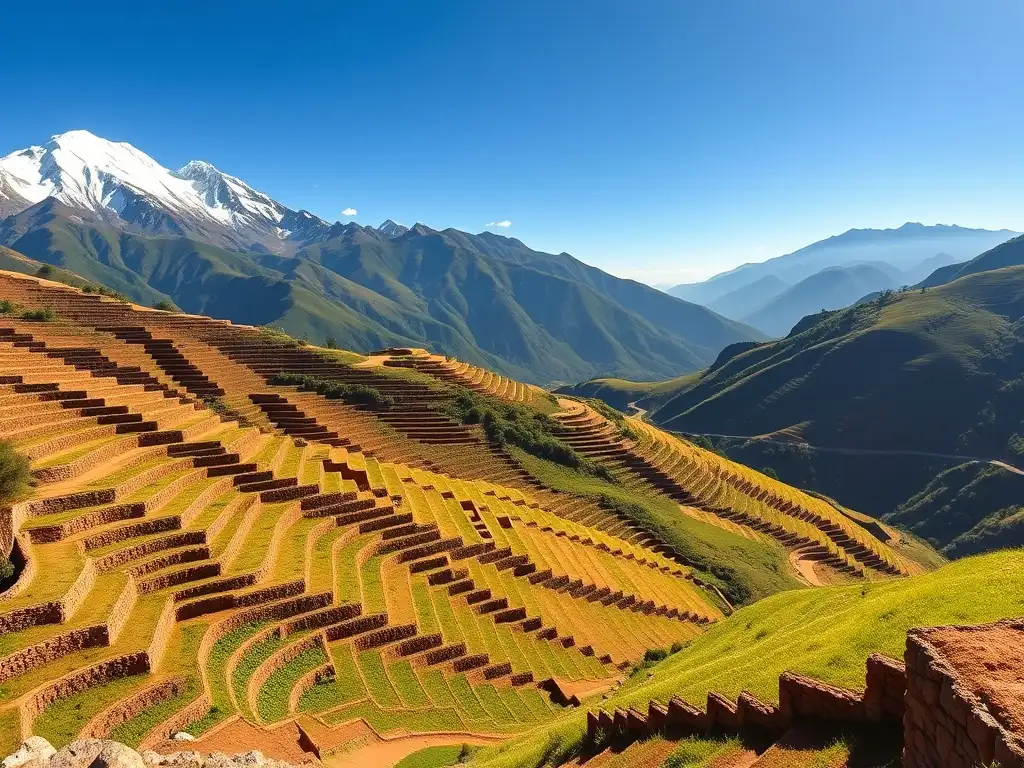
Step into a world lost to time, yet echoing with the ingenuity of giants. Prepare to be amazed by the breathtaking legacy of the Andean civilizations – a tapestry woven with intricate artistry, profound spirituality, and unparalleled engineering prowess. Discover how the seemingly impossible was achieved, as we delve into the enigmatic secrets behind the Andean terrace engineering marvels, structures that defy gravity and whisper tales of a sophisticated past. Uncover the mysteries and marvel at the innovation that shaped these ancient landscapes. Let the journey begin!
The Andes Mountains, a spine of towering peaks stretching along the western coast of South America, presented ancient civilizations with a formidable challenge: cultivating food in steep, unforgiving terrain. Yet, from the dizzying heights of the Andes to the fertile valleys below, ingenious agricultural systems flourished, testament to the remarkable engineering prowess of cultures like the Incas, Moche, and Nazca.
This article delves into the awe-inspiring world of Andean terraces, exploring their construction, significance, and the sheer ingenuity that allowed these civilizations to conquer the challenges of their environment and create a lasting legacy of agricultural innovation. We will examine the mastery of Andean terrace engineering marvels, highlighting their impact on the survival and prosperity of these ancient societies and their enduring influence on modern agricultural practices.
This exploration will reveal not just impressive feats of construction, but a deep understanding of environmental adaptation and sustainable resource management that remains relevant today.
Introduction to Andean Terrace Engineering Marvels
Andean terrace farming represents one of humanity's most impressive feats of agricultural engineering. These meticulously constructed stone walls, carved into the steep slopes of the Andes, created a series of level platforms, transforming otherwise unusable land into productive farmland. The scale of these projects is breathtaking; some terrace systems stretch for kilometers, climbing thousands of feet up mountain slopes.
The precision of the stonework is equally remarkable, with stones often fitted together without mortar, showcasing an advanced understanding of structural engineering and a deep respect for the landscape. The construction techniques varied slightly depending on the specific culture and location, but common features included carefully chosen stones, expertly fitted together to create durable and stable walls, and sophisticated irrigation systems to manage water flow across the terraced fields. The creation of these terraces wasn't just about increasing arable land; it also involved careful consideration of factors like sun exposure, drainage, and soil fertility, showcasing a holistic approach to agricultural planning.
These weren't simply walls; they were carefully engineered systems designed to maximize yields and ensure food security in a challenging environment. The enduring legacy of these terraces is a testament to the ingenuity and resilience of Andean civilizations.
The Significance of Terraces in Andean Agriculture
The impact of Andean terraces on agriculture cannot be overstated. They dramatically increased the amount of cultivable land available, allowing for the support of larger populations and the development of complex societies. Before the construction of terraces, much of the Andean slopes were unusable for farming. The terraces effectively transformed these steep slopes into fertile fields, significantly increasing agricultural output. Moreover, the terraces provided several key advantages:
- Reduced Soil Erosion: The level platforms minimized the impact of rainfall and prevented topsoil from being washed away.
- Improved Water Management: Sophisticated irrigation systems channeled water from higher elevations to the terraces, ensuring a consistent water supply even during dry periods.
- Optimized Sunlight Exposure: The arrangement of terraces maximized sunlight exposure for crops, promoting healthy growth.
- Microclimate Control: The terraces created a more stable microclimate, protecting crops from extreme temperatures and strong winds.
These factors combined to create a highly productive and sustainable agricultural system, allowing Andean civilizations to thrive in a challenging environment for centuries. The ingenuity displayed in their design and construction ensured food security and contributed significantly to the overall prosperity and complexity of Andean societies. The terraces weren't just agricultural structures; they were fundamental to the social, economic, and political organization of these civilizations.
The Challenges of Andean Terrain
Constructing terraces in the Andes was a monumental undertaking, requiring immense labor, sophisticated engineering knowledge, and a deep understanding of the environment. The steep slopes, rocky terrain, and unpredictable weather presented significant challenges. The sheer scale of the projects, sometimes involving thousands of workers, required meticulous planning and organization. The challenges included:
- Difficult Terrain: Working on steep slopes presented significant safety hazards and logistical difficulties in transporting materials.
- Stone Quarrying and Transport: Finding, quarrying, and transporting large quantities of stone required considerable effort and expertise.
- Irrigation System Design: Creating and maintaining efficient irrigation systems to supply water to the terraces across varying elevations was a complex engineering feat.
- Maintaining the Terraces: Regular maintenance was essential to prevent erosion and ensure the long-term stability of the terrace walls. This involved ongoing labor and resource management.
Despite these challenges, Andean civilizations successfully overcame these obstacles through careful planning, innovative techniques, and a deep understanding of their environment. The success of their terrace farming systems is a striking example of human ingenuity and adaptability in the face of environmental adversity. The construction of these terraces represents not just a technological achievement but also a testament to the resilience and collaborative spirit of the Andean peoples.
Overview of Ancient Andean Ingenuity in Construction
The Andes Mountains, a formidable natural barrier, presented significant challenges to the ancient civilizations that inhabited its slopes. Yet, far from being deterred, these cultures—including the Inca, Moche, Nazca, and Tiwanaku—demonstrated remarkable ingenuity in adapting to and even conquering their environment. Their architectural and engineering feats, particularly their mastery of terrace construction, stand as testaments to their advanced understanding of agriculture, hydrology, and structural mechanics.
These weren't simply haphazard arrangements of land; they were sophisticated systems designed to maximize arable land, control water flow, and minimize soil erosion in extremely challenging terrains. The Andean terrace systems represent a pinnacle of pre-Columbian engineering, showcasing a deep understanding of environmental factors and the strategic application of available resources. Their impact extended beyond mere agricultural production; terraces shaped the social and political landscape of the Andes, facilitating population growth and the development of complex societies.
The enduring legacy of these constructions is evident in the breathtaking landscapes they created and the insights they offer into the ingenuity of ancient Andean peoples. Their skills were not limited to terraces, however; consider their intricate road systems, impressive stonework, and sophisticated irrigation networks – all testament to their exceptional engineering prowess. The survival of these structures, many still visible today, is a testament to the quality of their construction and the enduring power of their design.
The Ingenious Design of Andean Terraces
Andean terraces weren't simply stacked platforms; they were carefully designed systems that incorporated several ingenious features to maximize efficiency and sustainability. The precise orientation of the terraces, often aligned with the contours of the slopes, minimized soil erosion and maximized sunlight exposure. This careful positioning was crucial in the high-altitude Andean climate, where variations in sunlight and temperature significantly impacted crop yields. Furthermore, the terraces themselves were not uniform in size or shape; their dimensions were carefully adjusted to suit the specific topography of the land.
This adaptability allowed for the efficient cultivation of a variety of crops, reflecting a detailed understanding of microclimates and soil conditions. The construction involved the careful selection and placement of stones, often using dry-stone techniques that required minimal mortar. This technique, passed down through generations, demonstrates an intricate understanding of stone properties and stability. The integration of drainage systems within the terrace walls was another key element, preventing waterlogging and ensuring the efficient irrigation of crops.
These intricate designs weren't just functional; they also reflected the cultural and spiritual beliefs of the Andean civilizations, blending practical engineering with aesthetic considerations. The aesthetics of the terraces, often integrated into the surrounding landscape, showcase a level of artistry rarely found in purely functional structures. The scale of these projects is staggering, requiring substantial community effort and sophisticated organization to execute.
Understanding the Structure of Andean Agricultural Terraces
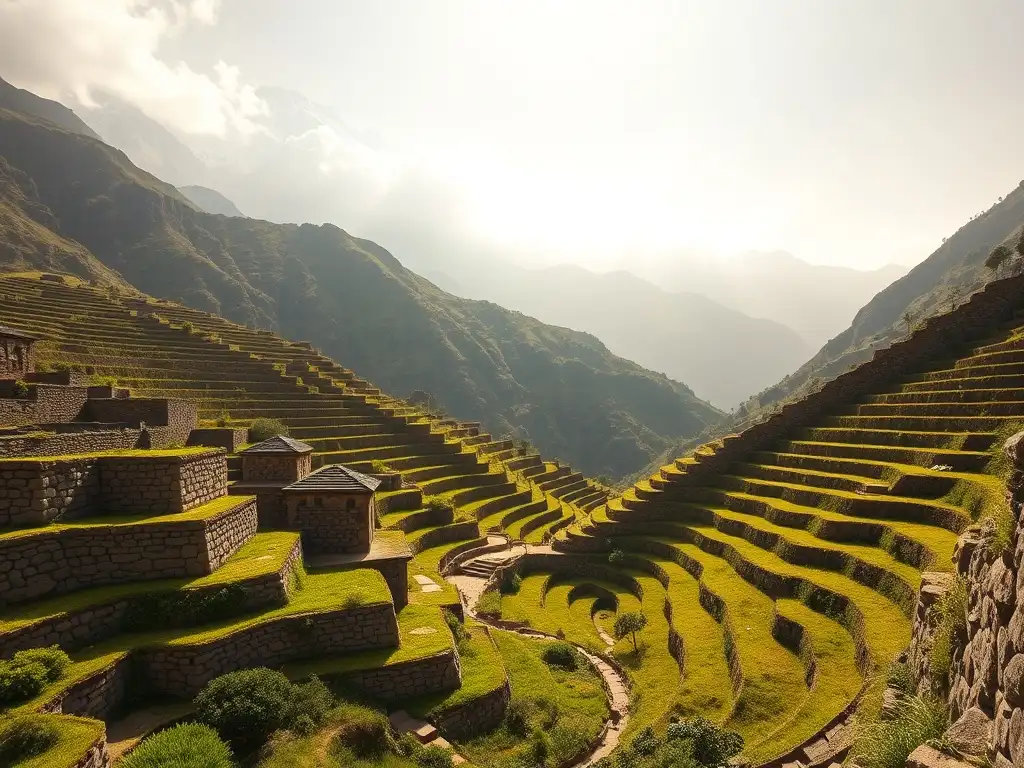
The construction of Andean agricultural terraces involved a complex process reflecting advanced knowledge of engineering principles. The terraces themselves were typically built using locally sourced materials, primarily stone, and often incorporated existing landforms to minimize construction effort. The precise placement of stones, often without mortar, relied on an intimate understanding of gravity and weight distribution. Smaller stones were used to fill gaps and provide stability, creating robust structures capable of withstanding the forces of erosion and seismic activity.
The terraces were not simply flat platforms; they often incorporated retaining walls of varying heights and thicknesses, carefully designed to withstand the pressure of the soil above. The height and width of each terrace were carefully calculated to optimize sunlight exposure and water retention. The incorporation of drainage channels within the terrace walls was crucial to prevent waterlogging and erosion. These channels directed excess water away from the cultivated areas, protecting the crops and ensuring the long-term stability of the terraces.
Furthermore, the construction often involved the creation of sophisticated irrigation systems, which channeled water from higher elevations to the terraces below. These systems were incredibly efficient, allowing for the cultivation of crops in areas that would otherwise have been unsuitable for agriculture. The meticulous construction and maintenance of these terraces highlight the significant investment in time, labor, and resources made by Andean societies, reflecting the importance of agriculture in their social and economic structures. The enduring legacy of these structures speaks volumes about the skill and dedication of the builders.
Key Components: Retaining Walls and Soil Layers
Andean terrace construction, a testament to the ingenuity of ancient Andean engineers, relied heavily on two key components: robust retaining walls and carefully layered soil. The retaining walls, often built from locally sourced stone, served as the backbone of the terrace system. Their construction wasn't simply a matter of stacking stones; meticulous craftsmanship was involved. Stones were carefully selected for size and shape, ensuring a tight fit and minimizing gaps.
Dry-stone techniques, prevalent across various Andean cultures, were employed, eliminating the need for mortar. This technique, while seemingly simple, required considerable skill and understanding of the principles of structural stability. The precision in fitting stones not only ensured the strength of the wall but also contributed to its aesthetic appeal. Many surviving terrace walls stand as silent witnesses to the builders' expertise, their surfaces remarkably smooth and even.
The soil layers within the terraces were equally crucial. The Andean builders didn't simply dump soil onto the terraces; they carefully selected and layered different types of soil to optimize water retention and drainage. Fertile topsoil, rich in organic matter, was often placed in the upper layers, providing a suitable medium for agriculture.
Beneath this, layers of coarser materials, such as gravel or sand, were strategically incorporated to improve drainage and prevent waterlogging. This layered approach ensured that the terraces remained productive while minimizing the risk of erosion or water damage. The specific composition of the soil layers varied depending on the local environment and the type of crops being cultivated.
Archaeological evidence reveals careful consideration of soil properties, demonstrating a sophisticated understanding of soil science by the ancient Andean people. The layering techniques, coupled with the retaining walls, created a stable and productive agricultural system capable of supporting dense populations for centuries.
Water Management Systems in Terraced Landscapes
Water management was paramount in the success of Andean terrace farming. These ingenious systems were not merely an afterthought; they were integral to the design and construction of the terraces themselves. The terraced landscape itself facilitated water control. The gradual slope of the terraces slowed the flow of rainwater, preventing erosion and allowing for better infiltration into the soil.
Furthermore, many terrace systems incorporated channels and ditches to direct water flow. These channels, carefully carved into the landscape, guided water from higher terraces to lower ones, providing irrigation for crops at different elevations. This sophisticated system ensured that water resources were efficiently distributed, even during periods of drought. The precise placement and design of these channels demonstrate an advanced understanding of hydrology and engineering.
In some cases, more complex systems were employed, such as reservoirs and cisterns, to store water for later use. These structures, often constructed from stone or earth, played a vital role in ensuring a reliable water supply for crops, especially during dry seasons. The integration of these water management elements into the overall terrace design highlights the holistic approach taken by Andean engineers.
They didn't simply build terraces; they created entire ecosystems designed to optimize water use and maximize agricultural productivity. The ingenuity of these systems is even more remarkable considering the lack of advanced tools and technologies available to the ancient builders. Their success is a testament to their deep understanding of their environment and their ability to harness natural resources.
The Role of Drainage in Terrace Stability
Drainage played a critical role in ensuring the long-term stability of Andean terraces. Excessive water accumulation within the terrace soil could lead to instability, causing landslides or erosion. The ancient Andean engineers understood this and incorporated various drainage features into their designs to prevent such problems.
As mentioned earlier, the strategic layering of soil, with coarser materials placed beneath the topsoil, enhanced drainage. In addition, drainage channels were often integrated into the terrace walls themselves, allowing excess water to escape without compromising the structural integrity of the walls. These channels were often carefully positioned to direct water away from the terrace faces, preventing erosion and maintaining the stability of the entire system.
Furthermore, the selection of building materials also contributed to effective drainage. The use of porous stones in the retaining walls allowed for some water percolation, preventing water pressure buildup behind the walls. This is a subtle but significant detail that speaks to the builders' understanding of material properties and their impact on the overall structural performance. The effectiveness of these drainage systems is evident in the longevity of many surviving Andean terraces.
These structures have endured for centuries, a testament to the foresight and engineering prowess of their creators. The integration of drainage solutions was not just a matter of practicality; it was a key factor in ensuring the sustainability and resilience of this remarkable agricultural system. The enduring legacy of Andean terrace engineering demonstrates a profound understanding of both agricultural principles and the intricate interplay between water, soil, and structural stability.
Adapting Terrace Designs to Different Environments
Andean terrace farming, a testament to the ingenuity of ancient Andean civilizations, wasn't a one-size-fits-all approach. The remarkable adaptability of these agricultural systems is evident in the diverse designs employed across the varied landscapes of the Andes Mountains. Steep, rocky slopes demanded different techniques than gentler inclines. For instance, in extremely steep areas, terraces were often narrower and more closely spaced, maximizing usable land while minimizing the risk of landslides.
Conversely, broader terraces were constructed on gentler slopes, allowing for larger fields and easier access for farming. The orientation of the terraces also played a crucial role. In areas with significant sun exposure, terraces were often oriented to maximize sunlight during the growing season, while in shadier regions, the focus was on optimizing limited sunlight. The integration of water management systems, like canals and drainage channels, further demonstrates this adaptability.
These systems were tailored to the specific hydrological characteristics of each site, ensuring efficient irrigation and preventing waterlogging. The meticulous adaptation of terrace designs to the diverse environments showcases the deep understanding ancient Andean engineers possessed of their surroundings and their ability to harness the forces of nature for agricultural productivity. This sophisticated approach to terrace construction is a key factor in understanding why Andean terrace farming persisted for centuries, providing sustenance to countless generations.
Construction Techniques of Andean Terraces
The construction of Andean terraces was a complex undertaking, requiring significant labor and advanced engineering skills. The process generally began with meticulous site preparation. This involved clearing the land, carefully surveying the terrain, and planning the terrace layout. Then, the actual construction commenced. Workers, often organized into large communal groups, would excavate the hillside, creating level platforms.
The excavated earth was then used to build retaining walls, which were crucial for stabilizing the terraces and preventing soil erosion. These walls were constructed using a variety of techniques, often involving dry-stone masonry—a method that involved fitting stones together without the use of mortar. This technique required exceptional skill and precision, resulting in remarkably stable and durable structures. The size and shape of the stones varied depending on the availability of materials and the specific needs of each site.
In some cases, larger stones were used for the foundation of the walls, while smaller stones filled in the gaps. The construction process was not simply about building walls; it also involved creating sophisticated drainage systems to manage water flow and prevent erosion. Canals and channels were meticulously carved into the terraces, directing water to the crops while preventing excess water from damaging the land. The construction of Andean terraces was a testament to the organizational and engineering prowess of ancient Andean societies, demonstrating their ability to mobilize large workforces and execute complex projects over extended periods.
Materials Used in Ancient Andean Terrace Construction
The materials used in the construction of Andean terraces varied considerably depending on the local geology and availability of resources. Stone, the most prevalent material, was ubiquitous throughout the Andes. Different types of stone were employed, ranging from readily available, smaller stones to larger, more durable blocks. The choice of stone often dictated the construction techniques used; for example, smaller stones were frequently used in dry-stone masonry, while larger stones might have been used in more substantial retaining walls requiring less intricate fitting.
Beyond stone, other materials played supporting roles in terrace construction. Earth, often taken from the excavated hillside, served as a crucial component in filling spaces between stones and creating a stable foundation for the terraces. In certain areas, adobe bricks – sun-dried bricks made from clay and other organic materials – were incorporated into the retaining walls, particularly in regions where suitable stone was less abundant.
The use of these materials demonstrates a practical approach to construction, utilizing readily available resources to create durable and effective structures. The selection and application of these materials reflect a deep understanding of local materials and their properties, highlighting the resourcefulness and ingenuity of ancient Andean builders who adapted their construction methods to the specific environmental context of each terrace system. The longevity of these terraces is a testament to the quality of the materials and the masterful construction techniques employed.
Labor and Organization in Terrace Building
The construction of Andean terraces, a testament to the ingenuity of ancient Andean civilizations, required a massive and highly organized workforce. Evidence suggests that the labor force wasn't solely composed of conscripted workers, but also involved community participation and perhaps even specialized labor groups. The scale of some terrace systems, like those found in the Sacred Valley of the Incas, implies a sophisticated system of labor allocation and management.
We can imagine a complex logistical network ensuring the provision of food, tools, and materials to the construction sites, often located on steep and challenging terrain. The organization likely varied across different cultures and periods. For example, the Incas, known for their centralized empire, may have employed a more formalized system compared to smaller, less centralized societies.
Archaeological findings, though limited, often reveal evidence of settlements near terrace systems, supporting the idea of a workforce living near their work sites for extended periods. Further research is needed to fully understand the intricacies of labor organization, including the role of social hierarchy and the potential use of specialized skills like stonemasonry and surveying.
Tools and Methods for Shaping the Land
Andean terrace construction demanded innovative techniques to overcome the challenges of the mountainous landscape. The tools used were often simple but effective, reflecting a deep understanding of both material properties and the intricacies of land manipulation. Stone tools, including various types of hammers, chisels, and picks, were crucial for breaking rocks and shaping stone walls. These tools, made from durable materials like volcanic rock or andesite, demonstrate a high level of craftsmanship.
Beyond stone tools, evidence suggests the use of digging sticks and possibly even rudimentary plows for moving earth. The methods involved careful removal of topsoil, which was then often used to fill in areas between terraces, creating fertile agricultural plots. The construction process was likely iterative, with adjustments made based on the terrain and material properties.
Water management was integrated into the design, with channels and drainage systems incorporated to prevent erosion and ensure adequate irrigation. The precise techniques varied depending on the specific geological conditions and the available resources, underscoring the adaptability and skill of the builders. For instance, in areas with softer rock, different techniques might have been employed compared to regions with harder, more resistant rock formations.
Precision and Planning in Terrace Layout
The layout of Andean terraces reveals a remarkable understanding of geometry, surveying, and environmental factors. The terraces weren't randomly placed; rather, they were carefully planned and aligned to maximize agricultural potential while minimizing environmental impact. Many terrace systems exhibit impressive levels of precision, with terraces following the contours of the slopes with remarkable accuracy. This precision suggests the use of sophisticated surveying techniques, possibly involving rudimentary instruments or observational methods to determine gradients and levels.
The alignment of terraces often took into account factors like sun exposure, water availability, and soil quality. In some cases, terraces were strategically oriented to capture optimal sunlight for specific crops. The integration of water management systems within the terrace design further highlights the comprehensive planning involved. Channels and irrigation systems were often incorporated to distribute water efficiently and prevent erosion.
The planning also involved long-term considerations, taking into account potential risks such as landslides and earthquakes. The astonishing precision and foresight evident in the layout of Andean terraces underscore the advanced understanding of engineering and environmental science possessed by these ancient societies. The legacy of their planning continues to inspire modern agricultural and engineering practices.
The Use of Local Resources for Sustainable Construction
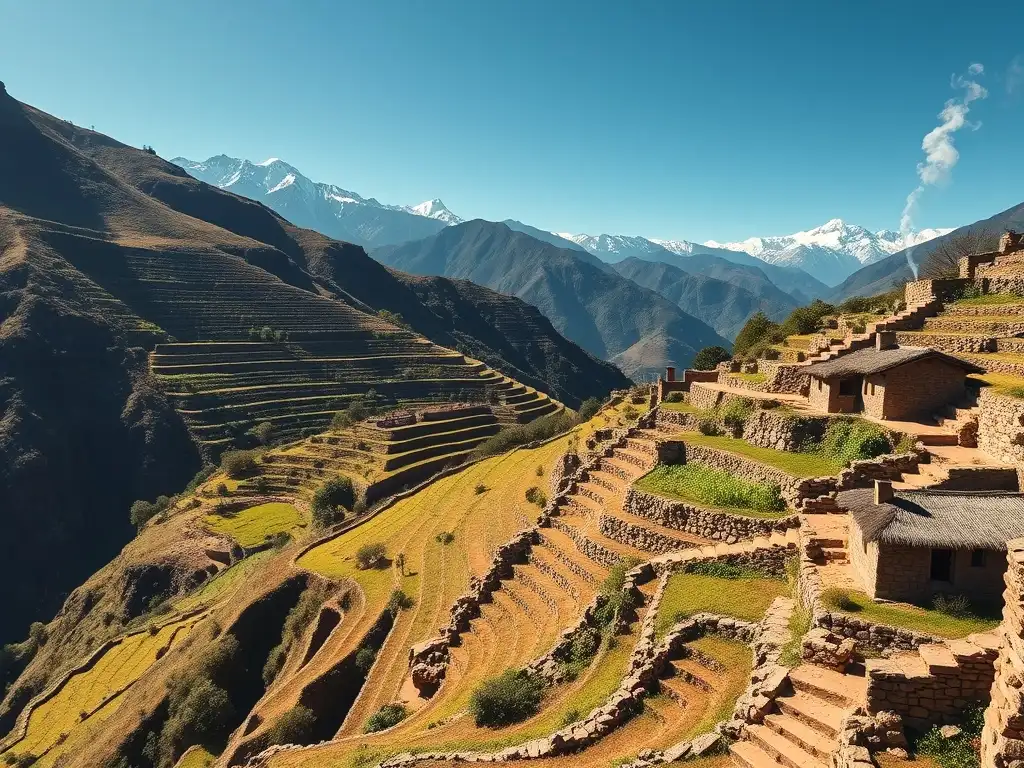
Andean terrace construction stands as a testament to sustainable building practices. The ingenious builders didn't rely on imported materials; instead, they masterfully utilized readily available resources, minimizing environmental impact and maximizing efficiency. Stone, predominantly sourced from nearby quarries, formed the backbone of these agricultural marvels.
The type of stone varied depending on the region's geology, showcasing an adaptive approach to construction. For example, in areas rich in volcanic rock, basalt and andesite were commonly employed, while regions with sedimentary formations utilized limestone or sandstone. The careful selection of stone not only ensured structural integrity but also minimized transportation costs and energy expenditure.
Beyond stone, the builders incorporated earth and clay extensively. These materials, readily available and easily worked, served as essential components in mortar and plaster. Different soil compositions dictated the specific mortar mix, demonstrating a deep understanding of material properties and their impact on durability. The use of locally sourced organic materials, like straw and plant fibers, further enhanced the sustainability of the construction process.
These materials, often incorporated into the mortar or used as reinforcement, contributed to the strength and longevity of the terraces while reducing reliance on potentially scarce or imported resources. This resourceful approach minimized the environmental footprint of the construction, demonstrating a sophisticated understanding of sustainable building practices centuries ahead of their time. The careful integration of locally sourced materials showcases a deep connection between the Andean people and their environment, a relationship that informed not only their construction techniques but also their overall worldview.
Types of Andean Terraces and Their Functions
Andean terraces weren't a monolithic construction; rather, they exhibited remarkable diversity in their design and function, reflecting the varied topography and agricultural needs of the region. Broadly, we can categorize them into several types, each serving a specific purpose. Agricultural terraces, the most prevalent type, were designed to create level platforms on steep slopes, maximizing arable land and minimizing soil erosion. Their size and orientation varied significantly, depending on factors such as slope gradient, soil type, and the crops cultivated. Some terraces were relatively small and closely spaced, while others were expansive and separated by wider retaining walls.
Water management terraces played a crucial role in optimizing irrigation. These terraces often incorporated intricate systems of canals and channels to divert water from streams and rivers to the agricultural plots. The design of these water management systems was finely tuned to the local hydrological conditions, ensuring efficient water distribution and minimizing water loss.
Defensive terraces served a dual purpose: they provided arable land while simultaneously acting as defensive structures, offering strategic advantages in times of conflict. These terraces were often integrated into broader defensive systems, forming part of a complex network of fortifications and settlements. Finally, residential terraces were sometimes integrated into hillside settlements, providing level platforms for building homes and other structures.
This integration of agricultural and residential spaces maximized land use and reflected the close relationship between agriculture and settlement patterns in Andean societies. The diversity of terrace types underlines the sophisticated engineering skills and adaptability of Andean cultures.
Cultivation Terraces: Sustaining Andean Populations
Andean terraces weren't merely feats of engineering; they were the cornerstone of Andean agricultural systems, playing a pivotal role in sustaining large populations in challenging mountainous environments. By transforming steep slopes into cultivable land, these terraces dramatically increased agricultural productivity. The level platforms provided optimal conditions for crop growth, minimizing runoff and soil erosion, which are significant challenges in mountainous regions. This increased agricultural output allowed for the development of larger, more settled communities, supporting complex social structures and the rise of powerful Andean civilizations.
The careful design and construction of the terraces optimized water management, another crucial factor in sustaining Andean populations. The terraced fields were often integrated with intricate irrigation systems, ensuring a reliable water supply for crops even during periods of drought. The ability to control water flow allowed farmers to cultivate a variety of crops, including potatoes, maize, quinoa, and beans—staple foods that sustained Andean societies for centuries.
The success of Andean terrace agriculture is evident in the longevity of these systems; many terraces remain in use today, a testament to their enduring effectiveness. Moreover, the terraces played a significant role in biodiversity conservation, supporting a wide range of crops and plant species.
This sophisticated agricultural system, coupled with the ingenuity of terrace engineering, allowed the Andean civilizations to thrive in a challenging environment, supporting population growth and the development of complex societies. The enduring legacy of Andean terraces underscores their importance in shaping the history and culture of the Andes.
Residential Terraces: Integrating Living Spaces
Andean terrace farming wasn't solely about agriculture; it fundamentally reshaped the landscape to incorporate living spaces. Homes were often built directly into or adjacent to the terraces, seamlessly integrating daily life with the agricultural system. This efficient use of space minimized land consumption and maximized the utilization of the steep slopes. The construction of these residential terraces involved careful planning and consideration of factors like sunlight exposure, drainage, and proximity to water sources.
For example, houses were frequently positioned to take advantage of the sun's warmth during colder months while providing shade during the hotter periods. The materials used varied depending on the region and available resources, but commonly included stone, adobe bricks, and thatch. The integration of living spaces into the terrace system is a testament to the ingenuity of Andean builders, who understood the importance of creating a harmonious relationship between their homes and their environment.
The design often incorporated multiple levels, creating a complex network of interconnected spaces that adapted to the challenging topography. This sophisticated approach showcases a deep understanding of sustainable living practices and resource management, even in the face of a demanding environment. Evidence suggests that these residential areas were not only functional but also aesthetically pleasing, reflecting the cultural values and artistic sensibilities of the Andean people.
Ceremonial Terraces: Sacred Sites and Platforms
Beyond their agricultural and residential functions, many Andean terraces served ceremonial purposes. These terraces often featured elevated platforms or plazas, used for rituals, festivals, and community gatherings. Their strategic placement within the agricultural landscape highlighted the sacred connection between the people and their environment.
The construction of these ceremonial terraces frequently involved the use of meticulously cut and fitted stones, reflecting a high level of craftsmanship and symbolic meaning. In some cases, these sites incorporated intricate carvings, sculptures, or other decorative elements, further emphasizing their importance as sacred spaces. The scale and complexity of these ceremonial terraces varied greatly depending on the size and power of the community that built them.
Some sites were relatively small and localized, while others were larger and more elaborate, suggesting a greater degree of social organization and political influence. The precise function of these ceremonial terraces often remains a topic of ongoing research and interpretation, but their presence within the agricultural landscape underscores the close relationship between religious beliefs and agricultural practices in Andean societies. Archaeological findings consistently reveal the importance of these platforms as locations for both public and private ceremonies, adding to our understanding of Andean religious practices and social structures.
Terraces for Water Management: Reservoirs and Canals
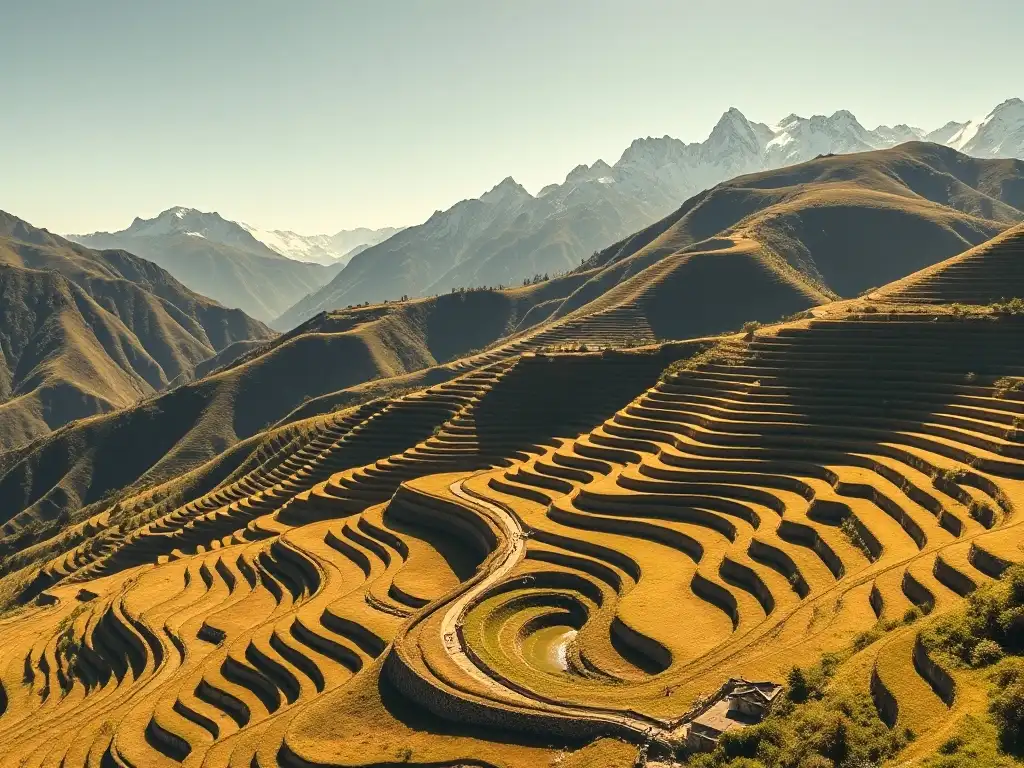
The construction of Andean terraces was inextricably linked to sophisticated water management systems. The terraces themselves often functioned as reservoirs, capturing and storing rainwater for later use. Supplementing these natural reservoirs, ingenious systems of canals and channels were carved into the landscape, directing water precisely to different parts of the agricultural fields. This intricate network of water management infrastructure ensured that crops received adequate irrigation, even in dry or arid conditions.
The design and construction of these water systems demonstrated a deep understanding of hydrology and engineering principles. Careful observation of rainfall patterns, soil types, and terrain features informed the placement and design of canals and reservoirs, maximizing efficiency and minimizing water loss. The construction of these systems often involved significant labor and coordination, reflecting the level of social organization and cooperation within Andean communities.
The durability of these systems is a testament to the skill and expertise of the builders, who employed techniques and materials that ensured the longevity of their water infrastructure. The integration of water management systems within the terrace agriculture demonstrates the holistic approach adopted by Andean civilizations, where agriculture, engineering, and social organization were deeply interconnected. The legacy of these systems continues to inspire modern approaches to sustainable water management.
Examples of Diverse Terracing in Different Andean Regions
Andean terrace farming, a testament to the ingenuity of ancient Andean civilizations, wasn't a monolithic practice. The specific techniques and styles varied significantly across different regions, reflecting the unique environmental challenges and cultural practices of each community. For instance, the terraces of the Sacred Valley in Peru, often associated with Inca architecture, are characterized by their precise, meticulously constructed stone walls, creating remarkably level platforms even on steep slopes.
These terraces often incorporated intricate irrigation systems, maximizing water usage in a sometimes arid climate. The precision and scale of these Inca terraces are particularly striking, showcasing a mastery of stonework and hydraulic engineering.
In contrast, the terraces found in the northern Andes, particularly in regions inhabited by cultures like the Moche and Chimú, sometimes utilized different materials and construction methods. While stone was still a common element, adobe bricks and other locally sourced materials were also employed. These terraces might exhibit a less uniform appearance than those of the Inca, reflecting potentially different construction techniques and priorities.
The Moche, known for their sophisticated irrigation systems, integrated their terraces into complex networks of canals and reservoirs, further demonstrating their adaptive engineering skills. The variations in terrace construction highlight the adaptability of Andean agricultural practices to diverse environments and the ingenuity of the cultures that developed them. The specific techniques employed often responded directly to local geological conditions, soil types, and rainfall patterns.
The Impact of Terraces on Andean Civilization
The impact of terrace farming on Andean civilization was profound and multifaceted, extending far beyond mere agricultural benefits. The creation and maintenance of these extensive terrace systems fostered social organization and cooperation on an unprecedented scale. Large-scale projects required coordinated labor, planning, and resource management, strengthening community bonds and potentially contributing to the development of more complex social structures. The construction of terraces itself likely provided employment and training in essential building skills, contributing to the overall economic stability of Andean societies.
Furthermore, the increased agricultural productivity enabled by terraces supported population growth and the development of larger, more complex settlements. The surplus food production facilitated specialization of labor, allowing individuals to pursue crafts, religious activities, or administrative roles beyond subsistence farming. This surplus also played a critical role in supporting the growth of powerful states and empires, as rulers could leverage control over food resources to consolidate their power and influence. The stability and prosperity afforded by terrace farming were fundamental to the flourishing of Andean cultures for centuries. The long-term implications of this agricultural innovation resonate even today.
The Role of Terraces in Agricultural Productivity
The primary function of Andean terraces was, of course, to dramatically increase agricultural productivity in challenging mountainous terrain. The level platforms created by terraces maximized arable land, allowing for efficient cultivation even on steep slopes where conventional farming would be impossible. The carefully constructed walls served multiple purposes: they retained soil, preventing erosion on the steep inclines and preserving valuable topsoil. They also helped to control water flow, channeling irrigation water effectively to each terrace and preventing runoff.
Moreover, the microclimates created by the terraces themselves contributed to increased yields. The walls provided some protection from strong winds and extreme temperatures, extending the growing season and improving the overall health of crops. The strategic placement of terraces also allowed farmers to take advantage of varying sunlight exposure and soil conditions, optimizing crop diversity and overall productivity.
The combination of these factors – increased arable land, improved soil management, efficient irrigation, and favorable microclimates – resulted in significantly higher crop yields compared to farming on un-terraced slopes. This agricultural surplus was crucial to the growth and sustainability of Andean societies. This impressive feat of engineering directly contributed to the sustenance of a large and complex population across a challenging landscape.
Terraces and Food Security in the Andes
The ingenious system of Andean terraces played a pivotal role in ensuring food security across diverse and challenging terrains. The steep slopes of the Andes presented significant obstacles to traditional agriculture. However, the construction of terraces transformed these seemingly unusable lands into productive agricultural zones. By creating level platforms, farmers could effectively cultivate crops, maximizing arable land and minimizing soil erosion.
This was particularly crucial in regions with limited flat land, allowing for increased crop yields and a more reliable food supply. The terraces also facilitated efficient water management. Ingenious irrigation systems, often incorporating channels and reservoirs, were integrated into the terrace design, ensuring a consistent water supply even during dry seasons. This sophisticated approach to water management was essential for cultivating a variety of crops, including potatoes, maize, quinoa, and beans – staples of the Andean diet.
The impact on food security was profound, enabling sustained population growth and the development of complex societies. Without the terrace system, the population density and societal complexity achieved in the Andes would have been significantly constrained. The ability to reliably produce food allowed for specialization of labor and the development of sophisticated social structures.
The construction and maintenance of Andean terraces were not merely agricultural endeavors; they were significant social and economic undertakings. The scale of these projects required substantial community effort, fostering cooperation and strengthening social bonds. Labor was often organized through a system of ayni, reciprocal labor exchange, where communities worked together on projects of mutual benefit. This collaborative spirit was fundamental to the success of terracing, demonstrating the strong sense of community and shared responsibility prevalent in Andean societies.
Economically, the terraces generated significant surplus production. The increased agricultural output facilitated trade and economic exchange within and between communities. This surplus also supported specialized craftspeople, religious leaders, and other non-agricultural roles within the society, contributing to the overall complexity and sophistication of Andean civilization.
Evidence suggests that access to and control over terraced land often played a crucial role in social stratification, with elite groups potentially holding more extensive and productive land holdings. The economic prosperity derived from terracing had far-reaching consequences, shaping social structures, political power dynamics, and the overall trajectory of Andean societies. The system wasn't just about food; it was about social cohesion and economic prosperity.
Terraces as a Symbol of Andean Innovation
Andean terraces stand as a testament to the remarkable ingenuity and adaptive capacity of ancient Andean cultures. The construction techniques employed demonstrated a deep understanding of engineering principles, including hydrology, soil mechanics, and structural stability. The precise placement of terraces, often following the contours of the land with remarkable accuracy, minimized erosion and maximized sun exposure. The use of locally sourced materials, such as stone, earth, and timber, showcases a sustainable approach to construction that minimized environmental impact.
Furthermore, the terraces were not simply static structures; they were continuously adapted and improved upon over generations, reflecting a dynamic process of innovation and refinement. The longevity of many terrace systems, with some still in use today, speaks to the durability and effectiveness of the design. The terraces are not only functional marvels of engineering but also represent a profound connection between humans and their environment – a harmonious integration of human ingenuity and the natural landscape.
They represent a powerful symbol of Andean resilience, adaptation, and their profound understanding of their environment. The sophisticated techniques and enduring legacy of Andean terrace construction solidify their status as remarkable feats of ancient engineering. ⛰️
Legacy of Terraces in Modern Andean Farming Practices
Andean terraces, while ancient in origin, continue to play a vital role in modern Andean farming practices. Their enduring legacy is a testament to the ingenuity of their creators and their adaptability to changing needs. Many communities still actively utilize and maintain these terraces, demonstrating their continued practicality and value. The terraced fields provide a significant advantage in terms of water management, erosion control, and overall agricultural productivity.
The carefully constructed slopes allow for efficient irrigation, minimizing water waste and maximizing crop yields, even in challenging mountainous terrains. This is particularly crucial in regions with limited water resources, where the terraces act as efficient water reservoirs. Furthermore, the terraces offer protection against soil erosion, a critical concern in steep slopes. The retaining walls prevent topsoil loss, ensuring long-term agricultural sustainability.
This sustainable farming practice has allowed Andean communities to cultivate crops for centuries, contributing significantly to their food security and economic stability. The knowledge and techniques passed down through generations ensure that this vital agricultural heritage remains relevant and impactful in modern times. Many organizations now work with local communities to support the preservation and sustainable management of these ancient terraces, recognizing their importance for both cultural heritage and food security. The legacy of Andean terraces extends beyond their physical presence; it represents a deep connection between people and their environment, a testament to sustainable land management practices that remain relevant and valuable today.
Case Studies of Remarkable Andean Terraces
Several sites across the Andes showcase exceptional examples of terrace engineering, highlighting the diverse techniques and scales employed by different cultures. The Moray agricultural complex near Cusco, Peru, offers a fascinating case study. Its concentric circular terraces, descending in a spiral, demonstrate a sophisticated understanding of microclimates and agricultural experimentation. The varying altitudes within the terraces allowed the Incas to cultivate a wide range of crops, adapting to different temperature and humidity conditions. This innovative approach maximized agricultural productivity in a limited space.
Another remarkable example is found in the Colca Canyon in Peru, home to some of the world's highest and most extensive terrace systems. These terraces, carved into incredibly steep slopes, demonstrate an impressive mastery of stonework and water management. The scale of the undertaking is breathtaking, reflecting the significant labor and engineering expertise involved. In the Sacred Valley of the Incas, countless terraces cling to the mountain sides, forming a stunning visual testament to the Inca's agricultural prowess.
These terraces, integrated seamlessly into the landscape, demonstrate a deep understanding of the environment and a commitment to sustainable agriculture. The meticulous construction and precise alignment of the terraces reflect the Inca's advanced engineering skills and their focus on optimizing agricultural output. These case studies underscore the impressive scope and diversity of Andean terrace construction, highlighting the advanced engineering knowledge and sophisticated agricultural practices of the ancient Andean civilizations. Further research into these sites continues to reveal new insights into the construction techniques, the social organization required for such monumental projects, and the sophisticated agricultural practices that sustained these communities.
The Terraces of Machu Picchu: A Masterpiece of Engineering
The terraces of Machu Picchu represent a pinnacle of Andean terrace engineering. Integrated seamlessly into the mountainside, they are not merely agricultural features but integral components of the city's design. The precision and artistry of the stonework are astonishing, showcasing the advanced skills of the Inca masons. The terraces served multiple purposes, combining agricultural production with urban planning and possibly ceremonial functions.
The careful placement of the terraces maximized the use of available land, creating a sustainable agricultural system that supported the city's population. The intricate network of irrigation channels, meticulously carved into the stone, efficiently channeled water to each terrace, minimizing water waste and maximizing crop yields. The retaining walls, built from precisely fitted stones, prevented soil erosion and provided stability to the terraces, even on incredibly steep slopes. The terraces are not only functional but also aesthetically pleasing, integrating seamlessly with the surrounding landscape.
Their arrangement contributes to the overall beauty and harmony of Machu Picchu, showcasing the Inca's mastery of both engineering and artistic design. The construction of the Machu Picchu terraces required a significant level of organization, planning, and labor, reflecting the sophistication of Inca society and its ability to mobilize resources for large-scale projects. Studying the Machu Picchu terraces provides valuable insights into Inca engineering, agricultural practices, and urban planning, underscoring the remarkable achievements of this ancient civilization. The meticulous detail and enduring strength of these terraces continue to amaze and inspire, standing as a testament to the enduring legacy of Andean engineering.
The Terraces of Moray: Agricultural Research and Experimentation
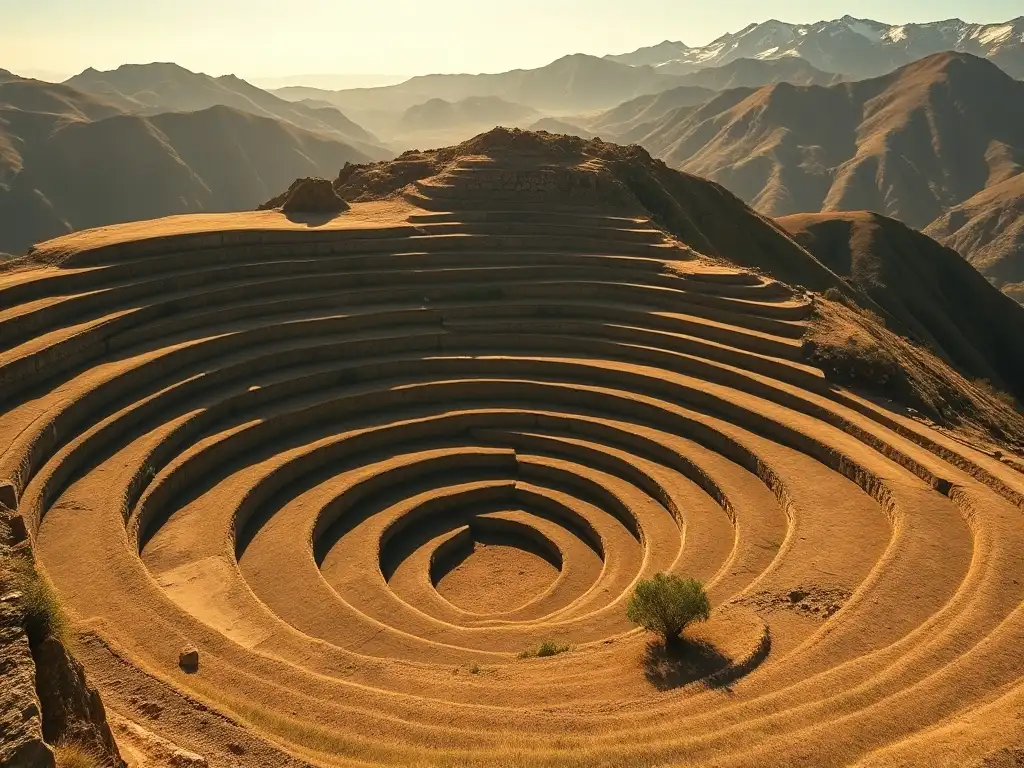
Moray, located near Maras in the Sacred Valley of Peru, presents a truly unique example of Andean terrace engineering. Unlike other terrace systems primarily focused on food production, Moray's concentric circular terraces, descending into a deep depression, are believed to have served as a sophisticated agricultural research and experimentation center. The varying altitudes of the terraces created microclimates, allowing the Incas to cultivate a wide range of crops at different temperatures and conditions. Archaeological evidence suggests that the Incas meticulously studied the effects of these varying environments on crop growth, experimenting with different planting techniques and irrigation methods.
This innovative approach allowed them to maximize agricultural yields and adapt to diverse environmental challenges. The precise temperature differences between terraces are still being studied, but some estimates suggest variations of up to 15°C, creating a remarkably diverse agricultural environment within a relatively small area. This demonstrates an advanced understanding of both agricultural principles and sophisticated engineering techniques.
The circular design itself is fascinating, possibly reflecting a cosmological understanding of the world or a symbolic representation of the Andean worldview. The precision with which the terraces were constructed, with their remarkably even slopes and intricate drainage systems, highlights the Inca's mastery of stonework and water management. Further research continues to uncover more insights into the multifaceted purpose of this extraordinary site.
The Colca Canyon Terraces: A Living Example of Andean Agriculture
The Colca Canyon, one of the deepest canyons in the world, is home to a breathtaking system of terraces that cling precariously to its steep slopes. These terraces, built by the Collagua and Cabana peoples long before the Inca Empire, represent a remarkable feat of engineering and a testament to the ingenuity of Andean agricultural practices. The construction of these terraces required an immense amount of labor and skill, involving the meticulous carving and placement of stones to create level platforms for cultivation.
The terraces’ remarkable adaptation to the canyon's challenging topography is noteworthy. They follow the contours of the land, creating a visually stunning landscape and maximizing usable agricultural space in an otherwise inhospitable environment. Even today, many of these terraces remain in use, demonstrating their enduring practicality and the resilience of the agricultural techniques employed.
The ingenious irrigation systems, often utilizing gravity-fed channels and carefully managed water sources, ensure a steady supply of water to the crops. The Colca Canyon terraces serve not only as a vital source of food but also as a powerful symbol of the enduring human connection to the land and a living example of the sophisticated Andean agricultural systems that allowed civilizations to thrive in challenging environments. The scale of the undertaking is staggering, with thousands of terraces stretching for miles along the canyon's slopes, a testament to the collective effort and collaborative spirit of the Andean communities.
The Terraces of Ollantaytambo: A Fortified Agricultural Center
The terraces of Ollantaytambo, located in the Sacred Valley of Peru, are not merely an agricultural marvel; they are also a testament to the Inca's military prowess and strategic planning. Integrated into the impressive fortress of Ollantaytambo, these terraces served a dual purpose: providing sustenance and bolstering the city's defenses. The terraces are carved directly into the mountainside, their construction a formidable undertaking requiring immense skill and precision. The massive stones used in their construction are perfectly fitted together, creating a robust and stable structure capable of withstanding seismic activity and other environmental challenges.
The terraces' strategic location on a steep slope provided a natural defensive advantage, making the city difficult to attack. The combination of agricultural productivity and military strength made Ollantaytambo a strategically important site within the Inca Empire. The terraces' design is not only functional but also aesthetically pleasing, demonstrating the Inca's ability to integrate art and engineering into their urban planning.
The integration of agricultural production and defensive structures showcases the Inca's holistic approach to city planning and their ability to create self-sufficient and resilient communities. The sheer size and complexity of the Ollantaytambo terrace system is a testament to the Inca's organizational abilities and their mastery of stone construction techniques, reflecting a sophisticated understanding of both agriculture and military strategy. It stands as a powerful symbol of the Inca's ingenuity and their ability to create a sustainable and fortified agricultural center in a challenging environment.
The Terraces of Pisac: A Blend of Agriculture and Ritual
The terraces of Pisac, located in the Sacred Valley of Peru, stand as a testament to the ingenuity of Inca engineering and their deep connection to the land. These cascading agricultural terraces, carved into the steep mountain slopes, are not merely functional farming plots; they represent a sophisticated blend of agricultural practicality and profound spiritual significance.
The precise alignment of the terraces, following the contours of the land with remarkable accuracy, showcases a keen understanding of topography and water management. This wasn't simply about maximizing arable land; it was about creating a harmonious relationship between human activity and the natural environment.
The Inca's understanding of water control is evident in the intricate system of channels and aqueducts that crisscrossed the terraces. These systems efficiently channeled rainwater and meltwater from the higher elevations, irrigating the crops and preventing erosion. The careful placement of retaining walls, constructed from locally sourced stone, further stabilized the terraces and prevented soil slippage.
The impressive scale of the Pisac terraces, with their seemingly endless rows stretching up the mountainside, highlights the immense labor and organizational skills of the Inca civilization. The construction itself likely involved a complex system of mita, a form of mandatory labor service, coordinating thousands of workers in a highly organized manner. Furthermore, the terraces were not just for farming staple crops like potatoes and maize; evidence suggests that they also cultivated a variety of other plants, including medicinal herbs and coca.
This diversity indicates a sophisticated understanding of agroecology and the importance of biodiversity. The location of the terraces themselves, often integrated into sacred sites, reinforces their ritual significance. Archaeological evidence suggests that these agricultural spaces also served as places of worship and ritual activity, blurring the lines between the practical and the spiritual.
The Sustainability of Andean Terrace Systems
The Andean terrace systems, including those at Pisac and countless other locations throughout the Andes, represent a remarkable example of sustainable agricultural practices. These systems were designed not only for immediate agricultural productivity but also for long-term ecological balance. Their sustainability can be attributed to several key factors. Firstly, the careful design and construction of the terraces minimized soil erosion. The retaining walls prevented soil from being washed away by rain, preserving the fertile topsoil and ensuring continued agricultural productivity.
Secondly, the intricate water management systems played a crucial role in sustainability. The channels and aqueducts efficiently distributed water to the terraces, preventing waterlogging in some areas and drought in others. This precise water management meant that less water was wasted, a crucial aspect of sustainability, particularly in a region with varying rainfall patterns. Moreover, the terraces created a microclimate, modifying the temperature and humidity conditions to optimize crop growth. The terraces often faced south, maximizing sunlight exposure for optimal plant growth.
The varied altitudes of the terraces allowed for the cultivation of a wide range of crops, each adapted to specific temperature and sunlight conditions. This diversity of crops contributed to the overall resilience of the system, ensuring food security even in the face of climate variability. Finally, the use of local materials in the construction of the terraces minimized environmental impact. The stone walls blended seamlessly into the landscape, minimizing disruption to the natural ecosystem.
Long-Term Durability and Resilience of Terraces
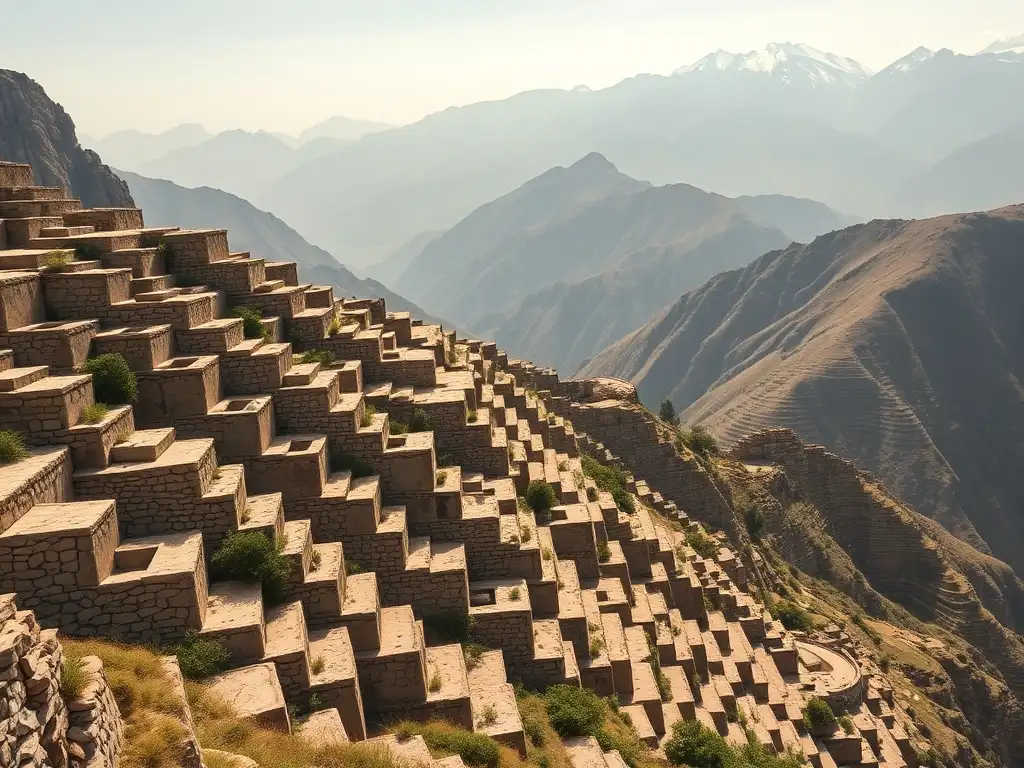
The enduring legacy of Andean terraces lies in their remarkable durability and resilience. Many of these terrace systems have survived for centuries, weathering earthquakes, floods, and other natural disasters. Their longevity is a testament to the exceptional engineering skills of the ancient Andean peoples. The durability of these terraces can be attributed to several key factors. First, the use of locally sourced stone, carefully selected for its strength and durability, provided a robust foundation for the retaining walls. The stone was often fitted together without mortar, demonstrating a sophisticated understanding of dry-stone construction techniques.
Second, the terraces were designed to withstand the forces of nature. The retaining walls were built with a slight inward slope, providing stability and preventing collapse. The terraces were also constructed to follow the contours of the land, minimizing the impact of erosion and landslides. The careful consideration of drainage was also crucial to the long-term durability of the terraces. The channels and aqueducts not only provided irrigation but also prevented the accumulation of water, which could lead to erosion and damage to the retaining walls.
Furthermore, the terraces’ resilience is also reflected in their ability to adapt to changing environmental conditions. The diverse range of crops grown on the terraces provided a buffer against crop failure due to climate variability or pests. The terraces' adaptability showcases the Andean people's deep understanding of their environment and their ability to create sustainable agricultural systems that could withstand the challenges of a changing climate. Even today, many of these ancient terraces continue to be used for agriculture, demonstrating their remarkable long-term resilience and the enduring wisdom of their creators. The continued use underscores the remarkable engineering and agricultural prowess of Andean civilizations.
Environmental Benefits of Terraced Landscapes
Andean terraces, far from being mere feats of engineering, provided significant environmental benefits that sustained the flourishing of ancient Andean civilizations. Their impact on the delicate Andean ecosystem was profound and multifaceted. The carefully constructed terraces dramatically reduced soil erosion, a critical concern in the steep slopes of the Andes. The layered structure acted as a natural barrier, slowing the flow of rainwater and preventing the topsoil from being washed away.
This conservation of fertile soil was crucial for sustaining agriculture in an often challenging environment. Furthermore, the terraces created microclimates, modifying temperature and humidity variations across different elevations. This allowed for the cultivation of a wider variety of crops, increasing agricultural diversity and resilience. The creation of these microclimates also contributed to a more stable and predictable water supply, mitigating the impact of droughts and ensuring a more reliable food source for the population.
The system's success is evidenced by the sustained agricultural productivity seen in Andean regions for centuries, demonstrating the harmony between human ingenuity and environmental sustainability. The ingenuity of the ancient Andean engineers in creating such a system that both supported their population and protected the environment serves as a powerful example of sustainable land management. Their methods offer valuable lessons for modern approaches to agriculture and environmental protection, particularly in mountainous regions.
Lessons from Ancient Andean Terrace Engineering
The remarkable success of Andean terrace farming offers invaluable lessons for contemporary engineering and agricultural practices. The ingenuity displayed in adapting to the challenging Andean terrain demonstrates a deep understanding of both environmental factors and construction techniques. One key lesson is the importance of site-specific design. Ancient Andean engineers didn't employ a one-size-fits-all approach; instead, they meticulously adapted their terrace designs to the specific topography, soil type, and microclimate of each location. This highlights the need for careful site assessments and customized solutions in modern engineering projects, particularly in environmentally sensitive areas.
Another crucial lesson lies in the use of locally sourced materials. The construction primarily relied on readily available materials like stone and earth, minimizing environmental impact and transportation costs. This sustainable approach contrasts with modern practices that often prioritize imported materials and standardized designs. The integration of water management systems within the terrace designs is another notable aspect.
The careful channeling of water for irrigation and drainage showcases a sophisticated understanding of hydrology and its importance for agricultural productivity. This holistic approach, integrating agricultural practices with water management, provides a model for sustainable irrigation systems in contemporary agriculture. Finally, the longevity of many Andean terraces, some of which still stand today, underscores the importance of robust construction techniques and materials selection. Their resilience in the face of natural disasters, like earthquakes and heavy rainfall, highlights the benefits of building durable and resilient infrastructure.
Adapting Ancient Techniques to Modern Challenges
While ancient Andean terrace engineering techniques offer valuable insights, adapting them to modern challenges requires careful consideration and innovation. The principles of sustainable land management and water conservation remain highly relevant in addressing contemporary issues such as soil erosion, desertification, and water scarcity. For example, modern engineers can incorporate the principles of microclimate modification utilized in ancient terraces to design more efficient and climate-resilient agricultural systems. This could involve using advanced technologies to monitor and control microclimates within terraced fields, optimizing crop yields and reducing the impact of climate change.
Similarly, the techniques of soil conservation used in ancient terraces can be adapted to modern agriculture through the implementation of improved soil management practices and erosion control measures. This could involve the use of modern materials and technologies while still adhering to the fundamental principles of minimizing soil disturbance and maximizing water infiltration. The integration of water harvesting and management systems, inspired by ancient Andean practices, can be crucial in addressing water scarcity. This could involve the development of innovative irrigation systems that minimize water waste and maximize water use efficiency.
However, adapting ancient techniques to modern challenges requires careful consideration of factors like population density, technological advancements, and economic constraints. Modern engineering practices need to strike a balance between utilizing the proven effectiveness of traditional methods and incorporating advancements in technology and materials to create effective and sustainable solutions for contemporary challenges. By thoughtfully combining traditional wisdom with modern innovation, we can leverage the lessons of Andean terrace engineering to address the pressing environmental and agricultural challenges of our time.
The Importance of Preserving Andean Terraces
Andean terraces represent more than just ancient agricultural ingenuity; they are a vital part of the cultural heritage and ecological balance of the Andes. Preserving these remarkable structures is crucial for several reasons. Firstly, they serve as powerful reminders of the sophisticated engineering and agricultural practices of past Andean civilizations.
These terraces are tangible links to a rich history, offering valuable insights into the resourcefulness and societal organization of these cultures. Their existence challenges simplistic narratives of "primitive" societies, highlighting instead the advanced knowledge and technological capabilities of Andean peoples. Their preservation allows future generations to appreciate and learn from these achievements, fostering a deeper understanding of their cultural heritage.
Secondly, the terraces play a significant role in maintaining the ecological stability of the Andean region. They prevent soil erosion, regulate water flow, and contribute to biodiversity. The careful construction of the terraces created microclimates, allowing for a wider variety of crops to be cultivated than would be possible on the steep slopes. The loss of these terraces would lead to increased soil erosion, landslides, and a reduction in agricultural productivity, impacting the livelihoods of communities that still depend on these lands.
Therefore, their preservation is essential for environmental sustainability and the long-term well-being of the Andean region. Finally, preserving these terraces contributes to the economic development of the region through tourism. Their unique beauty and historical significance attract visitors from around the world, creating opportunities for local communities and supporting sustainable economic growth. The preservation efforts, therefore, are not only culturally and environmentally vital but also economically beneficial.
Conclusion: The Enduring Legacy of Andean Terrace Engineering
The ingenuity of Andean terrace engineering stands as a testament to the remarkable capabilities of ancient Andean civilizations. These gravity-defying structures are not merely impressive feats of construction; they are symbols of resilience, adaptation, and sustainable practices. From the intricate stonework of the Inca terraces to the earlier examples found throughout the Andes, these agricultural marvels highlight the deep understanding of environmental factors and sophisticated engineering principles possessed by these cultures.
Their enduring legacy is not confined to the past; the principles behind their design continue to inspire modern engineering practices and offer valuable lessons for sustainable agriculture and land management in challenging environments. The study and preservation of Andean terraces remain vital for understanding our past and shaping a more sustainable future.
The impressive scale and longevity of these structures serve as a powerful reminder of the interconnectedness between human ingenuity and environmental stewardship. Their continued existence is a testament to the enduring power of human innovation and the importance of preserving our cultural heritage.
The Ongoing Relevance of Andean Engineering Principles
The principles underlying Andean terrace engineering offer valuable insights for contemporary challenges. In a world grappling with climate change, soil erosion, and the need for sustainable agricultural practices, the wisdom of ancient Andean engineers holds renewed significance. The terraced fields' ability to manage water resources effectively, minimize soil erosion, and maximize agricultural yield in challenging terrains provides valuable lessons for modern agricultural practices.
The techniques used in the construction of these terraces, such as the careful selection of building materials and the precise alignment of stonework, are being studied and adapted for contemporary engineering projects. For example, modern engineers are exploring the use of similar techniques to stabilize slopes and prevent landslides in mountainous regions. Furthermore, the sustainable agricultural practices associated with Andean terraces, such as crop rotation and intercropping, are being revived and promoted as methods for increasing agricultural productivity while minimizing environmental impact.
The ongoing study and application of Andean engineering principles contribute to the development of sustainable solutions for contemporary challenges in agriculture, land management, and infrastructure development, demonstrating the timeless relevance of ancient Andean knowledge. This enduring legacy underscores the importance of preserving and learning from the achievements of past civilizations to build a more sustainable future.
Recognizing the Ingenuity of Ancient Andean Builders
The construction of Andean terraces represents a profound understanding of environmental factors and a remarkable mastery of engineering principles. Ancient Andean builders, without the benefit of modern tools or machinery, meticulously carved and shaped the steep slopes of the Andes Mountains, creating a network of interconnected agricultural plots. Their success wasn't simply a matter of brute force; it involved keen observation of the land, an intricate knowledge of water management, and an innovative approach to soil stabilization. Consider the precise orientation of terraces to maximize sunlight exposure and minimize erosion.
This wasn't accidental; it was a carefully planned strategy to optimize crop yields in a challenging environment. The builders' understanding of hydrology was equally impressive. They developed sophisticated systems of canals and channels to divert water to the terraces, ensuring adequate irrigation even during dry periods. These systems were not just functional; they were integrated into the overall landscape design, showcasing a holistic approach to agriculture and land management.
The selection of building materials was also strategic. Local stones were carefully chosen and placed, not only for their structural integrity but also for their ability to resist weathering and erosion. This meticulous attention to detail is a testament to the ingenuity and foresight of the ancient Andean builders. Their accomplishments stand as a powerful reminder of human adaptability and innovation in the face of environmental adversity.
The Future of Andean Terraced Landscapes
Andean terraces, while testaments to past ingenuity, face challenges in the modern era. Climate change, with its unpredictable weather patterns and increased frequency of extreme events, presents a significant threat to the stability and productivity of these ancient agricultural systems. Soil erosion, exacerbated by deforestation and unsustainable agricultural practices, is another major concern. The preservation of these landscapes requires a multifaceted approach, combining traditional knowledge with modern scientific techniques.
Research into climate-resilient crops and sustainable farming methods is crucial. Moreover, investment in infrastructure improvements, such as improved irrigation systems and erosion control measures, is essential to ensure the long-term viability of Andean terraces. Community-based conservation programs, empowering local populations to actively participate in the management and preservation of their heritage, are also vital.
The future of Andean terraced landscapes hinges on a collaborative effort that respects both the historical significance of these sites and the urgent need for their sustainable management. By blending traditional wisdom with modern technologies, we can ensure that these remarkable achievements continue to inspire and benefit future generations. The future requires careful planning and investment to ensure the longevity of these marvels of Andean engineering.
The Enduring Wisdom of Sustainable Land Management
The Andean terraces offer a timeless lesson in sustainable land management. Their design and construction reflect a deep understanding of the delicate balance between human needs and environmental preservation. The terraces themselves are a testament to the principle of minimizing environmental impact. By carefully shaping the landscape, the ancient builders reduced soil erosion and maximized water retention, promoting biodiversity and improving soil fertility.
The integration of agricultural practices with the natural environment ensured a sustainable system that could support large populations over extended periods. This holistic approach stands in stark contrast to many modern agricultural practices, which often prioritize short-term gains over long-term sustainability. The enduring wisdom of the Andean terraces lies in their ability to demonstrate the benefits of a harmonious relationship between humans and nature.
Their existence serves as a powerful reminder that sustainable development is not merely an idealistic goal but a practical necessity. By studying and emulating the principles underlying the construction and management of Andean terraces, we can gain valuable insights into creating more sustainable agricultural systems in the modern world. This ancient knowledge offers valuable lessons for contemporary agriculture, emphasizing careful resource management and the importance of understanding the local environment.
- Introduction to Andean Terrace Engineering Marvels
- The Significance of Terraces in Andean Agriculture
- The Challenges of Andean Terrain
- Overview of Ancient Andean Ingenuity in Construction
- The Ingenious Design of Andean Terraces
- Understanding the Structure of Andean Agricultural Terraces
- Key Components: Retaining Walls and Soil Layers
- Water Management Systems in Terraced Landscapes
- The Role of Drainage in Terrace Stability
- Adapting Terrace Designs to Different Environments
- Construction Techniques of Andean Terraces
- Materials Used in Ancient Andean Terrace Construction
- Labor and Organization in Terrace Building
- Tools and Methods for Shaping the Land
- Precision and Planning in Terrace Layout
- The Use of Local Resources for Sustainable Construction
- Types of Andean Terraces and Their Functions
- Cultivation Terraces: Sustaining Andean Populations
- Residential Terraces: Integrating Living Spaces
- Ceremonial Terraces: Sacred Sites and Platforms
- Terraces for Water Management: Reservoirs and Canals
- Examples of Diverse Terracing in Different Andean Regions
- The Impact of Terraces on Andean Civilization
- The Role of Terraces in Agricultural Productivity
- Terraces and Food Security in the Andes
- The Social and Economic Implications of Terracing
- Terraces as a Symbol of Andean Innovation
- Legacy of Terraces in Modern Andean Farming Practices
- Case Studies of Remarkable Andean Terraces
- The Terraces of Machu Picchu: A Masterpiece of Engineering
- The Terraces of Moray: Agricultural Research and Experimentation
- The Colca Canyon Terraces: A Living Example of Andean Agriculture
- The Terraces of Ollantaytambo: A Fortified Agricultural Center
- The Terraces of Pisac: A Blend of Agriculture and Ritual
- The Sustainability of Andean Terrace Systems
- Long-Term Durability and Resilience of Terraces
- Environmental Benefits of Terraced Landscapes
- Lessons from Ancient Andean Terrace Engineering
- Adapting Ancient Techniques to Modern Challenges
- The Importance of Preserving Andean Terraces
- Conclusion: The Enduring Legacy of Andean Terrace Engineering
- The Ongoing Relevance of Andean Engineering Principles
- Recognizing the Ingenuity of Ancient Andean Builders
- The Future of Andean Terraced Landscapes
- The Enduring Wisdom of Sustainable Land Management
Frequently Asked Questions
What are Andean terraces?
Andean terraces are agricultural landscapes built into mountainsides. These stone-walled platforms allowed the ancient Andean civilizations to cultivate crops on steep slopes. They are a testament to incredible engineering skill.
Why were Andean terraces built?
Terraces were primarily built to increase arable land in the mountainous regions of the Andes. This allowed for efficient farming and supported larger populations. They also helped to control water erosion.
Which civilizations built Andean terraces?
Many Andean civilizations, including the Incas, Moche, Nazca, and Tiahuanaco, constructed terraces. Each civilization developed its own unique techniques, but the overall purpose remained consistent. The Inca terraces are particularly well-known for their scale and sophistication.
How did they build the terraces without modern technology?
Ancient Andean engineers used sophisticated stonework techniques, along with their knowledge of the terrain and available resources. They employed complex irrigation systems to water the crops on the terraces. Their understanding of slope stability was crucial to their success.
What makes Andean terrace engineering a marvel?
The scale, precision, and longevity of Andean terraces are truly remarkable. Their construction, considering the available technology, is a feat of ingenuity and adaptation to a challenging environment. They represent a profound understanding of agriculture and engineering.
Final Reflection: Echoes of Ingenuity Across the Andes
The ingenuity of Andean terrace farming remains a potent symbol of human adaptation and resilience, a testament to our capacity to not only survive but thrive in the face of challenging environments. These ancient structures, carved into the steep slopes of the Andes, continue to inspire awe and offer valuable lessons for sustainable agriculture in a world grappling with climate change and resource scarcity. Their enduring legacy challenges us to reconsider our relationship with the land and the power of human innovation.
The impact of Andean terrace engineering extends far beyond the immediate agricultural benefits; it represents a profound connection between humans and their environment, a harmonious coexistence that we are only beginning to fully appreciate. These terraces are not merely agricultural structures; they are living testaments to a deep understanding of ecology, hydrology, and social organization. The mountains are not just mountains, they are the embodiment of our history, our culture, and our future.
This sentiment encapsulates the enduring significance of these remarkable feats of engineering, reminding us of the rich tapestry of human experience woven into the very fabric of the landscape.
Consider the ingenuity of these ancient builders, their deep understanding of their environment, and the enduring legacy they left behind. You too can find inspiration in their achievements. Embrace the spirit of innovation and sustainable practices in your own life, whether it's in your garden, your community, or your approach to problem-solving. Let the gravity-defying terraces of the Andes serve as a constant reminder of what human ingenuity can achieve, and the responsibility we share to build a more sustainable and equitable future.
Experience the Wonders of Andean Engineering!
Thank you for exploring the incredible story of Andean terracing and its remarkable engineering. You've discovered the ingenuity that allowed ancient civilizations to flourish. Now, let's explore how you can connect with this legacy!
- Join a local gardening group and try creating your own terraced garden—a fascinating way to bring a piece of Andean history into your own backyard.
- Share your newfound knowledge with friends and family, or post about it on social media to inspire others to learn about the innovative agricultural techniques of the Andean civilizations.
- Visit a historical site showcasing terraced landscapes, or even plan a trip to the Andes to experience these architectural marvels firsthand.
What will you do today to connect with the legacy of Andean engineering? Share your thoughts below!