
Inca Roads and the Mystery of Their Construction: Exploring the Unknown

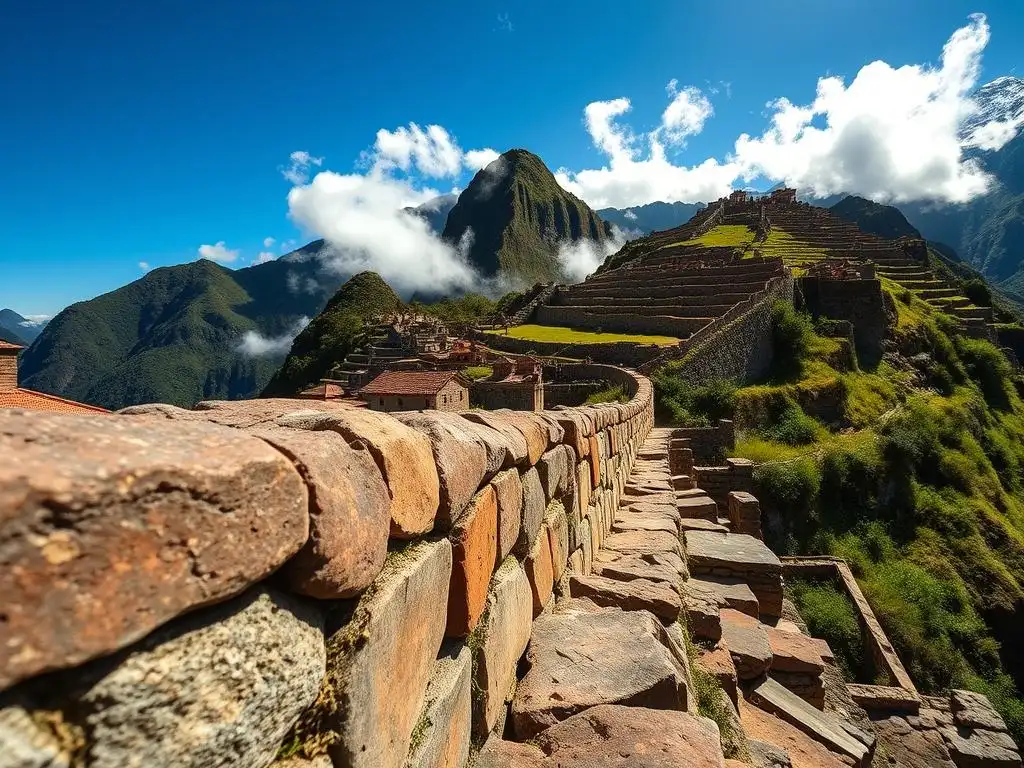
Step into a world lost to time, yet echoing with the whispers of a magnificent past. Andean Civilizations unveils the secrets of the Andes, from the breathtaking artistry of the Nazca lines to the towering ingenuity of the Tiahuanaco. But today, we delve into one of the most enduring enigmas: Inca road construction methods. How did they achieve such feats of engineering across treacherous terrain? Prepare to be amazed as we unravel the mysteries behind these ancient pathways and uncover the brilliance of Inca innovation. Discover more about this captivating subject within!
The Inca Empire, a civilization that flourished in the Andes Mountains from roughly 1438 to 1533 CE, left behind a legacy of breathtaking architecture and sophisticated engineering. One of the most enduring and remarkable testaments to their ingenuity is their extensive network of roads, a feat of construction that continues to fascinate and puzzle researchers today. Spanning thousands of miles across treacherous terrain, these roads connected the far-flung corners of the empire, facilitating trade, communication, and military movements.
This article delves into the mysteries surrounding Inca road construction methods, exploring the techniques employed, the logistical challenges overcome, and the enduring impact of this remarkable infrastructure on our understanding of Andean engineering prowess. We will explore the available evidence, analyze the challenges posed by the Andean environment, and discuss the ongoing research aimed at unraveling the secrets of these ancient pathways.
Understanding the Inca road construction methods provides crucial insights into their societal organization, technological capabilities, and overall mastery of their environment. The keyword "Inca road construction methods" will be explored throughout this article, examining various aspects of this fascinating topic.
The Scale and Scope of the Inca Road Network
The Inca road system was a monumental undertaking, a network of meticulously planned pathways stretching over 40,000 kilometers across diverse and challenging landscapes. These roads weren't simply haphazard trails; they were carefully engineered structures, often paved and incorporating sophisticated drainage systems. The sheer scale of this project is astonishing, considering the tools and technologies available to the Inca.
Imagine the logistical planning required to coordinate labor, transport materials, and overcome the formidable obstacles presented by the Andes Mountains – towering peaks, deep gorges, and unpredictable weather patterns. This required a highly organized society with advanced engineering knowledge and skilled labor.
The construction involved not only the laying of roadways but also the building of bridges, tunnels, and resting places (tambos) along the routes, showcasing the Inca's mastery of diverse construction techniques. Archaeological evidence suggests a highly structured and efficient workforce, with specialized teams responsible for different aspects of the construction process.
Materials and Techniques Employed in Inca Road Construction
The Inca utilized locally sourced materials in their road construction, reflecting their understanding of environmental sustainability and resource management. Stone, most commonly andesite, was a primary building material, carefully selected and shaped to fit together precisely. The stones were often fitted without mortar, a testament to the Inca's exceptional stonemasonry skills. This dry-stone technique, known as ashlar masonry, required incredibly precise cutting and placement to create durable and stable road surfaces.
In addition to stone, other materials such as earth, gravel, and wood were used depending on the specific location and terrain. The choice of materials and construction techniques varied depending on the environment and the intended use of the road segment. For instance, mountain passes might have required different techniques than lowland routes. Detailed analysis of surviving road sections continues to reveal subtle variations in construction methods, reflecting adaptability and innovation.
The Role of Labor and Organization in Inca Road Building
The construction of the Inca road network was a massive undertaking requiring the coordinated efforts of a vast workforce. The Inca utilized a system of mita, a form of labor tribute, to mobilize workers for large-scale projects. This system was not a form of slavery, but rather a civic obligation, with individuals contributing their labor for a set period. This highly organized system ensured a continuous supply of skilled and unskilled labor, vital for the successful completion of such ambitious projects.
Specialized labor groups likely existed, with teams of masons, engineers, and laborers working collaboratively. The integration of this labor force, combined with the efficient management of resources, points to the sophisticated organizational capacity of the Inca state. The evidence suggests a remarkably effective system for managing resources, coordinating labor, and overcoming logistical challenges.
Enduring Mysteries and Ongoing Research
Despite considerable research, many questions surrounding Inca road construction methods remain unanswered. The precise techniques used for transporting massive stones across challenging terrain, for instance, continue to be debated. The level of planning and precision involved is still being investigated, as is the extent to which local knowledge and expertise were incorporated into the construction process.
Ongoing research utilizes advanced technologies like LiDAR and GIS mapping to create detailed 3D models of the roads, providing new insights into their construction and layout. The study of Inca road construction methods is far from complete; new discoveries and interpretations continually refine our understanding of this remarkable achievement. The ongoing research emphasizes the enduring mystery and the complexity of this ancient engineering marvel.
- The Scale and Scope of the Inca Road Network
- Materials and Techniques Employed in Inca Road Construction
- The Role of Labor and Organization in Inca Road Building
- Enduring Mysteries and Ongoing Research
- What materials did the Inca use for road construction?
- How did the Inca manage to build roads across such challenging terrain?
- What was the purpose of the Inca road system?
- How did the Inca transport materials for road construction?
- What techniques did the Inca use to ensure their roads were durable?
The Extensive Inca Road System: A Network of Power

The Inca road system, a marvel of ancient engineering, wasn't merely a collection of pathways; it was the very artery of the vast Inca Empire. Its strategic design and masterful construction facilitated the efficient movement of people, goods, and information across a challenging and diverse landscape, solidifying Inca dominance and control. Understanding the Inca road construction methods requires delving into the ingenuity and meticulous planning that went into creating this remarkable network.
The sheer scale of the undertaking speaks volumes about the Inca's organizational prowess and their advanced understanding of engineering principles, especially given the limited technology available to them. This section will explore the various aspects of this impressive feat of ancient engineering, focusing on the Inca road construction methods and their impact on the empire's success.
The Qhapaq Ñan: Backbone of the Inca Empire
The Qhapaq Ñan, meaning "Royal Road" in Quechua, was the principal artery of the Inca road network. This extensive highway system stretched over 40,000 kilometers, traversing the Andes Mountains, deserts, and jungles, connecting the far-flung corners of the empire. The Qhapaq Ñan wasn't a single, continuous road but rather a complex network of interconnected pathways, strategically placed to optimize communication and transportation. Its construction involved overcoming significant geographical challenges, including steep inclines, treacherous terrain, and unpredictable weather conditions.
The Inca's ability to adapt their construction methods to these diverse environments is a testament to their engineering skills and deep understanding of the Andean landscape. This adaptability is a key element when studying Inca road construction methods. The meticulous planning and execution of the Qhapaq Ñan reflect a sophisticated understanding of logistics, resource management, and workforce organization, all essential components of the Inca road construction methods.
Scope and Reach of the Inca Road Network
The Inca road network wasn't limited to the Qhapaq Ñan; it encompassed a vast array of smaller roads and trails, creating a comprehensive system that integrated various regions and communities. These smaller roads often served as feeder routes, connecting local settlements to the main highways. The extent of this network is truly staggering. Archaeological evidence continues to unveil new sections of the Inca road system, highlighting the widespread influence and reach of the Inca Empire.
The network's size and complexity facilitated the rapid movement of troops, messengers, and vital supplies across the empire, enabling quick responses to emergencies and maintaining effective control over vast territories. Analyzing the diverse sizes and functions of these roads provides valuable insights into the Inca road construction methods employed across different geographical locations and contexts. Furthermore, the network's impressive scale underscores the significant investment of resources and labor dedicated to its construction.
Strategic Importance of Inca Roads for Control and Communication
The Inca road system served a crucial strategic purpose, far beyond simple transportation. It was an integral part of the empire's administrative and military infrastructure. The roads facilitated rapid communication through a sophisticated system of relay runners, known as chasquis, who could transmit messages across vast distances in remarkably short periods.
This efficient communication system enabled the Inca rulers to maintain control over their sprawling empire, quickly responding to uprisings, coordinating military campaigns, and managing the flow of resources. The strategic placement of tambos (roadside inns) along the routes provided rest stops for travelers and served as important logistical hubs. The strategic importance of these roads in facilitating control and communication is undeniable when considering the Inca road construction methods.
The very design and placement of the roads reflect a sophisticated understanding of logistics and military strategy, underscoring their role in maintaining imperial power. The strategic placement of bridges, tunnels, and other infrastructure elements further enhanced the system's efficiency and resilience, demonstrating a high level of planning and foresight in the Inca road construction methods.
Unraveling Inca Road Construction Methods: Techniques and Materials
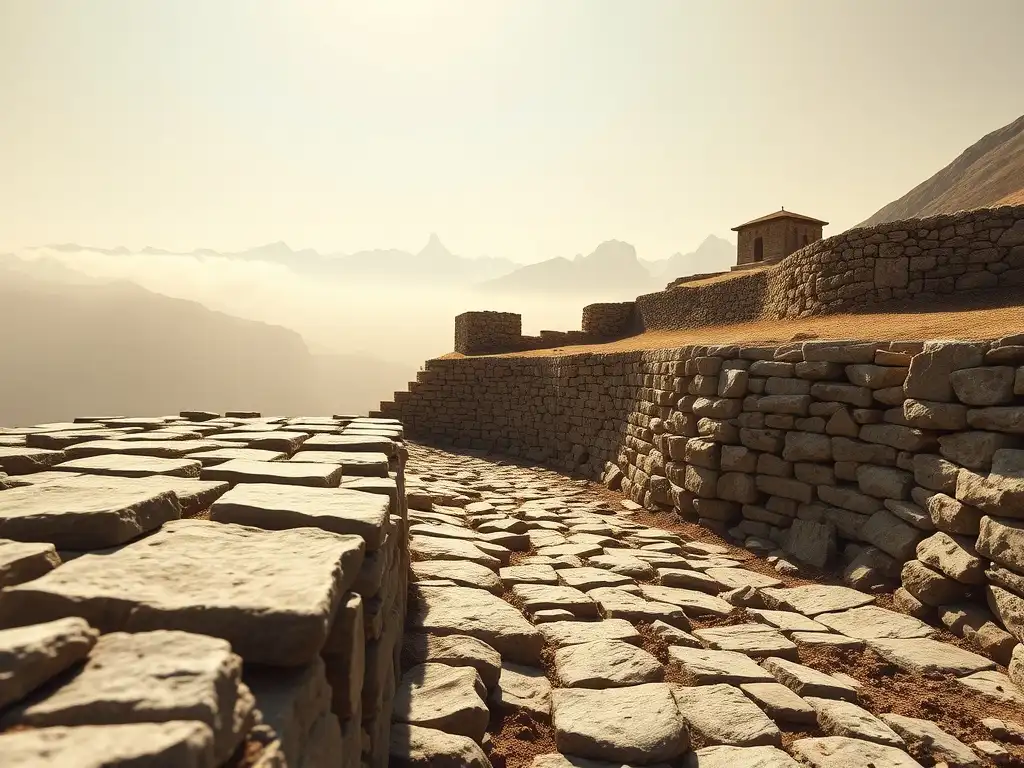
The Inca road system, a marvel of ancient engineering, remains a source of fascination and study. Understanding the Inca road construction methods requires examining the sophisticated techniques and materials employed by these master builders. Their ability to traverse diverse and challenging Andean terrains, constructing durable and efficient pathways, speaks volumes about their advanced knowledge of engineering principles and their deep connection to the environment. This section delves into the specific methods used, showcasing the ingenuity and practicality that characterized Inca road building.
The scale of the project, stretching thousands of miles across treacherous mountains and valleys, continues to impress modern engineers. The secrets behind their success lie in a combination of meticulous planning, innovative techniques, and the skillful use of locally sourced materials. This exploration will uncover the intricacies of their approach, highlighting the remarkable achievements of Inca civilization.
Inca Engineering Prowess: Adapting to Diverse Terrains
The Inca Empire's road network wasn't a uniform system; rather, it was a testament to adaptability. Inca engineers displayed remarkable ingenuity in adjusting their construction methods to suit the specific challenges presented by the varied Andean landscape. Steep mountain slopes, deep ravines, and expansive plains all demanded different approaches. For instance, in mountainous regions, they employed intricate systems of retaining walls and terraces to stabilize the roadbed and prevent landslides.
These walls, often built with precisely cut stones, were not merely structural; they were integral to the road's design, ensuring its longevity and safety. In areas with unstable soil, they used layers of compacted earth and gravel as a foundation, creating a robust base for the paved surface. Their understanding of soil mechanics and drainage was crucial in ensuring the road's resilience against erosion and weathering.
The use of bridges, both suspension and stone arch bridges, further demonstrated their mastery of structural engineering, allowing them to overcome seemingly insurmountable obstacles. The integration of these varied techniques across different terrains exemplifies their profound understanding of both engineering and the environment. The roads weren't just pathways; they were feats of engineering tailored to the specific demands of the landscape.
Stone Paving Techniques in Inca Road Construction
The hallmark of Inca roads was their impressive stone paving. While the precise techniques varied depending on the availability of materials and the specific terrain, the overall quality and precision of the work are astounding. Inca road builders were masters of stonework, employing several distinct techniques. One common method involved fitting together carefully shaped and sized stones, creating a smooth and durable surface.
These stones, often polygonal in shape, were expertly cut and fitted together without the use of mortar, a testament to their advanced understanding of geometry and stone masonry. The precision of the cuts, the tight fit of the stones, and the overall smoothness of the finished surface are remarkable. Some sections of the roads featured larger, more prominent stones, perhaps indicating areas of higher traffic or greater structural need. The selection and placement of these stones were not arbitrary; they reflect a deep understanding of load distribution and structural stability.
Detailed analysis of surviving road sections reveals the sophisticated techniques employed, showcasing the meticulous attention to detail that characterized Inca construction practices. The durability of these roads, many of which have withstood the test of time, speaks to the effectiveness of their methods. The precision and artistry of the stonework are not only functional but also aesthetically pleasing, reflecting the Inca emphasis on both practicality and beauty in their constructions.
Inca Use of Local Materials: Earth, Gravel, and Rock
The Inca’s approach to road construction was deeply rooted in sustainability. They prioritized the use of locally sourced materials, minimizing environmental impact and maximizing efficiency. Earth, gravel, and various types of rock formed the foundation of their road-building activities. The selection of materials was dictated by their availability and suitability for the specific location and terrain.
For example, in areas abundant in suitable rock, they utilized stone paving extensively. Where stone was scarce, they skillfully employed compacted earth and gravel as a foundational layer, ensuring a firm and stable roadbed. The use of local materials minimized transportation costs and environmental disruption, demonstrating a sophisticated understanding of sustainable construction practices. Furthermore, the specific types of earth and gravel used were carefully selected based on their properties, ensuring the road's strength and durability.
The meticulous layering of these materials, often compacted using advanced techniques, created a resilient base capable of withstanding heavy traffic and weathering. This resourceful approach showcases the Inca's practical wisdom and their ability to integrate seamlessly with the natural environment, making their road network not only functional but also environmentally responsible. The longevity of these roads, which in many cases have lasted for centuries, testifies to the wisdom of their material selection and construction methods.
The Role of Labor in Inca Road Building
The construction of the vast Inca road network was a monumental undertaking, relying heavily on a highly organized and efficient labor system. Unlike many other ancient civilizations that utilized slave labor, the Inca Empire employed a system known as mita. This wasn't slavery in the traditional sense; instead, it was a form of mandatory public service, where able-bodied citizens were obligated to contribute a certain amount of labor to state projects, including road construction.
The duration and nature of mita service varied depending on factors such as the individual's skills and the demands of the project. This system ensured a continuous and substantial workforce for the empire's infrastructure projects.
The organization of this labor force was remarkably sophisticated. Groups of workers, often organized by ayllu (kinship groups), were assigned specific tasks and responsibilities. Specialized labor was crucial; some workers were skilled masons, others were expert stone cutters, while others focused on logistics, transportation, and provisioning of the workforce.
This division of labor, combined with the hierarchical structure of the Inca society, facilitated efficient project management and ensured that the construction of the roads proceeded smoothly and at a large scale. Evidence suggests that the Inca state meticulously planned the deployment of labor, mobilizing workers from across the empire as needed.
Furthermore, the Inca road system wasn't just about building new roads; it also involved constant maintenance and repair. This ongoing upkeep required a continuous labor input, highlighting the enduring commitment of the Inca state to maintaining its infrastructure. The mita system ensured that this maintenance was consistently carried out, contributing to the longevity and effectiveness of the road network.
This constant maintenance is a testament to the Inca's understanding of the importance of infrastructure and their dedication to preserving it for generations to come. The integration of maintenance into the mita system showcases the long-term vision of the Inca leadership in ensuring the empire's connectivity and functionality. The scale of the road network and its enduring presence are a direct result of this carefully planned and effectively executed labor system.
The Challenges of Inca Road Construction: Overcoming Geographical Obstacles
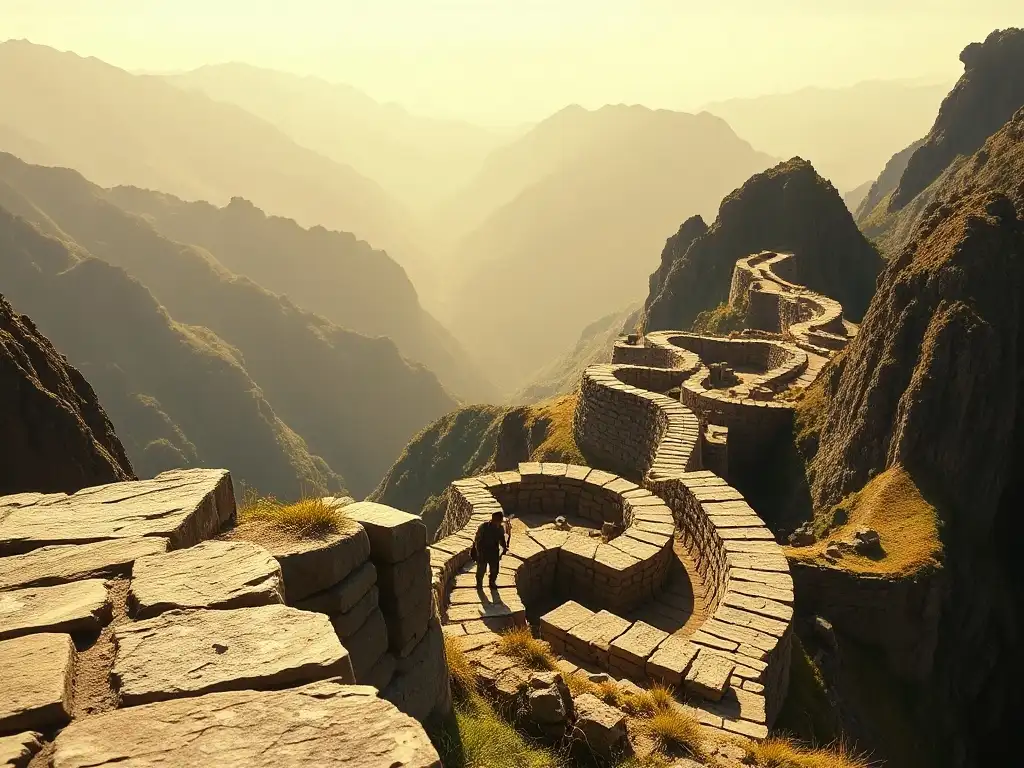
The Inca road system, a marvel of ancient engineering, wasn't built on a flat, easily accessible terrain. The empire stretched across diverse and challenging landscapes, including the towering Andes Mountains, arid deserts, and dense rainforests. Understanding the Inca road construction methods requires acknowledging the immense geographical obstacles they overcame. Their success speaks volumes about their ingenuity, resourcefulness, and mastery of construction techniques appropriate to each unique environment.
The sheer scale of their achievement, considering the tools and technology available at their disposal, remains truly remarkable. The keyword phrase "Inca road construction methods" highlights the central focus of this analysis, emphasizing the unique techniques employed by the Inca civilization. This section will delve into the specific challenges posed by the varied geography and how the Inca engineers creatively solved them.
Constructing Roads Across the Andes Mountains
The Andes Mountains presented the most significant challenge. The Inca road builders faced steep inclines, unpredictable weather conditions, and treacherous terrain. Instead of attempting to conquer the mountains directly, they cleverly utilized existing natural features, such as valleys and mountain passes, to create relatively gentler gradients.
They expertly carved paths into the mountain sides, creating terraces and retaining walls to prevent landslides and erosion. These retaining walls, constructed from precisely fitted stones, were not merely aesthetic; they were crucial for the structural integrity of the roads, ensuring stability in seismic regions. Evidence suggests they used a combination of techniques, including dry-stone masonry (perfectly fitting stones without mortar) and the strategic placement of drainage systems to manage water runoff and prevent damage during the rainy season.
The meticulous planning and execution are evident in the surviving sections of these mountain roads, testaments to the Inca's deep understanding of topography and structural engineering. The incredible precision of their stonework is a key aspect of understanding "Inca road construction methods" and the advanced level of their engineering skills.
Building Inca Roads Through Deserts and Jungles
The Inca road system wasn't limited to the Andes. It also traversed the arid deserts of the coastal regions and the humid jungles of the Amazon basin. Each environment demanded unique approaches to road building.
In the deserts, the challenge lay in securing a stable foundation in loose, shifting sands. The Inca engineers likely used techniques involving compaction of the sand and the incorporation of stabilizing materials to create a firm base for the road surface. In the jungles, the obstacles included dense vegetation, soft soil, and the ever-present threat of flooding.
They likely cleared paths through the dense foliage, constructing raised roadways to prevent waterlogging and utilizing locally sourced materials for construction that were resistant to decay and rot. The successful navigation of these diverse environments further emphasizes the adaptability and ingenuity inherent in Inca road construction methods. The varied terrain necessitated resourceful solutions, highlighting the empire's mastery of adapting its techniques to diverse geographical conditions.
Bridges and Tunnels: Inca Ingenuity in Road Building
The Inca road network wasn't simply a series of paths; it incorporated impressive feats of engineering such as bridges and tunnels. These structures underscore the advanced understanding of materials science and structural mechanics possessed by Inca engineers. Many bridges were suspension bridges, utilizing strong, lightweight materials like vines and wood, expertly woven and anchored to create sturdy spans across rivers and ravines.
Tunnels, often carved through mountains, were skillfully constructed to maintain a consistent gradient and provide safe passage through challenging terrain. The precision and durability of these structures, often built with minimal tools, remain astonishing. The construction of these bridges and tunnels demonstrates a sophisticated understanding of engineering principles that significantly enhance our understanding of "Inca road construction methods" and the advanced capabilities of Inca civil engineering.
The integration of these complex structures into the overall road network speaks to the ambition and sophistication of the Inca Empire's infrastructural planning. Their creation, especially considering the available technology, represents a peak of pre-Columbian engineering prowess.
Dealing with Altitude and Climate in Inca Road Engineering
The Inca road system, a marvel of ancient engineering, traversed diverse and challenging terrains, significantly impacted by altitude and climate. Constructing roads at high altitudes presented unique difficulties. The thin air reduced the efficiency of human labor, making tasks like quarrying stone, transporting materials, and actually laying the road surface considerably more strenuous.
Workers likely experienced altitude sickness, impacting their productivity and potentially leading to higher mortality rates during construction. Furthermore, the extreme cold at higher elevations could freeze the ground, making excavation and foundation laying problematic. Inca engineers had to devise innovative solutions to overcome these challenges, possibly incorporating techniques like terracing to stabilize slopes and using materials better suited to frigid conditions.
We know that they utilized locally sourced materials whenever possible, which would have been crucial in these high-altitude regions. The precise methods used to mitigate the effects of altitude remain a subject of ongoing research, but it's clear that the Inca's success in this area was a testament to their advanced understanding of engineering principles and their adaptability to harsh environments.
The varying climates encountered along the Inca road network also presented significant obstacles. From the arid coastal deserts to the humid rainforests of the Amazon basin, the roads had to withstand vastly different weather conditions. In the dry regions, erosion was a constant threat, requiring the use of durable materials and possibly sophisticated drainage systems to prevent the roads from being washed away by flash floods.
Conversely, in the wetter regions, the challenge was to prevent the roads from becoming waterlogged and impassable during rainy seasons. The Incas likely employed different construction techniques depending on the specific climate, adapting their materials and methods to suit the local environment. This included the use of different types of stone, binding agents, and even the overall design of the road bed itself.
The remarkable durability of many sections of the Inca road system even today is a testament to their ability to successfully address these diverse climatic challenges. Further research is needed to fully understand the specific techniques employed in different climatic zones, but existing evidence strongly suggests a sophisticated, climate-responsive approach to road building. The Inca's success highlights their deep understanding of local environmental conditions and their ability to adapt their engineering to overcome the challenges posed by variable climates.
Specific Inca Road Features and Their Purpose
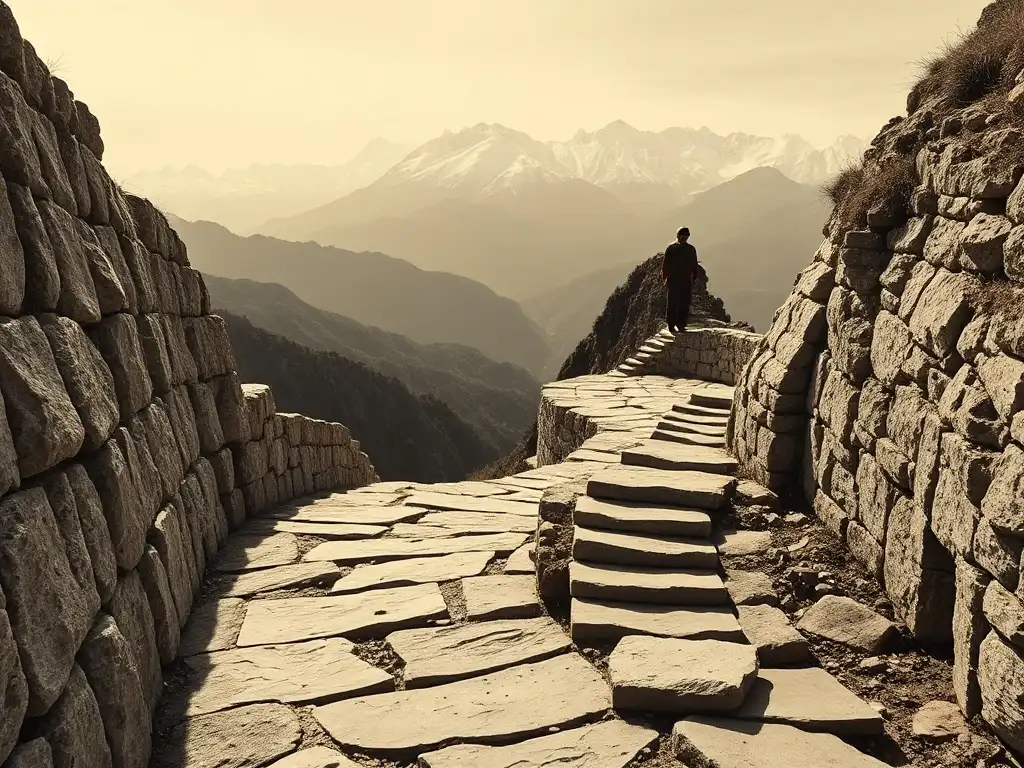
The Inca road system, a marvel of ancient engineering, wasn't simply a network of pathways; it was a meticulously designed infrastructure supporting the vast Inca Empire. Understanding its construction requires delving into the specific features designed for functionality, efficiency, and symbolic importance. The Inca road construction methods employed were remarkably sophisticated for their time, showcasing a deep understanding of topography, materials science, and logistical planning. This section will explore some key features that highlight the ingenuity of Inca road builders and their mastery of "Inca road construction methods."
Inca Rest Stops and Lodges (Tambos)
Strategically placed along the extensive Inca road network were tambos, which served as vital rest stops and lodges. These weren't merely simple shelters; they were often substantial structures providing accommodation, supplies, and relay stations for messengers and travelers. The size and complexity of a tambo varied depending on its location and importance along the route. Some were small, basic buildings suitable for short rests, while others were large complexes capable of housing significant numbers of people and animals.
Their strategic placement ensured travelers were never far from a safe and comfortable place to rest. The construction of these tambos, often using locally sourced materials like stone and adobe, reflects the Inca’s adaptability and resourcefulness in their approach to "Inca road construction methods." Detailed records of tambo locations and designs are unfortunately scarce, leaving many aspects of their construction and use shrouded in mystery.
Archaeological excavations continue to uncover more information, offering glimpses into the daily life supported by this critical infrastructure. Further research is needed to fully understand the logistical planning and resource allocation that underpinned the construction of this extensive network of rest stops. The precise number of tambos along the entire road system remains unknown, highlighting the scale of the Inca empire and the complexity of their logistical organization.
Inca Road Markers and Signage
Beyond the practical aspects of travel, the Inca road system incorporated sophisticated signaling and wayfinding systems. These weren't merely rudimentary markers; they were carefully planned and placed to guide travelers effectively. While the exact methods employed are still being studied, evidence suggests the use of various types of markers, including:
- Stone pillars: These were often carved with symbols or markings, potentially indicating distances, directions, or significant locations.
- Cairns: Piles of stones served as readily visible markers, especially in challenging terrain.
- Painted rocks: Some rocks along the routes have been found with painted markings, though the meaning and purpose of these remain largely debated.
The placement of these markers reveals a clear understanding of visual communication and the importance of clear wayfinding. The strategic placement within the overall "Inca road construction methods" shows a sophisticated understanding of navigation and traveler needs. Further research is needed to fully decipher the meaning of these symbols and understand the complexity of the Inca signaling system.
The longevity and effectiveness of this signage, often surviving for centuries, speak to the durability and careful planning that characterized Inca road construction. The use of local materials, combined with careful placement, ensured these markers were integrated seamlessly into the landscape, highlighting the Inca’s deep understanding of their environment. It is a testament to the ingenuity of their "Inca road construction methods."
Inca Stairways and Inclines for Efficient Travel
The Inca roads weren't always flat; they often traversed challenging mountainous terrain. To overcome steep inclines, the Inca engineers cleverly incorporated stairways and strategically designed inclines into their road construction. These weren't haphazard additions; they were integral elements of the overall design, demonstrating a sophisticated understanding of engineering principles and human factors.
The construction of these stairways and inclines involved careful consideration of:
- Gradient: The steepness of the inclines was carefully calculated to ensure safe and efficient travel for both people and pack animals.
- Materials: Durable materials like stone were used to create sturdy and long-lasting structures.
- Step size and spacing: The dimensions of the steps were designed to be comfortable and safe for travelers.
The incorporation of these features demonstrates a remarkable understanding of ergonomics and the challenges of mountain travel. It highlights a level of sophistication in "Inca road construction methods" that is rarely appreciated. The precision and durability of these structures are a testament to the skills and expertise of Inca engineers and their mastery of stonework.
Further research into the precise methods used in the construction of these stairways and inclines is needed to fully appreciate the sophistication of Inca engineering. The seamless integration of these features into the overall road system demonstrates the holistic approach to "Inca road construction methods" employed by the Inca. The survival of many of these structures to this day is a powerful testament to their quality and ingenuity.
The Design and Function of Inca Bridges
Inca road construction methods were remarkable not only for their scale and precision but also for their ingenious integration with the challenging Andean terrain. A crucial component of this infrastructure was the network of bridges, expertly crafted to overcome deep ravines, fast-flowing rivers, and treacherous gorges. These structures weren't mere afterthoughts; they were integral to the efficient functioning of the Inca road system, facilitating trade, communication, and military movement across vast distances. The design and construction of these bridges showcased a deep understanding of engineering principles and materials science, reflecting the advanced technological capabilities of the Inca civilization.
The most common type of Inca bridge was the suspension bridge, a testament to their innovative approach to bridge building. These bridges typically utilized strong, flexible ropes made from fibers such as ichu grass or llama wool, painstakingly twisted and woven together to create incredibly durable cables. These cables were then draped across the chasm, anchored to sturdy rock formations on either side.
A roadway, often constructed from wood planks or woven materials, was then suspended from these ropes, providing a walkway for travelers and pack animals. The ingenuity of this design is evident in its ability to adapt to the uneven terrain and fluctuating water levels of the Andean rivers. The flexibility of the ropes allowed the bridge to withstand the forces of wind and water, ensuring its longevity and safety.
Beyond the suspension bridges, the Inca also employed other bridge designs, adapting their techniques to the specific environmental challenges. Some bridges were constructed from stone, meticulously fitted together without mortar, reflecting the advanced stonework techniques evident throughout Inca architecture. These stone bridges were often found in areas where the terrain was more stable and the river less prone to flooding.
In certain instances, a combination of materials was utilized, blending stone and rope construction to create hybrid bridge designs. The choice of construction method was carefully considered, reflecting a practical and adaptable approach to engineering. The Inca engineers clearly understood the strengths and limitations of different materials and employed them strategically to maximize the functionality and durability of their bridges.
Detailed records of the specific techniques used in constructing each type of bridge are unfortunately scarce, leaving much of the precise methods shrouded in the mists of time. However, surviving examples and archaeological findings offer valuable clues into their remarkable engineering prowess.
The Legacy of the Inca Roads: Impact and Modern Relevance
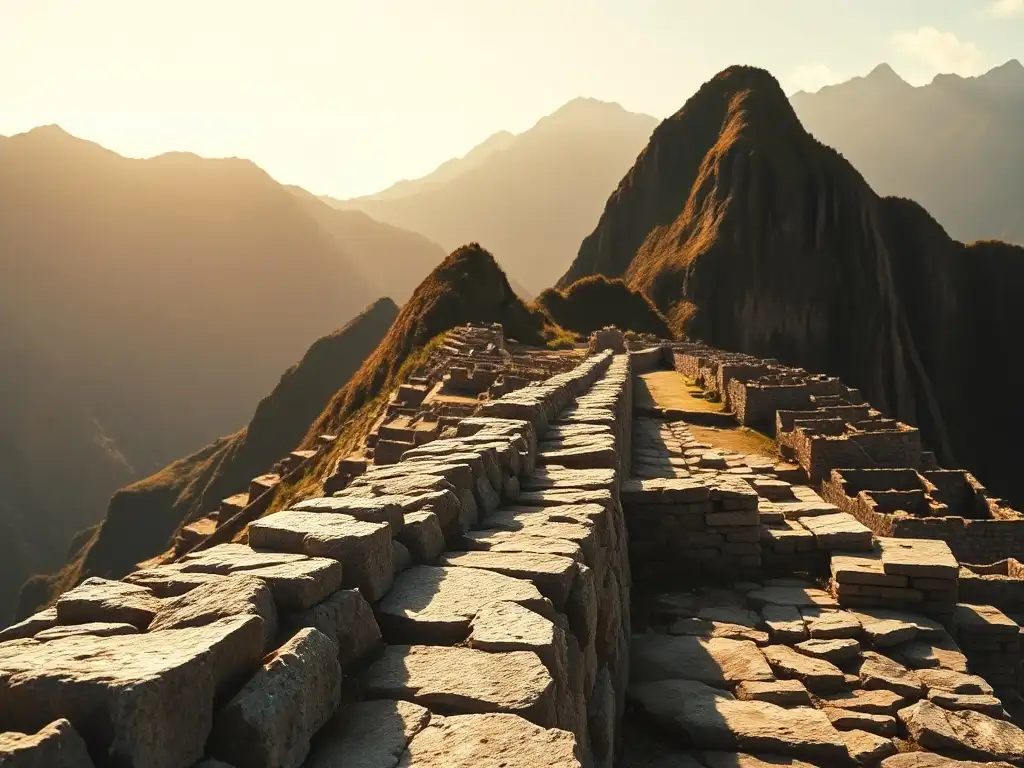
The Inca road system, the Qhapaq Ñan, wasn't merely a network of pathways; it was the lifeblood of the vast Inca Empire. Its impact reverberates even today, offering valuable lessons in infrastructure planning and cultural preservation. Understanding the Inca road construction methods reveals a sophisticated approach to engineering and logistics that allowed for efficient movement of people, goods, and information across challenging Andean terrain. This section delves into the lasting legacy of these remarkable roads, exploring their continuing influence on modern society.
Inca Road Impact on Trade and Communication
The Qhapaq Ñan's influence on trade and communication within the Inca Empire was profound. Prior to the Inca's unified rule, trade between different Andean communities was often limited and fraught with difficulties. The Inca, however, meticulously constructed a network of roads that connected disparate regions, leading to a significant increase in both the volume and efficiency of trade.
Goods like textiles, ceramics, precious metals, and agricultural products could now travel much greater distances, fostering economic integration and strengthening the empire's unity. This efficient trade network also facilitated the rapid transmission of information, allowing for swift communication between distant provinces and the imperial capital at Cusco. Royal messengers, chasquis, could relay messages incredibly quickly using a sophisticated relay system along the roads, ensuring rapid response to emergencies and efficient governance across vast distances.
The economic and administrative benefits of this enhanced connectivity were instrumental to the Inca Empire's success and longevity. The sheer scale of the project, encompassing thousands of miles of meticulously engineered pathways, is a testament to the Inca's organizational prowess and engineering skills. This facilitated a level of economic and political integration unprecedented in the pre-Columbian Andes.
The Qhapaq Ñan as a Cultural Heritage Site
The enduring significance of the Inca road system is also reflected in its recognition as a UNESCO World Heritage Site. The Qhapaq Ñan, or “Andean Road System,” was inscribed on the World Heritage List in 2014, highlighting its outstanding universal value as a testament to the ingenuity and cultural achievements of the Inca civilization. This designation underscores the importance of preserving this remarkable legacy for future generations.
The Qhapaq Ñan is more than just a collection of ancient roads; it represents a complex interplay of engineering, social organization, and spiritual beliefs. It stands as a powerful symbol of Inca identity and cultural heritage, offering a unique window into the past. The ongoing efforts to protect and restore sections of the Qhapaq Ñan involve international collaboration, highlighting the global appreciation for its historical and cultural significance.
These preservation efforts include archaeological research, community engagement, and sustainable tourism initiatives, all working towards ensuring the long-term survival of this invaluable heritage site. The recognition of the Qhapaq Ñan as a World Heritage Site serves as a powerful reminder of the importance of preserving our shared cultural heritage and the lessons it holds for the future. The Inca's mastery of Inca road construction methods is a crucial part of this heritage, demonstrating engineering skills far exceeding those of their contemporaries.
Inca Road Construction Lessons for Modern Engineering
The Inca’s mastery of Inca road construction methods offers valuable insights for modern engineering. Their ability to construct durable roads across challenging mountainous terrain, using locally sourced materials and sustainable techniques, is particularly relevant today. The Inca’s understanding of drainage systems, for example, was remarkably advanced. They incorporated sophisticated drainage techniques into their road designs, ensuring that the roads remained functional even during the rainy season.
This knowledge of hydrology is directly applicable to modern road construction, especially in regions prone to flooding or landslides. Furthermore, the Inca’s use of locally sourced materials minimized environmental impact and reduced transportation costs. Their approach to sustainable construction practices offers valuable lessons for contemporary engineers seeking to build more environmentally friendly infrastructure. Analyzing the Inca’s techniques can inform the development of more resilient and sustainable road networks, particularly in challenging geographical contexts.
Modern engineers can learn from the Inca’s innovative use of materials, their understanding of local geology, and their emphasis on sustainable practices. The Inca's success in building and maintaining a vast road network over centuries provides a compelling case study for modern infrastructure projects, demonstrating the importance of meticulous planning, adaptable engineering solutions, and sustainable practices. The legacy of the Qhapaq Ñan continues to inspire and inform engineering practices today.
Preservation Efforts of the Ancient Inca Roads
Preserving the Inca road system is a complex undertaking, demanding a multi-faceted approach encompassing archaeological research, conservation techniques, and community engagement. The fragility of these ancient pathways, coupled with the impact of natural erosion and human activity, necessitates a proactive strategy. Many sections of the roads are threatened by landslides, flooding, and even looting. Therefore, careful monitoring and preventative measures are crucial.
One key aspect of preservation involves meticulously documenting the remaining road sections. Archaeologists employ advanced surveying techniques, including LiDAR (Light Detection and Ranging) and photogrammetry, to create highly detailed 3D models. These models provide invaluable insights into the original construction methods and the extent of degradation, aiding in the development of targeted conservation plans. Furthermore, careful excavation and analysis of road segments helps researchers understand the materials used and the techniques employed by Inca engineers, informing future restoration projects.
Another crucial element is the implementation of sustainable conservation methods. This includes stabilizing vulnerable sections using traditional and modern techniques, carefully removing encroaching vegetation, and mitigating the impact of water erosion through drainage systems. The choice of materials for restoration is vital; using materials that are compatible with the original construction is paramount to avoid further damage. Often, this involves sourcing locally available materials to minimize environmental impact and promote sustainable practices. The application of bio-consolidation techniques, utilizing natural materials to strengthen and stabilize the existing structures, has also shown promising results.
Community involvement is equally critical for long-term preservation. Local communities often live near or along the ancient Inca roads and possess invaluable traditional knowledge regarding their history and upkeep. Engaging these communities in preservation efforts fosters a sense of ownership and stewardship, leading to more effective and sustainable conservation strategies.
Educational programs and awareness campaigns can educate local populations about the significance of the Inca roads and the importance of their protection. This approach not only preserves these historical treasures but also empowers local communities and promotes sustainable tourism. Effective preservation is not just about protecting physical structures; it's about safeguarding cultural heritage for future generations.
The Inca road system, a testament to the ingenuity of ancient Andean engineers, deserves meticulous care and long-term protection. The ongoing preservation efforts are a testament to the enduring legacy of the Inca Empire and a commitment to protecting this invaluable piece of world heritage.
Ongoing Research and Mysteries Surrounding Inca Road Construction
The Inca road network, a marvel of ancient engineering, continues to fascinate and challenge researchers. While much has been uncovered about Inca road construction methods, significant mysteries remain. The sheer scale of the project, spanning thousands of miles across diverse and challenging terrain, is itself a testament to the ingenuity and organizational prowess of the Inca Empire. However, many aspects of their techniques still lack definitive explanations, prompting ongoing investigations and debates among archaeologists and engineers.
Understanding these unanswered questions is crucial to appreciating the full extent of Inca achievements and to potentially learn from their sustainable practices for modern infrastructure development. The resilience of these roads, many of which withstood centuries of weathering and seismic activity, presents a compelling case study for modern civil engineering. Further research is needed to fully understand how they achieved such remarkable durability.
Unanswered Questions about Inca Construction Techniques
Several key questions about Inca road construction techniques remain unanswered. For example, the precise methods used for quarrying and transporting massive stones across difficult landscapes require further investigation. While we know they used stone tools and human labor, the exact logistics and organization of these massive undertakings are poorly understood. The lack of written records from the Inca themselves complicates the process of reconstructing their techniques.
We can only rely on archaeological evidence, which, while significant, is often incomplete or open to various interpretations. Another persistent mystery revolves around the seemingly precise fitting of stones without the use of mortar. The techniques employed to achieve such tight joints remain a subject of ongoing debate, with some suggesting the use of sophisticated stone-shaping techniques, while others propose the use of natural binding agents. Finally, the sustainability of Inca road construction, considering the environmental impact of their methods, deserves further exploration.
Did they employ sustainable practices in their sourcing of materials? Did they consider the environmental consequences of their construction? These questions are crucial for understanding the long-term impact of their infrastructure and drawing lessons for contemporary approaches to infrastructure development.
New Discoveries and Technological Advances in Inca Road Research
Recent decades have witnessed significant advancements in Inca road research, driven by both new archaeological discoveries and technological innovations. Ground-penetrating radar (GPR) and other geophysical techniques are now used to map road alignments and uncover hidden features beneath the surface. These non-invasive methods allow researchers to explore vast areas quickly and efficiently, revealing previously unknown aspects of road construction.
Advanced chemical analysis of stone samples provides insights into the sources of materials and the potential use of binding agents. Moreover, the application of 3D modeling and digital mapping techniques allows for the creation of detailed virtual reconstructions of Inca roads, enabling a deeper understanding of their design and construction.
These technological advancements, coupled with new archaeological findings, offer unprecedented opportunities to address long-standing questions about Inca road construction methods and the broader Inca civilization. The analysis of pollen and other organic remains found near road sections is also providing new information about the environment and the impact of road construction on the surrounding landscape.
Future Perspectives on Inca Road Study and Preservation
The future of Inca road research lies in interdisciplinary collaboration and a focus on preservation. Integrating expertise from archaeology, engineering, geology, and environmental science will be crucial for a more comprehensive understanding of Inca road construction. Furthermore, the preservation of these remarkable structures is paramount. Many Inca roads are currently threatened by erosion, human activity, and climate change.
Innovative conservation strategies, combining traditional methods with modern technologies, are urgently needed. Developing sustainable tourism strategies that balance access with preservation is also crucial. The study of Inca road construction is not only a historical endeavor but also provides valuable lessons for modern infrastructure development.
By studying their techniques, we can potentially develop more sustainable and resilient infrastructure solutions, reducing our environmental impact. Moreover, understanding their organizational and logistical achievements offers valuable insights into project management on a large scale. The ongoing research into Inca road construction methods promises to further unveil the secrets of this remarkable ancient civilization and offer invaluable lessons for the future.
Frequently Asked Questions
What materials did the Inca use for road construction?
The Inca primarily used stone for their roads, carefully fitting the pieces together without mortar. They also utilized earth, gravel, and wood in different sections of the road depending on the terrain. This created durable and long-lasting infrastructure.
How did the Inca manage to build roads across such challenging terrain?
The Inca were masters of adapting to the landscape, building roads through mountains, across rivers, and along cliffs. They employed sophisticated engineering techniques, including terracing and retaining walls, to overcome geographical obstacles. Their understanding of drainage was also crucial.
What was the purpose of the Inca road system?
The extensive Inca road network, known as the Qhapaq Ñan, served multiple purposes. It facilitated trade and communication across their vast empire, allowing for the efficient movement of goods and troops. It also played a crucial role in religious and ceremonial activities.
How did the Inca transport materials for road construction?
Moving materials across such varied terrain presented a significant challenge. The Inca relied on a combination of human porters, llamas, and potentially simple carts or sledges, depending on the location and the type of material being transported. Organization and planning were key.
What techniques did the Inca use to ensure their roads were durable?
The Inca's success lay in their precise stonework, careful consideration of drainage, and the use of locally sourced materials well-suited to their environment. This, combined with their understanding of engineering principles, resulted in roads that withstood the test of time.
Final Reflection: Echoes of the Inca on Modern Roads
The ingenuity of Inca road construction continues to resonate today, a testament to their advanced engineering and profound understanding of their environment. Their mastery of building durable, adaptable pathways across treacherous terrain remains a source of wonder and inspiration, challenging our modern assumptions about infrastructure development and sustainable practices. The secrets held within these ancient stones offer valuable lessons for contemporary challenges in construction and environmental stewardship.
The enduring legacy of the Inca road system is not merely historical; it's a living example of human resilience and adaptation. Their ability to integrate their infrastructure seamlessly with the landscape, minimizing environmental impact, is a stark contrast to many modern large-scale projects. The Inca roads were not just paths; they were arteries of communication, trade, and cultural exchange, binding a vast empire together.
This quote highlights the multifaceted nature of their achievement, extending beyond mere engineering prowess to encompass social and political implications that continue to shape our understanding of civilization.
Consider the challenges we face today in building sustainable infrastructure. Think about the impact of our construction on the environment, and the long-term consequences of our choices. You, the reader, hold the power to apply the lessons learned from the Inca's remarkable achievements. Let the echoes of their ingenuity inspire you to seek innovative, sustainable solutions in your own life, whether it's advocating for environmentally conscious development or simply appreciating the enduring power of human creativity and resourcefulness. Let us learn from the past to build a better future.
Unleash the Secrets of Inca Ingenuity!
Thank you for exploring the fascinating world of Inca roads with us! Your journey today revealed the remarkable engineering achievements and enduring mysteries of these ancient pathways, which played such a crucial role in shaping Andean civilizations. Now, let's continue your exploration!
Here are some exciting ways to delve deeper into this captivating topic:
- Experience Inca Engineering Firsthand: Visit a local museum or cultural center with a strong Inca history exhibit to see the wonders of their engineering up close.
- Join the Discussion: Share your thoughts and insights about Inca roads in the comments below! What aspect of their construction or societal impact captivated you the most?
- Share Your Discoveries: Share this article with friends and family or on social media to spark conversations about ancient civilizations and their remarkable innovations!
What will you explore next in the rich tapestry of Andean history?