
The Science of Stability: Exploring the Foundations of Andean Architecture

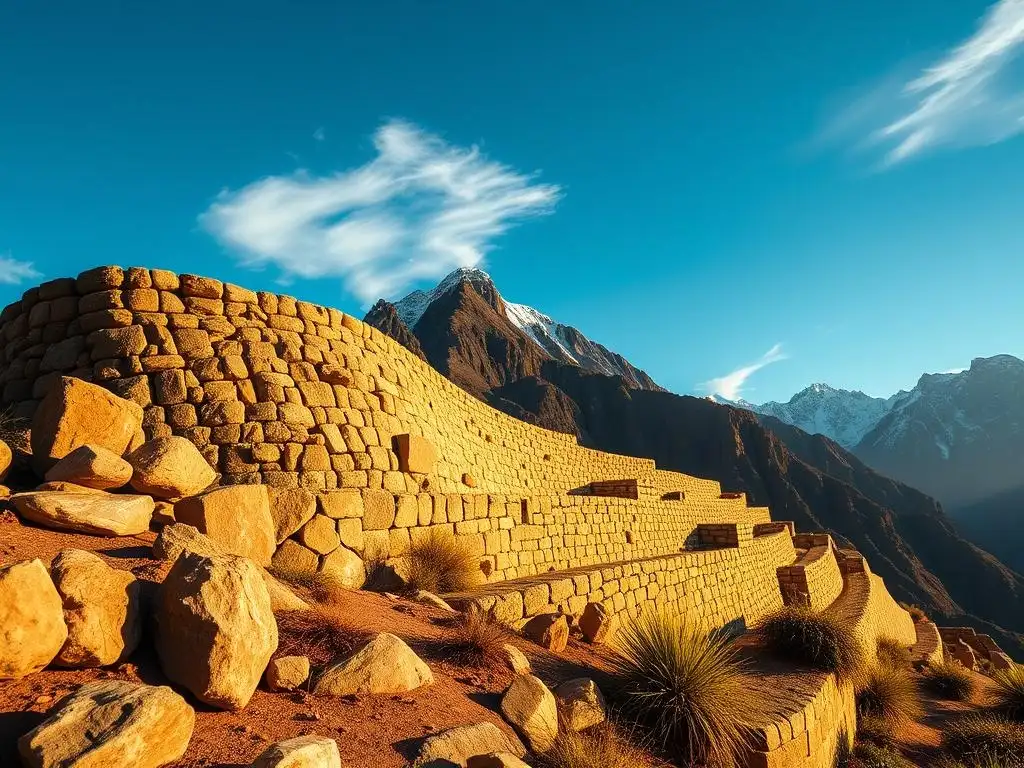
Unravel the mysteries of the Andes! For centuries, towering cities and intricate structures have stood defiant against the elements, a testament to the ingenuity of ancient civilizations. But how did they achieve such remarkable feats of engineering? Prepare to be amazed as we delve into the secrets behind Andean architecture stability techniques, revealing the innovative solutions that ensured the enduring legacy of the Incas, Moche, Nazca, and Tiahuanaco. Discover the science behind their stability—a story of ingenuity and resilience waiting to be explored.
The Andes Mountains, a formidable natural barrier stretching along the western edge of South America, presented unparalleled challenges to the ancient civilizations that thrived within its shadow. This harsh, geographically diverse landscape—characterized by towering peaks, arid deserts, and steep slopes—dictated the very essence of Andean architecture. This article delves into the remarkable ingenuity of Andean builders, exploring the science behind their architectural stability techniques and revealing how they successfully constructed monumental structures that have endured for centuries, often in extraordinarily precarious locations.
We'll examine the environmental factors that shaped their building practices, the core principles guiding their construction, and the lasting legacy of their mastery of engineering and design. Understanding these techniques provides invaluable insight into the resourcefulness, innovation, and deep connection to their environment that characterized Andean societies.
This exploration is crucial for appreciating the sophisticated knowledge systems underpinning Andean architecture and its remarkable resilience in the face of seismic activity and extreme weather conditions. The keyword "Andean architecture stability techniques" will be explored in detail throughout this article.
Introduction to Andean Architectural Ingenuity
Andean architecture is renowned for its monumental structures, intricate stonework, and remarkable adaptation to diverse environments. From the towering stone cities of the Inca to the intricate geoglyphs of the Nazca, the ingenuity of Andean builders is evident in their ability to harness local materials and implement sophisticated construction techniques to create breathtaking and surprisingly stable structures. Their mastery extended beyond mere aesthetics; it was a testament to their deep understanding of physics, engineering, and the environment.
Consider, for example, the precision of Inca stonework, where stones were fitted together with such accuracy that even a knife blade could not be inserted between them. This wasn't just artistry; it was a crucial element in earthquake resistance. Or think of the terraced agricultural landscapes that not only increased arable land but also stabilized slopes and prevented erosion.
These achievements highlight the sophistication of Andean knowledge systems and their capacity for innovation in the face of considerable environmental challenges. The ingenuity displayed in Andean architecture is a testament to the interconnectedness of their understanding of nature and their building practices.
Understanding the Environmental Challenges Faced by Andean Builders
The Andean region presents a complex interplay of environmental challenges. High altitudes, seismic activity, and variable climates—ranging from arid deserts to lush cloud forests—required innovative solutions. The builders faced:
- Seismic activity: Frequent earthquakes necessitated the development of flexible building techniques capable of withstanding considerable ground movement.
- Steep slopes and unstable terrain: Constructing on steep slopes required advanced understanding of gravity, soil mechanics, and retaining wall construction.
- Scarcity of resources: Access to suitable building materials could be limited, necessitating the adaptation of techniques and the use of readily available local resources.
- Extreme weather conditions: Exposure to intense sun, freezing temperatures, and heavy rainfall demanded durable and weather-resistant construction.
These challenges were not insurmountable for Andean builders. They developed ingenious solutions to overcome these obstacles, integrating their knowledge of the environment into every aspect of their architectural practices. Their solutions weren't just practical; they were deeply intertwined with their spiritual beliefs and worldview. Their ability to overcome these environmental challenges underscores their profound understanding of their surroundings and their capacity for sustainable building practices.
Key Principles of Andean Architecture Stability Techniques
Several key principles underpinned the remarkable stability of Andean architecture:
- Careful site selection: Choosing stable foundations and utilizing natural features like rock outcrops were crucial first steps.
- Precise stonework: The incredibly precise fitting of stones minimized gaps and maximized the structure's strength and resistance to seismic activity. The use of different stone types, sizes, and shapes, reflecting an understanding of material properties, also contributed to stability.
- Integration with the landscape: Structures were often seamlessly integrated into the natural landscape, minimizing environmental impact and enhancing stability. Terracing, for instance, not only provided agricultural land but also stabilized slopes.
- Use of interlocking systems: Complex interlocking systems of stones and other materials created a strong, flexible structure capable of absorbing seismic energy.
- Adaptive building materials: The use of locally sourced materials, like stone, adobe, and wood, reflects an understanding of resource management and the properties of each material.
These principles, combined with a deep understanding of environmental factors, resulted in remarkably stable structures that have withstood the test of time and serve as a testament to the advanced knowledge and sophisticated engineering skills of Andean builders. The ingenuity and resilience of Andean architecture are a source of inspiration and a valuable case study for modern sustainable building practices. Further research into these techniques can offer valuable insights for contemporary architecture, particularly in earthquake-prone regions.
- Introduction to Andean Architectural Ingenuity
- Understanding the Environmental Challenges Faced by Andean Builders
- Key Principles of Andean Architecture Stability Techniques
- What innovative techniques did Andean civilizations use to ensure the stability of their structures?
- How did the Incas contribute to Andean architectural stability?
- What role did the environment play in Andean architectural stability techniques?
- Were there significant differences in stability techniques between different Andean cultures?
- How did Andean builders achieve such precise stonework without mortar?
Foundations for Enduring Structures: Andean Groundwork Strategies
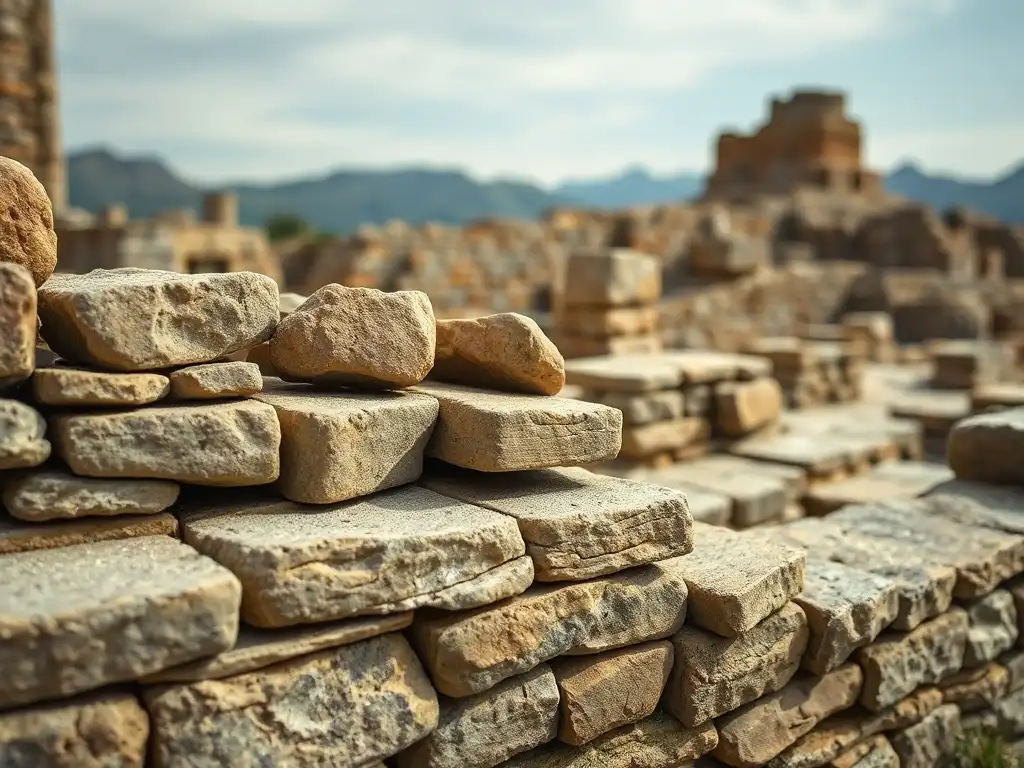
The remarkable longevity of Andean architecture is not solely a testament to masterful stonework and ingenious design; it's equally a product of sophisticated groundwork and site selection strategies. Understanding these foundational practices is crucial to appreciating the ingenuity of Andean builders and their deep understanding of their environment. The Andean architecture stability techniques employed were remarkably effective, allowing structures to withstand earthquakes, heavy rainfall, and the test of time. This section will explore the key elements that contributed to this enduring stability.
Selecting Stable Construction Sites in the Andes
Choosing the right location was paramount for Andean builders. They weren't simply picking picturesque spots; they were conducting careful geological assessments. Evidence suggests they prioritized areas with stable bedrock, avoiding loose soil or slopes prone to landslides.
This involved a keen observation of natural features and likely involved some rudimentary geological understanding. For example, the choice of sites for major Inca cities like Machu Picchu, perched high in the Andes, wasn't arbitrary. The location offered natural defenses and, importantly, a stable foundation carved from the mountain itself.
The intricate understanding of the Andean landscape is further highlighted by the selection of sites that minimized the impact of seismic activity. While precise methods remain a topic of ongoing research, the very survival of many structures indicates a deep understanding of local geology and its implications for building stability. This careful site selection, a critical component of Andean architecture stability techniques, significantly reduced the risk of structural failure.
Terracing and Land Modification for Building Stability
Beyond site selection, Andean civilizations actively modified their environment to create stable building platforms. Terracing, a hallmark of Andean agriculture, played a crucial role in architectural stability as well. By carving terraces into steep slopes, they not only created arable land but also leveled surfaces ideal for construction. This dramatically reduced the risk of landslides and provided a more uniform foundation for buildings.
The terraces themselves were often reinforced with retaining walls, further enhancing stability. These walls, constructed from locally sourced stone, acted as buttresses, distributing weight and preventing soil erosion. The integration of terracing into the construction process exemplifies the holistic approach of Andean engineers, seamlessly blending agricultural and architectural needs. The impressive scale of many terraced sites, such as those found in the Sacred Valley of the Incas, underscores the significant effort invested in establishing stable foundations for their structures.
Advanced Foundation Techniques Used by Ancient Andean Civilizations
The Andean civilizations employed sophisticated foundation techniques beyond basic terracing. They utilized a variety of methods to ensure the stability of their structures, adapting their techniques to the specific geological conditions of each site. These techniques included:
- Deep Foundations: In areas with less stable soil, they dug deep foundations, sometimes using large stones or wooden pilings to create a solid base. The depth of these foundations varied depending on the soil conditions and the size of the structure.
- Stone Veneer and Core Fill: Many Andean structures employed a technique of building with a facing of carefully cut and fitted stones (ashlar masonry), while the interior was filled with smaller stones, rubble, and earth. This method effectively distributed the weight of the structure while minimizing the use of finely cut stone.
- Seismic Resistant Design: The integration of seismic considerations into the design itself is particularly noteworthy. The use of interlocking stones, minimizing mortar, and incorporating flexible joints allowed structures to absorb seismic energy and withstand earthquakes more effectively. This is a clear demonstration of advanced engineering knowledge and understanding of geological forces.
The combination of meticulous site selection, terracing, and advanced foundation techniques formed the cornerstone of Andean architecture stability techniques. These weren't merely construction practices; they were a testament to the deep understanding of engineering principles and a profound respect for the environment. The enduring legacy of these structures stands as a powerful symbol of this remarkable achievement.
The Art of Andean Masonry: Building for Earthquake Resistance
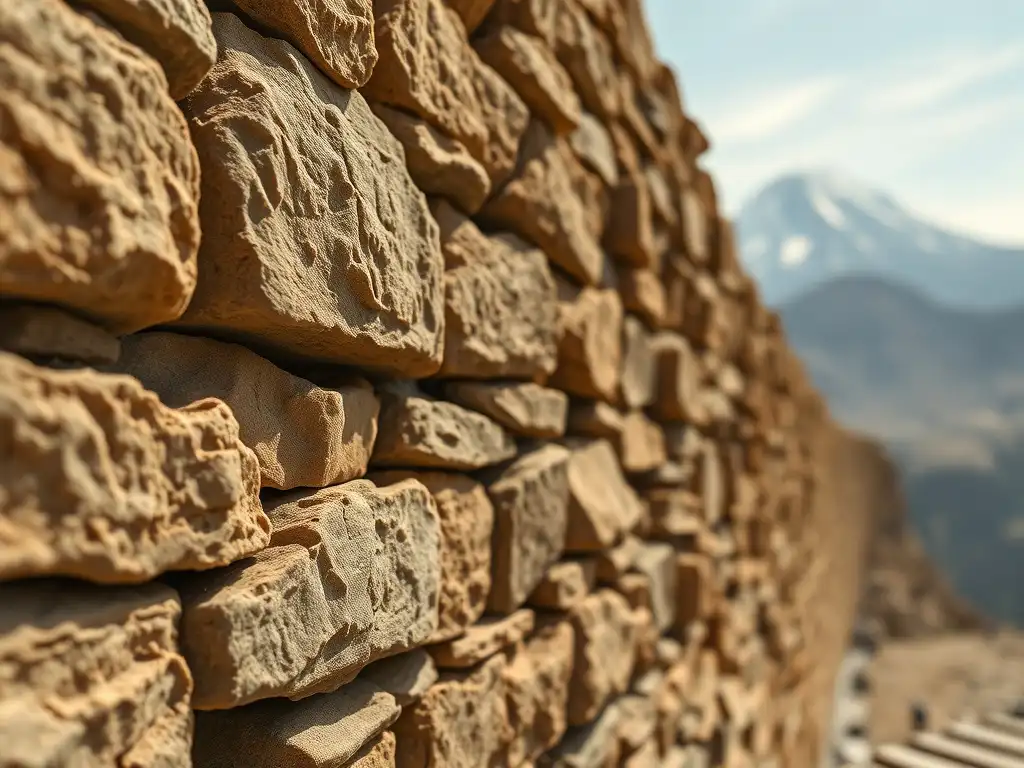
The remarkable stability of Andean architecture, particularly considering the seismically active region, is a testament to the sophisticated engineering prowess of ancient Andean builders. Their mastery of masonry techniques, far from being rudimentary, represents a highly developed understanding of structural mechanics and material science. The Andean architecture stability techniques employed were not merely a matter of chance, but rather the result of careful observation, experimentation, and a deep knowledge of local geology and materials.
This section delves into the specific methods used to achieve such impressive feats of engineering, highlighting the ingenuity and skill of these ancient civilizations. Understanding these techniques allows us to appreciate the true level of sophistication embedded within seemingly simple stone structures. We will explore how the choice of materials, the precision of cutting and placement, and the use of ingenious binding agents all contributed to the remarkable resilience of Andean buildings.
The resilience of these structures, even after centuries of exposure to the elements and seismic activity, continues to fascinate and inspire engineers and architects today. This enduring legacy underscores the importance of studying and preserving these ancient building methods.
The Use of Ashlar Masonry in Andean Construction
Ashlar masonry, characterized by precisely cut and shaped stones, forms the bedrock of much Andean architecture. This wasn't just an aesthetic choice; the meticulous preparation of these blocks was crucial for structural integrity. The precision in shaping allowed for incredibly tight fits between stones, minimizing the need for large amounts of mortar. This technique, particularly evident in Inca constructions like Sacsayhuamán, created incredibly strong and stable walls capable of withstanding significant seismic forces.
The stones themselves were often selected for their durability and resistance to weathering, further enhancing the longevity of the structures. Analysis of surviving structures reveals a sophisticated understanding of stone properties, with builders selecting different types of stone for different parts of a building based on their specific strengths and weaknesses. For example, harder, more resistant stones might be used for foundational elements, while softer stones might be used in less structurally critical areas.
This careful selection demonstrates a deep understanding of material science far beyond what is often attributed to pre-Columbian cultures. The precision of the cut stones is remarkable; many fit together so tightly that a knife blade cannot be inserted between them. This level of craftsmanship is a key factor in the earthquake resistance of Andean architecture.
Interlocking Stone Techniques for Structural Integrity
Beyond the precision of ashlar masonry, Andean builders employed ingenious interlocking techniques to further enhance the stability of their structures. These techniques, often involving the careful shaping of stones to fit together like pieces of a puzzle, created a self-supporting system that distributed weight and stress effectively. This method reduced reliance on mortar, which is less reliable in seismic events. The interlocking system acted as a kind of natural earthquake-resistant bracing, allowing the walls to flex and absorb seismic energy without collapsing.
This is particularly evident in the cyclopean masonry found in some sites, where massive stones are intricately fitted together without the use of mortar. The sheer weight and interlocking nature of these stones created exceptionally stable structures capable of withstanding significant ground movement. Different types of interlocking techniques were used depending on the type of stone and the intended function of the structure.
Some techniques involved simple dovetail joints, while others used more complex shapes to create a more robust and secure connection between stones. The mastery of these techniques showcases a deep understanding of structural mechanics and an impressive ability to manipulate large stones with remarkable precision. The effectiveness of these techniques is undeniable, demonstrated by the survival of many Andean structures through centuries of earthquakes.
Innovative Mortar and Binding Agents in Andean Building
While many Andean structures relied heavily on interlocking stone techniques, the use of mortar and binding agents was also crucial, particularly in less seismic-resistant areas. However, the Andean approach to mortar differed significantly from later European methods. Instead of using simple lime-based mortars, Andean builders often employed a variety of materials, including clay, volcanic ash, and even plant fibers, to create mortars tailored to specific conditions and stone types. These innovative mixtures provided excellent adhesion and helped to bind the stones together, increasing the overall strength and stability of the structures.
The specific composition of these mortars varied regionally and according to the available materials. Research into the chemical composition of these ancient mortars is ongoing, but preliminary findings suggest a complex understanding of material science and the ability to create custom-designed binding agents that were both durable and effective. The addition of organic materials like plant fibers potentially acted as a type of reinforcement, further enhancing the mortar's strength and flexibility.
This approach to mortar production demonstrates a remarkable level of experimentation and adaptation to the available resources. The longevity of many Andean buildings is a testament to the effectiveness of these innovative mortar and binding agents. Further research is needed to fully understand the precise composition and properties of these materials and to replicate their effectiveness in modern construction.
Andean Wall Construction: Techniques for Strength and Durability
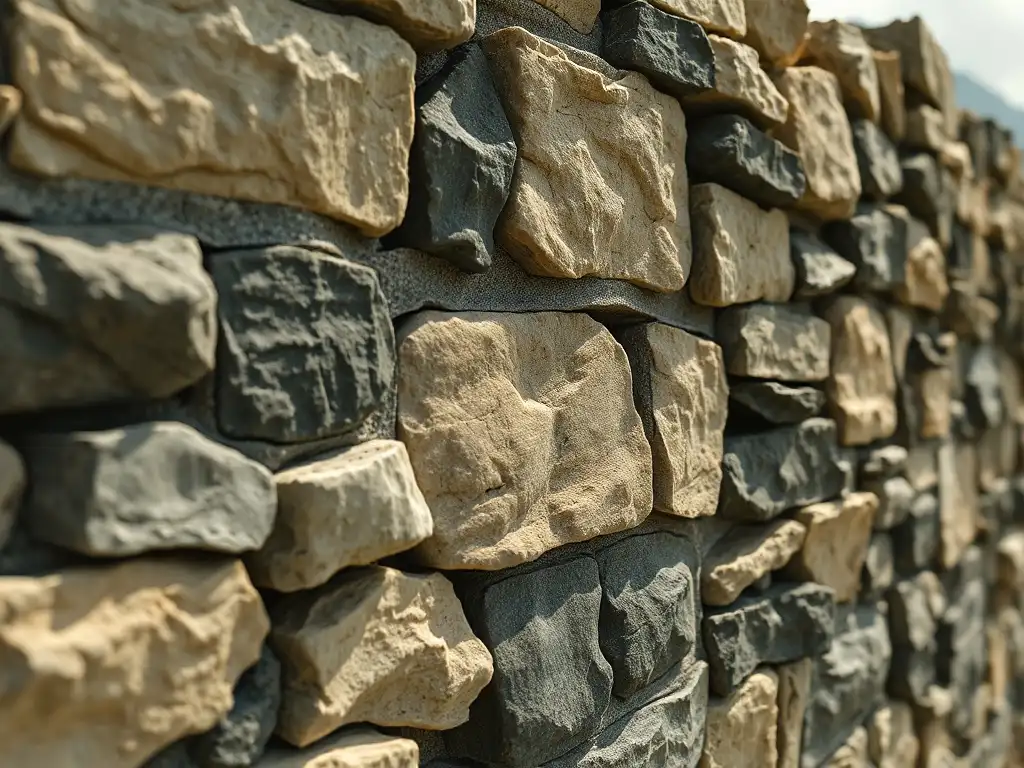
Andean architecture, renowned for its impressive structures that have withstood the test of time, relied on sophisticated construction techniques to ensure stability. Understanding these methods provides crucial insights into the ingenuity of Andean builders and their deep understanding of engineering principles. The seemingly simple act of building a wall involved a complex interplay of materials, techniques, and an acute awareness of the local environment and its challenges. The key to Andean architecture stability techniques lay in a holistic approach, integrating various elements to achieve remarkable structural integrity.
Load-Bearing Walls in Andean Architecture
Load-bearing walls formed the backbone of many Andean structures. Unlike modern construction often employing internal frames, Andean builders created walls that directly supported the weight of the building above. This necessitated meticulous planning and precise execution. The effectiveness of this system hinged on several factors:
- Stone Selection and Preparation: Builders carefully selected stones based on their size, shape, and durability. Larger, more robust stones were used at the base, gradually decreasing in size towards the top. Stones were often shaped and fitted together with remarkable precision, minimizing gaps and maximizing structural integrity. This careful selection and preparation were crucial to the overall stability and longevity of the structure. The process involved significant labor, demonstrating the value placed on architectural stability.
- Mortar and Binding Agents: While some structures used dry-stone techniques, many employed mortar made from various materials, including mud, clay, and lime. These mortars acted as a binding agent, filling gaps between stones and enhancing the overall strength of the wall. The precise composition of the mortar varied depending on local availability and climate conditions, highlighting an adaptive approach to construction. The effectiveness of the mortar was crucial for distributing loads and preventing the wall from collapsing under pressure.
- Wall Thickness and Foundation: Andean walls were often surprisingly thick, especially at the base. This added mass provided increased stability and resistance to seismic activity, a crucial factor given the region's tectonic activity. Foundations were carefully laid, often extending deeply into the ground to provide a solid base for the entire structure. The depth and construction of the foundation were directly related to the size and weight of the structure built upon it.
Inclined Walls and Their Role in Stability
The use of inclined or battered walls is a striking feature of many Andean structures. This technique, where walls slope inwards towards the top, significantly enhanced the stability of the buildings. This seemingly simple design choice had profound implications:
- Seismic Resistance: Inclined walls greatly improved the structure's resistance to earthquakes. The inward slope helps to counteract the lateral forces generated during seismic events, reducing the risk of collapse. This is a remarkable example of practical engineering knowledge developed through generations of experience. The effectiveness of this technique is evident in the survival of many structures through numerous earthquakes.
- Load Distribution: The incline effectively distributes the weight of the structure, reducing stress on individual stones and the mortar. The weight is spread more evenly across the entire wall, improving overall stability. The angle of the incline was likely carefully calculated to optimize load distribution based on the size and weight of the structure.
- Aesthetic Considerations: While primarily functional, the inclined walls also contributed to the aesthetic appeal of Andean architecture. The sloping walls created a visually striking effect, further enhancing the grandeur of the structures. The aesthetics were not separate from the functionality, demonstrating a holistic approach to design and construction.
The Use of Niches and Recesses in Wall Design
The incorporation of niches and recesses into Andean walls wasn't merely decorative; it played a crucial role in structural stability and functionality.
- Stress Reduction: Niches and recesses helped to alleviate stress points within the walls. By strategically placing these voids, builders could reduce the overall weight and improve the distribution of load. The placement of these features was likely determined through careful observation and practical experience. The size and location of the niches were carefully considered to maximize their effectiveness.
- Improved Load Bearing: The design of these features also contributed to the overall load-bearing capacity of the walls. The distribution of weight was optimized, reducing the chance of failure. This shows a deep understanding of how to distribute weight efficiently. The technique improved structural integrity and reduced the risk of collapse.
- Functional Uses: Beyond their structural role, niches and recesses served practical purposes. They could be used for storage, as display areas, or even as ritual spaces, demonstrating the integration of functionality and symbolic meaning in Andean architecture. The integration of these features highlights the holistic approach to design and construction employed by the Andean builders. The multi-faceted nature of these architectural elements is a testament to their ingenuity.
Roof Construction in the Andes: Adapting to the Environment
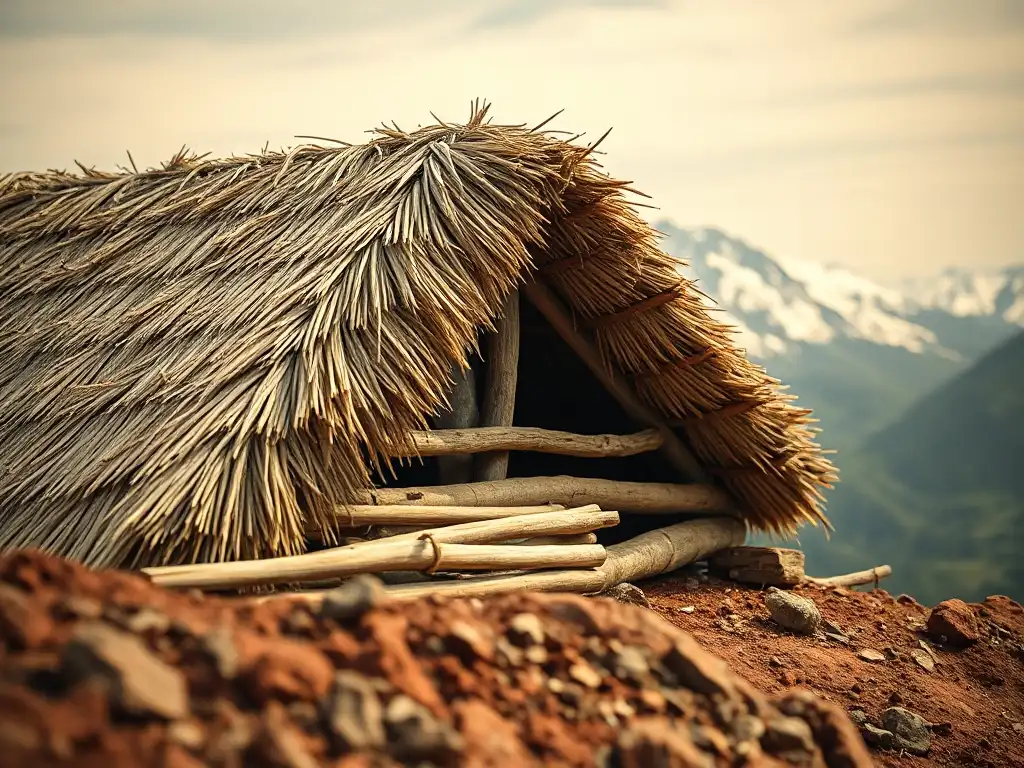
Andean architecture stability techniques were heavily influenced by the challenging environmental conditions prevalent in the Andes Mountains. High altitudes, seismic activity, and varying weather patterns necessitated innovative solutions in roof construction. Understanding these adaptations provides critical insight into the ingenuity of Andean builders. The choice of materials, design, and construction methods all played a vital role in achieving structural stability and longevity, even in the face of harsh climatic conditions and potential earthquakes.
This section will explore the key aspects of Andean roof construction, focusing on material selection, design features, and their impact on overall building stability. Analyzing these techniques reveals a sophisticated understanding of engineering principles far ahead of its time. The keyword "Andean architecture stability techniques" is central to this exploration.
Lightweight Roofing Materials in Andean Structures
The selection of roofing materials was crucial for Andean architecture stability techniques. Given the seismic activity and the steep slopes of the Andes, minimizing the weight placed on the structures was paramount. Heavier materials would have increased the risk of collapse during earthquakes. Therefore, builders prioritized lightweight materials such as:
- Thatch: Widely used, especially in warmer regions. Different grasses and reeds were employed depending on availability and climate.
- Wood: Where available, wood was carefully selected for its strength and lightness. Specific species known for their durability and flexibility were preferred.
- Adobe tiles: While heavier than thatch, adobe tiles were often relatively thin and carefully arranged to minimize weight and maximize interlocking for stability. This technique reduced the overall load on the structure.
- Stone slabs: In some regions, thin, flat stones were used, especially in areas where appropriate stone was readily available. These were often carefully fitted together to minimize gaps and create a relatively lightweight, yet strong, roof.
The careful selection and efficient use of these materials demonstrates a deep understanding of the relationship between material properties, weight distribution, and structural integrity within the context of "Andean architecture stability techniques".
The Use of Thatched Roofs and Their Benefits
Thatched roofs were particularly prevalent in warmer, lower-altitude Andean regions. While seemingly simple, the construction of these roofs involved sophisticated techniques that contributed significantly to Andean architecture stability techniques. The use of thatch offered several key advantages:
- Lightweight: Significantly reduced the load on the walls and foundations, mitigating seismic risks.
- Insulation: Provided natural insulation, keeping the interior cool in the summer and warm in the winter. This reduced the strain on the building materials caused by temperature fluctuations.
- Flexibility: The flexible nature of thatch allowed it to absorb some of the energy from earthquakes, reducing the impact on the underlying structure.
- Readily available: Thatching materials were abundant in many Andean regions, making this a sustainable and easily accessible building method.
The construction itself involved intricate weaving and layering techniques, ensuring a durable and waterproof roof. The thatch was often arranged in overlapping layers, creating a strong and resilient surface capable of withstanding heavy rainfall and strong winds. Furthermore, the design frequently incorporated slight slopes to facilitate water runoff, preventing water damage and contributing to the overall longevity of the structure. This demonstrates a high level of skill and understanding of the properties of natural materials.
Roof Design for Water Management and Stability
Beyond material selection, the design of Andean roofs played a crucial role in ensuring stability. Several key features contributed to effective water management and structural integrity, which are key aspects of "Andean architecture stability techniques":
- Steep Pitches: Steeply pitched roofs were common, facilitating rapid water runoff and minimizing the weight load on the structure. This was particularly important in areas with high rainfall.
- Overhanging Eaves: Wide overhanging eaves provided shade and protection from the elements, while also diverting rainwater away from the walls, preventing erosion and water damage.
- Drainage Systems: While sophisticated drainage systems were not always present, many roofs incorporated subtle features to direct water flow, such as carefully placed stones or channels carved into the roofing material.
- Integration with Walls: The roof was often carefully integrated with the walls, creating a unified structure that resisted both seismic forces and the weight of the roof itself. This seamless integration enhanced the overall stability of the building.
The combination of these design elements showcases the advanced understanding of hydrology and structural engineering inherent in Andean architecture stability techniques. The careful consideration of water management not only protected the buildings but also contributed significantly to their overall structural integrity and longevity.
Case Studies: Examining Specific Examples of Andean Architectural Stability
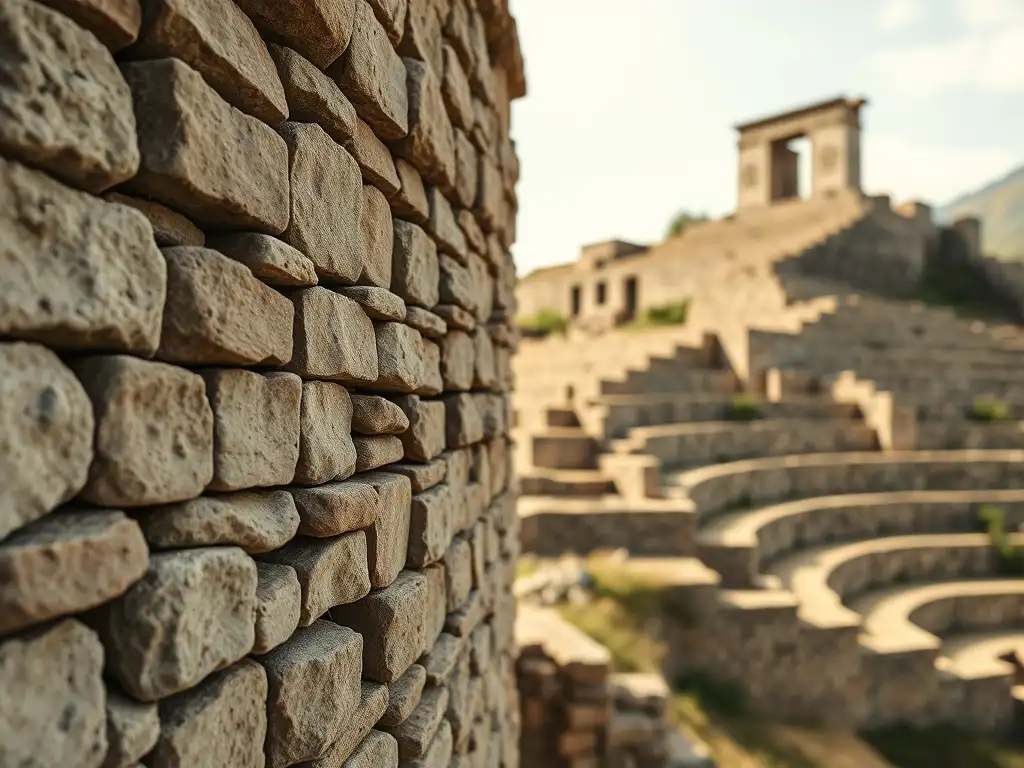
This section delves into specific examples of Andean architecture, showcasing the ingenious stability techniques employed by ancient builders. We'll examine how these civilizations overcame challenging geographical and environmental conditions to construct monumental structures that have withstood the test of time, demonstrating a sophisticated understanding of Andean architecture stability techniques. The remarkable feats of engineering and the innovative solutions implemented provide valuable insights into the ingenuity and knowledge of these ancient cultures.
Machu Picchu: A Masterclass in Andean Engineering
Machu Picchu, the iconic "Lost City of the Incas," stands as a testament to the sophisticated Andean architecture stability techniques of the Inca Empire. Its location, perched high in the Andes Mountains, presented significant engineering challenges. The Incas cleverly utilized the natural topography, integrating their structures seamlessly into the landscape. This minimized the need for extensive earthworks and foundations, enhancing stability.
The precise stonework, characterized by its incredibly tight fits and minimal mortar, is a key element of Machu Picchu's structural integrity. Stones were carefully shaped and fitted together, creating interlocking joints that distributed weight effectively. This technique, combined with the use of strategically placed retaining walls and terraces, prevented landslides and ensured stability on steep slopes. The intricate system of drainage channels further protected the structures from water damage, a crucial factor in maintaining long-term stability in a region prone to heavy rainfall. Evidence suggests the Incas possessed a deep understanding of seismic activity and incorporated features designed to withstand earthquakes. The precise placement of stones and the flexibility of the overall design allowed the city to withstand tremors, minimizing damage and ensuring the longevity of the structures. This mastery of Andean architecture stability techniques allowed the Incas to create a breathtaking city that continues to inspire awe centuries later.
Sacsayhuamán: Demonstrating Cyclopean Stone Construction
Sacsayhuamán, a massive fortress located near Cusco, showcases the impressive scale and strength of Inca cyclopean masonry. The sheer size of the stones used, some weighing many tons, is astounding. How these colossal blocks were quarried, transported, and precisely fitted together remains a topic of ongoing research and debate. However, the remarkable stability of the structure is undeniable.
The Andean architecture stability techniques employed at Sacsayhuamán involved a complex system of interlocking stones, carefully shaped to fit together without the use of significant mortar. The stones' irregular shapes, combined with their precise placement, created a remarkably strong and resilient structure capable of withstanding immense pressure. The walls were built in a zig-zag pattern, further enhancing their stability and providing an effective defense system.
The integration of the fortress into the surrounding hillside also contributed to its stability, minimizing the impact of seismic activity and erosion. The cyclopean construction techniques evident at Sacsayhuamán demonstrate an advanced understanding of engineering principles and a remarkable mastery of stonework. The sheer scale and precision of the construction continue to fascinate researchers and visitors alike, highlighting the advanced Andean architecture stability techniques of the Inca civilization.
Ollantaytambo: The Ingenuity of Terraced Construction
Ollantaytambo, a significant Inca site, illustrates the ingenuity of terraced construction in mountainous terrain. The site's impressive agricultural terraces, carved into the steep slopes, are a testament to the Inca's profound understanding of Andean architecture stability techniques and their ability to adapt to challenging environments.
The terraces were not merely agricultural features; they played a crucial role in stabilizing the slopes and preventing erosion. The careful construction of retaining walls, often built from precisely fitted stones, prevented landslides and provided a stable foundation for cultivation. The terraces' design also facilitated efficient water management, crucial for successful agriculture in the high Andes.
The intricate network of channels and drainage systems ensured that water was effectively channeled away, preventing soil erosion and protecting the terraces from water damage. The design of the terraces also minimized the impact of seismic activity, ensuring the long-term stability of both the agricultural land and the structures built upon them.
The ingenious combination of agricultural and engineering principles at Ollantaytambo showcases the advanced Andean architecture stability techniques used to create a sustainable and resilient agricultural system in a challenging environment. The site stands as a powerful example of the symbiotic relationship between Inca engineering and agriculture, reflecting a deep understanding of the Andean landscape and its limitations.
Conclusion: The Lasting Legacy of Andean Architecture Stability Techniques
The ingenuity of Andean civilizations in constructing stable structures, despite challenging geographical conditions, remains a testament to their profound understanding of engineering principles and their resourcefulness. Their mastery of Andean architecture stability techniques, as demonstrated through diverse building methods across various cultures, continues to fascinate and inspire researchers and engineers today. From the precise stonework of Machu Picchu to the intricate earthworks of the Nazca Lines, the legacy of these civilizations is not just aesthetic; it's a powerful demonstration of practical solutions to complex problems.
The resilience of these structures, many of which have withstood centuries of earthquakes and weathering, speaks volumes about the effectiveness of their techniques. Understanding these techniques is not merely an academic exercise; it holds valuable lessons for modern construction and disaster mitigation strategies.
Lessons from Ancient Andean Building Practices
Analyzing Andean architecture reveals a multitude of ingenious stability techniques. The Incas, for example, employed a sophisticated system of interlocking stones, requiring minimal mortar. This technique, known as ashlar masonry, maximized the structure's ability to withstand seismic activity. The precision of the cuts and the meticulous fitting of the stones reduced the reliance on binding agents, making the structures incredibly resilient. This contrasts sharply with many modern building techniques which rely heavily on concrete and mortar, making them potentially more vulnerable in earthquake-prone regions.
Furthermore, the use of local materials played a crucial role in achieving stability. The Incas, along with other Andean cultures, expertly adapted their building methods to the available resources. This included using different types of stone depending on their properties and the intended purpose of the structure.
For example, harder stones were used in load-bearing areas while softer stones might be incorporated into less critical parts of the building. This thoughtful selection of materials highlights a deep understanding of material science and its impact on structural integrity. This sustainable approach to construction also minimized environmental impact, a concept that resonates strongly with modern green building practices.
The Enduring Relevance of Andean Engineering Principles
The principles underlying Andean architecture stability techniques offer valuable insights for contemporary engineering. The emphasis on meticulous craftsmanship, the adaptation to local conditions, and the inherent resilience of their designs are particularly relevant in today's world. In regions prone to seismic activity, the lessons learned from Inca stonework can inform the development of more earthquake-resistant structures. The use of locally sourced, sustainable materials also aligns with the growing emphasis on environmentally friendly construction practices.
Consider the ongoing research into seismic design. Studies comparing the performance of traditional Andean structures with modern buildings during earthquakes often show the former's superior resistance. This underscores the potential for integrating ancient wisdom into modern building codes and practices. The incorporation of elements like interlocking stones, carefully chosen materials, and understanding of site-specific geological conditions could significantly enhance the safety and longevity of modern constructions, particularly in geographically challenging areas. This is not about simply replicating ancient techniques but rather about understanding the underlying principles and applying them innovatively to contemporary challenges.
Future Research and Preservation of Andean Architectural Heritage
Further research into Andean architecture stability techniques is crucial for both academic understanding and practical application. Detailed studies of existing structures using advanced non-destructive testing methods can reveal further insights into the construction processes and the materials used. This information can then be used to inform the development of new building techniques and materials. Moreover, preserving these remarkable structures is paramount. Careful conservation efforts are needed to protect them from the ravages of time and environmental factors, ensuring that future generations can learn from this invaluable architectural heritage.
Preservation efforts should also extend to the documentation and dissemination of knowledge about these techniques. This includes creating accessible databases of research findings, developing educational programs that highlight the ingenuity of Andean engineering, and fostering collaborations between researchers, engineers, and preservationists. The protection of this heritage is not just about preserving physical structures; it's about safeguarding the invaluable knowledge and skills that underpinned their creation, ensuring that the lessons learned from Andean architecture continue to inspire and benefit future generations.
The future of Andean architectural heritage hinges on a concerted and interdisciplinary approach to research, preservation, and education. This combined effort will ensure that the legacy of Andean architecture stability techniques remains a source of knowledge and inspiration for years to come.
Frequently Asked Questions
What innovative techniques did Andean civilizations use to ensure the stability of their structures?
Andean builders employed a range of ingenious techniques, including precise stone fitting without mortar, terracing to stabilize slopes, and the use of robust foundation systems adapted to diverse terrains. They also cleverly utilized the natural landscape to their advantage.
How did the Incas contribute to Andean architectural stability?
The Incas mastered stonework precision, creating incredibly strong and durable structures. Their expertise in earthquake-resistant design is evident in the surviving ruins of Machu Picchu and other sites. They also utilized advanced knowledge of engineering principles.
What role did the environment play in Andean architectural stability techniques?
The environment significantly influenced building practices. Adaptation to variable climates and challenging terrain like mountains and valleys led to specific techniques, such as terracing and the use of locally sourced materials.
Were there significant differences in stability techniques between different Andean cultures?
While sharing some common principles, each civilization developed unique approaches. The Nazca's use of adobe brick differed greatly from the Incas' precise stone masonry. Tiahuanaco's monumental structures showcased distinct engineering feats.
How did Andean builders achieve such precise stonework without mortar?
The secret lay in their masterful understanding of stone shaping and placement. They meticulously cut and fitted stones together, creating interlocking joints that provided exceptional strength and stability. Careful planning and execution were crucial.
Final Reflection: Echoes of Stone: Enduring Lessons from Andean Architecture
The ingenious stability techniques employed in Andean architecture remain a testament to human ingenuity and a powerful reminder of the importance of understanding our environment. These ancient methods, far from being relics of a bygone era, offer valuable insights into sustainable construction practices crucial for addressing the challenges of climate change and resource scarcity in the modern world. Their enduring legacy challenges us to rethink our approach to building and design.
The profound impact of Andean architectural principles extends beyond mere structural integrity; it speaks to a deep-seated connection between people and their environment. This holistic approach, prioritizing harmony with nature over dominance, resonates deeply with contemporary concerns about sustainability and responsible development. The mountains are our teachers,
a Quechua proverb aptly states, highlighting the inherent wisdom embedded within these ancient building practices and their enduring relevance to our understanding of sustainable living. This philosophy, emphasizing adaptation and resourcefulness, offers a powerful counterpoint to modern, often unsustainable, building practices.
Consider the ingenuity of these ancient builders, their deep understanding of materials and forces, and the enduring strength of their creations. You too can apply this spirit of innovation and resourcefulness to your own life, whether it's in your approach to problem-solving, your appreciation for the natural world, or your commitment to sustainable practices. Let the echoes of stone inspire you to build a more resilient and harmonious future, one that respects the wisdom of the past and embraces the challenges of tomorrow.
Unveil the Secrets of Andean Architecture!
Thank you for joining us on this captivating journey through the remarkable foundations of Andean architecture. We hope you gained valuable insights into the ingenuity and enduring stability of these magnificent structures. Now, let's deepen your connection to this ancient wisdom.
- Explore local historical sites and museums showcasing Andean architecture, and share your discoveries with friends and family.
- Engage with online communities and social media groups dedicated to Andean civilizations to exchange ideas and inspire others.
- Build a scale model of an Andean structure to better understand its architectural principles and unleash your creativity.
What aspect of Andean architecture most captivates you, and how will you integrate that knowledge into your own projects or understanding of the subject?