
The Inca Road Network's Impact on Political Control and Unity


Step into a world lost to time, yet echoing with the ingenuity of the Andes. For centuries, these majestic mountains witnessed the rise and fall of incredible civilizations. But what truly bound these empires together, allowing them to flourish and endure? The answer lies within the remarkable Inca road system, a feat of engineering that shaped not only the landscape but the very fabric of Andean society. Discover the profound Inca road system impact on political control and unity – a story of ambition, innovation, and a legacy that continues to amaze. Unravel the mystery...
The Inca Empire, a civilization that flourished in the Andes Mountains from the 15th to the 16th century, achieved remarkable political unity and control over a vast and geographically diverse territory. This success was not solely due to military might, but also, and perhaps more importantly, to a sophisticated and strategically planned infrastructure project: the Inca road system, or Qhapaq Ñan. This intricate network of roads, bridges, and pathways facilitated communication, trade, and the movement of troops, ultimately playing a pivotal role in consolidating and maintaining Inca power.
This article will explore the profound impact of the Inca road network on the empire's political control and the remarkable unity it fostered across diverse Andean communities. We will examine the engineering marvels involved in its construction and analyze its contribution to the empire's overall success and longevity.
The Qhapaq Ñan's influence extended far beyond mere logistical convenience; it was a cornerstone of Inca governance, shaping social structures, economic activities, and the very fabric of imperial power. Understanding its impact is key to comprehending the remarkable achievements of this ancient civilization.
Introduction to the Inca Road System
The Inca road system, often referred to as the Qhapaq Ñan (meaning "Royal Road" in Quechua), was far more than a simple collection of paths. It was a meticulously planned and executed network spanning approximately 40,000 kilometers, traversing treacherous mountain passes, dense jungles, and arid deserts. The system connected the far-flung regions of the Inca Empire, facilitating communication and trade between distant provinces.
Its strategic importance is undeniable; it allowed for the swift movement of troops, enabling the Inca to quickly quell rebellions or respond to threats. The construction itself was a monumental feat of engineering, showcasing the Incas' advanced knowledge of surveying, stonework, and construction techniques. The roads weren't just simple tracks; they were carefully engineered to withstand the harsh Andean climate and terrain, often incorporating innovative solutions like suspension bridges and strategically placed resting posts ( tambos).
This intricate network was not built overnight; it represents centuries of planned construction and maintenance, reflecting the empire's long-term vision and commitment to infrastructure development. The impact of this system rippled through every aspect of Inca society.
The construction involved a highly organized workforce, likely utilizing the mita system, a form of mandatory labor service. This system, while potentially exploitative, allowed for the mobilization of vast human resources to undertake such ambitious projects. The roads themselves were often paved with stone, and the construction techniques varied depending on the local terrain and available resources.
For example, in mountainous regions, roads were often carved into the sides of cliffs, while in flatter areas, they might have been built using compacted earth and stone. The precision and durability of the Inca road system are testament to their advanced engineering skills and understanding of materials science. Furthermore, the network facilitated the efficient distribution of resources, ensuring the flow of goods and supplies throughout the empire.
The Qhapaq Ñan: A Marvel of Andean Engineering
The Qhapaq Ñan wasn't merely a functional infrastructure project; it was a testament to Inca ingenuity and organizational prowess. Its construction showcases the empire's advanced understanding of engineering principles, particularly in adapting to the challenging Andean geography. The system included a variety of road types, ranging from wide, paved highways to narrow, winding mountain trails.
The use of different materials, including stone, earth, and wood, demonstrates an adaptability to local conditions. The construction techniques were sophisticated, involving precise stone cutting and fitting, often without the use of mortar. The durability of these roads, many sections of which remain visible today, is a testament to the quality of workmanship.
Beyond the roads themselves, the Qhapaq Ñan incorporated numerous supporting structures, such as bridges, tunnels, and tambos. The bridges, often built using suspension techniques, were remarkable feats of engineering, allowing the roads to cross rivers and gorges. The tambos, strategically placed along the routes, served as rest stops, storage facilities, and relay stations for messengers, ensuring efficient communication throughout the empire.
This integrated network of roads and supporting structures facilitated not only the movement of goods and people, but also the transmission of information, allowing for rapid response to crises and effective governance across the vast empire. The impact of this sophisticated system on the empire's political stability and economic prosperity cannot be overstated. The organization required to plan, construct, and maintain such a vast network highlights the centralized power and bureaucratic efficiency of the Inca state.
The Qhapaq Ñan stands as a symbol of Inca ingenuity and a key factor in their successful empire. The careful planning and execution of this monumental project underscore the Incas' capacity for large-scale organization and their advanced understanding of engineering and logistics.
Key Features of the Inca Road Network
The Inca road system, a marvel of ancient engineering, wasn't merely a network of paths; it was a meticulously planned infrastructure crucial to the empire's political dominance and cultural unity. Its impact reverberated throughout the Andean region, facilitating communication, trade, and the swift movement of troops and resources. Spanning approximately 40,000 kilometers across diverse and challenging terrains, from high-altitude mountain passes to coastal deserts, the road network showcased the Inca's impressive organizational capabilities and mastery of construction techniques.
The sheer scale of the project, coupled with its strategic placement, underscores the Inca's dedication to maintaining control over their vast empire. The system was not only a physical manifestation of power but also a symbol of the Inca's ability to integrate disparate regions under a unified political structure. The efficient movement of goods and people along these routes played a pivotal role in economic stability and cultural exchange, further solidifying the Inca's control.
The roads themselves acted as conduits for the dissemination of Inca ideology and culture, promoting a sense of shared identity across the empire's diverse populations. This network fostered a level of integration unprecedented in the pre-Columbian Americas.
Construction Techniques of Inca Roads
Inca road construction was a testament to their sophisticated understanding of engineering principles. They expertly adapted their techniques to the varied landscapes they encountered. In mountainous regions, they carved paths into steep slopes, utilizing sophisticated terracing and retaining wall techniques to prevent erosion and landslides. These walls, often constructed from precisely fitted stones without mortar, are a testament to their mastery of stonework.
In flatter areas, they employed different strategies, often using compacted earth and stone paving to create durable and smooth surfaces. The roads were designed to withstand heavy traffic and harsh weather conditions, demonstrating a deep understanding of materials science and engineering. The use of drainage systems, strategically placed along the road's length, prevented water accumulation and ensured the road’s longevity.
In areas prone to flooding, Inca engineers implemented ingenious solutions, such as raised pathways and bridges, showcasing their adaptability and problem-solving skills. The construction process itself involved a highly organized workforce, drawing upon the mita system, a form of mandatory labor service, which ensured the timely completion of these large-scale projects. The quality of construction is evident in the many sections of the road network that remain intact even today, a clear indication of the Inca's superior engineering skills.
Types of Roads in the Inca Empire
The Inca road system wasn't monolithic; it comprised different types of roads tailored to specific needs and terrains. The Qhapaq Ñan, or Royal Road, was the most prominent, a main artery connecting the empire's major centers. This road was typically wider and better constructed than other routes, facilitating the efficient movement of troops, officials, and important goods.
Secondary roads branched off from the main highway, creating a complex network that reached even the most remote corners of the empire. These secondary routes often followed existing trails and adapted to the local topography, demonstrating flexibility in their approach to road construction. Additionally, there were local paths and trails used for shorter distances, connecting villages and smaller settlements.
These varied in their construction and quality, reflecting their specific purposes. The diversity of road types highlights the Inca's ability to manage and maintain a vast and complex infrastructure, ensuring efficient communication and movement of resources across diverse geographical regions. The system's design also allowed for flexibility and adaptability, allowing for the efficient integration of newly conquered territories into the existing network.
Tambos: Inca Roadside Infrastructure
The tambos were strategically located rest stops along the Inca road network, playing a vital role in facilitating travel and maintaining control. These structures served as waystations for travelers, offering shelter, food, and supplies. They also served as administrative centers, relay stations for messages, and storage facilities for goods. The placement of tambos was carefully planned, typically spaced at intervals allowing for a day's journey between each.
This ensured travelers could reach a tambo before nightfall, providing safety and rest. The tambos were not only crucial for the efficient movement of people and goods but also played a significant role in maintaining political control. They served as centers for collecting taxes, monitoring traffic, and controlling the flow of information. The presence of tambos along the roads reinforced the Inca state's authority and its ability to effectively govern its vast empire.
The tambos themselves varied in size and complexity, reflecting the importance of their location and function. Some were simple structures, while others were elaborate complexes with multiple buildings and storage facilities. The existence of these strategically placed facilities underscores the Inca's sophisticated understanding of logistics and their commitment to maintaining a well-functioning infrastructure. The tambos represent a crucial element of the Inca road system, contributing significantly to its effectiveness in maintaining political control and facilitating communication and trade throughout the empire.
- Introduction to the Inca Road System
- The Qhapaq Ñan: A Marvel of Andean Engineering
- Key Features of the Inca Road Network
- What was the primary purpose of the Inca road system?
- How did the Inca road system impact trade and economic activity?
- What engineering feats were involved in the construction of the Inca roads?
- How did the Inca road system contribute to cultural exchange and unity?
- What is the legacy of the Inca road system today?
The Strategic Role of the Inca Road System
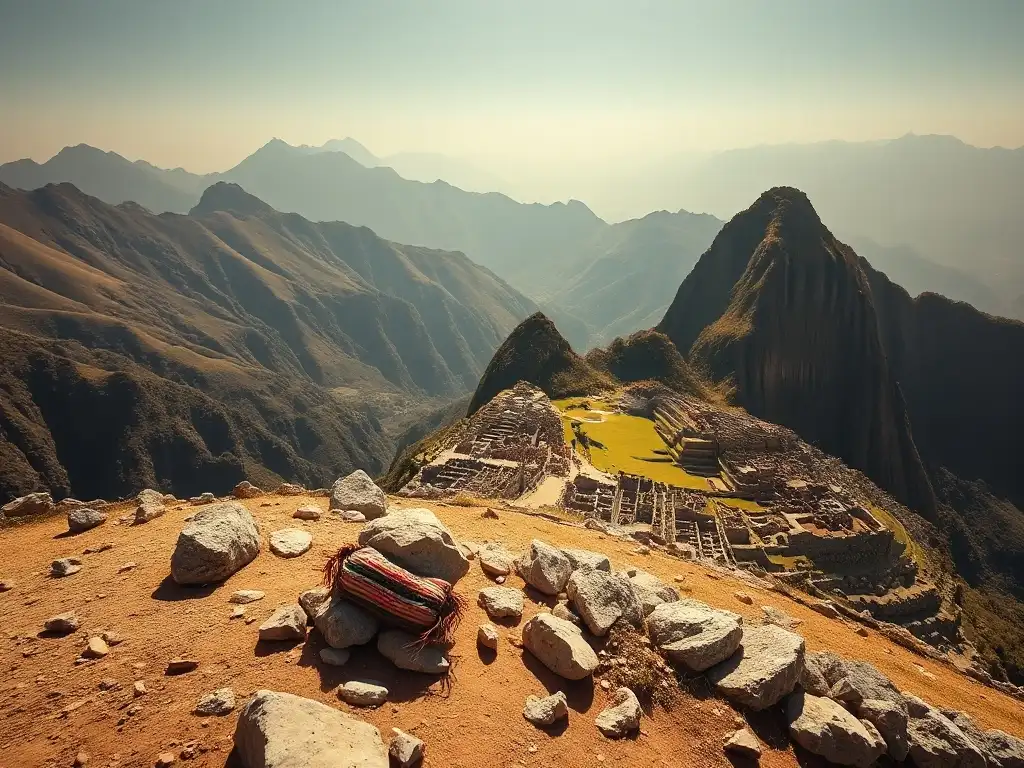
The Inca road system, a marvel of ancient engineering, wasn't merely a network of paths; it was the backbone of the empire's political control and the crucial element enabling its unprecedented unity. Its impact on Inca society is multifaceted and deeply intertwined with military might, efficient administration, and the swift dissemination of information across vast distances. Understanding the Inca road system's impact requires examining its strategic role in facilitating military movements, conquest, communication, and centralized administration.
The keyword "Inca road system impact" encapsulates the far-reaching consequences of this remarkable infrastructure. This analysis will delve into specific examples demonstrating how this road network profoundly shaped the Inca empire's power and longevity.
Facilitating Military Movement and Conquest
The Inca road system played a pivotal role in the empire's military successes. Its strategic design allowed for the rapid deployment of troops and the efficient supply of resources, crucial factors in conquering and controlling a vast and diverse territory.
Inca Army Deployment and Logistics
The Inca army, known for its discipline and organization, relied heavily on the road network for swift mobilization. Troops could be moved quickly to quell rebellions, respond to threats, or launch new campaigns of conquest. This speed and efficiency were impossible without the well-maintained roads and strategically placed tambos (roadside resting places).
Consider the swift response to rebellions in distant provinces – the ability to deploy troops within days, rather than weeks or months, significantly limited the scope and duration of any unrest. This speed of response was a key component in maintaining the empire's stability and control. Analysis of archaeological findings at various tambos reveals evidence of military supplies and provisions, further supporting the critical role of the road system in logistics.
The Road Network as a Tool for Imperial Expansion
The Inca road system wasn't merely reactive; it was proactive in facilitating imperial expansion. The construction of new roads often preceded or accompanied military campaigns, providing a logistical advantage and opening up new territories for incorporation into the empire. The construction itself could be seen as a form of political control, employing conquered populations in road building projects, thereby integrating them into the Inca system and reinforcing imperial authority.
The strategic placement of tambos along these newly constructed roads served not only as resting places but also as military outposts, solidifying Inca presence in newly acquired territories. The expansion of the Inca empire was intrinsically linked to the expansion of its road network, a testament to their sophisticated understanding of infrastructure's impact on political power.
Enhancing Communication and Administration
Beyond military applications, the Inca road system was instrumental in enhancing communication and administration across the vast empire. The seamless integration of communication networks with the road infrastructure allowed for efficient governance and the swift transmission of crucial information.
Inca Messengers (Chasquis) and the Road System
The chasquis, a relay system of runners, were the backbone of Inca communication. These highly trained messengers used the road network to transmit messages across vast distances with astonishing speed. Their network of strategically placed relay points, often located at tambos, allowed for almost instantaneous communication between the capital (Cusco) and the farthest reaches of the empire.
The efficiency of the chasqui system allowed for rapid responses to events, the dissemination of imperial decrees, and the maintenance of centralized control. [Specific data on average message transmission times pending] This system was essential for maintaining order and cohesion across such a geographically diverse empire.
Centralized Control Through Efficient Communication
The chasqui system, facilitated by the Inca road network, enabled a level of centralized control unprecedented in pre-Columbian America. The emperor's decrees could reach distant provinces within days, ensuring the enforcement of laws and the collection of taxes. This efficient communication also allowed for the rapid dissemination of information concerning harvests, resource availability, and potential threats, contributing to a more stable and efficient administration.
The seamless flow of information, facilitated by the road network and the chasquis, was a cornerstone of Inca imperial power, enabling the empire to function as a unified political entity despite its vast size and diverse population. The impact of this centralized control is evident in the empire's relatively long period of stability and prosperity.
The Inca Road System's Contribution to Political Unity

The Inca road system, or Qhapaq Ñan, wasn't merely a network of pathways; it was the arterial system of a vast empire, profoundly impacting the political unity and control of the Inca civilization. Its strategic design and efficient implementation facilitated the integration of diverse regions, strengthened Inca authority, and imposed a sense of uniformity across the empire.
Understanding the Inca road system impact requires examining its role in connecting disparate communities, fostering cultural exchange, and projecting Inca power. The sheer scale of the project, spanning thousands of miles across challenging Andean terrain, is a testament to Inca engineering prowess and its significance in solidifying imperial rule.
Integrating Diverse Regions of the Inca Empire
The Inca Empire encompassed a geographically diverse and culturally heterogeneous population. The Qhapaq Ñan acted as a crucial unifying force, connecting previously isolated communities and regions. This integration wasn't merely physical; it fostered economic interdependence and facilitated the flow of information and resources, creating a sense of shared identity and purpose.
The road network enabled the efficient movement of goods, services, and people, breaking down barriers between different ethnic groups and fostering a sense of unity within the empire. This facilitated the smooth functioning of the mita system, a form of labor tribute, where individuals from different regions were mobilized for various projects across the empire, further strengthening the bonds between them.
Connecting Remote Communities through the Qhapaq Ñan
The Qhapaq Ñan's impact is evident in its reach. It connected remote mountain villages to coastal settlements, linking the highlands and lowlands of the Andes. This connectivity was vital for trade, facilitating the exchange of agricultural products, textiles, and other valuable goods.
The roads also allowed for the rapid dissemination of information, enabling the central government to maintain control and respond swiftly to any challenges or threats. For example, the swift movement of troops along the roads was crucial in suppressing rebellions and maintaining order across the vast empire. This efficient communication and transportation network was a key element in the Inca's ability to govern such a large and diverse territory.
Fostering Cultural Exchange and Integration
Beyond the logistical benefits, the Inca road system fostered significant cultural exchange. The movement of people along the roads facilitated the dissemination of Inca language, Quechua, and cultural practices. This process of cultural integration, while sometimes coercive, also resulted in the exchange of ideas and traditions between different communities.
The roads facilitated the spread of Inca religious beliefs and practices, further strengthening the empire's ideological unity. The standardization of certain cultural practices, like architecture and agricultural techniques, also contributed to the sense of shared identity across the empire. This cultural homogenization, while arguably limiting local diversity, cemented a sense of commonality among diverse populations.
The Inca road system was intrinsically linked to the power structure of the empire. Its strategic design and placement reinforced Inca dominance and control over the conquered territories. The roads were not just pathways; they were instruments of political power, facilitating the movement of troops, officials, and resources crucial for maintaining order and suppressing dissent. The very existence of this infrastructure served as a constant reminder of Inca authority and reach.
Road Network as a Symbol of Inca Power
The Qhapaq Ñan served as a potent symbol of Inca power and prestige. Its sheer scale and engineering sophistication impressed upon the conquered populations the might and capabilities of the Inca state. The roads themselves, with their strategically placed tambos (roadside inns) and chasquis (relay runners), showcased the empire's organizational capacity and control over its vast territory. The construction and maintenance of the roads required a vast labor force, further demonstrating the Inca's power to mobilize and control human resources. The impressive infrastructure served as a constant visual reminder of the empire's strength and stability.
Imposing Uniformity and Order Through Infrastructure
The Inca road system facilitated the implementation of standardized administrative practices and policies across the empire. The efficient movement of officials and resources allowed for the uniform application of laws and regulations, contributing to a sense of order and predictability. This standardization, while sometimes suppressing local customs and traditions, contributed to the overall political stability and cohesion of the Inca Empire.
The ability to quickly respond to local issues, thanks to the road network, minimized the potential for rebellion and helped maintain a centralized system of governance across the vast territory. The system's impact on political unity was undeniable; it was a tool of both integration and control.
The Economic Impact of the Inca Road System
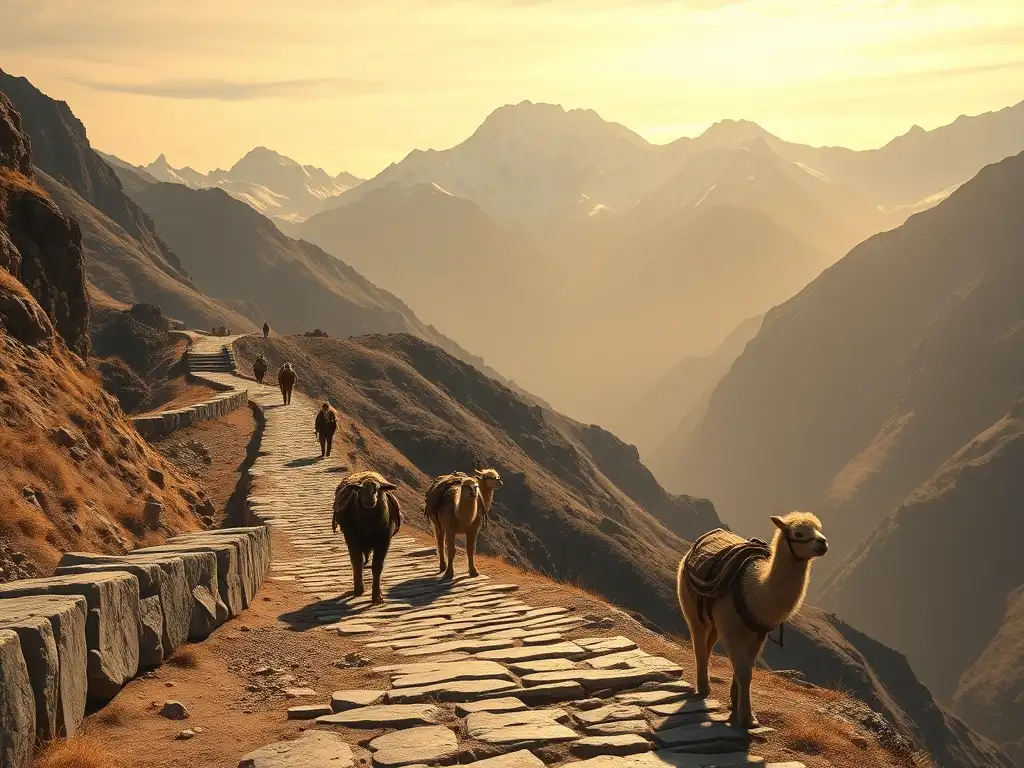
The Inca road system, a marvel of ancient engineering, profoundly impacted the Inca Empire's economy, extending far beyond mere transportation. Its influence on trade, resource distribution, and agricultural practices solidified the empire's power and prosperity. The sheer scale of the network, spanning thousands of miles across diverse terrains, facilitated unprecedented levels of economic integration, contributing significantly to the Inca's political stability and control. Analyzing the Inca road system impact on the economy reveals a sophisticated system designed not just for movement, but for economic dominance. The keyword "Inca road system impact" is central to understanding this multifaceted influence.
Facilitating Trade and Resource Distribution
The Inca road system's impact on trade and resource distribution was transformative. Prior to the Inca expansion, trade within the Andean region was often localized and limited by geographical barriers. The construction of the Qhapaq Ñan (the main Inca road), however, dramatically altered this landscape. This extensive network connected distant regions, allowing for the efficient movement of goods and resources across the vast empire.
Movement of Goods Along the Inca Roads
The movement of goods along the Inca roads was facilitated by a well-organized system of chasquis, relay runners who carried messages and goods across the network. This efficient communication and transportation system allowed for the rapid transfer of essential resources, such as textiles, ceramics, metals, and agricultural products, from surplus areas to regions experiencing shortages.
Estimates suggest that the chasquis could relay messages across hundreds of miles in a single day, showcasing the speed and efficiency of this communication network. The impact of this system is seen in the relatively even distribution of resources throughout the empire, a feat rarely achieved by other pre-industrial societies.
Control of Trade Routes by the Inca State
The Inca state exerted significant control over the trade routes, using the road system not just for facilitating trade but also for regulating it. This control allowed the Inca to levy taxes on goods transported along the roads, generating substantial revenue for the state. Furthermore, the Inca state could strategically manage the flow of goods, ensuring a steady supply of essential resources to key population centers and military outposts.
This control over trade routes was a crucial element of the Inca's economic and political power, strengthening their hold over the empire. Understanding the Inca road system impact on trade requires recognizing this level of state intervention and control.
The Inca Road System's Influence on Agriculture
The Inca road system's impact extended significantly into agricultural practices, transforming how food was produced and distributed throughout the empire. The network played a vital role in supporting specialized agricultural production and ensuring food security for the entire population.
Transportation of Agricultural Products
The efficient transportation of agricultural products was crucial for the Inca Empire's survival and prosperity. The road system allowed for the movement of surplus agricultural goods from regions with abundant harvests to areas experiencing shortages or droughts. This ensured a relatively stable food supply across the empire, mitigating the risks associated with localized crop failures. The timely transport of food was vital in preventing famines and maintaining social order. This aspect of the Inca road system impact is often overlooked, yet it was fundamental to the empire's long-term stability.
Supporting Specialized Agricultural Production
The Inca road system supported specialized agricultural production by facilitating the exchange of seeds, tools, and agricultural knowledge between different regions. This allowed for the cultivation of diverse crops adapted to various ecological zones. For instance, coca leaves, primarily grown in the eastern rainforest regions, could be efficiently transported to other parts of the empire, indicating a complex system of resource management and distribution.
This specialization and efficient distribution, facilitated by the road network, contributed to a higher overall agricultural output and enhanced food security within the Inca Empire. The Inca road system impact on agricultural practices was thus crucial for the empire's economic success and political stability.
The Legacy of the Inca Road Network
The Inca road system, or Qhapaq Ñan, stands as a monumental achievement of Andean engineering and a testament to the Inca Empire's sophisticated political strategy. Its impact extended far beyond mere transportation; it served as the crucial artery of a vast empire, facilitating communication, trade, and ultimately, political control. The Qhapaq Ñan's legacy continues to resonate today, shaping our understanding of Inca society and influencing modern infrastructure projects.
Analyzing the Inca road system's impact reveals a complex interplay of logistical prowess, political acumen, and cultural significance. The sheer scale of the network—spanning over 40,000 kilometers—is staggering, connecting distant regions of the Andes mountains and coastal areas with remarkable efficiency.
This intricate network wasn't simply a collection of paths; it was a strategically designed system that facilitated the movement of people, goods, and information across the empire, solidifying Inca power and cultural unity. The efficient and extensive road system significantly contributed to the Inca Empire's ability to maintain control over its vast and diverse territories.
The Inca Road System's Enduring Influence
The Qhapaq Ñan's influence extends far beyond its immediate function as a transportation network. The strategic placement of roads facilitated the rapid movement of armies, allowing the Inca to swiftly quell rebellions and maintain order across their dominion. This rapid response capability was a key element in the empire's impressive longevity and effective governance. Furthermore, the road system played a vital role in the empire's economic prosperity.
It enabled the efficient distribution of resources, facilitating trade and the exchange of goods between different regions. This interconnectedness fostered economic stability and reduced regional disparities, strengthening the empire's overall economic health. The Qhapaq Ñan also played a critical role in the dissemination of Inca culture and ideology. The movement of people along the roads facilitated the spread of Inca language, customs, and religious beliefs, contributing to a sense of shared identity and cultural unity across the empire.
This cultural dissemination strengthened the empire's political cohesion, further solidifying Inca rule. The impact of the Inca road system on the cultural unification of the empire is undeniable, shaping the social and cultural landscape of the Andes for centuries. The system's impact on the Inca Empire's political stability and economic prosperity is a powerful example of how infrastructure can shape a civilization's destiny.
Modern Day Relevance of the Qhapaq Ñan
Even today, remnants of the Qhapaq Ñan remain visible across the Andes, serving as a powerful reminder of the Inca Empire's engineering prowess. The road system's enduring presence continues to influence modern infrastructure development in the region, inspiring sustainable and environmentally conscious approaches to road construction. The principles of Inca road building—adapting to the terrain, using local materials, and minimizing environmental impact—offer valuable lessons for contemporary engineers and urban planners.
The Qhapaq Ñan serves as a compelling example of sustainable infrastructure development, showcasing the potential for creating transportation systems that are both effective and environmentally responsible. Understanding the Inca approach to road building can provide valuable insights into developing more resilient and sustainable infrastructure solutions for the future.
Preservation Efforts and Historical Significance
The preservation of the Qhapaq Ñan is of paramount importance, not only for its historical significance but also for its potential to inform future infrastructure projects. International efforts are underway to protect and preserve the remaining sections of the road system, recognizing its immense cultural and historical value. These preservation efforts aim to safeguard this invaluable legacy for future generations, ensuring that the Qhapaq Ñan's story continues to inspire and educate.
The ongoing preservation of the Qhapaq Ñan is a testament to the enduring legacy of the Inca Empire and its impact on the world. This commitment to preserving the Qhapaq Ñan reflects a broader appreciation for the cultural heritage of the Andes and its relevance to modern society. The road system's historical significance is undeniable, and its preservation is crucial for understanding the Inca Empire's remarkable achievements and its enduring influence on the Andean region.
The continued study and preservation of the Qhapaq Ñan promise to reveal further insights into the Inca Empire and its sophisticated approach to infrastructure development, offering valuable lessons for contemporary society. The Inca road system's impact on political control and unity is a testament to the power of infrastructure in shaping a civilization's destiny. 🗺️
Conclusion: The Inca Road System's Impact on the Empire
The Inca road system's impact on the empire was profound and multifaceted, extending far beyond mere logistical advantages. Its influence permeated every aspect of Inca society, from political control and economic stability to cultural integration and imperial expansion. The strategically placed chasquis relay stations facilitated rapid communication, allowing the central government to swiftly respond to rebellions, manage resources, and enforce its authority across vast distances. This efficient communication network was crucial in maintaining unity and preventing fragmentation within the empire.
The roads themselves served as arteries of economic activity, facilitating the movement of goods, tribute, and people. The standardization of weights and measures, along with the efficient transportation network, allowed for a more centralized and controlled economy. This economic integration fostered a sense of shared identity and interdependence among the diverse populations under Inca rule. The ability to quickly move troops and resources also played a crucial role in the Inca's military successes and territorial expansion. The empire's impressive growth and longevity were undeniably linked to the effectiveness of its road network.
The Inca road system wasn't simply a collection of paths; it was a powerful symbol of Inca power and authority. Its construction and maintenance represented a massive investment of resources and manpower, demonstrating the state's capacity and control. The roads themselves, with their impressive engineering feats and strategic placement, served as a constant reminder of the empire's might and reach.
The legacy of this system continues to inspire awe and demonstrates the remarkable achievements of Inca engineering and its significant contribution to the empire's political and social success. The impact of the Inca road system is a testament to the power of infrastructure in shaping a civilization's trajectory and its enduring influence on history. Understanding this impact provides crucial insights into the factors that contributed to both the rise and eventual fall of this remarkable empire.
The Inca road system remains a compelling example of how sophisticated infrastructure can underpin political power, economic prosperity, and cultural unity. Its enduring legacy continues to fascinate researchers and demonstrates the ingenuity and organizational capabilities of the Inca civilization.
Frequently Asked Questions
What was the primary purpose of the Inca road system?
The Inca road system, or Qhapaq Ñan, served as the backbone of the empire's political control. It facilitated rapid communication and troop movement, allowing the Inca to maintain authority over vast territories. This swift communication and movement were vital for controlling the empire.
How did the Inca road system impact trade and economic activity?
The extensive network significantly improved trade and economic integration across the Andean region. The efficient transportation of goods stimulated economic growth and facilitated the exchange of resources and products between different regions. This interconnectedness was a key factor for the empire's economic success.
What engineering feats were involved in the construction of the Inca roads?
The Inca roads were a remarkable feat of engineering, showcasing advanced knowledge of construction techniques. They navigated challenging terrains, including mountains and dense jungles, utilizing innovative methods like suspension bridges and stone paving. The quality and durability of the roads are still impressive today.
How did the Inca road system contribute to cultural exchange and unity?
The roads facilitated the movement of people and ideas, fostering cultural exchange and a sense of unity across the diverse regions of the empire. This exchange helped to standardize certain aspects of Inca culture and beliefs across the empire. The Qhapaq Ñan therefore played a significant role in creating a shared Inca identity.
What is the legacy of the Inca road system today?
Remnants of the Inca road system remain today, serving as a testament to the Inca's engineering prowess and organizational skills. The Qhapaq Ñan is recognized as a UNESCO World Heritage site, highlighting its historical and cultural significance. Studying the Qhapaq Ñan provides valuable insights into Inca civilization and its lasting impact.
Final Reflection: Echoes of the Inca Road: Legacy of Unity and Control
The Inca road system, a marvel of ancient engineering, remains a potent symbol of centralized power and its enduring impact on societal cohesion is still felt today. Its strategic placement, meticulous construction, and efficient functionality weren't merely logistical achievements; they were the very arteries of a vast empire, demonstrating the power of infrastructure to shape political landscapes and forge a sense of shared identity. This intricate network wasn't just about moving armies; it was about moving ideas, resources, and people, ultimately solidifying Inca dominance across a diverse and challenging terrain.
The Inca road's influence extends far beyond its physical presence. It serves as a powerful reminder of how infrastructure can be a tool for both unification and control, a lesson relevant in our increasingly interconnected world. A nation's greatness is measured not by its size or wealth, but by the integrity and quality of its infrastructure.
This quote, though not directly about the Inca, perfectly encapsulates the enduring legacy of their road system and its profound impact on their ability to govern and unify such a vast empire. The echoes of their ingenuity continue to resonate in modern discussions about infrastructure development and its role in shaping societies.
Consider the implications of this ancient achievement. How can we, in our own time, leverage the lessons learned from the Inca road system to build stronger, more equitable, and interconnected communities? Think about the power of infrastructure not just as a means of transportation, but as a catalyst for social progress and unity. Let the legacy of the Inca road inspire you to consider the profound impact of infrastructure on your own life, your community, and the world at large. Let us strive to build connections, not just roads, that foster understanding and shared prosperity.
**Unveil the Secrets of the Inca Legacy! **
Thank you for joining us on this journey through the fascinating **Inca Road Network** and its profound influence on political control and unity in the Andes. You've gained insights into how this extraordinary infrastructure shaped the region and its people. Now it’s time to delve deeper into this rich history!
Here are some ways to connect with the Inca legacy:
- **Explore** the remnants of the Inca trails by planning a visit to key archaeological sites, perhaps even embarking on a trek along one of the famous routes.
- **Join** a local history group or online forum dedicated to Andean civilizations to learn more about their impressive accomplishments and share your discoveries.
- **Share** your newfound knowledge by writing a blog post or sharing this article with friends and family who might be interested in learning more about the Inca.
What aspect of the Inca civilization captivates you most? Share your thoughts below!