
A Symphony of Stone: Delving into the Inca's Use of Cyclopean Masonry

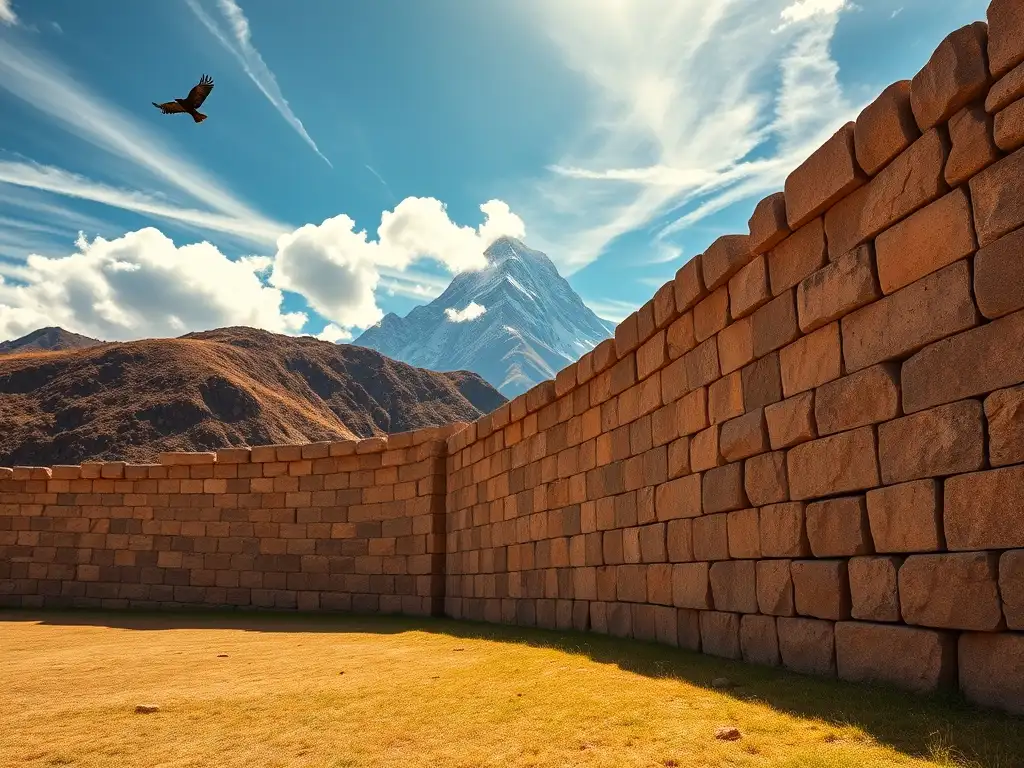
Step into a world lost to time, yet echoing with the whispers of giants. The Andean Civilizations website unveils the mysteries of a remarkable past, from the intricate artistry of the Nazca lines to the awe-inspiring engineering feats of the Incas. But prepare to be truly astonished by the secrets held within Inca cyclopean masonry techniques – a mastery of stone so precise, it challenges our understanding of ancient technology. Dare to uncover the story behind these monumental structures and embark on a journey through the breathtaking legacy of the Andes.
The Inca Empire, a marvel of ancient engineering, left behind a legacy of breathtaking structures that continue to inspire awe and wonder. Central to their architectural achievements is their mastery of cyclopean masonry, a technique involving the precise fitting of enormous, irregularly shaped stones without the use of mortar. This article delves into the intricacies of Inca cyclopean masonry techniques, exploring the methods, materials, and the enduring mystery surrounding this remarkable feat of construction.
We'll examine the precision, scale, and ingenuity behind these monumental structures, revealing the sophisticated understanding of engineering and architecture possessed by the Inca civilization. From the iconic walls of Sacsayhuamán to the intricate stonework found throughout their vast empire, we will uncover the secrets behind this iconic building style and its lasting impact on Andean architecture.
Understanding Inca cyclopean masonry provides crucial insight into their societal organization, technological prowess, and enduring cultural legacy. The precision and scale of these constructions stand as a testament to the Inca's advanced knowledge of engineering, resource management, and collaborative effort.
Understanding Inca Cyclopean Construction
Inca cyclopean masonry wasn't simply about stacking large stones; it was a sophisticated process requiring meticulous planning, skilled labor, and a deep understanding of stone properties. The process began with the selection of suitable stones from nearby quarries. Evidence suggests the Inca utilized various tools, including copper chisels and mallets, to shape and refine the massive blocks.
However, the exact methods used to achieve such incredibly precise fits remain a subject of ongoing debate and research. Some scholars suggest the use of rudimentary levers and rollers for transportation, while others propose more sophisticated techniques involving ramps and water-based systems to maneuver the colossal stones into place.
The precision of the Inca's work is astonishing. Many stones fit together so tightly that even a knife blade cannot be inserted between them. This level of accuracy wasn't achieved by chance; it required careful planning and execution. The Inca masons demonstrated an impressive understanding of geometry and engineering principles, meticulously shaping each stone to perfectly complement its neighbors.
Their understanding of stress distribution and load-bearing capabilities is evident in the stability and longevity of these structures, which have withstood earthquakes and the ravages of time for centuries. The sheer scale of some projects, like Sacsayhuamán, is equally impressive, showcasing the Inca's ability to mobilize vast workforces and manage complex logistical challenges. The intricate interlocking of the stones not only enhances the structural integrity but also contributes to the aesthetic beauty of the constructions.
Defining Cyclopean Masonry in the Inca Context
The term "cyclopean masonry" itself evokes images of immense scale and monumental architecture. While the term is often used broadly to describe ancient structures built with massive stones, its application to Inca constructions requires a nuanced understanding. In the Inca context, cyclopean masonry isn't simply characterized by the size of the stones, but also by the precision of their fit and the absence of mortar.
The meticulous shaping and placement of each stone, often with multiple interlocking surfaces, distinguish Inca cyclopean masonry from other forms of large-stone construction found in other ancient cultures. This precision reflects not only a remarkable level of craftsmanship but also a deep understanding of structural engineering principles. The lack of mortar further emphasizes the sophistication of the technique, highlighting the Inca's ability to achieve stability and durability through the precise interlocking of stones alone.
This characteristic is a key distinguishing feature of Inca cyclopean masonry and a testament to their advanced architectural knowledge. The term, therefore, encompasses not only size but also the unparalleled precision and engineering ingenuity behind the construction. The artistry and technical skill involved in creating these structures continue to fascinate researchers and inspire architects today.
Key Features of Inca Large Stone Construction
Inca cyclopean masonry, renowned for its precision and monumental scale, exhibits several key features that distinguish it from other ancient building techniques. One striking characteristic is the incredibly tight fit of the stones. Many examples show stones fitted together with such accuracy that even a knife blade cannot be inserted between them.
This wasn't simply a matter of aesthetics; the precise joining maximized the structural integrity of the walls, making them incredibly resistant to earthquakes, a common occurrence in the Andes. The absence of mortar in many structures further emphasizes the skill involved, relying entirely on the precise shaping and placement of the stones to achieve stability. Furthermore, the Inca masterfully incorporated varied stone sizes and shapes within a single wall, creating a complex and visually stunning effect.
This wasn't random; the use of different-sized stones likely served a structural purpose, interconnecting and supporting each other in a way that optimized strength and stability. Finally, the intricate designs and patterns often incorporated into the stonework demonstrate a high level of artistic skill and planning, elevating the structures beyond mere fortifications or buildings to works of art. The sheer scale of some projects, like the walls of Sacsayhuamán, is also a testament to the Inca's organizational prowess and mastery of engineering principles.
Materials Used in Inca Cyclopean Walls
The Inca's choice of materials for their cyclopean masonry was dictated by both availability and the specific properties of the stone. Andesite, a type of volcanic rock known for its strength and durability, was a primary material. Its resistance to weathering and seismic activity made it ideal for constructing structures intended to withstand the harsh Andean climate and frequent earthquakes.
The specific type of andesite varied depending on the location of the construction site, with quarries often located relatively close to the building projects to minimize transportation challenges. While andesite was dominant, other stones were also used, reflecting the ingenuity of the Inca builders in adapting to the local geology. For instance, in some regions, granite or other locally abundant stones were incorporated, demonstrating the Inca's ability to work with diverse materials while maintaining the high standards of their characteristic precise fit.
The selection of materials wasn't arbitrary; the Inca possessed a deep understanding of the properties of different stones and selected those best suited for their specific needs, showcasing advanced knowledge of geology and engineering. The absence of mortar in many instances further highlights the importance of the stone's inherent strength and durability.
Quarrying Techniques for Massive Inca Stones
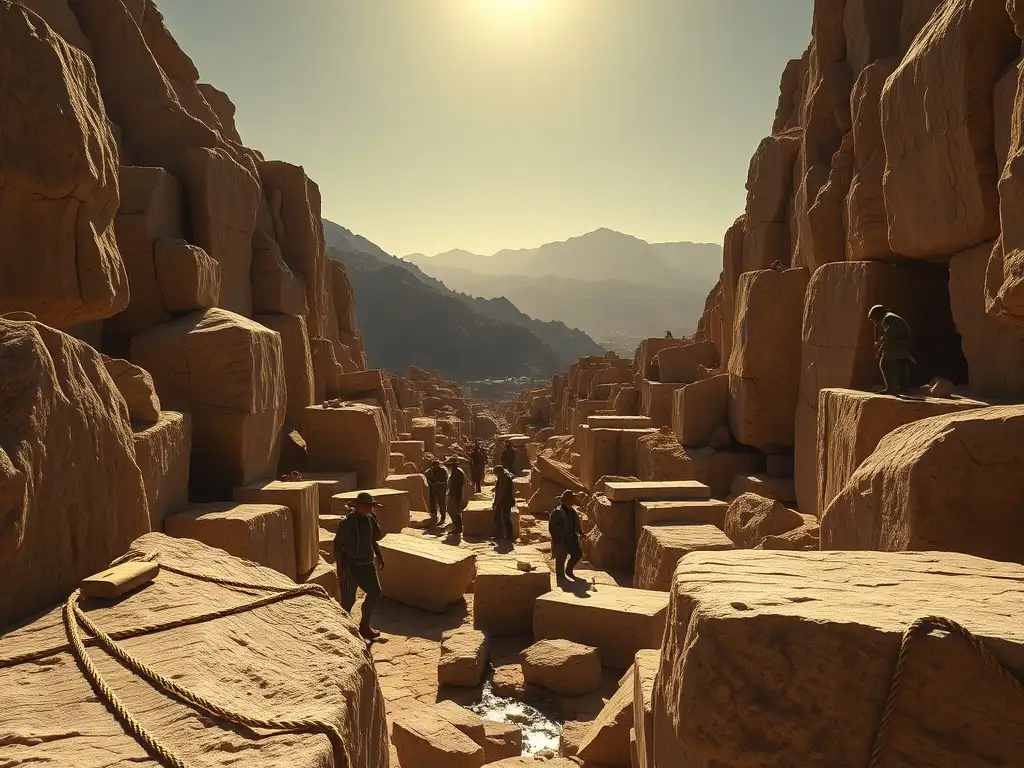
The extraction of the massive stones used in Inca cyclopean masonry remains a subject of ongoing fascination and research. While the precise techniques used are still debated by archaeologists and engineers, evidence suggests a combination of sophisticated methods. It's likely that the Inca employed a combination of techniques, including the use of stone hammers and wedges to loosen blocks from the bedrock.
Fire setting, a method involving heating and cooling rock to create fractures, may also have been employed to aid in the quarrying process. Once loosened, the massive stones were likely transported using ramps, rollers, and perhaps even systems of levers and pulleys, although the precise methods remain somewhat mysterious. The sheer size of some of these stones, weighing many tons, suggests a remarkable level of organization and engineering prowess.
The transportation of these massive blocks across challenging terrain further underscores the Inca’s mastery of logistics and their advanced understanding of engineering principles. The precision with which these stones were shaped and fitted together after quarrying suggests a sophisticated understanding of stone-cutting techniques and a highly skilled workforce. Ongoing research continues to reveal more about the Inca's impressive quarrying and transportation techniques, adding to our appreciation of their remarkable architectural achievements.
Transportation of Large Stones in the Inca Empire
The sheer scale of Inca structures, particularly those employing cyclopean masonry, raises a crucial question: how did they move such enormous stones across challenging Andean terrain? The answer isn't a single method, but rather a sophisticated system leveraging both human ingenuity and environmental understanding. Evidence suggests a combination of techniques was employed, adapting to the specific geographical conditions and the size of the stone blocks.
One prevalent theory involves the use of ramps and inclined planes. These were likely constructed using earth, timber, and potentially even smaller stones, carefully graded to minimize friction. The incline would have been gradual, reducing the strain on the workers and allowing for the controlled movement of colossal blocks. Archaeological surveys have uncovered potential remnants of these ramps near various Inca sites, though the precise locations and extent of their use remain subjects of ongoing research.
Beyond ramps, the Incas likely employed a system of rollers and levers. Wooden rollers, placed beneath the stone, would have significantly reduced friction, allowing for easier movement across relatively flat stretches of land. Levers, strategically positioned, provided additional mechanical advantage, enabling teams of workers to maneuver even the heaviest stones.
The use of ropes and slings, made from strong natural fibers like llama wool or cotton, would have further assisted in guiding and controlling the stone's trajectory. The organization of the workforce, likely involving specialized groups of porters and engineers, played a crucial role in the efficiency of this process. Their expertise in ropework, leverage, and path planning would have been essential for the successful transport of these massive stones.
Inca Stoneworking Techniques: Shaping the Giants
The precision of Inca cyclopean masonry isn't solely a testament to their transportation prowess; it also reflects their mastery of stoneworking techniques. The Incas didn't simply move massive blocks; they meticulously shaped them to fit together with astonishing accuracy. Their techniques, passed down through generations of skilled artisans, involved a combination of sophisticated tools and a deep understanding of the properties of the stone itself.
Hammerstones, made of harder materials like andesite or diorite, were employed to rough-shape the stones. These were likely used in conjunction with chisels and punches, creating grooves and shaping the surfaces. Sand and water may have been used as abrasives to smooth the stone surfaces and create finer details. The Incas' understanding of the stone's grain and its susceptibility to fracturing was critical in shaping the blocks without causing irreparable damage. This suggests a high level of technical knowledge and experience that allowed for the controlled removal of material with minimal waste.
Evidence suggests the use of both direct percussion and indirect percussion methods. Direct percussion involved striking the stone directly with a hammerstone, while indirect percussion may have involved using a smaller stone as an intermediary to control the force and precision of the impact. The development of these techniques and the refinement of tools over time contributed to the increasing precision observed in later Inca structures.
The intricate carvings and precise shapes found in many Inca stones speak to the artistry and skill of these ancient builders. The process was likely iterative, with constant adjustments made as the stones were shaped and fitted into place.
Precision Fitting in Inca Cyclopean Masonry
The hallmark of Inca cyclopean masonry is the incredibly tight fit between individual stones, often with minimal or no mortar used. This precision isn't accidental; it's the result of sophisticated techniques and a remarkable understanding of geometry and engineering. The astonishing fit of the stones, often described as “perfectly fitted,” is a result of a combination of factors.
Firstly, the Incas possessed an advanced understanding of geometry and spatial relationships. They likely employed various methods to ensure the stones were shaped accurately, perhaps using templates or marking systems to guide the shaping process. The use of plumb bobs and leveling instruments would have been critical in ensuring the verticality and alignment of the walls. Their mastery of geometry allowed them to create structures that were both aesthetically pleasing and structurally sound.
Secondly, the choice of stone played a critical role. The Incas selected specific types of stone, often andesite or granite, known for their durability and ability to be precisely shaped. The inherent characteristics of the stone material, combined with their knowledge of its properties, allowed them to achieve the incredibly tight fit.
The careful selection and preparation of the stone material significantly impacted the final outcome, minimizing the need for extensive adjustments during construction. The almost imperceptible gaps between stones in many Inca structures are a testament to their skill and precision. This remarkable precision not only created aesthetically stunning structures but also contributed to their incredible durability, allowing them to withstand the test of time.
The Role of Inca Labor in Construction
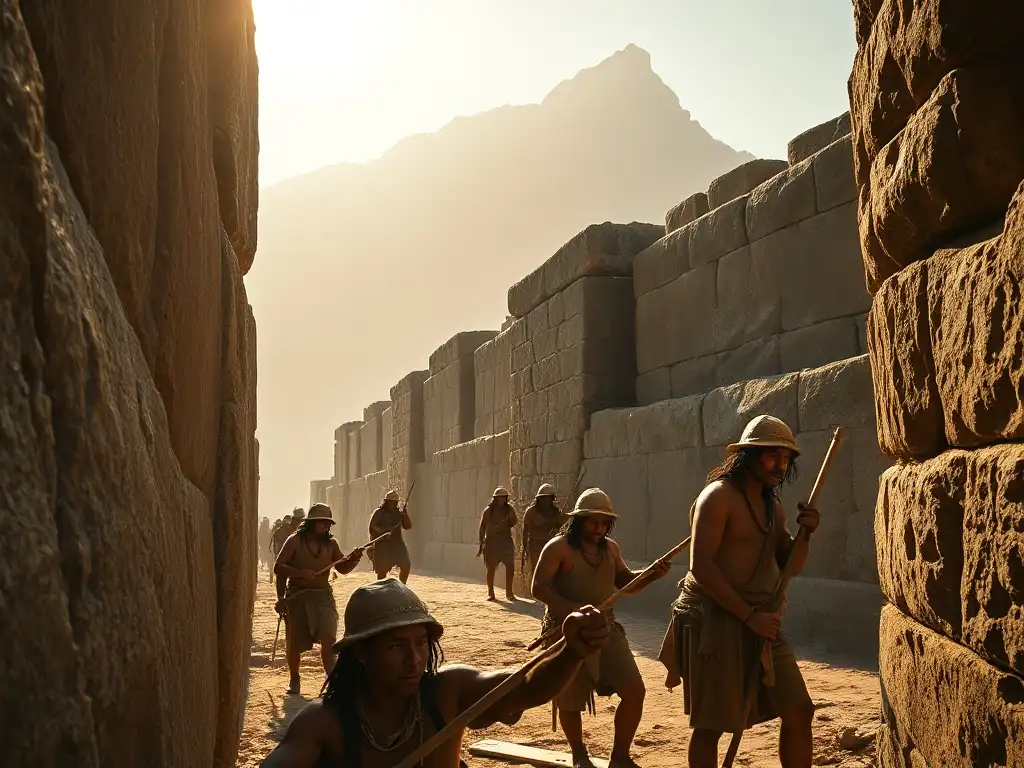
The Inca Empire's impressive feats of engineering, particularly their cyclopean masonry, were achieved through a highly organized and efficient labor system. The mita, a form of mandatory public service, played a crucial role. This system required able-bodied citizens to contribute a portion of their time to public works projects, including the construction and maintenance of roads, temples, and fortifications. While the mita system could be demanding, it ensured a large, readily available workforce capable of undertaking monumental tasks.
The Inca government carefully managed this workforce, organizing them into specialized teams based on their skills and experience. This included stonemasons, carriers, and other skilled laborers, all working in a coordinated manner to achieve the desired architectural results. Evidence suggests that the organization and planning of these projects were meticulous, with sophisticated logistics ensuring the timely delivery of materials and the effective deployment of labor.
The system's efficiency is a testament to the Inca's understanding of project management and their ability to harness the collective strength of their empire. Furthermore, the Inca’s understanding of social structures and community responsibility ensured that the mita was not simply forced labor, but a system intrinsically tied to societal obligations and reciprocal benefits. This ensured a higher level of commitment and pride in the work being carried out.
Notable Examples of Inca Cyclopean Masonry
The Inca's mastery of cyclopean masonry is evident in numerous structures throughout their vast empire. These examples showcase not only their impressive engineering skills but also their artistic sensibilities and deep understanding of the landscape. The precision and scale of these constructions stand as a testament to their advanced civilization and ability to mobilize vast resources.
The use of massive, precisely fitted stones, often without mortar, is a defining characteristic of Inca architecture, highlighting their expertise in stone cutting, transportation, and placement. The selection of stone types and the varying techniques employed across different sites reflect the Inca's adaptability and their knowledge of local materials and geological conditions.
Analyzing these examples provides invaluable insight into the Inca's construction processes, their societal organization, and their relationship with their environment. The diversity of these sites also highlights the empire's expansive reach and its ability to maintain consistent architectural standards across geographically diverse regions.
Sacsayhuamán: A Masterpiece of Inca Stone Engineering
Sacsayhuamán, located near Cusco, is perhaps the most iconic example of Inca cyclopean masonry. Its colossal, multi-ton stones, some perfectly fitted together without mortar, are a breathtaking testament to Inca engineering prowess. The sheer scale of the complex, combined with the precision of the stonework, suggests an advanced understanding of geometry, engineering principles, and the properties of stone.
The walls' zigzagging design likely served both defensive and symbolic purposes, showcasing the Inca's military strength and their sophisticated understanding of architectural design. The precise joining of these massive stones, some weighing over 100 tons, continues to baffle engineers and researchers, highlighting the advanced technology and sophisticated workforce employed in its construction.
The surviving structures at Sacsayhuamán, despite centuries of weathering and attempts at destruction, stand as a remarkable example of the durability and resilience of Inca construction techniques. The intricate details and the immense scale of the work underscore the profound level of planning and organization required for such a monumental project.
Ollantaytambo: Terraces and Cyclopean Walls
Ollantaytambo, a significant Inca site located in the Sacred Valley, showcases the Inca's ability to integrate cyclopean masonry into complex terraced agricultural systems. The massive walls, constructed from precisely cut stones, support extensive agricultural terraces that were crucial for food production in the mountainous terrain. The integration of agricultural functionality with impressive stonework highlights the Inca’s holistic approach to engineering and their understanding of the relationship between architecture and the environment.
The precision of the stonework in the terraces and walls is remarkable, demonstrating the Inca's expertise in both stone cutting and water management. The terraces themselves, built into the steep slopes, represent a remarkable feat of engineering, optimizing land use and mitigating the risks of erosion.
The site's scale and complexity suggest a significant investment of labor and resources, reflecting the importance of agriculture within the Inca empire. Ollantaytambo serves as a compelling example of the Inca's ability to adapt their masterful stonework techniques to serve practical agricultural needs.
Machu Picchu: Integrating Architecture with Nature
Machu Picchu, the famed "Lost City of the Incas," is another remarkable example of Inca cyclopean masonry. The site's integration with its dramatic mountain setting is a testament to the Inca's deep understanding of both architecture and nature. The precisely fitted stones of the buildings blend seamlessly with the surrounding landscape, creating a harmonious and awe-inspiring ensemble.
The complex's construction, perched high in the Andes, required immense logistical planning and exceptional engineering skills. The use of cyclopean masonry in the construction of the buildings, temples, and agricultural terraces demonstrates the Inca's mastery of stonework and their ability to adapt their techniques to the challenging terrain. The precision and scale of the stonework, combined with the site's breathtaking location, make Machu Picchu one of the most iconic and enigmatic examples of Inca architecture.
The integration of architecture and nature at Machu Picchu perfectly exemplifies the Inca's sophisticated approach to construction and their remarkable ability to create structures that are both functional and aesthetically stunning. The site continues to inspire wonder and admiration, serving as a powerful reminder of the Inca's advanced civilization and their deep connection to the natural world.
The Purpose of Cyclopean Structures in Inca Society
The Inca Empire's mastery of cyclopean masonry—the construction of structures using enormous, precisely fitted stones—served multiple crucial purposes beyond mere aesthetics. These monumental constructions were integral to the Inca worldview and their societal organization. The sheer scale of these projects speaks volumes about their engineering prowess and the immense human resources mobilized for their creation.
The precision involved in shaping and fitting these massive blocks, often without the use of mortar, is a testament to the advanced knowledge and skills of Inca stonemasons. This skill wasn't just about building; it was about demonstrating power, control, and a connection to the divine. The impressive structures served both practical and symbolic functions, deeply intertwined within Inca culture and beliefs.
Defensive Structures and Fortifications
Many Inca cyclopean structures served critical defensive purposes. Fortifications like Sacsayhuamán, near Cusco, are prime examples. The massive, irregularly shaped stones, some weighing many tons, were meticulously fitted together to create nearly impenetrable walls. The strategic placement of these walls, often incorporating natural features of the landscape, made them formidable defenses against potential invaders.
The sheer size and weight of the stones deterred attackers, while the precise fitting minimized weak points. The uneven surfaces and interlocking nature of the stones made scaling the walls extremely difficult. The ingenuity of these defensive systems highlights the Inca's understanding of both engineering and military strategy, showcasing their ability to seamlessly integrate natural and man-made elements for optimal defense.
Royal Residences and Ceremonial Centers
Beyond fortifications, Inca cyclopean masonry was extensively used in constructing royal residences and ceremonial centers. The palaces and temples of Cusco, the Inca capital, are striking examples. The impressive stonework not only provided durable and aesthetically pleasing structures but also served to convey the power and authority of the Inca emperor and the elite.
The meticulous craftsmanship demonstrated the Inca's ability to control resources and command labor, reinforcing their legitimacy and divine right to rule. The scale and grandeur of these buildings were intended to awe and inspire, solidifying the Inca's position as rulers of a vast and powerful empire. This symbolic display of power was crucial to maintaining social order and reinforcing the legitimacy of the Inca state.
Symbolic Significance of Massive Stone Architecture
The Inca's use of cyclopean masonry was not solely a practical endeavor; it held deep symbolic significance within their cosmology and religious beliefs. The massive stones, carefully fitted together, represented the Inca's connection to the earth and their ancestors. The precision and artistry of the construction underscored the Inca's belief in order, harmony, and their ability to shape the world according to their divine mandate.
The monumental scale of the structures may have also been intended to reflect the power and permanence of the Inca empire, mirroring their belief in their own longevity and dominion over the Andean region. The very act of constructing these colossal structures was a ritualistic undertaking, reinforcing their connection to the divine and strengthening their social fabric.
Comparing Inca Masonry with Other Andean Techniques
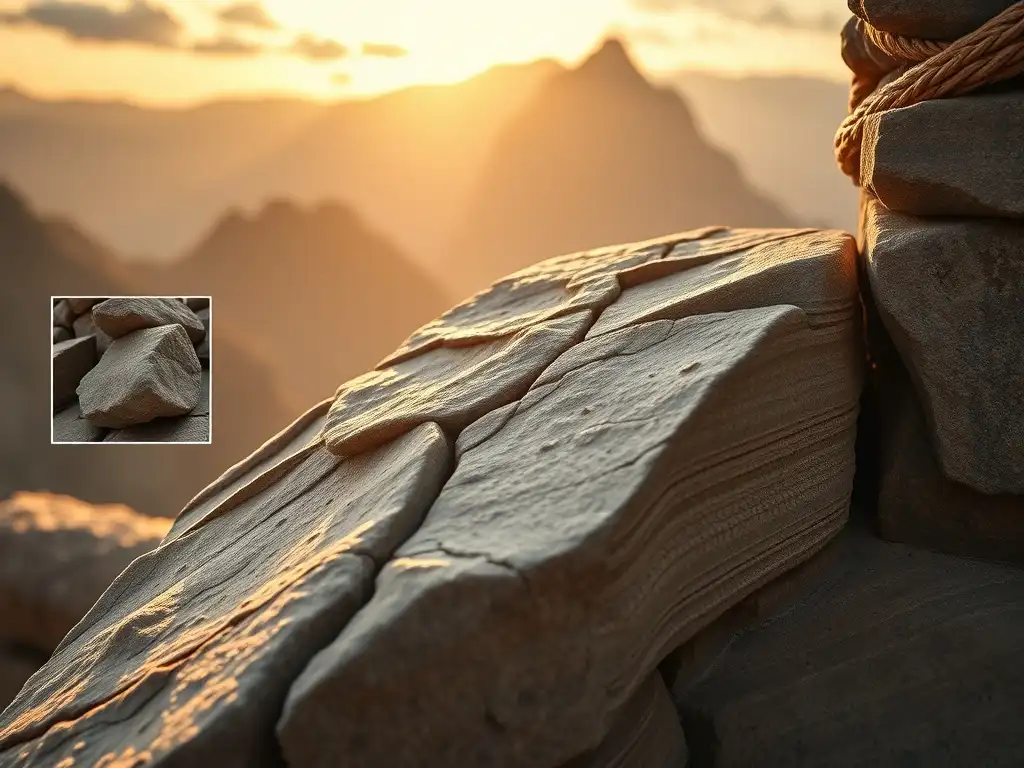
While Inca cyclopean masonry is renowned for its scale and precision, it's vital to understand its place within the broader context of Andean construction techniques. Comparing Inca masonry with those of other Andean cultures reveals both similarities and crucial differences, providing insights into the evolution of architectural styles and technologies across the region.
The Inca's achievements must be viewed within the rich heritage of pre-Inca traditions, acknowledging the influence of earlier Andean cultures on their own innovations. This comparative approach allows for a more nuanced understanding of the Inca's technological achievements and their broader place within the history of Andean architecture.
Contrasting Inca Stone Work with Pre-Inca Masonry Styles
Pre-Inca cultures, such as the Wari and Tiwanaku, also demonstrated considerable skill in stonework, but their techniques often differed from those employed by the Inca. While some pre-Inca structures utilized large stones, the Inca's mastery of precise fitting and the scale of their projects surpassed those of their predecessors. Pre-Inca structures frequently employed less precise techniques, sometimes relying on mortar to hold stones together, unlike the Inca's preference for dry-stone construction.
This contrast highlights the Inca's advancements in engineering and their ability to mobilize vast resources for monumental projects. The development of Inca techniques represents a significant leap forward in Andean construction, showcasing a distinct evolution of architectural styles and methods.
The Influence of Tiahuanaco on Inca Construction
The influence of the Tiahuanaco culture on Inca construction, particularly in terms of stonework, is a subject of ongoing scholarly debate. While the Inca clearly developed their own distinct style, there are noticeable similarities between certain aspects of Tiahuanaco architecture and Inca cyclopean masonry. Some scholars argue that the Inca inherited certain techniques and design principles from Tiahuanaco, while others emphasize the Inca's innovative adaptations and refinements.
The debate highlights the complex interplay of cultural exchange and independent innovation within the Andean region. Further research is needed to fully determine the extent of Tiahuanaco's influence on the development of Inca cyclopean masonry techniques. Analyzing architectural details and comparing construction methods can shed more light on this intriguing relationship.
The Legacy of Inca Cyclopean Masonry
The Inca legacy extends far beyond their intricate road systems and impressive agricultural terraces. Their mastery of cyclopean masonry, the art of constructing buildings from massive, precisely fitted stones, stands as a testament to their advanced engineering skills and profound understanding of architecture. This technique, characterized by the use of colossal stones with minimal or no mortar, is evident in iconic structures like Sacsayhuamán, Ollantaytambo, and Machu Picchu.
These sites not only showcase the Inca's architectural prowess but also offer invaluable insights into their societal organization and resource management. The sheer scale of these projects implies a highly coordinated workforce, sophisticated planning, and a deep understanding of stone cutting and placement. The precision with which these massive stones were fitted together, often without the use of mortar, is truly remarkable and continues to inspire awe and wonder centuries later.
The legacy of Inca cyclopean masonry is not merely aesthetic; it's a reflection of a civilization's ingenuity and organizational capabilities, leaving an enduring mark on our understanding of ancient Andean engineering. The precision and scale of the work continue to challenge modern engineers and architects, prompting ongoing research and study.
Preserving Inca Stone Structures for Future Generations
Preserving these incredible feats of Inca engineering presents significant challenges. The passage of time, along with natural disasters like earthquakes and erosion, constantly threaten the integrity of these ancient structures. Modern conservation efforts involve a delicate balance between preserving the original construction techniques and employing modern technologies to stabilize and protect these sites. Experts meticulously document the condition of each stone, employing advanced surveying and imaging techniques to monitor any structural shifts or deterioration.
Careful cleaning and consolidation methods are used to remove accumulated debris and strengthen weakened stones, while minimizing any disruption to the original fabric of the buildings. The challenges are multifaceted, ranging from the sheer scale of the structures to the complex interplay of environmental factors. For example, the effects of freeze-thaw cycles on the porous nature of the stones require specialized treatment.
Furthermore, the increasing tourism at these sites necessitates careful management to mitigate the impact of human traffic on the already fragile structures. The long-term preservation of Inca cyclopean masonry is a continuous process requiring ongoing investment in research, conservation strategies, and responsible tourism practices. The goal is not merely to maintain the physical structures, but to safeguard the cultural and historical significance they represent for future generations.
Modern Understanding of Inca Engineering Prowess
Modern engineering analysis reveals a sophisticated understanding of Inca construction techniques that goes beyond simple brute force. Researchers are employing advanced techniques, including 3D modeling and digital photogrammetry, to analyze the precise geometry and placement of the stones. This analysis reveals a surprising level of sophistication in their understanding of stress distribution, load-bearing capacity, and seismic engineering.
Studies suggest that the Incas may have employed techniques like interlocking joints and carefully chosen stone shapes to minimize the need for mortar, creating structures surprisingly resistant to earthquakes. The precision of the stonework, often reaching tolerances of less than a millimeter, indicates a high level of craftsmanship and a deep understanding of geometry. Modern engineers are still struggling to fully replicate the Inca's ability to create such precisely fitted structures, particularly considering the tools and technologies available to them.
This ongoing research not only deepens our appreciation for Inca ingenuity but also holds potential for advancements in modern construction techniques, particularly in sustainable and earthquake-resistant building design. The Inca's practical application of engineering principles, often centuries ahead of their time, continues to inspire and inform contemporary architects and engineers.
The Enduring Mystery of Inca Cyclopean Masonry Techniques
Despite extensive research, many aspects of Inca cyclopean masonry techniques remain shrouded in mystery. How did the Incas move and precisely place such massive stones, some weighing tens of tons, without the aid of advanced machinery? What tools did they use, and what were their methods for shaping and fitting the stones with such incredible precision? The lack of written records and the challenges of interpreting archaeological evidence continue to fuel speculation and debate among researchers.
Some theories suggest the use of ramps, levers, and rollers, possibly combined with a deep understanding of physics and leverage. Others propose the use of more advanced techniques, perhaps involving water management or even some form of unknown technology. The sheer scale of some of the projects, coupled with the precision of the work, suggests a level of organization and expertise that is still not fully understood.
The enduring mystery surrounding these techniques adds to the allure and fascination surrounding Inca civilization. Ongoing research, combining archaeological investigation with modern scientific analysis, continues to slowly unravel the secrets of this remarkable ancient technology. The unanswered questions serve as a reminder of the vast knowledge that remains to be discovered and the enduring legacy of Inca innovation.
- Understanding Inca Cyclopean Construction
- Defining Cyclopean Masonry in the Inca Context
- Key Features of Inca Large Stone Construction
- Materials Used in Inca Cyclopean Walls
- Quarrying Techniques for Massive Inca Stones
- Transportation of Large Stones in the Inca Empire
- Inca Stoneworking Techniques: Shaping the Giants
- Precision Fitting in Inca Cyclopean Masonry
- The Role of Inca Labor in Construction
- Notable Examples of Inca Cyclopean Masonry
- The Purpose of Cyclopean Structures in Inca Society
- Comparing Inca Masonry with Other Andean Techniques
- The Legacy of Inca Cyclopean Masonry
- The Enduring Mystery of Inca Cyclopean Masonry Techniques
Frequently Asked Questions
What is cyclopean masonry?
Cyclopean masonry is a building technique using massive, irregularly shaped stones fitted together without mortar. It's characterized by its precise joining and immense scale, creating incredibly durable structures. The Incas were masters of this technique.
How did the Incas achieve such precision in their cyclopean masonry?
The Incas' mastery stemmed from a combination of advanced stone-cutting tools, a deep understanding of stone properties, and potentially sophisticated surveying techniques. The exact methods remain partially mysterious.
What are some examples of Inca cyclopean masonry?
Sacsayhuamán near Cusco is a prime example, showcasing colossal stones perfectly fitted together. Other sites like Ollantaytambo and Machu Picchu also exhibit impressive examples of this technique.
Why did the Incas use cyclopean masonry?
The use of cyclopean masonry provided incredible strength and durability to their structures. It also likely held symbolic significance, demonstrating power and mastery over the natural world.
How does Inca cyclopean masonry compare to other ancient building techniques?
While other civilizations used large stones, the Incas' precision and scale are particularly remarkable. The tight fit of their stones, often without mortar, surpasses many other ancient building traditions.
Final Reflection: Echoes of the Andes: A Legacy in Stone
The precision and ingenuity of Inca cyclopean masonry remain a testament to human potential, a feat of engineering that continues to baffle and inspire architects and engineers today. This ancient technology, far from being a relic of the past, offers valuable lessons in sustainable construction, resourcefulness, and the power of collaborative human endeavor. Its enduring mystery serves as a powerful reminder of the vast knowledge and skill possessed by civilizations preceding our own.
The enduring impact of Inca cyclopean masonry extends far beyond the physical structures themselves. It speaks to a profound connection between a people and their environment, a deep understanding of the land and its resources. The sheer scale and precision of the work evoke a sense of awe and respect, prompting contemplation on the societal structures and collaborative spirit required to achieve such monumental tasks. The stones fit together so perfectly that not even a knife blade can be inserted between them.
This simple observation encapsulates the astonishing mastery of Inca craftsmanship and its lasting influence on our understanding of ancient civilizations.
Consider, for a moment, the implications of this ancient knowledge. What innovative solutions might we uncover by studying the Inca's techniques? How can we apply their principles of sustainability and resourcefulness to address the challenges of modern construction? You, the reader, hold the key to unlocking the potential of this legacy. Let the echoes of the Andes resonate within you, inspiring a deeper appreciation for the past and a commitment to building a more sustainable and innovative future.
**Unveil the Secrets of Inca Mastery! **
Thank you for exploring the fascinating world of Inca cyclopean masonry with us. We've uncovered the incredible craftsmanship and engineering skills of the Inca people. Now, let's delve deeper into the rich history of Andean civilizations!
Here are some ways to continue your exploration:
- **Learn more:** Visit our website at andeancivilizations.com for in-depth articles and resources on Andean architectural wonders.
- **Join the discussion:** Share your thoughts and insights on this ancient building technique in the comments below or on our social media. Let's discuss the lasting impact of Inca innovations!
- **Experience it firsthand:** Plan a visit to a breathtaking Inca archaeological site. A personal experience will greatly enhance your understanding.
What aspect of Inca masonry most fascinates you, and how do you think it shapes our understanding of ancient architecture today?