
Nazca's Hidden Aqueducts: A Glimpse into Underground Water Mastery

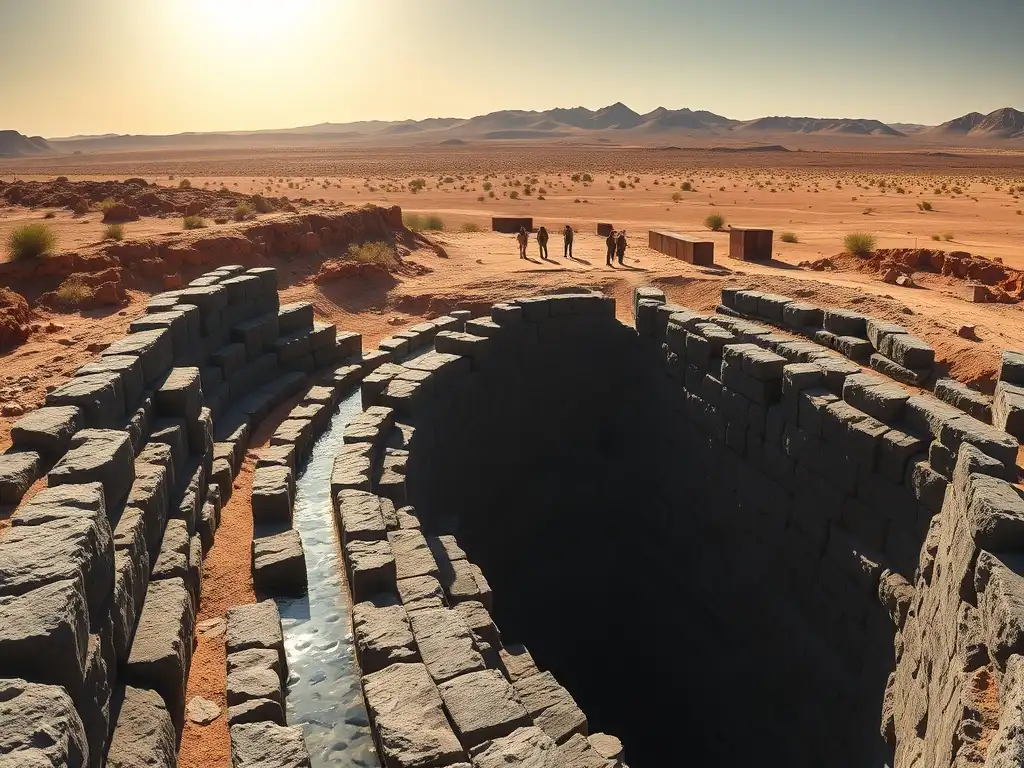
Welcome to Andean Civilizations, where the echoes of a lost world whisper secrets of ingenuity and power. Journey with us through the breathtaking landscapes and remarkable achievements of ancient Andean cultures, from the Incas to the Nazca. But first, prepare to be amazed: did you know that the Nazca people engineered a sophisticated network of underground aqueducts?
Delve into the history and technology behind these marvels of Andean architecture and engineering, and uncover the secrets of their astonishing water mastery. Read on to discover the ingenuity behind Nazca's hidden aqueducts—a testament to the brilliance of a civilization lost to time.
The arid coastal plains of southern Peru, seemingly inhospitable, were home to a remarkably advanced civilization—the Nazca. Their ingenuity wasn't solely expressed in the iconic geoglyphs etched into the desert floor; a far more vital, and arguably more impressive, feat of engineering lay hidden beneath the surface: their intricate network of underground aqueducts. This article delves into the fascinating history and technology behind these subterranean water channels, revealing how the Nazca mastered water management in one of the world's driest environments.
Understanding their aqueducts provides crucial insight into their societal organization, resourcefulness, and the remarkable capacity of Andean civilizations to adapt to challenging environmental conditions. This exploration of Nazca aqueducts history and technology will showcase the sophisticated techniques employed, their lasting impact, and the ongoing efforts to preserve these remarkable achievements.
The Ingenious Design of Nazca Aqueducts
The Nazca aqueducts weren't simply dug channels; they were meticulously planned and constructed systems showcasing remarkable engineering prowess. They are primarily composed of two main types: puquios and canales. The puquios, the most striking feature, are vertical shafts that tap into underground water sources.
These shafts, often lined with carefully fitted stones, lead to a network of horizontal tunnels, or canales, that transport the water to agricultural fields and settlements. The construction involved significant labor and expertise, requiring a detailed understanding of hydrology and geology. The shafts were cleverly positioned to intercept the water table, and the tunnels were constructed with a gentle gradient to ensure a consistent flow.
This wasn't a haphazard process; precise measurements and planning were crucial for the effective functioning of the entire system. The precise methods used for excavation and stone fitting remain subjects of ongoing research, but evidence suggests advanced tools and techniques were employed. Archaeological finds consistently uncover evidence of sophisticated stonework and the use of specialized tools, highlighting the mastery of the Nazca builders.
Materials and Construction Techniques
The construction of the Nazca aqueducts relied heavily on locally sourced materials, primarily stone. The choice of stone varied depending on location and availability, but the quality of workmanship remained consistently high. Stones were carefully selected, shaped, and fitted together to create robust and watertight tunnels.
The precise techniques used to achieve such a level of precision are still being investigated by archaeologists. Evidence suggests the use of simple tools like stone hammers and chisels, but the level of accuracy achieved suggests a high level of skill and expertise among the Nazca builders. Furthermore, the use of mortar, while not always present, further enhanced the durability and watertightness of the structures.
The construction of the aqueducts was a monumental undertaking, requiring considerable manpower and coordinated effort. This implies a well-organized society with a strong understanding of communal work and resource management. The longevity of these structures, some of which are still in use today, speaks volumes about the quality of materials and the expertise of the builders.
The Nazca aqueducts were not merely engineering marvels; they were integral to the social and economic fabric of the Nazca society. Access to a reliable water supply was crucial for agriculture, the foundation of their economy. The aqueducts enabled the cultivation of crops in an otherwise arid environment, supporting a relatively large and dense population.
The efficient distribution of water also played a significant role in social organization, with the management of the system likely overseen by a specialized group or authority. This centralized control over water resources likely contributed to social stratification and political power. The construction and maintenance of the aqueducts required collective effort, further reinforcing social cohesion and communal identity.
The economic benefits derived from increased agricultural productivity fueled the development of other aspects of Nazca culture, including their renowned pottery and textile production. The aqueducts, therefore, represent a remarkable example of how sophisticated engineering solutions can shape social structures and drive economic prosperity.
Preservation and Ongoing Research
Many of the Nazca aqueducts remain remarkably well-preserved, a testament to the quality of their construction and the enduring ingenuity of their creators. However, the passage of time and environmental factors pose ongoing challenges to their preservation. Efforts are underway to protect these invaluable historical sites from damage and degradation.
Archaeological research continues to unveil new insights into the techniques and methods employed by the Nazca. Ongoing studies are focused on understanding the precise hydrological principles utilized in the design of the aqueducts, the social organization behind their construction and maintenance, and the long-term impact of these systems on the Nazca civilization and the environment.
Preserving these historical marvels is not only crucial for understanding the past but also provides valuable lessons for contemporary water management strategies in arid regions. The Nazca aqueducts stand as a powerful reminder of the remarkable achievements of ancient Andean civilizations and the importance of sustainable water resource management.
- The Ingenious Design of Nazca Aqueducts
- Materials and Construction Techniques
- The Social and Economic Significance of the Aqueducts
- Preservation and Ongoing Research
Introduction to Nazca Water Management Systems
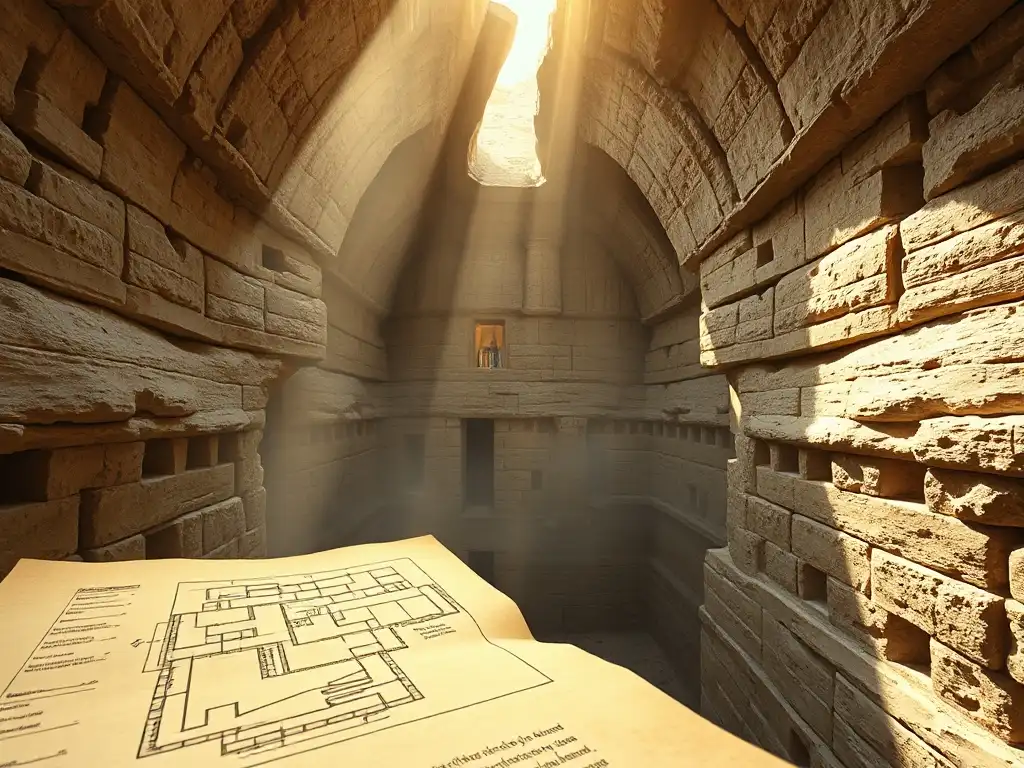
This section delves into the remarkable water management systems employed by the Nazca civilization, a testament to their ingenuity and adaptation to a challenging environment. Understanding their approach to water resource management is crucial to appreciating the sophistication of Nazca culture and its lasting impact on the landscape.
We will explore the technological achievements behind their iconic aqueducts, focusing on the "Nazca aqueducts history and technology" and the societal structures that facilitated their construction and maintenance. The aridity of the region forced the Nazca to develop innovative solutions for survival and prosperity, shaping their social structures and their remarkable legacy.
The Arid Landscape and the Need for Ingenious Solutions
The Nazca region, located on the southern coast of Peru, is characterized by an extremely arid climate. Rainfall is scarce and unpredictable, making the availability of freshwater a critical factor for survival. The lack of surface water sources, coupled with the challenging terrain, presented a significant obstacle to the development of a thriving society. The Nazca people, however, were not deterred.
Instead, they responded to this challenge with remarkable ingenuity, developing sophisticated systems for capturing, storing, and distributing water. This ingenuity, evident in their intricate canal systems and underground aqueducts, represents a significant achievement in ancient hydraulic engineering. Analysis of the region's geology shows that subsurface water sources existed, but accessing them required a deep understanding of the local hydrology and advanced construction techniques. The success of their methods allowed them to cultivate crops, sustain their population, and build a complex and enduring civilization.
Understanding the Importance of Water in Nazca Society
Water wasn't simply a resource for the Nazca; it was intrinsically linked to their worldview, social structures, and religious beliefs. Archaeological evidence suggests that water played a central role in their rituals and ceremonies. The construction and maintenance of the aqueducts were likely communal efforts, requiring cooperation and organization on a large scale. This underscores the importance of water not only for practical survival but also for social cohesion and the reinforcement of societal norms.
The sophisticated design of the aqueducts, their intricate network, and their long-term functionality indicate a high level of social organization and technological expertise. The distribution of water, carefully managed through the aqueduct system, likely played a significant role in determining social status and access to resources within the Nazca community. Further research is needed to fully understand the complex interplay between water management, social hierarchy, and religious practices within Nazca society.
[Specific information pending: detailed analysis of social stratification based on access to water resources]. The meticulous care taken in the construction and upkeep of these systems highlights the paramount importance of water to the Nazca civilization's survival and cultural development. The legacy of their water management techniques continues to impress and inspire, showcasing the remarkable capabilities of ancient Andean engineers.
The Marvel of Nazca Aqueducts: History and Technology
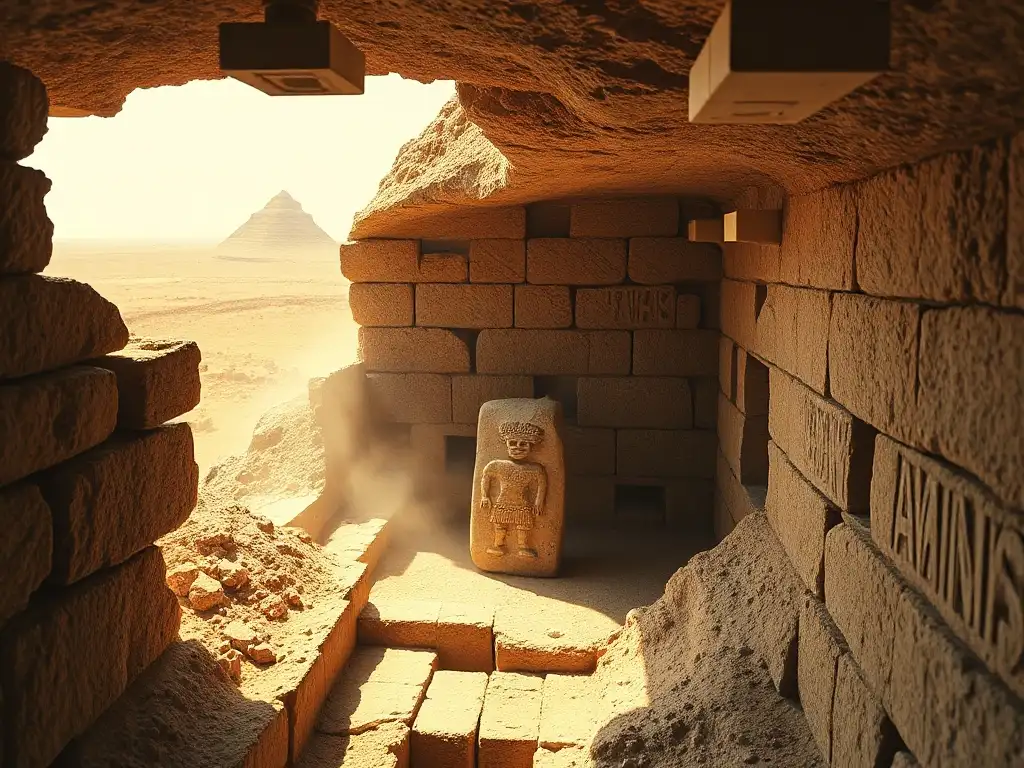
This section delves into the fascinating history and ingenious technology behind the Nazca aqueducts, a testament to the advanced hydraulic engineering of the Nazca culture. Understanding their construction, evolution, and key features provides valuable insight into the ingenuity and resourcefulness of this ancient Andean civilization. The Nazca aqueducts represent a sophisticated approach to water management, crucial for survival in the arid coastal plains of southern Peru.
Their design and implementation showcase a deep understanding of hydrology, geology, and materials science, far exceeding the capabilities often attributed to pre-Columbian societies. The keyword phrase "Nazca aqueducts history and technology" is central to understanding the remarkable achievements of the Nazca people.
Nazca Aqueducts: An Overview of Construction Techniques
The construction of the Nazca aqueducts was a remarkable feat of engineering, given the available tools and materials. The process involved several key steps: Firstly, skilled laborers identified underground water sources using a combination of observation and possibly rudimentary surveying techniques. Then, they dug narrow, vertical shafts, often quite deep, to reach the water table. These shafts, sometimes hundreds of feet deep, were painstakingly excavated using stone tools, likely involving a significant workforce.
Next, horizontal tunnels were excavated from the bottom of these shafts, following the water table. These tunnels, typically 1-2 meters in height and width, were created using stone tools and human labor. They were carefully aligned to ensure a consistent gradient, allowing gravity to move the water. The walls of these tunnels were often reinforced with stones and other materials to prevent collapse.
Finally, ventilation shafts were constructed at regular intervals along the tunnels to provide air for the workers and to facilitate maintenance. This intricate system of shafts and tunnels demonstrates a high level of technical skill and organizational capacity. The precision involved in digging these tunnels, often over considerable distances, is truly astonishing. Evidence suggests that the Nazca people used a variety of techniques to manage the excavated material and navigate underground.
Dating the Construction and Evolution of the Aqueducts
Precisely dating the construction of the Nazca aqueducts remains a challenge. Archaeological evidence, including pottery shards and other artifacts found within the tunnels, suggests a construction period spanning several centuries, likely beginning sometime during the Early Intermediate Period (around 100-800 CE). However, radiocarbon dating and other methods are needed to refine these estimates.
Furthermore, the aqueducts weren't built all at once; instead, they evolved over time, with new sections added and existing ones repaired or modified as needed. This continuous process of construction and adaptation reflects the dynamic nature of the Nazca society and its ongoing response to environmental changes. Some sections might have been abandoned and new ones constructed closer to newly-identified water sources, revealing a flexible and adaptive approach to water resource management.
The evolution of the aqueducts mirrors the evolution of the Nazca culture itself, showcasing their resilience and adaptability in the face of environmental challenges. Further research, incorporating advanced dating techniques and a more comprehensive archaeological survey, is essential for a more precise understanding of the timeline.
Key Features of Nazca Underground Water Canals
The Nazca aqueducts are notable for several key features that highlight their sophisticated design. Their underground nature protected the water from evaporation in the arid climate, a crucial advantage. The tunnels' gentle gradient ensured a steady flow of water without the need for pumps or other mechanical devices, relying solely on gravity.
The use of ventilation shafts was essential for worker safety and allowed for regular inspection and maintenance of the system. Additionally, the strategic placement of the aqueducts, often following natural water courses, minimized excavation and maximized efficiency. The construction material, primarily earth and stone, was locally sourced, reducing transportation costs and environmental impact.
Finally, the system's longevity, with some sections still functioning today, underscores the robustness and effectiveness of the Nazca engineering. The integration of these features into a cohesive system demonstrates a deep understanding of hydrological principles and a remarkable ability to adapt technology to the specific needs of the environment. The Nazca aqueducts stand as a powerful symbol of human ingenuity and the capacity to overcome environmental challenges through innovation and careful planning.
Exploring the Puquios: The Heart of Nazca Water Collection
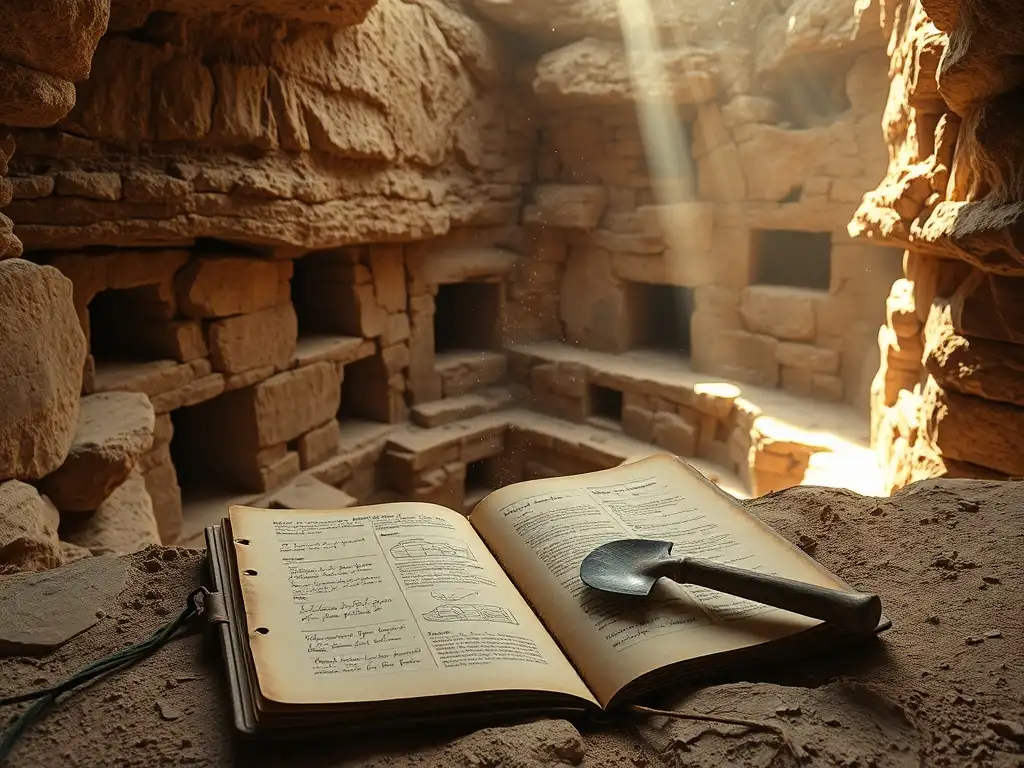
This section delves into the fascinating world of Nazca's ingenious water management systems, focusing specifically on the puquios. These underground aqueducts represent a remarkable feat of ancient Andean engineering, showcasing a deep understanding of hydrology and a sophisticated approach to resource management. The study of Nazca aqueducts history and technology reveals a civilization far ahead of its time in terms of water infrastructure.
Understanding the puquios is key to appreciating the complexity and ingenuity of Nazca civilization's ability to thrive in a desert environment. Their success in harnessing subsurface water sources allowed for sustained agriculture and population growth in a region otherwise characterized by extreme aridity. This sophisticated system stands as a testament to their advanced knowledge of geology and engineering principles.
What are Puquios? Definition and Functionality
Puquios are essentially subterranean channels, meticulously constructed to tap into underground aquifers. Unlike surface canals prone to evaporation and siltation, these ingenious systems drew water from below ground, ensuring a consistent and reliable water supply. The Nazca people demonstrated a remarkable understanding of the water table's location and flow patterns, strategically placing shafts and tunnels to intercept the water.
The functionality of a puquio involved several key components: a series of vertical shafts, horizontal tunnels, and strategically placed ventilation shafts. Water from the aquifer would seep into the tunnels, naturally flowing towards the surface through a carefully designed gradient. This system minimized evaporation and reduced the risk of contamination.
The resulting water was then channeled to agricultural fields and settlements, providing a lifeblood for the Nazca civilization. The efficiency and longevity of these systems are a testament to the precision of their design and construction. Think of them as ancient, highly effective, and sustainable wells, but on a far grander and more intricate scale.
The Engineering Behind Puquio Construction
The construction of the puquios was a complex undertaking requiring specialized knowledge and considerable labor. The Nazca engineers displayed remarkable skills in surveying, excavation, and stonework. They expertly navigated the subterranean landscape, creating intricate networks of tunnels that often extended for considerable distances.
The shafts, typically circular or slightly oval, were dug with remarkable precision, maintaining consistent diameters over significant depths. The horizontal tunnels, connecting the shafts, were carefully graded to ensure a gentle slope for efficient water flow. Evidence suggests that the Nazca people utilized sophisticated tools and techniques, likely employing simple but effective levers, picks, and baskets for excavation and material transport.
The precise alignment of the tunnels, often following the natural contours of the aquifer, indicates a detailed understanding of subsurface geology and water flow dynamics. This level of precision was essential to ensure the efficient and long-term functionality of the puquio systems. The ability to maintain such accuracy underground, without modern surveying tools, speaks volumes about their advanced engineering capabilities.
Materials Used in the Building of Nazca Puquios
The construction materials used in the puquios reflect the Nazca's resourcefulness and adaptability. The most common material was stone, typically sourced from local quarries. The stones were carefully selected and shaped to fit snugly together, creating strong and durable structures that could withstand the pressures of the underground environment.
The choice of stone varied depending on local availability, but generally, stones were selected for their durability and ability to resist erosion and water damage. In some cases, evidence suggests the use of mortar or binding agents to further secure the stonework, enhancing the structural integrity of the tunnels and shafts. The use of these materials, coupled with the precise construction techniques, ensured the longevity and effectiveness of the puquio systems for centuries.
The careful selection and placement of stones, combined with the use of any binding agents, reveals a deep understanding of material science and a commitment to sustainable engineering practices. The durability of these structures is a testament to the quality of the materials and the skill of the builders.
The Intricate System of Filtration and Water Distribution
The Nazca's mastery of water management is perhaps best exemplified by their ingenious aqueduct system. Far from simple canals, these underground channels represent a sophisticated understanding of hydrology, filtration, and sustainable resource management. The "Nazca aqueducts history and technology" is a testament to their advanced engineering skills, allowing them to thrive in a remarkably arid environment.
This section delves into the intricate details of their filtration and distribution techniques, showcasing the remarkable ingenuity of this ancient civilization. The construction and maintenance of these aqueducts required a significant investment of labor and planning, indicating the high value placed on water access within Nazca society. The system's longevity, with some sections still functioning today, highlights its robustness and effectiveness.
How Nazca Aqueducts Filtered Water Naturally
The Nazca people didn't rely on complex mechanical filters. Instead, they cleverly utilized the natural properties of the earth itself to purify their water. The aqueducts were constructed using a combination of techniques. Initially, they dug shafts down to the water table, often encountering underground aquifers. These shafts, sometimes reaching depths of 15 to 20 meters, were meticulously lined with stones, creating a stable and relatively impermeable structure. The water then flowed through a series of underground channels, which were typically constructed from carefully fitted stones without mortar. This natural filtration process took advantage of several factors:
- Percolation: As water traveled through the porous earth and rock layers, sediments and larger impurities were naturally filtered out.
- Sedimentation: The slower flow within the channels allowed heavier particles to settle at the bottom, leaving cleaner water to continue its journey.
- Biological Filtration: The interaction of the water with the surrounding earth likely aided in biological filtration, removing certain contaminants. Further research is needed to fully understand the extent of this biological aspect. [Specific information pending on the role of specific microorganisms in the filtration process].
The effectiveness of this natural filtration system is evidenced by the fact that the water reaching the surface was relatively clean and suitable for drinking and irrigation. This ingenuity highlights the Nazca's deep understanding of their local environment and the properties of the materials available to them. The success of this system depended heavily on the careful selection of construction materials and the precision of the channel construction. A slight misalignment or poorly fitted stone could compromise the entire system's integrity.
The Role of Underground Channels in Water Distribution
The use of underground channels was crucial not only for filtration but also for efficient water distribution. The subterranean nature of the aqueducts minimized evaporation losses, a critical consideration in the arid Nazca desert. This characteristic of the aqueduct system is a key factor in understanding the “Nazca aqueducts history and technology.” Above-ground canals would have been significantly impacted by the intense sun and high temperatures, leading to substantial water loss. The underground channels, however, shielded the water from direct sunlight, significantly reducing evaporation.
Furthermore, the underground network enabled the efficient delivery of water to various settlements and agricultural fields across the Nazca landscape. The channels were carefully planned and constructed to follow the contours of the terrain, minimizing the need for significant elevation changes. This thoughtful design reduced the risk of blockages and ensured a relatively consistent water flow.
The system's ability to transport water over considerable distances efficiently is a testament to the Nazca's advanced engineering capabilities. This intricate network of channels underscores the sophisticated planning and coordination required to manage the water resources of the entire region. The system was not a series of isolated canals, but a carefully integrated network designed for optimal water distribution.
The Distribution Network at Cantalloc
The Cantalloc aqueduct stands as a particularly impressive example of Nazca engineering. This site showcases the scale and complexity of their water management system. The Cantalloc system consists of a network of channels that extend for several kilometers, drawing water from various sources and distributing it to numerous locations. The system’s design incorporated several ingenious features:
| Feature | Description | Significance |
|---|---|---|
| Inspection shafts | Regularly spaced vertical shafts allowing access for maintenance and cleaning. | Essential for system upkeep and longevity. |
| Air shafts | Vertical shafts providing ventilation and preventing the buildup of pressure. | Crucial for maintaining water flow and preventing collapses. |
| Diversification of Sources | Water was drawn from multiple sources to ensure resilience against drought. | Demonstrates a sophisticated understanding of risk management and resource security. |
| Carefully graded channels | Channels were carefully graded to ensure a consistent and controlled water flow. | Minimized erosion and maximized efficiency. |
The Cantalloc aqueduct's intricate network demonstrates a deep understanding of hydraulic principles and a commitment to sustainable resource management. The "Nazca aqueducts history and technology" at Cantalloc reveals a level of sophistication rarely seen in other pre-Columbian irrigation systems. The system's resilience and longevity are a testament to the Nazca's remarkable engineering skills and their ability to adapt their technology to the challenges of their environment.
The continued study of the Cantalloc aqueduct provides invaluable insights into the sophisticated water management strategies employed by the Nazca civilization. The careful planning and execution of this remarkable engineering feat showcase their advanced understanding of hydraulics and resource management, cementing their legacy as masters of water engineering.
Comparing Nazca Aqueducts to Other Ancient Irrigation Systems
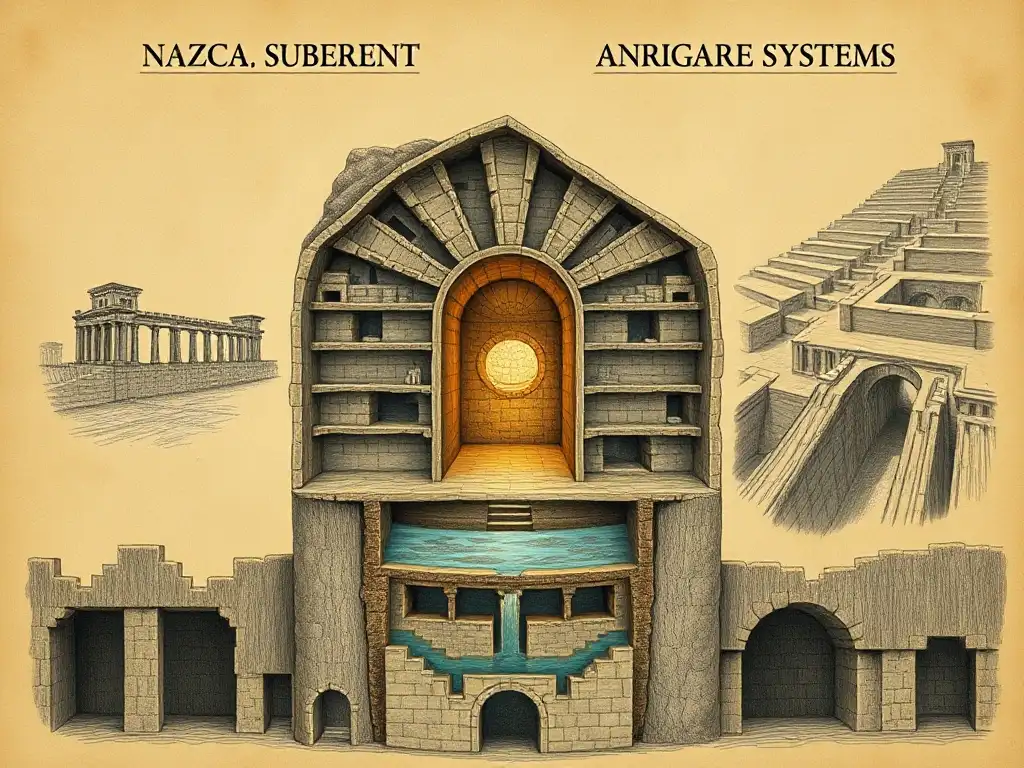
The Nazca aqueducts, a marvel of pre-Columbian engineering, stand apart from other ancient irrigation systems in several key aspects. While civilizations across the globe developed sophisticated methods for water management, the Nazca's approach to subsurface water harvesting in their arid environment presents unique challenges and solutions. Let's compare their techniques to those of other notable cultures.
Contrasting Nazca Techniques with Mesopotamian Irrigation
The Mesopotamian civilization, famed for its extensive canal systems, relied heavily on surface water management. Their intricate network of canals diverted water from rivers like the Tigris and Euphrates, irrigating vast agricultural lands. This contrasts sharply with the Nazca approach. The Nazca, facing a drastically different environment with limited surface water, developed a system of underground aqueducts, puquios, to tap into groundwater sources.
While Mesopotamian irrigation involved large-scale projects requiring significant labor and centralized control, the Nazca puquios were often smaller, community-based projects, reflecting a decentralized approach to water management. The scale differed dramatically; Mesopotamian projects were visible and monumental, while Nazca aqueducts were mostly hidden, their existence only revealed through careful observation and archaeological investigation. This difference reflects the diverse strategies employed by ancient societies to overcome environmental limitations.
Unique Aspects of the Nazca Water Collection Method
The Nazca puquios represent a unique approach to water collection. Unlike open canals that suffer from significant water loss through evaporation in the arid climate, the puquios minimized this loss by channeling water underground. The ingenious design involved shafts leading to horizontal tunnels, carefully constructed to intercept underground water flows. These tunnels, often lined with stones, were strategically placed to maximize water collection.
The shafts, acting as ventilation points, also played a crucial role in maintaining water quality and preventing stagnation. The Nazca’s understanding of subsurface hydrology, combined with their skillful construction techniques, allowed them to create a sustainable water supply system in an extremely challenging environment. This sophisticated understanding and application of hydrological principles is a significant aspect of their puquios and sets them apart from other ancient irrigation techniques.
Advantages of the Nazca System in the Arid Environment
The ingenuity of the Nazca aqueduct system becomes even more apparent when considering the harsh environmental conditions. The Nazca desert is characterized by extremely low rainfall and high rates of evaporation. Open canals would have been impractical, leading to significant water loss. The underground nature of the puquios offered several key advantages:
- Reduced Evaporation: By channeling water underground, evaporation losses were significantly minimized.
- Protection from Contamination: Underground tunnels protected the water source from surface contaminants, ensuring a cleaner and safer water supply.
- Sustainable Water Source: The puquios tapped into groundwater reserves, providing a more reliable and sustainable water supply compared to systems reliant on surface water sources, which are often subject to seasonal fluctuations.
- Community-Based Management: The decentralized nature of the puquios likely fostered a sense of community ownership and responsibility for the maintenance and management of the water resources. This collaborative approach to water management likely contributed to the long-term sustainability of the system.
The Nazca aqueducts stand as a testament to the adaptive capacity and technological ingenuity of the Nazca culture. Their innovative approach to water management allowed them to thrive in an exceptionally challenging environment, offering valuable insights into sustainable water resource management, even in today's world. Understanding their history and technology provides crucial lessons for modern-day water resource management strategies, especially in arid and semi-arid regions. Further research is needed to fully understand the long-term impacts and societal implications of this remarkable system.
The Legacy of Nazca Aqueducts: Modern Relevance and Preservation
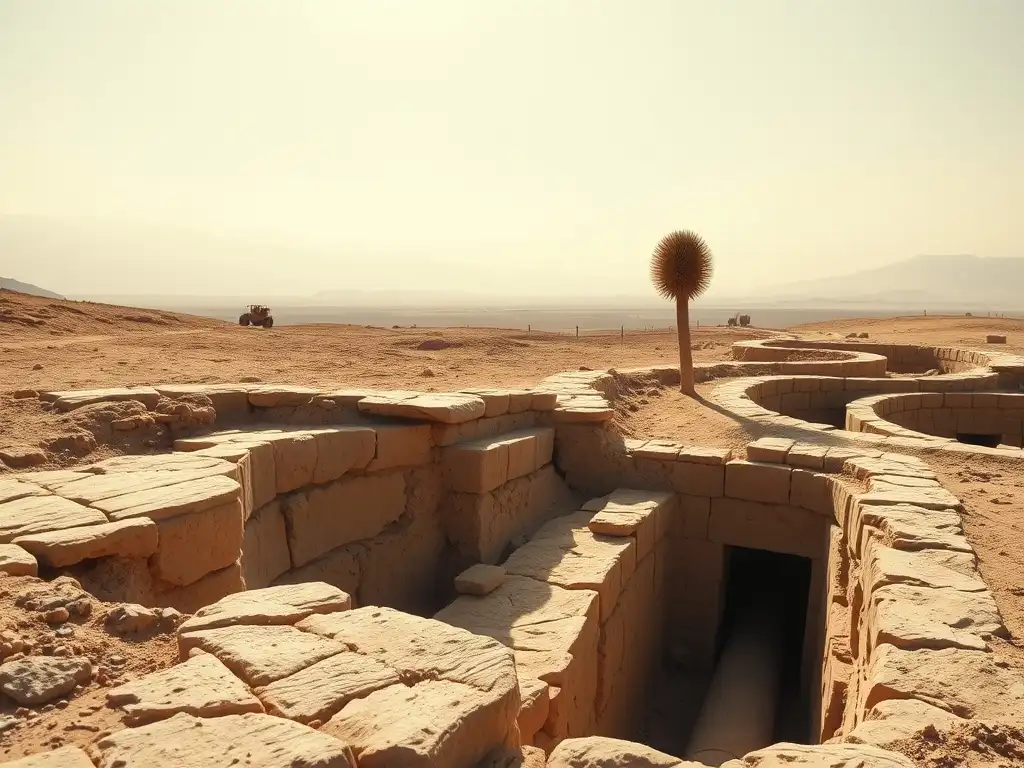
The Nazca aqueducts, a testament to the ingenuity of the Nazca civilization, continue to resonate today, offering valuable lessons in sustainable water management and inspiring ongoing preservation efforts. Their remarkable design and functionality, developed centuries ago in a harsh desert environment, represent a sophisticated understanding of hydrology and engineering that surpasses many contemporary approaches in arid regions.
Understanding the Nazca aqueducts' history and technology is crucial not only for appreciating their historical significance but also for applying their principles to address modern water challenges. The sophisticated network of subterranean channels, known as puquios, showcases a deep understanding of aquifer recharge and sustainable water extraction, a knowledge base that is increasingly relevant in the face of global climate change and growing water scarcity.
The enduring legacy of these ancient structures serves as a powerful reminder of the importance of preserving our cultural heritage and adapting ancient wisdom to modern needs. The sheer longevity of these systems, some still functioning today, highlights their resilience and efficiency.
Preservation Efforts of the Ancient Nazca Water Infrastructure
Preservation of the Nazca aqueducts requires a multi-pronged approach combining archaeological investigation, community engagement, and sustainable tourism practices. Current efforts focus on:
- Documentation and Mapping: Detailed surveys and mapping using advanced technologies like LiDAR and GIS are crucial for understanding the extent and complexity of the aqueduct network. This allows for a comprehensive assessment of the system's condition and prioritization of preservation efforts. Accurate documentation also provides a baseline for monitoring future changes and assessing the effectiveness of conservation measures.
- Structural Stabilization: Many sections of the aqueducts are vulnerable to collapse due to erosion, seismic activity, and human impact. Stabilization techniques, employing traditional and modern materials, are implemented to ensure the long-term survival of these fragile structures. This involves carefully reinforcing weakened sections, preventing further deterioration, and mitigating the impact of environmental factors.
- Community Involvement: The local communities play a vital role in the preservation of the aqueducts. Education and awareness programs empower local residents to become active participants in conservation efforts, fostering a sense of ownership and responsibility. This collaborative approach ensures the sustainability of preservation initiatives and contributes to the overall protection of this invaluable cultural heritage.
- Sustainable Tourism: Responsible tourism practices are essential to minimize the negative impact on the aqueducts. This includes establishing well-defined pathways, limiting access to vulnerable areas, and educating tourists about the importance of preserving these ancient structures. Sustainable tourism not only protects the aqueducts but also generates economic benefits for local communities, creating a positive feedback loop for conservation efforts.
Lessons from the Nazca Aqueducts for Contemporary Water Management
The Nazca aqueducts provide invaluable lessons for contemporary water management, particularly in arid and semi-arid regions. Their design principles offer insights into sustainable water extraction, distribution, and conservation:
- Minimizing Evaporation: The subterranean nature of the puquios significantly reduces water loss through evaporation, a crucial consideration in arid climates. This passive approach to water conservation is far more efficient than many modern methods.
- Efficient Water Distribution: The intricate network of channels efficiently distributes water to various locations, minimizing waste and ensuring equitable access. This efficient distribution system serves as a model for designing modern irrigation networks.
- Groundwater Recharge: The puquios not only extract water but also contribute to groundwater recharge through carefully designed infiltration techniques. This sustainable approach ensures the long-term viability of the water resource.
- Community-Based Management: The successful management of the Nazca aqueducts highlights the importance of community involvement and collective responsibility in water resource management. This collaborative approach is essential for ensuring equitable access and sustainable use.
The Nazca aqueducts demonstrate the potential of integrating traditional knowledge with modern technology to address contemporary water challenges. Their success underscores the importance of considering both technological solutions and community-based approaches to water management.
Future Research into Aquifer Recharge and Sustainability
Future research on Nazca aqueducts should focus on several key areas to further understand their sustainability and potential for application in modern contexts:
- Detailed Hydrogeological Studies: Advanced hydrogeological modeling is necessary to better understand the aquifer dynamics and the long-term impact of the puquios on groundwater resources. This would involve detailed analysis of water flow, recharge rates, and the overall sustainability of the system.
- Material Science Analysis: Further investigation into the construction materials and techniques used in building the aqueducts is needed to understand their durability and longevity. This includes analyzing the properties of the stones and mortars used, and the methods employed in construction.
- Climate Change Impact Assessment: Research is needed to assess the impact of climate change on the Nazca aquifer and the functionality of the puquios. This would involve analyzing the effects of altered rainfall patterns and increased temperatures on water availability and the overall sustainability of the system.
- Comparative Studies: Comparative studies between the Nazca aqueducts and other ancient and modern irrigation systems can provide valuable insights into the effectiveness of different approaches to water management in arid environments. This comparative analysis would allow for a broader understanding of best practices and the potential for adaptation. The study of the Nazca aqueducts' history and technology offers a rich field for continued investigation, promising valuable contributions to our understanding of sustainable water management and the ingenuity of ancient Andean civilizations. 🌍
Conclusion: The Enduring Genius of Nazca Water Engineers
This exploration of Nazca aqueducts reveals not just impressive feats of engineering, but a profound understanding of hydrology and societal organization crucial for the Nazca civilization's success. The ingenuity displayed in their construction and maintenance speaks volumes about the advanced knowledge and sophisticated planning of the Nazca people. Their mastery of water management wasn't merely a technical achievement; it was the cornerstone of their social structure, economic stability, and cultural flourishing. Understanding the Nazca aqueducts history and technology allows us to appreciate the depth and complexity of this ancient civilization.
Recap of the Nazca Aqueducts' Significance
The Nazca aqueducts represent a remarkable example of sustainable water management in a challenging desert environment. Their design, utilizing gravity and subsurface water sources, showcases an intimate knowledge of the local geology and hydrology. The puquios, the vertical shafts leading to the underground channels, were strategically placed to tap into aquifers, ensuring a constant, albeit carefully regulated, supply of water.
This wasn't simply a matter of digging holes; precise surveying and construction techniques were employed, reflecting a deep understanding of hydraulic principles. The longevity of these systems, some of which remained functional for centuries, underlines their effectiveness and the skill of the builders.
The intricate network of channels, carefully maintained and adapted over generations, stands as a testament to the Nazca people's commitment to their water resources and their long-term vision. The impact of this sophisticated system extended beyond agriculture, influencing their social organization and contributing to the vibrant culture that produced the iconic Nazca Lines.
The Impact of Water Management on Nazca Civilization's Development
The effective management of water resources, as exemplified by the Nazca aqueducts, was fundamental to the Nazca civilization's prosperity and longevity. Access to a reliable water supply allowed for intensive agriculture, supporting a larger population density than would have otherwise been possible in the arid coastal desert. This, in turn, fueled economic growth and societal complexity.
The surplus agricultural production likely facilitated the development of specialized labor, trade networks, and the creation of elaborate artistic and ceremonial practices. The efficient distribution of water through the aqueduct system also likely played a crucial role in mitigating social conflicts over access to this vital resource. The construction and maintenance of the aqueducts themselves were likely community projects, fostering social cohesion and cooperation.
Without the mastery demonstrated in their Nazca aqueducts history and technology, the Nazca civilization's remarkable achievements might not have been possible. The intricate relationship between water management and societal development is a key insight into understanding their success.
Final Thoughts on Nazca's Ingenious Hydraulic Engineering
The Nazca aqueducts stand as a powerful symbol of human ingenuity and adaptability. Their construction and continued use for centuries demonstrate a remarkable understanding of engineering principles, combined with a deep respect for the environment. The sophisticated systems they created, a testament to their advanced knowledge and planning, allowed them to thrive in a challenging environment. Studying the Nazca aqueducts history and technology provides valuable insights into the capabilities of pre-Columbian Andean societies and challenges our preconceived notions about technological advancement in ancient civilizations.
The legacy of the Nazca aqueducts continues to inspire awe and admiration, serving as a reminder of the remarkable achievements of a civilization that skillfully harnessed the power of nature to build a thriving society. Their ingenuity serves as a valuable lesson for modern societies grappling with issues of water scarcity and sustainable resource management. 🍹
Frequently Asked Questions
How did the Nazca people manage to build their aqueducts?
The Nazca constructed their aqueducts using a remarkable understanding of underground water sources. They built vertical shafts to access groundwater and then created intricate subterranean channels to transport water to their settlements. This ingenious system allowed them to thrive in the arid desert.
What materials were used in the construction of the Nazca aqueducts?
The aqueducts were primarily built using stone, often fitted together without mortar. Smaller stones and clay were used to seal the channels and prevent leaks. The durability of these materials ensured the aqueducts' longevity.
How did the Nazca aqueducts function?
The system relied on gravity to move water through the subterranean channels. Clever ventilation shafts provided airflow, preventing the buildup of pressure and maintaining a constant water flow. Inspection shafts allowed for maintenance and cleaning.
What is the significance of the Nazca aqueducts in terms of technology?
The Nazca aqueducts represent a sophisticated understanding of hydrology and engineering. Their construction demonstrates advanced knowledge of water management essential for survival in a harsh desert environment. This technology was far ahead of its time.
How long did the Nazca aqueducts remain in use?
The Nazca aqueducts were used for centuries, serving the population for a considerable period. Some sections were maintained and repaired over time, highlighting their importance to the Nazca people and testament to their engineering prowess.
Final Reflection: The Enduring Legacy of Nazca's Ingenious Aqueducts
The ingenious water management systems of the Nazca people remain a testament to human ingenuity and adaptation, a stark reminder of our capacity to overcome seemingly insurmountable challenges, even in the face of extreme aridity. Their sophisticated understanding of hydrology and engineering, demonstrated through the construction of their subterranean aqueducts, continues to inspire awe and wonder centuries later, offering valuable lessons for sustainable water management in our increasingly water-stressed world.
The impact of the Nazca aqueducts extends far beyond their immediate geographical location; they represent a powerful symbol of human resilience and the enduring power of collaborative problem-solving. Their sophisticated design and functionality, achieved without modern tools or technologies, underscore the importance of understanding and respecting the environment. The desert, though seemingly barren, holds secrets within its embrace, secrets that speak of human ingenuity and the enduring power of the human spirit.
This quote encapsulates the profound message embedded within the Nazca aqueducts – a message of hope and resourcefulness in the face of adversity.
Consider the ingenuity of the Nazca people, their ability to harness scarce resources and create a thriving civilization in one of the world's most challenging environments. Now, consider your own life. What challenges do you face? What resources do you have at your disposal?
Let the legacy of the Nazca aqueducts inspire you to find creative solutions, to collaborate with others, and to approach your own challenges with the same resourcefulness and determination that allowed the Nazca people to flourish. The future of sustainable water management depends on our ability to learn from the past and innovate for the future. Let the story of Nazca's hidden aqueducts be a guiding light on this journey.
**Unveil the Secrets of Nazca's Aqueducts! **
Thank you for exploring the fascinating world of Nazca's hidden aqueducts! Discovering this unique engineering marvel reveals the ingenuity of the ancient Andean civilizations and their remarkable mastery of water management. Let's delve deeper into this incredible heritage.
Here's how you can continue your journey:
- **Explore further:** Visit local museums and archaeological sites showcasing the Nazca civilization's engineering feats. Experience history firsthand!
- **Share your findings:** Discuss this remarkable achievement with friends, family, or online. Use the hashtag **#NazcaAqueducts** to connect with a community passionate about Andean history.
- **Engage with nature:** Plan a hike along one of the ancient aqueduct routes. Imagine the landscape as it was centuries ago and appreciate how these structures shaped the environment and the lives of the Nazca people.
What aspect of the Nazca aqueducts intrigues you most, and how does it relate to the vital role of water in our modern world?