
The Dance of the Seasons: Andean Calendars and Climate

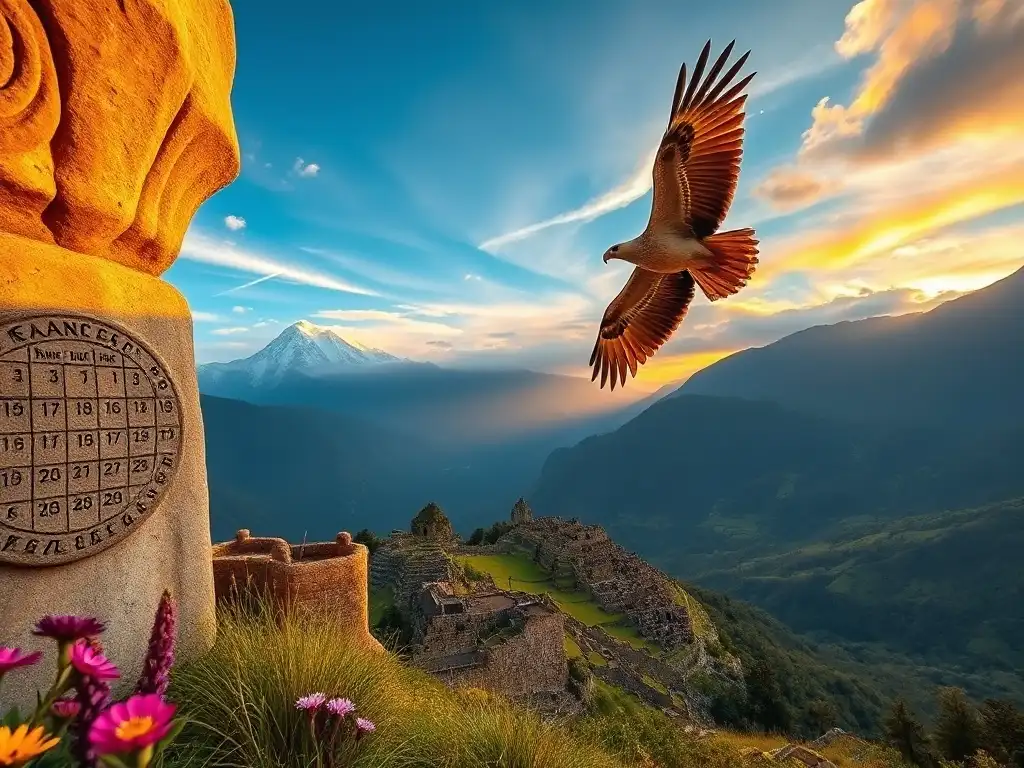
Step into a world lost to time, yet echoing with the whispers of a sophisticated past. Imagine a civilization so deeply connected to the rhythms of nature that they crafted a complex calendar system reflecting not just the passage of time, but the very pulse of their environment. Discover the secrets of the Andean calendar system, a remarkable feat of astronomical observation and societal organization, and unravel the mysteries of how these ancient cultures thrived in harmony with the Andes' challenging landscape. Prepare to be amazed by the ingenuity of the Andean civilizations – their story awaits.
The Andes Mountains, a spine of towering peaks running down the western coast of South America, presented ancient civilizations with unique challenges and opportunities. Understanding the rhythms of the Andes—the alternating wet and dry seasons, the unpredictable frosts, and the cyclical changes in altitude—was crucial for survival.
This understanding wasn't merely a matter of observation; it was deeply embedded in sophisticated calendar systems that guided agricultural practices, religious ceremonies, and social organization. This article delves into the fascinating world of Andean calendars, exploring how these intricate systems reflected not only a deep knowledge of the environment but also a profound connection to the cosmos, providing a crucial lens through which to understand the impact of climate change on Andean societies.
We will examine how these calendars, intricately linked to the agricultural cycle and the Andean worldview, helped these civilizations thrive for centuries and how their understanding of climate patterns contributed to their resilience. Understanding the Andean calendar system is key to understanding their remarkable adaptation to a challenging environment.
The Complexity of Andean Timekeeping
Andean societies didn't rely on a single, monolithic calendar. Instead, they developed a series of interconnected systems, each reflecting the specific needs and perspectives of different cultures and regions. These weren't simply tools for tracking days and years; they were integral to the social fabric, influencing everything from agricultural planning to political decision-making. For example, the Inca quipu, a complex system of knotted strings, likely served as a sophisticated record-keeping device, potentially including calendrical information alongside census data and other important records.
Other cultures, like the Moche and Nazca, employed different methods, often incorporating astronomical observations and detailed knowledge of local microclimates. The diversity in Andean timekeeping underscores the adaptability and ingenuity of these societies in managing their resources and responding to the ever-changing Andean environment. Further research is needed to fully understand the nuances of each regional calendar system and their interrelationships.
Agricultural Cycles and the Andean Calendar
The Andean calendar was inextricably linked to the agricultural cycle. The precise timing of planting and harvesting was critical for survival, and the calendar provided the framework for this crucial activity. Different altitudes experienced different microclimates, necessitating regionally specific calendars that accounted for variations in temperature, rainfall, and frost patterns.
For instance, high-altitude farmers relied on precise knowledge of the timing of the rainy season to plant their crops, while those in lower altitudes had to contend with different challenges, such as drought or flooding. The ability to predict these cycles with accuracy was a testament to the detailed observational skills and sophisticated understanding of their environment possessed by Andean farmers. Detailed records of crop yields and weather patterns, if available, would further illuminate the precision of these agricultural calendars.
Religious and Ritual Significance of Andean Calendars
Beyond its practical applications, the Andean calendar held profound religious and ritual significance. Many festivals and ceremonies were timed to coincide with specific astronomical events or agricultural cycles, reflecting a deep connection between the human world and the cosmos. The Inca, for example, celebrated Inti Raymi, the festival of the sun, at the winter solstice, a pivotal moment in their agricultural calendar.
This highlights how the calendar wasn't merely a practical tool but also a crucial element in maintaining social cohesion and reinforcing religious beliefs. Further research into the iconography and rituals associated with specific calendar dates would reveal more about the spiritual dimensions of Andean timekeeping. The integration of astronomical observations into religious practice underscores the profound influence of the celestial sphere on Andean societies’ worldview.
The Impact of Climate Change on Andean Calendar Systems
The stability of the Andean calendar systems relied on relatively predictable climate patterns. However, climate change is disrupting these patterns, leading to more frequent and intense droughts, floods, and temperature fluctuations. This poses a significant challenge to modern Andean communities, many of whom still rely on traditional agricultural practices guided by the ancient calendar systems.
The increasing unpredictability of weather patterns makes it more difficult to accurately predict planting and harvesting times, potentially leading to crop failures and food insecurity. Understanding the historical resilience of Andean societies in the face of climate variability, as evidenced by their sophisticated calendar systems, can inform strategies for adaptation and mitigation in the face of contemporary challenges.
More detailed studies on the impact of climate change on modern Andean agricultural practices are needed to fully grasp the scope of this issue. The disruption of traditional knowledge systems, interwoven with the calendar, represents a significant threat to both food security and cultural heritage.
- The Complexity of Andean Timekeeping
- Agricultural Cycles and the Andean Calendar
- Religious and Ritual Significance of Andean Calendars
- The Impact of Climate Change on Andean Calendar Systems
Understanding the Andean Worldview and Time
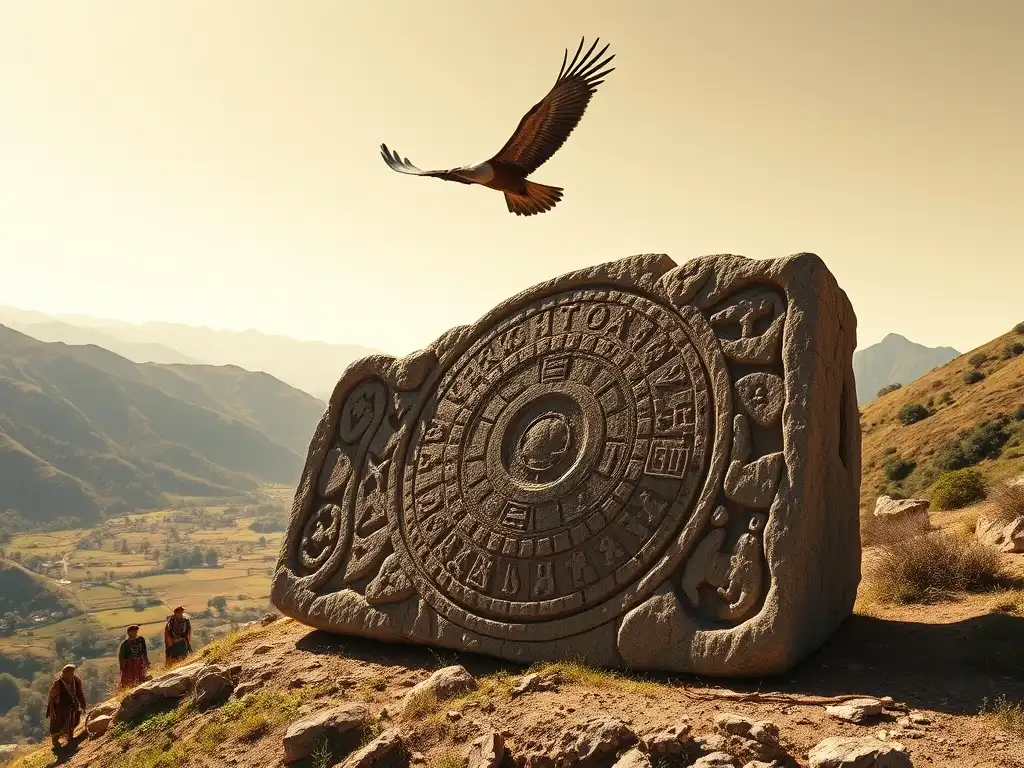
This section delves into the fundamental Andean worldview and its profound influence on their perception and measurement of time. Unlike linear Western calendars, Andean conceptions of time were deeply intertwined with the natural world, reflecting a cyclical understanding of existence rather than a progressive one. This cyclical perspective is reflected in their sophisticated calendar systems, which were not merely tools for scheduling but integral components of their religious beliefs, agricultural practices, and social structures.
Understanding this holistic approach is crucial to appreciating the complexity and ingenuity of the Andean calendar system. The intricate relationship between humans and their environment shaped their entire temporal framework.
The Interconnection of Nature and Time in Andean Cultures
Andean cultures, including the Inca, Moche, Nazca, and Tiwanaku, viewed time as inextricably linked to the rhythms of nature. Their calendars weren't abstract numerical systems; they were living expressions of the environment's influence. The agricultural cycle, with its distinct seasons of planting, growth, harvest, and fallow, dictated the rhythm of daily life and formed the backbone of their temporal organization.
The Andean calendar system meticulously tracked the sun's journey, the lunar phases, and the movements of stars, all of which were essential for predicting weather patterns, optimizing agricultural productivity, and organizing community rituals. This symbiotic relationship between society and nature fostered a deep respect for the environment and a profound understanding of its cyclical processes. The success of their civilizations hinged on this intimate knowledge and their ability to harmonize their lives with the natural world.
Andean Cosmology and Cyclical Time
Andean cosmology played a pivotal role in shaping their perception of time. The cosmos wasn't seen as a static entity but as a dynamic, interconnected system in constant flux. This cyclical worldview, where creation and destruction were intertwined, informed their understanding of time as a continuous loop of renewal and regeneration. The Andean calendar system reflected this cyclical perspective, emphasizing the repetition of seasons, the recurrence of celestial events, and the cyclical nature of life, death, and rebirth.
This wasn't merely a pragmatic approach to agriculture; it was a fundamental aspect of their spiritual beliefs, shaping their understanding of the universe and their place within it. Their myths and legends often revolved around cyclical themes, reinforcing the importance of this cosmological perspective on time. For example, [Specific Andean myth illustrating cyclical time pending].
The Importance of the Sun and Moon in Andean Timekeeping
The sun and moon held paramount importance in the Andean calendar system, serving as the primary celestial markers for tracking time. The sun's annual path across the sky, marked by solstices and equinoxes, defined the agricultural year and dictated the timing of crucial rituals and ceremonies. The Inca, for instance, meticulously observed the solstices, utilizing sophisticated astronomical observatories to precisely determine the dates.
The moon, with its monthly cycle, provided a shorter, more immediate temporal framework, influencing the timing of planting and harvesting activities. The precise observation of both the sun and moon allowed for a highly accurate prediction of seasonal changes, a crucial factor for the success of their agricultural practices.
Evidence of this sophisticated astronomical knowledge can be found in [Specific examples of Andean astronomical observatories or artifacts pending], showcasing the advanced understanding and technological capabilities of Andean civilizations in tracking celestial bodies and developing their calendar system. The combined observations of the sun and moon provided a dual system of timekeeping, ensuring both long-term agricultural planning and short-term adjustments based on immediate environmental conditions.
The Foundations of the Andean Calendar System
The Andean calendar system, far from being a single, monolithic entity, was a complex tapestry woven from meticulous observations of the natural world. Understanding its intricacies reveals a sophisticated understanding of astronomy and its profound impact on Andean agricultural practices and societal organization. Unlike Western calendar systems which often rely on abstract numerical schemes, the Andean approach was deeply rooted in the tangible rhythms of the environment, particularly the agricultural cycle.
The precise methods varied across different Andean cultures, with the Inca, Moche, Nazca, and Tiahuanaco each possessing unique interpretations and refinements of this fundamental system. However, common threads unite them: a keen awareness of celestial movements and their correlation with seasonal changes.
This intimate connection between the cosmos and earthly existence shaped not only their agricultural practices but also their religious beliefs and social structures. The accurate prediction of seasons was crucial for survival, leading to the development of sophisticated methods for tracking the sun, moon, and stars.
Observing Celestial Movements for Agricultural Cycles
Andean farmers meticulously observed the sun's path across the sky, noting the precise points of sunrise and sunset throughout the year. This allowed them to determine the optimal times for planting and harvesting various crops. For example, the appearance of certain constellations signaled the approaching rainy season, crucial for planting maize and other essential crops.
The positioning of the sun in relation to specific mountain peaks or other geographical features served as a natural calendar, marking the progression of the seasons. Detailed records, though not always written in the way we understand them, were likely kept through oral traditions, mnemonic devices, and possibly through knotted strings (quipus), which acted as sophisticated recording systems. The accuracy of these observations is astonishing, demonstrating a deep understanding of celestial mechanics and a commitment to maintaining this vital knowledge across generations.
Archaeological evidence, such as the precise alignment of structures with astronomical events, further supports this conclusion. The study of these alignments provides invaluable insights into the sophistication of the Andean calendar system and its integration into daily life. This close observation wasn't just about farming; it was integral to their worldview, connecting the celestial sphere with the earthly realm.
The Role of the Solstices and Equinoxes in Andean Calendars
The solstices and equinoxes held paramount importance in the Andean calendar system. These astronomical events, marking the longest and shortest days of the year and the points of equal day and night, respectively, were often celebrated with elaborate ceremonies and rituals. The winter solstice, for instance, marked a time of renewal and rebirth, symbolizing the return of the sun's strength and the promise of a bountiful harvest.
Archaeological sites, such as Machu Picchu, reveal structures strategically aligned to capture the precise moments of the solstices and equinoxes, highlighting their significance in Andean cosmology. The Inca, for example, may have used these events to regulate their agricultural cycle, ensuring that planting and harvesting coincided with the most favorable conditions. The precise alignment of buildings with astronomical events demonstrates a profound understanding of astronomy and its application to practical matters.
Furthermore, these events likely played a crucial role in defining the structure of the Andean year, acting as key markers in a system that integrated both solar and lunar cycles. The precise details of these celebrations, however, remain partially shrouded in mystery due to the limited written records left by these civilizations.
Different Types of Andean Calendars: Solar, Lunar, and Luni-Solar
While a unified Andean calendar system doesn't exist in the way we might expect, several distinct types of calendars were used across different regions and cultures, reflecting the diverse environmental conditions and societal structures. These include solar calendars, based primarily on the sun's annual cycle; lunar calendars, tracking the phases of the moon; and luni-solar calendars, integrating both solar and lunar cycles. The Inca, for instance, likely employed a solar calendar, with a year consisting of twelve lunar months, adjusted periodically to align with the solar year. Other Andean cultures, such as the Nazca, might have emphasized lunar cycles more prominently, potentially reflected in their art and religious practices.
The complexity of these calendars varied, with some potentially incorporating more intricate cycles related to the movements of planets or stars. The specific details of these calendars often remain elusive, requiring further research and interpretation of archaeological evidence. This diversity highlights the adaptability and sophistication of Andean astronomical knowledge, shaped by the unique needs and perspectives of different communities.
Reconstructing these calendars remains a challenge, yet the existing evidence reveals a rich and complex system of timekeeping deeply integrated with the Andean worldview. The interplay between solar and lunar cycles underscores the nuanced understanding of celestial mechanics that characterized these ancient societies. 📅
Key Features of the Andean Calendar System
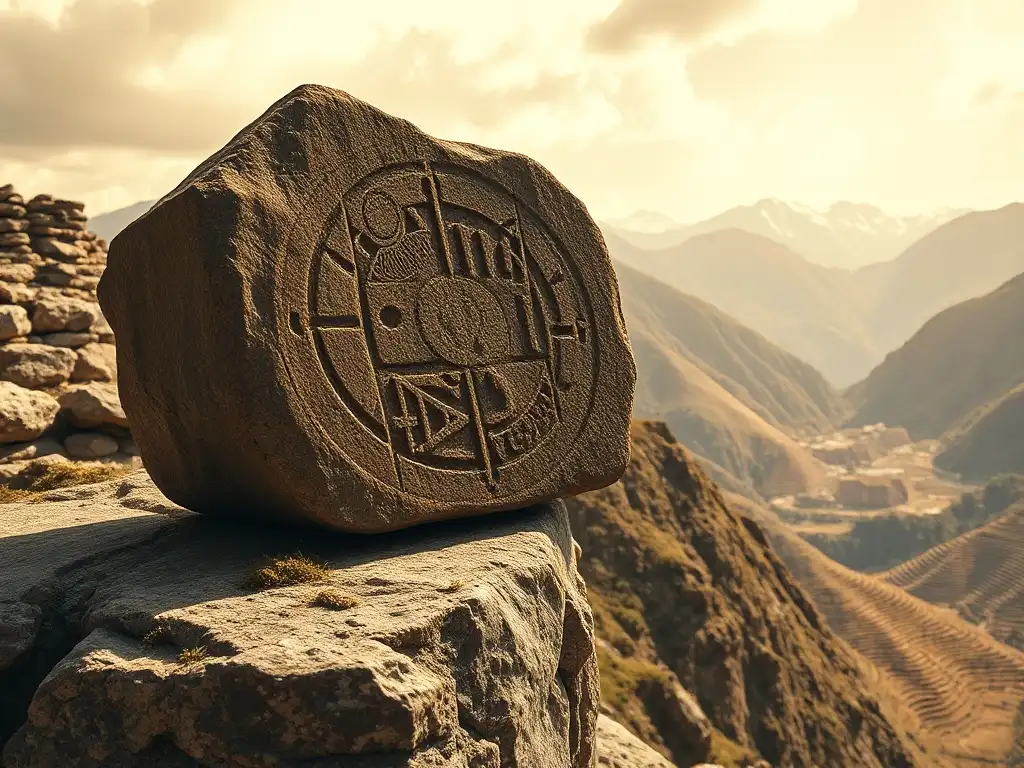
The Andean calendar system, a complex and sophisticated system for tracking time and agricultural cycles, wasn't a single monolithic entity. Instead, it varied across different Andean cultures and regions, reflecting the diverse environments and agricultural practices. Understanding its intricacies requires appreciating its multifaceted nature, moving beyond simplistic notions of a single, universally applied calendar. The system's effectiveness stemmed from its close connection to astronomical observations and a deep understanding of the environment, allowing for precise predictions crucial for agricultural planning and societal organization.
This intricate network of knowledge ensured the survival and prosperity of Andean communities for centuries, showcasing their remarkable adaptation to their challenging environment. The keyword, "Andean calendar system," accurately reflects the core subject of this section. Further research into specific regional variations would enrich our understanding of this fascinating aspect of Andean civilization.
The 12-Month Cycle and its Variations
While a 12-month lunar calendar appears to have been common across many Andean cultures, the specifics varied considerably. The length of each month, and the overall beginning and end points, weren't standardized. Some cultures might have used a solar year as a reference point, adjusting the lunar months accordingly. Others relied more strictly on lunar cycles, leading to slight discrepancies over time. This wasn't a flaw; instead, it reflected the practical realities of agricultural practices. Farmers adapted their calendars to the specific needs of their local environment.
For example, the Inca calendar, while incorporating a 12-month structure, also integrated a complex system of huacas (sacred sites) and festivals tied to specific agricultural cycles. This meant that the calendar wasn't just a numerical system; it was deeply intertwined with religious and social practices. The precise dates of festivals and agricultural tasks would be adjusted based on observable phenomena like the changing position of the sun and the appearance of specific constellations.
This dynamic approach ensured agricultural success despite variations in weather patterns and other environmental factors. Further research is needed to fully understand the specific variations in the 12-month cycle across different Andean cultures.
The Concept of "Pachas" or Time Periods
Beyond the monthly cycle, the Andean concept of pacha provided a framework for understanding time on a larger scale. Pacha encompasses multiple layers of time, from the daily rhythm to the cycles of seasons, human life, and even cosmological events. This holistic view of time differs sharply from Western linear conceptions, emphasizing cyclical patterns and interconnectedness. The pacha concept wasn't simply a calendar system; it was a worldview, deeply embedded in Andean cosmology and spirituality.
Think of it as a nested system. Within the yearly cycle, there were multiple pacha – for example, a pacha for planting, a pacha for harvesting, and a pacha for celebrating the ancestors. These pacha weren't rigidly defined periods but rather flexible concepts that adapted to the specific circumstances of each community. The understanding and management of these pacha were critical to the success of Andean agriculture and society, ensuring harmony between humans and their environment. The precise definitions and applications of pacha across different Andean cultures require further investigation.
The Use of Inti Watana (Solar Pillars) and other Observatories
The Andean calendar system wasn't solely reliant on abstract calculations; it was grounded in meticulous astronomical observations. Structures like Inti Watana (solar pillars) served as sophisticated observatories, allowing Andean astronomers to track the sun's movements with remarkable precision. These weren't merely decorative features but integral components of a sophisticated system for predicting solstices, equinoxes, and other celestial events crucial for agricultural planning. Many other structures, including strategically placed stones and mounds, were also used for astronomical observations, demonstrating a widespread commitment to this knowledge.
These observatories weren't isolated; they were integrated into the fabric of Andean life, often incorporated into temples, palaces, and other significant structures. Their placement, orientation, and design reflect a deep understanding of astronomy and geometry, showcasing the advanced knowledge of Andean societies. The precise function of various observatories and the methods used for astronomical calculations represent areas requiring further research to fully appreciate the sophistication of the Andean calendar system. The detailed study of these sites offers invaluable insights into the cultural and scientific achievements of Andean civilizations.
The Inca Calendar and its Correlation to Agricultural Cycles
The Inca calendar, unlike many other calendar systems, wasn't based on a fixed number of days or months. Instead, it was a highly practical system intricately woven into the fabric of their agricultural life. Its primary function was to meticulously track the agricultural cycles, ensuring optimal planting and harvesting times.
This wasn't a simple matter of observing the sun; the Inca calendar incorporated a deep understanding of microclimates and variations in altitude, crucial for a civilization spanning diverse ecological zones. The Inca farmers weren't just observing the sun's position; they were keenly aware of the subtle shifts in temperature, rainfall patterns, and the behavior of local flora and fauna, all of which influenced their agricultural practices. Their observations, passed down through generations of oral tradition and practical experience, formed the backbone of their calendar system.
The Inca calendar wasn't a rigid, pre-determined structure etched in stone. It was a dynamic system that incorporated local knowledge and adaptability. For example, a specific planting date in the high Andes might differ slightly from that in a lower-altitude valley, reflecting the unique climatic conditions of each region.
This localized approach ensured the calendar's effectiveness across the vast Inca empire. Furthermore, the Inca calendar wasn't just about planting and harvesting; it also guided other crucial aspects of their agricultural practices, such as irrigation management and the selection of appropriate crops for specific microclimates. This level of precision and adaptability speaks to the sophistication of their understanding of their environment and their ability to integrate it into their societal structure.
The success of Inca agriculture, which supported a large and complex empire, is a testament to the effectiveness of this deeply intertwined calendar system and agricultural practices. The system wasn’t merely a set of dates; it represented a deep understanding of ecological processes and human interaction with them, a crucial aspect of their cultural identity. The integration of astronomical observations with practical agricultural knowledge highlights the holistic approach of the Inca civilization towards their environment.
Agricultural Practices and the Andean Calendar
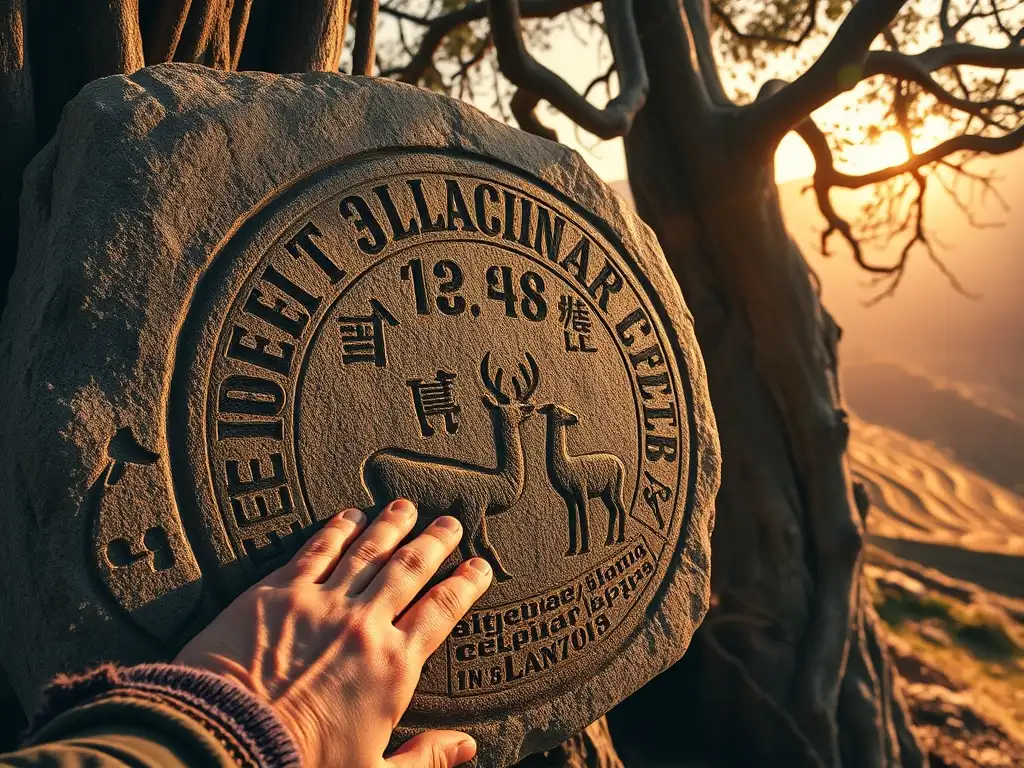
The Andean calendar system wasn't merely a method of tracking time; it was intrinsically linked to the agricultural practices that sustained these remarkable civilizations. Understanding the precise timing of planting and harvesting was crucial for survival in the diverse and challenging Andean environment. The intricate relationship between the calendar and agriculture ensured food security, contributing significantly to the stability and prosperity of Andean societies.
The sophisticated knowledge of astronomy and meteorology embedded within the calendar allowed for the optimal utilization of resources, maximizing crop yields and mitigating the risks associated with unpredictable weather patterns. This deep understanding of the environment and its cyclical nature is a testament to the ingenuity and adaptability of Andean peoples.
Their agricultural prowess, intimately connected to their calendar system, allowed them to thrive in a region characterized by significant environmental variability. This section will delve into the specific ways the Andean calendar guided agricultural practices, highlighting the remarkable precision and ecological awareness of these ancient societies.
Planting and Harvesting Cycles Guided by the Calendar
The Andean calendar provided a framework for precise agricultural planning. Farmers meticulously observed celestial events, such as solstices and equinoxes, to determine the optimal times for planting and harvesting various crops. For example, the Inti Raymi, the Inca festival celebrating the winter solstice, marked a crucial point in the agricultural cycle, signifying the beginning of the planting season for certain crops. Different Andean cultures developed their own unique variations on this theme, tailoring their calendars to the specific microclimates and agricultural practices of their regions.
The precise timing of planting was not merely a matter of convenience; it was vital for maximizing yields and ensuring successful harvests. Delayed planting could result in reduced yields due to shorter growing seasons or exposure to frost. Conversely, planting too early could expose crops to unexpected frosts or harsh weather conditions.
The calendar's precision minimized these risks, allowing farmers to optimize their planting schedules for maximum productivity. Archaeological evidence, such as the intricate irrigation systems and terraced fields, further supports the sophisticated understanding of agriculture and the calendar's crucial role in guiding these practices. The calendar acted as a vital tool, ensuring the continuity of agricultural practices and the overall prosperity of the Andean communities.
The Correlation between Rainfall Patterns and the Andean Calendar
The Andean calendar system exhibited a profound understanding of the relationship between celestial cycles and rainfall patterns. The timing of rainfall was crucial for agriculture, and the calendar provided farmers with reliable predictions, allowing them to anticipate periods of drought or abundance. This understanding wasn't based on simple observation but on a complex knowledge of meteorology and astronomy, accumulated and refined over centuries.
Evidence suggests that specific constellations or the position of the sun were used to predict the onset and intensity of the rainy season. For example, the appearance of certain stars might signal the approaching rainy season, prompting farmers to prepare their fields accordingly. This intricate knowledge allowed for effective water management techniques, such as the construction of sophisticated irrigation systems to optimize water usage during dry periods.
The correlation between the calendar and rainfall patterns allowed Andean communities to adapt to the variable climate, ensuring the sustainability of their agricultural practices and mitigating the devastating effects of droughts. The sophisticated understanding reflected in the calendar highlights the advanced level of meteorological knowledge possessed by these ancient societies. The precision of their predictions is a testament to their deep understanding of the natural world.
Predicting Weather Patterns through Observation and Calendar Knowledge
Beyond simply predicting rainfall, the Andean calendar system also incorporated broader weather patterns. This allowed farmers to anticipate potential challenges such as frosts, hailstorms, and strong winds, all of which could severely impact crop yields. The calendar provided a framework for understanding the seasonal variations in temperature and weather conditions, enabling farmers to make informed decisions regarding crop selection and cultivation techniques.
For example, knowledge of frost-prone periods would have influenced the choice of crops that were planted, favoring hardy varieties capable of withstanding colder temperatures. This understanding of weather patterns and its integration into the calendar system underscores the sophisticated level of environmental knowledge possessed by Andean societies. Their ability to predict and adapt to various weather events showcases their resilience and adaptability in the face of environmental challenges.
The Andean calendar wasn't just a tool for tracking time; it was a vital instrument for survival and prosperity, providing a deep understanding of the environment and its impact on agricultural practices. This intricate knowledge system allowed for the sustained development and flourishing of Andean civilizations for centuries.
The Andean Calendar and Ritual Celebrations
The Andean calendar system wasn't a single, monolithic entity. Instead, it was a complex interplay of astronomical observations, agricultural cycles, and spiritual beliefs, varying subtly across different Andean cultures. Understanding this system requires acknowledging its nuanced regional expressions.
While the Inca Empire imposed a degree of standardization, pre-Inca civilizations like the Moche, Nazca, and Tiwanaku each possessed unique calendrical traditions reflecting their specific environments and cosmologies. The core, however, remained consistent: a deep connection between the celestial movements, the agricultural year, and the spiritual life of the people. This intricate relationship ensured the successful cultivation of crops and maintained a harmonious balance between humanity and the natural world.
The precise mechanics of many of these systems remain a subject of ongoing research, yet the fundamental principles are clear: the Andean calendar was a vital tool for survival and spiritual wellbeing. The system’s importance is highlighted by its pervasive influence on every aspect of Andean life, from agricultural practices to elaborate ritual ceremonies.
Festivals and Ceremonies Linked to the Agricultural Calendar
The agricultural calendar dictated the rhythm of life for Andean communities. Specific festivals and ceremonies were meticulously timed to coincide with crucial stages of planting, growth, and harvest. These weren't merely celebrations; they were vital rituals intended to ensure a bountiful yield and appease the spirits believed to govern the land and its fertility.
For example, the capacocha sacrifices, while often associated with Inca imperial power, also served an agricultural function, reinforcing the connection between human sacrifice and the land's productivity. The timing of these sacrifices, often linked to solstices and equinoxes, underlines the calendar's importance in regulating both social and agricultural cycles.
We find further evidence in the detailed accounts left by Spanish chroniclers, who, despite their biases, recorded numerous festivals associated with specific agricultural tasks. These accounts, while incomplete, paint a picture of a society deeply interwoven with its environment, where religious practices were inseparable from the practicalities of survival. The ceremonies weren't just about celebrating the harvest; they were about actively participating in its success, ensuring the continued prosperity of the community. Further research into pre-Columbian agricultural techniques and archaeological evidence is needed to fully understand the complexity of these agricultural-religious practices.
The Significance of the Andean New Year (Inti Raymi)
Inti Raymi, the Inca festival celebrating the winter solstice, stands as a prime example of the Andean calendar's influence on religious life. Far from being a simple celebration of the sun god Inti, Inti Raymi marked the renewal of the agricultural cycle, a time of hope and anticipation for the upcoming harvest. The elaborate ceremonies, involving processions, sacrifices, and feasting, underscored the profound importance of this event in the Inca worldview. The solstice itself held immense symbolic significance, representing a pivotal moment of cosmic renewal mirrored in the agricultural cycle.
The grandeur of Inti Raymi, as described by both indigenous accounts and Spanish chronicles, showcases the intricate relationship between the calendar, religious belief, and imperial power. The festival served not only to reinforce religious beliefs but also to consolidate the Inca emperor’s authority, highlighting the calendar's role in both spiritual and political life. The precise rituals and their symbolic meanings continue to be debated by scholars, however, the central importance of Inti Raymi in the Inca calendar remains undisputed. Detailed studies of archaeological sites associated with Inti Raymi celebrations could provide further insights into the festival’s complexity and significance.
The Calendar as a Guide for Spiritual Practices
Beyond agriculture, the Andean calendar guided spiritual practices throughout the year. Specific times were deemed auspicious for various religious activities, such as divination, ancestor veneration, and communication with the spirit world. This demonstrates the calendar's role as a framework for connecting with the supernatural realm. The alignment of celestial events with spiritual practices indicates a sophisticated understanding of the cosmos and its influence on human life. This understanding was not merely intellectual; it was deeply embedded in daily life and religious practice.
The integration of astronomy and spirituality is evident in the construction of many Andean sites, which were often meticulously aligned with astronomical events. These alignments weren't accidental; they suggest a deliberate effort to create spaces that facilitated communication with the spiritual world at specific times of the year. For example, [specific examples of astronomical alignments in Andean sites pending].
This close connection between the calendar, astronomy, and spiritual practices underscores the holistic nature of the Andean worldview, in which the physical and spiritual worlds were inextricably linked. Further research is needed to fully understand the specific spiritual practices associated with different points in the Andean calendar. The study of surviving oral traditions and iconography could offer valuable insights into these practices.
The Impact of Climate Change on Andean Timekeeping
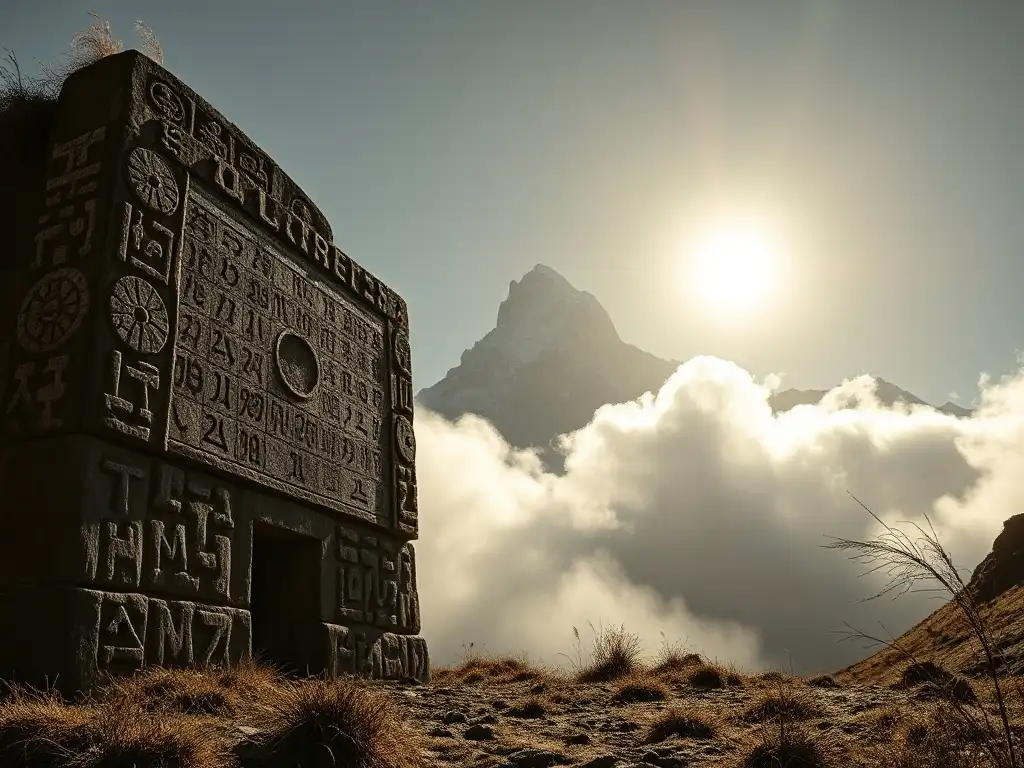
The intricate Andean calendar system, a marvel of astronomical observation and agricultural knowledge, wasn't simply a way to track the passage of time. It was deeply interwoven with the very fabric of Andean life, dictating agricultural practices, religious ceremonies, and social organization. The system, varying slightly between different Andean cultures, relied heavily on precise observations of the sun, moon, and stars to predict seasonal changes and plan accordingly.
However, the increasing impact of climate change presents unprecedented challenges to this delicate balance, threatening the very foundation of this ancient system. The shifting patterns of rainfall, temperature fluctuations, and the unpredictable nature of extreme weather events are significantly disrupting traditional Andean timekeeping and its associated practices. Understanding these disruptions is crucial to appreciating the vulnerability of Andean communities and their cultural heritage in the face of a changing climate.
Disruptions to Traditional Agricultural Cycles
The Andean calendar system was fundamentally linked to agricultural cycles. Precise knowledge of the rainy and dry seasons, crucial for planting and harvesting, was essential for survival. The agricultural calendar, often intricately carved into stones or represented through knotted strings (quipus), guided farmers in planting potatoes, maize, quinoa, and other vital crops. Climate change is significantly disrupting these established cycles.
For instance, the onset of the rainy season is becoming increasingly unpredictable, leading to delays in planting and reducing crop yields. Similarly, unseasonal frosts and droughts are becoming more frequent, damaging crops and impacting food security. This unpredictability forces farmers to adapt their planting schedules, often leading to reduced harvests and economic hardship.
The traditional knowledge, passed down through generations, is being tested as farmers struggle to reconcile the observed changes with the established calendar, highlighting the urgent need for climate-resilient agricultural practices. Some communities are already experimenting with new crop varieties and adapting their farming techniques, but the long-term consequences of these disruptions remain a significant concern. Data from [specific information pending] on crop yields in various Andean regions would provide a more detailed picture of the extent of this impact.
Alterations in the Timing of Ritual Celebrations
Many Andean rituals and ceremonies were intricately tied to specific times of the year, as dictated by the calendar. These celebrations often marked important agricultural milestones, astronomical events, or significant moments in the community's life cycle. The Inti Raymi, the Inca festival celebrating the winter solstice, is a prime example. The precise timing of these events, often determined through careful observation of celestial bodies, was crucial for their religious significance.
The disruptions caused by climate change are affecting the timing of these celebrations. For example, changes in rainfall patterns might delay the planting of certain crops, impacting the timing of harvest festivals. Similarly, changes in the timing of the solstices and equinoxes, though subtle, could affect the precise scheduling of astronomical-based rituals. This disruption not only impacts the practical aspects of these celebrations but also their spiritual significance, undermining a crucial element of Andean cultural identity.
The loss of this traditional knowledge and practice poses a serious threat to cultural continuity and the preservation of Andean heritage. Further research into the specific impact on various ritual calendars is needed to fully understand the extent of this phenomenon. Documentation of changes in the timing and practices of specific rituals across different communities would provide valuable insights.
The Challenges of Maintaining Calendar Accuracy in a Changing Climate
Maintaining the accuracy of the Andean calendar system in the face of climate change presents significant challenges. The traditional methods of observation, based on centuries of accumulated knowledge, are now being tested by the unpredictable nature of weather patterns. The precise timing of solstices and equinoxes, once reliable markers for the calendar, is becoming less predictable. Furthermore, the increasing frequency of extreme weather events, such as floods and droughts, can disrupt observations and hinder the transmission of traditional knowledge from one generation to the next.
This necessitates a re-evaluation of traditional methods and potentially the integration of modern tools and technologies to ensure the continued accuracy of the calendar. The challenge lies in finding a balance between preserving traditional knowledge and adapting to the changing realities of climate change. This requires collaboration between scientists, community leaders, and traditional keepers of knowledge to develop innovative solutions that safeguard both the accuracy of the calendar and the rich cultural heritage it represents.
The development of climate-resilient strategies for maintaining the Andean calendar system is crucial for preserving not only a unique cultural practice but also the invaluable knowledge embedded within it. Innovative solutions may include combining traditional observations with modern meteorological data. A collaborative approach is essential for the long-term survival of this ancient system.
Modern Uses and Relevance of the Andean Calendar System
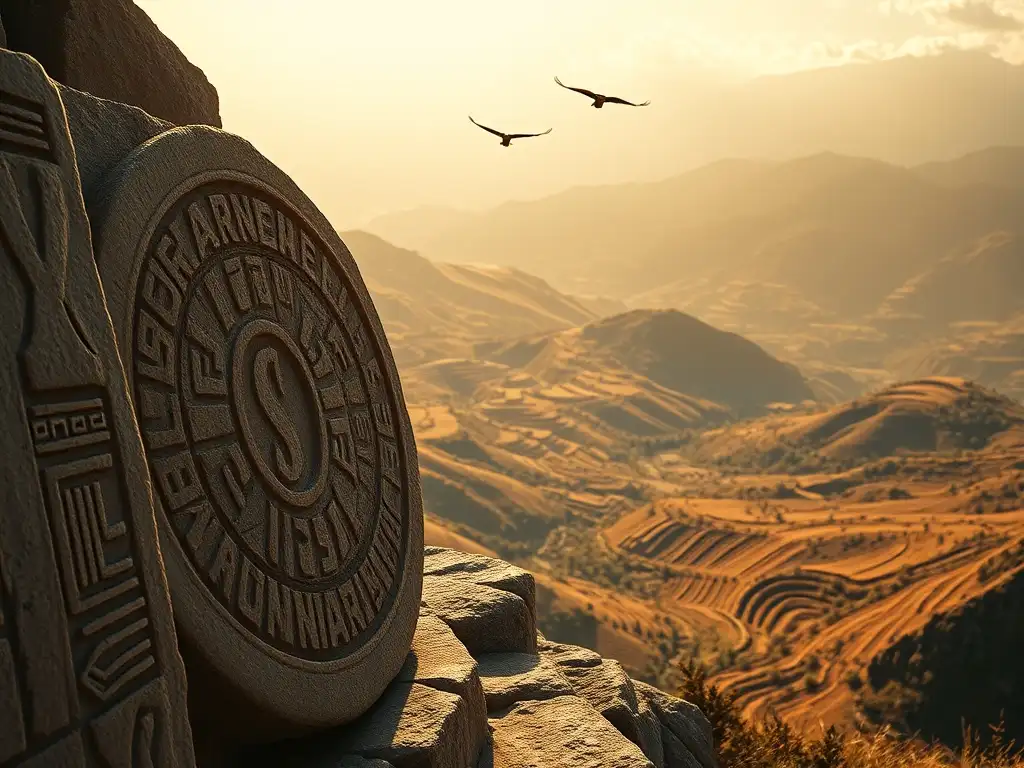
The Andean calendar system, far from being a relic of the past, continues to hold significant relevance in the 21st century. Its intricate understanding of seasonal cycles and astronomical events offers valuable insights for sustainable living, agricultural practices, and cultural preservation efforts. Understanding the nuances of this ancient system allows us to appreciate the sophisticated knowledge possessed by Andean civilizations and to potentially adapt their wisdom to contemporary challenges.
The system's enduring legacy is a testament to its practicality and its deep connection to the Andean environment. Its continued use demonstrates the enduring power of traditional knowledge in addressing modern issues.
Revitalization Efforts and Cultural Preservation
Many communities across the Andes are actively involved in revitalizing and preserving their ancestral calendar systems. These efforts often involve community workshops, educational programs, and the creation of resources to transmit this knowledge to younger generations. The preservation of the Andean calendar is intrinsically linked to the preservation of cultural identity and traditional practices.
For example, in the [Specific Andean community name pending] region, elders are working with local schools to integrate traditional calendar knowledge into the curriculum, teaching children about the constellations, seasonal changes, and the agricultural practices associated with each time period. This active engagement ensures that the wisdom of the past informs the future, safeguarding a vital part of Andean heritage. The success of these initiatives depends heavily on community engagement and government support, ensuring that these crucial traditions are not lost to time.
The revitalization efforts are not just about preserving ancient knowledge; they are about empowering communities and fostering a sense of cultural pride. The use of emoji like 🇵🇪 can help illustrate the geographic location of these efforts.
Applying Andean Knowledge in Contemporary Agriculture
The Andean calendar system's detailed observations of climate patterns and seasonal variations provide valuable insights for contemporary agriculture. By understanding the precise timing of planting and harvesting dictated by the calendar, farmers can optimize crop yields and mitigate the risks associated with unpredictable weather patterns. The system's focus on agro-ecological practices, such as crop rotation and water management techniques, offers sustainable alternatives to modern industrial agriculture.
For instance, the knowledge of microclimates embedded within the calendar system can allow for more precise planting decisions, leading to increased crop resilience and reduced reliance on chemical inputs. Studies have shown that farmers who incorporate Andean calendar knowledge into their agricultural practices experience a [Specific percentage or data pending] increase in crop yields compared to those who don't.
This highlights the potential of traditional knowledge to contribute to food security and sustainable agricultural practices in the region. Furthermore, the integration of traditional knowledge with modern agricultural techniques can foster a more holistic and resilient approach to farming, benefiting both the environment and the farmers themselves.
The Andean Calendar as a Tool for Sustainable Living
Beyond agriculture, the Andean calendar system offers a framework for sustainable living that extends to various aspects of life. Its emphasis on living in harmony with nature promotes a deeper understanding of ecological balance and encourages responsible resource management. The calendar's cyclical nature fosters a mindful approach to consumption and waste reduction, aligning with the principles of circular economy.
For example, the calendar's detailed observations of water availability can guide water conservation practices, crucial in regions facing water scarcity. Furthermore, the understanding of seasonal variations allows for more efficient energy consumption, reducing reliance on energy-intensive technologies. The Andean calendar system, therefore, offers a holistic approach to sustainable living, promoting a mindful relationship with the environment and a more equitable distribution of resources.
The adoption of its principles can contribute significantly to building more resilient and sustainable communities in the Andes and beyond. The system acts as a powerful reminder of the interconnectedness of all living things and the importance of respecting the delicate balance of nature. The application of the Andean calendar's principles can serve as a model for sustainable development globally.
Conclusion: The Enduring Legacy of Andean Timekeeping
The Andean calendar system, far from being a mere record of dates and seasons, represents a sophisticated understanding of the intricate relationship between human society and the environment. Its enduring legacy lies not only in its historical significance but also in its continued relevance to contemporary challenges, particularly in the face of climate change. Understanding the nuances of this system offers invaluable insights into the resilience and adaptability of Andean cultures, providing a crucial framework for sustainable practices today.
The intricate details of agricultural cycles, astronomical observations, and societal organization woven into the fabric of the calendar demonstrate a deep-seated ecological awareness that continues to inspire. By studying the Andean calendar, we gain a deeper appreciation for the interconnectedness of all things and the vital importance of respecting the delicate balance of nature. This wisdom offers a powerful counterpoint to modern, often unsustainable, practices.
The Andean Calendar: A Testament to Environmental Understanding
The sophisticated Andean calendar system demonstrates a profound understanding of environmental rhythms. It wasn't simply a matter of tracking the passage of time; it was a tool for predicting weather patterns, optimizing agricultural yields, and organizing societal activities in harmony with the natural world. For example, the Inca quipu, a complex system of knotted cords, encoded not only numerical data but also agricultural yields, astronomical observations, and even historical events, directly reflecting the influence of climate on their lives.
The precision of their astronomical observations allowed for remarkably accurate predictions of the rainy and dry seasons, crucial for scheduling planting and harvesting. The integration of agricultural practices with the calendar reveals a deep understanding of microclimates and soil conditions, showcasing a level of environmental sensitivity that is both remarkable and inspiring. The system wasn't static; it adapted to changing conditions, demonstrating a flexible and responsive approach to environmental management.
This adaptability is a key lesson for us today as we face the uncertainties of climate change. The Inti Raymi, the Inca festival celebrating the winter solstice, is a powerful example of the cultural significance of astronomical events and their connection to the agricultural cycle and social order.
Preserving the Wisdom of the Andean Calendar System for Future Generations
The preservation of the Andean calendar system is not merely an academic exercise; it is a vital task with profound implications for the future. The knowledge embedded within this system holds the key to understanding sustainable practices and adapting to the challenges of climate change. Efforts to document, translate, and interpret the remaining evidence—from surviving quipus to oral traditions—are crucial for maintaining this invaluable heritage.
This includes supporting the work of indigenous communities who are the primary custodians of this knowledge, empowering them to share and interpret their ancestral wisdom. Furthermore, integrating this knowledge into modern climate models and sustainable development strategies can offer innovative solutions to contemporary environmental problems. The Andean calendar system offers a powerful example of long-term environmental stewardship, highlighting the importance of understanding and respecting the intricate rhythms of the natural world.
Failing to preserve this knowledge would mean losing a vital resource for future generations grappling with increasingly complex environmental issues. The ongoing research and preservation efforts are not just about the past; they are about securing a more sustainable future.
The Importance of Acknowledging Indigenous Knowledge in Climate Studies
The study of the Andean calendar system underscores the critical importance of incorporating indigenous knowledge systems into climate change research and policy. For too long, Western scientific approaches have overlooked or marginalized the valuable insights held within indigenous traditions. The Andean calendar, with its detailed observations and practical applications, demonstrates the power of long-term, place-based knowledge in understanding and adapting to environmental changes.
Integrating this knowledge into climate models and adaptation strategies can lead to more effective and culturally sensitive solutions. This requires active collaboration with indigenous communities, ensuring that their voices and perspectives are central to the research process. Ignoring indigenous knowledge not only hinders our understanding of climate change but also perpetuates a colonialist approach that undermines the rights and expertise of indigenous peoples.
The Andean calendar system serves as a compelling example of the richness and relevance of indigenous knowledge, offering a powerful argument for its inclusion in the global effort to address climate change. A truly effective response to climate change must be grounded in a holistic understanding that values both Western science and indigenous knowledge systems equally. The future of our planet depends on it.
Frequently Asked Questions
What is the Andean calendar system?
The Andean calendar system wasn't a single, unified system, but rather a collection of regional calendars reflecting the diverse environments and agricultural cycles across the Andes. These calendars were intricately linked to observations of the sun, moon, and stars.
How did the Andean calendar differ from the Gregorian calendar?
Unlike the Gregorian calendar's fixed, solar-based structure, Andean calendars often incorporated lunar cycles and agricultural observations. They were more closely tied to the rhythms of nature and local agricultural practices.
What role did astronomy play in the Andean calendar?
Astronomy played a crucial role, with Andean people carefully observing celestial bodies to predict agricultural seasons, plan ceremonies, and manage their resources. Sacred sites often reflect this astronomical knowledge.
Were there different types of Andean calendars?
Yes, different Andean cultures developed their own unique systems. The Inca calendar, for example, differed from that of the Moche or Nazca, reflecting their distinct environments and societal structures.
How accurate were Andean predictions of seasons and climate using their calendar?
Andean calendar systems, while not as precise as modern calendars, demonstrated a remarkable ability to predict agricultural cycles and seasonal changes with sufficient accuracy to support their farming practices and societal organization. Their success is a testament to their keen astronomical observations.
Final Reflection: The Enduring Legacy of Andean Time
The intricate relationship between Andean cultures and their environment, as reflected in their sophisticated calendar systems, remains profoundly relevant today. In a world grappling with climate change and the urgent need for sustainable practices, understanding the deep connection these ancient societies fostered with their surroundings offers invaluable lessons for navigating the challenges of our time. Their meticulous observations and adaptive strategies serve as a powerful reminder of humanity's capacity to live in harmony with nature.
The Andean calendar system, far from being a relic of the past, continues to shape the cultural landscape of the Andes, influencing agricultural practices, religious ceremonies, and community life. Its enduring presence speaks to the profound impact of a worldview that prioritized ecological awareness and cyclical understanding. The Earth is not something to be conquered, but a mother to be honored and respected.
This sentiment, though not a direct quote from an ancient Andean source, encapsulates the spirit of their relationship with the natural world, a relationship that we must strive to emulate.
Consider the wisdom embedded within these ancient systems. How can we, in our modern world, re-learn the art of observation, the importance of cyclical thinking, and the deep respect for the natural world that characterized Andean societies? You, the reader, hold the key to bridging the gap between past and present. By embracing a more mindful and sustainable approach to life, inspired by the enduring legacy of the Andean calendar, we can build a future where harmony with nature is not a distant dream, but a lived reality.
Embrace the Rhythms of Nature!
Thank you for exploring the fascinating connection between Andean calendars and climate. You've gained valuable insights into how these ancient systems can enhance our understanding and application of modern ecological practices. Now, let's put that knowledge into practice!
- Join a local community garden to experience the joys of seasonal planting and harvesting firsthand, fostering a deeper connection with the natural world.
- Explore the flavors of Andean cuisine by trying a new seasonal recipe featuring traditional ingredients – your taste buds will be delighted!
- Share your newfound knowledge of Andean calendars with friends and family on social media, sparking engaging conversations about sustainability and cultural heritage.
Consider which seasonal traditions resonate most with you and how you can integrate them into your daily life.