
Beyond Machu Picchu: LesserKnown Inca Sites Worth Exploring

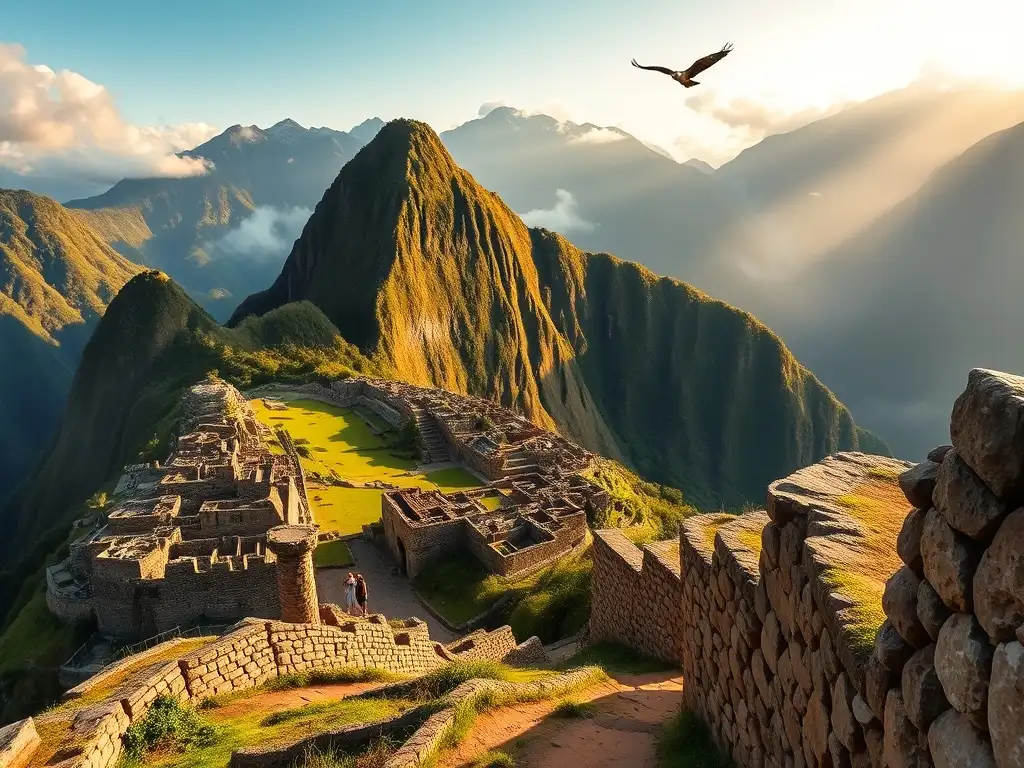
Step beyond the well-trodden paths of Machu Picchu and uncover a world of forgotten wonders. Imagine soaring mountain citadels, intricate irrigation systems, and breathtaking artistry—all testament to the ingenuity of the Inca. This is more than just history; it's a journey into the heart of the Andes. Prepare to be amazed as we delve into the secrets of Lesser-known Inca sites, revealing hidden gems that will redefine your understanding of this remarkable civilization. Discover the untold stories waiting to be unearthed...
- Beyond Machu Picchu: Unveiling the Secrets of Lesser-Known Inca Sites
- Choquequirao: The "Sacred Sister" of Machu Picchu
- Ollantaytambo: A Living Inca Town with Ancient Ruins
- Huchuy Qosqo: A Royal Inca Estate Overlooking the Sacred Valley
- Vilcashuamán: An Inca Administrative Center
- Pisac: Inca Ruins and a Vibrant Market
- Conclusion: Planning Your Adventure to Lesser-Known Inca Archaeological Sites
-
Frequently Asked Questions
- What makes a site considered "lesser-known" when discussing Inca sites?
- Are these lesser-known Inca sites less historically important than Machu Picchu?
- What are some examples of lesser-known Inca sites mentioned in the article? (Hypothetical, as we don't have access to the article's content)
- How can I access these lesser-known Inca sites?
- Are there any safety concerns to consider when visiting lesser-known Inca sites?
- Final Reflection: Unearthing the Legacy: Beyond the Tourist Trail
- Unveil Hidden Inca Treasures Waiting for Your Discovery!
Beyond Machu Picchu: Unveiling the Secrets of Lesser-Known Inca Sites
Machu Picchu rightfully claims its place as the crown jewel of Inca archaeology, drawing millions of visitors each year. However, the Inca Empire's reach extended far beyond this iconic citadel, leaving behind a breathtaking tapestry of lesser-known sites that offer equally compelling glimpses into their sophisticated civilization. This article delves into the fascinating world of these hidden gems, exploring archaeological marvels often overlooked by the typical tourist trail.
We'll uncover the historical significance, architectural wonders, and cultural richness of these lesser-known Inca sites, providing an alternative perspective on the Inca legacy and offering a unique travel experience for those seeking adventure beyond the well-trodden path. Prepare to be amazed by the ingenuity and artistry of a civilization that continues to captivate and inspire centuries later.
We'll explore sites that offer a more intimate connection with Inca history, allowing for a deeper understanding of their societal structures, religious practices, and daily life. Get ready to embark on a journey of discovery that goes beyond the postcard images of Machu Picchu.
The Inca Empire, at its zenith, controlled a vast territory spanning much of the Andes Mountains. While Machu Picchu rightfully attracts global attention, a wealth of archaeological sites remain relatively unexplored, offering a unique perspective on Inca civilization. These sites, often less crowded and more accessible to a more intimate experience, provide a deeper understanding of Inca ingenuity, architectural prowess, and spiritual beliefs.
From impressive terraces carved into mountain slopes to intricate stonework showcasing their mastery of engineering, these lesser-known Inca sites provide a fresh and enriching perspective on this remarkable civilization. This exploration will highlight several key sites, detailing their historical significance and the unique experiences they offer. We will also discuss the importance of responsible tourism and preserving these invaluable historical treasures for future generations.
The journey begins with an understanding that the Inca legacy is far more extensive and diverse than a single, albeit spectacular, site. Think of it as peeling back layers of history, revealing a deeper appreciation for the Inca's sophisticated societal structure and their lasting impact on the Andes.
Ollantaytambo: A Fortress of Strategic Importance and Architectural Marvel
Ollantaytambo, often described as a "living Inca city," stands as a testament to the Inca Empire's military might and architectural ingenuity. Unlike many other sites, Ollantaytambo remains remarkably well-preserved, showcasing impressive agricultural terraces, intricate stonework, and a massive fortress that guarded a crucial pass in the Sacred Valley. The scale of the site is staggering, with massive stone blocks perfectly fitted together without mortar, a display of engineering skill that continues to astound archaeologists and visitors alike.
The intricate network of water channels, meticulously carved into the landscape, further highlights the Inca's sophisticated understanding of hydraulic engineering. Beyond its military significance, Ollantaytambo also served as an important administrative and religious center, evidenced by the presence of temples and ceremonial structures within the complex. The sheer scale and complexity of the site demand a multi-day exploration to fully appreciate its grandeur.
The site offers a unique blend of historical significance and breathtaking natural beauty, making it an unforgettable experience for any visitor. Ollantaytambo is more than just stones; it's a living testament to Inca resilience and architectural mastery.
Choquequirao: The "Sister City" of Machu Picchu
Often referred to as the "sister city" of Machu Picchu, Choquequirao presents a challenging yet rewarding trek into the heart of the Vilcabamba mountain range. This remote site, nestled high in the Andes, offers a less crowded alternative to Machu Picchu, boasting similar architectural grandeur and breathtaking views. Unlike Machu Picchu, which was likely a royal estate, Choquequirao is believed to have been an important religious and administrative center, playing a crucial role in the Inca's control over a vast region.
The site features extensive agricultural terraces, impressive temples, and intricate stonework, reflecting the Inca's mastery of engineering and artistry. The journey to Choquequirao is an adventure in itself, requiring a multi-day trek through stunning landscapes, providing a unique and immersive experience for adventurous travelers.
The relative remoteness of Choquequirao contributes to its pristine condition, offering a unique opportunity to experience the Inca past in a more intimate and less commercialized setting. The reward for the effort is undeniable: a breathtaking glimpse into a relatively untouched Inca site.
Nestled in the heart of the Sacred Valley, Morena is a relatively less-visited Inca site that offers a fascinating glimpse into Inca agriculture and engineering. Characterized by its extensive network of agricultural terraces, Morena showcases the Inca’s ingenious system of water management and their ability to cultivate crops on steep, mountainous terrain. The terraces, meticulously carved into the landscape, are a testament to the Inca's deep understanding of sustainable agriculture and their commitment to providing for their population.
Morena's relative obscurity provides a more tranquil and intimate experience compared to the more popular sites, allowing visitors to fully appreciate the intricate details of the Inca's agricultural ingenuity. The site is also surrounded by stunning natural beauty, providing a serene and peaceful setting for exploration.
The relatively smaller scale of Morena makes it an ideal destination for a half-day exploration, allowing for a balanced itinerary that includes other Sacred Valley attractions. Morena offers a different perspective on the Inca civilization, highlighting their practical skills and sustainable practices.
Choquequirao: The "Sacred Sister" of Machu Picchu
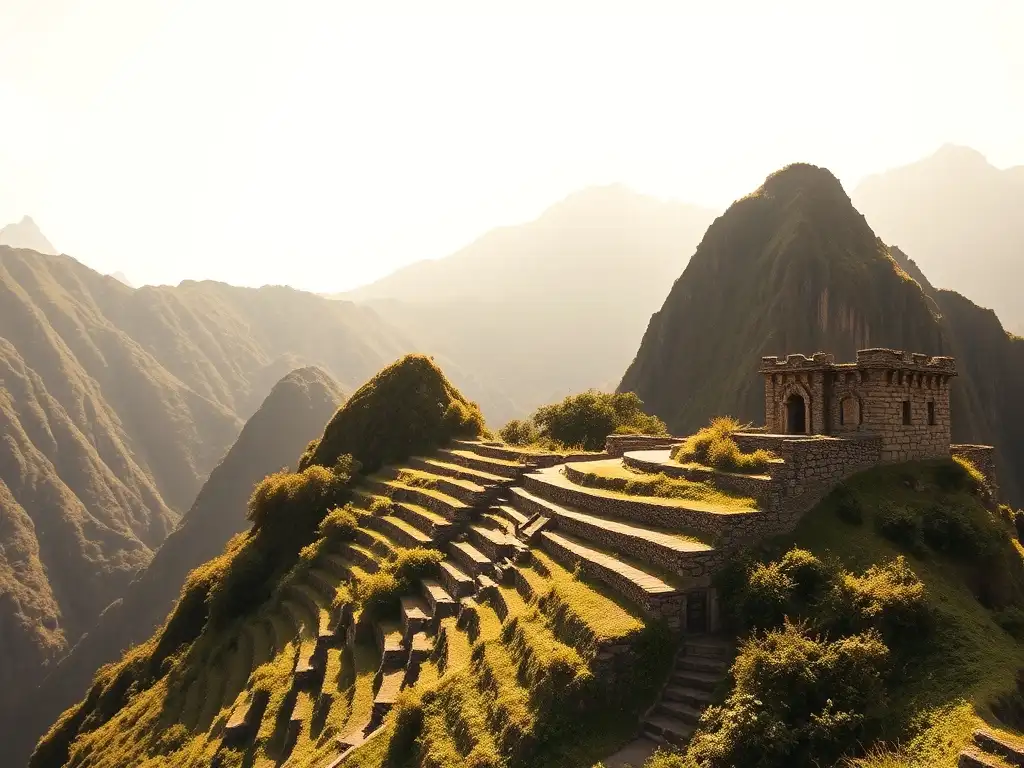
Choquequirao, often called the "Sacred Sister" of Machu Picchu, is a lesser-known Inca site that offers a truly immersive experience into the heart of Inca civilization. Unlike its more famous counterpart, Choquequirao remains relatively untouched by mass tourism, preserving its mystique and offering visitors a more intimate connection with the past. Located high in the Vilcabamba mountain range, this impressive citadel boasts stunning architecture, breathtaking views, and a palpable sense of history.
Its remote location, however, makes it a challenging but rewarding destination for adventurous travelers seeking an authentic Andean experience. The sheer scale of the site, encompassing numerous terraces, palaces, and religious structures, testifies to the sophisticated engineering and planning capabilities of the Inca.
Discovering Choquequirao is like uncovering a hidden gem, revealing a significant piece of the Inca puzzle often overlooked in favor of more accessible sites. This lesser-known Inca site provides a fascinating contrast to Machu Picchu, highlighting the diversity and extent of the Inca Empire's reach.
Choquequirao Trek: An Adventure to a Remote Inca Citadel
Reaching Choquequirao requires a significant commitment. The trek to the citadel is strenuous, typically taking several days and demanding a reasonable level of physical fitness. The journey itself, however, is part of the allure. Trekkers are rewarded with breathtaking views of the Andes Mountains, lush cloud forests, and a chance to encounter diverse Andean flora and fauna.
The trail winds through stunning landscapes, providing ample opportunities for reflection and appreciation of the natural beauty surrounding this historical marvel. Several different routes exist, varying in length and difficulty, catering to different levels of experience. Experienced hikers might opt for a shorter, more challenging route, while those seeking a more leisurely pace can choose a longer, less strenuous path. Regardless of the chosen route, the trek to Choquequirao is an unforgettable adventure, culminating in the awe-inspiring sight of the Inca citadel itself.
Proper planning, including appropriate gear, sufficient supplies, and a well-structured itinerary, is crucial for a safe and enjoyable trek. Remember to hire a local guide; their expertise is invaluable for navigation, safety, and understanding the historical context of the site. This immersive experience transcends the mere act of sightseeing; it's a journey of self-discovery interwoven with the exploration of a remarkable piece of history.
Choquequirao's Unique Architectural Features and Structures
Choquequirao's architecture displays the characteristic Inca style but with distinct features that set it apart from other sites. The intricate stonework, meticulously fitted without mortar, showcases the advanced engineering skills of the Inca builders. The citadel is organized into distinct sectors, including residential areas, agricultural terraces, and religious complexes. These sectors are interconnected by a network of pathways and stairs, reflecting a sophisticated urban planning system.
Unlike Machu Picchu, Choquequirao features a larger number of agricultural terraces, emphasizing the importance of agriculture in the Inca economy and lifestyle. Researchers have identified various structures within the site, including temples, palaces, and storage facilities, each with unique architectural characteristics. Some structures boast intricately carved stonework, while others are characterized by their massive scale and imposing presence.
The layout of the city, its integration with the surrounding landscape, and the unique features of its buildings all contribute to a deeper understanding of Inca societal structure, religious practices, and engineering prowess. Further research and excavation are ongoing, promising to reveal even more about this fascinating and lesser-known Inca site. The ongoing discoveries highlight the importance of continued exploration and preservation of Choquequirao, ensuring its legacy as a vital piece of Andean history continues to be appreciated.
Ollantaytambo: A Living Inca Town with Ancient Ruins
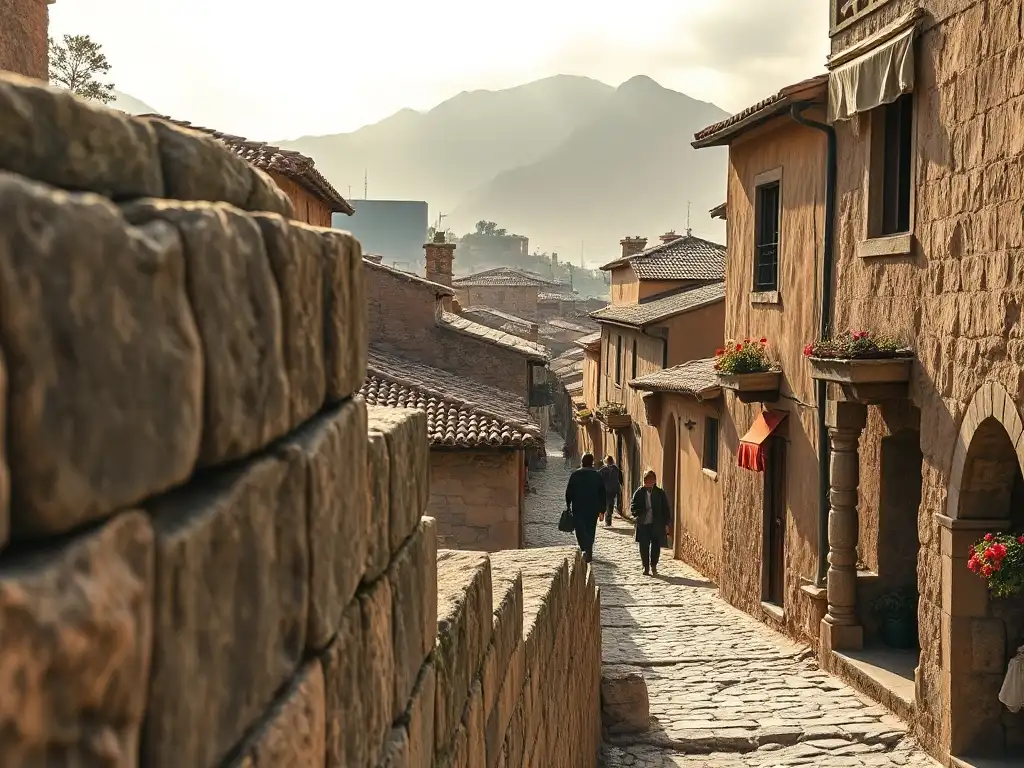
Ollantaytambo, often overshadowed by Machu Picchu in tourist brochures, offers a unique and compelling experience for those seeking to delve deeper into Inca history and architecture. Unlike Machu Picchu, which is largely a secluded archaeological site, Ollantaytambo is a living town, seamlessly blending ancient Inca structures with modern-day life. This fascinating juxtaposition provides a richer, more immersive understanding of Inca civilization and its enduring legacy. The sheer scale and complexity of the site are breathtaking, showcasing the advanced engineering and architectural prowess of the Inca people.
This "lesser-known Inca site" is, in reality, a significant and vital component of the Inca empire’s story. Its strategic location and impressive fortifications speak volumes about the Inca's military capabilities and urban planning. The site's enduring presence as a thriving community highlights the resilience and adaptability of Andean cultures.
Exploring Ollantaytambo: A Gateway to the Sacred Valley
Ollantaytambo serves as a crucial gateway to the Sacred Valley, a fertile region that played a vital role in Inca agriculture and spirituality. The town itself is nestled in a stunning landscape, surrounded by towering mountains and verdant valleys. Exploring Ollantaytambo isn't just about visiting ruins; it's about experiencing the vibrant culture that continues to thrive amidst these ancient stones.
Visitors can wander through the town's bustling marketplace, sample traditional Andean cuisine, and interact with local artisans. This immersion into the daily life of the community provides a deeper appreciation for the enduring connection between the past and the present. The town's cobblestone streets and traditional adobe houses offer a captivating glimpse into the continuity of Andean architectural styles.
Even the simplest interactions with the locals can reveal a wealth of knowledge about local traditions and perspectives on their rich heritage. Many families still live in houses built using traditional Inca techniques, demonstrating the practicality and longevity of their building methods.
Ollantaytambo's Sun Temple and Terraced Hillsides
The most striking feature of Ollantaytambo is undoubtedly its impressive Sun Temple. This monumental structure, with its massive stone blocks meticulously fitted together without mortar, is a testament to the Inca's mastery of stonework. The precision and scale of the construction are simply astounding; some stones weigh many tons! The sheer size of these blocks, perfectly joined, presents a significant engineering challenge even by today's standards.
The Sun Temple is just one part of a larger complex that includes intricate terraced hillsides, which were utilized for agriculture. These terraces, carved into the mountainside, are a marvel of engineering and demonstrate the Inca's sophisticated understanding of water management and agricultural techniques. The terraces weren't merely agricultural plots; they were also strategically placed to defend the city.
The intricate system of canals and irrigation channels that supported these terraces are still visible today, illustrating the Inca's understanding of sustainable agriculture and resource management. The precision of the terraces, their integration into the landscape, and their enduring functionality are all testaments to the ingenuity of the Inca civilization and their ability to harmonize with their environment. The interplay of natural features and human ingenuity at Ollantaytambo makes it a truly exceptional example of "lesser-known Inca sites" that deserves far greater recognition.
| Feature | Description | Significance |
|---|---|---|
| Sun Temple | Massive stone structure, meticulously crafted. | Demonstrates Inca mastery of stonework and engineering. |
| Terraced Hillsides | Extensive agricultural terraces carved into the mountainside. | Shows advanced water management and agricultural techniques; also served as defense. |
| Town Integration | Ancient Inca structures seamlessly integrated into a modern-day living town. | Highlights the enduring legacy of Inca civilization and Andean cultural resilience. |
| Strategic Location | Situated in the Sacred Valley, a crucial agricultural and spiritual center. | Underscores the importance of Ollantaytambo within the Inca empire. |
Huchuy Qosqo: A Royal Inca Estate Overlooking the Sacred Valley
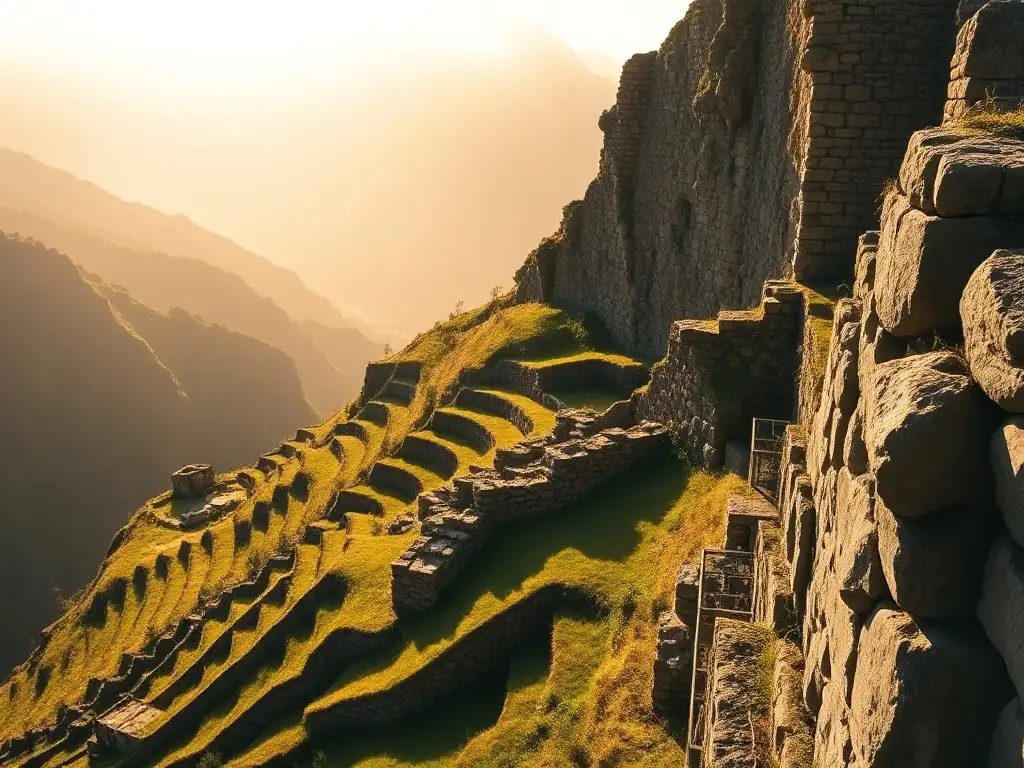
Huchuy Qosqo, meaning "Little Cusco" in Quechua, is a lesser-known Inca site that offers a fascinating glimpse into the daily life and royal retreats of the Inca Empire. Unlike the grandeur of Machu Picchu, Huchuy Qosqo provides a more intimate encounter with Inca architecture and engineering, showcasing a sophisticated network of palaces, terraces, and ceremonial spaces nestled high in the Andes Mountains, overlooking the breathtaking Sacred Valley.
Its relatively secluded location contributes to its mystique and makes it a truly unique experience for those seeking to explore lesser-known Inca sites. The site's strategic position suggests its importance as a royal estate, possibly used as a refuge or a secondary administrative center.
Evidence suggests it may have been a crucial staging point for Inca movements between Cusco and other important sites in the region. This smaller-scale, yet equally impressive, complex offers a different perspective on Inca ingenuity and demonstrates the breadth of their architectural capabilities beyond the more famous sites.
Reaching Huchuy Qosqo: A Hike Through the Andes
Reaching Huchuy Qosqo requires a moderate level of fitness and a spirit of adventure. The most common approach involves a challenging but rewarding hike through stunning Andean landscapes. The trail, while well-marked in sections, can be steep and uneven in places. Experienced hikers can typically complete the trek in approximately 3-4 hours, though this can vary depending on fitness levels and weather conditions.
The ascent offers spectacular panoramic views of the Sacred Valley, with vibrant green valleys contrasting sharply against the rugged, imposing peaks of the Andes. Along the way, hikers can appreciate the diverse flora and fauna of the region, encountering various species of birds and potentially spotting llamas or alpacas grazing in the highlands. It is crucial to be well-prepared for the hike, bringing ample water, snacks, appropriate clothing for varying weather conditions (layering is key! ), sunscreen, and a hat.
Hiring a local guide is highly recommended, not only for their expertise in navigating the trails but also for their invaluable insights into the history and significance of the site and surrounding area. They can share stories, legends, and detailed information about the Inca civilization, enhancing your overall experience. Remember, responsible tourism is vital; pack out everything you pack in and respect the fragile ecosystem of the Andes.
Huchuy Qosqo's Inca Palaces and Ceremonial Spaces
The ruins of Huchuy Qosqo reveal a complex of intricately constructed stone buildings, showcasing the mastery of Inca stonemasonry. The dry-stone walls, characteristic of Inca architecture, fit together seamlessly without the use of mortar, a testament to their precision and engineering skills. The site's layout suggests a clear division between residential and ceremonial areas. Several structures are identified as palaces, featuring finely crafted stonework and evidence of sophisticated water management systems.
These palaces likely served as residences for Inca royalty and high-ranking officials. Ceremonial spaces, possibly used for religious rituals and offerings, are also evident, often incorporating carefully positioned niches and strategically placed windows to capture specific celestial alignments. Archaeologists have uncovered evidence of agricultural terraces surrounding the site, demonstrating the Inca's ability to adapt their agricultural practices to the challenging terrain of the Andes.
These terraces not only supported the population of Huchuy Qosqo but also served as a vital part of the Inca's sophisticated agricultural system, ensuring food security for the empire. The relatively intact nature of many structures at Huchuy Qosqo provides a valuable opportunity to study Inca architecture and urban planning in a less-crowded and more immersive setting than other, more popular, Inca sites. Exploring Huchuy Qosqo offers a unique perspective on the Inca's sophisticated understanding of both architecture and the natural world, solidifying its place as one of the lesser-known Inca sites deserving of greater recognition.
Vilcashuamán: An Inca Administrative Center
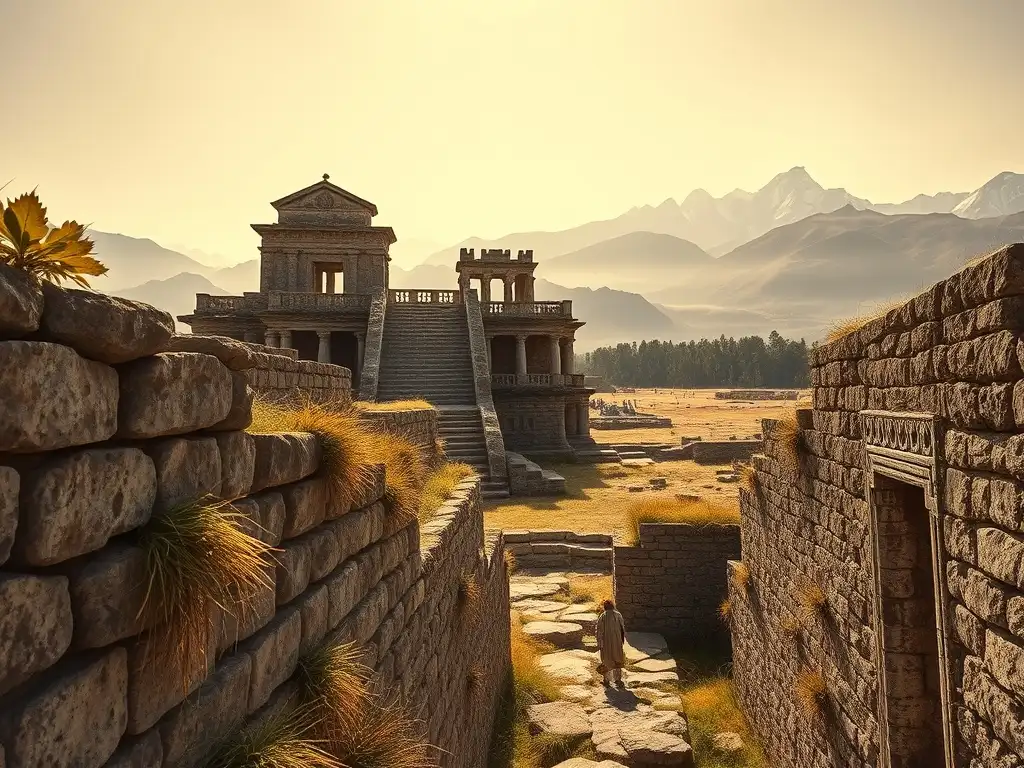
Vilcashuamán, a lesser-known Inca site nestled in the Ayacucho region of Peru, offers a fascinating glimpse into the sophisticated administrative capabilities of the Inca Empire. Unlike the iconic Machu Picchu, Vilcashuamán wasn't a royal estate or a sacred site solely dedicated to religious practices. Instead, it served as a crucial administrative center, strategically located to control trade routes and manage resources in the southern reaches of the Inca empire.
Its significance lies in its role as a hub for governance, showcasing the Inca's ability to effectively administer a vast and diverse territory. The site's impressive architecture and layout reflect this administrative function, providing compelling evidence of Inca ingenuity and organizational prowess.
Understanding Vilcashuamán provides a more nuanced perspective on the Inca civilization, moving beyond the romantic image of Machu Picchu to reveal the practical mechanics of their empire's success. The sheer scale of the complex also points to a significant population center, suggesting a bustling hub of activity during the Inca period.
Vilcashuamán: A Journey to the Southern Inca Expansion
The strategic location of Vilcashuamán underscores its importance in the Inca expansion southward. Situated at a crucial juncture of trade routes connecting the Andes to the coastal regions, Vilcashuamán served as a vital control point for the movement of goods and people. Archaeological evidence suggests the presence of extensive storage facilities, hinting at the management of agricultural surpluses and the redistribution of resources throughout the empire.
This site, therefore, wasn't merely a administrative center; it was a logistical powerhouse, facilitating the smooth functioning of the Inca economy. The presence of military installations also suggests a role in maintaining order and security within this strategically important region. This highlights the multifaceted nature of Vilcashuamán and its contribution to the Inca's effective control of their southern territories.
Further research is needed to fully understand the extent of Vilcashuamán’s influence on the surrounding communities and its impact on the overall Inca administration. The sheer scale of the ruins, however, already suggests a significant population and influence, solidifying its position as a key player in the Inca's southern expansion.
The Temple of the Sun and Inca Architecture in Vilcashuamán
The Temple of the Sun at Vilcashuamán stands as a testament to Inca architectural mastery. While not as grand or as well-preserved as some other Inca structures, its unique features offer valuable insights into Inca building techniques and religious beliefs. The temple's construction utilizes finely-cut stone blocks, characteristic of Inca masonry, showcasing their precision and expertise in stonework.
The intricate design and the use of specific materials, such as red granite, suggest a deliberate effort to create a sacred space with symbolic significance. Unlike the more overtly religious sites like Sacsayhuamán, the religious function of Vilcashuamán's Temple of the Sun seems to have been integrated with the administrative functions of the city. This blend of administrative and religious elements is a key characteristic of many lesser-known Inca sites, offering a more holistic understanding of Inca society.
Further studies are needed to fully decipher the symbolism embedded in the temple's architecture and its connection to Inca cosmology. However, even the current state of knowledge reveals a sophisticated understanding of engineering and a deep connection to religious beliefs. The Temple of the Sun at Vilcashuamán, therefore, provides a valuable window into the intertwining of religious practices and daily life within the Inca administrative system.
Pisac: Inca Ruins and a Vibrant Market
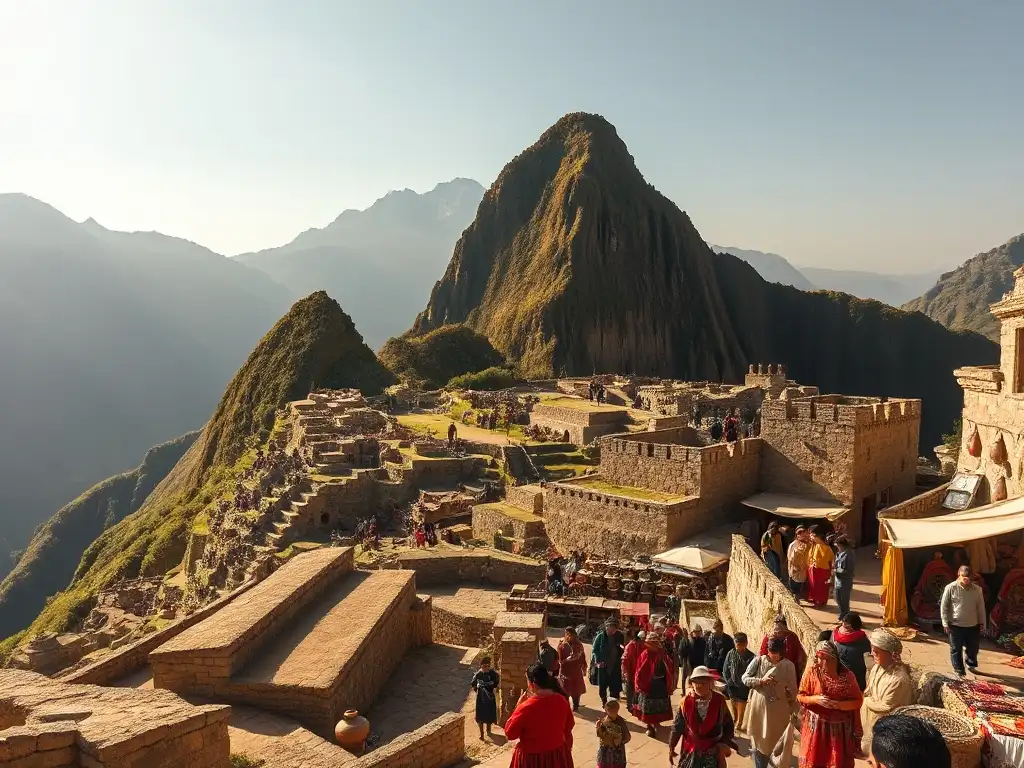
Pisac, nestled in the Sacred Valley of the Incas, offers a compelling blend of captivating Inca ruins and a bustling, vibrant market. Often overshadowed by the grandeur of Machu Picchu, Pisac presents a unique opportunity to experience Inca ingenuity and Andean culture in a more intimate setting. This lesser-known Inca site provides a fascinating glimpse into the sophisticated agricultural practices and strategic defensive capabilities of the Inca Empire.
Its accessibility and proximity to other significant sites make it an ideal addition to any exploration of the Sacred Valley. The sheer scale of the site, coupled with the surrounding natural beauty, makes for an unforgettable experience. Let's delve into the specifics of what makes Pisac such a worthwhile destination for those seeking to uncover the lesser-known facets of Inca civilization.
Pisac's Inca Fortress and Agricultural Terraces
The Pisac fortress, perched dramatically on a mountaintop overlooking the Urubamba River valley, is a testament to Inca architectural prowess. Its strategic location provided unparalleled views, allowing for early warning of potential threats. The complex network of terraces, carved painstakingly into the mountainside, showcases the Inca's mastery of agricultural engineering.
These terraces, meticulously constructed to optimize sunlight and water drainage, allowed for efficient cultivation of crops even on steep inclines. The precision and scale of this feat of engineering are truly remarkable; examining these terraces up close reveals the incredible effort and sophisticated understanding of agriculture that characterized Inca society. The use of stone, perfectly fitted without mortar, is a recurring theme throughout the site, reflecting the Inca's commitment to precision and durability.
Furthermore, the remnants of buildings and structures within the fortress itself hint at the complex social organization and daily life within this important Inca settlement. Exploring the various levels of the fortress provides a tangible connection to the past, allowing visitors to imagine the lives of the people who once inhabited this strategic location. Many smaller ruins and pathways are still being unearthed, showcasing the ongoing efforts to preserve and uncover more of this fascinating lesser-known Inca site.
The Pisac Market: A Cultural Experience
Beyond the archaeological significance of the Inca ruins, Pisac is also renowned for its vibrant and colorful market. A sensory feast, the market overflows with handcrafted textiles, ceramics, silver jewelry, and an array of other Andean crafts. This is a prime opportunity to interact with local artisans, learn about their traditional techniques, and purchase unique souvenirs.
The market is not simply a place for commerce; it's a dynamic reflection of Andean culture, where traditions are preserved and celebrated. The atmosphere is lively and engaging, with the sounds of Quechua, the language of the Inca, mingling with the lively bartering and cheerful greetings from vendors. The sheer variety of goods on offer, from intricately woven alpaca wool blankets to brightly colored ceramics depicting traditional Andean motifs, provides a rich tapestry of Andean cultural heritage.
Sampling local delicacies, like chicha morada (a purple corn drink) or humitas (steamed corn cakes), adds another dimension to the experience, allowing visitors to fully immerse themselves in the sights, sounds, and tastes of Andean life. The Pisac market, therefore, seamlessly complements the historical exploration of the Inca ruins, offering a holistic and enriching experience for anyone interested in exploring lesser-known Inca sites and their cultural legacy. The market is a vibrant, bustling, and essential part of the Pisac experience, showcasing the ongoing cultural richness of the region.
Conclusion: Planning Your Adventure to Lesser-Known Inca Archaeological Sites
This exploration of lesser-known Inca sites offers a compelling alternative to the crowded paths of Machu Picchu. By venturing beyond the well-trodden tourist trails, you gain access to a richer, more intimate understanding of Inca ingenuity and the breathtaking landscapes they inhabited. The sites highlighted above represent just a fraction of the archaeological wonders waiting to be discovered.
Each holds its own unique story, waiting to be unveiled through careful observation and respectful exploration. Remember, these sites are often fragile remnants of a remarkable civilization; responsible tourism is paramount to their preservation. Let's delve into how you can plan your own adventure responsibly and effectively.
Encouraging Exploration Beyond the Typical Tourist Trail
Many travelers crave authentic experiences, seeking to connect with a destination on a deeper level than a typical tourist visit allows. Exploring lesser-known Inca sites provides precisely this opportunity. Instead of battling crowds and navigating pre-packaged tours, you can immerse yourself in the quiet majesty of these ancient ruins, allowing for contemplation and a more profound appreciation of Inca history and culture.
Think of the thrill of discovering a hidden stone staircase overgrown with vibrant orchids, or the awe-inspiring sight of a perfectly preserved irrigation channel still whispering tales of ingenious engineering. These experiences are far more rewarding than simply ticking off a box on a pre-planned itinerary. By choosing to explore less-visited sites, you contribute to a more sustainable form of tourism, diverting pressure away from overburdened popular attractions and supporting local communities who benefit from responsible visitor activity.
This type of tourism fosters a deeper connection not only with the past but also with the present-day custodians of these historical treasures. It's a win-win for both the traveler and the preservation of these invaluable sites.
The sense of accomplishment derived from reaching a remote Inca site, after perhaps a challenging hike or a scenic journey, is immeasurable. It's a journey that rewards the adventurous spirit and leaves an indelible mark on your soul. The memories created will far surpass the fleeting images captured at overcrowded landmarks.
Tips for Planning Your Trip to Remote Inca Locations
Planning a trip to lesser-known Inca sites requires careful preparation. These locations often lack the readily available infrastructure found near more popular tourist destinations. Here are some essential tips to ensure a safe and rewarding journey:
- Thorough Research: Research your chosen site meticulously. Understand the accessibility, the necessary permits (if any), the best time of year to visit, and the potential challenges you might encounter. The availability of guides and local transportation should also be considered.
- Physical Fitness: Many remote Inca sites require physical exertion. Assess your fitness level honestly and choose a site appropriate for your capabilities. Pack suitable hiking gear, including sturdy footwear, appropriate clothing layers, and plenty of water.
- Local Guides: Consider hiring a local guide. They possess invaluable knowledge of the area, including its history, geography, and potential hazards. This is particularly important for safety and responsible exploration. Furthermore, engaging local guides directly supports the community.
- Respectful Behavior: Remember that these are sacred sites. Refrain from touching or damaging any artifacts or structures. Respect local customs and traditions. Leave no trace behind; pack out everything you pack in. This responsible approach ensures the preservation of these sites for future generations.
- Emergency Preparedness: Prepare for unforeseen circumstances. Carry a first-aid kit, a fully charged mobile phone (if service is available), and inform someone of your itinerary. Knowing the nearest medical facilities or emergency contact points is crucial.
- Sustainable Tourism Practices: Support local businesses and communities by patronizing locally owned accommodations, restaurants, and transportation services. This helps distribute the economic benefits of tourism more equitably.
By following these guidelines, you can ensure a safe, enriching, and responsible journey to these fascinating lesser-known Inca sites, contributing to their preservation while experiencing the magic of Andean history firsthand. 🗺️ The adventure awaits!
Frequently Asked Questions
What makes a site considered "lesser-known" when discussing Inca sites?
A site is considered "lesser-known" if it receives significantly fewer tourists than popular sites like Machu Picchu. This often means less developed infrastructure and a more authentic, less crowded experience. These sites are still historically significant.
Are these lesser-known Inca sites less historically important than Machu Picchu?
No, many lesser-known Inca sites are incredibly important for understanding different aspects of Inca civilization. While Machu Picchu is iconic, other sites offer unique insights into Inca agriculture, urban planning, or religious practices.
What are some examples of lesser-known Inca sites mentioned in the article? (Hypothetical, as we don't have access to the article's content)
The article might highlight sites like Choquequirao, known for its impressive ruins and similar architecture to Machu Picchu, or Machu Picchu's sister site, Ollantaytambo, a significant Inca fortress. Other examples could include less accessible ruins in remote areas.
How can I access these lesser-known Inca sites?
Accessing these sites may require more planning and preparation. This often involves hikes, local guides, and potentially more rugged travel conditions compared to visiting more popular sites. Check local regulations and tour options beforehand.
Are there any safety concerns to consider when visiting lesser-known Inca sites?
Yes, it's crucial to be prepared for varying conditions. Altitude sickness can be a concern at higher elevations. It's advisable to hire a local guide for navigation, safety, and cultural understanding, and inform someone of your plans.
Final Reflection: Unearthing the Legacy: Beyond the Tourist Trail
The allure of Machu Picchu overshadows a rich tapestry of Inca history, leaving countless equally fascinating, yet lesser-known, sites waiting to be discovered. These hidden gems offer not only breathtaking landscapes but also a deeper understanding of Inca ingenuity, resilience, and cultural complexity, a narrative far richer than a single iconic ruin can provide. The exploration of these sites isn't just about tourism; it's about reclaiming a complete historical narrative.
The impact of rediscovering and preserving these lesser-known Inca sites extends far beyond the archaeological realm. It fosters a renewed appreciation for the ingenuity and sophistication of the Inca civilization, challenging preconceived notions and broadening our understanding of their societal structures and achievements. The past is never dead. It's not even past.
- William Faulkner. This quote rings true as we continue to unearth the layers of Inca history, revealing a vibrant culture that continues to resonate with us today, influencing our understanding of architecture, agriculture, and societal organization.
Consider the journey you’ve just taken through these hidden wonders. Now, I invite you to reflect on the significance of preserving these historical treasures, not just for future generations, but for our own enrichment. What steps can you take, however small, to support responsible tourism and the preservation of these invaluable sites? Let the spirit of exploration inspire you to delve deeper into history, to seek out the untold stories, and to champion the preservation of our shared cultural heritage. The legacy of the Inca civilization awaits your discovery.
Thank you for joining us on this exploration of lesser-known Inca sites! We hope you're inspired to delve deeper into their rich history and captivating beauty, beyond the well-trodden path of Machu Picchu. Let's turn your adventurous spirit into action – here's how to begin your journey:
- **Plan your trip** to one of these enchanting locations. Consider carefully which site best suits your interests, book flights and accommodation well in advance, and map out a detailed itinerary to ensure a truly unforgettable experience.
- **Share your adventures** with friends and fellow travelers. Inspire others to explore these hidden gems by posting photos and stories on social media, and encourage them to join you on your future expeditions.
- **Connect with fellow explorers** in online forums and communities dedicated to Andean exploration. Exchange tips, advice, and experiences with others who share your passion for Inca history and culture.
Which lesser-known Inca site excites you most, and why do you believe it deserves greater recognition? Let's discuss in the comments!