
The Andean Ritual of the Solstice: Celebrating the Sun's Journey

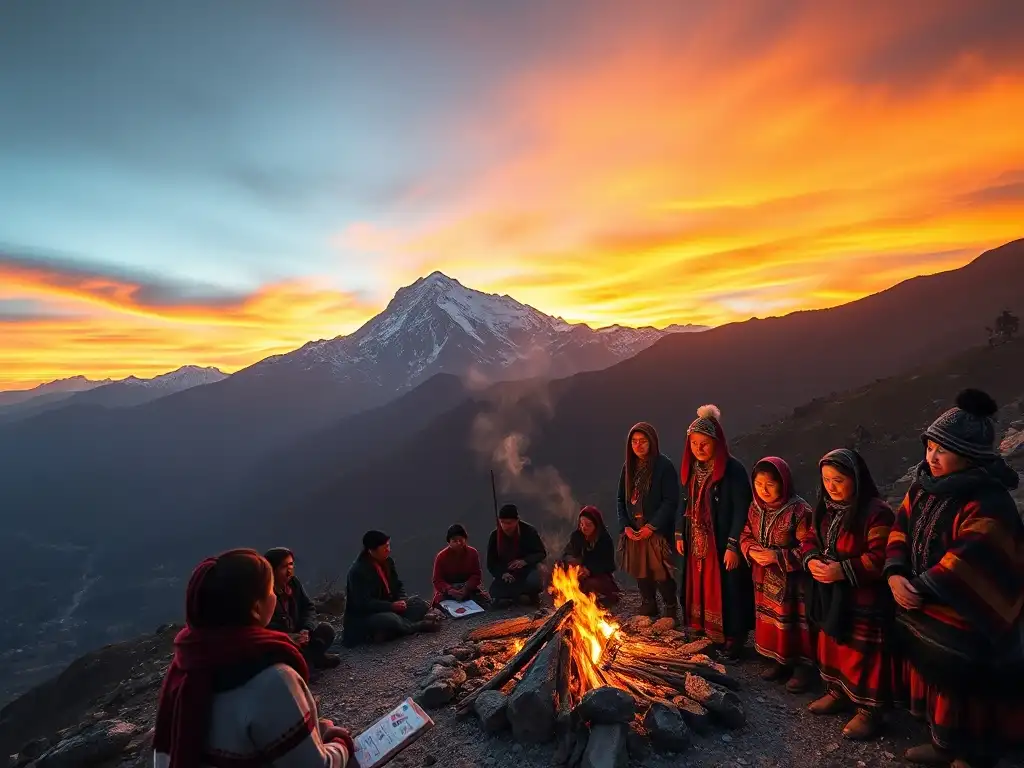
Step into a world lost to time, yet echoing with the vibrant spirit of the Andes. For centuries, these majestic mountains witnessed breathtaking rituals, and now, you can uncover their secrets. Prepare to be captivated by the intricate details of Andean solstice rituals, a profound connection between humanity and the celestial dance of the sun. Journey with us into the heart of Andean religion and cosmovision – a world of awe-inspiring ceremonies and enduring legacies. Dare to discover what lies beyond the sun's embrace...
The Andes Mountains, a spine of towering peaks piercing the sky, have witnessed millennia of human civilization intimately connected to the celestial rhythms of the sun. For the ancient Andean peoples – including the Incas, Moche, Nazca, and Tiahuanaco – the sun wasn't merely a source of light and warmth; it was a powerful deity, a life-giving force woven into the very fabric of their existence. This deep-seated reverence manifested in elaborate rituals and ceremonies, particularly during the solstices, when the sun reached its highest and lowest points in the sky, marking pivotal moments in the agricultural cycle and the spiritual year.
This article delves into the fascinating world of Andean solstice rituals, exploring their significance, practices, and enduring legacy. We will examine how these rituals reflected the Andean cosmovision, a worldview that saw the universe as a dynamic interplay of earthly and celestial forces, where humans played an active role in maintaining cosmic harmony.
Understanding these rituals offers a profound insight into the beliefs, values, and social structures of these remarkable ancient societies. Prepare to journey back in time and experience the vibrant spirituality of the Andean people as they celebrated the sun's journey across the heavens.
The Significance of the Solstices in the Andean Cosmovision
The solstices, both the winter (June) and summer (December) solstices, held immense significance for the Andean people. These events marked not only the turning points in the solar year but also crucial moments in the agricultural calendar. The summer solstice, for example, coincided with the beginning of the rainy season, essential for crop cultivation.
The winter solstice, conversely, signified a period of reflection and renewal, a time to prepare for the upcoming planting season. The Andean cosmovision viewed the sun as a powerful deity, Inti, whose movements directly influenced the fertility of the land and the well-being of the people. Therefore, rituals performed during the solstices were crucial acts of maintaining cosmic balance and ensuring the continued prosperity of the community.
These weren't merely symbolic gestures; they were practical actions believed to directly impact the natural world and the community's fate. Detailed records, though scarce, suggest the involvement of priests, shamans, and community members in these elaborate ceremonies.
Ritual Practices and Offerings During the Solstices
Evidence suggests a wide variety of ritual practices during the Andean solstices. While specific details vary depending on the culture and time period, common themes emerge. Many rituals involved offerings to Inti, the sun god. These offerings could include:
- Llama sacrifices: Llamas, considered sacred animals, were often sacrificed as a way to appease the sun god and ensure a bountiful harvest.
- Agricultural products: Fruits, vegetables, and grains were offered as symbols of gratitude for the land's fertility.
- Precious metals and artifacts: Gold, silver, and intricately crafted objects were presented as gifts worthy of the sun god's power.
- Chicha: A fermented corn beverage, chicha, played a significant role in many ceremonies, symbolizing communion with the divine.
The rituals often involved processions, dances, and musical performances, creating a vibrant and powerful display of communal devotion. The precise choreography and symbolism of these performances likely varied across different Andean cultures, reflecting the diversity of their traditions and beliefs. Archaeological findings, such as the discovery of ceremonial sites aligned with the solstices, further illuminate the importance of these events in Andean life. Further research is needed to fully understand the nuances of these practices and their regional variations.
The Enduring Legacy of Andean Solstice Rituals
Even today, echoes of these ancient solstice rituals persist in the Andean region. Many contemporary Andean communities continue to celebrate the solstices with ceremonies that blend ancient traditions with modern-day practices. These celebrations often involve similar elements to those observed by their ancestors: offerings of food and drink, music, dance, and communal gatherings. The enduring legacy of these rituals highlights the deep-rooted connection between the Andean people and their ancestral traditions.
The continuity of these practices underscores the resilience of Andean culture and its ability to adapt and evolve while preserving its core values and beliefs. These contemporary celebrations offer a tangible link to the past, providing insights into the enduring power of the Andean cosmovision and its influence on the lives of people in the region. The preservation of these traditions is crucial for understanding the rich tapestry of Andean history and culture. 🎉
- The Significance of the Solstices in the Andean Cosmovision
- Ritual Practices and Offerings During the Solstices
- The Enduring Legacy of Andean Solstice Rituals
- The Role of Music and Dance in Solstice Ceremonies
- Traditional Attire and Symbolism in Andean Rituals
- The Importance of Offerings and Sacrifices during Solstice Celebrations
- Preparing the Sacred Space at Sacsayhuamán for the Solstice
- The Significance of the Inti Watana at Machu Picchu and other astronomical devices
- How Andean Communities Maintain Solstice Traditions Today
- The Importance of Cultural Preservation and Transmission
- The Role of Tourism in the Perpetuation of Solstice Rituals
- Challenges to Maintaining Authentic Andean Solstice Practices
- The Relevance of Andean Solstice Rituals in Contemporary Society
Understanding the Andean Cosmovision and the Importance of the Sun
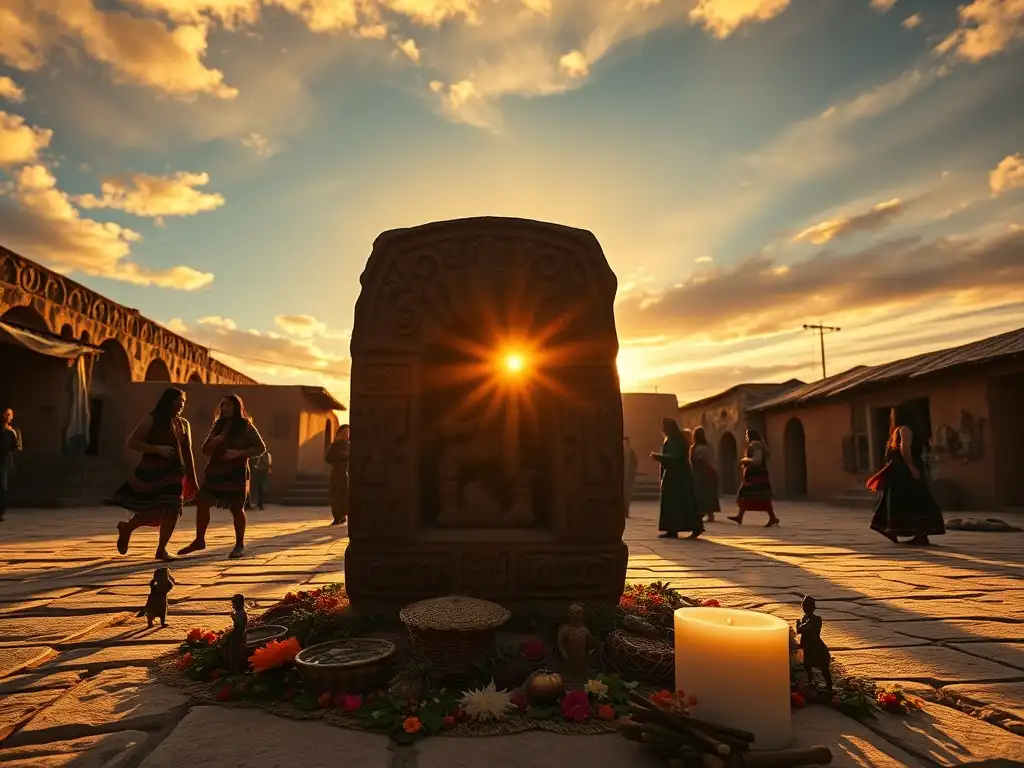
The Andean cosmovision, a complex and multifaceted worldview, profoundly shaped the rituals and ceremonies of its inhabitants. Central to this worldview was the sun, Inti, not merely as a celestial body but as a powerful deity, a life-giving force, and the ultimate source of energy and sustenance.
Understanding the Andean perception of Inti is crucial to grasping the significance of solstice celebrations. The sun's journey across the sky, its apparent movements throughout the year, were not just astronomical events; they were deeply symbolic expressions of life, death, and rebirth, influencing every facet of Andean society, from agriculture and governance to individual spirituality and daily life.
The intensity of the sun's rays, the length of daylight, and the seasonal changes directly impacted the success of agricultural cycles and the well-being of the community. This intimate connection explains why the solstices, marking the extreme points of the sun's journey, held such profound ritual significance.
The Sun as a Central Deity in Andean Beliefs
Inti, the sun god, occupied a central position within the Andean pantheon. Depicted in various forms across different cultures—from the Incas' golden Intihuatana stones to the Moche's intricate ceramic representations—Inti was revered as the creator, sustainer, and protector of life. He was the source of all energy, the giver of warmth, and the guarantor of successful harvests.
Many Andean societies believed Inti possessed human-like characteristics, capable of both benevolence and wrath. His favor was sought through offerings, prayers, and elaborate rituals designed to ensure a bountiful harvest and the overall prosperity of the community. The Inca Empire, for example, developed a sophisticated system of sun worship, with temples dedicated to Inti and a priestly class responsible for conducting complex astronomical observations and rituals tied to the sun's movements.
The Inca emperor himself held a sacred role as the intermediary between the sun god and the people, emphasizing the profound connection between the divine and the earthly realms. The meticulous construction of Intihuatana stones, which precisely tracked the sun's position at the solstices and equinoxes, exemplifies the advanced astronomical knowledge and the deep religious significance associated with solar events.
The Concept of Time and Cycles in Andean Cultures
Andean cultures possessed a profound understanding of cyclical time, viewing time not as a linear progression but as a continuous flow of recurring cycles. These cycles, often linked to agricultural rhythms and the movements of the sun and moon, profoundly influenced their worldview and religious practices. The solstices, marking the longest and shortest days of the year, represented crucial turning points within these cycles, signifying transitions between seasons and the renewal of life.
The cyclical nature of time was reflected in their agricultural practices, where the planting and harvesting seasons were carefully synchronized with the sun's movements. This understanding extended beyond the agricultural realm, informing their social organization, political structures, and spiritual beliefs. The cyclical pattern of the sun's journey was mirrored in their rituals and ceremonies, which aimed to maintain cosmic harmony and ensure the continuous flow of life-giving energy.
The meticulous observation of celestial events, such as the solstices and equinoxes, allowed them to predict seasonal changes and plan their agricultural activities accordingly, highlighting the deep integration between their religious beliefs and practical needs. This intricate relationship between celestial cycles and earthly life is a hallmark of the Andean cosmovision.
Connection between the Solstice and Agricultural Cycles in the Andes
The solstices were not merely astronomical events; they were deeply intertwined with the agricultural cycles crucial to Andean survival. The winter solstice, marking the shortest day of the year, symbolized a period of dormancy and renewal, while the summer solstice, with its longest day, signified abundance and growth. These transitions were reflected in their agricultural practices.
The winter solstice often triggered rituals aimed at ensuring a successful harvest in the coming year, while the summer solstice celebrated the bounty of the harvest and gave thanks for the sun's life-giving energy. The planting and harvesting seasons were carefully timed to coincide with the sun's movements, reflecting a profound understanding of the agricultural calendar and the influence of celestial cycles on the growth of crops. Evidence suggests that Andean farmers developed sophisticated techniques for managing water resources and optimizing agricultural yields, demonstrating a deep knowledge of the environment and the subtle interplay between celestial events and earthly productivity.
The precise alignment of agricultural practices with the solstices underscores the deep integration between religious beliefs, astronomical knowledge, and agricultural practices within Andean societies. This intimate connection shaped their worldview and ensured their survival in the challenging Andean environment. ☀️
Defining the Andean Solstice Rituals
The term "Andean solstice rituals" encompasses a broad spectrum of ceremonies and practices observed by various pre-Columbian Andean cultures to mark the solstices – the astronomical events marking the longest and shortest days of the year. These weren't simply celebrations; they were deeply ingrained religious and agricultural observances, reflecting a profound understanding of the sun's cyclical journey and its crucial role in the Andean worldview. The rituals involved elaborate preparations, specific offerings, and communal participation, all aimed at ensuring agricultural abundance, maintaining cosmic balance, and reaffirming the relationship between the human and divine realms.
Understanding these rituals requires acknowledging the diverse cultural expressions across different Andean societies, from the Inca Empire to smaller, regional groups. The common thread, however, was the profound reverence for the sun (Inti), considered a vital life-giving force. This section will delve into specific aspects of these fascinating rituals, highlighting their significance and diversity.
What are Andean Solstice Celebrations?
Andean solstice celebrations were not singular events but rather a complex interplay of astronomical observation, religious practice, and agricultural activity. The solstices, particularly the winter solstice (June 21st in the Southern Hemisphere), held immense symbolic importance. They marked a crucial turning point in the agricultural cycle, signifying the rebirth of the sun and the promise of renewed growth. Celebrations involved a multitude of activities, including:
- Purification rituals: These often involved cleansing ceremonies using water and herbs, symbolizing the renewal of life.
- Offerings to deities: These included food, drink, precious metals, textiles, and even human sacrifices in some cases. The offerings were intended to appease the deities and ensure their continued favor.
- Communal feasts: These provided opportunities for social bonding and reinforcing community ties. Food sharing was a central element, emphasizing the collective nature of the celebrations.
- Astronomical observations: Precise observations of the sun's position helped determine the exact timing of the solstice and guided agricultural practices. Many sites, including Machu Picchu, were strategically designed to align with the sun's movements during the solstices.
- Processions and dances: These public displays of devotion and celebration involved elaborate costumes, music, and symbolic movements, often reenacting mythological narratives.
The overall atmosphere was one of intense spiritual and communal energy, underscoring the deep connection between the Andean peoples and their environment. The level of sophistication in planning and execution demonstrates a highly organized society with a strong understanding of both the cosmos and their own place within it.
The Significance of Inti Raymi in Inca Culture
Inti Raymi, the Inca festival celebrating the winter solstice, stands as a prime example of the grandeur and complexity of Andean solstice rituals. This wasn't simply a religious event; it was a grand state ceremony reflecting the Inca Empire's power and its deeply rooted cosmology. Held annually at the Inca capital of Cusco, Inti Raymi involved a meticulously orchestrated series of events:
- The procession: The Inca emperor, along with his court and priests, led a grand procession to the sacred sites around Cusco, offering prayers and sacrifices to Inti.
- The sacrifice: Llama offerings, symbolizing the sun's energy and the Inca's devotion, were a crucial part of the ritual.
- Feasting and celebrations: The festivities extended beyond the religious ceremonies, involving communal feasting, dancing, and athletic competitions.
- Agricultural implications: The solstice marked the beginning of the agricultural cycle, and the success of the harvest was directly tied to the successful execution of the Inti Raymi. Prayers for bountiful crops were central to the event.
The sheer scale and elaborate nature of Inti Raymi highlight the importance of the sun in Inca religion and its centrality to their social and political order. The festival was not merely a celebration; it was a powerful reaffirmation of the Inca emperor’s divine authority and the cosmic harmony upon which their empire depended. The meticulous planning and execution involved extensive resources and demonstrated the Inca's sophisticated understanding of both religion and state administration.
Variations in Solstice Observances across Andean Civilizations
While Inti Raymi exemplifies Inca solstice celebrations, it's crucial to acknowledge the diversity of practices across different Andean cultures. The Moche, Nazca, and Tiahuanaco civilizations, among others, also held solstice observances, although their specific forms differed significantly. These variations reflect the unique cosmologies and religious beliefs of each culture. For example:
| Civilization | Solstice Observances | Key Characteristics |
|---|---|---|
| Moche | Evidence suggests elaborate ceremonies involving offerings and possibly human sacrifice, linked to their complex iconography depicting deities and celestial events. | Emphasis on ritualistic violence and elaborate tomb offerings. [Specific details pending further research] |
| Nazca | Their famous geoglyphs, while not directly linked to solstice celebrations, may have served as astronomical markers, indicating a sophisticated understanding of celestial movements. | Connection to astronomical observations; potential alignment of geoglyphs with solstice sunrise/sunset. [Further research needed on specific ritual practices] |
| Tiahuanaco | The monumental architecture of Tiahuanaco, particularly its orientation towards the solstices, suggests the site played a significant role in celestial observations and related rituals. | Monumental architecture aligned with astronomical events; potential for large-scale public ceremonies. [More detailed information on specific rituals is required] |
These examples demonstrate that while the reverence for the sun was a common thread, the specific expressions of Andean solstice rituals varied significantly depending on the cultural context. Further research is needed to fully understand the nuances of these diverse practices and their specific meanings within each civilization’s unique cosmological framework. The limited available data underscores the need for continued archaeological investigation and interdisciplinary studies to shed more light on these fascinating aspects of Andean culture.
Key Elements of Andean Solstice Rituals
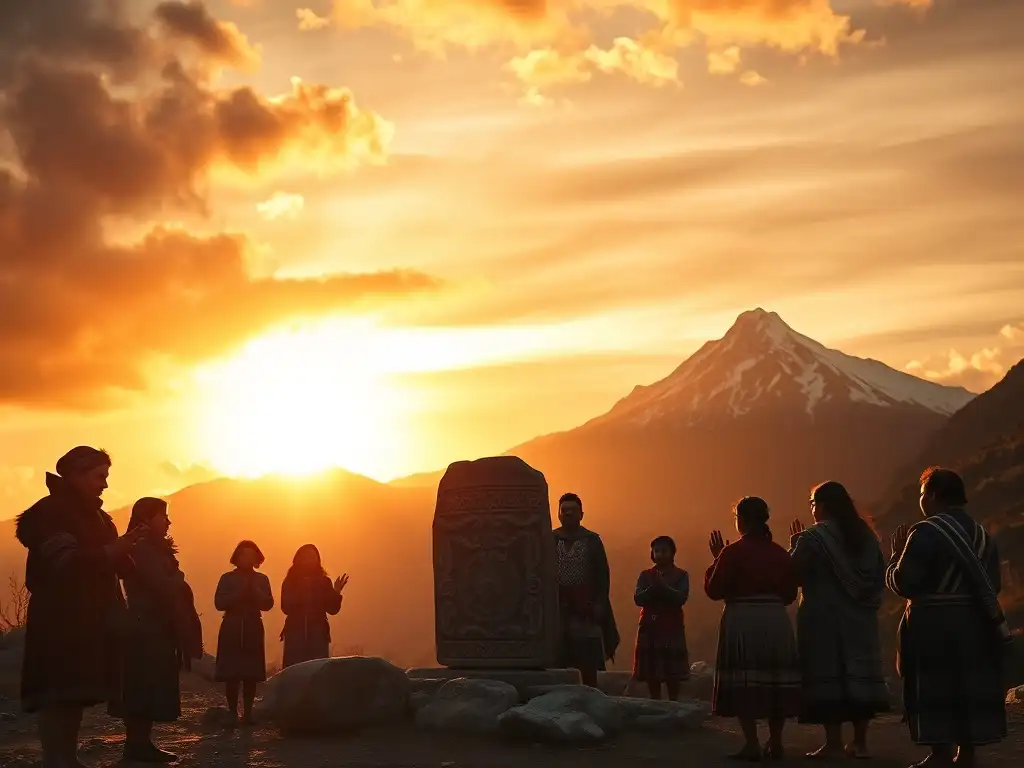
This section delves into the core components of Andean solstice rituals, focusing on the intricate interplay of music, dance, attire, offerings, and the deep symbolic meaning embedded within each element. Understanding these elements provides a crucial insight into the Andean worldview and their profound connection with the celestial cycles.
The precise nature of these rituals varied across different Andean cultures—Inca, Moche, Nazca, and Tiahuanaco, each possessing unique traditions—but shared common threads reflecting a shared reverence for the sun and its influence on life. These variations highlight the rich tapestry of Andean spiritual practices, underlining the importance of regional and temporal contexts in interpreting these ancient ceremonies.
The Role of Music and Dance in Solstice Ceremonies
Music and dance were not mere entertainment during Andean solstice celebrations; they were integral parts of the ritual itself, acting as conduits to the spiritual realm. The rhythmic beating of drums, the haunting melodies of panpipes, and the intricate steps of ceremonial dances were believed to harmonize with the cosmic energies associated with the solstice. These performances weren't spontaneous; they were meticulously choreographed, often involving trained priests and dancers who played vital roles in mediating between the human and divine worlds.
Specific instruments, like the pututu (a long shell trumpet) and various types of drums made from animal hides stretched over wooden frames, likely held symbolic significance, their sounds echoing the natural world and the power of the sun. The dances themselves, often performed in large groups, likely mimicked the movements of the sun, the celestial bodies, or agricultural cycles, visually representing the cosmic order and the people's participation in it.
Unfortunately, detailed descriptions of specific musical pieces or dance routines are scarce in surviving records; however, the surviving iconography and accounts from chroniclers suggest a vibrant and deeply symbolic performance aspect integral to Andean solstice rituals. Further research into archaeological findings and ethnomusicological studies could unveil a more complete picture of the musical and choreographic elements of these ceremonies.
Traditional Attire and Symbolism in Andean Rituals
The clothing worn during Andean solstice rituals was far from ordinary; it was a carefully constructed visual representation of the participants' roles and the ceremony's significance. Participants likely wore garments made from carefully selected materials, such as alpaca or llama wool, dyed in vibrant colors with symbolic meaning. These colors, often associated with specific deities or elements of nature, were meticulously chosen to enhance the ritual's effectiveness.
For example, red might represent the sun's power and energy, while yellow could symbolize gold and the wealth bestowed by the sun's bounty. Elaborate headdresses, adorned with feathers, precious metals, and other symbolic objects, further amplified the spiritual power of the wearer. These headdresses might depict specific deities or celestial bodies, visually linking the participants to the cosmic order.
While precise details of attire vary across different Andean cultures and time periods, the overall principle remains constant: clothing acted as a powerful medium for communicating with the spiritual world during solstice ceremonies. The meticulous craftsmanship and symbolic layering of these garments highlight the profound importance placed on visual representation in Andean religious practices.
The Importance of Offerings and Sacrifices during Solstice Celebrations
Offerings and sacrifices formed a crucial aspect of Andean solstice rituals, representing the community's reciprocal relationship with the divine. These were not merely gestures of appeasement; they were acts of communion, solidifying the bond between the human and spiritual worlds. The types of offerings varied considerably, ranging from agricultural products like maize and coca leaves to precious metals, textiles, and even animal sacrifices.
The act of offering—whether it involved placing items on altars, burning incense, or making libations—was deeply symbolic, representing the community's gratitude for the sun's life-giving power and a plea for continued prosperity. The selection of specific offerings likely held profound symbolic meaning, reflecting the community's needs and desires.
For instance, offering coca leaves, a sacred plant with stimulant and medicinal properties, might represent a request for health and well-being. Similarly, the sacrifice of llamas or other animals could represent a significant offering to appease the gods and ensure a bountiful harvest.
While the specific practices varied across different Andean groups, the underlying principle of reciprocal exchange between the human and divine realms remains a central theme in understanding the significance of these offerings and sacrifices during solstice celebrations. Further research into archaeological sites and historical accounts could reveal more specific details about the types and meanings of offerings within different Andean cultures.
Preparing the Sacred Space at Sacsayhuamán for the Solstice
The preparation of Sacsayhuamán for the solstice celebrations was a meticulous and sacred process, involving weeks, if not months, of communal effort. The massive stone structures, already imbued with spiritual significance, required careful cleansing and adornment. Priests, aided by community members, would meticulously sweep and clear the plazas and terraces, removing any debris or obstructions that might impede the flow of sacred energy. This wasn't simply a physical cleaning; it was a ritual purification, a symbolic clearing away of negativity to make way for the powerful energies of the solstice.
The cleansing often involved the use of sacred herbs and water, possibly infused with coca leaves, known for their purifying properties in Andean traditions. Incense, likely made from local plants, would have filled the air, creating a fragrant and spiritually charged atmosphere. The massive stones themselves might have been anointed with oils or special pigments, further enhancing their connection to the cosmos.
The overall goal was to transform Sacsayhuamán into a sacred microcosm of the universe, a space perfectly aligned with the celestial movements and ready to receive the sun's energy. The intricate planning and execution demonstrate the deep reverence the Andean people held for their sacred sites and the solstice itself. Archaeological evidence, while limited in directly showing these preparations, supports this interpretation through the discovery of offerings and traces of ceremonial activity within the complex.
The Significance of the Inti Watana at Machu Picchu and other astronomical devices
The Inti Watana, meaning "sun-tying place" in Quechua, is perhaps the most iconic example of Andean astronomical devices used during solstice celebrations. Located at Machu Picchu, this intricately carved stone structure is believed to have served as a solar observatory, used by priests to precisely track the sun's movements. Its precise alignment with the solstices and equinoxes allowed for accurate predictions of agricultural cycles and other important events. The Inti Watana wasn't merely a tool; it was a sacred focal point for solstice rituals, a place where the sun's power was directly connected to the earth.
However, Machu Picchu's Inti Watana wasn't unique. Across the Andean region, numerous other astronomical devices—ranging from simple stone markers to complex structures like those found at Chankillo—were used for similar purposes. These devices, often integrated into the landscape itself, highlight the sophisticated astronomical knowledge of the Andean civilizations.
Their precise alignment and intricate design reveal a deep understanding of celestial mechanics, far surpassing what many previously assumed about pre-Columbian cultures. The use of these devices during solstice celebrations demonstrates how deeply intertwined astronomy, religion, and daily life were in the Andean worldview.
The alignment of these structures with the sun during the solstices served not only as a practical tool for timekeeping but also as a powerful symbol of the cyclical nature of life and the sun's vital role in Andean cosmology. The precise methods employed in their construction and the ritualistic significance attached to them underscore the profound spiritual and technological achievements of these Andean cultures.
The Winter Solstice: A Time of Renewal and Rebirth
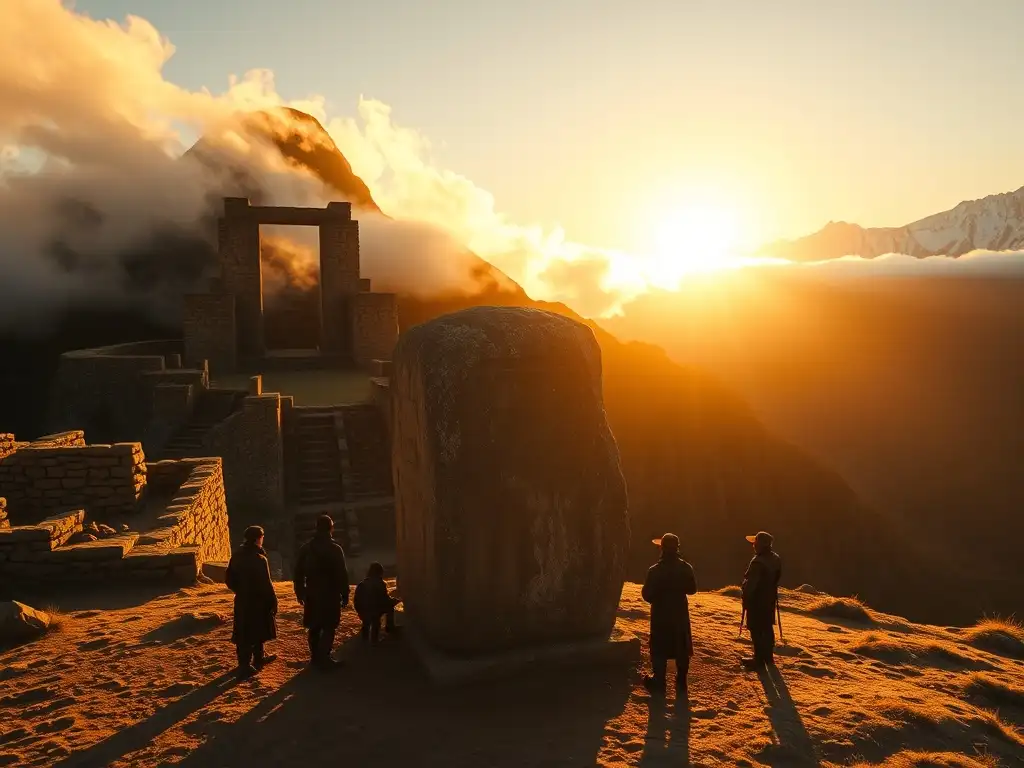
The Andean winter solstice, occurring around June 21st, held profound significance for the various Andean cultures. Unlike the perception of winter in many other parts of the world as a time of dormancy and death, the Andean winter solstice was viewed as a crucial period of renewal and rebirth. The shortest day of the year marked not an ending, but a turning point, a symbolic death and resurrection of the sun, mirroring the cyclical nature of life, death, and regeneration deeply ingrained in Andean cosmology.
This perspective is reflected in the numerous rituals and ceremonies performed during this time, highlighting the enduring belief in the sun's power and its vital role in the Andean worldview. Understanding this perspective is key to appreciating the depth and complexity of Andean solstice rituals.
The sun, inti, wasn't merely a celestial body; it was a powerful deity, a life-giving force whose cyclical journey dictated the agricultural cycle and the very rhythm of life itself. The winter solstice, therefore, represented a crucial juncture in this cosmic dance.
Celebrating the Return of the Sun's Energy
The celebrations surrounding the winter solstice weren't somber; instead, they were vibrant expressions of hope and anticipation. The Andean peoples understood that after the solstice, the days would begin to lengthen, signifying the sun's triumphant return and the promise of renewed growth and abundance. This understanding permeated all aspects of their lives, from agricultural practices to social interactions.
Many rituals focused on harnessing the sun's returning energy, often involving offerings of food, drink, and precious objects. These offerings weren't simply acts of appeasement; they were acts of reciprocity, acknowledging the sun's generosity and seeking its continued benevolence. The precise nature of these offerings varied across different Andean cultures, reflecting the diverse regional expressions of their shared cosmology.
For example, some communities might offer coca leaves, a sacred plant with deep spiritual significance, while others might offer llama or alpaca sacrifices, symbolizing the community's connection to the land and its resources. The act of offering itself was as important as the offering itself, representing a symbolic exchange between humanity and the divine. Think of it as a conversation with the cosmos, a dialogue aimed at ensuring a bountiful harvest and continued prosperity.
The Winter Solstice as a Symbol of Hope and New Beginnings
The winter solstice served as a powerful symbol of hope and new beginnings for the Andean people. The shortest day of the year was not seen as a time of despair but rather as a pivotal moment marking the turning point in the sun's annual journey. This symbolic death and rebirth of the sun mirrored the cyclical nature of life itself, reinforcing the Andean belief in continuous regeneration and renewal.
The festivities were not merely celebrations of the past but rather vibrant expressions of faith in the future. Communities would gather together, reaffirming their social bonds and reinforcing their collective identity. Stories and myths, passed down through generations, were recounted, reminding everyone of their heritage and their place within the larger cosmic order.
The rituals were not merely religious observances; they were also social events, strengthening community ties and fostering a sense of shared purpose. The shared experience of celebrating the solstice strengthened the social fabric, reinforcing the importance of community in the face of the challenges presented by the harsh Andean environment. The hope for a prosperous harvest and a healthy community was woven into the very fabric of these celebrations.
Specific Rituals for the Winter Solstice in Cusco and Puno
The celebrations of the winter solstice varied across the Andean region. However, Cusco and Puno, two significant centers of Inca and pre-Inca culture, provide valuable insights into these diverse practices. In Cusco, the ancient capital of the Inca Empire, ceremonies likely centered around the Sacsayhuamán fortress, a monumental complex strategically aligned with the solstices. Archaeological evidence suggests that these rituals involved elaborate processions, offerings to the sun god Inti, and possibly astronomical observations to precisely mark the solstice.
Detailed accounts from Spanish chronicles, while often biased, offer glimpses into these practices, although much remains shrouded in mystery. In Puno, located on the shores of Lake Titicaca, the celebrations likely incorporated elements related to the lake's sacredness and its role in Andean cosmology. The rituals may have involved offerings to the water deities, prayers for a bountiful harvest, and possibly ceremonies connected to the lake's abundant aquatic life.
The specific details of these rituals remain partially unknown, highlighting the need for further archaeological research and the careful analysis of existing historical sources. The differences in celebrations between Cusco and Puno illustrate the rich diversity of Andean culture and the regional variations in their solstice rituals. Further research is needed to fully understand the nuances of these unique traditions.
Further Research Needed:
While much is known about Andean cosmology and their reverence for the sun, many specific details regarding winter solstice rituals remain elusive. Further archaeological investigation and a more thorough analysis of existing historical documents are crucial to gain a more comprehensive understanding of these rich traditions. This includes a closer examination of the artifacts found at sites like Sacsayhuamán and a critical appraisal of Spanish colonial accounts, acknowledging their inherent biases.
The Summer Solstice: Honoring the Sun's Peak Power
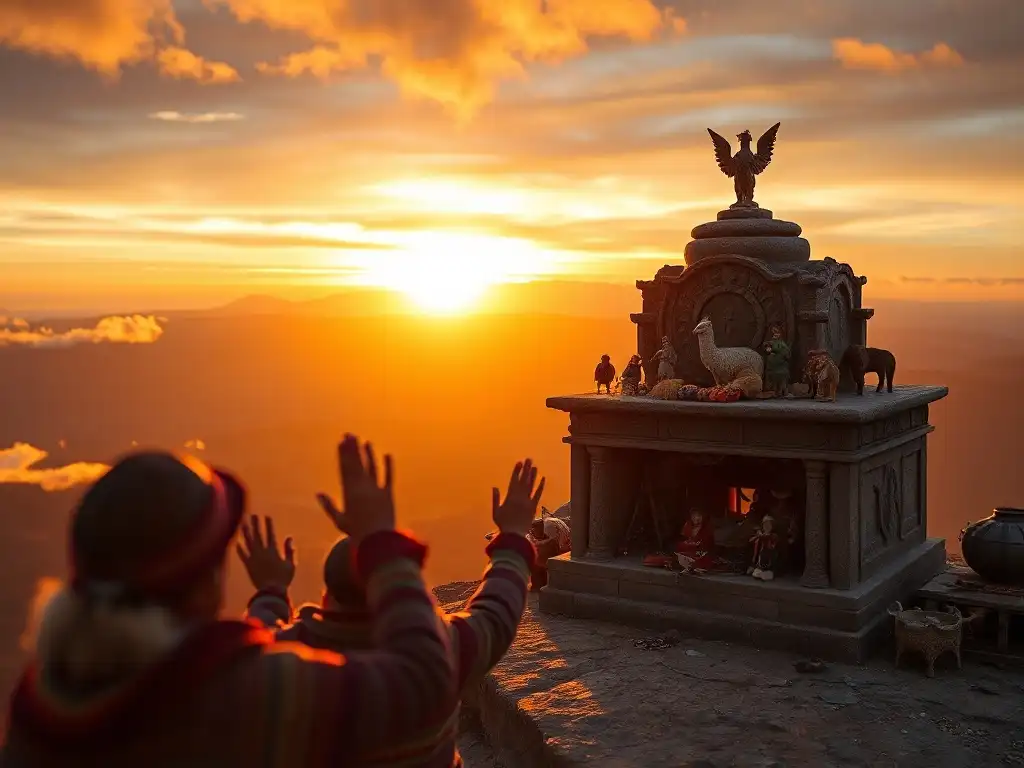
The summer solstice, occurring around December 21st in the Southern Hemisphere, held immense significance for Andean civilizations. This wasn't merely the longest day of the year; it represented the apex of the sun's power, a crucial moment in the annual cycle of life, death, and rebirth deeply interwoven with their agricultural practices and spiritual beliefs. The sun, Inti to the Inca, was not just a celestial body but a powerful deity, the source of all life and energy.
The summer solstice, therefore, was a time for profound reverence, elaborate ceremonies, and heartfelt expressions of gratitude for the sun's life-giving energy. The intensity of the sun's rays during this period was understood as a potent force, capable of influencing the harvest and the overall well-being of the community. Understanding the Andean solstice rituals requires appreciating this deep-seated connection between the celestial and the terrestrial.
Evidence suggests that many sites were specifically designed to align with the sun's trajectory during this significant time, highlighting the meticulous observation and profound understanding of celestial movements that characterized Andean astronomy. This meticulous attention to the sun's movements showcases the sophisticated level of astronomical knowledge possessed by these ancient Andean cultures, far surpassing simplistic calendar-keeping.
Celebrating the Sun at its Zenith
The celebration of the summer solstice involved a multitude of activities, varying slightly between different Andean cultures. However, common threads run through these diverse practices. Many communities would gather at sacred sites, often located on mountaintops or hills with unobstructed views of the rising sun. These locations were carefully chosen, often exhibiting specific architectural features designed to align with the sun's path on the solstice.
The act of witnessing the sun's zenith, its highest point in the sky, was itself a powerful ritual, symbolizing the peak of the sun's power and the abundance it bestowed upon the land. The festivities often involved offerings of food, coca leaves, and chicha (a fermented corn beverage). These offerings were not merely symbolic gestures; they were seen as a way to nourish Inti and ensure continued blessings for the coming year.
Music, dance, and elaborate costumes were also integral parts of the celebrations, creating a vibrant and communal atmosphere. The energy of the celebration was palpable, a collective expression of gratitude and hope for a prosperous future. Archaeological findings continue to reveal new details about these celebrations, uncovering intricate artifacts and architectural features that offer further insights into the richness and complexity of these Andean solstice rituals.
The Summer Solstice as a Time of Abundance and Gratitude
The summer solstice was not just a time for celebration; it was also a time for reflection and gratitude. The abundance of the harvest, the success of agricultural endeavors, and the overall well-being of the community were all attributed to the sun's generosity. The solstice ceremonies served as a powerful opportunity to express gratitude for these blessings and to reinforce the communal bonds that were essential for survival in the challenging Andean environment.
The rituals were a way of reaffirming the relationship between humans and the natural world, acknowledging the sun's crucial role in sustaining life. The meticulous planning and execution of these ceremonies demonstrate the deep spiritual and cosmological understanding of the Andean people. The meticulous preparation, from the selection of offerings to the precise timing of the rituals, underscore the importance of this event in the Andean worldview.
This deep connection between the celestial and terrestrial realms is a key element in understanding the significance of the Andean solstice rituals. The abundance experienced during the harvest was not merely a result of hard work; it was a gift from Inti, and the solstice was the time to formally acknowledge this divine grace.
Specific Rituals for the Summer Solstice in the Quechua communities of Ecuador
Quechua communities in Ecuador, for instance, maintain many traditional solstice celebrations, albeit often adapted to incorporate elements of Catholicism. While precise details vary from village to village, common practices include the preparation of special foods, the offering of coca leaves and chicha at designated sacred sites, and the performance of traditional dances and music. These rituals often involve community participation, strengthening social bonds and reinforcing cultural identity.
Many communities also conduct cleansing ceremonies, using herbs and water to purify themselves and their homes, preparing for the new year. The solstice is not simply a religious occasion; it is a cultural event, a time for community building, and a reaffirmation of traditional practices. While detailed ethnographic studies on specific solstice rituals in various Quechua communities are needed to provide a complete picture, preliminary research suggests a significant continuity of ancestral traditions, even in the context of modernization.
Further research is needed to fully document the diversity of these practices across different Quechua communities in Ecuador and to understand the adaptations and innovations that have occurred over time. The preservation of these ancient traditions is crucial for maintaining cultural heritage and understanding the rich history of Andean civilizations. The study of these rituals offers invaluable insights into the Andean worldview and their deep connection to the natural world.
Modern Adaptations of Andean Solstice Rituals
The vibrant traditions surrounding Andean solstice rituals, deeply rooted in ancient cosmovisions, continue to thrive in modern times, albeit with adaptations reflecting contemporary societal changes. While the core beliefs and spiritual significance remain largely intact, the manner in which these rituals are expressed and experienced has evolved. This section will explore how Andean communities maintain these vital connections to their ancestral past.
How Andean Communities Maintain Solstice Traditions Today
Despite the influence of globalization and urbanization, many Andean communities actively preserve their solstice traditions. These practices aren't static; they're dynamic, adapting to the changing socio-cultural landscape while retaining their essence. For instance, the Inti Raymi, the Inca festival celebrating the winter solstice, is no longer solely a private affair. While smaller, more intimate ceremonies still take place in remote villages, larger-scale public celebrations now draw tourists and researchers alike, offering a platform for the wider dissemination of Andean cultural heritage. This increased visibility helps to combat the erosion of traditions, fostering a sense of collective pride and ownership.
The use of modern technology also plays a significant role. Social media platforms are utilized to share information about solstice celebrations, fostering inter-community connections and enabling the exchange of knowledge and practices. Online videos showcasing traditional dances, music, and ceremonies provide a virtual window into these rich cultural expressions, making them accessible to a far wider audience than ever before. This digital preservation serves as a crucial safeguard against cultural loss, ensuring that these traditions remain vibrant and relevant. However, it's crucial to acknowledge the potential challenges associated with digital representation, including the risk of misrepresentation or superficial understanding.
Furthermore, educational initiatives within Andean communities actively promote the understanding and participation of younger generations in solstice rituals. Schools and community centers incorporate elements of Andean cosmology and traditions into their curricula, ensuring the continuity of these practices for future generations. This active engagement helps to counter the allure of external influences and reinforces a sense of cultural identity. The success of these educational efforts varies depending on factors such as access to resources and the level of community support. [Specific data on the effectiveness of these programs pending].
The Importance of Cultural Preservation and Transmission
The preservation of Andean solstice rituals is paramount not only for the communities that practice them but also for the global understanding of cultural diversity and heritage. These rituals represent a rich tapestry of beliefs, practices, and artistic expressions that have been passed down through generations. Their continued practice safeguards a unique and valuable aspect of human history. The loss of these traditions would represent an irreversible loss of knowledge, artistic expression, and spiritual understanding.
The transmission of these rituals to younger generations is critical for their survival. This transmission isn't merely a matter of rote learning; it involves fostering a deep understanding of the underlying cosmovision and the spiritual significance of the solstice celebrations. This requires active engagement, mentorship, and the creation of spaces where younger generations can participate meaningfully in these events, developing a sense of ownership and connection to their heritage.
The success of cultural preservation efforts is intrinsically linked to the involvement of young people, ensuring the continuity of these traditions for centuries to come. This active participation fosters a sense of belonging and pride, strengthening cultural identity and resilience. [Data on youth engagement in specific Andean communities pending].
The Role of Tourism in the Perpetuation of Solstice Rituals
Tourism plays a double-edged role in the perpetuation of Andean solstice rituals. While it can provide much-needed economic support for communities, facilitating the preservation of traditions through income generation, it can also lead to commodification and superficial representations of these deeply spiritual events. Responsible tourism is, therefore, crucial. Tourism initiatives should prioritize the respect for cultural sensitivities, the equitable distribution of economic benefits, and the avoidance of practices that could lead to the trivialization or exploitation of these traditions.
Sustainable tourism practices should involve genuine collaboration with local communities, ensuring that they are active participants in shaping tourism development and benefit directly from the economic opportunities it creates. This collaborative approach should extend to the design of educational programs and visitor experiences, ensuring that tourists develop a deeper understanding and appreciation for the cultural significance of these rituals, rather than simply observing them as spectacles.
Careful management and regulation are vital to mitigate the negative impacts of tourism while maximizing its potential to support the preservation of Andean solstice rituals. [Specific examples of successful and unsuccessful tourism models in relation to Andean solstice rituals pending].
Challenges to Maintaining Authentic Andean Solstice Practices
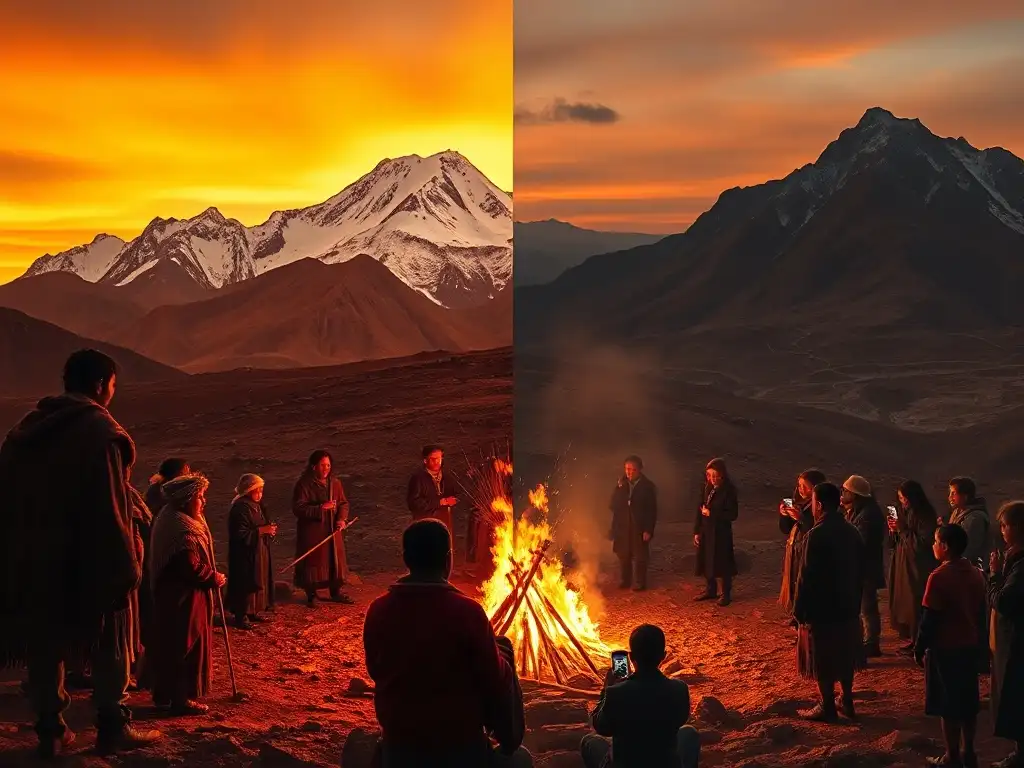
The preservation of authentic Andean solstice rituals faces numerous challenges in the modern era. One significant hurdle is the impact of globalization and modernization. The influx of Western traditions and consumerist culture often overshadows indigenous practices, leading to a decline in participation and a dilution of traditional knowledge.
Younger generations, exposed to globalized media and lifestyles, may find it difficult to connect with the ancestral significance of these rituals, leading to a break in the intergenerational transmission of cultural heritage. This is further complicated by the pressure to conform to dominant societal norms, which may not value or understand the importance of these ancient practices.
Another critical challenge is the loss of traditional ecological knowledge. Many solstice rituals are deeply intertwined with the natural environment, relying on specific plants, animals, and geographical locations. Environmental degradation, deforestation, and climate change threaten the availability of these resources, impacting the ability to perform rituals in their traditional manner. For example, the use of specific herbs or the reliance on particular weather patterns for specific ceremonies are becoming increasingly difficult to maintain. This loss of ecological knowledge also affects the understanding of the rituals' deeper symbolic meanings, which are often intrinsically linked to the natural world.
Furthermore, the political and economic marginalization of indigenous communities poses a significant obstacle. Limited access to resources, education, and opportunities can hinder the ability of communities to maintain and promote their cultural heritage. Government policies and development projects may also inadvertently disrupt traditional practices or displace communities from their ancestral lands, disrupting the continuity of solstice celebrations. The lack of funding and support for cultural preservation efforts further exacerbates these issues. The fight for land rights and recognition of indigenous autonomy are often intertwined with the struggle to maintain cultural practices like solstice celebrations.
The Relevance of Andean Solstice Rituals in Contemporary Society
Despite the challenges, Andean solstice rituals retain significant relevance in contemporary society. These rituals offer a powerful connection to ancestral heritage and cultural identity, providing a sense of belonging and continuity for indigenous communities. Participating in these ceremonies strengthens community bonds and reinforces cultural pride, countering the homogenizing effects of globalization. The transmission of these traditions from one generation to the next is crucial for maintaining cultural diversity and safeguarding intangible cultural heritage. The vibrant colors, intricate music, and communal spirit of these events are powerful reminders of the rich tapestry of Andean culture.
Furthermore, Andean solstice rituals offer valuable insights into sustainable living and environmental stewardship. Many of these practices are deeply rooted in a harmonious relationship with nature, emphasizing respect for the environment and sustainable resource management. In a world facing environmental challenges, these traditional ecological knowledge systems offer valuable lessons for contemporary societies seeking more sustainable ways of life. The understanding of the interconnectedness of all living things, reflected in many solstice rituals, provides a valuable framework for environmental consciousness and responsible resource use.
Finally, the rituals provide opportunities for intercultural dialogue and understanding. By sharing these traditions with a wider audience, Andean communities can promote cultural exchange and bridge the gap between different cultures. This intercultural dialogue can foster greater appreciation for the diversity of human experience and challenge ethnocentric perspectives. The increasing interest in indigenous knowledge systems and spiritual practices offers a chance to learn from the wisdom of Andean cultures and incorporate their valuable insights into contemporary life. The solstice celebrations, therefore, become platforms for promoting cultural appreciation, tolerance, and mutual respect.
The Legacy of the Andean Solstice: A Timeless Celebration
This section delves into the enduring legacy of solstice celebrations within Andean cultures, highlighting their historical significance and continued relevance in contemporary Andean communities. Understanding the profound impact of the sun on Andean societies is crucial to grasping the depth and complexity of their solstice rituals. The precise dates and specific practices varied across different Andean cultures—Inca, Moche, Nazca, and Tiahuanaco, among others—reflecting the diverse interpretations of the sun's journey and its influence on their agricultural cycles and daily lives.
However, a common thread unites these diverse expressions: the profound reverence for the sun as a life-giving force and the intricate rituals designed to ensure its continued benevolence. The study of these rituals provides a window into the rich tapestry of Andean cosmovision, revealing a sophisticated understanding of astronomy, agriculture, and the interconnectedness of the natural world.
The Enduring Significance of the Sun in Andean Culture
The sun held a position of paramount importance in Andean cultures. It wasn't merely a celestial body; it was a deity, a life-giving force, and the very source of their existence. The agricultural success of these civilizations depended entirely on the sun's predictable movements and the resulting seasonal changes.
This profound dependence fostered a deep spiritual connection between the Andean people and the sun, shaping their worldview and religious practices. The sun's journey across the sky, particularly its solstices and equinoxes, marked critical moments in the agricultural calendar, prompting elaborate ceremonies and offerings to ensure bountiful harvests and the continuation of life. These rituals were not simply superstitious acts but integral aspects of their socio-political organization, reinforcing social bonds and reaffirming their cosmological beliefs.
The Inca, for instance, meticulously tracked the sun's movements using sophisticated astronomical observatories, further emphasizing the sun's central role in their society. The precise alignment of structures like Machu Picchu with the solstices underscores this profound astronomical knowledge and its integration into their architectural design. Archaeological evidence continually reveals new insights into the sophisticated astronomical knowledge and ritual practices of these ancient Andean civilizations.
The Spiritual and Cultural Value of Andean Solstice Rituals
Andean solstice rituals were multifaceted events, encompassing a wide range of practices aimed at honoring the sun and ensuring its continued favor. These rituals were not solely religious affairs; they were deeply embedded in the social fabric of Andean communities. They served as occasions for strengthening social bonds, reaffirming community identity, and resolving conflicts.
The rituals often involved elaborate processions, musical performances, offerings of food and drink (chicha being particularly prominent), and the sacrifice of animals or other precious items. The specific offerings varied depending on the particular community and the specific solstice being celebrated. For example, during the winter solstice, offerings might have focused on ensuring the return of the sun's warmth and the renewal of life, while summer solstice celebrations might have centered on thanksgiving for a successful harvest.
The precision and complexity of these rituals highlight the advanced level of social organization and the shared cosmological understanding within these societies. The meticulous planning and execution of these events required significant community participation and collaboration, further reinforcing social cohesion. Many of these traditions, adapted and transformed, persist in contemporary Andean communities, demonstrating the enduring legacy of these ancient rituals.
Further Research and Exploration of Andean Cosmovision
Further research into Andean solstice rituals requires a multidisciplinary approach, drawing upon archaeology, anthropology, history, and astronomy. Detailed analysis of archaeological sites, such as the study of artifacts recovered from ritual contexts and the precise alignment of structures with celestial events, continues to yield crucial information. Ethnographic studies of contemporary Andean communities offer valuable insights into the continuity and adaptation of ancient traditions. The ongoing study of surviving texts, albeit limited, provides additional contextual information.
The integration of astronomical data allows for a more precise understanding of the timing and significance of specific rituals. This interdisciplinary approach is crucial for a complete understanding of Andean cosmovision and the profound role of the sun in shaping their culture and beliefs. Much remains to be discovered and understood regarding the nuances and variations in Andean solstice rituals across different regions and time periods.
Future research should focus on exploring the less-studied Andean cultures and comparing and contrasting their unique solstice traditions. The ongoing excavation and analysis of sites will undoubtedly reveal further details about the complexity and sophistication of Andean solstice celebrations. The study of Andean solstice rituals offers a unique opportunity to explore the intricate relationship between humans and the natural world, providing valuable insights into the development of complex societies and their cosmological beliefs.
Frequently Asked Questions
What are Andean solstice rituals?
Andean solstice rituals are ceremonial practices performed by ancient Andean cultures to mark the solstices (summer and winter) and celebrate the sun's journey across the sky. These rituals often involved offerings, feasts, and astronomical observations.
Which Andean cultures celebrated the solstices?
Many Andean cultures, including the Incas, Moche, Nazca, and Tiahuanaco, celebrated the solstices. Each culture had its own unique traditions and rituals, but all shared a common reverence for the sun. Their practices often involved specific sites aligned with astronomical events.
What types of offerings were made during solstice rituals?
Offerings varied but commonly included food, drink, textiles, and precious objects. These were presented to sun deities and other important figures in the Andean pantheon to ensure a bountiful harvest and favorable weather conditions for the coming year.
Where were these solstice rituals performed?
Rituals were performed in various locations, including sacred mountains, temples, and astronomical observatories. Many sites were carefully chosen for their alignment with the sun's path on the solstices, highlighting the importance of astronomical observation in Andean culture.
How important was the sun to Andean solstice rituals?
The sun was central to Andean cosmology and spirituality. Solstice rituals served to honor the sun's power, ensuring its continued life-giving energy and maintaining the cosmic balance necessary for the prosperity of their communities.
Final Reflection: Echoes of the Sun, Whispers of the Future
The Andean solstice rituals, far from being relics of a bygone era, offer a potent reminder of our enduring connection to the natural world and the cyclical rhythms of life. These ancient practices, deeply rooted in the landscape and the spirit of the Andes, continue to resonate with a world increasingly disconnected from its natural surroundings. Their enduring power lies in their ability to foster a profound sense of community and shared experience, a vital antidote to the isolating forces of modern life.
The profound impact of these solstice celebrations extends beyond the immediate community; they represent a powerful cultural legacy that continues to shape Andean identity and worldview. The reverence for the sun, the interconnectedness of all living things, and the cyclical nature of time – these are not merely abstract concepts, but deeply felt realities that inform daily life. The sun is not merely a source of light and warmth, but a sacred entity, a life-giving force that sustains all creation.
This understanding, so central to Andean cosmology, offers a valuable perspective in our increasingly anthropocentric world, prompting us to reconsider our relationship with the environment and the delicate balance of ecosystems.
Consider the wisdom embedded within these ancient rituals. How can we, in our own lives, cultivate a deeper appreciation for the natural world and the cyclical rhythms that govern our existence? How can we foster a stronger sense of community and shared purpose, drawing inspiration from the collective spirit of the Andean solstice celebrations? Let the echoes of the sun's journey inspire you to find your own path towards a more meaningful and connected life, one that honors both the past and the promise of the future.
Embrace the Sun: Celebrate the Andean Solstice Today!
Thank you for exploring the fascinating world of Andean solstice rituals with us! You've discovered the magic of the sun's journey and its profound impact on Andean cultures. Now, let's bring this knowledge to life!
Here are some enriching ways to continue your solstice journey:
- Join a local solstice celebration! Seek out community events that honor the sun's cycle and immerse yourself in the vibrant culture and traditions.
- Create your own solstice ritual. Gather friends and family, light candles, share stories, and reflect on the sun's symbolism in your lives.
- Share your experience! Post your thoughts and photos from your solstice celebrations on social media and invite others to share in this beautiful tradition.
What new insights about the sun's journey will you integrate into your daily life?