
The Secret Dialects of Quechua: Uncovering Regional Variations

Unravel the mysteries of the Andes! Journey beyond the iconic Machu Picchu and discover a world of vibrant cultures shaped by ingenious technologies and breathtaking artistry. But what truly connected these remarkable Andean civilizations—from the Incas to the Nazca? Delve into the fascinating world of Quechua dialects, and uncover the surprising regional variations that paint a richer, more complex picture of this ancient legacy. Prepare to be amazed as we explore the secrets woven into the very fabric of their language.
The Quechua language, far from being a monolithic entity, represents a fascinating tapestry of regional variations, reflecting the diverse geography and cultural nuances of the Andean civilizations. This intricate linguistic landscape, often overlooked in broader discussions of Andean history, offers invaluable insights into the social structures, migratory patterns, and cultural identities of the peoples who shaped this remarkable region. Understanding the subtle yet significant differences between Quechua dialects is key to unlocking a deeper appreciation for the complexity and richness of Andean cultural heritage.
This article delves into the geographical dispersion of Quechua, exploring the unique characteristics of its various dialects and their significance within the context of the broader Andean civilizations, particularly focusing on the keyword "Quechua dialects Andean civilizations". We will uncover the secrets hidden within these variations, revealing a more nuanced and complete picture of this vibrant linguistic legacy.
Introduction to Quechua Language and its Importance in Andean Civilizations
Quechua, a family of languages spoken across the Andes Mountains, holds a position of paramount importance in understanding the history and culture of Andean civilizations. Its enduring presence, despite centuries of colonial influence and linguistic pressures, testifies to its deep roots within Andean society. Far from being a single, unified language, Quechua encompasses a diverse array of dialects, each with its own unique vocabulary, grammar, and phonology.
This linguistic diversity reflects the complex social and geographical landscape of the Andes, where isolated communities developed their own distinct forms of communication. The Inca Empire, for example, while promoting a standardized form of Quechua (often referred to as Qhichwa), couldn't entirely erase the pre-existing regional variations. These variations, often subtle but significant, provide crucial clues to understanding the pre-Inca societies and the social dynamics within the empire itself.
The study of Quechua dialects thus offers a unique window into the rich tapestry of Andean history and cultural identity. Understanding these variations is crucial for accurate translation, cultural preservation efforts, and fostering a deeper appreciation for the indigenous communities that continue to speak Quechua today.
The Geographical Dispersion of Quechua Across the Andes
The geographical distribution of Quechua dialects directly mirrors the complex topography of the Andes. The mountainous terrain, with its high altitudes, deep valleys, and isolated communities, fostered the development of distinct linguistic variations. For instance, the Quechua spoken in the highlands of Cuzco differs significantly from the Quechua spoken in the coastal regions or in the Amazonian foothills. This geographical isolation, coupled with limited contact between communities, led to the evolution of mutually unintelligible dialects.
These differences extend beyond mere pronunciation; they encompass vocabulary, grammatical structures, and even the very sounds present in the language. A table summarizing some key regional variations could be helpful here: [Table with regional Quechua dialect variations pending]. Further research is needed to fully document and categorize all the existing dialects, as many remain undocumented or poorly understood. The ongoing work of linguists and anthropologists is crucial in preserving and understanding the full extent of Quechua's linguistic diversity.
This intricate web of dialects not only reflects the geographical challenges of the Andes but also provides a valuable lens through which to understand the social and cultural organization of the Andean civilizations. The survival of these dialects is a testament to the resilience of Andean cultures and a vital resource for future generations. Careful study and preservation of these variations are essential for understanding the full richness of Quechua and its place in Andean history.
- Introduction to Quechua Language and its Importance in Andean Civilizations
- The Geographical Dispersion of Quechua Across the Andes
Understanding the Roots of Quechua Dialects
This section delves into the fascinating linguistic landscape of Quechua, exploring the origins and diversification of its numerous dialects. Understanding these variations is crucial for appreciating the richness and complexity of Andean cultures and their historical development. We'll examine the evidence suggesting a common ancestor and the factors that led to the distinct dialects spoken across the Andes today. The keyword "Quechua dialects Andean civilizations" is central to understanding this intricate linguistic tapestry.
Proto-Quechua: Tracing the Origins of the Andean Language Family
Reconstructing Proto-Quechua, the hypothetical ancestor of all Quechua languages, is a challenging but rewarding task for linguists. By comparing shared vocabulary, grammar, and phonology across different Quechua dialects, researchers have been able to identify common features pointing to a single ancestral language. This process, known as comparative linguistics, allows us to trace the evolution of the language family over time. Evidence suggests that Proto-Quechua likely emerged in the central Andes, possibly around the area of modern-day Junín, Peru, sometime before the Inca Empire's expansion.
The exact timeframe is still debated, with estimates ranging from several centuries before the Common Era to the first millennium CE. Further research, particularly involving the analysis of ancient texts and archaeological findings, is needed to refine these estimates. The discovery of new linguistic data from less-studied Quechua dialects could also significantly impact our understanding of Proto-Quechua and its evolution.
The Diversification of Quechua: Factors Leading to Dialectal Variations
The diversification of Quechua into numerous distinct dialects is a complex process driven by a multitude of factors. Geographical isolation played a significant role. The Andes' rugged terrain and diverse ecosystems created isolated pockets of communities, limiting contact and leading to independent linguistic evolution. This geographic isolation fostered the development of unique vocabulary, pronunciation, and grammatical structures.
For instance, the Quechua spoken in the high altitude regions of the Andes differs significantly from the coastal variants. Furthermore, social and cultural factors contributed to dialectal diversification. Different ethnic groups, even within relatively close geographical proximity, may have developed their own distinctive linguistic features, reflecting their unique cultural identities and social structures. The Inca Empire's influence, while promoting a degree of standardization through the use of a lingua franca, did not erase pre-existing dialectal variations.
Instead, it created a complex interplay between standardization and regional diversity, with some dialects gaining prominence while others persisted in more isolated communities. Understanding these interactions is key to appreciating the full scope of Quechua's linguistic diversity. This understanding allows us to better appreciate the intricate relationship between language and cultural identity within the Andean civilizations.
Time and Isolation: Key Drivers of Quechua Linguistic Evolution
The passage of time and the degree of geographic and social isolation are intrinsically linked to the evolution of Quechua dialects. Over centuries, subtle phonetic shifts, grammatical changes, and lexical innovations accumulated, gradually differentiating one dialect from another. The rate of this divergence varied depending on the level of contact between different groups. Isolated communities experienced a faster rate of divergence, as there was less opportunity for linguistic exchange and standardization.
Conversely, communities with frequent interaction tended to maintain greater linguistic uniformity. This highlights the dynamic interplay between language change and social interaction. For example, the Quechua dialects spoken in the Amazonian foothills show a greater degree of divergence from the central Andean dialects due to prolonged geographical and cultural isolation.
Conversely, dialects in areas with more frequent trade and migration often exhibit greater similarities. The study of Quechua dialectal evolution provides a valuable case study in the complexities of language change, demonstrating how time and isolation shape the linguistic landscape of a region. This detailed study of the "Quechua dialects Andean civilizations" reveals a rich history of cultural interaction and adaptation.
Exploring the Major Quechua Dialect Groups
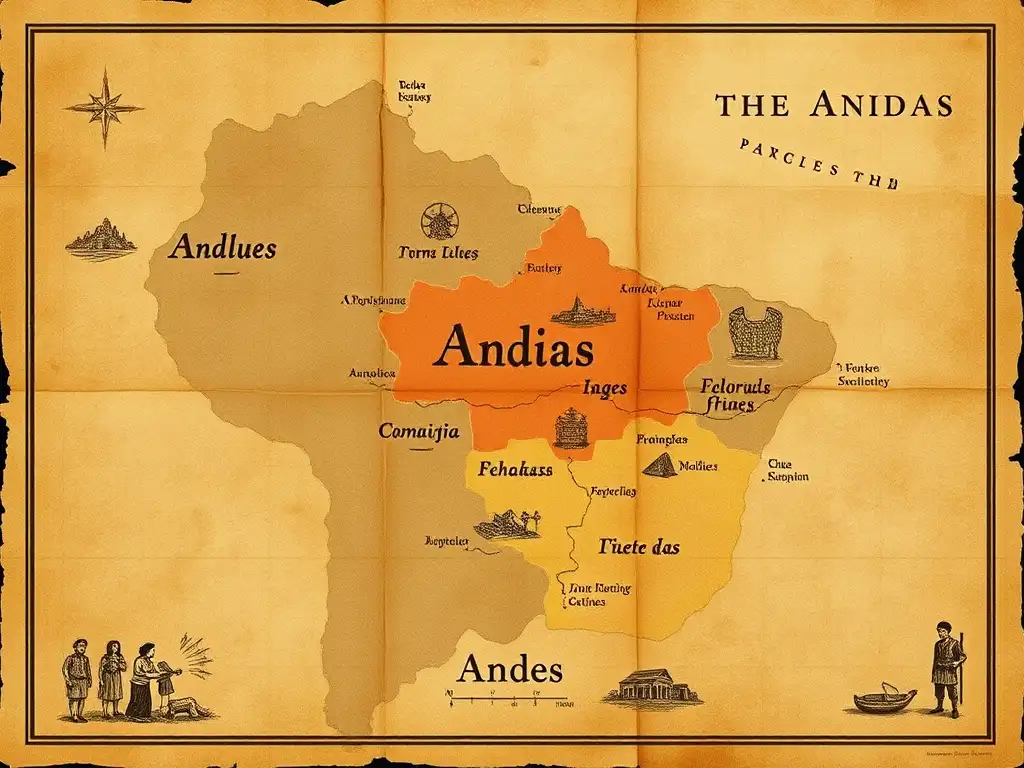
Quechua, the language family spoken across the Andes Mountains, isn't a monolithic entity. Its remarkable diversity reflects the complex geography and social structures of the Andean civilizations. Understanding the nuances of Quechua dialects is crucial to appreciating the richness and complexity of its history and evolution. The term "Quechua dialects Andean civilizations" accurately reflects this linguistic tapestry woven throughout the ancient Andean societies. This section will delve into the major Quechua dialect groups, highlighting key distinguishing features. The classification used here is based on linguistic and geographical proximity, acknowledging that some scholars propose alternative groupings.
Quechua I: The Central Peruvian Dialects
This group encompasses the Quechua varieties spoken in the central Andes of Peru, a region historically significant for its dense population and powerful empires, including the Inca. These dialects share several common features, yet exhibit enough variation to warrant individual study.
Huanca Quechua, Yaru Quechua
Huanca Quechua and Yaru Quechua, for example, represent distinct branches within this central Peruvian cluster. While sharing a common ancestor, they've diverged significantly over time, showcasing differences in pronunciation, vocabulary, and grammatical structures. Huanca Quechua, historically spoken in the Junín region, is known for its distinctive vowel system.
Conversely, Yaru Quechua, prevalent in the Ayacucho department, exhibits unique patterns in verb conjugation, particularly in the use of aspect markers. Detailed comparative studies reveal a fascinating picture of linguistic evolution within a relatively confined geographical area. The differences, while significant to linguists, underscore the importance of recognizing the diversity even within geographically proximate Quechua dialects.
Aspiration and Glottalization in Central Quechua
A significant phonological feature distinguishing various Central Peruvian Quechua dialects is the presence or absence of aspiration and glottalization. Aspiration, the forceful expulsion of air during pronunciation, and glottalization, the closure and release of the vocal cords, affect the pronunciation of consonants, creating subtle but important distinctions in meaning. For instance, the word for "water" might be rendered differently across various Central Quechua dialects due to variations in these phonological processes.
Studying these subtle variations provides valuable insights into the historical relationships between different Quechua communities and their migratory patterns. Further research is needed to fully map the distribution of these features across all Central Peruvian Quechua varieties. For example, [specific data on aspiration and glottalization variation in specific Central Quechua dialects pending].
Quechua II: The Northern Peruvian and Ecuadorian Dialects
Moving north, we encounter another significant group: the Northern Peruvian and Ecuadorian Quechua dialects. This region, characterized by its diverse ecosystems and historical interactions with various pre-Columbian cultures, boasts a unique array of Quechua varieties.
Chanka Quechua, Imbabura Quechua
Two prominent examples are Chanka Quechua and Imbabura Quechua. Chanka Quechua, spoken in parts of southern Peru, exhibits certain lexical similarities with the Central Peruvian dialects, reflecting historical connections, but displays unique grammatical features that set it apart. Imbabura Quechua, prevalent in the Imbabura province of Ecuador, shows a stronger influence from other indigenous languages of the region, resulting in a distinct vocabulary and phonological system. These differences highlight the impact of both internal linguistic evolution and external language contact on the diversification of Quechua.
Use of the -kuna Plural Marker in Northern Quechua
One noteworthy grammatical feature distinguishing some Northern Quechua dialects is the consistent use of the suffix -kuna to mark plurality. While this marker appears in other Quechua dialects, its frequency and application in Northern Quechua varieties are particularly notable. For example, the word for "house" might be wasi in the singular and wasi-kuna in the plural. This consistent use of -kuna serves as a clear linguistic marker, helping to distinguish Northern Quechua from other dialect groups. However, the precise distribution of this marker across all Northern Quechua dialects requires further investigation. [Further research needed on the distribution and variations of the -kuna plural marker across all Northern Quechua dialects]. The consistent use of this marker, however, provides a valuable tool for linguistic classification and historical reconstruction within the Quechua language family. Understanding such subtle grammatical variations is vital for accurately interpreting historical and cultural texts written in various Quechua dialects.
Quechua III: The Southern Peruvian, Bolivian, and Argentine Dialects
Quechua III represents a significant branch of the Quechua language family, encompassing a vast geographical area spanning southern Peru, Bolivia, and parts of Argentina. This dialectal group exhibits considerable internal diversity, reflecting the complex historical and geographical factors that shaped its evolution. The variations are not merely superficial; they often involve significant phonological, morphological, and lexical differences that can impact mutual intelligibility between speakers from different regions.
While speakers of different Quechua III dialects can generally communicate, understanding can sometimes be challenging, particularly when dealing with nuanced vocabulary or complex grammatical structures. The level of mutual intelligibility often depends on factors such as the speakers' exposure to other dialects and their individual linguistic abilities. Furthermore, the social and political contexts play a significant role in shaping the use and prestige of specific dialects within this group.
For example, the dominance of certain dialects in urban areas or in official settings can influence the perception and use of other, less prominent dialects. The study of these variations sheds light on the intricate relationship between language, identity, and social dynamics within the Andean region. The interplay of these factors makes Quechua III a fascinating area of linguistic study, revealing the dynamic nature of language evolution within a diverse and historically significant region.
Cusco Quechua, Ayacucho Quechua, Bolivian Quechua
Within Quechua III, several prominent dialects stand out due to their widespread use and documented linguistic features. Cusco Quechua, for instance, holds a particular cultural significance as it's often associated with the Inca Empire's capital and remains a widely spoken dialect in the Cusco region of Peru. Its prestige and historical weight contribute to its continued use and influence on other dialects. Ayacucho Quechua, spoken in the Ayacucho department of Peru, presents distinct phonological characteristics and vocabulary compared to Cusco Quechua, highlighting the regional diversity within the Southern Peruvian cluster.
The differences are not merely limited to pronunciation; they extend to grammatical structures and word choice, showcasing the linguistic evolution influenced by unique local contexts. Moving further south, Bolivian Quechua represents a significant dialectal continuum, encompassing numerous sub-dialects that vary across different regions of Bolivia. The variations across Bolivia are striking, with significant differences in pronunciation, vocabulary, and even grammatical structures emerging between geographically close communities.
This internal diversity reflects Bolivia's complex linguistic landscape, shaped by its indigenous populations and colonial history. These three dialects – Cusco, Ayacucho, and Bolivian Quechua – represent a snapshot of the wider linguistic diversity within Quechua III, demonstrating the intricate relationship between language, geography, and socio-cultural factors in the Andean region. Further research is needed to fully document and analyze the multitude of subtle variations within each of these major dialects.
Diminutives and Augmentatives in Southern Quechua
A fascinating aspect of Southern Quechua dialects is their rich system of diminutive and augmentative suffixes. These morphemes, attached to nouns and adjectives, convey size and intensity, adding layers of meaning and expressive potential to the language. Diminutives, typically expressing smallness or endearment, are frequently used in everyday conversation to convey affection or to describe something smaller than usual. For example, a small animal might be referred to using a diminutive suffix, reflecting a sense of cuteness or fragility.
Augmentatives, conversely, convey largeness, intensity, or emphasis. They can be used to describe something unusually large, powerful, or impressive. The specific suffixes used for diminutives and augmentatives can vary across different Southern Quechua dialects, reflecting the regional variations within Quechua III. The use of these suffixes is not just a matter of grammatical precision; they also contribute to the expressive and emotional nuances of communication.
The skillful application of diminutive and augmentative suffixes demonstrates a nuanced understanding of the language and its cultural context, highlighting the richness and expressive power of the Quechua language. The study of these morphemes reveals a deeper understanding of the linguistic creativity and cultural values embedded within the Quechua language family. Further research on the semantic range and diachronic development of these suffixes across different Southern Quechua dialects would provide invaluable insights into the language's evolution and the cultural context of its speakers.
Deep Dive into Specific Quechua Dialectal Features
Quechua, the language of the Inca Empire and still spoken by millions across the Andes, isn't a monolithic entity. Its rich tapestry encompasses a diverse array of dialects, reflecting the complex geographical and cultural landscape of the Andean civilizations. Understanding these variations is crucial to appreciating the full extent of Quechua's linguistic richness and its enduring connection to the diverse Andean communities.
The variations observed in Quechua dialects provide compelling evidence of the language's adaptation and evolution across various geographical and socio-cultural contexts within the Andean region. This section will delve into the key features that distinguish these Quechua dialects, focusing on phonetic, grammatical, and lexical differences.
Phonetic Variations: Sounds and Pronunciation Across Quechua Regions
Significant phonetic variations exist across different Quechua dialects, affecting both consonants and vowels. For example, the pronunciation of the phoneme /r/ varies considerably. In some dialects, it's a vibrant alveolar trill (similar to the Spanish "r"), while in others, it's a uvular fricative (a sound produced further back in the mouth). This seemingly minor difference can significantly impact intelligibility between speakers from different Quechua-speaking regions.
Furthermore, vowel systems also show considerable diversity. Some dialects possess a greater number of vowel phonemes than others, leading to variations in pronunciation and potential difficulties in mutual comprehension. For instance, the distinction between high front vowels /i/ and /ɪ/ may be neutralized in certain dialects, while others maintain a clear distinction.
These subtle phonetic shifts contribute to the overall linguistic diversity of the Quechua language family, underlining the significant impact of geographical dispersion on the evolution of this ancient Andean tongue. Detailed phonetic studies, often using acoustic analysis, are necessary to fully map these variations. [Specific phonetic data from various Quechua dialects pending].
Grammatical Differences: Sentence Structure and Morphology in Quechua
Beyond pronunciation, grammatical structures also display significant diversity among Quechua dialects. While the basic SOV (Subject-Object-Verb) word order is generally maintained, variations arise in the use of grammatical markers, such as affixes and particles. For instance, the marking of grammatical person and number on verbs can differ significantly, leading to variations in sentence construction and overall grammatical complexity.
Consider the expression of possession. Some dialects utilize possessive suffixes attached directly to the possessed noun, while others employ separate possessive pronouns. These differences in morphological strategies significantly impact sentence structure and overall grammatical complexity. Analyzing these variations reveals not only the dynamism of the Quechua language family but also the rich interplay between language and the sociocultural contexts in which it is embedded.
Further research is needed to fully document the grammatical variations across all known Quechua dialects, especially those with limited documentation. [Data on specific grammatical differences between, for example, Southern Quechua and Northern Quechua dialects pending]. The impact of language contact with other Andean languages also warrants further investigation.
Lexical Diversity: Unique Vocabulary in Different Quechua Dialects
Perhaps the most readily apparent difference between Quechua dialects lies in their lexicons. While a significant core vocabulary is shared across dialects, a considerable number of words display regional variations. This lexical diversity is a direct reflection of the unique cultural experiences and environmental adaptations of different Andean communities. The names for local flora and fauna, agricultural practices, and social customs often differ significantly, leading to substantial lexical divergence.
For example, the word for "potato" varies considerably across different Quechua dialects, reflecting the diverse varieties of potatoes cultivated in different regions. Similarly, terms related to Andean cosmology and religious practices often show significant regional variation. This lexical diversity highlights the importance of studying individual Quechua dialects to fully grasp the rich cultural heritage of the Andean civilizations.
A comprehensive comparative lexicon of Quechua dialects would be a valuable resource for linguistic and anthropological research, but such a project requires substantial collaborative effort and resources. [Detailed examples of lexical variation across specific Quechua dialects pending]. The compilation of such a lexicon would be a significant contribution to the understanding of Quechua dialects and Andean civilizations.
Quechua Dialects and Cultural Identity within Andean Communities

Quechua, far from being a monolithic language, is a vibrant tapestry woven from numerous dialects, each reflecting the unique cultural traditions and historical experiences of specific Andean communities. This linguistic diversity is not merely a matter of vocabulary differences; it's deeply intertwined with the social fabric of Andean life, shaping how people interact, express their identities, and transmit their heritage. The diversity in Quechua dialects mirrors the geographical and cultural fragmentation of the Andes, with distinct variations arising in response to isolation, migration patterns, and interactions with other groups.
Understanding these variations is crucial to appreciating the richness and complexity of Andean culture and the resilience of its indigenous languages. This section will explore how these dialects function as powerful markers of identity and cultural heritage within Andean communities.
How Quechua Dialects Reflect Regional Cultural Traditions
The variations in Quechua dialects often directly correlate with specific cultural practices and traditions. For instance, the vocabulary related to agriculture will differ significantly between highland communities focused on potato cultivation and coastal communities specializing in fishing. Terms for tools, crops, and agricultural techniques will reflect these specialized practices. Similarly, dialects spoken in areas with a strong textile tradition will exhibit a richer vocabulary related to weaving, dyeing, and the different types of fabrics produced.
This is not just a matter of adding new words; the grammatical structures and even the pronunciation might subtly change to reflect the rhythm and cadence of the associated cultural activities. Consider the Quechua spoken in the Cusco region, renowned for its intricate weaving techniques. Its vocabulary related to textiles boasts a level of detail and specificity absent in dialects from regions less involved in this craft.
This linguistic specificity helps preserve and transmit the knowledge associated with these traditions across generations. The nuanced vocabulary related to traditional Andean medicine also varies significantly between dialects, reflecting the different plant species and healing practices prevalent in each region. The intricate knowledge of medicinal plants and their uses is often embedded within the very language itself, making it an integral part of the cultural heritage.
Quechua as a Marker of Identity in the Andean World
Quechua's diverse dialects serve as powerful markers of identity, both within and between communities. Speaking a particular dialect often signifies belonging to a specific region, lineage, or social group. This linguistic identity can be a source of pride and solidarity, fostering a sense of community and shared heritage.
However, it can also lead to subtle forms of social stratification and distinction. The prestige associated with certain dialects, often those spoken in major urban centers or historically powerful regions, can create linguistic hierarchies and influence perceptions of social status. The persistence of Quechua dialects in the face of pressures from Spanish and other languages underscores their vital role in maintaining cultural identity.
Speaking Quechua is often seen as a powerful assertion of indigenous identity, a way to resist assimilation and maintain a connection to ancestral traditions. This is particularly important in areas where indigenous cultures have faced historical marginalization and oppression. The revitalization efforts focused on Quechua dialects highlight their importance as a symbol of cultural resistance and self-determination.
The Importance of Preserving Quechua Dialectal Diversity
The preservation of Quechua's dialectal diversity is of paramount importance for maintaining the cultural richness of the Andean region. The loss of any dialect represents the erosion of unique cultural practices, knowledge systems, and historical narratives embedded within that specific linguistic form. Efforts to document and revitalize these endangered dialects are crucial to preventing linguistic homogenization and cultural loss.
This includes supporting community-based language programs, developing educational resources in various Quechua dialects, and promoting the use of Quechua in various social settings. The documentation of these dialects, including the creation of dictionaries and grammars, is essential for future generations to understand the full scope of Quechua's linguistic and cultural heritage. Furthermore, recognizing and valuing the diversity of Quechua dialects is crucial for fostering intercultural understanding and respect within the Andean region.
Celebrating this linguistic richness helps strengthen the sense of community and identity among Quechua speakers and promotes the appreciation of Andean cultural heritage on a broader scale. The future of Quechua, and indeed the cultural identity of the Andes, depends on the collective effort to safeguard its diverse dialectal landscape.
The Current Status and Future of Quechua Dialects
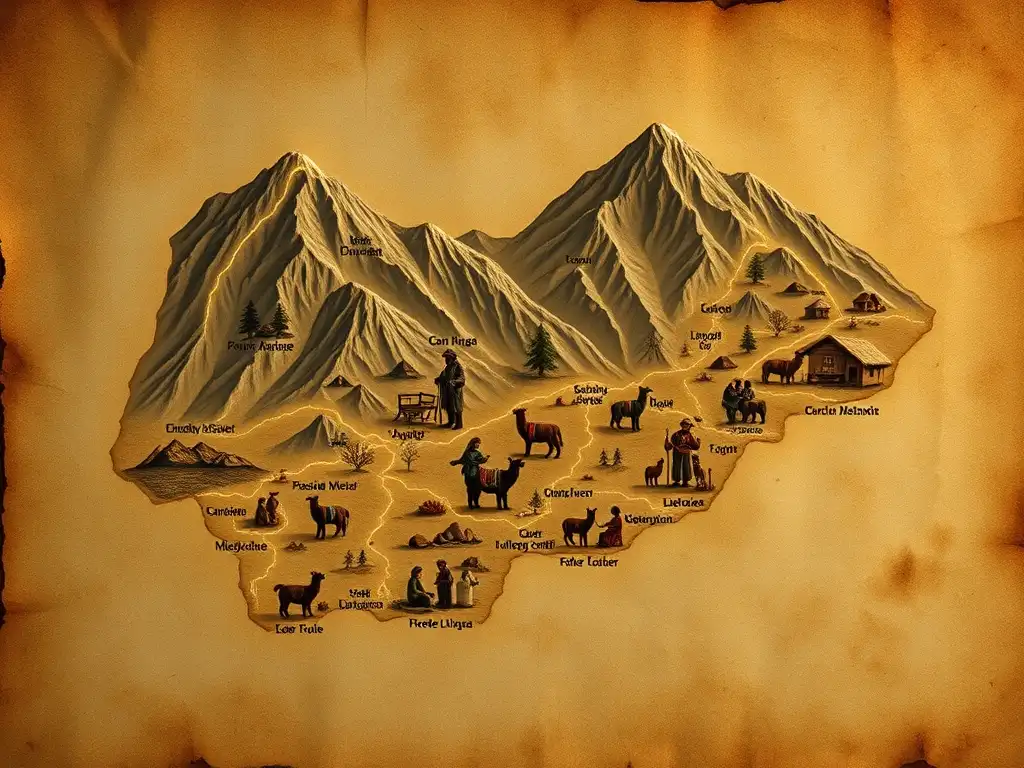
Quechua, far from being a monolithic language, boasts a vibrant tapestry of regional variations, reflecting the diverse geography and cultural landscapes of the Andean civilizations. Understanding the current status of these dialects is crucial to appreciating their historical significance and ensuring their survival. While Quechua remains a vital part of Andean identity for millions, many dialects face significant challenges in the 21st century.
The number of fluent speakers varies considerably across regions, with some dialects experiencing a steady decline while others maintain a relatively strong presence, particularly in rural communities. This uneven distribution highlights the need for targeted preservation efforts tailored to the specific needs of each dialect. The vitality of a language is not solely measured by the number of speakers but also by its use in various domains – education, media, government, and everyday life.
Many Quechua dialects are largely confined to oral traditions, lacking widespread representation in written materials or formal settings. This linguistic marginalization poses a serious threat to their long-term survival. The future of Quechua dialects hinges on addressing these challenges proactively and implementing comprehensive strategies that foster language revitalization and promote inter-dialectal communication.
Challenges Facing Quechua Dialects in the Modern Era
The survival of Quechua dialects is threatened by a multitude of factors, intricately interwoven with broader socio-economic and political realities within the Andean region. One of the most significant obstacles is the dominance of Spanish, the official language in many Andean nations. Spanish's prevalence in education, media, and government institutions often leads to a devaluation of Quechua, pushing families to prioritize Spanish fluency over their ancestral tongues. This linguistic shift is particularly acute in urban centers, where younger generations often exhibit limited proficiency in Quechua.
Furthermore, economic pressures often incentivize the adoption of Spanish as a means of accessing better job opportunities and social mobility. This economic disparity contributes to the intergenerational transmission gap, where knowledge of Quechua dialects is not consistently passed down to subsequent generations. Another challenge arises from the lack of standardized orthography for many dialects. The absence of a unified writing system hinders literacy efforts and limits the availability of educational materials and literature in various Quechua dialects.
This lack of standardization further marginalizes these languages, making them less accessible and less attractive to younger learners. Finally, the fragmentation of Quechua dialects themselves presents a hurdle. The significant variations between dialects can impede communication between speakers from different regions, creating further linguistic isolation and hindering the development of a unified Quechua linguistic community.
Efforts to Revitalization and Promote Quechua Language Variations
Despite the challenges, significant efforts are underway to revitalize and promote Quechua language variations. These initiatives range from grassroots community-based programs to national-level language policies. Many organizations focus on creating bilingual educational materials and incorporating Quechua into school curricula. The aim is to foster a sense of pride and ownership in the language among young people, ensuring its continuity. Community-based language nests and immersion programs are also proving effective in fostering fluency among children.
These programs provide a supportive environment where Quechua is the primary language of communication, allowing children to develop strong linguistic skills from a young age. Furthermore, the use of technology plays a crucial role in revitalization efforts. The development of Quechua language apps, online dictionaries, and digital resources increases accessibility and expands the reach of these languages beyond geographical limitations. These digital tools empower speakers to connect with each other and learn more about their respective dialects.
Government initiatives also play a vital role. Some Andean nations have implemented language policies that promote the use of Quechua in official settings, such as local government and healthcare services. These policies aim to enhance the status of Quechua and encourage its use in public life. However, the success of these initiatives depends heavily on consistent funding, widespread community participation, and the political will to implement policies effectively.
The Role of Quechua in Contemporary Andean Society
Quechua continues to play a vital role in contemporary Andean society, albeit in diverse and evolving ways. While Spanish remains dominant in many areas, Quechua maintains its significance as a marker of cultural identity and community cohesion. In many rural communities, Quechua remains the primary language of everyday life, used in family interactions, social gatherings, and traditional ceremonies. Quechua’s presence in these settings underscores its enduring importance in preserving traditional knowledge, customs, and cultural practices.
The language often acts as a vehicle for transmitting ancestral wisdom, stories, and songs across generations. Moreover, Quechua is increasingly finding its place in contemporary art, music, and literature. A growing number of artists and writers are using Quechua to create new works, thereby enriching the language and showcasing its expressive capabilities. This artistic revival contributes to a broader effort to reclaim and celebrate the linguistic heritage of Andean civilizations.
However, the integration of Quechua into modern society is not without its complexities. The need for bilingualism and the persistent socioeconomic disparities within the Andean region continue to pose challenges for the full and equitable integration of Quechua in all aspects of life. The future of Quechua will depend on the continued efforts to empower speakers, promote linguistic diversity, and address the socio-economic factors that impact language survival. The preservation of Quechua dialects is not merely a linguistic endeavor but a crucial step in safeguarding the rich cultural heritage of the Andean civilizations.
Conclusion: The Rich Tapestry of Quechua Dialects in Andean Civilizations
Recapping the Importance of Quechua Linguistic Diversity
The intricate tapestry of Quechua dialects across the Andes Mountains reflects not only the geographic diversity of the region but also the rich cultural and historical experiences of its people. Understanding this linguistic diversity is crucial for appreciating the complexities of Andean civilizations. The variations we've explored—from subtle phonetic shifts to significant grammatical differences—are not merely linguistic curiosities; they are windows into the unique social structures, beliefs, and historical trajectories of different Andean communities.
Preserving and studying these dialects is paramount for safeguarding a vital part of Andean heritage. The loss of any single dialect represents an irreplaceable loss of cultural knowledge and history. The continuing study of Quechua dialects promises to further illuminate the fascinating intricacies of Andean societies and their enduring legacy.
Indeed, the continued use and evolution of these dialects is a testament to the resilience and adaptability of Andean cultures. Further research into lesser-known dialects could reveal even more about the sophisticated communication systems used by these ancient civilizations. The more we learn about the nuances of Quechua, the richer our understanding of the Andean civilizations becomes.
The Ongoing Challenge of Quechua Dialect Preservation
The survival of Quechua dialects faces significant challenges in the modern era. The dominance of Spanish, coupled with the pressures of globalization and urbanization, threatens the continued use of many regional variations. While efforts are underway to document and preserve these languages, much work remains to be done.
Documentation initiatives need to be expanded to include thorough linguistic analyses, including detailed phonetic descriptions, grammatical structures, and the unique vocabulary reflecting each dialect's cultural context. Furthermore, community-based language revitalization programs are crucial. These programs need to actively engage younger generations to ensure that these invaluable linguistic resources are passed down to future generations.
The challenge is not merely one of linguistic preservation, but also one of cultural preservation, as the dialects are intrinsically linked to the unique identities and cultural practices of Andean communities. The loss of Quechua dialects would signify a profound loss not only for linguistics but for the cultural richness of the Andean region. We must actively support initiatives that promote the continued use and study of these fascinating and vital linguistic resources.
Quechua Dialects and Future Research Directions
Future research on Quechua dialects should focus on several key areas. Firstly, a more comprehensive comparative analysis is needed, bringing together data from across the entire spectrum of Quechua variations. This would allow for a more nuanced understanding of the evolutionary pathways of the language family and the relationships between different dialects. Secondly, further investigation into the sociolinguistic factors influencing dialectal variation is crucial.
This includes studying the impact of migration, urbanization, and language contact on the evolution and maintenance of Quechua dialects. Thirdly, advanced technological tools, such as digital archives and language learning apps, can play a significant role in promoting the preservation and accessibility of these dialects. Finally, collaborative research involving linguists, anthropologists, and community members is essential for ensuring that research is both academically rigorous and culturally sensitive.
The study of Quechua dialects is a dynamic and ever-evolving field, and continued interdisciplinary collaboration is essential for unlocking the full potential of this rich linguistic heritage. The future of Quechua dialect research holds the promise of many exciting discoveries, deepening our understanding of the Andean civilizations and their enduring legacy. The continued study of Quechua dialects is not only a matter of academic interest but a vital step in preserving a crucial part of the world's cultural heritage.
Further Exploration: Specific Dialectal Features
While a full exploration of every Quechua dialectal feature is beyond the scope of this section, consider these examples: The use of different grammatical markers for tense and aspect can vary significantly across dialects. Vocabulary related to agriculture, geography, and traditional practices often displays notable diversity. Some dialects exhibit unique phonological features, like the presence or absence of certain consonants or vowels.
Frequently Asked Questions
What are Quechua dialects, and how many are there?
Quechua is not a single language, but a family of related dialects. There are many, with estimates ranging from 10 to 40, depending on the criteria used for classification. These variations reflect the diverse geography and cultures of the Andes.
How did Quechua dialects develop such diversity?
The geographical isolation of different Andean communities played a significant role. Over centuries, independent evolution led to the development of distinct dialects with varying vocabulary and pronunciation. Trade and migration also influenced their development.
Are all Quechua dialects mutually intelligible?
No, mutual intelligibility varies greatly. Speakers of some closely related dialects may understand each other fairly well, while those of others might find communication difficult or impossible without prior exposure. This makes the situation complex.
What is the relationship between Quechua dialects and the Inca Empire?
Quechua, specifically a dialect from the Cusco region, became the official language of the Inca Empire. However, many other Quechua dialects continued to be spoken throughout the vast empire, alongside other indigenous languages. Inca expansion helped spread Quechua, but it didn't eliminate other languages.
How are Quechua dialects preserved today?
Efforts to preserve and revitalize Quechua dialects are underway through various initiatives, including language education programs, community-based projects, and the use of Quechua in media. Despite challenges of modernization and globalization, there's growing interest in maintaining these linguistic heritages.
Final Reflection: The Enduring Voice of Quechua
The intricate tapestry of Quechua dialects, far from being relics of a bygone era, continues to resonate powerfully in the modern Andean world. Their survival and evolution in the face of globalization and linguistic dominance represent a testament to the resilience of indigenous cultures and the enduring strength of community identity. Understanding these variations is not merely an academic exercise; it's crucial for preserving cultural heritage and fostering equitable access to education and resources for Quechua speakers.
The profound impact of Quechua's regional variations extends beyond mere linguistic differences; it shapes social structures, cultural practices, and even political landscapes. These dialects are living embodiments of history, carrying within them the echoes of ancient Andean civilizations and the ongoing struggles for self-determination. As the renowned anthropologist, Anthony Wallace, once stated, Culture is not a static entity; it is a dynamic process of adaptation and change.
This statement perfectly encapsulates the vibrant evolution of Quechua, a language constantly adapting yet retaining its core identity.
Now, consider the implications of this. What does the preservation of Quechua, in all its diverse forms, mean for you? I urge you to reflect on the importance of linguistic diversity and the richness it brings to our global community. Seek out opportunities to learn more about Quechua, support initiatives that promote its preservation, and recognize the invaluable contributions of indigenous languages to the world's cultural heritage. Let the enduring voice of Quechua inspire you to champion linguistic diversity and cultural understanding.
**Explore the Rich Tapestry of Quechua Dialects! **
Thank you for exploring the fascinating world of Quechua dialects with us! We hope you enjoyed discovering the rich variations and cultural significance that make Quechua so unique. Let's build on this newfound knowledge and explore ways to deepen your understanding.
Here are some suggestions for further exploration:
- **Immerse Yourself:** Consider enrolling in a local or online Quechua language class to experience the dialects firsthand. This will provide a deeper understanding of the nuances and complexities of the language.
- **Share Your Passion:** Discuss this article with friends and family, sparking a conversation about the profound relationship between language and culture. Sharing your knowledge can inspire others to learn more.
- **Connect with the Community:** Attend cultural events or workshops focused on Andean cultures. This is a wonderful way to meet fellow enthusiasts of Quechua and its dialects and learn from their experiences.
Which aspect of Quechua dialects captivated you the most, and how do you plan to continue your exploration?