
The Power of the Shaman: Decoding the Andean Rituals of Transformation

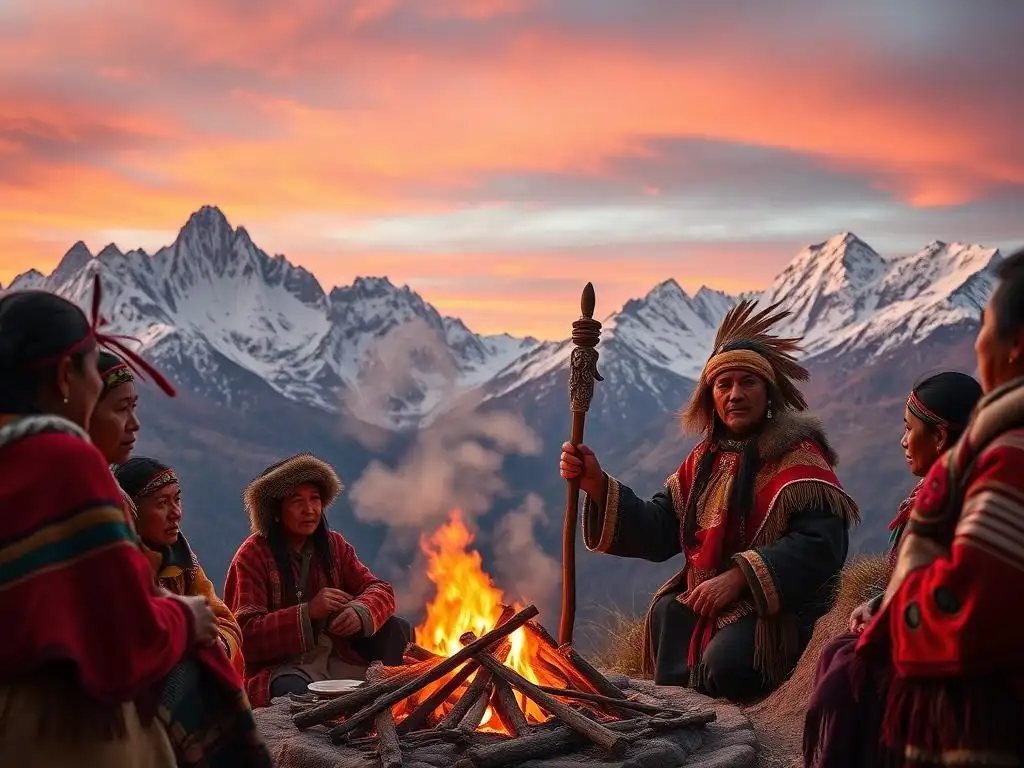
Uncover the mysteries of the Andes! Journey with us into a world of breathtaking landscapes and even more breathtaking cultures. For centuries, the Andean civilizations, from the Incas to the Nazca, harnessed the power of shamanism to shape their lives and their world. But what were these transformative rituals really like? Dive into the heart of Andean shamanic rituals of transformation and discover the secrets held within these ancient practices. Prepare to be amazed.
- The Power of the Yachaq: Decoding Andean Rituals of Transformation
- Andean Yachaq Rituals: Pathways to Transformation
- Specific Andean Yachaq Rituals and Their Purpose
- The Significance of Transformation in Andean Yachaq Practices
- The Legacy of Andean Yachaq Practices Today
-
Frequently Asked Questions
- What were Andean shamanic rituals primarily focused on?
- How did Andean shamans achieve transformation during rituals?
- What role did nature play in Andean shamanic rituals?
- Were Andean shamanic rituals solely for healing purposes?
- How did Andean shamanic rituals contribute to societal transformation?
- Final Reflection: Echoes of the Andes, Whispers of Transformation
- Unlock the Transformative Power of Andean Rituals!
The Power of the Yachaq: Decoding Andean Rituals of Transformation
The Andes Mountains, a spine of towering peaks and breathtaking valleys, have nurtured some of the most fascinating and enigmatic civilizations in human history. For millennia, Andean cultures have developed intricate belief systems deeply intertwined with the natural world, expressing their spirituality through elaborate rituals and ceremonies. This article delves into the captivating world of Andean shamanic rituals focused on transformation, exploring the pivotal role of the yachaq, the Andean shaman, in facilitating these powerful experiences.
We will unravel the complexities of Andean cosmovision and understand how these rituals served as crucial mechanisms for individual and societal change, impacting everything from agricultural cycles to social hierarchies. The exploration of Andean shamanic rituals of transformation offers a unique window into the spiritual depth and resilience of these ancient cultures, revealing the profound connection between humanity and the cosmos as perceived by the Andean peoples. Understanding these practices provides valuable insights into the enduring legacy of Andean spirituality and its continued relevance today.
This exploration will focus on the yachaq's role, their techniques, and the societal impact of these transformative rituals. We will examine specific examples and analyze the symbolism inherent in these practices, offering a comprehensive overview of the power of the yachaq in shaping Andean societies.
Understanding the Role of the Yachaq in Andean Culture
The yachaq, often translated as "one who knows," was far more than a simple religious leader. They were highly respected figures within Andean communities, acting as healers, spiritual guides, and intermediaries between the human world and the supernatural realm. Their knowledge encompassed a vast array of disciplines, including herbalism, astronomy, and ritual practice.
The yachaq's expertise wasn't solely based on inherited knowledge; rigorous training and apprenticeship were essential to mastering the complex skills required. This involved years of dedicated study, often involving solitary retreats in sacred locations, allowing them to develop a deep connection with the Andean landscape and its spiritual energies.
Their role extended beyond individual healing. The yachaq played a critical role in maintaining the cosmic balance, conducting rituals to ensure successful harvests, appease the spirits of the mountains, and maintain social harmony. Their authority stemmed not from coercion, but from their demonstrated ability to interact with the spiritual world and bring about positive change.
They were seen as custodians of ancient traditions, responsible for preserving and transmitting sacred knowledge across generations. The yachaq’s influence permeated all aspects of Andean life, making them central figures in both the spiritual and social fabric of their communities. The depth of their knowledge and the power they wielded are reflected in the rich tapestry of Andean rituals they presided over.
The Yachaq as a Bridge Between Worlds in Andean Cosmovision
Andean cosmovision, a complex worldview, posits a multi-layered reality where the human world is interconnected with the supernatural realms. The yachaq served as a crucial bridge between these worlds, possessing the ability to journey to other realms and interact with spirits, deities, and ancestors. This ability was often facilitated through altered states of consciousness, achieved through various techniques such as fasting, intense meditation, the use of entheogenic plants (like San Pedro cactus), or through complex ceremonial practices involving music, dance, and offerings.
These rituals were not merely symbolic performances; they were powerful catalysts for transformation. Individuals seeking healing, guidance, or spiritual growth would participate in these ceremonies, guided by the yachaq. The rituals aimed to restore balance, both within the individual and within the community. For example, a ritual might involve a journey to the spirit world to retrieve a lost soul, or to appease an angered mountain spirit threatening a community's well-being.
The process often involved intricate symbolic actions, the use of specific objects (e.g., coca leaves, figurines, textiles), and the recitation of prayers or chants. The effectiveness of these rituals was believed to depend on the yachaq's skill, their connection to the spiritual world, and the sincerity of the participants. The power of these shamanic rituals to effect profound transformation is a testament to the sophisticated spiritual understanding of Andean cultures.
Andean Yachaq Rituals: Pathways to Transformation
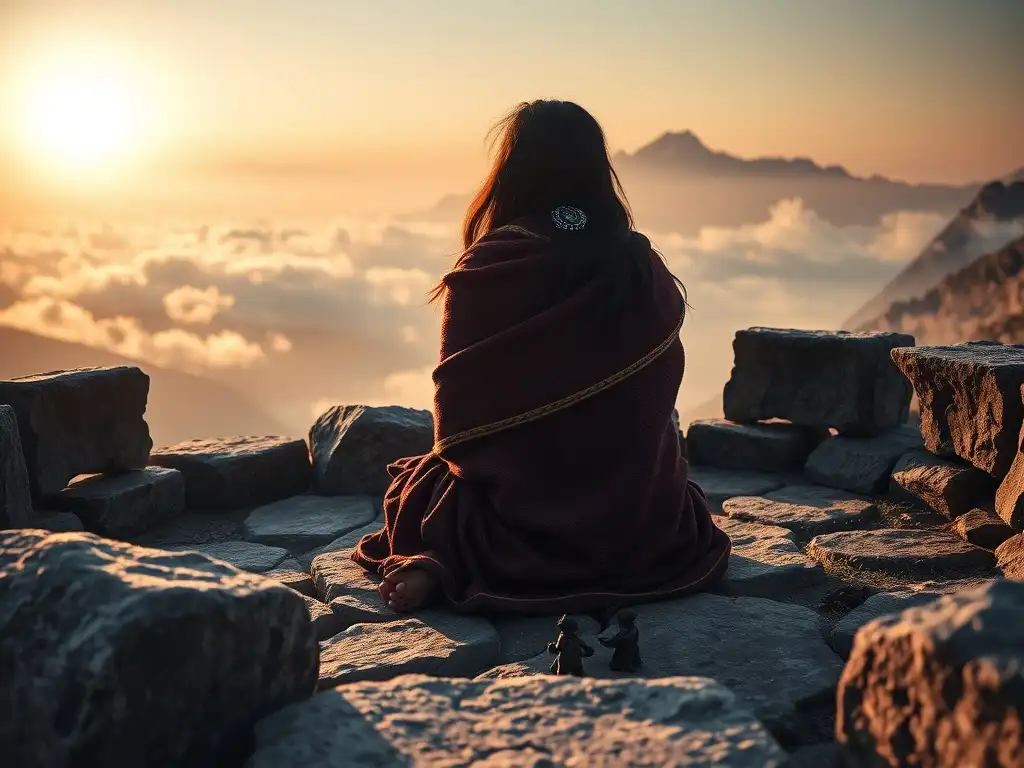
This section delves into the profound practices of Andean yachaqs, spiritual leaders often associated with shamanic traditions, and their rituals aimed at personal transformation. Understanding these rituals requires appreciating the intricate Andean cosmovision, a worldview deeply connected to the natural world and the spiritual energies that permeate it. These weren't merely ceremonies; they were powerful mechanisms for navigating life's challenges, fostering community bonds, and achieving a harmonious relationship with the Pachamama (Mother Earth) and the cosmos.
The efficacy of these Andean shamanic rituals for transformation is rooted in their holistic approach, encompassing physical, emotional, and spiritual well-being. The aim is not just to cure illness, but to restore balance and facilitate a profound shift in one's life trajectory.
Core Elements of Andean Rituals for Personal Transformation
Andean rituals for personal transformation often share common threads. These core elements contribute to the overall effectiveness and profound impact of the practice. Central to many rituals is the concept of ayni, reciprocity. This principle emphasizes the interconnectedness of all things and the need for balance. Participants are expected to give something back to the community, the Pachamama, or the spirits, maintaining the harmonious flow of energy.
Another crucial element is the use of sacred objects. These can range from coca leaves and chicha (fermented corn beer) to intricately crafted textiles and ceremonial tools. These objects are not merely props; they act as conduits for spiritual energy, focusing intention and facilitating communication with the spirit world. The precise objects used vary depending on the specific ritual and its purpose.
Furthermore, the yachaq plays a pivotal role. Their expertise lies not only in conducting the ritual but also in interpreting the signs and symbols that emerge during the ceremony. Their role is akin to a guide, helping individuals navigate their inner landscape and overcome obstacles hindering their personal growth. The yachaq's deep understanding of Andean cosmology and spiritual practices is crucial to the success of the ritual.
Their ability to channel spiritual energy and connect with the unseen world is central to the transformative process. Finally, the setting itself often holds significance. Rituals may be performed in sacred locations, such as mountaintops or caves, chosen for their spiritual power and connection to the apus (mountain spirits).
The Use of Coca Leaves in Andean Yachaq Practices
Coca leaves hold a central place in many Andean rituals, far beyond their recreational use. They are considered sacred and are employed in various ways to enhance the ritual experience and facilitate communication with the spirit world. The leaves are not simply chewed; their preparation and use are carefully considered, reflecting the deep respect the Andean people have for this plant.
Chewing coca leaves is often incorporated into rituals to promote clarity, focus, and enhance the participant's connection to the spiritual realm. The act of chewing itself is a meditative practice, allowing for introspection and contemplation. The leaves can also be used in offerings to the apus and other deities, demonstrating respect and seeking their blessings.
Furthermore, coca leaves are frequently used in divination practices, with the yachaq interpreting the patterns and shapes of the leaves to gain insight into the future or to diagnose illness. The precise methods and interpretations vary widely across different Andean communities, reflecting the rich diversity of their traditions. The significance of coca leaves underscores the deep connection between the Andean people and the natural world, highlighting the spiritual power attributed to even the most commonplace elements of their environment.
Rituals for Healing and Spiritual Renewal in Andean Traditions
Andean traditions encompass a rich array of rituals designed to promote healing and spiritual renewal. These rituals often involve a combination of herbal remedies, spiritual practices, and offerings to the spirits. For example, rituals involving pago (payment) to the earth are common. This involves leaving offerings to appease the Pachamama and maintain a harmonious relationship with nature. These offerings might include coca leaves, food, or other items of significance.
Another common type of ritual focuses on the removal of mal de ojo (evil eye), a belief prevalent in many Andean communities. These rituals aim to cleanse the afflicted individual of negative energy and restore their balance. They often involve the use of herbs, prayers, and the guidance of a yachaq.
The rituals are deeply intertwined with the belief system and worldview of the Andean people, demonstrating the holistic approach to healing that is characteristic of these traditions. Further research is needed to fully document the diversity of healing rituals across various Andean communities, as practices and beliefs can vary significantly based on geographic location and specific cultural practices. Detailed studies on the effectiveness of these rituals from a modern scientific perspective are also lacking and would be valuable contributions to the field.
Specific Andean Yachaq Rituals and Their Purpose
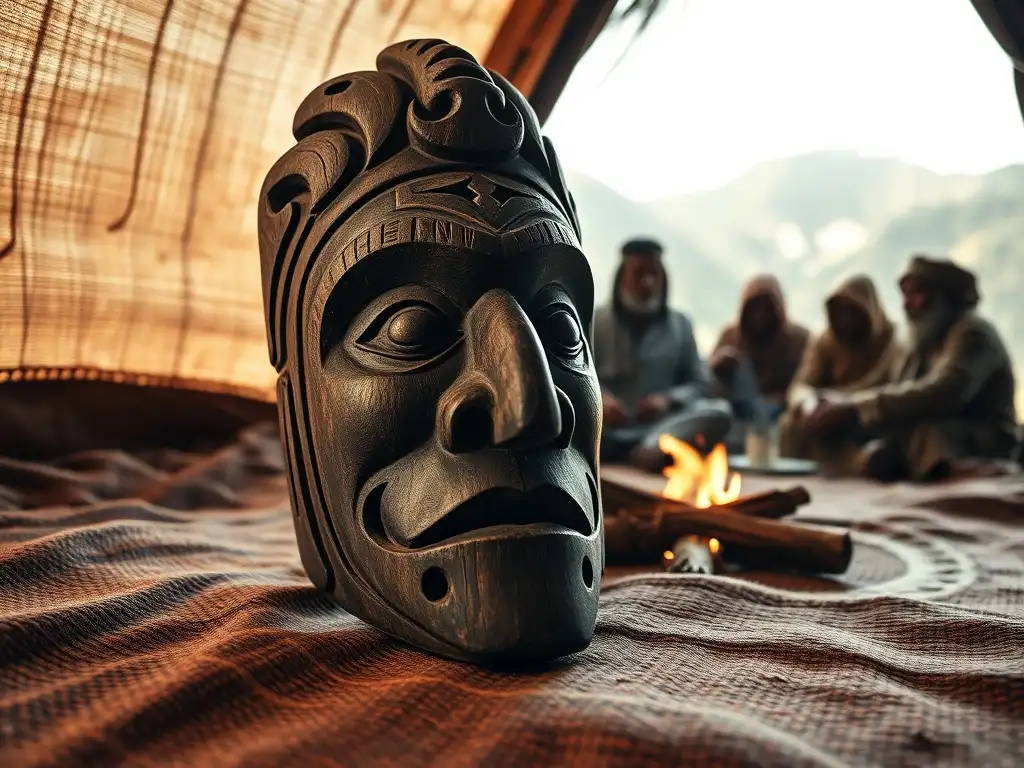
This section delves into the specifics of several key Andean shamanic rituals, focusing on their unique purposes and methodologies. Understanding these rituals offers a deeper appreciation for the Andean worldview and the profound significance placed on maintaining harmony between the human and spiritual realms. The yachaq, or Andean shaman, acted as a crucial intermediary in these practices, facilitating communication and interaction with the unseen forces shaping Andean life. The rituals discussed below highlight the intricate connection between Andean spirituality, cosmology, and daily life, demonstrating the pervasive influence of shamanic practices on Andean society.
The Pachamama Ceremony: Honoring Mother Earth
The Pachamama ceremony, a cornerstone of Andean spirituality, is a ritual of profound respect and gratitude directed towards Pachamama, the Earth Mother. This ritual, far from being a singular event, is an ongoing practice woven into the fabric of Andean life, reflecting the deep interdependence between humanity and the natural world. It's performed at various times throughout the year, often coinciding with agricultural cycles and significant life events.
The ceremony typically involves offerings placed upon the earth. These might include coca leaves, chicha (a fermented corn beverage), food, and other items of personal significance. The offerings are not simply discarded; rather, they are presented as a gesture of respect and a request for continued abundance and protection.
The act of placing the offerings on the ground is a symbolic act of returning to the earth what it has given, acknowledging the cyclical nature of life and death. The yachaq often leads the ceremony, chanting and praying to Pachamama, invoking her benevolence and seeking her blessings for the community. The specific elements of the ceremony can vary depending on the community and the occasion, but the core principle of gratitude and reciprocity remains constant.
The success of the harvest, the health of the community, and even individual well-being are often tied to the faithful performance of Pachamama ceremonies. Failure to honor Pachamama is believed to result in misfortune and imbalance.
Ayni: The Andean Ritual of Reciprocity and Balance
Ayni, often translated as "reciprocity," is a fundamental principle governing Andean social and spiritual life. It transcends a simple exchange of goods or services; it represents a complex system of mutual obligation and balanced interaction that permeates all aspects of Andean society. Ayni is not merely a transactional concept but a deeply ingrained social ethic emphasizing the interconnectedness of individuals and the community.
The ritualistic aspect of Ayni manifests in various ways. It can involve communal labor, where individuals contribute their time and skills to a shared project, ensuring the well-being of the entire community. It can also take the form of gift-giving, where presents are exchanged not just for material gain but to strengthen social bonds and reaffirm reciprocal obligations.
The concept of yanantin, the dualistic principle of complementarity, is central to Ayni. This means that reciprocity is not simply about equal exchange, but about the balance of opposing forces, such as male and female, light and dark, high and low. The yachaq plays a role in ensuring the balance of Ayni, mediating conflicts and reminding the community of their reciprocal obligations.
Disturbing the balance of Ayni is seen as a disruption of cosmic harmony, leading to negative consequences for the individual and the community. The continued practice of Ayni is essential for maintaining social cohesion and cosmic balance within Andean society. Failure to participate in Ayni can lead to social isolation and spiritual imbalance.
Despacho Ceremony: Offering and Gratitude in Andean Shamanism
The despacho ceremony is a powerful ritual of offering and gratitude, representing a profound connection between the spiritual and material worlds. Unlike a simple offering, the despacho is a meticulously crafted arrangement of symbolic items, meticulously arranged to represent the various aspects of the Andean cosmos. It is a complex and visually stunning creation, reflecting the intricate worldview of Andean shamanism.
The yachaq carefully selects and arranges the components of the despacho, which can include coca leaves, sweets, tobacco, herbs, flowers, small figurines, and other items of personal significance. Each item holds symbolic meaning, representing various energies and intentions. The creation of the despacho itself is a ritualistic act, imbued with intention and focused energy.
Once completed, the despacho is typically burned or dispersed in a sacred location, representing the offering's ascent to the celestial realm. The burning or dispersal is not simply a destruction; rather, it is seen as a release of energy and a transmission of intentions to the spiritual world. The despacho ceremony is often performed to express gratitude, seek guidance, or request assistance from spiritual entities.
The success of a despacho is believed to be dependent on the purity of intention and the careful selection and arrangement of the items. The detailed nature of the despacho reflects the Andean emphasis on precision, balance, and the profound interconnectedness of all things. The ceremony is a powerful example of the shaman's ability to manipulate spiritual energies and influence the course of events.
The Karpay Ritual: Initiation and Empowerment
The Karpay ritual, central to Andean shamanic practices, represents a powerful initiation and empowerment ceremony. It's not merely a rite of passage; it's a profound transformation experienced by the individual undergoing the ritual. The word "Karpay" itself signifies the transfer of energy, knowledge, and spiritual power from the Yachaq (shaman) to the recipient. This transfer isn't a passive act; it's an active engagement involving deep spiritual connection and a significant shift in the recipient's energetic field.
The process often begins with a period of preparation, involving cleansing rituals and dietary restrictions designed to purify the body and mind. This preparatory phase is crucial, aligning the recipient with the sacred energy that will be transferred during the Karpay. The Yachaq might prescribe specific herbs, prayers, and practices to enhance the recipient's receptivity to the spiritual energies involved. The duration of this preparatory period varies depending on the individual and the specific traditions of the Yachaq. Some traditions might call for weeks, even months, of preparation.
The ritual itself involves a complex interplay of symbolic gestures, chants, and the use of sacred objects. The Yachaq, acting as a conduit for spiritual energy, channels power through their hands, often placing them upon the recipient's head or other energy centers. This physical contact is not merely symbolic; it's believed to be the vehicle for the actual transfer of spiritual power.
The chants, often in Quechua or Aymara, invoke ancestral spirits and deities, calling upon their blessings and protection. Sacred objects, such as coca leaves, feathers, or specific stones, may also be used to enhance the ritual's efficacy. The specific objects and chants vary greatly depending on the Andean region and the particular traditions of the Yachaq.
The effects of the Karpay ritual are multifaceted. Beyond the immediate experience of energetic transformation, the recipient might experience enhanced intuition, spiritual awareness, and a deeper connection to the Andean worldview. The ritual can also bestow increased strength, both physical and spiritual, empowering the recipient to face challenges and navigate life with greater resilience.
The Karpay, therefore, is not just a ritual; it's a catalyst for profound personal growth and spiritual evolution, firmly anchoring the recipient within the Andean spiritual landscape. The lasting impact of this transformative experience underscores its significance within Andean shamanic traditions and its enduring relevance in understanding Andean rituals of transformation. The power transferred during a Karpay is believed to stay with the recipient, shaping their life and outlook for years to come.
The Significance of Transformation in Andean Yachaq Practices
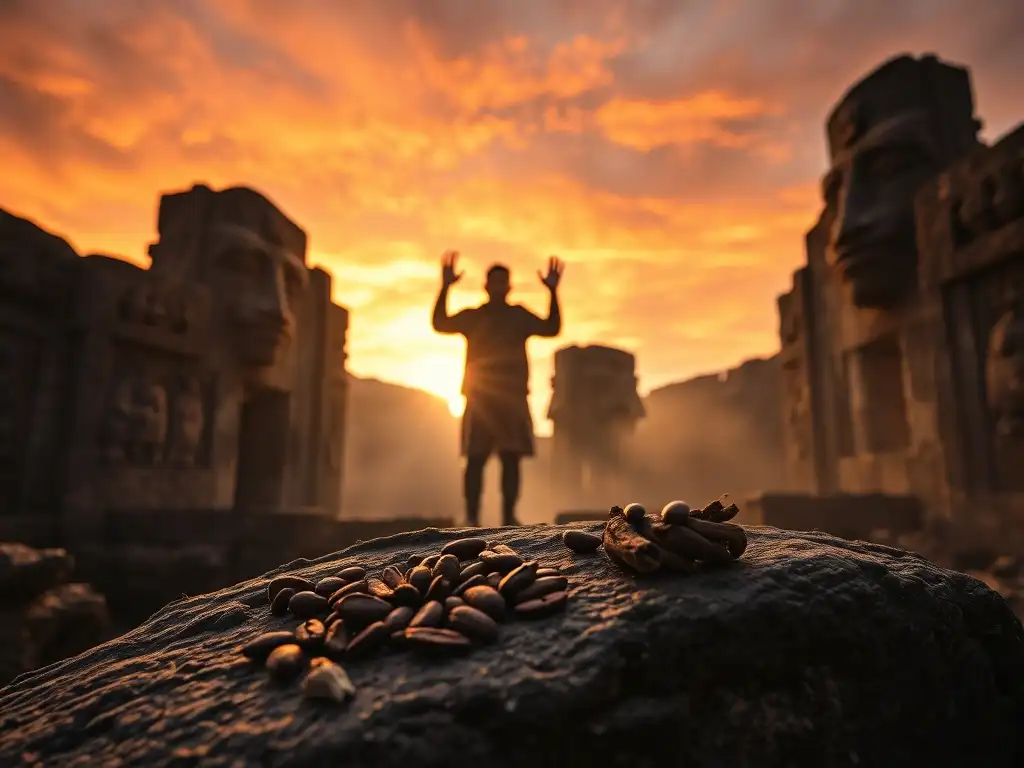
The Andean worldview deeply emphasizes transformation, not merely as a physical process, but as a fundamental aspect of existence itself. This concept, intricately woven into the fabric of Andean cosmology, permeates every facet of life, from the daily rhythms of agriculture to the grand ceremonies conducted by yachaqs (shamans). Transformation isn't viewed as a singular event, but rather as a continuous cycle of death and rebirth, mirroring the cyclical nature of the cosmos.
The yachaq, as a spiritual guide, plays a crucial role in facilitating this transformative journey for individuals and communities. Their rituals are not merely symbolic acts; they are potent tools designed to navigate the complex interplay between the human and spiritual realms, fostering personal growth and societal harmony.
Understanding the significance of transformation within Andean shamanic practices requires examining the core principles underpinning their rituals and the role of the yachaq in guiding individuals through this powerful process. The very core of Andean shamanic rituals transformation lies in this continuous cycle of renewal.
The Concept of "Ayni" and Its Role in Personal Growth
The principle of ayni, reciprocal exchange, is central to Andean cosmology and profoundly influences the transformative power of yachaq rituals. Ayni isn't simply about bartering goods or services; it's a deeply spiritual concept reflecting the interconnectedness of all beings and the constant exchange of energy within the cosmos. In the context of personal transformation, ayni underscores the idea that growth is a reciprocal process.
Individuals receive spiritual guidance and healing from the yachaq and the community, but they also contribute to the collective well-being through their participation in rituals and their commitment to living in harmony with nature and their fellow human beings. This exchange creates a powerful feedback loop, accelerating the transformative process. For example, participation in a coca leaf offering ceremony involves not only receiving blessings but also offering gratitude and commitment to maintaining balance within the community.
This reciprocal exchange is fundamental to the Andean shamanic rituals transformation process. The act of giving and receiving fosters a sense of interconnectedness and mutual responsibility, crucial components in achieving lasting personal growth.
Achieving Harmony with Nature Through Andean Rituals
Andean shamanic rituals transformation are deeply intertwined with the natural world. The Andes mountains, rivers, and celestial bodies are not merely physical entities; they are considered sacred, imbued with spiritual power. Many rituals are performed in specific locations, such as mountaintops or alongside rivers, to harness the energy of these sacred spaces.
The aim is to achieve harmony with nature, recognizing humanity's place within the larger cosmic order. Rituals often involve offerings to Pachamama (Mother Earth) and other deities, seeking their blessings and acknowledging their vital role in maintaining ecological balance. For instance, the pago a la tierra (payment to the earth) involves offerings of coca leaves, chicha (fermented corn beverage), and other items to appease and honor Pachamama, ensuring a bountiful harvest and overall well-being.
The success of these rituals is directly linked to the individual's ability to live in harmony with the natural world, reflecting the interconnectedness of human actions and environmental consequences. This understanding of interconnectedness is paramount in Andean shamanic rituals transformation.
The Yachaq's Guidance in the Process of Transformation
The yachaq acts as a crucial guide in the transformative journey. Their role extends beyond simply performing rituals; they serve as spiritual mentors, providing individuals with the knowledge, tools, and support needed to navigate the challenges of personal growth. Their expertise encompasses various healing practices, including herbal medicine, divination, and spiritual counseling.
The yachaq uses these techniques to diagnose imbalances within an individual's energy field and to prescribe appropriate rituals or practices to restore harmony. This guidance is often personalized, tailored to the individual's specific needs and circumstances. The process of transformation is not passive; it requires active participation and commitment from the individual, with the yachaq acting as a facilitator and mentor.
The yachaq's profound understanding of Andean cosmology and spiritual practices is instrumental in guiding individuals through the complex processes involved in Andean shamanic rituals transformation. Their role is essential in navigating the path towards personal growth and spiritual renewal.
The Legacy of Andean Yachaq Practices Today
The legacy of Andean yachaq practices, deeply rooted in the spiritual traditions of the Andes, continues to resonate powerfully in the 21st century. While the specific forms of these rituals may have evolved, the core principles of harnessing natural energies, connecting with the spirit world, and promoting healing and transformation remain central. The enduring influence of Andean shamanic rituals transformation is evident in the growing interest in indigenous wisdom and alternative healing modalities worldwide.
Understanding this legacy requires exploring not only the historical context but also the contemporary applications and challenges facing these ancient practices. The enduring power of Andean shamanic traditions stems from their holistic approach to wellbeing, integrating physical, emotional, and spiritual aspects of life. This holistic perspective is increasingly sought after in a world often characterized by fragmentation and specialization.
The Relevance of Andean Yachaq Practices in Contemporary Spirituality
The resurgence of interest in Andean yachaq practices within contemporary spirituality highlights a growing dissatisfaction with purely materialistic views of the world. Many individuals are seeking deeper meaning and connection, finding resonance in the Andean emphasis on interconnectedness and the sacredness of nature. This is reflected in the increasing popularity of workshops, retreats, and courses focused on Andean energy work, plant medicine ceremonies (carefully regulated and ethically sourced, of course), and other shamanic practices.
The integration of these practices into personal spiritual journeys is a testament to their adaptability and enduring relevance. For example, the use of despacho ceremonies, traditional offerings to the Andean Apus (mountain spirits), has been adopted by many individuals as a powerful way to express gratitude, manifest intentions, and connect with the spiritual realm.
This adaptation demonstrates the enduring power and flexibility of Andean spiritual traditions to meet the evolving needs of contemporary seekers. The emphasis on personal responsibility and self-reflection within these practices also resonates with modern spiritual seekers who value personal growth and transformation.
Modern Applications of Andean Energy Work
Andean energy work, often associated with yachaq practices, has found its way into various modern therapeutic approaches. Techniques such as limpieza (energy cleansing) and pako (herbal baths) are increasingly incorporated into holistic healing modalities. These methods are often used in conjunction with other therapies to address physical and emotional imbalances.
The effectiveness of these practices is often attributed to their ability to address the root causes of illness, recognizing the interconnectedness of mind, body, and spirit. While scientific research on the effectiveness of these practices is still limited, anecdotal evidence and practitioner testimonials suggest that Andean energy work can be a valuable complement to conventional medicine. Further rigorous scientific investigation is needed to fully understand and quantify the benefits of these ancient healing techniques.
The growing interest in these practices also necessitates the development of ethical guidelines and standards to ensure responsible and sustainable application. This includes careful consideration of cultural sensitivity and respect for the Andean traditions from which these practices originate. The use of Andean energy work should always be approached with respect and a deep understanding of its cultural context.
Preserving the Wisdom of Andean Yachaq Traditions
The preservation of Andean yachaq traditions presents significant challenges in the modern world. The encroachment of globalization, modernization, and environmental degradation threatens the delicate balance of these ancient practices. Efforts to preserve these traditions must focus on empowering indigenous communities and fostering respectful intercultural dialogue.
This includes supporting indigenous-led initiatives that promote the transmission of knowledge across generations and the protection of sacred sites. The documentation and dissemination of traditional knowledge, through ethical and responsible research, is crucial for ensuring the survival of these valuable practices. Furthermore, educational programs that promote understanding and appreciation of Andean culture and spirituality can help to combat misinformation and stereotypes.
Protecting these traditions is not merely an academic exercise; it is a matter of safeguarding a rich cultural heritage and ensuring the continued access to healing practices that have served Andean communities for centuries. The preservation of this knowledge is vital for the continued well-being of both indigenous communities and those seeking the transformative power of Andean shamanic rituals.
Frequently Asked Questions
What were Andean shamanic rituals primarily focused on?
Andean shamanic rituals were largely focused on transformation and healing, both physical and spiritual. They aimed to connect the individual with the spiritual world and restore balance.
How did Andean shamans achieve transformation during rituals?
Shamans used various techniques, including entheogens, music, dance, and altered states of consciousness to facilitate transformative experiences for participants. These rituals aimed for a connection with the spirit world.
What role did nature play in Andean shamanic rituals?
Nature played a central role, with rituals often taking place in significant locations like mountains or caves. Sacred plants and animals were frequently incorporated into ceremonies.
Were Andean shamanic rituals solely for healing purposes?
While healing was a significant aspect, these rituals also served social, political, and spiritual purposes. They were vital for maintaining community harmony and communicating with the spirit world.
How did Andean shamanic rituals contribute to societal transformation?
These rituals helped maintain social order, resolve conflicts, and reinforce belief systems. They were a key part of the Andean worldview, shaping cultural identity and societal values.
Final Reflection: Echoes of the Andes, Whispers of Transformation
The ancient Andean rituals explored within this article are not relics of a bygone era; they are potent symbols of enduring human needs—the need for healing, connection, and transformation. These practices, far from being mere historical curiosities, offer a powerful framework for understanding our own journeys of self-discovery and spiritual growth in the modern world. Their relevance resonates deeply in a time when many seek alternative paths to well-being and meaning.
The enduring power of Andean shamanic practices lies in their ability to connect us to something larger than ourselves, to tap into the wisdom of the earth and the interconnectedness of all living things. This profound connection, often lost in the frenetic pace of modern life, is crucial for our mental and spiritual health. As the Quechua saying goes, All is related, all is connected.
This simple yet profound statement encapsulates the core philosophy underpinning these rituals and offers a valuable perspective for navigating the complexities of the 21st century. The emphasis on community, reciprocity, and respect for nature found within these traditions provides a stark contrast to, and perhaps a much-needed antidote to, the often isolating and exploitative aspects of contemporary society.
Consider the echoes of these ancient practices in your own life. How can you cultivate a deeper connection with nature? How can you foster a sense of community and reciprocity in your relationships? Embrace the transformative potential within you, just as the Andean shamans have done for millennia. By acknowledging the power of ritual, intention, and connection, you can embark on your own journey of healing and personal transformation, drawing inspiration from the enduring wisdom of the Andes.
Unlock the Transformative Power of Andean Rituals!
Thank you for joining us on this journey through the fascinating world of Andean shamanism and its transformative rituals! We hope you've gained valuable insights into how these ancient practices can enrich your life and inspire personal growth. Now, let's explore how you can further integrate this powerful tradition into your life.
Here are some ways to deepen your understanding and experience the power of Andean rituals:
- Connect with a Community: Find a local shamanic group or workshop to experience these practices firsthand. Sharing this journey with others can significantly deepen your understanding and enhance your personal transformation.
- Keep a Personal Journal: Document your experiences and reflections as you explore Andean shamanism. Record your observations, thoughts, and feelings, noting any personal transformations you undergo.
- Share Your Discoveries: Discuss your newfound knowledge with friends, family, or online communities. Inspire others to explore this rich and ancient path to personal growth and transformation.
Are you ready to embrace the transformative potential of Andean rituals? Which aspects resonate most with you, and how do you plan to incorporate them into your daily life? We'd love to hear your thoughts and experiences!