
The Colla Farmers: Feeding an Empire in the Altiplano

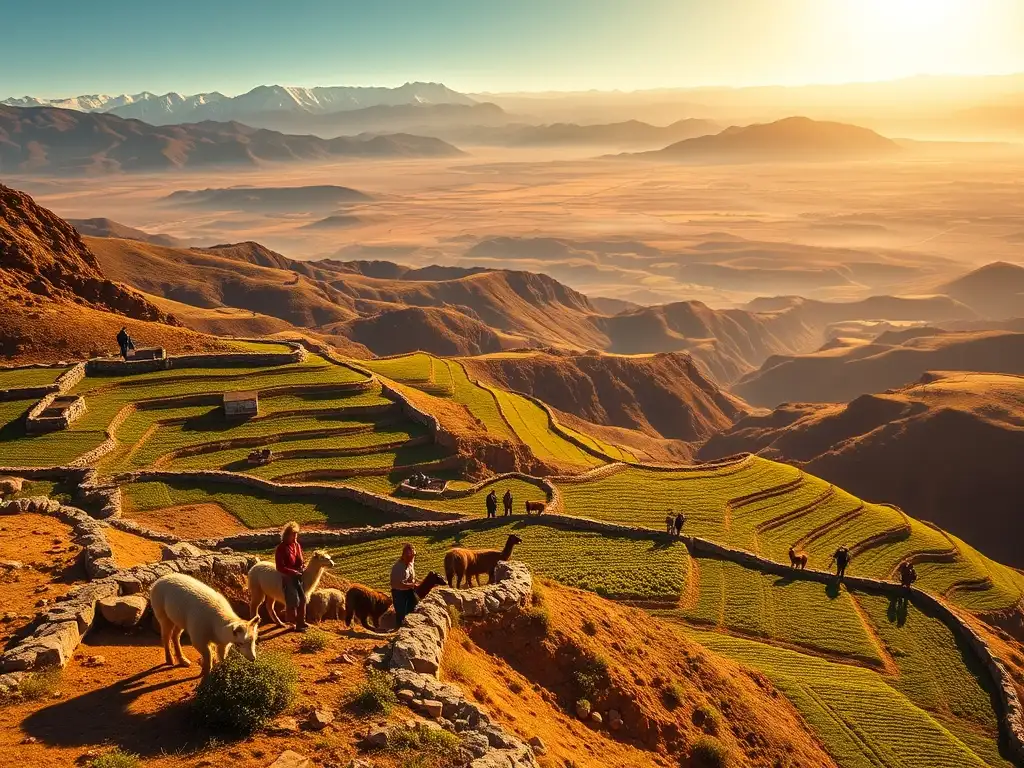
Step into a world lost to time, yet echoing with the ingenuity of empires. Imagine a landscape of breathtaking beauty and unforgiving hardship: the Altiplano. This is where the Colla farmers, masters of high-altitude agriculture, thrived, feeding not only themselves but also the mighty Inca empire. Discover their secrets to survival and their remarkable contribution to Andean history – a story of resilience, innovation, and the enduring power of human adaptation. Uncover the mysteries of Colla farmers altiplano agriculture and delve into the fascinating world of ancient Andean civilizations.
The harsh, high-altitude environment of the Andean Altiplano presented significant challenges to its inhabitants. Yet, thriving civilizations, like the Colla, not only survived but flourished in this seemingly unforgiving landscape. This article delves into the remarkable agricultural practices of the Colla people, showcasing their ingenuity and resilience in cultivating sustenance for themselves and, at times, contributing to the sustenance of larger Andean empires.
We will explore their sophisticated agricultural techniques, their deep understanding of the Altiplano ecosystem, and their crucial role in the socio-political dynamics of the region. Understanding the Colla's agricultural prowess is key to understanding their societal structure and their lasting impact on the history of the Andes.
Their story is one of adaptation, innovation, and the enduring human spirit in the face of adversity—a testament to the remarkable ability of Andean civilizations to harness their environment for survival and prosperity. This exploration of Colla farmers and Altiplano agriculture will illuminate a vital, often overlooked, aspect of Andean history and its complex interplay of environment, society, and power.
Introduction to Colla Society and Altiplano Life
The Colla people inhabited the southern Altiplano, a vast, high-altitude plateau in modern-day Bolivia and parts of Peru and Chile. Life in this region was far from easy. The thin air, extreme temperature fluctuations, and limited rainfall presented formidable obstacles to agriculture.
The Altiplano's elevation, typically above 12,000 feet (3,650 meters), created a challenging climate characterized by intense solar radiation during the day and freezing temperatures at night. Despite these harsh conditions, the Colla developed a remarkable understanding of their environment and created sophisticated agricultural systems to support their society. Their social structure, likely organized around kinship groups and possibly with a hierarchical leadership, was deeply intertwined with their agricultural practices.
Archaeological evidence suggests a strong sense of community and cooperation, essential for the complex labor required for successful altiplano farming. Their settlements, often located near water sources and fertile areas, reflect a strategic approach to resource management. The Colla's adaptability and ingenuity are evident in their ability to thrive in this challenging environment, demonstrating a deep connection to their land and a sophisticated understanding of its nuances.
The Importance of Agriculture for the Colla People
Agriculture was the cornerstone of Colla society, providing sustenance and shaping their social organization. Their primary crops included potatoes (various varieties adapted to the high altitude), quinoa, and other hardy grains. The Colla developed intricate irrigation systems to maximize water usage in the arid environment. These systems, often involving canals and terraces carved into the landscape, demonstrate a remarkable level of engineering skill and knowledge of water management.
Furthermore, the Colla employed techniques like crop rotation and the careful selection of seeds to optimize yields. The meticulous cultivation of these crops was not merely a means of survival but also a significant cultural practice, deeply embedded in their social rituals and beliefs. Evidence suggests the integration of agricultural cycles into their religious practices, highlighting the central role of farming in their lives. The success of Colla agriculture not only ensured their survival but also contributed to the wider political and economic landscape of the Andes, at times providing resources to larger empires.
Their agricultural expertise and productivity are a crucial element in understanding their influence and their place within the broader history of Andean civilizations. Further research is needed to fully quantify the extent of Colla agricultural output and its impact on regional trade networks. [Specific information pending regarding quantitative data on Colla agricultural output and trade].
Altiplano Agriculture: Techniques and Innovations
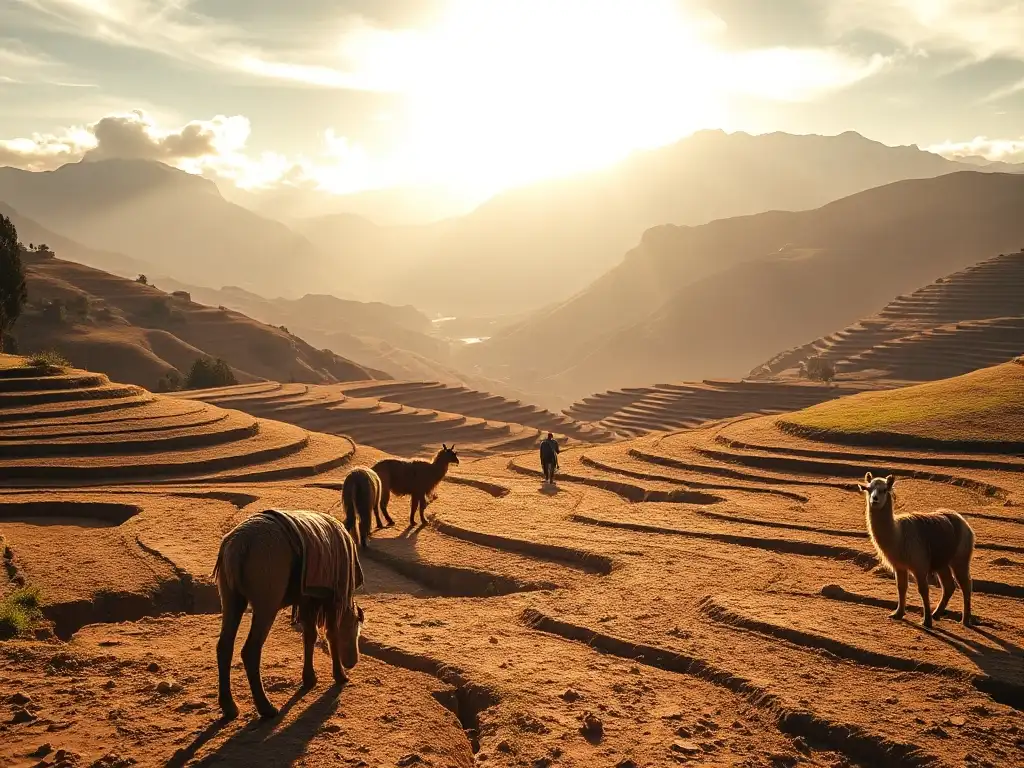
The Colla people, inhabiting the harsh, high-altitude environment of the Altiplano, developed sophisticated agricultural techniques to cultivate crops in a challenging landscape. Their ingenuity and resilience are reflected in the innovative methods they employed to maximize food production, contributing significantly to the sustenance of their communities and, at times, larger empires. Understanding Colla agriculture provides crucial insight into their societal organization and adaptation to a unique ecosystem. The keyword phrase "Colla farmers altiplano agriculture" encapsulates this vital aspect of their culture. Their success wasn't merely survival; it was a testament to their agricultural prowess.
Colla Agricultural Practices in the High Andes
Colla agricultural practices were deeply intertwined with their understanding of the Altiplano's unique environment. They weren't simply farming; they were actively shaping and manipulating their surroundings to optimize crop yields. This involved a complex interplay of factors, including careful selection of hardy crop varieties, strategic land use, and meticulous water management.
For example, potatoes – a staple crop – were cultivated in diverse varieties adapted to different altitudes and microclimates within the Altiplano. This diversification minimized risk associated with fluctuating weather patterns and ensured a more reliable food supply. Furthermore, the Colla employed techniques like terracing to create level planting surfaces on steep slopes, maximizing arable land and preventing soil erosion.
This meticulous approach to land management showcases the Colla's deep understanding of their environment and their commitment to sustainable agricultural practices. Their farming wasn't just about immediate gains; it was about long-term sustainability in a fragile ecosystem. The impact of these practices extended beyond mere sustenance, shaping their social structures and contributing to the overall resilience of Colla communities.
Raised Fields and Water Management in Colla Farming
A hallmark of Colla agricultural ingenuity was the construction of raised fields, also known as suka kollus in some Aymara dialects. These artificially elevated plots of land provided several crucial advantages. Firstly, they improved drainage in waterlogged areas, preventing crop damage from excess moisture common in the Altiplano's wetlands. Secondly, the raised fields acted as thermal regulators, mitigating the effects of extreme temperature fluctuations characteristic of high-altitude environments.
This temperature moderation allowed for longer growing seasons and increased yields. The construction and maintenance of these fields required considerable community effort, underscoring the importance of cooperation and social organization within Colla society. Effective water management was integral to the success of raised field agriculture. Complex systems of canals and ditches were built to divert water from streams and meltwater sources, ensuring a consistent supply to the fields.
This sophisticated approach to irrigation speaks to the Colla's advanced understanding of hydraulic engineering and their ability to harness scarce resources effectively. This intricate network of water channels also facilitated the control of water flow, allowing for precise irrigation and preventing flooding. The efficiency of their water management systems is a testament to their agricultural expertise.
Adaptation to the Harsh Altiplano Environment
The Altiplano presents a formidable challenge for agriculture, characterized by extreme altitude, thin air, intense solar radiation, and unpredictable weather patterns including frost, hail, and prolonged periods of drought. The Colla farmers exhibited remarkable adaptability in overcoming these obstacles. Their deep understanding of the local climate and microclimates allowed them to select and cultivate crop varieties specifically suited to the harsh conditions.
They also developed ingenious techniques to protect their crops from frost, such as using windbreaks and covering plants during cold snaps. Furthermore, the Colla practiced crop rotation and intercropping to maintain soil fertility and reduce the risk of crop failure. This demonstrates a sophisticated understanding of soil health and ecosystem management, far exceeding simply planting and harvesting.
Their agricultural practices weren't static; they were constantly evolving and adapting to the changing environmental conditions, ensuring the continued sustenance of their communities. The resilience of Colla agriculture is a testament to their profound connection with their environment and their exceptional capacity for innovation in the face of adversity. The success of Colla farmers in cultivating the Altiplano highlights their intimate knowledge of the environment and their ability to create a sustainable agricultural system in one of the world's most challenging environments.
The Role of Colla Farmers in the Tiahuanaco Empire
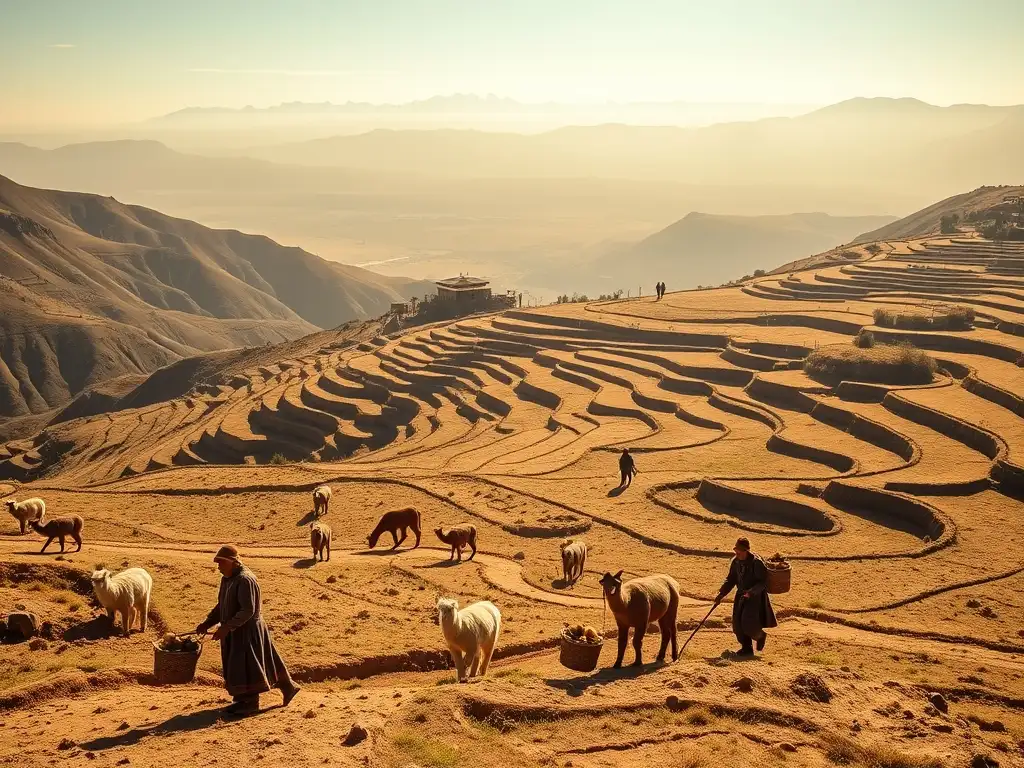
The Colla people, inhabiting the challenging high-altitude environment of the Altiplano, played a crucial, often overlooked, role in the rise and sustenance of the Tiahuanaco Empire. Their mastery of agriculture in this harsh landscape provided the essential food base that fueled the empire's expansion and societal complexity.
While powerful rulers and military might are often highlighted in historical narratives, understanding the contributions of the Colla farmers offers a more complete picture of Tiahuanaco's success, showcasing the vital link between agricultural productivity and imperial power. The sophisticated agricultural techniques employed by the Colla, coupled with their adaptive strategies, ensured a reliable food supply for the burgeoning urban center of Tiahuanaco and its surrounding regions.
This vital contribution to the empire's infrastructure is often underrepresented, making it crucial to explore their unique role in the larger narrative of Andean civilization. Analyzing the Colla's agricultural practices provides insights into the economic and social structures that supported the Tiahuanaco Empire.
Colla Agriculture and Food Production for the Empire
Colla agriculture on the Altiplano was a remarkable feat of human ingenuity. The thin, rocky soil, high altitude, and unpredictable weather patterns presented immense challenges. Yet, the Colla developed sophisticated techniques to overcome these obstacles. Their success lay in a combination of factors:
- Terracing: They meticulously carved terraces into the steep slopes of the Altiplano, creating level plots of land that maximized water retention and minimized soil erosion. These terraces, often visible even today, are a testament to their engineering skills and dedication to sustainable farming. The scale of these terracing projects was considerable, requiring significant coordinated labor.
- Irrigation Systems: The Colla constructed intricate canal systems to divert water from rivers and streams to their fields. This efficient water management was critical in a region characterized by periods of drought. The construction and maintenance of these canals required significant community effort, highlighting the social organization and collaborative spirit of Colla society.
- Crop Selection: They cultivated crops adapted to the harsh Altiplano environment. Potatoes, quinoa, and various other tubers were staples of their diet, providing essential carbohydrates and nutrients. The selection and cultivation of these resilient crops demonstrates an intimate understanding of their environment and its limitations. Further research is needed to fully understand the diversity of crops cultivated and their relative importance in the Colla diet. [Specific information pending regarding crop diversity and relative importance].
- Fertilization: While the exact methods remain under investigation, the Colla likely employed organic fertilization techniques to enrich the poor soil. This could have included the use of animal manure, compost, and other organic materials, enhancing soil fertility and crop yields. Further archaeological research is needed to confirm these hypotheses and provide a clearer picture of Colla fertilization practices. [Specific information pending regarding Colla fertilization techniques].
The efficiency of these techniques resulted in surplus food production, which went beyond sustaining the Colla population. This surplus was crucial in supporting the growing population of Tiahuanaco and its administrative needs.
Supplying Tiahuanaco with Altiplano Crops
The logistical challenges of transporting agricultural produce from the Altiplano to Tiahuanaco should not be underestimated. The distance, altitude, and the lack of readily available transportation methods made this a significant undertaking. However, the Colla successfully managed this challenge through a combination of strategies:
- Pack Animals: Llamas and alpacas played a vital role in transporting food and other goods across the challenging terrain. These animals were well-suited to the high altitude and could carry substantial loads. The management and breeding of these animals were crucial aspects of the Colla economy.
- Storage Facilities: Evidence suggests the existence of storage facilities, both near the farming communities and in Tiahuanaco itself, to preserve surplus food for times of scarcity or to facilitate trade. These facilities would have played a key role in ensuring a steady supply of food to the urban center. [Specific information pending regarding the location and capacity of storage facilities].
- Trade Networks: The Colla were not isolated; they participated in extensive trade networks that connected the Altiplano with other regions. This allowed for the exchange of goods and services, further contributing to the food supply of Tiahuanaco. The nature and extent of these trade networks are still being investigated. [Specific information pending regarding the details of Colla trade networks].
The successful management of this complex supply chain demonstrates the sophisticated organization and logistical capabilities of the Tiahuanaco Empire and the crucial role played by the Colla farmers in this system.
The Interdependence of Colla Farmers and the Empire
The relationship between the Colla farmers and the Tiahuanaco Empire was one of interdependence. The empire relied on the Colla for food production, while the Colla, in turn, benefited from the stability and protection offered by the imperial structure. This symbiotic relationship was not without its complexities and potential for conflict, but it was fundamentally crucial for the survival and prosperity of both.
The empire's ability to extract surplus agricultural production likely contributed to its power and influence, but it also required maintaining a balance between the needs of the empire and the well-being of the Colla farmers. This delicate balance is a key aspect in understanding the dynamics of power and resource management within the Tiahuanaco Empire. Further research is needed to fully understand the social and economic mechanisms that governed this relationship.
[Specific information pending regarding the specifics of the Colla-Tiahuanaco relationship]. The success of the Tiahuanaco Empire was inextricably linked to the agricultural prowess of the Colla farmers, highlighting the importance of recognizing the contributions of all societal groups in shaping the course of history.
Key Crops Cultivated by Colla Farmers
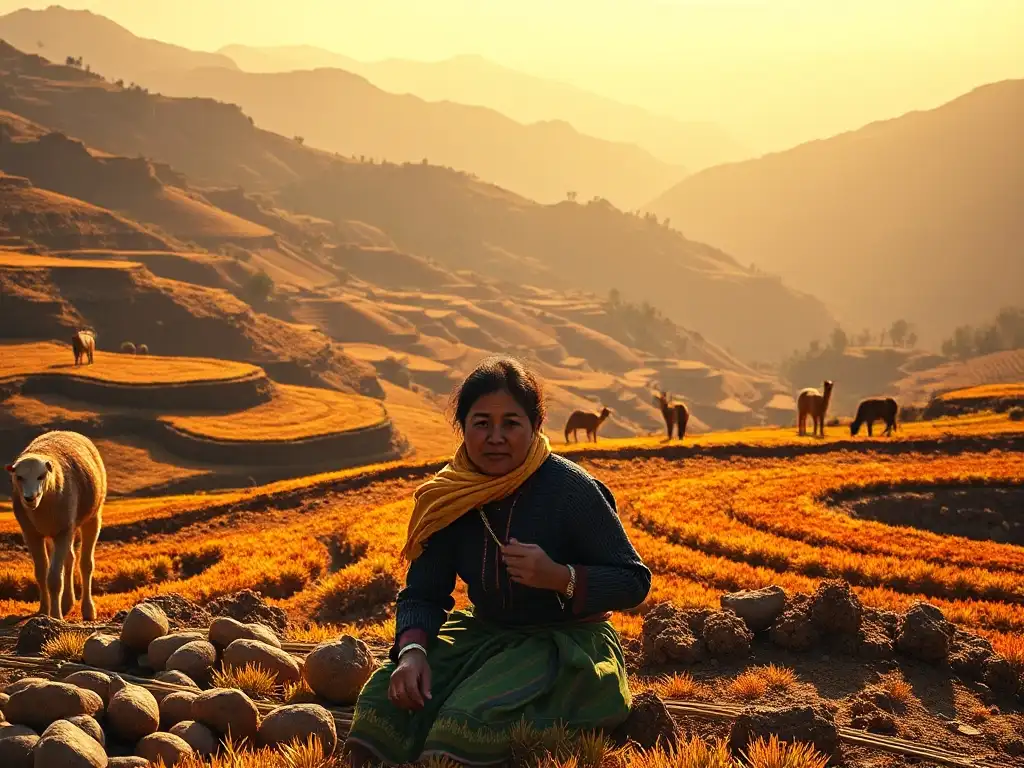
The Colla, inhabiting the harsh yet fertile Altiplano, developed sophisticated agricultural techniques to sustain their communities and, later, contribute significantly to the Inca Empire's food supply. Their agricultural prowess, honed over centuries, allowed them to thrive in a high-altitude environment characterized by thin air, intense sunlight, and unpredictable weather patterns. Understanding their agricultural practices provides crucial insight into their societal organization and resilience.
The Colla farmers' altiplano agriculture centered around a diverse range of crops, each adapted to the unique challenges of the region. These crops weren't just sustenance; they were integral to their culture, rituals, and economy. The success of Colla farming is a testament to their deep understanding of their environment and their innovative approaches to cultivation.
Potato Cultivation in the Altiplano
Potato cultivation ( Solanum tuberosum) was, and remains, central to Colla agriculture. The Altiplano's varied microclimates allowed for the cultivation of a wide array of potato varieties, each possessing different characteristics in terms of taste, texture, and resistance to frost and disease. Colla farmers employed sophisticated techniques to maximize yields, including:
- Terracing: Creating level platforms on hillsides to prevent soil erosion and optimize water retention. This technique is still visible today in many Altiplano landscapes.
- Irrigation: Developing intricate systems of canals and channels to divert meltwater from the Andes Mountains to their fields, especially crucial during the dry season.
- Crop Rotation: Practicing crop rotation to maintain soil fertility and prevent the depletion of nutrients. This involved carefully selecting which crops followed potatoes to optimize soil health.
- Seed Selection: Carefully selecting the best potatoes for planting, ensuring the propagation of high-yielding and disease-resistant varieties. This process involved generations of knowledge transfer and selection.
The different potato varieties were not only consumed but also served various purposes, including the production of chuño, a freeze-dried potato used for storage and trade. The importance of potatoes in the Colla diet is reflected in their cultural practices and traditions, even to this day.
Quinoa and other Andean Grains in Colla Agriculture
Quinoa ( Chenopodium quinoa), a highly nutritious grain, played a crucial role in the Colla diet, providing essential proteins and carbohydrates. Its resilience to harsh conditions made it an ideal crop for the Altiplano. Colla farmers cultivated various quinoa varieties, each adapted to specific altitudes and soil types. Beyond quinoa, they cultivated other Andean grains such as kiwicha (amaranth) and cañihua, contributing further to dietary diversity and food security. These grains were often incorporated into stews, porridges, and other dishes, forming the basis of their staple diet.
The cultivation of these grains involved similar techniques as potato farming: terracing, irrigation, and careful seed selection. The success of Colla grain production highlights their adaptability and deep understanding of the interplay between climate, soil, and crop selection. The nutritional value of these grains further underscores the sophistication of their agricultural practices.
Oca, Ulluco, and Mashua: Diverse Andean Tubers
In addition to potatoes, the Colla cultivated a range of other Andean tubers, including oca ( Oxalis tuberosa), ulluco ( Ullucus tuberosus), and mashua ( Tropaeolum tuberosum). These tubers provided additional sources of carbohydrates, vitamins, and minerals, contributing to a balanced and nutritious diet. Each tuber possessed unique characteristics and cultivation requirements, showcasing the Colla's extensive knowledge of diverse Andean crops.
Oca, with its varied colors and flavors, was a popular staple. Ulluco, known for its high starch content, was often used in soups and stews. Mashua, with its slightly spicy flavor, added another dimension to their cuisine. The cultivation of these tubers further diversified their food supply, ensuring resilience against crop failures.
The Colla's mastery of cultivating these diverse crops is a testament to their agricultural ingenuity and their intimate understanding of their environment. Their ability to cultivate such a variety of crops in a challenging environment highlights their significant contribution to Andean agricultural practices. The Colla farmers' altiplano agriculture, therefore, represents a remarkable achievement in human adaptation and sustainable food production.
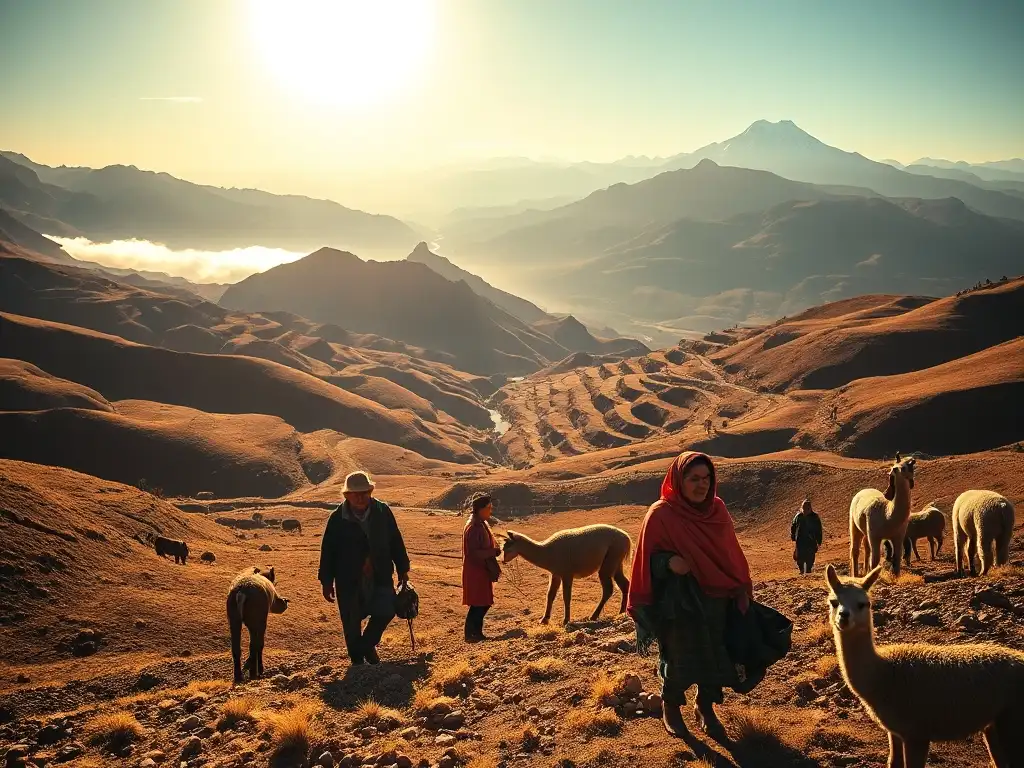
The Colla, inhabiting the challenging altiplano environment, developed sophisticated agricultural systems intricately woven into their social fabric. Their success in cultivating the harsh, high-altitude landscapes wasn't solely due to innovative techniques but also to a highly organized and cooperative social structure. Understanding Colla agriculture requires appreciating the interplay between their social organization and their labor practices.
The keyword "Colla farmers altiplano agriculture" encapsulates this crucial relationship, highlighting the unique adaptation of these farmers to their environment. The effectiveness of their agricultural strategies was directly linked to their community-based approach, a testament to their resilience and ingenuity in the face of considerable environmental obstacles. This intricate social system ensured the survival and prosperity of the Colla communities for centuries.
Community Work and Agricultural Labor Practices
Colla agricultural labor wasn't an individualistic pursuit; it was a collective endeavor. The demanding nature of altiplano farming – from preparing the land to harvesting the crops – necessitated a cooperative approach. Community-based work wasn't simply a matter of convenience; it was a fundamental aspect of their social structure, reflecting their deeply ingrained values of mutual support and shared responsibility.
Specific tasks, such as terracing hillsides to create level fields (a hallmark of Colla ingenuity), constructing irrigation canals, and clearing fields, required significant manpower and coordinated effort. These projects weren't undertaken by individual families but by the entire community working together. This collaborative effort ensured the completion of large-scale projects that benefited everyone.
The system fostered a strong sense of community identity and solidarity, strengthening social bonds while simultaneously ensuring the success of their agricultural endeavors. The efficiency of these communal work practices is a testament to their understanding of collective action and its importance in the survival of their communities.
The Role of Families in Colla Farming
While community work was central to Colla agriculture, the family unit played a crucial role in the day-to-day activities. Family members, regardless of age or gender, participated in the various stages of farming. Children learned from a young age the skills and knowledge necessary for successful cultivation.
Men often handled the more physically demanding tasks, such as plowing the land and managing irrigation systems. Women, on the other hand, were frequently involved in sowing seeds, weeding, harvesting, and processing the crops. This division of labor, however, wasn't rigid; all family members contributed to the overall success of the farm.
The family unit acted as the foundational building block of the larger community-based agricultural system. The close-knit nature of the Colla family structure provided stability and continuity, ensuring the transmission of agricultural knowledge and practices across generations. This familial contribution underscores the holistic nature of Colla agriculture, where every member played a vital part in the community's sustenance.
Ayni and Minka: Reciprocal Labor Systems
The Colla utilized sophisticated reciprocal labor systems, namely ayni and minka, to further enhance their agricultural productivity. These systems were not merely about exchanging labor; they were deeply ingrained social practices that reinforced community bonds and ensured mutual support.
Ayni involved a spontaneous exchange of labor among neighbors or family members. A farmer needing help with a particular task would receive assistance from others, with the understanding that the favor would be returned in the future. This system promoted flexibility and responsiveness to immediate agricultural needs.
Minka, on the other hand, was a more organized form of reciprocal labor, often involving larger-scale projects like building irrigation canals or constructing communal structures. The community would collectively work on a project, with food and other necessities provided to the participants. Minka strengthened community cohesion and fostered a sense of shared responsibility.
The success of both ayni and minka depended heavily on trust, reciprocity, and a strong sense of communal identity – all essential elements of Colla society and their remarkably successful altiplano agriculture. These systems highlight the sophisticated social mechanisms developed by the Colla to overcome the challenges of their environment and ensure the sustainability of their farming practices. The keywords "Colla farmers altiplano agriculture" are perfectly illustrated by these deeply ingrained social and economic practices.
Legacy of Colla Agriculture and Farming Methods
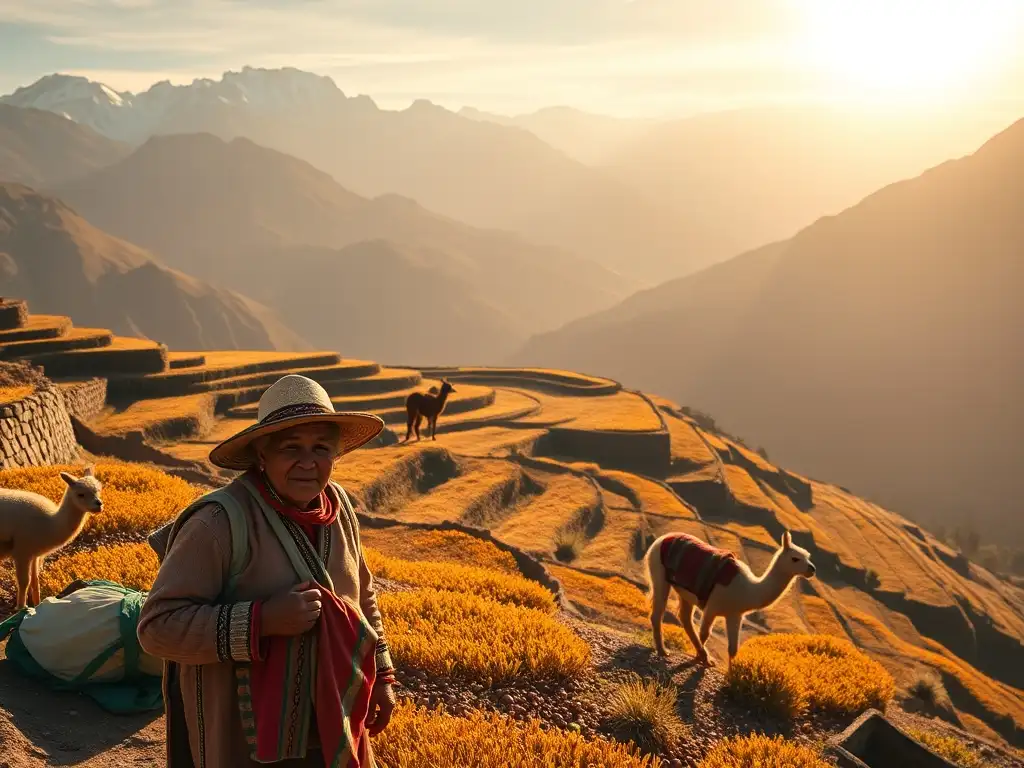
The Colla people, inhabiting the harsh yet fertile Altiplano, developed sophisticated agricultural techniques that profoundly impacted the Andes region. Their legacy extends far beyond their own existence, influencing subsequent Andean societies and even informing modern agricultural practices. The ingenuity of Colla farmers in adapting to the high-altitude environment is a testament to their resilience and understanding of their ecosystem. Their methods, honed over centuries, represent a remarkable achievement in pre-Columbian agriculture. This section delves into the lasting impact of Colla farming practices, highlighting their key features and enduring relevance.
Influence of Colla Farming on Later Andean Societies
The Colla's agricultural expertise wasn't isolated. Their advanced techniques, particularly their mastery of irrigation and terracing, significantly influenced subsequent Andean societies, including the Inca Empire. Evidence suggests the Incas adopted and adapted many Colla farming methods, integrating them into their own vast agricultural system.
For instance, the Inca's renowned waru waru system – raised fields used for water management and frost protection – shows clear similarities to earlier Colla techniques. This suggests a direct transfer of knowledge and technology, demonstrating the Colla's considerable influence on the agricultural practices of a much larger, more powerful empire. The Inca's success in feeding a massive population partly relied on these inherited techniques, proving the Colla's agricultural innovations were not only sustainable but also scalable.
The impact extended beyond direct adoption. The Colla’s experience shaped the overall Andean understanding of high-altitude agriculture, contributing to a regional knowledge base that continues to influence farming practices in the region today.
Modern Applications of Ancient Altiplano Agriculture
Remarkably, many Colla farming methods remain relevant and applicable today. The challenges faced by modern farmers in the Altiplano – water scarcity, harsh weather conditions, and limited arable land – mirror those faced by the Colla centuries ago. Therefore, understanding and reviving traditional Colla techniques offers valuable solutions for sustainable agriculture in the region.
For example, the Colla's ingenious irrigation systems, designed to maximize water use in arid conditions, offer valuable insights for modern water management strategies. Similarly, their terracing techniques, which prevented soil erosion and increased arable land, can be adapted to address modern challenges of land degradation and desertification. Research into traditional Colla agricultural practices is ongoing, aiming to identify and apply ancient wisdom to contemporary agricultural challenges.
This includes studying ancient crop varieties, which might be more resilient to climate change than modern hybrids. The potential benefits of integrating ancient Colla knowledge into modern agriculture are significant, contributing to food security and environmental sustainability in the Altiplano.
Preservation of Traditional Colla Agricultural Knowledge
The preservation of traditional Colla agricultural knowledge is crucial for both cultural and practical reasons. This knowledge, passed down through generations, represents a valuable cultural heritage that should be protected. However, the increasing influence of modern farming practices threatens to erode this traditional knowledge, leading to a loss of valuable expertise.
Efforts are underway to document and preserve traditional Colla farming methods through various initiatives. These include oral history projects, ethnographic studies, and the establishment of agricultural museums and archives. Furthermore, there's a growing emphasis on integrating traditional knowledge into agricultural education programs, ensuring that this invaluable wisdom is passed on to future generations.
The preservation of this knowledge is not merely an academic exercise; it represents a vital resource for sustainable agriculture in the Altiplano and a testament to the ingenuity and resilience of the Colla people. The continued study and application of their farming techniques will contribute to food security, environmental protection, and the preservation of a rich cultural legacy.
Conclusion: The Enduring Impact of Colla Farmers
The Colla farmers of the Altiplano weren't merely cultivators; they were the backbone of a complex societal structure, their agricultural prowess directly impacting the political and economic landscape of the Andean region. Their innovative techniques, honed over centuries, allowed for the sustenance of large populations, including those within powerful empires. Understanding their methods offers crucial insights into the resilience and adaptability of Andean civilizations.
The legacy of Colla farmers extends beyond their immediate impact; their sustainable practices and ingenious solutions to the challenges of high-altitude agriculture continue to resonate today, providing valuable lessons for modern agricultural practices in similarly challenging environments. Their story is a testament to human ingenuity in the face of adversity, a narrative interwoven with the very fabric of Andean history.
The Significance of Colla Farmers in Andean History
The Colla people's role in Andean history is often underestimated. While grand narratives focus on emperors and conquests, the quiet efficiency of Colla farmers provided the very foundation upon which these empires were built. Their mastery of altiplano agriculture ensured the food security necessary for population growth, military expansion, and the development of complex urban centers.
Consider the Inca Empire: its vast infrastructure and sophisticated administrative systems depended heavily on the agricultural surpluses generated by communities like the Colla. Without the dependable food supply provided by these skilled farmers, the Inca’s ambitions would have been severely constrained. The Colla weren't simply producers; they were vital contributors to the power and stability of the Andean empires, their contribution often overlooked in traditional historical accounts.
Their agricultural expertise was a crucial element in the political and economic success of several Andean civilizations. This highlights the importance of considering the contributions of all societal levels when studying historical events. The meticulous record-keeping of Inca administrators, though focused on tribute and resource management, indirectly reveals the scale of Colla agricultural output and its importance to the state.
Lessons from Colla Altiplano Agriculture
Colla farmers developed ingenious techniques to overcome the harsh conditions of the Altiplano, including techniques like:
- Terracing: Creating level platforms on steep slopes to maximize arable land and prevent soil erosion.
- Irrigation: Constructing intricate canal systems to divert water from rivers and streams to fields, even at high altitudes.
- Crop rotation: Utilizing different crops to maintain soil fertility and prevent nutrient depletion.
- Frost protection: Employing techniques like covering crops with straw or using raised beds to protect them from damaging frosts.
- Use of Fertilizers: Employing natural fertilizers derived from animal manure and other organic matter to enhance soil fertility.
These practices demonstrate a deep understanding of the delicate ecosystem of the Altiplano and a commitment to sustainable farming. Their methods were highly effective and allowed for consistent food production despite the challenges of the environment. These techniques were not merely practical; they represented a sophisticated understanding of environmental science and resource management, far exceeding the simplistic understanding often attributed to pre-Columbian agricultural practices.
Studying their methodologies can provide valuable insights for modern agriculture, particularly in high-altitude or arid regions, offering inspiration for sustainable and resilient farming practices. The ingenuity and effectiveness of Colla farming represent a significant advancement in Andean agricultural technology.
The Importance of Sustainable Practices
The Colla farmers' success wasn't merely a matter of technological innovation; it was deeply rooted in sustainable practices. Their methods aimed not only at maximizing yields in the short term but also at preserving the long-term health of the land. This commitment to sustainability is crucial for understanding their enduring success.
The emphasis on crop rotation, careful water management, and the use of organic fertilizers demonstrates a holistic approach to agriculture, prioritizing environmental stewardship alongside productivity. This contrasts sharply with modern, intensive farming practices that often deplete soil nutrients and damage ecosystems. By studying the Colla's sustainable strategies, we can learn valuable lessons about creating resilient and environmentally responsible agricultural systems.
The Colla's legacy serves as a powerful reminder of the importance of integrating ecological considerations into agricultural practices, ensuring the long-term viability of food production. Their commitment to sustainable methods provides a model for modern agricultural practices aiming for both productivity and environmental responsibility. The Colla farmers’ example underscores the interconnectedness of human societies and the environment, showcasing a model of resource management that remains relevant today.
Frequently Asked Questions
What were the Colla people known for?
The Colla were renowned for their remarkable adaptation to the harsh Altiplano environment. Their expertise in high-altitude agriculture allowed them to thrive and support larger populations, including contributing to the Inca empire.
How did Colla farmers adapt to the Altiplano's challenging climate?
Colla farmers employed ingenious techniques like terracing, irrigation systems, and crop rotation to overcome the challenges of the high altitude, thin air, and unpredictable weather patterns of the Altiplano.
What crops did the Colla people cultivate?
The Colla cultivated a variety of crops suited to the Altiplano, including potatoes, quinoa, and other hardy grains and tubers. Their agricultural prowess was crucial to their survival and influence.
What was the relationship between the Colla and the Inca Empire?
The Colla were subjugated by the Inca Empire, but their agricultural skills and knowledge were highly valued. The Incas incorporated Colla agricultural practices into their own empire-wide system.
How did Colla agriculture contribute to the Inca Empire's success?
The Colla's efficient farming methods and abundant food production in the Altiplano provided the Inca Empire with vital resources and supported its vast population and expansion.
Final Reflection: The Enduring Legacy of Colla Farming
The ingenuity and resilience of Colla farmers in the harsh Altiplano environment remain a powerful testament to humanity's capacity to adapt and thrive, even in the face of seemingly insurmountable challenges. Their ancient agricultural practices, honed over millennia, offer invaluable lessons for sustainable food production in a world grappling with climate change and increasing food insecurity. The knowledge and techniques employed by the Colla people are not merely historical artifacts; they are vital tools for addressing contemporary issues.
The Colla's deep connection to their land and their innovative farming methods continue to shape the cultural and social landscape of the Altiplano. Their story is one of enduring human spirit, a narrative woven into the very fabric of the region's identity. The earth is not merely something we live on; it is something we are.
This sentiment, though not explicitly Colla, perfectly encapsulates the profound relationship between these farmers and their environment, a relationship that deserves our respect and understanding. Their struggles and triumphs serve as a powerful reminder of the importance of preserving indigenous knowledge and promoting sustainable agricultural practices globally.
Consider the ingenuity of the Colla farmers, their deep understanding of their environment, and the enduring legacy they have left behind. You, too, can contribute to a more sustainable future by supporting initiatives that promote indigenous knowledge, advocate for responsible land management, and champion the preservation of traditional farming techniques. Let the story of the Colla farmers inspire you to cultivate a deeper connection with your own food sources and to actively participate in building a more resilient and equitable food system for generations to come.
**Join the Movement: Empower Indigenous Farming Today! **
Thank you for learning about the remarkable legacy of Andean farmers and their crucial role in sustaining their high-altitude communities. Their ingenuity and deep connection to the land not only fed their people but also established a model for sustainable agriculture that continues to inspire. Now, you can help make a difference!
Here are a few impactful actions you can take:
- **Support local farmers** by purchasing produce directly from farmers' markets or cooperatives in your area. Your purchases help preserve traditional farming practices and strengthen these communities.
- Explore sustainable gardening techniques at home. Experiment with crop rotation or companion planting, drawing inspiration from time-tested farming methods.
- **Share this article** with friends and family to raise awareness about the importance of preserving indigenous agricultural knowledge.
What steps will you take today to honor and support these vital farming traditions?