
The Challenges of Standardizing Quechua: Balancing Unity and Diversity

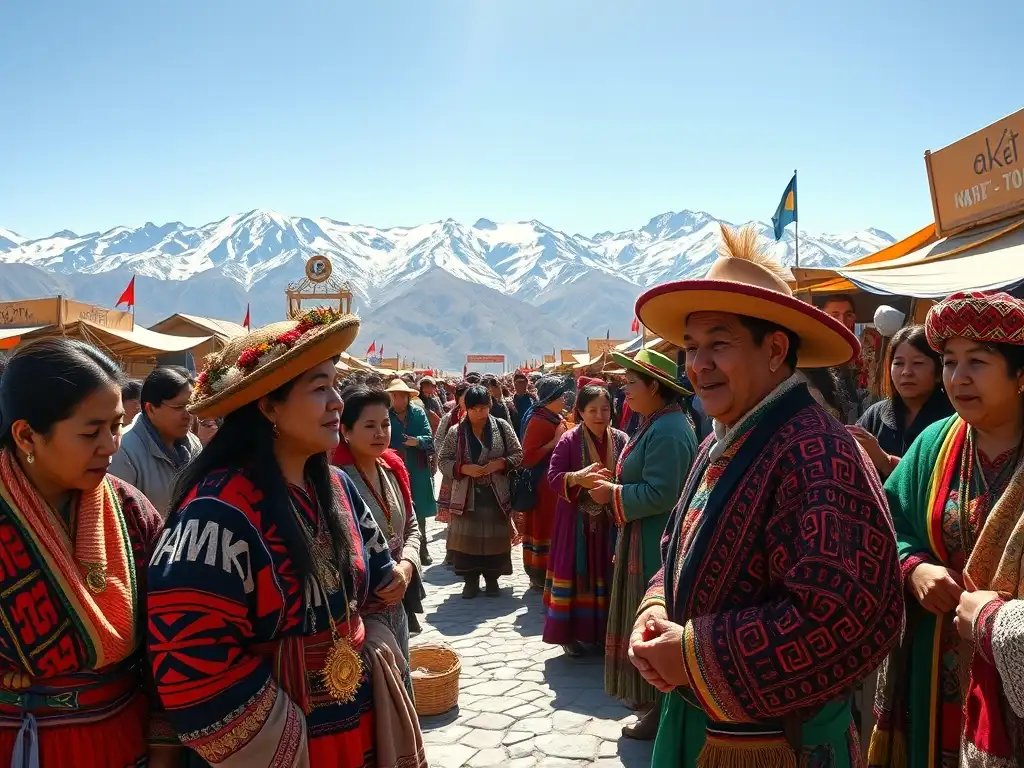
Step into the captivating world of the Andean civilizations! Journey through millennia of breathtaking artistry, innovative engineering, and complex social structures. But beyond the iconic Machu Picchu and mesmerizing Nazca Lines lies a story yet untold: the ongoing struggle to standardize the Quechua language. Discover the fascinating, and often contradictory, forces shaping the future of this ancient tongue – a challenge that reflects the very essence of Andean unity and diversity. Dive in and unravel the complexities of Quechua language standardization challenges – a story that will leave you questioning what it truly means to preserve a legacy.
Quechua, the language of the Inca Empire, boasts a rich history and a remarkable resilience. Despite the Spanish conquest and centuries of suppression, Quechua continues to thrive across the Andes, spoken by millions in countries like Peru, Bolivia, Ecuador, Colombia, and Argentina. However, this very vitality presents a significant challenge: standardization. The diverse dialects and variations of Quechua, shaped by geographical isolation and cultural nuances, make the creation of a single, universally accepted standard a complex and multifaceted undertaking.
This article explores the key challenges involved in standardizing Quechua, examining the delicate balance between fostering linguistic unity and preserving the rich tapestry of its diverse expressions. We will delve into the historical context, the political implications, and the sociolinguistic factors that contribute to the ongoing debate surrounding Quechua standardization. Understanding these complexities is crucial to appreciating the ongoing efforts to revitalize and protect this vibrant language for future generations.
The Linguistic Diversity of Quechua
Quechua isn't a single language, but rather a family of languages, often referred to as a continuum. Numerous dialects exist, exhibiting significant variation in pronunciation, vocabulary, and grammar. These variations are not simply regional accents; they often represent distinct linguistic systems that can pose significant communication barriers between speakers from different regions. For instance, a Quechua speaker from the Cusco region might struggle to understand a speaker from the Ecuadorian highlands without considerable effort.
This linguistic diversity is a testament to Quechua's adaptation to diverse environments and cultural contexts across the vast Andean landscape. The sheer number of dialects, estimated to be in the dozens, presents a formidable hurdle for any standardization effort. Consider this simplified representation:
| Region | Dialect Group | Notable Variations |
|---|---|---|
| Cusco | Cusco Quechua | Pronunciation of vowels, verb conjugation |
| Cajamarca | Northern Quechua | Vocabulary related to agriculture and geography |
| Ecuador | Ecuadorian Quechua | Grammatical structures, sentence construction |
| Bolivia | Bolivian Quechua | Influence of Aymara and other indigenous languages |
The standardization of Quechua is not merely a linguistic undertaking; it's deeply intertwined with political and social realities. Different governments and communities have varying priorities and perspectives on the issue, leading to disagreements over which dialect should be prioritized or whether standardization is even desirable. Some advocate for a single standardized form to promote national unity and facilitate communication across different regions. Others argue that such standardization would lead to the marginalization of less dominant dialects and the erosion of cultural diversity.
The push for standardization often clashes with the strong sense of local identity and linguistic pride associated with specific dialects. This struggle highlights the complex interplay between language, identity, and power dynamics in the Andean region. Furthermore, the lack of sufficient resources and widespread literacy in Quechua present significant obstacles to any large-scale implementation of a standardized form.
The Ongoing Debate: Preserving Diversity vs. Achieving Unity
The debate surrounding Quechua standardization is ultimately a debate about balancing competing values. On one hand, a standardized form could facilitate wider communication, enhance access to education and information, and promote the overall vitality of the language. On the other hand, imposing a single standard risks overshadowing the unique cultural and linguistic heritage embedded within the diverse dialects.
Many linguists and activists advocate for a more nuanced approach that acknowledges and respects the existing linguistic diversity while still promoting inter-dialectal communication. This might involve developing standardized orthographies for different dialect groups, fostering inter-dialectal dictionaries and educational materials, or creating a common "interdialect" based on shared features of various dialects.
The path forward requires careful consideration of linguistic, social, and political factors, with a strong emphasis on community participation and empowerment. The challenge lies in finding innovative solutions that bridge the gap between linguistic unity and the preservation of Quechua's rich cultural heritage—a task that demands ongoing dialogue and collaboration.
Further Considerations
Additional research is needed to fully understand the impact of technological advancements on Quechua standardization efforts. The role of digital media and communication technologies in promoting or hindering standardization requires further investigation.
- The Linguistic Diversity of Quechua
- Political and Social Factors in Quechua Standardization
- The Ongoing Debate: Preserving Diversity vs. Achieving Unity
Understanding the Complexity of Quechua Language Standardization

The seemingly straightforward goal of Quechua language standardization presents a multifaceted challenge, deeply rooted in the language's own rich history and the complex socio-political landscape of the Andes. Successfully navigating this challenge requires a nuanced understanding of the factors contributing to Quechua's diversity and the potential ramifications of any standardization efforts. The very notion of a "standardized Quechua" necessitates a careful balancing act between promoting linguistic unity and preserving the unique cultural identities embedded within its diverse dialects.
This delicate equilibrium is crucial to fostering language revitalization while simultaneously avoiding the homogenization and potential loss of invaluable linguistic and cultural heritage. The "Quechua language standardization challenges" are not merely linguistic; they are deeply intertwined with social, political, and cultural realities.
The Multifaceted Nature of the Quechua Language Family
Quechua isn't a single language; it's a family of languages, encompassing numerous dialects exhibiting significant variations in vocabulary, grammar, and pronunciation. These variations aren't merely regional accents; they often reflect distinct cultural practices and historical trajectories. For instance, the Quechua spoken in the highlands of Cusco differs considerably from the coastal Quechua dialects, mirroring centuries of independent development and adaptation to diverse environments. This inherent diversity poses a significant hurdle to standardization efforts.
Simply selecting one dialect as the standard risks marginalizing others and potentially leading to the extinction of less dominant variations. The challenge lies in finding a way to create a standardized form that is accessible and inclusive, rather than imposing a hegemonic linguistic structure. Consider the following table showcasing some key variations:
| Feature | Cusco Quechua | Coastal Quechua | Highland Quechua (Another Region) |
|---|---|---|---|
| Word for "Sun" | Inti | Inti | Puncha |
| Word for "Potato" | Papa | Papa | Aqa |
| Verb Conjugation | Significantly different | Variation in suffixes | Different tense marker placement |
This inherent diversity underscores the need for a standardization process that acknowledges and respects the existing linguistic richness, rather than attempting to impose a uniform structure that ignores centuries of organic evolution. The path forward must involve a collaborative approach, engaging with Quechua speakers from various regions to ensure representation and inclusivity.
Historical Influences on Quechua Dialectal Variation
The historical context is crucial to understanding the challenges of Quechua standardization. The Inca Empire, while promoting a degree of linguistic unification through its administrative structures and Quechua's role as a lingua franca, didn't result in a homogenous language. Rather, it facilitated the spread and interaction of various Quechua dialects, leading to a complex interplay of influences and variations. Post-Inca colonization further exacerbated this diversity, with Spanish colonialism introducing new vocabulary and influencing the evolution of different Quechua dialects in isolation from one another.
The resulting linguistic landscape is a tapestry woven from centuries of interaction, migration, and adaptation, making the task of standardization incredibly complex. Each dialect carries a unique historical narrative, reflecting the specific experiences and adaptations of its speakers. Ignoring this historical context could lead to a standardized language that feels alien and disconnected from the cultural heritage it aims to represent.
The Impact of Geographical Barriers on Quechua Languages
Geographical factors have significantly contributed to the development of distinct Quechua dialects. The rugged Andean terrain, with its high mountains, deep valleys, and isolated communities, has acted as a natural barrier, limiting communication and fostering the independent evolution of local variations. Communities separated by mountains or vast distances developed their own unique linguistic features, resulting in significant dialectal divergence. This geographical isolation also impacted the transmission of linguistic changes, with some innovations spreading rapidly within a region while remaining unknown in others.
This isolation, while contributing to the richness and diversity of Quechua, presents a considerable challenge for any standardization effort. Overcoming these geographical barriers to establish a unified standard requires innovative strategies, potentially leveraging technology to facilitate communication and collaboration across different regions. The effective dissemination of a standardized form will require careful consideration of the logistical challenges posed by the geographical distribution of Quechua speakers.
Linguistic Diversity and the Standardisation Process
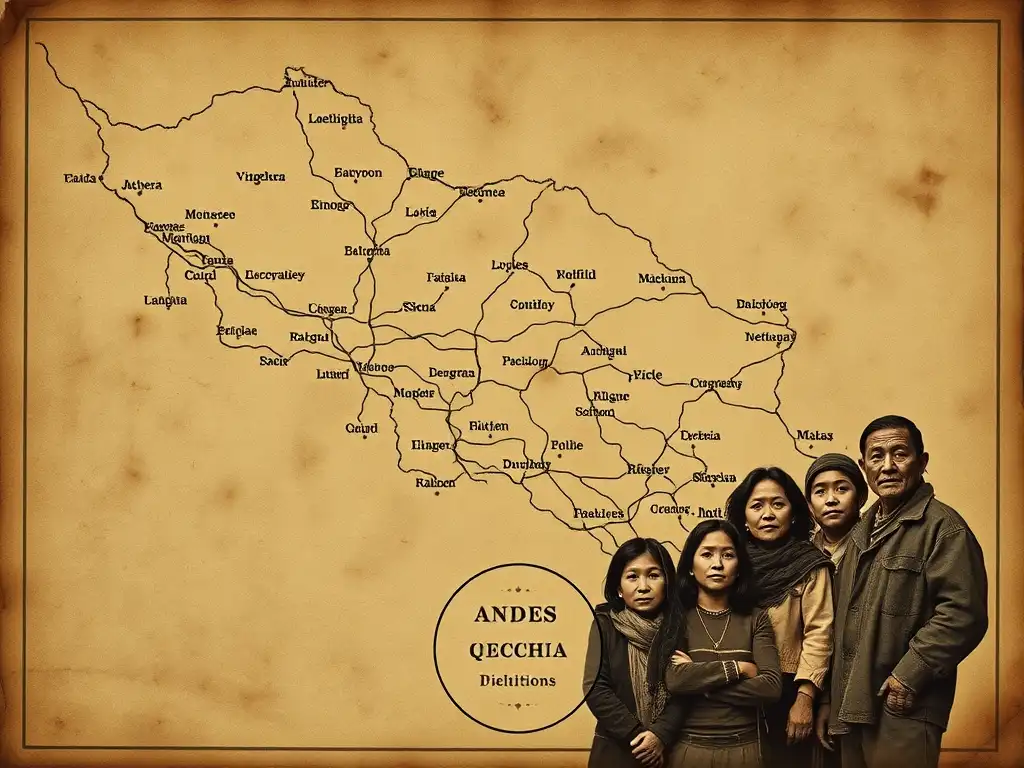
The Quechua language, far from being a monolithic entity, encompasses a vast array of dialects spoken across the Andes. This incredible linguistic diversity presents a significant hurdle in the ongoing efforts to standardize Quechua. While a unified standard could foster communication across disparate Andean communities and potentially boost the language's prestige and survival, the sheer number of distinct Quechua varieties, each with its unique phonological, grammatical, and lexical features, makes the process incredibly complex.
The challenge lies in balancing the desire for unity with the need to respect and preserve the rich tapestry of existing Quechua dialects. This section will explore the key challenges inherent in standardizing Quechua, examining the debates surrounding the selection of a base dialect and the potential risks of marginalizing specific Quechua varieties. Successfully navigating these challenges is crucial for the future of this vital language.
The Debate on a Unified Quechua Standard
The question of whether to adopt a single, unified Quechua standard or multiple regional standards is a hotly debated topic amongst linguists and Quechua speakers. Advocates for a unified standard argue that it would facilitate broader communication, improve literacy rates, and enhance the language's overall viability in the face of globalization. A single, widely accepted standard could also streamline the development of educational materials, dictionaries, and other resources.
However, the creation of such a standard presents significant practical and political challenges. Which dialect should serve as the basis for this standard? How can the unique features of other dialects be accommodated without compromising the integrity of the standard?
Ignoring these questions risks imposing a dominant dialect upon others, potentially leading to the decline or even extinction of less prestigious varieties. The debate highlights a fundamental tension: the desire for a functional, unified language versus the preservation of linguistic diversity. The lack of a universally accepted standard currently hinders broader communication and access to resources, but any hasty standardization risks further marginalization of specific Quechua varieties.
Challenges in Choosing a Base Dialect for Standardization
Choosing a base dialect for a unified Quechua standard is fraught with difficulties. No single dialect enjoys undisputed prestige or widespread use across all Quechua-speaking communities. Each dialect possesses its own unique phonological inventory, grammatical structures, and vocabulary.
For example, the pronunciation of certain vowels or consonants can differ significantly between dialects, leading to misunderstandings even between relatively closely related varieties. Furthermore, the grammatical structures, such as verb conjugation patterns or noun declensions, may vary significantly, making it challenging to establish a consistent grammatical framework for a unified standard. The selection of a base dialect often involves political considerations, with some communities advocating for their dialect to be chosen as the basis for the standard, leading to potential conflict and resentment.
This process requires careful consideration of linguistic factors, as well as socio-political realities, to avoid alienating significant portions of the Quechua-speaking population. The absence of a truly neutral approach makes the selection process inherently complex and potentially contentious. Data regarding speaker numbers for each dialect and their geographical distribution is crucial but unfortunately, often incomplete or unreliable, further complicating the decision.
The Risk of Marginalizing Specific Quechua Varieties
The standardization process carries an inherent risk of marginalizing specific Quechua varieties. If a single dialect is chosen as the basis for the standard, other dialects may be perceived as inferior or less valuable. This could lead to a decline in their use, potentially resulting in language shift or even language death. The imposition of a standard language can also lead to a loss of cultural identity, as unique linguistic features that reflect the specific history and culture of a particular community are lost or suppressed.
This is particularly concerning given the rich cultural and historical significance embedded within the various Quechua dialects. The preservation of linguistic diversity is not merely a linguistic concern but also a critical aspect of cultural preservation. To mitigate this risk, careful consideration must be given to developing inclusive standardization strategies that value and accommodate the unique characteristics of all Quechua varieties.
This might involve creating multiple regional standards or incorporating features from different dialects into a unified standard. The development of standardized materials that respect and reflect this diversity is a critical component of achieving this goal. The challenge lies in finding a balance between creating a functional standard and preserving the unique cultural heritage embedded within each Quechua dialect.
Sociocultural and Political Factors in Quechua Standardisation

The standardization of Quechua, a language family encompassing numerous dialects spoken across the Andes, presents a complex challenge intertwined with sociocultural and political realities. Successfully navigating this requires understanding the diverse perspectives and vested interests involved. The very act of standardization, while aiming for unity, risks marginalizing specific dialects and communities, creating tension between the desire for a unified national identity and the preservation of linguistic diversity. This section delves into the multifaceted interplay of sociocultural and political factors influencing the standardization process.
The Role of Indigenous Communities in Language Planning
Indigenous communities hold the key to successful Quechua standardization. Their active participation is not merely desirable but absolutely essential. Ignoring their perspectives guarantees failure. Top-down approaches, imposed without meaningful consultation, often lead to resentment and resistance, undermining the very goal of language revitalization.
Effective language planning must be participatory, involving indigenous communities in all stages: from identifying the base dialect(s) for standardization to developing educational materials and implementing language policies. This includes ensuring that community leaders and language experts are integral parts of the decision-making process. For example, successful initiatives have involved community-based workshops to discuss linguistic norms and develop consensus on orthography and grammar.
Crucially, resources and funding must be channeled directly to these communities to support their ownership of the process. ⏳ Further research is needed to establish best practices for community engagement in such complex linguistic projects. The success metrics should go beyond simple adoption rates and include indicators of community satisfaction and the perceived value of the standardized language.
Political and Economic Implications of Quechua Standardisation
The political and economic landscape significantly impacts Quechua standardization efforts. Government policies, funding priorities, and educational initiatives all play crucial roles. A strong political will is necessary to promote Quechua in education, media, and government administration. However, political instability or a lack of commitment can severely hinder progress.
Economic factors are equally important; the lack of resources for language development programs, teacher training, and materials production can significantly limit the scope and effectiveness of standardization efforts. Furthermore, the economic opportunities associated with Quechua proficiency, such as employment in government or tourism sectors, can incentivize language learning and adoption of the standardized form. Conversely, the lack of such opportunities can discourage language maintenance and use, even a standardized version. A comprehensive economic impact assessment, considering factors such as the potential return on investment in education and cultural preservation, is crucial for securing long-term political support.
Addressing the Concerns of Quechua Speakers
Standardization invariably leads to concerns from Quechua speakers. The selection of a base dialect for standardization often causes friction, as communities may feel their unique dialect is being marginalized or even threatened with extinction. The adoption of a single standardized form may lead to a reduction in linguistic diversity, potentially causing a loss of cultural identity for some communities. 😟 Addressing these concerns requires a nuanced approach that acknowledges the value of linguistic diversity while promoting the benefits of a unified written form. This could involve:
- Developing resources that celebrate the unique features of various dialects, while demonstrating their relationship to the standardized form.
- Creating bilingual educational materials that support the preservation of local dialects alongside the standardized language.
- Establishing mechanisms for ongoing community feedback and adjustments to the standardized language to ensure it remains relevant and inclusive.
- Promoting the standardization process as a tool for empowerment, enabling Quechua speakers to participate more fully in national and international life.
Careful consideration of these concerns is paramount for the long-term success of any Quechua standardization initiative. Ignoring them risks creating divisions and undermining the very goal of linguistic unity. The process requires ongoing dialogue, compromise, and a genuine commitment to inclusivity.
Strategies for a Balanced Approach to Quechua Standardisation
Quechua language standardization challenges are multifaceted, demanding a nuanced approach that respects the inherent diversity of the language while fostering unity. A successful strategy must navigate the complexities of numerous dialects, varying writing systems, and the socio-political landscape where Quechua is spoken. Simply imposing a single standard risks marginalizing speakers of less dominant dialects and undermining the rich linguistic heritage of the Andean region. The path forward requires a collaborative, community-driven strategy focused on intercomprehension and the empowerment of Quechua speakers. This necessitates a move away from a top-down approach towards a more inclusive, bottom-up model.
Promoting Intercomprehension Among Quechua Dialects
One crucial aspect of addressing Quechua language standardization challenges is to prioritize intercomprehension among the various dialects. Instead of forcing convergence on a single, standardized form, efforts should focus on developing resources and strategies that allow speakers of different dialects to understand each other. This could involve:
- Creating comparative dictionaries and grammars: These resources would highlight the similarities and differences between key dialects, enabling speakers to identify cognates and understand variations in grammar. This approach emphasizes the interconnectedness of the dialects, rather than presenting them as mutually unintelligible entities.
- Developing educational materials that explicitly address dialectal variation: Textbooks and other learning materials could incorporate examples from multiple dialects, demonstrating the range of linguistic expression within Quechua. This would normalize dialectal variation and help learners appreciate the richness of the language.
- Organizing workshops and training sessions for teachers and community leaders: These sessions would focus on practical strategies for promoting intercomprehension in classrooms and community settings. This includes techniques like code-switching awareness and strategies for facilitating communication between speakers of different dialects. Data on successful implementation of these techniques in other multilingual contexts would be invaluable in informing this approach. [Specific data on successful multilingual education programs pending]
The ultimate goal is to cultivate a sense of linguistic unity based on mutual understanding, rather than enforced uniformity. This approach directly tackles the challenges of standardization by fostering communicative competence across dialectal boundaries.
Developing Educational Materials Sensitive to Linguistic Diversity
The development of educational materials is critical in shaping the future of Quechua. However, a one-size-fits-all approach will inevitably fail to address the diverse needs of Quechua speakers. To effectively address Quechua language standardization challenges within education, materials must:
- Incorporate multiple dialects: Textbooks and other learning resources should draw on a range of dialects, reflecting the linguistic reality of Quechua communities. This will not only promote intercomprehension but also ensure that all speakers feel represented and valued.
- Utilize appropriate orthographies: The choice of orthography is a sensitive issue, and materials should utilize systems that are widely accepted and accessible within specific communities. The imposition of a single, potentially unfamiliar orthography could alienate speakers and hinder literacy development.
- Employ culturally relevant content: Educational materials should be relevant and engaging for Quechua-speaking students, drawing on their cultural experiences and knowledge. This ensures that language learning is not merely a technical exercise, but a process of cultural affirmation. For example, incorporating traditional stories, songs, and games can make learning more enjoyable and meaningful.
Failure to address linguistic diversity in educational materials will inevitably perpetuate inequalities and hinder the revitalization of Quechua. A sensitive and inclusive approach is crucial for the success of any standardization effort.
The Importance of Community-Based Language Initiatives
Ultimately, successful Quechua language standardization hinges on the active participation of Quechua-speaking communities. Top-down approaches, imposed by external authorities, are unlikely to succeed in the long term. Instead, a bottom-up approach, empowering local communities to shape the future of their language, is essential. This involves:
- Supporting community-based language programs: These initiatives, led by Quechua speakers themselves, can develop culturally appropriate materials and teaching methods. This ensures that standardization efforts align with the needs and priorities of the communities they serve. Data on the success rate of community-led language revitalization projects would be helpful in assessing the viability of this approach. [Data on successful community-led language revitalization projects pending]
- Promoting language nests and immersion programs: These programs provide children with opportunities to learn Quechua from an early age, fostering fluency and cultural pride. This is crucial for ensuring the long-term survival and vitality of the language.
- Facilitating collaboration between communities: Encouraging communication and collaboration between different Quechua-speaking communities is vital for sharing best practices and building a sense of collective ownership over the language. This collaborative spirit is essential for navigating the complexities of standardization and ensuring that all voices are heard.
By embracing a collaborative, community-driven approach that prioritizes intercomprehension and linguistic diversity, we can effectively address the challenges of Quechua language standardization while preserving the rich cultural heritage of the Andean region. This strategy ensures that standardization serves to strengthen, rather than weaken, the Quechua language and its vibrant communities.
Technical Difficulties and Solutions for Quechua Language Standardization


Standardizing the Quechua language presents significant technical hurdles, demanding innovative solutions to bridge the gap between linguistic diversity and the need for a unified written form. The challenge isn't merely academic; it directly impacts the preservation and revitalization of Quechua, a language spoken by millions across the Andes. Effective standardization requires addressing a complex interplay of orthographic inconsistencies, a lack of readily available learning resources, and the harnessing of technology for language maintenance.
Successfully navigating these challenges is crucial for ensuring the Quechua language's continued vitality and relevance in the 21st century. The path forward necessitates a multifaceted approach that acknowledges both the inherent beauty of Quechua's regional variations and the practical need for a standardized form suitable for broader communication and education.
Orthographic Challenges in Standardizing Quechua
One major obstacle in Quechua standardization is the significant variation in orthography across different Quechua dialects. Historically, Quechua lacked a single, universally accepted written form, leading to a proliferation of spelling systems reflecting regional pronunciation nuances. This diversity, while showcasing the richness of the language, creates immense difficulties in producing consistent educational materials, dictionaries, and other resources.
For instance, the sound represented by /k/ in one dialect might be rendered as 'c', 'k', or 'q' in others. Similarly, vowel sounds can differ significantly, leading to variations in spelling even for common words. This orthographic inconsistency significantly hampers efforts to create a unified standard, causing confusion and hindering literacy development.
Addressing this requires a careful analysis of the phonetic variations across different Quechua dialects. A comprehensive phonetic inventory, meticulously documenting the range of sounds across the language's spectrum, is crucial. This inventory would serve as the foundation for developing a standardized orthography that balances phonetic accuracy with ease of use and consistency. Furthermore, the chosen orthography should be based on a principled approach, such as the International Phonetic Alphabet (IPA), to ensure transparency and avoid arbitrary decisions.
The process must involve linguists, educators, and native Quechua speakers to ensure that the resulting standard is both linguistically sound and culturally acceptable. This collaborative approach is essential to garner broad acceptance and avoid alienating speakers of different dialects. The ultimate goal is an orthography that is both accessible and inclusive, fostering literacy and promoting the use of standardized Quechua.
Creating Resources for Quechua Language Learning and Use
The scarcity of high-quality resources for Quechua language learning and use is another significant hurdle in the standardization process. The lack of comprehensive dictionaries, grammar books, and other educational materials hinders efforts to promote literacy and widespread adoption of a standard. Existing resources are often fragmented, inconsistent, and tailored to specific dialects, further exacerbating the problem of standardization. This scarcity of resources disproportionately affects younger generations, leading to a decline in Quechua fluency.
To overcome this, a concerted effort is needed to develop a comprehensive suite of learning resources using the standardized orthography. This includes creating dictionaries that encompass the vocabulary of all major dialects, grammar books that clearly explain the rules of the standardized language, and engaging educational materials such as textbooks, workbooks, and online courses.
Furthermore, the development of these resources should prioritize accessibility, ensuring that they are available in various formats, including print, audio, and digital versions. The incorporation of multimedia elements, such as audio recordings of native speakers, interactive exercises, and culturally relevant content, can enhance the learning experience and make Quechua more engaging for learners.
Moreover, the creation of a central repository for all Quechua language resources, accessible online, would facilitate collaboration, prevent duplication of effort, and ensure the consistent use of the standardized orthography. This coordinated and comprehensive approach to resource development is paramount for ensuring the long-term sustainability of Quechua language standardization efforts.
The Role of Technology in Supporting Quechua Standardization
Technology plays a vital role in facilitating and accelerating the standardization of the Quechua language. Digital tools can be leveraged to create and disseminate learning resources, promote communication among speakers of different dialects, and foster language revitalization efforts.
The development of Quechua language software, including word processors, spell checkers, and translation tools, can significantly improve the efficiency and effectiveness of language use and learning. Furthermore, the use of technology can facilitate the creation of online communities and forums where Quechua speakers can interact and share knowledge, promoting a sense of linguistic unity and fostering the adoption of the standardized form.
The creation of a comprehensive Quechua language corpus, a large collection of text and audio data representing the diversity of Quechua dialects, is essential. This corpus would serve as a valuable resource for linguistic research and the development of language technologies, such as machine translation systems and speech recognition software. Moreover, the development of mobile applications for Quechua language learning and use can make the language more accessible to a wider audience, particularly younger generations.
These apps can incorporate interactive exercises, games, and other engaging features, helping to make learning fun and accessible. Furthermore, the use of social media platforms to promote Quechua language use and disseminate information about standardization efforts can significantly broaden the reach of these initiatives.
The strategic use of technology, therefore, is not just a supplementary tool but a crucial component of a successful Quechua language standardization strategy. It offers the potential to reach a wider audience, enhance learning experiences, and promote the continued vitality of this rich and diverse language.
The Future of Quechua: Unity in Diversity
The standardization of Quechua, a language spoken by millions across the Andes, presents a complex tapestry of challenges and opportunities. Balancing the desire for linguistic unity with the preservation of rich dialectal diversity is a delicate act, requiring careful consideration of sociolinguistic factors, technological advancements, and the very essence of Quechua identity. The "Quechua language standardization challenges" are not merely linguistic; they are deeply rooted in the social and political landscapes of the Andean region. Successful navigation of these challenges requires a multifaceted approach, one that values both standardization efforts and the vibrant tapestry of existing dialects.
Preserving and Promoting the Richness of Quechua Varieties
The beauty of Quechua lies in its diversity. Numerous dialects exist, each reflecting the unique cultural and geographical contexts of its speakers. From the high-altitude Quechua of the Peruvian highlands to the coastal varieties of Ecuador, each dialect possesses its own unique vocabulary, grammar, and phonology. Simply imposing a single standard risks silencing these voices, leading to a homogenization that erodes the cultural heritage embedded within each dialect. Therefore, a crucial aspect of Quechua standardization is the development of strategies to document and preserve this linguistic richness. This involves:
- Comprehensive dialectal surveys: Detailed studies are needed to meticulously document the existing variations in vocabulary, grammar, and pronunciation across different Quechua communities. This data is crucial for developing appropriate linguistic resources and educational materials.
- Creation of digital archives: Utilizing technology to create accessible online archives of audio recordings, video interviews, and written texts representing the diverse Quechua dialects is essential for future generations. This digital preservation ensures the long-term survival of these linguistic treasures.
- Development of bilingual and multilingual educational materials: Educational resources that embrace and celebrate the diversity of Quechua dialects, rather than trying to impose a single standard, can help ensure that children grow up with a deep appreciation for their linguistic heritage. This might involve incorporating elements of different dialects into the curriculum.
- Support for community-based language revitalization projects: Empowering local communities to lead their own language preservation efforts is crucial. This can involve providing funding, training, and technical assistance to community-based initiatives.
Strengthening the Quechua Linguistic Identity
Standardization efforts should not be perceived as a threat to Quechua identity, but rather as a tool to enhance it. A standardized form of Quechua can facilitate communication across different regions, fostering a stronger sense of shared linguistic identity among Quechua speakers. This unity can be instrumental in promoting Quechua's use in various domains, including education, media, and government. However, this process must be carefully managed to avoid the perception of imposing a dominant dialect over others. Strategies to achieve this include:
- Collaborative standard setting: Involving representatives from different Quechua-speaking communities in the standardization process is paramount. This ensures that the resulting standard reflects the needs and preferences of a broad range of speakers, minimizing the risk of marginalization.
- Promotion of Quechua in public life: Active promotion of Quechua in media, education, and government can significantly strengthen its social status and encourage its use by younger generations. This increased visibility can help counter the dominance of Spanish and other languages.
- Development of standardized orthography: A consistent writing system is essential for the wider adoption and use of Quechua. This would facilitate the creation of educational materials, literature, and other resources.
Achieving a Harmonious Balance between Standardisation and Dialectal Diversity in Quechua
The ultimate goal is not to eliminate dialectal diversity but to create a harmonious coexistence between a standardized form of Quechua and its numerous variations. This requires a nuanced approach that acknowledges the value of both unity and diversity. A possible solution might involve the development of a standardized form suitable for formal contexts (like government and education) while simultaneously promoting the continued use and preservation of diverse dialects in informal settings and within specific communities. This approach acknowledges the practical benefits of standardization while recognizing the cultural significance of dialectal diversity.
This requires ongoing research, community engagement, and a commitment to preserving the linguistic richness of Quechua for future generations. The success of this delicate balancing act will ultimately determine the future of Quechua as a vibrant and evolving language. 🇿🇦
Frequently Asked Questions
What is Quechua, and why is standardization important?
Quechua is a family of Andean languages spoken by millions across South America. Standardization aims to create a unified written and spoken form, facilitating communication and education across different Quechua dialects. This promotes cultural preservation and empowers Quechua speakers.
What are the main challenges in standardizing Quechua?
The primary challenge is the significant diversity among Quechua dialects. Mutual intelligibility is often low, making it difficult to select a single standard. Political and social factors also influence the choice of a standard dialect.
How many different Quechua dialects exist?
There's no single definitive answer, as the number of distinct Quechua dialects varies depending on the criteria used for classification. Estimates range from a dozen to over a hundred, reflecting the language's complex history and geographic spread.
Why is there resistance to Quechua language standardization?
Some communities fear that standardization will lead to the loss of unique dialects and cultural identities. Concerns exist about imposing a single dialect on diverse communities, potentially marginalizing certain groups and their linguistic traditions.
What are some potential solutions to the challenges of Quechua standardization?
Solutions involve finding a balance between unity and diversity. This could include developing a supra-dialectal standard allowing for regional variations or focusing on creating a standard for specific domains, such as education or government, rather than a universal standard.
Final Reflection: Weaving a Future for Quechua: A Tapestry of Unity and Diversity
The struggle to standardize Quechua is not merely a linguistic exercise; it's a fight for the very survival and vibrancy of an ancient culture. The diverse dialects, the geographical dispersion, and the historical pressures faced by Quechua speakers present formidable obstacles to creating a unified written and spoken standard. Yet, the very existence of these challenges underscores the profound importance of preserving this rich linguistic heritage.
The ongoing debate surrounding Quechua standardization reflects a broader tension between the desire for unity and the celebration of diversity. This tension is not unique to Quechua; it mirrors similar struggles faced by many indigenous languages worldwide. The process of standardization, while potentially leading to greater accessibility and communication, also risks homogenizing unique cultural expressions. Language is the blood of the soul,
as a Quechua elder once told me. This powerful statement encapsulates the deep connection between language and identity, highlighting the sensitivity required in navigating the standardization process. The challenge lies in finding a balance – a way to foster communication without sacrificing the unique beauty and richness inherent in each dialect.
Consider the implications of this struggle for your own community, your own language. What are the challenges you face in preserving your linguistic heritage? How can we learn from the Quechua experience to better support the preservation and revitalization of languages worldwide? Let the complexities of Quechua standardization inspire you to engage in thoughtful conversations about language preservation, cultural identity, and the delicate balance between unity and diversity. Let us work together to ensure that the voices of Quechua, and all indigenous languages, continue to resonate for generations to come.
Embrace the Richness of Quechua: Take Action Today!
Thank you for joining us on this enlightening journey exploring the complexities of Quechua standardization. We hope you gained valuable insights into the unity and diversity of this remarkable language. Now, let's put that knowledge into action!
Here's how you can further connect with and support the preservation and promotion of Quechua:
- Engage with your community: Organize or participate in a local Quechua language workshop to share your skills and learn from others.
- Explore cultural resources: Immerse yourself in Quechua literature, music, and art, and share your discoveries on social media to inspire others.
- Advocate for representation: Contact local schools and universities, encouraging them to include Quechua in their language programs.
How will you celebrate and sustain the Quechua language within your life and community?