
Moche Iconography: The Meaning of the Serpent

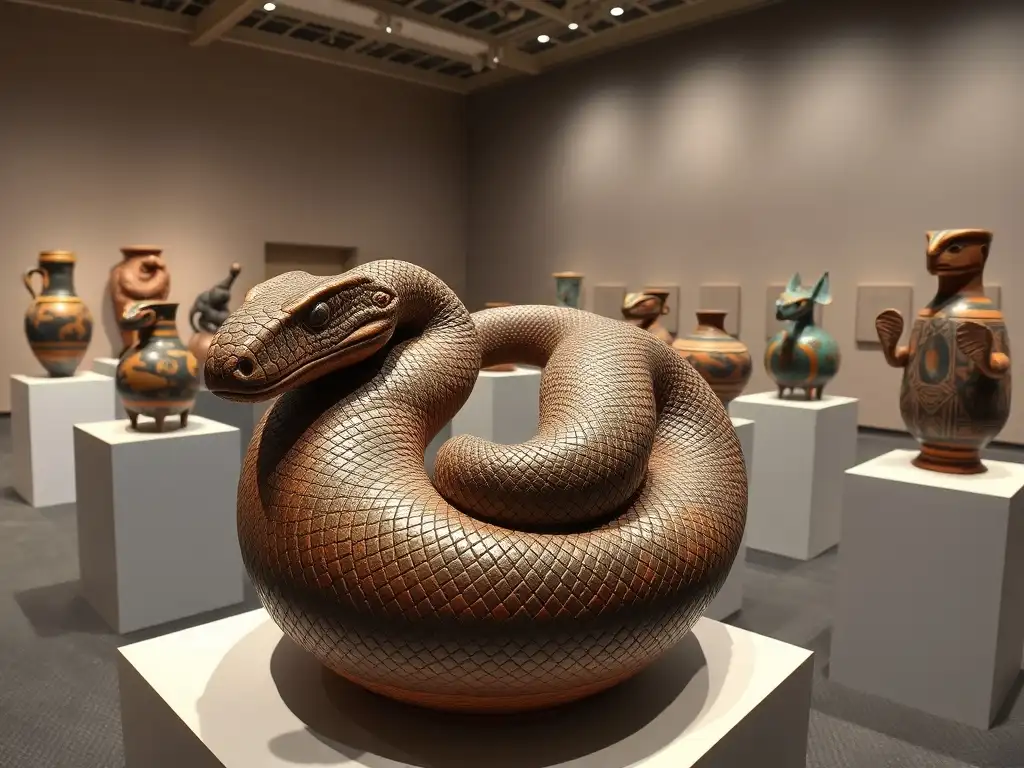
Unravel the mysteries of a lost world. Dive into the captivating realm of Andean civilizations, where vibrant cultures flourished and left behind an enduring legacy. Prepare to be amazed by the intricate artistry and advanced technology of these ancient societies, but first, let's embark on a journey into the heart of the Moche Civilization. What secrets do the sinuous forms of Moche pottery serpent symbolism hold? Discover the answers and more within.
- Moche Iconography: Unveiling the Meaning of the Serpent in Ancient Peru
- The Serpent Motif in Moche Art: An Introduction
- Depictions of Serpents on Moche Ceramics
- The Serpent's Symbolic Role in Moche Society
- Moche Serpent Imagery: Analysis of Key Iconographic Elements
- Comparative Analysis: Serpent Motifs in Other Andean Cultures
- Interpreting the Moche Serpent: Current Theories and Research
- Conclusion: The Enduring Significance of the Moche Serpent
- Frequently Asked Questions
- Final Reflection: Unraveling the Serpent's Whisper in Moche Culture
- **Unveil the Mysteries of Moche Iconography! **
Moche Iconography: Unveiling the Meaning of the Serpent in Ancient Peru
The Moche civilization (circa 100-800 CE), a pre-Columbian society flourishing along the northern coast of Peru, left behind a remarkable legacy of artistic expression, particularly in their exquisite pottery. These ceramics are not merely vessels; they are vibrant narratives, teeming with symbolic imagery that offers a window into the Moche worldview.
Among the most captivating and recurring motifs is the serpent, a powerful symbol imbued with diverse meanings that continue to fascinate archaeologists and art historians alike. This article delves into the intricate world of Moche pottery, focusing specifically on the serpent's multifaceted symbolism and its significance within the broader context of Moche culture and beliefs.
We will explore the different ways serpents are depicted, analyze their contextual placement within scenes, and investigate the potential interpretations of their presence in various Moche ceramic pieces, ultimately shedding light on the rich tapestry of meaning woven into these ancient artifacts. Understanding the Moche pottery serpent symbolism provides crucial insights into their complex societal structures, religious practices, and cosmological perspectives.
The Serpent as a Deity: Evidence from Moche Iconography
The serpent frequently appears in prominent roles within Moche pottery, often depicted as a powerful deity or a representation of divine forces. Many vessels showcase serpents entwined with other figures, suggesting a hierarchical relationship or a symbolic connection to other key elements of their pantheon. Detailed depictions of serpents with human-like features, such as elaborate headdresses or jewelry, further emphasize their elevated status.
These depictions are often found in scenes of ritual sacrifice or ceremonial events, strengthening the association between the serpent and religious practices. The size and prominence given to the serpent within these compositions suggest its importance in their belief system.
For example, a notable example is a large stirrup-spout vessel depicting a feathered serpent consuming a human figure, which strongly suggests a connection to sacrifice and possibly the idea of renewal or rebirth through death. Further analysis of similar pottery might reveal a broader pattern of serpent symbolism in relation to Moche religious rituals.
The Serpent as a Symbol of Fertility and Water
Beyond its religious connotations, the serpent also frequently represents fertility and the vital resource of water in the arid coastal region where the Moche lived. The serpent’s association with water is deeply rooted in its natural habitat and its ability to move through both water and land. In Moche iconography, this duality is often expressed through depictions of serpents emerging from or dwelling within bodies of water, or coiled around sources of water, such as springs or rivers.
This visual representation reinforces the serpent's role as a life-giving force, symbolizing the abundance and prosperity crucial for the Moche agricultural society. The frequent inclusion of serpents in scenes depicting agricultural activities further strengthens this interpretation. The precise relationship between the serpent and rainfall patterns requires further research, but the available evidence strongly suggests a symbolic connection.
Variations in Depiction and Their Significance
The manner in which serpents are depicted in Moche pottery is not uniform. Variations in size, color, posture, and associated imagery provide further nuances to their symbolic meaning. For instance, some serpents are depicted as sleek and slender, while others are thick and robust, possibly suggesting different aspects of the serpent deity or different functions within the Moche cosmology.
The use of vibrant colors, such as red, yellow, and green, might also carry symbolic weight, potentially representing different attributes or aspects of the serpent's power. A detailed cataloging of these variations and their contextual placement within different ceramic pieces is needed to fully understand the complexity of Moche serpent symbolism. This requires careful examination of a large corpus of Moche pottery and a comparative analysis of different artistic styles across various Moche periods.
The Serpent and the Moche Worldview: A Synthesis
The multifaceted symbolism of the serpent in Moche pottery highlights the complexity and richness of their worldview. The serpent's representation as a deity, a symbol of fertility, and a powerful force of nature reflects the Moche people's deep connection with the environment and their sophisticated understanding of the natural world.
Further research into the cultural context of Moche society, including their religious beliefs, social structures, and agricultural practices, is crucial to fully grasp the significance of the serpent within their broader cosmological framework. A comprehensive study incorporating archaeological evidence, anthropological analysis, and art historical interpretations is needed to provide a complete picture of the Moche’s understanding of the serpent and its place in their society.
The continued study of Moche pottery and iconography promises to further illuminate the intricate and fascinating world of this ancient Andean civilization. The ongoing discovery of new artifacts and the application of advanced research techniques will undoubtedly contribute to a deeper understanding of "Moche pottery serpent symbolism" in the years to come.
The Serpent Motif in Moche Art: An Introduction
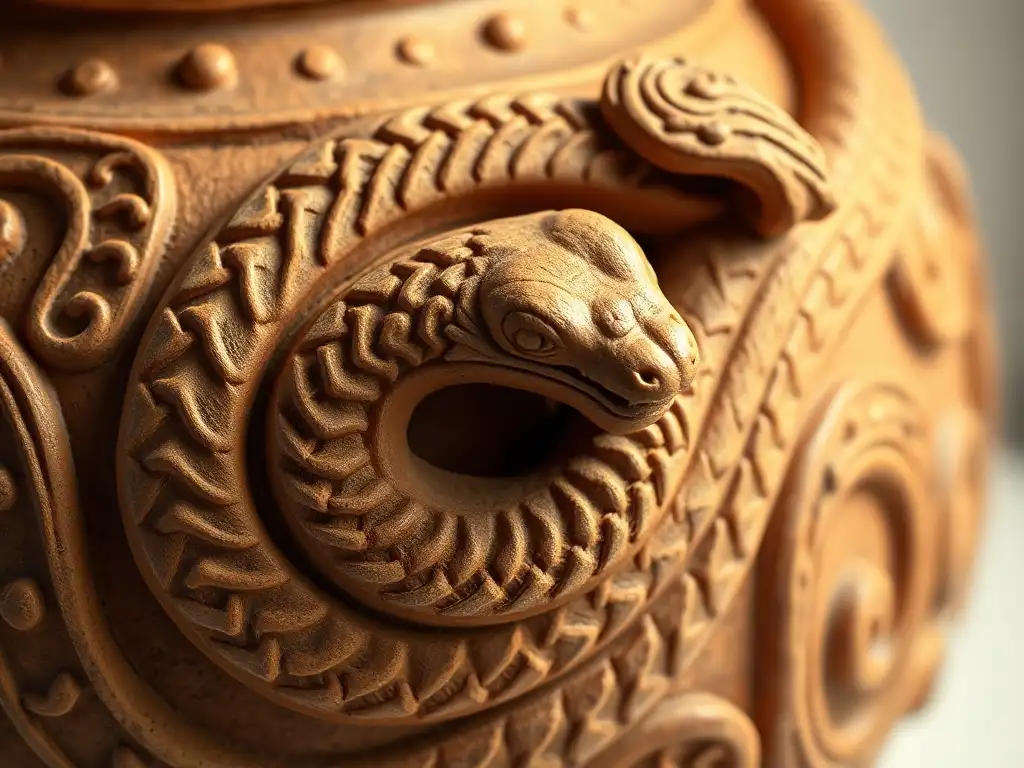
The Moche civilization, flourishing on the northern coast of Peru from approximately 100 CE to 800 CE, left behind a remarkable artistic legacy. Their pottery, in particular, provides invaluable insights into their complex worldview and sophisticated social structures. Among the most recurring and captivating motifs in Moche ceramics is the serpent, a symbol imbued with profound religious and cultural significance.
This section delves into the multifaceted symbolism of the serpent in Moche art, exploring its various representations and interpretations, and analyzing how its depiction reflects the Moche understanding of the natural world and the spiritual realm. Understanding the Moche pottery serpent symbolism is key to unlocking a deeper comprehension of this fascinating ancient society.
We will examine how the serpent's portrayal varies across different ceramic pieces, considering factors such as size, position, and associated imagery to uncover the nuances of its meaning. This exploration will move beyond a simple description of the serpent's presence to a detailed analysis of its symbolic weight within the broader context of Moche iconography.
Moche Culture and its Artistic Legacy
The Moche were master artisans, renowned for their exceptional skill in pottery, metalwork, and textile production. Their ceramics, often described as some of the finest examples of pre-Columbian art, are characterized by their highly detailed and realistic depictions of human figures, animals, and mythical beings. These aren't simply decorative pieces; they are powerful narrative tools, meticulously crafted to convey complex social, political, and religious messages. The Moche's artistic achievements are a testament to their advanced technological capabilities and their profound spiritual beliefs.
Their pottery wasn't merely functional; it served as a vehicle for expressing their worldview, preserving their history, and solidifying their social hierarchy. The production of these elaborate ceramics was likely a highly specialized activity, overseen by skilled artisans and potentially linked to religious institutions. The use of sophisticated techniques, such as modeling, painting, and firing, enabled the Moche to produce incredibly lifelike and detailed representations. The sheer volume of surviving Moche pottery, discovered in tombs and ceremonial sites, underscores the importance of this art form in their society.
Many examples showcase scenes of daily life, ritualistic practices, and mythological narratives, all contributing to a rich tapestry of Moche culture. The remarkable detail and expressive quality of the artwork allows us to reconstruct aspects of their society that might otherwise have been lost to time. The prevalence of the serpent motif across various Moche ceramic styles highlights its central role in their belief system.
Significance of Iconography in Understanding Moche Beliefs
Moche iconography is crucial for understanding their religious beliefs and cosmology. The meaning behind the imagery is not always straightforward, requiring careful analysis of the context in which the symbols appear. For instance, the serpent's portrayal can vary widely depending on the specific ceramic piece and its associated elements. Sometimes, it is depicted as a benevolent deity, associated with fertility and abundance; other times, it is portrayed as a powerful, fearsome creature, representing chaos or the underworld.
The presence of other symbolic elements, such as specific plants, animals, or human figures, can further refine the interpretation of the serpent’s role within a particular scene. For example, a serpent intertwined with a flowering plant might symbolize the cyclical nature of life and death, or the interconnectedness of the natural world. Conversely, a serpent attacking a human figure might represent a struggle against malevolent forces or a shamanistic encounter. Careful study of the Moche pottery serpent symbolism, considering both the serpent's visual characteristics and its relationship to other elements within the composition, allows us to piece together a more comprehensive understanding of their complex religious system and their understanding of the world around them.
Further research, including comparative analysis of different Moche ceramic styles and the excavation of new sites, is crucial to enhance our understanding of this rich and fascinating cultural heritage. The intricate details within each ceramic piece offer a window into the minds of the Moche artisans and the beliefs they sought to immortalize through their art. The continued study of Moche pottery holds the potential to unveil even more profound insights into this captivating civilization.
Depictions of Serpents on Moche Ceramics
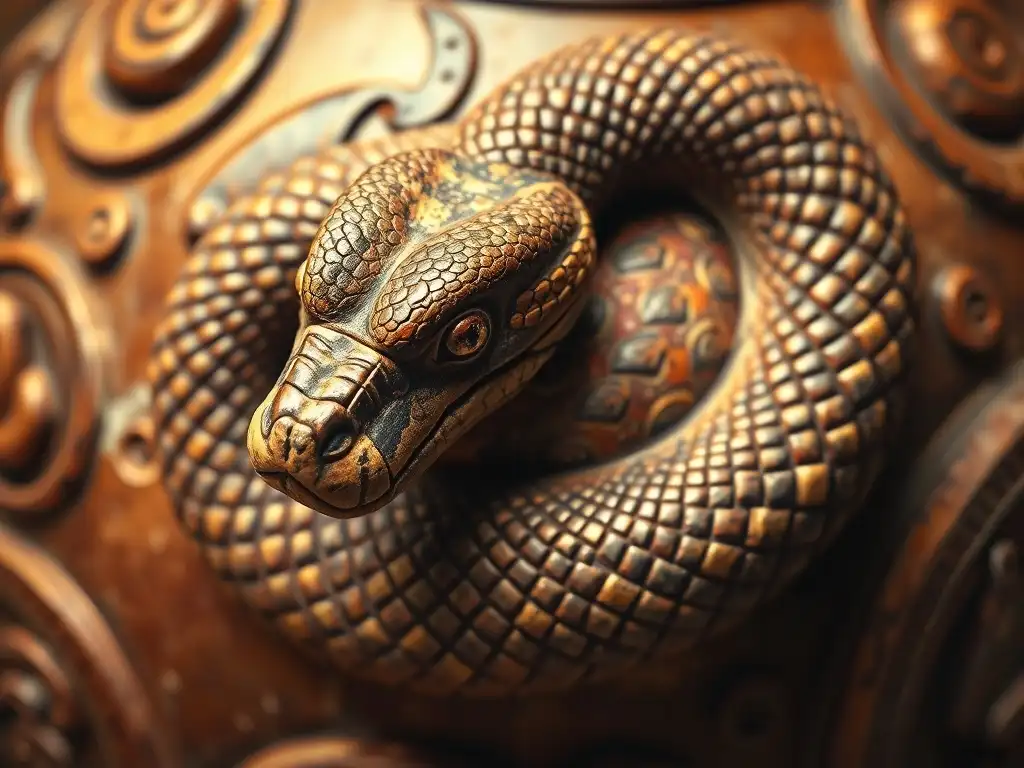
The Moche civilization (c. 100 – 800 CE), renowned for its sophisticated metalwork and impressive architecture, left behind a rich legacy of ceramic art. Moche pottery, often vibrantly colored and intricately detailed, provides invaluable insights into their worldview and beliefs. Serpents, in particular, feature prominently in Moche iconography, appearing in a variety of contexts and forms, reflecting their deep symbolic significance within Moche culture.
Understanding the Moche pottery serpent symbolism is key to unlocking a deeper understanding of this fascinating civilization. The prevalence of serpents in Moche art suggests their importance in Moche mythology, possibly representing deities, ancestral spirits, or powerful forces of nature. Their representation frequently intertwines with other significant motifs, creating complex narratives within the ceramic designs.
Detailed analysis of these depictions reveals a nuanced understanding of Moche cosmology and their relationship with the natural world. The sheer number of surviving examples, across various styles and sizes of pottery, testifies to the enduring importance of the serpent motif throughout the Moche period. Further research into the specific contexts in which these serpent depictions appear — for example, within funerary contexts or associated with elite individuals — could shed even more light on their meaning.
Characteristics of Serpent Representations on Moche Pottery
Moche artists displayed remarkable skill in depicting serpents on their pottery. The serpents are not simply sketched; they are rendered with a level of detail that showcases the Moche mastery of ceramic techniques. Common characteristics include:
- Detailed Scales: Scales are often meticulously rendered, individually shaped and sized, giving the serpents a realistic, almost three-dimensional appearance. The scales' size and arrangement can vary depending on the serpent’s position and the overall design of the vessel.
- Realistic Anatomy: Many depictions accurately portray serpentine anatomy, including the segmented body, forked tongue, and potentially even specific species characteristics, although the level of realism varies across examples.
- Dynamic Poses: Serpents are not always shown passively; they are often depicted in dynamic poses, coiled, slithering, or striking, adding to the narrative impact of the scene.
- Color Usage: The colors used to depict serpents often mirror the natural coloration of snakes found in the Moche region. This realism further enhances the overall effect and adds to the piece's visual appeal. The use of contrasting colors helps to highlight details, such as scales and eyes.
- Combination with Other Motifs: Serpents are rarely depicted in isolation. They frequently appear intertwined with other significant elements of Moche iconography, such as warriors, deities, or plants, creating complex visual narratives that tell stories of power, fertility, and the spiritual world.
Variations in Serpent Forms: From Realistic to Stylized
The portrayal of serpents on Moche pottery isn't monolithic. While realistic depictions abound, the artists also employed stylized representations, demonstrating a remarkable range of artistic expression.
Some examples show highly realistic serpents, complete with accurate anatomical details and lifelike coloration. These depictions often feature within larger scenes, interacting with other figures and elements. In contrast, other examples exhibit a more stylized approach.
These serpents might be simplified in form, lacking detailed scales or anatomical accuracy, yet still retaining their symbolic significance through their positioning and contextual elements within the ceramic design. Sometimes, the serpents are highly abstracted, becoming almost geometric patterns, yet retaining their easily identifiable serpentine form. This stylistic variation may reflect differences in artistic skill, regional variations, or potentially even changes in meaning over time.
Further research, comparing the frequency of realistic vs. stylized depictions across different Moche periods and regions, could reveal valuable insights into the evolution of serpent symbolism within the culture. The diversity in the Moche pottery serpent symbolism reveals the rich complexity of Moche artistic expression and its capacity to convey meaning through a range of visual styles. The careful observation of these variations is key to understanding the nuances of Moche beliefs and their relationship with the natural world.
The Serpent's Symbolic Role in Moche Society
The serpent, a powerful and ubiquitous symbol in Moche iconography, held a multifaceted role within their complex societal structure and spiritual beliefs. Far from being a simple representation of a reptile, the serpent in Moche art embodies a range of potent concepts, deeply intertwined with their understanding of the natural world, fertility, power, and the cosmos.
Analyzing Moche pottery, we find the serpent depicted in various forms – coiled, undulating, intertwined with other motifs – each nuanced portrayal adding layers to its symbolic meaning. The frequency and prominence of the serpent motif across different Moche artistic expressions – from elaborate ceramic vessels to intricately carved metalwork – underscores its central importance in Moche culture.
This section will explore the key interpretations of the serpent's symbolism within the context of Moche society, focusing on its association with fertility, guardianship, and its role as a conduit between the earthly and spiritual realms. Understanding the Moche pottery serpent symbolism offers key insights into the worldview of this fascinating pre-Columbian civilization.
Serpents Symbolizing Fertility and Water in Moche Culture
The Moche civilization thrived in a geographically challenging environment, heavily reliant on the unpredictable cycles of the Andes' climate. Water, therefore, was a crucial element for survival, directly linked to agricultural success and the prosperity of the society. The serpent, with its association with water sources like rivers and underground springs, frequently symbolized fertility and abundance in Moche culture. Many Moche ceramic vessels depict serpents emerging from or intertwined with water, highlighting this connection.
The serpent's undulating form, mirroring the flow of water, further reinforces this interpretation. Furthermore, the serpent's association with rainfall and the life-giving properties of water directly translated into its symbolic representation of fertility. This is evident in depictions of serpents entwined with plants, animals, and even human figures, emphasizing the serpent's role in sustaining life and promoting agricultural productivity.
The abundance of food and resources, directly linked to water availability, was believed to be influenced by the benevolent forces represented by the serpent deity. Analysis of Moche iconography suggests a direct correlation between the serpent’s prominence and the importance placed on water management and agricultural practices within the civilization. For example, the size and detail of the serpent depicted on a particular vessel might correlate with the importance of water access to the community it represented.
Serpents as Guardians and Protectors in Moche Beliefs
Beyond its association with fertility and water, the serpent also functioned as a powerful guardian and protector in the Moche worldview. Depictions frequently show serpents positioned defensively, coiled around important figures, objects, or sacred sites. This suggests a protective role, warding off evil spirits or ensuring the safety of individuals and communities. The serpentine form, strong and potentially dangerous, lends itself to this interpretation.
The Moche might have viewed the serpent as a powerful being capable of both destruction and creation, a duality reflected in its symbolic representation. In some Moche pottery, serpents are depicted with menacing features, such as fangs or sharp scales, underscoring their protective, even aggressive, nature. It is important to note that the symbolism was not always benign; the serpent’s power could be both constructive and destructive, depending on the context.
The careful placement and portrayal of the serpent in Moche art likely communicated specific messages about protection, power, and the balance between benevolent and malevolent forces. The intricate detail and varied portrayals of these protective serpents suggest a sophisticated understanding of the serpent's dual nature within the Moche cosmology. Further research into the specific iconographic details could reveal more about the nuances of this protective symbolism.
The Serpent as a Bridge Between Worlds: Moche Cosmovision
The Moche cosmology involved a complex interplay between the earthly and spiritual realms. The serpent, in many representations, acts as a powerful intermediary, a bridge connecting these two worlds. Its ability to move both on land and potentially in subterranean waters, linked to the underworld, symbolized this connection. The serpent's undulating form, often depicted traversing landscapes or even ascending towards celestial bodies, visually represents this transitional journey between different planes of existence.
The Moche likely perceived the serpent as a conduit for communication with the supernatural, a messenger between the human world and the realm of the gods. Some depictions show serpents interacting with other symbolic elements associated with the afterlife or spiritual realms, reinforcing this interpretation. This understanding of the serpent as a mediator is crucial to understanding the broader Moche religious beliefs and their interactions with the spiritual world.
The intricate detail and symbolic richness embedded within the Moche pottery serpent symbolism highlight the complexity and sophistication of their spiritual beliefs and cosmological vision. Further research into related iconography, combined with archaeological evidence, could provide additional insights into this fascinating aspect of Moche culture. The detailed analysis of Moche pottery serpent symbolism allows us to delve deeper into the intricate spiritual understanding of this ancient Andean civilization.
Moche Serpent Imagery: Analysis of Key Iconographic Elements
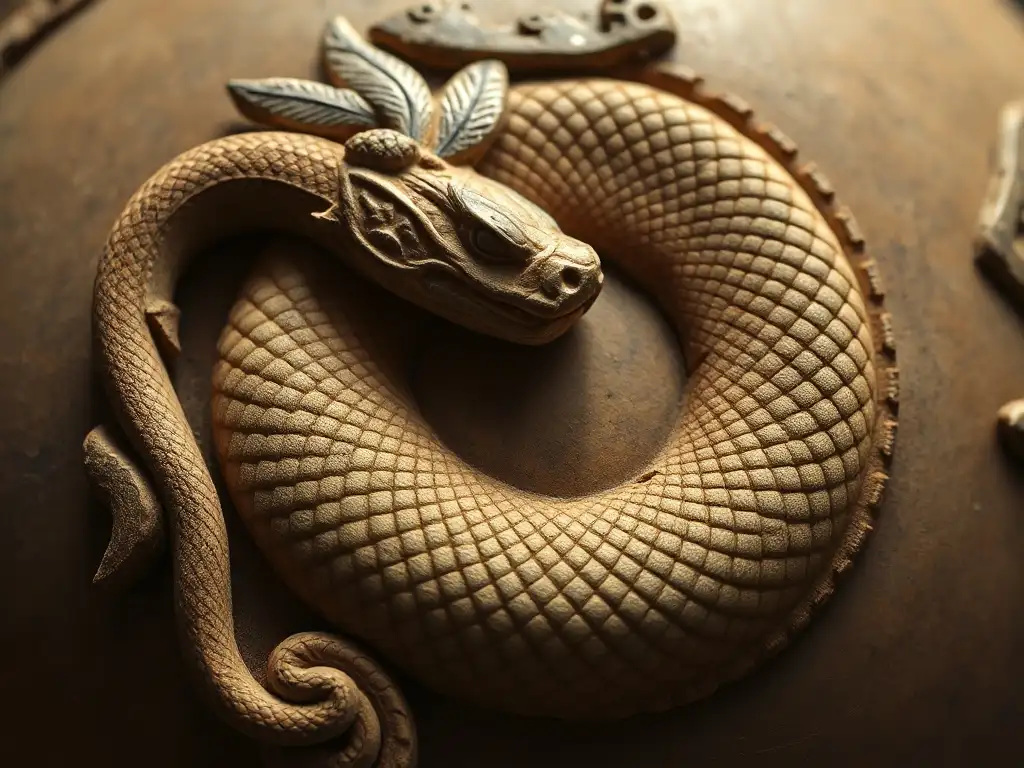
The Moche civilization, renowned for its sophisticated artistry, frequently depicted serpents in their pottery, textiles, and metalwork. Understanding the meaning behind these representations offers crucial insights into their cosmology, social structures, and worldview. The recurring motif of the serpent in Moche iconography, often intertwined with other symbolic elements, reveals a complex system of beliefs and rituals.
Analyzing the stylistic variations and contextual clues allows us to unravel the multifaceted symbolism associated with this powerful creature. The prevalence of "Moche pottery serpent symbolism" underscores its importance in their culture. This section delves into specific examples to illustrate the nuances of their serpent imagery.
Serpent with Fangs and Zoomorphic Features
Many Moche depictions showcase serpents with prominently displayed fangs, emphasizing their predatory nature. These serpents are frequently rendered with realistic zoomorphic features, including scales, forked tongues, and piercing eyes. Sometimes, they are depicted in dynamic poses, coiled around objects or figures, suggesting a sense of power and control. The level of detail in these representations reflects the Moche artisans' skill and their keen observation of the natural world.
For instance, the subtle variations in scale patterns and the expressive rendering of the serpent's head demonstrate a high degree of artistic sophistication. Analyzing these details offers clues to the specific meaning attributed to the serpent in different contexts. The presence of other elements, like human figures or specific objects, further enriches the interpretation of the serpent's role within the overall composition. The use of color also plays a significant role; vibrant hues often highlight certain features, emphasizing their symbolic importance.
Intertwined Serpents forming Complex Geometries
Another prominent motif involves intertwined serpents forming intricate geometric patterns. These designs frequently incorporate other symbolic elements, such as stylized plants, celestial bodies, or anthropomorphic figures. The complexity of these compositions suggests a sophisticated understanding of mathematics and geometry, reflecting the advanced technological capabilities of the Moche. The precise arrangement of the serpents, their interaction with other elements, and the overall design of the piece all contribute to a rich and layered interpretation of the symbolism.
For example, the intertwining of two serpents might represent duality, balance, or the cyclical nature of life and death. The incorporation of geometric patterns could signify cosmic order or a connection to the supernatural realm. Further research is needed to fully understand the specific meanings associated with these intricate designs. [Specific examples of pottery pieces with intertwined serpents and their detailed descriptions pending].
Serpent Associated with the Decapitator Deity
The Moche Decapitator deity, a prominent figure in their iconography, is often depicted alongside serpents. This association suggests a close relationship between the deity's power and the serpent's symbolism. The serpent, in this context, might represent the deity's control over life and death, fertility, or the underworld. The depiction of the serpent alongside sacrificial scenes reinforces this interpretation.
The close proximity of the serpent to the deity, often intertwined or coiled around the deity's body, further strengthens the idea of a powerful connection. The use of specific colors or materials in these depictions might also hold symbolic meaning, providing additional layers of interpretation. Understanding the specific context of these representations is crucial for a comprehensive analysis of the Moche serpent symbolism. [Further analysis of the relationship between the Decapitator deity and the serpent in Moche iconography pending].
Comparative Analysis: Serpent Motifs in Other Andean Cultures
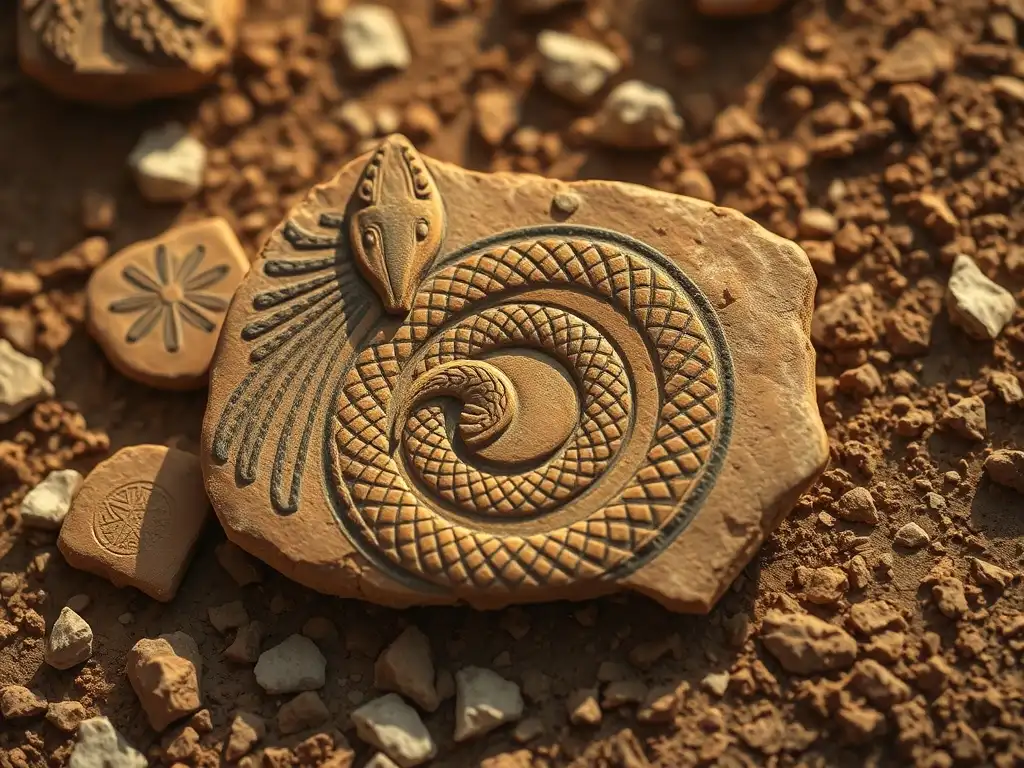
This section delves into the fascinating world of serpent iconography within the broader context of Andean civilizations, comparing and contrasting the Moche representation with those of other significant cultures. By examining these similarities and differences, we can gain a deeper understanding of the serpent's pervasive symbolism and its evolving significance across time and space.
The prevalence of the serpent motif in Andean art highlights its deep-rooted cultural importance, suggesting shared beliefs and possibly even cultural exchange or influence between these distinct societies. Analyzing these interconnections provides richer insights into the Moche civilization's unique artistic expression within a wider Andean framework.
Similarities and Differences with Chavín Serpent Iconography
The Chavín culture, predating the Moche, also featured prominent serpent imagery in their art. However, a closer examination reveals key distinctions in their depiction. Chavín serpents are often depicted in a more stylized, abstract manner, frequently incorporating feline features, creating hybrid creatures. Their representation is often associated with shamanic practices and the underworld.
| Feature | Chavín Serpent Iconography | Moche Serpent Iconography |
|---|---|---|
| Style | Abstract, stylized, often incorporating feline features | More realistic, detailed, often showing movement and energy |
| Context | Associated with shamanism, underworld, ritual contexts | Diverse contexts, including ritual, narrative, and decorative |
| Attributes | Hybrid creature, often with fangs and claws | Often depicted with scales, fangs, and sometimes feathered headdresses |
| Symbolic Meaning | Associated with power, transformation, and the supernatural | Associated with power, fertility, water, and possibly the underworld, but with a wider range of interpretations based on context. |
Unlike the often-ambiguous Chavín representations, Moche serpent depictions frequently exhibit a greater level of realism and dynamism. The Moche artists skillfully captured the sinuous movement of the serpent, often portraying them in active poses, perhaps engaged in combat or intertwined with other figures. This attention to detail suggests a more nuanced and multifaceted understanding of the serpent's symbolic significance within the Moche worldview. The Moche, while possibly drawing inspiration from earlier traditions, adapted and transformed the serpent motif to reflect their own unique cultural values and beliefs.
Influence of the Serpent Symbol Across Andean Civilizations
The serpent's enduring presence in Andean art, from the early Chavín to the later Inca cultures, suggests a shared symbolic language across these diverse societies. While the specific interpretations might have varied, the serpent consistently represented power, fertility, and connection to the supernatural. The Moche, situated within this rich artistic tradition, incorporated and adapted pre-existing symbolism, adding their own unique stylistic flourishes and contextual interpretations.
This continuous evolution of the serpent motif demonstrates the adaptability and resilience of Andean artistic traditions, with each culture contributing to the ongoing narrative of this powerful symbol. Tracing the serpent's evolution across different Andean cultures reveals a complex web of influences and interpretations, reflecting the interconnectedness and dynamism of Andean societies. Further research into the specific contexts of serpent depictions in various Andean cultures is needed to fully understand the nuances of this pervasive symbol and its significance within individual societies.
The subtle variations in style and context across these cultures offer valuable insights into the diverse beliefs and artistic expressions of the ancient Andes. The ongoing study of Moche pottery serpent symbolism, in comparison to other Andean societies, continues to reveal new and fascinating information about these ancient civilizations. 🐍
Interpreting the Moche Serpent: Current Theories and Research
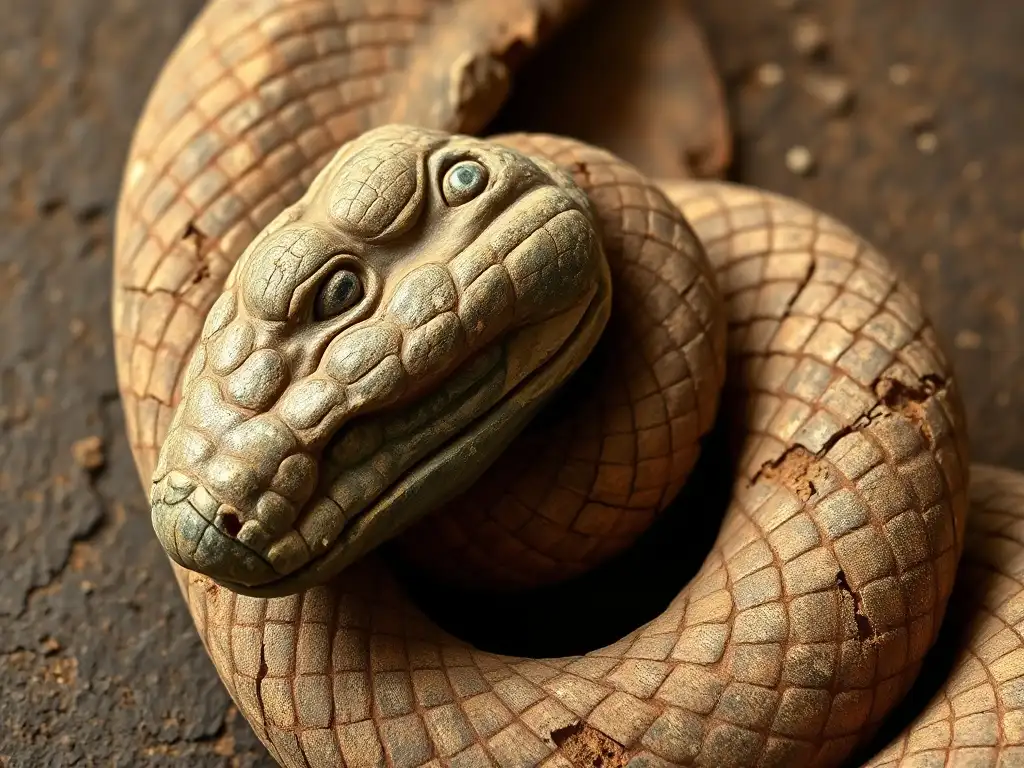
The Moche people, renowned for their exquisite pottery, imbued their artwork with profound symbolism. The serpent, a recurring motif in Moche ceramics, is particularly rich in meaning, prompting ongoing scholarly debate and research into its significance within Moche culture. Understanding the serpent's role requires examining its various depictions across different Moche pottery styles and contexts.
While definitive conclusions remain elusive, several compelling theories attempt to decipher the multifaceted symbolism of this powerful creature. The complexity of the iconography stems from the subtle variations in the serpent's representation – sometimes depicted as a benevolent deity, other times as a fearsome predator, highlighting the nuanced understanding of the natural world held by the Moche. The abundance of Moche pottery featuring serpents underscores its importance, making it a critical aspect of Moche iconography and a valuable lens through which to understand their worldview.
Further research focusing on comparative analysis with other Andean cultures and a more in-depth study of specific archaeological contexts will undoubtedly shed further light on this fascinating subject. The ongoing work in deciphering Moche serpent symbolism contributes to a broader understanding of Andean art and religious beliefs.
The serpent's frequent association with Moche elite figures in ceramic depictions suggests a strong connection to power and authority. Many examples show serpents intertwined with rulers or depicted on ceremonial objects, indicating a possible representation of royal lineage or divine sanction. The serpent's sinuous form, its ability to shed its skin, and its association with fertility and regeneration could symbolize the cyclical nature of power and the continuous renewal of authority within Moche society.
Some scholars propose that the serpent served as a symbol of the Moche ruler's connection to the supernatural, emphasizing their divine right to rule and their role as intermediaries between the human and spiritual realms. Analyzing the specific contexts in which these serpent-ruler depictions appear – such as within tombs or ceremonial centers – is crucial for a more comprehensive understanding of this complex symbolism.
Detailed analysis of the stylistic variations in these representations, paying close attention to posture, adornments, and accompanying figures, could reveal further nuances in the meanings associated with the serpent in relation to rulership. The presence of specific attributes like feathered headdresses or elaborate jewelry on the serpent could further amplify its symbolic connection to power.
The Serpent's Role in Moche Ritual Practices
The serpent's presence in Moche ritual contexts is evidenced by its prominent role in various ceramic representations of ceremonies and sacrifices. These depictions often show serpents alongside human figures engaged in ritualistic activities, suggesting a significant role for the serpent in Moche religious practices. The serpent may have been viewed as a powerful intermediary or a conduit between the earthly and spiritual realms, facilitating communication with deities or ancestral spirits.
Some scholars suggest that the serpent's shedding of its skin could be interpreted as a symbol of renewal and rebirth, aligning it with rituals associated with death and resurrection. The use of serpent imagery in funerary contexts supports this theory, with serpents sometimes appearing on grave goods or adornments associated with the deceased. Detailed analysis of the arrangement of objects and figures within specific ceramic representations of rituals will provide further insights into the serpent's role in these practices.
For instance, the positioning of the serpent in relation to other elements within the scene could indicate its specific function or significance within the ritual. Further research into the chemical composition of pigments used in depicting serpents could also reveal hidden layers of meaning related to specific ritual practices.
The Serpent's Connection to Moche Creation Myths
While direct evidence of Moche creation myths is limited, the serpent's prominent role in their iconography suggests a possible connection to their creation narratives. The serpent's association with water, fertility, and life-giving forces could indicate its role as a creator deity or a symbol of generative power in Moche cosmology. Consider the possibility that the serpent represents a primordial force responsible for bringing forth life and shaping the world.
The serpent's cyclical nature, represented by its shedding of skin, could symbolize the continuous cycle of creation and destruction inherent in Moche beliefs about the cosmos. By comparing the serpent's depiction in Moche pottery with similar motifs found in other Andean cultures, we might gain a broader understanding of its role in broader Andean creation narratives. A comparative study of the serpent's symbolism in Moche art and the iconography of contemporary cultures could shed light on the continuity and evolution of these beliefs.
The continued exploration of Moche iconography and its relationship to broader Andean traditions offers the potential for enriching our understanding of the complex religious beliefs of the Moche people. Further research into the linguistic aspects of Moche culture, if any surviving records exist, could offer additional clues to understanding the symbolic meaning of the serpent within their creation myths.
Conclusion: The Enduring Significance of the Moche Serpent
The Moche civilization, though long vanished, left behind a legacy etched in clay: their remarkable pottery. The prevalence of serpent imagery in Moche ceramics speaks volumes about the profound significance this creature held within their worldview. Analyzing Moche pottery serpent symbolism reveals not just artistic skill, but a deep-seated cultural understanding of the natural world and its spiritual forces.
This iconography provides invaluable insight into the Moche cosmology, social structures, and daily life. The intricate details, the varying depictions—from benevolent guardians to fearsome deities—all contribute to a richer, more nuanced understanding of this fascinating culture. Further research into similar motifs across different Moche sites and pottery styles could illuminate regional variations and potential shifts in beliefs over time.
The meticulous study of Moche pottery serpent symbolism continues to unlock secrets of a civilization lost to time, offering a captivating glimpse into their rich and complex world. Understanding the serpent's role allows us to appreciate the sophistication and artistry of the Moche, highlighting their capacity for symbolic representation and narrative expression.
The Ongoing Importance of Studying Moche Iconography
The study of Moche iconography, particularly the serpent motif, remains critically important for several reasons. Firstly, it offers a unique window into the Moche worldview, providing clues about their beliefs, rituals, and social structures. By deciphering the symbolic language embedded in their pottery, we can reconstruct aspects of their cosmology and understand their relationship with the natural world. Secondly, the analysis of these artifacts contributes to a broader understanding of Andean art history and the evolution of artistic styles across different cultures and time periods.
Comparisons with later Andean cultures can reveal continuities and changes in symbolic representations. Finally, the ongoing study of Moche pottery serpent symbolism fuels anthropological and archaeological research, enriching our understanding of human civilization and cultural development. New discoveries and analytical techniques constantly refine our interpretations, leading to a more complete picture of Moche society.
The preservation and careful study of these fragile artifacts are vital for ensuring that future generations can continue to learn from the legacy of the Moche. The meticulous documentation and analysis of these pieces are crucial for the ongoing preservation and interpretation of Moche culture, ensuring its enduring place in our understanding of ancient Andean societies. Continued research is essential for unraveling the complexities of Moche symbolism and expanding our knowledge of this remarkable civilization.
The Serpent's Legacy in Modern Andean Culture
While the Moche civilization itself is long gone, the serpent's symbolic power continues to resonate within modern Andean cultures. Though the specific interpretations may have evolved over millennia, the serpent remains a potent symbol in many indigenous traditions, often associated with fertility, water, and the earth's life-giving forces. This enduring presence underscores the deep-rooted connection between past and present Andean cultures, highlighting the enduring power of ancient symbolism.
While specific connections between modern interpretations and Moche symbolism require further investigation, the persistence of the serpent motif suggests a continuity of cultural memory and the enduring influence of ancient Andean beliefs on contemporary practices and worldviews. Further research into contemporary Andean folklore and religious practices could reveal the extent to which the Moche serpent's legacy continues to inform current cultural expressions. The ongoing study of this connection provides a valuable lens through which to understand the long-term impact of ancient Andean civilizations on the region's cultural landscape.
The serpent, a powerful symbol in the hands of the Moche potters, continues to slither through time, leaving its mark on the cultural tapestry of the Andes. 🐍
Frequently Asked Questions
What is the significance of serpents in Moche culture?
Serpents held significant religious and symbolic meaning in Moche culture. They were often associated with fertility, water, and the underworld, representing powerful forces in their worldview. Their depiction in pottery reflects this deep-seated reverence.
How did the Moche depict serpents in their pottery?
Moche artisans depicted serpents in various ways, from realistic representations to stylized forms, often intertwined with other motifs. The serpents' positions and accompanying imagery further enriched their symbolic meaning.
What materials did the Moche use to create their serpent-themed pottery?
The Moche primarily used clay to create their pottery, often firing it to create durable and richly colored vessels. The use of pigments allowed for intricate detail and vibrant colors in their serpent designs.
Are there different types of serpent depictions in Moche pottery?
Yes, Moche serpent depictions varied greatly. Some portray ferocious, powerful serpents, while others show more graceful or stylized forms. The context and accompanying imagery often helps determine the specific meaning intended.
Where can I see examples of Moche serpent pottery?
Examples of Moche pottery featuring serpents can be found in museums worldwide, including major collections in Peru and institutions in North America and Europe. Many online databases and museum websites also offer images and detailed information.
Final Reflection: Unraveling the Serpent's Whisper in Moche Culture
The enduring power of Moche iconography continues to resonate today, reminding us of the intricate relationship between ancient societies and their environment, and the enduring human need to express complex ideas through art. The vibrant depictions of serpents on their pottery aren't mere decorations; they are windows into a sophisticated cosmology, a testament to the Moche's deep understanding of the natural world and their place within it. These images, painstakingly crafted centuries ago, still hold the power to captivate and inspire.
The serpent, a symbol of both life and death, fertility and destruction, continues to hold a powerful place in our collective unconscious. Its presence in Moche art speaks to the universality of these themes, transcending time and culture. The serpent is a symbol of transformation, shedding its skin to reveal a renewed self. This mirrors the cyclical nature of life and death, a concept central to many ancient cultures.
This quote highlights the enduring relevance of the Moche's artistic expression, reminding us that the human experience, with all its complexities, remains fundamentally unchanged. The Moche's artistic exploration of this duality offers a profound meditation on the human condition.
Consider the intricate details of the Moche serpent imagery. Let their artistry inspire you to delve deeper into your own understanding of symbolism and the power of visual storytelling. What stories do you see in the swirling lines and vibrant colors? What connections can you draw between the Moche's worldview and your own? Take a moment to appreciate the enduring legacy of this ancient civilization, and let their artistic achievements inspire you to find meaning and beauty in the world around you.
**Unveil the Mysteries of Moche Iconography! **
Thank you for exploring the fascinating world of Moche iconography with us! We hope you've gained valuable insights into the symbolic significance of the serpent. Now, let's delve even deeper.
Here are a few ways to continue your exploration:
- **Engage with the past:** Visit a museum or cultural center featuring Andean artifacts to see examples of serpent motifs and appreciate their artistry firsthand. Consider the **Larco Museum in Lima, Peru**, for instance.
- **Share your knowledge:** Discuss the significance of the serpent in Moche culture with friends, family, or online communities. Your insights could spark fascinating conversations and collaborative learning!
- **Join the community:** Participate in online courses or workshops focused on Andean civilizations to expand your understanding of Moche iconography and its rich history. Many universities and cultural institutions offer such opportunities.
What aspect of Moche iconography intrigues you most, and how does it influence your understanding of ancient cultures? We'd love to hear your thoughts!