
The Influence of Andean Warfare on Neighboring Civilizations

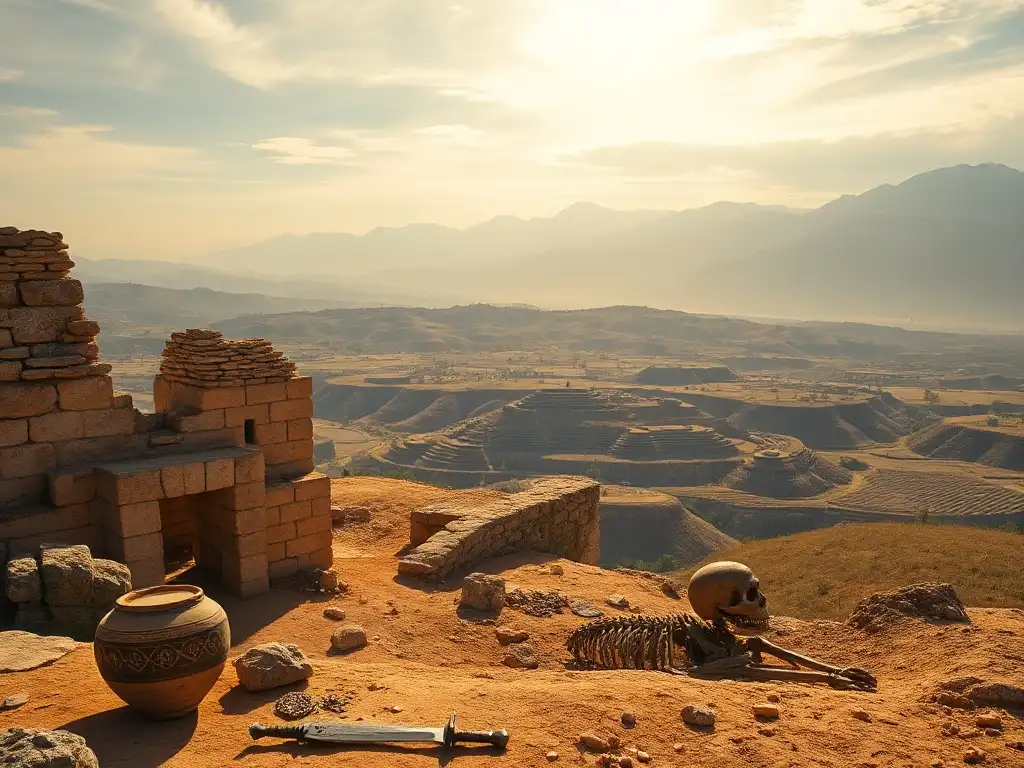
Step into a world lost to time, yet echoing with the thunder of ancient battles. The Andean Civilizations website unveils the intricate tapestry of pre-Columbian societies, from the majestic Incas to the enigmatic Nazca. But what shaped their destinies, their triumphs, and their ultimate fates? Discover the surprising impact of Andean warfare on neighboring cultures – a story of conflict, adaptation, and unexpected alliances that will rewrite your understanding of this fascinating era. Dare to delve deeper and uncover the secrets buried within the Andes.
The Andes Mountains, a formidable natural barrier, also served as a crucible for the development of diverse and powerful civilizations. For millennia, these Andean cultures—from the early hunter-gatherers to the expansive Inca Empire—engaged in warfare that profoundly shaped not only their own societal structures but also the trajectory of neighboring cultures. This article delves into the significant impact of Andean warfare on surrounding populations, exploring the diverse strategies, technologies, and consequences of military conflict across different periods and Andean societies.
We will examine how Andean military prowess influenced political structures, economic systems, cultural exchange, and technological advancements in the surrounding regions, highlighting the complex interplay between conflict and cultural development in the pre-Columbian Andes. Understanding the influence of Andean warfare is crucial to grasping the complete picture of the dynamic and interconnected societies that flourished in this remarkable region.
This exploration will focus on the impact of Andean military actions, analyzing its ripples across different groups and geographical areas, demonstrating the far-reaching consequences of these conflicts. The keyword "Andean warfare impact on surrounding cultures" will be examined through specific examples and case studies.
Introduction: Understanding the Scope of Andean Military Influence
Andean warfare wasn't simply a series of isolated battles; it was a complex process with long-term consequences. The scale of its impact varied considerably depending on the specific Andean civilization involved and the nature of its interactions with neighboring groups. Some Andean states, like the Inca Empire, engaged in large-scale conquest and imposed their political and social systems on conquered territories. Others, like the Moche, focused on smaller-scale conflicts and raiding, primarily impacting trade routes and resource control.
Understanding this spectrum of military interaction is key to appreciating the diverse ways Andean warfare shaped the cultural landscape of the region. The nature of the terrain itself—the steep mountains, narrow valleys, and high-altitude passes—dictated military strategies and influenced the development of unique Andean weaponry and tactics. This geographical context must be considered when assessing the influence of Andean warfare on surrounding communities.
Pre-Inca Andean Warfare and its Regional Impact
The influence of Andean warfare extended far beyond the Inca Empire. Centuries before the Inca rose to prominence, numerous other Andean cultures engaged in conflict that significantly shaped the political and social landscape. The impact of these earlier conflicts often laid the groundwork for later interactions, influencing the development of military strategies, alliances, and even the distribution of populations. The study of pre-Inca warfare provides crucial context for understanding the later, more widely known Inca military campaigns and their impact.
Early Forms of Andean Conflict and Expansion
Early Andean societies, while often characterized by smaller-scale conflicts, still displayed remarkable military organization and innovation. Archaeological evidence suggests the use of sophisticated weaponry, such as projectile points and clubs, along with defensive structures like fortified settlements. These early conflicts, while perhaps less extensive geographically, played a vital role in shaping the social hierarchies and political structures of these early communities.
The competition for resources, especially fertile land and water sources, likely fueled these early conflicts, influencing the patterns of settlement and population distribution in the Andes. The extent of these early impacts requires further research, but it's clear that these conflicts were far from insignificant.
The Role of Warfare in the Development of Andean States
Warfare played a crucial role in the development of larger, more complex Andean states. Military success often led to territorial expansion, increased resource control, and the consolidation of power. The ability to mobilize and command large armies became a key factor in determining which groups rose to prominence and which declined.
This process of state formation was directly influenced by the need to defend territories, conquer rivals, and maintain control over conquered populations. The development of sophisticated military organization and technology was directly linked to the growth and expansion of these Andean states. The successes and failures of military campaigns had a direct influence on the trajectory of these early civilizations.
The Moche Culture and Its Military Interactions
The Moche civilization (c. 100-800 CE) provides a fascinating case study of the impact of Andean warfare on neighboring cultures. Known for their impressive artistic achievements and sophisticated irrigation systems, the Moche were also skilled warriors. While their military campaigns were perhaps less extensive than those of the Inca, their military actions had a significant impact on the political and economic landscape of the northern Peruvian coast. Their control over key resources and trade routes likely influenced the development of neighboring societies.
The Moche's military prowess is evident in their impressive iconography, which depicts scenes of warfare and displays of military power. Further research is needed to fully understand the extent of Moche military influence on surrounding cultures. Detailed analysis of Moche military strategies and their long-term impact on their neighbors is an area ripe for further scholarly exploration.
The Inca Military Machine and its Sphere of Influence
The Inca Empire, at its zenith, controlled a vast territory stretching along the Andes Mountains. This expansive empire was not achieved through diplomacy alone; the Inca military machine played a crucial role in its expansion and consolidation of power. The Inca army was a highly organized and disciplined force, capable of mobilizing large numbers of soldiers for both defensive and offensive campaigns.
Their military prowess significantly impacted neighboring civilizations, forcing adaptations and changes in their societal structures and military strategies. The sheer scale of Inca military operations, coupled with their sophisticated logistics and administrative capabilities, created a ripple effect across the Andean region, leaving an indelible mark on the cultures they encountered.
The impact wasn't just military; it reshaped political landscapes, economic systems, and even religious practices in conquered territories. The legacy of Inca warfare continues to be studied and debated, highlighting the complex interplay between military power and cultural transformation.
Inca Military Organization and Strategies
The Inca army wasn't a monolithic force; it was organized into distinct units based on geographic origin and social standing. Each province contributed soldiers, creating a diverse yet unified fighting force. Inca military strategy prioritized surprise attacks and swift maneuvers, leveraging their knowledge of the terrain to their advantage. They employed a system of relay runners to ensure rapid communication and coordination across vast distances, allowing for efficient troop movements and logistical support.
Their strategies often involved a combination of psychological warfare, intimidation, and overwhelming force to demoralize and subdue their opponents. The use of advanced siege weaponry and tactics, coupled with their superior organization and logistical capabilities, often proved decisive in their conquests. Detailed records, though not as abundant as we might like, hint at the sophistication of Inca military planning and execution.
The Impact of Inca Conquest on Conquered Populations
The Inca conquest had profound and lasting effects on the conquered populations. The imposition of Inca rule often involved the displacement of existing power structures, the integration of conquered peoples into the Inca administrative system (through the mita labor system), and the adoption of Inca religious beliefs and practices. Resistance was common, yet often met with swift and brutal suppression. The Inca implemented strategies aimed at integrating conquered populations while simultaneously maintaining control.
This involved the resettlement of conquered peoples, the construction of infrastructure (roads, storehouses), and the imposition of tribute systems. The economic impact was significant, with conquered populations often forced to contribute labor and resources to the Inca state. This led to significant social and economic upheaval, shaping the cultural landscape of the Andes for centuries to come. Archaeological evidence continues to uncover the complex and multifaceted consequences of Inca expansion.
Inca Technological Advantages in Warfare
The Inca possessed several technological advantages that contributed to their military success. Their mastery of metallurgy allowed them to create superior weapons, such as bronze and copper tools and weapons, giving them a significant edge over neighboring groups who relied on simpler technologies. Their advanced road system facilitated rapid troop movement and logistical support, enabling them to launch swift and decisive campaigns across their vast empire.
The Inca also employed sophisticated engineering techniques in the construction of fortifications and defensive structures, making their strongholds difficult to conquer. This combination of superior weaponry, efficient logistics, and advanced engineering gave the Inca a clear advantage in warfare, significantly impacting their ability to conquer and control their vast empire. The strategic use of these advantages is evident in the archaeological remains of their fortifications and the accounts of their conquests.
Andean Warfare Tactics and their Diffusion
Andean warfare wasn't a monolithic entity; it varied across different cultures and time periods. However, certain tactics and strategies were adopted and adapted by different groups, demonstrating a degree of cultural exchange and influence. The mountainous terrain of the Andes shaped warfare, leading to the development of specialized tactics suited to the unique challenges of high-altitude combat.
Innovative siege techniques, specialized weaponry, and adaptable military strategies were employed, and the exchange of these methods between different Andean civilizations contributed to the evolution of warfare in the region. The dissemination of these techniques is a testament to the dynamic nature of Andean societies and their interconnectedness.
Siege Warfare and Fortifications in the Andes
Siege warfare played a crucial role in Andean conflicts. The construction of impressive fortifications, such as those found at Ollantaytambo and Sacsayhuamán, showcases the sophistication of Andean engineering and military planning. These structures were designed to withstand prolonged sieges, incorporating features like strategic placement, defensive walls, and intricate passageways.
The development of effective siege weaponry, including slings, bolas, and possibly even early forms of cannons (though evidence is still debated), increased the effectiveness of sieges. The strategies employed in sieges, including the use of tunnels and undermining techniques, were adapted and refined over time, impacting the military strategies of numerous Andean groups. The effectiveness of these defensive structures and siege tactics is demonstrated by the length and intensity of some of the conflicts in the Andes.
The Sling and its Adoption by Other Groups
The sling was a ubiquitous weapon throughout the Andes, used by various groups, from the Inca to the smaller, independent communities. Its effectiveness in both offensive and defensive roles made it a favored weapon, requiring less specialized training than other projectile weapons. The relatively simple design of the sling allowed for easy replication and adoption by different cultures.
Its widespread use across various Andean societies highlights the diffusion of military technologies and tactics within the region. The sling's effectiveness in both ranged combat and siege warfare contributed to its widespread adoption and enduring legacy in Andean military history. Its simplicity and effectiveness ensured its prevalence across diverse groups and terrains.
Mountain Warfare Strategies and their Effectiveness
The rugged Andean terrain significantly influenced warfare strategies. The use of mountain passes, cliffs, and narrow trails provided both defensive and offensive advantages, shaping the tactics employed by various Andean civilizations. Control of strategic mountain passes was crucial for controlling trade routes and movement of armies.
Ambushes and surprise attacks were common, leveraging the terrain to the advantage of the attacking force. The ability to navigate the treacherous mountain paths and utilize the terrain effectively became a vital military skill, resulting in the development of specialized tactics and training for mountain warfare. The effectiveness of these strategies is evident in the historical accounts of Andean warfare and the archaeological evidence of defensive structures built in strategic mountain locations.
Cultural Exchange Through Military Interaction
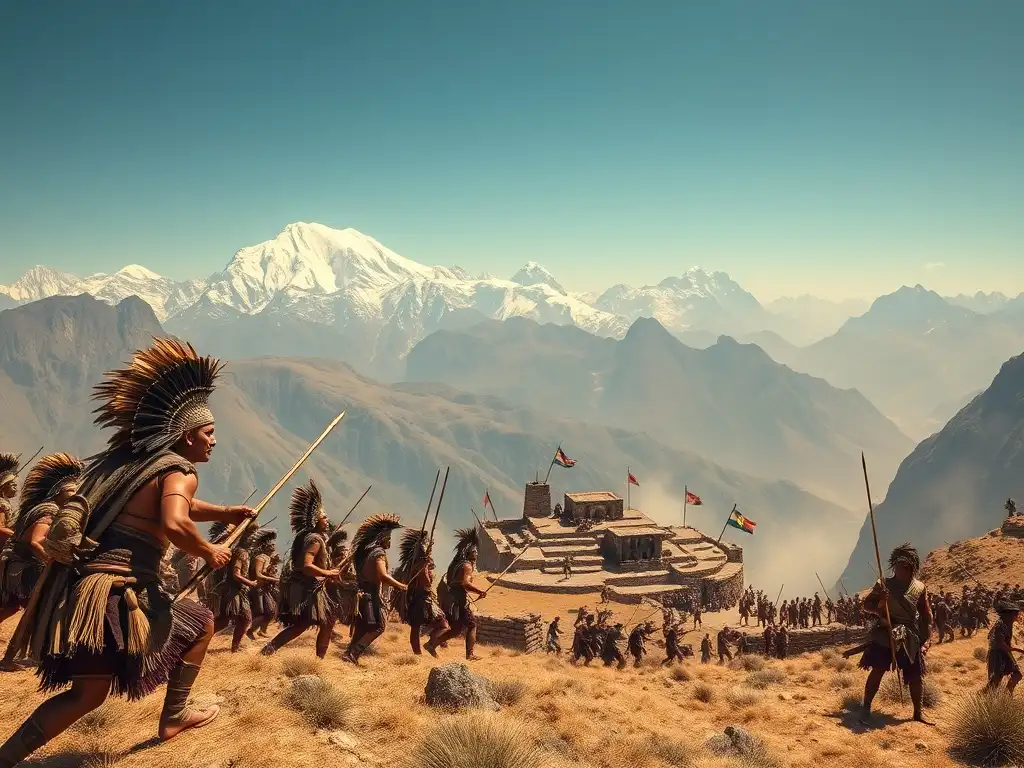
The impact of Andean warfare extended far beyond battlefield victories; it fostered significant cultural exchange between the Andean civilizations and their neighbors. Military campaigns weren't solely about conquest; they facilitated the movement of people, goods, and ideas across vast distances. The forced relocation of populations, for instance, introduced new agricultural techniques, artistic styles, and religious beliefs into conquered territories. This involuntary migration often resulted in a blending of cultures, creating hybrid societies that incorporated elements of both Andean and local traditions.
The exchange wasn't always one-sided; neighboring cultures also influenced Andean societies, albeit often under the pressure of military dominance. This dynamic interplay between conquest and cultural exchange shaped the development of numerous societies throughout the Andes region and beyond. The resulting cultural fusion is evident in the archaeological record, showcasing the complex and often unpredictable consequences of Andean military expansion.
The Transmission of Military Technology and Techniques
Andean military prowess was partly due to their advanced weaponry and tactical strategies. Their sophisticated weaponry, including slings, clubs, spears, and later, metal weapons, were often adopted by neighboring societies after military contact. The Inca, for example, were known for their effective use of chasquis, a relay runner system for rapid communication, which facilitated swift military mobilization and logistical support.
This system, along with other innovative military tactics, likely influenced the strategies of neighboring groups, leading to improvements in their own military capabilities. Archaeological evidence suggests the adoption of certain Andean metalworking techniques for weapon production in some neighboring cultures, highlighting the direct transfer of technology facilitated by warfare. The spread of Andean military innovations led to a regional arms race, where neighboring groups constantly sought to improve their defenses and offensive capabilities in response to the ever-present threat of Andean expansion.
The Spread of Andean Military Ideologies
Andean military campaigns weren't simply about territorial control; they also spread Andean ideologies and beliefs. The Inca, with their highly centralized empire, imposed their worldview on conquered populations. This included the propagation of their religious beliefs, particularly the worship of the sun god Inti, and the adoption of Inca administrative structures.
The spread of Andean military ideologies often involved the construction of new temples and administrative centers, reflecting the imposition of Andean power structures and religious beliefs on conquered societies. This ideological imposition, while often forceful, also led to syncretism, where local beliefs were blended with Andean ones, creating unique hybrid religious and cultural practices. The legacy of these imposed ideologies can still be observed in the cultural practices of communities that were once under Andean rule.
The Influence of Andean Warfare on Art and Ritual in Neighboring Cultures
The impact of Andean warfare is clearly visible in the art and ritual practices of neighboring cultures. The presence of Andean motifs and artistic styles in the pottery, textiles, and other artifacts of neighboring societies testifies to the cultural exchange spurred by military interaction. The depiction of weaponry, military scenes, and even Andean deities in the art of neighboring groups suggests a process of assimilation and adaptation of Andean cultural elements.
Ritual practices were also affected, with certain Andean rituals being adopted or adapted by neighboring communities. This adaptation often involved a blending of local traditions with those of the Andean conquerors, resulting in unique syncretic religious practices. The integration of Andean artistic and ritual elements into the cultures of neighboring societies stands as a testament to the far-reaching impact of Andean warfare.
Long-Term Effects of Andean Warfare
The long-term consequences of Andean warfare were profound and multifaceted, leaving an enduring mark on the political landscape, social structures, and cultural practices of the region. The effects extended beyond the immediate period of conflict, shaping the trajectory of numerous societies for generations to come.
The Legacy of Andean Military Dominance
The legacy of Andean military dominance is evident in the enduring presence of Andean cultural elements in many neighboring societies. The Inca, in particular, left a lasting impact on the political and social structures of the regions they controlled. Even after the fall of the Inca Empire, many of their administrative systems and cultural practices continued to influence subsequent societies.
The Inca road system, for example, remained a vital transportation network long after the empire's collapse, illustrating the enduring impact of their engineering prowess and military organization. This lasting influence demonstrates the significant and long-term effects of Andean military power on the development of the region.
Political and Social Transformations Triggered by Andean Conflicts
Andean warfare was a catalyst for significant political and social transformations in the surrounding regions. The constant threat of invasion and conquest forced neighboring societies to adapt their political and social structures to ensure survival. This often led to the formation of new alliances and the strengthening of existing political structures.
In some cases, Andean warfare resulted in the consolidation of power under a single ruler, creating more centralized states. In other instances, it led to the fragmentation of existing political entities and the emergence of new, smaller power structures. The upheaval caused by Andean conflicts fundamentally reshaped the political map of the Andes region and beyond.
The Development of New Political Structures
The pressure exerted by Andean warfare directly influenced the development of new political structures in neighboring societies. Faced with the threat of conquest, many groups adopted more centralized forms of government, strengthening their military capabilities and improving their ability to coordinate defenses. This process often involved the consolidation of power under a single leader or a ruling elite, leading to the emergence of more powerful and organized states.
In some cases, these new political structures were able to successfully resist Andean expansion, while in others, they ultimately succumbed to Andean military dominance. Regardless of the outcome, Andean warfare played a critical role in shaping the political evolution of the surrounding regions, fostering the development of more centralized and militarily robust societies.
Case Studies: Analyzing the Impact of Andean Warfare
Andean warfare's impact on neighboring civilizations wasn't uniform; it varied greatly depending on the specific context, the nature of the conflict, and the resilience of the targeted culture. To understand this multifaceted influence, we'll examine specific cases that highlight the diverse outcomes of Andean military expansion and conflict. The strength and organization of the Andean armies, coupled with their advanced weaponry and logistical capabilities, often resulted in significant changes to the social, political, and economic structures of conquered or neighboring societies.
However, resistance and adaptation were also common responses, leading to unique cultural syntheses and unexpected outcomes. The study of these diverse interactions provides a richer understanding of the complex dynamics of power and influence in the Andes. We must also consider the long-term effects, extending beyond the immediate aftermath of battles and conquests.
Did the conquered populations eventually assimilate, or did distinct cultural identities persist? These are crucial questions in evaluating the true extent of Andean warfare's impact.
The Inca Conquest of the Chimor Kingdom
The Inca conquest of the Chimor Kingdom in the late 15th century serves as a prime example of the transformative impact of Andean warfare. The Chimor, a sophisticated coastal civilization with a highly developed urban infrastructure and a complex social hierarchy, were ultimately overwhelmed by the Inca military machine. The Inca's superior organization, logistical prowess, and mastery of high-altitude warfare proved decisive.
The conquest led to the integration of Chimor territories into the Inca Empire, resulting in the adoption of Inca administrative systems, religious practices, and even architectural styles in certain regions. However, Chimor artistic traditions and some aspects of their social organization persisted, demonstrating a level of cultural resilience even under Inca rule.
This illustrates the complex interplay between conquest and cultural adaptation, a common theme in the study of Andean warfare's influence. The Chimor case showcases how the imposition of Inca power led to significant political and economic changes, but also how aspects of the conquered culture managed to survive and even influence the conquerors.
The Inca Conflict with the Mapuche
In contrast to the relatively swift and complete conquest of the Chimor, the Inca's interactions with the Mapuche people of central Chile illustrate the limits of Andean military power. Despite several military campaigns, the Inca were unable to fully subdue the Mapuche, who employed effective guerrilla warfare tactics and demonstrated remarkable resistance to Inca dominance. This prolonged conflict resulted in a stalemate, with neither side achieving a decisive victory.
The Mapuche's resistance prevented the complete Inca expansion southward, shaping the geographical boundaries of the empire. The enduring independence of the Mapuche demonstrates the limitations of even the most powerful Andean armies when faced with determined resistance and adaptable warfare strategies.
This case study highlights the importance of considering the agency and resilience of the affected populations in analyzing the impact of Andean warfare. The Mapuche's success in resisting Inca domination underscores the fact that the impact of Andean warfare was not always one of complete cultural transformation.
Comparative Analysis of Different Warfare Impacts
Comparing the Inca's conquests of the Chimor and their conflicts with the Mapuche reveals the diverse outcomes of Andean military expansion. The Chimor case highlights the potential for significant cultural transformation under Inca rule, while the Mapuche conflict demonstrates the limits of Inca power and the enduring resilience of indigenous cultures. This comparative analysis underscores the importance of considering the specific historical context, the nature of the interacting societies, and the strategies employed in warfare when assessing the impact of Andean military power.
Further comparative studies across various Andean civilizations and their interactions with neighboring groups are essential to develop a comprehensive understanding of the long-term effects of Andean warfare on the cultural landscape of the region. This nuanced approach acknowledges the variability of these interactions and avoids generalizations about the uniform impact of Andean military power.
Conclusion: The Lasting Legacy of Andean Military Power
The influence of Andean warfare on surrounding cultures was far-reaching and multifaceted, leaving an indelible mark on the social, political, and cultural landscapes of the region. The legacy of Andean military power extends beyond the immediate consequences of battles and conquests, shaping the trajectory of numerous civilizations for centuries to come.
Summarizing the Key Impacts of Andean Warfare
Andean warfare led to significant political reorganization, economic shifts, and cultural transformations in neighboring societies. The impact varied dramatically depending on the specific circumstances of each conflict, ranging from complete conquest and cultural assimilation to prolonged resistance and negotiated coexistence. The organizational prowess, advanced weaponry, and logistical capabilities of Andean armies often proved decisive, but the resilience and adaptability of the targeted populations also played a crucial role in shaping the final outcomes. The study of Andean warfare highlights the complex interplay between power, resistance, and cultural exchange in the Andes.
The Enduring Significance of Andean Military History
The study of Andean warfare offers valuable insights into the dynamics of power, conflict, and cultural interaction in pre-Columbian South America. Understanding the impact of Andean military expansion is crucial for a comprehensive understanding of the region's complex history and the formation of its diverse cultural landscape. The enduring significance of Andean military history lies in its ability to illuminate the lasting effects of conflict and the resilience of human societies in the face of conquest and domination.
The legacy of Andean warfare continues to shape our understanding of the Andes today, reminding us of the complex interplay between power, resistance, and cultural transformation. The diverse outcomes of these interactions provide a rich tapestry of historical experiences, offering valuable lessons for understanding the complexities of human interaction throughout history.
- Introduction: Understanding the Scope of Andean Military Influence
- Pre-Inca Andean Warfare and its Regional Impact
- The Inca Military Machine and its Sphere of Influence
- Andean Warfare Tactics and their Diffusion
- Cultural Exchange Through Military Interaction
- Long-Term Effects of Andean Warfare
- Case Studies: Analyzing the Impact of Andean Warfare
- Conclusion: The Lasting Legacy of Andean Military Power
- What was the primary impact of Andean warfare on neighboring cultures?
- How did Andean military strategies affect surrounding societies?
- Did Andean warfare lead to cultural exchange beyond military conquest?
- What role did the Inca Empire's military power play in shaping neighboring cultures?
- How did resistance to Andean warfare influence the development of neighboring societies?
Frequently Asked Questions
What was the primary impact of Andean warfare on neighboring cultures?
Andean warfare significantly impacted neighboring cultures through forced assimilation, trade disruptions, and the spread of Andean technologies and beliefs. Conquest often led to the adoption of Inca administrative systems and religious practices.
How did Andean military strategies affect surrounding societies?
Andean military strategies, characterized by superior organization and innovative weaponry, often resulted in the swift subjugation of neighboring groups. This led to the collapse of existing power structures and the imposition of new political and social orders.
Did Andean warfare lead to cultural exchange beyond military conquest?
While often violent, Andean expansion also facilitated cultural exchange. Technological innovations, artistic styles, and agricultural techniques spread through conquest and trade, enriching the cultures of neighboring regions.
What role did the Inca Empire's military power play in shaping neighboring cultures?
The Inca Empire's military dominance had a profound and lasting impact. Their extensive road network facilitated rapid troop movement and control, leading to the standardization of administration and the integration of diverse populations.
How did resistance to Andean warfare influence the development of neighboring societies?
Resistance movements, though often unsuccessful, played a crucial role in shaping the cultural identity of neighboring societies. These struggles fostered local resilience and, in some cases, led to the preservation of unique cultural traditions.
Final Reflection: Echoes of Conquest: The Enduring Legacy of Andean Warfare
The sophisticated military strategies and expansive empires of the Andes weren't isolated phenomena; their impact reverberated far beyond the mountain ranges, profoundly shaping the cultural and political landscapes of neighboring civilizations. The echoes of these conflicts, from the intricate defensive architecture to the shifting power dynamics, continue to resonate in the archaeological record and the very fabric of modern societies.
The study of Andean warfare reveals not only the brutality of conquest but also the surprising adaptability and resilience of impacted cultures. The forced exchange of ideas, technologies, and even religious practices, while often born of violence, ultimately enriched the cultural tapestry of the region. Warfare, while destructive, is also a powerful catalyst for cultural exchange and transformation.
This quote highlights the complex interplay between conflict and cultural evolution, a dynamic that continues to shape societies today. Understanding this nuanced relationship is crucial to comprehending the intricate history of the Andes and its lasting influence.
Consider the impact of these ancient conflicts on your own understanding of power, cultural exchange, and the enduring legacy of the past. How do the strategies and adaptations employed by these ancient civilizations resonate with contemporary challenges? Take a moment to reflect on the enduring power of history and its ability to illuminate our present. By acknowledging the complexities of Andean warfare, we can gain a deeper appreciation for the resilience of the human spirit and the enduring power of cultural exchange, even in the face of conflict.
Unveil the Ripple Effects of Andean Warfare!
Thank you for exploring the fascinating impact of Andean warfare on neighboring civilizations. You've gained valuable insights into the complex interplay of cultural and military interactions. Now, let's build on that knowledge!
Here are some ways to further your understanding of this captivating topic:
- **Delve deeper** into ancient Andean military strategies by reading our in-depth articles on the region's diverse cultures.
- **Join our community** and share your thoughts and questions in our discussion forum – connect with fellow history enthusiasts!
- **Expand your research** by exploring books, documentaries, or podcasts that examine ancient warfare and its lasting influence.
How did Andean warfare strategies shape the development of neighboring societies? We welcome your thoughts in the comments!