
Chimu Armor: The Intricate Art of Protecting Warriors in Coastal Battles

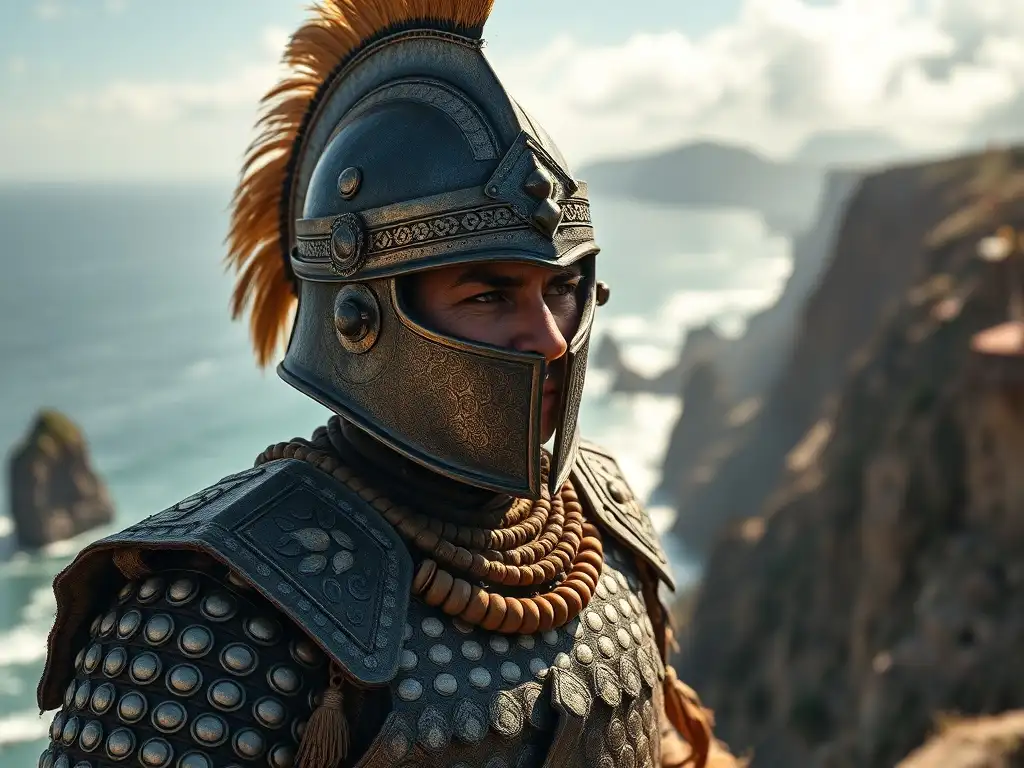
Step into a world lost to time, where the sun beat down on empires of breathtaking ingenuity. Within the Andean Civilizations website, you'll uncover the secrets of a remarkable past. But we begin with a mystery: the Chimu warrior armor design. What intricate techniques and symbolic power lay hidden within these ancient defenses? Explore the captivating artistry and brutal realities of Andean warfare, and discover the story behind the Chimu's formidable protection. Unravel the enigma... read on.
The Chimu civilization, flourishing along the arid northern coast of Peru from approximately 900 to 1470 CE, developed a sophisticated military system crucial for territorial control and resource acquisition. This article delves into the intricate design and craftsmanship of Chimu warrior armor, a testament to their advanced metallurgical skills and strategic military thinking. Understanding Chimu armor provides invaluable insight into their warfare practices, social structures, and the broader context of Andean military technology.
We will explore the materials used, the construction techniques employed, and the symbolic meaning potentially embedded within these remarkable artifacts. The study of Chimu warrior armor design offers a fascinating glimpse into the daily lives and strategic prowess of these coastal warriors, revealing a complex interplay of art, technology, and military strategy. This exploration will reveal how Chimu armor significantly impacted their military effectiveness and contributed to their considerable influence along the Peruvian coast.
Materials and Manufacturing Techniques
Chimu armor wasn't uniformly made; the materials and techniques varied based on the warrior's rank and the availability of resources. Common materials included:
- Copper alloys: These were widely used, particularly bronze, offering a balance of strength and malleability. The precise alloy composition varied, influencing the armor's durability and resistance to corrosion. Evidence suggests different copper alloys were employed for different parts of the armor, optimizing performance based on the specific protective needs of each area.
- Gold: While less common due to its scarcity and value, gold was incorporated into elite armor, often as decorative elements or inlays, highlighting the wearer's high social standing. The use of gold underscored the significance of the individual within the Chimu military hierarchy.
- Textiles: Layers of thick textiles, often interwoven with cotton and other fibers, provided additional cushioning and protection under the metal components. This layered approach absorbed blows and reduced the impact of projectiles. The textiles were also crucial in preventing the metal from directly abrading against the skin.
- Leather: Leather straps and bindings secured the metal plates and textile layers, contributing to the armor's overall strength and flexibility. Leather's durability and ability to adapt to the wearer's movements made it an ideal component.
The manufacturing process involved sophisticated metalworking techniques. Metal sheets were likely hammered and shaped using specialized tools, then assembled into plates or scales. Evidence suggests the use of advanced casting techniques for specific components. The precision and consistency observed in many surviving fragments demonstrate a high level of skill and organization within Chimu metalworking workshops.
Design and Structure of Chimu Armor
Chimu armor wasn't a single, monolithic piece. Instead, it was comprised of multiple components designed to protect different parts of the body. These included:
- Breastplates: These offered protection for the chest and abdomen, often constructed from multiple overlapping plates of copper alloy. The plates were usually shaped to conform to the body's contours, providing a balance between protection and mobility.
- Shoulder and arm guards: These protected the upper limbs, often made of smaller plates or scales that allowed for a greater range of motion. The design prioritized flexibility to enable effective combat maneuvers.
- Helmets: Helmets varied in design, some featuring a simple bowl shape, while others were more elaborate, sometimes including decorative elements. They were crucial in protecting the head from blows and projectiles.
- Greaves (leg guards): These covered the shins and knees, offering protection against attacks to the lower legs. Like the arm guards, they were frequently made of smaller, overlapping pieces for flexibility.
The overall design of Chimu armor prioritized both protection and mobility. The use of multiple, overlapping components allowed for flexibility, enabling warriors to move effectively during combat. The adaptability of the design to the warrior's movements was crucial for their effectiveness on the battlefield.
The Role of Armor in Chimu Warfare
Chimu armor played a vital role in their military strategies. The protection afforded by the armor increased the effectiveness of the Chimu warriors in battle, allowing them to engage in close-quarters combat with greater confidence. This increased survivability translated to a significant military advantage in battles against rival groups.
The armor's design, combining protection with mobility, allowed the Chimu army to be both defensively strong and offensively agile. The quality of the armor also likely contributed to the Chimu’s reputation as formidable warriors, potentially influencing the outcome of battles even before direct conflict. The symbolic value of the armor, especially the use of gold in elite sets, further reinforced the social hierarchy and instilled discipline within the army.
Chimu Armor and the Broader Andean Context
The sophisticated design and craftsmanship of Chimu armor showcase the advanced metallurgical skills of the Chimu, placing them within the broader context of Andean metalworking traditions. While unique in its specific characteristics, Chimu armor shares similarities with armor from other Andean cultures, indicating a shared technological base and cultural exchange across the region. Comparing Chimu armor to that of other Andean civilizations, such as the Inca or Wari, reveals both commonalities and variations in design and materials, highlighting the diverse yet interconnected nature of Andean military technology.
Further research is needed to fully understand the extent of these connections and the influence of different cultural traditions on Chimu armor design. The study of Chimu armor, therefore, offers valuable insights into the broader development of Andean warfare and military technology.
- Materials and Manufacturing Techniques
- Design and Structure of Chimu Armor
- The Role of Armor in Chimu Warfare
- Chimu Armor and the Broader Andean Context
Introduction to Chimu Warfare and Armor
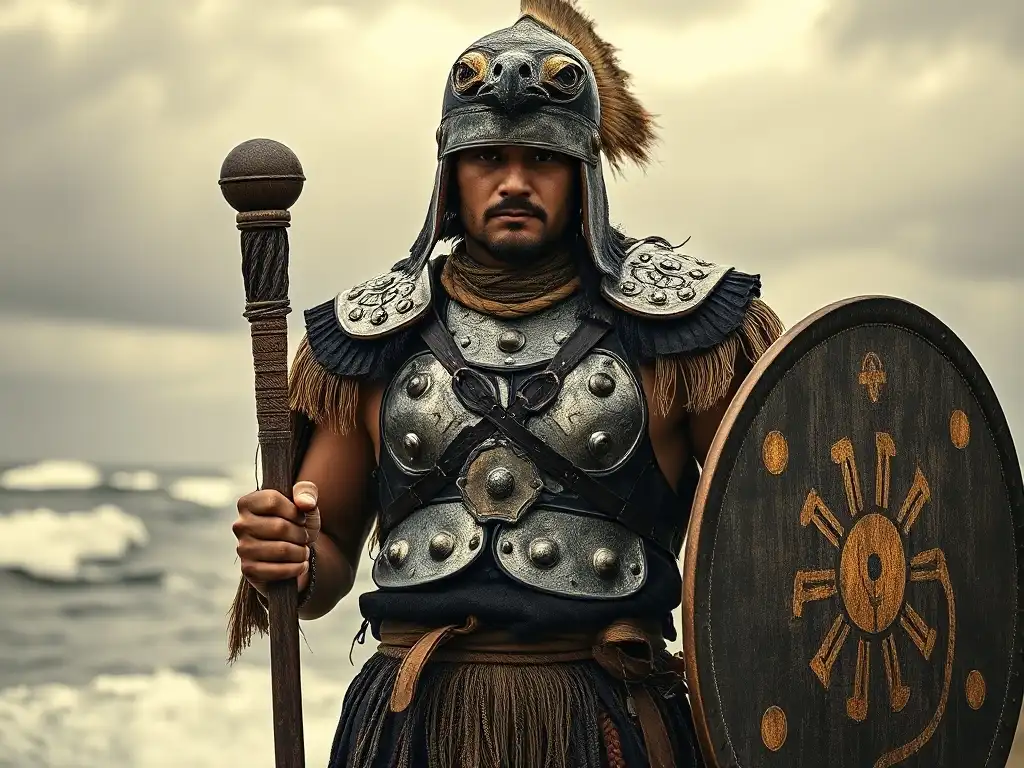
The Chimu, a powerful pre-Columbian civilization flourishing along the northern coast of Peru (roughly 1300-1470 CE), developed a sophisticated military system integral to their empire's expansion and control. Unlike the Incas, who relied heavily on infantry formations and a vast network of roads, the Chimu's military prowess was significantly shaped by their coastal environment. Their warfare involved naval engagements, coastal raids, and defense against both internal rebellions and external threats.
This unique context heavily influenced the design and function of their weaponry and armor, particularly the intricate and often surprisingly effective armor worn by their warriors. Understanding Chimu warrior armor design requires appreciating the specific challenges and opportunities presented by their coastal lifestyle and strategic needs.
The artistry and functionality of their armor reflect a deep understanding of materials, craftsmanship, and the demands of combat. Analyzing the surviving examples, fragmented as they may be, sheds light not only on their military capabilities but also on the broader aspects of Chimu society, technology, and worldview.
The Coastal Context of Chimu Military Practices
The Chimu's coastal location profoundly impacted their military strategies. The Pacific Ocean provided both a vital resource and a potential avenue for attack. Their military infrastructure included a powerful navy capable of projecting power both along the coast and potentially further offshore.
Coastal fortifications, strategically placed along the coastline, served as vital defensive points, protecting against both land-based incursions and seaborne attacks. [Specific details on the types of Chimu naval vessels pending]. These coastal fortifications, often incorporating ingenious architectural features like layered walls and defensive towers, required specialized defensive strategies and equipment, shaping the design and materials used in Chimu warrior armor.
The need to withstand both projectile weapons (like slings and spears) and potential melee combat influenced the armor's construction, emphasizing protection against a variety of threats. The arid coastal climate also played a role, influencing the selection of materials that could withstand the harsh conditions and endure prolonged exposure to sun and salt. The prevalence of sand and dust in the battlefield also impacted the design, requiring certain features to prevent abrasion and impede movement.
Importance of Defensive Gear in Chimu Battles
Defensive gear wasn't merely a secondary consideration in Chimu warfare; it was crucial to their military success. The effectiveness of Chimu armies relied heavily on the ability of their warriors to withstand enemy attacks and remain engaged in combat for extended periods. Unlike some other Andean cultures that relied more on intimidation and psychological warfare, the Chimu engaged in direct, often brutal, confrontations. This necessity for close-quarters combat highlighted the importance of protective armor.
The design of Chimu warrior armor reflects this emphasis on defense. [Specific examples of Chimu armor designs and their protective features pending]. The use of layered materials, often combining textile fabrics with potentially hardened leather or even metal elements, suggests a sophisticated understanding of ballistic protection. The armor's design, while providing protection, also needed to allow for sufficient mobility, enabling warriors to effectively wield their weapons and maneuver in combat.
Furthermore, the aesthetic aspects of the armor – possibly including symbolic designs and decorative elements – likely played a significant role in boosting warrior morale and reinforcing social status within the Chimu military hierarchy. The intricate craftsmanship evident in the surviving fragments suggests a significant investment in the creation of effective and visually impressive defensive gear. The importance placed on armor highlights its role not only in protecting individual warriors but also in ensuring the overall success of Chimu military operations.
The Design and Construction of Chimu Warrior Armor
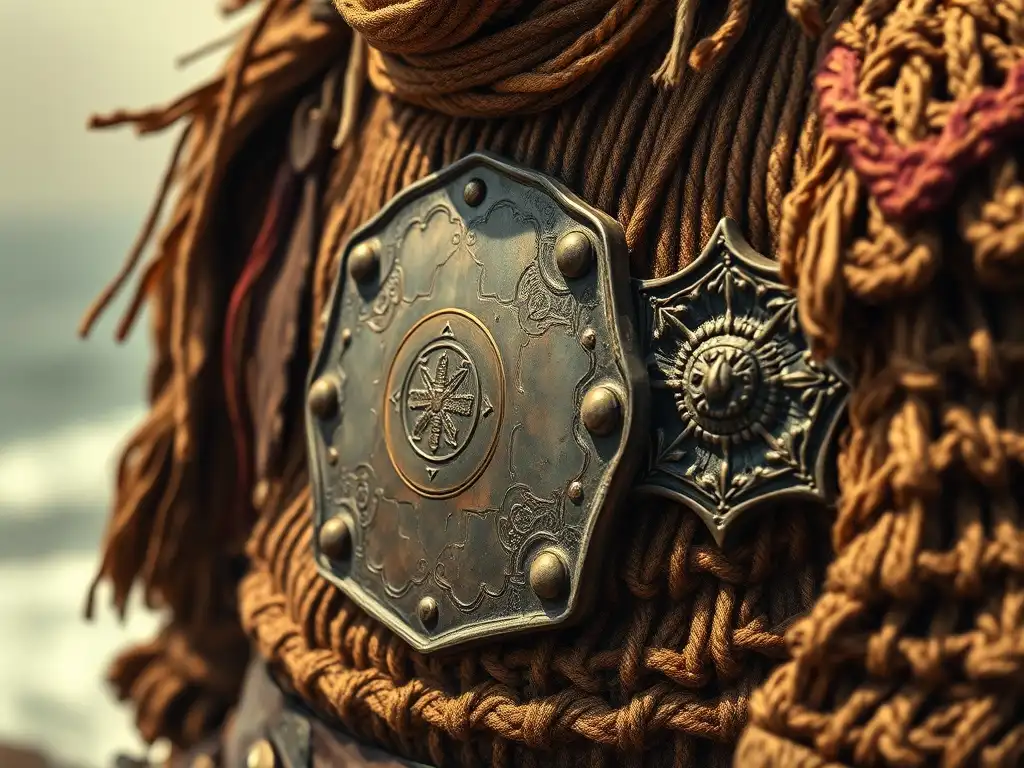
The Chimu, a powerful pre-Columbian civilization inhabiting the northern coast of Peru, developed sophisticated weaponry and armor reflecting their unique environment and warfare strategies. Their armor, a testament to their advanced metallurgical skills and artistic sensibilities, wasn't merely functional; it was a statement of power, status, and cultural identity. The design prioritized both protection and mobility, crucial for the swift, close-quarters combat typical of coastal warfare.
This section delves into the intricate details of Chimu warrior armor design, exploring the materials, techniques, and variations that defined this remarkable aspect of their military culture. Understanding the Chimu warrior armor design provides crucial insights into their societal structure and military capabilities.
Materials Used in Chimu Armor Production
Chimu armor production relied heavily on readily available resources adapted to their coastal environment. The primary material was copper, often alloyed with other metals like tin or arsenic to increase hardness and durability. This copper alloy, known as bronze in other cultures, allowed for the creation of relatively lightweight yet strong armor components.
Evidence suggests that gold, though less commonly used due to its softness, was incorporated into decorative elements on higher-ranking warrior's armor, signifying prestige and status. Furthermore, organic materials likely played a supportive role. Leather, possibly from camelids like llamas or alpacas, might have been used as padding beneath the metal plates to absorb impacts and enhance comfort.
The precise composition of any organic materials remains a subject of ongoing research; however, their use is strongly implied by comparative analysis of similar armor from contemporaneous cultures. The selection of materials reflected a practical approach, maximizing the available resources while achieving the desired level of protection and aesthetic appeal. The skillful manipulation of these materials demonstrates a sophisticated understanding of metallurgy and material science.
Techniques for Crafting Chimu Protective Gear
The craftsmanship involved in creating Chimu armor was exceptional. Archaeological finds reveal a mastery of metalworking techniques, including hammering, annealing, and riveting. Metal sheets, likely produced through hammering and shaping, were cut and formed into individual plates.
These plates, often overlapping to provide comprehensive coverage, were then meticulously joined together using rivets—small metal pins hammered through overlapping plates to secure them. The precision and consistency observed in many surviving fragments suggest the use of templates or standardized patterns to ensure uniformity and efficient production. Evidence suggests that some pieces were cast, particularly smaller components or decorative elements.
The seamless integration of hammered and cast components highlights the versatility and expertise of Chimu artisans. The techniques were not only efficient but also facilitated the creation of relatively flexible armor, allowing for greater agility on the battlefield. The intricate details and consistent quality of Chimu armor production stand as a testament to their advanced technological capabilities.
Variations in Chimu Armor Based on Rank
Significant variations existed in Chimu armor based on the wearer's social standing. While the basic construction techniques remained consistent, the quality of materials, the intricacy of the design, and the inclusion of decorative elements clearly distinguished the armor of elite warriors from that of common soldiers. High-ranking officers, for example, likely wore armor constructed from thicker, higher-quality copper alloy, potentially with gold inlay or plating.
Their armor might have featured more elaborate designs, incorporating embossed or engraved motifs representing their status and military achievements. The presence of decorative elements, often associated with Chimu iconography and religious beliefs, further distinguishes the armor of elite warriors. Unfortunately, a comprehensive analysis of these variations requires more extensive archaeological data.
However, the existing evidence strongly suggests that Chimu armor served not only a protective function but also served as a powerful symbol of social stratification within their military hierarchy. Further research into the stylistic variations in Chimu warrior armor design promises to shed more light on the intricacies of Chimu society and military organization.
Components of Chimu Warrior Armor
The Chimu civilization, flourishing along Peru's northern coast from roughly 1300 to 1470 CE, developed sophisticated military technology, including impressive warrior armor. Understanding the design and construction of this armor offers invaluable insight into Chimu warfare strategies and societal organization. The effectiveness of Chimu warrior armor design stemmed from a combination of readily available materials, innovative construction techniques, and an understanding of battlefield dynamics.
This section will delve into the key components of Chimu warrior armor, examining the materials, construction methods, and the specific protective features of each element. The intricate details reveal a level of craftsmanship and military sophistication that significantly impacted the Chimu's dominance in the region. This analysis focuses on the key elements of Chimu warrior armor, providing detailed insights into their function and significance within the context of Chimu warfare.
Chimu Helmets: Design, Purpose, and Materials
Chimu helmets, a crucial element of their warrior armor, were not uniformly designed. Variations existed depending on the warrior's rank, role, or even the specific battle conditions. The primary purpose of the helmet was, of course, head protection against blows from clubs, stones, and even enemy weapons. However, some helmets also incorporated symbolic elements, suggesting a deeper social and ritualistic significance.
Specialized Helmet Styles for Chimu Warriors
Evidence suggests at least three main styles of Chimu helmets. One common type was a simple, bowl-shaped helmet crafted from hardened leather or woven reeds reinforced with layers of cloth and possibly resin. These were likely worn by common soldiers.
A second type, indicated by fragmented remains, seems to have been more elaborate, possibly featuring a raised crest or decorative elements made from metal or shell. These may have belonged to elite warriors or commanders. A third, less common style, might have incorporated a facial covering, offering additional protection, perhaps for specific combat situations.
Unfortunately, the scarcity of complete examples limits our understanding of the full range of Chimu helmet designs. Further research and archaeological discoveries are needed to fully document the diversity of these important pieces of Chimu warrior armor design. The materials used reflect the Chimu's resourcefulness and adaptability – readily available organic materials were skillfully combined to create effective protective gear.
Chimu Body Armor: Protecting the Torso and Limbs
While helmets protected the head, Chimu body armor focused on shielding the torso and limbs from enemy attacks. Unlike the metal armor of some other cultures, Chimu body armor relied heavily on layered textiles, demonstrating a mastery of textile production and an understanding of how to create effective protection from readily available resources. The absence of readily accessible metal ores in their coastal environment likely played a significant role in this material choice.
The Use of Quilted Cotton in Chimu Body Protection
The most common form of Chimu body armor consisted of multiple layers of quilted cotton. This technique involved stitching together numerous layers of cotton fabric, creating a thick, padded garment capable of absorbing and deflecting blows. The quilting process itself was highly skilled, resulting in a flexible yet remarkably strong armor.
The number of cotton layers varied, likely reflecting the wearer's rank or the anticipated intensity of combat. Higher-ranking warriors may have worn more layers, providing superior protection. The effectiveness of this quilted cotton armor is demonstrated by the fact that it was widely adopted throughout the Chimu empire.
This focus on layered cotton underscores the Chimu's innovative approach to armor design, effectively utilizing readily available resources to create functional and effective protection for their warriors. Further analysis of surviving fragments could reveal more detailed information about the stitching techniques and the specific types of cotton used. This could provide further insight into the manufacturing process and the level of skill involved in creating this crucial piece of Chimu warrior armor design.
Chimu Shields: Defensive Strategies and Materials
Chimu shields, integral components of Chimu warrior armor design, weren't merely defensive tools; they represented sophisticated strategies adapted to the unique coastal warfare of the region. The materials used, reflecting both resource availability and technological prowess, reveal a nuanced understanding of defense. Unlike some Andean cultures that favored wood or woven materials, Chimu artisans often incorporated a combination of materials to create lightweight yet durable shields. This composite approach likely aimed to maximize protection against a range of weapons, from spears and clubs to the projectiles used in coastal skirmishes.
The most common material found in Chimu shield construction was wood, often a lightweight variety selected for its strength-to-weight ratio. This wood formed the primary structure of the shield, providing a solid base for additional layers of protection. Over this wooden core, artisans applied layers of hardened leather or cotton fabric, creating a laminated structure that absorbed the impact of blows more effectively than a single layer of material would. This layering technique, while common in other Andean cultures, was particularly refined in Chimu shield making, evidenced by the exceptional preservation of some examples found in archaeological sites.
Beyond the core materials, Chimu shields frequently featured decorative elements. These weren't merely aesthetic choices; they often held symbolic meaning, potentially representing clan affiliations, individual achievements, or even supernatural protection. Intricate designs, sometimes incorporating painted motifs or inlaid metalwork, would have been visible on the battlefield, serving as both a deterrent and a declaration of the warrior's identity.
The use of vibrant pigments, often derived from natural sources, further enhanced the visual impact of these shields, showcasing the artistry and skill of the Chimu artisans who crafted them. The specific designs and materials used varied regionally, reflecting the diverse styles and preferences within Chimu society.
Analysis of these variations provides valuable insights into Chimu social organization and the distribution of resources across different coastal communities. The careful consideration of materials and design in Chimu shields highlights their role not only as defensive implements but also as powerful symbols of cultural identity and military prowess within the context of Chimu warrior armor design.
The Significance of Chimu Armor Design
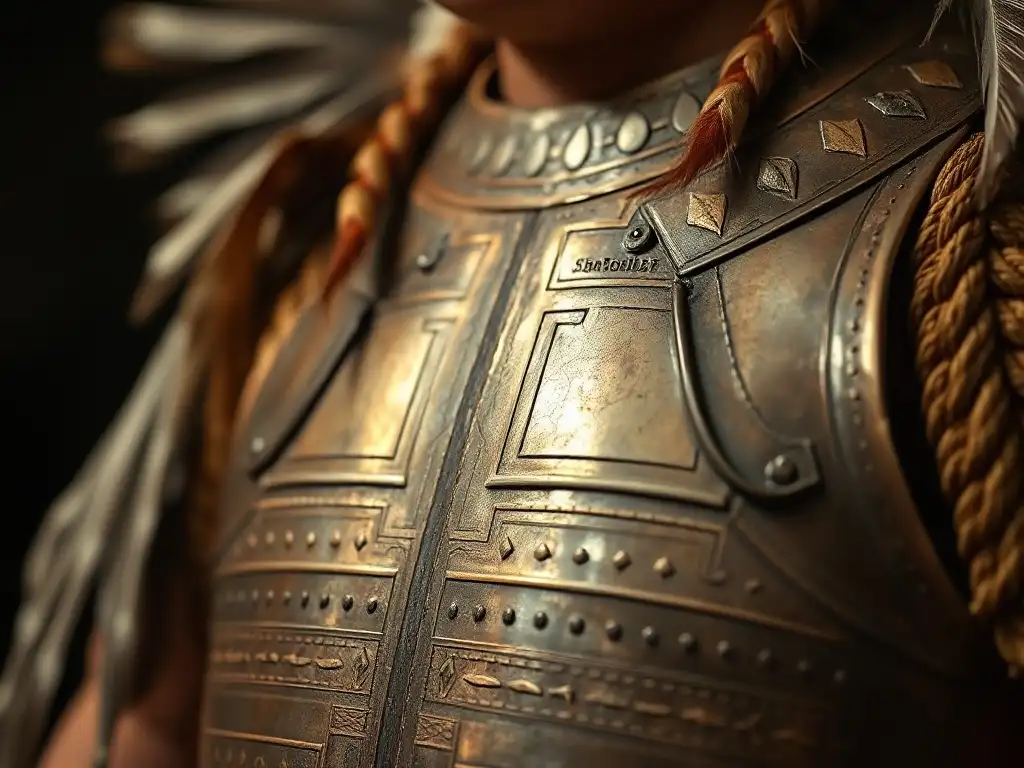
The Chimu civilization, flourishing along the arid northern coast of Peru from roughly 1300 to 1470 CE, developed sophisticated weaponry and armor reflecting their unique environment and social structure. Understanding Chimu warrior armor design provides invaluable insight into their military strategies, societal hierarchy, and artistic capabilities. The intricate craftsmanship and symbolic elements embedded within their armor pieces reveal much about the worldview and values of this remarkable pre-Columbian culture.
This section will delve into the multifaceted significance of Chimu armor, exploring its symbolism, functionality, and artistic merit. The keyword phrase "Chimu warrior armor design" is central to this analysis, highlighting the unique characteristics that distinguish Chimu armor from that of other Andean cultures.
Symbolism and Status Reflected in Chimu Armor
Chimu armor wasn't merely utilitarian; it served as a powerful symbol of status and military rank. Elaborate designs, the use of precious metals, and the incorporation of specific motifs likely signified a warrior's position within the Chimu military hierarchy. For instance, the presence of gold or silver inlays, often depicting stylized animals or deities, might have indicated elite status, possibly belonging to officers or high-ranking soldiers.
Furthermore, variations in the armor's construction – the type of material used (e.g., cotton, leather, or metal plates), the complexity of the layering, and the presence of decorative elements – likely signaled differences in rank and experience. We can speculate that the more intricately designed and richly ornamented armor pieces belonged to the most highly esteemed warriors, reflecting their achievements and social standing within the Chimu state.
Further research into excavated armor and its associated grave goods could provide concrete evidence to support these hypotheses. Unfortunately, [specific information regarding the correlation between armor design and social status pending further archaeological analysis].
Functional Aspects of Chimu Armor in Coastal Combat
The coastal environment significantly influenced Chimu warrior armor design. The Chimu faced unique challenges in warfare, including combat in diverse terrains ranging from sandy beaches to rugged hills. Their armor needed to be both protective and adaptable to these conditions.
While detailed information on specific battle tactics is limited, we can infer that the design of their armor prioritized mobility and protection against specific threats. The use of lightweight materials like cotton and leather, possibly layered for added protection, suggests an emphasis on agility and maneuverability. This is in contrast to the potentially heavier armor used by other Andean cultures in different environments.
Furthermore, the style and construction of the armor – [specific details on the type of protection offered, such as against slashing weapons or projectiles, are pending further research] – likely reflected the prevalent weaponry of the time and the nature of coastal combat. The effectiveness of Chimu armor in actual combat remains a topic of ongoing scholarly discussion.
Chimu Armor as Art: Aesthetic and Cultural Values
Beyond its functional and symbolic aspects, Chimu armor represents a remarkable achievement in Andean art. The intricate craftsmanship involved in creating these pieces highlights the skilled artisanship of the Chimu culture. The decorative elements, often featuring geometric patterns, stylized animals (such as jaguars and birds), and possibly representations of deities, reveal a sophisticated aesthetic sensibility.
These artistic choices weren't merely decorative; they likely held deep cultural and religious significance, reflecting the Chimu worldview and their relationship with the supernatural. The meticulous detail and precision evident in surviving fragments of Chimu armor demonstrate a high level of artistic skill and technical mastery. The aesthetic value of Chimu armor is undeniable, showcasing a unique blend of functionality and artistic expression that distinguishes it within the broader context of Andean art.
The precise meaning and cultural interpretations of the various motifs and patterns, however, remain areas requiring further research and analysis. [Specific interpretations of common symbolic elements in Chimu armor pending further scholarly work]. The study of Chimu armor design allows us to appreciate the Chimu civilization not only for its military prowess but also for its artistic achievements and rich cultural heritage.
Chimu Armor in Archaeological Discoveries
Evidence of Chimu Armor in Excavated Sites
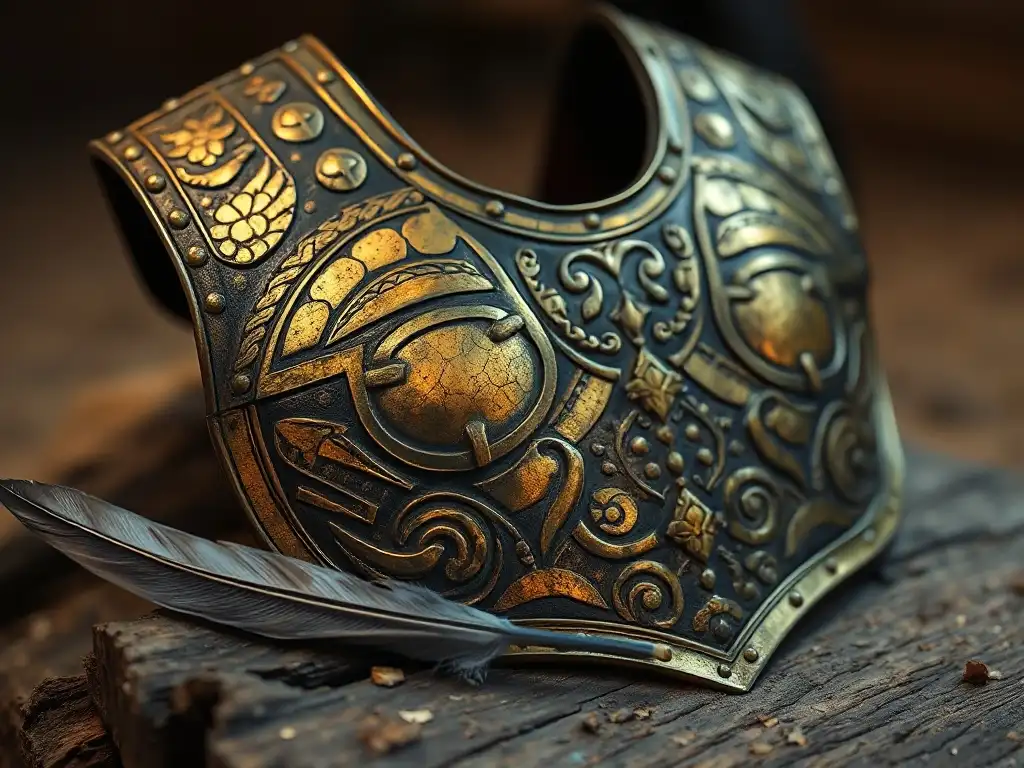
Archaeological excavations across the Chimu heartland, primarily along the northern coast of Peru, have yielded significant evidence of their distinctive armor. Sites like Chan Chan, the sprawling capital of the Chimu kingdom, have produced numerous fragments and, less frequently, complete pieces of armor. These discoveries offer invaluable insights into Chimu warrior armor design and its evolution over time.
The most common finds include pieces of tucuyu (a type of woven textile) armor, often reinforced with layers of cotton or other organic materials. Metal plating, primarily copper alloy, has also been found, though less frequently than textile armor, suggesting a possible stratification in access to materials or perhaps specialization in different types of armor for various combat roles. The condition of the recovered artifacts varies greatly, with some pieces remarkably well-preserved due to the arid coastal climate, while others are heavily fragmented and require meticulous reconstruction and analysis.
The distribution of these finds across different sites and contexts also provides clues about the organization and deployment of Chimu warriors. For instance, the discovery of numerous armor fragments within elite tombs suggests that higher-ranking soldiers may have received more elaborate and better-protected armor. Further research into the precise location of these finds within the sites is crucial for a more complete understanding of Chimu military organization.
Analysis of Chimu Armor Fragments and Complete Pieces
Analysis of both complete and fragmented Chimu armor pieces reveals sophisticated craftsmanship and a deep understanding of materials science. Textile armor, often composed of multiple layers of tucuyu, demonstrates an impressive capacity for absorbing impact. The intricate weaving techniques employed, combined with the use of reinforcing materials, created a surprisingly effective defense against projectile weapons and slashing attacks.
Microscopic analysis of preserved textile fragments can reveal details about the weaving patterns, the types of fibers used, and the presence of any dyes or treatments applied to enhance durability or provide additional protection. Similarly, analysis of the metal armor fragments, primarily copper alloys, reveals information about the smelting techniques, casting methods, and finishing processes used by Chimu artisans. The presence of trace elements in the alloys can also provide insights into the sources of the raw materials used in armor production.
Furthermore, examining the wear patterns and damage on recovered pieces offers valuable clues about the types of weapons and combat situations encountered by Chimu warriors. For example, the presence of multiple punctures or cuts in a particular area might indicate a common point of attack during combat, suggesting vulnerabilities in the armor design that could be addressed in future iterations. Detailed analysis of these artifacts is crucial to understand the functionality and effectiveness of Chimu warrior armor design.
Insights from Chimu Iconography on Armor Usage
Chimu iconography, including pottery, textiles, and metalwork, provides additional insights into the use and significance of armor within Chimu society. Depictions of warriors on pottery vessels often show individuals clad in armor, sometimes with specific details that correspond to the archaeological evidence. These images frequently show warriors engaged in combat, providing valuable information about their fighting styles and the types of weapons they used.
The style of armor depicted, including variations in material, design, and decoration, suggests possible distinctions in rank or specialization within the Chimu military. For example, the presence of elaborate adornments or specific symbols on certain armor pieces might indicate high status or affiliation with a particular military unit. Careful study of Chimu iconography, combined with the analysis of archaeological findings, offers a more holistic understanding of the role of armor in Chimu warfare and its significance within their complex social structure.
The careful examination of these visual representations can illuminate subtle aspects of Chimu warrior armor design that might be missed through purely material analysis. Further research into the iconographic context of these depictions is critical to fully interpret their meaning and significance within the larger context of Chimu culture and warfare.
The Legacy of Chimu Warrior Armor Design
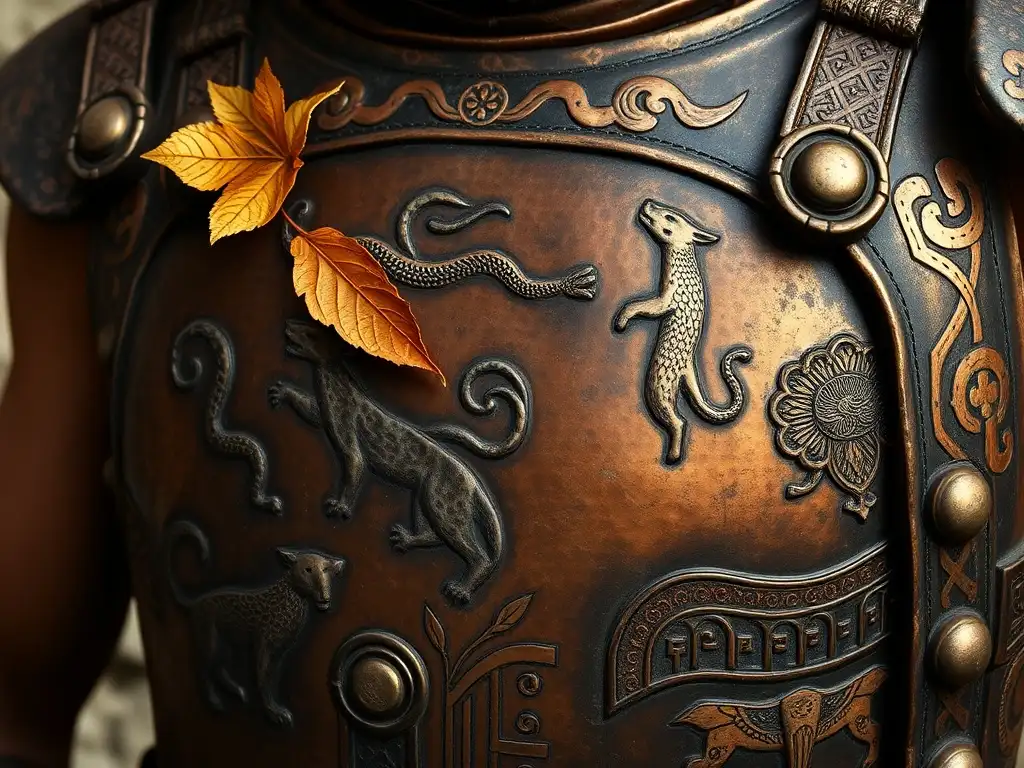
The Chimu, a powerful pre-Columbian civilization flourishing along the northern coast of Peru from roughly 1300 to 1470 CE, left behind a remarkable legacy in various aspects of Andean culture. Their mastery of metallurgy, particularly in the creation of sophisticated warrior armor, stands out as a testament to their advanced technological capabilities and artistic sensibilities. The design and construction of Chimu armor influenced subsequent Andean military traditions, contributing significantly to the evolution of protective gear in the region.
Understanding the nuances of Chimu warrior armor design provides crucial insights into their military strategies, societal structures, and artistic expressions. This section delves into the enduring impact of Chimu armor on later Andean military gear and explores the unique characteristics that set it apart. The intricate craftsmanship, innovative techniques, and artistic flourishes embedded within these protective garments speak volumes about the Chimu civilization's ingenuity and its role in shaping Andean warfare.
Analyzing the surviving examples, we can reconstruct a clearer picture of the Chimu military and their place within the broader context of Andean military history. The sophisticated techniques employed in crafting this armor, including the use of hammered copper alloys and intricate decorative elements, showcase the high level of technological and artistic skill within Chimu society.
Influence of Chimu Armor on Later Andean Military Gear
The Chimu's innovative approaches to armor design significantly impacted subsequent Andean military traditions. While the Inca Empire ultimately conquered the Chimu, they clearly incorporated elements of Chimu armor design into their own military equipment. Evidence suggests that the Inca adopted and adapted certain techniques, such as the use of specific metal alloys and decorative motifs, observed in Chimu armor.
This suggests a degree of cultural exchange and technological transfer, showcasing the lasting influence of the Chimu's metallurgical expertise. For example, the use of hammered copper plates, a hallmark of Chimu armor construction, can be seen in some Inca artifacts, although often adapted to fit Inca aesthetics and military needs. Further research is needed to definitively quantify the extent of this influence, specifically identifying the precise techniques and design elements that were directly adopted.
[Specific data on Inca armor incorporating Chimu techniques pending]. However, the very existence of similarities points to a clear lineage between Chimu and subsequent Andean armor designs, demonstrating the enduring legacy of Chimu metallurgical skills. The study of this legacy offers invaluable insights into the dynamics of power, cultural exchange, and technological transmission within the Andean world.
Chimu Armor: A Testament to Engineering and Artistic Skills
Chimu armor stands as a remarkable example of the interplay between engineering and artistic skill. The creation of these intricate pieces required a sophisticated understanding of metallurgy, including the ability to work with various copper alloys to achieve specific levels of durability and flexibility. The armor wasn't simply functional; it was often adorned with elaborate decorations, showcasing the Chimu's artistic prowess. These decorations, often featuring intricate geometric patterns or stylized animal motifs, were not merely aesthetic additions.
They likely held symbolic significance, possibly representing power, status, or clan affiliations. The precise techniques used in the creation of Chimu armor, such as hammering, riveting, and possibly soldering, demonstrate a high level of technical proficiency. Furthermore, the careful selection and combination of materials suggest a deep understanding of the properties of different metals and their suitability for different parts of the armor.
The combination of practical functionality with artistic expression highlights the sophisticated cultural context in which Chimu armor was produced. The surviving examples, though limited, are enough to demonstrate the remarkable level of skill achieved by Chimu artisans. The intricate detailing, the precision of the metalwork, and the overall aesthetic appeal all contribute to the enduring fascination with Chimu warrior armor design.
Comparison with Moche and Inca Armor Styles
Comparing Chimu armor with that of other Andean civilizations, such as the Moche and the Inca, reveals interesting differences and similarities. While the Moche, who preceded the Chimu, also produced impressive metalwork, their armor designs differed significantly. Moche armor often featured simpler designs and less extensive use of metal plating, relying more on textiles and other materials.
The Chimu, in contrast, developed a more sophisticated system of metal armor, utilizing hammered copper plates to create more robust and protective garments. This difference likely reflects advancements in metallurgical techniques and military strategies. In contrast to both Moche and Chimu styles, Inca armor often incorporated a wider range of materials, including textiles, leather, and wood, in addition to metal.
While Inca armor sometimes utilized hammered metal plates, similar to the Chimu style, the overall design and decorative elements often differed significantly, reflecting the Inca's unique artistic preferences and military organization. The following table summarizes key differences:
| Feature | Chimu Armor | Moche Armor | Inca Armor |
|---|---|---|---|
| Primary Material | Hammered copper alloys | Textiles, less metal plating | Textiles, leather, wood, metal |
| Design Complexity | High, intricate geometric patterns | Simpler designs | Varies, often more elaborate |
| Decorative Style | Stylized animals, geometric forms | Often simpler, less elaborate | Distinctive Inca motifs |
| Military Context | Coastal warfare, elite warriors | Warfare, varying social status | Large-scale warfare, diverse troops |
This comparison underscores the unique characteristics of Chimu armor within the broader context of Andean military technology. The Chimu's distinct approach to armor design reflects their specific cultural context and military needs, particularly their focus on coastal warfare. Further research, focusing on a detailed comparative analysis of surviving artifacts, is necessary to fully understand the technological and stylistic evolution of Andean armor. The ongoing discovery and analysis of new artifacts will undoubtedly contribute to a more nuanced understanding of these fascinating aspects of Andean warfare and culture.
Conclusion: The Enduring Relevance of Chimu Armor
The study of Chimu warrior armor design offers a fascinating glimpse into the sophisticated military technology of a pre-Columbian Andean civilization. Its intricate craftsmanship and strategic functionality highlight the Chimu's advanced understanding of materials science, metallurgy, and warfare tactics. More than just protection, the armor served as a symbol of status, power, and identity within the Chimu military structure.
Understanding the intricacies of Chimu armor provides valuable insights into the broader context of Andean warfare and the socio-political dynamics of the Chimu empire. Further research into surviving artifacts and archaeological discoveries will undoubtedly continue to shed light on this remarkable aspect of Chimu culture.
The enduring relevance of Chimu armor lies not only in its historical significance but also in its ability to inspire contemporary appreciation for the ingenuity and artistry of this remarkable civilization. Analyzing its design reveals a complex interplay of practical considerations and symbolic representation, reflecting the multifaceted nature of Chimu society.
The Importance of Understanding Chimu Military Technology
Understanding Chimu military technology, and specifically the design of their armor, is crucial for a complete understanding of their societal structure and power dynamics. The level of craftsmanship evident in the armor pieces suggests a specialized workforce dedicated to their production, implying a complex division of labor within Chimu society. The materials used – often including alloys of copper and other metals – demonstrate a high level of metallurgical skill and access to resources.
The armor's design itself, with its varied forms and levels of protection, likely reflected the different roles and statuses within the Chimu army. High-ranking officers may have worn more elaborate and heavily protected armor, while lower-ranking soldiers may have worn simpler, less ornate pieces. This hierarchical structure, reflected in the armor, further illuminates the social stratification within the Chimu empire.
Studying the manufacturing processes and the distribution of armor provides valuable clues about the economy, trade networks, and political organization of the Chimu. The analysis of Chimu military technology, including its armor, provides a holistic perspective, moving beyond simple descriptions of artifacts to a richer interpretation of their societal context. This approach allows us to understand not just what they created, but why, how, and for whom.
Final Thoughts on the Sophistication of Chimu Armor
The sophistication of Chimu warrior armor design is undeniable. The intricate details, the careful selection of materials, and the evident understanding of ballistic protection all point to a remarkably advanced level of technological and artistic skill. The armor wasn't merely functional; it was a powerful symbol, reflecting the Chimu's military prowess and their cultural identity.
The use of decorative elements, such as inlaid metals or painted designs, suggests a strong connection between military power and artistic expression. This fusion of functionality and aesthetics underscores the comprehensive nature of Chimu craftsmanship. Further research focusing on the specific techniques used in the creation of Chimu armor – including the methods of alloying, shaping, and decorating – is needed to fully appreciate the extent of their technological achievements.
By combining archaeological evidence with metallurgical analysis, we can gain a deeper understanding of the processes involved and the level of skill required to produce such sophisticated pieces. The legacy of Chimu armor serves as a testament to the ingenuity and cultural richness of this remarkable Andean civilization, offering a lasting contribution to our understanding of pre-Columbian military technology and artistry. The intricacy of the designs, the durability of the materials, and the strategic functionality of the armor itself highlight the remarkable achievements of Chimu artisans and their profound impact on Andean warfare.
Frequently Asked Questions
What materials were used in Chimu warrior armor?
Chimu armor was primarily crafted from organic materials, such as cotton, leather, and wood. These were often layered for increased protection and sometimes reinforced with metal plates or shell.
How did Chimu armor protect warriors in battle?
The layered construction of Chimu armor offered protection against both projectiles and edged weapons. The design also allowed for a degree of mobility crucial in close-quarters combat.
What were the key design features of Chimu warrior armor?
Chimu armor designs were often highly decorative, incorporating geometric patterns and stylized imagery. These designs could reflect social status or religious beliefs.
How did the Chimu's coastal environment influence their armor design?
The Chimu's coastal location influenced their armor design. Materials readily available in the coastal region were used, and the designs may have offered protection against the elements as well as enemies.
Where can I learn more about Chimu warrior armor design?
To learn more about Chimu warrior armor, research archaeological findings and museum collections showcasing Chimu artifacts. You can also consult academic papers and books on Andean civilizations.
Final Reflection: The Enduring Legacy of Chimu Armor
The intricate artistry of Chimu warrior armor, far from being a relic of a bygone era, offers a powerful lens through which to examine the enduring human need for protection and the ingenuity of ancient civilizations in meeting that need. The meticulous craftsmanship and innovative design choices evident in these artifacts speak volumes about the Chimu people's sophisticated understanding of both warfare and material science. Their legacy continues to inspire awe and wonder, reminding us of the remarkable achievements of pre-Columbian cultures.
The Chimu's dedication to crafting such elaborate and effective armor underscores the profound importance of warfare in their society, and the value placed on the lives of their warriors. Their armor wasn't simply functional; it was a statement of power, prestige, and cultural identity. The past is never dead. It's not even past.
This quote by William Faulkner resonates deeply when considering the Chimu armor; its impact extends far beyond its historical context, influencing our understanding of ancient Andean civilizations and the enduring human fascination with both protection and artistry.
Consider the ingenuity of the Chimu artisans, their mastery of materials, and the dedication required to create such complex pieces. Now, consider how you can apply that same level of dedication and innovation to your own life. What challenges do you face, and how can you approach them with the same resourcefulness and determination demonstrated by the Chimu warriors? Let the legacy of their armor inspire you to meet your own challenges with courage, creativity, and an unwavering commitment to achieving your goals.
Unleash Your Inner Warrior: Connect with Chimu Heritage!
Thank you for exploring the fascinating world of Chimu armor and the artistry behind protecting warriors in coastal battles. Your journey into this unique aspect of Andean civilization reveals a remarkable connection to history and craftsmanship. Let's delve even deeper!
Here are some ways to further engage with the rich heritage of the Chimu culture:
- Expand your knowledge: Visit local museums or explore online exhibits showcasing Chimu artifacts to witness the intricate detail of their armor firsthand.
- Share your discoveries: Discuss this article with friends, family, or online communities interested in ancient civilizations, inviting them to learn more about the Chimu.
- Create your own tribute: Find inspiration in the designs of Chimu armor and create a piece of art. Share your creation to inspire others!
Which aspect of Chimu culture resonates most with you, and how will you continue to explore it? We'd love to hear your thoughts!