
The Intricacies of Inca Sword Craftsmanship: More Than Just Metal

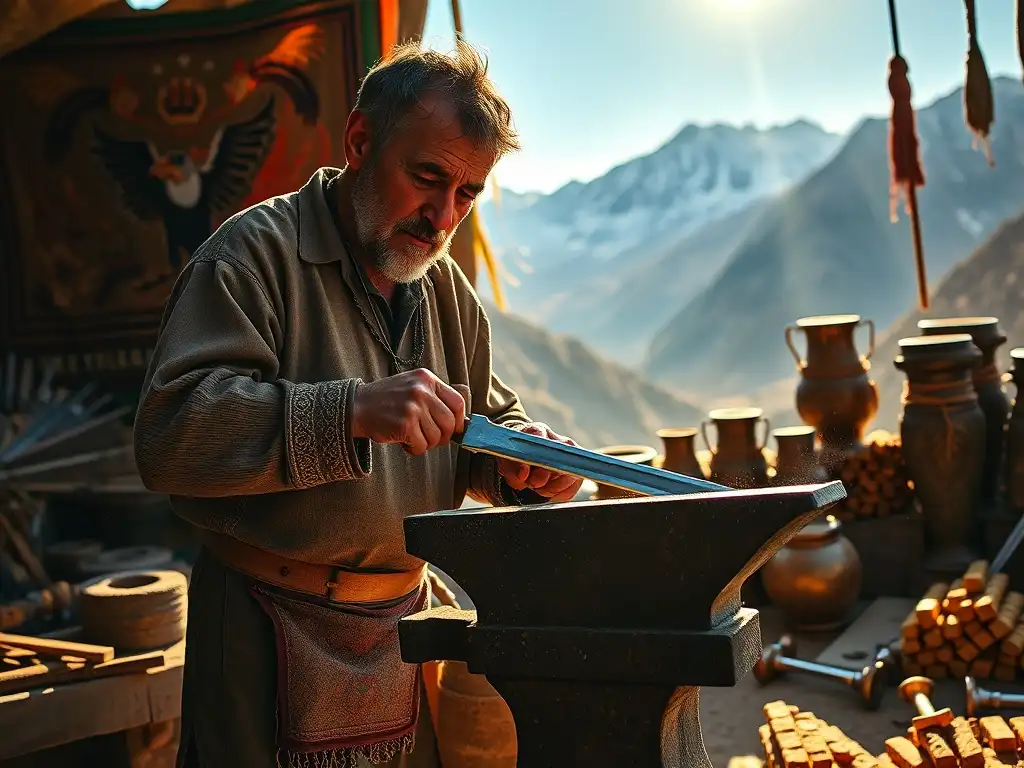
Step into a world lost to time, yet echoing with the whispers of masterful craftsmanship. Beyond the shimmering gold and intricate textiles, the Andean civilizations concealed a breathtaking array of technological prowess. Prepare to be captivated by the intricacies of Inca swordmaking techniques, a story far richer than mere metal. Discover the secrets behind these formidable weapons and unlock the mysteries of Andean warfare – a journey into a past as sharp and precise as the blades themselves.
- The Intricacies of Inca Weaponry: More Than Just Metal
- Unveiling Inca Weapon-Making Techniques: A Glimpse into Andean Metallurgy
- Inca Weapon Design and Construction: Form and Function
- The Craftsmanship Behind Inca Weapons: A Study of Detail
- The Legacy of Inca Weapon Craftsmanship: Impact and Influence
- Frequently Asked Questions
- Final Reflection: Forging a Legacy: The Enduring Power of Inca Swordsmithing
- Unleash Your Inner Artisan: Dive Into Inca Sword Crafting!
The Intricacies of Inca Weaponry: More Than Just Metal
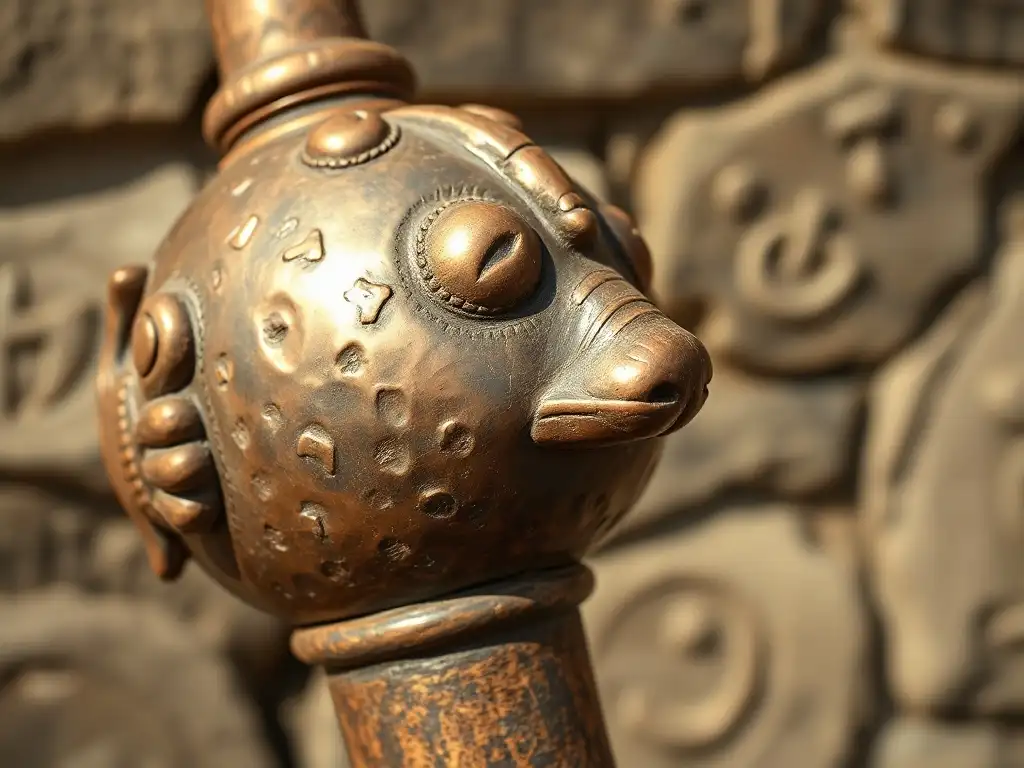
The Inca Empire, renowned for its sophisticated engineering and intricate artistry, left behind a legacy that extends far beyond its impressive stonework and agricultural innovations. A crucial aspect of Inca society, often overlooked, is their mastery of metalworking, particularly in the creation of weaponry. This article delves into the fascinating world of Inca swordmaking techniques, revealing a process that was far more complex and nuanced than simply shaping metal.
We will explore the materials used, the intricate techniques employed, and the symbolic significance imbued in these seemingly simple weapons, showcasing how Inca swordmaking was deeply interwoven with their spiritual beliefs and social structures. Understanding these techniques provides a deeper appreciation for the ingenuity and cultural richness of the Inca civilization, offering a glimpse into the daily lives and military prowess of this remarkable Andean empire.
The intricacies of Inca swordmaking represent not just technological advancement, but also a profound reflection of their worldview and social organization. This exploration of "Inca swordmaking techniques" will uncover the secrets behind these powerful symbols of Inca authority and military might.
Materials and Sourcing: The Foundation of Inca Swords
The creation of an Inca sword began long before the actual forging process. The Incas were meticulous in their selection of raw materials, prioritizing high-quality copper and bronze, often sourced from specific mines throughout their vast empire. Evidence suggests that they utilized sophisticated techniques for prospecting and extracting these ores, demonstrating a deep understanding of metallurgy and resource management.
The precise location of many mines remains a subject of ongoing archaeological research, but the quality of the resulting metal speaks to the Incas' commitment to excellence in material selection. Furthermore, the transportation of these heavy materials across challenging Andean terrain underscores the logistical prowess and organizational capabilities of the empire.
The careful selection and sourcing of materials formed the fundamental bedrock upon which the entire swordmaking process was built. This wasn't merely about obtaining metal; it was about acquiring the right metal, imbued with the qualities necessary to create a weapon worthy of Inca warriors.
The Forging Process: Shaping Metal into Weapons
Once the raw materials were obtained, the intricate forging process commenced. This wasn't a simple hammering process; Inca smiths employed sophisticated techniques, including hammering, annealing, and shaping, to create the desired form and strength. Archaeological evidence shows that they used various types of hammers and anvils, adapted to the specific stage of the forging process. The precise temperatures required for annealing and the skill needed to shape the metal without fracturing it represent a high level of metallurgical knowledge.
Many swords exhibit a remarkable degree of precision and balance, suggesting a high level of skill and experience among Inca smiths. The process wasn't solely focused on functionality; aesthetic considerations were also paramount, with many swords showing evidence of decorative elements and intricate designs. This demonstrates the integration of artistry and functionality within the Inca swordmaking tradition.
Decoration and Symbolism: More Than Just a Weapon
Inca swords weren't merely functional weapons; they were imbued with significant symbolic meaning. Many examples feature intricate carvings, inlaid designs, and decorative elements, suggesting that these weapons held a prominent place within Inca society, possibly serving as symbols of status, power, or religious significance. The specific designs and motifs often varied depending on the social status of the owner or the purpose of the weapon.
Further research is needed to fully decipher the meaning of these decorations, but their presence undeniably elevates the Inca sword from a mere tool to a powerful symbol reflecting the cultural and religious beliefs of the Inca civilization. The study of these decorative elements offers a unique window into the spiritual and social world of the Inca people.
The Legacy of Inca Swordmaking: A Lasting Impression
The legacy of Inca swordmaking extends beyond the physical objects themselves. The techniques and knowledge employed in their creation represent a remarkable achievement in Andean metallurgy, showcasing the advanced technological capabilities of the civilization. The artistry and symbolism incorporated into the swords provide valuable insights into Inca culture, beliefs, and societal structures.
The study of Inca swordmaking continues to fascinate and inspire researchers and enthusiasts alike, offering a rich tapestry of information about one of the most remarkable civilizations in human history. The enduring impact of Inca swordmaking techniques serves as a testament to their ingenuity and enduring cultural legacy. The study of these techniques continues to reveal new facets of Inca society and its remarkable achievements.
Unveiling Inca Weapon-Making Techniques: A Glimpse into Andean Metallurgy
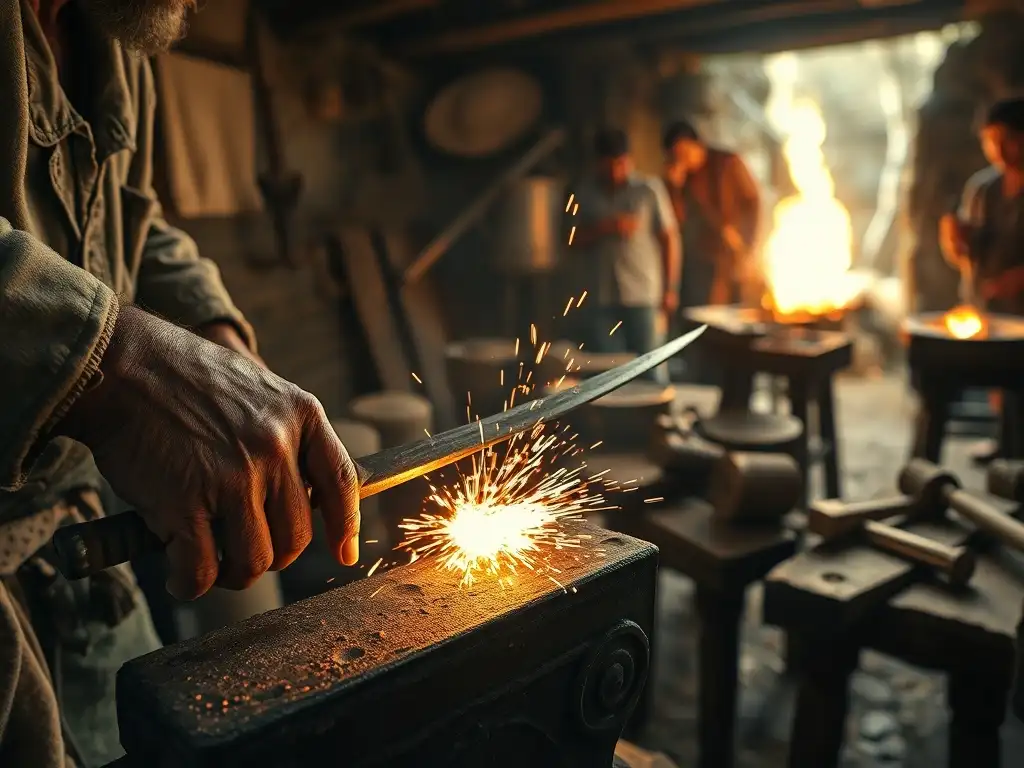
The Inca Empire, renowned for its sophisticated infrastructure and intricate social structures, also possessed advanced metallurgical skills reflected in their weaponry. Understanding Inca swordmaking techniques reveals not only their military prowess but also their deep understanding of Andean resources and their ingenious adaptation of available materials. This section delves into the specifics of Inca metalworking, focusing on the creation of their iconic swords – macuahuitl and tumi.
The techniques employed weren't simply about forging a weapon; they were imbued with cultural significance and reflected a deep connection to the Andean landscape. Analyzing these techniques provides a richer understanding of Inca society and its technological capabilities.
The Significance of Weapons in Inca Society: Beyond Combat
Inca weapons were far more than instruments of war; they held significant symbolic and ritualistic value. Swords, in particular, were often intricately decorated, reflecting the status and power of their owners. The craftsmanship itself was a testament to the skill and prestige of the artisan, further enhancing the weapon's importance.
For example, the tumi, a ceremonial knife with a distinctive crescent shape, was frequently used in religious ceremonies and sacrifices, demonstrating its role beyond simple combat. The meticulous detail in their construction, often including inlaid gold or silver, underscores their importance in Inca religious practices and social hierarchy. Even the macuahuitl, a seemingly simpler weapon, carried symbolic weight within its community.
The careful selection and preparation of the obsidian blades demonstrated the Inca’s deep understanding of their environment and their capacity to harness natural resources for both practical and symbolic purposes. The creation of these weapons wasn't just a craft; it was a ritual that connected the artisan, the weapon, and the Inca worldview.
Materials Used in Inca Weapon Production: Andean Resourcefulness
The Inca's mastery of metalworking was deeply connected to their environment. Their weapon production relied heavily on readily available Andean resources. Copper, bronze, and gold were commonly used, along with other metals depending on the weapon type and intended use. The tumi, for example, often incorporated copper or bronze, while gold was reserved for ceremonial or elite weapons.
Obsidian, a volcanic glass, played a crucial role in the production of the macuahuitl, showcasing the Inca's ability to utilize diverse materials effectively. The selection of these materials wasn't random; it reflected an understanding of their properties and suitability for specific applications. For instance, the sharp edges of obsidian were ideal for the macuahuitl's cutting blades, while the malleability of copper and bronze allowed for intricate shaping and decoration.
This strategic use of materials highlights the ingenuity and resourcefulness of Inca metallurgy, demonstrating a deep understanding of both material properties and available resources. Further research into the precise mining and smelting techniques employed would significantly enrich our understanding of Inca swordmaking techniques. [Specific information pending on precise smelting techniques and mining locations for various metals used in Inca weaponry].
Inca Weapon Design and Construction: Form and Function
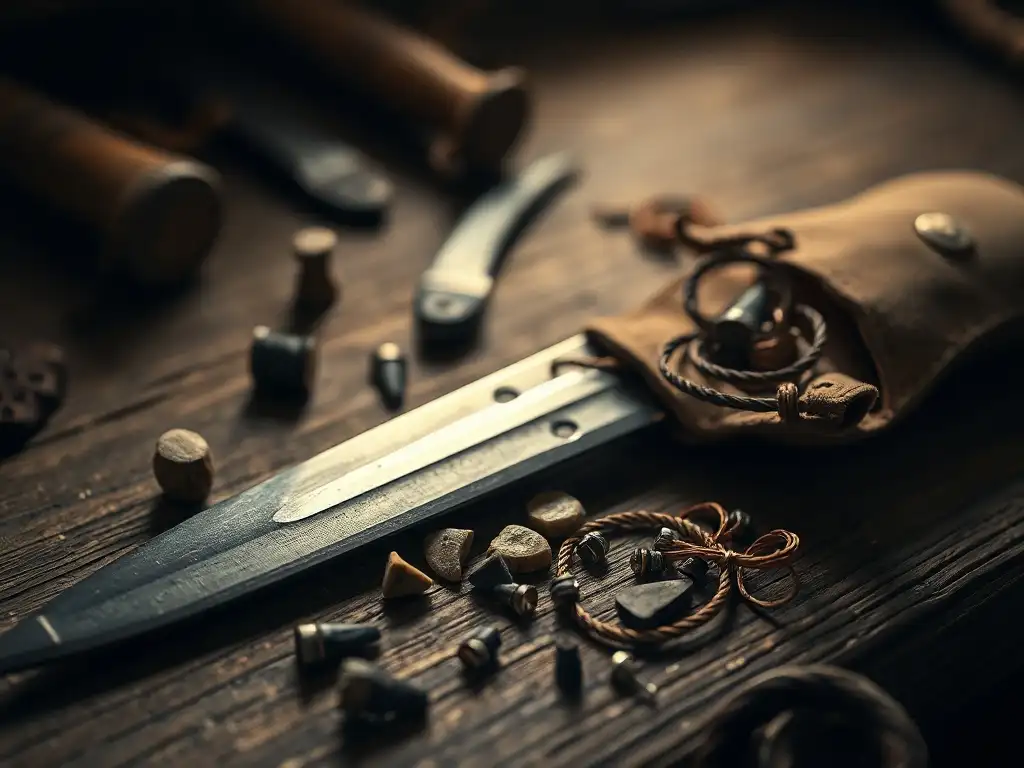
The Inca Empire, renowned for its sophisticated engineering and artistry, displayed equal prowess in the creation of weaponry. Inca swordmaking techniques weren't simply about forging metal; they were deeply intertwined with Andean cosmology, societal structure, and practical battlefield considerations. Understanding the design and construction of Inca weapons reveals a complex interplay of these factors, providing insights into the Inca worldview and military capabilities.
The effectiveness of their weaponry stemmed not only from the quality of the materials and craftsmanship but also from a thoughtful consideration of form and function, optimized for the specific demands of Andean warfare. The Inca weren't just creating weapons; they were crafting extensions of their power and ideology.
The Shape and Size of Inca Weapons: Variations and Purpose
Inca swords, often referred to as macanas, varied significantly in shape and size, reflecting their intended use and the status of the warrior wielding them. While some were relatively short and broad, designed for close-quarters combat and potentially used by infantry, others were longer and more slender, perhaps wielded by elite warriors on horseback or in more open engagements. The variations weren't arbitrary; they were carefully considered to maximize effectiveness in different combat scenarios.
For example, the broader blades might have been better suited for hacking and slashing, while the longer blades offered greater reach. Furthermore, the size and weight of the macanas likely also correlated with the physical strength and fighting style of the warrior. Detailed archaeological findings, including the analysis of preserved weapons and depictions in art, are crucial for understanding these subtle but significant variations in Inca sword design.
Further research into the differing sizes and shapes of the macanas is needed to fully understand the nuances of their design. More specific data on average lengths and widths of various macanas found in different regions would greatly enhance our understanding.
The Construction Process: Forging and Shaping Techniques
The creation of an Inca weapon was a meticulous process, demanding considerable skill and expertise. The Inca metalworking process, while employing techniques common to other Andean cultures, showed a distinct level of sophistication. It began with the sourcing of high-quality metals, likely copper and bronze, often obtained from distant mines. The metal was then smelted and refined, a process requiring specialized knowledge of metallurgy and precise control of temperature.
The forging of the macanas involved hammering the heated metal into shape, likely using various types of hammers and anvils. The shaping involved skillful manipulation to achieve the desired form, requiring both strength and precision. Evidence suggests that the Inca employed techniques such as cold hammering and annealing to improve the strength and durability of the finished product.
The process was not simply about creating a functional weapon; it was also an artistic endeavor, reflecting the cultural values and aesthetic sensibilities of the Inca. The final stages might have included polishing and potentially decorating the weapon with intricate designs. Unfortunately, precise details regarding the exact sequence of hammering, annealing, and shaping remain areas needing further investigation.
The Importance of Inca Metalworking Skills: Shaping Tools and Techniques
The Inca's remarkable metalworking skills were fundamental to their military prowess. The creation of effective weapons depended on a mastery of various techniques and the use of specialized tools. Archaeological excavations have unearthed a range of tools used in Inca metalworking, including hammers, anvils, chisels, and files, all crafted with precision and demonstrating a high level of technical skill.
The Inca's understanding of metallurgy allowed them to create weapons that were both strong and durable, capable of withstanding the rigors of combat. Furthermore, their expertise allowed them to create weapons that were not only functional but also aesthetically pleasing, reflecting the importance of artistry and craftsmanship within Inca society. The skill involved in Inca swordmaking techniques extended beyond the mere creation of a weapon; it represented a complex interplay of technical expertise, artistic vision, and social significance.
The development of sophisticated tools and techniques was a key factor in the Inca's military success, solidifying their dominance in the Andes. More research is needed to fully catalog and analyze the full range of tools employed in Inca metalworking, providing a more complete picture of their technological achievements. A detailed study of surviving tools, combined with analysis of metallurgical techniques, could greatly enhance our understanding of Inca swordmaking and its wider implications.
The Craftsmanship Behind Inca Weapons: A Study of Detail
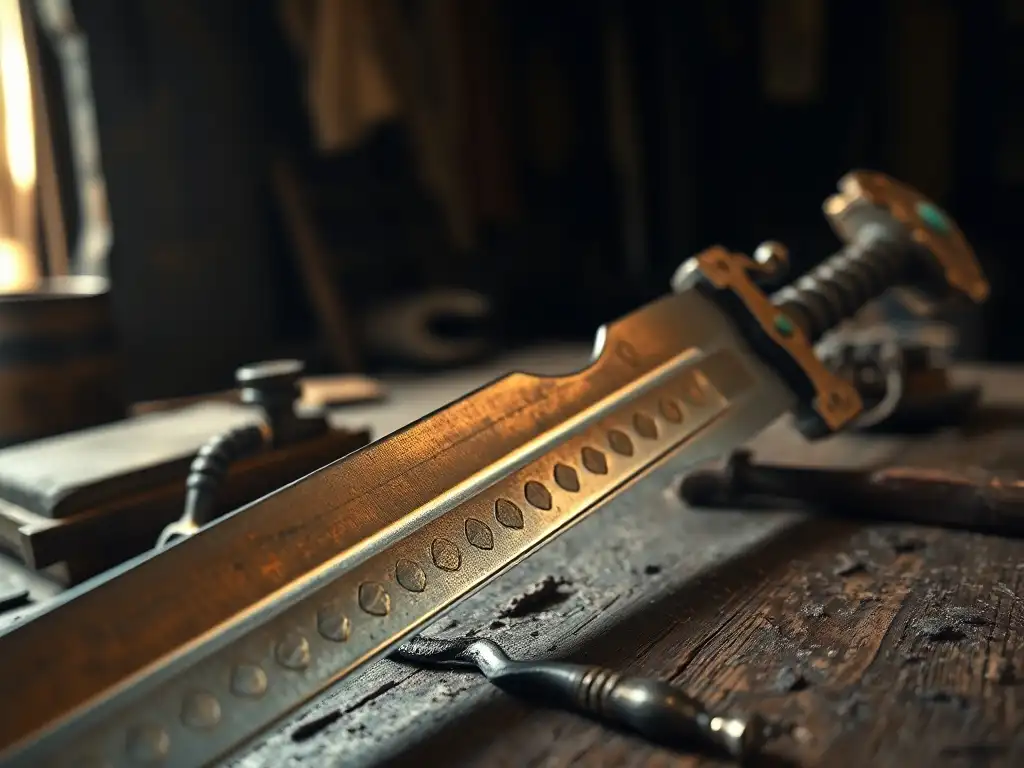
The Inca Empire, renowned for its sophisticated societal structure and impressive infrastructure, also possessed a remarkable capacity for weapons production. While often overshadowed by their architectural achievements, Inca swordmaking techniques reveal a level of artistry and technological prowess that deserves closer examination. Their weaponry wasn't merely functional; it was imbued with symbolic meaning, reflecting the Inca worldview and social hierarchy.
Understanding the intricacies of Inca sword craftsmanship allows us to appreciate the depth of their metallurgical skills and the cultural significance embedded within each piece. This section delves into the meticulous processes and artistic choices that characterized Inca weapon production, highlighting the dedication and expertise involved in creating these powerful and visually stunning objects.
The study of these techniques provides invaluable insight into Inca society, revealing aspects of their beliefs, social organization, and technological advancements. The analysis will focus on the materials used, the manufacturing processes, and the decorative elements that distinguished Inca weaponry from that of other Andean cultures.
Inca Ornamentation and Decoration: Symbols and Meaning
Inca ornamentation wasn't merely aesthetic; it was deeply symbolic, conveying complex meanings related to power, status, and religious beliefs. Inca swords, for instance, often featured intricate designs inlaid with precious metals like gold and silver, or semi-precious stones such as turquoise and lapis lazuli. These decorative elements weren't randomly applied; they followed specific patterns and motifs that held significant cultural weight.
Common symbols included the chakana (Andean cross), representing the four cardinal directions and the cosmos; the puma, signifying strength and power; and various geometric designs that likely held specific religious or clan-based meanings. The placement and combination of these symbols could further refine their interpretation, suggesting a complex system of visual communication. For example, a sword adorned with a puma and chakana might indicate the weapon belonged to a high-ranking official connected to the imperial lineage.
Detailed analysis of surviving examples reveals a remarkable consistency in the application of these symbols, suggesting a standardized system of iconography within the Inca Empire. Further research is needed to fully decipher the nuances of this visual language, but existing scholarship already points towards a rich tapestry of symbolic meaning embedded within Inca weaponry. The meticulous care taken in the decoration reflects the importance placed on these objects, both as tools of warfare and as powerful symbols of Inca identity.
The creation of Inca weapons, particularly swords, required a high degree of specialized skill and knowledge. The process involved not only metallurgical expertise but also artistic talent and a deep understanding of symbolic representation. This led to the development of a specialized class of artisans who held significant social standing within Inca society. These artisans were not simply laborers; they were highly skilled professionals who occupied a respected position within the social hierarchy.
Their expertise was valued not only for its practical applications in warfare but also for its contribution to the cultural and religious life of the Inca Empire. The production of weaponry likely involved a collaborative process, with different artisans specializing in specific aspects of the creation, from mining and smelting the metals to shaping the blades and applying the intricate decorations. This division of labor suggests a sophisticated organizational structure within the Inca craft workshops. Evidence suggests that these artisans received training and apprenticeships, passing down their knowledge and skills through generations.
The social status of these skilled individuals is supported by archaeological findings, including the discovery of elaborate burial sites containing tools and artifacts associated with metalworking. The high quality and consistent style of Inca weaponry underscore the expertise and dedication of these specialized artisans, who played a crucial role in the strength and cultural identity of the Inca Empire. Further research into the organization and social structure of Inca workshops would greatly enhance our understanding of their sophisticated production methods.
The Legacy of Inca Weapon Craftsmanship: Impact and Influence
The Inca Empire's sophisticated weapon craftsmanship extended far beyond mere functionality; it served as a potent symbol of power, prestige, and religious significance. Inca swords, or machacuys, weren't simply tools of war; they were meticulously crafted objects reflecting the empire's advanced metallurgical skills and intricate social structures. Their legacy continues to resonate today, influencing our understanding of Andean warfare, artistry, and societal organization.
The unique techniques employed in their creation, passed down through generations of skilled artisans, left an indelible mark on the history of Andean metalworking. The impact of this legacy is evident not only in the surviving artifacts but also in the ongoing research and reinterpretations shaping our understanding of Inca culture. The very act of creating these weapons was imbued with ritual and meaning, contributing to the overall power projection of the Inca state.
The Preservation of Inca Artifacts: Archaeological Findings
Archaeological excavations across the Andes have yielded a wealth of information about Inca swordmaking techniques. Sites like Machu Picchu, Ollantaytambo, and Cusco have provided invaluable examples of machacuys, along with associated tools and remnants of workshops. These findings reveal not only the diverse types of swords produced (varying in size, shape, and decoration) but also the meticulous processes involved in their creation.
For example, analyses of recovered artifacts have revealed the use of specific alloys, revealing sophisticated knowledge of metallurgy. The discovery of incomplete swords and discarded materials provides insight into the manufacturing process itself, allowing researchers to piece together the steps involved, from initial ore processing to the final polishing and decoration.
Furthermore, the careful preservation of these artifacts in museums and research institutions allows for continued study and analysis using modern techniques, leading to a more comprehensive understanding of Inca swordmaking. The sheer number of artifacts recovered attests to the scale of Inca metalworking and its importance within the empire.
The Importance of Inca Metalworking in Andean History
Inca metalworking wasn't confined to the production of weapons; it permeated various aspects of their society. The mastery of metallurgy played a crucial role in the empire's economic and political power. The ability to extract, refine, and shape metals like copper, bronze, and gold allowed the Inca to create not only weapons but also intricate jewelry, ceremonial objects, and agricultural tools. This technological prowess served to solidify the Inca's position as a dominant force in the Andes, reinforcing their authority and influence over conquered populations.
The intricate designs and high-quality craftsmanship of Inca metalwork underscore the significant social status of the artisans involved. The production of machacuys was therefore intertwined with the broader context of Inca technological achievement and social organization, reflecting a highly structured and sophisticated society. This level of technological sophistication wasn't just about military might; it underpinned the entire Inca socio-economic system.
Inca Weapon-Making Techniques: A Reinterpretation in Modern Times
Modern researchers, using advanced analytical techniques like X-ray fluorescence and metallography, are continuously refining our understanding of Inca swordmaking techniques. These methods allow for a detailed examination of the metallurgical composition of the machacuys, revealing the specific alloys used and the techniques employed to achieve the desired properties of strength and durability. Moreover, studies of surviving tools and workshops shed light on the precise steps in the manufacturing process, from the initial smelting of ores to the final sharpening and embellishment.
Recent research suggests a more nuanced picture than previously assumed, highlighting the use of sophisticated techniques like hammering, annealing, and possibly even quenching to enhance the properties of the metal. Furthermore, the analysis of decorative elements on the swords offers insights into Inca iconography, beliefs, and artistic styles.
This ongoing research continuously challenges and refines previous interpretations, offering a more complete and nuanced understanding of Inca weapon craftsmanship and its place within their broader culture. The field is constantly evolving, with new discoveries and analyses leading to a more comprehensive picture of this fascinating aspect of Inca civilization.
Frequently Asked Questions
What materials did the Inca use to make swords?
The Inca primarily used copper and bronze to create their swords, sometimes alloying them with other metals for strength and aesthetics. They also incorporated wood and stone into the sword's design and construction.
How did Inca sword-making techniques differ from other Andean cultures?
While other Andean cultures also worked with metals, Inca techniques emphasized precision casting and detailed ornamentation. Their swords often featured intricate designs and high-quality finishes.
What was the purpose of Inca swords beyond warfare?
Inca swords, while used in warfare, also held ceremonial significance. They were sometimes used in rituals and displayed as symbols of power and status. They were not solely weapons.
What kind of designs were commonly found on Inca swords?
Inca swords often featured geometric patterns, zoomorphic designs (depicting animals), and anthropomorphic motifs (representing humans). These designs were carefully crafted and deeply symbolic.
Where can I learn more about Inca swordmaking techniques?
To delve deeper into Inca metallurgy, explore museum collections featuring Inca artifacts and consult academic journals and books specializing in Andean archaeology and history. Many resources are available online and in libraries.
Final Reflection: Forging a Legacy: The Enduring Power of Inca Swordsmithing
The meticulous artistry of Inca swordmaking transcends mere weaponry; it represents a sophisticated understanding of metallurgy and a profound connection to Andean cosmology. These techniques, lost to time yet partially rediscovered through archaeological findings and painstaking analysis, offer a powerful lens through which to understand the Inca civilization's ingenuity and cultural depth. The precision and artistry involved continue to inspire awe and wonder, reminding us of the remarkable capabilities of past societies.
The legacy of Inca swordsmithing extends far beyond the battlefield; it speaks to a deep-seated cultural identity and a mastery of craft that resonates even today. The intricate designs, the careful selection of materials, and the dedication to quality reflect a worldview that valued both practicality and aesthetic beauty. As the anthropologist, Edward Evans-Pritchard, once observed, Technology is not merely a matter of tools and techniques, but also of social organization and belief systems.
This perfectly encapsulates the significance of Inca swordmaking, highlighting its integration within the broader fabric of Inca society. The swords weren't just weapons; they were symbols of power, status, and spiritual significance.
Consider the implications of this lost art. What can we learn from the Inca's dedication to their craft? How can we apply their principles of precision, innovation, and respect for materials to our own lives and endeavors? I invite you to reflect on the enduring power of craftsmanship, not just in the context of Inca swordmaking, but in your own pursuits. Let the legacy of these skilled artisans inspire you to strive for excellence and to appreciate the artistry inherent in even the most practical of tasks.
Unleash Your Inner Artisan: Dive Into Inca Sword Crafting!
Thank you for exploring the fascinating world of Inca sword craftsmanship with us! We hope you've gained a deeper appreciation for the artistry and cultural significance of these incredible creations. Now, let's put that inspiration into action!
Here are a few exciting ways you can get involved:
- Craft Your Own Miniature Inca Sword: Create a replica using readily available materials and an online tutorial. This hands-on experience will enhance your understanding of the techniques used.
- Visit a Local Museum or Cultural Center: Explore exhibits featuring Andean artifacts to witness this craftsmanship firsthand. Immerse yourself in the rich history and artistry!
- Share Your Newfound Knowledge: Discuss your discoveries with friends and family. Spark a conversation about the enduring relevance of ancient crafts, or even host a gathering to explore indigenous artistry together.
What aspect of Inca sword making surprised you the most, and how will you incorporate that knowledge into your own creative endeavors?