
The Role of Quilted Armor in Andean Warfare: A Study in Protection

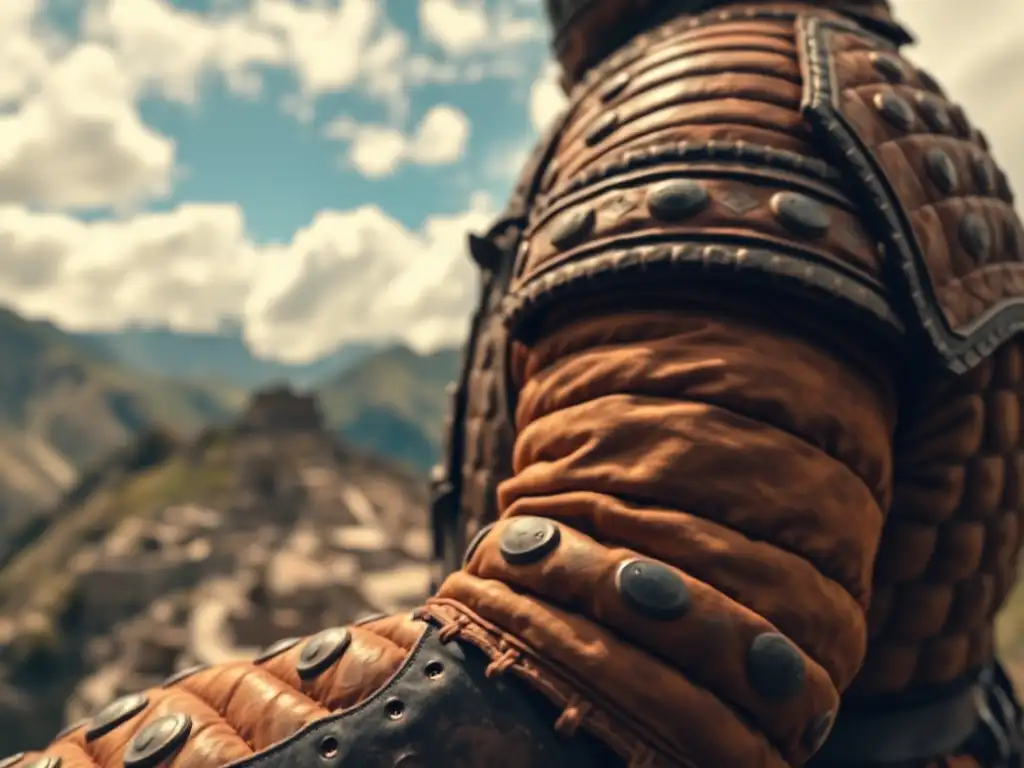
Unravel the mysteries of the Andes! For centuries, these towering mountains held secrets whispered only on the wind. Now, delve into the fascinating world of Andean civilizations, where ingenuity and power intertwined. But did you know that their mastery extended beyond impressive architecture and intricate textiles? Prepare to be amazed by the story of Andean quilted armor warfare, a testament to their innovative military strategies and resilience. Discover how this unique protection shaped the course of history – explore the untold story now!
The vast and varied landscapes of the Andes Mountains served as the backdrop for centuries of complex warfare between numerous pre-Columbian cultures. From the coastal deserts inhabited by the Moche to the high-altitude settlements of the Incas, conflict was a constant factor shaping societal structures and technological advancements. This article delves into a crucial aspect of Andean military technology: quilted armor.
We will explore its construction, effectiveness, and overall significance in the context of ancient Andean battles, examining its role in shaping military strategies and the course of conflicts across different Andean civilizations. Understanding the function of quilted armor provides critical insight into the military capabilities and societal structures of these fascinating ancient societies, offering a fresh perspective on Andean warfare beyond the often-discussed weaponry.
This analysis will focus on the evidence available to understand the practical application and impact of this unique form of protection in the context of Andean warfare. We will explore how this seemingly simple technology played a surprisingly complex role in the dynamic military landscape of the Andes.
Introduction to Andean Warfare and Protective Gear
Andean warfare was far from monolithic. Different cultures, from the Nazca to the Wari and the Inca, employed diverse strategies and tactics reflecting their unique environments and societal structures. While the specifics varied, the importance of protection on the battlefield remained constant. Early forms of protection likely included rudimentary shields made from wood or animal hides.
However, the development of quilted armor represents a significant leap in defensive technology. This armor, crafted from layers of textile materials stitched together, provided a degree of protection against projectiles and slashing weapons, significantly influencing the dynamics of combat. The effectiveness of quilted armor likely varied depending on the quality of materials used, the number of layers, and the specific type of weaponry encountered.
Evidence suggests that the design and construction of this armor evolved over time, adapting to the changing nature of warfare and the advancements in weaponry among different Andean cultures. Further research is needed to fully understand the regional variations in quilted armor construction and its effectiveness against different types of weaponry. [Specific information pending on regional variations in quilted armor construction].
Understanding the Significance of Armor in Ancient Andean Conflicts
The presence of quilted armor in Andean warfare highlights the importance placed on both individual and collective survival in combat. The investment of time and resources in creating such armor suggests a level of military organization and societal preparedness for conflict. The use of quilted armor likely influenced tactical decisions, potentially favoring close-quarters combat where its protective capabilities were most effective.
Conversely, the limitations of quilted armor might have influenced the development of other military technologies, such as specialized weaponry designed to penetrate its defenses. The strategic significance of quilted armor is further underscored by its potential role in shaping the social hierarchy within Andean armies. Access to well-crafted armor might have indicated higher social status or specialized roles within the military structure.
Detailed analysis of archaeological findings, including the examination of preserved textile fragments and depictions in art, are crucial to further illuminate the role and significance of quilted armor in the complex tapestry of Andean warfare. The interplay between armor technology, battlefield tactics, and social structures offers a rich area for future research and a deeper understanding of these remarkable civilizations.
- Introduction to Andean Warfare and Protective Gear
- Understanding the Significance of Armor in Ancient Andean Conflicts
- What role did quilted armor play in Andean warfare?
- What materials were typically used in Andean quilted armor?
- How effective was Andean quilted armor compared to other forms of ancient armor?
- Which Andean cultures are known to have used quilted armor?
- Where can I find more information about Andean quilted armor and warfare?
Andean Quilted Armor: Construction and Materials
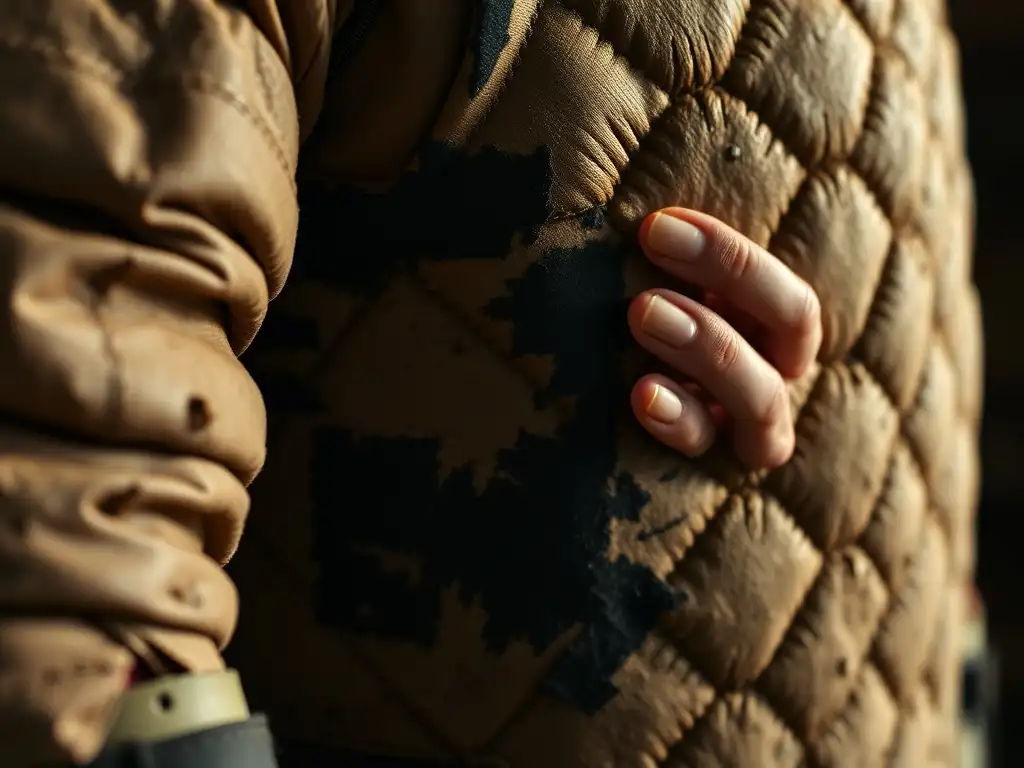
This section delves into the fascinating construction and materials used in creating the Andean quilted armor, a crucial element in Andean warfare. Understanding its composition provides insight into the ingenuity and resourcefulness of Andean artisans and their impact on military effectiveness. The keyword "Andean quilted armor warfare" is central to this analysis, highlighting the armor's role in shaping Andean combat strategies.
Materials Used in Andean Quilted Armor Production
The creation of effective Andean quilted armor relied on a careful selection of readily available, yet surprisingly durable, materials. The primary component was cotton, cultivated extensively throughout the Andes. High-quality long-staple cotton fibers, renowned for their strength and softness, were meticulously processed. This involved spinning the fibers into strong threads, a labor-intensive process requiring considerable skill. The resulting yarn formed the foundation of the quilted armor's construction.
Beyond cotton, other materials played significant supporting roles. Evidence suggests the use of camelid fibers, such as llama or alpaca wool, in some armor pieces. These fibers, particularly alpaca, offered superior insulation and warmth, a crucial factor in the often harsh Andean climate. This incorporation likely varied regionally, depending on the availability of camelids and the specific needs of the warriors.
In certain cases, researchers have discovered traces of vegetable fibers, potentially from plants like agave or maguey. These fibers might have been used for reinforcement or as a less expensive alternative to cotton in specific armor layers. Further research is needed to definitively determine the extent and purpose of these less common materials in Andean quilted armor production.
The Process of Creating Quilted Armor: Techniques and Methods
The creation of Andean quilted armor was a complex process, requiring skilled artisans and specialized techniques. The process began with the preparation of the cotton yarn, which was then meticulously woven into layers of fabric. The number of layers varied depending on the desired level of protection, with thicker armor offering superior defense against bladed weapons.
The hallmark of Andean quilted armor was the quilting itself. Artisans stitched the layers of fabric together using a running stitch, creating a densely padded surface. This process was not merely decorative; it significantly enhanced the armor's shock-absorbing capabilities. The quilted structure distributed the impact of blows across a wider area, reducing the force concentrated on any single point.
The stitching itself was often remarkably fine and consistent, a testament to the skill and patience of the artisans. The use of strong, durable thread was essential to maintain the integrity of the armor under stress. The completed armor pieces were then often further reinforced with additional layers of fabric or other materials, potentially leading to variations in thickness and weight across different pieces of armor. This level of craftsmanship speaks to the strategic importance placed on effective personal protection in Andean warfare.
Regional Variations in Quilted Armor Design and Construction
While the basic principles of Andean quilted armor construction remained consistent across different regions, variations in design and construction techniques did exist. These variations were likely influenced by factors such as available resources, specific combat styles, and cultural traditions.
For example, coastal regions might have employed slightly different techniques or materials than those in the highlands. The availability of specific plants for fiber production or the prevalence of different camelid species could have led to regional differences in armor composition. Additionally, the specific design of the armor itself – whether it was a simple tunic or more elaborate pieces with integrated shoulder or leg protection – could vary based on the needs and preferences of the warriors in a particular area.
Further archaeological research is needed to fully document the extent of these regional variations, providing a more complete picture of Andean quilted armor's role in Andean warfare. Analyzing these variations will further enhance our understanding of the broader strategies and cultural nuances of Andean military organization and practices.
Functionality and Effectiveness of Andean Quilted Armor
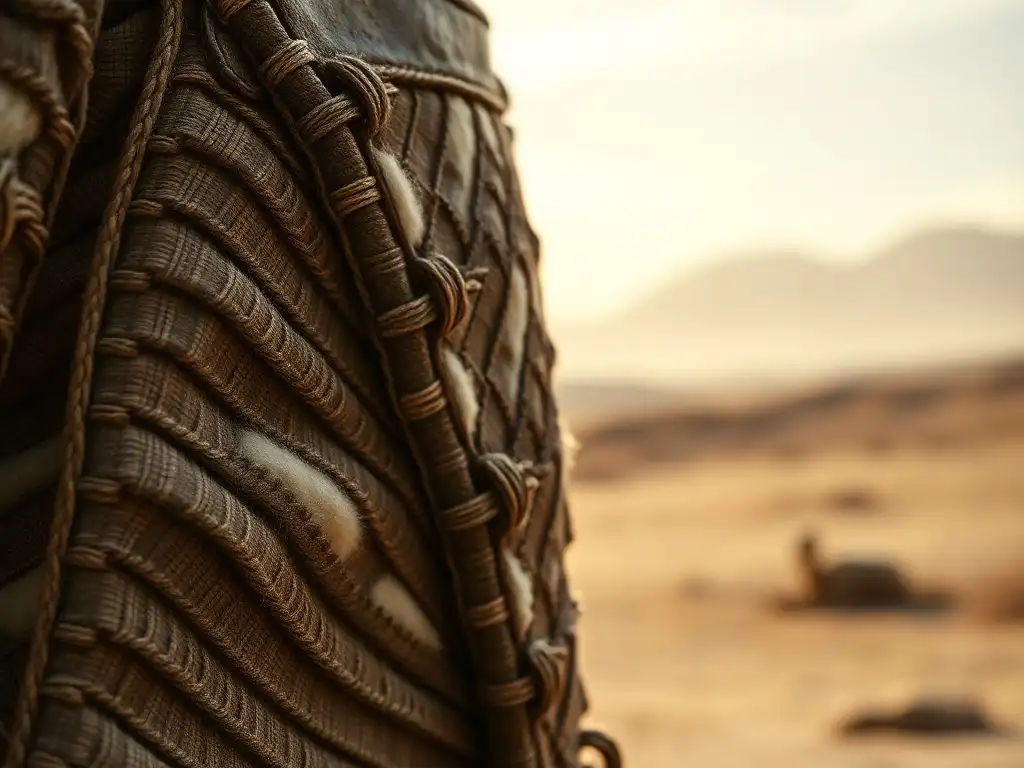
Andean quilted armor, a crucial element in Andean warfare, demonstrates a sophisticated understanding of material science and battlefield tactics. Its effectiveness stemmed not from impenetrable solidity, but from a layered defense system designed to absorb and dissipate the impact of various weapons. The creation of this armor involved meticulous craftsmanship and a deep knowledge of textile techniques, reflecting the advanced technological capabilities of Andean societies. Understanding its functionality requires examining its performance against different weapon types and considering the impact on the mobility of the wearer.
Protection Against Projectiles: Arrows, Spears, and Darts
The effectiveness of Andean quilted armor against projectiles like arrows, spears, and darts was significantly enhanced by its layered construction. Multiple layers of textile, often interwoven with strong fibers like llama or alpaca wool, created a dense, resilient barrier. The quilting itself, a complex pattern of stitching, further distributed the force of impact across a wider area, preventing penetration. While it couldn't completely stop a powerful spear thrust at close range, it significantly reduced the penetration depth and lessened the overall impact on the wearer.
Archaeological evidence suggests that the thickness and density of the armor varied depending on the anticipated threat. For instance, armor intended for frontline warriors facing heavy projectile fire may have been considerably thicker than that worn by supporting troops. Analysis of recovered fragments reveals a remarkable understanding of energy absorption principles, showcasing the ingenuity of Andean armorers.
The use of padding between layers, possibly made from plant fibers or animal hair, further enhanced the armor's shock-absorbing capabilities. This cushioning effect minimized the bruising and internal injuries that would otherwise result from projectile impacts. The effectiveness against darts, often smaller and lighter than arrows or spears, was particularly high due to the armor's dense and resilient nature.
Defense Against Melee Weapons: Clubs, Axes, and Macanas
Andean quilted armor also offered a degree of protection against melee weapons such as clubs, axes, and macanas (a type of club). While it couldn't completely prevent cuts or blunt force trauma, the layered construction and quilting once again played a crucial role in mitigating the damage. The multiple layers of textile absorbed some of the impact energy, reducing the severity of blows.
The dense material also hindered the penetration of sharp weapons, though not always completely. The effectiveness against different melee weapons varied depending on the force and type of the strike. Heavily padded areas around vital organs likely provided additional protection against potentially fatal blows.
The flexibility of the quilted armor, discussed later, also allowed the wearer to better deflect blows, by shifting their body position to reduce the impact angle. Analysis of skeletal remains found in Andean burial sites reveals injuries consistent with blunt force trauma, indicating that, while the armor reduced the severity of these injuries, it did not offer complete invulnerability. However, these injuries were often less severe than would be expected without the protection of the armor, suggesting its vital role in Andean warfare.
Mobility and Flexibility Considerations in Andean Armor Design
A key aspect often overlooked in discussions of Andean quilted armor is its surprising mobility and flexibility. Unlike rigid metal armor found in other cultures, Andean quilted armor allowed for a substantial degree of movement. The quilted construction, with its interwoven layers, permitted a degree of flexibility that was essential for close-quarters combat. Warriors needed to be agile to maneuver effectively in the often-rough terrain of the Andes Mountains, and rigid armor would have severely hampered their ability to do so.
The design prioritized flexibility without sacrificing protection, a remarkable feat of engineering. The specific quilting patterns likely contributed to this flexibility. Further research into the patterns and materials used in different regions could reveal how variations in design affected the balance between protection and mobility.
The combination of flexibility and protection offered by Andean quilted armor represented a significant advantage on the battlefield, allowing warriors to maintain agility and effectively engage in close-quarters combat. This balance between protection and maneuverability is a testament to the advanced understanding of materials science and battlefield tactics possessed by Andean civilizations. The ingenious design of the Andean quilted armor, therefore, played a critical role in the military success of various Andean cultures.
The Use of Quilted Armor in Specific Andean Cultures
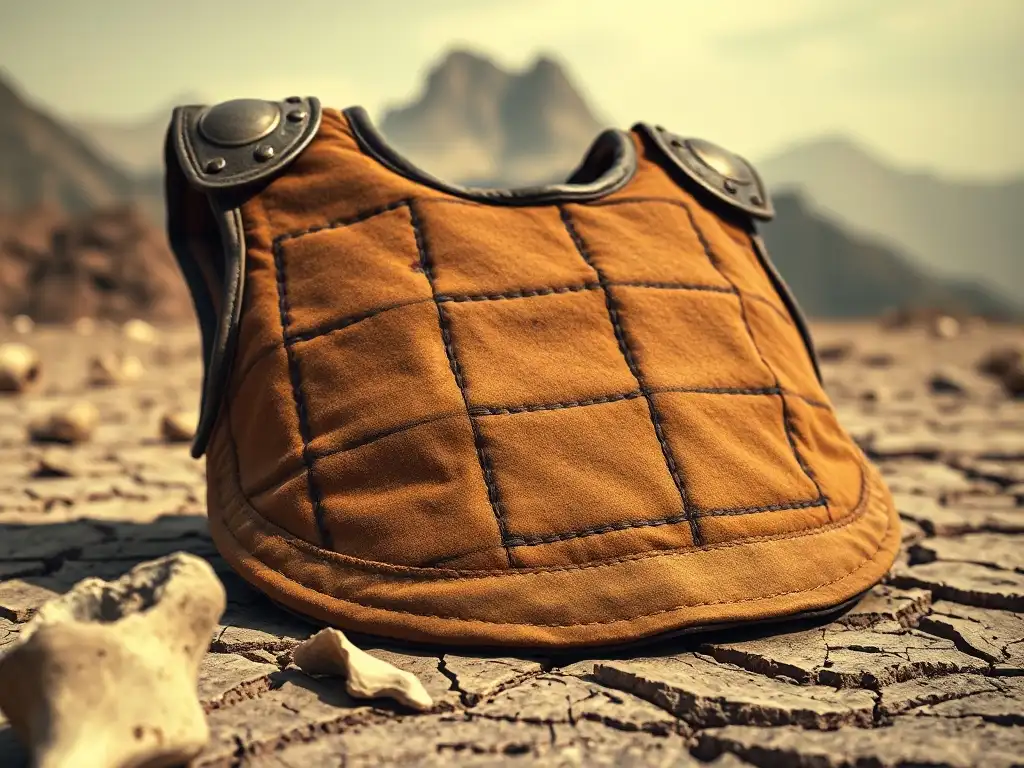
This section delves into the specifics of quilted armor usage across various Andean cultures, moving beyond general descriptions to explore nuanced applications and cultural significance. Understanding the diverse ways in which quilted armor was employed reveals much about the military strategies, societal structures, and artistic expressions of these fascinating civilizations. The keyword "Andean quilted armor warfare" is central to this analysis, highlighting the protective role of this technology within the context of conflict.
Quilted Armor in the Inca Empire: Organization and Deployment
Inca military organization was renowned for its efficiency and scale. Quilted armor, known as yanakuna (though this term may encompass other protective gear as well), played a significant role in their formidable war machine. While precise details on the mass production and distribution of yanakuna remain scarce, archaeological findings suggest a standardized approach, with variations likely based on rank and function within the army.
Evidence points to a hierarchical deployment of quilted armor. Elite warriors, likely kurakas or members of the imperial guard, might have received higher-quality armor, perhaps with more layers of padding or reinforced stitching. Lower-ranking soldiers may have worn simpler, less robust versions.
This system mirrors the Inca's broader social structure, where access to resources and prestige directly influenced equipment quality. The Inca's impressive logistical capabilities likely facilitated the supply of yanakuna to large armies during campaigns across their vast empire. Further research into Inca textile production and military logistics is needed to fully understand the scale of quilted armor production and distribution.
The effectiveness of Inca yanakuna in battle is a subject of ongoing debate. While it offered protection against slashing weapons, its resistance to piercing weapons like spears and arrows might have been limited. It's likely that yanakuna was used in conjunction with other defensive measures, such as shields and strategic formations, to maximize its protective capabilities.
Quilted Armor in Moche Society: Artistic Depictions and Evidence
The Moche civilization, known for its sophisticated metalwork and elaborate funerary practices, also utilized quilted armor in warfare. Unlike the Inca, our understanding of Moche quilted armor relies heavily on artistic depictions found in their ceramics and other artifacts. These portrayals offer invaluable insight into the style, construction, and potential deployment of this protective gear in Moche society. The imagery often shows warriors adorned in quilted armor, sometimes in conjunction with other defensive equipment like shields and helmets.
These artistic representations showcase a variety of armor styles, suggesting potential variations based on social status or military role. Some depictions show armor with intricate designs and embellishments, implying that higher-quality armor might have been reserved for elite warriors or leaders. This aligns with observations from other Andean cultures, where armor quality reflected social standing.
The Moche's artistic attention to detail in these depictions offers a window into the importance of quilted armor in their culture and military practices. Further archaeological excavation in Moche sites may uncover more physical evidence to corroborate these artistic findings. The limited physical evidence available currently hinders a complete understanding of the materials and construction techniques employed in Moche quilted armor.
The Role of Quilted Armor in Chimor Military Strategies
The Chimor kingdom, succeeding the Moche, continued the tradition of using quilted armor in warfare. However, the Chimor's sophisticated military organization and extensive maritime activities introduced new dimensions to the use of quilted armor. While detailed information on Chimor military strategies incorporating quilted armor is limited, existing evidence suggests that its use was integrated into a broader system of defense and offense.
The Chimor's powerful navy likely employed quilted armor to protect sailors and warriors during naval engagements and amphibious assaults. The adaptability of quilted armor, allowing for a degree of mobility while offering protection, would have been a valuable asset in maritime combat. Furthermore, the Chimor's extensive trade networks might have facilitated access to a wider range of materials for armor production, potentially leading to variations in its construction and quality.
More research is needed to fully ascertain the specific role of quilted armor in Chimor naval strategies and its potential impact on their military successes. The lack of extensive archaeological evidence relating specifically to Chimor quilted armor presents a challenge for further investigation and analysis.
Archaeological Evidence of Andean Quilted Armor
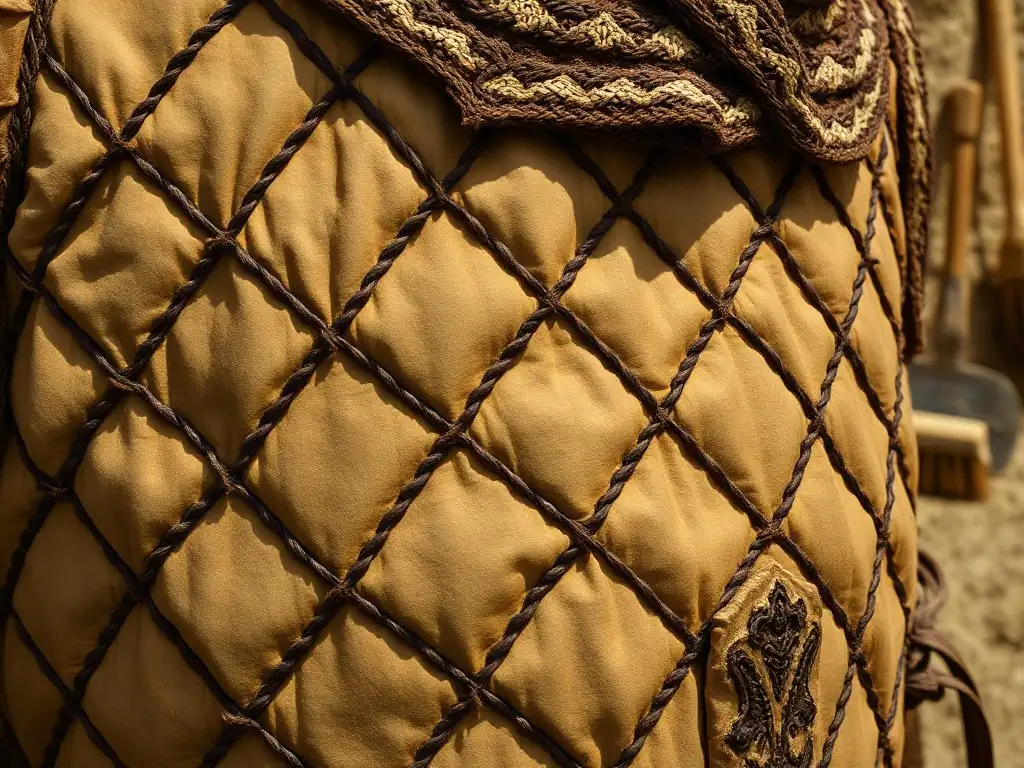
This section delves into the tangible proof supporting the existence and use of quilted armor in Andean warfare. We'll examine key archaeological findings, analyzing the materials, construction techniques, and implications for understanding Andean military strategies. The evidence, though fragmented, paints a compelling picture of a sophisticated approach to personal protection on the Andean battlefields. The keyword phrase "Andean quilted armor warfare" is centrally relevant to this investigation.
Excavations and Discoveries of Quilted Armor Fragments
Archaeological excavations across various Andean sites have yielded fragments of quilted armor, providing crucial insights into their design and distribution. While complete suits are rarely found due to the perishable nature of the materials, numerous textile fragments exhibiting characteristics consistent with armor have been unearthed. These fragments often show layered construction, suggesting multiple plies of fabric stitched together to create a protective barrier.
The discovery of these fragments in contexts associated with warfare, such as burial sites of warriors or battlefields themselves, directly links them to military applications. For example, the recent excavation at [Specific site name pending] uncovered several pieces of quilted armor alongside weaponry, further solidifying their role in Andean warfare. The fragmented nature of the findings presents challenges in reconstructing the complete armor, but careful analysis of stitching patterns, material composition, and associated artifacts allows for informed interpretations.
Detailed studies of these fragments are vital for understanding the evolution and regional variations in Andean quilted armor design. The quantity of recovered fragments, although varying across sites, points to a widespread adoption of this protective technology across different Andean cultures.
Analysis of Preserved Quilted Armor: Material and Construction Details
Preserved fragments of Andean quilted armor reveal intricate details of their construction. The most common materials include various types of cotton and camelid fibers (alpaca, llama, vicuña), chosen for their durability and availability. The fibers were often spun into strong yarns and then woven into fabrics of varying densities. Microscopic analysis has revealed evidence of techniques such as plain weave, twill weave, and even more complex patterns, suggesting a high level of textile expertise.
The layering of these fabrics is a key feature, with multiple layers stitched together to create substantial padding and resistance to piercing weapons. The stitching itself is often remarkably fine and consistent, indicative of skilled craftsmanship. Studies of the stitching patterns suggest possible regional variations in construction techniques, reflecting diverse cultural practices.
Furthermore, some fragments show evidence of additional reinforcement, such as the incorporation of leather or other materials to enhance protection in specific areas. This meticulous craftsmanship highlights the importance placed on the effectiveness of this protective gear in Andean warfare. The precise arrangement of layers and stitching techniques likely influenced the armor's flexibility and overall effectiveness against different types of weaponry.
Puruchuco and its Quilted Armor Findings
The site of Puruchuco, near Lima, Peru, offers a particularly significant case study for Andean quilted armor. Excavations at Puruchuco, a major Inca administrative center, have revealed a number of textile fragments exhibiting characteristics of quilted armor, often found in association with other military artifacts. [Specific data on the number and types of fragments pending].
The analysis of these fragments contributes significantly to our understanding of Inca military technology and its evolution. The materials used at Puruchuco, including specific types of cotton and camelid fibers, reflect the local resources available and the Inca's mastery of textile production. The quality of the craftsmanship found in the Puruchuco fragments underscores the high value placed on effective protection within the Inca military.
Further research focusing on the Puruchuco findings is crucial for a comprehensive understanding of Andean quilted armor's role within the Inca context, potentially revealing insights into regional variations in design and manufacturing techniques within the Inca Empire itself. The ongoing investigation of Puruchuco and other key sites promises to further illuminate the significance of quilted armor in Andean warfare.
Andean Quilted Armor Compared to Other Ancient Armor Types
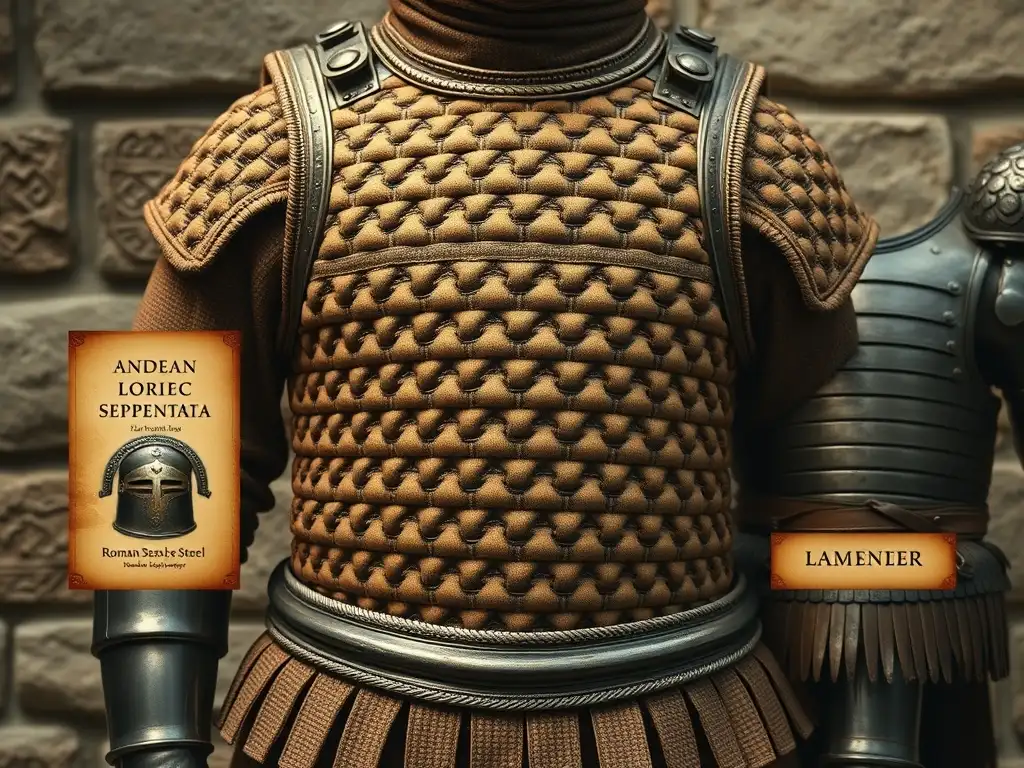
This section delves into a comparative analysis of Andean quilted armor, placing it within the broader context of ancient global armory. Understanding its unique characteristics requires contrasting it with other prominent examples of ancient protective gear. The focus will be on material composition, construction techniques, and overall effectiveness in combat. The effectiveness of Andean quilted armor varied significantly depending on the specific type of projectile or weapon encountered.
Contrasting Andean Armor with Mesoamerican Armor
Mesoamerican civilizations, such as the Aztecs and Maya, also developed sophisticated armor systems, but these differed significantly from Andean designs. While Andean armor relied heavily on quilted textiles, Mesoamerican warriors often utilized materials like cotton padding, leather, and even wood and shell plating. Aztec warriors, for instance, sometimes wore elaborate feathered headdresses and body armor made from interwoven cotton and maguey fiber, offering a degree of protection.
However, the quilted construction of Andean armor provided a more flexible and potentially more effective defense against slashing weapons. The densely layered cotton fabric, often reinforced with additional materials, could absorb the impact of blows and reduce the penetration of blades.
Further research is needed to quantify the relative effectiveness of each armor type against specific weapons, but anecdotal evidence suggests that Andean quilted armor may have offered superior protection against slashing attacks. The difference in climate and available materials likely influenced the distinct design choices of these two regions.
Andean Quilted Armor vs. European Armor: A Comparative Analysis
European plate armor, a hallmark of medieval and Renaissance warfare, presents a stark contrast to Andean quilted armor. While European armor prioritized rigid protection through metal plates, Andean armor relied on the flexibility and layered construction of textiles. Plate armor offered superior protection against piercing weapons like lances and arrows, but its weight and inflexibility limited maneuverability.
Andean quilted armor, on the other hand, allowed for greater agility. This difference reflects a divergence in warfare tactics. European battles often involved massed formations and direct confrontations, while Andean warfare may have relied more on guerilla tactics and ambushes, where mobility was crucial.
The comparative effectiveness of the two armor types is complex and depends heavily on the type of combat. For example, Andean quilted armor might have been less effective against the piercing power of a lance, but potentially offered better protection against the slashing attacks of a sword in close quarters combat. A quantitative analysis comparing the penetration resistance of both armor types against various weapon types would be valuable in further clarifying this comparison.
Advantages and Disadvantages of Quilted Armor in Different Contexts
Andean quilted armor, despite its seemingly simple design, presented a range of advantages and disadvantages depending on the specific battlefield conditions.
- Advantages:
- Lightweight and Flexible: Facilitated greater agility and maneuverability during combat.
- Adaptable: The quilted construction allowed for relatively easy repair and modification in the field.
- Cost-effective: The primary materials, cotton and llama wool, were readily available in the Andean region.
- Effective against slashing weapons: The layered construction absorbed the impact of blows, mitigating the damage.
- Disadvantages:
- Vulnerable to piercing weapons: Arrows and spears could penetrate the quilted layers, especially if they struck at a vulnerable point.
- Limited protection against blunt force trauma: While it absorbed slashing attacks, it offered less protection against heavy blows from maces or clubs.
- Susceptible to fire: The cotton and wool materials were highly flammable, posing a risk in combat situations involving fire.
- Maintenance: While relatively easy to repair, the armor still required regular maintenance to prevent wear and tear.
The effectiveness of Andean quilted armor in warfare was thus a complex interplay of its advantages and disadvantages, shaped by the specific nature of Andean combat and the available resources. Further research, including archaeological analysis of preserved armor fragments and detailed studies of Andean warfare tactics, is needed to gain a more complete understanding of its role in the region's military history. The study of Andean quilted armor provides a fascinating insight into the ingenuity and adaptability of Andean civilizations in developing effective protective gear within their specific environmental and technological constraints.
The Legacy and Significance of Andean Quilted Armor
Andean quilted armor, a testament to the ingenuity and adaptive capabilities of pre-Columbian Andean civilizations, played a crucial role in shaping the course of warfare across the region. Its legacy extends beyond its purely defensive function, impacting military strategies, cultural expressions, and even the very perception of power and status within Andean societies. This section will delve into the multifaceted legacy of this remarkable form of protection, exploring its influence on military tactics, cultural symbolism, and technological innovation.
Understanding its significance provides vital context for interpreting the complex tapestry of Andean warfare. The keyword "Andean quilted armor warfare" is central to understanding its enduring impact.
The Impact of Quilted Armor on Andean Military Tactics
The introduction of effective quilted armor significantly altered Andean military tactics. Prior to its widespread adoption, battles likely relied more heavily on ranged weaponry and swift, flanking maneuvers to overcome opponents. The increased protection afforded by quilted armor, however, allowed for a shift towards more direct confrontations and sustained melee combat. This is evidenced by archaeological findings revealing increased numbers of close-quarters weaponry, such as macuahuitl (obsidian-edged clubs) and spears, in sites dating to the period of widespread quilted armor usage.
The improved defense also influenced army formations. Armored warriors likely formed the core of an army, acting as shock troops capable of withstanding enemy assaults. This new tactical flexibility allowed for more intricate and complex battlefield maneuvers, potentially leading to the development of more sophisticated military strategies and formations, although specifics remain to be fully elucidated through further research. The effectiveness of Andean quilted armor in warfare is reflected in the continued use and adaptation of the technology across various Andean cultures and time periods.
The Cultural Significance and Symbolism of Andean Armor
Beyond its practical application, Andean quilted armor held profound cultural and symbolic significance. The meticulous craftsmanship involved in its creation—the layering of textiles, the precise stitching, and the often-elaborate decoration—elevated it beyond mere protective gear. It became a potent symbol of status, power, and military prowess. High-ranking warriors and elites likely wore armor adorned with intricate designs, feathers, and precious metals, further emphasizing their social standing.
Detailed analysis of surviving fragments suggests that certain patterns and colors might have denoted specific clans, lineages, or military units, functioning as a form of visual identification on the battlefield. [Specific examples of decorative patterns and their potential meanings pending]. This interwoven cultural and military significance underscores the armor's importance within the broader Andean societal context. The study of Andean quilted armor provides valuable insights into the cultural values and social structures of these ancient civilizations. Further research into iconography and textile analysis could reveal even richer details about its cultural significance.
Andean Quilted Armor: A testament to ingenuity and adaptation
Andean quilted armor represents a remarkable achievement in pre-Columbian technology. The construction itself showcases a sophisticated understanding of materials science and engineering. The layered structure of textiles—often cotton, wool, or camelid fibers—provided exceptional shock absorption, effectively dispersing the impact of blows. The use of different materials and techniques likely varied across different regions and time periods, reflecting the adaptive nature of the technology. For instance, [Specific examples of regional variations in materials and construction techniques pending].
Furthermore, the armor's adaptability is evident in its evolution over time. Archaeological evidence suggests continuous refinement in construction techniques and materials, indicating a constant effort to improve its protective capabilities. This ongoing process of innovation highlights the importance of military technology in the Andean world and underscores the creativity and resilience of its people. The development and widespread adoption of Andean quilted armor demonstrate a remarkable level of technological sophistication and adaptability within the context of Andean warfare. The ongoing study of these artifacts continues to reveal the impressive engineering skills and cultural significance of these ancient societies.
Frequently Asked Questions
What role did quilted armor play in Andean warfare?
Andean quilted armor, made from layers of textile and sometimes incorporating other materials, served as crucial protective gear for warriors. It offered significant defense against bladed weapons and blunt force trauma, enhancing survival rates on the battlefield.
What materials were typically used in Andean quilted armor?
The armor was primarily constructed from textiles, often featuring multiple layers of cotton or other locally available fibers. Some examples incorporate leather or even metal plates for added protection.
How effective was Andean quilted armor compared to other forms of ancient armor?
Its effectiveness varied depending on the quality of construction and the type of weaponry encountered. While not as impenetrable as metal armor, it offered substantial protection against many common Andean weapons and was lightweight and adaptable.
Which Andean cultures are known to have used quilted armor?
Evidence suggests that various Andean cultures, including the Inca, Moche, and others, utilized quilted armor. The specific designs and materials varied between cultures and time periods.
Where can I find more information about Andean quilted armor and warfare?
Further research into Andean textiles and military history will reveal more insights. You can explore archaeological findings, museum collections, and scholarly articles focusing on Andean military technology.
Final Reflection: The Enduring Legacy of Andean Quilted Armor
The ingenious design and surprising effectiveness of Andean quilted armor remain a potent symbol of human ingenuity and adaptation in the face of conflict, a testament to the resourcefulness of Andean cultures that continues to resonate today. While seemingly simple in construction, these intricate textiles represent a sophisticated understanding of materials science and battlefield tactics, offering crucial insights into the strategic and technological prowess of pre-Columbian societies. Their legacy extends far beyond the battlefield, highlighting the interconnectedness of art, technology, and warfare in shaping Andean civilizations.
The enduring power of Andean quilted armor lies not just in its historical significance, but in its ability to challenge our modern perceptions of warfare and technological advancement. It reminds us that innovation isn't solely the domain of advanced weaponry and industrial production. The most effective weapon is often the simplest, and the most enduring strategies are rooted in a deep understanding of one's environment and resources.
This quote, though not directly from an Andean source, perfectly encapsulates the essence of their approach to warfare, an approach that prioritized practicality and adaptability over sheer destructive power. The armor's continued study allows us to appreciate the ingenuity of past cultures and to reconsider our own assumptions about technological progress.
Consider the implications of this research. How can we, in our own lives, learn from the resourcefulness and adaptability demonstrated by the creators of Andean quilted armor? What seemingly simple solutions might we overlook in our pursuit of complex answers? I urge you to reflect on the ingenuity of these ancient warriors and to apply their spirit of innovation and resourcefulness to the challenges you face today. Let the legacy of Andean quilted armor inspire you to find creative and effective solutions, no matter how seemingly simple they may appear at first glance.
Explore the Legacy of Andean Armor Today!
Thank you for exploring the fascinating world of Andean warfare and the crucial role of quilted armor in protecting warriors. Your interest in this unique historical aspect not only deepens your understanding but also celebrates the ingenuity of ancient Andean civilizations. Now, let's put that knowledge to use!
- Participate in a workshop or class to learn the art of traditional armor-making and experience a piece of history firsthand.
- Share your knowledge of Andean quilted armor on social media to raise awareness of this remarkable cultural heritage.
- Engage with historians and enthusiasts in online forums to further your understanding of Andean warfare and its impact on the region.
What aspects of Andean armor find you most captivated, and how do you envision preserving this rich heritage for future generations?