
Andean Siege Warfare: Techniques for Overcoming Fortified Cities

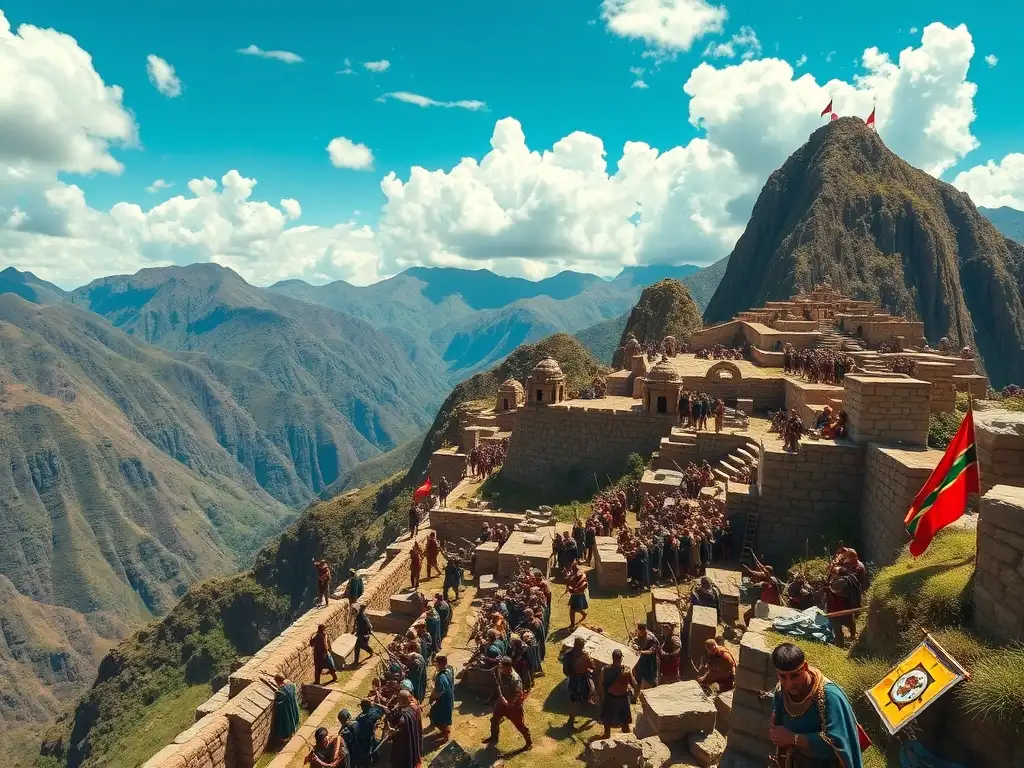
Unravel the mysteries of the Andes! For centuries, towering citadels and formidable defenses guarded the heart of ancient Andean empires. But how did armies conquer such seemingly impenetrable strongholds? Journey with us into the fascinating world of Andean siege warfare techniques, where ingenious strategies and breathtaking ingenuity shaped the destiny of civilizations. Discover the secrets behind their military prowess and prepare to be amazed by the sophistication of their warfare. Explore the intricate details of their conquests and understand the impact these battles had on the Andean world. The story awaits...
The towering stone walls of Andean cities, testaments to sophisticated engineering and powerful rulers, were not insurmountable obstacles. For centuries, Andean civilizations engaged in complex and brutal warfare, developing ingenious siege techniques to overcome fortified settlements. This article delves into the fascinating strategies and tactics employed by the Incas, Moche, Nazca, and other Andean cultures to conquer their rivals.
We'll explore the diverse methods used, from sophisticated engineering feats to psychological warfare, all contributing to a rich tapestry of military innovation in the Andes. Understanding these techniques provides a crucial insight into the power dynamics and military capabilities that shaped the Andean world.
This exploration will reveal how these civilizations adapted their warfare to the challenging Andean terrain and the specific defenses of their enemies, showcasing the ingenuity and resilience of Andean military prowess. The keyword "Andean siege warfare techniques" will be explored throughout, providing a comprehensive overview of this critical aspect of Andean history.
The Role of Terrain and Geography in Andean Sieges
Andean warfare was heavily influenced by the challenging geography of the region. Steep mountains, deep canyons, and unpredictable weather significantly impacted siege operations. Fortified cities often occupied strategically advantageous positions, utilizing natural features for defense.
Consequently, Andean siege techniques often involved adapting to the specific terrain. This included carefully selecting attack routes, considering factors such as elevation, accessibility, and the availability of water and resources for the besieging army. The construction of temporary roads and ramps was a common practice, reflecting an understanding of the importance of logistical support during prolonged sieges.
Furthermore, the use of terrain to conceal troop movements and launch surprise attacks was a crucial component of Andean military strategy. Specific examples, such as the siege of [City Name Pending], would highlight how the terrain dictated the siege techniques employed. The ingenuity of adapting to the unique challenges posed by the Andes is a key element of understanding Andean siege warfare.
Engineering Marvels: Constructing Siege Works
Andean engineers displayed remarkable skill in designing and constructing siege works. These structures, often built on a massive scale, were essential for overcoming fortified city defenses. Ramps, constructed from earth, stone, and wood, provided access to otherwise inaccessible walls. These ramps were not merely simple inclines; they were often sophisticated engineering feats, incorporating features like retaining walls and defensive structures to protect the attacking forces.
The construction of siege towers, which allowed attackers to breach walls from above, also involved advanced engineering techniques. These towers were often mobile, designed to be moved and repositioned as needed. The materials used and the construction methods varied depending on the available resources and the specific challenges posed by the city's defenses. Evidence from archeological sites, such as [Archaeological Site Pending], shows the scale and complexity of these engineering projects.
Psychological Warfare and the Siege Mentality
Siege warfare was not solely about brute force; psychological warfare played a significant role in Andean military strategy. Prolonged sieges aimed to weaken the morale of the defenders, often leading to surrender before a direct assault was even necessary. The use of propaganda, including spreading rumors and employing psychological tactics, was common. Cutting off supply lines to starve the city into submission was another effective strategy.
Furthermore, the display of military might through parades and demonstrations of weaponry aimed to intimidate the defenders and potentially encourage defections. The effectiveness of these psychological tactics depended on the besieging army's ability to maintain its own morale and to project an image of overwhelming power and determination. The successful sieges often involved a combination of military might and psychological manipulation.
Siege Weapons and Their Applications
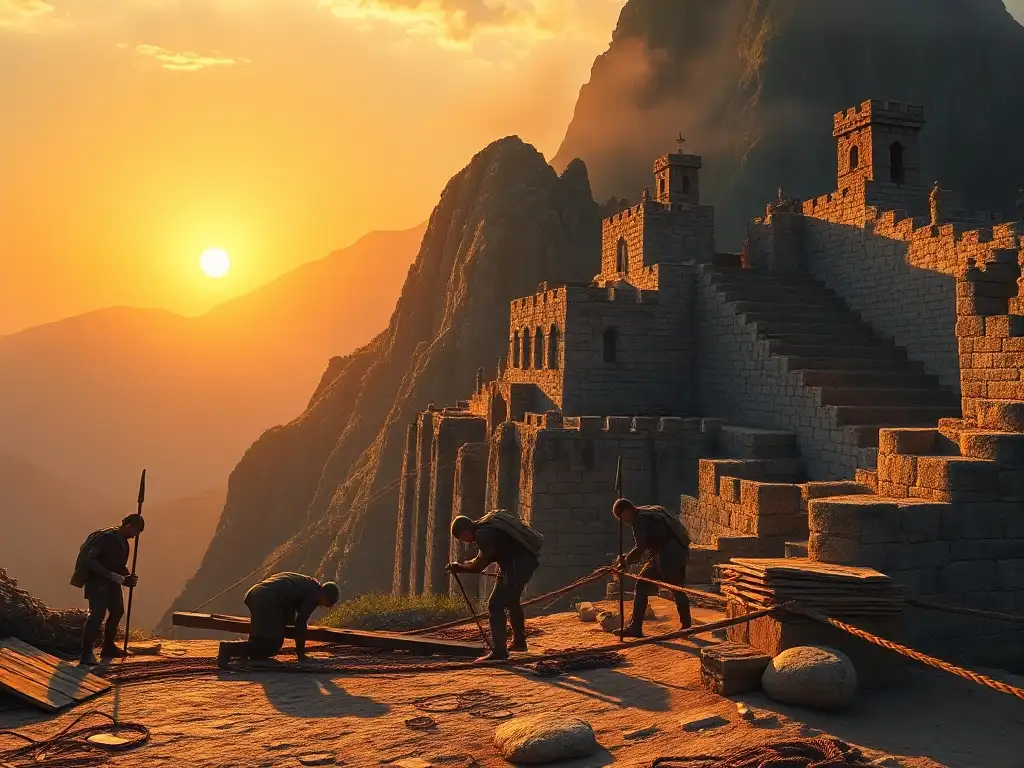
While the specifics of Andean siege weaponry are still under research, evidence suggests the use of various projectile weapons, such as slings, bows and arrows, and possibly even rudimentary siege engines. These weapons were used to bombard city walls, weaken defenses, and inflict casualties among the defenders. The effectiveness of these weapons often depended on the range, accuracy, and the volume of projectiles that could be launched. Furthermore, the use of fire, possibly through incendiary projectiles or the construction of siege fires, could have been employed to damage city structures and create openings in defenses.
The development and improvement of these siege weapons over time reflect a continuous process of military innovation within Andean societies. Further research is needed to fully understand the sophistication and range of these weapons. However, their presence is undeniably significant in understanding the complexities of Andean siege warfare.
Analyzing Successful and Unsuccessful Sieges: Case Studies
To fully appreciate the nuances of Andean siege warfare, it's crucial to examine specific historical examples. Analyzing both successful and unsuccessful sieges reveals valuable insights into the factors that contributed to victory or defeat. [Case Study 1 Pending] and [Case Study 2 Pending] would offer concrete examples of successful sieges, highlighting the specific tactics and strategies employed.
Similarly, examining failed sieges, like [Case Study 3 Pending], would help to understand the challenges and limitations of these techniques. By comparing and contrasting these cases, we can gain a more comprehensive understanding of the complexities and dynamics of Andean siege warfare. This comparative approach enhances our knowledge of the diverse approaches utilized across different Andean civilizations and time periods.
- The Role of Terrain and Geography in Andean Sieges
- Engineering Marvels: Constructing Siege Works
- Psychological Warfare and the Siege Mentality
- Siege Weapons and Their Applications
- Analyzing Successful and Unsuccessful Sieges: Case Studies
- What were the primary challenges faced by Andean armies during sieges?
- What siege warfare techniques did the Andean civilizations employ?
- How did the geography of the Andes influence siege warfare?
- Did the Incas have a particularly effective siege warfare strategy?
- How did Andean siege warfare compare to that of other ancient civilizations?
Understanding Andean Fortifications: A Challenge for Siege Warfare
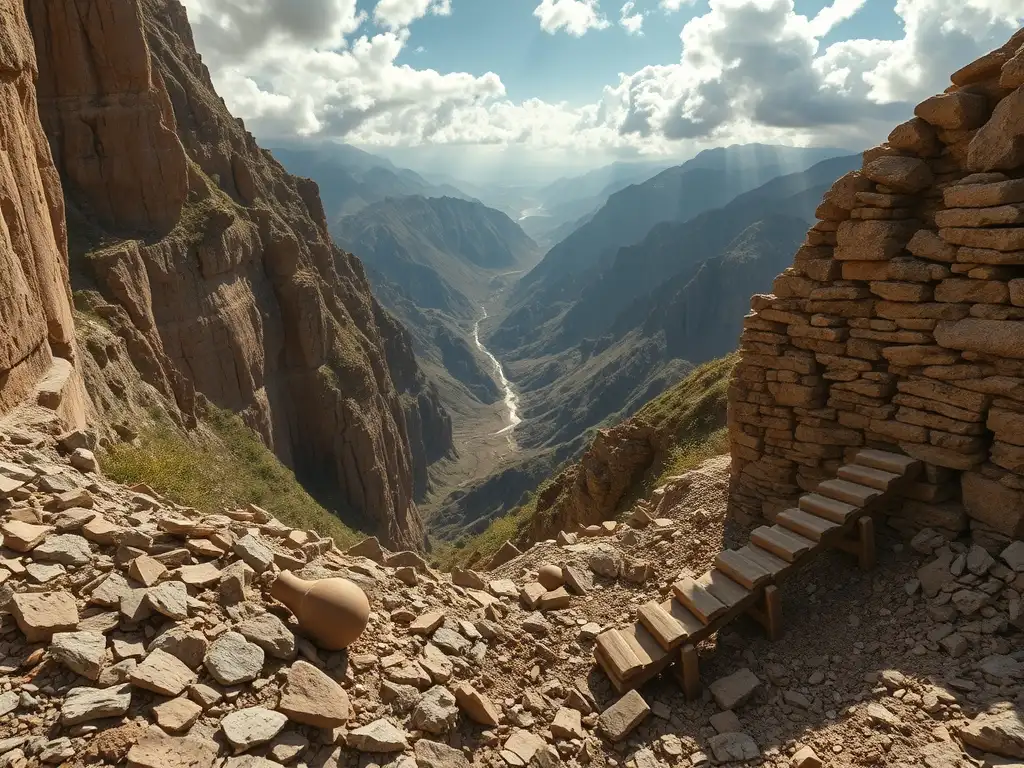
Andean siege warfare techniques were heavily influenced by the impressive fortifications employed by various civilizations. Conquering a well-defended Andean city wasn't a simple task; it required sophisticated strategies and often protracted campaigns. The very nature of the Andean terrain, coupled with the ingenuity of the builders, created significant obstacles for attacking armies.
This section delves into the characteristics of Andean fortifications to better understand the challenges they presented to besieging forces and the innovative tactics developed to overcome them. Understanding these defensive structures is key to appreciating the complexities of Andean siege warfare. The effectiveness of Andean siege warfare techniques is directly related to the ability to overcome these impressive defenses.
The Architecture of Andean Fortresses: Strategic Design
Andean fortresses weren't simply walls around a settlement; they were carefully planned structures integrated into the landscape. The strategic positioning of these fortifications often utilized natural features such as cliffs, rivers, and mountains to enhance their defensive capabilities. For example, the city of Cusco, the Inca capital, was built on a strategically advantageous location, making it difficult to approach from multiple directions.
The use of stone, meticulously cut and fitted together without mortar, created incredibly strong walls capable of withstanding significant pressure. The construction techniques varied depending on the specific civilization and the available resources, but the overarching principle remained consistent: to create a formidable barrier against invaders.
Evidence suggests that many fortresses incorporated complex systems of interconnected walls, towers, and defensive positions, creating a layered defense that made breaching them extremely difficult. This sophisticated design required a high level of engineering skill and organizational capacity, showcasing the advanced technological capabilities of Andean societies.
Common Defensive Features in Andean Cities: Walls, Gates, and Terrain
Beyond the strategic placement, several common defensive features characterized Andean cities. Massive stone walls, often several meters thick, formed the primary defensive line. These walls were not simply straight lines; they incorporated strategically placed towers and bastions to provide flanking fire and enhance visibility. The gates were typically narrow and heavily fortified, often featuring multiple layers of defenses, including portcullises and traps. Furthermore, the natural terrain played a crucial role in Andean defense.
Many cities were built on elevated locations or incorporated natural obstacles into their defensive systems. The steep slopes of mountains, deep ravines, and fast-flowing rivers all acted as natural barriers, making it difficult for attackers to approach the city walls. The integration of natural and man-made defenses created a formidable obstacle for besieging armies. Analysis of archaeological evidence reveals a careful consideration of these combined defensive features in the planning and execution of Andean city fortifications.
The Importance of Fortified Cities in Andean Conflicts
The importance of fortified cities in Andean conflicts cannot be overstated. These structures served not only as defensive strongholds but also as centers of political and economic power. Controlling a fortified city often meant controlling the surrounding region, access to vital resources, and the population itself.
The prolonged sieges that characterized Andean warfare highlight the significance of these fortifications. The ability to withstand a siege often determined the outcome of a conflict. Cities that could withstand prolonged sieges were able to maintain their independence and resist conquest.
Conversely, the fall of a fortified city often meant the collapse of the entire political entity. 🛡️ Thus, the construction and defense of fortified cities were central aspects of Andean military strategy and played a vital role in the dynamics of power and conflict in the Andes. The investment in these structures reflects the understanding of their crucial role in the maintenance of political stability and territorial control.
Andean Siege Warfare Techniques: Strategies for Conquest
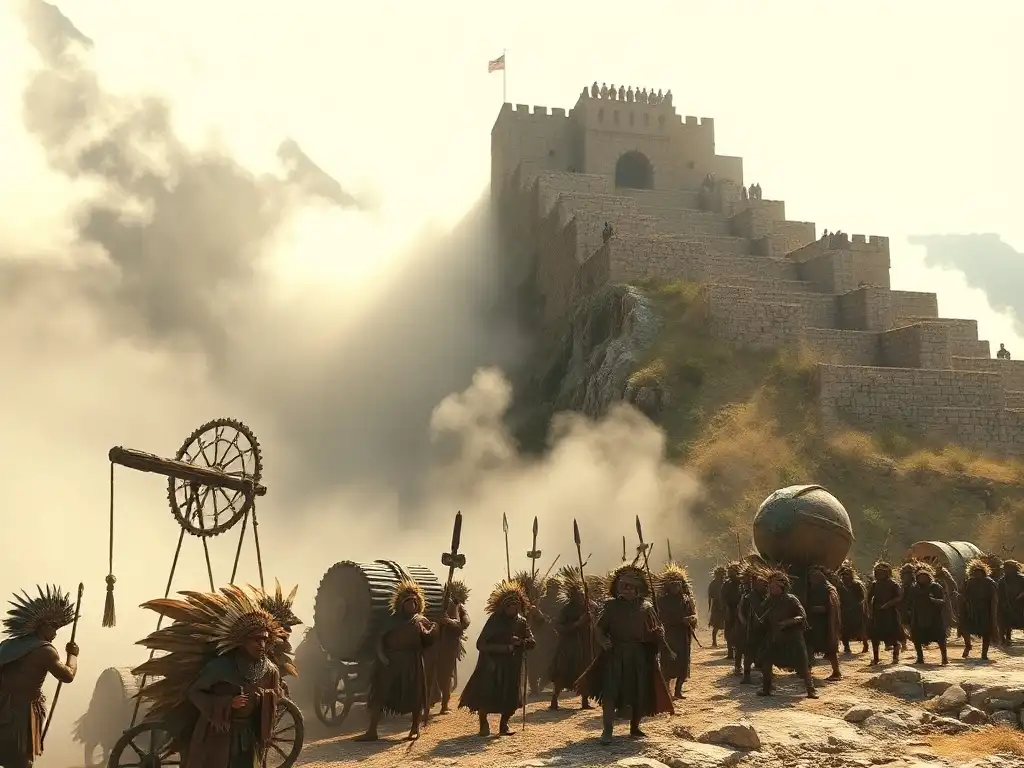
This section delves into the sophisticated strategies employed by Andean civilizations during siege warfare, focusing on their innovative techniques for overcoming fortified cities. Understanding these methods provides crucial insight into the military prowess and organizational capabilities of these ancient societies. The effectiveness of Andean siege warfare hinged on meticulous planning, resourcefulness, and a deep understanding of both the enemy's defenses and the surrounding terrain. The keyword "Andean siege warfare techniques" is central to this exploration.
Pre-Siege Preparations: Logistics and Reconnaissance
Successful Andean sieges began long before the first battering ram struck a wall. Extensive pre-siege preparations were critical, emphasizing logistics and meticulous reconnaissance. The logistical challenges were substantial, requiring the mobilization and sustained supply of a large army often operating far from its home base. Consider the Inca Empire, for instance; their vast logistical network, based on a complex system of tambos (roadside inns and storage facilities), allowed for the efficient movement of troops and supplies across the challenging Andean terrain. This network facilitated the rapid deployment of siege weaponry and provisions, a crucial element in prolonged sieges.
Detailed reconnaissance was equally important. Spies and scouts would infiltrate the target city, gathering intelligence on the city's defenses, including the strength of the walls, the presence of traps or hidden passages, the layout of the fortifications, and the overall morale of the defenders. This information was vital in crafting a suitable strategy. The information gleaned would often dictate whether a direct assault, a protracted siege, or a combination of both would be the most effective approach.
Reports on the availability of water and food within the city were also crucial in determining the length of a potential siege. Accurate estimations of the enemy's manpower were essential for determining the size and composition of the besieging army. Lack of sufficient intelligence could lead to devastating setbacks.
Isolating the Target: Cutting Supply Lines and Escape Routes
Once the reconnaissance phase was complete, the next crucial step was isolating the target city. Cutting off supply lines and escape routes was paramount to weakening the city's defenses and demoralizing the inhabitants. Andean armies often employed sophisticated tactics to achieve this. They would strategically position troops to intercept supply convoys and raiding parties, preventing the delivery of food, water, and reinforcements. The destruction of irrigation systems, vital for agriculture in the Andes, was another common tactic used to starve the city into submission.
The effectiveness of this isolation strategy depended on the army's ability to control the surrounding territory. This required a strong understanding of the geography and the establishment of secure bases and outposts to monitor and control the movement of resources. The Inca, for example, expertly utilized their extensive road network to rapidly deploy troops and effectively block enemy supply routes.
The control of key passes and mountain trails was vital in ensuring the city's complete isolation. A successful isolation strategy would gradually erode the city's resistance, often leading to surrender even before a direct assault was launched. This tactic minimized casualties for the attacking force.
Direct Assault Methods: Scaling Walls and Breaching Defenses
While isolating the target city was a preferred strategy, direct assault methods were sometimes necessary. Andean armies developed ingenious techniques for scaling walls and breaching defenses. These techniques varied depending on the specific fortifications encountered. Scaling walls often involved the use of ladders, ropes, and siege engines to overcome the height advantage of the city walls. These ladders were often constructed from locally sourced materials and adapted to the specific terrain.
Breaching defenses involved the use of battering rams, siege towers, and undermining techniques. Battering rams, typically large logs reinforced with stone or metal, were used to batter down sections of the city walls. Siege towers, mobile structures designed to bring attackers to the level of the walls, provided a platform for archers and other soldiers to attack the defenders. Undermining, a more subtle approach, involved digging tunnels beneath the walls to weaken their foundations, creating breaches for an assault.
While less frequently documented, the evidence suggests the use of sophisticated siege engines, potentially including catapults for launching projectiles over the city walls. The specific techniques employed would be adapted to the specific characteristics of the target city’s fortifications, reflecting the adaptability and strategic flexibility of Andean armies. The success of these direct assault methods often depended on the element of surprise, combined with overwhelming force.
Siege Engines in the Andes: Adapting Technology for Mountainous Terrain
The mountainous terrain of the Andes presented unique challenges to siege warfare. Unlike the flat plains of Eurasia, where massive siege towers and battering rams could be easily deployed, Andean engineers had to adapt their technology to the steep slopes, narrow passes, and often precarious ground conditions. This necessitated the development of smaller, more mobile, and adaptable siege engines. While large-scale siege towers as depicted in European siege warfare are not well documented in the Andes, smaller, more maneuverable siege structures likely existed, possibly employing scaffolding and ramps adapted to the specific contours of the target fortification.
The construction materials available also influenced the design of Andean siege engines. Wood, readily available at lower elevations, was likely a crucial component. However, access to timber could be limited at higher altitudes. Consequently, Andean engineers may have incorporated stone and even adobe bricks into their siege engine designs, especially for more static structures like siege ramps.
The use of these materials would have impacted the overall size and weight of the engines, favouring smaller, lighter designs better suited to the challenging terrain. Evidence suggests the use of ropes and woven materials, possibly derived from llama or alpaca fiber, for hoisting and counterbalancing mechanisms within these siege engines. These materials would have been more readily available and easier to transport than heavy timber across the often challenging Andean landscape.
Furthermore, the ingenuity of Andean engineers is evident in their likely adaptation of existing technologies to overcome the environmental obstacles. Instead of relying solely on brute force, they probably incorporated elements of cunning and deception into their siege strategies. This might have involved using smaller, less conspicuous siege engines to undermine fortifications or utilizing natural features of the landscape to gain a tactical advantage during the siege.
The specific designs and effectiveness of these adapted siege engines remain largely unknown due to a scarcity of direct archaeological evidence. However, studying the available evidence from fortifications and understanding the limitations imposed by the environment allows us to hypothesize about the likely nature of Andean siege technology. Future archaeological discoveries may shed more light on the specific design and deployment of these fascinating and innovative siege engines.
The scarcity of evidence highlights the need for further research into this fascinating aspect of Andean military technology. The adaptation of siege technology to the unique Andean environment showcases the ingenuity and resilience of Andean civilizations in the face of challenging circumstances.
Specific Andean Siege Tactics: Adapting to Local Conditions
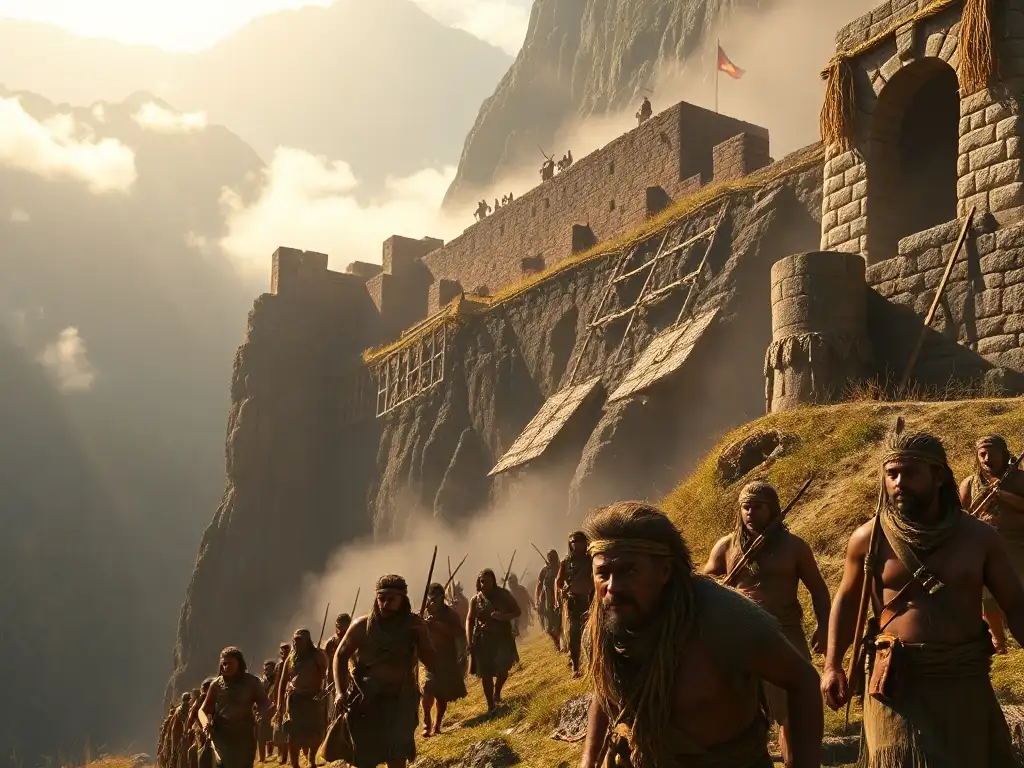
Andean siege warfare techniques were far from uniform across the diverse landscapes and cultures of the region. The tactics employed varied significantly depending on the specific environment, the fortifications being targeted, and the resources available to the attacking force. Understanding these adaptations is crucial to appreciating the ingenuity and resilience of Andean military strategies.
The mountainous terrain, often featuring steep cliffs and narrow passes, presented unique challenges and opportunities. For instance, while direct assaults were sometimes possible, sieges were often the preferred method, especially when facing well-defended cities or hilltop fortresses. The availability of resources like wood for siege engines or manpower for prolonged sieges also dictated tactical choices.
This section will delve into some key adaptations and specific techniques used in Andean sieges. The effectiveness of these techniques often hinged on careful observation of the enemy's strengths and weaknesses, and the exploitation of the terrain itself. This adaptability is a key element of understanding Andean siege warfare.
The Role of Siege Tunnels: Undermining Fortifications
Siege tunnels played a vital, often unseen, role in many Andean sieges. These weren't simply crude burrows; they were sophisticated engineering feats, reflecting a deep understanding of geology and construction. Archaeological evidence suggests the use of sophisticated tools and techniques to excavate tunnels, often extending hundreds of meters towards the target fortification's walls. The purpose wasn't always to directly breach the walls, although that was certainly a goal.
Often, the tunnels were used to undermine the foundations of walls and towers, causing them to collapse under their own weight. This tactic was particularly effective against stone structures common in the Andes, as the carefully constructed tunnels could destabilize the supporting structures, rendering the fortifications vulnerable to a subsequent assault. The construction of these tunnels required significant planning, secrecy, and specialized labor. Teams of skilled miners and engineers, likely working in shifts, would have been essential for their success.
The precise methods employed in ventilation and shoring up the tunnels remain areas of ongoing research, but the impact of these ingenious siege works is undeniable. The successful use of siege tunnels often led to the swift collapse of enemy defenses, minimizing casualties for the attacking force. This is a testament to the advanced engineering skills and strategic thinking of Andean siege engineers.
Psychological Warfare: Intimidation and Demoralization
Beyond the physical aspects of siege warfare, Andean armies also employed sophisticated psychological warfare techniques aimed at demoralizing the defenders and weakening their resolve. These techniques were as crucial to the success of a siege as the physical attacks. The use of propaganda, including spreading rumors and exaggerating the size and strength of the attacking army, was widespread. The display of captured weapons and trophies from previous victories served to intimidate and instill fear.
Ritualistic practices, often involving elaborate ceremonies and sacrifices, were used to instill fear and to demonstrate the power and divine favor of the attacking force. The strategic use of sound, such as war drums and horns, further contributed to the psychological pressure on the besieged. These sounds, often amplified by the surrounding mountains, could create an environment of constant fear and anxiety.
Moreover, the prolonged nature of sieges itself was a form of psychological warfare, designed to wear down the defenders' morale and deplete their supplies. The combined effect of these techniques could often lead to the surrender of a city without a major physical assault, saving lives and resources for the attacking army. This demonstrates a nuanced understanding of warfare that extended beyond brute force.
The Use of Fire in Andean Sieges: Destructive Potential
Fire played a significant role in Andean siege warfare, utilized both as a destructive force and as a tactical tool. The availability of readily combustible materials, such as thatched roofs and wooden structures, made fire a particularly effective weapon. The use of flaming projectiles, such as fire arrows or burning bundles hurled by siege engines, was a common tactic. These projectiles could ignite buildings and fortifications, causing widespread destruction and chaos within the besieged city.
Fire could also be used to create diversions, obscuring troop movements or distracting defenders, allowing for more effective assaults on weaker points of the fortifications. However, the effective use of fire in sieges also required careful planning and control to prevent accidental damage to the attacking forces. Understanding wind patterns and the spread of fire were critical elements in deploying this destructive tactic effectively.
The devastating effects of fire, coupled with the psychological impact of witnessing widespread destruction, could significantly weaken the defenders' resolve, paving the way for a successful siege. The strategic application of fire in Andean sieges demonstrates a sophisticated understanding of its destructive potential and its ability to shape the course of battle. 🔥 The strategic use of fire was a testament to the Andean understanding of both the physical and psychological effects of warfare.
Negotiation and Surrender: Alternative Approaches to Warfare
Andean siege warfare, while often brutal and protracted, wasn't solely reliant on brute force. Negotiation and the strategic offer of surrender played a significant, albeit often overlooked, role in achieving military objectives. The Andean worldview, with its emphasis on reciprocal relationships and community, provided fertile ground for such strategies. Conquest wasn't always about complete annihilation; securing resources, expanding influence, and incorporating new populations into existing power structures were equally important.
The Inca Empire, for example, excelled at incorporating conquered populations. While military might certainly played a role, the offer of integration into the Inca system – with its promise of relative stability, access to resources, and participation in a vast, interconnected network – often proved more effective than prolonged sieges. This strategy minimized casualties and resource expenditure, allowing the Inca to expand their empire more efficiently. The promise of favorable treatment, including the preservation of local customs and religious practices within the broader Inca framework, proved to be a powerful incentive for surrender.
This is not to suggest that negotiation was always successful, or that it was devoid of coercion. The threat of continued siege, or even the demonstration of overwhelming military power, often served as a powerful bargaining chip. The Inca, for instance, were masters of psychological warfare, using displays of strength and the promise of both reward and punishment to sway decisions in their favor. The careful management of information, the strategic use of propaganda, and a sophisticated understanding of local power dynamics all contributed to their success in negotiating surrenders.
Furthermore, the Andean environment itself often dictated the need for alternative approaches. Protracted sieges could deplete resources and expose besieging armies to harsh weather conditions and disease. A quick, decisive victory through negotiation, therefore, held significant strategic advantages.
The specific circumstances of each siege – the strength of the defending forces, the availability of supplies, and the political landscape – all influenced the decision to pursue negotiation over continued warfare. The effectiveness of these negotiations often depended on skilled diplomats and emissaries who understood the intricacies of Andean social structures and the nuances of local power dynamics.
Their ability to build trust and establish rapport was crucial in securing favorable terms of surrender. The legacy of these strategies speaks to the complex and nuanced nature of Andean warfare, demonstrating that military success wasn't always measured solely by the scale of destruction, but also by the capacity to incorporate and integrate conquered populations into a larger, more unified system.
Examples of Andean Siege Warfare: Case Studies
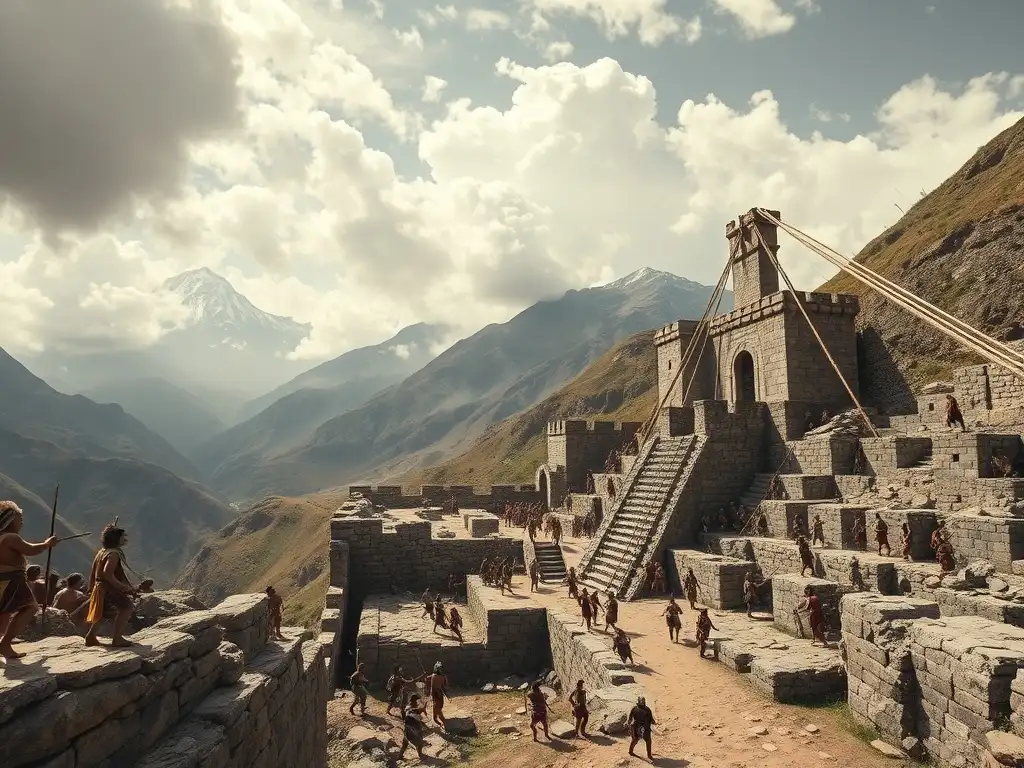
This section delves into specific examples of Andean siege warfare, showcasing the diverse tactics employed and their effectiveness in overcoming fortified cities. Analyzing these case studies provides crucial insights into the military capabilities and strategic thinking of Andean civilizations. We will examine the sieges of Ollantaytambo and Cusco, two prominent examples that highlight different aspects of Andean siege warfare techniques.
The Siege of Ollantaytambo
Background and Context of the Conflict
The siege of Ollantaytambo, a significant Inca fortress located in the Sacred Valley of the Urubamba River, represents a pivotal moment in Inca history. The precise date remains debated among historians, with estimates placing it sometime during the late 15th or early 16th century. The conflict stemmed from the rebellion of Ollanta Huamán, a powerful Inca general who challenged the authority of the reigning Sapa Inca.
Ollanta's rebellion, fueled by political ambitions and possibly fueled by a forbidden love affair with the Inca princess Cusi Coyllur, led to a protracted siege of the strategically important Ollantaytambo fortress. The fortress's natural defenses, combined with its intricate network of terraces and strategically placed structures, made it a formidable challenge for the Inca army.
Siege Tactics Employed and Their Effectiveness
The Inca army, loyal to the Sapa Inca, employed a variety of siege warfare techniques to overcome Ollantaytambo's defenses. These included:
- Prolonged Blockade: Cutting off the supply lines to the fortress was crucial. This tactic aimed to starve out the defenders over time, weakening their resistance.
- Strategic Encirclement: The Inca army likely surrounded Ollantaytambo, preventing reinforcements and escape attempts. This encirclement was crucial in isolating the rebels.
- Targeted Attacks: While a full-scale assault on the fortress walls might have been costly, targeted attacks on weaker sections of the defenses were likely employed.
- Psychological Warfare: The Inca army may have utilized psychological warfare, spreading rumors and exploiting divisions within Ollanta's ranks to undermine their morale. Precise details on this aspect remain scarce due to limited primary sources.
- Use of Slingers and Archers: Ranged weaponry played a significant role, harassing defenders and disrupting their efforts to repair fortifications.
The effectiveness of these tactics is debated. While the siege ultimately resulted in Ollanta's defeat, the length of the conflict suggests that Ollantaytambo's defenses were remarkably resilient. The fortress's unique geography and ingenious construction played a significant role in prolonging the siege.
Results and Impact of the Siege
The siege of Ollantaytambo concluded with Ollanta Huamán's eventual capture and execution. The Inca army's victory consolidated the Sapa Inca's authority and reaffirmed the power of the central government. The event serves as a testament to the Inca's ability to conduct prolonged sieges and overcome fortified positions, even against formidable opponents. The resilience of the Ollantaytambo fortress, however, also highlights the challenges inherent in Andean siege warfare and the importance of strategic planning and prolonged campaigns. The detailed account of the siege remains incomplete, highlighting the need for further research into this pivotal historical event.
The Siege of Cusco
Background and Context of the Conflict
The siege of Cusco, the Inca capital, during the Spanish conquest in 1533, provides a contrasting example of Andean siege warfare. This siege, unlike the internal conflict at Ollantaytambo, involved a clash between the Inca Empire and a technologically superior invading force. The Spanish conquistadors, despite their smaller numbers, possessed superior weaponry, including firearms and horses, which fundamentally altered the dynamics of siege warfare.
Siege Tactics Employed and Their Effectiveness
The Inca defense of Cusco relied heavily on the city's natural and artificial fortifications. The city's location in a valley, along with its strategically placed walls and defensive structures, offered considerable protection. However, the Inca army's tactics were ultimately outmatched by the Spanish weaponry and strategies:
- Defensive Walls and Fortifications: The Inca used existing walls and constructed additional defenses to repel the Spanish advance. These defenses proved partially effective initially, but were ultimately breached.
- Guerrilla Warfare: Outside the city walls, the Inca may have employed guerrilla tactics to harass the Spanish and disrupt their supply lines. However, the Spanish cavalry and firearms negated much of this advantage.
- Limited Use of Siege Weapons: The Inca’s siege weaponry, while effective against other Andean forces, proved less effective against the Spanish artillery and firearms.
The effectiveness of the Inca defense was severely hampered by the Spanish's superior technology. The Inca's traditional siege defense techniques were rendered largely ineffective against firearms and cavalry charges.
Results and Impact of the Siege
The siege of Cusco resulted in the fall of the Inca Empire. The Spanish conquest, marked by this siege, dramatically altered the course of Andean history and ushered in a new era of colonization. The event underscores the impact of technological disparity in warfare and the limitations of traditional Andean siege warfare techniques in the face of superior weaponry.
The Spanish victory highlights the importance of technological advancement in shaping the outcomes of conflicts and the vulnerability of even the most sophisticated defenses to technological superiority. Further research into the specifics of the Inca military strategies during this period would provide a more complete picture of this critical historical event.
The Impact of Andean Siege Warfare on Society and Culture
Andean siege warfare, while often overlooked in broader discussions of ancient military strategies, profoundly impacted the social and cultural fabric of Andean civilizations. The constant threat of siege, and the necessity of defending against it, shaped everything from military organization and technological innovation to societal structures and artistic expression. The very survival of many Andean polities hinged on their ability to both wage and withstand protracted sieges.
This section delves into the multifaceted consequences of this crucial aspect of Andean military history. The sheer scale of some sieges, demanding the mobilization of vast resources and manpower, highlights its significance in the overall functioning of these complex societies. The economic burden of constructing and maintaining fortifications, coupled with the disruption caused by sieges themselves, had far-reaching effects on daily life and resource allocation.
Detailed archaeological evidence, including the remains of siege weapons and fortifications, along with surviving chronicles, offer invaluable insights into this critical aspect of Andean history. Analyzing these sources reveals a complex interplay between military necessity and broader societal concerns.
The Influence of Siege Warfare on Military Organization
Siege warfare necessitated a highly organized and specialized military structure. Unlike open-field battles, sieges demanded sustained logistical support, engineering expertise, and coordinated troop deployments over extended periods. The Inca Empire, for instance, developed a sophisticated system of mit'a, a rotational labor system, to mobilize vast numbers of workers for the construction and maintenance of fortifications, as well as for the production of siege weaponry and provisions.
This system wasn't solely focused on military personnel; it integrated farmers, builders, and artisans into the war effort, underscoring the societal impact of sustained siege warfare. The Moche culture, known for its sophisticated irrigation systems, likely adapted similar organizational principles to manage the logistical challenges of prolonged sieges.
Evidence suggests a hierarchical military organization, with specialized units responsible for different siege warfare aspects, from sapping and undermining walls to operating siege engines. This specialized military structure was, in turn, reflected in the societal organization, where military leaders held significant social and political power.
The Role of Andean Engineers and Builders in Siege Technology
The success of Andean siege warfare relied heavily on the ingenuity and expertise of engineers and builders. These individuals weren't just construction workers; they were innovators who developed sophisticated siege technologies adapted to the Andean terrain and building materials. The development of effective siege weaponry, such as slings, bolas, and possibly even rudimentary forms of catapults, required a deep understanding of physics and engineering principles.
Furthermore, the construction of elaborate fortifications, including defensive walls, moats, and strategically placed defensive structures, demanded significant engineering skills. Archaeological evidence suggests a high level of technical proficiency in stonework and earthworks, showcasing the capabilities of Andean builders in creating both offensive and defensive structures.
The design and construction of these fortifications were not merely defensive measures; they were also statements of power and prestige, reflecting the technological prowess and organizational capabilities of the respective Andean civilizations. The intricate designs of some fortifications, with their complex systems of ramps, tunnels, and hidden passages, point to a deep understanding of siege tactics and the psychology of warfare.
The Legacy of Andean Siege Warfare: Lessons for Future Conflicts
The study of Andean siege warfare techniques offers valuable insights that extend beyond the historical context. The adaptations made by Andean civilizations to the unique challenges of the mountainous terrain, the innovative use of locally available resources in siege technology, and the importance of logistical planning and societal mobilization all provide valuable lessons for understanding warfare in diverse environments. The strategies employed in sieges, ranging from protracted sieges of attrition to swift, decisive assaults, demonstrate the adaptability and strategic thinking of Andean military leaders.
Understanding the effectiveness of different siege tactics, and the factors that contributed to success or failure in specific instances, can inform modern military strategy and planning. Moreover, the analysis of the social and cultural consequences of siege warfare highlights the broader societal impact of conflict, emphasizing the need for a holistic approach to understanding warfare and its consequences.
Further research into Andean siege warfare, including more detailed archaeological investigations and interdisciplinary studies, could yield even more valuable insights for both historical and contemporary contexts. The enduring legacy of Andean siege warfare lies not only in its impact on the history of the Andes but also in its potential to inform our understanding of conflict and its consequences across time and cultures.
Andean Siege Warfare: A Reflection of Power and Control
Andean siege warfare wasn't merely a military tactic; it was a potent symbol of power and control, deeply interwoven with the social and political fabric of the civilizations involved. The ability to successfully besiege and conquer a fortified city demonstrated not only military prowess but also superior organizational capabilities, economic strength, and ultimately, divine favor.
The prolonged sieges often required vast resources – manpower, food supplies, siege weaponry, and logistical support – showcasing the besieging empire's dominance over its resources and its ability to mobilize its population for extended periods. This control extended beyond the battlefield, influencing the social structure and cultural practices of both the conquered and the conquerors.
The successful completion of a siege often resulted in the subjugation of a rival power, leading to the expansion of territory, the acquisition of wealth (including labor and resources), and the consolidation of power within the conquering empire. This demonstrable power was often used to reinforce the legitimacy of the ruling elite, often tying their success to divine intervention or ancestral spirits.
The conquered population, in turn, would experience a significant shift in their social standing, often facing forced labor, tribute payments, and the imposition of a new cultural and religious system. The very act of a siege, therefore, became a tool for cultural and political transformation, shaping the landscape of Andean society for generations.
The ruins of cities that fell to sieges—with their damaged walls and evidence of prolonged conflict—serve as tangible reminders of this powerful dynamic. Archaeological evidence, such as the remains of siege engines and the layout of conquered cities, provides invaluable insights into these power dynamics.
The impact was not solely negative. The transfer of technology, ideas, and even populations during and after sieges led to a certain degree of cultural exchange and diversification, although this was often overshadowed by the coercive nature of the conquest. The vanquished cities sometimes adapted strategies and technologies from their conquerors, leading to a gradual evolution of Andean warfare techniques overall.
For example, the integration of new siege weaponry or defensive strategies could significantly reshape the military landscape of the region. However, the fundamental power imbalance inherent in siege warfare remained a defining characteristic of Andean political and social life, shaping the development of empires and civilizations across the Andes. The legacy of these sieges continues to resonate in the archaeological record and the cultural memory of the Andean people.
Frequently Asked Questions
What were the primary challenges faced by Andean armies during sieges?
Andean armies faced challenges like fortified cities, steep terrain, and limited resources, making prolonged sieges difficult. Successfully navigating these obstacles required strategic planning and adaptation.
What siege warfare techniques did the Andean civilizations employ?
Andean civilizations used diverse tactics including sapping, siege towers, siege engines, and psychological warfare to breach defenses. They also adapted their strategies to the specific challenges presented by each city's fortifications.
How did the geography of the Andes influence siege warfare?
The Andean geography, with its mountains and valleys, significantly impacted siege warfare. Access to cities was often limited, requiring creative solutions and specialized knowledge of the terrain. Mountain passes and narrow valleys could be used to advantage or disadvantage depending on the attacking and defending forces.
Did the Incas have a particularly effective siege warfare strategy?
The Inca Empire's success partly stemmed from their sophisticated organization and logistical capabilities. Their ability to mobilize large armies and maintain supply lines over long distances gave them a significant advantage during sieges. Superior organization was a key component of their success.
How did Andean siege warfare compare to that of other ancient civilizations?
While sharing some similarities with other ancient civilizations, Andean siege warfare was unique due to its adaptation to the high-altitude environment and the specific materials and technologies available. The challenging terrain and unique resources forced innovation in their siege tactics and weaponry.
Final Reflection: Echoes of the Andes: Legacy of Siege Warfare
The ingenious siege techniques employed by Andean civilizations remain strikingly relevant today, offering valuable insights into strategic planning and overcoming seemingly insurmountable obstacles. While the context has shifted from conquering mountaintop fortresses to navigating complex modern challenges, the core principles of perseverance, adaptability, and innovative problem-solving remain timeless and universally applicable. The echoes of these ancient strategies resonate in our contemporary world, reminding us of the enduring power of human ingenuity.
The impact of Andean siege warfare extends far beyond the historical record; it speaks to the enduring human capacity for innovation in the face of adversity. These strategies, born from necessity and honed over centuries, shaped the very landscape of the Andes and influenced the cultural development of numerous societies. The ingenuity displayed in overcoming formidable defenses is a testament to the human spirit. Necessity is the mother of invention,
a proverb that perfectly encapsulates the spirit of Andean siege warfare and its lasting legacy. Understanding these techniques allows us to appreciate the depth of human creativity and resilience throughout history.
Consider the challenges you face, both large and small. What seemingly insurmountable obstacles stand in your path? Apply the lessons learned from Andean siege warfare: analyze the problem, adapt your strategies, and persevere with innovative solutions. Embrace the spirit of ingenuity that drove these ancient engineers and warriors, and you will discover the power to overcome your own "sieges," transforming challenges into opportunities for growth and achievement. The echoes of the Andes call to us, reminding us of our own potential for greatness.
Unleash Your Inner Strategist!
Thank you for exploring the fascinating world of Andean siege warfare! You've discovered essential techniques used by ancient civilizations to conquer fortified cities. Now, let's put your knowledge to the test!
- Apply your insights: Research a specific historical Andean siege and develop a detailed modern plan to approach it. Consider the challenges of replicating ancient techniques with modern resources. What adaptations would be necessary?
- Share your findings: Discuss your research with fellow history enthusiasts! Start a conversation on social media or within a local history group about the strategies you found most effective and the challenges you encountered.
- Broaden your perspective: Explore the broader context of Andean civilizations, examining their culture and military tactics. You might be surprised by the influence these strategies had on neighboring cultures and the lasting impact they had on military thinking.
What modern technologies or strategic approaches, beyond simple replication, could effectively emulate the principles of Andean siege warfare today? How might these ancient techniques inform modern military strategy?