
The Art of Andean War Games: Training for Battle and Military Skill

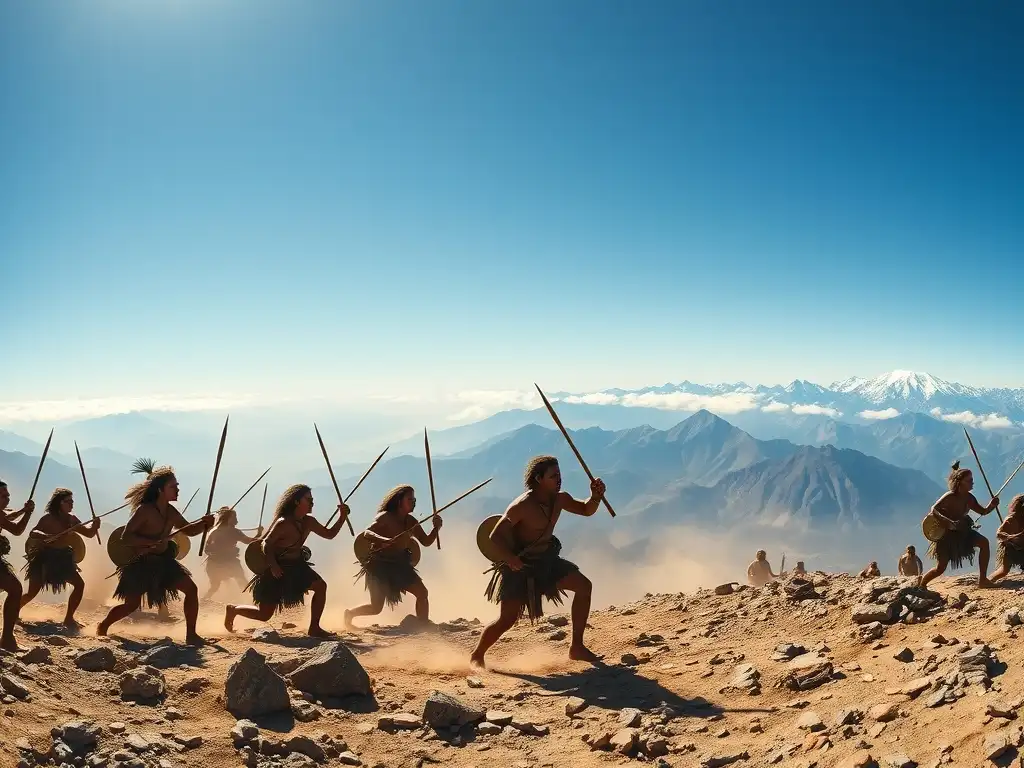
Step into a world lost to time, yet echoing with the thunder of ancient battles. Discover the secrets of Andean warfare, a realm far more sophisticated than you might imagine. Forget the simplistic narratives; the Andean war games tactics employed by civilizations like the Inca, Moche, and Nazca were intricate and surprisingly advanced. Prepare to be amazed by the ingenuity and strategic brilliance that shaped the destinies of these powerful empires. Uncover the truth behind their military prowess – the journey begins now.
- Inca Military Training: Preparing for Conquest and Defense
- Pre-Battle Preparations and Simulated Warfare
- Inca Military Tactics and Strategies
- Weapons and Equipment Used in Inca Military Training
- The Role of Elite Soldiers in Inca Military Training
- Impact of Inca Military Training on Military Effectiveness
- Cultural and Social Dimensions of Inca Military Training
- Conclusion: The Legacy of Inca Military Training
- Frequently Asked Questions
- Final Reflection: Echoes of the Andes: Legacy of War Games and Modern Strategy
- Embrace the Challenge: Join the Andean Legacy!
Inca Military Training: Preparing for Conquest and Defense
The Inca Empire, a marvel of ancient engineering and societal organization, relied heavily on a powerful and well-trained military to maintain its vast dominion across the Andes Mountains. This wasn't simply a matter of brute force; the Inca military's success stemmed from sophisticated strategies, advanced weaponry, and, crucially, rigorous training regimes. This article delves into the art of Andean war games and military exercises, exploring how these practices shaped Inca tactics and ensured the empire's military prowess.
We will examine the structure of Inca military organization, the significance of war games in their society, and the specific techniques employed to cultivate the skills necessary for both conquest and defense. Understanding these aspects provides crucial insight into the very foundation of Inca power and the enduring legacy of their military achievements. The effectiveness of their "Andean war games tactics" is a testament to their strategic thinking and organizational capabilities.
Introduction to Inca Military Organization
The Inca army wasn't a randomly assembled force. It was a highly structured organization, deeply integrated into the empire's social fabric. The ayllu, the basic socio-economic unit of Inca society, formed the bedrock of military recruitment. Men were conscripted based on their ayllu affiliation and their physical fitness, with younger, more agile individuals often taking on roles requiring greater mobility and agility.
Older, more experienced warriors filled leadership positions, commanding units and providing crucial tactical guidance. This system ensured a constant flow of new recruits while retaining the expertise of seasoned veterans. The army was not a separate entity but an integral part of the Inca societal structure, reflecting the empire's holistic approach to governance. This organizational structure was vital to the success of their military campaigns and the implementation of their Andean war games tactics.
The Inca army was further divided into specialized units, each with its own role in battle. These included infantry units armed with spears, clubs, and slings; highly trained archers capable of devastating volleys of arrows; and elite units equipped with more advanced weaponry, such as macanas (war clubs) and specialized armor. The effectiveness of these specialized units, coupled with their well-defined roles within the broader military structure, significantly enhanced the Inca's combat capabilities. The rigorous training that these units underwent, including participation in complex war games, was essential to their success.
The Importance of Military Exercises in Inca Society
Military exercises were not merely a means of honing combat skills; they were deeply ingrained in Inca culture and held significant social importance. These "Andean war games" were not simply drills; they were elaborate simulations of actual battles, often involving thousands of participants. These exercises served multiple purposes:
- Developing Tactical Proficiency: War games allowed Inca commanders to test different strategies and formations, refining their approach to warfare in a controlled environment. This allowed them to identify weaknesses and adapt their tactics accordingly. The feedback loop between training and actual combat was crucial in their military success.
- Enhancing Physical Fitness and Endurance: The demanding nature of the exercises ensured that Inca soldiers possessed the physical stamina required for long campaigns in the challenging Andean terrain. Endurance, agility, and strength were all crucial components of their training.
- Building Camaraderie and Discipline: Participation in war games fostered a strong sense of camaraderie and discipline among soldiers. Working together in simulated combat scenarios strengthened bonds and instilled a sense of cohesion crucial for success on the battlefield. This fostered a strong sense of loyalty and unity within the ranks.
- Instilling Loyalty to the Sapa Inca: The elaborate nature of the war games, often overseen by high-ranking officials, reinforced the authority and power of the Sapa Inca, the emperor. These events served as powerful demonstrations of the empire's might and reinforced the loyalty of the soldiers to the ruler.
The Inca's commitment to rigorous military training, as evidenced by their extensive war games, was a key factor in the empire's remarkable expansion and enduring power. Their sophisticated approach to military organization and training represents a significant achievement in ancient military history, showcasing a deep understanding of strategy, tactics, and the importance of disciplined, well-trained soldiers. The legacy of their Andean war games tactics continues to fascinate and inspire military historians today.
Pre-Battle Preparations and Simulated Warfare
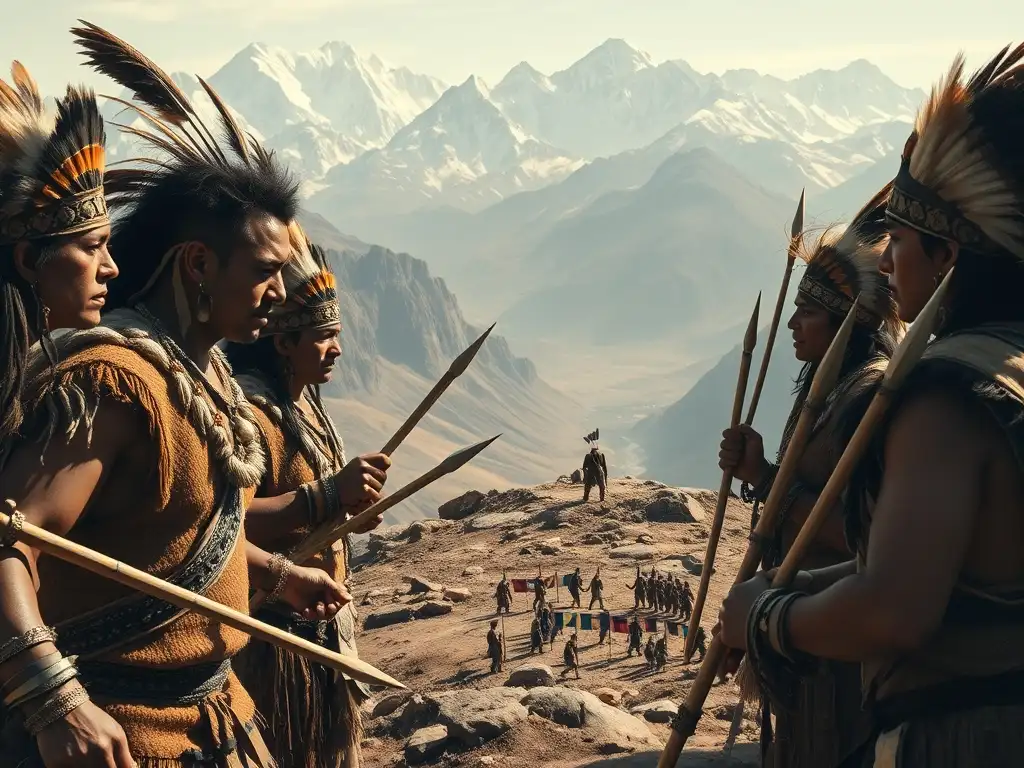
The effectiveness of Andean armies, particularly the Inca, wasn't solely reliant on superior weaponry or armor. A crucial component of their military prowess lay in rigorous training and meticulously planned war games. These weren't mere playful exercises; they were sophisticated simulations designed to hone battlefield skills, test strategies, and instill discipline within the ranks.
Understanding the pre-battle preparations and the nature of these simulated conflicts provides invaluable insight into the strategic thinking and organizational capabilities of Andean civilizations. The detailed planning and execution of these "Andean war games tactics" were paramount to their military success. The focus wasn't just on physical strength, but on strategic thinking, adaptability, and cohesive unit performance.
Ritual Cleansing and Blessings Before Military Exercises
Before any military exercise or war game commenced, Andean warriors underwent a series of ritualistic cleansing and blessing ceremonies. These practices were integral to the spiritual preparation for battle. Evidence suggests the use of coca leaves for purification and the invocation of various deities associated with warfare and protection.
Priests, often highly respected figures within the community, played a crucial role in these ceremonies, leading chants, offering prayers, and performing rituals designed to imbue the warriors with courage, strength, and divine favor. The aim wasn't simply to cleanse the body, but to prepare the mind and spirit for the challenges that lay ahead. This spiritual preparation, interwoven with the physical training, contributed significantly to the psychological resilience of the Andean warrior.
Specific details regarding the exact rituals and offerings vary depending on the specific Andean culture and time period, but the overall importance of spiritual preparation remains consistent across numerous accounts. Further research is needed to fully document the nuances of these practices across different Andean groups.
Recreating Real Battle Formations
Andean war games weren't chaotic free-for-alls. Instead, they meticulously recreated the formations and strategies employed in actual warfare. This involved organizing troops into the characteristic Inca formations, known for their flexibility and adaptability. These formations, often involving a combination of spearmen, slingers, and archers, were designed to exploit enemy weaknesses and maximize the effectiveness of their weaponry. The war games would simulate different scenarios, including assaults on fortified positions, ambushes, and open-field battles. Instructors, likely experienced veterans, would carefully observe the troops, providing feedback and correcting tactical errors. This emphasis on realistic simulations ensured that warriors were not only physically prepared but also strategically adept, capable of responding effectively to diverse battlefield situations. The use of terrain mirroring actual battlefields further enhanced the realism of these exercises. For example, simulated mountain passes and river crossings would test the troops' ability to navigate challenging terrain and coordinate movements in difficult conditions.
Types of Inca Military Exercises: Stone Throwing, Spear Practice, and Hand-to-Hand Combat
The Inca military exercises encompassed a wide range of activities designed to develop specific combat skills. Stone throwing, a crucial element of Inca warfare, was practiced extensively. Warriors would engage in target practice, aiming for accuracy and distance. This wasn't merely about throwing stones; it was about developing precision and power, essential for effectively disrupting enemy formations or causing casualties from a distance. Spear practice was equally important.
Warriors would engage in drills focused on spear throwing, thrusting, and blocking techniques. These exercises developed both the physical strength and the strategic acumen necessary to utilize the spear effectively in diverse combat situations. Finally, hand-to-hand combat drills were incorporated into the training regimen. This aspect involved practicing various wrestling techniques, grappling, and close-quarters fighting.
These drills fostered strength, agility, and the ability to engage in close-range combat when necessary. The integration of these varied exercises ensured a well-rounded and highly skilled warrior, capable of adapting to a wide range of combat scenarios. The intensity and frequency of these exercises varied depending on the proximity of potential conflicts and the overall military readiness level of the Inca Empire. Further research into surviving Inca texts and archaeological evidence could potentially reveal more precise details on the specific techniques and training methodologies employed.
Inca Military Tactics and Strategies
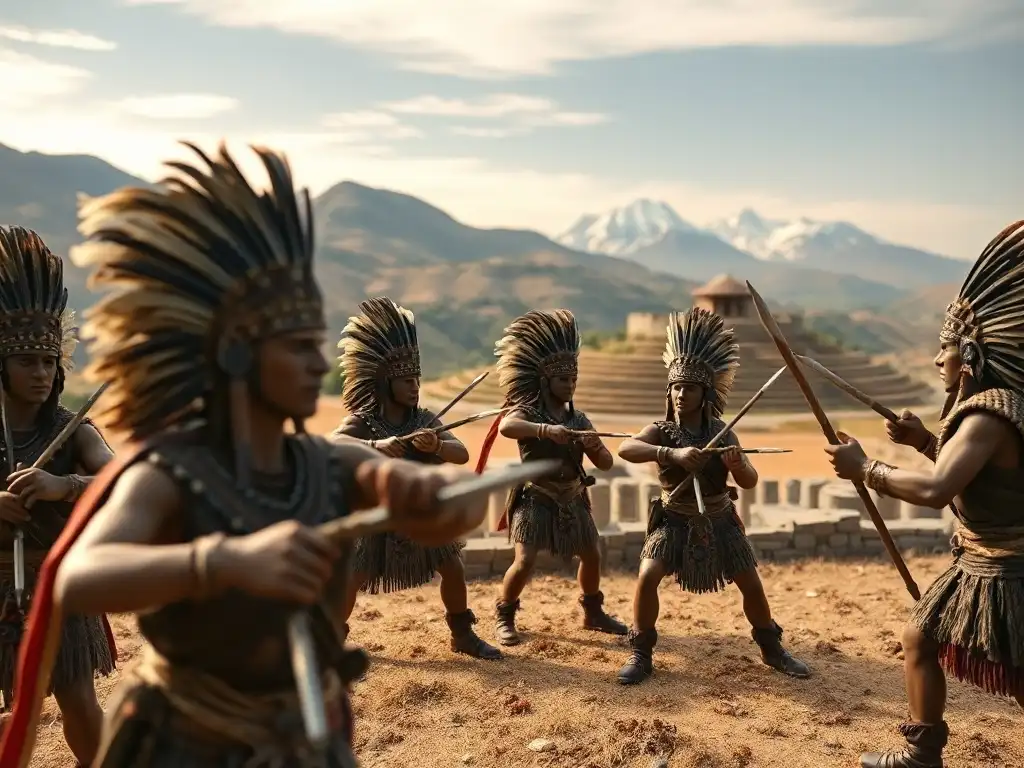
The Inca Empire, renowned for its vast territorial expanse and sophisticated administrative system, also possessed a highly organized and effective military. Their success wasn't solely reliant on superior weaponry, but also on meticulously planned strategies and rigorous training regimes. Understanding Inca military tactics reveals a complex system designed to maximize their strengths and exploit enemy weaknesses.
The effectiveness of their army stemmed from a combination of factors: disciplined soldiers, well-defined hierarchical structures, and adaptable strategies tailored to specific terrains and opponents. This section delves into the core elements of Inca military tactics, showcasing how their approach to warfare transcended simple brute force.
Refining Tactical Skills Through Military Drills
Inca military training wasn't a haphazard affair. It involved a structured program emphasizing physical endurance, tactical proficiency, and unwavering discipline. Military drills, often conducted in designated training grounds, played a crucial role in honing these skills. These drills weren't merely repetitive exercises; they were carefully designed simulations mirroring real battlefield scenarios.
Soldiers practiced formations, maneuvers, and weapon handling under the watchful eye of experienced instructors. The drills incorporated various challenges, including navigating difficult terrain, executing swift attacks and retreats, and maintaining order under simulated combat stress. This systematic approach ensured that Inca soldiers were not only physically fit but also adept at executing complex tactical maneuvers with precision and coordination.
The emphasis on discipline and teamwork was paramount, fostering a sense of unity and shared purpose within the ranks. Evidence suggests that these drills were regularly assessed, with promotions and rewards given to those demonstrating exceptional skill and dedication. This constant refinement of skills ensured a highly competent and adaptable fighting force capable of facing diverse challenges on the battlefield.
Key Military Strategies Practiced in Inca Warfare
Inca military strategies were characterized by their adaptability and pragmatism. While they possessed a formidable army, the Incas understood the importance of strategic planning and avoiding unnecessary bloodshed. Several key strategies were consistently employed:
- Strategic Alliances and Diplomacy: Before resorting to force, the Incas prioritized diplomacy and strategic alliances. They skillfully negotiated treaties and incorporated conquered populations into their empire, often minimizing resistance through a combination of persuasion and the promise of integration into the Inca system. This significantly reduced the need for large-scale military campaigns.
- Guerrilla Warfare and Ambush Tactics: In challenging terrains, the Incas effectively employed guerrilla warfare tactics. Their knowledge of the local landscape allowed them to launch surprise attacks, utilize ambushes, and harass their enemies, wearing down their strength and morale before engaging in open battle.
- Superior Logistics and Supply Chains: The Inca’s mastery of logistics and supply chains gave them a significant advantage. Their extensive road network facilitated the rapid movement of troops and supplies, allowing them to sustain prolonged campaigns and maintain a constant pressure on their enemies. This logistical superiority often proved decisive in prolonged conflicts.
- Psychological Warfare: The Incas understood the power of psychological warfare. Their impressive military displays and the reputation of their army often preceded them, causing fear and demoralizing opponents before a single blow was struck. This psychological impact often led to surrenders and minimized casualties.
The table below summarizes these key strategies:
| Strategy | Description | Effectiveness |
|---|---|---|
| Strategic Alliances | Forming alliances and incorporating conquered populations to minimize resistance. | Highly effective in reducing conflict and expanding the empire. |
| Guerrilla Warfare | Utilizing the terrain for surprise attacks and ambushes. | Highly effective in challenging terrains. |
| Superior Logistics | Efficient supply chains and road networks enabling rapid troop and supply movement. | Crucial for sustaining prolonged campaigns. |
| Psychological Warfare | Utilizing the fearsome reputation of the Inca army to demoralize opponents and encourage surrenders. | Often led to quicker victories and reduced casualties. |
The Role of Mock Battles in Enhancing Combat Readiness
Beyond regular drills, the Incas utilized mock battles – large-scale simulations of warfare – to test their strategies and assess the combat readiness of their troops. These weren't simple training exercises; they were complex, meticulously planned events involving substantial numbers of soldiers, often staged in locations resembling actual battlefields. These mock battles allowed commanders to evaluate the effectiveness of different tactical approaches, assess the performance of individual units, and identify weaknesses in their overall strategy.
The simulated conflicts allowed for the testing of new formations, the coordination of different military units, and the refinement of communication and command structures under pressure. The feedback gleaned from these mock battles was invaluable in improving the Inca military's overall effectiveness.
The emphasis on realistic simulation ensured that soldiers were well-prepared for the realities of combat, reducing casualties and increasing the likelihood of victory in actual warfare. The rigorous nature of these simulations contributed significantly to the Incas’ military prowess and their ability to maintain control over their vast empire for centuries.
Weapons and Equipment Used in Inca Military Training
The Inca Empire, renowned for its sophisticated military organization, didn't rely solely on brute force. Their success stemmed from rigorous training programs that honed both physical prowess and tactical acumen. Understanding the weapons and equipment used in these training exercises is crucial to appreciating the effectiveness of Inca war games tactics. The emphasis was not just on wielding weapons, but on mastering their use within a coordinated military strategy. This section delves into the specific tools and gear employed in Inca military drills, highlighting their design and purpose within the context of training.
Training with Replica Inca Weapons: Clubs, Slings, and Spears
Inca military training extensively utilized replica weapons. These weren't meant to be exact copies, but rather functional training aids designed to mimic the weight, balance, and handling characteristics of actual combat weapons. This allowed recruits to develop muscle memory and coordination without the risk of injury during the initial stages of training.
- Clubs (Macanas): Trainees worked with lighter, less-lethal versions of the macanas, often made from wood or less dense materials. This fostered strength training and the development of powerful swinging techniques. The emphasis was on precise strikes and controlled power, rather than simply brute strength. Drills focused on both single-handed and two-handed combat techniques.
- Slings (Hondas): Slings were ubiquitous in Inca warfare. Training involved repetitive practice to achieve accuracy and power. Recruits would target stationary objects at varying distances, gradually increasing the difficulty. Accuracy and consistency were paramount, aiming to develop the ability to hit targets effectively under pressure. The use of smaller, lighter projectiles for training minimized risk while developing the necessary arm strength and precision.
- Spears (Macanas): Spear training involved drills focused on thrusting and throwing techniques. Trainees would learn to maintain a balanced stance, control their spear's trajectory, and aim for vital areas. This included practicing both close-quarters combat and ranged attacks. The use of blunted or padded spearheads ensured safety during training exercises. Different spear lengths and weights were used to simulate various combat scenarios.
The Importance of Weapon Familiarization
Beyond the physical aspects, weapon familiarization played a critical role in Inca war games tactics. Proficiency with weapons wasn't just about physical strength; it was about understanding the weapon's capabilities and limitations. This understanding was crucial for effective battlefield coordination. Trainees learned to anticipate the weapon's behavior in different situations, react to unexpected movements, and adapt their strategies accordingly.
The Inca training regime emphasized a holistic approach. It wasn't enough to be physically strong; recruits needed to understand the nuances of their weapons. This included:
- Maintenance: Recruits learned how to maintain and repair their weapons, ensuring they were always ready for use.
- Strategy: Training incorporated tactical exercises that required soldiers to use their weapons in coordinated maneuvers.
- Adaptability: Soldiers were trained to adapt their weapon use to different terrains and enemy formations.
Specialized Gear for Inca Military Drills: Shields and Armor
Inca military drills also incorporated the use of specialized gear, including shields and armor. While not always identical to battlefield equipment, these training aids provided crucial experience.
- Shields (Tapaculo): Training with shields emphasized defensive maneuvers and coordinated movements. Drills focused on deflecting blows, protecting vulnerable areas, and maintaining a defensive formation. Lightweight replica shields made from wood or other materials were utilized to simulate the weight and feel of actual combat shields without causing unnecessary fatigue or injury. Exercises included blocking blows from clubs, spears, and even sling projectiles.
- Armor (Armor): While not as widespread as in other cultures, some Inca warriors, particularly elite units, utilized armor. Training with armor focused on mobility and maintaining combat effectiveness while wearing protective gear. This included practicing combat maneuvers while encumbered by the added weight of the armor, improving stamina and agility. The armor replicas used in training were lighter than battlefield armor, allowing recruits to gradually adapt to the weight and restrictions of full protective gear. Drills focused on maintaining balance, speed, and striking accuracy while wearing the armor.
The use of replica weapons and gear in Inca military training was instrumental in developing skilled and well-coordinated warriors. Their rigorous training programs, combined with a deep understanding of their weaponry, contributed significantly to the Inca Empire's military success and its sophisticated Andean war games tactics. The emphasis on both physical skill and strategic thinking underscores the advanced nature of their military organization.
The Role of Elite Soldiers in Inca Military Training
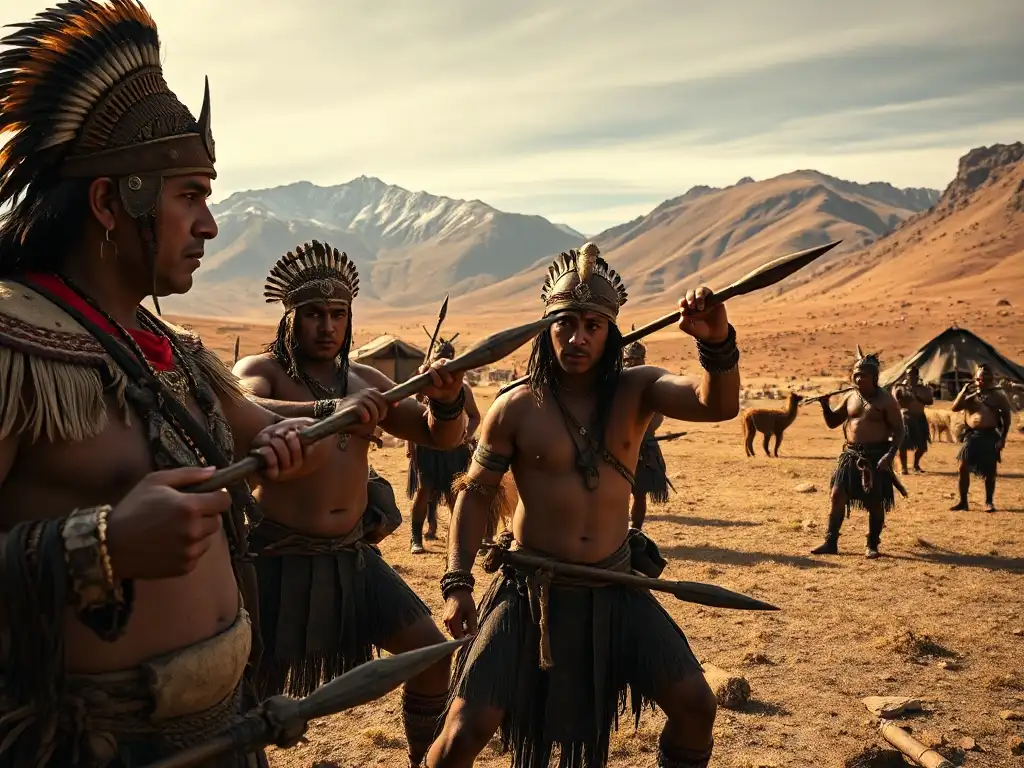
The Inca military system, renowned for its effectiveness and reach across the vast Andes, wasn't solely reliant on conscripted troops. A crucial element of their success lay in the highly trained and specialized elite warriors, often drawn from the nobility or those demonstrating exceptional prowess. These soldiers, often referred to as orejones (big ears, due to their distinctive earlobe stretching), played a vital role in Andean war games tactics, shaping the overall military strategy and influencing the training of the broader army.
Their training was rigorous, far exceeding that of the common soldier, focusing on advanced combat techniques, strategic thinking, and leadership skills. This section delves into the unique training methods employed to cultivate these elite warriors and their impact on Inca military effectiveness. Understanding their role is key to grasping the complexities of Inca military organization and the sophisticated Andean war games tactics they employed.
Training the Inca Elite Warriors: The Orejones
The training of the orejones began in youth, often within specialized schools or under the tutelage of experienced veterans. Physical conditioning was paramount, involving grueling exercises designed to build strength, endurance, and agility. This wasn't merely about physical fitness; it was about forging mental resilience and discipline. Imagine rigorous daily routines involving long-distance running in the high Andes, carrying heavy loads, and practicing complex maneuvers in challenging terrains. This intense physical preparation formed the bedrock of their military capabilities.
Beyond physical prowess, the orejones received advanced training in weaponry and combat techniques. They were masters of the macuahuitl, a fearsome obsidian-edged club, and proficient in the use of slings, spears, and other weapons. Their training encompassed individual combat skills as well as coordinated maneuvers, crucial for Andean war games tactics. They practiced formations, flanking movements, and siege warfare strategies, honing their ability to work together seamlessly on the battlefield. The emphasis was not just on individual skill but on collective efficiency, a testament to the sophisticated military organization of the Inca Empire.
Furthermore, the orejones received instruction in leadership and strategy. They learned to assess battlefield conditions, anticipate enemy movements, and devise effective counter-strategies. This strategic thinking was vital in the context of Andean war games tactics, allowing them to adapt their approach to diverse terrains and enemy formations. They were not simply warriors; they were tactical commanders, capable of leading units and directing battles with skill and decisiveness. Their training reflected the Inca's understanding that military success depended not only on brute force but also on intelligent leadership and strategic planning.
The Influence of Military Exercises on Warrior Recognition
Andean war games weren't mere simulations; they served as crucial assessments of individual and unit capabilities. These meticulously planned exercises, often involving thousands of participants, provided a realistic testing ground for evaluating the effectiveness of various Andean war games tactics and identifying exceptional warriors. Success in these simulations directly influenced a soldier's standing within the military hierarchy and potential for advancement. The orejones, consistently demonstrating superior skills and leadership in these war games, rose through the ranks, becoming influential figures within the Inca military structure.
These war games weren't only about evaluating individual performance; they also provided valuable insights into the effectiveness of different formations, strategies, and weaponry. The Inca military meticulously analyzed the outcomes of these exercises, constantly refining their Andean war games tactics based on the lessons learned. This iterative process of testing, analyzing, and adapting ensured that the Inca military remained at the forefront of Andean warfare, consistently outmaneuvering and defeating their adversaries. The data gathered from these exercises was invaluable for refining training methods and improving overall military preparedness.
Displays of Skill and Courage
The Inca military culture placed a high value on displays of skill and courage. Andean war games weren't just about training; they were also elaborate spectacles showcasing the prowess of the Inca army. These displays served both practical and symbolic purposes. Practically, they served as a demonstration of military strength, deterring potential enemies and reinforcing the empire's dominance.
Symbolically, these displays served to instill loyalty and inspire awe among the populace. The success of the orejones in these war games further solidified their status as elite warriors, reinforcing the social hierarchy and the prestige associated with military service. Witnessing the skill and courage of the orejones in action served as powerful propaganda, strengthening the Inca Empire's control over its vast territories and fostering a sense of unity and purpose among its subjects.
These demonstrations were integral to the overall societal structure, reinforcing the Inca's military might and its place at the apex of Andean power. The carefully orchestrated displays of skill and courage were a key component of Inca societal control and a testament to the power of military prowess in shaping the political landscape of the Andean region.
Impact of Inca Military Training on Military Effectiveness
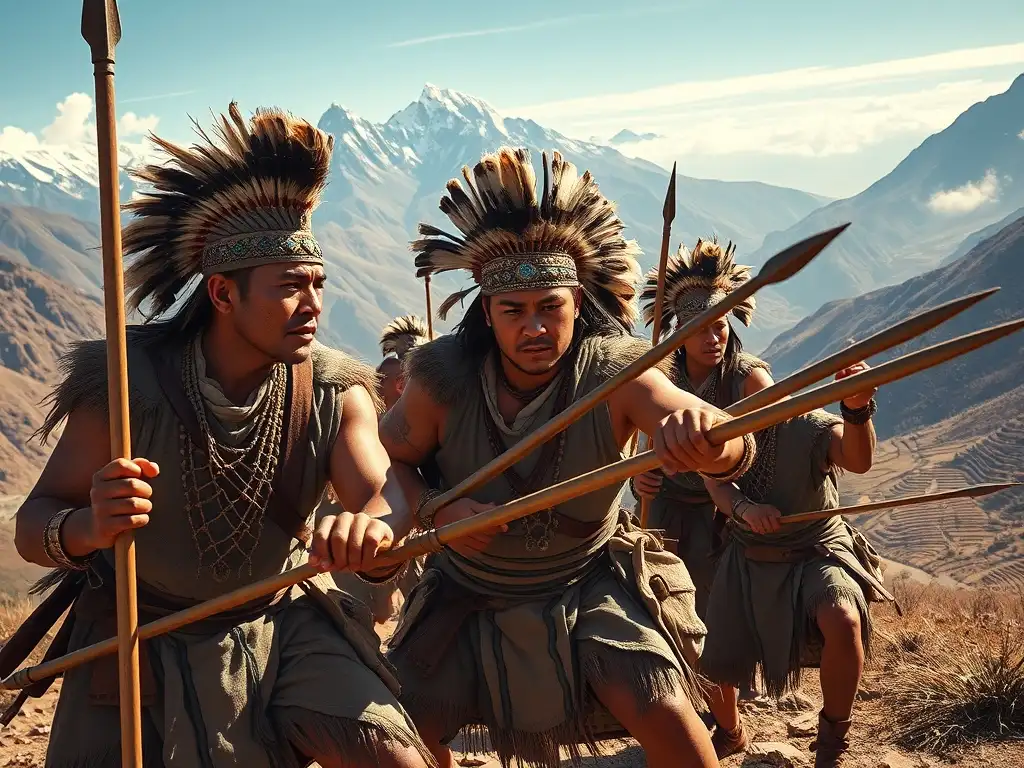
The Inca Empire's remarkable military success wasn't solely due to superior weaponry or sheer numbers. A rigorous and systematic military training program played a crucial role in forging a highly disciplined and effective fighting force. This training wasn't just about physical prowess; it instilled unwavering loyalty, strategic thinking, and the ability to execute complex maneuvers on the battlefield.
The impact of this structured approach is evident in the Incas' ability to conquer and control a vast and diverse empire, stretching across the Andes Mountains. Understanding the intricacies of their training reveals a sophisticated military doctrine that prioritized both individual skill and collective efficiency.
Analyzing surviving accounts and archaeological evidence allows us to piece together a picture of this vital aspect of Inca power. The effectiveness of their training is further highlighted by their ability to adapt to diverse terrains and enemy tactics, showcasing a flexibility often overlooked in discussions of Andean war games tactics.
Enhancing Military Discipline through Drills and Exercises
Inca military training emphasized discipline and rigorous physical conditioning. Recruits, often selected from young men throughout the empire, underwent intensive drills and exercises designed to build stamina, strength, and precision. These weren't merely random activities; they were meticulously planned to develop specific skills relevant to warfare.
For example, running long distances carrying heavy loads mirrored the realities of campaigning across mountainous terrain. Weapon practice, including the use of macanas, bolas, and slings, was equally demanding, focusing on accuracy, speed, and coordinated movements. The repetition of these drills instilled not only physical proficiency but also mental resilience and obedience to command – crucial elements in maintaining order and effectiveness on the battlefield.
Archaeological evidence, such as the remains of training grounds and the discovery of specialized training equipment, supports this understanding of Inca military preparation. The emphasis on discipline and the standardization of training contributed significantly to the Inca army's ability to operate as a cohesive and highly effective unit. This disciplined approach, a cornerstone of their Andean war games tactics, was a significant factor in their military dominance.
The Development of Inca Military Prowess Through Practice
Beyond the physical aspects, Inca military training fostered strategic thinking and tactical awareness. Recruits participated in mock battles and war games, simulating various scenarios they might encounter in actual combat. These exercises weren't simply chaotic skirmishes; they were carefully orchestrated to teach crucial skills like formation fighting, flanking maneuvers, and siege warfare. By practicing these complex tactics repeatedly, Inca soldiers developed a deep understanding of battlefield dynamics and the importance of coordinated action.
The ability to adapt to changing circumstances and react effectively under pressure was a key outcome of this training. Furthermore, the Inca system fostered leadership development. Promising recruits were given opportunities to lead smaller units within the training exercises, allowing them to hone their command skills and gain valuable experience before taking on greater responsibilities.
This practical, hands-on approach to leadership development was a vital component of their overall military strategy. This continuous cycle of practice and refinement contributed significantly to the overall military prowess of the Inca army. Their mastery of Andean war games tactics, refined through years of rigorous training, allowed them to swiftly adapt to changing battlefield conditions.
How Military Training Contributed to Inca Military Dominance
The effectiveness of Inca military training is undeniably linked to their military dominance. The disciplined, well-trained soldiers, capable of executing complex maneuvers and adapting to diverse challenges, proved superior to many of their adversaries. The combination of physical fitness, tactical proficiency, and unwavering obedience to command created a formidable fighting force that allowed the Inca Empire to expand its territory and maintain control over a vast and diverse population.
The standardized training ensured a consistent level of competence across the entire army, regardless of regional differences. This standardization, a key aspect of their Andean war games tactics, further strengthened the army's overall effectiveness. The legacy of Inca military training is not merely a historical curiosity; it represents a sophisticated approach to military organization and development that deserves further study and appreciation.
The impact of this training is clearly evident in the Inca's long reign and the lasting impression they left on Andean history. Their success underscores the critical role of rigorous training and strategic thinking in achieving and maintaining military dominance.
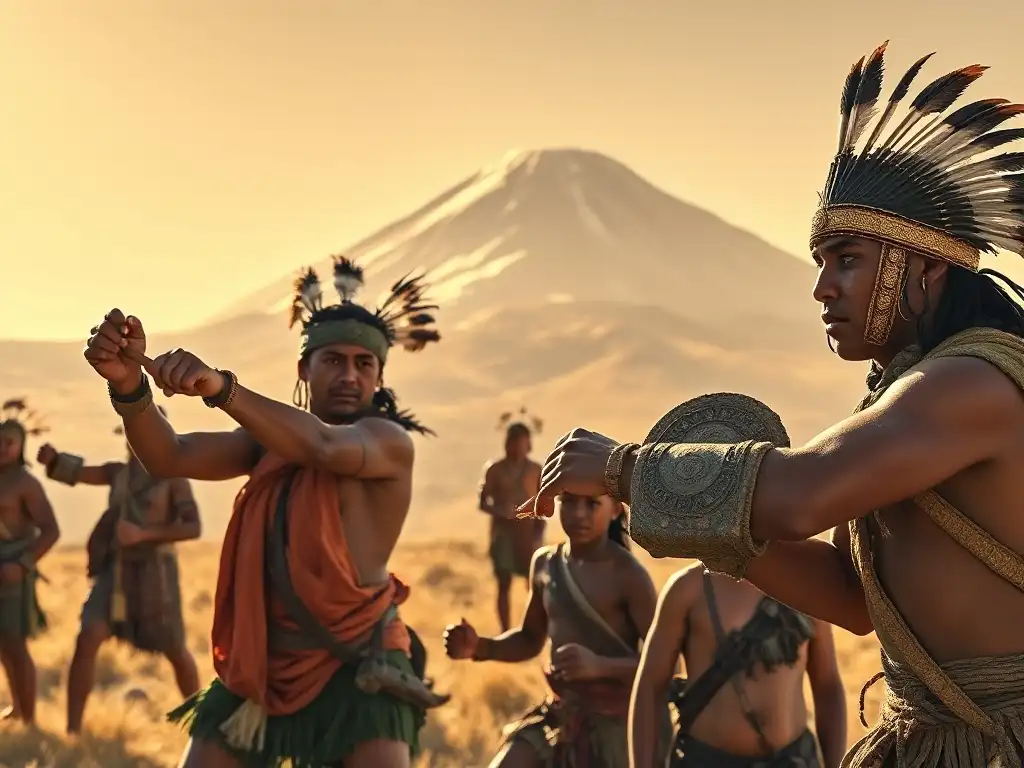
The effectiveness of Inca warfare wasn't solely dependent on weaponry and tactics; it was deeply intertwined with the social fabric of the empire. Andean war games tactics, therefore, weren't merely drills; they were integral components of Inca societal structure, shaping social roles, reinforcing community bonds, and contributing to the overall stability and power of the empire. Understanding this cultural context is crucial to appreciating the complexity of Inca military prowess.
The rigorous training wasn't just about physical fitness; it was a multifaceted process that instilled loyalty, discipline, and a sense of collective identity. This section explores the profound social significance of Inca military training, examining its impact on Inca society and its role in maintaining imperial control.
Military exercises in Inca society served multiple social functions beyond simply preparing soldiers for battle. They were powerful displays of imperial might, reinforcing the authority of the Sapa Inca and the legitimacy of his rule. These large-scale maneuvers, often involving thousands of troops, showcased the empire's organizational capabilities and technological advancements, impressing both subjects and potential enemies. The sheer scale of these events instilled a sense of awe and respect for the Inca military machine.
Moreover, the distribution of resources and the logistical planning required for these exercises strengthened the empire's economic and administrative infrastructure. The meticulous organization and coordination necessary for these events fostered a sense of collective purpose and national unity, bolstering social cohesion across the vast Inca empire. This sense of shared purpose and collective identity was instrumental in maintaining social order and stability.
Community Involvement in Military Training and Recruitment
Inca military training wasn't confined to specialized military camps; it actively involved entire communities. Recruitment wasn't a purely selective process; it integrated the ayllu (extended family unit) system, with entire communities contributing manpower to the empire's military. This communal aspect fostered a sense of collective responsibility and shared sacrifice, reinforcing social bonds and loyalty to the Sapa Inca. Military service wasn't just an individual obligation; it was a communal duty, strengthening the social fabric of the Inca empire.
Furthermore, the training programs often integrated local knowledge and traditions, adapting military exercises to the specific geographical and environmental conditions of each region. This localized approach to training ensured that soldiers were well-prepared to fight in their respective terrains, maximizing their effectiveness in diverse combat scenarios. This decentralized yet unified approach to training was a key component of Inca military success.
Military Training as a Rite of Passage for Inca Youth
Military training served as a crucial rite of passage for Inca youth, marking their transition into adulthood and full participation in society. Participation in war games and military drills was a significant milestone, signifying the acceptance of responsibilities and the acquisition of adult status within the community. The rigorous training regimen not only instilled physical strength and military skills but also fostered discipline, endurance, and a sense of camaraderie among young recruits.
This period of intense training shaped their character, molding them into loyal and disciplined members of Inca society. The successful completion of training instilled a sense of pride and accomplishment, strengthening their sense of self-worth and contributing to their social integration. This systematic approach to integrating young men into the military had far-reaching social consequences, creating a strong and cohesive military force deeply rooted in the social fabric of the Inca empire.
This process also served as a crucial mechanism for social mobility, offering opportunities for advancement based on merit and ability, regardless of social standing. The rigorous nature of the training acted as a filter, selecting the most capable and dedicated individuals for leadership roles within the military.
Conclusion: The Legacy of Inca Military Training
The sophisticated military organization of the Inca Empire, honed through rigorous war games and strategic training, left an indelible mark on Andean history. Understanding Inca war games tactics reveals not only their military prowess but also the intricate social and political structures that underpinned their success. Their methods, while adapted to the unique Andean terrain and challenges, offer valuable insights into effective military training and strategic planning, even in modern contexts.
The legacy of their innovative approaches to warfare continues to fascinate and inspire historians and military strategists alike. The effectiveness of their training programs, evident in their extensive empire, serves as a testament to the importance of rigorous preparation and adaptable strategies in achieving military dominance. Analyzing their tactics provides a deeper understanding of Andean warfare and the complexities of the Inca civilization.
The Lasting Impact of Inca Military Practices
The Inca's influence extended far beyond their territorial reach. Their military strategies, refined through years of war games and practical experience, impacted subsequent Andean societies. Even after the Spanish conquest, elements of Inca military organization and training persisted, subtly shaping the military structures of the colonial period and influencing indigenous resistance movements.
For instance, [specific examples of Inca military influences on post-conquest Andean societies pending]. The Inca emphasis on disciplined formations, logistical planning, and the use of terrain continued to be relevant in the context of smaller-scale conflicts and power struggles. Their sophisticated system of chasquis (runners) for communication, developed and tested during war games, provided a model for efficient communication networks in later periods.
The legacy of their military prowess is evident in the enduring stories and myths surrounding their achievements, highlighting the lasting impact of their military traditions. The meticulous planning and execution demonstrated in their campaigns continue to be studied and admired.
Lessons from Inca Military Strategy
Analyzing Inca war games tactics reveals several key lessons applicable even today. Their adaptability to diverse terrains, from the high Andes to the coastal regions, underscores the importance of flexible strategies and versatile training. The Inca army wasn't just a homogenous fighting force; it was a highly organized and adaptable system.
Their use of diverse weaponry, ranging from slings and clubs to spears and macanas, showcased a pragmatic approach to combat. Furthermore, their emphasis on psychological warfare, using intimidation tactics and exploiting enemy weaknesses, demonstrates a sophisticated understanding of military strategy beyond brute force. The Inca's mastery of logistics, evident in their ability to supply large armies across vast distances, remains a crucial aspect of military success.
Their ability to rapidly mobilize troops and effectively coordinate their actions, honed through rigorous war games, highlights the significance of effective communication and training. The successful integration of different ethnic groups into their army also points to the importance of cohesion and unity within a diverse fighting force.
Preservation of Inca Military Traditions
While much of the Inca Empire's knowledge was lost or destroyed during the conquest, efforts continue to preserve and understand their military traditions. Archaeological excavations regularly unearth new evidence of Inca military practices, providing further insights into their training methods and strategies. Ethnohistorical research, analyzing oral traditions and colonial-era accounts, helps piece together a more complete picture of Inca warfare.
Museums and historical sites across the Andes showcase artifacts related to Inca weaponry and military organization, offering tangible connections to their past. Furthermore, ongoing scholarly research dedicated to Andean war games tactics continues to shed light on the complexities and sophistication of Inca military practices, challenging previous interpretations and enriching our understanding of this fascinating aspect of Andean civilization. The preservation of these traditions is crucial not only for understanding the past, but also for appreciating the ingenuity and resilience of the Inca people.
The ongoing effort to understand their military history through careful analysis and preservation is essential for a complete picture of the Inca Empire's rich heritage. Preserving these traditions allows us to learn from the past and appreciate the legacy of Andean military excellence.
Frequently Asked Questions
What types of war games did Andean civilizations use for training?
Andean civilizations employed various war games, including mock battles involving scaled-down versions of actual warfare. These exercises helped soldiers practice formations, strategies, and weapon usage in a controlled environment. They also likely involved ritualistic components.
How did Andean war games contribute to military skill?
These games provided crucial training for soldiers, improving their physical fitness, discipline, and tactical understanding. Simulated combat scenarios helped them learn to adapt to different terrains and enemy strategies, enhancing their effectiveness in actual battles.
Were all Andean cultures involved in similar war games?
While the specifics varied among cultures like the Inca, Moche, Nazca, and Tiahuanaco, all Andean civilizations likely used some form of war games for military training. The intensity and complexity of these games might have differed based on their specific military needs and societal structures.
What role did leadership play in Andean war games?
Military leaders used war games to assess the skills and capabilities of their troops, identifying strengths and weaknesses. These exercises also served as a platform to test new strategies and tactics, refining their command and control abilities.
What kind of weapons were used in Andean war games?
While full-scale weaponry might not always have been used, war games likely involved practice weapons similar in size and weight to actual combat equipment. This ensured soldiers became familiar with the handling and usage of their weaponry, improving their combat proficiency.
Final Reflection: Echoes of the Andes: Legacy of War Games and Modern Strategy
The intricate war games of the Andes, far from being relics of a bygone era, offer a potent lens through which to examine contemporary military strategy and the enduring human quest for dominance. Their sophisticated tactics, honed over centuries of conflict and adaptation, continue to resonate in the strategic thinking of today's militaries, reminding us that the fundamental principles of warfare remain remarkably consistent across time and culture.
The enduring influence of Andean war game tactics is not merely academic; it speaks to the fundamental human drive for strategic advantage and the timeless nature of conflict. These games weren't just about brute force; they were about meticulous planning, resource management, and understanding the terrain – skills crucial then, and just as crucial now. War is the continuation of politics by other means,
wrote Clausewitz, and the Andean war games demonstrate this principle with chilling clarity, highlighting the inextricable link between political ambition and military prowess.
Consider the lessons learned from these ancient games. How can we apply the principles of strategic foresight, adaptability, and resourcefulness to the challenges we face today? You, the reader, are now equipped with a deeper understanding of the complexities of Andean warfare. Use this knowledge not just to appreciate history, but to foster critical thinking about conflict, strategy, and the enduring human struggle for power. Let the echoes of the Andes inspire you to examine the world around you with a sharper, more strategic eye.
Embrace the Challenge: Join the Andean Legacy!
Thank you for exploring the fascinating world of Andean war games! You've discovered how these ancient practices shaped military strategy and fostered community unity. Now, let's apply this inspiring legacy to your own life.
Here's how you can actively engage with and honor this rich heritage:
- Dive Deeper: Expand your knowledge of Andean history by reading our articles on military tactics and cultural significance. We've curated a selection specifically for this purpose.
- Practice Your Skills: Sharpen your strategic thinking and teamwork by playing board games with friends. It's a fun way to channel the spirit of the Andean warriors!
- Share the Knowledge: Spread awareness of Andean culture by sharing this article with friends and on social media. Let's keep the conversation going!
Reflect on the strategic brilliance of the past and consider this: **How can you apply the strategic skills inspired by Andean war games to overcome modern challenges? **