
Alliances and Betrayals: Political Maneuvering in Andean Conflicts

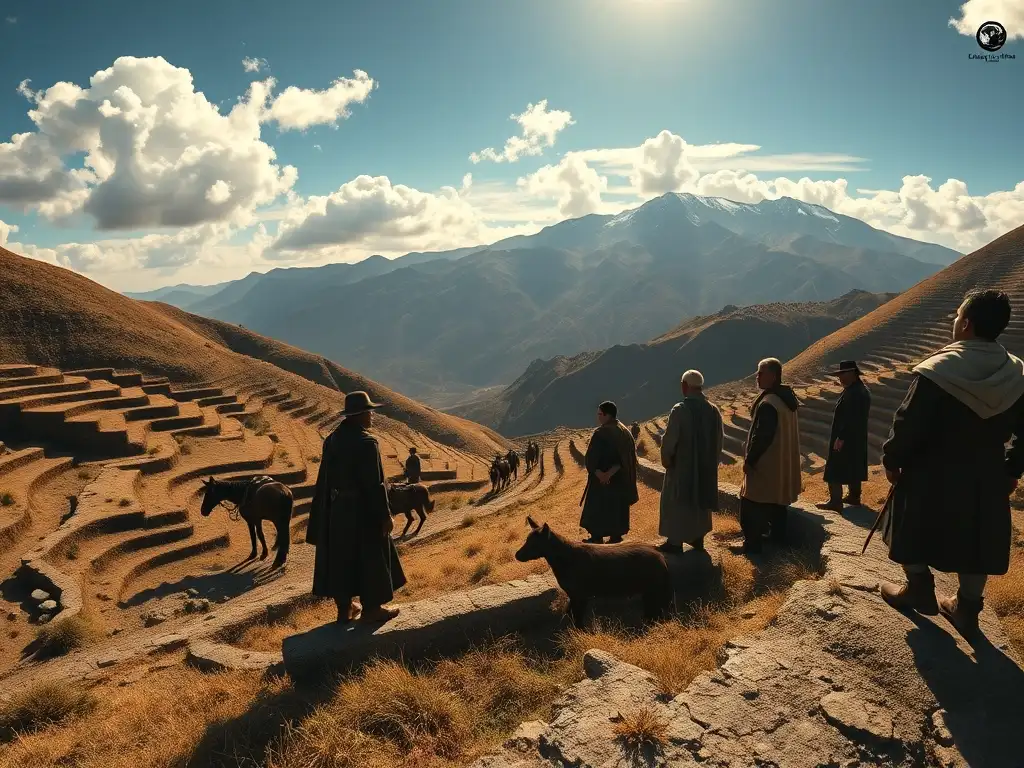
Step into a world lost to time, yet echoing with the power of empires. Imagine a landscape sculpted by towering mountains and vibrant cultures, where the rise and fall of civilizations hinged on the delicate balance of Andean civilization political alliances. Were these alliances forged in strength or born of necessity? Discover the intricate web of political maneuvering, betrayals, and conflicts that shaped the destiny of the Incas, Moche, Nazca, and Tiahuanaco in our exploration of Andean Warfare and Military. Unravel the secrets of their triumphs and failures – the story awaits.
- Andean Civilization Political Alliances: A Study of Strategies and Betrayals
- The Importance of Political Alliances in Andean Conflicts
- Pre-Inca Andean Political Alliances: Foundations of Power
- Inca Empire Political Alliances: Expansion and Control
- Betrayals and Shifting Alliances in Andean History
- The Impact of Political Maneuvering on Andean Society
- Understanding Andean Civilization Political Alliances for Historical Insight
- Frequently Asked Questions
- Final Reflection: Echoes of Empire in the Andes
- **Unleash Your Insights on Andean Politics! **
Andean Civilization Political Alliances: A Study of Strategies and Betrayals
The intricate tapestry of Andean civilization is woven not only with threads of remarkable engineering and artistic achievement but also with the complex strands of political alliances and bitter betrayals. This article delves into the strategic maneuvering, shifting loyalties, and power plays that shaped the rise and fall of various Andean empires, focusing on how political alliances—both forged and broken—directly impacted warfare and the overall trajectory of these fascinating societies.
We will examine how these alliances, often forged through marriage, tribute, or military might, determined the course of conflicts, influenced territorial control, and ultimately, defined the cultural landscape of the Andes. Understanding these complex political dynamics is crucial to appreciating the full scope of Andean history and the lasting impact of these ancient civilizations.
The keyword "Andean civilization political alliances" will be explored through specific examples, highlighting the intricacies of inter-societal relationships and the consequences of both successful and failed alliances.
The Role of Marriage in Andean Diplomacy
Marriage served as a powerful tool in Andean diplomacy, forging alliances and solidifying peace treaties between rival groups. Royal marriages, in particular, were strategically employed to unite different regions under a common banner, creating a web of interconnected kinship ties. These unions weren't merely symbolic; they often involved the exchange of resources, territories, and the establishment of shared governance structures.
The Inca Empire, for example, famously used this strategy to expand its influence, integrating conquered populations through carefully orchestrated marriages. However, the fragility of these alliances was also apparent; the death of a key royal figure, or the emergence of competing claims to power, could easily lead to the unraveling of these carefully constructed political partnerships, often resulting in violent conflict.
The consequences of these broken alliances could be devastating, leading to protracted wars and societal upheaval. We will examine specific examples of both successful and failed royal marriages, analyzing their impact on the political landscape and the ensuing military conflicts.
Tribute and the Maintenance of Alliances
The system of tribute played a crucial role in maintaining political alliances within the Andean world. The payment of tribute, which could consist of goods, labor, or military service, ensured loyalty and compliance from subordinate groups. This system fostered a complex hierarchy of power, with dominant groups extracting resources and manpower from their allies in exchange for protection and access to trade routes.
However, the effectiveness of tribute as a tool for maintaining alliances varied greatly depending on the relative power of the involved parties, the fairness of the tribute demands, and the overall political climate. Excessive demands could easily lead to resentment and rebellion, ultimately undermining the very alliances they were intended to support.
The Moche civilization, for instance, relied heavily on tribute to maintain its power, but the system's inherent instability ultimately contributed to the empire's eventual decline. We will analyze specific cases where tribute systems both strengthened and weakened alliances.
Military Alliances and Warfare in the Andes
Military alliances were essential for success in Andean warfare. Combining forces allowed smaller groups to challenge more powerful rivals, and enabled empires to expand their territories and consolidate their power. These alliances, however, were often precarious, based on shifting power dynamics and opportunistic alliances. Betrayals were commonplace, as groups switched sides to maximize their own advantage.
The nature of these military alliances often depended on the specific political context and the relative strength of the participating groups. Some alliances were formal and long-lasting, while others were temporary and opportunistic, formed solely for a specific military campaign. The consequences of these shifting alliances often resulted in unpredictable outcomes on the battlefield, drastically altering the balance of power.
We will examine specific examples of military alliances, analyzing their successes, failures, and the long-term impact on the Andean political landscape. The strategic use (and misuse) of military alliances directly impacted the course of numerous conflicts and shaped the distribution of power across the region. This underscores the significance of understanding these alliances in any comprehensive study of Andean warfare.
The Collapse of Alliances and the Rise of New Powers
The collapse of existing alliances often paved the way for the emergence of new powers in the Andean world. When established political structures fractured, it created opportunities for ambitious leaders and groups to seize control, leading to periods of intense competition and warfare. The disintegration of an alliance could trigger a cascade of conflicts, resulting in significant territorial shifts and the redrawing of political boundaries.
The fall of the Wari empire, for example, opened the door for the rise of the Tiahuanaco and Inca civilizations. We will explore these instances where the collapse of an alliance led to significant political realignment and the rise of new dominant forces in the Andean region. Understanding these dynamics is crucial for a complete understanding of the evolution of power structures in the Andes.
The Importance of Political Alliances in Andean Conflicts
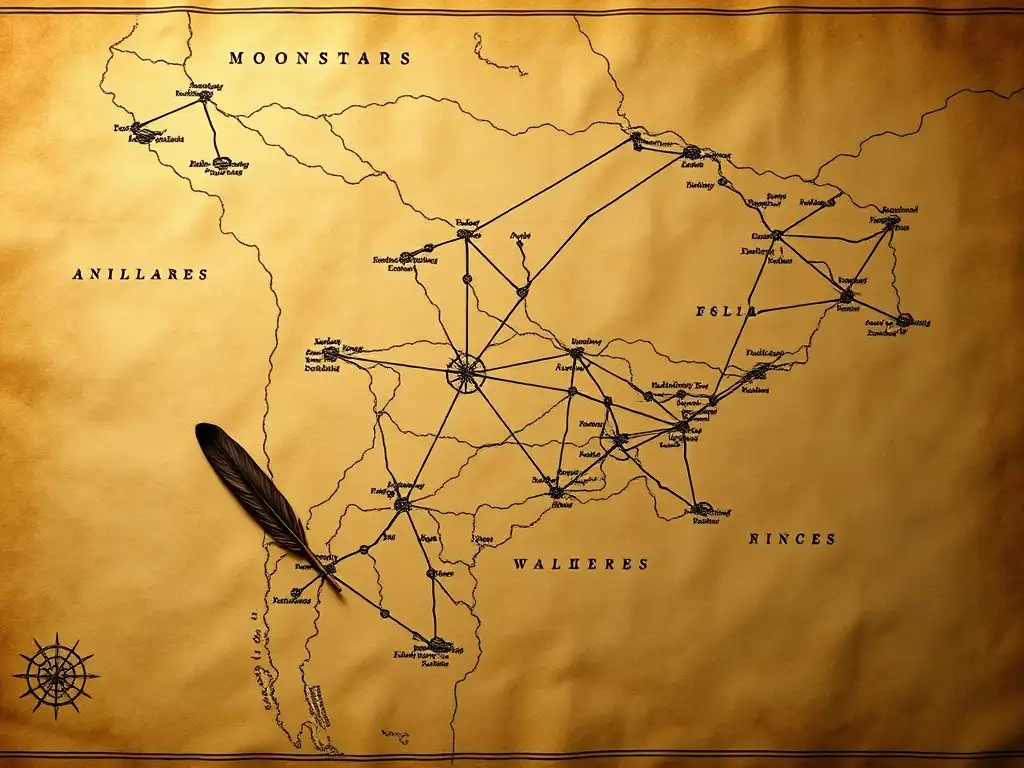
The rise and fall of Andean civilizations were profoundly shaped by the intricate web of political alliances and betrayals that characterized their interactions. Understanding the dynamics of these alliances is crucial to grasping the complexities of Andean warfare and the fluctuating power balances across the region. The concept of "Andean civilization political alliances" wasn't simply about military strength; it encompassed a complex interplay of kinship ties, economic exchange, religious beliefs, and strategic marriages.
These alliances, often fragile and prone to collapse, determined the outcome of numerous conflicts and shaped the trajectory of entire empires. The shifting sands of these alliances created a volatile political landscape, where even seemingly invincible empires could crumble under the weight of internal dissent and external pressure.
Analyzing these alliances reveals a sophisticated understanding of political strategy and the importance of maintaining – or breaking – these crucial partnerships for survival and dominance. The success or failure of these alliances often hinged on factors beyond military might, such as effective communication, the ability to negotiate favorable terms, and the willingness to compromise.
Strategic Partnerships in Andean Warfare
Strategic partnerships were the cornerstone of Andean military success. Alliances weren't formed haphazardly; they were carefully cultivated, often cemented through ritualistic exchanges, intermarriage, and the promise of mutual benefits. For instance, the Inca Empire, at its height, maintained a vast network of alliances through a system of mita, a form of tribute labor that bound communities to the empire. This wasn't solely about extracting resources; it also served as a mechanism to create dependencies and ensure loyalty.
Smaller groups often allied with larger empires for protection against rivals, gaining access to resources and military support in return for loyalty and tribute. However, these alliances were not always stable. The balance of power could shift rapidly, leading to betrayals and shifts in allegiance.
For example, [Specific example of an Andean civilization betraying an alliance pending]. The constant threat of betrayal meant that Andean rulers had to constantly assess their alliances, adapting their strategies to maintain their positions of power. This dynamic created a constantly evolving political landscape, where trust was a rare commodity and strategic maneuvering was paramount.
The Role of Diplomacy in Andean Power Struggles
Diplomacy played a crucial, often underestimated, role in Andean power struggles. While warfare was certainly prevalent, the ability to negotiate, forge alliances, and manipulate rivalries was equally important. Andean rulers employed sophisticated diplomatic strategies, including:
- Ritualized exchanges: The exchange of gifts, hostages, and ceremonial items served to solidify alliances and demonstrate goodwill. These weren't merely symbolic gestures; they represented tangible commitments and investments in the relationship.
- Marriage alliances: Strategic marriages between ruling families were a common way to secure alliances and consolidate power. These unions created kinship ties that transcended political boundaries, forging bonds of loyalty and mutual interest.
- Tribute and resource exchange: The flow of resources – including food, textiles, and precious metals – played a crucial role in maintaining alliances. Providing access to these resources cemented relationships and ensured the continued support of allies.
- Propaganda and ideological control: Andean rulers often used propaganda to legitimize their rule and influence the perception of their rivals. This could involve the creation of myths, legends, and historical narratives that portrayed them in a positive light and their opponents in a negative one.
The effectiveness of Andean diplomacy varied greatly depending on the specific context. Some alliances thrived for generations, while others crumbled almost as quickly as they were formed. The ability to navigate this complex political landscape was a key factor in determining the success or failure of Andean rulers and their empires.
The constant negotiation and renegotiation of alliances, the careful balancing of power, and the shrewd use of diplomacy were as important as military might in shaping the history of Andean civilizations. The study of "Andean civilization political alliances" provides valuable insight into the sophisticated political strategies employed by these ancient societies.
Pre-Inca Andean Political Alliances: Foundations of Power
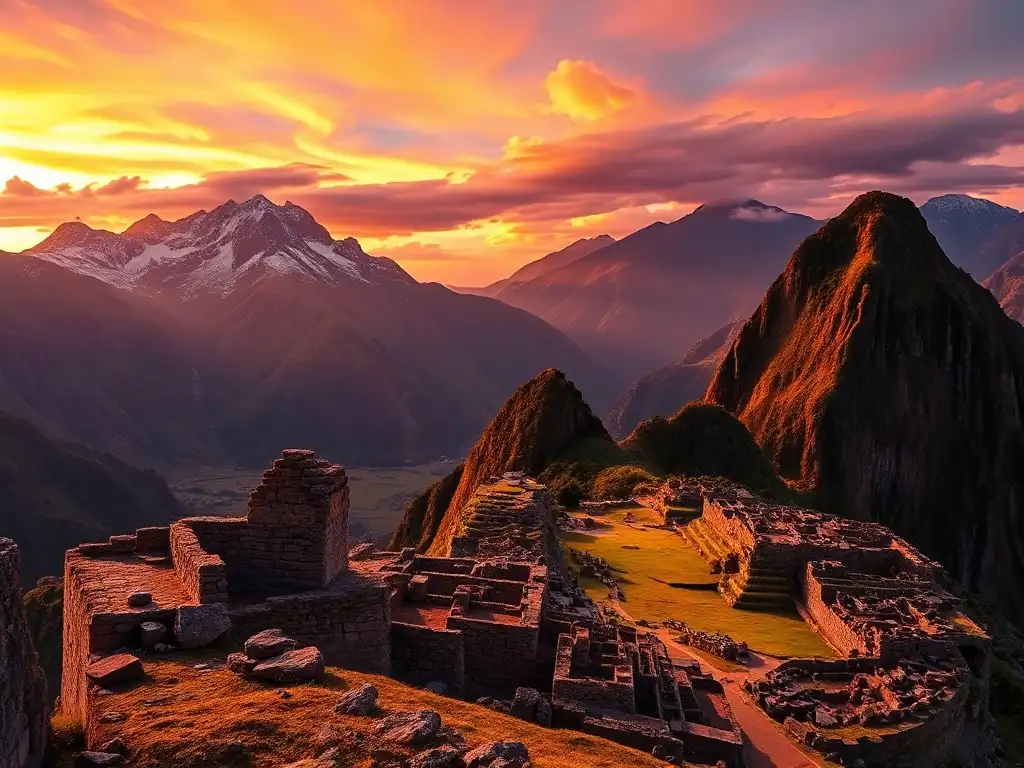
This section delves into the complex web of political alliances that shaped the Andean world before the Inca Empire's rise. Understanding these pre-Inca alliances is crucial to grasping the broader context of Andean civilization political alliances and the strategies employed by various cultures to achieve regional dominance. These alliances, often forged through marriage, trade agreements, and military pacts, were not static entities; they shifted and fractured depending on changing power dynamics and the ever-present threat of conflict.
The motivations behind these alliances ranged from mutual defense against external threats to the expansion of territory and resources, highlighting the pragmatic nature of Andean political maneuvering. The success or failure of these alliances often hinged on the strength of leadership, the reliability of partners, and the ability to adapt to unforeseen circumstances.
Early Andean Confederations and Their Alliances
Long before the Inca, smaller, independent groups in the Andes frequently formed confederations, often driven by the need for mutual protection and resource sharing. These early Andean confederations, while less centralized than later empires, demonstrated a sophisticated understanding of political strategy. Archaeological evidence suggests that alliances were cemented through rituals, shared religious beliefs, and the exchange of valuable goods.
For example, the early development of irrigation systems in the coastal regions required cooperation between different groups, fostering alliances based on shared economic interests. These early alliances laid the groundwork for the more extensive and powerful political structures that would emerge in later periods. The nature of these alliances varied greatly depending on geographic location and the specific cultures involved.
Some were relatively loose, based on informal agreements and kinship ties, while others were more formalized, with established leadership structures and mechanisms for conflict resolution. Understanding the nuances of these early alliances provides valuable insight into the evolution of Andean political organization and the enduring importance of cooperation in a challenging environment. The study of these early confederations reveals a dynamic interplay between cooperation and competition, a pattern that would continue to shape Andean politics for centuries to come.
The Rise of Regional Powers Through Strategic Partnerships
The formation of powerful regional states in the pre-Inca Andes was often facilitated by strategic alliances. These alliances weren't merely defensive; they were actively used to expand influence and control. The creation of a strong military force, often bolstered by alliances with neighboring groups, was a key element in achieving regional dominance.
The exchange of military technology and expertise played a critical role in these partnerships, allowing for the development of more sophisticated warfare tactics. For example, the adoption of new weaponry or the sharing of military strategies between allied groups could significantly enhance their combined power and effectiveness in conflict. Analysis of archaeological sites shows evidence of shared material culture and architectural styles among allied groups, suggesting a close level of integration and cooperation.
Furthermore, the establishment of trade routes and the control of key resources were often facilitated through alliances, strengthening economic ties and consolidating power. The rise of regional powers in the Andes was not a solely military endeavor; it was a complex process involving careful diplomacy, strategic partnerships, and the ability to leverage alliances for economic and political advantage. This complex interplay of military might and political maneuvering is a defining characteristic of Andean civilization political alliances in the pre-Inca era.
Case Study: The Moche-Recuay Alliance
The Moche and Recuay cultures of northern Peru offer a compelling case study of a pre-Inca alliance, though its exact nature remains a subject of ongoing scholarly debate. While the Moche were known for their powerful centralized state and sophisticated irrigation systems, the Recuay were a less centralized group, noted for their distinctive artistic style. Evidence suggests a period of interaction and potential alliance between these two cultures, possibly driven by mutual economic benefits or a shared need to defend against common enemies.
The exact nature of this alliance, whether it was a formal political agreement or a more fluid exchange of goods and ideas, is difficult to determine definitively based on the currently available archaeological evidence. Further research is needed to fully understand the dynamics of this relationship and its impact on the political landscape of the Andean region. However, the possibility of a Moche-Recuay alliance highlights the diverse forms that inter-cultural relationships could take in the pre-Inca Andes, ranging from formal political pacts to less structured networks of exchange and cooperation.
Analysis of the material culture and artistic styles from both cultures could potentially shed light on the extent and nature of this interaction, helping to further illuminate the complexities of Andean civilization political alliances. This case study underscores the need for continued research to fully understand the intricate political dynamics of the pre-Columbian Andes.
Inca Empire Political Alliances: Expansion and Control
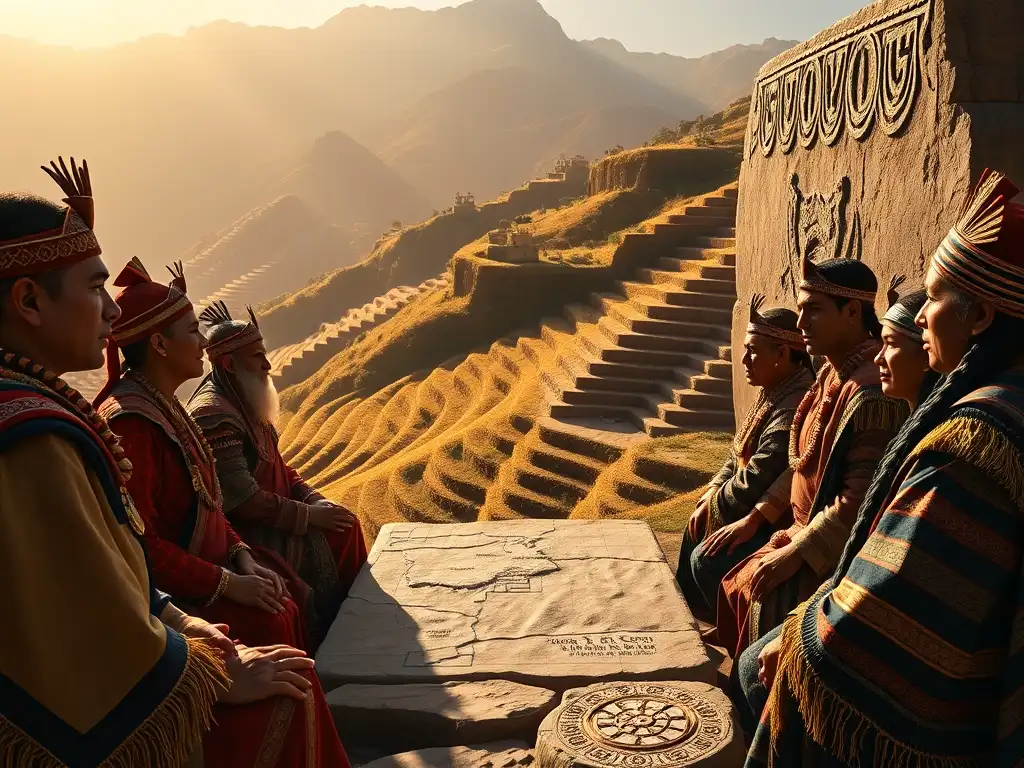
The Inca Empire's remarkable expansion across the Andes wasn't solely achieved through military might. A sophisticated strategy of forging political alliances played a crucial role in their conquest and subsequent control of vast territories. Understanding the intricacies of these alliances reveals a nuanced picture of Inca political maneuvering, highlighting their pragmatic approach to governance and their ability to adapt to diverse cultural contexts. The concept of "Andean civilization political alliances" is central to understanding the Inca's success. Analyzing their methods provides valuable insights into the dynamics of power and control in pre-Columbian South America.
Inca Imperial Strategies: Alliance Building as a Tool of Conquest
The Inca, under their Sapa Inca, employed a multi-pronged approach to alliance-building. Military victories undoubtedly paved the way for many alliances, but the Incas shrewdly understood that outright conquest wasn't always the most effective strategy. They often preferred to incorporate conquered populations peacefully, offering incentives such as preferential trade access, exemption from tribute for a period, or even positions of power within the newly integrated administrative structure. This strategy minimized resistance and fostered a sense of inclusion, making governance of newly acquired territories more manageable.
For instance, the incorporation of the Aymara-speaking populations in the Lake Titicaca region exemplifies this approach. While initially subdued through military campaigns, the Incas quickly established alliances with local leaders, integrating Aymara traditions and administrative practices into the imperial system. This pragmatic approach ensured a smoother transition and prevented widespread rebellion.
The System of Reciprocity and its Role in Inca Alliances
The Inca system of ayni, reciprocal labor exchange, served as a powerful tool for consolidating alliances. This system was not merely economic; it fostered social bonds and created a sense of mutual obligation. By integrating conquered groups into the ayni system, the Incas bound them to the empire through shared responsibilities and economic interdependence.
This system extended beyond labor; it encompassed the exchange of goods, services, and even military support. For example, communities obligated to provide mita (labor tribute) to the Inca state also benefited from access to imperial resources and protection, creating a complex web of interdependence that strengthened imperial control and fostered a sense of shared identity, solidifying Andean civilization political alliances.
The success of ayni demonstrates the Incas' understanding of the social fabric and its strategic utilization for political gain. Specific data on the exact proportion of ayni labor dedicated to alliance-building is [specific information pending], but its importance is undeniable.
Incorporation of Conquered Territories through Political Agreements
The Inca Empire skillfully utilized political agreements and treaties to solidify its control over conquered territories. These agreements often involved the installation of Inca governors alongside existing local rulers, creating a dual administrative system that balanced imperial authority with local autonomy. This approach minimized disruption to existing social structures and minimized the risk of rebellion.
These agreements were not always equal; they often involved concessions from the conquered populations, such as the payment of tribute or the provision of military service. However, the agreements also offered benefits, such as access to imperial infrastructure, protection from external threats, and participation in the imperial economy. The meticulous records kept by the Inca quipu system, although incompletely deciphered, likely contained details of these political agreements.
Detailed analysis of surviving quipu data is [specific information pending], but preliminary research suggests a sophisticated system of record-keeping that facilitated the management of alliances across vast distances. The effective incorporation of conquered territories through such strategies is a testament to the Inca's political acumen and their ability to adapt their governance to diverse cultural contexts, forming a strong foundation for the "Andean civilization political alliances" that underpinned their empire.
Betrayals and Shifting Alliances in Andean History
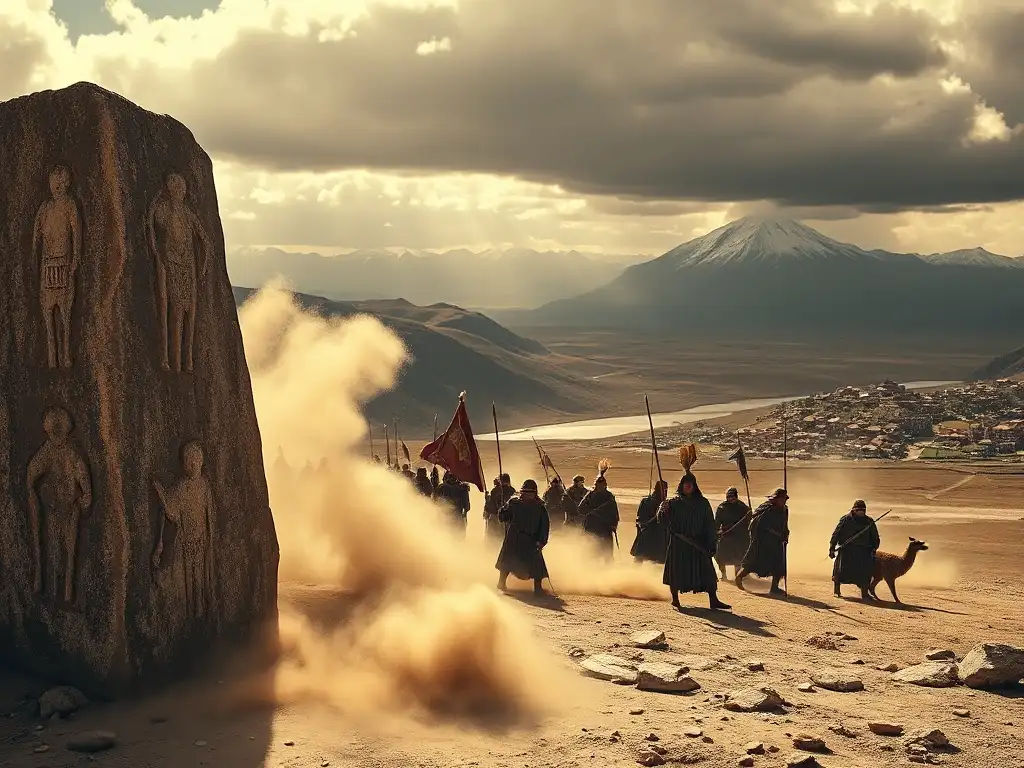
The study of Andean civilization political alliances reveals a complex tapestry woven with threads of cooperation, competition, and, frequently, betrayal. While powerful empires like the Inca rose through strategic alliances, their dominance was often challenged by shifting loyalties and the inherent fragility of political pacts. Understanding the dynamics of these alliances – their formation, maintenance, and ultimate collapse – is crucial to grasping the ebb and flow of power in the Andes.
The seemingly stable political landscape often concealed simmering tensions and rivalries that could erupt into devastating conflicts, reshaping the political map and leaving a lasting impact on Andean societies. Analyzing these betrayals and shifts offers invaluable insight into the intricacies of Andean political strategies and the human cost of ambition and power struggles. The concept of "Andean civilization political alliances" needs to consider the unique social and environmental factors that shaped these relationships.
The Fragility of Political Pacts in Andean Societies
Political alliances in Andean societies, while seemingly strong on the surface, often rested on precarious foundations. These pacts, frequently cemented through marriages, tributary agreements, or shared military campaigns, were susceptible to fracturing under pressure. The absence of formal, written contracts meant that agreements were largely based on trust, kinship ties, and perceived mutual benefit.
However, these factors were inherently volatile. Shifting power dynamics, economic hardship, or the allure of greater rewards could easily lead to broken alliances and betrayals. For example, smaller chiefdoms might initially align with a larger power for protection, but if that larger power became perceived as oppressive or if a more advantageous alliance presented itself, the smaller chiefdom might readily switch sides.
This fluidity underscores the importance of continuous negotiation, appeasement, and demonstration of power in maintaining these often-tenuous relationships. The constant threat of betrayal shaped the political landscape, fostering an environment of suspicion and strategic maneuvering.
Internal Conflicts and the Collapse of Alliances
Internal conflicts played a significant role in the collapse of many Andean alliances. Succession disputes, for instance, could tear apart even the most powerful empires. Rivalry between factions vying for control often led to alliances fracturing along familial lines, with supporters choosing sides based on kinship rather than political expediency.
The resulting civil wars not only weakened the central authority but also undermined the trust and cooperation that had initially bound the alliance together. Economic disparities within an alliance could also create friction. If the distribution of resources or the burden of military service felt uneven, resentment could build, leading to defections and the disintegration of the alliance.
This highlights the crucial role of effective governance and equitable resource management in maintaining stability within larger political entities. The Inca Empire, despite its impressive size and organization, was not immune to these internal pressures, as evidenced by the devastating civil war between Huáscar and Atahualpa.
Case Study: The Huáscar-Atahualpa Civil War
The Huáscar-Atahualpa civil war (circa 1527-1533) provides a stark illustration of how internal conflict and betrayal could shatter even the strongest of Andean alliances. The Inca Empire, at its zenith, was a vast network of interconnected provinces and allied groups, bound together by a complex system of tribute, labor, and religious authority. However, the death of Huayna Capac and the subsequent power struggle between his sons, Huáscar and Atahualpa, plunged the empire into a devastating civil war.
Huáscar, initially designated as the heir, faced challenges from his ambitious half-brother Atahualpa. This conflict led to widespread defections, with various provinces and allied groups shifting their allegiance based on perceived advantage, kinship ties, or outright coercion. The war weakened the empire significantly, making it vulnerable to the Spanish conquest.
The betrayal of allies and the internal fracturing of the Inca political system are key factors in understanding the relatively swift collapse of the empire in the face of Spanish aggression. This case highlights the inherent fragility of even the most powerful Andean alliances and the catastrophic consequences of internal conflict.
The Impact of Political Maneuvering on Andean Society
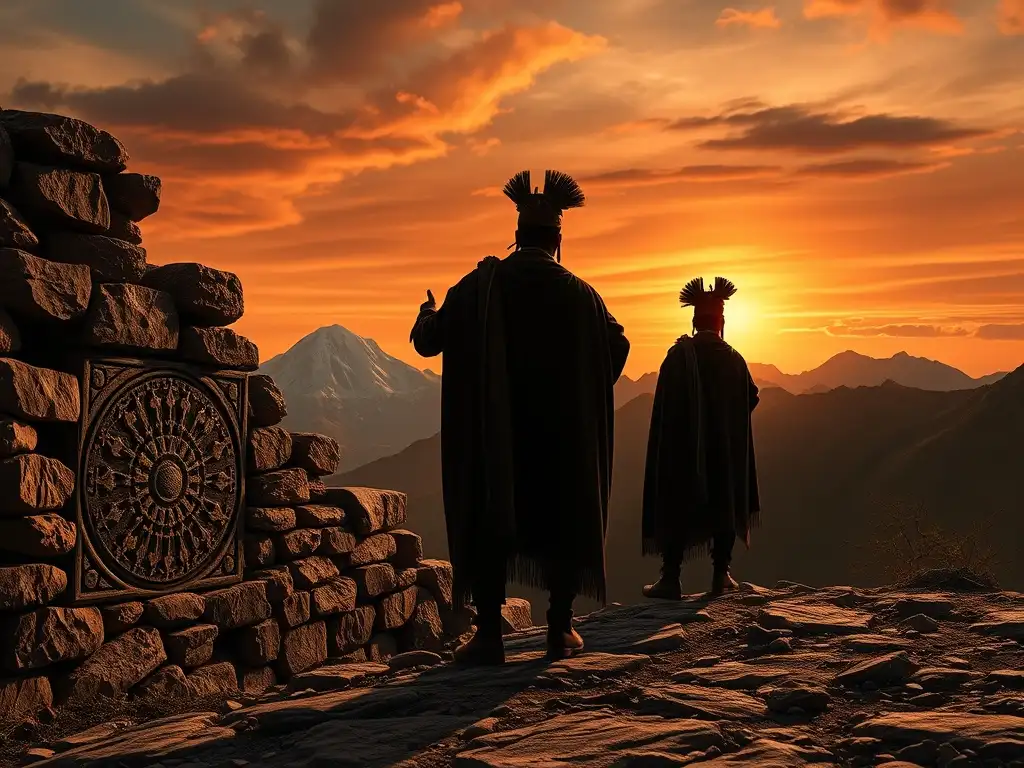
The intricate tapestry of Andean civilization political alliances profoundly shaped the social fabric of these societies. Understanding the impact of political maneuvering requires moving beyond simplistic narratives of conquest and defeat, to delve into the nuanced ways in which alliances fostered cooperation, competition, and ultimately, social change. The rise and fall of Andean empires weren't solely determined by military might; the strategic formation and dissolution of alliances played a crucial, often decisive, role. This section explores this complex interplay between political strategy and societal transformation.
Andean social structures, characterized by hierarchical systems and intricate kinship networks, were significantly influenced by the political alliances forged between different groups. Successful alliances often led to the consolidation of power, resulting in the expansion of territories and the integration of diverse populations under a single ruling entity. This integration, however, wasn't always seamless.
The incorporation of conquered or allied groups often resulted in the negotiation of power dynamics and the redistribution of resources. For instance, the Inca empire skillfully incorporated conquered peoples into its administrative system, often granting them privileged positions in exchange for loyalty and military support. This created a complex system of interwoven loyalties and obligations, contributing to both the stability and the fragility of the empire.
Conversely, the failure to maintain these alliances, or the betrayal of one ally by another, often led to social upheaval, internal conflicts, and the fracturing of existing social structures. The consequences could be devastating, leading to population displacement, economic disruption, and even the collapse of entire polities.
The Long-Term Consequences of Betrayals and Conflicts
Betrayals and conflicts within Andean political alliances had far-reaching consequences that extended beyond immediate military victories or defeats. These events often left lasting scars on the social and political landscapes, influencing the trajectory of entire civilizations. The disruption of trade routes, the displacement of populations, and the destruction of infrastructure all contributed to long-term instability and hindered economic development.
Moreover, the psychological impact of repeated conflicts and betrayals could erode social trust and create deep-seated divisions within communities. Evidence suggests that some Andean societies experienced cycles of alliance formation and dissolution, leading to periods of relative stability interspersed with episodes of intense violence and social fragmentation.
The long-term consequences of these cycles are still being researched, but it is clear that they played a significant role in shaping the cultural and political landscapes of the Andes. The legacy of these conflicts and betrayals can still be seen in the present-day social and political structures of the region.
Lessons from Andean Political Strategies: The Enduring Relevance of Power Dynamics
The study of Andean civilization political alliances offers valuable insights into the enduring relevance of power dynamics in human societies. The strategies employed by Andean leaders, ranging from diplomacy and negotiation to military conquest and coercion, highlight the complexities of maintaining power and influence in a competitive environment. The successes and failures of these strategies provide a rich case study for understanding how political alliances are formed, maintained, and ultimately broken.
Analyzing the rise and fall of Andean empires reveals patterns of political behavior that resonate across time and cultures. The importance of effective communication, strategic resource management, and the cultivation of loyalties are recurring themes in Andean political history, underscoring their relevance to contemporary political analysis. By studying the past, we can gain a deeper understanding of the forces that shape present-day political landscapes and the challenges of forging stable and lasting alliances in an ever-changing world.
The lessons learned from the successes and failures of Andean political strategies remain profoundly relevant today. Understanding these dynamics offers crucial insights into the enduring human quest for power and the often-fragile nature of political alliances.
Understanding Andean Civilization Political Alliances for Historical Insight
The study of Andean civilization political alliances offers crucial insights into the complexities of power dynamics and conflict resolution in pre-Columbian South America. Understanding these alliances requires moving beyond simplistic narratives of conquest and domination to appreciate the nuanced strategies employed by different groups. The formation, maintenance, and dissolution of these alliances were often driven by a complex interplay of factors, including kinship ties, economic interests, religious beliefs, and perceived military advantages.
These alliances were not static entities; they were constantly shifting and reforming in response to changing circumstances, reflecting the dynamic and volatile nature of Andean politics. Analyzing these shifting allegiances provides a richer understanding of the political landscape and the long-term consequences of both successful and failed partnerships.
The rise and fall of empires like the Inca, for instance, were significantly shaped by the success or failure of their political alliances and the subsequent betrayals that often followed. Analyzing these historical patterns allows us to better understand the strategies employed by Andean leaders and the factors that contributed to their success or failure.
Analyzing the Motivations Behind Andean Political Strategies
The motivations behind Andean political strategies were multifaceted and often intertwined. Economic considerations played a significant role, with alliances frequently formed to secure access to vital resources like fertile land, minerals, or trade routes. For example, the Moche civilization's control over coastal resources likely fueled its alliances with inland groups seeking access to agricultural products. Similarly, the Inca's vast empire relied heavily on a well-established network of alliances that ensured access to essential resources across their extensive territory.
Religious beliefs also significantly influenced alliance formation. Shared religious practices or beliefs in common deities could foster a sense of unity and shared purpose, strengthening political bonds. The concept of ayni (reciprocity) in Inca society, for example, underpinned many political alliances, emphasizing mutual obligation and cooperation. Finally, military considerations were paramount.
Alliances were often forged to enhance military strength, providing crucial support in times of conflict or territorial expansion. The Inca's expansionist policies, for example, relied heavily on strategic alliances that provided them with a numerical advantage over their opponents. Analyzing these interwoven motivations provides a more comprehensive understanding of the complexities of Andean political decision-making. Further research into specific case studies could reveal even more nuanced details about the decision-making processes involved in forging and maintaining these alliances.
The Legacy of Andean Alliances and Conflicts
The legacy of Andean alliances and conflicts is deeply ingrained in the cultural landscape of the Andes. The consequences of these political maneuvers continue to resonate in modern-day societies, influencing everything from political structures to cultural identities. The shifting alliances and resulting conflicts shaped the distribution of power and resources across the region, impacting the development of various Andean communities.
The enduring impact of Inca rule, for example, is evident in the administrative systems, agricultural practices, and even linguistic patterns found throughout the Andes today. The collapse of these empires also left a lasting mark, contributing to the fragmentation of political power and the emergence of new forms of social organization. Understanding this legacy is crucial to interpreting the complex socio-political realities of the Andean region today.
The study of Andean alliances and betrayals offers valuable lessons on the ephemeral nature of power and the long-term consequences of political decisions. The rise and fall of empires serve as a reminder of the importance of understanding the intricate dynamics of power and the consequences of both strategic cooperation and devastating betrayal.
Further Research and Exploration of Andean Political Systems
Further research into Andean civilization political alliances should focus on several key areas. More detailed analysis of specific alliances, including their formation, duration, and ultimate fate, is needed to fully understand the underlying dynamics. This includes examining the role of individual leaders, the impact of environmental factors, and the influence of social and religious structures.
Comparative studies of different Andean civilizations, contrasting their approaches to alliance formation and conflict resolution, would provide valuable insights into the diversity of political strategies employed. The use of advanced archaeological techniques, such as isotopic analysis and DNA studies, could also shed light on migration patterns and kinship ties, providing further evidence to support interpretations of alliance formation. Finally, exploring the relationship between political alliances and economic exchange is crucial to understanding the broader context of Andean political systems.
This interdisciplinary approach, incorporating archaeological, anthropological, and historical data, will offer a more holistic and nuanced understanding of Andean civilization political alliances and their enduring legacy. Further research, particularly in understudied regions and civilizations, is vital for a more complete picture of Andean political history. The complexities of Andean political systems offer a rich field for future research and exploration.
Frequently Asked Questions
What role did political alliances play in Andean civilizations?
Political alliances were crucial for survival and expansion in the Andes. Groups formed alliances for mutual defense, resource access, and territorial control, often shifting based on circumstances. These alliances were vital to the rise and fall of many Andean empires.
How did the Incas use alliances to build their empire?
The Incas skillfully employed a strategy of both military conquest and diplomatic alliances. They offered privileges and resources to allied groups, integrating them into their empire and minimizing resistance. Betrayal and subsequent conquest were also used when necessary.
Were alliances always stable in the Andean region?
No, Andean alliances were frequently fragile and temporary. They were often based on opportunistic agreements rather than long-term commitments. Shifting power dynamics, resource scarcity, and personal ambitions frequently led to betrayals and shifting allegiances.
What were some common reasons for alliances to break down?
Alliances often fractured due to violations of agreements, disputes over resources, or succession crises within ruling families. The desire for increased power and influence also frequently led to the disintegration of alliances as different groups sought dominance.
How did the geography of the Andes impact political alliances?
The rugged terrain of the Andes made communication and movement difficult, influencing the formation and stability of alliances. Isolated groups formed alliances based on proximity and shared needs, while larger empires had to contend with the challenges of controlling vast, diverse territories.
Final Reflection: Echoes of Empire in the Andes
The intricate web of alliances and betrayals woven throughout Andean history continues to resonate in the political landscapes of today. Understanding these historical power dynamics offers crucial insight into the persistent challenges faced by nations grappling with legacies of inequality, conflict, and the enduring struggle for self-determination. The patterns of cooperation and conflict, forged centuries ago, still shape the political realities of the region.
The study of Andean political maneuvering reveals a profound truth about human nature: the constant tension between ambition and necessity, loyalty and self-preservation. The shifting alliances, the calculated betrayals, the desperate bids for power – these are not relics of a distant past, but rather recurring themes in the human story. History does not repeat itself, but it often rhymes.
– Mark Twain. This quote perfectly encapsulates the enduring relevance of understanding the political strategies employed by Andean civilizations, as their echoes reverberate in contemporary political struggles across the globe.
Consider the lessons learned from the rise and fall of Andean empires. Reflect on the consequences of unchecked ambition, the fragility of power built on coercion, and the enduring strength of communities forged in solidarity. You, the reader, hold the power to shape a different future.
By understanding the past, we can strive to build more equitable and just societies, informed by the wisdom – and the cautionary tales – of those who came before us. Let the complexities of Andean political history inspire you to critically examine power dynamics in your own world, fostering a deeper understanding of the human condition and the enduring pursuit of peace and stability.
**Unleash Your Insights on Andean Politics! **
Thank you for exploring the complex world of political maneuvering in the Andes. We hope this exploration has sparked your interest in the intricate dynamics of alliances and rivalries. Now, let's further your understanding and engagement.
- **Join the conversation—** Share your thoughts and reflections on the article in the comments below! Your insights are valuable to the community.
- **Explore further—** Broaden your perspective by reading related articles on Andean history and political strategies.
- **Engage your friends—** Share this article on social media and spark discussions about the past and present political landscapes of the Andes.
What aspects of political alliances in the Andean region are most intriguing to you, and how do you believe they are shaping current events?