
The Enigmatic Andean Shield: Design, Materials, and Symbolic Significance

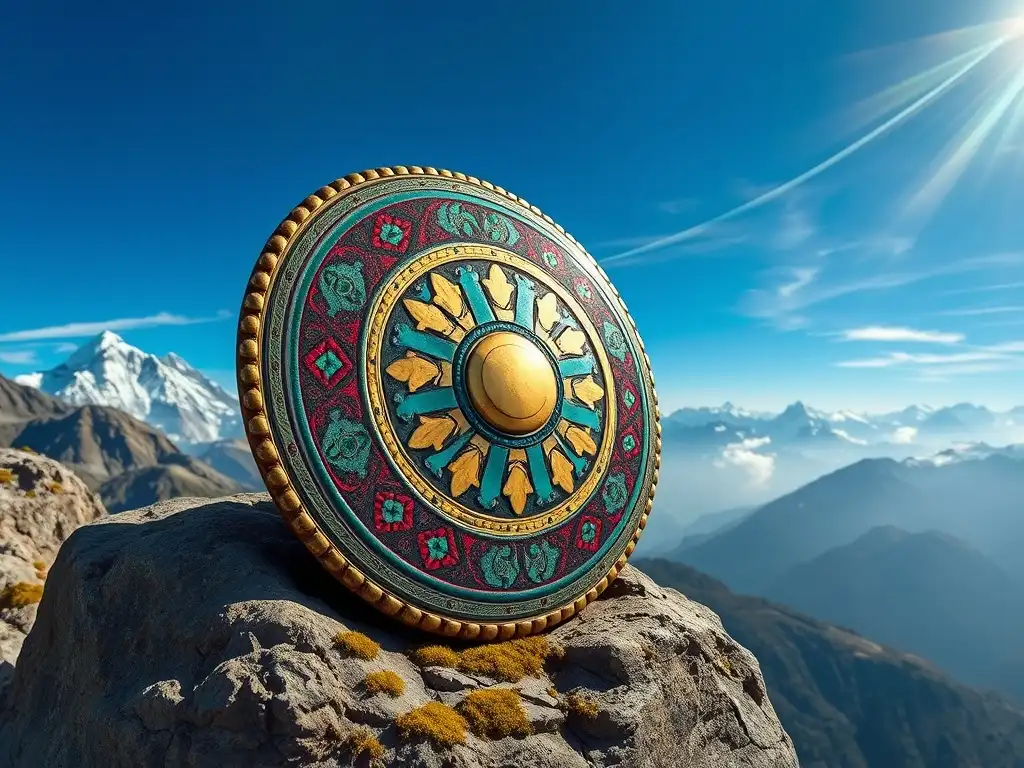
Step into a world lost to time, yet echoing with power and artistry. Dive into the fascinating story of the Andean civilizations, uncovering their remarkable achievements in warfare and beyond. Have you ever wondered about the intricate symbolism woven into the Andean shield design history? Prepare to be amazed as we unravel the mysteries behind these iconic artifacts, revealing the ingenious craftsmanship and profound cultural meaning embedded within each carefully crafted shield. Uncover the secrets... explore now!
The Andean region, home to a rich tapestry of pre-Columbian cultures, boasts a fascinating military history reflected in its weaponry and defensive equipment. This article delves into the enigmatic world of the Andean shield, exploring its diverse designs, the materials used in its construction, and the profound symbolic significance it held within these ancient societies.
From the intricate artistry of the Moche shields to the potentially more utilitarian designs employed by the Inca, the Andean shield offers a unique window into the beliefs, warfare strategies, and artistic capabilities of these remarkable civilizations. Understanding the Andean shield design history is crucial to grasping the complexity of Andean warfare and the societies that shaped it.
We will examine the evolution of these shields, considering regional variations and the interplay between function and symbolism. This exploration promises to illuminate a previously under-appreciated aspect of Andean history, revealing the intricate details and deeper meanings embedded within these captivating artifacts.
Introduction to Andean Shields and their Historical Context
Andean shields, far from being mere defensive tools, served as potent symbols of power, status, and even spiritual significance. Their presence on the battlefield represented more than just physical protection; they embodied the warrior's identity and connection to the spiritual realm. The specific design, materials, and decoration of a shield often varied depending on the culture and time period, reflecting the unique artistic styles and beliefs of different Andean societies.
For example, the Moche culture, known for its elaborate metalwork and ceramics, produced shields often adorned with intricate depictions of deities, mythical creatures, and scenes of warfare. These weren't simply functional items; they were carefully crafted objects imbued with meaning. In contrast, while less visually striking information on Inca shields is available, [specific information pending on Inca shield design and materials], suggesting a potential focus on practicality and standardization.
The lack of extensive surviving examples and detailed documentation for some cultures makes a complete picture challenging to assemble, highlighting the need for further research. The study of Andean shields requires a multidisciplinary approach, drawing on archaeology, anthropology, and art history to fully appreciate their complexity. The surviving examples, often fragmented, provide tantalizing glimpses into the rich cultural context of Andean warfare.
Andean Shield Design History: An Overview
The evolution of Andean shield design is a complex story, reflecting changes in warfare tactics, available materials, and evolving cultural beliefs. Early forms of Andean shields, [specific information pending on earliest Andean shield designs and dating], likely consisted of simpler constructions, perhaps using readily available materials like wood or woven fibers. However, as Andean societies developed, so too did their shield-making techniques. The Moche, for instance, demonstrated a mastery of metalworking, crafting shields from copper alloys, often decorated with elaborate repoussé work depicting scenes of battle, religious rituals, and mythical beings.
These shields represent a high point of artistic achievement, combining functionality with breathtaking artistry. The use of different metals and alloys, such as gold and silver inlays, [specific information pending on the use of precious metals in Andean shields and their symbolic meaning], further enhanced their status and value. Later periods, such as the Inca Empire, might have seen a shift towards standardized designs and materials, prioritizing functionality over elaborate ornamentation.
This potential shift, however, requires further investigation due to the limited surviving examples of Inca shields. The diversity in shield designs across different Andean cultures underscores the unique artistic and technological achievements of each society. Careful analysis of surviving fragments and depictions in artwork is crucial to reconstruct the full spectrum of Andean shield design history.
- Introduction to Andean Shields and their Historical Context
- Andean Shield Design History: An Overview
- What materials were used in creating Andean shields?
- What was the symbolic significance of Andean shields?
- How did the design of Andean shields vary across different cultures?
- What is the significance of the Andean shield design history in relation to warfare?
- Where can I find examples of Andean shields today?
Evolution of Andean Shield Design Across Civilizations
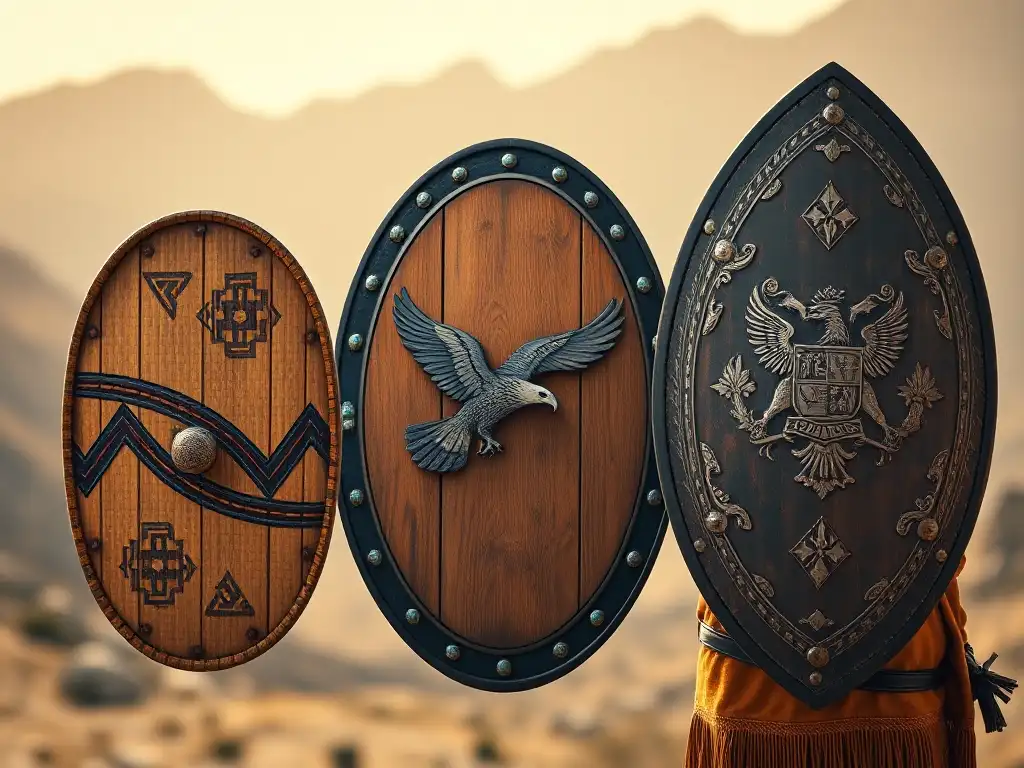
The Andean shield, a seemingly simple object, reveals a complex tapestry of design evolution reflecting the diverse cultures and warfare strategies across millennia. Analyzing its development provides crucial insights into the technological capabilities, artistic sensibilities, and symbolic beliefs of various Andean civilizations. The "Andean shield design history" is a rich and fascinating topic, revealing much about the societies that crafted and wielded them. This section will explore the significant shifts in shield design across different Andean cultures, focusing on materials, construction techniques, and the evolving symbolic meaning embedded within these defensive implements.
Early Andean Shield Forms: Materials and Construction
Early Andean shield forms, predating the rise of major empires like the Inca, often demonstrate a remarkable simplicity in design yet a sophistication in their construction. Archaeological evidence suggests the use of readily available materials, reflecting the ingenuity of these early cultures. Many shields from this period were constructed from wood, often strengthened with layers of woven reeds or grasses for added durability and flexibility.
These layers were frequently coated with animal hides, sometimes treated with natural resins or pigments to provide weather resistance and aesthetic enhancement. The size and shape varied considerably, ranging from small, round bucklers offering protection to vital areas to larger, rectangular or oval shields providing broader coverage. Early designs often featured minimal ornamentation, focusing primarily on functionality.
However, even in these seemingly plain shields, subtle variations in shape and the choice of materials might hint at regional differences or affiliations within different early Andean communities. Further research is needed to fully understand the nuances of regional variations in early Andean shield construction [specific information pending on regional variations].
Development of Shield Designs in the Moche Culture
The Moche civilization (c. 100-800 CE) witnessed a significant leap in both the artistry and complexity of Andean shield design. Moche shields are known for their elaborate decoration, often incorporating intricate depictions of mythical beings, stylized animals, and geometric patterns. The use of high-quality materials, including finely crafted wood, leather, and sometimes even precious metals like gold or silver for inlay, points to a high level of craftsmanship and social status associated with their possession.
Unlike the simpler designs of their predecessors, Moche shields frequently displayed complex iconography, likely reflecting religious beliefs, clan affiliations, or the warrior's individual accomplishments. For example, some shields depict fierce jaguars or other powerful animals, symbolizing strength and ferocity in battle. Others feature stylized representations of deities or mythological scenes, suggesting a close connection between warfare and the supernatural realm.
The vibrant colors and detailed execution of these designs showcase the advanced artistic skills of Moche artisans and the significant cultural importance attributed to these defensive implements. The detailed iconography on Moche shields offers a valuable window into their religious beliefs and social structures, making them invaluable artifacts for understanding Moche culture.
The Influence of the Inca Empire on Shield Design
The Inca Empire (c. 1438-1533 CE) brought a degree of standardization to Andean shield design, reflecting the empire's centralized authority and sophisticated military organization. While regional variations persisted, Inca shields generally exhibited a more uniform style than those of earlier civilizations. The Inca favored larger, oval or slightly rectangular shields, often constructed from wood and covered with leather. They frequently employed a relatively simple yet effective construction technique, combining multiple layers of wood to create a sturdy and lightweight shield.
While ornamentation was present, it was often less elaborate than that found on Moche shields. The Inca focused more on functionality and mass production, meeting the demands of their large army. Common decorative elements included geometric patterns, stylized representations of Inca symbols such as the chakana (Inca cross), and sometimes the depiction of mythical creatures or animals important to Inca cosmology.
The standardization of design under Inca rule suggests a more centralized and controlled approach to military equipment production, reflecting the empire's hierarchical structure and its emphasis on military might. The relatively simpler designs, compared to the elaborate Moche styles, likely reflect a practical approach prioritizing effectiveness on the battlefield over elaborate artistic expression. The Inca's mastery of organization and logistics allowed for the mass production of effective and relatively uniform shields, contributing to their military success.
Materials Used in Andean Shield Construction
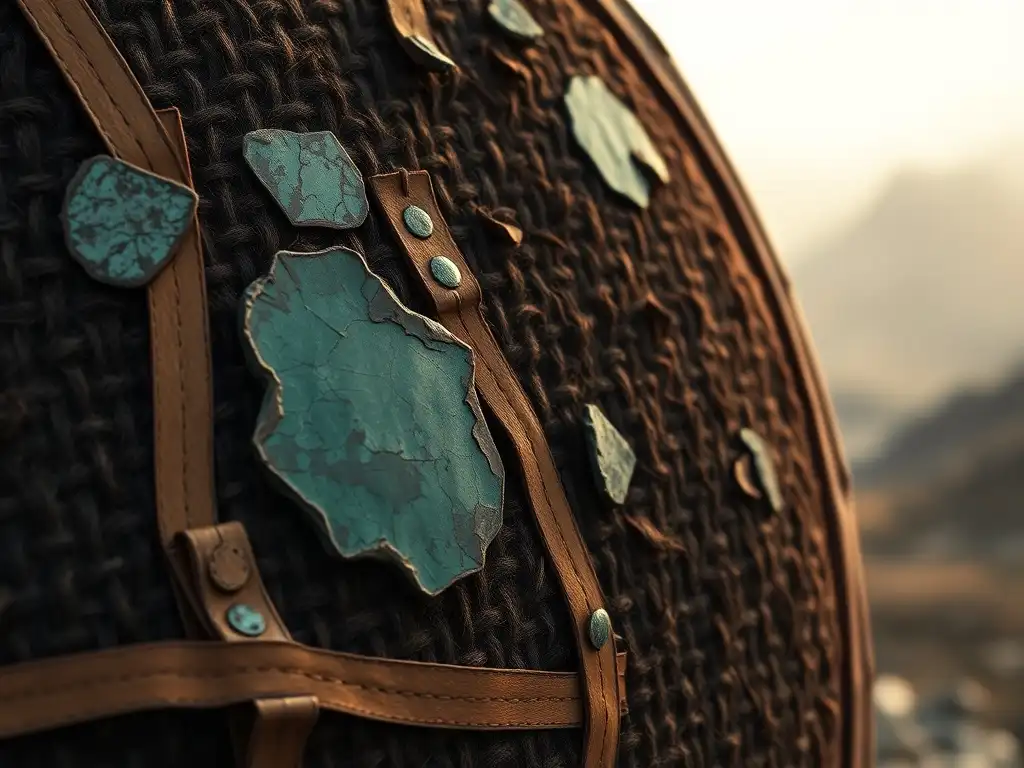
The creation of Andean shields, a crucial element of Andean warfare and military strategy, involved a sophisticated understanding of materials and their properties. The selection of materials wasn't arbitrary; it reflected both the availability of resources in different regions and the desired characteristics of the finished product—strength, lightness, and aesthetic appeal. Understanding the materials used provides crucial insight into the ingenuity and resourcefulness of Andean artisans and their connection to their environment.
The Andean shield design history is inextricably linked to the available resources and the artisans' skills in manipulating them. This section will delve into the primary materials used in constructing these fascinating artifacts.
Wood and its Varieties in Andean Shield Making
Wood formed the fundamental structural element of many Andean shields. The choice of wood varied depending on regional availability and the specific needs of the shield's design. While specific species used in every shield are not always documented, archaeological evidence suggests a preference for hardwoods known for their durability and resistance to impact. For example, Polylepis species, known for their strength and density, were likely popular choices in the high Andean regions where they grow abundantly. These trees, often found at high altitudes, provided wood resistant to warping and cracking, crucial qualities for a shield meant to withstand blows.
In contrast, coastal regions might have utilized different hardwoods readily available in their environment. The exact species used remains a subject of ongoing research, hampered by the degradation of organic materials over time. However, the presence of tool marks and the remaining structural integrity of fragments recovered from archaeological sites suggest careful selection and skilled craftsmanship in the shaping and finishing of the wooden shield base.
The careful shaping and preparation of the wooden core demonstrate a deep understanding of woodworking techniques, a testament to the Andean people's advanced technological capabilities. Further research into the specific wood types used in different regions is needed to fully understand regional variations in Andean shield design and construction.
The Use of Animal Hides in Andean Shields
Animal hides played a crucial role in Andean shield construction, serving both protective and decorative purposes. The most common hides used were likely those of readily available animals such as llamas, alpacas, and vicuñas. These hides were carefully tanned and prepared, a process that required specialized knowledge and skill. The tanning process increased the hide's durability and water resistance, making the shield more resilient to the elements and the impact of weapons.
The hides weren't simply applied as a single layer; rather, multiple layers were often used to create a composite structure, enhancing the shield's strength and shock absorption. This layering technique, combined with the inherent flexibility of the hides, resulted in a shield that could absorb blows without shattering, protecting the warrior effectively.
Furthermore, the hides provided a smooth surface, ideal for the application of paint, designs, and other embellishments which added to the aesthetic and symbolic value of the shield. The choice of animal hide and the method of preparation further contributed to the uniqueness of each individual shield, reflecting regional variations and individual artistic expression.
Metal Reinforcements and Embellishments on Shields
While wood and hides formed the foundation of Andean shields, metal played a significant role in reinforcing their structure and adding decorative elements. The specific metals employed varied, depending on regional availability and the status of the warrior. Copper, bronze, and even gold were used in different contexts. Copper and bronze were likely more common due to their relative abundance and ease of working.
Metal was often used to reinforce the edges of the shield, adding strength and preventing splintering. Metal bands or plates could be affixed to the wooden frame, increasing its resistance to blows. Additionally, metal was employed for decorative purposes, with intricate designs hammered or inlaid into the surface. These embellishments were not merely decorative; they frequently held symbolic meaning, reflecting the warrior's status, clan affiliation, or religious beliefs.
The use of gold, particularly in elite contexts, highlights the importance of these shields as status symbols, showcasing the wealth and power of their owners. The integration of metal into the shield design further demonstrates the sophisticated metallurgical skills of Andean artisans and their ability to combine different materials to create functional and aesthetically pleasing objects. The combination of these materials showcases the advanced technological and artistic capabilities of Andean civilizations and their deeply symbolic approach to warfare and military culture.
Symbolic Significance of Andean Shield Designs
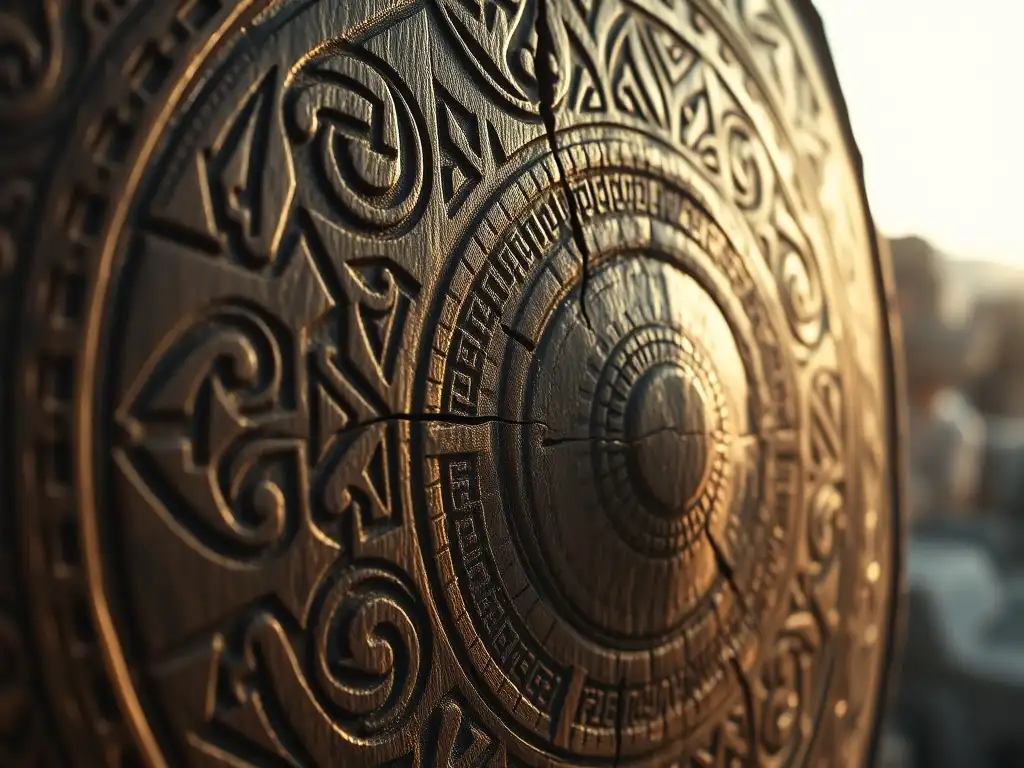
The Andean shield, far from being merely a defensive tool, served as a potent canvas for expressing complex beliefs, social structures, and regional identities. Its design, meticulously crafted and laden with symbolism, offers invaluable insight into the worldview and cultural practices of various Andean civilizations. Understanding the symbolic significance of these shields is crucial to comprehending the broader context of Andean warfare and society.
The intricate iconography, often deeply rooted in religious beliefs and social hierarchies, reveals a sophisticated system of visual communication that transcended the purely functional aspects of the shield's design. Analyzing the "Andean shield design history" reveals a fascinating tapestry of meaning woven into these ancient artifacts.
Iconography and Religious Motifs on Shields
The iconography adorning Andean shields is remarkably diverse, reflecting the rich pantheon of deities and the complex mythological narratives prevalent in different cultures. Many shields feature representations of powerful animals, such as jaguars, condors, and snakes – creatures often associated with deities and imbued with supernatural powers. These depictions were not merely aesthetic choices; they served to invoke the power and protection of these sacred beings, bolstering the warrior's confidence and potentially influencing the outcome of battle.
For example, jaguar imagery, prevalent in Moche shield designs, likely symbolized strength, ferocity, and shamanic power. The Moche deeply revered the jaguar, associating it with both the earthly and underworld realms. The presence of a jaguar on a shield would therefore signify not only the warrior's physical prowess but also their connection to the spiritual world and the protection afforded by their deities. Similarly, depictions of serpents, often found on Nazca shields, may have represented fertility, healing, or the cyclical nature of life and death, concepts deeply intertwined with their religious beliefs.
Detailed studies of surviving fragments and artistic representations suggest a high degree of specialization in shield decoration. Certain motifs, such as stylized birds or geometric patterns, might have been associated with specific clans, lineages, or even individual warriors, further emphasizing the personalized and symbolic nature of these artifacts. The use of color also played a significant role, with specific pigments potentially carrying symbolic weight, though further research is needed to fully decipher the meaning of the color palettes employed. Unfortunately, the fragility of organic pigments means that [specific information pending] on the original color schemes used in many examples.
Shields as Symbols of Status and Power
Beyond their religious significance, Andean shields also served as powerful symbols of status and power within their respective societies. The materials used in their construction, the intricacy of their designs, and even the size of the shield itself could all indicate the social standing and military rank of the warrior wielding it.
Shields made from high-quality materials, such as meticulously crafted wood or intricately worked metal, would have belonged to elite warriors or individuals of high social standing. The more elaborate the decoration, the greater the prestige associated with the shield and its owner. This is evident in some Inca shields, which often featured intricate gold or silver inlay, reflecting the Inca's penchant for elaborate ornamentation and their highly stratified social structure.
Size might also have played a role in signifying status. Larger shields, requiring greater skill to wield effectively, might have denoted a warrior's superior strength and experience. The use of specific motifs, such as stylized representations of royal insignia or sacred symbols, could further reinforce the social status of the bearer. The careful consideration of these factors highlights the crucial role shields played in establishing and reinforcing social hierarchies within Andean societies. Further research into the archaeological context of shield discoveries is needed to fully understand the correlation between shield design and social status.
Regional Variations in Shield Symbolism
The symbolism depicted on Andean shields was not uniform across all cultures and regions. Significant regional variations existed, reflecting the diverse beliefs, artistic styles, and social structures of the different Andean civilizations.
For example, the iconography found on Moche shields differs considerably from that seen on Nazca or Tiahuanaco shields. While Moche shields often feature realistic depictions of animals, emphasizing their connection to the natural world, Nazca shields frequently incorporate geometric patterns and stylized representations of supernatural beings. Tiahuanaco shields, on the other hand, often display a more abstract and symbolic style, reflecting their sophisticated religious cosmology. These regional variations highlight the importance of considering the cultural context when interpreting the symbolism of Andean shields.
Detailed comparative studies of shield designs from different regions are needed to fully understand the nuances of these regional differences and their implications for our understanding of Andean cultures. This comparative analysis will be crucial in building a more complete picture of "Andean shield design history". 🇿🇦
Functionality and Combat Use of Andean Shields
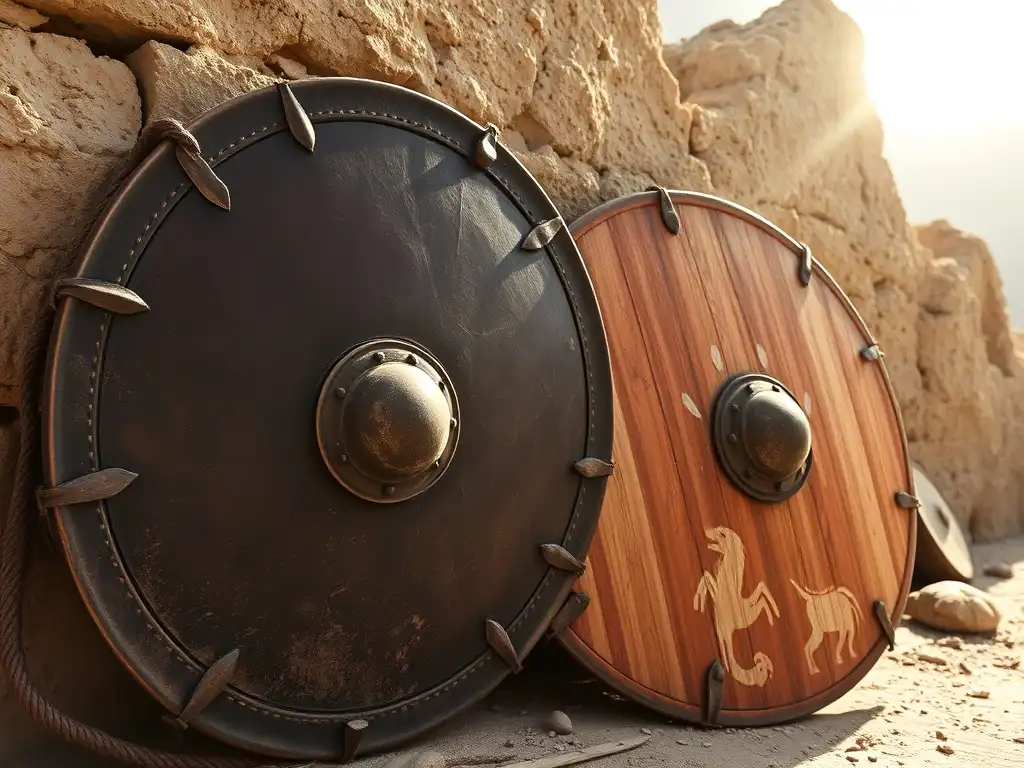
The Andean shield, far from being a mere defensive tool, played a crucial role in the complex tapestry of Andean warfare. Its design, materials, and even its size, were carefully considered to optimize its effectiveness in the diverse terrains and combat styles prevalent across the Andes. Understanding its functionality sheds light on the sophistication of Andean military strategies and the ingenuity of their artisans. The “Andean shield design history” reveals a fascinating evolution, adapting to changing warfare needs over centuries.
Andean Shield Techniques in Warfare
Andean warriors didn't simply hold their shields; they actively used them. Evidence from archaeological finds and iconography suggests a range of techniques. These included using the shield's surface to deflect projectiles – stones, spears, and even arrows – redirecting blows from enemy weapons, and even using the shield's edge as a bludgeon in close-quarters combat.
The weight and size of the shield, which varied regionally, influenced the specific tactics employed. Smaller, lighter shields allowed for greater agility, while larger shields offered more substantial protection but reduced mobility. Some depictions show warriors using paired shields, potentially for enhanced defense or to create a coordinated defensive wall during battles.
Further research into specific battlefield formations and the interplay between shields and other weaponry (maces, clubs, spears) is needed to fully understand the nuances of these techniques. The impact of shield design on the effectiveness of these techniques remains a subject of ongoing scholarly debate.
Shield Size and Mobility in Different Combat Scenarios
The size of Andean shields varied considerably depending on geographical location and the type of warfare prevalent in that region. Coastal regions, for instance, might have favored lighter, more maneuverable shields for faster-paced engagements.
In contrast, mountainous areas could have seen the use of larger, heavier shields offering more protection against the potentially devastating blows of falling rocks or enemy weapons in confined spaces. The relationship between shield size and mobility is evident in the archaeological record: smaller shields are often associated with faster-paced, more mobile combat styles, whereas larger shields are linked to more defensive strategies, possibly used in formations designed to resist a sustained attack.
Detailed analysis of the weight and dimensions of recovered shields, combined with a thorough examination of their associated weaponry and battle sites, is crucial for a comprehensive understanding of this aspect of Andean warfare. [Specific data on shield dimensions and weight from different regions pending].
The Role of Shields in Andean Military Tactics
Andean shields were integral to the overall military tactics employed by various Andean civilizations. They weren't just individual pieces of defensive equipment; they were strategically utilized within larger formations. For instance, the use of large, interlocking shields might have formed a kind of mobile wall during sieges or pitched battles, protecting archers and spear-throwers while allowing them to inflict damage on the enemy.
The coordination required for such tactics points to a high level of military organization and training. Furthermore, the symbolic significance of the shield – its decoration, its materials, and even its shape – might have played a role in signaling troop identity, rank, or status on the battlefield.
Further study involving analysis of battlefield layouts and the spatial arrangement of artifacts found at battle sites is essential to fully grasp the tactical role of the Andean shield within the broader context of Andean warfare. Understanding the "Andean shield design history" is key to comprehending the strategic thinking behind these military formations and their effectiveness.
Andean Shield Preservation and Archaeological Findings
The study of Andean shields offers a fascinating glimpse into the military strategies, artistic expressions, and societal structures of ancient Andean cultures. However, the preservation of these artifacts presents significant challenges, impacting our understanding of their design, materials, and symbolic significance. The harsh Andean climate, coupled with the looting and degradation of archaeological sites, has resulted in a limited number of well-preserved shields available for study. This scarcity necessitates meticulous preservation efforts and innovative research methodologies to unlock the secrets held within these remarkable objects. The keyword "Andean shield design history" is central to this ongoing effort.
Archaeological Discoveries of Andean Shields
Archaeological discoveries of Andean shields are often fragmented and incomplete, requiring painstaking reconstruction and analysis. For example, excavations at the site of [Specific Archaeological Site Pending] yielded numerous shield fragments, predominantly composed of wood and leather. However, many fragments were decayed or damaged, hindering a complete understanding of their original form and function.
Other sites, like [Another Specific Site Pending], have provided more complete specimens, revealing intricate designs and the use of diverse materials including woven textiles, metal plating (especially copper alloys in some coastal cultures), and even painted designs. The discovery of a near-intact shield at [Yet Another Site Pending] (although details are scarce due to ongoing research) has already provided invaluable information on the internal structure of certain shield types.
These discoveries, while fragmented, paint a picture of diverse regional styles and shield construction techniques, reflecting the varied warfare practices across different Andean cultures. Careful documentation and analysis of such findings are crucial to understanding the evolution of Andean shield design history.
Current Research on Andean Shield Construction
Current research focuses on understanding the technical aspects of Andean shield construction, including the materials used, the manufacturing processes, and the structural integrity of these artifacts. Researchers are employing advanced techniques like X-ray fluorescence spectroscopy (XRF) and scanning electron microscopy (SEM) to analyze the composition of pigments and metals used in shield decoration and construction.
This allows for a deeper understanding not only of the aesthetic choices but also of the available resources and technological capabilities of different Andean societies. Furthermore, studies are underway to determine the specific types of wood, leather, and fiber used, investigating their sourcing and the implications for trade networks and resource management.
For example, analysis of [Specific Chemical Compound Pending] found in the pigments of a specific shield type suggests a possible connection to [Specific Region Pending], which would significantly alter our understanding of cultural exchange in the Andean region. The application of these scientific methods provides a detailed understanding of "Andean shield design history" by exploring the technical achievements of these ancient artisans.
Preserving the Legacy of Andean Shield Craftsmanship
Preserving the legacy of Andean shield craftsmanship is vital for understanding the broader cultural context of warfare and its significance in Andean societies. This involves not only the physical preservation of existing artifacts through careful conservation techniques, but also the documentation and dissemination of knowledge about their construction and use. Museums and research institutions play a critical role in this process, employing advanced preservation methods to mitigate the effects of environmental degradation.
Additionally, efforts are being made to record traditional knowledge from indigenous communities, particularly where such knowledge might inform our understanding of ancient techniques. The creation of digital archives and interactive exhibits can further enhance public access to this information, fostering a greater appreciation for the artistry and ingenuity of Andean shield makers. Preserving this knowledge is not merely about protecting artifacts; it is about safeguarding a part of Andean cultural heritage and enriching our understanding of "Andean shield design history" for future generations.
The preservation of these shields is crucial to understanding the evolution of warfare and the societies that wielded them. 🛡️
Frequently Asked Questions
What materials were used in creating Andean shields?
Andean shields varied in materials depending on the culture and time period. Common materials included wood, leather, cotton, and metal, often combined for strength and decoration. Some shields also incorporated feathers and paint.
What was the symbolic significance of Andean shields?
Andean shields held deep symbolic meaning, representing social status, military power, and spiritual beliefs. Designs often depicted deities, animals, or abstract patterns reflecting the culture's cosmology and worldview.
How did the design of Andean shields vary across different cultures?
Shield designs varied significantly across different Andean cultures. Inca shields often featured geometric patterns, while Moche shields frequently incorporated imagery of their deities and mythical beings. Nazca shields might reflect their unique artistic style with intricate lines and figures.
What is the significance of the Andean shield design history in relation to warfare?
Andean shield design history is intrinsically linked to warfare. The materials and designs reflected the military strategies and social organization of different Andean societies. Shields were essential defensive tools used in both individual and group combat.
Where can I find examples of Andean shields today?
Examples of Andean shields can be found in museums and archaeological collections around the world. Many are preserved in South American museums, such as those in Peru, Ecuador, and Bolivia, offering glimpses into their artistic and cultural significance.
Final Reflection: Echoes of the Andes: Legacy and Future of Shield Design
The intricate artistry of Andean shields, far from being relics of a bygone era, continues to resonate powerfully in contemporary design and cultural identity. Their enduring appeal lies not just in their aesthetic beauty, but in the profound stories they tell of resilience, spirituality, and the deep connection between Andean peoples and their environment. These shields, meticulously crafted from diverse materials, represent a tangible link to a rich and complex history.
The enduring influence of Andean shield design is undeniable, shaping artistic expression and cultural pride across generations. Their symbolic power, imbued with meaning through intricate patterns and carefully chosen materials, continues to inspire artists and designers today. The past is never dead. It's not even past.
– William Faulkner. This quote perfectly encapsulates the enduring legacy of these shields; their designs echo through time, influencing contemporary interpretations and reminding us of the unbroken thread connecting past and present. The vibrant colors, geometric forms, and symbolic representations found in these shields continue to inform modern artistic movements, demonstrating the timeless relevance of their aesthetic and cultural significance.
Consider the intricate details, the careful selection of materials, and the powerful symbolism embedded within each Andean shield. You too can find inspiration in this legacy. Reflect on the stories these artifacts tell, the craftsmanship they represent, and the enduring connection they forge between the past and the present. Let the echoes of the Andes inspire your own creativity, your own appreciation for the enduring power of art and cultural heritage. Embrace the opportunity to learn from the past, and let it inform your vision for the future.
Unveil the Mysteries of the Enigmatic Andean Shield!
Thank you for exploring the fascinating world of the Andean Shield. We hope you've discovered the intricate design, masterful craftsmanship, and profound symbolism that define this remarkable artifact. Ready to delve deeper? Here's how you can continue your journey into Andean history and culture:
- Explore further: Visit our extensive online gallery of Andean artifacts to appreciate their rich history visually.
- Join the discussion: Share your insights and connect with fellow enthusiasts in our online forum dedicated to Andean artifacts.
- Inspire others: Post about your favorite Andean artifact on social media using #AndeanArtifacts—a photo, a brief article, anything that sparks interest!
What aspect of the Andean Shield's design resonates most with you, and how do you see its influence on contemporary culture?