
The Sling and the Spear: Weaponry and Tactics of Andean Armies

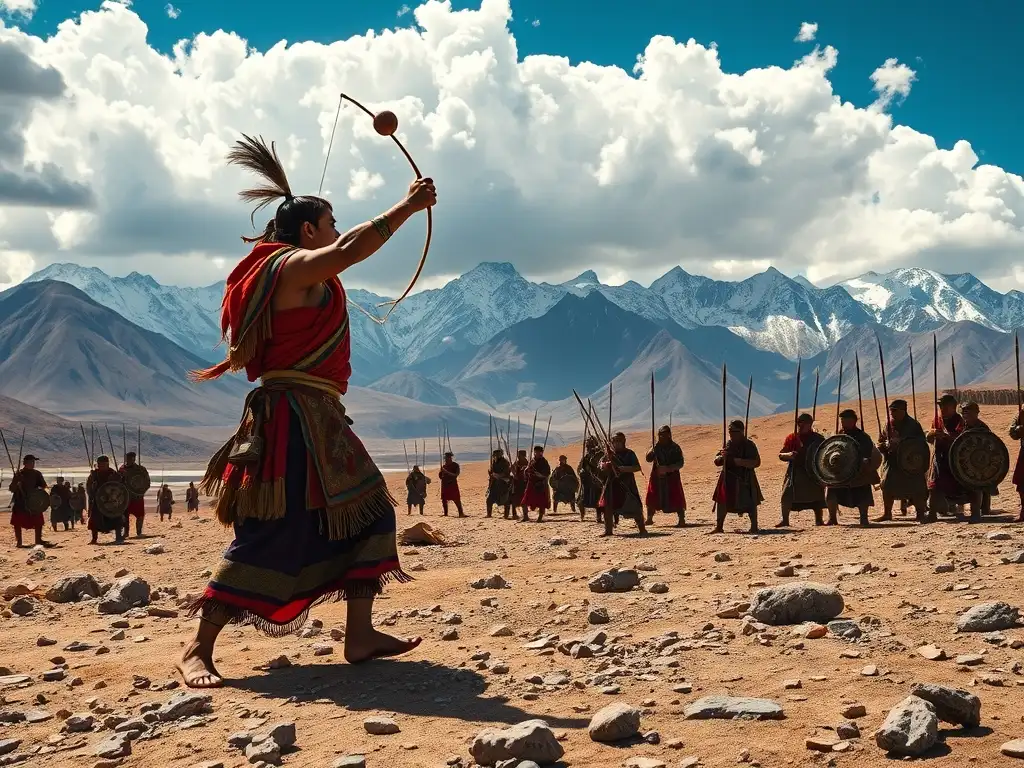
Uncover the secrets of a lost world, where empires rose and fell amidst breathtaking landscapes. Dive into the fascinating world of Andean Civilizations, and prepare to be amazed by their ingenuity and power. Were the seemingly simple sling and spear truly the keys to Andean military dominance? Explore the surprising sophistication of Andean weaponry tactics and discover how these ancient armies conquered and defended their vast territories. Journey with us to unravel the mysteries of Andean warfare and military strategies.
- Andean Weaponry and Tactics: An Overview of Military Strategies
- Key Weapons of Andean Armies
- Andean Military Tactics and Strategies
- Impact of Andean Weaponry and Tactics on Warfare
-
Frequently Asked Questions
- What were the primary weapons used by Andean armies?
- How did Andean civilizations utilize slings in warfare?
- What tactical advantages did spears offer Andean warriors?
- How did the terrain of the Andes influence Andean warfare tactics?
- Did Andean civilizations use any form of fortifications or defensive structures?
- Final Reflection: Echoes of the Andes: Legacy of Andean Warfare
- Unleash Your Inner Warrior: Take Action Today!
Andean Weaponry and Tactics: An Overview of Military Strategies
The Andes Mountains, a formidable natural barrier, shaped not only the geography but also the military strategies and weaponry of the ancient civilizations that thrived within its shadow. From the sophisticated Inca Empire to the earlier cultures of the Moche, Nazca, and Tiahuanaco, the development of Andean weaponry and tactics was a constant adaptation to the challenging terrain and the diverse threats they faced.
This article delves into the fascinating world of Andean warfare, examining the tools, techniques, and strategies employed by these remarkable societies. We will explore the diverse range of weaponry, from the humble sling to the fearsome spear, and analyze the tactical brilliance displayed in their military campaigns, revealing how the unique Andean environment influenced their approach to combat.
This exploration aims to provide a comprehensive understanding of Andean weaponry tactics, highlighting the ingenuity and effectiveness of their military systems. Understanding their military prowess offers a critical lens through which to appreciate the complexities and resilience of these ancient cultures.
Introduction to Andean Military Practices
Andean military practices were far from monolithic. They varied significantly depending on the specific culture, the time period, and the nature of the conflict. While some cultures, like the Inca, maintained large standing armies, others relied on more localized, citizen-soldier models. However, several common threads run through the tapestry of Andean warfare.
The terrain played a crucial role, with mountain passes, narrow valleys, and steep slopes dictating tactical decisions. Ambushes were common, utilizing the natural landscape to their advantage. The Inca, for instance, were masters of utilizing the high-altitude environment, often employing a strategy of exhausting their enemies before engaging in direct combat. This was achieved through extended marches and forced maneuvers in challenging terrain, wearing down the enemy's forces before a decisive battle.
Furthermore, the use of terrain for defensive purposes was paramount, with fortifications such as strategically placed walls and terraces enhancing their defensive capabilities. The development of effective communication systems, often involving a complex network of runners and signal fires, was also essential for coordinating large-scale military operations. The following sections will further explore the specific weaponry and tactics employed by different Andean cultures, providing a richer understanding of their military capabilities. The effectiveness of their military strategies is evidenced by the longevity and significant territorial control achieved by many Andean civilizations.
Key Weapons of Andean Armies
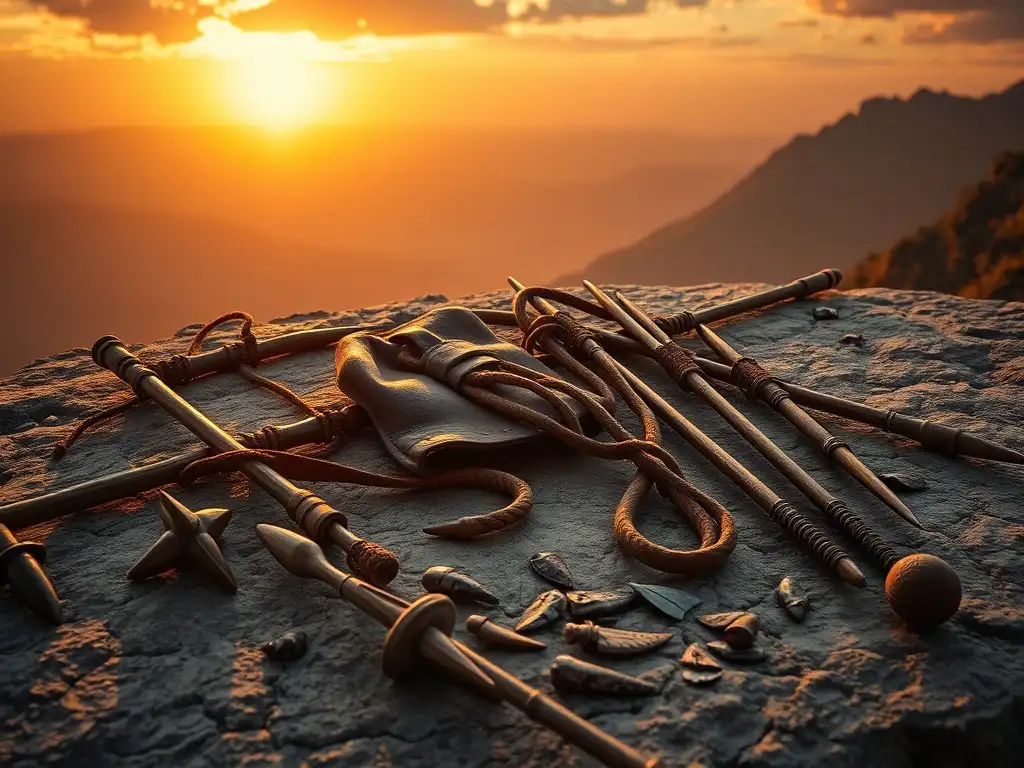
This section delves into the crucial weaponry employed by Andean armies, focusing on two fundamental implements: the sling and the spear. These weapons, while seemingly simple, played vital roles in shaping Andean warfare and military strategies, reflecting both the ingenuity and resourcefulness of Andean civilizations. The effectiveness of these weapons wasn't solely determined by their design, but also by the sophisticated tactics employed by Andean warriors in battle. Understanding the nuances of Andean weaponry and tactics provides crucial insight into the complexities of Andean military power.
The Sling: A Versatile Andean Weapon
The sling, a deceptively simple weapon, was a cornerstone of Andean military might. Its widespread use across various Andean cultures, from the Incas to the Nazca, testifies to its effectiveness and adaptability. Its versatility allowed it to be used effectively in diverse terrains and combat scenarios. The sling’s simplicity belied its deadly potential, proving a significant advantage in both offensive and defensive warfare.
Sling Construction and Materials
Slings were typically constructed from readily available materials, showcasing the practicality of Andean technology. The most common materials included woven fibers from plants like cotton or llama wool, often intricately braided for strength and durability. The pouch, where the projectile was held, was typically made of leather or a similar tough material.
The length and width of the sling varied depending on the user's preference and the size of the projectile. Archaeological evidence suggests some slings were adorned with decorative elements, potentially indicating status or clan affiliation. The projectiles themselves, often stones carefully selected for size, weight, and aerodynamic properties, demonstrate a meticulous approach to weapon preparation.
Slinging Techniques and Accuracy
The skill required to wield a sling effectively was considerable. Years of practice were needed to achieve the accuracy and power necessary in combat. Andean slingers were renowned for their precision, capable of striking targets at considerable distances. Different slinging techniques were likely employed depending on the situation.
A rapid, overhand throw was used for short-range engagements, while a slower, underhand throw was preferred for longer distances, demanding greater control and precision. The trajectory and speed of the projectile could be adjusted by altering the sling's rotation and release technique. The use of heavier projectiles for greater impact, or lighter ones for greater range, showcases a nuanced understanding of projectile physics.
The Sling's Role in Andean Warfare
The sling played a pivotal role in Andean warfare, often used as a ranged weapon to soften enemy formations before close-quarters combat. Slingers frequently formed specialized units within larger armies, providing crucial suppressive fire. Their accuracy and range allowed them to harass and inflict casualties on the enemy from a safe distance, weakening their lines and disrupting their attacks.
The psychological impact of a hail of stones from skilled slingers was considerable, creating fear and disorganization amongst opposing forces. This, combined with its portability and ease of use, made the sling an indispensable weapon in the Andean arsenal, contributing significantly to the success of many Andean armies.
The Spear: A Fundamental Weapon of Andean Warriors
The spear was another indispensable weapon in the Andean warrior's arsenal. Its use spanned centuries and cultures, reflecting its enduring effectiveness in close-quarters combat. The spear's design, however, varied across different Andean cultures, reflecting regional differences in materials and fighting styles.
Spear Design and Variations
Andean spears varied significantly in length, design, and construction materials. Some spears were relatively short and robust, ideal for close-combat engagements, while others were longer and lighter, suited for thrusting attacks from a distance. The spearheads were often crafted from obsidian, copper, or bronze, depending on the availability of resources and technological advancements of the specific culture. Evidence suggests different spearhead shapes were used for various purposes, with some designed for piercing armor and others for inflicting slashing wounds. The shafts were typically made from wood, often strengthened with bindings or reinforcing materials.
Spear Use in Close Combat
In close combat, the spear was a formidable weapon. Its length provided a significant reach advantage, allowing warriors to engage enemies from a safe distance while minimizing their own risk of injury. Andean warriors were skilled in using the spear for both thrusting and slashing attacks. The spear's effectiveness was amplified by the use of shields, which provided protection while allowing for offensive maneuvers. The combination of spear and shield was a hallmark of Andean close-combat tactics. The weight and balance of the spear were carefully considered, ensuring both power and maneuverability.
Spear Tactics in Andean Formations
Andean armies often employed sophisticated formations that maximized the effectiveness of their spears. Phalanx-like formations, with tightly packed ranks of spearmen, were commonly used to create an impenetrable wall of spears, capable of repelling enemy charges. The use of supporting units, such as slingers and archers, to weaken enemy formations before the spearmen engaged in close combat, showcased the tactical sophistication of Andean military strategies.
The coordinated movements and maneuvers of spearmen in these formations required extensive training and discipline, highlighting the high level of military organization within Andean societies. The spear, therefore, wasn't just a weapon; it was a key component in a complex system of Andean warfare, demonstrating the strategic thinking behind their military tactics and formations.
Other Notable Andean Weapons
Beyond the iconic sling and spear, Andean armies utilized a diverse range of weaponry, reflecting the ingenuity and adaptability of their cultures. These weapons, while perhaps less prevalent than the sling or spear, played crucial roles in specific combat scenarios and contributed significantly to the overall military effectiveness of Andean forces. The materials used, the construction techniques, and even the symbolic meaning imbued in certain weapons varied across different Andean cultures and time periods.
This diversity underscores the rich tapestry of military traditions that existed throughout the Andes. Understanding these less prominent weapons provides a more complete picture of Andean warfare, moving beyond the simplified narrative often presented. The effectiveness of these weapons was often dependent on factors such as terrain, the type of enemy encountered, and the specific tactical situation.
The Mace: A Symbol of Power and Combat
The mace, a blunt weapon consisting of a heavy head attached to a handle, held a prominent place in Andean weaponry. While not as widespread as the spear, its use was significant, particularly among elite warriors and leaders. The mace's design varied considerably; some were simple, consisting of a stone head bound to a wooden shaft, while others featured more elaborate designs, with intricately carved heads or metal reinforcements.
The weight and shape of the mace head dictated its effectiveness in combat. Heavier maces were better suited for delivering crushing blows capable of breaking bones and disabling opponents, while lighter maces allowed for greater maneuverability. Archaeological evidence suggests that maces were used in both close-quarters combat and from horseback, where their reach and blunt force could prove devastating.
Beyond its practical application in battle, the mace also served as a symbol of power and authority, often depicted in ceremonial contexts and associated with elite status within Andean societies. The craftsmanship and materials used in creating elite maces further emphasized their significance as status symbols.
The Axe: Variations and Applications in Battle
Axes, in their diverse forms, represented another important element of Andean weaponry. From small hand axes used for close-combat to larger, heavier axes wielded with two hands, these tools served multiple purposes in warfare. The materials used in crafting these axes ranged from obsidian and other volcanic stones to bronze and, in later periods, even metal alloys.
The shape and size of the axehead varied depending on its intended use. Smaller axes were likely used for cutting through shields or inflicting slashing wounds, while larger axes could be used to cleave through armor or deliver powerful blows capable of incapacitating an enemy. The effectiveness of the axe was heavily reliant on the skill and strength of the warrior wielding it.
The use of axes in Andean warfare extended beyond simply combat; they were also valuable tools for felling trees to create fortifications or clearing pathways through dense forests. This versatility highlights the practical importance of the axe in both military and civilian life within Andean societies.
Atlatl and Darts: Projectile Weapons of the Andes
The atlatl, a spear-thrower, significantly increased the range and power of darts, making it a valuable weapon in Andean warfare. While the sling was perhaps more common, the atlatl provided an alternative method for delivering projectiles at a distance. The atlatl itself was a relatively simple device, typically consisting of a wooden shaft with a hook or cradle at the end to hold the dart.
The design and construction of atlatls varied across different Andean cultures, with some featuring elaborate carvings or decorative elements. The darts used with the atlatl were often tipped with obsidian or bone points, designed to inflict serious wounds.
The combination of the atlatl and darts provided a significant advantage in ranged combat, allowing warriors to engage enemies from a safe distance and inflict casualties before closing to melee combat. The effectiveness of this weapon system depended not only on the quality of the equipment but also on the skill and training of the warrior, requiring precision and practice to achieve optimal results.
Andean Shields: Defense and Protection
Andean warriors relied on a variety of shields for protection in battle, reflecting the diverse materials and technological capabilities of different Andean cultures. These shields varied considerably in size, shape, and construction. Some were small, round shields made of woven materials or leather, offering limited protection but allowing for greater maneuverability.
Others were larger, rectangular shields made of wood or covered with animal hides, offering more substantial protection but reducing mobility. The surfaces of some shields were reinforced with layers of material or decorated with symbolic designs, reflecting the cultural significance of warfare and personal identity. The use of shields was integral to Andean military tactics, providing protection from enemy projectiles and melee weapons.
The effectiveness of a shield depended on the materials used in its construction, its size and shape, and the skill of the warrior in using it to deflect blows and protect vulnerable areas. Shields were not just defensive tools; their presence on the battlefield also played a psychological role, boosting the morale of warriors and potentially intimidating their opponents.
Andean Military Tactics and Strategies
Formation and Deployment of Andean Armies
Troop Organization and Hierarchy
Andean armies weren't monolithic forces. Their organization reflected a complex social structure, varying across different cultures. The Inca, for example, utilized a system of conscription, drawing soldiers from across their vast empire. This resulted in a diverse army with varying levels of training and experience.
A clear hierarchy existed, with experienced veterans holding leadership positions, often based on merit and lineage. This system allowed for efficient command and control, even with large armies. The organization often mirrored the administrative structure of the empire, with units reflecting provincial or regional divisions. Specific roles, such as scouts, slingers, spearmen, and elite warriors, were assigned based on skill and training, enhancing the army's effectiveness in diverse combat scenarios.
Evidence suggests that specialized units, such as those equipped with unique weaponry or possessing specific combat skills, played crucial roles within the larger army structure. Detailed records of troop organization, however, remain scarce, leaving some aspects of Andean military structure open to interpretation and further research. Data on the exact size of units, their specific composition, and the frequency of their deployment is still being studied by scholars.
Battle Formations in the Andes
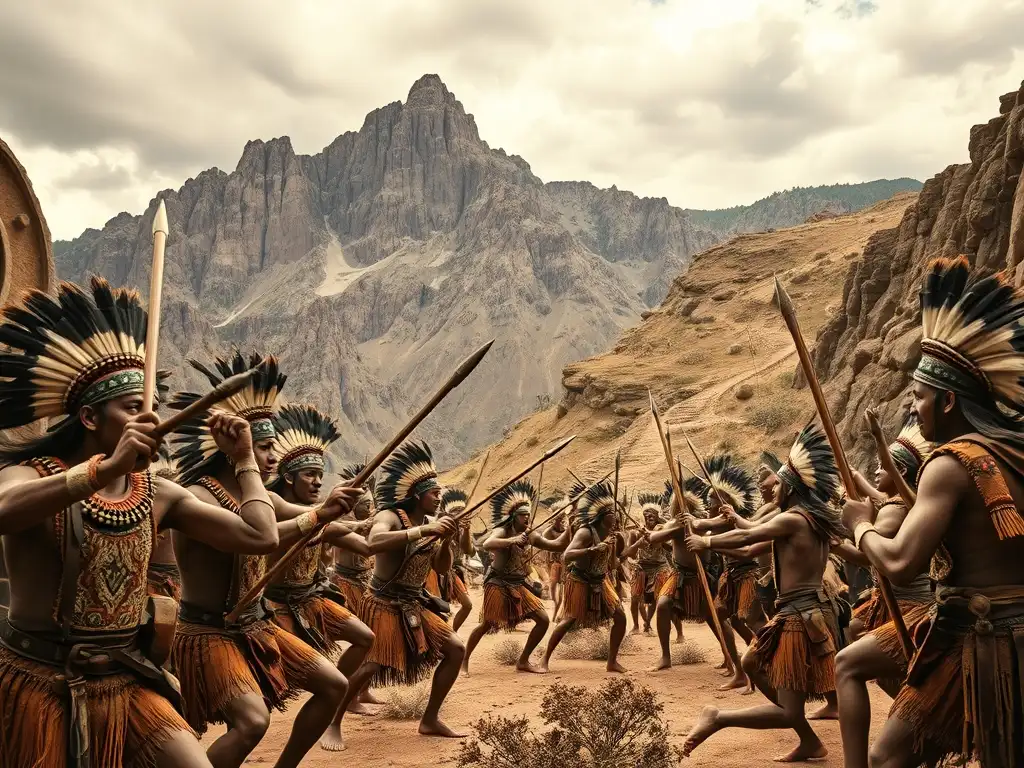
Andean battle formations were adapted to the challenging terrain of the Andes Mountains. While detailed depictions are lacking, archaeological evidence and accounts from Spanish chroniclers suggest flexible formations. The use of terrain was paramount, with armies often deploying in formations that leveraged natural features for defensive purposes.
Smaller, more agile units might harass flanks and disrupt enemy formations, while larger, more heavily armed units held the main line. The use of terrain, such as narrow passes or elevated positions, allowed smaller Andean forces to effectively engage larger adversaries. The sling, a ubiquitous weapon, was often used by specialized units to disrupt the enemy's advance from a distance.
The effectiveness of these formations depended heavily on effective communication and coordination between units, highlighting the importance of experienced leadership and training within the Andean armies. While specific formations and their names remain largely undocumented, the adaptable nature of their tactics is evident in their success in conquering and controlling vast territories.
Utilizing Terrain to Their Advantage
The Andes Mountains presented both challenges and opportunities for Andean armies. The rugged terrain, characterized by steep slopes, narrow passes, and unpredictable weather, dictated military strategies. Andean armies mastered the art of utilizing this challenging environment to their advantage.
Defensive positions were often chosen based on geographical features, such as mountain ridges or river valleys, which would restrict enemy movement and provide natural cover. Ambushes were common tactics, using the terrain to conceal troops and launch surprise attacks. This mastery of mountain warfare was a crucial factor in the success of Andean armies, allowing them to defend their territories and launch effective offensives against their enemies.
The ability to move swiftly and efficiently through difficult terrain provided a significant advantage in both offensive and defensive operations. Specific examples of battles fought and won using this terrain advantage are unfortunately sparse in surviving historical accounts, but the overall significance of this strategic element is undeniable.
Siege Warfare in the Andean World
Fortifications and Defense Strategies
Andean fortifications varied significantly depending on the specific culture and the terrain. The Inca, known for their sophisticated engineering, constructed impressive stone fortresses, such as Sacsayhuamán near Cusco. These structures often incorporated natural features into their design, maximizing defensive capabilities. The use of strategically placed boulders, intricate wall systems, and narrow entrances greatly enhanced the defensive strength of these sites.
Other cultures, such as the Wari and Tiahuanaco, also constructed impressive fortifications adapted to their respective environments. The design and construction of these fortifications demonstrate advanced engineering knowledge and an understanding of effective defensive strategies. Further research is needed to fully understand the variations in defensive strategies employed by different Andean cultures.
Siege Techniques and Tactics
Sieges in the Andean world often involved prolonged periods of attrition. The lack of widespread siege weaponry, such as battering rams or catapults, meant that sieges relied heavily on skillful maneuvering, resource management, and the gradual weakening of the defenders. The use of tunnels and undermining techniques may have been employed to breach fortifications, although evidence for this is limited.
Psychological warfare, such as cutting off supply lines or launching harassing attacks, may have played a significant role in breaking the morale of besieged garrisons. Detailed descriptions of siege tactics employed by specific Andean cultures remain scarce, necessitating further investigation of archaeological evidence and existing historical accounts.
The Role of Logistics in Siege Warfare
The success of any siege depended heavily on logistics. Maintaining supply lines to the besieging army was crucial, especially in the challenging Andean environment. The transport of food, water, and other essential supplies over long distances and difficult terrain presented significant logistical challenges. The organization and efficiency of the supply system directly impacted the duration and outcome of a siege.
Evidence suggests that Andean armies employed sophisticated systems for managing resources, but the specifics of these systems are poorly documented. Further research is required to understand the logistical strategies and techniques employed during Andean sieges. [Specific examples of logistical challenges and their solutions pending].
Offensive Strategies Employed by Andean Armies
Andean armies, renowned for their adaptability and strategic prowess, employed a diverse range of offensive strategies tailored to the specific terrain and enemy encountered. Their tactics weren't solely reliant on brute force; instead, they cleverly integrated psychological warfare, meticulous planning, and a deep understanding of their environment. The effectiveness of their strategies stemmed from a combination of factors, including disciplined troop movements, efficient logistical support, and the skillful use of their weaponry.
Success often hinged on exploiting weaknesses in the enemy's formation or leveraging the advantages offered by the landscape. For example, the Incas famously used their knowledge of mountain passes to ambush unsuspecting adversaries, while coastal civilizations like the Moche utilized their naval capabilities for surprise raids and amphibious landings. The integration of different military units, each with specialized roles, further enhanced their offensive capabilities.
Pre-Battle Rituals and Preparations
Before engaging in battle, Andean armies often partook in elaborate rituals and preparations designed to boost morale, invoke divine favor, and instill fear in their opponents. These ceremonies varied across different cultures but consistently involved offerings to deities, prayers for victory, and symbolic displays of strength. For instance, Incan warriors would perform sacred dances and chants, while Moche soldiers might have engaged in rituals involving human sacrifice to appease their gods.
These practices weren't merely superstitious; they served a crucial psychological function, unifying the army and preparing them mentally and spiritually for the impending conflict. The meticulous planning involved in these preparations extended beyond the spiritual realm; logistics, troop deployment, and reconnaissance were carefully considered to maximize the chances of success.
Detailed scouting reports on enemy positions and strengths would inform the overall battle strategy. Furthermore, the provisioning of food, water, and weapons for the army was crucial for sustaining prolonged campaigns.
Flanking Maneuvers and Encirclement Tactics
Andean armies were masters of maneuver warfare, skillfully employing flanking maneuvers and encirclement tactics to overwhelm their opponents. Their understanding of terrain allowed them to exploit natural features like hills and valleys, using them to mask troop movements and launch surprise attacks from unexpected directions. The Inca's proficiency in this area is particularly well-documented.
They would often utilize smaller, highly mobile units to harass the enemy's flanks, weakening their defenses and creating openings for a main assault. This approach, combined with their superior logistical capabilities, allowed them to sustain prolonged campaigns and wear down their adversaries. The use of encirclement tactics, effectively trapping and isolating enemy forces, was another key element of their offensive strategy.
This tactic required excellent coordination and communication between different units, demonstrating a high level of military organization and discipline. Success in such maneuvers depended on swift and decisive action, preventing the enemy from escaping or regrouping.
The Importance of Surprise Attacks
The element of surprise played a crucial role in Andean warfare. Many battles were won not through sheer force but through cleverly planned ambushes and unexpected attacks. The mountainous terrain of the Andes provided ample opportunities for concealing troop movements and launching devastating surprise assaults.
Andean armies were adept at utilizing the natural cover offered by forests, ravines, and mountain passes to ambush their enemies. The Inca, for example, were known to use their intimate knowledge of the local geography to their advantage, setting traps and utilizing hidden pathways to launch unexpected attacks. These surprise attacks were often designed to break the enemy’s morale and disrupt their formations before the main battle commenced, creating an advantage that often led to decisive victories.
The effectiveness of these tactics highlights the Andean armies' strategic thinking and their understanding of the psychological impact of warfare. The element of surprise wasn't limited to ambushes; it could also involve unexpected changes in tactics or the sudden deployment of reserve forces at a critical moment.
Impact of Andean Weaponry and Tactics on Warfare
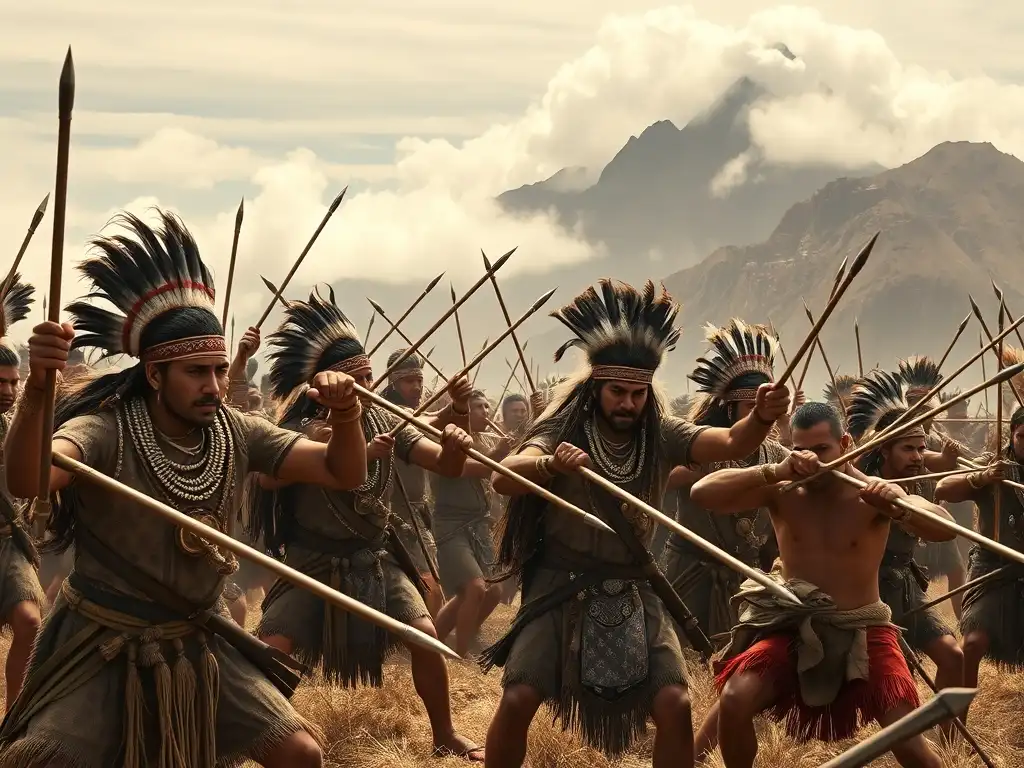
Andean weaponry and tactics played a crucial role in shaping the course of warfare in the Andes Mountains. The unique geography, coupled with innovative technological advancements and strategic military thinking, created a formidable fighting force capable of conquering vast territories and maintaining control for centuries. Understanding the impact of their military prowess requires examining several key aspects of their arsenal and strategies.
The effectiveness of their weaponry, compared to other contemporary civilizations, and the psychological impact of their military might all contributed significantly to their successes and influence. Analyzing these factors helps us appreciate the sophisticated military capabilities of the Andean civilizations.
The Effectiveness of Andean Military Technology
The effectiveness of Andean military technology stemmed from a combination of factors: adaptation to the challenging terrain, innovative design, and mass production. The bolas, for example, were remarkably effective in disabling enemy cavalry or infantry at a distance. Their weighted cords, when thrown skillfully, entangled legs and arms, incapacitating opponents. Similarly, the macanas, large clubs made from wood or stone, were devastating in close combat, capable of delivering powerful blows.
The effective use of these weapons, combined with superior knowledge of the terrain, provided a distinct advantage in battle. Furthermore, the organization and training of Andean armies, often involving large numbers of soldiers, was crucial to their success. This organization allowed for effective deployment and coordinated attacks, maximizing the impact of their weaponry.
Comparing Andean Weaponry with Other Civilizations
Compared to other contemporaneous civilizations, Andean weaponry demonstrates a unique adaptation to the mountainous environment. Unlike the cavalry-centric warfare of Eurasian empires, Andean armies relied on infantry tactics and weapons designed for close-quarters combat in rugged terrain. While other civilizations might have possessed superior siege weaponry or ranged projectiles, the Andean focus on mobility, adaptability, and guerilla warfare techniques proved highly effective within their specific geographical context.
For instance, the effectiveness of the atlatl, a spear-thrower that increased the range and force of projectiles, was matched by few other cultures in the Americas. This technology allowed Andean warriors to engage enemies from a safe distance in the mountainous terrain. The lack of widespread metalworking compared to the Old World did not diminish their effectiveness; their ingenuity in crafting weapons from readily available materials, such as wood, stone, and obsidian, underscores their adaptability and resourcefulness.
The Evolution of Andean Weaponry Over Time
The evolution of Andean weaponry reflects a continuous adaptation to changing warfare strategies and technological advancements. Early Andean cultures relied heavily on stone and wood weapons. Over time, the introduction of metallurgy, particularly bronze and later copper alloys, led to the development of more sophisticated weapons, including improved spear points and axes.
This technological leap significantly enhanced the effectiveness of their weaponry, allowing for greater penetration and damage in combat. However, even with the introduction of metals, many traditional weapons like the macanas and bolas remained staples of their armies, indicating a careful balance between innovation and proven effectiveness. The continuous refinement and adaptation of their weaponry over centuries highlight the dynamic nature of Andean military technology and its responsiveness to evolving warfare needs.
The Psychological Impact of Andean Weaponry
Beyond their practical effectiveness, Andean weaponry also served a crucial psychological function. The fearsome appearance of certain weapons, combined with the reputation of Andean warriors for fierce combat, often demoralized opponents before battle even commenced. The sheer numbers of warriors in a well-organized Andean army, coupled with the unexpected nature of their tactics, often proved psychologically devastating.
The effectiveness of the bolas, for instance, wasn't just limited to its physical impact; the surprise and incapacitation it caused could break the morale of an enemy army. This psychological warfare, combined with their tactical prowess, contributed significantly to their victories. The terrifying reputation of Andean warriors, often fueled by their distinctive weaponry and aggressive fighting style, was a significant factor in their military success.
Andean Military Legacy
The legacy of Andean military practices extends far beyond their own era. Their innovative strategies and effective weaponry left an indelible mark on the history of warfare in the Americas, influencing subsequent military practices and shaping the political landscape of the region.
Influence on Later Military Practices
Andean military tactics and strategies, particularly their mastery of guerilla warfare and adaptation to mountainous terrain, profoundly influenced later military practices in the Andes region. The Inca Empire, for instance, benefited from the established military traditions of earlier Andean cultures, refining and expanding upon existing strategies. Their extensive road network, meticulously planned logistics, and effective communication systems were crucial to their military campaigns and their ability to control a vast empire.
These systems allowed for rapid troop deployment and efficient supply lines, demonstrating a sophisticated understanding of military logistics and organization. The strategies and tactics developed by the Andean civilizations continued to influence warfare in the region long after the fall of the Inca Empire.
The Role of Andean Warfare in Shaping History
Andean warfare played a pivotal role in shaping the history of the Andes region. The rise and fall of empires, the expansion and contraction of territories, and the cultural exchange between different groups were all profoundly influenced by military conflicts. The constant struggle for power and resources led to technological innovations, the development of sophisticated military strategies, and the consolidation of political entities.
The battles fought, the territories conquered, and the alliances forged all contributed to the complex tapestry of Andean history, shaping the region's social, political, and cultural landscape. Understanding the role of warfare provides crucial insight into the dynamics of Andean societies and their evolution.
The Battle of Yahuar Pampa: A Case Study of Andean Tactics
The Battle of Yahuar Pampa (circa 1438) serves as a compelling case study illustrating the effectiveness of Andean tactics. This conflict, fought between the Inca and the Chanca, demonstrated the Inca's mastery of combined arms tactics. Their use of infantry, slingers, and possibly even rudimentary cavalry, combined with their superior organization and logistics, resulted in a decisive victory.
The battle highlights the Inca's ability to adapt and refine existing Andean military traditions, integrating them into a highly effective fighting force. The strategic use of terrain, the deployment of troops, and the coordination of different weapon systems all contributed to the Inca's success, showcasing the sophisticated military prowess of the Andean civilizations. Further research into the details of this battle, including troop numbers and specific weapon usage, could provide even greater insight into Andean military tactics.
Frequently Asked Questions
What were the primary weapons used by Andean armies?
Andean armies relied heavily on slings and spears, supplemented by clubs, maces, and bows and arrows. The effectiveness of these weapons varied depending on the specific civilization and terrain.
How did Andean civilizations utilize slings in warfare?
Slings were incredibly effective ranged weapons, providing a significant advantage in open battles. Highly skilled slingers could achieve remarkable accuracy and range, causing significant casualties.
What tactical advantages did spears offer Andean warriors?
Spears were versatile weapons, useful for both close-quarters combat and thrusting attacks from a distance. Their length provided a reach advantage, particularly effective in formations.
How did the terrain of the Andes influence Andean warfare tactics?
The mountainous and varied terrain of the Andes significantly impacted tactics. Ambushes, utilizing the natural landscape for cover and defense, were common strategies.
Did Andean civilizations use any form of fortifications or defensive structures?
Yes, Andean civilizations constructed fortifications and defensive structures, including walls, towers, and strategically positioned settlements. These structures played a crucial role in defending against attacks.
Final Reflection: Echoes of the Andes: Legacy of Andean Warfare
The sophisticated weaponry and tactical brilliance of Andean armies remain surprisingly relevant today. Their innovative strategies, born from necessity and ingenuity in a challenging landscape, offer valuable lessons in resourcefulness, adaptability, and the enduring power of collective action. Understanding their methods provides a fascinating glimpse into a civilization often overlooked in discussions of ancient military prowess.
The impact of Andean warfare extends far beyond the battlefield, shaping the cultural and social landscape of the region for centuries. The legacy of these armies is woven into the very fabric of Andean identity, influencing everything from artistic expression to societal structures. Their mastery of terrain and their ability to coordinate large-scale operations highlight the importance of strategic thinking and community cohesion. The mountains themselves were their allies, and their strategies were as intricate as the Andean tapestry.
This quote, while fictional, encapsulates the deep connection between the land, the people, and their military prowess.
Consider the ingenuity of their weaponry, the effectiveness of their formations, and the resilience of their spirit. You, too, can harness these qualities in your own life. Embrace the challenges you face with the same resourcefulness and adaptability that defined these ancient warriors. Learn from their successes and failures, and let their legacy inspire you to overcome obstacles and achieve your own goals, however seemingly insurmountable they may appear. The echoes of the Andes call to us, urging us to strive for excellence and to find strength in unity.
Unleash Your Inner Warrior: Take Action Today!
Thank you for exploring the fascinating world of Andean armies! You've gained valuable insights into their weaponry, tactics, and rich history. Now, let's put that knowledge to work!
Here's how you can delve deeper and connect with this incredible legacy:
- Engage in hands-on learning: Recreate Andean warfare techniques with friends or a local historical reenactment group. This is a great way to experience their methods firsthand.
- Join the discussion: Share your insights on Andean warfare in our community forum at Andean Civilizations. Your perspective will enrich the conversation and help others understand this captivating topic.
- Expand your knowledge: Learn more about the strategic brilliance of these ancient armies. Consider how their innovative approaches might inspire modern strategic thinking across various fields.
What aspect of Andean warfare most captivates you, and how does it influence your understanding of history or modern strategy?