
The Symbolic Weight of Andean War Paint: Ritual and Combat

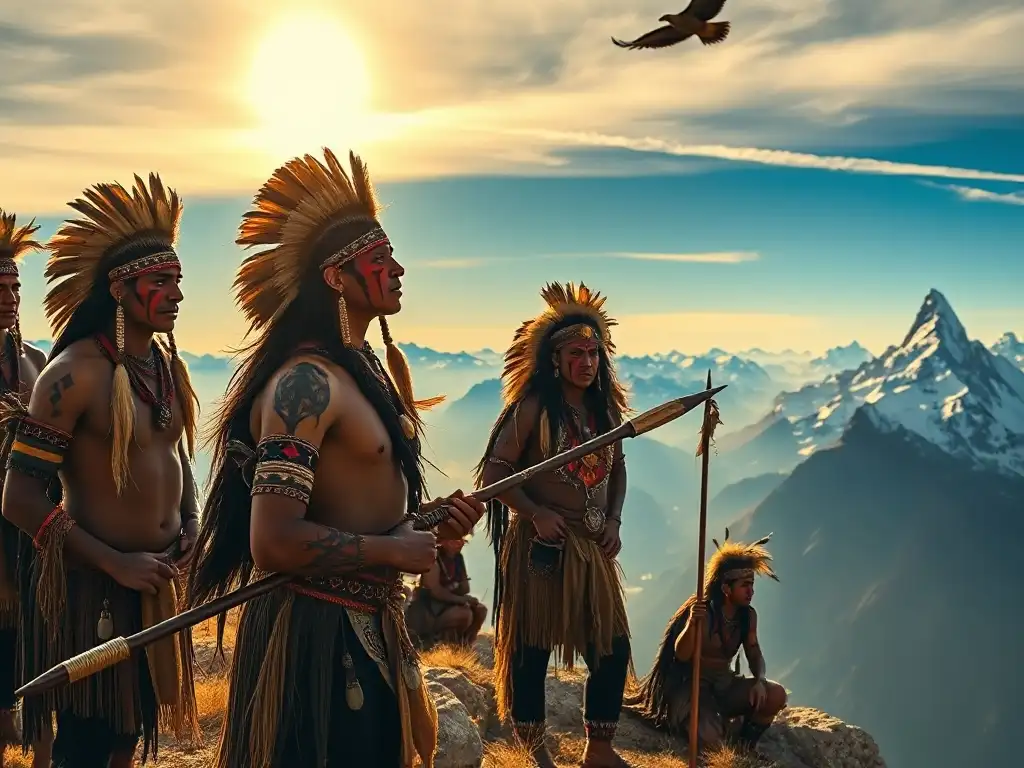
Uncover the secrets whispered on the wind across the Andes! For centuries, the vibrant hues of Andean war paint have captivated and confounded scholars. Were they merely decoration, or did these striking designs hold a deeper, more potent meaning? Journey with us into the heart of ancient Andean warfare and discover the surprising symbolism hidden within these ritualistic markings. Prepare to be amazed by the intricate stories etched onto the faces of warriors – stories waiting to be revealed.
-
Andean War Paint Symbolism: Ritual and Combat in Ancient Andes
- The Significance of Body Painting in Andean Cultures
- Ritualistic Origins of Andean War Paint
- Andean War Paint: More Than Just Decoration
- The Role of Color in Andean War Paint
- Specific Colors and Their Meanings in Andean Warfare
- Patterns and Designs in Andean War Paint
- Animal Motifs in Andean Body Art for War
- Geometric Patterns and Their Significance in Andean Warfare
- Regional Variations in Andean War Paint Practices
- Andean War Paint: Beyond the Battlefield
- The Connection Between War Paint and Andean Spirituality
- War Paint as a Symbol of Status and Power in Andean Societies
- Archaeological Evidence of Andean War Paint
- Andean War Paint: A Legacy of Ancient Art and Warfare
- Frequently Asked Questions
- Final Reflection: Echoes of the Andes: War Paint, Ritual, and Legacy
- **Unleash the Spirit of Andean Heritage! **
Andean War Paint Symbolism: Ritual and Combat in Ancient Andes
The vibrant tapestry of Andean civilizations is richly woven with threads of intricate symbolism, and nowhere is this more evident than in the practice of war paint. This article delves into the profound symbolic weight of Andean war paint, exploring its multifaceted role in both ritualistic ceremonies and the brutal realities of ancient Andean warfare.
Far from being mere camouflage, these painted designs served as powerful statements of identity, social status, and spiritual connection, offering insights into the complex belief systems and societal structures of cultures like the Incas, Moche, Nazca, and Tiahuanaco. We will examine the diverse pigments used, the intricate patterns employed, and the contextual clues that reveal the deeper meaning behind these striking displays of body art.
Understanding the symbolism of Andean war paint provides a crucial lens through which we can better appreciate the sophisticated worldview and military strategies of these remarkable civilizations. The exploration will unveil how these painted visages transcended the battlefield, becoming potent symbols interwoven into the fabric of daily life and religious practice.
The Significance of Body Painting in Andean Cultures
Body painting held immense significance across various Andean cultures, extending far beyond mere aesthetic expression. It served as a potent communication tool, conveying messages of social standing, clan affiliation, and spiritual identity. The choice of colors, patterns, and application techniques varied significantly depending on the specific culture and the context of the painting. For instance, red pigments, often derived from minerals like cinnabar, were frequently associated with blood, power, and the sun god, Inti.
Black, obtained from charcoal or other natural sources, could symbolize the underworld or night. White, often from clay, might represent purity or the celestial realm. These colors, combined in complex designs, created a visual language understood by members of the respective communities. Archaeological evidence, including preserved textiles, pottery, and even mummified remains, provides invaluable glimpses into these artistic traditions and their underlying symbolism.
Detailed analysis of these artifacts allows researchers to decipher the nuances of the painted designs and to contextualize them within the broader socio-religious framework of each civilization. Careful study reveals that even seemingly minor variations in design could hold significant meaning, reflecting subtle differences in social status or ritualistic purpose. The meticulous application of these paints, often involving elaborate preparations and ceremonies, further underscores their deep cultural and spiritual importance. The act of painting itself was a ritual, a process of transformation that connected the individual to the spiritual world and to their community.
Ritualistic Origins of Andean War Paint
While Andean war paint undoubtedly played a crucial role in battle, its origins are firmly rooted in ritualistic practices. Many scholars believe that the use of war paint in combat evolved from pre-existing ceremonial body painting traditions. These rituals, often performed before hunts, agricultural ceremonies, or religious festivals, served to connect participants to the supernatural realm and to imbue them with strength, protection, and the favor of the gods. The transition from ritualistic body painting to its use in warfare likely represented a symbolic extension of these established practices.
By adorning themselves with war paint before battle, warriors sought to invoke the same spiritual power and protection they experienced in ceremonial contexts. The elaborate designs, often incorporating animal motifs or stylized representations of deities, served as powerful visual reminders of their spiritual connection and their commitment to their community. Furthermore, the act of applying the paint itself could have functioned as a form of ritualistic preparation, helping warriors enter a state of heightened awareness and readiness for combat.
The intensity of the colors and the meticulous detail of the designs likely contributed to the psychological impact of the warriors' appearance, intimidating opponents and boosting morale among their own ranks. The strategic use of war paint in this manner demonstrates a sophisticated understanding of both the spiritual and psychological dimensions of warfare. The blending of ritual and combat highlights the deeply intertwined nature of spirituality and military life in ancient Andean societies.
Andean War Paint: More Than Just Decoration
Andean war paint wasn't merely a cosmetic choice; it held profound symbolic meaning deeply intertwined with the spiritual and social fabric of ancient Andean societies. The meticulous application of pigments, often involving elaborate rituals and preparations, transformed warriors into something more than human – embodying the power and ferocity of their deities and ancestors.
The vibrant hues and intricate designs weren't arbitrary; they conveyed messages of power, allegiance, and even communicated specific battle strategies. Archaeological evidence, such as mummies adorned with painted faces and bodies, and depictions in pottery and textiles, supports this interpretation.
Furthermore, chroniclers' accounts from the Spanish conquest period, while often biased, provide glimpses into the significance of these practices, although careful consideration of their perspective is crucial for accurate interpretation. The application of war paint was a ritualistic act, preparing both the individual warrior and the community for battle, forging a powerful connection between the physical and spiritual realms.
The Role of Color in Andean War Paint
Color played a pivotal role in Andean war paint symbolism, with each hue carrying specific connotations related to the natural world, deities, and social status. The selection of colors wasn't random; it was carefully considered and depended on the specific context – whether it was for ritualistic ceremonies preceding battle or applied directly on the battlefield. The intensity of the color, as well as the patterns and designs used, further added layers of meaning, enhancing the overall symbolic message.
Understanding the role of color requires examining the available archaeological evidence, analyzing the pigments used, and considering the cultural beliefs and practices of different Andean groups. This nuanced approach allows for a deeper understanding of the complex relationship between color, symbolism, and warfare in the ancient Andes. For instance, the use of specific pigments might have indicated a warrior's clan affiliation or their level of experience in combat.
Specific Colors and Their Meanings in Andean Warfare
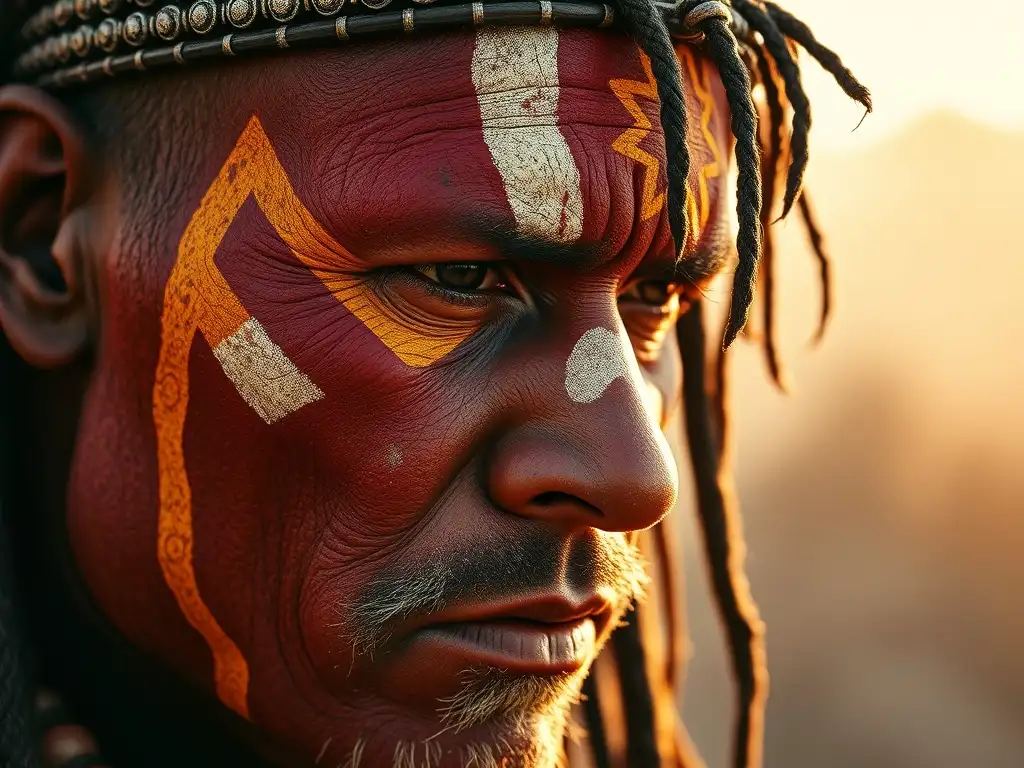
The symbolic meanings associated with specific colors in Andean war paint varied across different cultures and time periods. However, certain patterns emerge from the available evidence. A comprehensive analysis requires further research into specific Andean cultures, as interpretations may differ based on regional variations and cultural practices.
Nevertheless, some general trends can be identified, allowing for a preliminary understanding of the color symbolism in Andean warfare. The use of certain colors might have been reserved for elite warriors, signifying their high social standing and military prowess. Other colors may have been associated with specific deities or natural forces, invoking their power and protection during battle.
Red Pigment in Andean Military Rituals
Red pigment, often derived from cinnabar or ochre, frequently appeared in Andean war paint, signifying blood, sacrifice, and the power of the sun god, Inti. Its association with blood likely enhanced its importance in military contexts, representing both the potential for bloodshed and the warrior's willingness to shed blood in battle. The intensity of the red could also indicate the warrior's level of ferocity or the importance of the battle.
In some cases, the application of red paint might have been part of a ritualistic ceremony designed to invoke the protection of Inti or other powerful deities. Archaeological finds featuring red-painted artifacts from military contexts strongly support this interpretation. Further research into specific regional variations would illuminate the nuances of red pigment usage in different Andean cultures.
Black Paint and its Symbolism in Andean Combat
Black paint, often derived from charcoal or other organic materials, held a different symbolic weight in Andean warfare. While red often represented the sun and life-giving energy, black symbolized the underworld, night, and the power of unseen forces. Its use in war paint might have served as a way to intimidate enemies, suggesting a connection to the supernatural realm and hinting at the warrior's ability to harness dark powers.
In some cases, black paint might have been used to represent death or sacrifice, underlining the warrior's willingness to confront death in battle. More research is necessary to fully understand the diverse interpretations of black paint across different Andean groups.
White Clay and its Use in Andean Ceremonies
White clay, often kaolin, held a significant role in Andean rituals, and its use in war paint suggests a connection to purity, sacrifice, and the spiritual world. Unlike the more aggressive connotations of red and black, white may have represented a connection to ancestors or deities, providing spiritual protection and strength to the warrior. The application of white clay might have been part of a purification ritual before battle, cleansing the warrior of negative energies and preparing them for the spiritual and physical challenges ahead.
The contrast between white and other colors in war paint likely created a complex interplay of symbolism, emphasizing the warrior's connection to both the earthly and spiritual realms. Further research is needed to fully explore the diverse applications and interpretations of white clay in different Andean cultures.
Patterns and Designs in Andean War Paint
The vibrant and intricate patterns adorning the bodies of Andean warriors were far more than mere decoration; they served as powerful symbols of identity, status, and spiritual power. Analysis of surviving pottery, textiles, and even mummified remains reveals a complex system of visual communication through war paint. These designs weren't randomly applied; they followed specific conventions, varying across different cultures and even within individual groups based on factors like clan affiliation, military rank, or participation in specific rituals.
For example, the Wari culture, known for its expansive empire, likely utilized distinct war paint designs to identify different regiments or units within their army, facilitating coordination and recognition on the battlefield. The complexity of these patterns, often incorporating multiple colors and geometric shapes, suggests a high level of artistic skill and social organization within these societies.
Further research into specific archaeological sites could reveal more precise details about regional variations in war paint designs and their associated meanings. The use of pigments, sourced from natural minerals and plants, also played a crucial role, contributing to the symbolic power of the war paint through the association of specific colors with particular deities or spiritual forces.
Animal Motifs in Andean Body Art for War
Animal imagery frequently appeared in Andean war paint, reflecting the profound connection between these cultures and the natural world. The choice of animal motif wasn't arbitrary; specific animals held significant symbolic weight, representing qualities desired by warriors. For instance, the jaguar, a powerful predator, symbolized strength, ferocity, and cunning—qualities highly valued on the battlefield.
Depictions of jaguars on warrior bodies could signify their courage, prowess, and ability to overcome adversaries. Similarly, condors, majestic birds of prey, represented high status and spiritual connection, suggesting a warrior's closeness to the supernatural realm. Other animals, such as snakes, pumas, and even smaller creatures like hummingbirds, also held symbolic meanings, often linked to specific geographical locations, clan identities, or ancestral lineages.
The precise meaning of each animal motif varied across different Andean cultures and time periods, requiring careful contextual analysis to fully understand their significance in the context of warfare. Archaeological evidence, such as painted ceramics and textiles featuring animal designs alongside depictions of battles, strengthens the link between animal motifs and military contexts.
Geometric Patterns and Their Significance in Andean Warfare
Beyond animal representations, geometric patterns formed a substantial part of Andean war paint. These patterns, often intricate and meticulously executed, were not simply aesthetic choices; they encoded complex social and religious meanings. Squares, triangles, and other geometric shapes were associated with specific deities, cosmological concepts, or social structures.
For example, certain patterns might represent the Andean worldview of layered cosmology, with different shapes symbolizing the connection between the earthly and spiritual realms. The use of specific colors within these geometric patterns further enhanced their symbolic meaning. Red, for instance, might have represented blood, sacrifice, or power, while other colors like yellow or blue could have been associated with the sun, water, or other essential elements.
The precise interpretation of these geometric patterns depends heavily on the specific context and cultural background, with considerable variation between different Andean groups. Unfortunately, much remains unknown about the exact meanings of many geometric designs due to limitations in the archaeological record and challenges in interpreting these complex visual languages. Further interdisciplinary research, combining archaeological findings with anthropological and ethnohistorical studies, is needed to fully decipher the symbolic language of Andean geometric war paint.
Regional Variations in Andean War Paint Practices
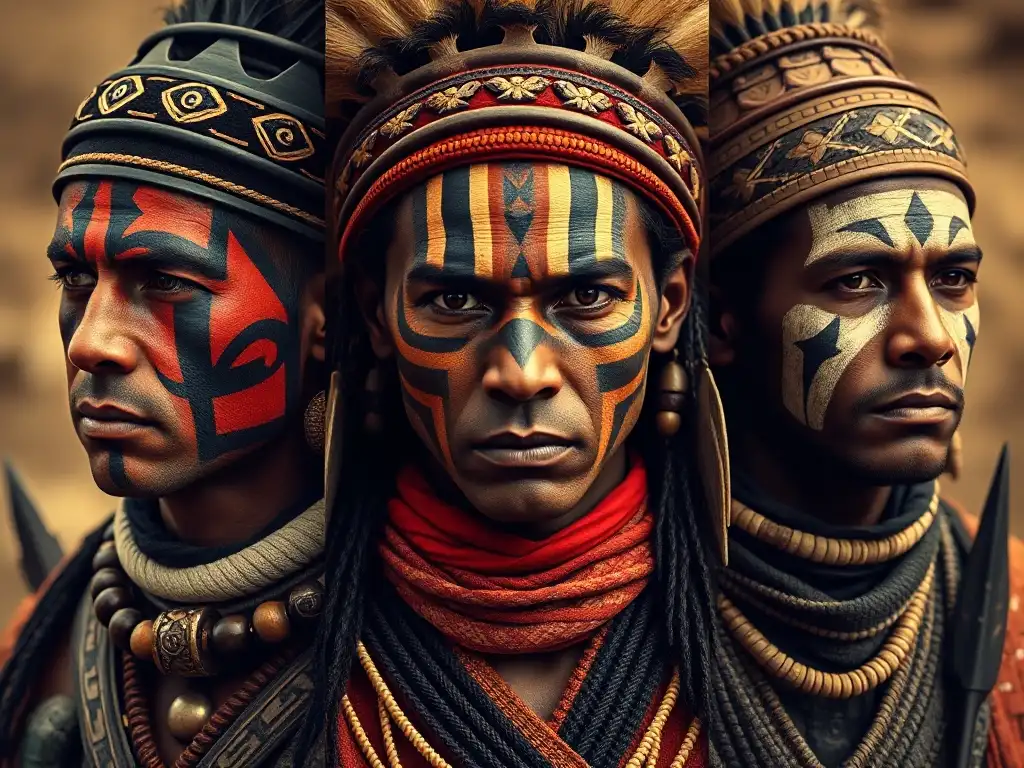
The Andean region, encompassing a vast and diverse geographical area, saw a rich tapestry of cultural practices, and war paint application was no exception. While the general purpose of war paint—to intimidate enemies, enhance group identity, and potentially offer spiritual protection—remained consistent, the specific techniques, colors, and symbolic meanings varied considerably between different Andean cultures. These variations reflect the unique beliefs, social structures, and environmental contexts of each civilization.
Studying these regional differences offers invaluable insights into the complexities of Andean warfare and ritualistic practices. The use of specific pigments, sourced locally, also provides clues about trade routes and resource management within these ancient societies. For example, the availability of certain minerals in one region might have influenced the dominant colors used in war paint compared to another region.
This geographical influence on artistic expression is a key aspect of understanding the nuances of Andean war paint symbolism. The following sections delve into the specific practices of some of the most prominent Andean civilizations.
War Paint Practices of the Moche Civilization
The Moche civilization (100-800 CE), renowned for its sophisticated metalwork and elaborate pottery, also displayed a vibrant and complex system of body painting. Moche war paint, as depicted in their iconic pottery, often featured bold geometric patterns and vibrant colors, likely derived from natural pigments like ochre, charcoal, and minerals. These designs were not randomly applied; they likely held specific meanings related to clan affiliation, social status, or even the specific deity or spirit the warrior was invoking for protection in battle.
The use of red, for example, might symbolize blood, courage, or connection to the earth, while black could represent the underworld or a connection to ancestral spirits. Detailed studies of Moche iconography are crucial for deciphering the full meaning of these intricate designs.
The intensity and complexity of the designs may also have indicated the warrior's experience and rank within the Moche military structure. Further research into Moche burial sites could potentially reveal additional information about the application and significance of war paint in their culture.
Inca War Paint Traditions and Their Meanings
Inca war paint, while less extensively documented than that of the Moche, played a significant role in their military and religious practices. While the Incas prioritized sophisticated weaponry and military organization, body paint served as a crucial element of their symbolic arsenal. Evidence suggests that Inca warriors used a range of colors, often incorporating red and black pigments.
Red, associated with blood and strength, likely signified courage and ferocity in battle. Black, on the other hand, might have represented the underworld or a connection to powerful ancestral spirits. Unlike the intricate geometric patterns of the Moche, Inca war paint may have been simpler, perhaps focusing on bold strokes or stripes across the face and body.
The meanings behind these designs are still largely under investigation, but it is believed that they were heavily tied to the Inca religion and their complex system of deities and beliefs. Further archaeological investigation and detailed analysis of surviving textiles and artifacts are needed to fully understand the symbolism of Inca war paint. The limited remaining evidence suggests a more functional and less elaborate use than in other Andean cultures.
Nazca Body Painting for Ritual and Combat
The Nazca culture (100 BCE – 800 CE), famous for its enigmatic geoglyphs, also utilized body painting in both ritual and warfare contexts. While their body painting practices are less well-documented than those of the Moche or Incas, evidence suggests that they employed a range of colors, likely extracted from local plants and minerals. These colors, applied in intricate designs, likely conveyed specific messages about social status, clan affiliation, and spiritual beliefs.
Unlike the primarily militaristic focus of Moche and Inca war paint, Nazca body painting appears to have played a more significant role in religious ceremonies and shamanistic practices. This suggests that the symbolism was deeply interwoven with their spiritual world, with designs possibly representing deities, spirits, or important mythological figures.
Further research into Nazca burial sites and iconography could significantly advance our understanding of the symbolic meanings embedded in their body art. The interplay between ritual and combat in Nazca body painting requires further investigation to fully understand its complex role in their society.
The Use of Body Art in Tiahuanaco Military Practices
The Tiahuanaco culture (circa 300-1000 CE), a powerful Andean civilization, is known for its impressive monumental architecture and sophisticated social organization. While direct evidence of Tiahuanaco war paint is limited, it's highly probable that body painting played a role in their military practices, mirroring the traditions of other Andean cultures. The Tiahuanaco's extensive empire and military prowess suggest a strong likelihood of using body paint to unify soldiers, instill fear in enemies, and reinforce group identity.
The use of specific pigments and patterns would have likely reflected the complex social hierarchy and religious beliefs of the Tiahuanaco. The limited archaeological evidence available necessitates further investigation into Tiahuanaco burial sites and iconography to confirm the specifics of their war paint practices and decipher their symbolic meanings.
The scale of their empire suggests a potentially sophisticated and widespread system of symbolic body painting. Further research into this aspect of Tiahuanaco culture promises to unveil significant insights into their military organization and worldview.
Andean War Paint: Beyond the Battlefield
While the primary association of Andean war paint is with warfare and intimidation, its significance extended far beyond the battlefield. Body painting played a crucial role in various aspects of Andean life, including religious ceremonies, coming-of-age rituals, and even everyday social interactions. The colors and designs were not merely decorative; they conveyed complex messages about social status, clan affiliation, and spiritual beliefs.
In many Andean cultures, body painting served as a powerful medium for expressing identity and connecting with the spiritual world. The use of specific pigments and designs may have even had medicinal properties, reflecting the close relationship between Andean cultures and their environment. Understanding the broader context of Andean body painting provides a more complete picture of their rich cultural practices and beliefs, extending beyond the purely military applications.
This holistic perspective allows for a deeper understanding of the multifaceted role of Andean war paint symbolism in their society. The interconnectedness of ritual, social status, and spiritual beliefs highlights the profound symbolic weight of Andean war paint.
The Connection Between War Paint and Andean Spirituality
Andean spirituality was deeply intertwined with the natural world, and this connection is clearly reflected in the use of war paint. The pigments used, often sourced from minerals and plants found in the Andes mountains, held significant symbolic meaning. For instance, red ochre, a common component of war paint across various Andean cultures, was associated with blood, fertility, and the sun god Inti.
Its application before battle wasn't merely cosmetic; it was a ritualistic act, connecting the warrior to these powerful forces. The careful preparation and application of the paint, often performed by shamans or other religious figures, further emphasized its spiritual significance. This ritualistic aspect served to imbue the warrior with supernatural protection and strength, bolstering their confidence and potentially intimidating their opponents.
The intricate designs themselves, often featuring geometric patterns or representations of animals and deities, served as visual representations of the warrior's connection to the spiritual realm and their ancestors. Different colors likely held different meanings, with variations across specific cultures and even individual tribes. Further research into specific pigments and their associated deities would provide a more complete picture of the spiritual significance of Andean war paint.
War Paint as a Symbol of Status and Power in Andean Societies
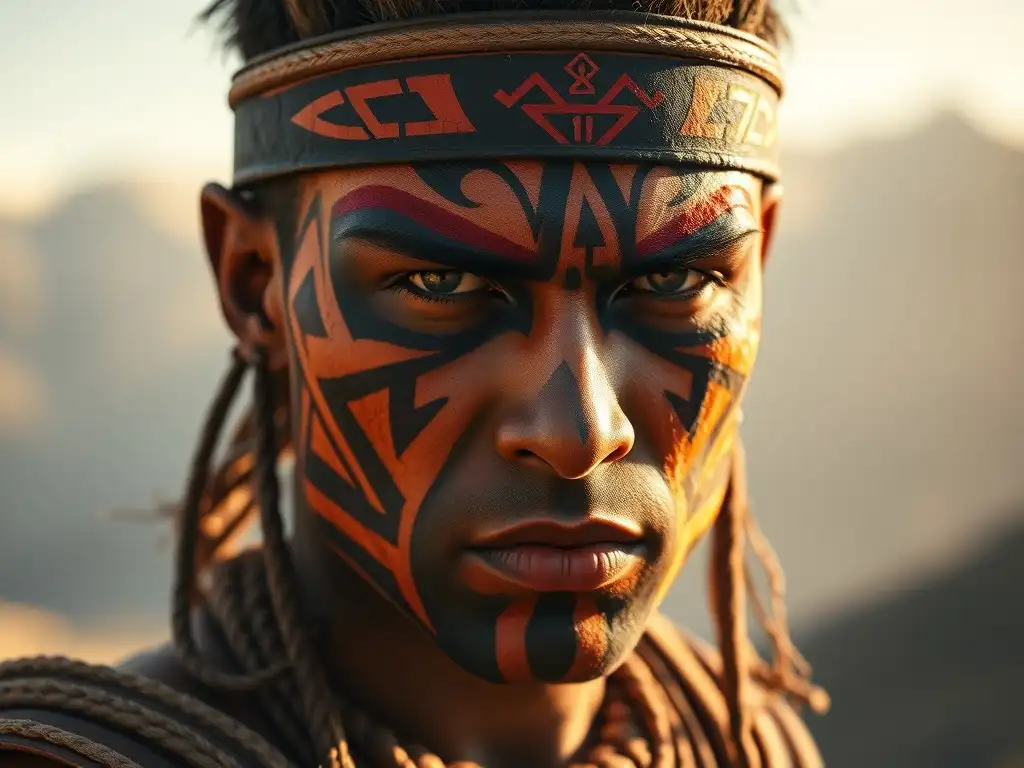
Beyond its spiritual connotations, Andean war paint served as a potent symbol of social status and power within Andean societies. The complexity and artistry of the paint designs often indicated the warrior's rank and experience. Elite warriors, for example, might have been adorned with more elaborate and colorful designs, showcasing their skill in battle and their elevated position within the community.
The use of rare or difficult-to-obtain pigments could further highlight a warrior's high status. Access to such pigments might have been restricted to the elite, emphasizing their exclusive connection to power and influence. This visual display of status was crucial in maintaining social order and reinforcing the hierarchical structure of Andean societies.
The use of war paint served as a constant reminder of the power dynamics within the community, both on and off the battlefield. In some cases, the specific designs might have indicated allegiance to particular clans or leaders, further solidifying social bonds and group identity. The sheer visual impact of a highly decorated warrior on the battlefield would have been awe-inspiring, projecting strength and authority.
Archaeological Evidence of Andean War Paint
Archaeological discoveries provide compelling evidence of the widespread use of war paint across various Andean cultures. Mummies found in the arid climates of the Andes, such as those discovered in the Atacama Desert, have often preserved traces of pigment on their skin and clothing, offering direct evidence of war paint application. Analysis of these pigments has revealed the specific materials used, providing insights into the resources available and the techniques employed.
Furthermore, ceramic artifacts, textiles, and rock art depict individuals adorned with war paint, providing visual representations of the practice. These depictions often show warriors with intricately painted faces and bodies, reflecting the complexity and artistry of the practice. The discovery of pigment palettes and tools used for the application of war paint further contributes to our understanding of this ancient practice.
These artifacts, often found in association with weaponry and other military paraphernalia, clearly connect war paint with warfare. While the exact symbolic meaning of specific designs and colors remains a subject of ongoing research, the archaeological evidence irrefutably demonstrates the prevalence and significance of Andean war paint in the lives of ancient Andean peoples. The continued study of these artifacts promises to unlock further secrets of this fascinating aspect of Andean culture and warfare.
Andean War Paint: A Legacy of Ancient Art and Warfare
Andean war paint wasn't merely a cosmetic application; it was a deeply symbolic practice interwoven with the fabric of Andean warfare and ritual life. The vibrant pigments, meticulously applied, served as powerful visual statements, communicating social status, allegiance, and even supernatural protection. Archaeological evidence, including preserved textiles and pottery depicting painted warriors, offers compelling glimpses into this rich tradition.
The careful selection of colors, patterns, and application techniques reveals a sophisticated understanding of symbolism and its potent effect on both the wearer and the observer. This wasn't simply about looking intimidating; it was about embodying a specific identity and invoking the power of the gods. The artistry involved, often requiring specialized skills and knowledge, elevated war paint beyond mere decoration, transforming it into a potent expression of cultural identity and military might.
The application of war paint itself was likely a ritualistic act, possibly performed by shamans or other individuals with spiritual authority. This ritualistic preparation might have involved incantations, prayers, or other ceremonial practices designed to imbue the paint with supernatural power. The process would have served to mentally and spiritually prepare the warrior for combat, bolstering their confidence and fostering a sense of unity and shared purpose with their fellow soldiers.
The intensity of the ritual would have amplified the symbolic significance of the paint, reinforcing its role as more than just body decoration. Consider, for instance, the potential emotional impact of a communal painting ceremony, where warriors collectively prepared for battle, strengthening their bonds and sharing a powerful shared experience.
Furthermore, the specific pigments used held their own symbolic weight. Certain colors, derived from minerals, plants, or insects, were likely associated with particular deities, spirits, or natural forces. For example, red ochre, a widely used pigment across many Andean cultures, might have symbolized blood, courage, or the sun god Inti. Other colors, such as black or yellow, may have represented different aspects of the Andean worldview, adding layers of meaning to the overall visual message conveyed by the warrior's painted face and body.
The careful selection of these colors suggests a deep understanding of the symbolic language embedded within the natural world and its connection to the supernatural realm. Uncovering the precise symbolic meanings of each pigment requires further research and careful interpretation of available archaeological data. However, even a preliminary investigation reveals the complexity and sophistication of this ancient practice.
Frequently Asked Questions
What was the purpose of Andean war paint?
Andean war paint served multiple purposes. It was used in ritualistic contexts to connect with the spiritual world and to intimidate enemies on the battlefield. The colors and designs held deep symbolic meaning.
What colors were commonly used in Andean war paint, and what did they symbolize?
Common colors included red (blood, power), black (death, mystery), and white (purity, ancestors). The specific meaning, however, varied across different cultures and contexts. Combinations of colors held even more complex meanings.
Did all Andean cultures use war paint in the same way?
No, the styles and significance of war paint differed significantly between Andean cultures like the Inca, Moche, Nazca, and Tiahuanaco. While the general purpose was similar, the specific symbolism varied greatly.
How was Andean war paint applied?
Andean war paint was likely applied using natural pigments derived from minerals, plants, and insects. The application methods and tools varied, but the resulting designs were often intricate and symbolic.
Where can I learn more about the symbolism of Andean war paint?
To delve deeper, explore academic journals and books focusing on Andean archaeology and anthropology. Museums with collections of Andean artifacts also offer valuable insights into this complex topic.
Final Reflection: Echoes of the Andes: War Paint, Ritual, and Legacy
The vibrant hues of Andean war paint, once smeared across the faces of warriors preparing for battle, continue to resonate in the modern world, a potent symbol of cultural resilience and the enduring power of ritual. These pigments, meticulously applied, were far more than mere decoration; they represented a complex interplay of spiritual belief, social identity, and the fierce determination of a people defending their lands and traditions. Their significance transcends the battlefield, offering a powerful lens through which to understand the enduring spirit of Andean cultures.
The enduring legacy of Andean war paint is not simply a matter of historical interest; it speaks to the ongoing struggle for cultural preservation and the reclamation of indigenous voices. The symbolic weight of these paints continues to inspire artists, scholars, and activists alike, reminding us of the rich tapestry of Andean history and the importance of understanding the complexities of their past. The past is never dead. It's not even past.
- William Faulkner. This quote perfectly encapsulates the enduring relevance of Andean war paint symbolism, a potent reminder that the echoes of ancient practices continue to shape our present understanding of identity and cultural heritage.
Consider, for a moment, the intricate designs, the carefully chosen colors, the very act of applying the paint – each a deliberate act imbued with meaning. This article has only scratched the surface of this profound subject. Now, I invite you to delve deeper.
Seek out the stories behind the pigments, explore the connections between ancient rituals and contemporary Andean life, and reflect on how the enduring power of symbolism can shape our understanding of the past, present, and future. Let the vibrant legacy of Andean war paint inspire you to appreciate the richness and complexity of cultural heritage, and to champion the voices that often go unheard.
**Unleash the Spirit of Andean Heritage! **
Thank you for exploring the fascinating world of Andean war paint and its powerful symbolism. You've discovered the rich traditions blending ritual and combat, revealing the vibrant culture of the Andes. Let's delve even deeper!
Here are some ways to explore and engage with this incredible heritage:
- **Immerse Yourself:** Visit a museum or cultural center featuring Andean art to experience war paint and artifacts firsthand. Witness the artistry and learn about their historical context.
- **Join the Conversation:** Share your insights on social media or in online forums about the enduring significance of war paint. Discuss its cultural relevance and continuing impact.
- **Create Your Own Art:** Incorporate traditional Andean symbols into your own creative projects, paying tribute to the heritage while expressing your unique perspective.
Which aspect of Andean war paint most captivated you, and how will you integrate this rich tradition into your life?