
The Legacy of Andean Warfare: Lasting Impacts on Culture and Society

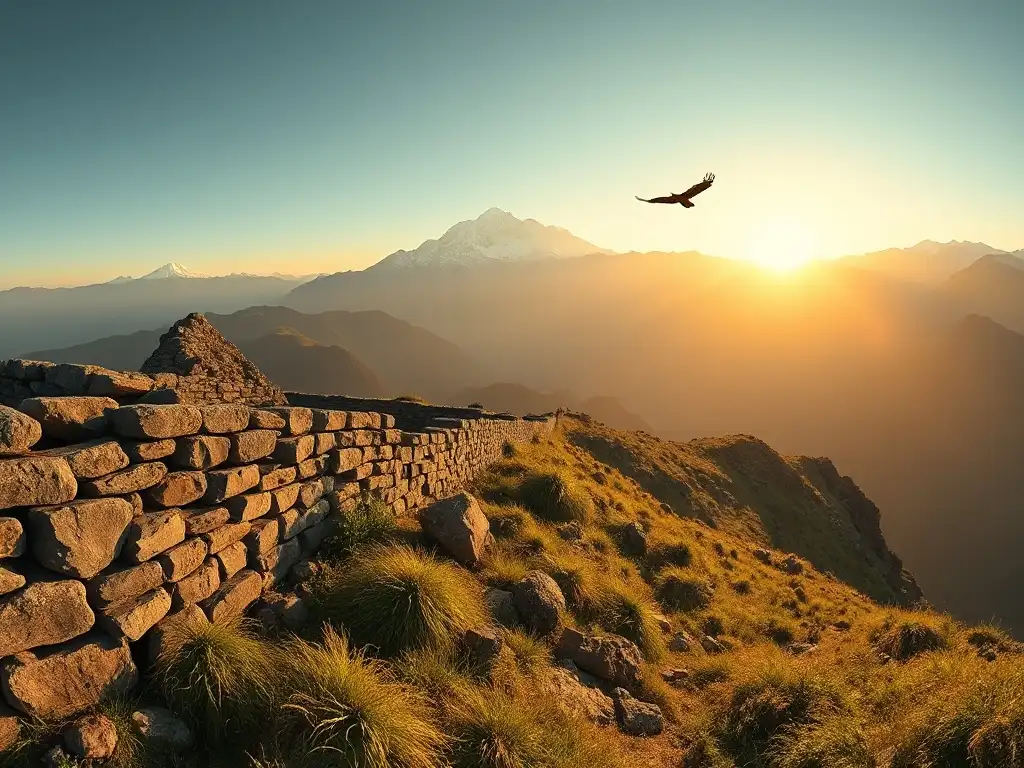
Step into a world lost to time, yet echoing with the thunder of ancient battles. Explore the fascinating, often overlooked, impact of Andean warfare on the societies that shaped the Andes. Did the constant struggle for power forge the very fabric of Inca civilization, or did it leave an indelible scar? Discover the surprising answers within our exploration of Andean warfare's impact on society, a journey through intricate alliances, devastating conflicts, and the enduring legacy they left behind. Uncover the secrets held within the mountains...
The Andes Mountains, a spine of towering peaks stretching along the western coast of South America, witnessed the rise and fall of numerous powerful civilizations. While often celebrated for their breathtaking artistry, sophisticated engineering, and intricate social structures, the story of these Andean societies is inextricably linked to warfare. This article delves into the significant impact of Andean warfare on the cultural and societal development of the region, exploring its lasting consequences beyond the battlefield.
From the pre-Inca societies to the Inca Empire itself, conflict played a crucial role in shaping political landscapes, technological advancements, and the very fabric of Andean life. Understanding the legacy of Andean warfare provides crucial insight into the complexities and resilience of these remarkable civilizations, offering a more complete and nuanced perspective on their history.
We will examine the diverse strategies and tactics employed, the archaeological evidence supporting these claims, and the long-term consequences of these conflicts on Andean societies. This exploration will illuminate how "Andean warfare impact on society" continues to resonate even today.
Introduction to Andean Military History and its Influence
Andean military history is far more complex than simple conquest and domination. It encompassed a wide range of interactions, from localized skirmishes between small communities to large-scale imperial campaigns. The nature of warfare varied significantly across different Andean societies and periods, influenced by factors such as geography, resource availability, and social organization. The mountainous terrain itself dictated military strategies, favoring ambushes and defensive fortifications.
Control over vital resources like water and arable land fueled conflicts, while the prestige associated with military success shaped social hierarchies and political power dynamics. The impact of warfare extended beyond immediate casualties and territorial changes; it profoundly influenced social structures, technological innovation, and the development of cultural practices. Understanding this multifaceted history is crucial to grasping the full complexity of Andean civilizations.
Pre-Incan Warfare: Shaping Early Andean Societies
Before the Inca Empire, a multitude of powerful Andean societies engaged in warfare, shaping their unique cultural and societal identities. The constant threat of conflict, and the necessity to defend against it, spurred technological innovation and societal organization. The development of sophisticated weaponry, defensive structures, and military strategies are all testament to the significant role warfare played in these early societies. The legacy of these conflicts is evident in the archaeological record, revealing insights into military practices and their societal ramifications.
The Role of Conflict in the Development of the Moche and Nazca Cultures
The Moche and Nazca cultures, flourishing on the northern coast of Peru between approximately 100-800 CE, provide compelling examples of the interplay between warfare and societal development. While their artistic achievements are renowned, evidence suggests that warfare played a crucial role in their political organization and social stratification. Moche iconography frequently depicts military campaigns and weaponry, hinting at a warrior elite and a society structured around military prowess.
Similarly, the Nazca's elaborate irrigation systems, while primarily serving agricultural purposes, may have also been strategically designed to enhance their defensive capabilities and control access to vital resources. Further research is needed to fully understand the extent of warfare's influence on these societies, but existing evidence strongly suggests a significant impact.
Military Strategies of the Wari and Tiwanaku Civilizations: A Comparative Look
The Wari and Tiwanaku empires, contemporaries who exerted considerable influence across vast territories during the Middle Horizon (600-1000 CE), offer a fascinating case study for comparing military strategies and their impacts. While both employed military force to expand their influence and control resources, their strategies differed significantly. The Wari, for instance, focused on establishing a network of administrative centers and strategically placed garrisons across their vast empire.
This approach suggests a preference for indirect rule and control through a combination of military presence and political alliances. The Tiwanaku, on the other hand, may have utilized a more centralized and directly controlled system, relying on a more powerful military force to maintain order and enforce their authority.
Comparing these different approaches highlights the diverse ways in which Andean societies used warfare to achieve their political and economic objectives. Further research into the intricacies of their military organization and logistical capabilities would shed additional light on their respective strategies.
Archaeological Evidence of Warfare in the Form of Fortifications and Weaponry
Archaeological evidence provides invaluable insights into the nature and extent of Andean warfare. Extensive fortifications, such as those found at various sites across the Andes, attest to the importance of defense and the prevalence of conflict. These fortifications ranged from simple defensive walls to elaborate complexes incorporating intricate defensive systems.
The discovery of weaponry, including projectile points, clubs, and other implements of war, provides further evidence of military practices and technological advancements. Analysis of these artifacts reveals not only the sophistication of Andean military technology but also offers clues about the types of warfare engaged in, the scale of conflicts, and the social organization of the warring factions. The study of skeletal remains also provides vital information regarding the impact of warfare on individuals and populations.
Analysis of trauma and injuries can help determine the frequency and intensity of conflict. The careful study of this material evidence, therefore, is crucial to reconstructing a comprehensive picture of Andean warfare and its consequences.
Inca Military Expansion and its Societal Transformation
The Inca Empire's remarkable expansion, fueled by a highly organized and efficient military, profoundly reshaped Andean society. This wasn't merely a conquest; it was a process of integration, albeit often forceful, that left an indelible mark on the cultural landscape. The Inca military's success wasn't solely due to its prowess in battle, but also to its sophisticated strategies for managing conquered territories and populations.
The empire's reach extended from modern-day Colombia to central Chile, encompassing diverse ethnic groups with their own distinct traditions and social structures. This vast territory required a complex administrative system to maintain control and extract resources, a system deeply intertwined with the military's operations.
The very structure of Inca society, from its hierarchical organization to its intricate system of labor and tribute, was directly influenced by the demands of maintaining and expanding the empire through military might. The legacy of this expansion continues to shape the cultural and political landscape of the Andes today.
The Inca Military Machine: Organization of the Army and Logistics
The Inca army was a marvel of organization and logistics for its time. It wasn't a standing army in the modern sense, but rather a system of conscription that mobilized a significant portion of the male population when needed. This system, coupled with a highly developed network of roads and storehouses (qollqas), allowed for the rapid deployment of troops and supplies across vast distances.
The army was divided into units of varying sizes, from smaller squads to larger battalions, each with its own specialized roles and responsibilities. Experienced warriors often held positions of leadership, based on merit and proven ability in battle. The logistics of supplying such a large and mobile force involved meticulous planning and execution.
The qollqas, strategically located along the Inca road system, served as vital storage centers for food, weapons, and other necessities. This intricate system of organization and logistics was essential to the Inca's military success and played a crucial role in their ability to conquer and control such a vast empire. The efficiency of this system stands as a testament to the Inca's advanced understanding of military strategy and administration.
How Inca Conquests Reshaped Andean Social Structures Through Mitma and Tribute Systems
Inca conquests significantly altered Andean social structures through the implementation of mit'a and tribute systems. Mit'a, a form of mandatory labor service, was a pre-Inca practice that the Inca expanded and formalized. It compelled conquered populations to work on various projects beneficial to the empire, including road construction, agriculture, and military service.
This system effectively integrated conquered peoples into the Inca economy and ensured the empire's continued expansion and maintenance. Tribute, in the form of goods, labor, and resources, was another crucial mechanism for consolidating power and wealth. These tributes flowed from conquered communities to the Inca elite, reinforcing the empire's hierarchical structure and strengthening its control over the vast territory.
The implementation of these systems, while providing the empire with resources, also disrupted existing social hierarchies and power structures in conquered regions, leading to both cooperation and resistance amongst the subjected populations. The legacy of these systems continues to resonate in the Andes, even though their formal structures are long gone.
The Impact of Inca Warfare on Local Communities: Integration and Resistance
The impact of Inca warfare on local communities was complex and multifaceted, characterized by both integration and resistance. While the Inca sought to integrate conquered populations into their empire through mit'a and other mechanisms, this process often met with resistance. Many communities fiercely defended their autonomy and traditions, leading to protracted conflicts and rebellions.
The Inca response to resistance varied, ranging from forceful suppression to more conciliatory approaches aimed at fostering cooperation. The success of Inca integration varied greatly depending on the specific community and the circumstances of its conquest. Some communities readily adopted Inca customs and benefited from the empire's infrastructure projects, while others maintained a degree of cultural independence despite the empire's control.
The legacy of this complex interaction between Inca power and local resistance is evident in the cultural diversity of the Andean region today. The blend of Inca influence and pre-Inca traditions continues to shape the identity and cultural practices of various communities.
The Inca Military Legacy: The Construction of Roads and Fortresses
The Inca military's legacy extends beyond battlefield victories to encompass the impressive infrastructure they built. Their extensive road network, a marvel of engineering for its time, facilitated military movements, trade, and communication across the vast empire. These roads, often carved into mountain slopes and traversing challenging terrain, served as vital arteries connecting distant regions. Furthermore, the Inca constructed numerous strategically located fortresses, designed to defend against potential threats and maintain control over conquered territories.
These structures, often built using sophisticated techniques of stonework, stand as enduring testaments to the Inca's military prowess and engineering skills. The construction of these roads and fortresses not only served military purposes but also facilitated economic activity, cultural exchange, and the integration of diverse communities within the empire. Their enduring presence in the Andean landscape serves as a reminder of the Inca's long-lasting impact on the region's infrastructure and society.
Andean Warfare's Impact on Art and Iconography
The pervasive influence of warfare on Andean societies is vividly reflected in their art and iconography. From the fierce warriors depicted in Moche pottery to the symbolic representations of power found in Inca textiles, military themes permeate various artistic expressions. These artistic manifestations weren't mere decoration; they conveyed complex social, political, and religious meanings, reflecting the importance of military prowess and the ideology surrounding warfare within these societies.
The careful analysis of these artistic depictions provides invaluable insights into the mindset, beliefs, and social structures of ancient Andean civilizations. The study of these artistic expressions offers a unique window into the complexities of Andean warfare and its lasting impact on their culture.
Depictions of War in Moche Art: Analyzing Warrior Iconography
Moche art, renowned for its intricate detail and realistic portrayals, provides a fascinating glimpse into the world of Andean warfare. Moche pottery frequently depicts scenes of battle, showcasing warriors in elaborate attire, armed with various weapons. These depictions aren't simply neutral representations; they often highlight the brutality and ferocity of combat, emphasizing the power and prestige associated with military success.
The iconography of Moche warriors, often adorned with headdresses, ornaments, and weaponry, reflects the social status and religious significance attributed to military leaders. Analyzing these representations reveals much about Moche society's values, beliefs, and the central role of warfare in shaping their social hierarchy. The detailed nature of Moche art allows for a nuanced understanding of their military culture and the symbolic meanings embedded within their artistic expressions.
Military Motifs in Inca Ceramics, Textiles, and Metalwork: The Tunic as a Symbol of Power
Inca art, while often more stylized than Moche art, also incorporates significant military motifs in its ceramics, textiles, and metalwork. The lliclla, a type of tunic, serves as a prime example. Its design and materials often indicated the wearer's social status, with elaborate tunics signifying high rank, often associated with military leadership. Military symbols, such as weapons or stylized representations of battles, were commonly woven into textiles and featured on ceramics, reinforcing the importance of military power within Inca society.
The use of precious metals in some artifacts further emphasizes the association between military success and elite status. By examining these artistic expressions, we gain a deeper understanding of Inca social hierarchy and the role of the military in shaping their cultural identity. The meticulous craftsmanship and symbolic imagery embedded in these artifacts provide valuable insights into Inca beliefs and values related to warfare and power.
The Connection Between Andean Art and Military Culture: The Representation of Sacrifice and Victory
A crucial aspect of understanding Andean art related to warfare lies in recognizing the connection between military culture and the frequent depiction of sacrifice and victory. Sacrifice, often depicted in artistic representations, played a significant role in Andean warfare, both as a ritualistic practice before battle and as a means of celebrating victory.
The representation of victorious warriors, often shown in triumphant poses or adorned with trophies of war, highlights the social and religious significance of military success. The combination of these themes, sacrifice and victory, within Andean art underscores the deeply intertwined nature of religious beliefs, military practices, and social structures.
These artistic representations illuminate the complex interplay between the spiritual and material realms within Andean societies, further emphasizing the profound impact of warfare on their cultural expressions. The careful study of these artistic depictions reveals the rich tapestry of beliefs and practices that shaped the Andean worldview and its relationship to warfare.
The Influence of Andean Military Practices on Ritual and Religion
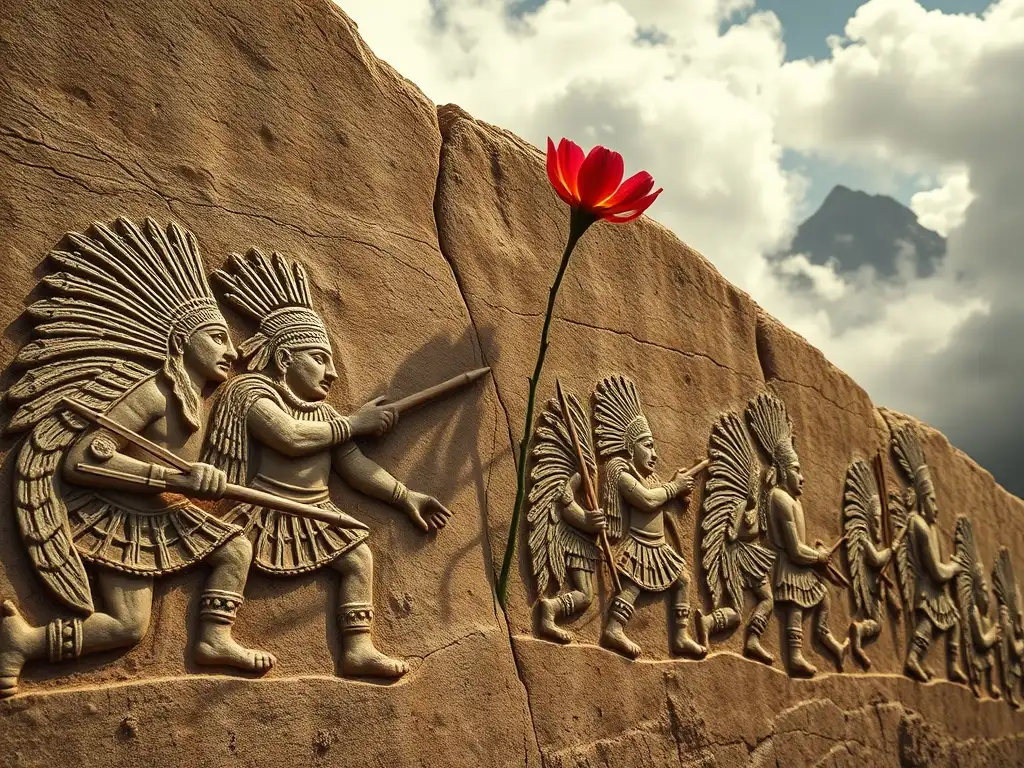
The Role of Warfare in Andean Religious Beliefs: The Cult of the Sun and War Gods
Andean religious beliefs were deeply intertwined with warfare. The Inca, for example, revered the sun god, Inti, as the supreme deity, and military success was often interpreted as a sign of divine favor. Conquests expanded the Inca empire and simultaneously strengthened the cult of Inti, enriching its temples and increasing its influence. Similarly, other Andean cultures worshipped war gods, whose power was directly linked to military prowess.
These deities were often depicted in iconography associated with weaponry and battle, reinforcing the sacred nature of warfare. The successful warrior wasn't just a skilled fighter; they were a chosen instrument of the divine will, acting on behalf of their gods. This close relationship between religion and military power ensured the unwavering support of the populace for military campaigns. The promise of divine reward and the threat of divine displeasure were powerful motivators.
Rituals and Ceremonies Associated with Combat: The Preparation of Warriors and Victory Celebrations
Before embarking on military campaigns, Andean societies engaged in elaborate rituals and ceremonies to prepare their warriors and ensure divine favor. These rituals often included sacrifices, prayers, and the consumption of sacred substances. The warriors themselves underwent rigorous training and initiation rites, transforming them into elite fighting forces imbued with a sense of sacred purpose. Victory celebrations were equally elaborate, often involving public displays of captured weaponry, trophies, and even human sacrifices.
These celebrations served not only to commemorate military triumphs but also to reinforce the social hierarchy and the power of the ruling elite. The scale and intensity of these ceremonies underscore the profound impact of warfare on the religious and social fabric of Andean societies. The integration of military actions within the religious calendar highlights the centrality of warfare to their worldview.
Sacrifices of Captives and Their Connection to Warfare: The Concept of Cosmic Balance
The practice of human sacrifice in Andean cultures was often closely linked to warfare. The sacrifice of captured enemies was believed to maintain the cosmic balance and ensure the fertility of the land. These sacrifices were not random acts of violence but rather carefully orchestrated rituals designed to appease the gods and strengthen the community. The selection of victims, the methods of sacrifice, and the location of the ritual were all governed by strict religious protocols.
The act of sacrifice served to symbolically reaffirm the power of the victors and to intimidate potential enemies. While the specifics varied across different Andean cultures, the connection between warfare and sacrifice was undeniable, demonstrating the deeply ingrained role of conflict in their religious and cosmological beliefs. [Specific information pending on the precise rituals and beliefs of various Andean cultures regarding sacrifice].
The Relationship Between Military Power and Andean Deities: The Divine Legitimacy of Rulers
The Andean rulers often claimed divine legitimacy, linking their power directly to their military successes. Victories in war were seen as evidence of divine favor and strengthened their authority. The ability to conquer and control territory was directly linked to their perceived connection with the gods. This divine legitimacy reinforced their rule and consolidated the social hierarchy.
Conversely, military defeats could be interpreted as a loss of divine favor, potentially leading to challenges to the ruler's authority. This dynamic highlights the significant role of military power in shaping political structures and the legitimacy of rulership in Andean civilizations. The rulers' military achievements played a crucial role in their ability to maintain control and exert influence over their subjects.
Andean Warfare's Enduring Influence on Modern Andean Society
The Persistence of Military Traditions in Contemporary Andean Culture: Communal Defense Practices
Even today, echoes of Andean warfare persist in contemporary Andean culture. In some communities, traditional forms of communal defense and conflict resolution remain. These practices, rooted in centuries of experience with inter-group conflict, often involve intricate systems of alliances, negotiation, and, in some cases, armed defense of territorial boundaries.
These systems reflect an adaptation of historical military strategies to the challenges of the modern world, demonstrating the enduring influence of past conflicts on present-day social structures. While the scale and nature of conflict have changed, the underlying principles of community cohesion and defense—forged in the crucible of past wars—continue to shape social interactions.
How Historical Conflicts Affect Modern Social Dynamics: Land Disputes and Ethnic Tensions
The legacy of Andean warfare continues to impact modern social dynamics, particularly in relation to land disputes and ethnic tensions. Historical conflicts over resources and territory often leave a lasting imprint on societal structures, influencing land ownership patterns, access to resources, and inter-group relationships. These historical grievances can fuel present-day conflicts, making it crucial to understand the historical context of modern social issues. The unresolved tensions stemming from past wars contribute to ongoing social and political instability in certain regions. Addressing these challenges requires acknowledging the historical roots of contemporary conflicts.
The Cultural Memory of Andean Warfare: Oral Traditions and Festivals
Oral traditions and festivals play a significant role in preserving the cultural memory of Andean warfare. Stories, songs, and dances recount past battles, heroes, and tragedies, transmitting historical knowledge across generations. These narratives often serve to reinforce community identity and to instill a sense of shared history.
Certain festivals reenact aspects of past military conflicts, providing a means of commemorating historical events and maintaining a connection to the past. These cultural expressions serve as vital reminders of the lasting impact of warfare on Andean societies, providing a continuous link between the past and the present. The preservation of these traditions is essential for a comprehensive understanding of Andean history and culture.
Modern Interpretations and Re-enactments of Andean Military Practices: The Celebration of Inti Raymi
The Inti Raymi festival, a celebration of the Inca sun god, often incorporates elements of military displays and reenactments. These reenactments, while celebratory in nature, offer a glimpse into the historical significance of military practices within the Inca worldview. They provide a platform for modern interpretations of past military traditions, highlighting their enduring cultural relevance.
While the context is now celebratory rather than overtly militaristic, the performances reflect the deep historical connection between religious beliefs and military practices in Andean civilizations. These events showcase the complex and multifaceted nature of Andean cultural heritage and its ongoing adaptation to modern society.
The Long-Term Effects of Andean Military Conflicts on Demographics
Population Changes Due to Warfare and Conquest: Decreases in Indigenous Populations
Andean warfare significantly impacted the demographic landscape. Conquests, often brutal and accompanied by widespread violence, resulted in dramatic population decreases among indigenous groups. The Inca expansion, for example, while bringing a degree of unification, also led to substantial losses of life through battles, forced labor (mita), and the spread of disease introduced by outsiders.
Archaeological evidence, such as mass graves and a decline in settlement sizes in certain regions after periods of conflict, supports this conclusion. The precise figures remain difficult to ascertain due to limitations in data, but estimates suggest significant drops in population density in several areas following major military campaigns. This demographic decline had profound and lasting consequences for the social and economic fabric of Andean societies.
The loss of skilled artisans, farmers, and leaders hampered recovery and hindered the development of future generations. The impact was particularly devastating in regions subjected to prolonged periods of warfare and instability.
Migration Patterns and Social Reorganization: The Forced Relocation of Communities
Warfare in the Andes frequently led to forced migrations and the reorganization of communities. Conquering armies often relocated entire populations, either to consolidate power or to exploit resources in newly acquired territories. This process disrupted established social structures, family networks, and traditional land ownership patterns. The Inca, known for their elaborate administrative system, systematically relocated people to populate new settlements or to work in mines and on large-scale agricultural projects.
These forced relocations had a significant impact on cultural practices, leading to the fusion of different traditions and the emergence of new social dynamics. This process, however, also created resistance and fueled resentment among those who were displaced, contributing to future conflicts. The study of settlement patterns and archaeological evidence of population movements helps to reconstruct these complex migration patterns and their consequences.
The Impact of Conflict on Ethnic and Linguistic Groups: The Survival of Indigenous Languages
The impact of Andean warfare on ethnic and linguistic groups was complex and multifaceted. While some languages and cultures were suppressed or even eradicated during periods of conquest and assimilation, others demonstrated remarkable resilience. The Inca empire, despite its efforts to impose Quechua as a lingua franca, did not completely eliminate other languages.
Many indigenous languages survived, adapting and evolving within the context of the empire. However, the extent of linguistic diversity decreased, with the dominance of Quechua leading to the decline or extinction of smaller languages in certain regions. The post-conquest period saw further linguistic shifts with the introduction of Spanish, but many Andean languages continue to be spoken today, demonstrating a remarkable ability to withstand centuries of conflict and colonial rule.
This persistence reflects the deep-rooted cultural identity and the enduring strength of indigenous communities. The study of surviving indigenous languages offers invaluable insights into the pre-Columbian past and the resilience of Andean cultures in the face of adversity.
Conclusion: Understanding the Complex Legacy of Andean Warfare
The Multifaceted Impact of Andean Conflicts: Political, Social, and Economic
Andean warfare left a multifaceted legacy on Andean societies, impacting political structures, social organization, and economic systems. Conflicts shaped the political landscape, leading to the rise and fall of empires and the creation of new power structures. The social fabric of Andean communities was profoundly altered through population displacements, the restructuring of social hierarchies, and the transformation of cultural practices.
Economically, warfare disrupted agricultural production, trade networks, and resource allocation, leading to periods of instability and scarcity. Understanding the long-term consequences of these conflicts requires a holistic approach that considers the interconnectedness of these different spheres. The legacy of Andean warfare is not simply a matter of military victories and defeats, but rather a complex interplay of political, social, and economic factors.
The Importance of Studying Andean Military History: Understanding the Dynamics of Power
The study of Andean military history is crucial for understanding the dynamics of power, conflict, and social change in the Andes. Examining military strategies, tactics, and technologies provides insights into the political and social structures of Andean societies. By analyzing the causes and consequences of warfare, we gain a better understanding of the processes that shaped the development of Andean civilizations.
This understanding is not only important for historical accuracy, but also for addressing contemporary issues related to conflict, social justice, and cultural preservation. The lessons learned from Andean military history can inform our understanding of power dynamics in other regions and throughout history. This research highlights the need for a nuanced understanding of the complexities of warfare and its impact on human societies.
Future Research Avenues in the Field of Andean Warfare: The Study of Local Resistance and Military Technology
Future research in Andean warfare should focus on several key areas. The study of local resistance to imperial expansion is crucial for a more complete understanding of the dynamics of conflict. Examining the strategies, tactics, and forms of resistance employed by indigenous communities can challenge traditional narratives that emphasize only the military successes of empires. Further, a deeper investigation into Andean military technology, including weapons, fortifications, and logistics, is needed.
This will involve analyzing archaeological evidence, ethnohistorical accounts, and comparative studies with other military systems. Combining these perspectives with detailed studies of the social and economic impacts of conflict will help to paint a more comprehensive and nuanced picture of Andean warfare and its lasting legacy. This interdisciplinary approach will provide a more complete understanding of the complex relationship between military conflict and the development of Andean societies.
- Introduction to Andean Military History and its Influence
- Pre-Incan Warfare: Shaping Early Andean Societies
- Inca Military Expansion and its Societal Transformation
- Andean Warfare's Impact on Art and Iconography
- The Influence of Andean Military Practices on Ritual and Religion
- Andean Warfare's Enduring Influence on Modern Andean Society
- The Long-Term Effects of Andean Military Conflicts on Demographics
- Conclusion: Understanding the Complex Legacy of Andean Warfare
- What was the primary purpose of Andean warfare?
- How did Andean warfare impact the Inca Empire's expansion?
- Did all Andean civilizations engage in similar forms of warfare?
- What lasting impacts did Andean warfare have on Andean societies?
- How did the technology used in Andean warfare influence its outcome?
Frequently Asked Questions
What was the primary purpose of Andean warfare?
Andean warfare wasn't solely about conquest. It also served to secure resources, expand territories, and demonstrate political power among competing groups. Control over land and resources was paramount.
How did Andean warfare impact the Inca Empire's expansion?
Military success was crucial to the Inca Empire's growth. Their sophisticated military strategies and extensive road network facilitated rapid mobilization and conquest, leading to a vast empire. Effective warfare enabled their territorial expansion.
Did all Andean civilizations engage in similar forms of warfare?
No, warfare varied significantly across different Andean civilizations. While some, like the Inca, employed large armies and sophisticated weaponry, others relied on smaller, more localized conflicts. Technological advancements and societal structures influenced warfare tactics.
What lasting impacts did Andean warfare have on Andean societies?
Andean warfare resulted in population displacement, economic disruption, and the destruction of infrastructure. It also influenced social hierarchies and the development of political systems. The legacy of conflict shaped future societies.
How did the technology used in Andean warfare influence its outcome?
Technological advancements, such as improved weaponry and fortifications, played a crucial role in determining the outcome of conflicts. The Inca's use of slingers and other advanced weaponry gave them a significant advantage. Technological superiority often translated into military dominance.
Final Reflection: Echoes of Conquest: The Enduring Legacy of Andean Warfare
The echoes of Andean warfare resonate powerfully in the modern world, shaping not only the political landscapes of South America but also the very fabric of its cultural identity. The complex interplay of conquest, resistance, and adaptation continues to influence social structures, economic disparities, and even the ways in which Andean communities perceive their history and future. Understanding this legacy is crucial for fostering a more just and equitable future for the region.
The enduring impact of Andean warfare is profoundly evident in the persistent social inequalities and power dynamics that still exist today. The scars of colonialism, deeply intertwined with the pre-Columbian conflicts, continue to shape access to resources, education, and opportunities. The legacy of violence and subjugation is not merely a historical footnote; it is a living reality that demands acknowledgement and redress. The past is never dead. It's not even past.
– William Faulkner. This quote encapsulates the persistent relevance of understanding Andean warfare's impact on the present-day social and political realities of the region. It's a reminder that we cannot fully comprehend the present without grappling with the complexities of the past.
Consider the ways in which the narratives surrounding Andean warfare have been constructed and perpetuated. How have these narratives shaped our understanding of Andean civilizations, both pre- and post-conquest? You, the reader, are now equipped with a deeper understanding of this complex history.
Use this knowledge to challenge preconceived notions, to advocate for social justice, and to contribute to a more nuanced and accurate representation of Andean history and culture. Let the echoes of the past inspire a commitment to building a more equitable and peaceful future, one where the lessons learned from centuries of conflict can guide us toward a more just and harmonious society.
Unveil the Rich Legacy of Andean Warfare!
Thank you for exploring the fascinating legacy of Andean warfare with us! We hope this article has deepened your understanding of how historical conflicts shaped the vibrant cultures and societies of the Andes. Now, let's delve further into this captivating subject.
- Join a community of Andean history enthusiasts—online or in person—to spark enriching discussions and gain deeper insights.
- Expand your knowledge by exploring documentaries and books that immerse you in the stories of the past.
- Share your thoughts on social media or in the comments below! Inspire others to appreciate this incredible heritage.
What aspect of Andean warfare intrigues you most, and how do you think it has influenced modern Andean society? Your perspective could spark fascinating conversations!