
Exploring the Defensive Strategies of the Incas: Fortifications and Tactics

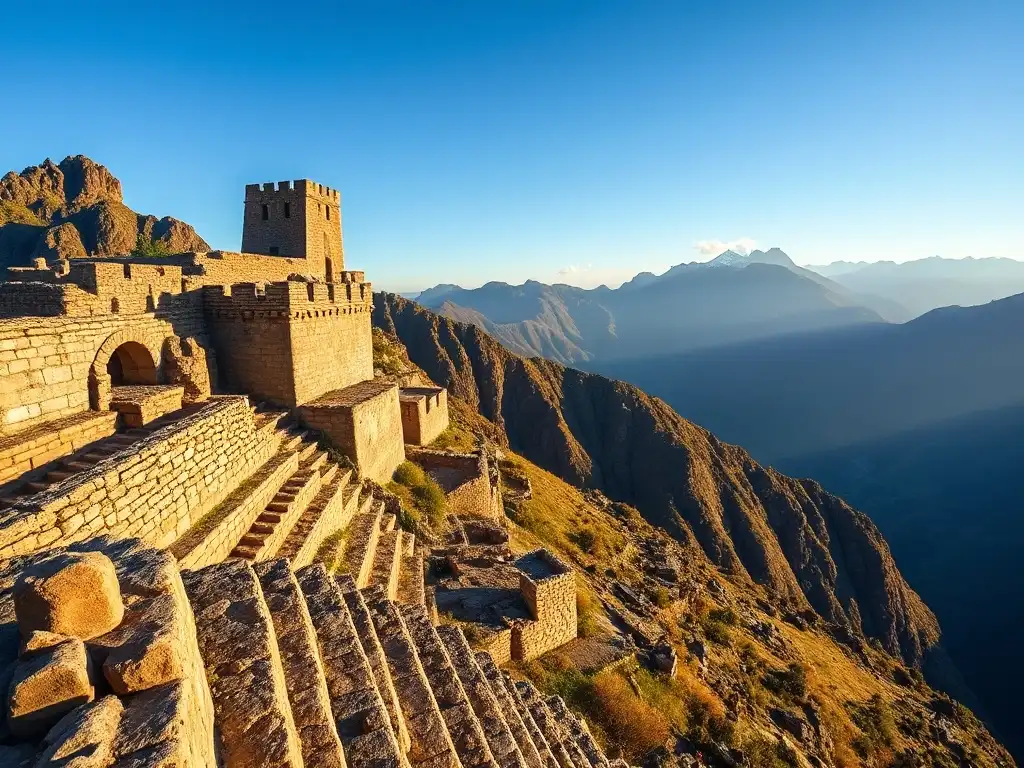
Step into a world lost to time, where majestic mountains echoed with the echoes of ancient empires. Dive into the fascinating realm of Andean Civilizations, uncovering the secrets of their ingenuity and power. But what truly protected these remarkable societies from conquest? This journey begins with an exploration of Inca defensive fortifications, a marvel of engineering that defied the harsh Andean terrain. Prepare to be amazed by their strategic brilliance – and discover how these formidable structures shaped the fate of an empire.
- Inca Defensive Fortifications: Protecting the Empire
- Inca Fortified Cities and Citadels
- Inca Fortification Techniques and Construction
- Inca Defensive Tactics and Military Operations
- The Impact of Inca Defensive Systems on the Empire's Longevity
- The Battle of Sacsayhuamán: A Case Study
-
Frequently Asked Questions
- What types of fortifications did the Incas build?
- How effective were Inca defensive fortifications?
- What materials did the Incas primarily use for their fortifications?
- Beyond fortifications, what other defensive strategies did the Incas employ?
- How did the geography of the Andes influence Inca defensive strategies?
- Final Reflection: Echoes of Stone: The Enduring Legacy of Inca Defenses
- **Unleash Your Inner Explorer of Incan Defenses! **
Inca Defensive Fortifications: Protecting the Empire
The Inca Empire, a marvel of engineering and political organization, stretched across vast and diverse terrains of the Andes Mountains. Its longevity and impressive expansion weren't solely due to its sophisticated administrative system and advanced agricultural techniques. A crucial component of Inca success was its formidable military, and a key element of that military strength lay in its sophisticated defensive strategies.
This article delves into the ingenious Inca defensive fortifications, examining their construction, strategic placement, and the tactical brilliance employed to protect the empire from both internal and external threats. We will explore how these fortifications, combined with effective military tactics, contributed significantly to the Inca Empire's remarkable endurance for over a century. Understanding the intricacies of Inca defensive systems provides valuable insight into their overall military prowess and the ingenuity of their engineering achievements.
This exploration will reveal how the Incas mastered the art of defense, turning the challenging Andean landscape into a formidable barrier against their enemies. We'll examine specific examples of Inca fortifications and analyze the effectiveness of their defensive strategies in the face of various challenges.
Understanding Inca Military Strategy and Defense
Inca military strategy wasn't solely focused on aggressive expansion. While the Inca army was capable of waging successful campaigns, a significant portion of their military planning centered on robust defense. This defensive posture was shaped by several factors: the geographically challenging terrain of the Andes, the need to protect vital resources and communication routes, and the potential for both internal rebellion and external invasion.
The Incas understood the importance of strategically placed fortifications to deter potential aggressors and to control access to crucial areas within their vast empire. Their defensive structures weren't merely passive barriers; they were integral components of a comprehensive military strategy that included well-trained soldiers, effective communication networks, and a sophisticated logistical system.
The combination of these elements allowed the Incas to effectively defend their empire against a wide range of threats. The strategic placement of these fortifications, often in conjunction with natural defensive features, maximized their effectiveness.
Types of Inca Fortifications: From Simple Walls to Complex Fortress Systems
The Inca's approach to fortification varied depending on the specific location and strategic importance of the site. Simpler defensive structures consisted of walls built from locally sourced materials such as stone and earth, often integrated seamlessly into the natural landscape. These walls could range from low barriers to substantial structures, sometimes incorporating defensive features like towers and strategically placed openings for archers. More complex fortifications, however, were substantial engineering feats.
These included elaborate fortress systems like those found at Ollantaytambo and Sacsayhuamán, characterized by massive stone walls, intricate networks of pathways, and ingenious architectural features designed to maximize defensive capabilities. The construction techniques employed were remarkable, utilizing precisely cut stones fitted together without mortar, showcasing the Incas' advanced understanding of engineering and construction. The scale and complexity of these larger fortifications underscore the Incas' commitment to defense and their ability to mobilize significant resources for these projects.
Strategic Placement and Tactical Considerations: Utilizing the Andean Terrain
The Incas were masters of utilizing the natural terrain to their advantage. Fortifications weren't randomly placed; instead, they were strategically positioned to exploit natural barriers such as mountains, rivers, and cliffs. This significantly reduced the need for extensive fortifications in certain areas, allowing for a more efficient allocation of resources. Furthermore, the placement of fortifications often controlled access to vital resources, trade routes, and strategic passes.
This ensured that any potential invaders would have to face significant defensive obstacles before reaching key areas within the empire. The Incas also incorporated tactical considerations into their defensive strategies. For example, the use of narrow pathways and chokepoints funneled potential attackers into vulnerable positions, making them easier targets for Inca defenders. The integration of defense systems into the overall landscape showcases a profound understanding of both military strategy and the environment.
The Role of Inca Soldiers in Defensive Operations: Training and Tactics
The effectiveness of Inca fortifications was further enhanced by the training and tactical prowess of their soldiers. Inca soldiers were highly disciplined and well-trained, capable of operating effectively in challenging terrain. Their tactics often involved the use of guerilla warfare and ambushes, exploiting the terrain to their advantage and using their superior knowledge of the landscape to surprise and outmaneuver their enemies.
The integration of fortifications with the tactical deployment of soldiers created a powerful defensive system that proved remarkably effective in protecting the empire. The Inca army's effectiveness stemmed not only from its size and discipline but also from the strategic integration of its soldiers with the defensive structures. This synergistic relationship between fortification and tactical deployment was a key factor in the empire’s success.
Inca Fortified Cities and Citadels
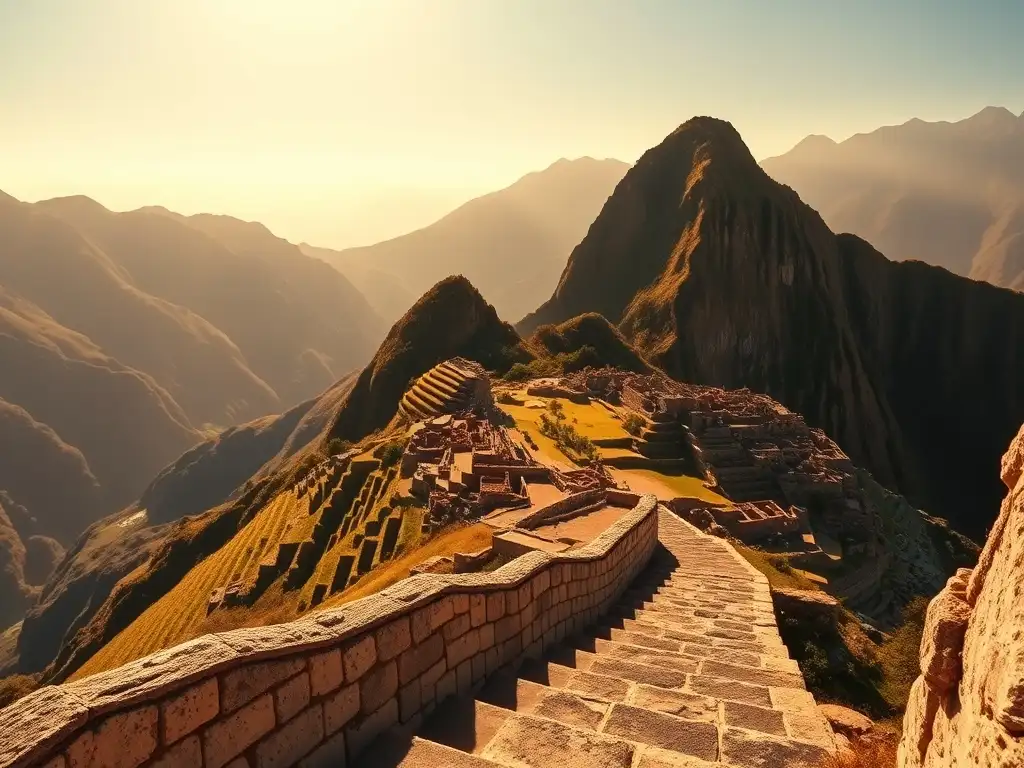
The Inca Empire, renowned for its sophisticated road network and agricultural prowess, also possessed a remarkable capacity for defense. Their military strength wasn't solely reliant on weaponry and manpower; it was significantly bolstered by a strategically designed system of fortified cities and citadels. These weren't merely defensive structures; they were integral components of a broader imperial strategy, demonstrating a deep understanding of geography, engineering, and the psychology of warfare.
The Inca's approach to fortification prioritized natural defenses, seamlessly integrating their structures into the challenging Andean terrain. This blended approach, combining natural barriers with meticulously crafted fortifications, proved remarkably effective in safeguarding vital resources, controlling strategic passes, and projecting imperial power. The construction itself showcased impressive engineering skills, using locally sourced materials like stone and earth to create robust and enduring structures.
The effectiveness of these fortifications is evident in the empire's longevity and its ability to withstand numerous challenges. Analysis of surviving structures reveals considerable sophistication in their design, showcasing an understanding of siege warfare and the importance of controlling lines of approach.
The Strategic Placement of Inca Fortresses
Inca fortress placement wasn't random; it followed a meticulously planned strategy. Key considerations included controlling vital trade routes, securing agricultural resources, and commanding strategic chokepoints in the mountainous terrain. Fortresses were often situated on high elevations, offering panoramic views and providing a significant tactical advantage. This strategic placement allowed the Inca army to observe approaching enemies from a distance, providing ample time to prepare defenses.
The locations also often offered natural defensive advantages such as cliffs, rivers, and dense vegetation. For example, many fortresses were built near mountain passes, making it difficult for enemy forces to advance. This strategic placement significantly amplified the defensive capabilities of the fortifications themselves. The combination of natural barriers and man-made defenses created nearly impenetrable strongholds.
Data suggests that the selection process involved extensive reconnaissance and careful consideration of the surrounding environment. Furthermore, the size and complexity of the fortifications varied depending on their strategic importance and the potential threat level. Larger, more complex structures were built in areas of high strategic value, such as major urban centers or key transportation hubs. Smaller, simpler fortifications were constructed in less strategically important areas. This nuanced approach to fortress construction demonstrates a sophisticated understanding of military strategy and resource management.
Sacsayhuamán: A Masterpiece of Inca Fortification
Sacsayhuamán, located near Cusco, stands as a testament to Inca engineering prowess. This massive complex, perched high above the city, is renowned for its cyclopean walls composed of enormous, precisely fitted stones. The sheer scale of the construction is astonishing, with some stones weighing over 100 tons.
The arrangement of these massive stones, some seemingly defying gravity, is a marvel of engineering and demonstrates a deep understanding of structural mechanics. The complex's design incorporated numerous defensive features, including strategically placed towers, zigzagging walls, and narrow passageways designed to funnel attackers into kill zones. Beyond its impressive architecture, Sacsayhuamán's strategic location provided a commanding view of the surrounding valley, allowing for early detection of any approaching enemy forces.
Its construction reflects not only impressive engineering skills but also a profound understanding of military strategy and the psychology of warfare. The imposing nature of Sacsayhuamán itself likely served as a powerful deterrent, discouraging potential attackers before they even launched an assault. The sheer scale of the structure alone would have been daunting to any invading army.
Ollantaytambo: A Multifunctional Inca Stronghold
Ollantaytambo, situated in the Sacred Valley, is another exceptional example of Inca defensive architecture. Unlike Sacsayhuamán's primary focus on defense, Ollantaytambo served a multifaceted role, functioning as a fortress, a royal estate, and an agricultural center. The complex features a series of terraces that served both agricultural and defensive purposes. These terraces provided fertile land for cultivation while simultaneously offering defensive positions and clear lines of sight.
The strategic placement of the structures, coupled with the natural defenses provided by the surrounding terrain, created a formidable stronghold. Narrow, winding pathways leading up to the fortress provided further defensive advantages, funneling attackers into choke points where they could be easily ambushed. The integration of agriculture and defense is a testament to the Inca's ability to seamlessly blend military and civilian needs.
Ollantaytambo's enduring resilience, evident in its survival through centuries, showcases the effectiveness of the Inca's integrated approach to urban planning and defense. The fortress's design demonstrates the Inca's capacity to adapt their defensive strategies to diverse environments and needs, emphasizing both strength and functionality. The meticulous integration of agricultural practices with defensive structures highlights the Inca's sophisticated understanding of resource management and sustainability.
Machu Picchu: A Mountain Sanctuary and Defensive Site
Machu Picchu, arguably the most iconic symbol of Inca civilization, wasn't merely a secluded mountaintop sanctuary; it was also a remarkably well-defended site. Its strategic location, perched high in the Andes Mountains, provided a natural advantage, making it difficult for enemies to approach undetected. The sheer cliffs and precipitous terrain surrounding the citadel acted as formidable natural barriers, minimizing the need for extensive fortifications in some areas. However, where natural defenses were insufficient, the Inca engineers demonstrated their mastery of stonework and military architecture.
The construction of Machu Picchu's defensive structures showcases the Inca's sophisticated understanding of topography and engineering principles. Walls, meticulously crafted from precisely fitted stones, were strategically placed to channel attackers along predetermined paths, funneling them into vulnerable positions where they could be easily ambushed. These walls were not merely static barriers; many incorporated features designed to hinder attackers, such as strategically placed obstacles, narrow passageways, and cleverly concealed kill zones. The integration of these defensive elements into the overall layout of the city demonstrates a high level of planning and foresight.
Furthermore, the city's layout itself contributed to its defensive capabilities. The intricate network of pathways, terraces, and buildings created a maze-like environment, disorienting invaders and making it difficult for them to navigate the complex terrain. The presence of watchtowers and strategically positioned guardhouses allowed for effective surveillance of the surrounding area, providing early warning of any approaching threats.
This combination of natural and artificial defenses provided a formidable barrier, ensuring the security of the inhabitants and the valuable resources within Machu Picchu. The effectiveness of these defensive strategies is evidenced by the fact that Machu Picchu remained largely undisturbed for centuries after the Spanish conquest, a testament to the ingenuity of the Inca builders and the strength of their fortifications. The city's remarkable survival underscores the importance of integrating natural features with human-made structures in creating robust and effective defensive systems.
Analysis of the surviving structures continues to reveal new insights into the sophisticated defensive strategies employed by the Inca. Archaeological studies are uncovering ever more details about the complex interplay of natural geography and human engineering that made Machu Picchu such an impregnable stronghold.
Inca Fortification Techniques and Construction
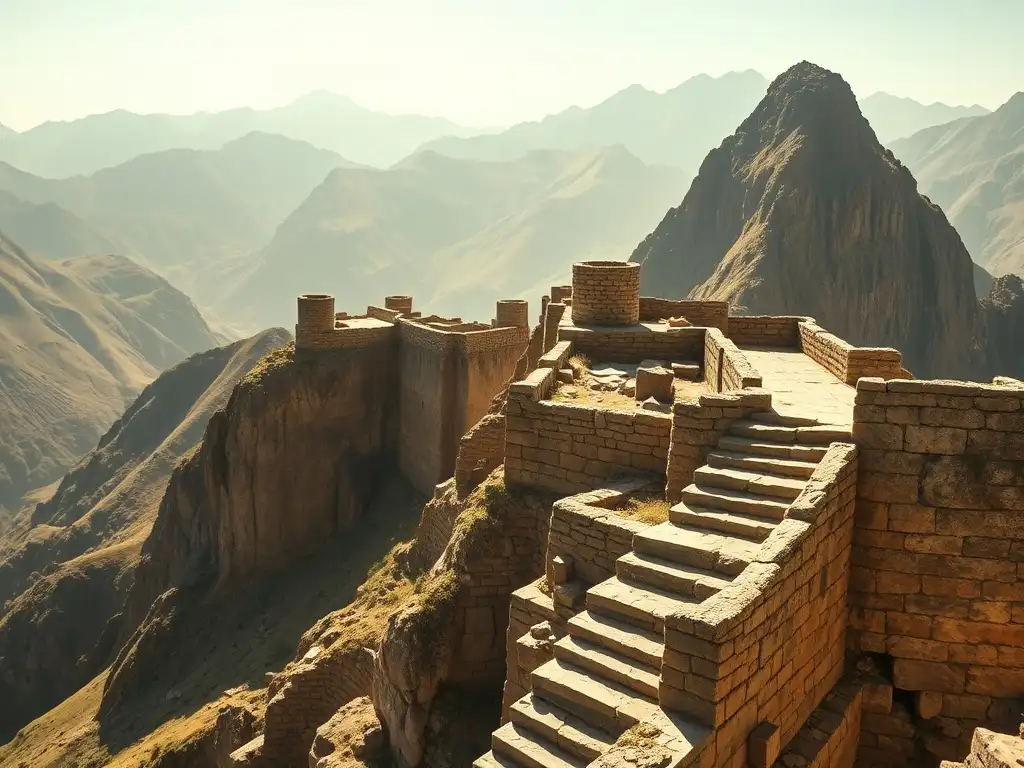
The Inca Empire, renowned for its sophisticated road system and agricultural innovations, also possessed remarkable defensive capabilities. Their military prowess wasn't solely reliant on weaponry and manpower; it was significantly bolstered by a highly developed system of fortifications designed to leverage the Andean terrain. Understanding Inca fortification techniques requires examining the innovative use of available materials and the strategic placement of defenses within the landscape.
The effective integration of natural barriers with meticulously constructed fortifications showcases the Inca's mastery of military engineering and their deep understanding of their environment. This section will explore the key elements of Inca defensive architecture, highlighting their unique approaches to fortification construction.
Using Terraces for Defense: A Unique Approach
Inca terraces, typically associated with agriculture, also played a crucial role in their defensive strategies. These meticulously constructed agricultural terraces, often carved into steep mountain slopes, weren't merely farming plots; they formed a formidable natural barrier. Their layered structure, combined with strategically placed defensive walls and watchtowers, created a complex and challenging terrain for any invading force.
Imagine an army attempting to scale a mountainside bristling with terraces, each one a potential defensive position. This layered defense provided excellent cover for Inca soldiers, allowing them to ambush attackers and inflict significant casualties. The terraces themselves were often fortified with additional stone walls and strategically placed obstacles, further enhancing their defensive capabilities.
This ingenious use of agricultural infrastructure for defense demonstrates the Inca's holistic approach to warfare, seamlessly integrating everyday life with military preparedness. This is a prime example of how the Inca maximized the defensive potential of their environment, transforming seemingly benign features into robust fortifications. The effectiveness of this approach is further evidenced by the difficulty faced by Spanish conquistadors in overcoming these seemingly insurmountable natural defenses.
Stone Masonry and Fortification Walls: Inca Engineering
Inca stone masonry is legendary for its precision and durability. The construction of their fortification walls represents a pinnacle of this skill. Unlike haphazardly piled stones, Inca walls were meticulously crafted, with stones fitted together so tightly that a blade couldn't be inserted between them. This "dry-stone" technique, requiring immense skill and planning, resulted in incredibly strong and resilient structures capable of withstanding significant pressure.
The use of different types of stone, carefully selected for their strength and durability, further enhanced the structural integrity of the walls. The size and shape of the stones were also carefully considered, with larger stones often used at the base for added stability. Furthermore, the walls were often built with an inward slope, making it difficult for attackers to scale them.
This masterful engineering, combined with strategic placement, resulted in fortifications that were both incredibly strong and remarkably resistant to erosion and the effects of time. Some of these fortifications still stand today, a testament to the incredible skill of Inca builders. The precision and durability of Inca stonework significantly enhanced the effectiveness of their defensive strategies.
Defensive Walls and Ramparts: Key Elements of Inca Fortifications
Defensive walls and ramparts formed the backbone of Inca fortifications. These structures were not simply standalone walls; they were integral parts of a larger defensive system, often incorporating natural features like cliffs and rivers to maximize their effectiveness. The height and thickness of the walls varied depending on the terrain and strategic importance of the location. In more vulnerable areas, walls were significantly thicker and taller, sometimes incorporating multiple layers for added protection.
Rampart walls often featured strategically placed watchtowers and bastions, providing excellent vantage points for spotting approaching enemies and coordinating defensive actions. These watchtowers weren't just observation points; they also served as defensive positions, allowing Inca soldiers to engage attackers from elevated positions. The walls themselves were often punctuated by narrow gaps or crenels, allowing defenders to fire projectiles at attackers while remaining relatively sheltered.
The construction of these walls, combined with the clever utilization of the surrounding terrain, created a robust and adaptable defense system, capable of withstanding prolonged sieges. The strategic placement of these walls and ramparts, often in conjunction with natural obstacles, underlines the Inca's sophisticated understanding of defensive warfare. The meticulous planning and execution of these defensive structures are clear indicators of their advanced military engineering capabilities.
The Role of Natural Terrain in Inca Defense
The Inca Empire's mastery of defensive strategies wasn't solely reliant on impressive stonework; it was deeply intertwined with a sophisticated understanding and utilization of the natural landscape. Inca engineers and military strategists expertly leveraged the Andes' challenging terrain—steep mountains, deep canyons, and dense forests—to their advantage, creating formidable natural barriers that complemented their man-made fortifications. This synergistic approach significantly reduced the need for extensive construction in certain areas, conserving resources and manpower while maximizing defensive effectiveness.
For instance, strategically situated mountain passes were often fortified with minimal structures, relying instead on the inherent difficulty of traversing the treacherous slopes and narrow pathways. The natural chokepoints acted as funnels, concentrating enemy forces and making them vulnerable to ambushes and targeted attacks from elevated positions. Similarly, deep canyons and ravines served as natural moats, presenting significant obstacles to invading armies and limiting their access to key settlements and strategic locations. This intelligent use of natural barriers saved considerable time and effort compared to constructing equally effective artificial defenses.
The Inca's understanding extended beyond simple obstacle utilization. They carefully observed and adapted their defensive strategies to the specific characteristics of each region. In areas with dense forests, the natural cover provided excellent camouflage for ambushes and guerilla warfare tactics.
The Inca warriors, adept at navigating the intricate forest pathways, could effectively harass and wear down larger armies, negating the enemy’s numerical superiority. Conversely, in open areas, their fortifications were often more elaborate, incorporating larger walls and strategically placed watchtowers to compensate for the lack of natural cover. This adaptive approach showcases the Inca's deep understanding of the interplay between environment and warfare.
The Inca weren't just building fortifications; they were designing integrated defensive systems that seamlessly blended human ingenuity with the power of nature. This holistic approach to defense is a testament to their advanced military engineering and strategic thinking. Their success in maintaining control over such a vast and diverse empire for centuries bears witness to the efficacy of their methods.
Inca Defensive Tactics and Military Operations
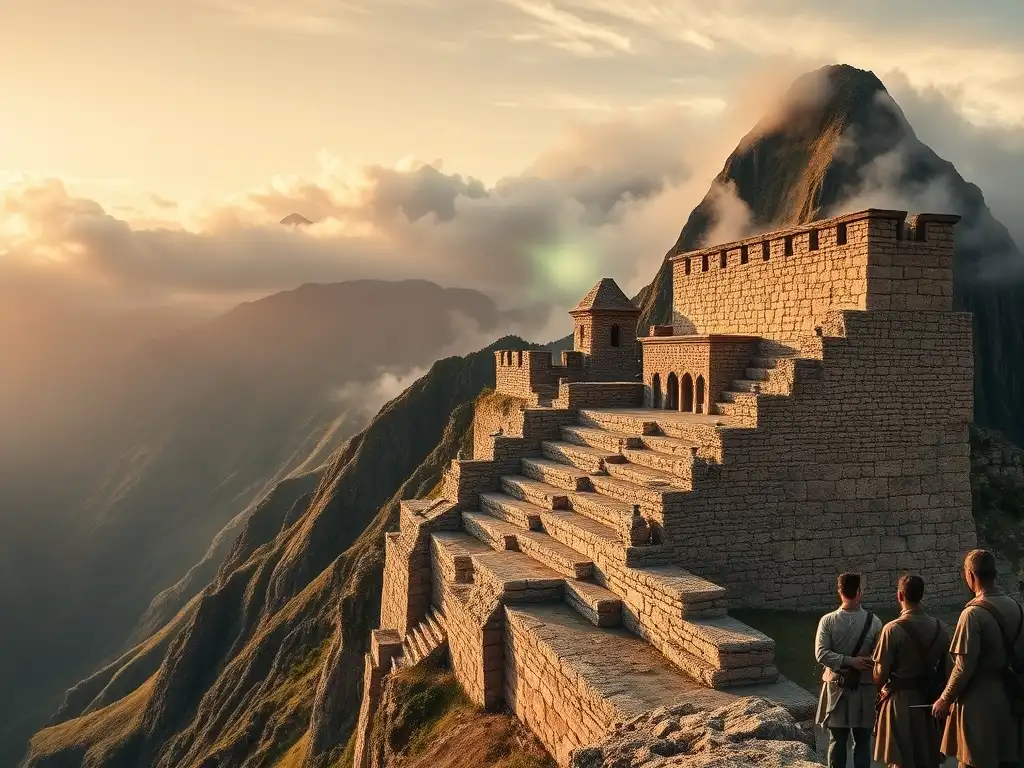
The Inca Empire, renowned for its expansive reach and sophisticated infrastructure, possessed equally impressive defensive capabilities. Their success wasn't solely reliant on aggressive expansion; rather, it stemmed from a strategic blend of formidable fortifications and highly adaptable military tactics. Understanding the Inca approach to defense requires analyzing their military organization, the effective use of ranged weaponry, and their remarkable capacity to adapt their strategies to diverse geographical conditions.
This section will delve into these crucial aspects, providing a comprehensive overview of Inca defensive prowess and its contribution to the empire's longevity. The keyword "Inca defensive fortifications" will be explored in detail throughout the analysis of their defensive strategies.
Inca Military Organization and Deployment
The Inca army wasn't a monolithic force; it was a highly organized and regionally based system. The ayllu, the fundamental socio-economic unit of Inca society, formed the bedrock of military recruitment. Each ayllu provided soldiers, often equipped and trained according to their local resources and expertise. This decentralized yet highly structured approach ensured a large, readily available army.
The army's deployment wasn't haphazard. Strategic placement of garrisons in key locations, particularly along borders and near vital infrastructure like roads and bridges, served as a robust first line of defense. These garrisons weren't static; they were mobile, capable of rapid deployment to counter threats and reinforce vulnerable areas.
Intelligence gathering played a vital role, with networks of informants providing early warnings of potential attacks, allowing the Inca army to effectively preempt invasions and fortify their positions accordingly. This efficient organization significantly boosted their ability to maintain and defend their vast empire. The effectiveness of this organizational structure is evidenced by the empire's impressive longevity and the relative rarity of successful large-scale rebellions.
The Use of Inca Archers and Slingers in Defense
Ranged weaponry played a crucial role in Inca defensive strategies. While the Inca army utilized various melee weapons, their archers and slingers provided significant advantages in defensive situations. Archers, armed with bows made from strong woods like tagua (a type of palm wood) and employing specialized arrows, could effectively harass enemy forces from a distance, weakening their advance before close-quarters combat.
Slingers, equally adept at ranged attacks, were known for their accuracy and range. They could target enemy troops attempting to scale walls or breach fortifications, inflicting casualties and disrupting offensive maneuvers. The combined use of archers and slingers created a formidable defensive screen, capable of inflicting significant losses on attacking armies and slowing their progress, giving Inca defenders valuable time to prepare and reinforce their positions.
The strategic deployment of these ranged units, often in conjunction with fortifications, represents a key element in understanding Inca defensive fortifications and their effectiveness. Evidence suggests that these ranged specialists were highly trained and well-supplied, further underscoring their importance in Inca military tactics.
Inca Defensive Tactics: Adapting to Different Terrain
The Inca Empire encompassed a remarkably diverse geography, ranging from coastal deserts to high-altitude Andean plains. Their defensive strategies were impressively adaptable to this varied terrain. In mountainous regions, they constructed intricate networks of fortifications, often utilizing the natural landscape to their advantage. Steep cliffs, narrow passes, and treacherous terrain were incorporated into their defensive plans, making it difficult for enemy forces to advance.
Fortifications were strategically placed to control chokepoints and vulnerable areas, utilizing a combination of walls, towers, and strategically placed defensive structures. In coastal areas, they built impressive coastal fortifications, protecting vital ports and preventing naval incursions. The Inca's ability to adapt their defensive strategies to the specific challenges of each region underscores their military sophistication and ingenuity.
Their understanding of terrain and their capacity to integrate natural features into their defensive plans were key factors in their military success. This adaptability, combined with their effective use of ranged weaponry and their well-organized army, made Inca defensive fortifications exceptionally effective in protecting their vast empire. The varied nature of these fortifications, adapted to the specific terrains, showcases the innovative approach to "Inca defensive fortifications" and their strategic planning.
Siege Warfare and Counter-Siege Strategies in the Inca Empire
The Inca Empire, renowned for its expansive reach and sophisticated infrastructure, also possessed a deep understanding of siege warfare and developed effective counter-strategies to protect its settlements and strategic locations. While the Inca army excelled in open warfare, their defensive capabilities were equally impressive, particularly in their approach to sieges. Their fortifications weren't merely passive barriers; they were integral components of a broader defensive strategy that incorporated intelligence gathering, logistical planning, and tactical maneuvers.
The Inca approach to siege defense differed significantly from that of other ancient civilizations. Instead of relying solely on massive, static walls, they integrated their fortifications into the natural landscape, using terrain to their advantage. Mountain passes were often fortified with strategically placed checkpoints and watchtowers, creating chokepoints that funneled attackers into pre-determined killing zones.
These weren't simply walls; they were part of a layered defense system, with smaller, well-defended outposts situated at intervals along the approach routes. This allowed for early warning systems and the ability to harass and wear down attackers before they even reached the main defenses.
A crucial element of Inca counter-siege strategies was the effective use of resource control. The Inca understood that besieging armies needed sustained supplies. By controlling water sources, agricultural lands, and crucial trade routes in the surrounding areas, they could significantly weaken an enemy's capacity to maintain a prolonged siege. Cutting off supply lines, destroying crops, and poisoning water sources were all tactics employed to starve out besieging forces. This proactive approach to resource control often rendered the siege unsustainable before it could even seriously threaten the main fortifications.
Furthermore, the Inca exhibited a remarkable capacity for psychological warfare. Rumors, disinformation, and the strategic use of feigned retreats were all tools used to demoralize and disorient the enemy. The sheer size and apparent impenetrability of their fortifications, combined with the reputation of the Inca army, often created a sense of dread and uncertainty among besieging forces, furthering their strategic aims. This element of psychological warfare, when combined with the other aspects of their defense, made Inca settlements extremely difficult to conquer.
[Specific examples of Inca sieges and their outcomes are pending]. Further research into Inca chronicles and archaeological evidence could provide more detailed accounts of specific siege warfare incidents and the tactics employed. The study of Inca defensive strategies remains an active area of research, promising further insights into the military prowess of this remarkable civilization.
The Impact of Inca Defensive Systems on the Empire's Longevity
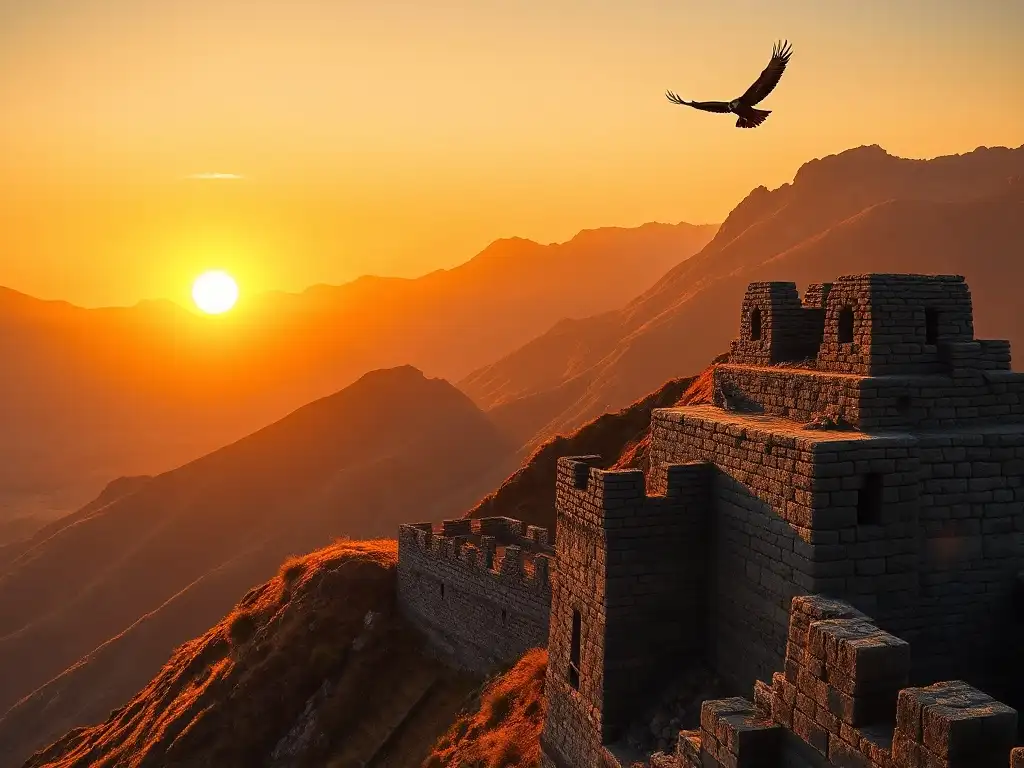
The Inca Empire's remarkable longevity, spanning over a century, wasn't solely due to its expansive conquests. A sophisticated and strategically implemented system of defensive fortifications played a crucial role in maintaining control and stability across its vast, geographically diverse territory. This network of defenses, combined with effective military tactics, acted as a powerful deterrent against potential rebellions and external threats, contributing significantly to the empire's endurance.
The scale and complexity of the Inca defensive system are a testament to their advanced engineering capabilities and understanding of military strategy. It's this intricate interplay of engineering prowess and strategic planning that allowed the Inca to effectively manage such a large and diverse empire for an extended period. Understanding the impact of these defensive systems is key to fully appreciating the Inca's organizational and military achievements.
Inca Fortifications and Control of Territory
Inca fortifications weren't simply isolated structures; they were integral components of a broader strategy for controlling territory and suppressing dissent. The empire's impressive road network, the Qhapaq Ñan, was cleverly integrated with its defensive architecture. Fortifications were strategically placed along major trade routes and at critical geographical points, such as mountain passes and river crossings.
This allowed for the rapid deployment of troops and the efficient control of movement within the empire. For example, the imposing fortress of Sacsayhuamán, overlooking Cusco, served not only as a defensive bulwark but also as a symbolic representation of Inca power and authority. Its strategic location and imposing scale were intended to deter any potential challenges to Inca rule.
Smaller, strategically placed forts and watchtowers, often constructed from locally sourced materials, provided a layered defense system across the empire, ensuring that even remote areas remained under control. The effective integration of these fortifications with the road network allowed for rapid response to any potential threats, significantly enhancing the Inca's ability to maintain control over their far-flung territories. This comprehensive approach to territorial control is a key element in understanding the success of Inca military strategy.
How Inca Defenses Contributed to the Empire's Stability
The Inca's defensive systems directly contributed to the empire's internal stability by effectively suppressing rebellions and maintaining order. The strategic placement of fortifications, combined with the swift deployment of troops via the Qhapaq Ñan, allowed the Inca to swiftly quell any uprisings before they could gain momentum. The very presence of these impressive structures served as a powerful deterrent, discouraging potential rebellions in the first place.
Furthermore, the Inca's sophisticated system of communication, relying on a network of runners and strategically positioned signal fires, allowed for the rapid transmission of information regarding potential threats, enabling a proactive response. This combination of proactive defense and rapid response capabilities ensured that rebellions were quickly and decisively dealt with, contributing significantly to the long-term stability of the empire.
This combination of physical fortifications and efficient communication systems demonstrates a highly organized and effective approach to maintaining control and order across the vast Inca Empire. The impact on internal stability should not be underestimated.
The Legacy of Inca Military Architecture and Strategy
The legacy of Inca military architecture and strategy continues to fascinate and inspire. The ingenuity of their engineering, evident in the construction of massive stone structures like Sacsayhuamán, is remarkable, especially considering the tools and techniques available at the time. Their understanding of topography and strategic placement of defenses remains a compelling case study in military planning.
Moreover, the Inca's ability to integrate their defensive systems with their vast road network and communication systems showcases their advanced organizational capabilities. The enduring presence of these fortifications serves as a tangible reminder of the Inca Empire's power and influence, while their strategic design offers valuable insights into their military thinking. Studying these fortifications provides a deeper understanding of Inca society, its military capabilities, and the factors that contributed to the empire's remarkable longevity.
The legacy of Inca military architecture and strategy continues to be studied and admired for its efficiency and effectiveness. The strategic brilliance of their defensive planning provides invaluable lessons for military strategists even today. The Inca's legacy is a testament to their sophisticated engineering, military prowess, and organizational ability.
The Battle of Sacsayhuamán: A Case Study
The Battle of Sacsayhuamán, though its exact dates remain debated amongst historians, serves as a potent example of Inca defensive strategies. Located near Cusco, the imposing fortress of Sacsayhuamán itself played a pivotal role, showcasing the ingenuity of Inca military engineering and tactical prowess. The fortress, constructed from massive, precisely fitted stones, presented a formidable obstacle to any invading force. Its strategic location, overlooking Cusco and commanding the surrounding terrain, further amplified its defensive capabilities. We can analyze its role in the battle to understand better the Inca approach to Inca defensive fortifications.
Analysis of Inca Defensive Strategy in the Battle
The Inca defensive strategy at Sacsayhuamán wasn't solely reliant on the physical strength of the fortress walls. It incorporated a multifaceted approach, leveraging the natural terrain, sophisticated military organization, and guerilla warfare tactics. Evidence suggests that the Inca forces utilized the uneven landscape to their advantage, employing ambushes and flanking maneuvers to disrupt and weaken the attacking army. The use of Inca defensive fortifications such as strategically placed traps and hidden pathways further complicated the attackers' advance.
The Inca army, known for its meticulous organization and discipline, likely deployed its forces in a layered defense. Elite warriors, possibly equipped with superior weaponry, would have occupied key defensive positions within the fortress itself, while other units would have been positioned at strategic points throughout the surrounding terrain, ready to launch coordinated attacks. This layered approach ensured that even if one defensive line was breached, others were in place to offer resistance. This highlights the importance of coordination and communication within the Inca military structure, crucial aspects of their success in defending their territory.
Historians believe that the Inca also employed psychological warfare techniques, using the sheer size and imposing nature of Sacsayhuamán to demoralize their opponents. The sight of the immense stone walls, coupled with the potential for ambushes and unpredictable attacks, would have created an atmosphere of fear and uncertainty amongst the enemy. The effective use of Inca defensive fortifications like Sacsayhuamán went beyond just physical protection; it was a tool for psychological warfare.
Lessons Learned from the Inca Military Approach
The Battle of Sacsayhuamán and the Inca defensive strategies employed there offer valuable insights into ancient Andean warfare. The integration of natural terrain with meticulously planned fortifications, combined with sophisticated military organization and tactical flexibility, proved highly effective. The Inca's understanding of defensive warfare extended beyond simply building strong walls; it encompassed a holistic approach that prioritized adaptability, coordination, and psychological dominance.
The Inca's success in defending their empire for centuries demonstrates the effectiveness of their military strategies. Their approach to Inca defensive fortifications wasn't static; it was adaptable and evolved in response to changing circumstances and threats. Studying their methods provides valuable lessons for understanding effective defensive strategies, even in modern contexts.
Further research and analysis of archaeological evidence could reveal even more detailed information about the specific tactics employed at Sacsayhuamán and other Inca fortifications, providing a richer understanding of this sophisticated military culture. The lessons learned from the Inca military approach, particularly regarding the integrated use of terrain, fortification, and tactical flexibility, remain relevant today. Understanding their ingenuity in defensive warfare provides a captivating glimpse into the complexity and sophistication of the Inca civilization.
Frequently Asked Questions
What types of fortifications did the Incas build?
The Incas constructed a variety of fortifications, including stone walls, fortified settlements, and strategically placed watchtowers. These structures were adapted to the challenging Andean terrain.
How effective were Inca defensive fortifications?
Inca fortifications proved highly effective, often deterring or delaying enemy advances for extended periods. Their strategic placement and robust construction played a crucial role in their success.
What materials did the Incas primarily use for their fortifications?
The Incas primarily used stone for their fortifications, expertly fitting the blocks together without mortar. This precise construction made their defenses incredibly strong and durable.
Beyond fortifications, what other defensive strategies did the Incas employ?
In addition to fortifications, the Incas used ambush tactics, carefully planned defensive positions, and extensive road networks to facilitate rapid troop movements and communication.
How did the geography of the Andes influence Inca defensive strategies?
The Andean geography, with its mountains and valleys, heavily influenced Inca defenses. They used the terrain to their advantage, creating natural barriers and strategically placing fortifications in key locations.
Final Reflection: Echoes of Stone: The Enduring Legacy of Inca Defenses
The ingenuity of Inca defensive strategies remains a potent testament to their advanced civilization, a stark reminder that effective defense is not merely about brute force, but about meticulous planning and a deep understanding of the landscape. Their mastery of fortification, seamlessly integrated with their environment, continues to inspire awe and serves as a valuable case study in strategic thinking, relevant even in today's world of complex geopolitical challenges.
The impact of Inca defensive architecture extends far beyond the physical structures themselves; it speaks to a sophisticated societal organization capable of monumental feats of engineering and a profound connection to their environment. Their understanding of terrain, their innovative use of materials, and their strategic placement of fortifications all reflect a holistic approach to security that is strikingly modern in its effectiveness. The Inca were not simply builders; they were architects of survival, shaping the very landscape to serve their defense.
This quote encapsulates the profound relationship between the Inca and their environment, a relationship that continues to resonate in our understanding of sustainable and effective defense strategies.
Consider the ingenuity of their systems, the dedication of their builders, and the enduring strength of their fortifications. You, too, can learn from their example. Reflect on how strategic planning and resourcefulness can overcome seemingly insurmountable obstacles. Embrace a holistic approach to problem-solving, drawing inspiration from the Inca's innovative spirit and their deep understanding of their environment. Let the echoes of their stone speak to your own capacity for resilience and strategic thinking.
**Unleash Your Inner Explorer of Incan Defenses! **
Thank you for exploring the fascinating world of Incan defensive strategies! You've discovered the ingenious fortifications and tactics that protected this remarkable civilization. Now, let's delve deeper and share your newfound knowledge.
Here's how you can further immerse yourself in this exciting topic:
- Begin your exploration: Research Incan architecture and military tactics using online resources or your local library.
- Join the discussion: Share your insights on **social media** or in the comments below—let's explore how these ancient strategies might inform modern defense techniques.
- Experience it firsthand: If possible, visit an ancient Incan site or museum exhibit showcasing their defensive innovations.
What aspect of Incan defense most surprised you, and how might it inspire modern strategic thinking?