
The Role of Andean Warriors: Training, Status, and Social Significance

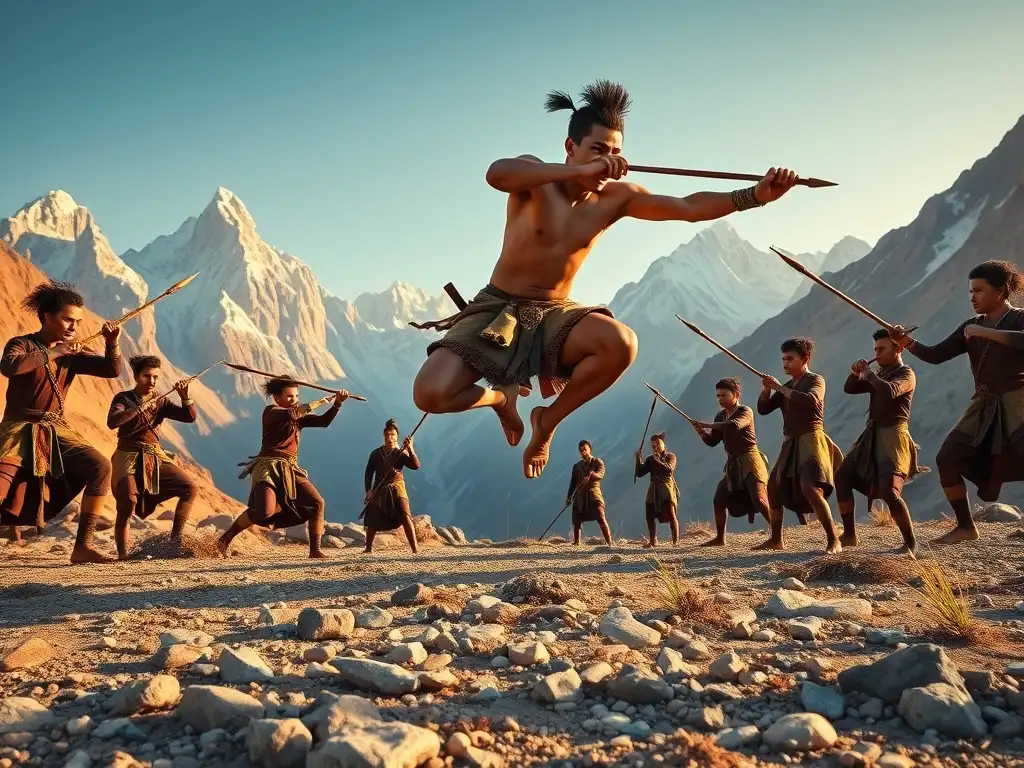
Step into a world lost to time, where the towering Andes Mountains witnessed the rise and fall of mighty civilizations. Discover the secrets of the ancient Andean world, from the intricate artistry of the Nazca lines to the sophisticated engineering of the Incas. But what fueled these empires' power? This website delves into the fascinating history and culture of these remarkable societies, beginning with an exploration of Andean warrior training methods. Prepare to be amazed by the rigorous discipline and strategic brilliance that shaped these legendary warriors – their stories are waiting to be unveiled.
- The Role of Inca Warriors: Training, Status, and Social Significance
- Inca Warrior Training Methods: A Detailed Look
- Social Status and Hierarchy of Inca Warriors
- The Spiritual and Ritual Aspects of Inca Warfare
- The Legacy of Inca Warriors
- Frequently Asked Questions
- Final Reflection: Echoes of the Andes: Legacy of Warrior Training
- Unleash Your Inner Warrior: Take Action Today!
The Andes Mountains, a spine of towering peaks and deep valleys stretching along the western coast of South America, were home to a series of remarkable civilizations. From the sophisticated irrigation systems of the Nazca to the monumental architecture of the Tiahuanaco and the vast empire of the Inca, these cultures developed unique social structures, belief systems, and military strategies.
This article delves into the crucial role of warriors within these societies, exploring their rigorous training methods, their elevated social status, and their significant impact on the political and social landscape of the Andes. Understanding the Andean warrior's place in society provides a deeper appreciation for the complex dynamics that shaped these fascinating civilizations, illuminating the intricacies of their military prowess and societal organization.
We will specifically examine the training methods employed, focusing on the key aspects that contributed to the effectiveness of Andean armies, and how these methods varied across different cultures. This exploration of "Andean warrior training methods" will reveal the dedication and discipline required to become a warrior, and the profound respect these individuals commanded within their communities.
Introduction to Inca Military Traditions
The Inca Empire, at its zenith, controlled a vast territory encompassing much of the Andes. Their military organization was a cornerstone of their power, and the training of Inca warriors was a rigorous and multifaceted process. Unlike some societies where warfare was a matter of individual prowess, the Inca military was highly structured and disciplined. Training began at a young age, often incorporating physical conditioning from childhood.
Emphasis was placed on endurance, agility, and strategic thinking. Potential warriors participated in rigorous physical exercises such as long-distance running in mountainous terrain, carrying heavy loads, and practicing combat maneuvers with wooden weapons. This training wasn't simply about physical strength; it instilled discipline, loyalty, and a strong sense of camaraderie among recruits.
The Inca also employed advanced military strategies, including the use of terrain to their advantage and sophisticated communication networks to coordinate large-scale operations. This comprehensive approach to military preparation ensured the effectiveness and longevity of the Inca army. The rigorous nature of Inca warrior training served not only to create skilled fighters but also to forge a strong sense of identity and loyalty to the empire.
The Importance of Warriors in Inca Societies
In Inca society, warriors held a position of significant prestige and social standing. Their role extended beyond mere combat; they were often entrusted with important administrative and ceremonial duties. Successful warriors could attain high ranks within the military hierarchy, leading to increased influence and even political power.
This elevated status was reflected in their attire, which often featured elaborate adornments and distinctive insignia. Furthermore, warriors were often rewarded with land and privileges, further solidifying their position within the social structure. The Inca valued loyalty and military skill highly, and those who demonstrated these qualities were rewarded accordingly.
The social significance of warriors extended beyond their individual achievements; they represented the strength and power of the Inca Empire, inspiring both respect and fear among neighboring groups. Their contributions to the empire's success were deeply appreciated, and their social standing was a reflection of this importance. The legacy of Inca warriors continues to inspire awe and fascination, highlighting the intricate connection between military prowess and social structure in this remarkable civilization.
Inca Warrior Training Methods: A Detailed Look
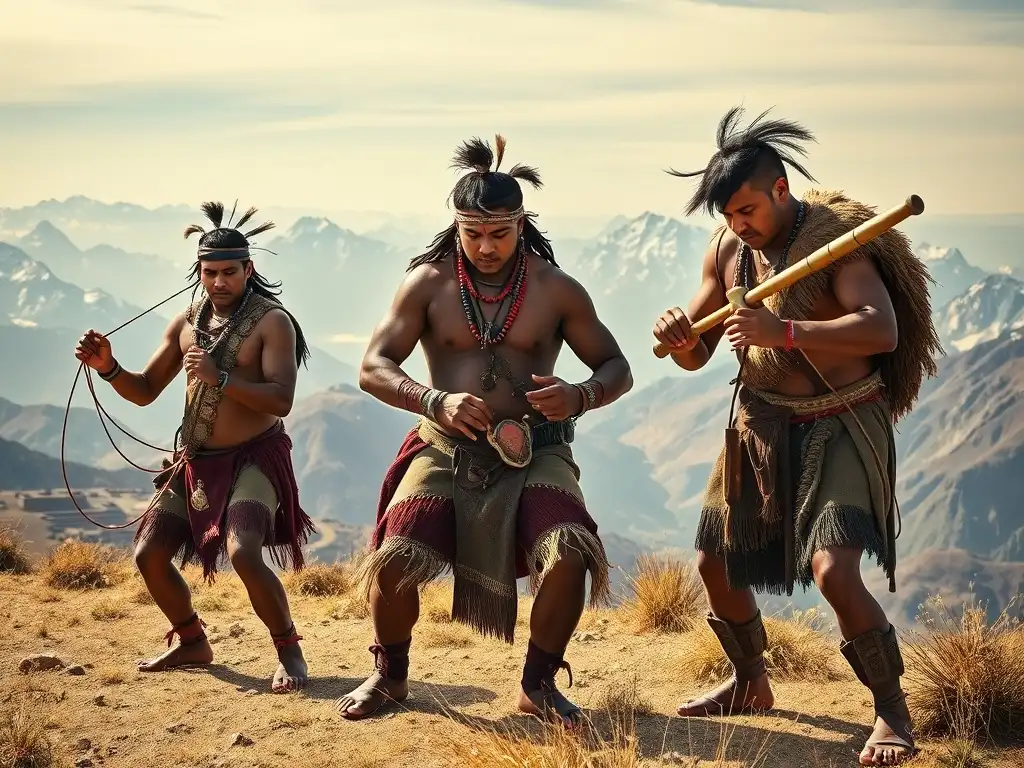
The Inca Empire, renowned for its sophisticated infrastructure and intricate social organization, also possessed a formidable military machine. Understanding the methods employed in training their warriors provides crucial insight into the empire's power and longevity. The training wasn't merely about physical prowess; it encompassed rigorous physical conditioning, mastery of weaponry, and the inculcation of unwavering loyalty to the Sapa Inca. This holistic approach ensured a highly disciplined and effective fighting force, critical for both conquest and the maintenance of imperial control.
Analyzing Inca warrior training methods reveals a complex system designed to create elite soldiers capable of facing diverse threats across the vast Andean terrain. This section delves into the specifics of this rigorous process, examining its various stages and highlighting its key components. The keyword "Andean warrior training methods" is central to understanding the Inca's military success.
Early Stages of Warrior Education
Inca warrior training commenced at a young age, often beginning in childhood. Boys from noble families received a more formal and structured education, frequently within the Yachaywasi (houses of knowledge), where they received instruction in a range of subjects. This wasn't solely focused on military matters, but also included aspects of administration, record-keeping, and Inca cosmology. However, even from a young age, physical training was emphasized.
This involved activities designed to build strength, endurance, and agility, preparing them for the rigors of military life. Games and exercises likely incorporated elements of combat, subtly introducing them to the skills they would need later. For commoners, the path to becoming a warrior was often more informal, though still demanding. Physical strength and endurance were paramount, gained through rigorous labor and participation in community activities.
The process of becoming a warrior, irrespective of social standing, instilled a sense of discipline and resilience from an early age. This foundational training laid the groundwork for more advanced military instruction later in life. The intensity of the training varied based on social class, but the underlying principles of physical and mental fortitude remained constant.
Physical Conditioning and Athleticism in Inca Training
Physical conditioning formed the cornerstone of Inca warrior training. The demanding Andean terrain played a significant role in shaping the training regime. Warriors underwent rigorous exercises designed to build stamina and strength, mirroring the challenges of mountainous warfare. Long-distance running at high altitudes, carrying heavy loads, and scaling steep inclines were commonplace.
These activities not only enhanced physical fitness but also fostered mental resilience and discipline. The ability to endure harsh conditions was crucial for soldiers operating in the diverse and often unforgiving Andean environment. Furthermore, Inca training emphasized agility and coordination, vital for close-quarters combat. Various forms of wrestling, stick fighting, and other combative drills were likely incorporated into the training regimen.
These activities honed reflexes and improved combat skills, making warriors more effective in battle. Historical accounts, while limited, suggest a focus on developing both individual strength and the capacity for coordinated movements within a larger unit. The overall goal was to create warriors who were physically superior and capable of sustained effort in challenging conditions.
Weaponry Mastery and Combat Techniques
Mastery of weaponry and effective combat techniques were crucial aspects of Inca warrior training. The Inca army utilized a variety of weapons, each requiring specialized training. Instruction focused not just on the physical manipulation of weapons but also on tactical application and strategic thinking. The training was designed to make warriors adaptable to various combat scenarios and proficient in both offensive and defensive maneuvers.
The emphasis was on practical skills, honed through repeated drills and simulated combat exercises. This practical approach ensured that soldiers were prepared for the realities of warfare. The rigorous nature of the training also fostered a sense of discipline and camaraderie among the warriors.
The Use of Spears, Clubs, and Slings
Spears, clubs, and slings were among the primary weapons used by Inca warriors. Training with these weapons involved developing precision, power, and accuracy. Spears required mastery of thrusting and throwing techniques, demanding both upper body strength and precise aim. Club fighting emphasized close-quarters combat, requiring agility, strength, and skillful maneuvering.
Slings, meanwhile, demanded accuracy and control, allowing warriors to effectively engage enemies from a distance. The training likely involved repetitive drills to improve technique and accuracy, progressing from basic exercises to more complex maneuvers. The effectiveness of these weapons depended heavily on the warrior's skill and training, emphasizing the importance of dedicated instruction. The proficiency demonstrated in using these weapons is evidenced by the Inca's military successes.
Defensive Strategies and Shield Techniques
Alongside offensive weaponry, Inca warriors received extensive training in defensive strategies and shield techniques. The use of shields provided crucial protection in close-quarters combat, requiring skillful maneuvering to deflect blows while maintaining offensive capabilities. Training likely involved drills that paired warriors, focusing on coordinated movements and the effective use of shields in conjunction with other weapons. The ability to effectively use a shield was not just about physical strength but also about tactical awareness and timing.
It required anticipating an opponent's moves and reacting swiftly and decisively. This training ensured that warriors could protect themselves from enemy attacks while simultaneously creating opportunities for counter-attacks. The combined training in offense and defense produced well-rounded warriors capable of adapting to various combat situations. The emphasis on defensive strategies underlines the Inca's pragmatic approach to warfare, prioritizing both individual survival and the overall effectiveness of the military unit.
Specialized Training for Elite Inca Warriors
The Inca Empire, renowned for its sophisticated military organization, didn't rely solely on mass conscription. A significant portion of their military strength stemmed from highly trained elite warriors, often drawn from the nobility or individuals demonstrating exceptional prowess. These elite warriors underwent rigorous training far exceeding the basic requirements of the common soldier. Their training wasn't simply about physical strength; it encompassed strategic thinking, leadership skills, and specialized combat techniques.
One crucial aspect of their training involved advanced weaponry proficiency. While all Inca warriors received basic instruction in the use of macanas (clubs), boleadoras (throwing bolas), and slings, elite warriors mastered more complex weapons and tactics. They were expertly trained in the use of spears, achieving pinpoint accuracy at considerable distances. They also received extensive training in hand-to-hand combat, employing diverse fighting styles adapted to different terrains and enemy formations. This specialized training involved years of dedicated practice, often under the tutelage of experienced veterans.
Beyond weaponry, elite warriors received specialized training in military strategy and leadership. They studied Inca military history, learning from past victories and defeats. This involved analyzing battle formations, understanding terrain advantages, and developing effective siege tactics. They also participated in complex war games, simulating real-battle scenarios to hone their strategic thinking and command abilities. This emphasis on leadership prepared them to command smaller units within the larger Inca army, acting as critical points of command during engagements.
Furthermore, elite Inca warriors often received specialized physical training designed to enhance endurance and resilience. They underwent rigorous physical conditioning, including long-distance running, mountain climbing, and intense physical exercises. This demanding training regimen aimed to build exceptional stamina and strength, crucial for enduring the harsh conditions of Andean warfare, often fought at high altitudes and in challenging terrains.
The physical demands of their training were intended to build not only physical strength but also mental fortitude, preparing them to withstand the pressures and hardships of battle. This holistic approach to training instilled in them the resilience and adaptability needed to prevail in challenging combat situations. The result was a corps of highly skilled, physically fit, and strategically astute warriors forming the backbone of the Inca military's effectiveness.
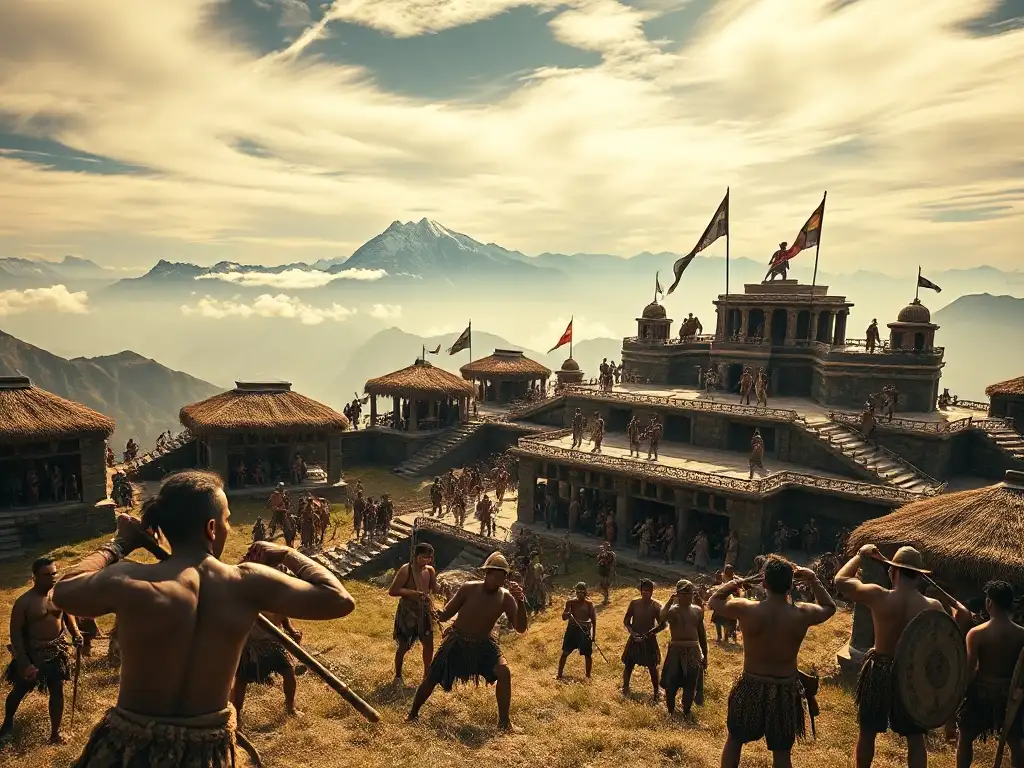
The Inca Empire, renowned for its sophisticated organization and impressive infrastructure, maintained a similarly structured military system. Andean warrior training methods were not uniformly applied; social standing significantly influenced a warrior's role, responsibilities, and ultimately, their status within society. While all warriors contributed to the empire's defense, the level of prestige and privilege varied considerably.
This hierarchical structure mirrored the broader Inca social order, with elites holding prominent positions within the military. The concept of meritocracy existed, but it operated within the confines of this established hierarchy. Access to advanced training and leadership roles was heavily influenced by lineage and social class.
Inca society was divided into distinct social classes, and this stratification directly impacted the military. The ayllu, the basic socio-economic unit, provided the bulk of the warriors. However, not all members of an ayllu held equal standing within the military. Sons of elite families were often groomed from a young age for leadership positions, receiving specialized training and potentially commanding larger units. These individuals, often from the kuraka (local nobility) class, occupied the highest ranks within the army. They enjoyed considerable prestige and influence, extending beyond the battlefield into political and administrative roles.
Lower-ranking warriors, drawn from the commoner class, formed the majority of the fighting force. While their contributions were crucial to the army's effectiveness, their social standing limited their opportunities for advancement. Their training focused on practical combat skills, while elite warriors received instruction in strategy, logistics, and leadership.
This division, while seemingly rigid, allowed for a degree of social mobility based on merit and demonstrated battlefield prowess. Exceptional bravery and skill could lead to promotions and recognition, even for warriors of lower social origin. However, the path to the highest ranks remained challenging, with lineage continuing to play a significant role.
We can illustrate this with a hypothetical example: Two warriors, one from a noble ayllu and one from a commoner ayllu, both display exceptional courage during a battle. While both might receive recognition, the noble warrior would likely receive a faster promotion and access to more advanced training and leadership opportunities, reflecting the inherent biases within the system.
The Influence of Warriors in Inca Political Structures
The Inca military wasn't merely a defensive force; it played a vital role in the empire's political structure. Successful military leaders often gained significant political influence, and their loyalty was crucial to the emperor's power. The emperor, the Sapa Inca, held the supreme military command, but he relied on a network of loyal commanders and advisors, many of whom had proven their worth on the battlefield. This intertwining of military and political power resulted in a complex system where military success translated into political influence and social advancement.
The intricate network of kurakas, local rulers who also commanded military contingents from their ayllus, further illustrates this integration. These individuals were responsible for maintaining order, collecting tribute, and mobilizing warriors in times of conflict. Their authority stemmed from both their lineage and their military capabilities.
The effectiveness of their military units directly impacted their standing within the Inca political system. A kuraka who successfully led their troops to victory gained greater prestige and influence, reinforcing their authority within their region and strengthening their position within the broader empire. Conversely, failure could lead to a loss of status and even removal from power.
Recognition and Rewards for Valor in Battle
Exceptional bravery and skill in battle were rewarded in several ways within Inca society. Beyond promotions within the military hierarchy, successful warriors often received significant material rewards. These could include land grants, valuable textiles, precious metals, and other forms of wealth. Such rewards not only acknowledged individual achievement but also reinforced the importance of military service and loyalty to the empire.
Beyond material rewards, recognition of valor extended to the realm of social prestige. Warriors who distinguished themselves in battle often gained widespread respect and admiration within their communities. Their deeds were celebrated in songs, stories, and ceremonies, ensuring their legacy lived on even after their deaths. This social recognition, coupled with material rewards, incentivized military service and fostered a culture of valor and loyalty within the Inca Empire.
The Inca system cleverly combined tangible rewards with intangible forms of recognition to motivate its warriors and solidify the empire's power. Further research is needed to determine the precise nature of these rewards and their distribution across different social strata. [Specific information pending on detailed records of rewards given to warriors of varying social classes].
The Spiritual and Ritual Aspects of Inca Warfare
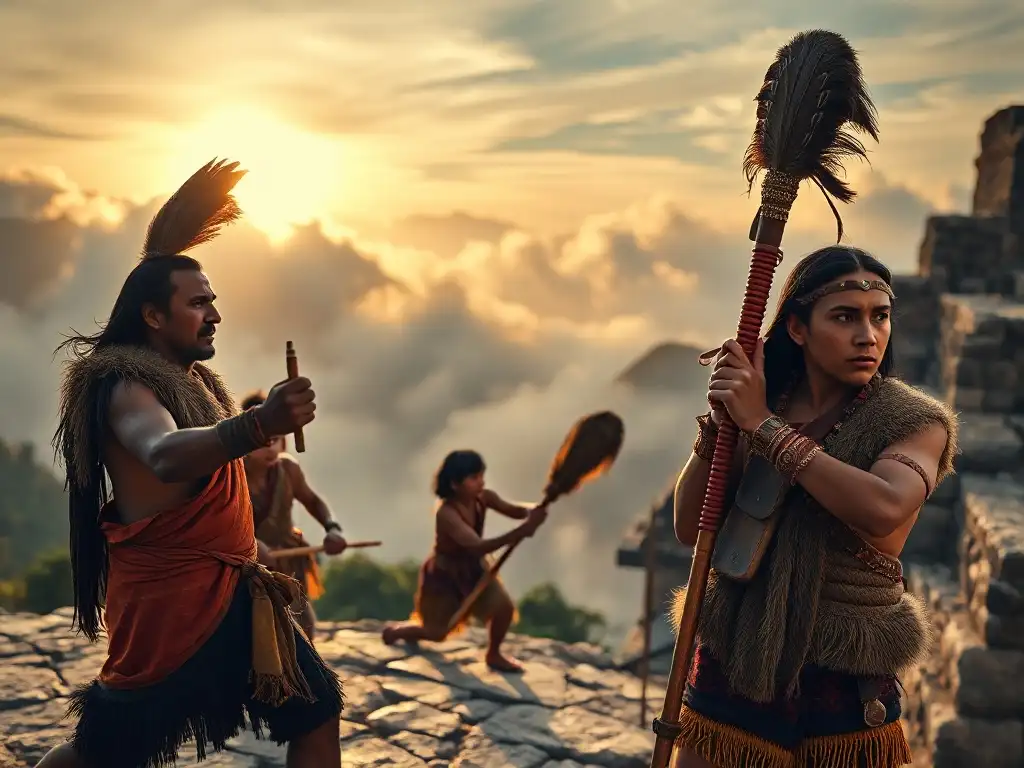
The Inca Empire, renowned for its sophisticated military organization, didn't solely rely on tactical prowess and weaponry. A deeply ingrained spiritual dimension permeated all aspects of Inca warfare, profoundly influencing the training, status, and social significance of their warriors. Understanding this spiritual context is crucial to grasping the true nature of Andean warrior training methods and the overall effectiveness of their military machine.
The Inca belief system intertwined the physical and spiritual realms, making religious practices integral to the preparation, execution, and aftermath of military campaigns. This section will delve into the religious rituals and beliefs that shaped the lives and actions of Inca warriors.
Religious Practices and the Warrior's Role
Inca religious practices heavily influenced the lives of warriors, shaping their training and battlefield conduct. Warriors weren't merely soldiers; they were considered sacred individuals, acting as intermediaries between the human and spiritual worlds. Their role extended beyond fighting; they were guardians of the Inca's spiritual well-being and the protection of the empire's sacred sites.
Before embarking on a campaign, warriors would participate in extensive purification rituals, including fasting, abstinence from alcohol and certain foods, and ceremonial baths. These rituals aimed to cleanse them spiritually and physically, preparing them for the sacred duty ahead. The success of a campaign was often attributed to the effectiveness of these pre-battle preparations and the favor of the Inca gods.
Failure, conversely, could be interpreted as a sign of insufficient spiritual preparation or a divine displeasure. This belief system fostered a strong sense of responsibility and discipline among Inca warriors, creating a highly motivated and spiritually focused fighting force. Detailed accounts of these practices are scarce, but archaeological evidence, such as the discovery of ritual objects in military contexts, supports the importance of religious observance in Inca military life.
Inca Gods and Deities of War
The Inca pantheon included several deities associated with war and military prowess. Wiracocha, the creator god, was often invoked for guidance and protection during battles. Inti, the sun god, was considered the supreme deity and a source of strength and power for the Inca army.
His image adorned weaponry and banners, serving as a potent symbol of divine support. Other deities, such as Pachamama (Mother Earth) and Apus (mountain spirits), were also revered and appeased before and after military engagements. These deities were not simply abstract concepts; they were believed to directly influence the outcome of battles and the fate of warriors.
Offering ceremonies, involving sacrifices and prayers, were commonplace before military campaigns to ensure divine favor and victory. The specific rituals and offerings varied depending on the deity and the circumstances, reflecting the complexity and depth of Inca religious beliefs. The importance of these deities in shaping the mindset and training of Andean warriors is undeniable; their belief in divine intervention instilled a powerful sense of purpose and fearlessness.
Rituals Performed Before and After Battles
Before embarking on a military campaign, Inca warriors participated in elaborate ceremonies designed to ensure success and divine protection. These rituals, often led by priests and yachaywasi (religious scholars), involved sacrifices, prayers, and the consumption of chicha (fermented corn beverage) to invoke the favor of the gods. The warriors would adorn themselves with sacred objects and symbols, further reinforcing their connection to the spiritual realm. After battles, whether victorious or defeated, equally significant rituals were performed.
Victorious warriors offered tributes to the gods, often including captured weapons and prisoners. These offerings demonstrated gratitude for divine intervention and served to reinforce the warriors' connection to the spiritual world. Defeats, however, were treated with solemn ceremonies aimed at appeasing the gods and seeking forgiveness for any perceived shortcomings.
These post-battle rituals were crucial in maintaining morale and reaffirming the spiritual foundation of Inca military life. The precise nature of these pre- and post-battle rituals remains subject to ongoing research, with new archaeological discoveries constantly adding to our understanding of the complex religious practices that shaped Andean warrior training methods and their overall societal role. Further investigation into specific ritual sites and artifacts associated with Inca warfare is needed to fully elucidate the details of these practices.
The Legacy of Inca Warriors
The Inca Empire, renowned for its sophisticated infrastructure and intricate social organization, also possessed a formidable military machine. Understanding the legacy of Inca warriors requires examining their training, societal standing, and lasting impact on Inca culture and traditions. While written records are scarce, archaeological findings, combined with Spanish chronicles (though often biased), offer valuable insights into the lives and roles of these elite soldiers.
The rigorous training methods employed, the prestige associated with military service, and the warriors' influence on Inca society paint a vibrant picture of their significance. The keyword phrase "Andean warrior training methods" is directly addressed in the following sections.
Impact on Inca Culture and Traditions
Inca warrior training wasn't merely a physical process; it deeply intertwined with Inca culture and traditions. Military success contributed significantly to the empire's expansion and consolidation of power, shaping its social structure and belief systems. The Inca worldview, emphasizing order, discipline, and collective achievement, was reflected in their military organization. Victorious warriors gained prestige and elevated social standing, often receiving land grants, privileges, and access to elite resources.
This created a powerful incentive system that fueled military ambition and loyalty. Moreover, military prowess was often celebrated through festivals, rituals, and artistic expressions, reinforcing its importance within Inca society. The images of warriors adorned on textiles, pottery, and stone carvings serve as testaments to their cultural significance. Stories of heroic warriors were likely passed down through generations, shaping Inca mythology and inspiring future generations of soldiers.
The strategic deployment of warriors also impacted the empire's agricultural practices and infrastructure development, as military campaigns often resulted in the construction of new roads, fortifications, and settlements. This created a symbiotic relationship between military strength and the overall prosperity of the empire. The integration of military values into daily life solidified the warriors' lasting legacy within Inca society.
Examples of Notable Inca Warriors: Cahuide and Rumiñawi
While detailed biographies of individual Inca warriors are limited, some figures stand out in historical accounts, embodying the ideals and impact of Andean warrior training methods. Cahuide, a legendary warrior from Vilcabamba, fiercely resisted the Spanish conquest, representing a powerful symbol of Inca resistance. His unwavering loyalty and courage in the face of overwhelming odds continue to inspire.
His defiance, even in the face of certain death, exemplifies the dedication and training instilled in Inca warriors. Similarly, Rumiñawi, a skilled strategist and commander, played a crucial role in the Inca resistance against the Spanish in the northern regions of the empire. His military tactics and leadership skills highlight the sophisticated training and organizational capabilities of the Inca military.
These examples, though limited, showcase the exceptional capabilities and unwavering commitment of some Inca warriors. Further research is needed to fully document the lives and achievements of other notable Inca warriors, providing a more comprehensive understanding of their contributions to Inca history. Analyzing their strategies, leadership styles, and battlefield accomplishments would shed more light on the effectiveness of Andean warrior training methods.
Conclusion: The Enduring Importance of Inca Warriors
The legacy of Inca warriors extends far beyond their military achievements. Their training, status, and social significance profoundly shaped Inca culture, traditions, and the empire's very structure. The rigorous training methods employed not only produced skilled soldiers but also instilled values of discipline, loyalty, and collective effort that permeated Inca society.
The prestige associated with military service created a powerful incentive system that fueled military ambition and ensured the empire's enduring strength. While the Spanish conquest brought an end to the Inca Empire, the memory of its warriors continues to inspire. Their legacy serves as a reminder of the sophisticated military organization, cultural richness, and resilience of the Inca civilization.
Further research into Andean warrior training methods, including detailed analysis of archaeological finds and a more critical examination of Spanish chronicles, is essential to fully understand their impact on Inca society and the broader Andean region. The study of these warriors offers valuable insights into the complexities of pre-Columbian societies and their interactions with the European conquest.
Frequently Asked Questions
What kind of training did Andean warriors undergo?
Andean warrior training varied by civilization, but generally involved rigorous physical conditioning, weapon proficiency (e.g., slings, spears, clubs), and tactical drills. Endurance and mountain warfare skills were crucial.
Warrior status differed across Andean societies. In some, it was hereditary, while in others, bravery in battle could elevate one's social standing. Warriors often held positions of prestige and power.
What weapons and equipment did Andean warriors use?
Andean warriors utilized a variety of weapons, including slings, spears, clubs, and maces. Defensive armor varied, with some cultures using shields and padded clothing.
How did Andean warrior training influence their society?
Warrior training instilled discipline, loyalty, and physical prowess, shaping Andean societies. It also contributed to military strength and expansion of empires. Social structures were often organized around military hierarchies.
How did the environment impact Andean warrior training methods?
The challenging Andean terrain significantly influenced training. Warriors developed skills in high-altitude combat, mountain climbing, and navigating harsh conditions. This created highly specialized military capabilities.
Final Reflection: Echoes of the Andes: Legacy of Warrior Training
The rigorous training methods of Andean warriors, far from being relics of a distant past, offer a powerful lens through which to understand the enduring human need for discipline, community, and the pursuit of excellence. These ancient practices resonate deeply with contemporary discussions surrounding physical and mental fortitude, the importance of teamwork, and the creation of strong, resilient societies. The echoes of their dedication still reverberate today.
The impact of Andean warrior culture extends far beyond the battlefield; it shaped the very fabric of Andean society, influencing its social structures, religious beliefs, and artistic expressions. The dedication to physical and spiritual training fostered a sense of collective identity and purpose, a powerful force that bound communities together. The warrior's path is not merely a path of physical strength, but a path of spiritual growth, a journey of self-discovery and service to the community.
This sentiment, though not directly from an Andean source, encapsulates the essence of their warrior ethos, highlighting the holistic nature of their training and its lasting influence.
Consider the lessons embedded within these ancient practices. What aspects of Andean warrior training – the emphasis on physical conditioning, the spiritual disciplines, the importance of community – can you integrate into your own life to cultivate resilience, strength, and a deeper sense of purpose? Embrace the challenge, find your own path to strength, and discover the enduring power of discipline and community. Let the legacy of the Andean warriors inspire you to build a better, more resilient future, both for yourself and for the world around you.
Unleash Your Inner Warrior: Take Action Today!
Thank you for exploring the fascinating world of Andean warriors with us! Your journey into their training, social standing, and cultural impact has revealed a remarkable legacy. Now, let's put that knowledge into action!
Here’s how you can deepen your connection with Andean history and help preserve its significance:
- Learn more about Andean cultures by visiting our dedicated resources section and exploring the stories of other remarkable civilizations.
- Connect with fellow enthusiasts by following us on social media; share your thoughts on how ancient training methods inform modern perspectives on discipline and resilience.
- Support local museums and cultural organizations that showcase Andean heritage—your participation makes a real difference!
What aspect of Andean warrior life most inspires you, and how do you see its influence in today's society? Share your thoughts below!