
The Legacy of Andean Weapons: Influences on Modern Culture

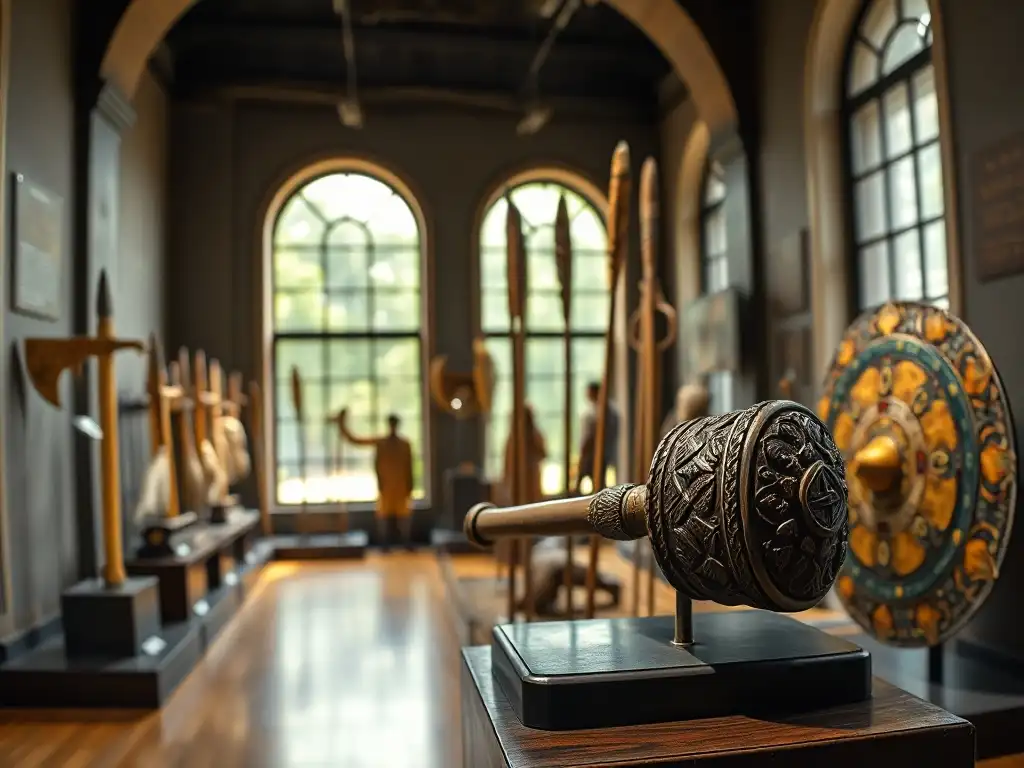
Uncover the mysteries hidden within the breathtaking landscapes of the Andes! For centuries, these majestic mountains have witnessed the rise and fall of powerful civilizations. But what secrets do their ancient weapons hold? Journey with us into the fascinating world of Andean weapons history influence, exploring how the ingenuity and artistry of these past societies continue to shape our world today. Prepare to be amazed by the legacy left behind – a legacy far more profound than you might imagine.
- The Enduring Legacy of Andean Weapons: Tracing Their Influence on Modern Culture
- The Evolution of Andean Weapons: From Ancient Tools to Military Might
- Andean Weapons: A Closer Look at Key Types
- The Impact of Andean Weaponry on Warfare Strategies
- Andean Weapons History Influence: Tracing the Modern Connections
- Andean Weapons and Cultural Heritage: Understanding the Past Through Artifacts
-
Frequently Asked Questions
- What types of weapons did the Andean civilizations primarily use?
- How did Andean weapon technology evolve over time?
- What was the influence of Andean weapons on warfare tactics?
- How did the design of Andean weapons reflect their cultural beliefs?
- What lasting impact did Andean weapons have on modern culture?
- Final Reflection: Echoes of the Andes: A Legacy Forged in Metal and Myth
- Unveil the Legacy: Take Action Today!
The Enduring Legacy of Andean Weapons: Tracing Their Influence on Modern Culture
The Andes Mountains, a spine of towering peaks stretching along the western coast of South America, were not only the cradle of remarkable civilizations but also the birthplace of innovative weaponry. For centuries, the Incas, Moche, Nazca, and Tiahuanaco, among others, developed sophisticated tools of war, reflecting their unique environments and societal structures. This article delves into the fascinating history of Andean weapons, exploring their design, materials, and, most importantly, their lasting impact on modern culture.
We will examine how the ingenuity and artistry of these ancient weapons continue to resonate in contemporary society, influencing everything from artistic expression to the very tools we use today. Understanding the legacy of Andean weaponry provides a crucial lens through which to appreciate the complexity and enduring influence of these remarkable Andean cultures. The keyword phrase "Andean weapons history influence" will be explored in detail, highlighting the multifaceted nature of this legacy.
Introduction: Unveiling the Historical Significance of Andean Weaponry
Andean weaponry wasn't merely functional; it was deeply intertwined with the spiritual and social fabric of these societies. From the meticulously crafted clubs of the Moche, adorned with intricate carvings depicting their mythology, to the sophisticated weaponry of the Inca Empire, each piece reflects a complex interplay of technological advancement, artistic expression, and religious belief. The materials used – often sourced locally and reflecting the ingenuity of the cultures in adapting to their environment – further underscore this intricate relationship.
For example, the Incas' mastery of metallurgy allowed them to create powerful weapons from bronze and copper alloys, while other cultures utilized readily available materials like wood and stone with impressive skill. Understanding the context of these weapons is key to grasping their significance and enduring influence.
The study of Andean weapons reveals not only the military capabilities of these civilizations but also offers invaluable insights into their beliefs, social structures, and artistic achievements. This section will lay the groundwork for exploring the specific types of Andean weapons and their lasting impact.
The Diverse Arsenal: Examining Specific Weapon Types and Their Characteristics
The Andean civilizations employed a diverse range of weapons, each tailored to specific combat scenarios and reflecting the unique characteristics of each culture. This section will explore some key examples.
- Macanas (Clubs): These heavy clubs, often made from wood reinforced with stone or metal, were devastating close-combat weapons. The Moche, in particular, are known for their elaborately decorated macanas, showcasing their artistic prowess and the importance of weaponry in their culture. The designs often included depictions of mythical creatures and scenes from their daily life, revealing much about their beliefs and societal values.
- Slings: Widespread throughout the Andes, slings were effective ranged weapons used for both hunting and warfare. Their simplicity belied their effectiveness, and their use speaks to the resourcefulness of the Andean peoples. The precision required to effectively use a sling speaks to the training and skill of the warriors.
- Bolas: These weighted balls connected by cords were used to entangle opponents, effectively disabling them in combat. The effectiveness of this weapon relied on skill and precision, highlighting the importance of training and practice within Andean armies. The bolas' design, simple yet effective, showcases the practicality of Andean weaponry.
- Spear and Darts: These projectile weapons, often tipped with obsidian or metal points, were used extensively. The design and materials used varied across cultures and time periods, reflecting the technological advancements and resource availability of each group.
The Inca Empire's Military Prowess: A Case Study in Andean Weaponry
The Inca Empire, known for its expansive reach and sophisticated organization, possessed a formidable military machine. Their weaponry, while often sharing similarities with other Andean cultures, benefited from the empire's centralized control and access to resources. The Inca army utilized a variety of weapons, including:
- Metal Weapons: The Incas' advanced metallurgy allowed them to produce high-quality bronze and copper weapons, including swords, spears, and axes. These weapons provided a significant advantage in combat.
- Organizational Strategies: The Inca military's success wasn't solely reliant on weaponry. Their organizational skills and strategic thinking played a significant role in their conquests, showcasing a well-developed military strategy and logistics.
- Defensive Structures: The Incas also constructed impressive defensive structures, such as fortifications and strategically placed watchtowers. This further demonstrates their sophisticated approach to warfare and their ability to utilize both offensive and defensive strategies.
The Enduring Influence: Andean Weaponry's Legacy in Modern Times
The impact of Andean weaponry extends far beyond the battlefield. Its influence can be seen in:
- Artistic Representations: The designs and imagery found on Andean weapons continue to inspire artists and designers today. The intricate carvings and symbolic representations found on ancient weaponry are often recreated and reinterpreted in modern art.
- Cultural Identity: Andean weaponry remains a potent symbol of cultural identity and pride for many communities in the Andes region. The legacy of these weapons is kept alive through traditions, storytelling, and artistic expressions.
- Technological Inspiration: The ingenuity and resourcefulness displayed in the creation of Andean weapons serve as inspiration for modern technology and design. The adaptation of readily available materials to create effective tools is a testament to human ingenuity.
This detailed exploration of Andean weapons reveals not only their military significance but also their profound cultural and artistic impact. The legacy of these tools continues to shape modern perceptions of Andean civilizations and serves as a testament to their enduring legacy. Further research into specific weapon types and their cultural contexts will further illuminate the complex relationship between Andean weaponry and the societies that created them.
The Evolution of Andean Weapons: From Ancient Tools to Military Might
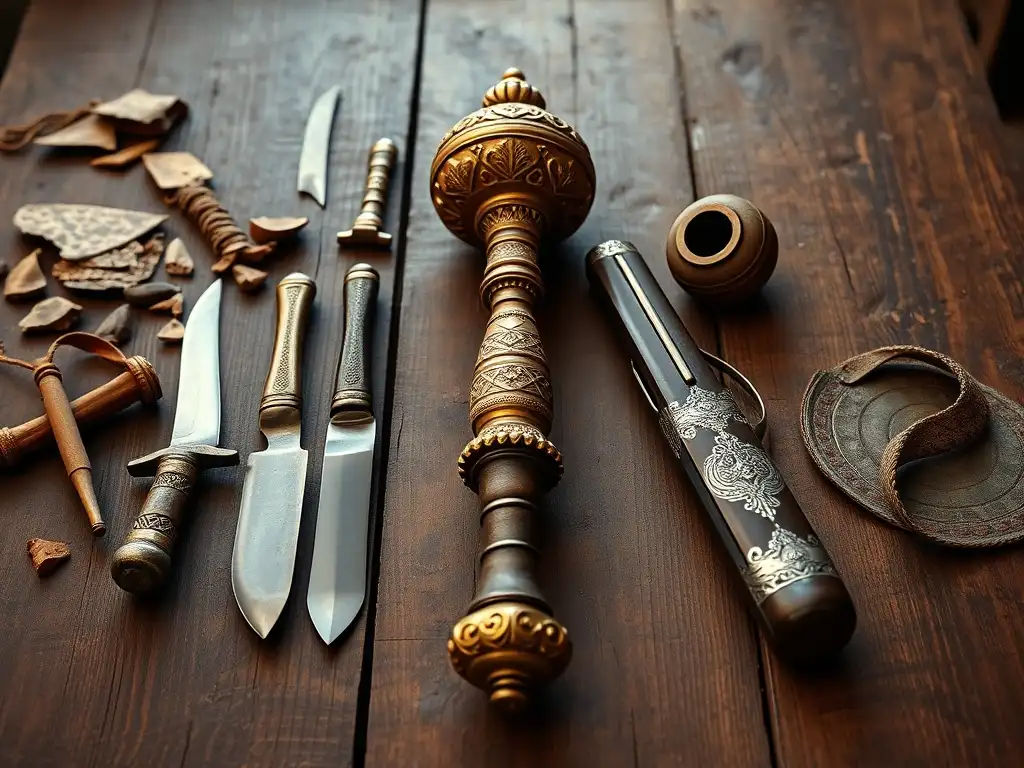
This section delves into the fascinating evolution of Andean weaponry, tracing its development from rudimentary tools used for hunting and survival to the sophisticated military arsenal employed by powerful empires like the Inca. Understanding this trajectory provides crucial insight into the Andean weapons history influence on subsequent cultures and their enduring legacy. We will explore the materials, techniques, and strategic implications of Andean weapon development across various periods and civilizations.
Early Andean Tools: Precursors to Specialized Weapons
The earliest Andean peoples relied on readily available materials to create tools that served both practical and defensive purposes. Obsidian, readily sourced from volcanic regions, was prized for its sharpness and used to create projectile points for spears and darts. These early tools, while not strictly "weapons" in the military sense, represent the foundational stage in the development of Andean weaponry.
The techniques employed in crafting these early tools – careful knapping and shaping of stone – laid the groundwork for the more sophisticated techniques used in later weapon production. Evidence suggests that even these early tools were not solely for hunting; their use in inter-tribal conflicts is suggested by archaeological findings of broken projectile points and other signs of violence in early Andean settlements. This demonstrates the blurred lines between utilitarian tools and early forms of weaponry in Andean prehistory.
Furthermore, the development of effective hunting tools directly contributed to the survival and prosperity of these early communities, indirectly fostering the conditions for the later development of more sophisticated military technologies. The mastery of these early techniques is a testament to the ingenuity and adaptability of Andean peoples, paving the way for the impressive military technologies of later civilizations.
The Rise of Specialized Weapons in Andean Cultures: Moche, Nazca, Tiahuanaco
With the rise of complex societies like the Moche, Nazca, and Tiahuanaco, we see a significant shift towards the development of specialized weapons. The Moche, known for their elaborate metalworking, produced finely crafted copper and bronze weapons, including swords, knives, and axes. These were not merely functional tools; their intricate designs and craftsmanship suggest a significant social and ritualistic importance. The Nazca, while less known for metalwork, excelled in the production of effective projectile weapons, including darts and slings.
Their mastery of ceramics also extended to the creation of specialized containers for carrying ammunition. The Tiahuanaco, a powerful Andean culture, is associated with the widespread use of clubs and maces, often adorned with intricate carvings. This demonstrates a shift towards more effective close-combat weaponry.
These developments reflect not only advancements in metallurgy and craftsmanship but also a growing need for organized warfare and military might in increasingly complex and competitive societies. The diversity in weapon types across these cultures highlights the regional variations and innovations within Andean weapon technology. The Andean weapons history influence on later societies is evident in the adoption and adaptation of these designs and techniques.
The Inca Military Arsenal: Organization and Weaponry
The Inca Empire, with its vast territory and sophisticated administrative system, possessed a highly organized military and a correspondingly advanced arsenal. Their weaponry was characterized by a combination of traditional and innovative designs, reflecting both continuity and adaptation. The macuahuitl, a wooden club studded with obsidian blades, was a particularly effective weapon, capable of inflicting devastating wounds. Slings, bolas (weighted throwing ropes), and spears remained staples of the Inca army.
The Inca also mastered the use of bronze and even some early forms of steel, although the latter was likely obtained through trade. The Inca military's effectiveness stemmed not just from their weaponry but also from their highly organized structure and advanced logistics. Their sophisticated road network facilitated rapid troop deployment, while their centralized administration ensured a consistent supply of weapons and equipment.
The Inca's military organization and weaponry are prime examples of how technological innovation and military strategy converged to create a powerful and enduring empire. The legacy of Inca military technology is seen in the continued use of similar weapons in some Andean communities and their influence on the imagery and symbolism associated with Andean warfare. The study of Inca weaponry offers a compelling case study in the relationship between technology, military organization, and imperial power in ancient Andean societies, significantly shaping the Andean weapons history influence on the region's cultural identity.
Andean Weapons: A Closer Look at Key Types
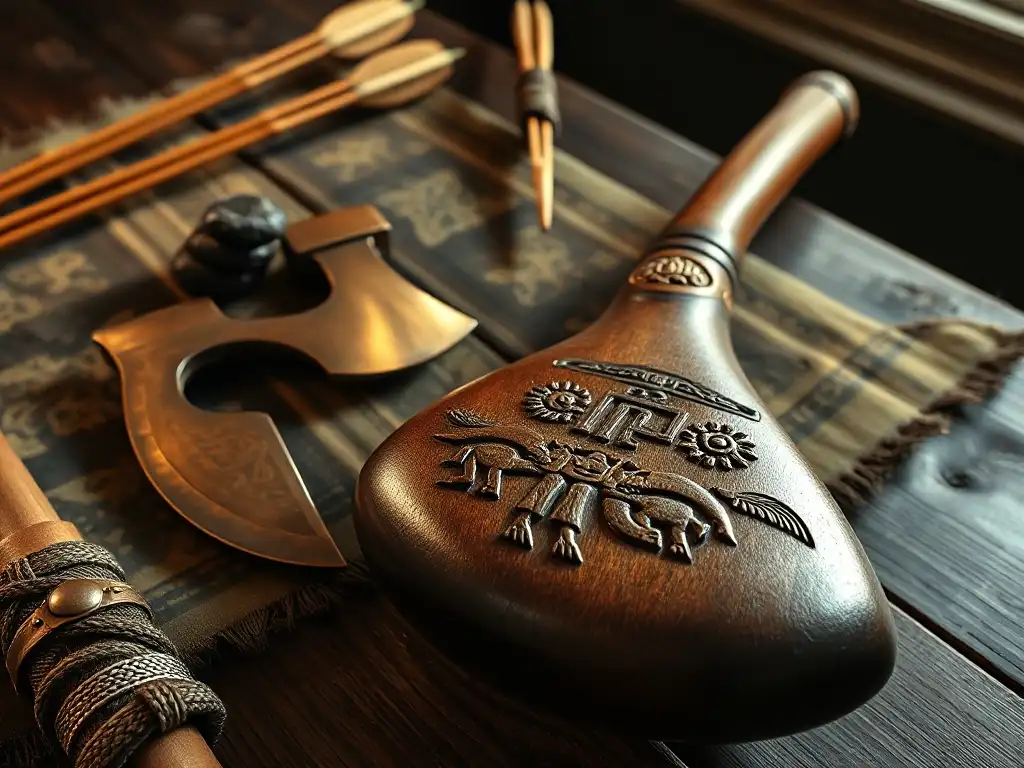
This section delves into the diverse weaponry employed by Andean civilizations, examining their design, functionality, and cultural significance. Understanding these tools provides crucial insight into the military strategies, societal structures, and artistic expressions of these remarkable cultures. The impact of these weapons extends beyond their battlefield use, leaving a lasting legacy on the region's cultural identity. The study of Andean weapons history influence is a rich and multifaceted endeavor.
The Sling: A Versatile and Deadly Weapon
The sling, a deceptively simple weapon, was a ubiquitous and highly effective tool across various Andean cultures. Its simplicity belied its effectiveness; requiring relatively little training, it offered a significant advantage in ranged combat. Unlike projectile weapons requiring more complex manufacturing, slings were easily made from readily available materials like leather straps and woven fibers. The projectile itself, typically a stone carefully selected for weight and aerodynamic properties, could be easily replenished. This ease of production and use meant that even lightly armed individuals could inflict significant damage.
Evidence suggests that Andean slingers were highly skilled, capable of achieving remarkable accuracy and range. Archaeological finds of carefully shaped sling stones, often with smoothed surfaces to improve aerodynamics, attest to this proficiency. Furthermore, depictions in Andean art frequently showcase slingers in action, highlighting their importance within military formations.
These depictions, often found on textiles, pottery, and even monumental architecture, offer valuable insights into the tactical deployment of slingers and their role within broader military strategies. The sling's influence can be seen in the development of later projectile weaponry, showcasing its enduring legacy. The effectiveness and widespread use of the sling underscore its importance within the Andean weapons history influence.
The Mace: Power and Symbolism in Andean Warfare
The mace, a heavy bludgeoning weapon, occupied a unique position in Andean warfare. Unlike the sling's relative simplicity, the mace represented a more sophisticated level of craftsmanship and held significant symbolic weight. Maces were often intricately crafted, with heads fashioned from stone, wood, or metal, sometimes adorned with elaborate carvings or inlaid with precious materials. This suggests that, beyond their practical battlefield function, maces served as powerful status symbols, often wielded by elite warriors or members of the ruling class.
The design of Andean maces varied across different cultures and time periods. Some were relatively simple, consisting of a heavy stone head attached to a wooden shaft. Others were far more complex, featuring multiple heads or elaborate ornamentation. The weight and design of the mace were crucial factors in its effectiveness, determining its impact and the level of skill required for its proficient use.
The sheer power of a well-aimed mace blow could easily incapacitate or kill an opponent. Furthermore, the symbolic weight of the mace, its association with power and authority, solidified its importance in Andean society. This dual nature—practical weapon and status symbol—significantly contributes to its impact on Andean weapons history influence.
Spears and Atlatls: Ranged Warfare in the Andes
Spears, a staple of warfare across numerous cultures, were also extensively used in the Andes. However, the Andean civilizations added a crucial technological advancement: the atlatl. This spear-thrower extended the range and power of the spear significantly, making it a formidable ranged weapon. The atlatl acted as a lever, increasing the velocity and distance of the spear throw. This allowed warriors to engage enemies from a safer distance, providing a tactical advantage in combat.
The atlatl’s design was relatively simple but highly effective. It consisted of a hand-held wooden shaft with a hook or cradle at the end to hold the spear. The user would place the spear in the cradle and propel it forward with a swift underhand motion. While spears were effective in close-quarters combat, the atlatl transformed them into a more versatile ranged weapon, capable of inflicting significant damage from afar.
The construction of both spears and atlatls varied based on available resources and regional preferences. Archaeological evidence reveals the use of various materials, including wood, bone, and obsidian for spear points, reflecting the ingenuity and adaptability of Andean weapon-makers. The widespread use of spears and atlatls, particularly in conjunction with the atlatl, profoundly impacted Andean warfare and remains a key element in the Andean weapons history influence.
Axes and Knives: Close-Combat Weapons of Andean Warriors
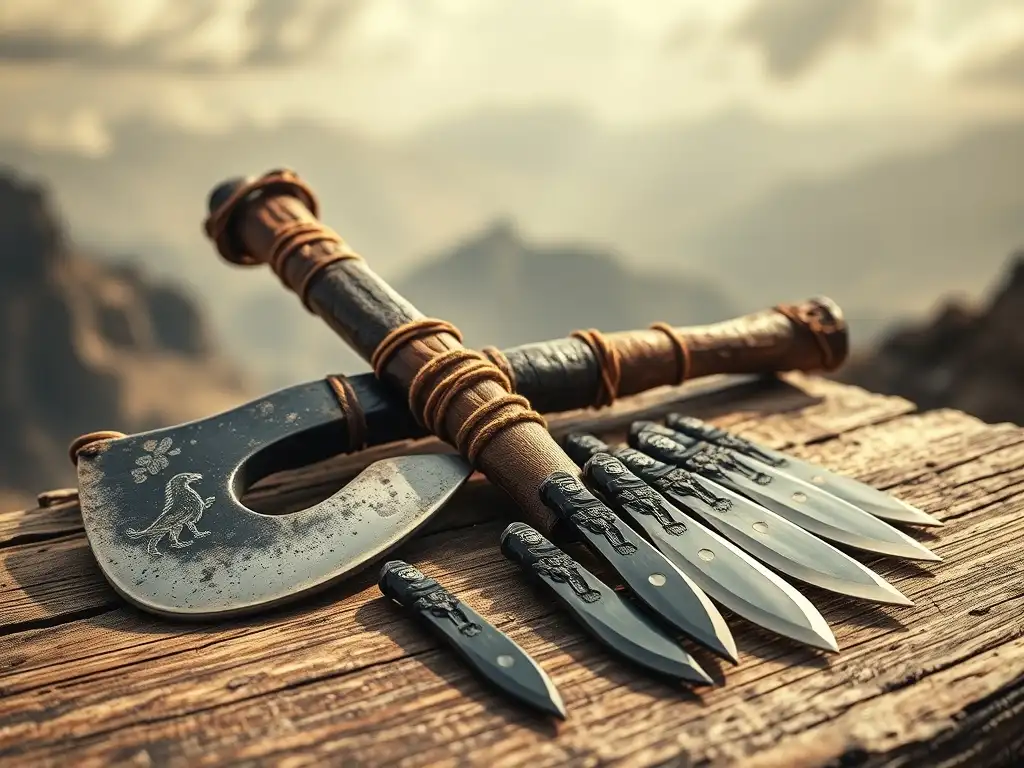
Andean warriors relied heavily on axes and knives for close-quarters combat. These weren't just simple tools repurposed for war; they were meticulously crafted weapons, reflecting the advanced metallurgical skills of these civilizations. The axes, for example, varied significantly in size and design depending on the specific culture and time period. Some were small and hatchet-like, ideal for felling trees and also delivering swift, lethal blows in close combat.
Others were larger, almost resembling a broadaxe, capable of cleaving through bone and shield alike. The craftsmanship is often striking; many examples exhibit intricate carvings or inlaid metalwork, suggesting both practical and ceremonial significance. These weren't just weapons; they were status symbols, reflecting the warrior's skill and position within their society.
The knives, often made from obsidian or copper, were equally important. Obsidian, with its incredibly sharp edge, was prized for its effectiveness in cutting and slashing. Copper knives, while perhaps not as sharp, were more durable and could be crafted into larger, more robust blades.
Archaeological evidence suggests that these knives were used not only in warfare but also in ritualistic practices and daily life, highlighting their versatility and importance within Andean societies. The design of these knives also varied greatly, ranging from small, dagger-like blades to longer, more curved forms, each suited to different fighting styles and tactical situations. Analysis of skeletal remains has even revealed evidence of wounds consistent with the use of these close-combat weapons, providing concrete evidence of their effectiveness on the battlefield.
Defensive Gear: Shields and Armor in Andean Combat
While offensive capabilities were crucial, Andean warriors also understood the importance of defense. Shields and armor, though not as ubiquitous as in some other cultures, played a vital role in Andean combat. Shields varied considerably in size and material. Some were made of wood, often reinforced with leather or other materials to increase their durability and resistance to blows from axes and clubs.
Others were constructed from woven materials, offering lighter protection but greater flexibility. The design of the shields often incorporated symbolic or decorative elements, further emphasizing their cultural and ceremonial significance beyond their purely defensive purpose. Evidence suggests that shield designs varied between different Andean groups, allowing for identification of opposing forces during battles.
Armor, while less common than shields, was still used by elite warriors and leaders. This armor wasn't typically the plate armor seen in other parts of the world; instead, it often consisted of padded clothing, sometimes reinforced with leather or metal plates. This type of armor offered a degree of protection against slashing weapons, while still allowing for a degree of mobility.
The effectiveness of this armor might seem limited compared to later metal armor, but it was likely sufficient against the prevalent weapons of the time, especially when combined with shields and skillful maneuvering. The presence of armor in Andean burials further suggests its importance as a symbol of status and military prowess within Andean societies. The relatively limited evidence of widespread armor use may reflect the nature of Andean warfare, which may have emphasized maneuverability and ranged attacks over prolonged close-quarters combat.
The Impact of Andean Weaponry on Warfare Strategies
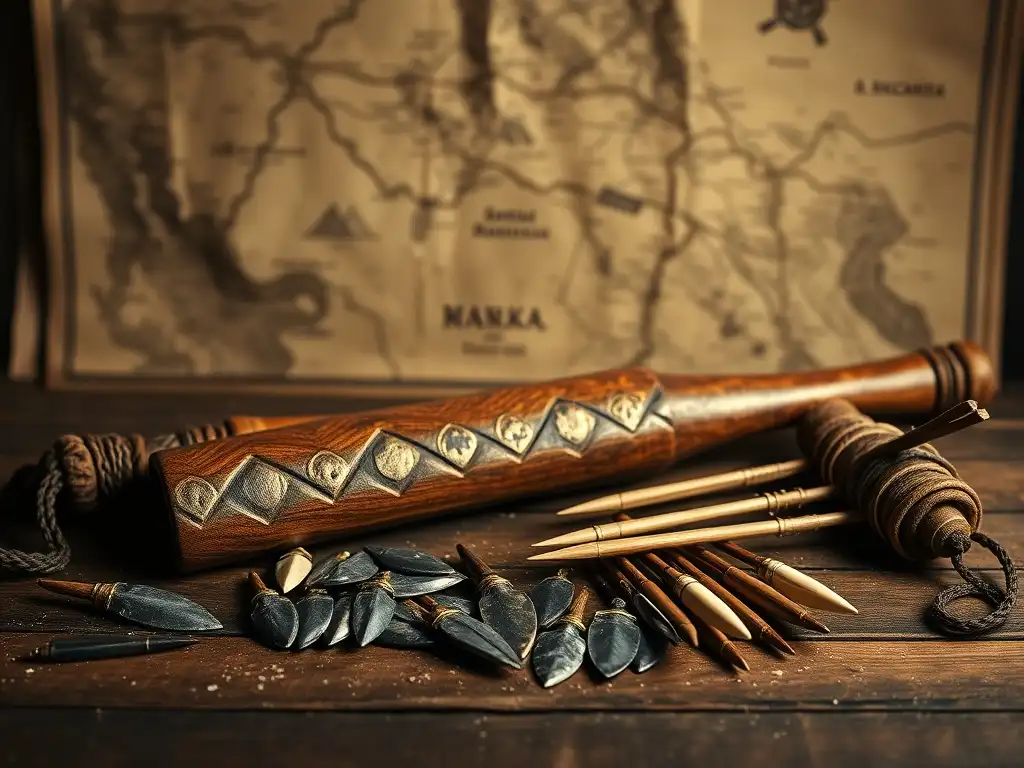
The unique geography of the Andes Mountains profoundly shaped the development and application of Andean weaponry, influencing their military tactics and overall approach to warfare. The rugged terrain, varying altitudes, and challenging climates demanded innovative solutions, resulting in a diverse arsenal of weapons adapted to specific environments and combat scenarios. Understanding the impact of these weapons is crucial to grasping the complexities of Andean warfare.
This section explores the interplay between Andean weaponry and their military strategies, highlighting how technological advancements directly influenced their battlefield success and territorial control. The study of Andean weapons history influence reveals a sophisticated relationship between environment, technology, and military doctrine.
Andean Military Tactics: Adapting to Diverse Terrains
Andean military tactics were intimately linked to their environment and the weapons at their disposal. The mountainous terrain, characterized by steep inclines, narrow passes, and unpredictable weather, favored smaller, highly mobile units rather than large, cumbersome armies. The macuahuitl, a wooden club studded with obsidian blades, was exceptionally effective in close-quarters combat in these confined spaces.
Its relatively lightweight design allowed for swift movements and rapid strikes, ideal for navigating the challenging Andean landscape. In contrast, the bolas, a weapon consisting of weighted balls connected by cords, proved effective in open areas, disabling enemies from a distance by ensnaring their legs. The effective use of both weapons showcases the strategic adaptability of Andean armies, demonstrating a profound understanding of terrain and weapon capabilities.
Furthermore, the use of slings and darts, particularly effective at range, allowed for attacks from advantageous positions, exploiting the natural defenses provided by the mountainous terrain. This adaptability, fueled by innovative weapon design, was a key factor in their military successes.
The Role of Weapons in Andean Conquest and Expansion
The effectiveness of Andean weaponry played a significant role in their territorial expansion and conquest. The Inca Empire, for example, owes much of its success to its well-organized army equipped with a range of sophisticated weaponry. The charka, a throwing club, provided a significant advantage in open battles, allowing for devastating attacks from a distance.
The combination of ranged weapons like the charka and close-quarters weapons like the macuahuitl created a powerful and versatile fighting force, capable of adapting to diverse combat scenarios. The strategic use of these weapons, coupled with superior organization and logistics, allowed the Inca to conquer vast territories and establish a powerful empire.
The meticulous crafting of these weapons, often incorporating precious metals and intricate designs, also served as a symbol of power and prestige, further solidifying the Inca's dominance and control over conquered populations. The study of Andean weapons reveals not only their military capabilities but also their socio-political significance in maintaining imperial power.
Understanding Andean War Through their Weapons
Analyzing Andean weaponry provides invaluable insights into their warfare strategies, societal structures, and technological advancements. The presence of sophisticated metalworking, evident in the creation of bronze and copper weapons in some regions, indicates a high level of technological skill and social organization. The variations in weapon types across different Andean cultures reflect regional differences in warfare tactics and environmental adaptations.
For instance, coastal cultures might have relied more heavily on weapons suitable for naval combat, while highland cultures focused on weapons effective in mountainous terrain. Examining the materials used—obsidian, wood, copper, bronze, gold—offers clues about resource availability, trade networks, and the overall economic strength of different Andean societies. The meticulous craftsmanship often displayed in the construction of these weapons highlights the high value placed on military prowess and the importance of warfare in shaping Andean societies.
The study of Andean weapons history influence provides a detailed understanding of the complexities of their warfare and the sophisticated strategies employed by these ancient civilizations. Further research into specific weapon types and their regional variations is needed to fully appreciate the nuances of Andean military history.
Andean Weapons History Influence: Tracing the Modern Connections
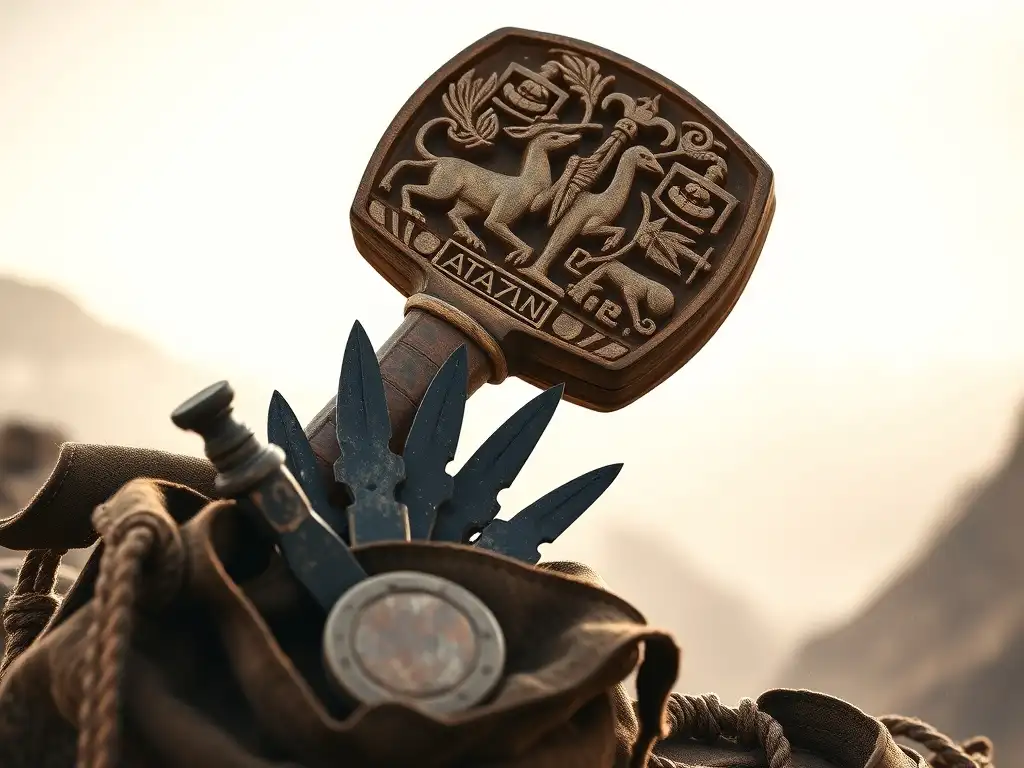
The legacy of Andean weaponry extends far beyond the battlefields of ancient empires. Its influence resonates in modern culture, subtly shaping various aspects of our lives, from martial arts and sporting practices to popular narratives and artistic expressions. Understanding this influence requires examining the enduring impact of specific Andean weapon designs, manufacturing techniques, and even the philosophical underpinnings of their use in warfare. This section explores the multifaceted ways in which the history of Andean weapons continues to impact our world. The keyword phrase "Andean weapons history influence" is key to understanding this enduring legacy.
The Influence of Andean Weaponry on Modern Martial Arts
While direct lineage is difficult to definitively prove, certain Andean weapon techniques and philosophies bear remarkable similarities to modern martial arts. The machay, a club often employed by Andean warriors, shares striking parallels with certain striking techniques found in modern styles like Kali and Eskrima.
The emphasis on leverage, balance, and precise strikes showcased in ancient Andean combat manuals—though many are lost or fragmented—finds echoes in the training methodologies of these modern disciplines. Furthermore, the use of slings, a ubiquitous weapon across Andean cultures, highlights the importance of projectile weaponry and accuracy which is emphasized in many modern martial arts incorporating ranged combat.
The strategic use of terrain, a hallmark of Andean warfare, also finds a parallel in modern martial arts training. Andean warriors often utilized the mountainous landscape to their advantage, employing ambushes and strategic retreats. This tactical awareness is mirrored in modern martial arts practices that emphasize environmental awareness and adaptability in combat situations. Further research into the surviving Andean combat treatises is needed to fully illuminate the extent of this influence. [Specific information pending: Detailed comparison of Andean combat techniques with modern martial arts styles].
The Use of Ancient Techniques in Contemporary Practices
Beyond formal martial arts, the echoes of Andean weaponry can be found in contemporary sporting practices and recreational activities. The bolas, a weapon consisting of weighted balls connected by cords, has evolved into a popular equestrian sport and even a competitive throwing event. This adaptation showcases the enduring appeal of the weapon's design and the ingenuity of its original purpose. Similarly, the techniques associated with the Andean sling, once a crucial hunting and warfare tool, have found a place in modern recreational activities such as slinging competitions.
The continued use of these ancient techniques isn't merely nostalgic; it speaks to the inherent effectiveness and adaptability of the Andean designs. The bolas' ability to entangle targets efficiently remains relevant, and the sling's accuracy and range continue to fascinate. This enduring practicality ensures that elements of Andean weaponry persist not as mere historical artifacts, but as active components of modern practices, proving the lasting influence of Andean weapons on contemporary life. This active presence reinforces the significance of "Andean weapons history influence" in shaping modern activities.
Andean Weaponry in Popular Culture: Myths and Realities
Andean weaponry has also captured the imagination of popular culture, appearing in various forms of media. From video games depicting stylized Andean warriors wielding macuahuitls and warak'as to novels and films portraying Inca battles, the imagery of Andean weaponry contributes to a broader understanding—although sometimes romanticized—of their culture and history. However, it is crucial to distinguish between accurate historical representations and the often-exaggerated or fictionalized portrayals found in popular media.
The prevalence of these depictions, while sometimes inaccurate, underscores the enduring fascination with Andean civilizations and their military prowess. This interest, driven by the visual appeal and perceived exoticism of Andean weapons, contributes to a greater awareness of Andean history. However, it also necessitates a critical approach, ensuring that popular culture representations are accompanied by accurate historical context to avoid perpetuating myths and misconceptions about the "Andean weapons history influence" on modern society. Careful analysis of these depictions is needed to separate fact from fiction and foster a more nuanced understanding of the subject.
The Preservation of Andean Weapons Knowledge
The study of Andean weapons relies heavily on archaeological discoveries and the meticulous work of researchers and conservators. Many artifacts, despite the passage of centuries, have survived in remarkably good condition, offering invaluable insights into ancient metallurgical techniques and combat strategies. The arid climate of certain regions, such as the coastal deserts, has played a crucial role in preserving organic materials like wood and textiles alongside metalwork. However, the fragility of these materials necessitates specialized preservation techniques, including careful cleaning, stabilization, and storage in controlled environments to prevent further deterioration.
The ongoing effort to preserve these weapons is not just about safeguarding historical objects; it's about protecting a crucial part of Andean cultural heritage and ensuring that future generations can learn from the ingenuity and craftsmanship of their ancestors. This ongoing preservation work requires significant funding, expertise in material science and conservation, and a commitment to ethical practices that prioritize the long-term integrity of these artifacts over immediate display. Without these efforts, a significant portion of our understanding of Andean weapons technology and its influence on later cultures would be irretrievably lost.
The dedication of museums, universities, and research institutions is paramount to this crucial task. Many institutions actively engage in public outreach programs, educating the public about the importance of preserving these artifacts and the stories they tell. This public awareness is vital for securing future support for preservation efforts and ensuring the continued study of Andean weapons.
The challenges involved in preserving Andean weapons are significant. The materials used—often alloys of copper, gold, and other metals—are susceptible to corrosion and degradation over time. Organic materials, such as the handles of weapons or the textiles used in their adornment, are even more vulnerable, requiring specialized treatment and storage conditions.
Furthermore, the looting of archaeological sites poses a significant threat, removing artifacts from their context and potentially causing irreparable damage. Combating this illegal activity requires international cooperation and stricter regulations to protect these invaluable historical resources. The ethical considerations surrounding the repatriation of artifacts also play a significant role in the preservation of Andean weapons knowledge, ensuring that these items are returned to their countries of origin and managed by institutions committed to their long-term preservation.
The careful documentation of each artifact, from its discovery to its conservation, is also essential for responsible stewardship and future research. This detailed record-keeping allows researchers to track the history of each piece, understand its context, and make informed decisions about its conservation and display.
Andean Weapons and Cultural Heritage: Understanding the Past Through Artifacts
This section delves into the tangible legacy of Andean weaponry, exploring how archaeological discoveries illuminate the sophisticated technology and cultural significance of these artifacts. Understanding the past through these objects allows us to appreciate the ingenuity and artistry of Andean civilizations, enriching our comprehension of their societal structures and beliefs. The study of Andean weapons history influence extends beyond simple military applications; it offers a window into the complex tapestry of Andean life.
Archaeological Findings: Unearthing the Secrets of Andean Weapons
Archaeological excavations across the Andes have yielded a wealth of information regarding weaponry. From the arid coastal regions where the Moche thrived to the high-altitude settlements of the Inca, discoveries consistently reveal a diverse range of weapons, reflecting both regional variations and technological advancements across centuries. For instance, the meticulously crafted copper and bronze axes of the early Andean cultures demonstrate advanced metallurgical skills.
These weren't merely tools; their intricate designs and careful craftsmanship suggest a high degree of social significance. Further evidence comes from the discovery of complete weapon caches, often buried alongside elite individuals, indicating their importance in ritual and funerary practices. Detailed analysis of these finds, including metallurgical studies and residue analysis, allows researchers to reconstruct manufacturing processes, understand weapon usage, and even determine the source of raw materials.
The discovery of projectile points, slings, and clubs, alongside defensive equipment like shields and armor, provides a comprehensive picture of Andean warfare. The sheer number of artifacts recovered underscores the importance of weaponry in the daily lives and social structures of Andean societies. This abundance of material evidence continues to provide crucial insights into Andean weapons history influence.
The Significance of Weaponry in Andean Art and Iconography
Andean weaponry is not simply a historical artifact; it's deeply embedded within the artistic and iconographic traditions of the region. Depictions of weapons on pottery, textiles, and metalwork are ubiquitous, showcasing not only the tools themselves but also their symbolic meaning within Andean culture. For example, the Moche's renowned ceramic vessels frequently feature warriors wielding spears, clubs, and atlatls, often in dynamic battle scenes.
These depictions are not merely decorative; they provide valuable insights into warfare tactics, weaponry, and the role of warriors in Moche society. The intricate detail and expressive style of these artistic representations reveal a deep connection between weaponry and cultural identity. Similarly, Inca textiles often incorporate symbolic representations of weapons, indicating their importance in ritual and religious contexts.
The study of Andean art and iconography, therefore, offers a complementary lens through which to understand the significance of weaponry in shaping Andean worldview and social structures. Analyzing these artistic expressions enhances our understanding of Andean weapons history influence on their cultural identity.
Andean Weapons as Symbols of Power and Status
The possession and use of specific weapons often served as markers of social status and power within Andean societies. Certain materials, like gold and silver, were reserved for elite warriors and rulers, highlighting the connection between weaponry and social hierarchy. Elaborately decorated weapons, showcasing intricate designs and precious metals, were likely reserved for ceremonial purposes or wielded by high-ranking individuals.
The size and quality of weaponry could also reflect an individual's social standing. Larger, more finely crafted weapons might have been symbols of authority and power. Furthermore, the control and distribution of weaponry by ruling elites played a crucial role in maintaining social order and enforcing political authority.
The strategic allocation of resources for weapon production and the control over access to these weapons strengthened the power of the ruling class. This complex interplay between weaponry, social structure, and political power provides crucial context for comprehending Andean weapons history influence on the development of Andean societies. Studying these dynamics offers a deeper understanding of the social and political landscape of the Andes.
The Legacy of Andean Weaponry: Connecting the Past with the Present
The study of Andean weaponry offers a captivating glimpse into the ingenuity and resourcefulness of ancient civilizations. Their weapons, far from being mere instruments of war, reflect a deep understanding of materials science, engineering principles, and cultural values. The meticulous craftsmanship evident in surviving artifacts—from intricately decorated clubs to finely honed obsidian blades—speaks volumes about the societal importance placed upon warfare and the skills of the artisans who produced these tools.
Understanding this legacy is crucial not only for comprehending the dynamics of Andean warfare but also for appreciating the broader cultural context within which these weapons were created and used. The techniques employed in their creation, often passed down through generations, influenced later toolmaking and artistic practices, leaving an enduring mark on Andean cultural heritage.
Analyzing these weapons, therefore, allows us to connect the past with the present, tracing the lines of influence that continue to shape Andean societies today. This connection is not merely academic; it holds significance for understanding contemporary artistic expressions, crafting traditions, and even the broader narrative of Andean identity.
The enduring influence of Andean weaponry extends beyond the purely material. The symbolic value associated with certain weapons, particularly those used by elite warriors or in religious ceremonies, permeates Andean iconography and continues to inspire contemporary artists and designers. We see echoes of these ancient forms in modern-day representations of Andean culture, a testament to the powerful symbolism embedded within these artifacts.
For example, the imagery of the macuahuitl, a fearsome Aztec club studded with obsidian blades (though not strictly Andean, it shares stylistic and technological parallels), remains a potent symbol of power and resistance in contemporary artistic expressions. This enduring presence underscores the enduring legacy of Andean weapon design and its continued resonance within the cultural landscape.
Moreover, the study of these weapons sheds light on the social structures and power dynamics of ancient Andean societies, offering valuable insights into their political organization and military strategies. The meticulous craftsmanship and the materials used often reflect the social status of the warrior who wielded them, further enriching our understanding of Andean societal hierarchies.
The preservation and study of Andean weapons are therefore not merely exercises in historical archaeology; they are vital components in understanding the complex interplay between past and present in Andean culture. The careful analysis of these artifacts, combined with anthropological and historical research, provides a rich and nuanced understanding of the societies that created them, their beliefs, and their enduring impact on the world. Ongoing research continues to uncover new information about Andean weaponry, constantly refining our appreciation for the sophisticated technology and cultural significance embedded within these objects.
The continuing relevance of this research is undeniable, offering valuable insights into the cultural heritage of the Andes and its enduring influence on the present day. The legacy of Andean weaponry is not just a collection of artifacts; it's a living testament to the creativity, resilience, and enduring spirit of Andean civilizations.
Frequently Asked Questions
What types of weapons did the Andean civilizations primarily use?
Andean civilizations utilized a diverse range of weapons, including spears, clubs, slings, and bows and arrows. Metal weaponry, such as maces and knives, became more prevalent in later periods.
How did Andean weapon technology evolve over time?
Andean weapon technology evolved significantly, progressing from simpler stone and wood implements to more sophisticated bronze and copper tools and eventually advanced metallurgy incorporating gold and silver. This reflects increased metallurgical skills and military strategies.
What was the influence of Andean weapons on warfare tactics?
Andean weapons heavily influenced warfare tactics. The use of slings and bows and arrows allowed for ranged combat, while clubs and spears were used in close-quarters fighting. Defensive fortifications also played a crucial role.
How did the design of Andean weapons reflect their cultural beliefs?
The design of Andean weapons often incorporated religious and symbolic elements. Certain materials and forms held spiritual significance, and weapons could be adorned with decorative motifs related to their gods and beliefs.
What lasting impact did Andean weapons have on modern culture?
While not directly, the ingenuity and adaptability demonstrated in Andean weapon technology offer valuable insights into ancient engineering and resourcefulness. Studying these weapons provides context to understanding the complexities of Andean societies and their interactions.
Final Reflection: Echoes of the Andes: A Legacy Forged in Metal and Myth
The intricate artistry and brutal effectiveness of Andean weapons weren't simply tools of war; they were potent symbols of power, spirituality, and societal structure, a legacy that continues to resonate in contemporary art, design, and even our understanding of ancient civilizations. Their influence extends far beyond dusty museum displays, shaping our perceptions of pre-Columbian societies and offering valuable insights into the complex interplay between technology, culture, and conflict.
The enduring fascination with Andean weaponry speaks volumes about our ongoing need to understand the past and its impact on the present. These objects, meticulously crafted from precious metals and imbued with symbolic meaning, serve as powerful reminders of a rich and complex culture often overlooked in mainstream narratives. The past is never dead. It's not even past.
- William Faulkner. This quote perfectly encapsulates the enduring relevance of Andean weapons, their stories echoing through time and demanding our attention. Their study forces us to confront uncomfortable truths about conquest and resistance, reminding us of the human cost of conflict and the enduring strength of cultural resilience.
Consider the intricate designs, the meticulous craftsmanship, the sheer power these weapons represent. You, the reader, are now equipped with a deeper understanding of this fascinating aspect of Andean history. Take a moment to reflect on the enduring power of cultural artifacts and how they shape our understanding of the past.
Seek out more information, explore the museums and archives that hold these treasures, and let the legacy of Andean weapons inspire you to delve deeper into the rich tapestry of human history. Let their echoes resonate within you, prompting further exploration and a deeper appreciation for the enduring power of the human spirit.
Unveil the Legacy: Take Action Today!
Thank you for exploring the fascinating influence of Andean weapons on modern culture! Your interest in this rich history is vital to understanding their lasting impact. Now, let's build on that knowledge and take meaningful steps forward.
- Delve deeper: Research a specific Andean weapon, such as the *macuahuitl* or the *bolas*, and explore its cultural significance. Share your discoveries on social media or with your community to inspire discussion!
- Join the conversation: Connect with fellow enthusiasts in our forum on **Andean Civilizations** to exchange ideas and learn from others' perspectives.
- Create something new: Create a modern interpretation of an Andean weapon. This could be a work of art, a short story, a video, or even a piece of music inspired by its history and symbolism.
What aspect of Andean culture most inspires you, and how will you integrate it into your life?