
Inca Spear Technology: From Simple Points to Complex Weaponry

Step into a world lost to time, yet echoing with the thunder of ancient battles. Andean Civilizations unveils the mysteries of a remarkable past, from the intricate artistry of the Nazca lines to the sophisticated engineering of the Incas. But what secrets lie hidden within the seemingly simple spear? Prepare to be amazed as we delve into the Inca spear technology history, tracing its evolution from humble beginnings to a weapon of devastating power. Uncover the ingenuity and strategic brilliance behind this pivotal element of Andean warfare – your journey into the heart of Inca military might begins now.
- Inca Spear Technology History: An Overview of Andean Weaponry
- Early Forms of Inca Spears: Simple Points and Rudimentary Designs
- The Development of Inca Spear Technology: Innovations and Refinements
- Inca Spear Types and Variations: A Look at Specialized Weaponry
- Inca Spear Manufacturing Techniques: Production and Logistics
- The Effectiveness of the Inca Spear in Warfare: Tactics and Strategies
- The Legacy of the Inca Spear: Influence and Modern Understanding
- Frequently Asked Questions
- Final Reflection: The Enduring Legacy of Inca Spear Technology
- **Unveil the Legacy of Inca Innovation! **
Inca Spear Technology History: An Overview of Andean Weaponry
The Inca Empire, renowned for its sophisticated engineering and intricate social structures, also possessed a formidable military machine. Understanding Inca warfare requires examining its weaponry, and among the most crucial implements were their spears.
This article delves into the fascinating evolution of Inca spear technology, tracing its development from simple hunting tools to complex military weapons integral to the empire's conquest and control. We'll explore the materials used, the manufacturing processes, and the tactical implications of spear design, showcasing the ingenuity and adaptability of Inca craftsmanship and its crucial role in shaping Andean history.
This exploration will illuminate not only the specific technological advancements but also the broader context of Inca military strategy and societal organization, enriching our understanding of this remarkable civilization's legacy. We will analyze the differences between spear types, their effectiveness in various combat scenarios, and their place within the broader context of Inca weaponry, providing a comprehensive overview of "Inca spear technology history."
The Evolution of the Inca Spear: From Basic Tools to Military Weapons
The Inca spear's journey from a rudimentary hunting tool to a sophisticated military weapon reflects the empire's growth and technological advancement. Early forms, likely crafted from hardened wood sharpened to a point, served primarily for hunting camelids and other animals. These early spears were relatively simple in design, lacking the elaborate ornamentation and refined metallurgy seen in later examples.
As the Inca state expanded and warfare became more prevalent, spear design underwent a significant transformation. The introduction of bronze and, later, copper alloys allowed for the creation of stronger, more durable spearheads. These metal points were often meticulously crafted, sometimes featuring intricate designs reflecting Inca iconography and religious beliefs.
The incorporation of metal significantly increased the spear's lethality and effectiveness in combat. This evolution showcases a clear progression, driven by both practical needs and the empire's growing sophistication in metalworking techniques. The transition from simple wooden spears to sophisticated metal-tipped weapons highlights the importance of technological innovation in the Inca military's success.
Materials and Manufacturing Techniques: A Deep Dive into Inca Metallurgy
The materials used in Inca spear production reflect the available resources and the ingenuity of Inca artisans. Wood, readily available throughout the Andes, formed the shaft of most spears. Different wood types were likely selected based on their strength, durability, and availability in specific regions. However, the spearhead's material is where the true technological advancements are evident.
Initially, obsidian, a volcanic glass known for its sharpness and hardness, was used to create spear points. Later, the mastery of metallurgy allowed for the creation of bronze and copper alloy spearheads. These were often cast using sophisticated lost-wax casting techniques, demonstrating a high level of metallurgical skill.
Evidence suggests that different alloys were employed, potentially resulting in variations in spearhead durability and sharpness. The meticulous craftsmanship evident in surviving examples points to a specialized workforce involved in spear production, highlighting the importance of this weapon within Inca society. The process involved not only mining and refining the metals but also shaping, hardening, and often decorating the spearheads, indicating a complex and well-organized production system.
Spearhead Design and Variations: Analyzing Form and Function
Inca spearheads weren't monolithic; they exhibited considerable variation in design, reflecting different functionalities and potentially regional variations. While many were leaf-shaped or lanceolate, others were more complex, featuring barbed points for increased lethality or broader blades suitable for thrusting and slashing.
The size and weight of the spearhead also varied, potentially influencing its use in different combat scenarios. Larger, heavier spearheads might have been used for piercing armor or engaging in close-quarters combat, whereas smaller, lighter ones might have been more suitable for ranged attacks or skirmishes.
The presence of decorative elements, such as engraved patterns or inlaid metals, suggests that some spearheads held symbolic or ceremonial significance, possibly indicating status or rank within the Inca army. Further research is needed to fully understand the regional variations and the specific functional implications of these design differences, but the existing archaeological evidence already points to a sophisticated understanding of weapon design and its relation to combat effectiveness.
The Inca Spear in Warfare: Tactical Applications and Effectiveness
The Inca spear was not merely a weapon; it was a key element in Inca military tactics and strategy. Its use was integral to the effectiveness of the Inca army, which relied on a combination of disciplined formations, superior organization, and effective weaponry. The spear's range and penetration power made it a potent weapon in both individual combat and large-scale battles.
Inca warriors were trained in the use of the spear, mastering techniques such as thrusting, throwing, and using it in conjunction with other weapons like clubs and slings. The spear's effectiveness is evidenced by the Inca Empire's remarkable military success in conquering and controlling a vast territory.
Understanding the tactical deployment of the spear within the broader context of Inca military organization provides valuable insights into the empire's military strength and its ability to subdue diverse populations across the Andes. Further research into Inca military manuals or accounts of battles would enrich our understanding of its strategic use.
Early Forms of Inca Spears: Simple Points and Rudimentary Designs
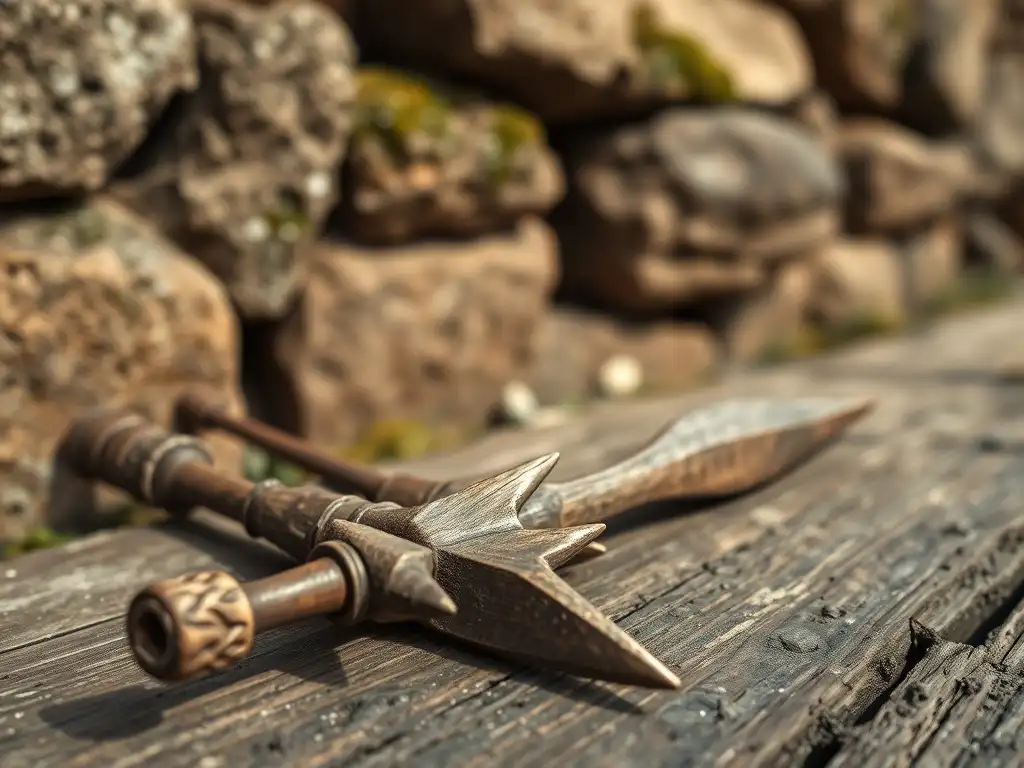
This section delves into the earliest forms of Inca spear technology, examining the rudimentary designs and materials used before the development of more sophisticated weaponry. Understanding these early forms provides crucial context for appreciating the technological advancements that followed. The Inca spear, while eventually becoming a symbol of military prowess, evolved from simpler beginnings, reflecting the gradual development of metallurgical and crafting skills within Andean societies.
Analyzing these early spears reveals valuable insights into the Inca's resourcefulness and adaptability in warfare. The evolution of Inca spear technology is a fascinating case study in how a civilization adapted its tools to meet the challenges of its environment and military needs.
Pre-Inca Spear Technology: The Foundation of Andean Weaponry
Before the Inca Empire's rise, various Andean cultures possessed their own spear-making traditions. These earlier spear designs significantly influenced Inca technology. Archaeological evidence suggests that spear technology in the Andes predates the Inca by millennia. For example, cultures like the Chavín and Paracas utilized obsidian and other readily available materials to create spear points. These early points were often leaf-shaped or triangular, reflecting a simple but effective design for piercing flesh.
The shafts were typically made from wood, and the points were attached using various lashing techniques, often employing plant fibers. This pre-Inca foundation laid the groundwork for the later sophistication of Inca spear technology. The Inca, inheriting and adapting these pre-existing techniques, further refined and standardized the production of these essential weapons. This process of cultural transmission and adaptation is a key element in understanding the evolution of Inca spear technology history.
The Use of Chert and Quartzite in Early Inca Spear Points
Early Inca spear points often utilized readily available materials like chert and quartzite. These materials, while not as durable as obsidian, were abundant in various regions of the Inca Empire and could be shaped into effective spearheads using relatively simple techniques. Chert, a hard sedimentary rock, was particularly popular due to its sharp fracturing properties, making it ideal for creating cutting edges. Quartzite, a metamorphic rock, offered similar advantages in terms of hardness and durability.
The use of these materials reflects the Inca's pragmatic approach to weapon production, prioritizing accessibility and functionality over the use of rarer, more difficult-to-obtain materials. The craftsmanship involved in creating these spear points, though seemingly simple, required significant skill and precision. Detailed analysis of these early spear points reveals variations in size and shape, potentially reflecting regional differences in manufacturing techniques or even specialized uses within the Inca army.
Simple Wooden Shafts and Basic Lashing Techniques
The shafts of early Inca spears were predominantly made from readily available woods, chosen for their strength and lightness. The selection of wood likely varied depending on regional availability. The process of creating the shafts involved careful selection of straight, strong branches, followed by shaping and smoothing.
The points were then attached to the shaft using basic lashing techniques. This usually involved strong plant fibers, such as agave or yucca, tightly wrapped around the point and shaft to secure it firmly in place. While seemingly simple, this lashing process required considerable skill and precision to ensure a secure and durable connection, crucial for effective use in combat.
The effectiveness of these early spears relied heavily on the quality of the wood and the skill of the craftsman in securing the point. The development of more advanced techniques, such as the use of adhesives and metal bindings, would later enhance the strength and durability of Inca spears. The study of these early lashing techniques provides valuable insights into the Inca's understanding of materials science and their ability to create functional weaponry from readily available resources.
The Development of Inca Spear Technology: Innovations and Refinements
The Inca Empire, renowned for its sophisticated engineering and administrative prowess, also possessed a remarkable understanding of weaponry. Their spear technology, far from being rudimentary, underwent significant development, reflecting both the evolving needs of warfare and the ingenuity of Inca metallurgists and craftspeople. This section delves into the key innovations and refinements that transformed Inca spears from simple hunting implements into formidable battlefield weapons.
Understanding the evolution of Inca spear technology offers crucial insight into their military capabilities and the broader context of Andean warfare. The study of Inca spear technology history reveals a fascinating interplay of materials science, craftsmanship, and strategic military thinking.
Advances in Inca Spear Point Design: Sharpening and Hardening Techniques
Early Inca spear points were likely fashioned from obsidian, a readily available volcanic glass prized for its sharpness and ease of working. However, as the empire expanded and warfare became more complex, the demand for more durable and effective spear points increased. Archaeological evidence suggests significant advancements in sharpening and hardening techniques. Instead of relying solely on simple flaking, Inca artisans developed methods to refine the edges of obsidian points, achieving an exceptional degree of sharpness. This involved meticulous pressure flaking, potentially utilizing specialized tools and techniques that are still not fully understood.
Furthermore, heat treatment played a crucial role in enhancing the durability of spear points. While the precise methods remain a subject of ongoing research, it's likely that Inca metallurgists employed controlled heating and cooling processes to improve the toughness and resistance to chipping of obsidian and, later, metal points. This resulted in spear points that could withstand repeated impacts and maintain their effectiveness in prolonged combat.
The improved sharpness and durability of these refined spear points significantly increased the lethality of Inca weaponry. Studies on surviving fragments indicate a clear progression in point design, reflecting a continuous effort to optimize performance on the battlefield. The transition from simple, crude points to meticulously crafted, hardened ones showcases the Inca's commitment to technological advancement in military affairs.
The Introduction of Copper and Bronze in Inca Spear Production
The introduction of copper and, later, bronze, marked a significant turning point in Inca spear technology. While obsidian remained an important material, the use of metals allowed for the creation of stronger, more resilient spear points. Initially, copper was likely used to create simple cast spear points, but over time, Inca metallurgists mastered more sophisticated techniques, such as hammering and annealing, to produce stronger and sharper points.
The transition to bronze, an alloy of copper and tin, further enhanced the durability and sharpness of the spear points. Bronze spear points were more resistant to bending and breaking, offering a significant advantage in close-quarters combat. The availability of tin, however, may have been a limiting factor, influencing the overall prevalence of bronze weapons compared to those made from copper or obsidian.
The shift to metal spear points wasn't merely a technological upgrade; it reflected a broader societal change. The increased production and use of metal weaponry signified the growing sophistication of Inca metallurgy and the empire's expanding economic and political power. The ability to control and utilize metal resources was a key indicator of wealth and military strength.
The development of specialized workshops and the training of skilled artisans were essential for the mass production of metal spear points, further demonstrating the Inca's organizational capabilities. The study of Inca metalworking techniques provides valuable insights into their economic structures and social organization.
Improved Spear Shaft Materials and Construction
The spear shaft, while seemingly a less significant component, played a crucial role in the effectiveness of the weapon. Early Inca spears likely utilized readily available woods, such as those from local trees. However, as Inca military technology progressed, so too did the selection and preparation of spear shafts. The choice of wood was likely influenced by factors such as strength, flexibility, and resistance to breakage. Evidence suggests that Inca artisans selected specific types of wood known for their durability and ability to withstand the stresses of combat.
Beyond the selection of materials, Inca craftspeople also developed techniques to improve the construction of the spear shafts. This may have included processes to harden or strengthen the wood, perhaps through heat treatment or the application of resins or other materials. The joining of the spear point to the shaft was also a critical aspect of construction.
Archaeological finds suggest the use of various methods, including hafting techniques that secured the point firmly to the shaft, minimizing the risk of the point detaching during combat. The attention to detail in the construction of spear shafts underscores the holistic approach of Inca weapon design, recognizing the importance of every component in achieving optimal performance. The overall quality of the shaft directly impacted the weapon's balance, throw, and overall effectiveness in battle.
The Impact of Metalworking on Inca Spear Efficiency
The introduction of metalworking, specifically bronze and later copper alloys, significantly revolutionized Inca spear technology. Prior to widespread metal use, spears were primarily crafted from wood, often hardened through fire and sharpened to a point. While effective in close-quarters combat, these wooden spears lacked the durability and penetrating power of their metallic counterparts. The adoption of metal allowed for the creation of spearheads that were not only sharper and more durable but also capable of inflicting far more serious wounds. This increased lethality dramatically altered the dynamics of warfare, giving Inca warriors a significant advantage on the battlefield.
The transition wasn't immediate, however. Early metal spearheads were often relatively simple in design, mimicking the shape of their wooden predecessors. As Inca metallurgic skills advanced, so too did the sophistication of their spearheads. We see a shift towards more complex shapes, including leaf-shaped points, designed for both piercing and cutting.
The incorporation of barbs, further enhancing the weapon's effectiveness by preventing easy removal from a wound, also became more common. These improvements weren't simply aesthetic; they represented a profound understanding of both metallurgy and battlefield effectiveness. The meticulous crafting of these spearheads, often showcasing intricate detail, speaks to the high level of skill and artistry possessed by Inca metalworkers.
Furthermore, the use of metal allowed for the creation of longer, sturdier shafts. While wooden shafts were prone to breakage under stress, metal spearheads could be securely attached to stronger, more resilient shafts, increasing both the spear's range and its ability to withstand the rigors of combat. This combination of a durable metal head and a robust shaft resulted in a far more effective and reliable weapon, contributing substantially to Inca military dominance.
The increased efficiency of Inca spears, thanks to metalworking, is undeniable; it fundamentally altered their tactical capabilities and battlefield success. Archaeological evidence consistently supports this conclusion, showcasing the evolution from simple wooden spears to sophisticated metal weapons throughout the Inca Empire's history.
Inca Spear Types and Variations: A Look at Specialized Weaponry
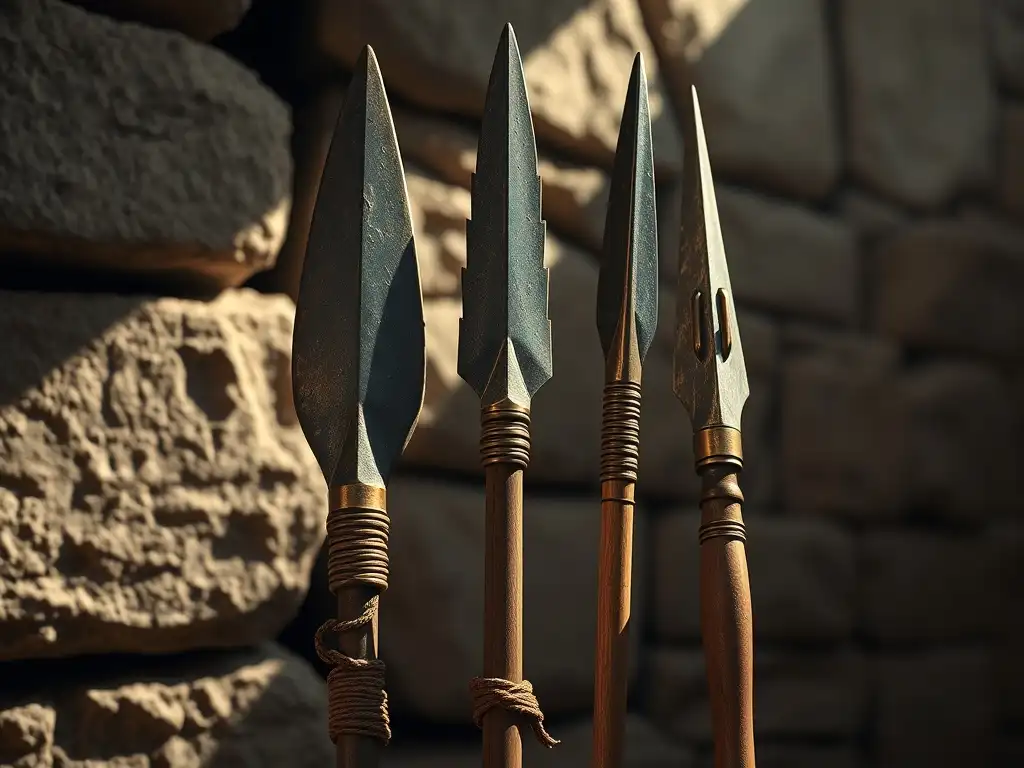
The Inca Empire, renowned for its sophisticated engineering and intricate social structures, also possessed a remarkably diverse range of spear technology. While the image of a simple, wooden spear might come to mind, the reality is far more nuanced. Inca spear technology history reveals a sophisticated understanding of materials science, weapon design, and battlefield tactics, reflected in the variety of spear types employed across the empire.
These weren't just weapons; they were tools adapted to specific needs, reflecting the diverse environments and combat situations faced by Inca warriors. From the standard issue spear of the common soldier to specialized hunting implements, the Inca spear reveals a fascinating interplay of practicality and ingenuity. The variations in design weren't merely aesthetic; they represented a deep understanding of effective weaponry for diverse purposes.
Standard Inca Military Spears: Length, Weight, and Balance
The standard-issue Inca military spear was a formidable weapon, carefully crafted for optimal performance in combat. While precise dimensions vary depending on archaeological finds and regional differences, a typical spear would measure approximately 1.5 to 2 meters in length. The weight, typically between 1 to 1.5 kilograms, was meticulously balanced to allow for effective thrusting and throwing.
The shaft, usually made from a strong, lightweight wood like ch'arki (a type of Andean wood known for its durability), was often reinforced with additional bindings or coatings to increase its strength and longevity. The spearhead, typically crafted from copper or bronze, was often leaf-shaped or lanceolate, designed to penetrate armor and inflict maximum damage. The careful balance of the spear was crucial; it allowed for both powerful thrusting attacks in close combat and accurate throwing at longer ranges.
The manufacturing process, likely involving specialized artisans, ensured consistency in quality and performance across the empire. Analysis of surviving spearheads indicates a high level of craftsmanship, with consistent shaping and sharp edges.
Specialized Inca Spear Designs for Different Combat Scenarios
Beyond the standard military spear, Inca artisans created specialized spear designs tailored to specific combat scenarios and environments. For example, shorter, more maneuverable spears were employed in confined spaces, such as during sieges or urban warfare. These spears were often characterized by a shorter shaft and a more robust, heavily reinforced head.
Conversely, longer spears were utilized in open battle formations, allowing for greater reach and improved defensive capabilities. Some specialized spears incorporated additional features, such as barbs or serrated edges, designed to increase the weapon's lethality and hinder its removal from a wound. Evidence suggests that certain spearheads were even poisoned, adding another layer of lethality to these already effective weapons.
Archaeological discoveries continue to reveal further variations in design, highlighting the ingenuity and adaptability of Inca spear technology. The diversity of these specialized spears underscores the Inca's sophisticated understanding of warfare and their ability to adapt their weaponry to various battlefield conditions.
Hunting Spears vs. Military Spears: A Comparative Analysis
While sharing some similarities, Inca hunting spears differed significantly from their military counterparts. Hunting spears often featured broader, heavier spearheads designed for piercing the thick hides of game animals. The shaft length was also often shorter and more robust, suitable for close-quarters hunting rather than ranged combat.
Materials varied depending on the type of game being hunted, with some spearheads even incorporating stone or bone tips for increased effectiveness against tougher prey. Furthermore, the balance point of a hunting spear would be different from that of a military spear, optimized for thrusting power at closer ranges rather than for throwing accuracy.
The design differences reflect the unique challenges and requirements of hunting in the diverse Andean landscapes, showcasing the Inca's practical adaptation of spear technology to meet a range of needs. The contrast between the military and hunting spears highlights the versatility and adaptability of Inca spear technology, demonstrating a sophisticated understanding of materials science and weapon design tailored to specific purposes.
The Role of Inca Spears in Ritual Practices
Inca spear technology extended beyond its purely military applications; spears played a significant role in religious ceremonies and ritual practices. While the precise details of many rituals remain shrouded in the mists of time, archaeological evidence and surviving accounts from Spanish chroniclers offer glimpses into their significance. Spears weren't simply weapons; they were imbued with symbolic meaning, representing power, authority, and connection to the spiritual realm.
For example, some ceremonial spears were crafted from exceptionally rare and precious materials, such as gold or silver inlaid with precious stones. These weren't intended for combat; their intricate designs and valuable components suggest a use in religious processions or as offerings to deities. The craftsmanship involved in these pieces points to a dedicated class of artisans, specializing in creating objects for ritual use, distinct from those producing weapons for warfare.
These ceremonial spears likely held a powerful symbolic charge, representing the Inca's connection to their ancestors and the divine. Their presence in rituals would have reinforced the Inca ruler's authority and legitimacy, linking him to the cosmos and the spiritual power of the empire.
Furthermore, the use of spears in human sacrifice, a grim aspect of Inca religious practice, is well-documented. While not all spears used in sacrifice were necessarily uniquely crafted, their role in these events underscored their symbolic importance as instruments of power capable of bridging the gap between the human and spiritual realms.
The act of piercing a victim with a spear could be viewed as a symbolic act of offering the victim's life force to the gods or as a means of ensuring the fertility of the land. The specific rituals and meanings surrounding sacrificial spear use varied across regions and over time, reflecting the diverse religious practices within the vast Inca empire.
Further research into specific archaeological sites and their associated artifacts could reveal more precise details about these practices. The careful study of surviving iconography and textual accounts, alongside the analysis of spear remains from sacrificial contexts, is crucial to understanding the full significance of spears in Inca religious life.
Inca Spear Manufacturing Techniques: Production and Logistics
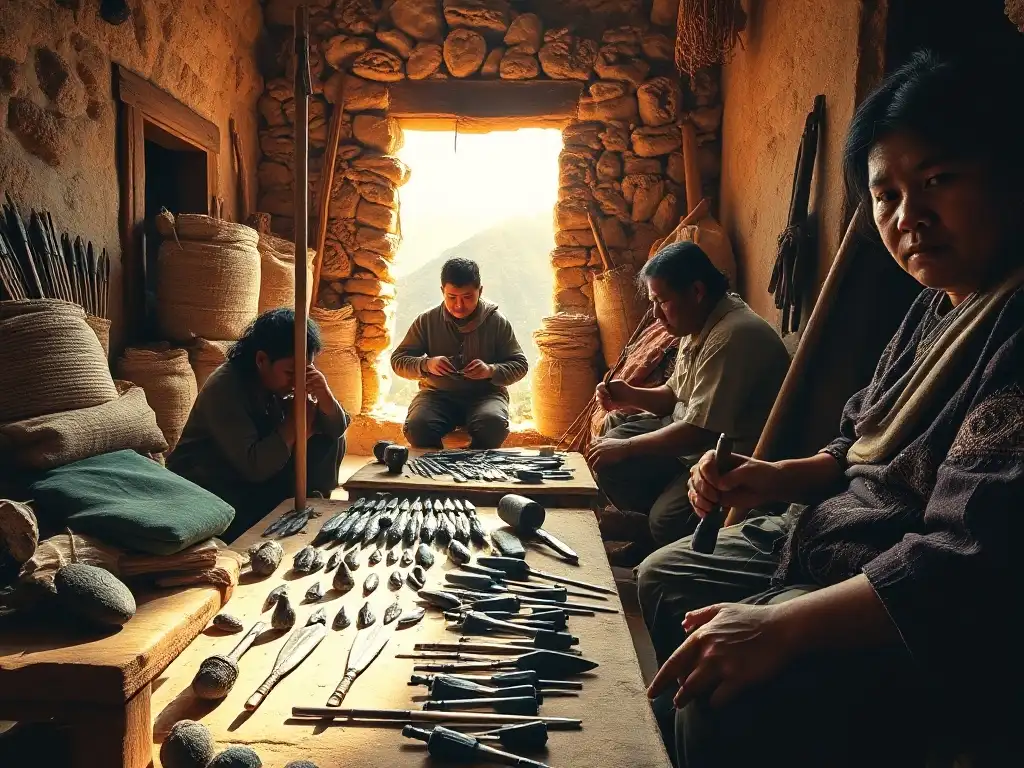
The Inca Empire's military prowess was, in part, a testament to its sophisticated spear technology. Understanding the Inca spear technology history requires examining not only the weapons themselves, but also the intricate manufacturing processes and logistical networks that supported their mass production. This section delves into the techniques employed, from the sourcing of raw materials to the organization of labor, revealing the impressive scale and efficiency of Inca spear production.
This highly organized system ensured a constant supply of weaponry to equip their vast army, contributing significantly to their military dominance. The sheer volume of spears produced speaks volumes about the Inca's mastery of industrial organization, a critical aspect often overlooked in discussions of Andean warfare. The effectiveness of their military relied heavily on this highly developed system.
Inca Workshops and the Mass Production of Spear Components
Inca spear production wasn't a haphazard affair; it was a highly organized, industrialized process. Archaeological evidence suggests the existence of specialized workshops, likely located near sources of raw materials or strategically positioned throughout the empire for efficient distribution. These workshops were not simply small-scale operations; they were centers of mass production, employing a division of labor that maximized efficiency.
While the exact layout of these workshops remains a subject of ongoing research, we can infer their organization from the standardization of spear components found at various archaeological sites. The uniformity of spear points, shafts, and other components strongly suggests a system of quality control and standardized manufacturing techniques, akin to modern-day factories. This level of organization allowed for the rapid and consistent production of vast quantities of spears, a crucial factor in maintaining a large and well-equipped army.
The standardization also facilitated repairs and replacements on the battlefield, ensuring the army remained combat-ready. Think of it as an early form of 'just-in-time' manufacturing, albeit on a scale unimaginable to many other contemporary societies.
The Organization of Labor in Inca Spear Manufacturing
The production of Inca spears relied on a complex and well-organized system of labor. The Inca state controlled the workforce through the mita system, a form of mandatory labor service. This system ensured a steady supply of skilled and unskilled laborers for various tasks, including spear manufacturing.
Specialized artisans, likely trained from a young age, were responsible for crafting the more intricate components, such as spear points and decorative elements. Less-skilled laborers performed tasks such as preparing the wood for the shafts, assembling the spears, and transporting materials. This hierarchical structure, combined with the mita system, enabled the Inca to mobilize a large workforce for spear production on demand.
The efficiency of this system was crucial for supplying the army with the necessary weapons. Evidence suggests that different workshops specialized in different parts of the spear, leading to a highly efficient assembly line-like process. This organizational structure allowed for the high volume production of quality spears, a contributing factor to the Inca's military success.
Sourcing Raw Materials for Inca Spear Production
The raw materials used in Inca spear production were carefully selected and sourced from diverse locations across the empire. High-quality obsidian, prized for its sharpness and durability, was obtained from specific quarries in the Andes, some located at considerable distances from the manufacturing centers. Wood for the shafts came from various sources, chosen based on its strength, flexibility, and availability. Different types of wood might have been used depending on regional availability and the intended use of the spear.
The transportation of these materials across vast distances was a significant logistical undertaking, requiring a well-developed infrastructure of roads, bridges, and storage facilities. This sophisticated system of procurement and distribution was vital to maintaining a steady supply of raw materials for the continuous production of spears. The Inca's ability to effectively manage this complex supply chain was a key element of their military strength and speaks to their impressive organizational capabilities.
The meticulous selection and procurement of materials underscores the Inca's commitment to producing superior weaponry, reinforcing their military dominance. Further research is needed to fully understand the specific sourcing locations for various materials and the exact transportation routes used. [Specific information pending on detailed mapping of material sourcing and transportation networks].
Quality Control in Inca Weaponry
The Inca Empire, renowned for its sophisticated infrastructure and administrative prowess, also exhibited a remarkable dedication to quality control in its weaponry production. This wasn't simply a matter of ensuring functional spears; it was integral to maintaining military effectiveness and projecting imperial power. Evidence suggests a multi-layered approach, integrating various checks and balances throughout the manufacturing process.
Firstly, the selection of raw materials was crucial. The type of wood used for spear shafts, for instance, would have been carefully chosen based on its strength, flexibility, and resistance to breakage. Inspectors, likely experienced artisans or military personnel, would have examined the wood for knots, cracks, or other imperfections before it was accepted for use. Similarly, the quality of the metal for spearheads—typically bronze or copper alloys—would have been rigorously assessed, ensuring the correct composition and hardness for optimal performance in combat. This involved testing the metal's tensile strength and resistance to bending or shattering.
Secondly, the manufacturing process itself was subject to quality checks at various stages. Artisans specialized in specific tasks, such as shaping the spear shaft or casting the spearhead. Each step was overseen by supervisors who ensured that the work met the established standards. This involved regular inspections to identify and rectify any flaws or inconsistencies.
Deviations from the prescribed dimensions or techniques would have resulted in rejection or rework, highlighting the Inca's commitment to precision. The finished spear would then undergo a final inspection, where its overall balance, weight, and sharpness were evaluated. A spear failing these tests would likely be deemed unsuitable for use and either discarded or repurposed.
Finally, the Inca's centralized administrative system played a key role in maintaining quality control across the vast empire. Standardized production methods and specifications were likely enforced through imperial decrees and regulations, ensuring consistency in the quality of weaponry produced in different regions. Regional workshops likely reported regularly on their production output, including details on rejected items and the reasons for rejection.
This data would have been valuable for identifying systemic issues in the production process and implementing necessary improvements. The intricate organization and control exerted by the Inca state over resource allocation, labor, and production ensured that the weapons reaching the Inca army consistently met high standards. This system, although undocumented in detail, is implied by the overall efficiency and organization of the Inca state's other production and logistical systems.
The Effectiveness of the Inca Spear in Warfare: Tactics and Strategies
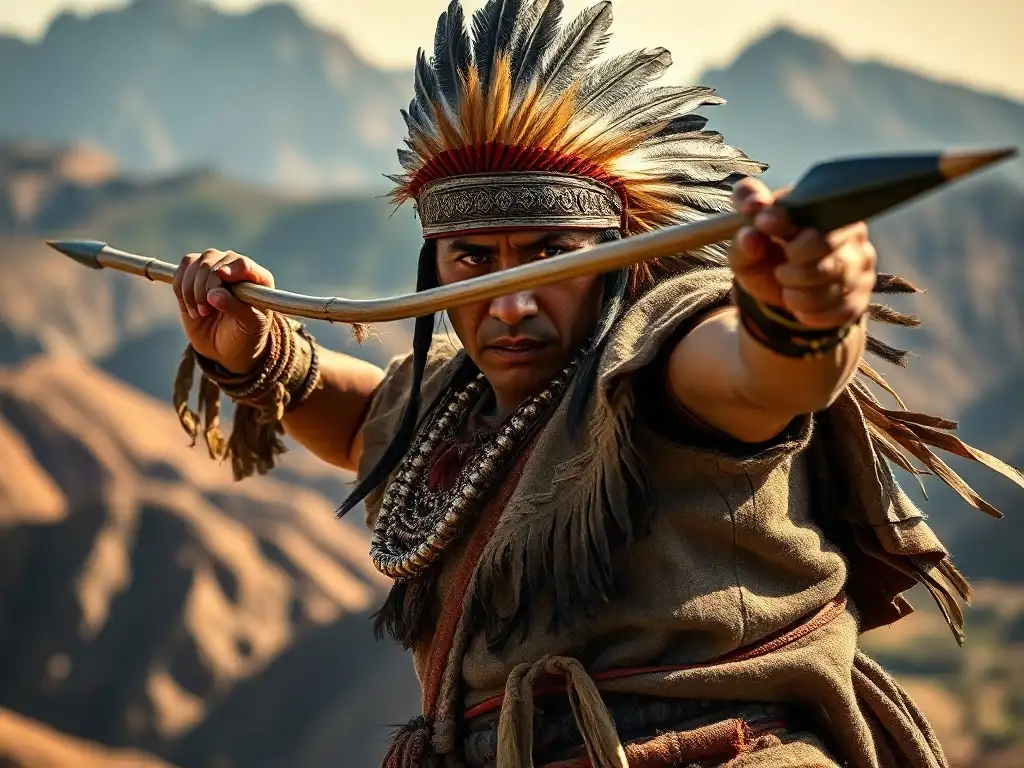
The Inca spear, a seemingly simple weapon, played a crucial role in the Inca Empire's military dominance. Its effectiveness stemmed not only from its design but also from the sophisticated tactics and strategies employed by Inca warriors. Understanding the Inca spear's role requires examining its integration into broader military doctrine.
The Inca military wasn't just about brute force; it was a highly organized and disciplined fighting machine, leveraging the spear's strengths within complex formations and coordinated attacks. The history of Inca spear technology is intertwined with their overall military success. This section delves into the tactical and strategic aspects that made the Inca spear a formidable weapon.
Inca Military Formations and the Use of Spears
Inca armies were known for their disciplined formations, often deploying in dense ranks. This tactical approach maximized the spear's effectiveness in close-quarters combat. The chaka, a rectangular formation, allowed for a coordinated advance and a wall of spears to repel enemy charges. Within these formations, spearmen were not simply individual fighters; they acted as a cohesive unit, their movements synchronized to maximize the impact of their weaponry.
This coordinated approach, combined with the spear's reach, created a formidable defensive and offensive capability. Evidence from archaeological sites suggests that these formations were highly structured, with different spear units potentially assigned specific roles within the larger battle plan. For example, some units might have been tasked with holding the line, while others might have been deployed for flanking maneuvers or breakthroughs. The effectiveness of the Inca spear was greatly amplified by the strategic deployment of their soldiers.
The Role of the Inca Spear in Close Quarters Combat
While the spear's reach was advantageous in open combat, it was particularly effective in close-quarters fighting. The dense formations employed by the Inca army created a wall of spears, making it extremely difficult for enemy forces to penetrate. Individual spearmen were trained to use their weapons in a variety of ways, including thrusting, stabbing, and hooking. This versatility allowed them to adapt to the changing dynamics of close-range engagements.
Furthermore, the Inca spear's relatively lightweight design allowed for greater maneuverability in crowded combat situations, giving Inca warriors an edge over opponents wielding heavier weaponry. Analysis of Inca skeletal remains reveals a significant number of injuries consistent with spear wounds, indicating the weapon's deadly effectiveness in close-quarters combat. The Inca spear's role in close-quarters combat was integral to their military strategy; it was a weapon designed not just for range, but for the brutal reality of hand-to-hand fighting.
Inca Spear Tactics: Combining Spears with Other Weaponry
The Inca spear was rarely used in isolation. Inca warfare was characterized by a combined arms approach, integrating spears with other weapons like clubs, slings, and bolas. Slingers, for instance, could soften up enemy formations before a spear-wielding advance, while club-wielders could exploit openings created by the spearmen.
This synergistic approach significantly enhanced the overall effectiveness of Inca forces. The combination of ranged and melee weaponry allowed for a flexible and adaptable fighting style, capable of responding to different battlefield situations. Furthermore, the use of diverse weaponry helped to mitigate the weaknesses of individual weapons, creating a more robust and effective military machine.
This integrated approach, combining the spear's reach with other weapons' capabilities, showcases the sophisticated understanding of combined arms warfare possessed by the Inca military. The Inca spear wasn't just a weapon; it was a key component of a complex and highly effective military system. The detailed study of Inca warfare reveals a sophisticated understanding of combined arms tactics that significantly contributed to their military successes.
The Inca Spear's Impact on Andean Warfare
The Inca spear, a seemingly simple weapon, profoundly impacted Andean warfare, shaping battle tactics and contributing significantly to the Inca Empire's expansion and dominance. Its effectiveness stemmed not solely from its design but also from its integration into sophisticated military strategies and training. The spear's relatively lightweight nature, coupled with its effective range, allowed Inca warriors to maintain a steady barrage of projectiles, wearing down opponents and creating openings for closer-quarters combat with other weapons like macanas (clubs) and slings. This combination of ranged and melee capabilities made the Inca army exceptionally versatile on the battlefield.
The impact of the Inca spear extended beyond its immediate use in combat. The mass production of these weapons, indicative of advanced metallurgical skills and organizational prowess, supported the Inca's ability to field large, well-equipped armies. This logistical capacity was crucial in their conquests, allowing them to sustain prolonged campaigns and overcome numerically superior opponents.
The standardization of spear design also fostered a sense of unity and discipline within the Inca army, enhancing their effectiveness as a cohesive fighting force. The widespread use of the spear, therefore, wasn't just about the weapon itself; it reflected a highly organized and technologically advanced military machine. The spear's influence can be seen in the Inca Empire's remarkable military successes across the Andes.
The Inca spear's influence on Andean warfare also extended to the evolution of defensive tactics. The development of sophisticated defensive formations, often incorporating shields and coordinated spear volleys, directly countered the effectiveness of enemy weaponry. Archaeological evidence suggests that Inca fortifications and defensive strategies were designed to maximize the spear's range and effectiveness.
For example, strategically placed defensive walls and narrow passages funneled enemy attacks, creating chokepoints where spear-wielding Inca soldiers could inflict significant casualties. This integrated approach to warfare—combining weapon design, mass production, tactical formations, and defensive infrastructure—demonstrates the profound impact of the Inca spear on the Andean military landscape. The spear wasn't merely a weapon; it was a key element in a comprehensive military system.
The Legacy of the Inca Spear: Influence and Modern Understanding
The Inca spear, a seemingly simple weapon, holds a significant place in understanding Inca military strategy and societal structure. Its evolution, from basic hunting implements to sophisticated battlefield tools, reflects the Inca's mastery of metallurgy and their adaptation to diverse Andean environments. The legacy of the Inca spear extends beyond its practical use; it serves as a powerful symbol of Inca power and military prowess, influencing later Andean cultures and continuing to fascinate researchers today.
Understanding the Inca spear’s technology provides crucial insights into Inca society, its military organization, and its interaction with the diverse landscapes of the Andes. The impact of Inca spear technology is evident in the sophisticated weaponry found throughout the empire, highlighting their advanced understanding of materials science and projectile weaponry.
Furthermore, analyzing the spear's design and construction reveals crucial details about Inca social organization, resource management, and technological innovation. The study of Inca spear technology offers a unique window into the intricate workings of this remarkable civilization.
The Inca Spear in Historical Accounts and Archaeological Discoveries
Chronicles written by Spanish conquistadors offer valuable, albeit sometimes biased, accounts of Inca warfare and the use of spears. These accounts, while often lacking in detail regarding the specifics of spear construction, frequently mention the spear as a primary weapon used by Inca soldiers. Archaeological discoveries, however, provide far more concrete evidence.
Excavations at sites across the Inca Empire have unearthed numerous spear points, shafts, and even complete spears, offering a tangible connection to the Inca's weaponry. These finds showcase a fascinating range of spear designs, reflecting variations in materials, construction techniques, and likely, regional differences in warfare styles. For example, spear points recovered from coastal regions often exhibit different characteristics than those found in the high Andes, possibly reflecting the availability of different materials or specific hunting/warfare needs.
The analysis of these artifacts, combined with the study of Inca metallurgical techniques, helps reconstruct the complete process of spear production, from the sourcing of raw materials to the final stages of crafting. Detailed studies of the metallurgical composition of spear points, for instance, have revealed the Inca's sophisticated understanding of alloys and heat treatment, leading to the creation of durable and effective weapons. The combination of historical accounts and archaeological data paints a richer and more nuanced picture of Inca spear technology than either could achieve alone.
The Importance of Inca Spear Technology in Andean History
Inca spear technology played a crucial role in shaping the political and military landscape of the Andean region. The effectiveness of their weaponry, combined with their sophisticated military organization, allowed the Inca to conquer and control a vast empire spanning thousands of miles. The standardization of spear design across much of the empire suggests a centralized system of weapon production and distribution, reflecting the Inca's centralized political power.
This standardization also implied a degree of military training and discipline, essential for the effective use of spears in large-scale battles. The impact of Inca spear technology wasn't limited to warfare; the skills and techniques developed in spear production likely transferred to other areas of Inca craftsmanship, contributing to their overall technological advancement. The materials used in spear production, such as bronze and copper alloys, also reveal insights into Inca trade networks and resource management.
The distribution of particular types of spear points across different regions might indicate trade routes or the movement of Inca armies. In essence, the study of Inca spear technology provides a multifaceted lens through which to examine Inca society, its military capabilities, and its impact on the broader Andean world. Analyzing the evolution of Inca spear technology also allows us to understand the adaptation and innovation within the Inca empire.
Experimental Archaeology of Inca Spears
Experimental archaeology offers a unique approach to understanding Inca spear technology. By replicating Inca spear-making techniques using period-appropriate materials and methods, researchers can gain valuable insights into the processes involved and the effectiveness of the weapons. Such experiments have provided compelling evidence of the Inca's mastery of metallurgy and their understanding of projectile dynamics. For example, recreating Inca bronze spear points has allowed researchers to test their strength, durability, and penetrating power.
These experiments help us understand the choices Inca artisans made in material selection and design. Furthermore, replicating the construction of spear shafts from various Andean woods has illuminated the importance of wood selection for balance, flexibility, and durability. These practical experiments often reveal unexpected details about Inca technology.
For instance, experiments might uncover subtle techniques not readily apparent from simply examining archaeological artifacts. The insights gained from experimental archaeology complement the findings from historical accounts and archaeological discoveries, providing a more comprehensive understanding of Inca spear technology and its role in Inca society. The ongoing research in this field continues to refine our understanding of Inca craftsmanship and the effectiveness of their weaponry, providing a deeper appreciation for their technological achievements.
Preserving the Knowledge of Inca Spear Production
The meticulous craftsmanship of Inca spears, evident in surviving examples and archaeological findings, presents a challenge for modern researchers seeking to understand their complete production process. While many spears have been unearthed, often fragmented, the lack of detailed written records from the Inca themselves makes reconstructing the entire process a complex undertaking. Ethnoarchaeological studies, comparing Inca spear production techniques with those of later Andean cultures that maintained similar traditions, have yielded valuable insights. These studies highlight the importance of oral transmission of knowledge within Inca communities, a system that relied on apprenticeship and direct observation, rather than formal written manuals.
The absence of such written documentation necessitates a multi-faceted approach to understanding Inca spear production, relying heavily on careful analysis of the artifacts themselves, alongside comparative studies of related Andean cultures and the reconstruction of potential workshops based on archaeological evidence. Furthermore, the preservation of these artifacts themselves is crucial. Many spears, particularly those discovered in less-than-ideal conditions, suffer from degradation due to environmental factors and the passage of time. Conservation efforts, therefore, play a vital role in maintaining the integrity of these historical objects and ensuring that future researchers have access to the most complete and accurate evidence possible for studying Inca spear technology and its history.
The ongoing work in museums and research institutions dedicated to preserving and studying these artifacts is essential to unlocking the full secrets of Inca spear production. This careful preservation work, coupled with interdisciplinary research approaches, offers the best hope of piecing together the complete picture of this fascinating aspect of Inca culture and technology. The challenge is significant, but the rewards for understanding this lost knowledge are considerable in enriching our understanding of Inca "Inca spear technology history".
Frequently Asked Questions
What materials did the Inca use to make their spears?
The Inca primarily used wood for the spear shafts, often sourced from strong, lightweight trees. The spear points were typically crafted from obsidian, copper, or bronze, depending on availability and the intended use.
How did Inca spear technology evolve over time?
Early Inca spears featured simple, leaf-shaped points. Over time, they developed more complex designs, including barbed points for increased lethality and longer shafts for greater reach in combat.
What were the different types of Inca spears?
While not categorized with specific names as we might today, Inca spears varied in length and point design. This likely reflected their different uses, from hunting to warfare.
How important was the spear in Inca warfare?
The spear was a crucial weapon in Inca warfare, used alongside other weapons like clubs and slings. Its effectiveness depended on skilled warriors and their formations in battle.
Where can I learn more about Inca spear technology?
You can explore museums with Inca artifacts, consult academic journals specializing in Andean archaeology, or research online resources focusing on Inca weaponry and military practices.
Final Reflection: The Enduring Legacy of Inca Spear Technology
The ingenuity of Inca spear technology remains a testament to their advanced metallurgical skills and strategic military prowess, a legacy that continues to fascinate and inspire researchers and enthusiasts alike. Understanding their advancements in spear design, from simple points to complex weaponry incorporating diverse materials and techniques, offers a crucial window into the sophistication of Inca civilization and its ability to adapt to diverse environments and warfare strategies.
The impact of Inca spear technology extends far beyond the battlefield; it speaks to the broader cultural and societal values of innovation and resourcefulness. Their mastery of metalworking, evident in the intricate details and durability of their spears, reflects a deep understanding of both material science and the practical needs of their society. The Inca were not merely warriors; they were engineers, artists, and innovators who applied their skills to every aspect of their lives, including the creation of effective weaponry.
This quote encapsulates the multifaceted nature of Inca achievement and the significance of their spear technology within that broader context.
Consider the ingenuity of the Inca for a moment. Imagine the skill required to craft such weapons, the collaborative effort involved in their production, and the strategic thinking that informed their design. You too can harness the spirit of innovation and resourcefulness that defined the Inca. Embrace challenges with creativity, strive for excellence in your endeavors, and remember that even seemingly simple tools can, through ingenuity and dedication, become powerful instruments of progress.
**Unveil the Legacy of Inca Innovation! **
Thank you for exploring the fascinating world of Inca spear technology! You've discovered the evolution of their weaponry and gained insights into the ingenuity of Andean civilizations. Your journey of discovery doesn't need to end here!
Here are some exciting ways to further engage with this extraordinary heritage:
- **Explore** local museums and historical sites to see how ancient Inca innovations influenced modern engineering and design.
- **Connect** with online communities and discussion forums focused on Andean history and archaeology to share your knowledge and learn from others.
- Consider **undertaking a project** that showcases ancient Inca technologies, perhaps by recreating a spear design for educational purposes or creating a detailed presentation on the subject.
How does studying the evolution of ancient technologies like Inca weaponry enhance our understanding of modern innovation? We'd love to hear your perspectives!