
Moche Warfare Decoded: Ritual Combat and Territorial Expansion

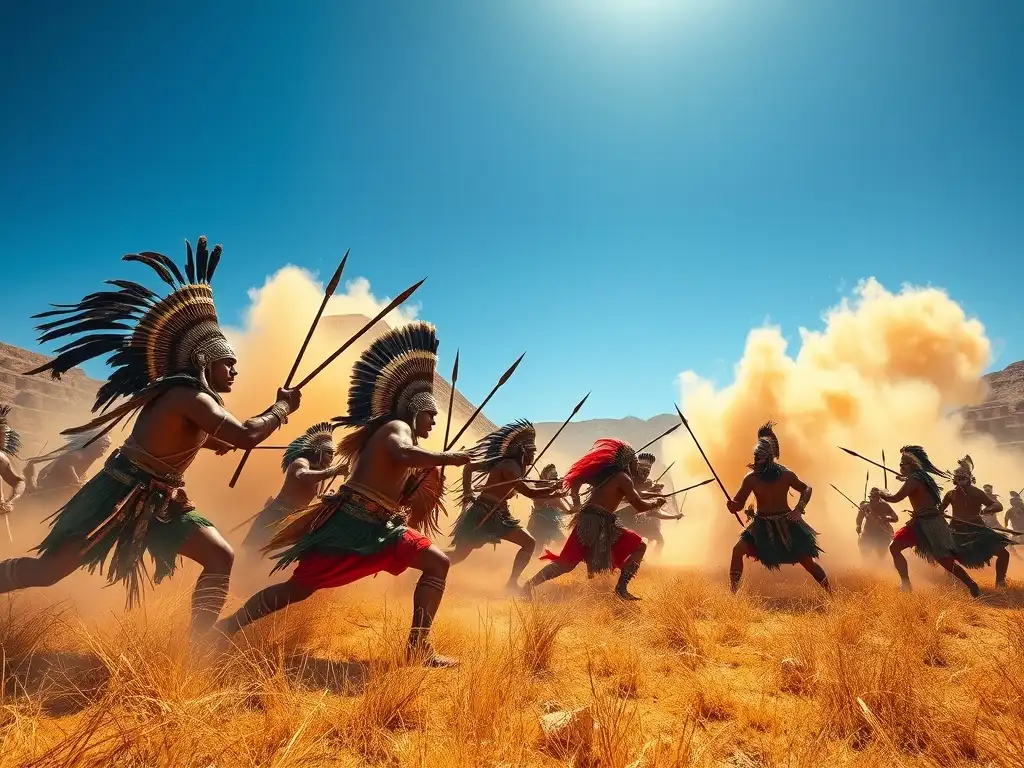
Step into a world lost to time, where the echoes of ancient drums still resonate across the Andes. Prepare to uncover the secrets of a civilization renowned for its artistry and ingenuity, but also its formidable military prowess. This isn't just a story of empires; it's a deep dive into the intriguing world of Moche warfare tactics, revealing the strategies and rituals that fueled their territorial expansion. Dare to explore the battlefield of the past – and discover how the Moche shaped the destiny of the Andes.
The Moche civilization (c. 100 – 800 CE), flourishing along the arid northern coast of Peru, wasn't just a master of intricate ceramics and monumental architecture; it was also a formidable military power. Their success wasn't solely based on brute force, but a sophisticated blend of strategic warfare, ritual combat, and carefully managed territorial expansion. This article delves into the complexities of Moche warfare tactics, exploring the evidence from archaeological discoveries and iconography to understand how they achieved and maintained their dominance along the Peruvian coast.
We will examine the interplay between ritualistic practices and practical military strategies, revealing a nuanced picture of Moche military organization and its impact on their society and the surrounding regions. Understanding their warfare tactics provides a crucial window into the very fabric of Moche society, revealing aspects of their social structures, religious beliefs, and political organization.
Evidence from Moche Iconography: Depictions of Warfare and Ritual Combat
Moche iconography, particularly their renowned ceramics and metalwork, offers invaluable insight into their military practices. Numerous artifacts depict scenes of organized warfare, showcasing aspects of their weaponry, tactics, and even the psychological aspects of battle. These depictions aren't simply straightforward representations of conflict; they often integrate elements of ritual and symbolism, blurring the lines between warfare and religious practice.
For example, many pottery vessels illustrate battles featuring highly stylized warriors adorned with elaborate headdresses and weaponry, suggesting a strong connection between military prowess and religious authority. These scenes are not merely chaotic clashes; they are often meticulously composed, highlighting specific tactical maneuvers, formations, and the use of various weapons such as spears, clubs, and slings. Analysis of these depictions provides crucial clues about Moche military organization and the role of elite warriors in their society.
The recurring motifs of captive-taking and ritual sacrifice also underscore the importance of these military actions within the broader context of Moche religious beliefs and social structures. Further research into the specific iconographic details, such as the weaponry depicted and the types of uniforms worn, can offer more precise understanding of the Moche military hierarchy and their various fighting units.
Moche Weaponry and Technology: An Assessment of Their Military Capabilities
The Moche were skilled artisans, and this proficiency extended to their weaponry. Archaeological excavations have unearthed a range of weapons, including spears, clubs, slings, and possibly even early forms of bows and arrows, although evidence for the latter is less conclusive. The quality of craftsmanship is evident in the meticulous detail and the use of high-quality materials.
Spears, for example, were often crafted from hardened wood or even metal, demonstrating a level of technological sophistication. The analysis of these weapons, coupled with the iconographic evidence, allows for a reconstruction of the Moche military arsenal and its effectiveness in combat.
Moreover, the distribution and variety of weapons may indicate different roles within the Moche army, suggesting a degree of specialization and perhaps even the existence of distinct military units. Further research focusing on metallurgical analysis of the metal weapons could reveal additional details about their manufacturing techniques and the geographic sources of the raw materials, offering valuable insights into Moche trade networks and resource management.
Territorial Expansion and Strategic Warfare: The Moche Conquest of the Northern Coast
The Moche's impressive territorial reach along the Peruvian coast wasn't achieved through haphazard aggression. Evidence suggests a strategic approach to expansion, likely involving a combination of military campaigns, diplomacy, and economic control. The location of Moche settlements and the distribution of their material culture indicate a gradual but consistent expansion northward along the coast.
This expansion, however, wasn't necessarily characterized by constant warfare; it likely involved periods of both conflict and peaceful interaction with neighboring groups. The construction of monumental architecture, such as massive irrigation systems and impressive pyramids, may have served not only religious purposes but also as symbolic displays of power and control, potentially deterring potential adversaries or attracting allies. Further research is needed to determine the exact sequence of events and the nature of interactions with neighboring cultures.
Detailed analysis of settlement patterns, combined with radiocarbon dating, could provide a more precise timeline of Moche expansion and shed light on the specific strategies employed. The study of diplomatic relationships, though challenging due to limited evidence, could reveal alternative methods of territorial control beyond pure military force.
The Role of Ritual Combat and Sacrifice in Moche Society: Beyond Warfare
While Moche warfare was undoubtedly effective in territorial expansion, it was inextricably linked with ritual practices. Ritual combat, often depicted in their art, may have served multiple purposes. It could have been a way to resolve disputes between different groups, a means of testing the strength and prowess of warriors, or even a ritualistic offering to their deities.
The frequent depiction of human sacrifice in Moche iconography suggests its importance in their religious system and its potential connection to military victories or territorial expansion. The precise nature and significance of these rituals remain a subject of ongoing research and debate among archaeologists and anthropologists. Further analysis of burial sites and associated grave goods could reveal more about the social status and roles of individuals involved in these rituals.
By examining the context of these sacrifices, we can gain a deeper understanding of their social and religious significance within the broader context of Moche society and their warfare practices. The interpretation of these rituals requires a careful consideration of multiple perspectives and the avoidance of simplistic interpretations.
- Evidence from Moche Iconography: Depictions of Warfare and Ritual Combat
- Moche Weaponry and Technology: An Assessment of Their Military Capabilities
- Territorial Expansion and Strategic Warfare: The Moche Conquest of the Northern Coast
- The Role of Ritual Combat and Sacrifice in Moche Society: Beyond Warfare
- What were the primary motivations behind Moche warfare?
- How did Moche warfare tactics differ from other Andean civilizations?
- What role did ritual combat play in Moche society?
- What kind of weaponry did the Moche utilize in warfare?
- What evidence exists to support our understanding of Moche warfare?
Understanding Moche Military Practices
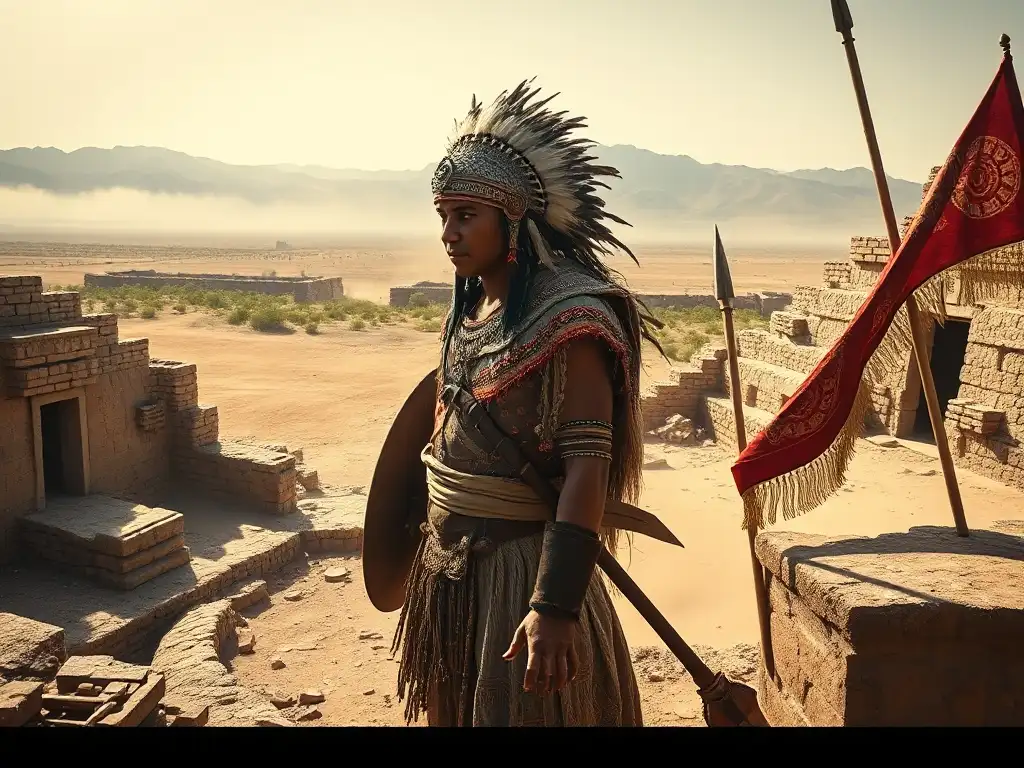
This section delves into the intricacies of Moche military practices, moving beyond simplistic notions of warfare to explore the complex interplay of ritual, societal structure, and territorial ambition that shaped their military strategies. Understanding Moche warfare tactics requires a nuanced approach, recognizing the unique blend of pragmatic combat strategies and deeply ingrained religious beliefs that fueled their expansion and dominance.
We will examine how these elements intertwined to create a formidable, yet surprisingly sophisticated, military machine. The Moche weren't merely conquerors; their military actions were intricately woven into the fabric of their society, impacting their religious practices, social hierarchy, and artistic expression.
The Significance of Warfare in Moche Society
Warfare wasn't simply a means to an end for the Moche; it was a central pillar of their societal structure and worldview. Their elaborate iconography, depicting fierce battles and captured warriors, suggests that military prowess held significant social prestige. Successful military campaigns likely translated into increased access to resources, enhanced political power for leaders, and the consolidation of territorial control.
This is evident in the lavish tombs of Moche elites, often containing artifacts associated with warfare, indicating the close connection between military success and social status. Furthermore, the Moche's sophisticated irrigation systems, crucial for their agricultural economy, were likely defended fiercely, demonstrating the direct link between military strength and economic prosperity. The very survival of their communities hinged on the ability to defend their vital resources and expand into new territories.
Analysis of Moche settlements reveals fortified structures and strategically positioned defensive features, highlighting the constant awareness and preparation for potential conflict. The integration of warfare into their religious ceremonies further emphasizes its central role in Moche society, with deities frequently depicted in battle scenes.
Archaeological Evidence of Moche Combat
Archaeological excavations have unearthed compelling evidence of Moche combat techniques and weaponry. The discovery of numerous warrior burials containing meticulously crafted weapons, such as spears, clubs, and macanas (a type of club), provides insights into their arsenals. Analysis of skeletal remains has revealed evidence of traumatic injuries consistent with close-quarters combat, suggesting hand-to-hand fighting played a significant role in Moche warfare. Furthermore, the presence of projectile points and slings suggests the use of ranged weaponry to soften up enemy defenses before engaging in close combat.
The meticulous craftsmanship of their weaponry, often decorated with intricate designs and symbolic motifs, underscores the importance placed on military equipment. Interestingly, some archaeological sites showcase evidence of ritualistic combat, suggesting that warfare wasn't solely about territorial expansion but also served a ritualistic purpose within their religious system. These ritualistic elements might have played a role in reinforcing social hierarchies and solidifying the power of the elite.
Detailed studies of Moche pottery and metalwork further illuminate their military strategies, depicting battle scenes and military formations with a remarkable level of detail, providing invaluable visual evidence of their tactical approaches. For example, certain depictions seem to suggest the use of flanking maneuvers and coordinated attacks, demonstrating a degree of strategic sophistication. Further research, particularly in the analysis of less-studied sites and utilizing advanced technologies such as 3D modeling, promises to further enhance our understanding of Moche warfare tactics and their societal significance.
Moche Warfare Tactics: Strategies and Combat Techniques
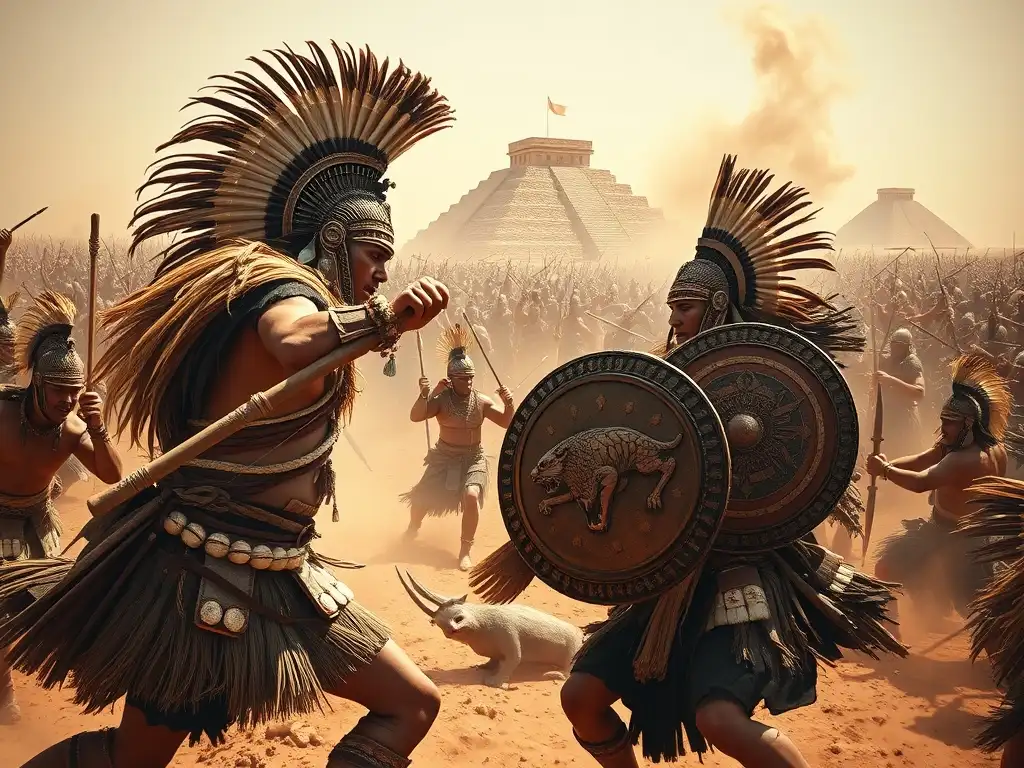
The Moche civilization, flourishing along the northern coast of Peru from approximately 100 to 800 CE, developed sophisticated warfare tactics reflecting their complex social and political organization. Their military prowess facilitated territorial expansion and the maintenance of power, leaving behind archaeological evidence that sheds light on their strategies and combat techniques. Understanding Moche warfare tactics provides crucial insights into their societal structure and the dynamics of power in ancient Peru.
Analysis of their weaponry, military organization, and siege warfare reveals a culture deeply invested in both ritualistic combat and pragmatic territorial control. This section delves into the specifics of Moche military capabilities, focusing on the key elements of their success in warfare.
Close-Quarters Combat: Moche Weaponry and Armor
Moche close-quarters combat relied heavily on a combination of weaponry and defensive armor. Their primary weapons included clubs, spears, and macanas (a type of club with a flattened head). Archaeological finds consistently reveal these weapons, often crafted from wood, stone, or metal, depending on the availability of resources and the intended use. Metalwork, particularly in copper and bronze alloys, was skillfully employed to create highly effective weaponry. For example, the carefully crafted points on their spears suggest a focus on penetration and lethality.
The Moche also utilized defensive armor, although the extent of its use is still under investigation. While depictions in Moche pottery show warriors adorned with armor, physical remains are less common. Evidence suggests the use of padded armor made from textiles and possibly reinforced with leather or bone plates. This lighter armor likely prioritized mobility in close-quarters combat over extensive protection against weaponry, reflecting the Moche's preference for swift, decisive engagements.
Furthermore, the use of shields, likely made of wood or woven materials, is suggested by both iconography and logical deduction from their fighting style. The combination of effective weaponry and relatively light, mobile armor allowed for quick movements and effective strikes in the chaotic environment of close-range combat. Further research into burial sites and the analysis of remaining artifacts could reveal more information about the specific materials and construction techniques of Moche armor.
Moche Military Organization and Hierarchy
The Moche military was not a randomly assembled force but a highly structured organization reflecting the hierarchical nature of their society. Evidence from iconography and burial sites suggests the existence of specialized warrior elites, likely drawn from the upper echelons of Moche society. These elite warriors were often depicted in elaborate regalia, signifying their high status and military prowess within the Moche social structure. They likely received specialized training and occupied leadership roles within the army.
The structure of the Moche army likely consisted of various ranks and units, although the exact details remain unclear due to limited textual sources. Analysis of Moche art suggests the presence of different military units, possibly specialized in different forms of combat or roles within the army. For instance, some warriors are depicted with specific weapons or armor, suggesting specialized roles like archers, spearmen, or close-combat specialists.
The organization of these units and their chain of command would have been crucial for effective coordination on the battlefield. The existence of a centralized command structure, likely headed by high-ranking officials or even the Moche elite, is implied by the scale and complexity of their military operations. Further research into the societal structure and administrative practices of the Moche civilization is needed to fully understand their military organization.
Siege Warfare and Fortifications in the Moche Culture
While Moche warfare tactics primarily focused on maneuverability and close-quarters combat, evidence suggests they also engaged in siege warfare. The construction of substantial fortifications, both defensive and offensive, demonstrates their capacity for prolonged conflicts and territorial control. These fortifications varied in design and scale depending on the strategic location and the threat level.
Many Moche settlements were strategically located along the coast, utilizing natural barriers like cliffs and rivers to enhance their defenses. However, they also constructed impressive artificial fortifications, including walls, ramparts, and watchtowers. These structures were built using adobe bricks and other readily available materials.
The scale and complexity of some fortifications suggest extensive planning and labor, indicating the importance of defensive strategies in Moche warfare. The construction of these fortifications not only protected their settlements but also served as a demonstration of power and a deterrent to potential adversaries. Likewise, the Moche may have employed siege tactics themselves, utilizing strategies such as battering rams or undermining walls to breach enemy defenses.
Further archaeological investigation of Moche settlements and battle sites is crucial to fully understand the extent and nature of their siege warfare capabilities. The study of defensive structures in conjunction with offensive weaponry provides a more complete picture of Moche military strategies.
Ritualized Combat and its Role in Moche Warfare
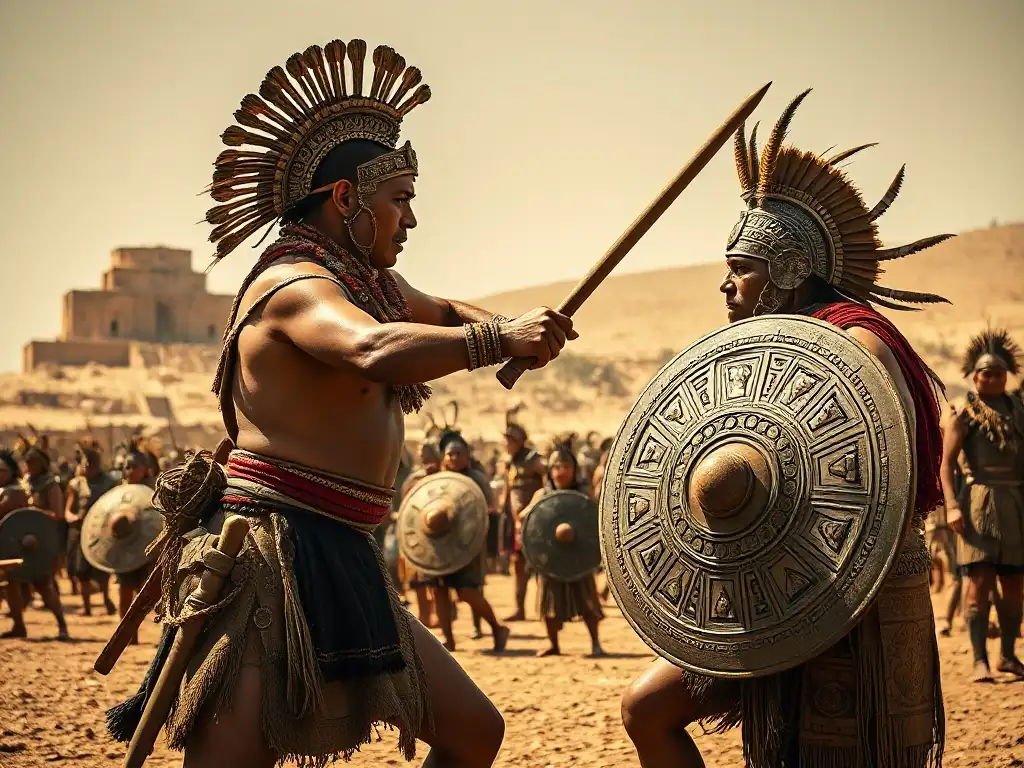
The Moche civilization, flourishing along the northern coast of Peru from approximately 100 to 800 CE, wasn't solely defined by its agricultural prowess and sophisticated artistry. A significant aspect of Moche society, deeply intertwined with its political and social structures, was warfare. However, Moche warfare tactics weren't solely focused on territorial conquest; ritualized combat played a crucial role, shaping their military strategies and societal norms.
This wasn't simply a matter of sporadic skirmishes; ritual combat was a carefully orchestrated system with profound symbolic and practical implications. Understanding this ritualistic element is key to deciphering the complexities of Moche military practices and their impact on the civilization's development. The frequency and intensity of these ritual battles suggest a deeply ingrained societal acceptance, even expectation, of organized conflict as a means of maintaining social order and demonstrating power.
The Importance of Ritual Battles in Moche Society
Ritual battles within Moche society served multiple purposes, extending far beyond mere displays of strength. They were integral to the maintenance of social hierarchy, the consolidation of power by elites, and the reinforcement of religious beliefs. Evidence suggests that these battles were not haphazard affairs but meticulously planned events, often involving large numbers of participants.
The outcomes, while seemingly violent, were predetermined to a degree, with the ultimate goal being not necessarily the complete annihilation of the opposing side, but rather the capture of prisoners for sacrifice and the demonstration of the ruling elite's dominance. Archaeological findings, such as the discovery of mass graves containing individuals with signs of ritualistic sacrifice alongside weaponry, strongly support this interpretation. The careful staging of these events, combined with the artistic representations found in Moche pottery and metalwork, points to a highly structured and formalized system of ritual combat.
Furthermore, the distribution of weaponry and the types of injuries sustained by the participants suggest a controlled environment, where the risk of death for certain participants might have been calculated and even accepted as part of the ritual. These rituals, therefore, were not mere chaotic fights; they were carefully choreographed performances with deep social and religious significance. The meticulously planned nature of these events underscores their importance in Moche society's social and political structure.
Captives and Sacrifices in Moche Rituals
A key element of Moche ritual combat was the capture and subsequent sacrifice of prisoners. These sacrifices were not random acts of violence; they were deeply embedded within the Moche worldview, likely serving as offerings to their deities. The captives, often adorned with elaborate regalia, were subjected to ritualistic killings, often depicted in vivid detail in Moche art.
The careful preparation of the victims, their attire, and the specific methods of sacrifice suggest a highly formalized process, far removed from simple battlefield executions. The sheer number of sacrificial victims discovered in Moche sites underscores the significant role these practices played within their religious and social systems. Analyzing the skeletal remains of these individuals, archaeologists have been able to gain valuable insights into their age, sex, and social status, revealing patterns that help researchers better understand the dynamics of Moche warfare and sacrifice.
The sacrifices were not just a conclusion to battle; they were a crucial part of the ritual itself, reinforcing the power of the elite and strengthening their connection to the supernatural realm. This systematic use of human sacrifice highlights the interconnectedness of Moche warfare, religious beliefs, and social structures. Indeed, the act of sacrifice may have been understood as a necessary offering to maintain cosmic balance and ensure continued prosperity.
Iconography of Combat in Moche Art
Moche artistry provides invaluable insight into their warfare tactics, showcasing both the brutality and the ritualistic aspects of their conflicts. Their pottery and metalwork depict scenes of battle in remarkable detail, offering a visual record of their military practices and weaponry. These representations aren't merely depictions of chaos; they are carefully composed scenes that often include specific symbols and iconography which provide clues to the context and meaning of the battles portrayed. We see depictions of warriors armed with spears, clubs, and slings, engaged in hand-to-hand combat.
The imagery often features elaborate headdresses, costumes, and weaponry, highlighting the ritualistic nature of these encounters. The warriors themselves are often depicted with exaggerated features, emphasizing their strength and power. Furthermore, the depictions of captives and sacrificial rituals in Moche art further illuminate the complex relationship between warfare and religious practices. By meticulously studying the iconography of these artistic representations, researchers can gain a deeper understanding of Moche warfare tactics, their social structures, and their worldview.
The consistent themes and stylistic choices in Moche art suggest a highly structured and codified system of representation, reflecting the significant cultural importance of warfare and ritual within the society. The detailed nature of these depictions offers a unique window into the minds and beliefs of the Moche warriors and their leaders. Analyzing the Moche artistic record allows us to reconstruct, with increasing accuracy, the details of their complex military and ritualistic practices.
Moche Territorial Expansion: Causes and Consequences
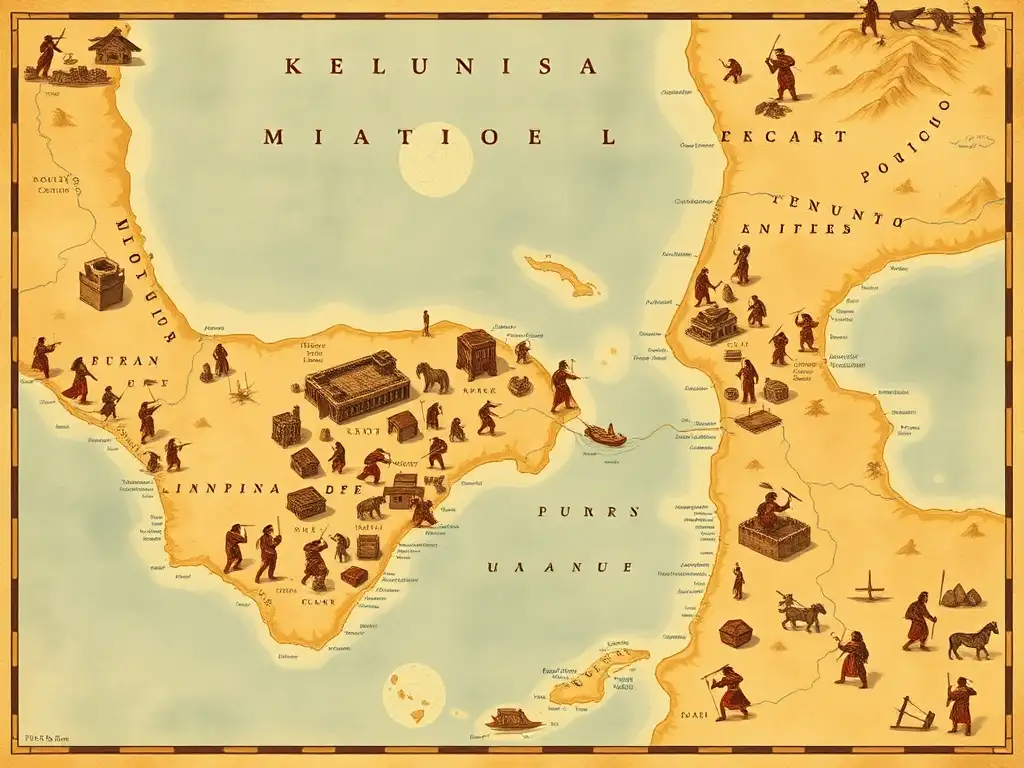
The Moche, a pre-Columbian civilization flourishing along the northern coast of Peru (circa 100-800 CE), were renowned not only for their sophisticated artistry and elaborate irrigation systems but also for their formidable military prowess. Their expansion across the arid coastal valleys and into the Andean foothills was a complex process driven by a confluence of factors, resulting in profound consequences for the conquered populations and ultimately, the Moche themselves. Understanding the Moche warfare tactics employed during this period is crucial to deciphering their rise and fall.
The Driving Forces Behind Moche Military Campaigns
Several key factors propelled the Moche's military campaigns and territorial expansion. Resource acquisition was undoubtedly a primary motivator. Control over fertile valleys, vital water sources, and valuable mineral deposits like copper and gold were essential for maintaining the Moche's complex social structure and supporting their large population. Competition for these resources with neighboring groups, such as the Recuay culture, likely fueled many of their military engagements.
The need to secure trade routes along the coast and into the Andes was another significant driver. This allowed for the exchange of goods and resources, bolstering the Moche's economic power and reinforcing their political influence. Furthermore, the Moche likely engaged in military expansion to consolidate their power and prestige, demonstrating their strength and dominance to neighboring societies.
This projection of power was likely enhanced by the ritualistic aspects of their warfare. Archaeological evidence suggests that warfare wasn't solely about conquest, but also about establishing and maintaining a hierarchical social order, with displays of military might serving as powerful symbols of authority and legitimacy. We can hypothesize that these campaigns, in part, served to legitimize the rule of the Moche elite, reinforcing their divine right to rule.
Impact of Moche Conquest on Conquered Populations
The consequences of Moche conquest were far-reaching and varied. While the specifics are often difficult to ascertain from the archaeological record, we can infer certain patterns. Conquered populations likely faced significant changes in their social organization, economic activities, and religious practices. The Moche imposed their administrative structures, often demanding tribute in the form of labor, goods, and resources.
This exploitation likely led to social upheaval and economic hardship for many conquered communities. However, it's also important to note that the Moche weren't solely agents of destruction. Some evidence suggests a degree of cultural exchange and integration between the Moche and conquered populations. The Moche elite may have incorporated aspects of conquered cultures into their own, while also spreading their own cultural influence throughout their expanding empire.
The extent of this cultural blending, however, requires further research and analysis. The archaeological record, though rich in Moche artifacts, often lacks clear evidence of the daily lives and experiences of conquered groups, leaving some aspects of their integration or subjugation open to interpretation. Further analysis of skeletal remains and settlement patterns is needed to fully assess the long-term impact of Moche rule on the conquered populations.
The Decline of Moche Power and its Military Implications
The Moche civilization experienced a gradual decline beginning around the 7th century CE. While the exact causes are still debated among scholars, several factors likely contributed to their downfall. Environmental changes, such as prolonged droughts and El Niño events, could have severely impacted agricultural production, leading to widespread famine and social unrest. Internal conflicts and power struggles within the Moche elite may have further weakened the state's ability to maintain control over its vast territory.
The weakening of the Moche's military capability is evident in the archaeological record. A decline in the quality and quantity of military artifacts suggests a reduction in military investment and a waning of the state's ability to mobilize and equip its forces. The rise of new competing power centers, perhaps strengthened by the Moche's internal weaknesses, may have contributed to the fragmentation of their empire.
The decline of Moche power serves as a cautionary tale, demonstrating the complex interplay between military might, environmental factors, internal political stability, and the long-term sustainability of an empire. Understanding this decline offers valuable insights into the fragility of even the most powerful empires and the importance of considering a variety of factors when assessing the rise and fall of ancient civilizations. Further research into the specific chronology of Moche military defeats and the nature of their successors is needed to fully understand this crucial period of change.
Moche Warfare: Beyond Simple Conquest
The Moche civilization, flourishing along the northern coast of Peru from approximately 100 to 800 CE, wasn't simply a collection of settlements; it was a complex society intricately woven with military prowess. While conquest certainly played a role in their expansion, a deeper examination reveals that Moche warfare tactics were far more nuanced than straightforward territorial acquisition. The Moche employed sophisticated strategies intertwined with social control, religious beliefs, and resource management, creating a robust system that ensured both stability and growth.
Their military actions were not solely about conquering neighboring groups; they were instrumental in maintaining internal order, reinforcing religious ideology, and securing vital resources, particularly water and fertile land. Understanding this multifaceted approach is crucial to grasping the true nature of Moche power and influence. Analyzing the archaeological evidence reveals a sophisticated understanding of military strategy, logistics, and the symbolic power of warfare within their society.
Moche warfare served as a powerful tool for maintaining social order and suppressing internal dissent. The highly stratified Moche society, with its elite ruling class and a large peasant population, required a strong military presence to prevent rebellion or challenges to authority. The elite warrior class, depicted prominently in Moche iconography, acted as both a physical deterrent and a symbol of the ruling power's legitimacy.
Archaeological evidence, such as the presence of fortified settlements and the discovery of weapons caches, suggests a proactive approach to internal security. This wasn't simply about repressing uprisings after they occurred; it was a preventative measure, a constant demonstration of the state's power to maintain stability. For example, the carefully planned layout of many Moche settlements, often with defensive features incorporated into their design, points towards a society deeply concerned with internal security and control.
The sheer scale of the military infrastructure, combined with the widespread depiction of warriors in art, emphasizes the central role of the military in Moche society and its use as an instrument of social control. The constant threat of military intervention likely served to discourage any potential challenges to the existing power structure.
The Relationship Between Moche Warfare and Religious Beliefs
The Moche deeply intertwined warfare with their complex religious beliefs. Military campaigns were not solely pragmatic endeavors; they were imbued with religious significance, with warfare serving to validate and reinforce the power of the elite and the legitimacy of their rule. Moche iconography frequently depicts scenes of battle and sacrifice, highlighting the sacred nature of combat.
The warriors themselves were not simply soldiers; they were often viewed as intermediaries between the human and divine realms, acting as agents of the gods. The elite's control over the military reinforced their religious authority, blurring the lines between secular and sacred power. Furthermore, the ritualistic aspects of warfare, such as the capture and sacrifice of prisoners, were likely integral to maintaining the cosmic order as understood by the Moche.
These actions were not simply acts of brutality but rather crucial rituals designed to appease the gods and ensure the prosperity of the civilization. The close relationship between religious beliefs and military practices is evident in the artistic representations found in Moche tombs and temples, offering valuable insights into their worldview and the role of warfare within it. The symbolic power of warfare served to legitimize the ruling class and reinforce the religious beliefs that underpinned Moche society.
Legacy of Moche Military Practices in Andean History
The sophisticated Moche warfare tactics left a lasting impact on subsequent Andean civilizations. Their advanced military organization, strategic planning, and use of fortifications influenced the military practices of later Andean cultures, including the Inca. The Moche's emphasis on both internal control and external expansion provides a model for understanding the complex interplay between military power and societal organization within the Andes.
Elements of Moche military strategy and technology, such as specific weapon designs or fortification techniques, may have been adopted and adapted by later groups. The enduring legacy of Moche warfare can be seen in the continued importance of military power in maintaining control and expanding influence throughout Andean history. Further research into the technological aspects of Moche weaponry and fortification could reveal additional details about the transfer of knowledge and the long-term impact of their military innovations.
The Moche's military prowess and strategic thinking served as a foundation upon which future Andean civilizations built their own military systems, highlighting the lasting influence of this remarkable culture. Analyzing the evolution of Andean warfare reveals a clear line of influence extending from the sophisticated tactics of the Moche to later empires.
Frequently Asked Questions
What were the primary motivations behind Moche warfare?
The Moche engaged in warfare for several reasons, including territorial expansion to secure resources like fertile land and water, and political dominance over neighboring groups. Ritual combat also played a significant role, potentially linked to religious beliefs and the legitimization of power.
How did Moche warfare tactics differ from other Andean civilizations?
While similarities existed with other Andean cultures, Moche tactics emphasized large-scale, organized battles, often involving specialized weaponry and sophisticated military organization. They also utilized ambush tactics and possibly naval warfare, showcasing a more aggressive approach than some contemporaries.
What role did ritual combat play in Moche society?
Ritual combat was likely integral to Moche ideology and social structure, demonstrating power and possibly serving as a means to resolve conflicts or affirm elite dominance. Depictions in Moche art suggest these events were highly ritualized and publicly significant.
What kind of weaponry did the Moche utilize in warfare?
Moche warriors employed a range of weaponry, including spears, clubs, slings, and possibly bows and arrows. Evidence suggests the use of metal weapons, like copper and bronze, increased over time, enhancing their military capabilities and effectiveness in battle.
What evidence exists to support our understanding of Moche warfare?
Our knowledge of Moche warfare derives from several sources, including archaeological finds such as weapons, fortifications, and skeletal remains showing battle injuries. Artistic depictions on pottery and textiles also offer valuable insights into their military practices and beliefs.
Final Reflection: Echoes of Conquest: Understanding Moche Warfare's Legacy
The brutal efficiency of Moche warfare tactics, once confined to the arid valleys of ancient Peru, continues to resonate in modern discussions of power, territorial control, and the complex interplay between ritual and violence. Understanding the Moche's sophisticated strategies – from their meticulously planned campaigns to their symbolic use of warfare in religious ceremonies – offers a crucial lens through which to examine the enduring human impulse for dominance and the lasting consequences of conflict.
The Moche's legacy extends far beyond their impressive feats of engineering and artistry; their military prowess shaped the very fabric of Andean society for centuries to come. Their sophisticated understanding of logistics, combined with their potent blend of ritual and combat, created a powerful and enduring empire. Warfare was not merely a means to an end for the Moche, but a deeply ingrained aspect of their worldview, inextricably linked to their religious beliefs and social structures.
This intertwining of the sacred and the secular offers a compelling case study for understanding the motivations behind conflict and the lasting impact of conquest on both the conquerors and the conquered.
Consider the echoes of the Moche's strategies in today's world. How do we, as a global community, grapple with the legacy of conflict and the enduring allure of power? What lessons can we learn from the Moche's sophisticated – yet ultimately destructive – approach to territorial expansion?
Take a moment to reflect on the complexities of power, the enduring human need for security, and the importance of understanding the past to shape a more peaceful future. Let the story of Moche warfare serve not as a glorification of violence, but as a powerful reminder of the enduring consequences of our choices and the urgent need for peaceful resolution in a world still grappling with conflict.
Unveil the Secrets of Moche Warfare Today!
Thank you for exploring the fascinating world of Moche warfare! Your journey through the rituals and territorial expansion of this remarkable civilization has provided unique insights into their impact on the ancient world. Now, let's delve even deeper!
Here are some ways to continue your exploration:
- Join our community discussion: Share your thoughts on Moche combat rituals and compare them to those of other ancient cultures. Your insights will undoubtedly spark engaging conversations!
- Explore related articles: Discover more about Andean cultures and their military strategies to gain a richer understanding of the historical context.
- Create a hands-on project: Build a model or create artwork inspired by Moche artifacts and warfare techniques. This engaging activity will enhance your appreciation for their culture and ingenuity.
What aspect of Moche warfare most surprised you, and how do you believe their strategies affected their neighbors? Let's discuss!