
Nazca's Defensive Strategies: Protecting Resources and Trade Routes

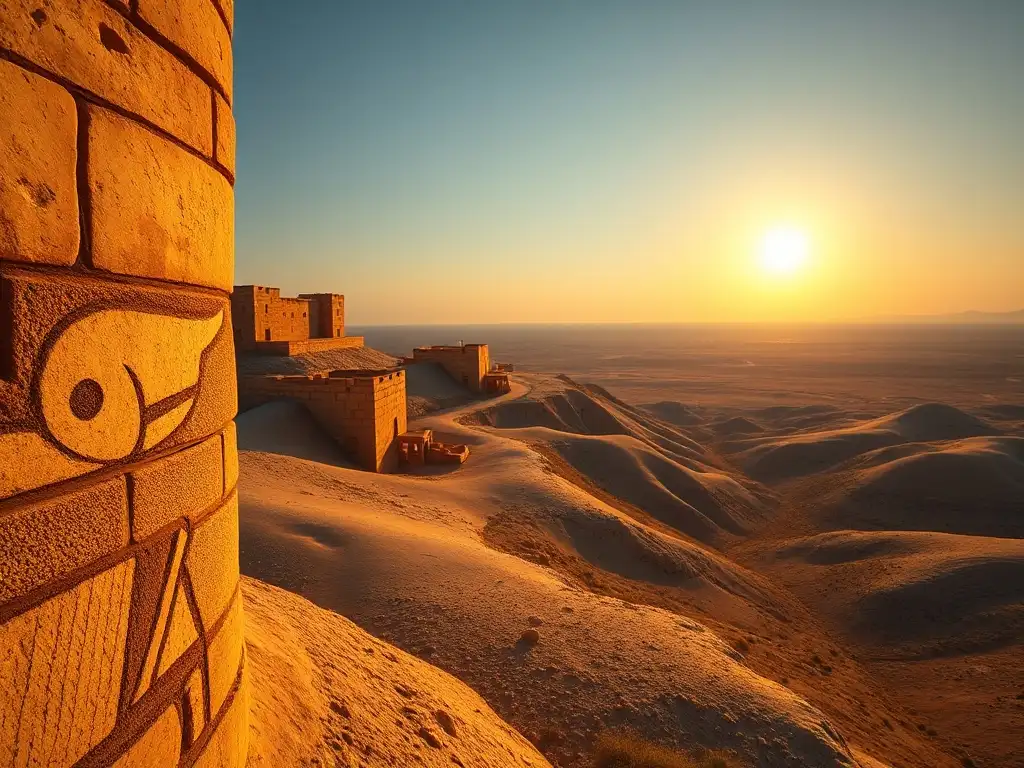
Unravel the mysteries of the Andes! Journey through millennia of breathtaking artistry, intricate societal structures, and surprising military prowess. But what secrets lie hidden beneath the Nazca Lines? Discover the ingenious Nazca defensive strategies that protected their resources and vital trade routes – a story of ingenuity and resilience waiting to be explored. Delve into the fascinating world of Andean warfare and uncover the truth behind their remarkable achievements.
- Nazca Defensive Strategies: Protecting Resources and Trade Routes
- Key Elements of Nazca Military Defense
- Nazca Strategies for Protecting Trade Routes
- Nazca Defensive Tactics Against Potential Threats
- The Legacy of Nazca Defensive Systems
-
Frequently Asked Questions
- What defensive strategies did the Nazca civilization employ?
- How did geography influence Nazca defensive strategies?
- What role did the Nazca's military play in their defensive strategies?
- Were there any significant conflicts that shaped Nazca defensive strategies?
- What evidence supports our understanding of Nazca defensive strategies?
- Final Reflection: Echoes of the Nazca: Defending Our Own Resources
- **Unleash Your Curiosity: Dive Deeper into Nazca's Legacy! **
Nazca Defensive Strategies: Protecting Resources and Trade Routes
The Nazca civilization, flourishing along the southern coast of Peru from approximately 100 BC to 800 AD, developed sophisticated defensive strategies crucial for their survival and prosperity. This wasn't a civilization known for large-scale, aggressive warfare like some of its Andean contemporaries. Instead, the Nazca focused on protecting their vital resources – primarily water – and the extensive trade networks that fueled their economic and cultural development.
This article delves into the ingenious methods employed by the Nazca to safeguard their assets, revealing a complex interplay of geographical advantages, architectural innovations, and potentially, strategic alliances. Understanding these defensive strategies provides crucial insight into the resilience and adaptability of this remarkable civilization, highlighting their ability to thrive in a challenging and often volatile environment. Analyzing their approach to defense allows us to appreciate the intricate relationship between environment, resources, and military preparedness in the ancient Andes.
Understanding Nazca Society and Its Need for Defense
The Nazca were not a monolithic entity. Their society, characterized by a complex hierarchical structure, likely consisted of various independent settlements and potentially competing groups. While evidence of large-scale inter-civilizational warfare is limited, internal conflicts and skirmishes over resources and territorial control are likely. The arid coastal environment of the Nazca region necessitated a highly organized system for water management, making access to water sources a critical factor in maintaining social stability.
Competition for these precious resources could easily have escalated into conflict, necessitating defensive measures to protect vital water sources, agricultural lands, and settlements. Furthermore, the Nazca's highly developed artistic and technological capabilities, evident in their intricate ceramics, textiles, and the enigmatic Nazca Lines, suggest a degree of societal wealth that would have made them a target for potential raiders. This wealth, derived from agricultural production and trade, further underscored the need for robust defensive strategies.
The Importance of Water Resources for the Nazca Civilization
Water was the lifeblood of the Nazca civilization. The arid coastal plain where they resided received minimal rainfall, making access to freshwater paramount. The Nazca developed ingenious methods for water harvesting and management, including complex canal systems, subterranean aqueducts ( puquios), and sophisticated irrigation techniques. These systems required significant investment of labor and resources, making their protection a top priority.
Defending these vital water sources would have been a central aspect of Nazca defensive planning. The strategic placement of settlements near these water resources, combined with potentially fortified structures guarding access points, suggests a deliberate effort to control and protect this life-giving resource. The archaeological record, while still yielding new discoveries, provides glimpses into the scale and complexity of Nazca water management, emphasizing its importance in their overall defensive strategy.
Trade Networks and the Vulnerability of Coastal and Inland Routes
The Nazca engaged in extensive trade networks, exchanging goods such as textiles, ceramics, and agricultural products with other Andean civilizations. These trade routes, both along the coast and into the inland valleys, presented vulnerabilities. Coastal routes were susceptible to raids by seafaring groups, while inland routes could be ambushed by land-based adversaries.
To mitigate these risks, the Nazca may have established fortified settlements along key trade routes, acting as way stations and defensive outposts. The strategic placement of these settlements, combined with the use of watchtowers or signaling systems, could have provided early warning of approaching threats. Furthermore, the Nazca may have relied on alliances and agreements with neighboring groups to ensure the safe passage of their trade caravans.
The exact nature of these alliances and the specific defensive measures employed along trade routes remain areas of ongoing research, but their importance in protecting Nazca economic interests is undeniable. Further research into the archaeological record, particularly along suspected trade routes, is essential to fully understand the complexity of Nazca defensive strategies.
Key Elements of Nazca Military Defense

The Nazca's success in maintaining their society for centuries in the arid coastal region of Peru hinged significantly on effective defensive strategies. These strategies weren't solely about repelling invaders; they were intricately woven into their resource management, trade networks, and overall societal structure. Understanding Nazca defensive strategies requires looking beyond simple military engagements and considering the broader context of their environment and economic activities.
Their approach prioritized proactive defense, leveraging geographical advantages and developing sophisticated, albeit relatively low-tech, military technologies. The keyword "Nazca defensive strategies" encapsulates this holistic approach, which integrated environmental awareness, resource control, and strategic placement of settlements to ensure long-term survival.
Nazca Fortifications: Hilltop Settlements and Strategic Locations
The Nazca civilization strategically located their settlements to maximize defensive capabilities. Hilltop settlements, often referred to as pukaras (although the term's application to the Nazca is debated by some scholars), provided natural advantages. These elevated positions offered excellent visibility, allowing for early warning of approaching enemies. The steep slopes surrounding these settlements acted as natural barriers, making them difficult to assault.
The precise placement of these settlements also often controlled access to vital resources, such as water sources and agricultural lands, effectively using geography as a primary defense mechanism. Further research is needed to pinpoint the exact number of these hilltop settlements and their precise defensive characteristics, but archaeological evidence suggests a deliberate and calculated approach to settlement location, reflecting a deeply ingrained understanding of defensive geography. This proactive approach to defense is a key element of understanding Nazca defensive strategies.
Types of Nazca Fortified Settlements: Pukaras and Defensive Structures
While the term pukara is often associated with larger, more complex fortifications built by other Andean cultures, the Nazca likely employed a range of defensive structures. These might have included smaller, less elaborate fortified settlements, possibly consisting of walls built from readily available materials such as adobe bricks or stone. These structures, while less imposing than the grand pukaras of other cultures, still served a critical defensive purpose.
The variability in the scale and complexity of these fortifications likely reflects the diverse nature of Nazca settlements, with larger settlements requiring more robust defenses than smaller, more isolated communities. The exact nature and extent of these varied defensive structures remain areas of ongoing archaeological investigation. More detailed studies are needed to fully understand the spectrum of Nazca fortifications and their respective roles within their broader defensive strategies.
Nazca Weaponry and Military Technology: Atlatls, Spears, and Clubs
Nazca military technology was relatively simple compared to later Andean empires, but effective within its context. The atlatl, a spear-thrower, was a crucial weapon, significantly increasing the range and power of spears. This allowed Nazca warriors to engage enemies from a safe distance, minimizing their exposure to enemy attacks.
Spears and clubs were also commonly used, providing close-quarters combat capabilities. While evidence of sophisticated metalworking exists in some contemporary Andean cultures, the Nazca primarily relied on readily available materials for their weaponry. This pragmatic approach reflects their adaptation to the environment and the available resources.
Further analysis of recovered artifacts, such as spear points and club heads, could reveal additional insights into the nuances of Nazca weaponry and combat tactics, providing more specific data on the effectiveness and range of their military technology within the broader scope of Nazca defensive strategies. The study of such artifacts offers a vital window into the practical application of their defensive strategies.
The Role of Nazca Warriors in Defensive Operations and Ritual Combat
The Nazca warrior class played a crucial role in the defense of their settlements and vital resources. While archaeological evidence directly depicting large-scale organized warfare is limited compared to other Andean cultures, depictions in Nazca ceramics and textiles strongly suggest a structured military organization dedicated to both defensive and potentially offensive operations. These warriors weren't simply reactionary forces; they likely engaged in proactive defense, patrolling borders and strategically positioning themselves to deter potential attacks. Their presence would have served as a visible deterrent, signaling the Nazca's preparedness to defend their territory.
Further evidence suggests a complex interplay between military prowess and ritualistic practices. Many Nazca ceramic pieces depict scenes of warriors engaged in combat, but these portrayals often blend realistic depictions of weaponry and fighting techniques with stylized, almost ritualistic elements. This suggests that combat might have had a significant ritualistic component, perhaps involving ceremonies or trials of strength that reinforced social hierarchy and warrior status within Nazca society. These rituals could have served multiple purposes: training new recruits, reinforcing societal values associated with warfare, and potentially even demonstrating power to neighboring groups.
The organization of Nazca warriors remains a subject of ongoing research, but it's plausible that they were organized into smaller, localized units based on settlements or kinship groups. This structure would have been efficient for defending dispersed settlements across the Nazca desert. Larger-scale mobilizations might have occurred only in response to significant threats or during periods of inter-group conflict.
The lack of extensive fortifications suggests that their defensive strategy relied heavily on the mobility and readiness of their warrior class, combined with the natural defenses provided by the harsh desert landscape. This agile approach, characterized by swift responses and potentially guerilla tactics, likely proved more effective than building large, static defenses in the challenging terrain.
The effectiveness of this defensive strategy is evidenced by the Nazca's prolonged existence and their ability to maintain control over their valuable resources and trade routes for centuries. Further research is needed to fully elucidate the intricate relationship between ritual combat and the practical aspects of Nazca defensive operations.
Nazca Strategies for Protecting Trade Routes

The Nazca civilization, renowned for its enigmatic geoglyphs, also possessed sophisticated defensive strategies crucial for safeguarding its vital trade routes and resources. Their success hinged on a multi-pronged approach, combining strategic geographic control with advanced surveillance and resource management. Understanding these strategies provides valuable insights into the complexities of Nazca society and its interaction with neighboring cultures. The effectiveness of their "Nazca defensive strategies" contributed significantly to their prolonged prosperity and influence in the arid coastal region of modern-day Peru.
Securing Key Coastal Paths and Mountain Passes
The Nazca's prosperity was intrinsically linked to their control of crucial trade routes. These routes, traversing both the challenging coastal deserts and the Andean foothills, were strategically vulnerable. To mitigate this, the Nazca likely employed a combination of tactics. First, they focused on securing key choke points—narrow coastal paths and mountain passes—making these areas difficult for intruders to traverse. Evidence suggests the construction of fortifications at these strategic locations, although further archaeological investigation is needed to fully understand their nature and extent. These fortifications may have included walls, trenches, or strategically placed rocks to funnel attackers into kill zones.
Furthermore, the Nazca's intimate knowledge of the terrain itself served as a formidable defense. They likely used the natural features of the landscape—steep cliffs, narrow canyons, and arid stretches—to their advantage, creating natural barriers that amplified the effectiveness of any man-made fortifications. This combination of natural and artificial obstacles created a complex defensive network, making incursions challenging and costly for potential adversaries. The scarcity of water along these routes also acted as a natural deterrent, limiting the capacity of invading forces to sustain themselves for extended periods.
We can hypothesize that these defensive positions were likely garrisoned by soldiers, possibly organized into smaller units strategically positioned along the routes. The exact size and composition of these garrisons remain unknown, requiring further research into Nazca military organization and logistics. The available evidence suggests a highly organized and effective system for protecting their valuable trade routes from both small-scale raids and larger-scale invasions.
Establishing Watchtowers Along Trade Routes for Early Warning
A critical element of Nazca defensive strategies was the establishment of a comprehensive early warning system. This system relied heavily on strategically placed watchtowers along major trade routes. These towers, built at high vantage points, provided exceptional visibility across vast stretches of the landscape. From these elevated positions, scouts could observe approaching groups, giving the Nazca ample time to prepare a defense or to retreat with valuable goods.
While the exact architectural details of these watchtowers remain largely undocumented, we can infer their importance from the prevalence of similar structures in other Andean cultures. The towers were likely made from readily available materials such as adobe brick or stone, built to withstand the harsh environmental conditions. Their design may have incorporated features that aided in long-distance signaling, such as signal fires or signal flags.
The towers likely formed part of a larger communication network, with messengers relaying information between different watchtowers and settlements. The speed and efficiency of this communication network would have been crucial in coordinating a timely and effective response to potential threats. Further investigation is needed to determine the precise communication methods used by the Nazca.
The effectiveness of the watchtower system was amplified by the Nazca’s deep understanding of their environment. They likely chose locations that offered optimal visibility and natural defensibility. This integrated approach, combining human observation with strategic placement, made the early warning system incredibly effective.
Control of Irrigation Systems and Agricultural Resources
Beyond securing trade routes, Nazca defensive strategies also focused on protecting their vital agricultural resources and irrigation systems. Access to water in the arid coastal region was paramount, and the Nazca developed intricate systems of canals and aqueducts to bring water from rivers and underground sources to their fields. Control of these systems was a key element in their overall security strategy.
Protecting their irrigation networks was not simply a matter of preventing damage; it was a means of controlling access to essential resources. By controlling the water supply, the Nazca could exert significant influence over neighboring groups and limit the ability of invaders to sustain themselves. This control extended beyond simple defense; it also ensured the agricultural prosperity upon which Nazca society depended. The disruption of these irrigation systems would have had catastrophic consequences for the Nazca, highlighting the importance of their protection. Evidence suggests that settlements were often strategically located near these vital water sources, creating a natural defense around the agricultural heartland.
The precise mechanisms of defending these systems, however, remain a subject of ongoing research. Were there dedicated guards? Were these systems integrated into larger defensive networks? These questions highlight the need for further investigation into Nazca agricultural practices and their relationship to their military strategies.
Nazca Defensive Tactics Against Potential Threats

The Nazca civilization, renowned for its enigmatic geoglyphs, also possessed sophisticated defensive strategies to protect its vital resources and extensive trade networks. Their approach wasn't solely reliant on aggressive military campaigns, but rather a multifaceted system combining proactive measures, reactive responses, and strategic fortification. Understanding their defensive tactics provides crucial insight into the complexities of Nazca society and its interaction with neighboring cultures.
The scarcity of direct textual evidence necessitates a careful interpretation of archaeological data, including settlements' layouts, weaponry, and evidence of conflict. This analysis focuses on how the Nazca responded to threats, the formations they employed, and the archaeological evidence supporting these interpretations.
Responding to Raids: Organized Defense and Retaliatory Actions
The Nazca likely faced frequent raids from neighboring groups vying for control of resources like cotton, seafood, and valuable minerals. Archaeological evidence suggests a well-organized system for responding to these attacks. Settlements were often strategically located near defensible terrain, such as cliffs or river valleys, offering natural barriers. Furthermore, the presence of fortified settlements, characterized by stone walls and watchtowers, indicates a proactive approach to defense. Evidence of planned settlements, such as Cahuachi, suggests a centralized authority capable of coordinating a defense against large-scale attacks.
The response to raids likely involved a combination of defensive maneuvers and retaliatory actions. While detailed accounts are lacking, the discovery of weaponry such as clubs, slings, and spears, along with evidence of injuries sustained in combat, suggests organized resistance. The presence of arrowheads and other projectile points indicates that ranged attacks were a key element of their defensive tactics.
Retaliation, while likely, was probably carefully considered, balancing the need to protect resources with the potential costs of prolonged conflict. The strategic location of settlements also suggests an element of calculated risk, opting for locations that offered both economic advantages and defensive capabilities. The balance between defense and offense remains a subject of ongoing research, but the evidence points to a pragmatic approach adapted to the specific circumstances of each encounter.
The Use of Defensive Formations: Shield Walls and Group Tactics
While detailed depictions of Nazca military formations are absent, we can infer their likely tactics based on the weaponry and settlement patterns. The use of spears and clubs suggests a preference for close-quarters combat, potentially involving the use of shield walls to protect against enemy attacks. This is a common defensive tactic in many pre-Columbian societies, providing a solid line of defense and allowing for coordinated attacks.
Imagine a scenario: a raiding party attempts to breach the defenses of a Nazca settlement. The defenders, armed with spears and clubs, form a shield wall, using woven shields or other protective materials. This allows them to absorb the initial impact of the attack and create an opening for counterattacks. The use of slings and projectile weapons would have provided a significant advantage, allowing the Nazca to harass the attackers from a safe distance.
This coordinated defensive strategy would have been crucial in repelling smaller raids and reducing casualties. The limited evidence suggests they may have also utilized flanking maneuvers, taking advantage of the terrain to outflank and overwhelm their opponents. Further research into battlefield archeology could provide more concrete evidence of specific formations used.
Defensive Engagements: Evidence from Archaeological Findings
Archaeological findings support the hypothesis of organized Nazca defensive strategies. The discovery of damaged weaponry and skeletal remains with injuries consistent with violent conflict provides compelling evidence of defensive engagements. These findings are not uniformly distributed across all Nazca sites, suggesting that some locations were more vulnerable to attack than others. The locations of these sites, often near vital resources or trade routes, highlight the strategic importance of defense in securing Nazca access to essential goods.
Furthermore, the architecture of Nazca settlements itself speaks to defensive considerations. The presence of fortified settlements with walls and watchtowers clearly indicates a conscious effort to protect against external threats. The design and construction of these defensive structures vary across different sites, reflecting the diverse geographical landscapes and potential threats faced by the Nazca.
Analysis of these architectural features reveals a nuanced understanding of defensive strategies employed, adapted to local conditions and specific threats. Further research focusing on the materials used in construction, the techniques employed, and the overall design of these structures would provide a more complete understanding of Nazca's defensive capabilities.
The study of these defensive engagements, combined with analyses of weaponry and settlement patterns, allows for a more comprehensive reconstruction of Nazca's military capabilities and the challenges they faced. The careful consideration of these factors allows for a more nuanced understanding of Nazca defensive strategies and their importance in shaping the civilization's history.
The Legacy of Nazca Defensive Systems
The Nazca's legacy extends beyond their iconic geoglyphs; their sophisticated defensive strategies played a crucial role in their survival and prosperity for centuries. Understanding their approach to defense reveals a complex interplay of geographic advantages, architectural ingenuity, and strategic alliances, all contributing to their ability to control vital resources and protect lucrative trade routes. While not known for large-scale, aggressive warfare like some of their Andean contemporaries, the Nazca demonstrated a keen understanding of defensive warfare, adapting their tactics to their specific environment and geopolitical realities.
Their impact on regional power dynamics was significant, shaping the political landscape of the southern Peruvian coast for a considerable period. This section will delve into the key aspects of their defensive systems and their lasting influence.
Analysis of Nazca Military Effectiveness: Limited Scale of Warfare
Contrary to popular perceptions of large-scale warfare, evidence suggests that Nazca military engagements were primarily defensive and relatively small in scale. Their defensive structures, while impressive in their design and execution, don't point towards a large, standing army. Instead, the focus appears to have been on protecting key settlements, agricultural lands, and access to crucial resources like water.
Archaeological findings, such as the limited number of weapons discovered compared to other Andean cultures, support this assessment. For example, while projectile points and other weaponry have been unearthed, their quantity and variety are far less extensive than what's been found at sites associated with more militaristic cultures. This suggests a focus on localized defense rather than large-scale conquest.
The Nazca's military effectiveness, therefore, wasn't measured by expansive territorial control but by their ability to maintain their independence and protect their resources against incursions from neighboring groups. The lack of evidence for large-scale battles indicates a more nuanced approach to conflict resolution, potentially involving diplomacy and strategic alliances alongside defensive preparations.
The Impact of Nazca Defensive Strategies on Regional Power Dynamics
Nazca defensive strategies significantly shaped the regional power dynamics of the southern Peruvian coast. By effectively protecting their access to water and fertile lands, the Nazca were able to maintain their autonomy and economic prosperity for an extended period. Their control over vital resources gave them considerable influence in regional trade networks.
This control wasn't solely based on military might but also on the strategic location of their settlements and the effectiveness of their defensive architecture. The construction of impressive defensive structures like fortified settlements and strategically placed watchtowers served as both physical deterrents and symbols of power, projecting an image of strength and resilience to potential rivals. This deterrence, coupled with their economic strength, allowed the Nazca to negotiate favorable alliances and maintain a position of relative stability within a competitive regional environment.
Their success highlights the importance of defensive strategies not just for survival but also for securing political and economic influence. Further research into the trade networks and diplomatic relationships of the Nazca is needed to fully understand the extent of their regional influence.
Lessons Learned from Nazca Warfare: Inter-Regional Conflicts and Alliances
Analyzing Nazca warfare provides valuable insights into inter-regional conflicts and alliances in the ancient Andes. While their military actions were largely defensive, the need for such defenses points to the existence of significant inter-regional conflicts and the importance of strategic alliances. The limited evidence of large-scale warfare suggests that conflicts were often localized and resolved through a combination of defensive measures and diplomatic negotiations.
The construction of defensive fortifications, such as the impressive walls surrounding some Nazca settlements, suggests a proactive approach to conflict prevention and management. This approach emphasizes a pragmatic understanding of the limitations of military power, recognizing the importance of diplomacy and strategic alliances in maintaining stability and security. The absence of widespread evidence of large-scale battles suggests that warfare, while a factor in regional dynamics, was not the primary driver of Nazca society or its interactions with neighboring groups.
The study of Nazca defensive strategies offers a valuable counterpoint to narratives focused solely on aggressive warfare, highlighting the significance of defensive capabilities and diplomatic strategies in shaping the political landscape of the ancient Andes. Further investigation into the material culture of neighboring groups, alongside more detailed analysis of Nazca settlements and their surrounding landscapes, is crucial for a comprehensive understanding of these complex inter-regional relationships.
Comparison of Nazca Defense with Moche and Wari Civilizations
The Nazca's defensive strategies, while impressive for their ingenuity given the available resources and technology, differed significantly from those employed by contemporary Andean civilizations like the Moche and the Wari. Understanding these differences provides valuable insight into the unique challenges and priorities of each culture.
The Moche, known for their powerful military and sophisticated irrigation systems, prioritized coastal defense. Their fortifications, often built from adobe bricks and strategically placed along the valleys and riverbanks, aimed to protect their agricultural lands and access to vital resources. This contrasts sharply with the Nazca, whose defense systems were more dispersed and focused on protecting their extensive network of trade routes and water sources across the arid coastal plains.
The Moche's centralized, militaristic approach prioritized direct confrontation, while Nazca's defensive approach relied more on deterrents and control of resources. This difference reflects differing societal structures and priorities; the Moche's state was arguably more centralized and expansionist, while the Nazca may have favored a decentralized approach with multiple independent settlements.
In contrast to both the Moche and the Nazca, the Wari developed a more extensive and integrated system of fortifications across a wider geographical area. The Wari empire, far larger than either the Moche or Nazca territories, necessitated a more comprehensive approach to defense, with strategically placed settlements and defensive structures acting as a network to control trade routes and suppress rebellions. Their fortifications were often more substantial and integrated into the broader urban planning of their cities, indicating a greater investment in centralized control and a more extensive military infrastructure.
While the Nazca utilized natural barriers and clever positioning of settlements to deter invaders, the Wari invested heavily in large-scale construction projects for defense, demonstrating a greater capacity for organized labor and resource mobilization. The scale and complexity of Wari defensive systems suggest a much more centralized and powerful state capable of undertaking large-scale engineering projects. This further highlights the differences in the scale of governance and military capacity between the three civilizations.
The Nazca, with their more localized and less centralized society, focused on protecting individual settlements and key resources, whereas the Wari adopted a broader, empire-wide approach to defense. The Moche, somewhere in between, focused on protecting their core agricultural areas and coastal access points.
Frequently Asked Questions
What defensive strategies did the Nazca civilization employ?
The Nazca utilized a variety of defensive strategies, including fortifications such as watchtowers and fortified settlements, to protect their resources and trade routes. They also likely employed ambush tactics and swift mobility given their knowledge of the terrain.
How did geography influence Nazca defensive strategies?
The arid desert environment of the Nazca region significantly influenced their defenses. Natural barriers like canyons and cliffs provided inherent protection, while limited water resources became strategic points to defend. This shaped their choice of settlement locations and defensive structures.
What role did the Nazca's military play in their defensive strategies?
While evidence of a standing army is limited, the Nazca likely relied on a militia system supplemented by skilled warriors from different communities. Their defense was probably a combined effort of community members and specialized fighters when needed.
Were there any significant conflicts that shaped Nazca defensive strategies?
While specific large-scale wars are not well documented, the need for defense likely stemmed from inter-group competition for resources and trade routes. Potential threats from neighboring cultures might have driven the development of their defensive systems.
What evidence supports our understanding of Nazca defensive strategies?
Archaeological evidence such as remnants of fortifications, watchtowers, and settlement patterns provides insight into their defensive approaches. Analysis of artifacts and iconography can also offer clues about warfare and conflict within and between groups.
Final Reflection: Echoes of the Nazca: Defending Our Own Resources
The ingenious defensive strategies employed by the Nazca civilization remain strikingly relevant today. In a world grappling with resource scarcity, climate change, and geopolitical instability, understanding how ancient societies navigated these challenges offers invaluable lessons. The Nazca's sophisticated system of fortified settlements, strategically placed watchtowers, and controlled access to water sources serves as a potent reminder of the enduring importance of resource protection and the fragility of societal stability.
The Nazca's dedication to safeguarding their resources and trade routes profoundly impacted their cultural development and longevity. Their success in maintaining control over vital resources for centuries underscores the crucial link between security and prosperity. A nation's strength ultimately rests upon the security of its resources and the integrity of its trade routes.
This simple truth, though applicable to the Nazca, resonates deeply with the challenges facing modern nations and communities. Their story is a testament to the enduring human need for security and the ingenuity with which we strive to achieve it.
Consider the parallels between the Nazca's challenges and our own. What resources are vital to your community, and how are we safeguarding them? How can we learn from the Nazca's proactive approach to defense and apply it to the modern challenges of sustainability, economic stability, and social harmony? Let the echoes of the Nazca inspire you to actively engage in protecting what matters most, building a future as resilient and resourceful as the civilization that thrived in the Peruvian desert millennia ago.
**Unleash Your Curiosity: Dive Deeper into Nazca's Legacy! **
Thank you for exploring the fascinating world of Nazca defenses! Your interest contributes significantly to our understanding of how this ancient civilization protected its resources and trade routes. Let's delve further into this remarkable topic.
Here are some ways to expand your knowledge:
- **Learn more about Nazca culture** by reading our next article on their artistic achievements and their impact on Andean civilization.
- **Join our community** and share your thoughts on Nazca's defensive strategies in the comments below – we welcome your insights!
- **Expand your research** by exploring a lesser-known Andean civilization and comparing their defensive and trade strategies.
Which aspect of Nazca's defensive strategies most intrigues you, and how do you believe they influenced other civilizations in the region? We encourage you to share your thoughts and join the discussion!