
The Psychology of Andean Combat: Motivation, Fear, and Courage

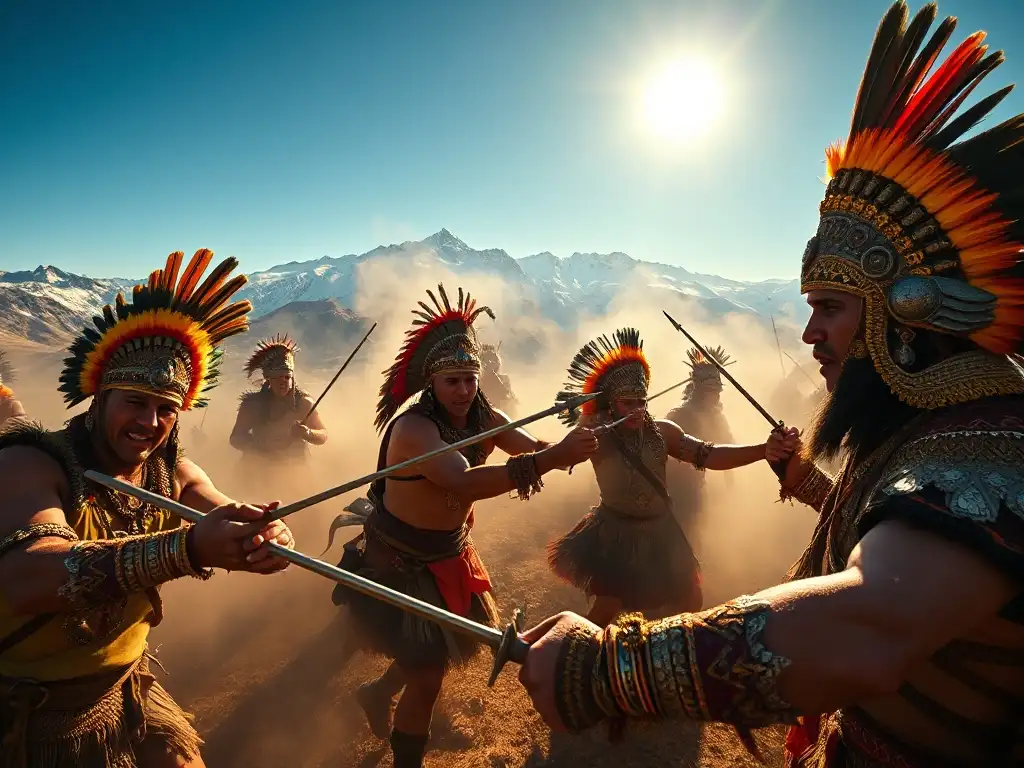
Uncover the mysteries hidden within the towering peaks and sprawling valleys of the Andes! For centuries, these majestic lands witnessed the rise and fall of powerful civilizations. But what truly fueled the conflicts that shaped their destinies? Delve into the intriguing world of Andean warfare psychology, exploring the motivations, fears, and surprising courage that defined combat in ancient societies like the Inca, Moche, and Nazca. Prepare to be captivated by a story far more complex than mere conquest.
-
Andean Warfare Psychology: Understanding Motivation, Fear, and Courage in Combat
- The Psychological Landscape of Ancient Andean Combat
- Motivations for Andean Warfare: Beyond Conquest
- Fear and Its Manifestations in Andean Warriors
- Cultivating Courage in the Andean Warrior
- The Impact of Andean Warfare Psychology on Military Strategy
- Examining the Emotional Toll of Andean Warfare
- Conclusion: The Enduring Relevance of Andean Warfare Psychology
- Frequently Asked Questions
- Final Reflection: Echoes of Courage in the Andes
- Unleash Your Inner Warrior: Take Action Today!
Andean Warfare Psychology: Understanding Motivation, Fear, and Courage in Combat
The study of Andean warfare extends beyond the analysis of weaponry, tactics, and logistics; it delves into the complex psychological landscape that shaped the motivations, fears, and courage of the warriors who fought in the Andes Mountains. This article explores the psychological underpinnings of Andean combat, examining the factors that drove individuals to engage in warfare, the anxieties they faced, and the sources of their resilience and bravery.
Understanding the psychology of Andean warfare provides crucial insights into the dynamics of power, social structures, and belief systems within these ancient societies. From the Incas' vast empire to the smaller, fiercely independent cultures of the Moche and Nazca, the psychological dimensions of their conflicts offer a compelling lens through which to understand their societies and their enduring legacy.
This exploration will focus specifically on the motivational factors driving conflict, the likely experiences of fear and anxiety among warriors, and the cultural and individual sources of courage that allowed these societies to thrive amidst constant conflict, thus enriching our understanding of "Andean warfare psychology".
The Psychological Landscape of Ancient Andean Combat
The high-altitude Andean environment itself profoundly impacted the psychology of warfare. The thin air, extreme temperatures, and challenging terrain presented formidable obstacles, demanding exceptional physical and mental fortitude. Battles were often fought at dizzying heights, adding a unique layer of psychological stress. Archaeological evidence, such as the remains of battlefield sites and the iconography depicting combat, suggests that warfare was a brutal and terrifying experience.
Yet, the endurance and effectiveness of Andean armies demonstrate a remarkable capacity to overcome fear and hardship. This section will delve into the environmental factors influencing the psychological aspects of Andean warfare, analyzing the physical and mental challenges faced by warriors and the strategies employed to overcome them. Specific examples of battlefield locations and the challenges they presented will be explored, along with descriptions of the physical and mental conditioning likely endured by warriors.
Motivations for Andean Warfare: Beyond Conquest
While territorial expansion and resource control undoubtedly played significant roles in Andean warfare, a deeper understanding requires examining the multifaceted motivations that fueled conflict. The simplistic notion of conquest alone fails to capture the complex interplay of religious, economic, and socio-political factors that drove these societies to war. It's crucial to appreciate that motivations varied across different Andean cultures and even within the same civilization throughout different periods.
Religious and Ritualistic Drivers of Andean Conflict
Religious beliefs and rituals played a crucial role in shaping the psychology of Andean warfare. For many Andean cultures, warfare was not merely a political or economic endeavor but also a sacred duty, often linked to maintaining cosmic balance or appeasing powerful deities. Rituals before battle, sacrifices, and the symbolic significance of captured trophies all contributed to the psychological preparation and justification of warfare.
The role of religious leaders in motivating and legitimizing warfare was also likely significant, using religious beliefs to instill fearlessness and loyalty among warriors. Further research into specific religious practices and their connection to warfare is needed to fully understand their influence.
Economic Factors in Andean Military Campaigns
Control over resources, such as fertile land, water sources, and minerals, was a significant driver of conflict in the Andes. Access to essential resources was directly linked to survival and prosperity, making their control a key objective of military campaigns. The economic consequences of victory or defeat profoundly impacted the social and political landscape, fueling the cycle of conflict. Analyzing the distribution of resources and their relationship to military campaigns can help illuminate the economic motivations behind Andean warfare. [Specific data on resource distribution and conflicts over resources pending]
Social and Political Motivations for Warfare in the Andes
Beyond religious and economic factors, social and political dynamics played a crucial role in motivating Andean warfare. Competition for power among different groups, the consolidation of empires, and the suppression of rebellions were all important drivers of conflict. The social status and prestige associated with military success also incentivized participation in warfare, creating a complex interplay of social and political motivations. Further research is needed to explore the specific social structures and political systems of different Andean civilizations and their impact on warfare. [Specific examples of social and political conflicts leading to war pending].
Fear and Its Manifestations in Andean Warriors
The Role of Fear in Pre-Columbian Battles
Fear, a fundamental human emotion, played a significant role in Andean warfare. While courage was undoubtedly prized, ignoring the impact of fear on pre-Columbian battles would be a historical oversight. The sheer brutality of Andean combat, involving close-quarters fighting with sophisticated weaponry like macanas (clubs) and spears, would have instilled considerable fear in even the most seasoned warriors.
The unpredictable nature of warfare, coupled with the potential for severe injury or death, created a constant psychological pressure on combatants. Evidence from archaeological finds, such as skeletal remains showing signs of trauma, and depictions in pottery and textiles, suggest that fear was a palpable presence on the battlefield.
The psychological toll of prolonged campaigns, coupled with the hardships of military life, further exacerbated the impact of fear. Detailed accounts from the Spanish chronicles, while often biased, offer glimpses into the emotional state of Andean soldiers, revealing anxieties and moments of panic amidst the chaos of battle.
Psychological Tactics Employed to Induce Fear in Opponents
Andean armies employed various psychological tactics to instill fear in their adversaries. The use of terrifying war cries, designed to unsettle and disorient opponents, was common. The strategic deployment of troops, with the use of overwhelming numbers or ambushes, aimed to create a sense of vulnerability and dread. Intimidation tactics, including the display of captured enemy trophies—scalps, weapons, or even bodies—were intended to demoralize the opposition and project an image of invincibility.
The visual spectacle of war, including elaborate costumes and terrifying masks worn by warriors, served as a psychological weapon, contributing to the enemy’s fear and confusion. Furthermore, the propagation of myths and legends about powerful deities and supernatural beings associated with the army would have instilled a sense of awe and fear in the hearts of their enemies. This created a psychological advantage, potentially leading to decisive victories.
Overcoming Fear: Training and Rituals in Andean Armies
Andean societies developed sophisticated methods to mitigate the effects of fear and cultivate courage among their warriors. Rigorous training played a crucial role in preparing soldiers for the psychological and physical demands of combat. This training not only enhanced their fighting skills but also gradually desensitized them to the horrors of war.
The development of resilience through repeated exposure to simulated combat scenarios helped warriors manage their fear responses. Furthermore, spiritual and religious rituals played a vital role in bolstering warrior confidence. Shamans and priests conducted ceremonies designed to invoke divine protection and inspire courage.
The consumption of hallucinogenic substances, such as coca leaves, was believed to enhance bravery and reduce fear. These rituals were not simply superstitious practices; they served as powerful psychological tools, strengthening group cohesion and fostering a sense of shared purpose. The collective experience of these rituals fostered a sense of unity and reinforced the collective identity of the warrior group, mitigating individual fears.
Cultivating Courage in the Andean Warrior
The Concept of Valor in Andean Societies
Valor and courage were highly valued traits in Andean societies. These virtues were not merely personal attributes but were deeply intertwined with social and religious beliefs. Warriors who demonstrated exceptional bravery on the battlefield were often rewarded with prestige, status, and material wealth. Their deeds were celebrated in songs, stories, and artistic representations, solidifying their heroic status within the community.
The concept of valor extended beyond the battlefield; it encompassed qualities such as resilience, self-sacrifice, and unwavering loyalty to one's community. These ideals were instilled in young people from an early age, shaping their understanding of bravery and fostering a cultural environment that valued courageous action. The integration of bravery into the societal fabric ensured its continuous propagation across generations.
Warrior Training and the Development of Courage
The rigorous training endured by Andean warriors was instrumental in cultivating courage. Training encompassed not only physical conditioning—developing strength, stamina, and agility—but also psychological preparation. Simulated combat exercises, involving mock battles and rigorous drills, gradually desensitized warriors to the stresses of warfare. This training helped them develop coping mechanisms for fear and instilled a sense of self-confidence in their abilities.
The emphasis on discipline and obedience fostered a sense of order and control, vital in the face of chaotic battle situations. Furthermore, the close-knit bonds formed within warrior units provided a crucial support system, bolstering individual courage and reducing the feelings of isolation that can exacerbate fear. The collective effort, shared experiences, and reliance on one another fostered a sense of camaraderie that translated into battlefield effectiveness.
Rituals and Practices that Bolstered Warrior Confidence
Beyond training, rituals and practices played a significant role in bolstering warrior confidence. Religious ceremonies, often involving offerings to deities and ancestors, sought divine protection and blessings for warriors embarking on campaigns. These rituals served as powerful psychological tools, providing comfort and reassurance in the face of uncertainty.
The use of coca leaves, believed to enhance endurance and courage, was widespread. The consumption of these leaves was not merely a physical stimulant; it was an integral part of the warriors' psychological preparation, creating a sense of readiness and invigoration. In addition, the creation and display of elaborate war regalia, including ornate headdresses, body paint, and weaponry, served to enhance the warriors' self-image and bolster their confidence.
These rituals and practices helped to create a collective identity, fostering a sense of unity and purpose that transcended individual fears. The shared experience of these rituals served to reinforce the bonds between warriors, creating a supportive environment that nurtured courage and resilience.
The Impact of Andean Warfare Psychology on Military Strategy
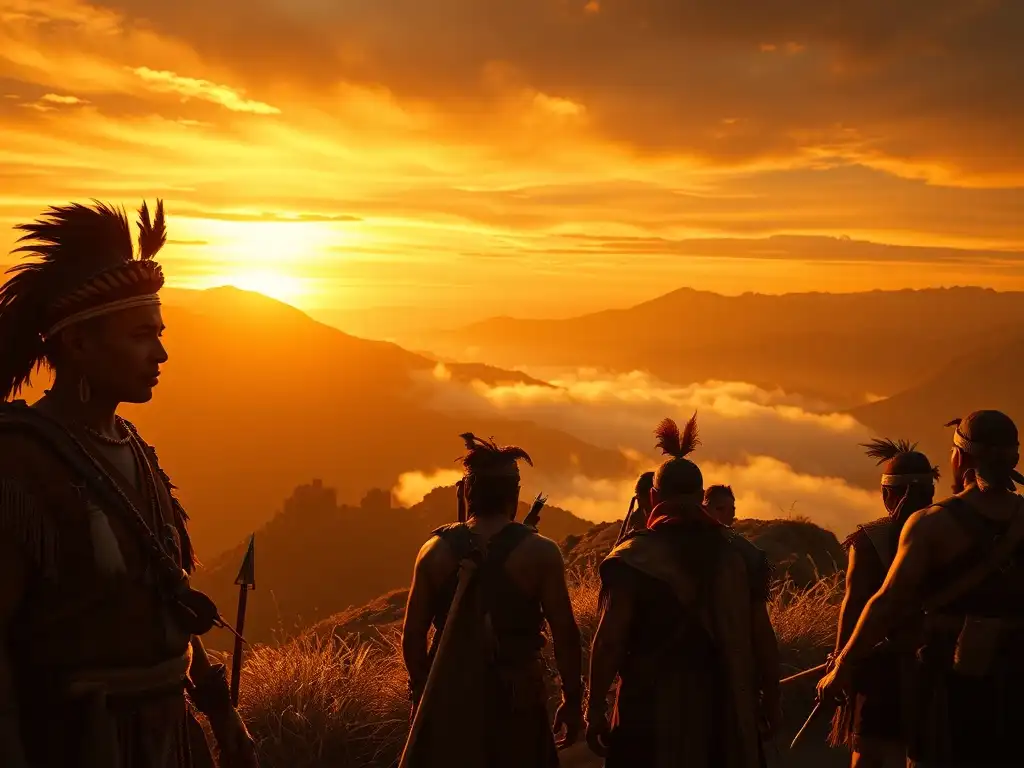
The psychology of Andean warfare significantly influenced military strategies employed by various civilizations. Understanding the motivations, fears, and courage of their soldiers allowed commanders to develop effective tactics. For instance, the Inca army, renowned for its size and organization, relied heavily on psychological warfare to demoralize opponents before engaging in direct combat.
Their meticulously planned campaigns often involved displays of overwhelming force and carefully orchestrated propaganda to instill fear and discourage resistance. This preemptive psychological pressure frequently resulted in enemy surrender, minimizing casualties and resource expenditure. The Incas' success highlights the crucial role of psychological understanding in shaping effective military strategies.
Similarly, the Moche, known for their fierce warriors, employed different strategies, emphasizing individual bravery and martial prowess. This focus on individual courage, cultivated through rigorous training and rituals, resulted in a highly motivated and aggressive fighting force, effective in smaller-scale conflicts and raids. The diverse approaches to warfare reflect the varying psychological landscapes of different Andean cultures, demonstrating the impact of cultural and societal factors on military organization and strategy.
Psychological Warfare Tactics in Andean Campaigns
Psychological warfare was a key element in many Andean military campaigns. Inca armies, for example, utilized sophisticated tactics to instill fear and demoralize their enemies. The sheer size and disciplined appearance of their formations, often accompanied by loud war cries and the display of captured weaponry and trophies, played a crucial role in undermining enemy morale.
The use of propaganda, both through visual displays and spoken word, was also prevalent. Narratives of past victories, exaggerated accounts of Inca power, and descriptions of the harsh punishments awaiting defeated enemies were expertly disseminated to sow discord and fear among enemy ranks. Furthermore, the Incas strategically targeted vulnerable populations or strategic locations to maximize the psychological impact of their campaigns.
These actions often led to the surrender of entire communities without the need for large-scale battles. We can infer the effectiveness of these tactics from the relatively limited number of large-scale battles documented in Inca history. The emphasis on psychological dominance allowed the Inca to achieve their military objectives with a relative minimization of direct combat and its attendant risks.
Motivation and Morale as Key Factors in Victory
Motivation and morale were paramount to success in Andean warfare. The Inca, for example, fostered strong group cohesion and loyalty through sophisticated social structures and religious beliefs. The concept of ayni, reciprocal exchange and mutual obligation, extended to the battlefield, creating a sense of collective responsibility and shared purpose.
Religious beliefs, emphasizing the divine right of the Inca ruler and the promise of rewards in the afterlife, also played a critical role in bolstering morale and encouraging soldiers to fight bravely. This strong sense of collective identity and shared purpose significantly enhanced their fighting spirit and resilience. In contrast, other Andean cultures, like the Moche, relied more on individualistic motivations, emphasizing personal glory and the acquisition of wealth and status through military success.
This fostered a culture of fierce competition and individual bravery, which also proved effective, albeit in different contexts. Understanding these varied approaches to maintaining morale and motivation provides crucial insight into the factors that contributed to military successes across different Andean societies.
The Legacy of Andean Warrior Psychology
The legacy of Andean warrior psychology continues to resonate today. The Inca emphasis on discipline, organization, and psychological warfare has had a lasting impact on military thinking. The strategies they employed, including the use of propaganda and the targeting of enemy morale, remain relevant in modern warfare.
The Moche focus on individual courage and aggressive fighting also holds lessons for understanding the role of individual motivation in military effectiveness. Studying their approach to training and the cultivation of warrior ethos offers valuable insights into leadership and motivational techniques.
Further research into Andean warfare psychology can provide valuable lessons for modern military strategists and sociologists, helping to understand the complex interplay between individual and collective psychology in shaping military outcomes. The study of Andean warfare psychology offers a rich and unique perspective on the human experience of conflict, highlighting both the brutality and the ingenuity of human beings in times of war.
Examining the Emotional Toll of Andean Warfare
The emotional toll of Andean warfare was immense, affecting soldiers, civilians, and entire communities. The physical and psychological trauma experienced by soldiers was significant, leading to lasting effects on their mental and physical well-being. The constant threat of death, the violence witnessed and inflicted, and the separation from family and home created immense stress and anxiety. The harsh realities of Andean warfare, characterized by intense physical demands and brutal conditions, further exacerbated these psychological burdens. These experiences often resulted in long-term psychological consequences, with many soldiers suffering from post-traumatic stress and other mental health issues.
Trauma and Mental Health of Andean Soldiers
The trauma experienced by Andean soldiers often went unaddressed, leading to long-term mental health problems. While we lack direct historical accounts of individual soldier experiences, the archaeological evidence suggests a high level of violence and death, indicating a high probability of significant psychological trauma. The repetitive exposure to extreme violence, coupled with the lack of adequate support systems, likely contributed to high rates of PTSD and other mental health disorders.
The societal norms and beliefs of the time likely further compounded the challenges faced by traumatized soldiers, limiting their ability to seek help or express their suffering. The absence of effective coping mechanisms and the stigma surrounding mental illness likely exacerbated the long-term consequences of their experiences.
The Human Cost of Andean Military Conflicts
Andean military conflicts resulted in a significant human cost, extending beyond the immediate casualties of battle. The destruction of homes, the displacement of communities, and the loss of life had far-reaching consequences for individuals and society as a whole. These conflicts often led to widespread famine and disease, further compounding the suffering of affected populations.
The psychological scars of war extended beyond the battlefield, affecting generations to come. The trauma experienced by survivors could have profound and lasting impacts on their families and communities. The long-term consequences of these conflicts underscore the devastating human cost of war and the need for a comprehensive understanding of its impact.
Understanding the Psychological Impact of Warfare Through Archeological Evidence
Archaeological evidence plays a crucial role in understanding the psychological impact of Andean warfare. The discovery of mass graves, the analysis of skeletal remains exhibiting signs of trauma, and the study of artifacts depicting scenes of violence all contribute to a more complete picture of the human cost of these conflicts. Furthermore, the analysis of settlement patterns and the study of changes in societal structures after periods of conflict can shed light on the long-term psychological and social consequences of war.
While archaeological evidence cannot directly reveal the thoughts and feelings of individual soldiers or civilians, it provides invaluable clues about the nature and extent of the violence and its impact on the population. This evidence, when interpreted carefully, allows researchers to reconstruct a more nuanced understanding of the emotional toll of Andean warfare and its lasting effects on society.
Conclusion: The Enduring Relevance of Andean Warfare Psychology
The study of Andean warfare psychology offers a compelling glimpse into the complex interplay of motivation, fear, and courage that shaped ancient Andean societies. Understanding the factors driving their military actions—from the ideological fervor surrounding imperial expansion to the pragmatic concerns of resource acquisition and territorial defense—provides invaluable insight into their societal structures and beliefs. The sophisticated strategies employed, often coupled with potent religious and symbolic elements, highlight a level of strategic thinking and organizational capacity that belies simplistic interpretations of "primitive" warfare.
Examining the psychological aspects of Andean combat reveals a nuanced picture of human behavior under pressure. The evidence suggests that fear was a palpable reality, yet it was often managed and channeled through ritualistic practices, communal support systems, and a strong emphasis on collective identity. The concept of ayni—reciprocity and mutual obligation—likely played a crucial role in fostering courage and sustaining morale in the face of adversity. Warriors weren't simply fighting for their own survival; they were fighting for their community, their ancestors, and the perpetuation of their way of life.
The enduring relevance of Andean warfare psychology lies in its ability to illuminate universal aspects of human conflict. The motivations, fears, and strategies employed by Andean warriors resonate with those observed in conflicts throughout history and even in contemporary warfare. Studying their experiences allows us to gain a deeper understanding of the psychological dimensions of war, the factors influencing group cohesion and morale, and the interplay between individual agency and collective action.
By exploring these themes within the unique context of Andean civilizations, we can enrich our understanding of the human condition and the enduring power of human resilience in the face of adversity. Furthermore, analyzing the successes and failures of specific Andean military campaigns can provide valuable lessons for strategic and tactical planning, even in modern contexts.
The sophisticated use of terrain, the importance of logistics and supply lines, and the psychological impact of propaganda and ritual—all of these elements remain relevant to the study of warfare today. The legacy of Andean warfare psychology, therefore, extends far beyond the historical record, offering valuable insights for the continued study of conflict and human behavior.
Frequently Asked Questions
What motivated Andean warriors to fight?
Andean warriors were motivated by a variety of factors, including loyalty to their leaders and communities, religious beliefs, and the desire for plunder and expansion. Their motivations were often intertwined with their worldview and spiritual beliefs.
How did Andean civilizations deal with fear on the battlefield?
Andean cultures employed various strategies to manage fear, such as rituals and sacrifices to appease the gods, consumption of coca leaves for stimulation and courage, and the strong social pressure to conform to warrior ideals.
What role did religion play in Andean warfare?
Religion played a crucial role, with warfare often viewed as a divine mandate or a way to appease the gods. Victory was often attributed to divine favor, while defeat could be interpreted as divine displeasure. Religious symbols and rituals were integral to both preparation and execution of battles.
Were there differences in warfare psychology across different Andean cultures?
Yes, while certain overarching themes existed, significant variations existed across cultures. The Inca emphasis on imperial control differed from the Moche focus on raiding and conquest, impacting their respective psychological approaches to warfare.
How did the concept of courage manifest in Andean warfare?
Courage in Andean warfare was not simply the absence of fear, but rather a demonstration of strength, resilience, and commitment to one's community and ideals. It involved facing adversity with bravery, often fueled by religious convictions and social pressures.
Final Reflection: Echoes of Courage in the Andes
The psychological strategies employed by Andean warriors, far from being relics of a distant past, offer a potent lens through which to examine the enduring human experience of conflict and resilience. Understanding their motivations, fears, and the cultivation of courage provides invaluable insights into the complexities of human behavior under pressure, a relevance that resonates deeply in our modern world still grappling with conflict and the search for peace.
The enduring legacy of Andean warfare psychology is not merely academic; it speaks to the fundamental human capacity for both brutality and extraordinary bravery. The intricate interplay between spiritual beliefs, social structures, and individual psychology shaped the very fabric of Andean societies, leaving an indelible mark on their history and culture. Courage is not the absence of fear, but the triumph over it.
This simple yet profound statement encapsulates the essence of the Andean warrior spirit, a spirit that transcended the battlefield and continues to inspire awe and reflection. The echoes of their struggles and triumphs resonate in the mountains, in the stories passed down through generations, and in the very soul of the Andean people.
Consider the lessons learned from the Andean experience. How can we, in our own lives, confront our fears and cultivate the courage to face adversity? How can we understand the motivations that drive conflict, both within ourselves and in the wider world? You, the reader, hold the power to apply these insights to your own journey, to build a more resilient and compassionate world, one informed by the echoes of courage from the Andes. Let the stories of these warriors inspire you to find your own strength and to strive for a future where understanding replaces conflict.
Unleash Your Inner Warrior: Take Action Today!
Thank you for exploring the fascinating world of Andean combat psychology! You've discovered the complex interplay of motivation, fear, and courage that characterized these ancient warriors. Now, let's put that knowledge to practical use.
Here's how you can build on what you've learned and apply these insights to your life:
- Reflect on a recent challenge: Think about a time when fear prevented you from taking action. Identify the inner strength you possess and how you can use it to overcome future obstacles. Journaling your thoughts can be particularly helpful.
- Share your insights: Discuss these concepts with friends, family, or online communities interested in psychology or martial arts. Sharing your understanding with others deepens your own learning and creates valuable connections.
- Continue your exploration: Learn more about the combat strategies and psychological approaches of other indigenous cultures. Consider how their wisdom might be applied to the challenges we face today.
What steps will you take this week to harness your courage and turn fear into motivation? Share your thoughts below!