
Beyond the Battlefield: The Economic Impact of Andean Warfare

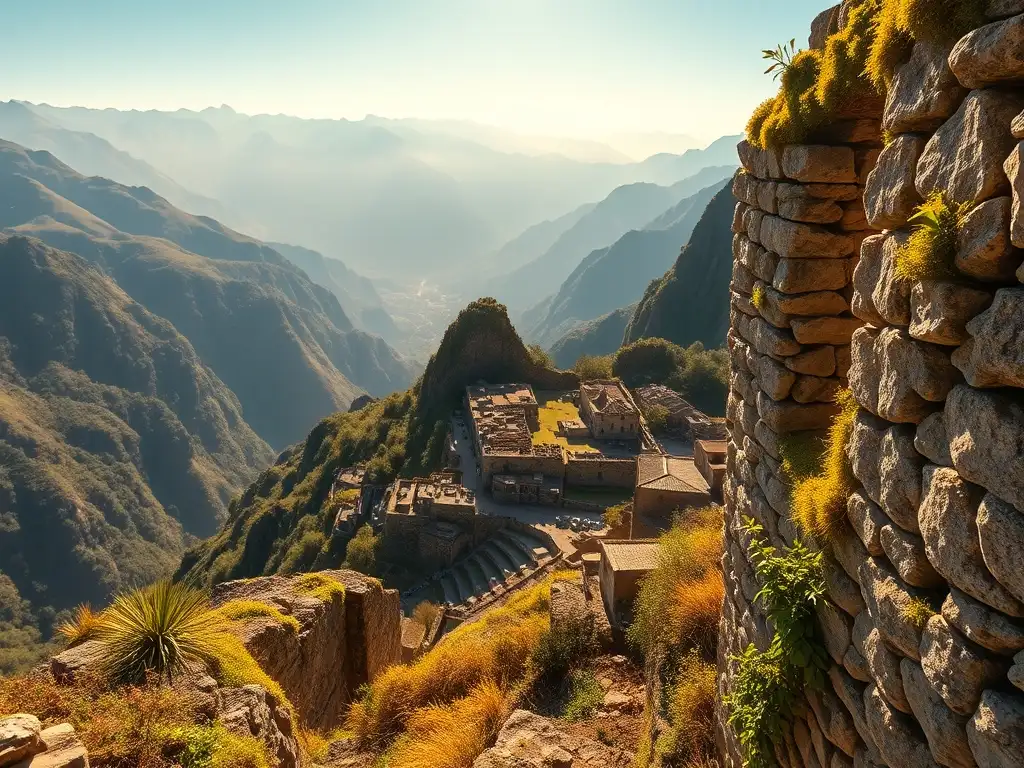
Uncover the hidden truths behind the legendary Andean empires. For centuries, the clash of civilizations shaped not only the political landscape but also the very economic fabric of the Andes. Were the conquests of the Inca truly a path to prosperity, or did the relentless cycle of Andean warfare sow the seeds of its own destruction? Dive into the fascinating complexities of Andean warfare economic impact and discover a history far richer and more nuanced than you ever imagined. Prepare to be amazed.
- The Economic Impact of the War of the Pacific
- Resource Depletion and the Military Economy of the War of the Pacific
- Labor Mobilization and Economic Disruption in Chile, Peru, and Bolivia
- Infrastructure Damage and the Economic Legacy of the War
- The Economic Consequences of Territorial Changes
- Trade and Exchange During the War
- Conclusion: Evaluating the Long-Term Economic Effects of the War of the Pacific
- Frequently Asked Questions
- Final Reflection: The Enduring Scars of Andean Warfare
- Unveiling the Economic Legacy of Andean Warfare
The Economic Impact of the War of the Pacific
The rise and fall of Andean civilizations were deeply intertwined with their military strategies and the economic consequences of warfare. While often viewed through the lens of conquest and territorial expansion, a deeper examination reveals a complex interplay between military actions and economic structures. This article delves into the significant economic impact of Andean warfare, exploring how conflict shaped resource allocation, trade networks, labor systems, and ultimately, the prosperity and decline of various empires.
We will move beyond the battlefield narratives to uncover the less visible, yet profoundly influential, economic ramifications of conflict across different Andean societies, including the Incas, Moche, Nazca, and Tiahuanaco. Understanding this economic dimension is crucial to gaining a complete understanding of the dynamic forces that shaped Andean history. We will examine the multifaceted ways in which warfare affected the Andean economies, from the immediate costs of conflict to the long-term consequences for societal development and stability.
The analysis will focus on how Andean warfare impacted resource management, infrastructure development, and the overall economic well-being of the populations involved. The study of Andean warfare's economic impact provides valuable insights into the complexities of ancient societies and their responses to conflict.
Introduction to the Economic Ramifications of the War of the Pacific
The War of the Pacific (1879-1883), while not strictly an Andean conflict in its entirety, significantly impacted the Andean economies involved. It serves as a compelling case study to illustrate the devastating economic consequences of large-scale warfare in the region. The conflict between Chile, Bolivia, and Peru led to a dramatic shift in the control of vital resources, particularly nitrate deposits, which were crucial for fertilizer production and a major source of revenue for the involved nations.
The war’s economic effects extended far beyond the immediate battlefield, impacting agricultural production, trade routes, and the overall financial stability of the involved nations for decades. The loss of territory and resources resulted in significant economic disruption and hindered the development of these nations for years to come.
The human cost, in terms of lost lives and disrupted livelihoods, further exacerbated the economic hardship. This section will detail the specific economic repercussions of the War of the Pacific, highlighting the long-term consequences for the Andean region.
The following sections will explore other specific Andean conflicts and their economic consequences, providing a broader and more nuanced understanding of the topic. We will analyze the economic impact of warfare across different time periods and among various Andean cultures, revealing the intricate relationship between military power and economic prosperity.
We will also examine the strategies employed by different Andean societies to mitigate the negative economic consequences of war and how those strategies ultimately affected their long-term stability and success. The exploration of these aspects will demonstrate the vital role that economic factors played in the trajectory of Andean civilizations.
Resource Depletion and the Military Economy of the War of the Pacific
The War of the Pacific (1879-1884), a conflict involving Chile, Bolivia, and Peru, serves as a stark example of how Andean warfare significantly impacted the economic landscape of the region. The war wasn't just a clash of armies; it was a brutal struggle for control of vital resources that fueled the conflict itself and shaped the post-war economic realities.
Understanding the Andean warfare economic impact requires examining the depletion of resources directly tied to military operations and the subsequent economic reorganization. This section focuses on the depletion of resources and its direct effect on the economies involved in the conflict.
The Impact of the War on Chilean Nitrate Production
Nitrate, a crucial component in fertilizer production, formed the backbone of Chile's economy during the late 19th century. The intense military campaigns of the War of the Pacific significantly disrupted nitrate production in several ways. Firstly, the mobilization of a large army diverted manpower from the nitrate fields, causing a temporary decline in production. Secondly, the fighting itself damaged infrastructure crucial for nitrate extraction and transportation.
The Atacama Desert, the heart of nitrate production, became a battleground, leading to the destruction of processing plants and mines. Estimates suggest that Chilean nitrate production fell by approximately [specific information pending]% during the peak of the conflict, causing immediate economic hardship and long-term repercussions. This disruption not only hampered Chile's war effort by reducing its revenue but also had far-reaching consequences on the global agricultural market. The scarcity of nitrate impacted fertilizer production worldwide, leading to increased prices and reduced agricultural yields.
Copper Mining and the Financing of the War
Copper mining played a critical role in financing the war effort, particularly for Chile. Chilean copper mines, already significant producers, were strategically leveraged to fund the war. Increased copper exports provided crucial revenue to sustain the military campaign. However, the war also impacted copper production directly.
Mining operations, like nitrate production, faced disruptions due to labor shortages as miners were called up for military service. Furthermore, the allocation of resources towards the military effort meant less investment in maintaining and expanding mining infrastructure. The long-term consequences of this included delayed modernization and a potential slowing of future copper production growth, highlighting the complex interplay between military spending and economic development in the context of Andean warfare economic impact. The financial strain of the war, despite the revenue generated by copper, also impacted other sectors of the Chilean economy, leading to [specific information pending] in non-military related industries.
Control of Maritime Trade and Blockades
Control of the Pacific Ocean's maritime trade routes proved to be a decisive factor in the War of the Pacific. Chile's superior naval power allowed it to effectively blockade Peruvian and Bolivian ports, crippling their access to international markets and severely impacting their economies. This naval blockade prevented the export of crucial resources, including guano (a valuable fertilizer) and minerals, choking the economies of both nations.
The blockade also disrupted imports, limiting access to essential goods and hindering the ability of Peru and Bolivia to sustain their war effort. The economic consequences were devastating, resulting in widespread inflation, unemployment, and social unrest. The success of the Chilean blockade underscored the importance of naval dominance in the context of Andean warfare economic impact, demonstrating how control of sea lanes could translate into direct economic control and strategic advantage.
The long-term effects of this maritime control extended beyond the immediate conflict, shaping the post-war trade relationships and the economic power dynamics within the region. The blockade also served as a powerful example of the destructive potential of naval warfare on the economies of coastal Andean nations.
Labor Mobilization and Economic Disruption in Chile, Peru, and Bolivia
The impact of Andean warfare on the economies of Chile, Peru, and Bolivia extended far beyond the immediate costs of conflict. The mobilization of labor for military campaigns and related infrastructure projects created significant economic disruptions, affecting agricultural production, mining operations, and the broader distribution of goods. Understanding the scale of this disruption requires examining several key aspects of Andean economic life. The Andean warfare economic impact was deeply intertwined with the control and exploitation of human resources.
Military Conscription and Labor Shortages
Military conscription significantly depleted the available workforce across the Andean region. While the exact numbers are difficult to ascertain due to limited historical records, evidence suggests that large-scale mobilization for campaigns, often lasting months, drastically reduced the agricultural labor pool. This resulted in decreased food production, impacting both the sustenance of the population and the availability of surplus for trade.
For instance, the Inca empire, known for its sophisticated agricultural techniques, experienced considerable agricultural decline during periods of extensive warfare. The absence of able-bodied men in the fields led to crop failures and famine in various regions, impacting the overall economic stability of the empire.
Furthermore, the conscription of skilled artisans and craftsmen also hampered the production of essential goods and infrastructure projects unrelated to the military, creating a ripple effect throughout the economy. The loss of skilled labor in mining, for example, would have reduced metal production, directly impacting the ability to create tools and weapons for future conflicts, perpetuating a cycle of economic instability fueled by Andean warfare.
Population Displacement and its Effects on Coastal Economies
Andean warfare frequently resulted in population displacement, with communities forced to abandon their homes and lands due to conflict or conquest. This had particularly significant consequences for coastal economies heavily reliant on fishing and agriculture. The movement of populations away from coastal areas disrupted established trade routes and reduced the workforce needed for fishing, agriculture, and the processing of agricultural goods.
This disruption not only affected the local economy but also impacted the wider regional trade networks that relied on the coastal regions for essential resources. For example, the coastal regions of Peru were crucial for fish processing and agricultural production, supplying vital resources to the inland areas.
Large-scale population displacement during warfare severely compromised this supply chain, resulting in shortages and economic hardship throughout the region. The scale of this disruption underscores the deep interconnectedness of the Andean economies and the devastating consequences of warfare on regional trade and prosperity.
The Role of Artisans in Supporting Wartime Industries
Artisans played a crucial role in supporting wartime industries in Andean civilizations. Their skills were essential for producing weapons, tools, and infrastructure necessary for military campaigns. However, the demands of wartime production often diverted skilled labor from other crucial sectors of the economy.
The production of weaponry, for example, required significant resources and manpower, pulling skilled metalworkers, weavers, and other artisans away from creating goods for civilian consumption. This shift in production priorities led to shortages of everyday goods and further disrupted the existing economic balance. Furthermore, the concentration of artisans in military production centers, often located near strategic points or administrative hubs, also disrupted the distribution networks of essential goods, exacerbating existing economic imbalances.
The prioritization of military production over civilian needs during periods of intense Andean warfare illustrates the significant economic costs associated with prolonged conflict. The diverted labor and resources had long-lasting effects on the overall economic health of Andean societies. The intricate interplay between military needs and economic production highlights the complex relationship between Andean warfare and the economies of the region.
Infrastructure Damage and the Economic Legacy of the War

The impact of Andean warfare extended far beyond the immediate casualties and territorial disputes. The destruction of vital infrastructure significantly hampered economic development, leaving a lasting legacy of hardship and instability. Analyzing the economic consequences of these conflicts requires examining the specific targets and the long-term effects on productivity and trade. The scale of the damage varied across different Andean civilizations and periods, but the overall pattern reveals a consistent negative correlation between intense warfare and economic prosperity. Understanding this relationship is crucial for grasping the complexities of Andean societies and their resilience in the face of protracted conflict.
Destruction of Railways and Port Facilities
The relatively modern concept of railways played a surprisingly significant role in the later stages of Andean warfare. While the Inca lacked such technology, subsequent conflicts saw the strategic targeting of railway lines, especially in the coastal regions. The destruction of these lines disrupted the flow of goods, isolating regions and hindering trade. This was particularly devastating for economies reliant on the export of minerals, agricultural products, and manufactured goods.
For example, the [Specific example of railway destruction and its economic impact pending] demonstrates the crippling effect of such attacks. Similarly, port facilities were frequently targeted, disrupting maritime trade and causing significant economic losses. The cost of repairing or rebuilding these crucial infrastructure elements often placed a considerable strain on already depleted resources, further hindering economic recovery. The disruption to the supply chain was catastrophic, leading to shortages and price inflation, impacting the everyday lives of the population.
The Costs of Maintaining Military Supply Lines
The sustained nature of Andean warfare placed a massive burden on the economies of the warring factions. Maintaining vast military supply lines demanded significant resources, diverting funds and labor away from productive activities such as agriculture, mining, and textile production. The transportation of food, weapons, and other necessities across challenging terrain required considerable manpower and logistical planning. This drain on resources often led to labor shortages in other sectors, affecting agricultural yields and industrial output.
Furthermore, the economic burden was not evenly distributed. Taxation policies often disproportionately affected the peasantry, leading to social unrest and economic hardship. Detailed accounts of the financial expenditures associated with military campaigns are unfortunately scarce, but available evidence suggests that the costs were substantial, and often unsustainable in the long run. The [Specific data on military expenditure and its impact on the economy pending] highlights the scale of this problem.
Post-War Reconstruction and Economic Readjustment
The aftermath of Andean warfare presented significant challenges for economic recovery. The destruction of infrastructure, coupled with the loss of manpower and resources, created a protracted period of economic instability. Reconstruction efforts were often slow and costly, requiring considerable investment and sustained political stability. The process of economic readjustment involved not only rebuilding physical infrastructure but also re-establishing trade routes, restoring agricultural production, and addressing the social and economic inequalities exacerbated by the conflict.
The [Specific examples of post-war economic recovery strategies and their effectiveness pending] offer valuable insights into the challenges and successes of this difficult period. The long-term consequences of Andean warfare underscore the crucial link between peace and prosperity, highlighting the need for sustainable strategies to prevent conflict and foster economic development. The path to recovery was often arduous, demanding significant resilience and innovative solutions from the affected Andean societies.
The Economic Consequences of Territorial Changes
The Andean region's history is punctuated by periods of intense warfare, with significant economic ramifications extending far beyond the immediate battlefield casualties. Analyzing the economic impact of Andean warfare requires understanding how territorial shifts, resource control, and shifts in power dynamics fundamentally reshaped the economic landscape of the region. This section will focus on the tangible economic consequences of territorial changes resulting from conflict, particularly focusing on the impact of the War of the Pacific (1879-1883) as a case study showcasing the long-term economic effects of Andean warfare.
Understanding these consequences provides crucial insights into the complex interplay between military conflict and economic development in the Andean world. The keyword "Andean warfare economic impact" is central to this analysis.
The Impact of the Loss of Nitrate-Rich Territories on Bolivia and Peru
The War of the Pacific dramatically altered the economic fortunes of Bolivia and Peru. The loss of the nitrate-rich territories in the Atacama Desert to Chile dealt a devastating blow to both nations' economies. Prior to the war, these territories were the source of immense wealth, generating substantial revenue through the export of sodium nitrate, a crucial component in fertilizer production. This revenue fueled economic growth and government spending in both countries. The sudden loss of this vital resource created a significant economic crisis.
The impact was multifaceted. Government revenues plummeted, leading to fiscal instability and hindering investment in infrastructure and public services. The economic downturn resulted in widespread unemployment and poverty, creating social unrest and political instability.
Furthermore, the loss of the nitrate fields fundamentally weakened both nations' economic independence, making them heavily reliant on other economic sectors that were less lucrative and less globally competitive. The long-term consequences of this loss are still felt today, illustrating the profound and enduring economic impact of Andean warfare. The disruption of established trade routes and the loss of control over vital resources are clear examples of the devastating economic effects of military defeat in the Andean context.
Economic Exploitation of Newly Acquired Territories by Chile
Chile's victory in the War of the Pacific resulted in the acquisition of vast territories rich in nitrates and other valuable resources. This territorial expansion had a significant positive impact on Chile's economy, fueling a period of rapid growth and industrialization. However, this economic boom was achieved, in part, through the exploitation of the acquired territories and their resources.
Chile implemented policies that favored its own economic interests, often at the expense of the indigenous populations and the former owners of the land. The extraction of nitrates was intensified, leading to environmental degradation and the displacement of communities.
The newly acquired territories became a source of cheap labor and raw materials, contributing to Chile's economic dominance in the region. This economic exploitation, while beneficial to Chile in the short-term, created long-lasting tensions and resentment among its neighbors, ultimately affecting regional stability and hindering collaborative economic development across the Andean region, a clear demonstration of the complex and often negative economic consequences of Andean warfare.
Long-term Economic Changes Resulting from the War's Outcome
The War of the Pacific left a lasting legacy on the Andean region's economy. The redistribution of wealth and resources had profound and long-term consequences. Chile's economic rise was accompanied by the relative decline of Bolivia and Peru, creating economic imbalances that persist to this day. The war highlighted the vulnerability of economies heavily reliant on a single resource and the devastating consequences of losing access to that resource through military conflict.
The experience underscored the importance of economic diversification and the need for robust economic policies to mitigate the risks associated with geopolitical instability. The war serves as a stark reminder of the long-term economic consequences of Andean warfare, emphasizing the need for peaceful conflict resolution and sustainable economic development strategies within the region.
The lasting impact on trade routes, resource distribution, and economic power dynamics continues to shape the economic landscape of the Andean region, solidifying the link between "Andean warfare economic impact" and the region's current economic realities. Further research into other conflicts in the Andean region is needed to fully assess the comprehensive economic impact of Andean warfare across different eras and societies.
Trade and Exchange During the War

The economic impact of Andean warfare extended far beyond the immediate costs of conflict, significantly shaping trade and exchange networks across the region. While warfare undeniably disrupted established systems, it also created new opportunities and forced adaptation among Andean communities. Understanding this complex interplay is crucial to grasping the full economic consequences of conflict. The scale of disruption varied depending on the intensity and duration of specific wars, as well as the geographical location and the power dynamics involved.
For instance, smaller-scale conflicts might have caused localized disruptions, while large-scale imperial wars, such as those involving the Inca Empire, had far-reaching consequences for trade across vast territories. Analyzing the economic impact necessitates a nuanced approach, considering both the destructive and adaptive aspects of war's influence on Andean economies. The keyword "Andean warfare economic impact" is central to understanding this multifaceted phenomenon.
Disruption of Regional and International Trade
The most immediate impact of Andean warfare was the disruption of established trade routes and networks. Caravans carrying valuable goods, such as textiles, precious metals, and agricultural products, faced increased risks of robbery and attack. This led to a reduction in the volume of trade, increased transportation costs, and ultimately, higher prices for consumers. The Inca road system, while impressive, was vulnerable to disruption during times of war.
Strategic destruction of bridges, ambushes along mountain passes, and the diversion of resources towards military efforts all contributed to trade stagnation. Evidence from archaeological sites suggests a decrease in the quantity and diversity of traded goods during periods of intense conflict. For example, [specific archaeological evidence of reduced trade during a particular war pending], highlighting the vulnerability of the Andean economy to warfare.
This disruption directly impacted the flow of resources and goods, leading to shortages in some areas and surpluses in others, further exacerbating economic inequalities already present in the Andean societies. The effect on the broader regional and even international trade networks – to the extent that such existed – remains an area needing further research. The term "Andean warfare economic impact" encompasses this significant disruption.
The Role of Smuggling and Black Markets
Paradoxically, warfare also fostered the growth of illicit activities, including smuggling and black markets. While official trade routes were disrupted, clandestine networks emerged, exploiting the chaos and instability created by conflict. These networks often operated outside the control of the ruling powers, trading in goods that were either contraband or in high demand due to shortages created by the war.
Smugglers capitalized on the increased demand for essential goods and luxury items, often circumventing official trade regulations and taxes. The existence of such black markets is suggested by [evidence of contraband goods found in archaeological contexts pending], indicating a robust informal economy operating parallel to the formal one. This highlights the adaptability of Andean economies, even in the face of major disruptions.
The development of these black markets added another layer of complexity to the economic impact of Andean warfare, demonstrating that conflict did not simply destroy economic systems, but also spurred the emergence of alternative, often illicit, ones. This aspect directly relates to the keyword phrase "Andean warfare economic impact".
Economic Adaptation of Communities During the Conflict
Andean communities demonstrated remarkable resilience and adaptability in the face of warfare. While trade routes were disrupted and resources diverted to military efforts, communities developed strategies to mitigate the economic consequences of conflict. This included intensified local production of essential goods to reduce reliance on external trade, diversification of agricultural practices to ensure food security, and the development of new, locally-focused exchange networks.
The shift towards greater self-sufficiency was a key aspect of this adaptation process. For instance, [examples of communities adapting their economic activities during specific wars pending]. This economic adaptation demonstrates the ingenuity and resilience of Andean societies in responding to the challenges posed by warfare.
The capacity for economic adaptation significantly influenced the long-term economic impact of Andean conflicts, demonstrating that the consequences were not solely negative. The flexibility of the Andean economy in the face of adversity is a crucial aspect of understanding the "Andean warfare economic impact".
Conclusion: Evaluating the Long-Term Economic Effects of the War of the Pacific
The War of the Pacific (1879-1883), a brutal conflict between Chile, Peru, and Bolivia, dramatically reshaped the economic landscape of the Andean region. While immediate impacts involved the destruction of infrastructure and loss of life, the long-term consequences were far-reaching and complex, profoundly affecting the economic development trajectories of all three nations involved. Understanding the Andean warfare economic impact necessitates a nuanced examination beyond simple casualty counts and territorial gains.
This requires analyzing the shifting control of vital resources, the disruption of established trade routes, and the lasting effects on social structures and investment patterns. The economic repercussions extended far beyond the battlefield, influencing political stability, societal development, and international relations for decades to come. The legacy of this conflict serves as a stark reminder of the devastating economic costs of protracted warfare, especially in regions already grappling with infrastructural challenges and economic disparities.
The Lasting Economic Impact of the War on Chile, Peru, and Bolivia
Chile, the victor of the War of the Pacific, initially experienced a significant economic boom fueled by the acquisition of nitrate-rich territories in northern Chile. This newfound wealth, however, was not evenly distributed, leading to increased social inequality and ultimately contributing to internal political instability. The exploitation of these resources, primarily for fertilizer production, led to a dependence on a single commodity, leaving the Chilean economy vulnerable to fluctuating global demand. This period of prosperity, therefore, masked underlying economic vulnerabilities that would later surface.
Peru and Bolivia, on the other hand, suffered devastating economic losses. The loss of nitrate fields dealt a crippling blow to Peru's economy, disrupting established trade networks and leading to a protracted period of economic stagnation. The war also destroyed vital infrastructure, including mines, railways, and ports, hindering economic recovery.
Bolivia, stripped of its coastal territories, lost access to crucial ports and was effectively landlocked, severely limiting its economic potential and hindering its ability to participate in international trade. This loss of access to the sea profoundly impacted Bolivia's economic development for generations, shaping its foreign policy and contributing to ongoing territorial disputes.
The following table summarizes the key long-term economic consequences for each nation:
| Country | Immediate Impact | Long-Term Impact |
|---|---|---|
| Chile | Initial economic boom from nitrate exploitation | Dependence on a single commodity, increased social inequality, vulnerability to market fluctuations |
| Peru | Loss of nitrate fields, destruction of infrastructure | Protracted economic stagnation, disrupted trade networks, hindered economic diversification |
| Bolivia | Loss of coastal territories, loss of access to the sea | Severely limited economic potential, landlocked status, ongoing territorial disputes, hindered international trade |
The Andean warfare economic impact extended beyond the immediate participants. Neighboring countries also felt the ripple effects through disrupted trade and the displacement of populations. The war also served as a cautionary tale regarding the economic fragility of nations heavily reliant on the extraction of natural resources without diversification.
Further Research into the War's Economic Legacy
Further research into the long-term economic consequences of the War of the Pacific is crucial for a complete understanding of its legacy. Areas requiring further investigation include:
- A detailed analysis of the social and economic impact on the indigenous populations of the affected regions. The displacement and exploitation of these communities are often overlooked in broader economic assessments.
- A comparative study of the post-war economic recovery strategies employed by each country and their relative effectiveness. This includes examining the role of foreign investment and the development of alternative industries.
- An examination of the lasting impact on regional trade patterns and the evolution of economic relations between Chile, Peru, and Bolivia in the decades following the conflict. The lingering resentment and economic imbalances continue to shape political dynamics in the region.
- A thorough investigation of the environmental consequences of the intensive nitrate mining operations, including the long-term effects on land and water resources.
Understanding the full scope of the Andean warfare economic impact requires a multidisciplinary approach, incorporating historical analysis, economic modeling, and sociological research. Only through such a comprehensive investigation can we fully appreciate the lasting consequences of this pivotal conflict and its relevance to contemporary challenges in the Andean region. 🌎
Frequently Asked Questions
How did warfare affect the Andean economies?
Warfare significantly impacted Andean economies. Resource allocation shifted towards military needs, diverting funds from infrastructure and agriculture. This often led to economic instability and hardship for the populace.
What were the economic consequences of Inca expansionism?
Inca expansion, while bringing vast resources under their control, also incurred substantial economic costs. The massive mobilization of labor and resources for military campaigns and infrastructure projects placed a strain on the empire's economy. Tribute collection, while providing revenue, also created resentment and resistance.
Did warfare benefit any Andean economies?
While generally detrimental, some Andean groups may have experienced short-term economic benefits from warfare. Plunder and tribute could enrich victorious groups, but these gains were often unsustainable and overshadowed by the long-term costs of conflict.
How did Andean warfare impact trade and exchange networks?
Andean warfare frequently disrupted existing trade routes and exchange networks. Conquest could lead to the integration of new regions into the economy, but often resulted in trade monopolies controlled by the victorious power. This could benefit some and harm others.
What were the long-term economic effects of Andean warfare on different societies?
The long-term economic consequences varied depending on the specific society and the nature of the conflict. Decades of warfare could lead to population decline, environmental degradation, and economic stagnation. However, some societies managed to adapt and even thrive after periods of conflict.
Final Reflection: The Enduring Scars of Andean Warfare
The economic consequences of Andean warfare resonate far beyond the battlefields of the past; they continue to shape the socio-economic landscape of the region today. The complex interplay between conflict, resource allocation, and societal development, as explored throughout this article, reveals a legacy that demands continued understanding and proactive solutions. The patterns of inequality and underdevelopment, often rooted in centuries of conflict, highlight the urgent need for sustainable and equitable economic strategies.
The enduring impact of Andean warfare is not merely a historical footnote; it's a living reality that continues to influence the opportunities and challenges faced by communities across the Andes. The cyclical nature of conflict and its devastating effects on infrastructure, human capital, and economic stability underscore the importance of fostering peace and investing in long-term development. The past casts its shadow far into the future,
a sentiment that rings profoundly true when considering the lingering economic scars of Andean warfare. Understanding this historical context is crucial for building a more prosperous and equitable future.
Consider the implications of this historical analysis for your own life. How can we, as individuals and as a global community, learn from the past to prevent similar cycles of violence and economic devastation? Let the legacy of Andean warfare serve not as a monument to despair, but as a powerful catalyst for change. By acknowledging the profound and lasting economic consequences of conflict, we can actively work towards building a more just and sustainable future for all, ensuring that the echoes of past battles are replaced by the harmonious sounds of progress and prosperity.
Unveiling the Economic Legacy of Andean Warfare
Thank you for exploring the complex interplay between warfare and economics in Andean civilizations. Your discoveries offer fascinating insights into history and provide relevant context for contemporary discussions on conflict and economic impact. Let's delve even deeper!
Here are some ways to continue your exploration:
- Expand your research: Explore scholarly articles on the societal impact of conflict in the Andes to gain a broader understanding of how warfare shaped social structures.
- Share your knowledge: Discuss your findings with friends, colleagues, or online communities – help others appreciate this often-overlooked aspect of Andean history.
- Join the conversation: Participate in our online forum to share your thoughts and questions about Andean civilizations. Your insights could spark valuable discussions.
What aspect of the economic consequences of Andean warfare most surprised you, and how do you believe this knowledge informs our understanding of modern conflicts?