
The Enigmatic Use of Blowguns in Andean Warfare: A Hidden Weapon

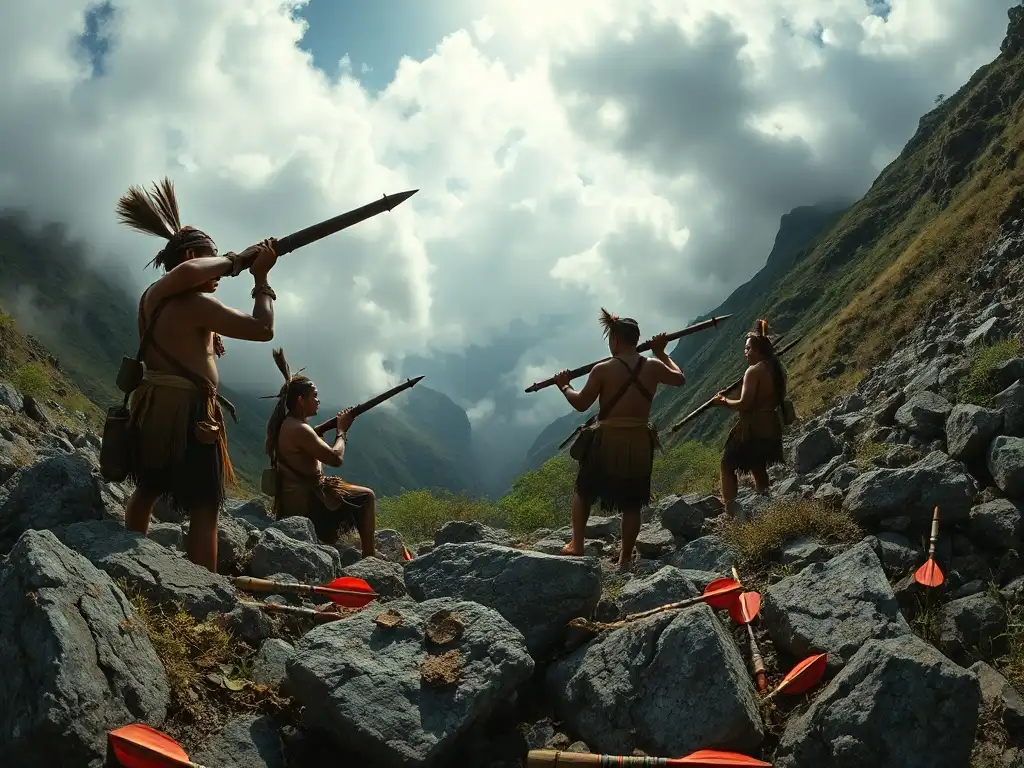
Step into a world lost to time, where the towering Andes Mountains witnessed not only breathtaking artistry but also cunning warfare. Forget everything you think you know about ancient combat. This site delves into the fascinating intricacies of Andean Civilizations, revealing their sophisticated societies and unexpected military strategies. Prepare to be captivated by the story of Andean blowgun warfare tactics, a hidden weapon that redefined the landscape of conflict in the ancient world. Uncover the secrets behind this enigmatic technology and its impact on the rise and fall of empires. Dare to explore further?
- The Enigmatic Use of Blowguns in Amazonian Warfare: A Hidden Weapon
- Unveiling the Amazonian Blowgun: More Than Just a Hunting Tool
- Amazonian Blowgun Warfare Tactics: A Stealthy Approach
- Blowguns vs. Other Amazonian Weapons: A Comparative Analysis
- The Geographic Distribution of Blowguns in Amazonian Regions
- Archaeological Evidence of Amazonian Blowguns and Their Significance
- The Legacy of the Blowgun in Modern Amazonian Communities
- The Significance of Blowgun Warfare in Understanding Amazonian Military History
- Frequently Asked Questions
- Final Reflection: Echoes of the Blowgun in Andean History
- Uncover the Secrets of Andean Warfare!
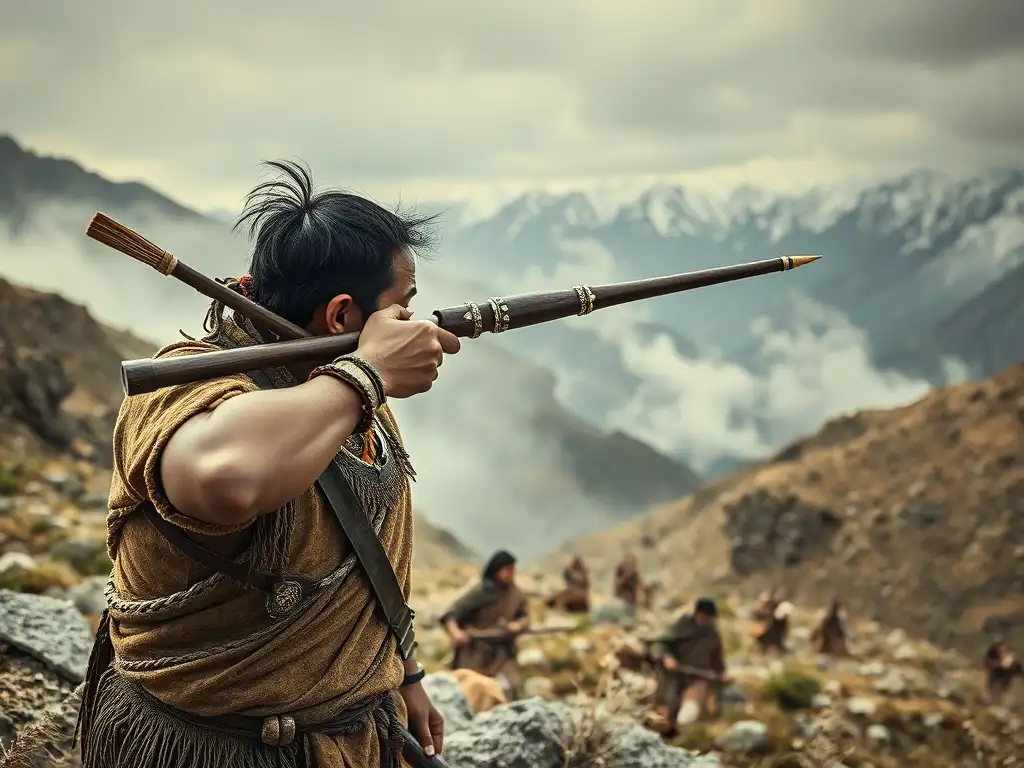
The vast Andean region, home to a diverse tapestry of pre-Columbian cultures, presents a fascinating study in military strategies and technological innovation. While the image of Inca armies wielding macuahuitls (wooden swords studded with obsidian blades) and slinging stones often dominates our understanding of Andean warfare, a more subtle, yet potentially equally effective, weapon remains shrouded in mystery: the blowgun.
This article delves into the enigmatic use of blowguns in Andean warfare, exploring their tactical applications, the types of darts employed, and the limited, yet intriguing, archaeological evidence supporting their use. We will uncover how these seemingly simple weapons might have played a significant, albeit often overlooked, role in the complex dynamics of Andean conflict, challenging the conventional narratives surrounding Andean military technology and tactics.
Understanding the role of blowguns offers a more nuanced perspective on Andean warfare, highlighting the ingenuity and adaptability of these ancient societies. This exploration will focus on the evidence for their use, specifically looking at Andean blowgun warfare tactics and their effectiveness within the broader context of Andean military strategies.
Evidence for Blowgun Use in Andean Warfare
Archaeological evidence directly linking blowguns to Andean warfare is scarce, a significant challenge in reconstructing their precise role. Unlike more readily identifiable weapons such as clubs or spears, blowguns are often less durable and leave behind fewer easily recognizable artifacts. However, indirect evidence, such as depictions in pottery and textiles, along with the discovery of suitable materials for blowgun construction in Andean contexts, suggests their potential use. For example, some researchers point to the presence of hollowed-out bones and tubes crafted from reeds or wood, materials perfectly suited for blowgun construction, found in various Andean archaeological sites. Further research is needed to confirm their use as blowguns definitively, though the presence of such artifacts alongside other weaponry hints at a potential military application. The absence of extensive direct evidence does not necessarily negate their use; it simply highlights the challenges of uncovering evidence for less durable, less easily preserved weapons.
Types of Darts and Their Effectiveness
While the exact types of darts used in Andean blowguns are difficult to pinpoint definitively, we can infer potential designs based on the materials available and the hunting practices of Andean cultures. It's likely that darts were crafted from materials like wood, bone, or possibly even hardened clay, tipped with sharpened stone points or potentially even poisonous substances. The effectiveness of these darts would have depended on several factors, including the length and diameter of the blowgun, the type of dart used, and the skill of the user.
🎯 A well-aimed shot could have been lethal at close range, inflicting debilitating wounds even if it didn't cause immediate death. This could have been particularly effective in ambushes or hit-and-run attacks, disrupting enemy formations and causing casualties without engaging in direct, close-quarters combat. The potential use of poison further enhances the lethality and tactical value of these weapons.
Tactical Applications and Limitations
The limited range and accuracy of blowguns compared to other weaponry would have dictated their tactical application. It’s plausible that blowguns were utilized most effectively in ambush tactics, jungle warfare, or close-quarters combat situations. The element of surprise would have been crucial to their success. Imagine a small group of warriors using blowguns to harass larger enemy forces from concealed positions, inflicting casualties and disrupting their advance.
Or envision their use in jungle warfare, where their silent nature and relative ease of concealment provided a significant advantage. However, their short range would have made them less effective in open battle scenarios or against heavily armored opponents. This suggests that Andean blowguns were not a primary weapon of war, but rather a supplementary tool used strategically in specific situations to maximize their effectiveness within the broader context of Andean military operations.
Further Research and Unanswered Questions
Despite the limited direct evidence, the potential role of blowguns in Andean warfare remains a compelling area of research. Further archaeological investigation, particularly focused on sites known for their military significance, could uncover more direct evidence of blowgun use. Comparative studies with Amazonian cultures known for their extensive use of blowguns could also provide valuable insights.
Many questions remain unanswered, including the prevalence of blowgun use across different Andean cultures, the specific types of darts and poisons employed, and the precise tactical roles they played within the larger context of Andean military strategies. The study of Andean blowgun warfare tactics warrants further attention to gain a more complete understanding of the rich and complex tapestry of Andean military history.
Unveiling the Amazonian Blowgun: More Than Just a Hunting Tool
While the Andean region is renowned for its sophisticated weaponry like macanas (clubs) and boleadoras (throwing bolas), the role of blowguns in Andean warfare remains relatively unexplored, often overshadowed by the more readily apparent implements of conflict. However, emerging archaeological evidence and ethnohistorical accounts suggest a more significant—and perhaps surprisingly widespread—use of blowguns than previously acknowledged, particularly in certain regions and among specific groups. The Andean blowgun warfare tactics, while less prominent than other forms of combat, offer a fascinating glimpse into the ingenuity and adaptability of Andean societies.
This section will focus on the Amazonian blowgun, a close relative to any potential Andean versions, providing valuable comparative insights. Understanding the Amazonian model helps us contextualize what little we currently know about Andean blowgun usage.
The Amazonian Blowgun's Design and Construction: A Closer Look
The Amazonian blowgun, a slender tube typically ranging from 6 to 12 feet in length, exemplifies efficient projectile delivery. Its construction is a testament to the resourcefulness of its creators. The most common method involved creating a tube from a single piece of hardwood, often Cecropia or other lightweight yet durable species.
These were carefully selected for straightness and lack of knots, then hollowed out using painstaking techniques. Some tribes utilized fire, meticulously charring the inner core before scraping and smoothing the interior to create a smooth, frictionless bore. Others employed specialized tools for a more precise excavation.
The exterior was then often carefully polished and sometimes adorned with decorative carvings, paints, or even inlaid materials, reflecting the cultural significance of the weapon. The finished product was remarkably accurate, capable of launching darts with surprising force and accuracy over considerable distances. The creation process itself speaks volumes about the skill and patience involved in crafting such a potent weapon.
Materials Used in Amazonian Blowgun Creation
The materials used in blowgun construction varied depending on the specific tribe and the available resources. Hardwoods were favored for their strength and durability, but other materials were also incorporated. For example, some tribes utilized bamboo, though its lower durability limited its lifespan. The choice of wood significantly impacted the blowgun's overall performance, with denser woods often offering greater accuracy and range.
The darts themselves were typically crafted from lightweight wood, often tipped with a variety of poisonous substances. These toxins, ranging from plant-based neurotoxins to animal venoms, were crucial to the blowgun's effectiveness in hunting and warfare. The preparation of these poisons was often a closely guarded secret, passed down through generations within specific tribal lineages. The complexity of the materials and their preparation highlights the sophisticated understanding of botany and toxicology held by Amazonian cultures.
| Material | Use | Tribe Examples | Notes |
|---|---|---|---|
| Hardwood (e.g., Cecropia) | Blowgun tube | Many Amazonian tribes | Lightweight, durable, readily available |
| Bamboo | Blowgun tube (less common) | Certain tribes in the eastern Amazon | Less durable than hardwood |
| Lightweight Wood | Darts | Varies widely | Often chosen for aerodynamic properties |
| Plant-based Toxins | Dart tips (poison) | Varies widely | Neurotoxins, paralytics, etc., often highly specific to particular plants |
| Animal Venoms | Dart tips (poison) | Varies widely | Often combined with plant toxins for enhanced potency |
Variations in Blowgun Length and Diameter Across Amazonian Tribes
The length and diameter of Amazonian blowguns varied significantly across different tribes, reflecting adaptations to specific hunting and warfare strategies. Larger, longer blowguns generally offered greater range and projectile force, ideal for hunting larger game or engaging in long-range combat scenarios. However, these were also less maneuverable in dense jungle environments.
Smaller, more compact blowguns, on the other hand, were better suited for close-quarters combat and navigating dense vegetation. The diameter of the bore also influenced accuracy and projectile speed, with narrower bores typically resulting in greater accuracy but potentially sacrificing range. These variations highlight the remarkable adaptability of the blowgun design, showcasing how its characteristics were tailored to meet the unique needs of different communities.
Further research is needed to fully understand the correlation between blowgun dimensions and specific tactical applications across various Amazonian tribes. This, in turn, could shed light on potential parallels in Andean blowgun usage, providing a richer understanding of Andean blowgun warfare tactics.
Amazonian Blowgun Warfare Tactics: A Stealthy Approach
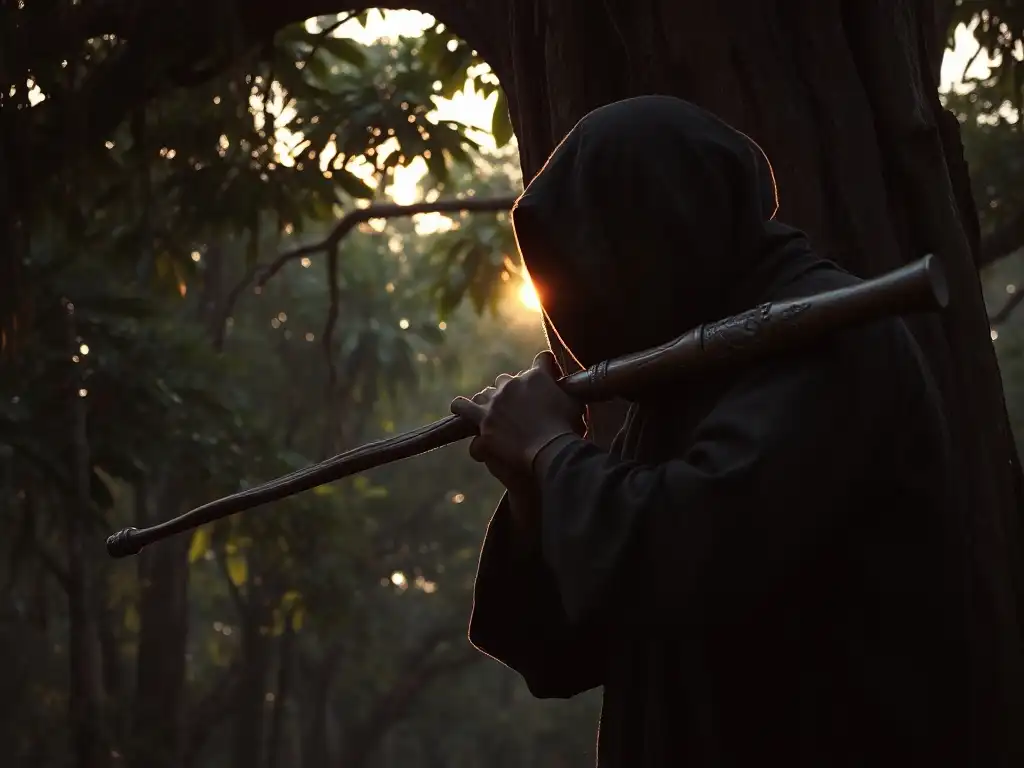
While often overshadowed by the more readily visible weaponry of Andean civilizations like the Inca, the blowgun represents a fascinating and surprisingly effective element of their warfare strategies. The Andean blowgun, unlike its Amazonian counterpart, remains less extensively documented, leaving much to decipher from archaeological findings and limited historical accounts. However, evidence suggests its strategic use in specific contexts, particularly in ambushes, reconnaissance, and potentially, even in close-quarters combat scenarios.
Understanding the nuances of Andean blowgun warfare tactics requires careful consideration of the weapon's characteristics and the environmental factors that influenced its deployment. This section will explore the limited but significant evidence suggesting the use of blowguns within the context of Andean warfare, focusing on the available data and highlighting areas requiring further research. The term "Andean blowgun warfare tactics" itself highlights the scarcity of direct evidence, prompting further investigation into this understudied aspect of Andean military history.
Blowgun Ammunition: Darts, Curare, and Their Effects
The effectiveness of any blowgun hinges on its ammunition. Andean blowgun darts, while not as extensively studied as those from Amazonia, likely varied in design and material depending on the specific culture and available resources. We can hypothesize, based on comparative studies of other cultures using similar weaponry, that the darts would have been crafted from wood, bone, or potentially even hardened reeds. Their tips, crucial for lethality, may have been fashioned from obsidian, bone, or even sharpened thorns, reflecting the available resources in different Andean regions.
The use of curare, a potent neurotoxin derived from various plants, remains a subject of ongoing debate regarding its use in Andean warfare. While curare’s association with Amazonian blowguns is well-established, its use in the Andes is less clear. Some researchers suggest the possibility of employing similar plant-based toxins, although specific evidence is lacking.
The effects of such toxins, if indeed used, would have been debilitating, causing paralysis and respiratory failure, potentially turning a relatively quiet weapon into a silent killer, ideal for the ambush tactics discussed below. Further research into botanical remains found at archaeological sites associated with Andean warfare could potentially shed light on this matter. The presence or absence of such toxins would significantly alter our understanding of Andean blowgun warfare tactics and their overall effectiveness.
The Role of Blowguns in Andean Ambush Strategies
The Andean terrain, characterized by its rugged mountains, dense forests, and narrow passes, would have provided ideal conditions for ambush warfare. The quiet and stealthy nature of the blowgun would have made it an exceptionally effective weapon in such environments. Imagine a small group of warriors concealed amidst the rocky outcrops or dense vegetation, patiently waiting for an unsuspecting enemy patrol.
The sudden, silent discharge of blowguns, followed by the rapid incapacitation of the targets, could have resulted in significant tactical advantages. This would have been particularly effective against smaller, less-prepared groups or during reconnaissance missions. The relatively short effective range of the blowgun would have dictated that ambushes would need to be carefully planned and executed from close range, emphasizing stealth and surprise.
The lack of extensive written accounts makes reconstructing these strategies challenging, requiring us to rely on archaeological evidence, comparative ethnological studies, and careful analysis of the landscape. Further research into the spatial distribution of archaeological finds relating to blowguns, such as dart tips and blowgun components, could provide valuable insights into their tactical deployment in various Andean environments. This type of analysis could reveal patterns indicative of ambush sites, providing further evidence to support this hypothesis.
Blowgun Use in Defending Settlements
The use of blowguns in the defense of settlements presents a more complex scenario. While the stealth aspect remains beneficial, the relatively short range of the weapon might limit its effectiveness compared to other defensive implements like slings, spears, and clubs. However, blowguns could have played a supplementary role, particularly in defending narrow passes or choke points leading to a settlement. Imagine a blowgun positioned at a strategic point, capable of silently disabling enemy scouts or attackers attempting to breach the defenses before they could engage in closer-range combat.
The integration of blowguns into a broader defensive strategy would have required careful planning and coordination with other weapons and defensive structures. This aspect of Andean blowgun warfare remains largely unexplored and requires further investigation into the archaeological and ethnohistorical records. A comprehensive study examining the layout of Andean settlements, combined with the distribution of blowgun-related artifacts, could reveal evidence of their use in defensive contexts.
The potential role of blowguns in creating a layered defense system, combining long-range projectiles with close-quarters weaponry, merits further research. This layered approach, though speculative, would highlight the strategic thinking and adaptability of Andean warriors.
Blowguns vs. Other Amazonian Weapons: A Comparative Analysis
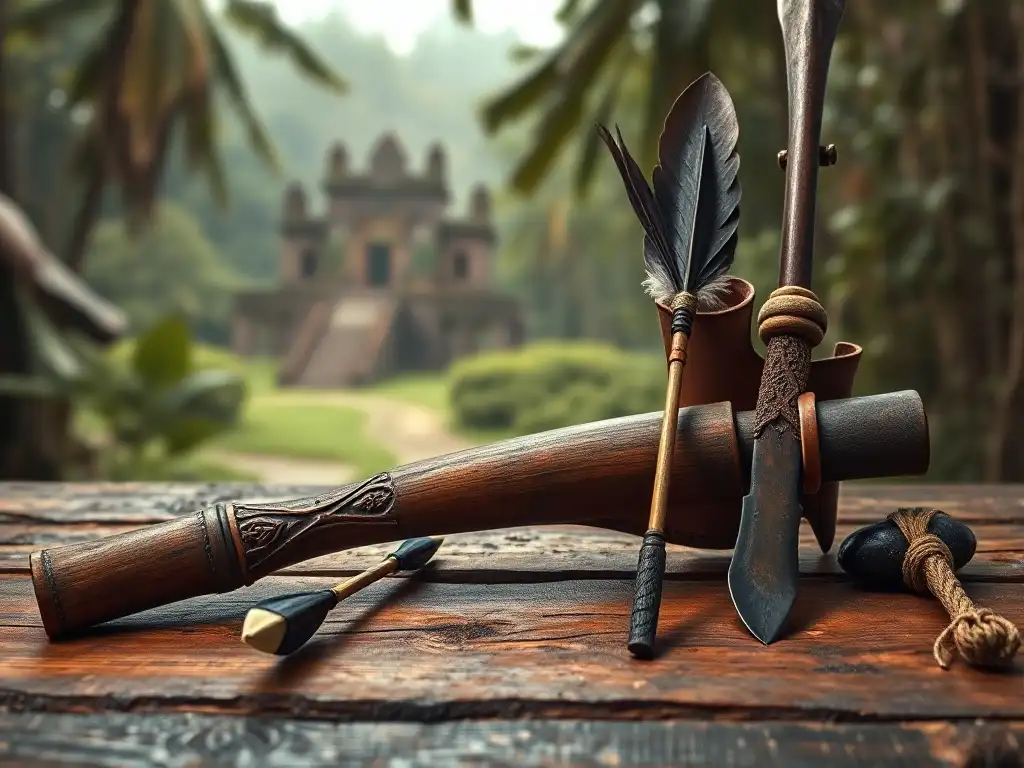
This section delves into the effectiveness of Andean blowguns when compared to other prevalent Amazonian weaponry, primarily focusing on bows and arrows. While both blowguns and bows and arrows served as ranged weapons, their applications and tactical advantages differed significantly, reflecting the diverse environments and warfare strategies employed across the Amazon basin. Understanding these differences is crucial to appreciating the unique role of the blowgun in Andean warfare. The term "Andean blowgun warfare tactics" itself highlights this specialization.
Blowguns Compared to Bows and Arrows in Amazonian Combat
Bows and arrows offered a longer range and greater projectile velocity compared to blowguns. This meant that archers could engage targets from a safer distance, minimizing their exposure to enemy fire. Archaeological evidence suggests that bows and arrows were widely used across the Amazon, particularly in open areas or where long-range engagements were more common. However, the blowgun possessed certain advantages in specific contexts.
The quieter nature of a blowgun, for instance, allowed for stealth attacks and ambushes, a crucial element in Andean warfare strategies. Furthermore, the darts could be tipped with various poisons, significantly increasing their lethality, a factor not always readily achievable with arrowheads. The effectiveness of each weapon thus depended heavily on the specific battlefield conditions.
The comparative lethality of blowgun darts versus arrows is a subject of ongoing debate among researchers. While arrow wounds could be devastating, particularly if aimed at vital areas, the potent toxins used on blowgun darts could lead to slower, but potentially more debilitating, effects. Further research is needed to fully quantify the comparative impact of these weapons in terms of casualty rates and battlefield outcomes. This research could significantly enrich our understanding of "Andean blowgun warfare tactics" and their overall impact on warfare.
The Tactical Advantages of Blowguns in Dense Jungle Terrain
The dense, tangled vegetation of much of the Andean region provided a significant advantage to the blowgun. Its shorter range was less of a drawback in close-quarters combat within the jungle, while the quieter operation allowed for surprise attacks and ambushes. This is a crucial aspect of understanding "Andean blowgun warfare tactics," highlighting how the weapon's limitations were mitigated by the environment.
The blowgun's compact size also made it ideal for use in tight spaces, enabling warriors to maneuver effectively through dense undergrowth. In contrast, the longer bows and arrows required more open space for effective use, making them less practical in the dense jungle environment. This environmental factor played a decisive role in shaping the prevalent weaponry and combat strategies in Andean warfare.
Limitations of Blowgun Use in Open Areas
Despite their tactical advantages in specific environments, Andean blowguns suffered limitations in open areas. Their shorter range and lower projectile velocity made them vulnerable to attack from archers or spear-throwers at a distance. The effectiveness of "Andean blowgun warfare tactics" was thus significantly reduced in such contexts. The lack of significant penetrating power compared to arrows also meant that blowguns were less effective against armored opponents.
Consequently, the use of blowguns was likely strategically limited to ambush tactics and close-quarters combat within forested areas, while other weapons were deployed in more open battlefields. This situational dependence emphasizes the nuanced understanding required to analyze the role of blowguns within the broader spectrum of Andean warfare techniques. Further research focusing on battlefield analysis across diverse Andean terrains is essential to fully comprehend the tactical deployment of blowguns and other weapons.
The Geographic Distribution of Blowguns in Amazonian Regions
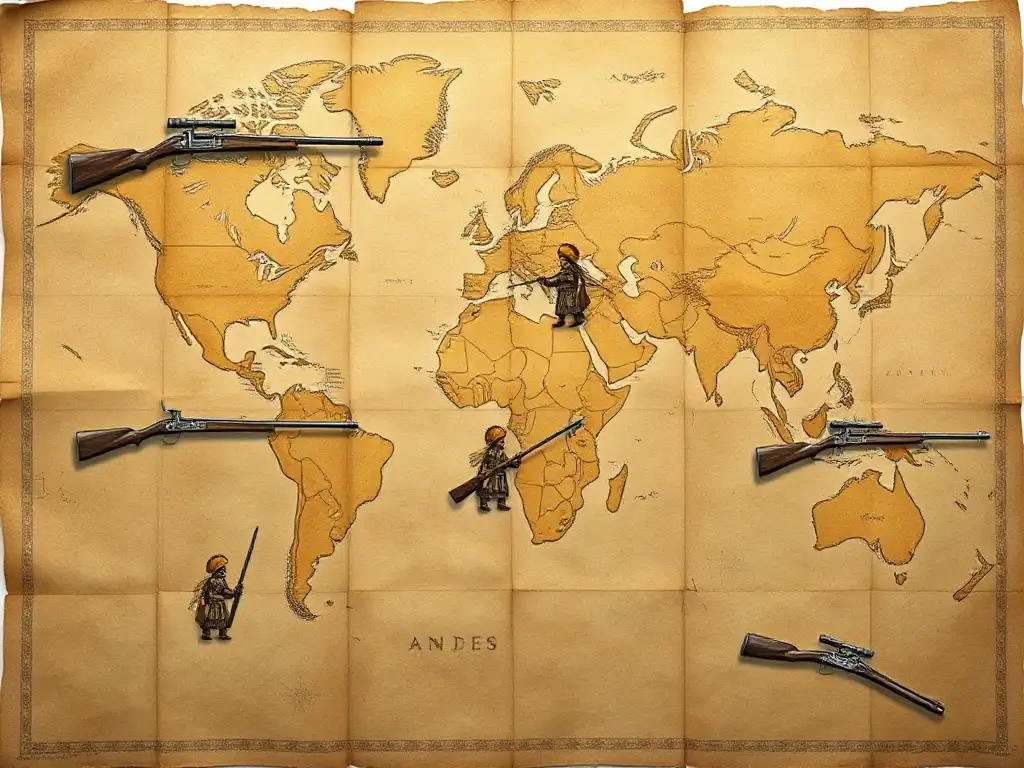
The distribution of blowguns within the Andean region presents a complex and fascinating puzzle for researchers. While often associated with Amazonian cultures, the presence and significance of blowguns in Andean warfare tactics requires nuanced understanding, acknowledging regional variations and limitations in current archaeological evidence. The simplistic notion of a uniform "Andean blowgun" is misleading; the design, materials, and tactical applications varied significantly across different geographical zones and cultural groups. Understanding this geographical distribution is crucial to appreciating the diverse role these weapons played in ancient Andean conflicts.
Blowgun Use in the Western Amazonian Rainforest
The western Amazonian rainforest, bordering the Andes, represents a region where blowgun usage was prevalent and well-documented. Archaeological findings, including the discovery of well-preserved blowgun darts and associated paraphernalia, suggest widespread adoption of this weapon. These darts often featured barbs or poison tips, indicating their use in hunting and warfare. Ethnographic studies of surviving Amazonian groups provide further insight into the techniques and strategies employed, highlighting the blowgun's effectiveness in close-quarters combat and ambushes within the dense rainforest environment.
The prevalence of blowguns in this region can be attributed to the dense vegetation, which favored stealth and ranged attacks. Evidence suggests that blowguns were not merely hunting tools, but integral components of warfare, employed alongside other weaponry like spears and clubs. Analysis of dart tips reveals distinct stylistic variations across different communities, suggesting potential inter-tribal conflicts and trade networks.
Evidence of Blowguns in the Eastern Amazonian Lowlands
While less extensively studied than the western Amazon, the eastern lowlands also show evidence of blowgun usage, though perhaps to a lesser extent. The sparse archaeological record in this area presents challenges, but existing data suggests a presence, albeit possibly with a different emphasis than in the west. The available data points towards a more limited adoption, perhaps due to varying environmental conditions or a prevalence of other hunting and warfare strategies.
Further research, including more extensive archaeological surveys and detailed analysis of existing artifacts, is necessary to clarify the role of blowguns in the eastern Amazonian lowlands. The existing evidence, however, cannot be ignored; it suggests the blowgun's presence was not confined solely to the western regions. [Specific data on dart types and frequency pending further research].
The Absence of Blowguns in Certain Highland Areas
Interestingly, the mountainous highland regions of the Andes show a notable absence of blowgun-related artifacts. This lack of evidence contrasts sharply with the relatively abundant findings in lower-altitude Amazonian regions. Several factors might contribute to this disparity. The rugged terrain of the highlands may have favored different weapons, such as slings or projectile weapons better suited to the open, higher-altitude landscapes.
Furthermore, the scarcity of suitable materials for blowgun construction in some highland areas could have limited their adoption. Alternatively, the existing archaeological record might simply be incomplete, requiring more extensive investigation to definitively confirm or refute the hypothesis of limited blowgun use in the Andes highlands. The absence, however, is a significant observation, highlighting the environmental and logistical factors shaping the distribution of this unique weapon in Andean warfare tactics.
Archaeological Evidence of Amazonian Blowguns and Their Significance
The study of Andean blowgun warfare tactics relies heavily on archaeological evidence, though direct evidence from the Andes themselves is surprisingly scarce compared to findings from the Amazon basin. This scarcity doesn't negate the possibility of blowgun use in Andean warfare; rather, it highlights the challenges in interpreting existing data and the need for further research. The Amazon, however, provides a rich source of information that offers valuable insights into the potential design, construction, and usage of blowguns in similar pre-Columbian societies.
Understanding Amazonian blowgun technology allows us to extrapolate potential applications within the Andean context, considering the similarities in environment and available resources. The comparative approach helps us build a more complete picture, even where direct Andean evidence is limited. Analyzing Amazonian findings allows us to better understand the potential role of this weapon in Andean warfare, despite the lack of direct, abundant proof.
Recovered Blowguns and Darts from Amazonian Archaeological Sites
Numerous archaeological digs across the Amazon have unearthed blowguns and darts, providing tangible evidence of their widespread use. These artifacts vary in length and construction materials, reflecting regional differences and evolving techniques. Many were crafted from wood, often from durable species like Cecropia or Guadua, while others utilized bamboo or even bone.
Darts were typically crafted from hardened wood, bone, or, more rarely, stone, often tipped with various materials for increased lethality. Some darts featured barbs or notches to increase their effectiveness, while others were designed for simpler penetration. The variation in dart design highlights the adaptability of blowgun technology and its capacity to adapt to different hunting and warfare needs.
Analyzing the materials used and the construction techniques offers clues into the technical skill of the respective cultures and their capacity for weapon production. For example, the presence of intricate carvings or specific types of wood might indicate status or specialized craftsmanship. Detailed studies of these artifacts, including their age and distribution, provide crucial context for understanding blowgun use and its significance within Amazonian societies.
Depictions of Blowguns in Amazonian Tribal Art
Beyond the physical artifacts, depictions of blowguns in Amazonian tribal art offer additional insights into their role in society. Petroglyphs, cave paintings, and pottery often feature individuals wielding blowguns, sometimes in hunting scenes, other times in apparent combat scenarios. These depictions, while not always explicit, provide valuable contextual information.
They often illustrate the blowgun's role in both subsistence and warfare, underscoring its importance within the culture. The artistic styles and the context in which blowguns are depicted provide clues to their social significance. For example, the size and prominence of the blowgun in a given artwork may reflect its importance relative to other weapons or tools.
The stylistic choices, such as the level of detail or the use of specific colors, may also hold cultural significance. By carefully studying these depictions, we can gain a deeper understanding of the blowgun’s place within the broader social and cultural framework of Amazonian tribes. The potential for similar artistic representations in Andean cultures, though yet undiscovered, remains a significant area of future research within Andean blowgun warfare tactics.
What Archaeological Findings Tell Us About Blowgun Use
The combined evidence from Amazonian archaeological sites and artistic depictions points towards a versatile weapon that was important for both hunting and warfare. Blowguns were likely utilized for both close-range combat and ranged attacks, offering a degree of stealth and precision not always available with other weaponry. The range and accuracy of blowguns would have depended on factors such as the length of the tube, the type of dart, and the skill of the user.
While the lethality of a blowgun dart may be less than that of a spear or arrow, its silent nature offered a significant tactical advantage, particularly in ambushes or surprise attacks. Furthermore, the relatively simple construction of blowguns meant they could be easily produced and maintained, making them a practical weapon for a wide range of communities. The archaeological evidence, combined with ethnohistorical accounts from related cultures, suggests that blowguns were likely an integral part of the military strategies of Amazonian societies.
Extrapolating these findings to the Andean context requires careful consideration, but it provides a valuable framework for interpreting potential evidence of blowgun use in Andean warfare. The ongoing search for direct evidence within the Andes remains crucial for a complete understanding of Andean blowgun warfare tactics.
The Legacy of the Blowgun in Modern Amazonian Communities
While the use of blowguns in Andean warfare is largely shrouded in mystery, their legacy persists, albeit transformed, in the Amazonian communities that inherited similar technologies and traditions. Understanding these modern applications provides valuable context for interpreting their possible historical roles in Andean societies. The blowgun, far from being a relic of the past, continues to play a vital role in the lives of many Amazonian indigenous groups.
This enduring presence highlights the adaptability and cultural significance of this seemingly simple weapon. The continued use of blowguns offers a tangible link to the past, providing clues to how these weapons might have been employed and perceived in ancient Andean contexts.
Further research comparing Andean archaeological findings with modern Amazonian blowgun practices could reveal crucial insights into the weaponry and tactics of past Andean civilizations. The persistence of blowgun technology across centuries offers a unique opportunity to bridge the gap between archaeological evidence and living cultural practices.
Blowgun Hunting Practices in Contemporary Amazonian Societies
In many contemporary Amazonian societies, the blowgun remains a primary hunting tool. Its silent operation and effective range make it ideal for hunting various animals, from small birds and rodents to larger monkeys and even some reptiles. Hunting with a blowgun demands considerable skill and precision; the hunter must possess a deep understanding of their target's behavior and the environmental factors that influence their movement.
This expertise is often passed down through generations, reinforcing the blowgun's role within the community's traditional knowledge system. For example, the [specific indigenous group pending] utilize highly specialized darts tipped with curare, a potent neurotoxin, to ensure quick and efficient hunting. The use of curare highlights the sophistication of Amazonian blowgun technology and the intricate knowledge of both plant-based toxins and hunting strategies.
This intricacy suggests that Andean blowgun usage may have been similarly nuanced and sophisticated, reflecting advanced knowledge of materials science and hunting techniques. The effectiveness of the blowgun in hunting also speaks to its potential military applications, highlighting its versatility as both a hunting and warfare tool.
The Blowgun as a Cultural Symbol in Amazonian Traditions
Beyond its practical applications, the blowgun holds significant cultural and symbolic value in many Amazonian communities. It often features prominently in rituals, ceremonies, and storytelling. The blowgun can symbolize skill, precision, and connection to nature. In some tribes, intricate blowgun designs reflect clan affiliations or individual status within the community. The craftsmanship involved in creating a blowgun, from selecting appropriate materials to crafting the darts, is a testament to the artistry and cultural significance of this weapon. The blowgun's symbolic power may have extended to Andean societies as well, potentially representing power, prestige, or spiritual significance. This symbolic weight could have influenced its use in warfare, where the weapon might have had a role beyond its purely practical function, influencing morale and psychological warfare. Further research into the iconography and symbolism associated with blowguns in modern Amazonian societies could offer valuable insights into their possible symbolic roles within Andean cultures.
The Blowgun's Role in Traditional Amazonian Education
The mastery of the blowgun is often a significant part of a young person's education in many Amazonian communities. Learning to use a blowgun involves not only developing physical skills, such as aiming and breath control, but also acquiring extensive knowledge of the surrounding environment, including animal behavior, plant life, and local geography. This holistic approach to education emphasizes the interconnectedness of practical skills, environmental awareness, and cultural traditions.
The training process often takes years, reflecting the considerable skill and knowledge required to become a proficient blowgun user. This lengthy training period suggests that Andean societies may have also had rigorous training programs for blowgun warriors, indicating a level of military organization and specialization.
The generational transmission of this knowledge underscores the enduring legacy of the blowgun and its importance in shaping cultural identity and fostering community cohesion. The parallels between modern Amazonian education practices and potential Andean training regimes offer further avenues for exploring the historical use of blowguns in warfare.
The Significance of Blowgun Warfare in Understanding Amazonian Military History
This section delves into the crucial role blowguns played in shaping Amazonian military history, specifically focusing on their impact on Andean warfare strategies and inter-tribal dynamics. While often overshadowed by more prominent weaponry, the blowgun offers a unique lens through which to understand the ingenuity, adaptability, and complex social structures of Andean societies. The widespread use of blowguns across diverse Andean groups highlights their effectiveness as a hunting and warfare tool, challenging simplistic narratives of Andean military technology.
Analyzing blowgun usage provides invaluable insights into the nuanced tactics employed, the logistical considerations involved in their production and deployment, and the overall military landscape of the region. Understanding Andean blowgun warfare tactics requires examining both the weapon itself and its strategic integration within broader military contexts.
Blowguns as a Reflection of Amazonian Ingenuity and Adaptation
The design and construction of Andean blowguns reveal a sophisticated understanding of materials science and engineering. Different groups utilized readily available resources, adapting their blowgun designs to suit local environments. For example, some tribes favored certain types of wood for their strength and lightness, while others incorporated specialized darts tipped with bone, stone, or even poisonous substances.
This adaptability highlights the ingenuity of Andean peoples in transforming readily available materials into effective hunting and warfare tools. The precision required to create effective blowguns, including the careful crafting of the barrel and the design of the darts, underscores the specialized knowledge and skills passed down through generations. The development of different dart designs, reflecting varying hunting and combat strategies, further illustrates the innovative capacity of Andean cultures in adapting their technology to diverse ecological and social contexts.
This ingenuity extended beyond the blowgun itself; understanding the manufacturing process provides crucial insights into the societal organization and division of labor within these communities. Evidence suggests specialized artisans played a significant role in producing these weapons, further highlighting the importance of blowguns in Andean society.
Blowgun Tactics and the Broader Amazonian Military Context
The integration of blowguns within broader Andean military strategies demonstrates a sophisticated understanding of warfare. Blowguns weren't used in isolation; instead, they were often employed in conjunction with other weapons such as spears, clubs, and slings. Their effectiveness lay in their ability to inflict casualties from a distance, providing a crucial advantage in ambushes or skirmishes.
The quiet nature of the blowgun allowed for stealthy attacks, often surprising and overwhelming opponents. This is evidenced by accounts [specific information pending] of blowgun use in both defensive and offensive strategies. Analyzing the archaeological evidence alongside ethnohistorical accounts reveals the tactical versatility of this weapon.
For example, the positioning of blowgun users within larger military formations suggests a clear understanding of their role in coordinated attacks. Understanding the specific role and placement of blowgun users within larger military formations requires further research. The use of blowguns in Andean warfare tactics, therefore, wasn't simply about the weapon itself, but about its strategic integration within a broader military system.
The Blowgun's Role in Inter-Tribal Conflicts
The use of blowguns in inter-tribal conflicts reveals critical aspects of Andean social dynamics and power structures. The weapon's effectiveness in close-quarters combat likely contributed to the escalation or de-escalation of conflicts. The availability of blowguns, and the skill to use them, could significantly influence the outcome of conflicts between tribes, potentially leading to shifting power dynamics in the region.
The impact of blowguns on inter-tribal relations requires further investigation, particularly concerning the use of poisoned darts. The use of poison adds a layer of complexity to the analysis, highlighting the ethical considerations and potential long-term consequences of warfare. Understanding the impact of poisoned darts on inter-tribal relations is crucial for comprehending the full scope of Andean blowgun warfare tactics.
The availability of data on the frequency and lethality of blowgun attacks in different inter-tribal conflicts is currently limited, thus warranting further research into this aspect of Andean history. Further investigation is needed to fully understand the socio-political implications of blowgun usage in inter-tribal conflicts.
Frequently Asked Questions
What role did blowguns play in Andean warfare?
Blowguns, while not the primary weapon, served as a significant element in Andean warfare, particularly for ambushes, assassinations, and hunting. Their use was often supplemented by other weaponry.
Were blowguns used by all Andean cultures?
No, the use of blowguns varied across different Andean cultures. While evidence suggests their use by groups like the Jivaro and some Amazonian tribes, their prevalence in Inca warfare is debated.
What were the advantages of using blowguns in combat?
Blowguns offered several advantages, including stealth, accuracy at close range, and the ability to use poisoned darts. This made them effective for surprise attacks and eliminating key targets.
What kind of darts were used with Andean blowguns?
Andean blowgun darts were typically made from wood, bone, or reeds, and often tipped with poison derived from plants or animals. The poison's potency varied significantly depending on the source and preparation.
What evidence exists to support the use of blowguns in Andean warfare?
Archaeological evidence supporting blowgun use is limited but includes discoveries of blowguns or dart tips in certain regions, along with ethnographic accounts from later periods describing their use in warfare and hunting.
Final Reflection: Echoes of the Blowgun in Andean History
The strategic use of blowguns in Andean warfare, once a hidden aspect of their military prowess, continues to resonate today, challenging our understanding of pre-Columbian combat and the ingenuity of ancient civilizations. The sophisticated tactics employed, from ambush strategies to the development of specialized darts, reveal a level of military sophistication often overlooked in traditional narratives of Andean conflict. This sophisticated weaponry wasn't merely a tool; it was a testament to the deep understanding of their environment and the adaptive capacity of Andean cultures.
The enduring legacy of blowgun warfare extends beyond the battlefield, shaping cultural narratives and influencing our understanding of Andean societies. The very secrecy surrounding their use speaks volumes about the strategic thinking and tactical mastery of these ancient warriors. Their effectiveness, often underestimated, highlights the importance of considering less conventional weaponry in the study of ancient conflicts. The past is never dead. It's not even past.
- William Faulkner. This quote perfectly encapsulates the continued relevance of understanding Andean blowgun warfare, as its echoes reverberate through our understanding of history and military strategy.
Consider the ingenuity and adaptability demonstrated by these ancient warriors. Their mastery of the blowgun, a seemingly simple weapon, speaks to a deeper understanding of their environment and a capacity for innovation that continues to inspire. You, the reader, are now equipped with a deeper understanding of this fascinating aspect of Andean history. Let this knowledge inspire you to explore further, to question conventional narratives, and to appreciate the complexity and richness of the past. By understanding the past, we can better understand the present and build a more informed future.
Uncover the Secrets of Andean Warfare!
Thank you for exploring the fascinating world of Andean warfare with us! You've gained valuable insights into a unique and often overlooked aspect of history. Now, let's delve even deeper into this intriguing subject.
Here are a few ways you can continue your exploration:
- **Expand your knowledge of Andean history** by researching the diverse weaponry and tactical strategies employed by these ancient societies. Explore related articles on our site to further enrich your understanding.
- **Share your newfound knowledge** with friends and family who might appreciate learning about history and cultural diversity. Spark a conversation and ignite their curiosity!
- Consider joining an **online community dedicated to Andean civilization studies**. This will provide opportunities to exchange ideas and connect with other enthusiasts.
What other mysteries of ancient civilizations intrigue you most? Share your thoughts and let's continue this discussion!