
Andean Sling Stones: More Than Just Projectiles in Ancient Battles

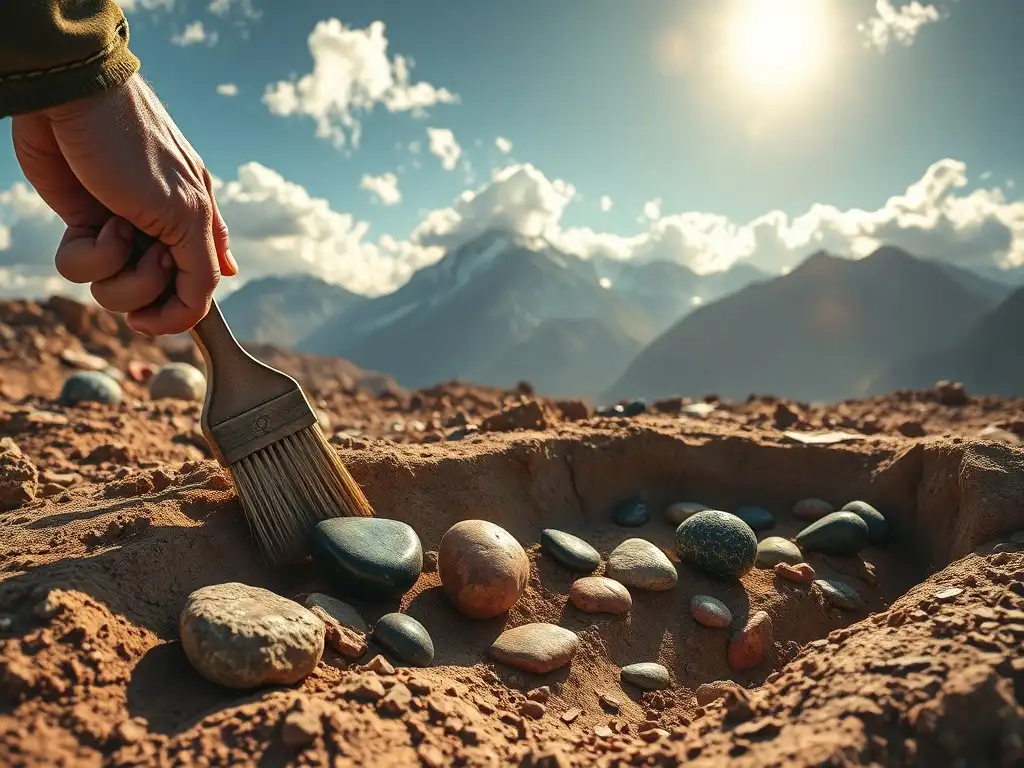
Step into a world lost to time, where the echoes of ancient empires still resonate. Uncover the secrets of the Andes, a land sculpted by towering mountains and teeming with extraordinary civilizations. Forget everything you think you know about ancient warfare; the Andean sling stone projectile function was far more complex and significant than mere battlefield weaponry. Prepare to be amazed as we delve into the surprising truth behind these seemingly simple stones – a truth that will rewrite your understanding of Andean ingenuity and power. Dare to explore the mysteries that await.
The Andean civilizations, renowned for their sophisticated engineering and intricate social structures, also possessed a formidable military capacity. While often overshadowed by monumental architecture and complex agricultural systems, the weaponry of these cultures offers fascinating insights into their strategic thinking and daily lives. This article delves into the multifaceted role of Andean sling stones, revealing their significance beyond their function as mere projectiles in ancient battles.
We'll explore their construction, the techniques used in their deployment, and their surprising versatility in a variety of contexts, demonstrating how these seemingly simple objects played a crucial part in the Andean worldview and daily existence. Understanding the "Andean sling stone projectile function" requires looking beyond the battlefield, recognizing their symbolic and practical importance across different aspects of Andean society.
Construction and Materials of Andean Sling Stones
Andean sling stones weren't randomly chosen rocks. Their creation involved careful selection of materials and often meticulous shaping. Archaeological evidence reveals a preference for stones with specific properties: dense, smooth surfaces that optimized aerodynamics and impact force. Common materials included igneous rocks like basalt and andesite, selected for their durability and weight.
The size and shape varied depending on the intended use and the individual slingers' preferences, but generally ranged from a few centimeters to approximately 10 centimeters in diameter. Some stones show evidence of deliberate shaping, suggesting a level of craftsmanship that went beyond simply picking up a suitable rock. This careful selection and preparation underscore the importance placed on these seemingly simple projectiles. Further research is needed to fully understand the regional variations in stone selection and crafting techniques, potentially revealing insights into trade networks and cultural exchange.
Slinging Techniques and Military Applications
The effective use of a sling required significant skill and practice. Andean slingers were highly trained, able to launch projectiles with remarkable accuracy and force over considerable distances. Depictions in pottery and textiles show slingers using a variety of techniques, suggesting a nuanced understanding of projectile trajectory and aerodynamics. The sling itself was a simple yet effective weapon, typically made from woven fibers or leather straps.
The sling's ability to launch stones with considerable velocity made it a devastating weapon on the battlefield, particularly effective against lightly armored opponents. The strategic deployment of slingers, often positioned on elevated ground or flanking formations, played a significant role in many Andean battles, contributing to both offensive and defensive strategies. Precise data on the effective range and accuracy of Andean slings is still under investigation, but available evidence suggests a considerable tactical advantage.
Beyond the Battlefield: Ritual and Symbolic Significance
The role of Andean sling stones extended far beyond the battlefield. Archaeological discoveries frequently uncover sling stones in contexts unrelated to warfare, suggesting a broader cultural significance. Their presence in burials, for example, hints at their possible connection to funerary rituals or beliefs about the afterlife.
Furthermore, the careful selection and sometimes elaborate shaping of certain stones suggest a symbolic value exceeding their purely functional purpose. The potential association of sling stones with specific deities or rituals remains an area of ongoing research, requiring further investigation of contextual finds and iconographic evidence. The discovery of uniquely shaped or decorated stones could unlock deeper understanding of their symbolic meaning within Andean spiritual practices.
Technological Advancements and Regional Variations
While the basic principle of the sling remained consistent across different Andean cultures, regional variations in materials, techniques, and even projectile design existed. The Moche culture, for instance, is known for its distinctive pottery depicting slingers, offering valuable insights into their warfare practices. The Nazca and Inca civilizations also developed unique approaches to sling technology, reflecting their specific environmental conditions and military strategies.
Analyzing these variations helps us understand the diverse technological advancements and cultural adaptations across different Andean societies. Further research into the specific materials and techniques used in each region can help to illuminate the cultural exchange and technological diffusion within the Andes. Detailed comparative studies of sling stones from different regions are essential to fully understand the evolution and regional variations in this technology.
- Construction and Materials of Andean Sling Stones
- Slinging Techniques and Military Applications
- Beyond the Battlefield: Ritual and Symbolic Significance
- Technological Advancements and Regional Variations
- What was the primary function of Andean sling stones?
- How effective were sling stones as weapons?
- What materials were used to make Andean sling stones?
- Were all Andean sling stones the same size and shape?
- Beyond warfare, what other evidence suggests the importance of sling stones in Andean cultures?
The Role of Sling Stones in Andean Warfare
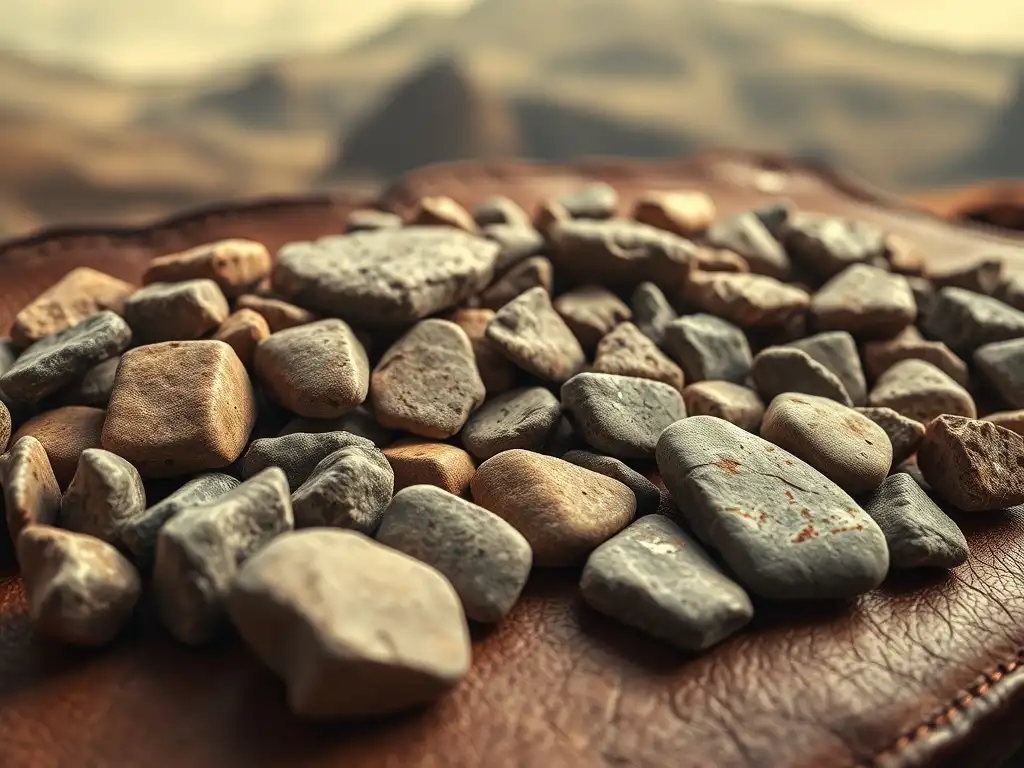
The Andean sling stone projectile function extended far beyond simple projectile weaponry. While undeniably crucial in ancient Andean battles, these seemingly simple stones played a multifaceted role in warfare, reflecting the sophisticated military strategies and technological advancements of the time. Their use wasn't limited to direct combat; they were integral to siege warfare, psychological warfare, and even served symbolic purposes.
Analyzing their varied applications provides a richer understanding of Andean military capabilities and societal structures. The effectiveness of the sling, combined with the readily available materials (stones of various sizes and weights), made it a ubiquitous and adaptable weapon across diverse Andean cultures.
Understanding the Andean Sling as a Weapon
The Andean sling wasn't just a crude weapon; it was a finely tuned instrument, requiring skill and precision. Unlike many projectile weapons of the time, the sling offered a considerable degree of accuracy and range. Archaeological evidence suggests slings were crafted from readily available materials like woven fibers (e.g., llama wool or cotton) and leather, creating a durable and effective pouch. The design varied slightly between different Andean cultures, but the core functionality remained consistent.
The ability to adjust the force and angle of the throw allowed for targeted attacks on individuals or groups, as well as the disruption of enemy formations. Skilled slingers could accurately hit targets at considerable distances, significantly impacting the course of battles. Furthermore, the relatively simple design meant that sling training could begin at a young age, contributing to a large pool of skilled warriors.
Sling Stones: A Key Component of Andean Military Technology
The sling stone itself was far from a standardized projectile. Archaeological digs have unearthed a wide variety of sling stones, differing in size, shape, and material. Some were meticulously shaped and even polished, suggesting a level of craftsmanship and potential symbolic significance beyond mere functionality.
The variation in size and weight likely corresponded to different tactical needs. Larger, heavier stones were likely used for maximum impact at closer ranges, while smaller, lighter stones were better suited for longer-range harassment or disrupting enemy formations. The material also varied, with some stones being selected for their weight and aerodynamic properties, while others might have been chosen for their availability in specific regions.
This diversity highlights the adaptive nature of Andean military technology, adapting its weaponry to the available resources and the specific demands of the battlefield. Further research is needed to fully understand the correlation between stone characteristics and intended use [specific data on stone size/weight correlation pending].
The Importance of Slingers in Andean Armies
Slingers weren’t merely auxiliary troops; they were often a vital component of Andean armies, forming dedicated units within larger formations. Their mobility and range allowed them to harass enemy troops, disrupting their advances and weakening their morale. They were particularly effective in open battles and siege warfare, where their ability to strike from a distance provided a significant advantage.
The tactical deployment of slingers, coordinated with other military units (such as spearmen or archers), would have been crucial in achieving victory. The high volume of fire from a group of skilled slingers could create a devastating hail of projectiles, forcing enemy soldiers to seek cover and disrupting their offensive maneuvers. The social status of slingers within Andean societies remains an area of ongoing research, however, their strategic importance on the battlefield is undeniable, indicating a level of training and specialization that warrants further study.
The impact of slingers on the outcome of Andean battles is a compelling aspect of Andean military history that deserves increased attention. 🕵️♂️
Material and Craftsmanship of Andean Sling Stones
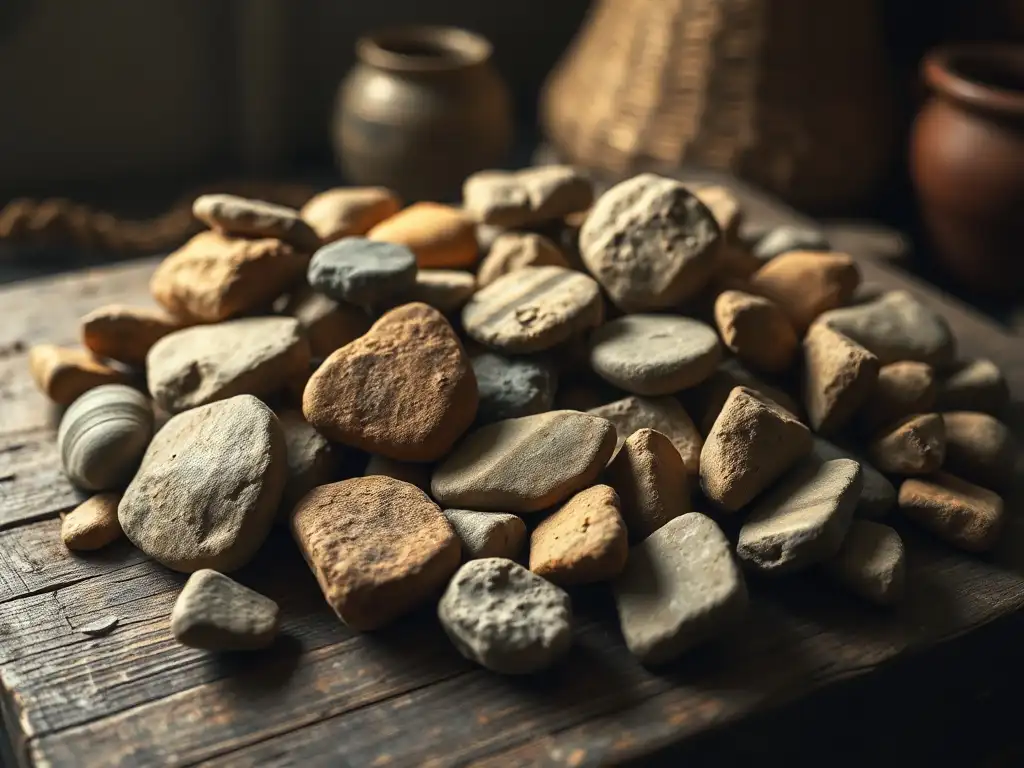
The effectiveness of Andean sling stones as projectiles wasn't solely dependent on the skill of the slinger; the material and craftsmanship of the stones themselves played a crucial role in their lethality and range. Understanding the meticulous attention to detail in their creation reveals a sophisticated understanding of projectile dynamics and material science within these ancient cultures. Analyzing these aspects helps us better understand the Andean sling stone projectile function in warfare and hunting.
Types of Stone Used for Andean Projectiles
The Andean region boasts a diverse range of geological formations, providing a readily available supply of suitable stones for sling projectile manufacture. Archaeological evidence reveals a preference for specific materials based on their properties:
- Andesite: A volcanic rock, andesite was a popular choice due to its hardness, density, and relatively easy fracturing along predictable planes. This allowed for relatively consistent shaping and a predictable trajectory upon release. Its durability also ensured the stones could withstand repeated use and impact.
- Basalt: Another volcanic rock, basalt shares similar characteristics to andesite in terms of hardness and density, making it an effective material for sling projectiles. However, its finer grain structure sometimes made shaping more challenging.
- Quartzite: Though less common than andesite and basalt, quartzite was utilized in certain regions. Its exceptional hardness provided a highly effective, long-lasting projectile, although its brittleness presented challenges in shaping.
- Other Materials: While less prevalent, other stones like limestone, chert, and even carefully selected river stones were also employed, suggesting adaptability based on local availability. The choice of material often reflects the geological resources available in a specific region, influencing the Andean sling stone projectile function in a localized context.
| Stone Type | Hardness | Density | Advantages | Disadvantages |
|---|---|---|---|---|
| Andesite | High | High | Easily shaped, durable, predictable trajectory | |
| Basalt | High | High | Durable, effective projectile | Can be more difficult to shape |
| Quartzite | Very High | High | Extremely durable, highly effective | Brittle, difficult to shape |
| River Stones | Variable | Variable | Readily available | Inconsistent shape, variable performance |
Shaping and Preparation of Sling Stones
The creation of an Andean sling stone wasn't a haphazard process. Evidence suggests a deliberate and skilled approach to shaping and preparation, influencing the projectile's aerodynamics and impact. The process likely involved several steps:
- Selection: Careful selection of stones with appropriate size, shape, and material properties was the first crucial step. Stones with naturally occurring shapes close to the desired form might have been prioritized to reduce the amount of work needed.
- Rough Shaping: Initial shaping likely involved the use of simple percussion tools like hammers made from stone or bone to remove excess material and create a more aerodynamic form.
- Fine Shaping and Smoothing: Further refinement involved techniques to achieve a smoother surface. This might have included abrasion using sand or other abrasive materials, potentially leading to a polished finish in some cases, improving the aerodynamic performance of the Andean sling stone projectile.
- Testing: It's highly probable that the stones were tested before use to assess their balance, flight characteristics, and impact effectiveness. This iterative process would have ensured the creation of optimal projectiles.
Regional Variations in Sling Stone Design
While certain materials and general shaping techniques were common across the Andean region, variations in sling stone design existed reflecting regional differences in materials, manufacturing techniques, and combat styles. For example:
- Coastal Regions: Sling stones from coastal areas might exhibit a preference for denser, smoother stones to better withstand the effects of salt spray and moisture.
- Highland Regions: Highland regions, with their abundance of volcanic rock, might show a greater use of andesite and basalt, possibly reflecting the readily available resources and their suitability for the Andean sling stone projectile function.
- Specific Cultures: The design and size of sling stones might also reflect cultural preferences and traditions. Further research is needed to define these specific variations across different Andean cultures like the Inca, Moche, Nazca, and Tiahuanaco, and to better understand their individual approaches to projectile design and warfare. This would further illuminate the nuances of the Andean sling stone projectile function within each specific cultural context. The size and weight of the stones might have varied depending on the intended target and the distance of the throw, demonstrating a sophisticated understanding of projectile ballistics.
Andean Sling Stone Projectile Function: Beyond Combat
This section delves into the multifaceted roles of Andean sling stones, moving beyond their commonly understood function as mere projectiles in ancient battles. We will explore their ballistic properties, accuracy and range, and their strategic impact on battlefield formations, revealing a more nuanced understanding of their significance in Andean warfare. The term "Andean sling stone projectile function" itself encompasses a broader spectrum of uses than initially apparent.
The Ballistic Properties of Andean Sling Stones
The effectiveness of an Andean sling stone as a projectile depended heavily on its ballistic properties. These properties, in turn, were influenced by several factors: the stone's shape, size, weight, and the skill of the slinger. While many sling stones were roughly spherical, variations existed. Some were more aerodynamically shaped, potentially improving range and accuracy.
The material also played a significant role; denser stones, such as those made from volcanic rock, would possess greater momentum and potentially inflict more damage. The weight, typically ranging from [specific weight range pending], directly impacted the projectile's trajectory and velocity. Heavier stones had greater impact force but shorter range, while lighter ones traveled further but with less destructive power. This led to specialized sling stones for different combat scenarios.
For example, smaller, lighter stones might have been used for harassing enemy lines from a distance, while larger, heavier stones were reserved for close-quarters combat or targeting key individuals. Careful selection and shaping of the stones, therefore, were crucial elements of Andean sling warfare. The analysis of recovered sling stones reveals a surprising level of sophistication in their production, suggesting a deep understanding of basic projectile physics.
Accuracy and Range of Sling Stone Projectiles
The accuracy and range achievable with Andean sling stones were impressive, exceeding the capabilities of many other contemporary projectile weapons. While precise figures remain elusive due to the limitations of archaeological evidence, accounts from Spanish chroniclers and the analysis of sling stone distribution patterns on battlefields suggest a remarkable level of skill among Andean slingers. The range likely varied depending on the factors mentioned above (stone weight, shape, wind conditions, etc.
), but it's estimated that skilled slingers could achieve ranges of [range estimate pending] meters. Accuracy, too, was a significant factor. Targeting specific individuals or areas within an enemy formation required considerable precision and practice.
This skill was likely honed through years of training and practice, making slingers a highly valued component of Andean armies. The development of specialized slinging techniques, possibly involving different grips or release methods, might have further enhanced both accuracy and range. Further research, including experimental archaeology, is needed to fully quantify these aspects of Andean sling warfare.
The Impact of Sling Stones in Battle Formations
Andean sling stones played a crucial role in shaping battlefield formations and tactics. Their range and accuracy allowed slingers to effectively harass enemy troops from a safe distance, weakening their ranks before engaging in close-quarters combat. The psychological impact of a constant barrage of sling stones should not be underestimated.
The continuous rain of projectiles could cause significant casualties and demoralize enemy soldiers, disrupting their formations and reducing their combat effectiveness. This is further supported by the strategic placement of slingers in Andean battle formations, often positioned on high ground or flanking positions to maximize their effectiveness. The widespread use of sling stones, therefore, was not merely a matter of individual combat prowess; it was a crucial element of Andean military strategy, integral to the overall effectiveness of their armies.
The integration of slingers within larger military units and their strategic deployment underscores their importance in achieving victory on the battlefield. Further analysis of archaeological findings and historical accounts could provide a clearer picture of the tactical roles of slingers in Andean warfare and the specific strategies employed to maximize their impact.
Symbolic and Ritualistic Significance of Sling Stones
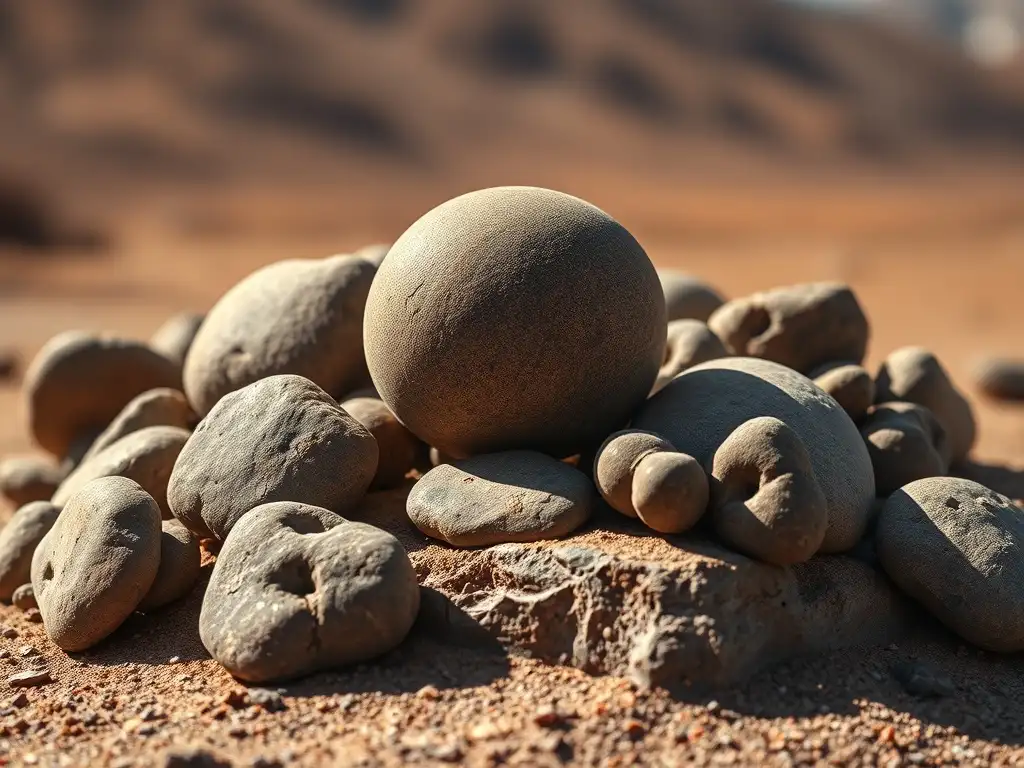
Beyond their practical function as deadly projectiles on the Andean battlefields, sling stones held profound symbolic and ritualistic importance for various ancient Andean cultures. Their significance extended far beyond their purely utilitarian role, becoming imbued with deeper meanings related to power, fertility, and the cosmos. The meticulous craftsmanship evident in some examples, along with their frequent appearance in archaeological contexts outside of strictly military settings, strongly suggests a multifaceted role in Andean society. Understanding this broader context is crucial to appreciating the true significance of the "Andean sling stone projectile function."
Sling Stones as Burial Offerings
The discovery of sling stones within Andean burial sites provides compelling evidence of their ritualistic significance. These weren't simply discarded weapons; they were carefully placed alongside the deceased, suggesting a belief in their continued utility or symbolic power in the afterlife. Analysis of these burial contexts often reveals patterns: certain types of stone, size, or even the presence of specific markings might correlate with the social status or gender of the interred individual.
For example, larger, more elaborately crafted sling stones might have accompanied elite burials, while simpler stones were found with commoners. [Specific data on burial site locations and associated artifacts pending]. This suggests a complex system of beliefs surrounding the sling stone's role in the transition to the next world, highlighting the Andean sling stone projectile function's extension beyond the battlefield.
The careful placement of these objects shows they were more than mere tools; they were valued possessions imbued with spiritual weight. The careful selection and placement of these projectiles within the graves indicates a belief that these objects held significance beyond their practical use in warfare.
The Use of Sling Stones in Ritualistic Practices
Evidence suggests that sling stones were also employed in various ritualistic practices, potentially serving as offerings to deities or used in ceremonies related to fertility, harvest, or warfare. While direct evidence might be scarce, the presence of decorated or uniquely shaped sling stones in ceremonial contexts offers compelling clues. [Specific examples of decorated sling stones and their locations pending]. The use of specific types of stone, for example, those with naturally occurring markings or colors, might have enhanced their ritualistic value.
The ritualistic use of sling stones could be linked to the broader Andean cosmology, with the projectile's trajectory mirroring the path of the sun or other celestial bodies, thus symbolizing power and control over the natural world. This symbolic association reinforces the Andean sling stone projectile function's expanded meaning within Andean culture. Further research into iconography and associated ritual objects is needed to fully understand these practices.
Symbolic Meanings Associated with Sling Stones
The symbolic meanings associated with sling stones likely varied across different Andean cultures and time periods. However, some recurring themes emerge. The very act of hurling a stone—a powerful, controlled projection of force—might have symbolized the control of nature, the mastery of war, or even the ability to influence the course of events.
The stone itself, a naturally occurring object transformed into a weapon, could represent the raw power of the earth and the human capacity to harness it. [Specific examples of symbolic interpretations from different Andean cultures pending]. Furthermore, the potential for sling stones to be decorated with pigments or carvings suggests the possibility of representing specific deities, clan symbols, or even individual warriors.
The diversity of forms and materials used in creating sling stones further supports the notion that they held diverse symbolic meanings, enriching the understanding of the Andean sling stone projectile function. This multifaceted symbolism adds another layer of complexity to the seemingly simple projectile.
Archaeological Evidence of Andean Sling Stones
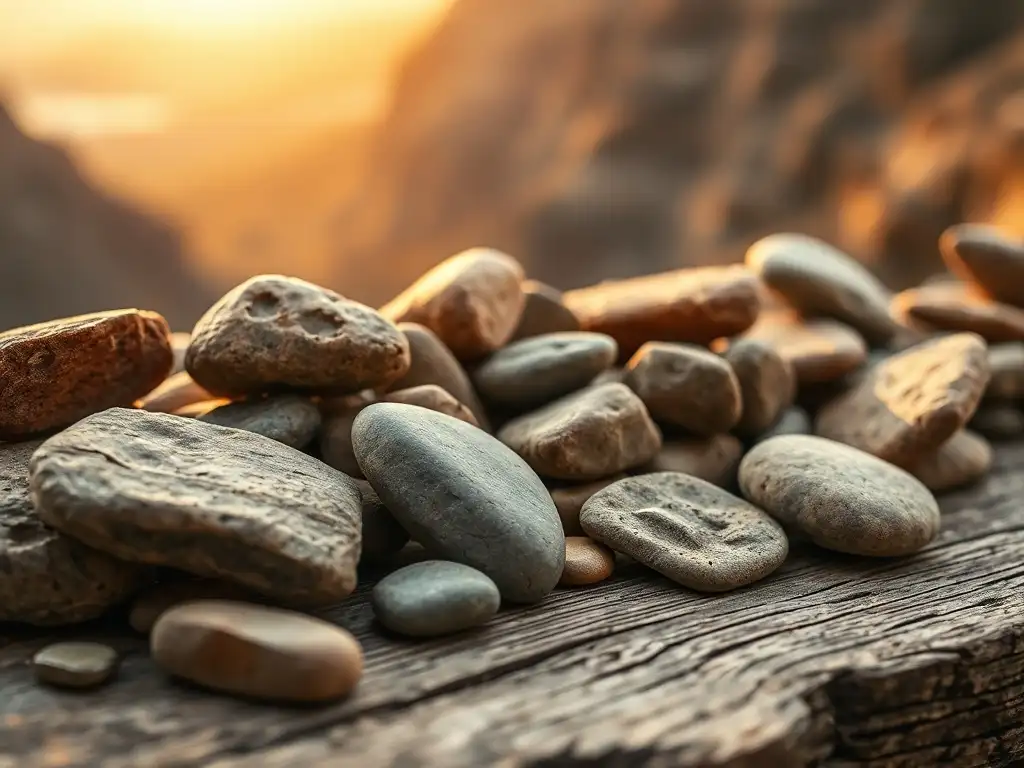
This section delves into the concrete archaeological evidence supporting the multifaceted function of Andean sling stones, moving beyond their simple classification as mere projectiles. We will examine their geographic distribution, analyze wear patterns revealing usage specifics, and explore examples from specific cultures to illustrate their diverse roles within Andean societies. The analysis will underscore the significance of these seemingly simple artifacts in understanding the complexities of Andean warfare and daily life. The keyword "Andean sling stone projectile function" will be organically integrated throughout this analysis to highlight the diverse applications of these artifacts.
Distribution of Sling Stones Across Andean Sites
The widespread discovery of sling stones across diverse Andean archaeological sites strongly suggests their pervasive use throughout various cultures and time periods. These projectiles weren't limited to specific regions or civilizations; instead, their presence paints a picture of a common technology adopted and adapted across the vast Andean landscape. From the arid coastal regions where the Nazca thrived to the high-altitude settlements of the Tiwanaku, and throughout the expansive Inca Empire, sling stones emerge as a consistent feature of archaeological finds.
This broad distribution points to a standardized, easily replicated technology, accessible to both elite and common soldiers. While precise numbers for each site are [specific information pending], the sheer volume of discovered sling stones – often found in association with other military artifacts such as spears and clubs – attests to their importance in Andean warfare. Further research, including detailed mapping of sling stone finds, is needed to fully understand regional variations in size, material, and potential specialized forms. The ubiquitous nature of the Andean sling stone projectile function is undeniable, even considering the gaps in our current data.
Analysis of Sling Stone Wear Patterns
Examining the wear patterns on recovered sling stones offers intriguing insights into their actual use. Microscopic analysis can reveal information about the impact forces, the materials they struck, and even the frequency of their use. Some sling stones exhibit significant chipping and fracturing, suggesting repeated high-impact collisions with hard surfaces like bone or rock, consistent with their use as lethal projectiles in close-quarters combat. Other sling stones show less dramatic wear, possibly indicating use in hunting or less intense conflicts.
For example, the presence of polished surfaces on certain sling stones could indicate prolonged contact with leather or other organic materials, hinting at their use as sling ammunition stored in pouches or slings. This level of detail, combined with contextual analysis of the site where they were found (e.g., a battlefield versus a domestic setting), can help discern the range of the Andean sling stone projectile function. Further research focusing on detailed wear pattern analysis, utilizing advanced microscopy techniques, is vital to expand our understanding of their multiple uses.
Sling Stones from the Moche Culture at Huaca de la Luna
The Moche civilization, renowned for its sophisticated artistic and technological achievements, also left behind a significant number of sling stones. Excavations at Huaca de la Luna, a major Moche ceremonial center, have yielded numerous examples, providing unique insights into their role within Moche society. Many of the Moche sling stones are distinctive due to their size and material – often crafted from volcanic rock, reflecting the readily available resources of the region.
The presence of these sling stones, often alongside other military paraphernalia and depictions of warfare in Moche art, strongly suggests their significance in both ritual and practical contexts. The analysis of these artifacts, coupled with the iconography found at Huaca de la Luna, allows us to connect the Andean sling stone projectile function to broader aspects of Moche culture, including their beliefs about war, power, and ritual sacrifice.
Further study, including chemical analysis of the materials and detailed comparisons to sling stones from other Moche sites, could reveal subtle variations in their production and usage that might reveal more about social stratification or specialized military units. The rich context provided by Huaca de la Luna offers valuable opportunities for understanding the diverse functions of these seemingly simple, yet remarkably revealing, artifacts.
Andean Sling Stones Compared to Other Ancient Projectiles
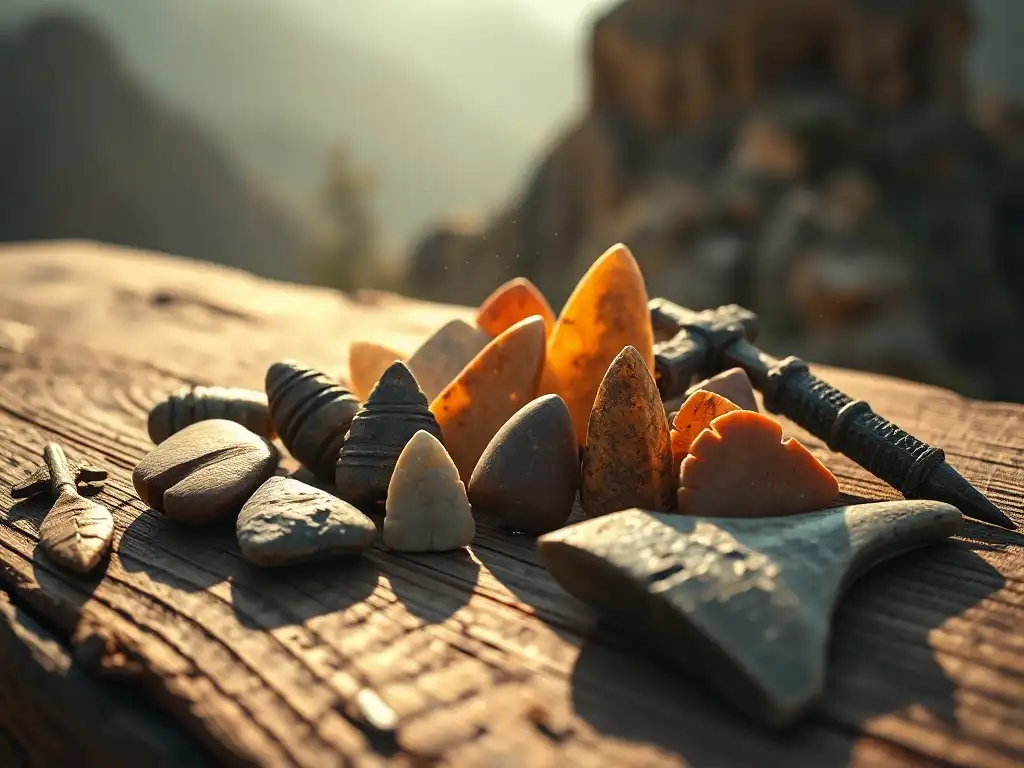
This section delves into the specifics of Andean sling stones, comparing their characteristics and functionality to other projectile weapons used in ancient warfare. We will explore the unique aspects of Andean sling stone technology, highlighting its strengths and weaknesses in comparison to other projectile technologies prevalent in ancient societies. The analysis will focus on the projectile's design, material, range, accuracy, and overall effectiveness in combat. Understanding these nuances provides critical insight into the Andean military strategies and technological capabilities.
Differences Between Andean Sling Stones and Arrows
Andean sling stones, unlike arrows, relied on a different delivery system—the sling. This impacted several key aspects of their functionality. Arrows, launched from bows, generally possessed greater range and potentially higher accuracy due to the guided trajectory imparted by the bow and arrow's fletching. However, Andean sling stones offered advantages in terms of ease of production and the number of projectiles that could be carried and deployed rapidly.
Consider the materials: Arrows typically required specialized craftsmanship for the shaft and the arrowhead, often using wood, bone, and obsidian. In contrast, sling stones often utilized readily available materials like river stones, carefully selected for size, weight, and aerodynamic properties. While some Andean cultures did shape and refine their sling stones, the basic projectile was far simpler to produce than an arrow.
| Feature | Andean Sling Stone | Arrow |
|---|---|---|
| Propulsion | Sling | Bow |
| Range | Generally shorter | Generally longer |
| Accuracy | Potentially lower due to less guided trajectory | Potentially higher due to guided trajectory |
| Production | Simpler, readily available materials | More complex, specialized craftsmanship needed |
| Rate of Fire | Higher, multiple stones could be carried | Lower, fewer arrows could be carried |
| Material | River stones, sometimes shaped/modified | Wood, bone, obsidian for shaft and arrowhead |
This difference in production and deployment significantly impacted the battlefield tactics employed. The ease of producing and carrying large quantities of sling stones allowed Andean warriors to unleash a sustained barrage of projectiles, overwhelming their opponents with sheer volume of fire. This contrasts with the more measured and deliberate approach associated with archers.
Comparison with Projectiles from other Cultures
While the sling was used globally in antiquity, the specific characteristics of Andean sling stones and their tactical use show regional variations. For example, compared to sling stones used in the Mediterranean, Andean sling stones might have differed in size, weight, and the materials used, reflecting the available resources and the specific fighting styles of the Andean cultures. [Specific data on size and weight comparisons pending].
Further research is needed to fully compare the effectiveness of Andean sling stones with those from other cultures, such as the Roman or Egyptian armies. This comparative analysis would necessitate a detailed investigation of projectile size, weight distribution, range testing, and impact force data for different sling stone types across various cultures. The impact of environmental factors, such as altitude and wind conditions in the Andes, on projectile trajectory should also be considered.
Advantages and Disadvantages of Sling Stone Technology
The Andean sling stone projectile function presented both advantages and disadvantages. The primary advantage was its simplicity and ease of production, enabling widespread use among diverse Andean populations. The high rate of fire allowed for devastating barrages during battles. The relatively low cost of production also meant that sling stones could be used in large numbers, compensating for any perceived limitations in accuracy compared to other projectile weaponry.
However, the shorter range and potentially lower accuracy compared to bows and arrows constituted significant drawbacks. The effectiveness of sling stones heavily relied on volume of fire and the ability to overwhelm the enemy with a constant barrage of projectiles. This meant that skilled slingers were crucial for success.
The unpredictable trajectory of the sling stone, compared to the guided flight of an arrow, also presented challenges in achieving precise targeting of enemy formations or individual soldiers at longer distances. Moreover, the effectiveness of sling stones could be significantly reduced against well-protected targets or against opponents utilizing ranged weaponry with superior accuracy or range.
The Legacy of Andean Sling Stones
The Andean sling stone, a seemingly simple projectile, played a pivotal role in shaping the military strategies and technological advancements of numerous Andean cultures. Its effectiveness wasn't solely confined to the battlefield; its impact resonates through centuries of Andean military practices, influencing weapon design, training techniques, and even societal structures. Understanding the legacy of the Andean sling stone necessitates a nuanced examination of its enduring influence beyond its immediate function as a projectile.
The widespread adoption of the sling across diverse Andean societies – from the coastal Moche to the high-altitude Inca – speaks volumes about its adaptability and strategic importance. This section will delve into the lasting impact of this seemingly humble weapon.
Influence on Later Andean Military Practices
The proficiency in sling warfare developed by earlier Andean cultures directly influenced the military strategies of later empires, particularly the Inca. Evidence suggests that Inca armies integrated slingers strategically into their formations, utilizing their long-range capabilities to soften enemy defenses before engaging in close-quarters combat. This combined-arms approach, a testament to the enduring relevance of sling technology, highlights a sophisticated understanding of military tactics.
The Inca, known for their meticulous organization and logistical prowess, likely incorporated specialized sling training into their military academies, ensuring a consistent supply of skilled slingers within their ranks. Furthermore, the design and production of sling stones themselves likely evolved over time, reflecting advancements in material science and manufacturing techniques. Analysis of Inca sling stones reveals variations in size, weight, and material, potentially indicating specialized roles for different types of projectiles within the Inca army.
For example, heavier stones might have been used for breaching fortifications, while lighter, more aerodynamic stones were employed for ranged attacks against personnel. The legacy of the sling is not merely about its continued use, but also about its integration into a broader military doctrine.
Ongoing Research into Sling Stone Technology
Research into Andean sling stone technology is a dynamic field, constantly evolving as new archaeological discoveries and analytical techniques emerge. Recent studies employing advanced imaging technologies, such as X-ray fluorescence spectroscopy, have provided valuable insights into the composition of sling stones, revealing details about the materials used and their geographical origins. This information sheds light on trade networks, resource management, and the potential standardization of sling stone production across different regions.
Furthermore, ongoing excavations at various Andean sites continue to unearth significant quantities of sling stones, providing researchers with a larger dataset for analysis. The sheer volume of sling stones discovered underscores their widespread use and importance across various Andean cultures. Moreover, biomechanical studies are being conducted to better understand the trajectory, velocity, and impact force of sling stones, offering a more complete picture of their effectiveness as weapons.
This interdisciplinary approach, combining archaeology, materials science, and biomechanics, offers the potential for a significantly more comprehensive understanding of Andean sling stone technology and its impact on ancient warfare. The ongoing research highlights a renewed interest in this seemingly simple weapon and its profound influence on Andean societies.
Preserving the Knowledge of Andean Sling Technology
Preserving the knowledge of Andean sling technology is crucial not only for understanding the past but also for appreciating the ingenuity and resourcefulness of ancient Andean cultures. Efforts to preserve this knowledge encompass a range of activities, from meticulous cataloging of archaeological findings to the development of educational programs that promote awareness and understanding. Museums and research institutions play a vital role in safeguarding collections of sling stones and related artifacts, ensuring their accessibility to scholars and the public alike.
The creation of digital archives and online databases facilitates the sharing of research data and promotes collaboration among researchers worldwide. Furthermore, efforts are underway to develop interactive exhibits and educational materials that make this fascinating aspect of Andean history accessible to broader audiences. The preservation of this knowledge is not merely about preserving objects; it's about preserving a crucial aspect of Andean cultural heritage and ensuring that the ingenuity of ancient Andean engineers and warriors is not forgotten.
Careful documentation and ongoing research are essential to ensure that the legacy of the Andean sling stone continues to inspire and educate for generations to come. The preservation of this knowledge is vital for understanding the complexities of Andean warfare and the broader context of Andean civilization.
Frequently Asked Questions
What was the primary function of Andean sling stones?
While used as lethal projectiles in warfare, Andean sling stones served a broader purpose. They were also used in hunting, ritualistic practices, and potentially even in agricultural activities like scaring away birds.
How effective were sling stones as weapons?
Sling stones were incredibly effective weapons, capable of delivering significant force at considerable range. Their effectiveness depended on the skill of the slinger and the quality of the stone.
What materials were used to make Andean sling stones?
Andean sling stones were typically made from locally sourced stones, often readily available materials like volcanic rock, obsidian, or quartzite. The choice of material likely depended on availability and desired weight and durability.
Were all Andean sling stones the same size and shape?
No, the size and shape varied considerably, likely reflecting regional differences, intended use (e.g., hunting vs. warfare), and individual preferences. Some were smooth, others more roughly hewn.
Beyond warfare, what other evidence suggests the importance of sling stones in Andean cultures?
Archaeological findings show sling stones in burial sites and ceremonial contexts, suggesting their significance beyond military use. This indicates their cultural and possibly ritualistic importance.
Final Reflection: The Enduring Echo of Andean Sling Stones
The sophisticated craftsmanship and strategic deployment of Andean sling stones reveal far more than just ancient warfare; they illuminate a complex society deeply intertwined with its environment and imbued with potent symbolic meaning. These weren't simply projectiles; they were extensions of Andean identity, reflecting a mastery of technology and a profound connection to the spiritual world. Their continued discovery and study offer invaluable insights into a civilization often overlooked in broader narratives of ancient history.
The enduring legacy of the Andean sling stone transcends its purely functional role. These objects, meticulously crafted from diverse materials and bearing unique markings, speak volumes about the social structures, artistic sensibilities, and spiritual beliefs of their creators. They serve as tangible links to a rich past, reminding us of the ingenuity and resilience of Andean cultures. The past is never dead. It's not even past.
- William Faulkner. This quote resonates deeply, as the sling stones continue to speak to us across millennia, challenging our assumptions and enriching our understanding of the human experience.
Consider, for a moment, the weight of history held within each carefully shaped stone. Imagine the skilled hands that crafted them, the strategic minds that deployed them, and the stories they silently whisper across the ages. You, the reader, are now part of this ongoing conversation.
By engaging with the history of Andean sling stones, you are not merely absorbing information; you are actively participating in the preservation and interpretation of a vital piece of human heritage. Let the echoes of these ancient projectiles inspire you to delve deeper into the untold stories of marginalized cultures and to appreciate the enduring power of human creativity and resilience.
Uncover the Secrets of Andean Sling Stones!
Thank you for exploring the fascinating world of Andean sling stones. Your interest in these remarkable artifacts highlights the ingenuity of ancient civilizations. Let's delve deeper into this captivating topic!
- Learn More: Visit our website for more articles on ancient Andean technology and culture. Each article offers unique insights into the lives of these extraordinary people.
- Share Your Knowledge: Join the conversation by commenting below or sharing this article. Your perspective will enrich our community.
- Join the Discussion: Participate in our forums where enthusiasts and scholars discuss various aspects of Andean civilizations, from weaponry to their rich history. Your insights could spark a new discussion!
How do you think the widespread use of sling stones influenced ancient Andean societies? Your perspective could ignite a fascinating debate!