
Decoding Andean Fortresses: Design and Defense Strategies

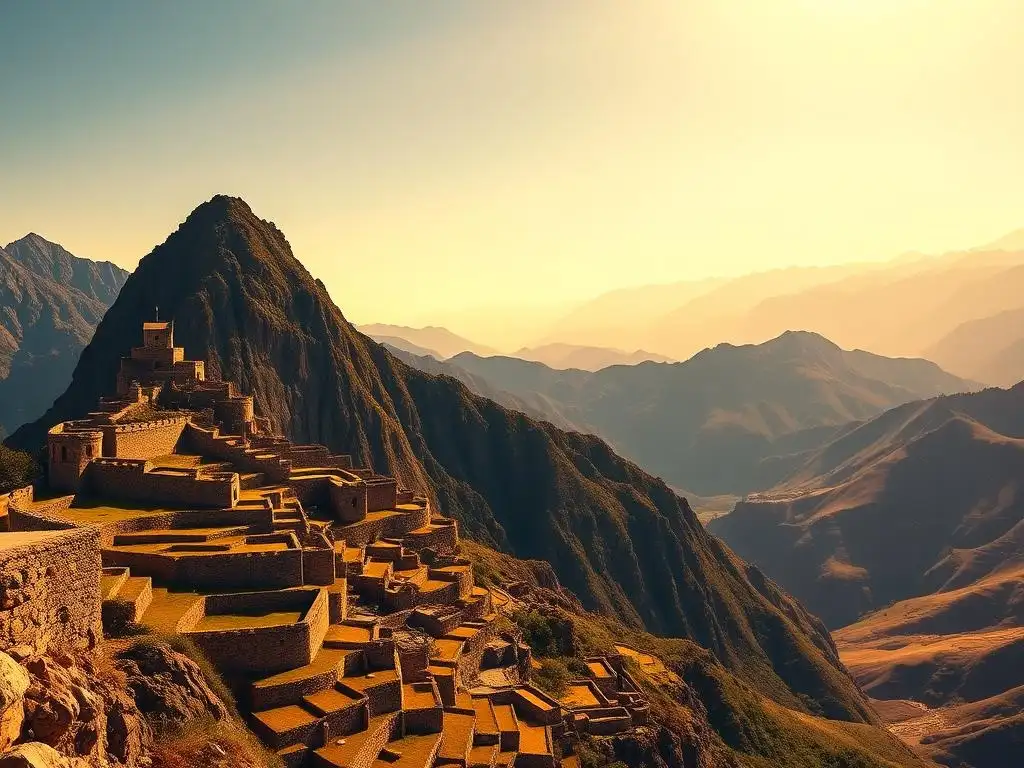
Unravel the mysteries of the Andes! For centuries, these towering peaks have guarded the secrets of remarkable civilizations. Journey with us into a world of breathtaking ingenuity and fierce resilience, where Andean fortress design strategies played a pivotal role in shaping the fate of empires. Prepare to be amazed by the architectural marvels and military prowess of the Incas, Moche, Nazca, and Tiahuanaco—their stories are waiting to be discovered. Dare to delve deeper?
The Andes Mountains, a formidable natural barrier, shaped not only the geography but also the military strategies of the ancient civilizations that thrived within its imposing peaks and valleys. This article delves into the ingenious design and defense strategies employed by Andean cultures, exploring how they adapted their fortifications to the challenging terrain and the specific threats they faced.
From the imposing stonework of Inca citadels to the strategically positioned settlements of earlier cultures like the Wari and Tiwanaku, we will uncover the secrets behind their remarkable military architecture, highlighting the innovative solutions they devised to protect their territories and resources. Understanding these Andean fortress design strategies provides crucial insight into the military capabilities and societal structures of these fascinating civilizations, revealing a sophisticated understanding of both engineering and warfare.
We’ll examine the interplay between natural defenses and human ingenuity, highlighting the key elements that contributed to the effectiveness of these fortifications and their enduring legacy.
Introduction to Andean Fortifications
Andean fortifications weren't simply isolated structures; they were integral parts of broader defense systems, often integrated seamlessly into the landscape. The choice of location was paramount, leveraging natural features like cliffs, rivers, and mountains to maximize defensive capabilities. Early fortifications, predating the Inca, often consisted of less elaborate structures, perhaps utilizing earthworks and palisades. However, as Andean societies developed, so did their construction techniques and defensive strategies.
This evolution is clearly visible in the transition from simpler earthworks to the sophisticated stonework characteristic of later periods, particularly the Inca Empire. The materials used – stone, adobe, and wood – varied according to regional availability, reflecting a remarkable adaptability in construction methods. Moreover, the design often incorporated elements of camouflage and deception, making it difficult for attackers to identify and target vulnerable points.
The strategic placement of watchtowers, for instance, allowed for early warning systems, crucial in defending against surprise attacks. Consider the impressive defensive walls of Sacsayhuamán, near Cusco, as a prime example of the Inca’s mastery of stone construction and strategic positioning. The sheer scale and precision of the stonework are breathtaking, reflecting a level of engineering skill and societal organization rarely seen in other contemporaneous cultures.
The Strategic Importance of Andean Fortresses
Andean fortresses served a multitude of purposes beyond simple defense. They often functioned as:
- Administrative Centers: Many fortresses served as administrative centers, housing officials, storing supplies, and facilitating control over surrounding territories.
- Religious Sites: Several sites combined defensive structures with religious or ceremonial elements, highlighting the interconnectedness of religious belief and military might. The presence of temples or shrines within fortified areas suggests a close relationship between spiritual power and military defense.
- Population Centers: In times of conflict, fortresses provided refuge for the civilian population, offering protection from invaders. The ability to shelter large populations within fortified areas was crucial for survival during times of war.
- Control Points: Strategically located fortresses controlled access to vital resources, trade routes, and agricultural lands. Their strategic placement allowed for the effective control and regulation of these crucial elements for the functioning of the empire.
The strategic importance of these fortresses is underscored by their distribution across the Andes. Their placement wasn't random; rather, it reflected a deep understanding of geography, potential threats, and the need to control key resources. This careful planning ensured the long-term survival and prosperity of the Andean societies that built them.
The design and placement of these fortifications, therefore, represent a sophisticated interplay between military strategy, political organization, and religious beliefs – a testament to the ingenuity and complexity of Andean civilizations. Further research into specific examples, such as Ollantaytambo and Pisac, could further illuminate the nuances of these sophisticated defense strategies.
- What were the primary design goals of Andean fortresses?
- How did Andean builders adapt their fortress designs to diverse terrains?
- What materials were commonly used in the construction of Andean fortresses?
- What defensive features were commonly incorporated into Andean fortress designs?
- How did the design of Andean fortresses reflect the power and influence of the ruling elites?
Key Elements of Andean Fortress Design
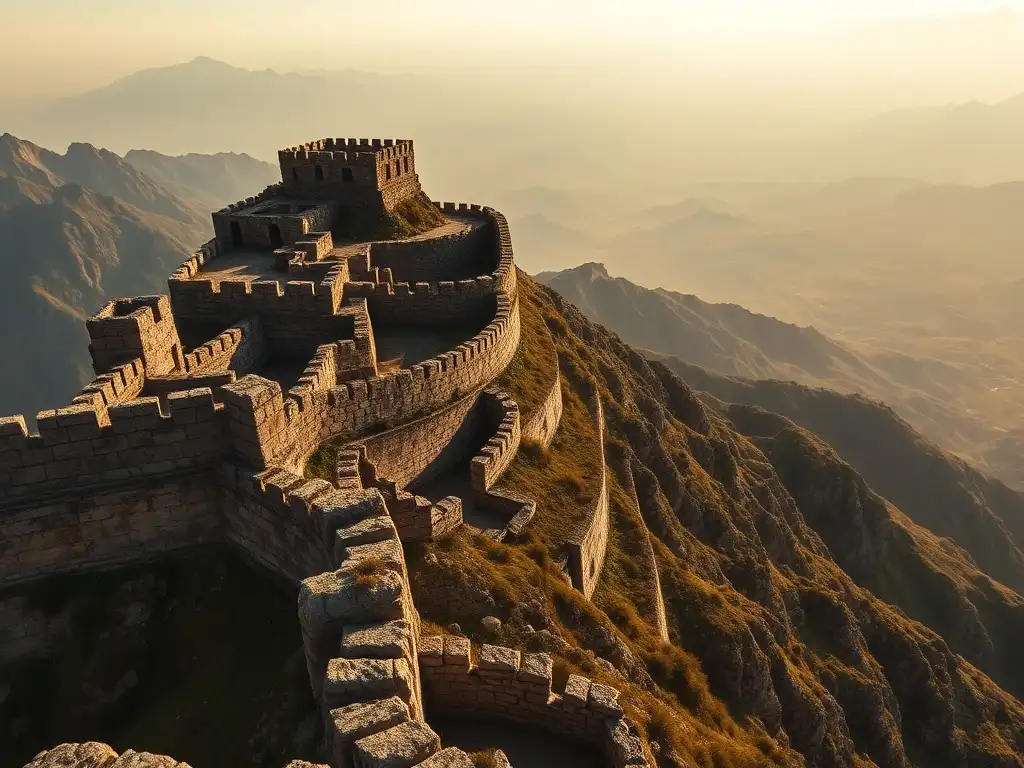
This section delves into the crucial elements that shaped the design and effectiveness of Andean fortresses, showcasing the ingenuity and strategic thinking of their builders. Understanding these key elements provides crucial insight into the military capabilities and societal organization of these remarkable civilizations. We'll explore the careful consideration given to site selection, the innovative architectural features employed, and the meticulous construction of the fortress walls themselves – all contributing factors to the enduring legacy of Andean military architecture. The analysis will focus on the diverse strategies employed across different Andean cultures, highlighting both commonalities and unique approaches to fortification.
Site Selection for Maximum Defensive Advantage
The strategic placement of Andean fortresses was paramount to their defensive capabilities. Builders meticulously chose locations offering natural advantages, maximizing protection and minimizing vulnerabilities. This wasn't a haphazard process; rather, it reflected a deep understanding of topography, geography, and potential enemy approaches.
Several key factors influenced site selection. High-altitude locations, often perched on mountain ridges or cliffs, provided excellent visibility and natural barriers. This allowed defenders to observe approaching enemies from a considerable distance, providing ample time to prepare for an attack. The use of natural obstacles, such as steep slopes, rivers, or dense vegetation, further enhanced the defensive capabilities of the site. For example, the fortress of Ollantaytambo, located in the Sacred Valley of the Incas, cleverly utilized the natural terrain to create a formidable defensive position. Its location on a steep, rocky hill provided a near-impregnable barrier to attackers.
Moreover, proximity to vital resources like water sources and arable land was also a critical consideration. A fortress needed to be self-sufficient, capable of sustaining its garrison for extended periods under siege. The availability of nearby resources reduced the logistical challenges of supplying the fortress, enhancing its resilience and prolonging its ability to withstand prolonged attacks.
This integration of strategic defense with logistical practicality showcases the sophisticated planning that went into the design and construction of these Andean fortifications. Further research is needed to fully quantify the impact of specific environmental factors on site selection across different Andean cultures. [Specific data on resource proximity and site selection pending].
Architectural Features of Andean Strongholds
Beyond site selection, the architectural features of Andean fortresses themselves were meticulously designed for defense. These weren't simply walls enclosing a space; they were complex systems integrating natural and man-made elements to create a highly effective defensive network.
One prominent feature was the use of interlocking stones in the construction of walls and structures. This technique, perfected by the Incas, created incredibly strong and resistant barriers that were difficult to breach. The precision of the stonework, often without the use of mortar, is a testament to the skill and expertise of the builders.
Additionally, many fortresses incorporated strategically placed towers and bastions, providing flanking fire and improved observation capabilities. These architectural elements allowed defenders to effectively control multiple approaches and engage enemies from various angles, significantly increasing their defensive advantage. The use of narrow passageways and choke points further funneled attackers into kill zones, making it difficult for them to deploy their forces effectively.
Furthermore, some fortresses incorporated ingenious systems of ramps, stairways, and hidden passages, facilitating troop movement and supply logistics within the fortress. These internal features ensured that defenders could quickly reposition, reinforce vulnerable areas, and maintain a coordinated defense. The integration of these internal systems with the external defensive features demonstrates a sophisticated understanding of military tactics and engineering principles far ahead of their time. Detailed studies comparing the architectural features of different Andean fortresses are needed to fully understand the regional variations in design and their impact on defensive efficacy.
Fortress Walls: Construction and Materials
The construction of fortress walls was a crucial aspect of Andean fortress design, reflecting both the available resources and the engineering expertise of the builders. The materials used varied depending on the region and the specific needs of the fortress, but the emphasis was always on creating robust and durable structures capable of withstanding prolonged sieges.
In many regions, stone was the primary building material. The type of stone used, its size, and the method of construction varied widely, reflecting local geological conditions and cultural practices. The Incas, for example, were renowned for their precise stonework, using massive blocks fitted together with remarkable precision.
Other cultures utilized different techniques and materials, such as adobe bricks or rammed earth, adapting their construction methods to the resources available in their specific environment. The thickness and height of the walls were also carefully considered, contributing to the overall defensive strength of the fortress. Taller walls provided better protection from projectile weapons, while thicker walls offered greater resistance to battering rams and other siege weaponry.
The integration of defensive elements within the walls themselves further enhanced their effectiveness. For example, some walls incorporated crenellations (battlements) to provide cover for defenders while allowing them to fire upon attackers. Others included loopholes or embrasures, narrow openings that allowed archers and other ranged combatants to fire upon enemies without exposing themselves.
These features, combined with the overall strength and resilience of the walls, contributed significantly to the defensive capabilities of Andean fortresses. Comparative analysis of wall construction techniques across different Andean cultures would reveal valuable insights into the evolution of defensive strategies and the adaptation of building methods to varying environmental and technological contexts. [Further research is needed to fully document the variations in wall construction materials and techniques across different Andean regions and cultures].
Defensive Towers and Gateways in Andean Fortifications
Andean fortress design prioritized strategic placement of defensive towers and gateways, crucial elements in their overall defense strategies. These weren't merely afterthoughts; they were integral components meticulously integrated into the overall architectural plan. The placement and design of these features often reflected a deep understanding of the surrounding terrain and potential attack vectors.
Towers, frequently cylindrical or rectangular in shape, were strategically positioned to maximize visibility and control over approaches to the fortress. Their height provided a significant advantage, allowing defenders to observe approaching enemies from a distance and effectively target them with projectiles like slings and spears. Many towers were incorporated directly into the fortress walls, while others stood as independent structures, providing flanking fire and preventing enemies from gaining a foothold. The construction materials, often stone carefully fitted together without mortar, reflected the advanced engineering skills of the Andean builders.
The precise construction ensured structural integrity, crucial for withstanding sieges and potential battering rams. Examples of this can be found in the remarkably well-preserved fortress ruins scattered throughout the Andes mountains. The precise dimensions and arrangement of these towers varied according to the specific needs of the site and the anticipated threats.
Gateways, another critical aspect of Andean fortress design, were not simply openings in the walls. They were often narrow, winding passages designed to funnel attackers into kill zones. This constricted access point made it easier for defenders to repel assaults, as a smaller number of defenders could effectively control a larger number of attackers.
The gateways were often protected by additional defensive structures, such as flanking towers or crenellations, which provided cover for archers and other ranged combatants. Furthermore, many gateways featured intricate systems of traps and obstacles, such as pits, sharpened stakes, or rolling stones, to further impede enemy advance. The design of these gateways reflects a sophisticated understanding of defensive tactics and a commitment to minimizing the vulnerability of the fortress's entry points.
The integration of these defensive features highlights the careful planning and execution that went into the construction of Andean fortifications. The ingenuity displayed in the design is a testament to the military engineering capabilities of the Andean civilizations. Detailed archaeological studies continue to reveal the complexity and effectiveness of these defensive strategies.
Andean Defense Strategies

This section delves into the ingenious defensive strategies employed by Andean civilizations, focusing on how they leveraged their environment and engineering prowess to create formidable fortresses. Understanding these strategies provides crucial insight into the complexities of Andean warfare and the sophisticated military thinking of the time. We'll examine the interplay between natural features and architectural design, revealing the remarkable effectiveness of their defensive systems. The keyword "Andean fortress design strategies" will be explored throughout, highlighting the innovative approaches employed across various cultures.
The Role of Topography in Andean Warfare
Andean warfare was heavily influenced by the challenging terrain. The steep slopes, narrow passes, and deep canyons of the Andes Mountains dictated both offensive and defensive strategies. Fortifications weren't simply placed arbitrarily; their location was strategically chosen to exploit the natural advantages of the landscape. This resulted in a complex interplay between human engineering and the natural environment, making Andean fortresses exceptionally difficult to assault.
For example, the Inca utilized high-altitude passes and precarious mountain ridges to their advantage. By establishing outposts at strategic points along these routes, they could effectively control movement and ambush approaching enemies. This is evident in the placement of many Inca tampus (roadside resting places and sometimes fortified points), which often served as both supply depots and defensive positions. The inherent difficulty of navigating the terrain significantly hampered enemy advance, giving the defenders a crucial advantage.
Furthermore, the use of quebradas (deep ravines) and pampas (grasslands) was integral to their defensive strategies. Quebradas acted as natural barriers, channeling enemy movements into chokepoints where they could be easily targeted. Pampas, while seemingly open, could be used to create ambushes and conceal troops, making it difficult for attackers to predict defensive maneuvers.
Fortification Placement and Line of Sight
The placement of Andean fortresses wasn't random. Careful consideration was given to maximizing line of sight and controlling approaches. Many fortresses were situated on elevated positions, offering panoramic views of the surrounding terrain. This allowed defenders to observe enemy movements from afar, giving them ample time to prepare for an attack. The strategic use of elevated positions is a key component of understanding Andean fortress design strategies.
Consider the placement of Ollantaytambo, a significant Inca fortress. Its location on a steep hillside, overlooking a narrow valley, provided an excellent defensive position. The complex network of terraces and walls made it nearly impossible to approach undetected, while the elevation allowed defenders to rain down projectiles on attackers. This strategic positioning, combined with the fortress's intricate architecture, exemplifies the advanced military planning of the Inca.
Utilizing Natural Barriers for Defense
Andean civilizations skillfully incorporated natural barriers into their defensive systems, minimizing the need for extensive artificial fortifications. This approach was not only efficient but also reduced construction time and resource expenditure. The integration of natural defenses into overall Andean fortress design strategies is a testament to their understanding of environmental factors.
The use of cliffs, rivers, and dense forests is a recurring theme in Andean defensive architecture. For example, many fortresses were built on cliff edges, making them virtually inaccessible from one side. Rivers acted as natural moats, hindering enemy advances and providing a significant obstacle. Dense forests provided cover for defenders and obscured approaches, making it difficult for attackers to gain a foothold.
This strategic use of natural barriers significantly enhanced the defensive capabilities of Andean fortresses, reducing the resources needed to create formidable defenses. This practical approach highlights the innovative and resource-conscious nature of Andean fortress design strategies. The effectiveness of these strategies is a testament to the deep understanding of their environment and the ingenuity of their military engineers.
Andean Military Tactics in Fortress Defense
Andean fortress defense wasn't solely reliant on the physical structure; sophisticated military tactics played a crucial role in repelling invaders. These tactics, often intertwined with the very design of the fortresses themselves, leveraged the terrain and the defenders' knowledge of the environment to maximize their effectiveness. For example, the strategic placement of fortresses on high, inaccessible peaks, like those seen in the Inca empire, made direct assaults incredibly difficult. This natural defense was augmented by carefully planned defensive positions within the fortress walls, creating kill zones and chokepoints that funneled attackers into areas where they were most vulnerable.
One key tactic involved the use of guerilla warfare. Rather than engaging in large-scale pitched battles outside the fortress walls, Andean defenders often employed hit-and-run tactics, utilizing the surrounding terrain to their advantage. They would harass and ambush attackers, depleting their resources and morale before engaging in more direct confrontations. This strategy, combined with the logistical challenges of supplying a large army in a remote mountainous region, often proved decisive. The defenders' intimate knowledge of the local terrain, including hidden pathways and escape routes, allowed them to dictate the terms of engagement.
Furthermore, the Andean civilizations understood the importance of logistical preparedness. Fortresses were often strategically positioned near vital resources like water sources and arable land, ensuring the defenders could sustain a prolonged siege. Storage facilities within the fortresses themselves were designed to hold substantial quantities of food and other supplies, allowing them to withstand extended periods of isolation.
This combination of tactical flexibility and logistical planning allowed Andean forces to effectively resist even numerically superior enemies. Archaeological evidence suggests that the effectiveness of these strategies was often crucial in determining the outcome of conflicts, as many fortresses withstood sieges that would have overwhelmed less prepared defenses.
The integration of military tactics with the design and location of Andean fortresses showcases a deep understanding of warfare and a remarkable ability to adapt to the challenging Andean environment. The study of these tactics reveals a complex and sophisticated military culture that continues to fascinate and inspire researchers today.
Case Studies of Notable Andean Fortresses
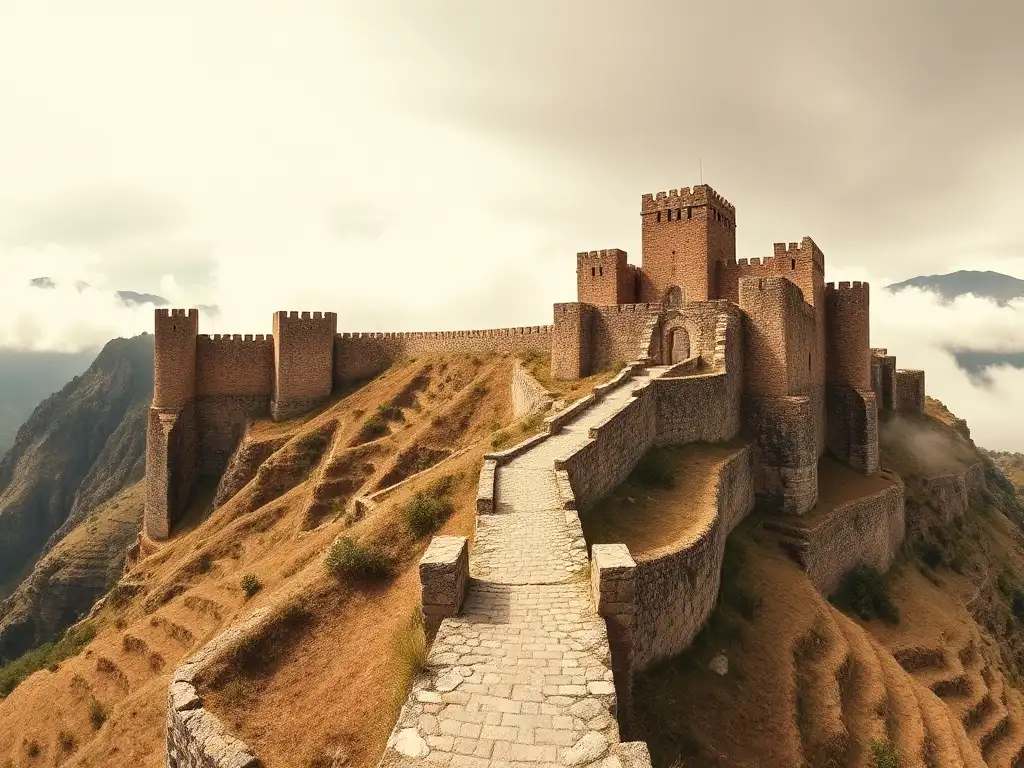
This section delves into the architectural marvels and defensive strategies employed in the construction of several prominent Andean fortresses. By analyzing specific examples, we can gain a deeper understanding of the ingenuity and sophistication of Andean military engineering, showcasing the effectiveness of their Andean fortress design strategies. We will explore how geographical features were incorporated into the design, the types of defensive mechanisms used, and the historical context surrounding their construction and use.
Sacsayhuamán: The Majestic Fortress of Cusco
Sacsayhuamán, located overlooking Cusco, stands as a testament to Inca engineering prowess. Its cyclopean masonry, massive stone blocks fitted together with incredible precision, continues to baffle modern engineers. The sheer scale of the fortress, combined with its strategic location, made it an almost impregnable stronghold.
Strategic Location and Design Analysis
Sacsayhuamán's location atop a hill provided panoramic views of the surrounding valley, offering early warning of approaching enemies. The fortress's design cleverly integrates natural features into its defensive system. The uneven terrain was utilized to create a series of interlocking walls and terraces, making it difficult for attackers to gain a foothold. The walls themselves were not straight, but followed the contours of the hill, further enhancing their defensive capabilities.
This strategic placement, coupled with the formidable walls, exemplifies the Incas’ mastery of Andean fortress design strategies. Analysis suggests the layout wasn't solely defensive; it likely served ceremonial and administrative functions as well, highlighting the integration of military and societal needs in Inca planning. The complexity of the design, with its multiple levels and intricate pathways, required meticulous planning and exceptional organizational skills.
Defense Mechanisms and Historical Context
Beyond the imposing walls, Sacsayhuamán boasted a sophisticated system of defense mechanisms. Narrow passageways, strategically placed towers, and hidden recesses created choke points and ambush locations. The massive stones themselves, some weighing many tons, could be used as projectiles or to block access points. While the exact methods of construction remain debated, the precision and scale of the project suggest a highly organized workforce and advanced understanding of engineering principles.
Historical accounts, though limited, suggest Sacsayhuamán played a crucial role in defending Cusco, the Inca capital, against potential invaders. Its role in the Spanish conquest, notably the siege and eventual capture, provides valuable insights into the effectiveness—and limitations—of its defensive capabilities. The fortress's survival, even in a partially ruined state, speaks volumes about the quality of its original Andean fortress design strategies.
Ollantaytambo: A Strategic Gateway in the Sacred Valley
Ollantaytambo, situated in the Sacred Valley, represents a different type of Andean fortress. Unlike Sacsayhuamán's imposing scale, Ollantaytambo's strength lay in its strategic location and the ingenious integration of its architecture with the surrounding landscape. Its defensive system was less about brute force and more about controlling access to a vital passage.
Unique Architectural Features and Defense Strategies
Ollantaytambo's architecture is characterized by its terraced structures, carved directly into the hillside. These terraces created a series of defensive positions, each offering a clear line of sight to the next. The narrow pathways and steep inclines further hampered attackers. The fortress's walls, although not as massive as those at Sacsayhuamán, were still incredibly strong and skillfully constructed.
The use of strategically placed defensive structures, such as towers and outposts, allowed for coordinated defense. The integration of agricultural terraces into the defensive system is a notable feature, showcasing a unique blend of military and agricultural needs. This innovative approach to Andean fortress design strategies is a testament to the adaptability and resourcefulness of the Inca civilization. The precise placement of buildings and walls, coupled with the natural contours of the landscape, demonstrates a profound understanding of tactical positioning.
Lessons Learned from Ollantaytambo
Ollantaytambo demonstrates that effective defense wasn't solely about building massive walls; strategic positioning and clever integration with the environment were equally crucial. The fortress's success in withstanding sieges highlights the value of adaptable defenses and the importance of controlling key access points. The combination of natural and man-made barriers created a formidable defense.
Its enduring legacy lies not only in its impressive architecture but also in the valuable lessons it offers concerning sustainable and effective Andean fortress design strategies. The study of Ollantaytambo provides crucial insights into the flexibility and ingenuity of Inca military engineering, proving that effective defense could be achieved through a variety of approaches tailored to the specific geographical context. The site continues to inspire awe and serves as a powerful reminder of the sophisticated military planning of the Inca civilization.
Kuelap: The Cloud Fortress of the Chachapoyas
Kuelap, perched high in the Andes mountains of northern Peru, stands as a testament to the impressive engineering and military prowess of the Chachapoyas civilization. This imposing fortress, shrouded in mist and perched on a nearly inaccessible clifftop, offers a fascinating case study in Andean fortress design strategies. Its remote location, combined with its sophisticated defensive features, made it a nearly impregnable stronghold.
The sheer scale of the structure, encompassing approximately 400 circular stone houses within its walls, speaks volumes about the Chachapoyas' organizational capabilities and their mastery of stonework. The construction itself represents a remarkable feat of human ingenuity, considering the challenging terrain and the lack of advanced tools and machinery. Its strategic placement, offering panoramic views of the surrounding valleys, allowed for early warning of potential threats, a crucial element in Andean warfare.
The fortress's design, a complex interplay of natural defenses and human-made fortifications, underscores the Chachapoyas’ deep understanding of both terrain and military tactics. The enduring legacy of Kuelap continues to captivate researchers and visitors alike, offering invaluable insights into the Andean world.
Fortress Construction Methods
The construction of Kuelap presents a compelling example of Andean engineering. The Chachapoyas skillfully utilized the readily available materials—primarily large, meticulously cut stones—to build the impressive walls that encircle the fortress. These stones, some weighing several tons, were precisely fitted together without mortar, a testament to their advanced stone-cutting techniques and their understanding of structural integrity.
The walls, reaching heights of up to 20 meters in places, are remarkably durable, having withstood centuries of weathering and seismic activity. Evidence suggests the use of ramps and possibly even systems of pulleys to lift the massive stones into place, showcasing a sophisticated understanding of mechanics. The construction methods employed at Kuelap highlight the Chachapoyas' ability to organize large-scale labor projects, mobilize resources effectively, and execute complex engineering tasks.
The precision and skill demonstrated in the construction are truly remarkable, highlighting the advanced technological capabilities of this pre-Columbian civilization. The challenges posed by the steep, mountainous terrain further emphasize the remarkable achievement of building this fortress.
Historical Significance and Military Use
Kuelap's historical significance extends beyond its impressive architecture. Archaeological evidence suggests that the fortress served as a significant political and religious center for the Chachapoyas, as well as a crucial defensive position. Its strategic location provided excellent surveillance capabilities, allowing the inhabitants to monitor the surrounding valleys and detect approaching enemies.
The fortress's design, incorporating multiple defensive elements such as high walls, strategically placed towers, and narrow entrances, made it a formidable stronghold capable of withstanding prolonged sieges. While the exact nature of the conflicts the Chachapoyas faced remains a subject of ongoing research, the very existence of Kuelap speaks to the importance of military defense in their society. Its enduring presence continues to offer valuable insights into the military strategies and societal structures of this fascinating Andean civilization.
The fortress's ability to withstand attacks for a considerable period, as evidenced by the archaeological record, points to a well-organized defense system and a strong military capability within the Chachapoyas society. Further research into the artifacts and structures within Kuelap promises to further illuminate its military and social roles.
The Legacy of Andean Fortress Design
The ingenuity of Andean fortress design extended far beyond its immediate military applications, leaving a lasting impact on subsequent Andean architecture and urban planning. The sophisticated techniques of stonework, terrace construction, and strategic placement, honed over centuries of warfare and adaptation to the challenging Andean terrain, became integral components of later settlements, even those not primarily defensive in nature. This architectural continuity speaks volumes about the enduring value of these design principles.
Influence on Later Andean Architecture
The mastery of stonework displayed in Andean fortresses, characterized by precise cuts, intricate fitting, and the use of diverse materials like granite and andesite, directly influenced the construction of later religious structures, palaces, and even residential buildings. The techniques of dry-stone masonry, perfected in the construction of defensive walls, became a hallmark of Andean architectural traditions, persisting for centuries after the decline of the major empires.
For example, the impressive stonework of Ollantaytambo, initially conceived as a fortress, was later adapted and expanded to serve as a royal estate. This transition highlights the adaptability and enduring legacy of fortress design principles in shaping the broader architectural landscape.
The precise fitting of stones, minimizing the need for mortar, demonstrated not only engineering prowess but also a deep understanding of seismic activity and its impact on building stability—a knowledge crucial for survival in the earthquake-prone Andes. This architectural continuity demonstrates a clear link between military engineering and the broader development of Andean building techniques, showcasing a functional elegance that continues to inspire architects today.
Lessons for Modern Military Strategy
While separated by millennia, the strategic principles embedded in Andean fortress design offer valuable insights for modern military strategists. The emphasis on selecting defensible locations, often incorporating natural barriers like cliffs and rivers, mirrors modern principles of terrain advantage and strategic positioning. The layered defense systems, characterized by multiple walls, watchtowers, and strategically placed choke points, showcase a sophisticated understanding of defensive depth and attrition warfare.
This contrasts sharply with the simplistic approach frequently seen in some less strategically planned fortifications. The efficient use of resources, often employing locally sourced materials and minimizing logistical challenges, provides a valuable lesson in resource management and sustainable defense. Furthermore, the integration of the fortress into the surrounding landscape, rather than a stark contrast, offers a lesson in camouflage and blending into the environment, minimizing detectability.
Analyzing the effectiveness of different Andean fortress designs in the face of various attacks can inform the development of more resilient and adaptable defense strategies today. The success of some Andean fortresses in withstanding prolonged sieges suggests that a layered, adaptable defense system, integrated with the environment, can provide a significant advantage.
Preservation and Research of Andean Fortifications
The ongoing preservation and research of Andean fortifications are crucial for understanding the ingenuity and resilience of these ancient societies. These sites are not merely relics of the past but invaluable sources of information about Andean engineering, military strategies, and societal organization. However, the challenges of preserving these sites are significant, ranging from environmental degradation to looting and vandalism.
Systematic documentation, including detailed surveys and 3D modeling, is critical for preserving this irreplaceable heritage. Moreover, interdisciplinary research, involving archaeologists, engineers, and historians, is essential for fully understanding the complexities of Andean fortress design and its broader implications. The lack of thorough documentation and systematic study of certain lesser-known Andean fortresses hinders our understanding of regional variations in design and defense strategies.
Further research into the materials used, construction techniques, and the social organization required to build these structures is crucial to unlock a more complete picture of Andean military engineering. The preservation of these sites is not just a matter of historical preservation but also contributes to our understanding of modern engineering and defense strategies. Continued investment in research and preservation efforts is therefore vital to ensuring that the legacy of Andean fortress design endures.
Frequently Asked Questions
What were the primary design goals of Andean fortresses?
Andean fortresses were designed with strategic defense as the primary goal. This involved incorporating natural features of the landscape and utilizing materials readily available in the region to build strong, defensible structures. Location was key, often chosen for maximum visibility and control of vital routes.
How did Andean builders adapt their fortress designs to diverse terrains?
Andean fortress design showed remarkable adaptation to the varied terrain. Mountaintop fortresses provided commanding views, while those built in valleys utilized natural barriers for defense. Ingenious construction techniques allowed them to build on steep slopes and rugged landscapes.
What materials were commonly used in the construction of Andean fortresses?
Andean fortresses were typically constructed using stone, often precisely fitted without mortar. Adobe bricks were also used, especially in lower-altitude locations. The choice of material was dictated by availability and durability.
What defensive features were commonly incorporated into Andean fortress designs?
Common defensive features included thick walls, strategically placed towers for observation and defense, and narrow entrances to funnel attackers. Some fortresses also incorporated moats or other natural barriers to enhance their defenses. Concealed pathways and escape routes were also sometimes present.
How did the design of Andean fortresses reflect the power and influence of the ruling elites?
The size, complexity, and location of Andean fortresses directly reflected the power and resources of the ruling elites. Elaborate architecture and strategic placement showcased their authority and control over the surrounding territory, signifying political and military dominance.
Final Reflection: Echoes of Stone: Legacy and Future of Andean Fortress Design
The ingenious design strategies employed in Andean fortresses remain remarkably relevant today, offering invaluable lessons in sustainable architecture and strategic defense in a world increasingly concerned with resource management and security. These ancient structures, far from being relics of a bygone era, whisper secrets of resilience and ingenuity that continue to resonate with modern challenges.
The enduring impact of Andean fortress design extends beyond the realm of engineering; it speaks to the profound connection between human ingenuity and the environment. These structures, carved from the very landscape they defended, stand as a testament to a deep understanding of both natural materials and strategic positioning. The mountains themselves became the walls, the cliffs the bastions, and the ingenuity of the builders transformed the natural landscape into an impregnable defense.
This symbiotic relationship between architecture and environment offers a powerful counterpoint to modern, often unsustainable, building practices.
Consider the ingenuity of these designs, the resourcefulness of their construction, and the strategic brilliance of their placement. You, the reader, are now equipped with a deeper understanding of these remarkable achievements. Let this knowledge inspire you to consider the interplay between design, environment, and security in your own life, whether it be in your home, your community, or your approach to problem-solving. The echoes of stone from these ancient fortresses call to us, urging us to build a future as resilient and enduring as the structures they left behind.
Unveil the Secrets of Andean Fortresses!
Thank you for exploring the fascinating world of Andean fortresses with us! We hope you were captivated by the intricate designs and ingenious defensive strategies of these historic structures. We encourage you to continue your exploration of this captivating topic.
Here are some ways to deepen your understanding and share your knowledge:
- Dive deeper into Andean history: Explore our website's extensive collection of articles to uncover more about these remarkable civilizations.
- Join the discussion: Share your thoughts and insights with other history enthusiasts in our online community or on social media. Connect with us by tagging @AndeanCivilizations!
- Visit a local museum or historical site: Immerse yourself in the artifacts and exhibits that showcase Andean civilizations. You might be amazed by what you discover!
What aspect of Andean architecture or defensive strategies most intrigues you, and how do you think these innovative approaches could inform modern design?