
The Moche Mountain Gods: Sacred Peaks and Their Spiritual Power

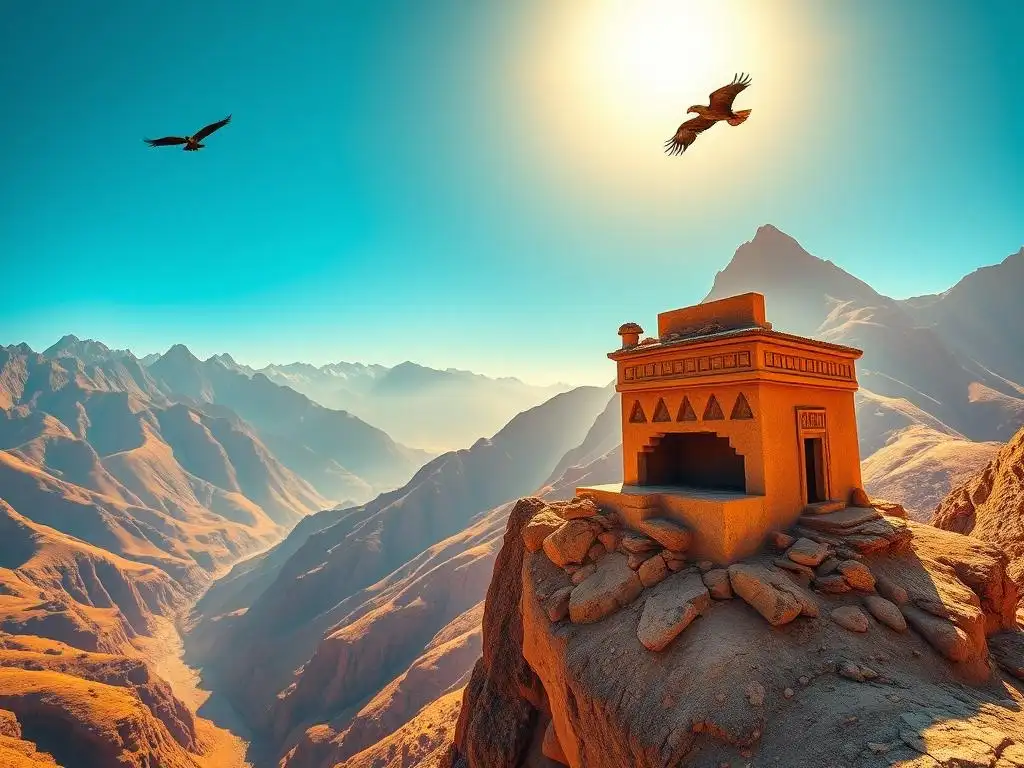
Step into a world lost to time, yet echoing with power. Discover the secrets held within the sacred peaks of the Andes, where the Moche civilization flourished. Their intricate relationship with the mountain gods, a complex tapestry of ritual and belief, holds the key to understanding their remarkable achievements. Unravel the mysteries surrounding the Moche mountain gods' spiritual significance—a journey into a world both breathtaking and awe-inspiring awaits. Explore the heights of Andean spirituality and uncover its enduring legacy.
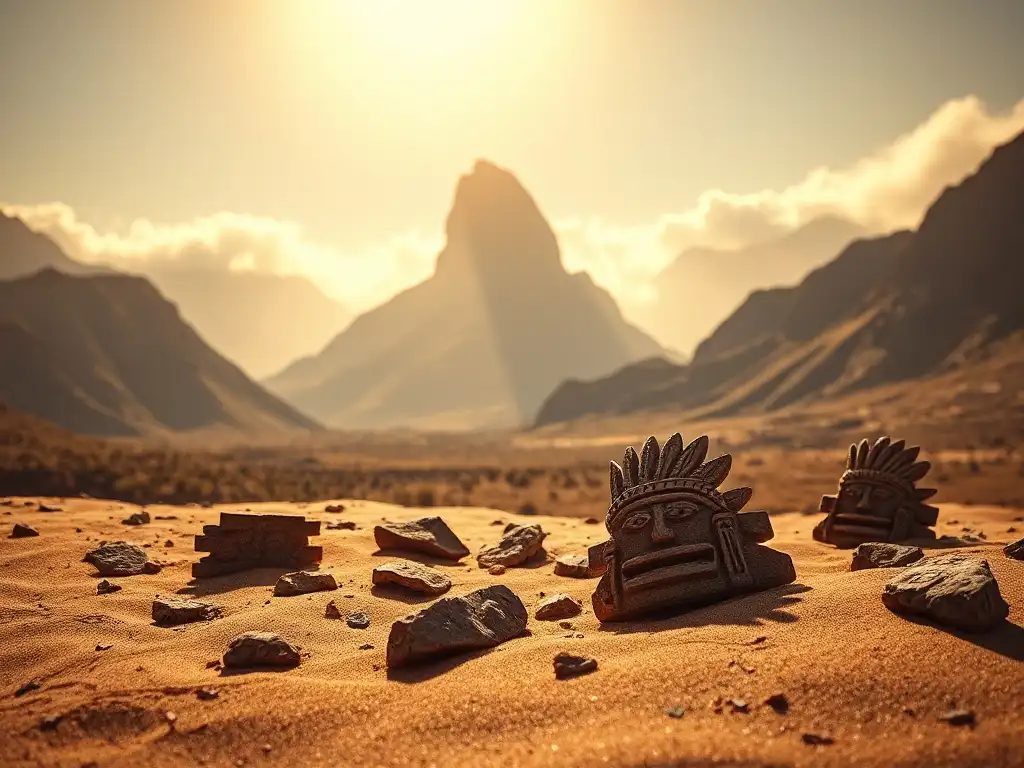
The Moche civilization, flourishing along the arid northern coast of Peru from approximately 100 CE to 800 CE, developed a complex religious system deeply intertwined with the natural world. Unlike many other ancient societies, the Moche didn't rely solely on anthropomorphic deities. Instead, their spiritual landscape was profoundly shaped by the imposing presence of the Andes Mountains, which they perceived as powerful, living entities, often personified as deities – the Apus.
This article delves into the profound spiritual significance of these mountain gods within Moche culture, exploring their role in rituals, art, and the overall worldview of this remarkable civilization. We will examine the evidence from archaeological discoveries, analyzing how the Moche interacted with these sacred peaks and how the Apus influenced their daily lives and beliefs, shedding light on the critical role of the Andean landscape in shaping their spiritual world.
Understanding the Moche mountain gods offers a crucial key to deciphering the intricate tapestry of their beliefs and practices. This exploration will highlight how the Moche's spiritual life was not confined to temples and ceremonial centers, but extended to the vast, awe-inspiring panorama of their mountainous surroundings.
Introduction to Moche Religion and the Andean Landscape
Moche religion was a multifaceted system expressing itself through elaborate rituals, impressive monumental architecture, and stunning artistry. Their religious practices were deeply rooted in their environment, with the fertile valleys providing sustenance and the formidable Andes Mountains serving as a constant source of both awe and spiritual power. Archaeological evidence, such as the intricate iconography found on Moche pottery and the location of their ceremonial centers, reveals a profound connection between the Moche and the mountains.
The stark contrast between the desert coast and the towering Andes likely contributed to the Moche's perception of the mountains as powerful and supernatural entities. Their agricultural practices, heavily reliant on water management systems, emphasized the crucial relationship between the human world and the forces of nature, especially the mountains that controlled water sources. The very survival of the Moche depended on the capricious whims of nature, and their religious practices were designed to appease and honor the forces that influenced their lives.
Understanding this relationship between the Moche and their environment is essential to comprehending the spiritual significance they attributed to the Apus. The presence of mountain imagery on their pottery and metalwork, for example, is not merely decorative; it represents a profound engagement with the spiritual power they believed these peaks possessed.
The Concept of Apus in Moche Beliefs
The Apus, the mountain deities, were not simply inanimate geographical features to the Moche; they were considered powerful, anthropomorphic beings with agency and influence over the lives of the people. These mountain gods were often depicted in Moche art as human-like figures, sometimes adorned with elaborate headdresses and regalia, reflecting their elevated status within the Moche pantheon. [Specific examples of Moche art depicting Apus pending].
Their power was associated with the control of water, fertility, and the overall well-being of the community. Rituals and offerings were likely performed on the mountain slopes or at their bases to gain favor with the Apus, ensuring bountiful harvests and protection from natural disasters. The Moche believed that the Apus could both bestow blessings and inflict punishment, underscoring the importance of maintaining a respectful and reverential relationship with these powerful entities.
The exact nature of these rituals and offerings remains a subject of ongoing research, but evidence suggests that they involved complex ceremonies, possibly involving human sacrifice in some cases – [More detailed information on Moche ritual practices needed]. The spiritual power of the Apus permeated all aspects of Moche society, shaping their worldview and influencing their daily lives. Their reverence for the mountains wasn't a mere superstition; it was a fundamental aspect of their spiritual identity, deeply rooted in their dependence on the natural world for survival and prosperity.
Moche Mountain Gods: Identifying the Key Sacred Peaks
The Moche civilization, flourishing along the northern coast of Peru from approximately 100 to 800 CE, held a deeply spiritual relationship with the surrounding landscape. Their worldview was inextricably linked to the towering peaks that dominated the arid coastal plains. Identifying specific mountains as definitively "sacred" requires careful analysis of archaeological evidence, including iconography on ceramics, metalwork, and textiles, as well as the spatial distribution of settlements and ritual sites.
While definitive lists are debated among scholars, several mountains consistently emerge as central to Moche religious practices. The prominence of certain peaks likely varied regionally, reflecting localized variations in Moche beliefs and practices. Further research, particularly detailed analysis of newly discovered sites, may reveal even more mountains integral to their cosmology.
This intricate connection between the Moche and their mountains underscores the importance of considering the geographical context when interpreting their art and rituals. The sheer scale and majesty of these peaks likely contributed to their perceived power and spiritual significance.
Cerro Blanco: A Pivotal Moche Sacred Mountain
Cerro Blanco, a striking white mountain located near the Moche heartland, stands out as a particularly important sacred peak. Its stark, imposing presence likely contributed to its perceived power. Depictions of Cerro Blanco, or a mountain strongly resembling it, frequently appear in Moche iconography. These depictions often feature the mountain alongside depictions of deities or ritual scenes, further emphasizing its importance in Moche religious life.
Archaeological investigations near Cerro Blanco have uncovered evidence of ritual activity, supporting the iconographic evidence. The precise nature of these rituals remains a subject of ongoing research, but it's clear that Cerro Blanco held a significant role in Moche religious beliefs and practices. The white color of the mountain itself may have held symbolic meaning, possibly relating to purity, light, or the divine.
The Significance of Cerro Campana in Moche Cosmology
Cerro Campana, with its distinctive bell-shaped peak, presents another compelling case study in Moche mountain worship. Its unique form may have contributed to its selection as a sacred site. Unlike Cerro Blanco, which is often represented realistically, Cerro Campana's depictions in Moche art frequently appear stylized, sometimes even anthropomorphized, further highlighting its spiritual significance.
Scholars suggest that its shape might have been associated with specific deities or cosmic events. The location of Cerro Campana, strategically situated within the Moche valley, may have also contributed to its importance as a central point within their cosmology. Further research into the artifacts discovered near Cerro Campana is needed to fully understand its role within the broader Moche religious system.
Cerro Mayal and its Role in Moche Rituals
Cerro Mayal, another prominent mountain in the Moche region, appears less frequently in Moche art than Cerro Blanco or Cerro Campana. However, its archaeological context reveals its importance. The presence of numerous ritual sites at its base and on its slopes suggests significant ceremonial activity. These sites may have been used for various rituals, potentially involving offerings, sacrifices, or pilgrimage.
The specific rituals performed at Cerro Mayal remain largely unknown, but the sheer number of sites indicates the mountain's enduring importance to the Moche people across generations. The materials found at these sites could provide crucial clues, though further analysis is needed to decipher their meaning within the broader Moche religious context. The relative scarcity of Cerro Mayal in Moche art suggests that its significance may have been more localized or expressed through practices rather than visual representations.
The Spiritual Significance of Moche Mountain Gods
The Moche people did not worship mountains as entities in themselves, but rather viewed them as dwelling places for powerful deities and spirits. These mountain spirits were believed to hold sway over natural forces, such as rainfall, fertility, and the harvest. The mountains were not simply geographical features; they were dynamic, powerful entities central to the Moche worldview.
Their reverence for mountains highlights the intertwined relationship between the physical and spiritual worlds in Moche cosmology. The perceived power of the mountain spirits stemmed from their control over essential resources and their perceived connection to the forces that governed life and death.
Moche Deities and their Connection to Mountain Spirits
The connection between Moche deities and mountain spirits is evident in their iconography. Many Moche deities are depicted in association with mountains, often shown emerging from or residing within these sacred peaks. This visual representation emphasizes the close relationship between the divine realm and the mountainous landscape.
The specific deities associated with particular mountains likely varied regionally, reflecting the localized nature of Moche religious beliefs. Understanding this connection requires examining the iconography carefully, considering both the specific deity depicted and the context in which it appears alongside a mountain. Further research into Moche mythology and religious texts (where available) is crucial to fully understand the relationship between specific deities and mountain spirits.
The Role of Mountains in Moche Agricultural Cycles and Fertility
The Moche civilization relied heavily on agriculture, and the mountains played a crucial role in their agricultural cycles. Mountains were believed to influence the weather patterns that were essential for successful harvests. The Moche saw the mountains as sources of water, as rain and snowmelt from the peaks nourished the rivers and irrigation systems that sustained their crops.
Their agricultural practices were closely tied to their religious beliefs, with rituals performed to ensure the continued fertility of the land and the abundance of their harvests. The relationship between mountains, water, and fertility is a recurring theme in Moche art and archaeology, underscoring the importance of these sacred peaks to their survival and prosperity. The timing of agricultural rituals often coincided with significant meteorological events, further reinforcing the link between mountain spirits and agricultural success.
Mountains as Thresholds to the Moche Underworld
Beyond their association with fertility and agricultural cycles, Moche mountains also served as symbolic thresholds to the underworld. The Moche believed in a complex underworld, a realm inhabited by spirits and ancestors. Mountains, with their towering heights and often inaccessible peaks, were seen as liminal spaces, bridging the earthly realm with the subterranean world.
This symbolic association is reflected in the placement of certain burial sites and ritual spaces near or within mountains, suggesting that these locations were considered gateways to the underworld. The use of caves and subterranean spaces within or near mountains further supports this interpretation. The mountains served not only as sources of life but also as connections to the realm of the dead, highlighting the cyclical nature of life and death within Moche cosmology.
Moche Rituals and Offerings to Mountain Gods
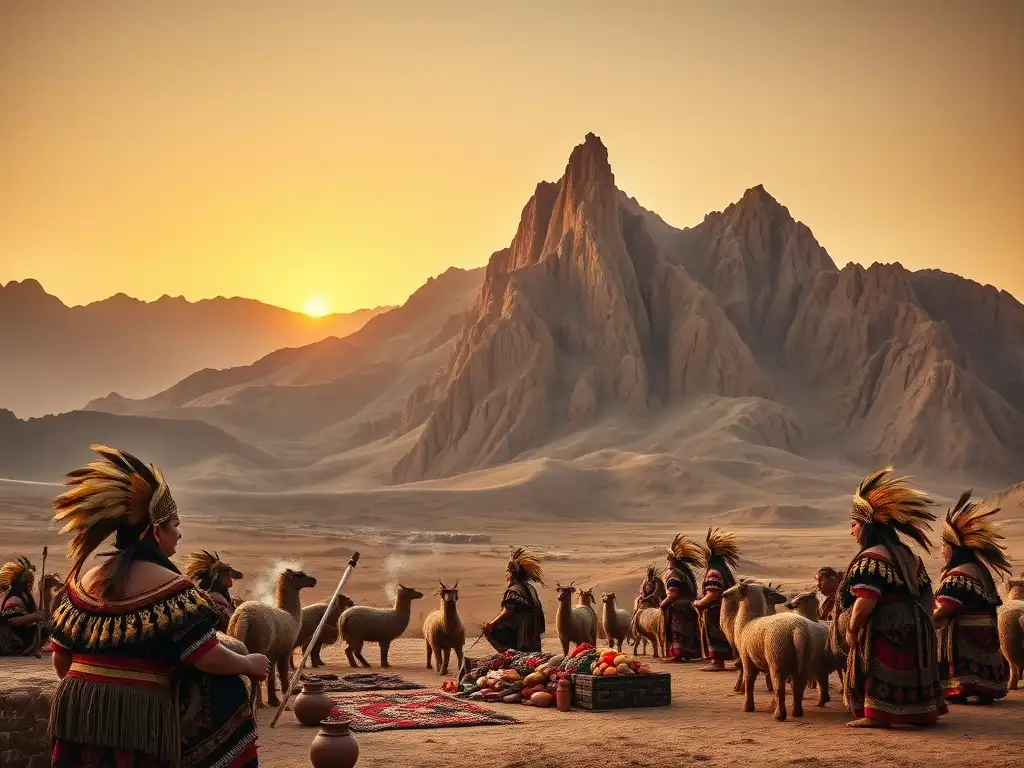
The Moche people, renowned for their sophisticated artistry and complex social structures, held a deep reverence for the apus, the powerful mountain gods believed to control the life-giving forces of nature. Their rituals and offerings to these deities were integral to their worldview, reflecting a profound connection between the earthly realm and the spiritual world of the mountains.
These rituals weren't merely symbolic gestures; they were practical actions aimed at ensuring a bountiful harvest, successful fishing expeditions, and the overall well-being of the Moche community. The frequency and intensity of these rituals likely varied depending on the perceived needs of the community and the perceived favor of the apus.
Evidence suggests that both individual and communal rituals were performed, reflecting a diverse range of approaches to interacting with the spiritual realm. The precise details of many Moche rituals remain shrouded in mystery, but archaeological discoveries continue to shed light on these fascinating practices.
Moche Ceremonies on Mountain Peaks
Many Moche ceremonies were conducted directly on the slopes or summits of sacred mountains. The arduous journeys to these high-altitude locations underscore the significance of these events. The act of physically ascending to the mountain's heights may itself have been symbolic, representing a spiritual ascent or a closer connection to the divine. Archaeological evidence, such as the discovery of ceremonial sites at high altitudes, provides compelling support for this hypothesis.
These sites often contain remnants of offerings, suggesting that the ceremonies involved the presentation of gifts to the apus. The specific nature of these ceremonies, however, remains largely unknown. Further research and excavation are needed to fully understand the rituals performed at these remote, sacred locations. The challenges presented by the harsh mountain environment highlight the dedication and commitment the Moche people had towards appeasing their mountain gods.
Sacrifices and Votive Offerings to Appease the Apus
To maintain the apus' favor and ensure their continued benevolence, the Moche engaged in both human and animal sacrifices, alongside votive offerings. While the details are still under investigation, it's clear that these sacrifices were not casual acts but rather carefully planned events with significant religious implications. The offerings, ranging from food and drink to elaborate artifacts, were seen as a way to appease the powerful mountain gods and secure their blessings.
The scale of the sacrifices varied, with some events likely involving a single offering, while others potentially involved multiple sacrifices and a larger community participation. The use of human sacrifice, a grim but nonetheless important aspect of Moche religion, is evidenced by the discovery of mummified remains at various archaeological sites. These sacrifices were likely intended to secure the well-being of the entire community, highlighting the complex dynamics of their relationship with the spiritual world.
The Use of Spondylus Shells in Moche Mountain Worship
Spondylus shells, sourced from the Pacific Ocean, held a prominent position in Moche religious practices, particularly in their worship of mountain gods. These rare and valuable shells were not only used as adornments but also served as important ritual objects. Their vibrant colors and unique shape likely imbued them with spiritual significance. The effort required to obtain these shells from distant coastal regions further emphasizes their importance in Moche culture.
The shells' incorporation into offerings and ceremonial regalia suggests a connection between the maritime and mountain realms, reflecting a holistic understanding of the natural world. The presence of spondylus shells in mountaintop sites provides concrete evidence linking these precious objects to the worship of the apus. Further research into the specific ways these shells were employed in Moche rituals is needed to fully grasp their symbolic meaning.
Mountain Iconography in Moche Art and Ceramics
Moche art, particularly their ceramics, offers invaluable insights into their religious beliefs and the significance they placed on mountain gods. The intricate details and vibrant colors used in their pottery provide a visual record of their spiritual world, revealing the importance of mountains in their cosmology. The artistic representations of mountains and mountain deities in Moche pottery are not merely decorative; they are powerful expressions of their faith and reverence for the apus.
These depictions serve as a window into the Moche worldview, offering clues to their understanding of the relationship between the earthly and spiritual realms. Through meticulous analysis of their artistic styles and iconographic patterns, researchers can gain a deeper understanding of Moche religious practices and beliefs.
Depictions of Mountains and Mountain Deities in Moche Art
Moche artists masterfully depicted mountains and mountain deities in their art, using a variety of techniques and styles. The mountains are often portrayed as imposing and majestic figures, reflecting their power and influence. Mountain deities, frequently anthropomorphic or zoomorphic in nature, are often depicted interacting with humans or other divine beings.
The artists' attention to detail, including the use of vibrant colors and intricate patterns, showcases the importance they placed on these religious themes. These artistic representations are not merely aesthetic; they are powerful statements of religious belief and social identity. The consistency of these depictions across various Moche art forms suggests a widespread and deeply ingrained belief in the power of the mountain gods.
The Symbolic Language of Moche Mountain Imagery
The imagery used in Moche art to represent mountains and mountain deities is rich in symbolism. Specific colors, shapes, and motifs are likely associated with particular deities or aspects of their power. For example, certain colors might represent specific qualities of the apus, such as fertility or strength. Understanding the symbolic language of Moche mountain imagery requires a careful analysis of their artistic conventions and the broader context of their religious beliefs.
The intricate details found in Moche ceramics and other artifacts offer a wealth of information for researchers seeking to decipher this symbolic language. Further research is necessary to fully decode the complex meanings embedded within these artistic representations. The unraveling of these symbols would further illuminate the intricacies of Moche spirituality and their perception of the world.
Analyzing Moche Pottery and its Representations of Sacred Peaks
The analysis of Moche pottery, particularly those depicting mountains, offers a multifaceted approach to understanding the apus' role in Moche society. By examining the style, motifs, and context of these depictions, researchers can glean insights into the evolving nature of Moche religious beliefs and practices. For instance, changes in artistic styles over time might reflect shifts in religious thought or social organization. The presence of specific motifs in certain regions might indicate localized variations in beliefs or practices.
Careful study of the pottery's context, including the location of its discovery and the associated artifacts, provides crucial information for interpreting its religious significance. This interdisciplinary approach, combining art historical analysis with archaeological context, is essential for fully understanding the complex relationship between the Moche and their mountain gods. The continuing discovery and analysis of Moche pottery promises to further unveil the secrets of their fascinating religious world.
The Enduring Influence of Moche Mountain Veneration
The Moche people's deep reverence for mountains wasn't a fleeting phenomenon; its impact resonates through subsequent Andean cultures and even into modern perspectives. Their sophisticated understanding of the interconnectedness between the earthly and spiritual realms, symbolized by the majestic peaks, laid the foundation for later religious and cosmological beliefs. The Moche's meticulous craftsmanship in depicting mountain gods on ceramics and textiles provides invaluable insight into the centrality of these deities in their daily lives and rituals.
These artifacts, discovered in various Moche sites, reveal not just artistic skill but also a profound spiritual connection to the landscape. The meticulous detail and vibrant colors used in portraying these figures attest to the immense significance attributed to these mountain deities within the Moche society.
Analysis of these artifacts, combined with archaeological evidence from burial sites and ceremonial centers, allows us to piece together a more complete picture of Moche mountain veneration. The persistence of similar themes and iconography in later Andean cultures strengthens the argument for the lasting legacy of Moche mountain worship.
The Legacy of Moche Mountain Beliefs in Later Andean Cultures
The influence of Moche mountain worship can be traced in the religious practices and beliefs of later Andean civilizations, notably the Chimú and Inca. While the specific iconography and rituals may have evolved, the fundamental concept of sacred mountains as intermediaries between the human and divine worlds persisted. The Inca, for example, maintained a similar reverence for apus (mountain gods), integrating them into their complex state religion.
Many Inca practices, such as the offering of coca leaves and other sacrifices at mountain summits, echo similar Moche traditions. This continuity suggests a deep-rooted Andean worldview that transcended specific cultural boundaries. Archaeological findings from later periods reveal the continued importance of mountain worship, showcasing the enduring legacy of Moche beliefs.
The persistence of these traditions across centuries highlights the powerful and pervasive influence of the Moche's spiritual connection to their sacred mountains. The study of these later cultures, therefore, provides crucial context for understanding the full extent of Moche mountain veneration and its long-term impact on Andean spirituality.
Contemporary Perspectives on Moche Mountain Gods
Even today, the Moche mountain gods hold a certain fascination, prompting ongoing research and interpretation. Modern scholars continue to analyze Moche artifacts and archaeological sites to understand the nuances of their religious beliefs. Furthermore, many contemporary Andean communities still maintain a spiritual connection to mountains, reflecting the enduring legacy of ancient traditions.
This ongoing connection underscores the enduring power of the Moche worldview. The Moche's reverence for mountains, therefore, isn't just a historical curiosity; it continues to inform our understanding of Andean spirituality and its lasting impact on the region's cultural landscape. The study of Moche mountain gods offers valuable insights into the relationship between humans and nature, a theme that remains relevant in contemporary discussions about environmentalism and spiritual ecology.
Understanding the Moche Worldview Through their Sacred Mountains
The Moche's profound reverence for mountains offers a key to understanding their broader worldview. Their art, architecture, and social structures all reflect a deep-seated belief in the interconnectedness of the natural and supernatural worlds. The mountains weren't merely geographical features; they were active participants in the cosmic order, embodying divine power and influencing the lives of the Moche people. This perspective shaped their agricultural practices, their social hierarchies, and their artistic expressions.
By studying the iconography associated with Moche mountain gods, we gain insights into their beliefs about fertility, water, and the cyclical nature of life and death. The prominence of mountain imagery in Moche art emphasizes the central role these deities played in their cosmology and daily existence. The Moche's worldview, therefore, was profoundly shaped by their relationship with the sacred mountains, providing a unique lens through which to interpret their society and culture.
Conclusion: The Spiritual Power of Moche Sacred Peaks
The Moche mountain gods represent more than just mythological figures; they embody the profound spiritual connection the Moche people held with their environment. The enduring influence of their veneration, evident in later Andean cultures and even in contemporary perspectives, highlights the lasting impact of their beliefs.
The detailed iconography and archaeological evidence provide invaluable insights into the Moche worldview, emphasizing the centrality of sacred mountains in their cosmology and daily lives. Understanding the Moche's reverence for these peaks offers a crucial key to unlocking a deeper understanding of their rich and complex culture, demonstrating the pervasive power of their spiritual beliefs.
The Moche mountain gods thus serve as a powerful reminder of the enduring human need to connect with the natural world and find meaning in the forces that shape our existence. Their legacy continues to inspire awe and wonder, enriching our understanding of Andean civilization and the enduring power of spiritual belief.
- Introduction to Moche Religion and the Andean Landscape
- The Concept of Apus in Moche Beliefs
- Moche Mountain Gods: Identifying the Key Sacred Peaks
- The Spiritual Significance of Moche Mountain Gods
- Moche Rituals and Offerings to Mountain Gods
- Mountain Iconography in Moche Art and Ceramics
- The Enduring Influence of Moche Mountain Veneration
- Conclusion: The Spiritual Power of Moche Sacred Peaks
- What was the significance of mountains to the Moche people?
- How did the Moche depict their mountain gods in their art?
- What role did mountain gods play in Moche religious practices?
- Were the Moche mountain gods associated with specific mountains?
- How did the Moche's belief in mountain gods impact their society?
Frequently Asked Questions
What was the significance of mountains to the Moche people?
The Moche viewed mountains as sacred entities, imbued with spiritual power. They were believed to be the homes of powerful deities and ancestors.
How did the Moche depict their mountain gods in their art?
Moche art, particularly ceramics and metalwork, frequently depicts anthropomorphic mountain gods, often with fierce features and powerful symbols associated with nature.
What role did mountain gods play in Moche religious practices?
Mountain gods were central to Moche religion, influencing agricultural cycles, ritual ceremonies, and political power. They were often the focus of offerings and prayers.
Were the Moche mountain gods associated with specific mountains?
While not always explicitly linked to single peaks, evidence suggests the Moche associated specific gods with particular geographic features, often relating to local topography and water sources.
How did the Moche's belief in mountain gods impact their society?
The belief in mountain gods reinforced social hierarchy and political legitimacy. It also shaped their agricultural practices and understanding of the natural world.
Final Reflection: Echoes of the Mountain Gods in a Modern World
The spiritual connection between the ancient Moche people and their sacred peaks remains profoundly relevant today, a testament to the enduring power of nature's influence on the human spirit. While separated by millennia, the awe and reverence the Moche felt for the towering mountains of their landscape resonate with our own contemporary need for connection to something larger than ourselves. The echoes of their beliefs continue to whisper, reminding us of the importance of respecting the natural world and finding solace in its grandeur.
The Moche's deep-seated belief in the mountain gods' power profoundly shaped their society, influencing their art, agriculture, and social structures. This legacy continues to inspire artists, archaeologists, and spiritual seekers alike. The mountains are calling, and I must go.
This sentiment, though not directly from the Moche, speaks to the timeless allure of these sacred spaces and the enduring human desire to connect with the divine through the natural world. Their story serves as a powerful reminder of the interconnectedness of humanity and nature, a lesson often overlooked in our modern, technologically driven world.
Consider, for a moment, the profound impact the natural world has on your own life. What elements of nature inspire you, bring you peace, or fill you with a sense of awe?
Let the legacy of the Moche mountain gods inspire you to cultivate a deeper connection with the natural world, to find solace in its beauty, and to recognize the spiritual power that resides within it. Embrace the lessons of the past to build a more sustainable and spiritually fulfilling future, one where the reverence for nature is not a relic of the past, but a vibrant force shaping our present and future.
Elevate Your Spirit: Connect with the Moche Mountain Gods!
Thank you for exploring the mystical world of the Moche and their reverence for the mountains! We hope you've been inspired by the sacred peaks and their profound spiritual significance. Now, let's explore ways to deepen your connection with these awe-inspiring landscapes. Here are some suggestions:
- Immerse yourself in Moche culture: Visit a local museum or exhibition featuring Moche artifacts to appreciate their artistry and understand their worldview.
- Connect with nature: Plan a hike or pilgrimage to a mountain, reflecting on the Moche's spiritual connection to the natural world as you engage with the landscape.
- Share your journey: Connect with others interested in Andean cultures by sharing your experiences on social media or in the comments below. Let's build a community of exploration and discovery!
How has your understanding of the Moche's relationship with the mountains resonated with you, and how might you integrate these spiritual perspectives into your daily life?