
Moche Shamanism: Connecting with the Spirit World Through Ritual

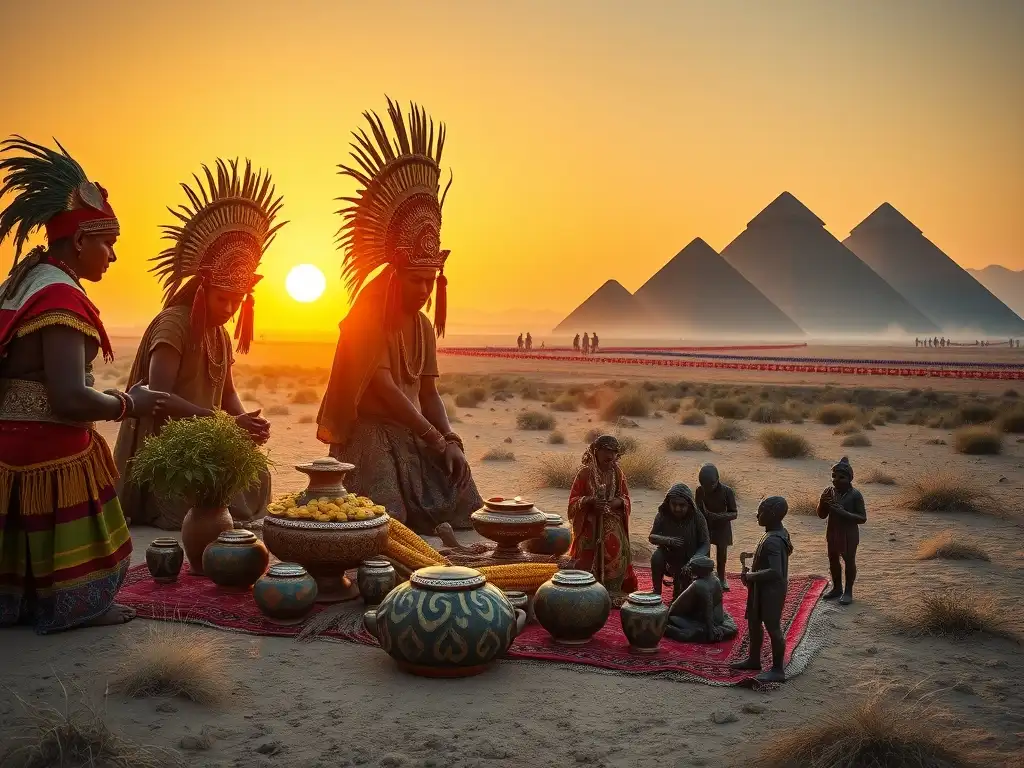
Unravel the mysteries of the Andes! Journey into a world of breathtaking artistry, sophisticated engineering, and deeply spiritual practices. Prepare to be captivated by the intricate world of the ancient Andean civilizations, particularly the enigmatic Moche shamanistic rituals that connected their society to the spirit world. Discover how these rituals shaped their lives, beliefs, and remarkable legacy. Dare to explore the secrets hidden within…
The Moche civilization, flourishing along the northern coast of Peru from approximately 100 CE to 800 CE, left behind a remarkable legacy of art, architecture, and intricate social structures. Their religious beliefs, particularly their shamanistic practices, offer a fascinating glimpse into their worldview and spiritual understanding. This exploration delves into the captivating world of Moche shamanism, examining the role of shamans within their society and the cosmological beliefs that underpinned their rituals.
Understanding Moche shamanistic rituals provides crucial insight into the complexities of their culture and the profound connection they held with the supernatural. We will explore the evidence from archaeological discoveries, analyzing the iconography and symbolism prevalent in their art to illuminate the practices and beliefs surrounding these powerful figures.
This detailed analysis will reveal the multifaceted nature of Moche spirituality and its impact on their daily lives. The keyword "Moche shamanistic rituals" will be explored throughout the article, highlighting the significance of these practices within the broader context of Moche society.
The Role of Shamans in Moche Society
Moche shamans occupied a pivotal position within their society, acting as intermediaries between the human and spirit worlds. Their influence extended far beyond simple religious practices; they likely played crucial roles in political decision-making, healing, and agricultural practices. Archaeological evidence, particularly the stunning ceramic artifacts depicting shamanistic scenes, provides invaluable insight into their activities.
These depictions frequently show shamans adorned with elaborate headdresses, masks, and costumes, often interacting with supernatural beings or participating in ritualistic ceremonies. The shamans' expertise in manipulating the spiritual realm likely granted them considerable power and prestige within the Moche social hierarchy. For example, the depiction of shamans in elaborate ceremonies suggests their importance in maintaining social order and ensuring the community's well-being.
Furthermore, the frequent portrayal of shamans alongside rulers suggests a close relationship between religious and political power. The intricate details of these ceramic representations, such as the specific attire, tools, and accompanying supernatural entities, allow for a nuanced understanding of the varying roles and responsibilities held by different types of shamans within the Moche community. The depth of their influence is further evidenced by the frequent discovery of shamanistic paraphernalia in elite burials, demonstrating the high regard in which they were held.
Understanding Moche Cosmology and Spiritual Beliefs
Moche cosmology was deeply intertwined with their shamanistic practices. Their worldview encompassed a complex interplay of deities, spirits, and ancestors, all of which played significant roles in their daily lives and rituals. The Moche believed in a vibrant spirit world inhabited by powerful beings that influenced their world in profound ways. This belief system is vividly depicted in their art, showing interactions between shamans and these supernatural entities.
For instance, representations frequently depict shamans communicating with spirits, participating in ecstatic trances, or undertaking journeys to the otherworld. These visual narratives highlight the central role of shamanistic practices in navigating the complexities of the Moche spiritual landscape. Analysis of these representations reveals a nuanced understanding of Moche beliefs regarding the afterlife, the importance of ancestor veneration, and the power of certain natural elements like the sea and mountains. The Moche's profound respect for the natural world is evident in their iconography, showcasing a sophisticated understanding of the interconnectedness between the human and spiritual realms.
The detailed depictions of ritualistic paraphernalia and the symbolism embedded within the art offer valuable clues to understanding their specific beliefs and practices. Further research into the iconography and the contexts in which these artifacts were found will continue to unravel the intricate details of Moche cosmology and its connection to their shamanistic rituals. The rich tapestry of their beliefs, as revealed through their art, testifies to the sophistication and depth of Moche spiritual life.
- What were the Moche people's beliefs about the spirit world?
- How did Moche shamans connect with the spirit world?
- What role did ritual sacrifice play in Moche shamanistic practices?
- What evidence exists to support our understanding of Moche shamanistic rituals?
- How did Moche art reflect their shamanistic beliefs?
Key Elements of Moche Shamanistic Practices
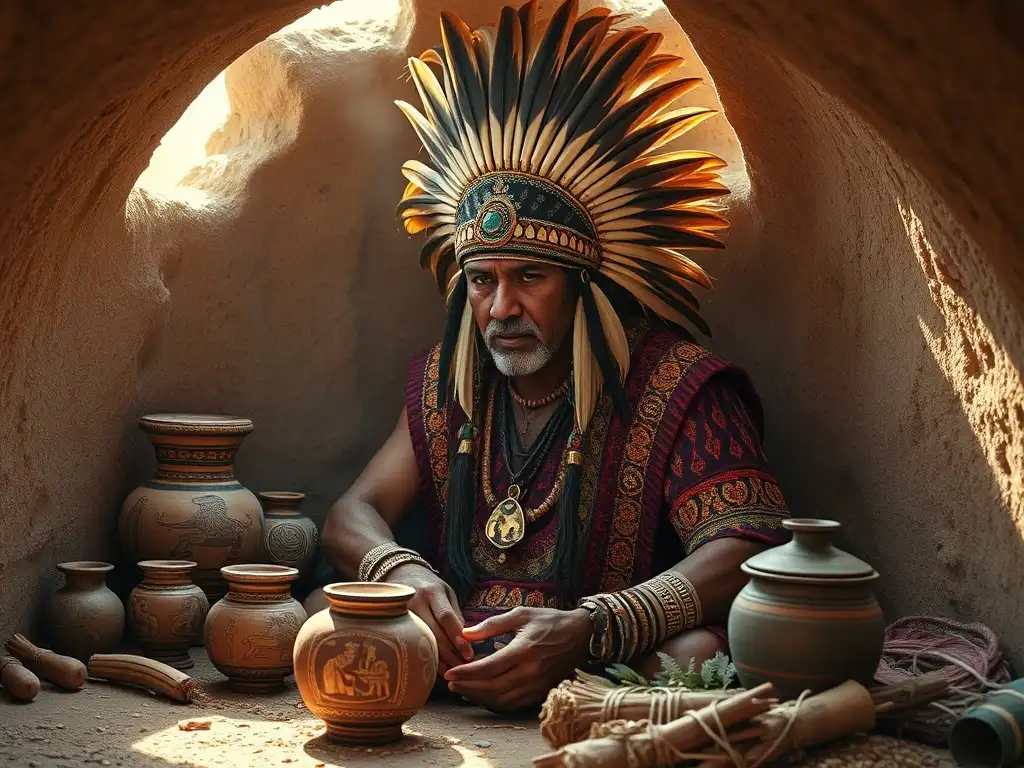
The Moche civilization (c. 100-800 CE) developed a complex religious system deeply intertwined with shamanistic practices. These practices weren't just spiritual exercises; they were integral to the social, political, and agricultural life of the Moche people. Understanding Moche shamanism requires examining several key elements, including the rituals themselves, the use of iconography, and the altered states of consciousness achieved by shamans.
The Moche's sophisticated understanding of the spirit world is evident in their elaborate burial practices, artistic representations, and the construction of ceremonial centers dedicated to these rituals. Their belief system involved a profound connection between the earthly and spiritual realms, with shamans acting as intermediaries facilitating communication and influence between the two.
This section will explore the core components of these powerful and fascinating rituals, shedding light on the Moche understanding of the cosmos and their place within it. Analysis of Moche artifacts consistently reveals the centrality of shamanistic practices in their culture.
Moche Rituals and Ceremonial Centers
Moche rituals, often presided over by shamans, were not haphazard events. They were carefully orchestrated ceremonies conducted in specific locations, many of which were elaborate ceremonial centers. These centers, often situated near water sources or significant geographical features, served as focal points for community gatherings and religious activities.
Archaeological evidence suggests that some ceremonies involved human sacrifice, possibly to appease the gods or ensure successful harvests. The scale and complexity of these centers indicate the importance of these rituals in Moche society. For example, the Huaca del Sol and Huaca de la Luna, massive adobe pyramids near the modern-day city of Trujillo, Peru, are prime examples of such centers.
These sites, with their intricate murals and evidence of ritual activities, offer invaluable insights into Moche religious beliefs and practices. The precise nature of many rituals remains debated, however, the evidence strongly points towards a structured and highly significant role for these ceremonies within the Moche social fabric. Further research is needed to fully understand the nuanced details of all the various Moche rituals, but current findings consistently highlight their importance.
The Significance of Moche Iconography in Rituals
Moche iconography played a crucial role in their shamanistic rituals. The imagery found on ceramics, textiles, and metalwork provides visual clues to the beliefs and practices of the Moche people. Recurring motifs such as supernatural beings (often depicted with exaggerated features and symbolic attributes), animals (especially felines, birds of prey, and marine creatures), and scenes of ritual sacrifice, clearly illustrate the spiritual world's importance.
These images weren't merely decorative; they served as powerful symbols communicating complex religious concepts. For instance, depictions of shamans in trance-like states, often interacting with supernatural beings, offer direct visual representations of shamanistic practices. The careful placement and arrangement of these images within ceremonial contexts further emphasizes their ritual significance.
The vibrant colors and detailed execution of the artwork demonstrate the high value placed upon these symbolic representations of their spiritual beliefs. Analyzing this iconography allows for a richer understanding of the narrative underpinning the rituals themselves. Detailed studies of the iconography provide important clues about the specific deities and the nature of the interactions between the shaman and the supernatural world.
Moche Shamanic Transformation and Trance States
A key aspect of Moche shamanism was the shaman's ability to enter altered states of consciousness, often described as trance states. These states allowed shamans to communicate with the spirit world, to heal the sick, and to predict the future. Substances like hallucinogenic plants may have played a role in inducing these altered states, although the precise methods remain uncertain.
Evidence suggests that the consumption of certain plants and possibly other substances was a key component in facilitating these trance-like states. The iconography often depicts shamans with features indicative of altered consciousness, such as dilated pupils or distorted body postures. These representations, combined with archaeological findings of potential ritual paraphernalia, suggest a deliberate and controlled induction of these altered states.
Furthermore, the intense focus on ritual and the careful preparation involved in these ceremonies strengthens the argument for a structured approach to achieving these altered states. Further research into the pharmacology of potential substances, alongside continued analysis of the iconography, will illuminate the precise nature of Moche shamanic practices. The ability to achieve these states was clearly a pivotal skill for Moche shamans, providing them with considerable social power and influence.
The Use of Psychoactive Substances in Moche Shamanism
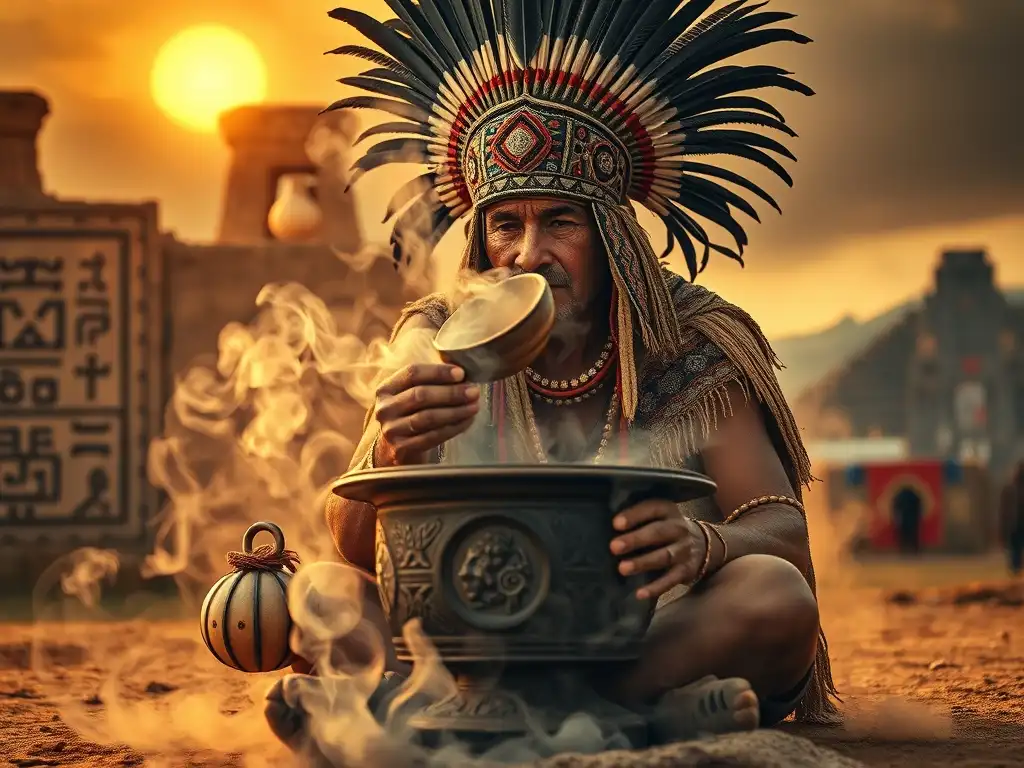
The Moche civilization, renowned for its intricate artistry and sophisticated societal structure, also held a deep reverence for the spirit world. A crucial element in their connection to this realm was the use of psychoactive substances, primarily within the context of shamanistic rituals. These substances weren't simply recreational; they were integral components of complex ceremonies aimed at achieving altered states of consciousness, facilitating communication with the supernatural, and ensuring the well-being of the community.
Archaeological evidence, such as depictions on pottery and metalwork, strongly suggests the prominent role these substances played in Moche religious practices. The careful and deliberate portrayal of these substances within their art further emphasizes their importance and ritual significance. Understanding the use of these psychoactive substances is critical to grasping the nuances of Moche shamanism and their spiritual beliefs.
The precise methods of preparation and administration remain partly unknown, highlighting the need for further research into this fascinating aspect of Moche culture. Future studies could analyze the chemical residues found on artifacts to provide more specific information on the types and quantities of substances used. This would contribute significantly to our understanding of the Moche shamanistic practices and their efficacy.
San Pedro Cactus and its Ritual Use
The San Pedro cactus ( Echinopsis pachanoi), a powerful hallucinogen containing mescaline, features prominently in many depictions of Moche shamanistic rituals. Pottery fragments often showcase figures, possibly shamans, holding or consuming this cactus. The imagery suggests the cactus was not just a casual plant but rather held a sacred status, symbolizing a conduit to the spirit world.
The meticulous detail in these depictions suggests a deep understanding of the plant’s effects and its role in achieving altered states of consciousness. It's hypothesized that the consumption of San Pedro facilitated shamanic journeys, allowing the shaman to interact with deities, ancestors, and other spiritual entities. The experience likely involved vivid visions and intense emotional states, providing insights into the future, healing the sick, or communicating with the supernatural realm on behalf of the community.
Furthermore, the geometric patterns frequently associated with San Pedro depictions in Moche art may symbolize the altered perceptions experienced under the influence of this cactus, reflecting the shaman's journey into the spiritual realm. Further research into the chemical analysis of residues on Moche pottery could potentially confirm the presence of mescaline and other alkaloids found within the San Pedro cactus, strengthening this interpretation.
Moche Shamanic Journeys and Visions
Moche shamanic journeys, often facilitated by the consumption of psychoactive substances like San Pedro, were not merely individual experiences. They served critical functions within the community. These journeys were believed to provide access to information and power unavailable in the ordinary state of consciousness. Shamanic visions, as depicted in Moche art, often involved interactions with deities, ancestral spirits, and other supernatural beings.
These interactions might have involved receiving guidance, prophecies, or healing powers. The shaman, acting as an intermediary between the human and spiritual worlds, would then use this knowledge to benefit the community. For example, visions might have predicted successful harvests, guided warfare strategies, or revealed the causes of illness. The shaman's ability to interpret these visions and translate them into practical actions cemented their crucial role within the Moche social structure.
The intricate narratives depicted on Moche pottery offer glimpses into these journeys, although the precise meanings remain subject to ongoing scholarly interpretation and debate. The symbolic language used in these artistic representations requires careful analysis to understand the full extent of the shaman's experiences and their impact on Moche society. The detailed depictions of supernatural beings and otherworldly landscapes provide valuable clues into the nature of these experiences and their significance within the Moche worldview. The complexity and artistry of these depictions underscore the profound importance of shamanic journeys in Moche religious life.
Moche Shamanistic Rituals: A Detailed Exploration
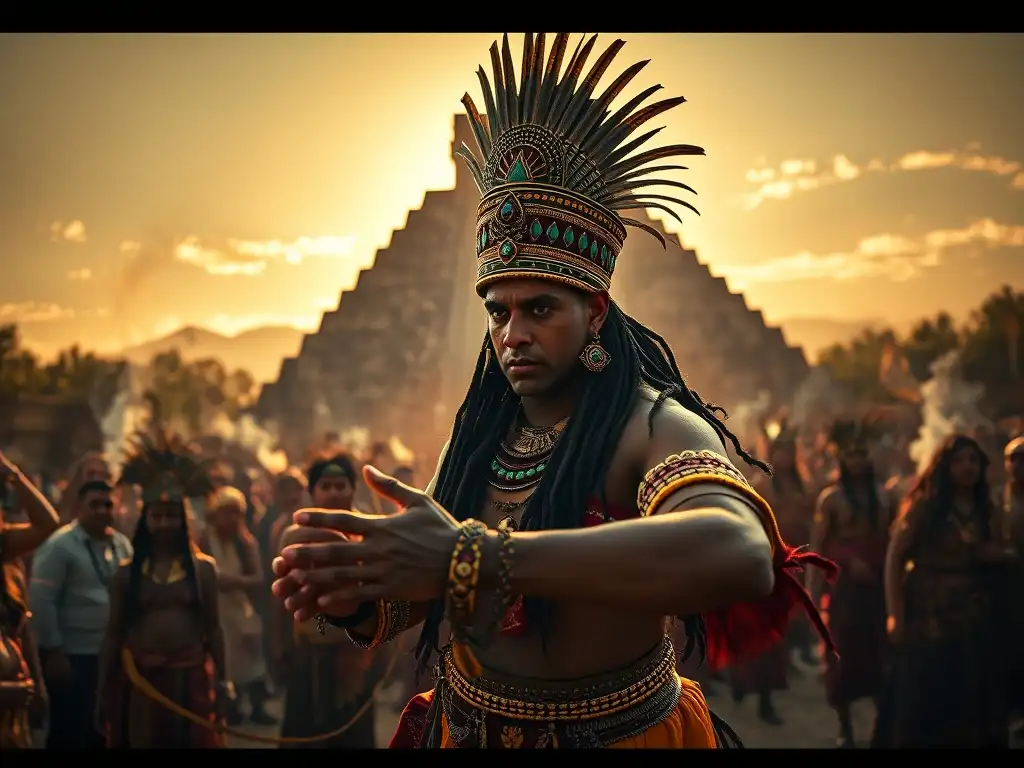
The Moche civilization (c. 100-800 CE) of ancient Peru possessed a complex religious system deeply intertwined with shamanistic practices. These rituals, often depicted in vibrant detail on their renowned ceramics, provide invaluable insights into their worldview and spiritual beliefs. Understanding Moche shamanistic rituals reveals a society profoundly connected to the spirit world, where shamans acted as intermediaries, mediating between the human and supernatural realms. The power and prestige of these shamans are evident in the elaborate ceremonies and offerings associated with their practices. The study of "Moche shamanistic rituals" offers a window into a sophisticated and fascinating culture.
Moche Healing Rituals and Practices
Moche shamans played a crucial role in healing, employing a combination of herbal remedies, ritualistic practices, and supernatural intervention. Ceramic depictions frequently show shamans attending to the sick, often utilizing paraphernalia like hallucinogenic plants (possibly San Pedro cactus or other psychoactive substances) to induce altered states of consciousness and facilitate healing.
The process often involved elaborate rituals, including chanting, incantations, and the use of specific objects. These objects might include intricately carved ritual tools, amulets, and offerings presented to the deities or spirits believed to influence health and well-being. For example, some pottery depicts shamans performing trepanation—a surgical procedure involving drilling holes into the skull—a testament to their advanced medical knowledge and the risks they were willing to undertake.
The success rate of such procedures remains debated, but their existence highlights the Moche's willingness to push boundaries in healing practices. Furthermore, the use of plants with medicinal properties, combined with spiritual rituals, suggests a holistic approach to healing that integrated the physical and spiritual dimensions of illness.
Evidence suggests that Moche healing rituals were not solely focused on physical ailments but also addressed psychological and spiritual imbalances. The shaman's ability to interact with the spirit world was crucial in diagnosing and treating these unseen afflictions, reinforcing their importance within the community. The intricate detail found in the ceramic representations indicates the high level of skill and reverence associated with Moche healing practices.
Moche Divination and Prophecy Through Shamanism
Divination and prophecy formed an integral part of Moche shamanistic rituals. Shamans used various methods to communicate with the spirit world and foretell the future, influencing crucial decisions regarding agriculture, warfare, and societal affairs. These practices were often inextricably linked to the worship of deities and the appeasement of powerful supernatural forces.
One common method involved interpreting dreams and visions, often induced through the consumption of hallucinogenic substances. The shaman's ability to interpret these altered states of consciousness was crucial in understanding the messages from the spirit world. Another method involved observing natural phenomena, such as the flight of birds or the patterns of stars, to glean insights into the future.
These practices weren't merely superstitious; they were integral to the Moche's understanding of the world and their place within it. The outcomes of these divinations likely guided important decisions, demonstrating the significant influence shamans held in Moche society. The meticulous detail of the pottery depicting these scenes suggests the importance and regularity of these ritualistic practices.
Furthermore, the use of oracle bones or other similar divination tools might have been employed, although concrete archaeological evidence for this is limited. Further research is needed to fully understand the range and complexity of Moche divination techniques. The impact of these prophetic pronouncements on the social and political landscape of the Moche civilization remains a compelling area of study.
Moche Funerary Rituals and the Role of Shamans
Moche funerary rituals were elaborate affairs, reflecting the civilization's beliefs about the afterlife and the shaman's essential role in guiding the deceased's journey. The presence of elaborate grave goods, including finely crafted ceramics, textiles, and precious metals, highlights the importance given to the deceased and the rituals surrounding their burial.
Shamans played a critical role in preparing the body for burial, conducting rituals to ensure a safe passage to the afterlife. They may have conducted ceremonies to appease the spirits of the underworld, facilitating the transition of the deceased's soul. The intricate burials, often including multiple individuals and elaborate offerings, suggest a complex belief system involving ancestor veneration and a continued connection between the living and the dead. The presence of shamanistic paraphernalia within the tombs further reinforces the shaman's role in these funerary rites.
The type of grave goods found also varied depending on the social status of the deceased. Elaborate tombs containing significant quantities of gold, silver, and other precious objects were reserved for the elite, while simpler burials were common for the general population. This suggests a hierarchical structure in the afterlife, mirroring the social hierarchy of the living.
The study of Moche funerary practices provides valuable insights into their social structures, beliefs about death, and the enduring influence of shamanistic traditions. Analyzing the intricate details of these burials continues to illuminate the complex relationship between the living and the dead within Moche society.
Interpreting Moche Shamanistic Art and Artifacts
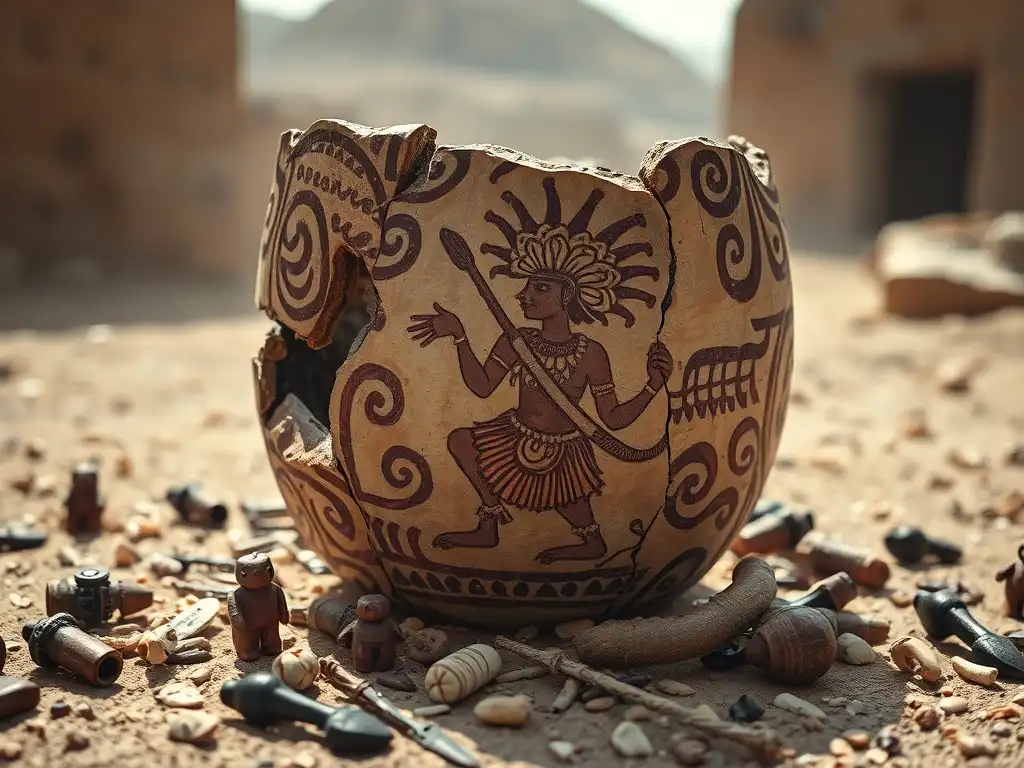
The Moche civilization (c. 100-800 CE) left behind a rich artistic legacy that provides invaluable insights into their complex religious beliefs and practices, particularly their shamanistic rituals. Their mastery of diverse artistic mediums, including ceramics, metalwork, and textiles, allows us to reconstruct a vivid picture of Moche shamanism, offering a window into their spiritual world and their interactions with supernatural forces. Analyzing the iconography and stylistic choices in these artifacts reveals crucial details about the roles, rituals, and beliefs central to their shamanistic traditions.
The vibrant colors, intricate details, and often unsettling imagery found in Moche art reflect the power and mystery attributed to their shamans. Understanding these artistic expressions is key to deciphering the nuances of Moche shamanistic rituals and their significance within their society. Studying Moche shamanistic rituals through their art offers a unique perspective on the civilization's worldview and its relationship with the cosmos.
Moche Ceramics Depicting Shamanic Practices
Moche pottery, particularly the iconic stirrup-spout vessels, frequently depicts scenes of shamanic rituals and ceremonies. These aren't merely decorative; they're powerful visual narratives that communicate complex religious ideas. Many vessels showcase shamans in ritualistic poses, often interacting with supernatural beings or participating in transformative ceremonies.
For example, some ceramics depict shamans undergoing ritualistic trance states, indicated by their postures and the presence of hallucinogenic plants. Others show shamans mediating between the human and spirit worlds, often depicted with supernatural beings or animals that symbolize spiritual power. The meticulous detail in these representations, including the depiction of specific costumes, tools, and paraphernalia, suggests a deeply ingrained understanding and respect for the shaman's role within the Moche society.
The use of vibrant colors and dynamic compositions further emphasizes the importance and intensity of these shamanistic rituals. Detailed studies of these vessels reveal a rich tapestry of ritualistic practices, providing a detailed visual record of Moche spiritual life. The frequency with which these themes appear across various Moche ceramic styles reinforces their centrality to the civilization's beliefs.
Moche Metalwork and Textiles with Shamanic Motifs
Beyond ceramics, Moche shamanistic rituals are also depicted in their metalwork and textiles. While less abundant than ceramic artifacts, these objects offer complementary insights into shamanistic practices. Gold and silver objects, often featuring intricate designs and symbolic imagery, frequently depict shamans or supernatural beings associated with shamanistic rituals.
These artifacts, often found in elite tombs, suggest the high status and prestige associated with shamans within Moche society. Unfortunately, the survival rate of Moche textiles is significantly lower due to the perishable nature of the materials. However, the surviving fragments reveal sophisticated weaving techniques and symbolic designs that corroborate the information gleaned from ceramics and metalwork.
These textiles often feature similar motifs and iconography as the ceramics, further reinforcing the consistent themes present in Moche shamanistic beliefs and practices. The analysis of these different mediums is crucial to creating a comprehensive picture of Moche shamanistic rituals, highlighting the consistent portrayal of these beliefs across various art forms.
Analysis of the Presentation Theme on Stirrup Spout Vessels
The stirrup-spout vessel, a hallmark of Moche artistry, frequently features shamanic themes as a central motif. The analysis of these themes reveals a structured approach to presenting the shaman's role and power within the Moche worldview. The vessel's shape itself—with its distinctive stirrup spout—might symbolize a conduit between the earthly and spiritual realms.
The scenes depicted on the vessels often follow a narrative structure, unfolding across the vessel's surface. This narrative approach allows for a more detailed and nuanced representation of the ritual, revealing different stages or aspects of the shaman's activities. For example, one side of a vessel might depict the shaman entering a trance state, while the other side shows the shaman interacting with supernatural beings.
The consistent repetition of certain iconographic elements across different vessels suggests that these elements held specific symbolic meanings within the context of Moche shamanistic rituals. Further research into the specific iconography and their arrangement on the vessels is needed to fully understand the nuances of their symbolic language and the complete narrative of the rituals. The careful study of these vessels provides a rich and detailed understanding of the visual language used by the Moche to represent their complex religious beliefs and practices, specifically focusing on their "Moche shamanistic rituals".
Legacy of Moche Shamanism and its Influence
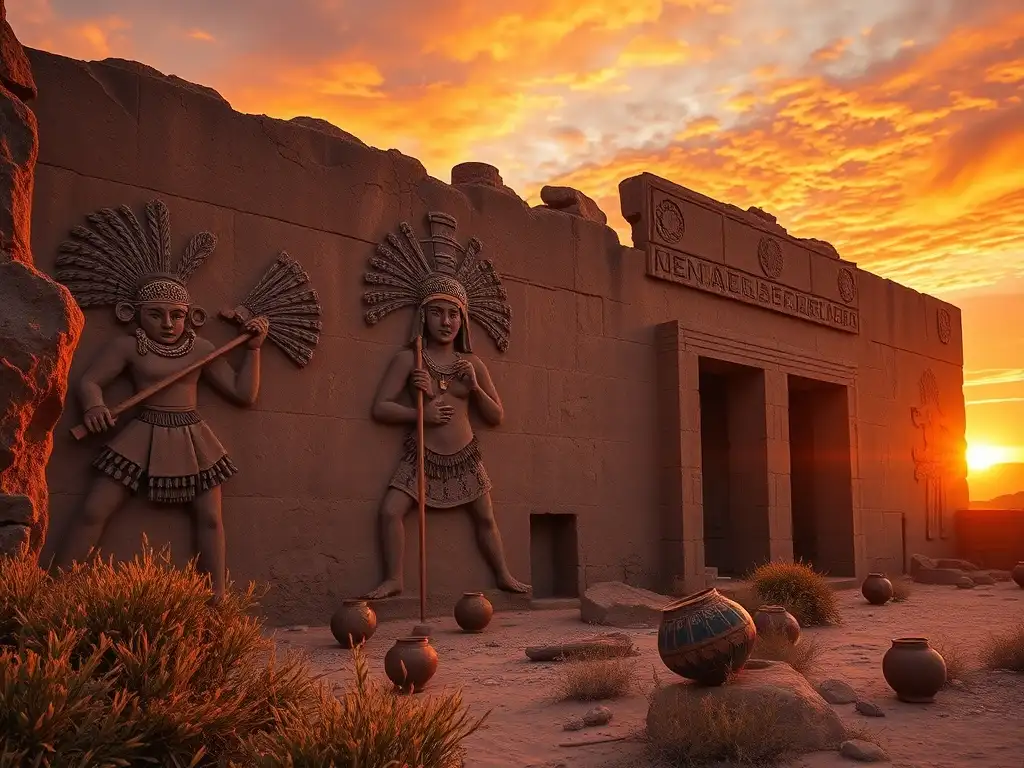
The Moche civilization's sophisticated shamanistic practices left an undeniable mark on subsequent Andean cultures. Their rituals, beliefs, and iconography served as a foundation for later religious developments, influencing the worldview and spiritual practices of civilizations that followed. While the direct line of influence is complex and often debated amongst scholars, the echoes of Moche shamanism are undeniable in the art, architecture, and religious practices of later Andean groups.
Understanding this legacy requires examining both direct continuities and the transformations that occurred as these traditions evolved. The enduring power of Moche shamanistic imagery, particularly the depictions of shamans interacting with supernatural beings, suggests a deep-seated cultural impact that transcended the Moche civilization itself.
Influence on Later Andean Cultures
The impact of Moche shamanism on later Andean cultures is evident in several key areas. Firstly, the iconography of Moche shamanistic rituals, such as depictions of hallucinogenic plants, supernatural beings, and ritual paraphernalia, appears in modified forms in the art of later cultures, including the Chimú and Inca. These later societies adopted and adapted Moche motifs, integrating them into their own unique religious frameworks. For example, certain representations of supernatural beings found in Moche ceramics reappear, albeit with stylistic variations, in Chimú metalwork.
Secondly, the ritual practices themselves may have influenced later traditions. While we lack detailed accounts of Moche rituals, the evidence suggests a complex system of offerings, divination, and trance-inducing practices. The use of hallucinogenic plants, for example, continued to be an important aspect of Andean religious practices long after the Moche civilization's decline.
This suggests a possible continuity in ritual practices, with later cultures potentially inheriting and adapting Moche techniques for accessing the spirit world. However, further research is needed to establish definitive links between specific Moche rituals and those of later cultures. The similarities may reflect shared Andean cosmological beliefs rather than direct transmission of practices.
Finally, the ideological framework underlying Moche shamanism, which emphasized the interaction between the human and supernatural worlds, likely influenced subsequent religious thought. The Moche emphasis on the power of shamans to mediate between these worlds may have contributed to the continued importance of shamanistic figures in later Andean societies. The enduring presence of shamanistic figures in Andean art and mythology suggests the persistence of beliefs and practices that resonate with the core principles of Moche shamanism.
The precise nature of this influence, however, remains a subject of ongoing research. The study of Moche shamanism is crucial to understanding the broader history of Andean religious beliefs and practices.
Contemporary Scholarship on Moche Shamanism
Contemporary scholarship on Moche shamanistic rituals has significantly advanced our understanding of their complexity and significance. Researchers are increasingly employing interdisciplinary approaches, combining archaeological evidence with ethnohistorical data and anthropological theories to shed light on various aspects of Moche religious life.
Contemporary Scholarship on Moche Shamanism
Recent studies have focused on several key areas:
- The Role of Hallucinogens: Scholars are investigating the use of hallucinogenic plants in Moche rituals, analyzing their potential role in inducing altered states of consciousness and facilitating communication with the spirit world. This research often involves chemical analysis of archaeological artifacts to identify traces of psychoactive substances. The identification of specific plants used by Moche shamans is crucial to understanding their rituals and beliefs.
- Iconographic Analysis: Detailed analysis of Moche iconography, particularly the depiction of shamans and supernatural beings, is providing valuable insights into their cosmology and religious beliefs. Researchers are examining the symbolism of various motifs and their potential connections to specific rituals or beliefs. This detailed analysis helps to reconstruct the Moche worldview and understand the place of shamanism within it.
- Social Context of Shamanism: Scholars are exploring the social context of Moche shamanism, examining the role of shamans within Moche society and their relationship to other social groups. This research involves analyzing the social stratification reflected in Moche art and architecture, and trying to understand how shamanistic practices intersected with social power dynamics. The social status and influence of Moche shamans are crucial to understanding the broader societal impact of their rituals.
- Comparison with other Andean Cultures: Comparative studies are being conducted to understand how Moche shamanism relates to the religious practices of other Andean cultures, both contemporary and subsequent. This comparative approach helps to identify shared traits and unique features of Moche shamanism, placing it within a broader Andean context. The comparative analysis of Moche shamanistic rituals with those of other cultures provides valuable insights into the development and evolution of Andean religious beliefs.
The ongoing research into Moche shamanistic rituals promises to further refine our understanding of this fascinating aspect of Andean civilization. The integration of diverse methodologies and perspectives continues to enrich our interpretation of the archaeological record and provide a more nuanced picture of Moche religion and beliefs. The study of Moche shamanistic rituals is a dynamic and evolving field, with new discoveries and interpretations continually shaping our understanding of this important topic.
Frequently Asked Questions
What were the Moche people's beliefs about the spirit world?
The Moche believed in a complex spirit world populated by deities, ancestors, and powerful shamans who could communicate with them. Their religious beliefs heavily influenced their daily lives and artistic expressions. Shamanistic practices were central to their worldview.
How did Moche shamans connect with the spirit world?
Moche shamans used various methods, including hallucinogenic plants, ritualistic ceremonies, and elaborate costumes and objects to enter altered states of consciousness and communicate with the spirit world. They acted as intermediaries between the human and spirit realms.
What role did ritual sacrifice play in Moche shamanistic practices?
Ritual sacrifice, often involving human sacrifice, played a significant role in Moche shamanistic rituals. These sacrifices were believed to appease deities, ensure successful harvests, or gain divine favor. The specifics remain debated by scholars.
What evidence exists to support our understanding of Moche shamanistic rituals?
Evidence comes from archaeological discoveries, including elaborate burial sites with richly adorned individuals, depictions of rituals in pottery and metalwork, and the remains of sacrificial offerings. These artifacts shed light on the practices and beliefs of the Moche.
How did Moche art reflect their shamanistic beliefs?
Moche art, particularly pottery and metalwork, vividly depicts shamanistic rituals, deities, and the spirit world. These depictions offer invaluable insights into their beliefs and practices, showcasing the importance of shamanism in their culture.
Final Reflection: Echoes of the Moche: A Legacy of Ritual and Connection
The intricate rituals of the Moche civilization, far from being relics of a distant past, offer a powerful lens through which to examine our own contemporary search for meaning and connection. Their sophisticated understanding of the spirit world, manifested in their breathtaking artistry and meticulously planned ceremonies, continues to resonate with us today, reminding us of the enduring human need to transcend the mundane and engage with something larger than ourselves.
The Moche's profound reverence for nature and their belief in the interconnectedness of all things holds a particularly poignant message for our modern world, grappling with environmental challenges and a growing sense of disconnection. The earth is what we all have in common.
This simple yet profound statement speaks to the core of the Moche worldview, a worldview that prioritized harmony with the natural world and recognized the spiritual power inherent within it. Their legacy challenges us to reconsider our relationship with the planet and to find ways to reconnect with the spiritual dimensions of our lives, even amidst the complexities of modern society.
Consider the enduring power of ritual in your own life. What practices, whether formal or informal, help you to connect with something greater than yourself? Perhaps it's spending time in nature, engaging in creative expression, or simply taking a moment for quiet reflection. Embrace the echoes of the Moche, and discover the transformative power of ritual in your own journey of self-discovery and connection. Let their legacy inspire you to cultivate a deeper understanding of the spiritual world and to forge a more meaningful relationship with the world around you.
Unveil the Mysteries of Moche Shamanism Today!
Thank you for exploring the fascinating world of Moche shamanism with us! You've gained valuable insights into how ancient rituals connected the Moche people to the spirit world. Now, let's delve deeper into this captivating tradition.
Here are a few ways to further your understanding and appreciation of Moche shamanism:
- Participate in a local workshop or event focused on Andean spirituality. This offers a hands-on experience and the chance to connect with others who share your interest.
- Share your knowledge with friends and family. Spark conversations about ancient traditions and their continuing relevance in modern life.
- Continue your exploration by reading books or watching documentaries about Moche culture. Broaden your perspective and discover more about this remarkable civilization.
What aspect of Moche shamanism resonates most with you, and how might you integrate its principles into your own life?