
A Culinary Time Capsule: Recreate the Flavors of the Inca Empire in Your Kitchen

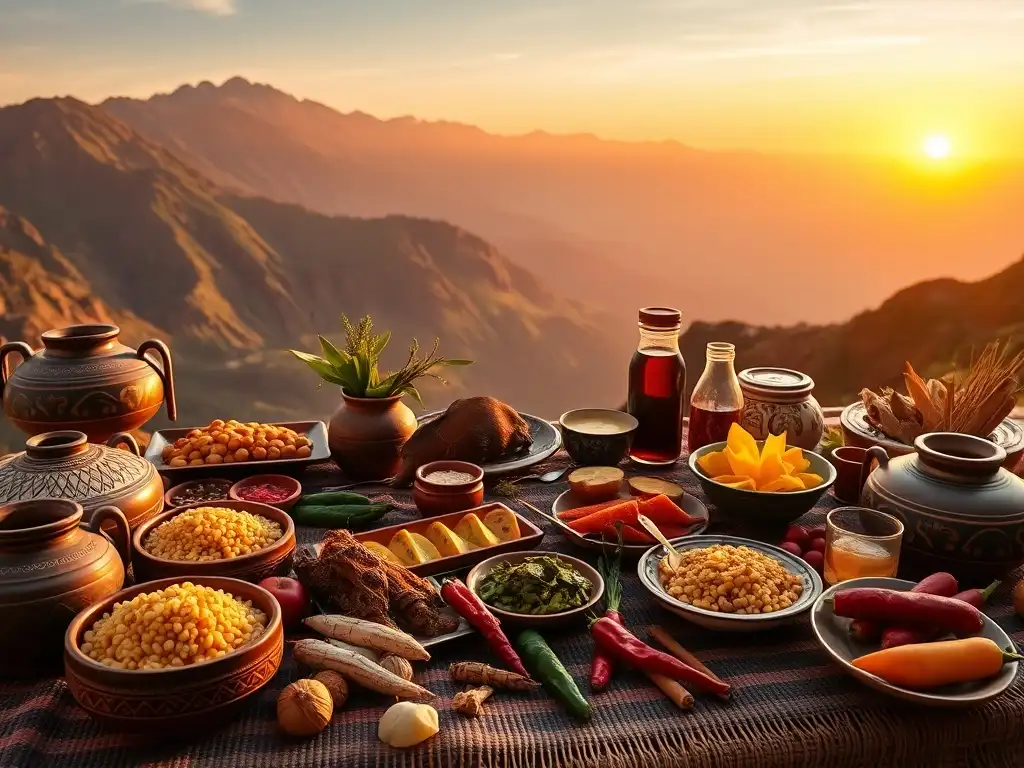
Uncover the secrets of a lost world, where culinary artistry met breathtaking innovation. Journey with us into the heart of the Andean Civilizations, and prepare to be amazed. Imagine recreating the very flavors savored by the Inca Empire – our exploration of Inca empire cuisine recipes promises a truly immersive Andean experience, transporting you back in time with each tantalizing bite. Dare to discover the culinary legacy of a civilization that defied the heights and conquered the palate? Then begin your adventure now!
- Unearthing the Secrets of Inca Empire Cuisine Recipes
- Preparing for Your Inca Culinary Adventure: Essential Tools & Ingredients
- Recreating Classic Inca Empire Dishes: Step-by-Step Guides
- Beyond the Basics: Expanding Your Inca Cuisine Repertoire
- Monetizing Your Culinary Journey
- Frequently Asked Questions
- Final Reflection: Unearthing the Legacy of Inca Cuisine
- Unveil the Secrets of Inca Cuisine Today!
Unearthing the Secrets of Inca Empire Cuisine Recipes
The Inca Empire, a civilization that flourished in the Andes Mountains for centuries, left behind a legacy far richer than gold and silver. Their sophisticated agricultural techniques and culinary traditions, finely tuned to their challenging environment, offer a fascinating glimpse into their daily lives and ingenuity.
This article delves into the captivating world of Inca empire cuisine recipes, providing a practical guide to recreate the authentic flavors of this ancient empire in your own kitchen. We'll explore the key ingredients, cooking methods, and staple foods that formed the cornerstone of their diet, allowing you to embark on a culinary journey through time and experience the tastes of a lost civilization.
Prepare to be amazed by the ingenuity and deliciousness of Inca cuisine – a testament to their deep understanding of their environment and their remarkable ability to thrive in the harsh Andean landscape. Get ready to unlock the secrets of Inca empire cuisine recipes and bring a piece of Andean history to your table!
The Foundations of Incan Flavors: Key Ingredients & Cooking Methods
The Inca Empire's culinary landscape was shaped by the unique geography of the Andes. Their diet relied heavily on crops adapted to high altitudes and diverse climates. Understanding these foundational elements is key to recreating authentic Inca dishes.
Key ingredients included:
- Potatoes: The undisputed star of the Incan diet, with hundreds of varieties cultivated across varying altitudes. From small, brightly colored varieties to larger, starchy ones, potatoes were prepared in countless ways, boiled, roasted, or even fermented. 🥔
- Quinoa: This highly nutritious grain was, and still is, a staple food in the Andes. Packed with protein and essential amino acids, quinoa was cooked as a porridge, added to stews, or ground into flour for bread. 🌾
- Corn: Another essential grain, corn was used in various forms – from fresh kernels in stews to ground into flour for flatbreads and other baked goods. 🌽
- Beans: Various types of beans, including kidney beans, lima beans, and black beans, were important sources of protein and fiber. They were typically incorporated into hearty stews and soups. 🫘
- Aji Peppers: These spicy peppers added flavor and heat to many Incan dishes. The specific variety used varied depending on region and preference, ranging from mild to extremely hot. 🔥
Incan cooking methods were often simple yet effective, reflecting the availability of resources and the need for practicality:
- Boiling: A common method for preparing potatoes, grains, and beans. Often done in large clay pots over open fires. 🍲
- Roasting: Another popular technique, particularly for potatoes and other root vegetables. Roasted foods provided a smoky flavor and longer shelf life. 🔥
- Stewing: Hearty stews combining various ingredients, including meats (llama, alpaca), vegetables, and grains, were a staple of the Incan diet. 🥣
- Fermentation: Chicha, a fermented corn beverage, was an important part of Incan culture and diet. Other foods were also fermented to preserve them and enhance their flavor. 🍻
Understanding Ancient Andean Food Staples
Beyond the core ingredients, understanding the staple foods of the Inca Empire is crucial to accurately recreating their cuisine. These staples weren't just sustenance; they were integral to their social and religious life.
- Pachamanca: This traditional Andean cooking method involved heating stones in a fire pit, then placing food (meats, vegetables, and tubers) on top of the hot stones, covered with leaves and earth. The result is a deliciously smoky and tender feast. This exemplifies the Incan ingenuity in adapting their cooking to their environment. 🔥⛰️
- Chicha: As mentioned earlier, chicha was more than just a drink; it held significant cultural and religious importance. Different types of chicha were brewed depending on the available grains (corn, quinoa, etc.) and the specific occasion. The preparation of chicha involved a complex process, often involving communal participation, highlighting the social aspect of food in Inca society. 🍶
- Humitas: These savory corn tamales, wrapped in corn husks and steamed, are a delicious representation of Incan culinary skill. They offer a versatile canvas for various fillings, showcasing the Inca's ability to adapt basic ingredients into diverse culinary creations. 🫔
By understanding the fundamental ingredients, cooking techniques, and staple foods of the Inca Empire, you can begin to recreate these flavorful and historically significant dishes. The next sections of this article will provide specific recipes, allowing you to embark on a culinary adventure and taste the legacy of the Andes.
Preparing for Your Inca Culinary Adventure: Essential Tools & Ingredients
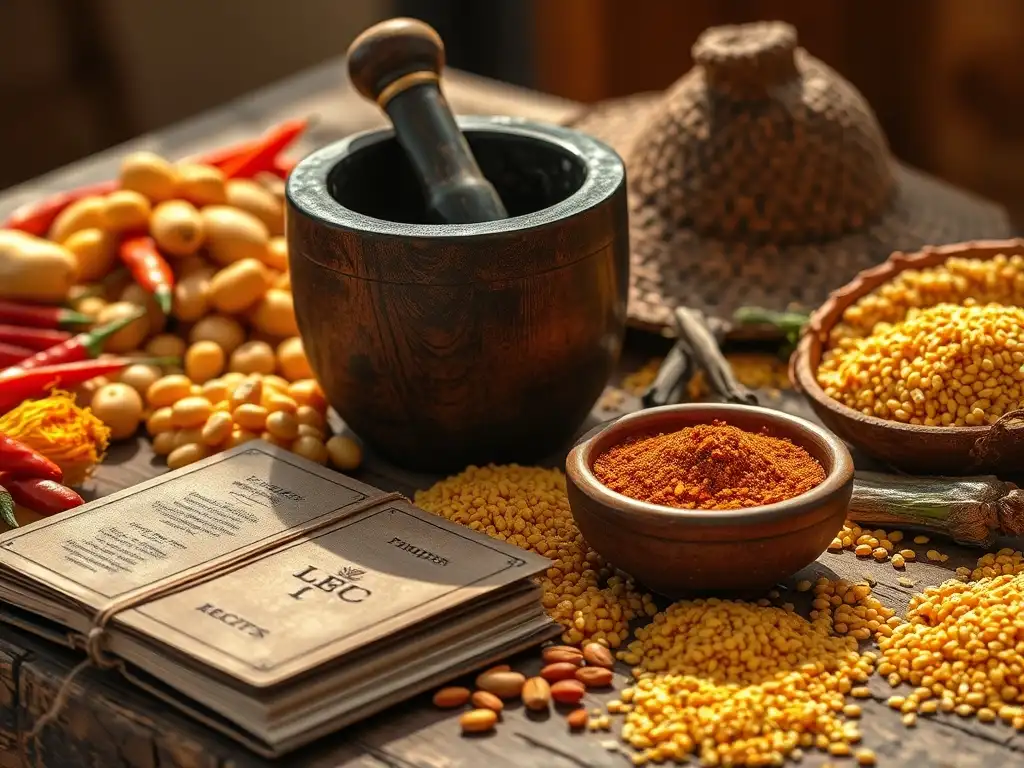
Embarking on a culinary journey through the Inca Empire requires more than just a cookbook; it demands an understanding of the unique ingredients and tools that shaped their cuisine. This section will equip you with the knowledge to source authentic ingredients and utilize appropriate tools to recreate the flavors of the Andes in your own kitchen. Mastering these basics is key to achieving authentic Inca empire cuisine recipes.
Choosing the Right Andean Grains: Quinoa, Amaranth, and More
Andean grains formed the cornerstone of the Inca diet, providing sustenance and vital nutrients. Quinoa, amaranth, and kiwicha are not mere trendy superfoods; they represent the heart of Inca culinary heritage. Understanding their unique properties and sourcing high-quality varieties is crucial for replicating the textures and flavors of traditional dishes. The nutritional profile of these grains is remarkably diverse, offering a complete protein source unlike many other grains. This is a significant factor in understanding the health and longevity of the Inca population.
Sourcing High-Quality Quinoa: Ancient Harvest vs. Bob's Red Mill Comparison
Choosing your quinoa is a critical step. While many brands offer quinoa, the quality can vary significantly impacting the final taste and texture of your dish. Let's compare two popular brands: Ancient Harvest and Bob's Red Mill.
| Feature | Ancient Harvest | Bob's Red Mill |
|---|---|---|
| Price | Generally higher | Generally lower |
| Variety | Often offers heirloom varieties | Primarily standard quinoa varieties |
| Sourcing | Emphasizes sustainable farming practices | Information on sourcing may be limited |
| Packaging | Frequently uses eco-friendly packaging | Packaging varies |
| Taste/Texture | Often described as nuttier and earthier | Can be milder in flavor and texture |
While both brands offer acceptable quinoa, Ancient Harvest often provides a superior product for those seeking a truly authentic Inca experience due to its focus on heirloom varieties and sustainable farming. However, Bob's Red Mill remains a reliable and widely available option. Ultimately, the best choice depends on your budget and access to different brands. Experimenting with both will help you determine your preference. Remember, the key is to look for quinoa that is organically grown and minimally processed to preserve its nutritional value and unique flavor profile.
The Importance of Andean Tubers: Potatoes, Oca, and Yuca
Beyond grains, Andean tubers played a vital role in the Inca diet. The potato, of course, is globally recognized, but the Inca Empire cultivated a vast array of potato varieties, each with its unique flavor and texture. Oca and yuca, less familiar outside the Andes, also contributed significantly to their culinary landscape. Understanding the diverse range of these tubers and their preparation methods is essential for authentic Inca empire cuisine recipes. These tubers provided essential carbohydrates and nutrients, contributing significantly to the Inca population's resilience.
Where to Find Authentic Andean Potatoes: Local Farmers Markets or Melissa's Produce Recommendations
Sourcing authentic Andean potatoes can be a challenge outside of the Andes region. Your best bet is to explore local farmers' markets, especially those specializing in heritage or heirloom produce. Farmers markets often offer a wider variety of potatoes than supermarkets, including some unique Andean varieties.
Alternatively, specialty produce companies like Melissa's Produce often carry a selection of Andean potatoes, albeit at a higher price point. Their online presence offers a convenient way to explore and order these less common ingredients. However, always confirm the specific variety of potato, as not all potatoes labeled "Andean" are necessarily true to the Inca Empire varieties. Prioritize organic options to ensure you're getting the best quality and flavor. Remember, the search for authentic ingredients is part of the immersive culinary experience. The journey itself adds to the rich tapestry of recreating Inca empire cuisine.
Essential Spices and Herbs of the Inca Empire
The Inca empire's cuisine wasn't just about the main ingredients; it was a symphony of flavors orchestrated by a diverse palette of spices and herbs. Understanding these key components is crucial to recreating authentic Inca dishes. Beyond the familiar, European-influenced spices that often accompany modern interpretations of Andean food, the original Inca culinary landscape was rich with uniquely Andean botanicals. These plants, carefully cultivated and often imbued with spiritual significance, played an integral role in both daily meals and ceremonial feasts.
Their subtle yet powerful flavors contributed significantly to the unique character of Inca cuisine. Think of the vibrant, earthy notes of muña, a minty herb used to flavor stews and teas, or the slightly peppery kick of huacatay, a unique herb with a flavor profile reminiscent of both black sesame seeds and cilantro. These indigenous ingredients are not mere additions; they are the soul of Inca cooking. Locating them might require some searching, but the reward is a truly authentic culinary experience.
Many specialty stores now carry these items, particularly those focusing on Latin American ingredients. Online retailers also offer a wider selection, often providing detailed descriptions and historical context. Sourcing these ingredients is a journey in itself, a step towards a deeper appreciation for the Inca culinary heritage.
Discovering Andean Chili Peppers: Aji Amarillo, Aji Panca
The vibrant world of Andean chili peppers is a key element in recreating Inca flavors. Among the most important are aji amarillo and aji panca. Aji amarillo, meaning "yellow chili," possesses a fruity sweetness balanced by a moderate heat. Its bright yellow hue adds a beautiful color to stews and sauces.
Its versatility makes it a staple in Peruvian cuisine, and its presence is essential for capturing the authentic essence of many Inca-inspired dishes. Conversely, aji panca, a milder chili with a deep reddish-brown color, lends a rich, earthy flavor to sauces and marinades. It's often described as having smoky notes, adding depth and complexity to dishes.
The difference in heat level and flavor profile between these two chilies is significant and allows for a wide range of culinary expression. Experimenting with the combination of aji amarillo and aji panca can unlock a whole spectrum of flavor nuances, mirroring the sophisticated culinary techniques employed by Inca chefs. Consider trying different proportions to discover your preferred balance of sweetness and heat.
Purchasing Authentic Aji Paste: Goya - A Flavor Enhancer
While sourcing fresh aji amarillo and aji panca peppers provides the most authentic experience, using high-quality pre-made aji pastes can offer a convenient alternative, especially for those with limited access to fresh ingredients. The Goya brand, for instance, is a widely available and reputable option. Their aji amarillo and aji panca pastes provide a reliable and consistent flavor base, saving you the time and effort of preparing the peppers from scratch.
However, it's crucial to remember that the quality of the paste directly impacts the final flavor of your dish. Look for pastes that contain minimal additives and are made with high-quality ingredients. Reading reviews and comparing ingredients lists can help you choose the best option for your needs.
While using a pre-made paste might slightly alter the intensity of the fresh pepper's flavor, it still provides a convenient and flavorful pathway to recreating many classic Inca dishes. Remember that even with pre-made pastes, experimenting with different brands and proportions is key to finding the perfect flavor balance for your culinary creations.
Recreating Classic Inca Empire Dishes: Step-by-Step Guides
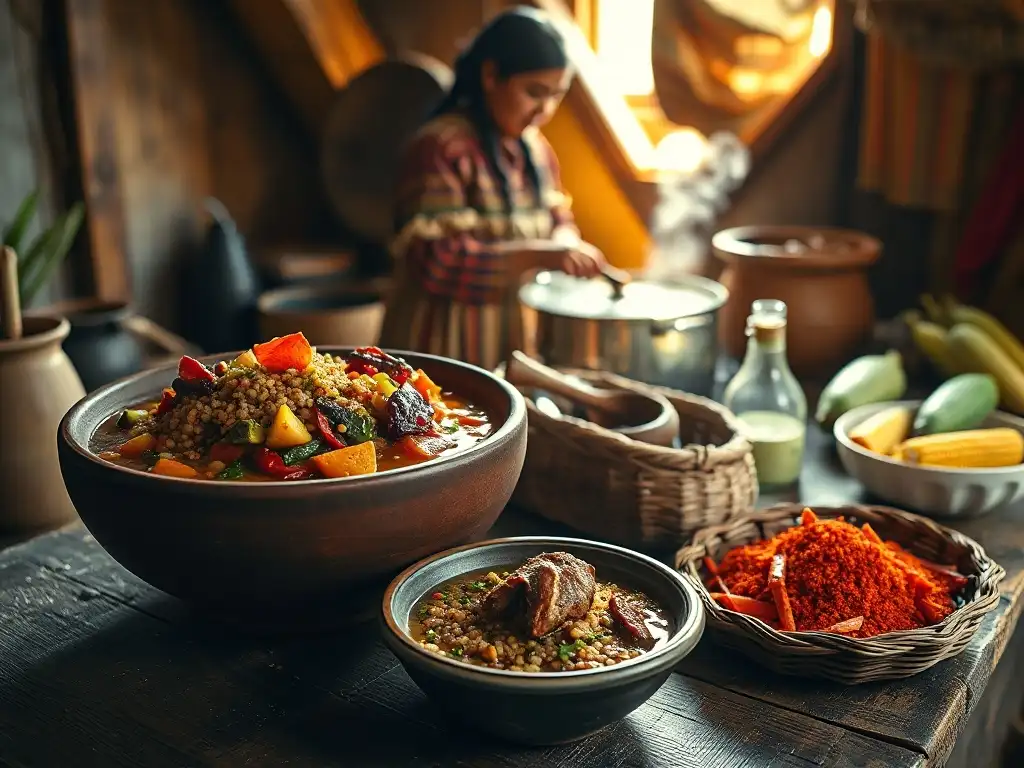
This section provides detailed instructions for preparing two iconic dishes from the Inca empire, offering a unique culinary journey into the past. We'll explore the techniques and ingredients crucial for authentic recreations, ensuring you can savor the flavors of a bygone era in your own kitchen. Understanding the historical context behind these recipes enhances the experience, allowing you to appreciate the ingenuity and resourcefulness of Inca cuisine. These recipes are designed to be accessible to modern cooks, while still retaining the essence of Inca culinary traditions. Let's embark on this exciting gastronomic adventure exploring Inca empire cuisine recipes!
How to Prepare Pachamanca: An Ancient Earth Oven Feast
Pachamanca, meaning "earth oven" in Quechua, is a traditional Andean cooking method that involves cooking food underground using heated stones. This technique was vital for the Inca empire, allowing them to cook large quantities of food efficiently. While replicating the exact method might be challenging in modern kitchens, we can approximate the experience using readily available resources. The key is to understand the principles of slow, even cooking using radiant heat from the stones. This ensures tender, flavorful meat and vegetables. The result is a truly unforgettable culinary experience – a taste of history!
The Role of Hot Stones in Pachamanca: River Rock Recommendations
The success of Pachamanca hinges on the selection and preparation of the hot stones. River rocks are traditionally preferred due to their heat retention properties and lack of impurities that could contaminate the food. Avoid using rocks from construction sites or areas with potential pollution. Ideally, the rocks should be smooth, relatively uniform in size (around 6-8 inches in diameter), and thoroughly cleaned before use. Remember, these rocks will be in direct contact with your food, so cleanliness is paramount.
Pre-heating these rocks adequately is crucial for achieving the proper cooking temperature. Insufficiently heated rocks will result in undercooked food, while excessively hot rocks can burn the ingredients. Finding the right balance is key to mastering this ancient cooking technique. Experimentation is key! Consider using a thermometer to monitor the temperature of the stones for more precise control.
Grilling Techniques for Pachamanca: Weber Grill for Outdoor Cooking
While a traditional earth pit is ideal, a Weber grill provides a practical and accessible alternative for modern cooks. The enclosed structure of the grill mimics the earth oven's ability to trap heat and steam. First, preheat your Weber grill to a high temperature. Then, carefully arrange the preheated river rocks on one side of the grill, creating a hot zone. Place the food – typically marinated meats, potatoes, and other root vegetables – on top of a bed of banana leaves or other suitable, heat-resistant wrapping.
This creates a natural barrier between the food and the hot rocks. Finally, cover the grill and allow the food to cook slowly for several hours, checking occasionally to ensure even cooking. Adjust the vents to regulate the temperature and airflow. Remember safety precautions when working with a hot grill! Always use heat-resistant gloves and be mindful of potential burns.
Making Locro: A Hearty Andean Stew
Locro is a rich and filling stew that serves as a staple in Andean cuisine, reflecting the Inca empire's reliance on hearty, nutritious meals. It’s a hearty and flavorful stew that uses readily available ingredients. Various versions exist, using different meats and vegetables; however, the key ingredients remain consistent. This recipe focuses on a classic version, highlighting the essential elements that define this iconic Andean dish. It’s a dish that embodies the spirit of Inca culinary traditions.
Choosing the Right Cut of Meat for Locro: Beef Shank Recommendation
The choice of meat significantly impacts the flavor and texture of Locro. A beef shank, with its rich collagen content, is particularly well-suited for this stew. The slow cooking process renders the collagen into gelatin, resulting in a wonderfully tender and flavorful broth. Other cuts can be used, but the shank provides the best results in terms of texture and flavor depth.
Consider other cuts like beef short ribs or lamb shanks for alternative options. Ensure the meat is of good quality to enhance the overall taste of the Locro. Properly trimming any excess fat from the meat before cooking is also recommended.
The Importance of Dried Corn in Locro: Mote Pelado
Dried corn, specifically mote pelado (hulled corn), is a crucial component of Locro, contributing both texture and flavor. The mote pelado adds a unique sweetness and chewiness to the stew, balancing the richness of the meat and other ingredients. It's essential to properly prepare the mote pelado before adding it to the stew. This usually involves soaking it overnight and then simmering it until tender.
The soaking process helps to rehydrate the corn, ensuring a pleasant texture in the final dish. The correct preparation of the mote pelado is essential for achieving the authentic flavor and texture of this traditional Andean stew. Don’t substitute with other types of corn; the mote pelado is crucial to the authenticity of the recipe.
Crafting Humitas: Steamed Fresh Corn Cakes
Humitas, a staple of Andean cuisine and a beloved dish within the Inca empire, are delightful steamed corn cakes. Their preparation is a testament to the ingenuity of Inca culinary traditions, showcasing the resourceful use of readily available ingredients. The process, while seemingly simple, requires attention to detail to achieve the perfect texture and flavor. The key lies in selecting the freshest corn, preparing the dough with care, and mastering the steaming technique.
The resulting humitas are incredibly versatile, enjoyed as a savory snack or a sweet dessert, depending on the added ingredients. Their soft, slightly sweet corn flavor is a true taste of Andean heritage. This recipe allows you to experience the authentic flavors of the Inca empire in your own kitchen, connecting you to a rich culinary history.
Selecting the Best Fresh Corn for Humitas: Local Farm Stands Recommendations
The quality of your corn directly impacts the final taste and texture of your humitas. Avoid supermarket corn, which is often picked before it's fully ripe and lacks the sweetness and flavor of freshly harvested ears. Instead, seek out local farm stands. These stands often source corn from nearby farms, ensuring maximum freshness.
Look for corn with vibrant green husks that are tightly wrapped around the ears. The kernels should be plump, milky-white, and slightly moist. Avoid ears with dry or shriveled kernels, as these indicate the corn is past its prime. Ask the farmer about the variety of corn; some varieties are better suited for humitas than others.
[Specific corn variety recommendations pending]. Remember to buy slightly more corn than you need to account for any damaged kernels during the shucking process. The extra effort in sourcing the best corn will be rewarded with exceptionally flavorful humitas. The difference is truly night and day.
Using Corn Husks for Steaming Humitas: Grocery Store Produce Section
While you can steam humitas in other methods, using corn husks is the traditional Inca method, adding an authentic touch and a subtle corn flavor to the finished product. You can typically find dried corn husks in the produce section of most well-stocked grocery stores, often near the Mexican or Latin American food sections. Look for husks that are pliable and not brittle, indicating freshness.
Avoid husks that are discolored or have a musty odor. Before using them, rinse the husks thoroughly under cold water to remove any dirt or debris. Soaking the husks in warm water for about 30 minutes will make them more pliable and easier to work with when wrapping the humitas.
This step is crucial for preventing the husks from tearing during the steaming process. Properly prepared husks are essential for creating perfectly steamed, flavorful, and traditionally authentic humitas. The subtle earthy aroma they impart adds another layer of depth to this classic Andean dish.
Beyond the Basics: Expanding Your Inca Cuisine Repertoire
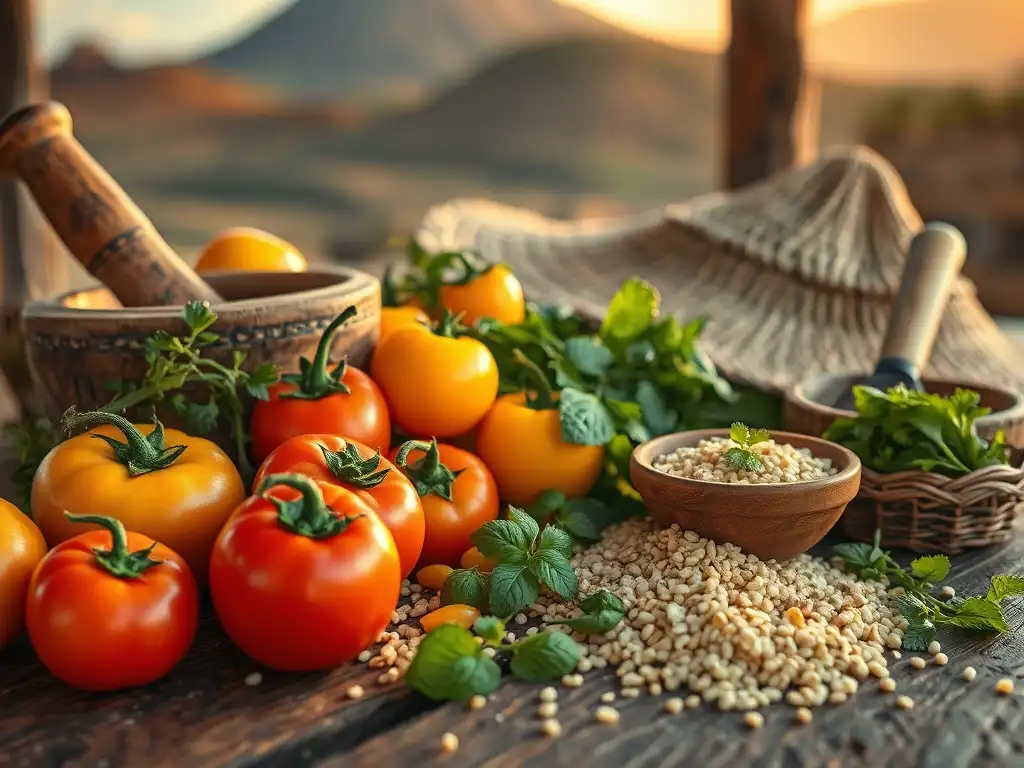
This section delves deeper into the culinary landscape of the Inca Empire, moving beyond the fundamental dishes and exploring more nuanced aspects of their gastronomy. We'll examine the diverse range of fermented beverages, the art of sauce-making, and the incorporation of unique ingredients that defined Inca cuisine. Mastering these techniques will elevate your Inca-inspired cooking from simple recreation to an authentic culinary experience.
Understanding the intricacies of Inca food preparation offers a richer appreciation for the ingenuity and resourcefulness of this remarkable civilization. This exploration will help you confidently recreate the flavors of the Inca empire in your kitchen, transforming your meals into a true culinary journey through time.
Exploring Different Types of Inca Chicha (Fermented Drinks)
Chicha, a fermented beverage central to Inca culture, wasn't a single drink but a family of beverages, varying in flavor and preparation depending on the available ingredients and regional traditions. The most common base was maize (corn), but other grains, fruits, and even quinoa were also used. The fermentation process itself involved a range of techniques, resulting in a spectrum of flavors from subtly sweet and slightly tart to powerfully alcoholic.
Understanding the diversity of chicha is crucial for a complete understanding of Inca cuisine. Some chicha varieties were reserved for religious ceremonies, while others were everyday drinks. The process of making chicha involved careful selection of ingredients, precise temperature control, and often, the use of specific fermentation vessels. This knowledge allows for a more accurate and nuanced recreation of Inca culinary practices.
The subtle differences in taste and texture between different types of chicha highlight the sophistication of Inca food technology and its adaptation to diverse environments. The process involved chewing the grains to release the starches, a method which introduced enzymes vital for the fermentation process. This unique approach contributed significantly to the unique flavors of Inca chicha.
Creating Inca-Inspired Sauces and Condiments
Inca cuisine relied heavily on sauces and condiments to enhance the flavor of their dishes. These weren't simply additions; they were integral components, providing both taste and nutritional value. The use of native Andean ingredients like rocoto peppers, aji amarillo peppers, and various herbs and spices resulted in a vibrant array of flavors that are still replicated today. Mastering the art of Inca-inspired sauces and condiments unlocks a new dimension in recreating their meals.
The key to authentic Inca sauces lies in understanding the balance of flavors – the interplay between the heat of the peppers, the acidity of tomatoes or other fruits, and the earthy tones of herbs and spices. The use of these sauces wasn't limited to meat dishes; they also complemented vegetables and grains, adding depth and complexity to even the simplest meals. These condiments weren't just about taste; they also played a significant role in preserving food, extending its shelf life, and ensuring a balanced diet, reflecting the ingenuity of Inca food preservation techniques.
Making Llajua (Andean Salsa): Rocoto Peppers Recommendation
Llajua, a vibrant and spicy salsa, is a cornerstone of Andean cuisine, and its origins trace back to pre-Inca times. It’s characterized by its intense flavor, a blend of heat, acidity, and a hint of sweetness. While variations exist throughout the Andes, the core ingredients remain consistent: rocoto peppers (the key ingredient for authentic flavor), tomatoes, onions, and aji amarillo peppers. The precise ratio of these ingredients determines the intensity of the heat and the overall flavor profile.
For the best Llajua, choosing the right rocoto peppers is paramount. Look for ripe, bright red rocotos with a firm texture. Their heat level can vary significantly, so start with a moderate amount and adjust to your preference. Remember that the seeds and membranes contain the highest concentration of capsaicin, the compound responsible for the heat.
Removing them will result in a milder salsa. The preparation involves finely chopping or blending the ingredients to achieve a desired consistency. A good Llajua should be a vibrant, flavorful condiment, adding a burst of Andean spice to any dish. This simple recipe unlocks a key element of Inca culinary tradition.
Home Brewing Kits for Chicha: Northern Brewer Starter Sets
While precise historical recipes for chicha are scarce, brewing kits offer a modern approach to recreating this ancient beverage. These kits provide pre-measured ingredients and instructions, simplifying the brewing process while allowing for experimentation. The availability of different grain and fruit combinations allows for the exploration of various chicha styles. These kits often include detailed instructions, eliminating much of the guesswork associated with traditional methods and ensuring a successful brew.
They represent a convenient and accessible way to experience the rich history and tradition of Inca fermented drinks. Note that the alcohol content of home-brewed chicha will vary depending on the recipe and fermentation time. Always consume responsibly.
Presenting Your Inca Dishes: Authentic Serving Styles
Serving your Inca-inspired meal is as important as the cooking process itself. The presentation should reflect the reverence for nature and community inherent in Inca culture. Avoid stark white plates; instead, opt for earthy tones and natural materials. Think woven baskets, wooden platters, and even carefully selected leaves, mirroring the way food might have been presented centuries ago. The use of vibrant colors in your garnishes—think bright red rocoto peppers or deep green herbs—will also add to the authenticity and visual appeal.
Consider the communal aspect of Inca dining. Large, shared platters encourage conversation and a sense of togetherness, reflecting the importance of community in Inca society. This isn't just about plating; it's about recreating the feeling of a traditional Inca meal. Don't be afraid to experiment with different serving styles to find what best evokes the spirit of the Andes.
For instance, you could arrange your dishes in concentric circles, mimicking the sacred geometry often found in Inca art and architecture. Or, you could arrange the food in a way that resembles the landscape, using different heights and textures to mirror the mountains and valleys. Remember, the goal is to create a holistic experience that transports your guests to the heart of the Inca Empire.
Using Traditional Andean Pottery: Etsy Seller Recommendations
While sourcing genuine ancient Inca pottery is impossible (and ethically problematic! ), you can easily find beautiful, handcrafted modern pieces inspired by traditional Andean styles. Etsy is an excellent resource for this. Searching for terms like "Andean pottery," "Peruvian ceramics," or "Inca-inspired bowls" will yield a wealth of options.
Look for pieces made from natural clays and featuring traditional designs, such as geometric patterns, animal motifs, or representations of Andean deities. The texture and color of the pottery are key elements in creating an authentic presentation. Look for variations in texture, from smooth polished surfaces to rough, rustic finishes. The color palette should reflect the Andean landscape—earthy browns, deep reds, and warm yellows.
When selecting your Etsy sellers, prioritize those who clearly state their commitment to ethical sourcing and fair trade practices. Look for detailed descriptions of the materials used and the craftsmanship involved. Read reviews to gauge the quality of the pottery and the seller's customer service. Remember, you're not just buying a plate; you're investing in a piece of Andean artistry that will enhance your Inca-inspired dining experience.
Consider the size and shape of the pottery in relation to your chosen dishes. A large, shallow bowl might be perfect for a hearty stew, while smaller, individual bowls might be ideal for serving side dishes or desserts. The right pottery can elevate your Inca cuisine from a simple meal to a truly immersive cultural experience.
Monetizing Your Culinary Journey
This section explores practical strategies for turning your passion for recreating Inca empire cuisine recipes into a profitable venture. By leveraging your expertise and the growing interest in authentic Andean food, you can build a sustainable income stream while sharing your culinary knowledge. We'll focus on three key areas: affiliate marketing, targeted keyword advertising, and the creation of engaging video content.
Affiliate Links to Essential Inca Food Products and Tools
Affiliate marketing offers a fantastic opportunity to monetize your Inca empire cuisine recipes blog or website. By partnering with companies that sell ingredients and tools crucial to preparing authentic Andean dishes, you can earn a commission on each sale generated through your unique affiliate links. Consider partnering with suppliers of:
- Specialty Andean Grains: Quinoa, amaranth, and kiwicha are essential to Inca cuisine. Affiliate links to vendors specializing in high-quality, organically sourced grains can be highly effective. Focus on highlighting the unique qualities and nutritional benefits of these grains in your recipes and accompanying descriptions.
- Traditional Andean Spices: Aji amarillo peppers, huacatay (black mint), and other unique spices are key to achieving authentic Inca flavors. Partnering with spice importers or specialty food stores that sell these ingredients will allow you to earn commissions while directing your audience to reliable sources.
- Andean Cooking Utensils: Traditional Andean cooking often utilizes specific tools and equipment. Affiliate links to batanes (mortar and pestle), comals (flat griddles), and other authentic cooking tools can add another revenue stream. Feature these tools in your recipe videos and blog posts, emphasizing their importance in achieving authentic results.
- Books and Resources on Andean Cuisine: Consider promoting cookbooks focusing on Inca empire cuisine recipes and other relevant resources. This diversification can attract a wider audience interested in learning more about Andean culinary history and techniques.
Remember to always disclose your affiliate relationships transparently, maintaining the trust and credibility of your audience. The success of your affiliate marketing strategy hinges on providing genuine value and recommending products you genuinely believe in.
High-CPC Keywords for Targeting Specific Andean Ingredients and Recipes
Maximizing your online presence requires a strategic approach to keyword selection. Focusing on high-cost-per-click (CPC) keywords related to specific Inca empire cuisine recipes and ingredients can significantly improve your advertising revenue. Instead of broad keywords like "Inca food," target more specific, niche terms such as:
"Aji Amarillo Paste Recipe""Authentic Quinoa Salad Inca Style""Pachamanca Recipe with Detailed Instructions""Traditional Inca Bread Recipe""Where to Buy Organic Kiwicha"
These long-tail keywords are less competitive and attract users actively searching for specific recipes and ingredients, leading to higher conversion rates and CPC values. Use keyword research tools to identify additional high-CPC keywords related to specific dishes, ingredients, and cooking techniques associated with Inca empire cuisine. Analyze search volume and competition to prioritize your targeting efforts. Remember to integrate these keywords naturally within your website content, avoiding keyword stuffing which can negatively impact your SEO.
Creating Video Tutorials and Recipe Guides with Product Placements
Video content is a powerful tool for engaging your audience and showcasing your culinary expertise. Creating video tutorials and recipe guides that feature product placements can be a highly effective monetization strategy. This involves subtly incorporating sponsored products into your videos, such as using a specific brand of quinoa or cooking oil while preparing a dish.
Consider creating a series of videos focusing on:
- Step-by-step recipes: Detailed video tutorials walking viewers through the process of preparing specific Inca empire cuisine recipes.
- Ingredient spotlights: Short videos highlighting unique Andean ingredients, explaining their culinary uses and nutritional benefits.
- Cooking techniques: Videos demonstrating traditional Andean cooking methods, such as the preparation of pachamanca.
Remember to always disclose sponsored content transparently. Authenticity and transparency are crucial to maintain the trust and engagement of your audience. A well-executed product placement strategy can generate substantial revenue while enhancing the visual appeal and informational value of your video content. Carefully select products that align with your brand and the overall message you wish to convey. The key is to integrate the products naturally into the videos, avoiding overly promotional or intrusive placements.
Frequently Asked Questions
What ingredients were commonly used in Inca cuisine?
Inca cuisine relied heavily on native Andean ingredients. These included potatoes (in many varieties!), quinoa, maize (corn), beans, and various fruits like lucuma and chirimoya. Spices like aji (chili peppers) were also crucial.
Were there any specific cooking techniques used by the Inca?
The Incas employed techniques like sun-drying, freeze-drying, and fermentation to preserve food. They also utilized simple cooking methods such as boiling, roasting, and grilling over open fires. Earth ovens were also common.
Are there any surviving Inca recipes?
While no written recipes exist, we can infer cooking methods and ingredients from archaeological evidence and chronicles left by Spanish conquistadors. These sources provide clues for recreating Inca dishes.
Where can I find authentic Inca-inspired recipes?
Many modern chefs and researchers are working to reconstruct Inca cuisine. You can find recipes online, in cookbooks focusing on Andean food, and through research into historical accounts and archaeological findings. Look for sources that emphasize authenticity and use of traditional ingredients.
How did the Inca Empire's geography influence its cuisine?
The diverse geography of the Inca Empire, ranging from coastal deserts to high-altitude mountains, greatly influenced its cuisine. Different regions provided unique ingredients, leading to regional variations in cooking styles and the use of locally sourced produce.
Final Reflection: Unearthing the Legacy of Inca Cuisine
The vibrant flavors of the Inca Empire, once relegated to history books, are experiencing a remarkable resurgence, reminding us of the ingenuity and resourcefulness of ancient civilizations. This renewed interest isn't just a culinary trend; it's a powerful testament to the enduring legacy of a culture that thrived on its connection to the land and its innovative use of readily available ingredients. By recreating these dishes, we gain a deeper appreciation for the ingenuity and sustainability of Inca foodways.
The impact of Inca cuisine extends far beyond the simple act of cooking. It offers a window into a complex society, its agricultural practices, and its deep-rooted spiritual connection to the natural world. The very act of preparing these ancient recipes becomes a meditation on the past, a bridge connecting us to a rich cultural heritage. Food is symbolic of love when words are inadequate.
- Alan D. Wolfelt. This quote perfectly encapsulates the emotional resonance of recreating these dishes, allowing us to connect with the Inca people on a profound level through the shared experience of food.
Now, it's your turn. I encourage you to explore the recipes presented in this article, not just as instructions, but as opportunities for discovery. Embrace the challenge of sourcing unique ingredients, experiment with unfamiliar techniques, and most importantly, savor the experience. By engaging with the culinary heritage of the Inca Empire, you'll not only expand your culinary horizons but also cultivate a deeper understanding of the past and its enduring relevance to our present. Let the flavors transport you, and let the journey inspire you to explore other forgotten culinary traditions.
Unveil the Secrets of Inca Cuisine Today!
Thank you for joining us on this flavorful journey into the culinary traditions of the Inca Empire! We hope you've discovered the rich tapestry of ingredients and techniques that shaped their extraordinary dishes. Now, let's bring those flavors into your own kitchen!
Here's how you can further explore this culinary adventure:
- **Recreate a traditional Inca recipe:** Choose one from our article and gather the ingredients to create your own Inca-inspired meal. You'll feel a true connection to history as you cook!
- **Share your culinary creation:** Post photos and your thoughts on social media as you recreate these ancient dishes—tag us at @AndeanCivilizations to join our community of food enthusiasts!
- **Explore local markets for Andean ingredients:** Seek out unique ingredients in your area and discover new flavors that will deepen your connection to this vibrant culture.
Now, we're curious: which Inca dish are you most excited to try, and what aspect of their culinary tradition intrigues you the most? Let's start a delicious conversation!