
Beyond the Basics: The Diversity of Andean Agricultural Tools

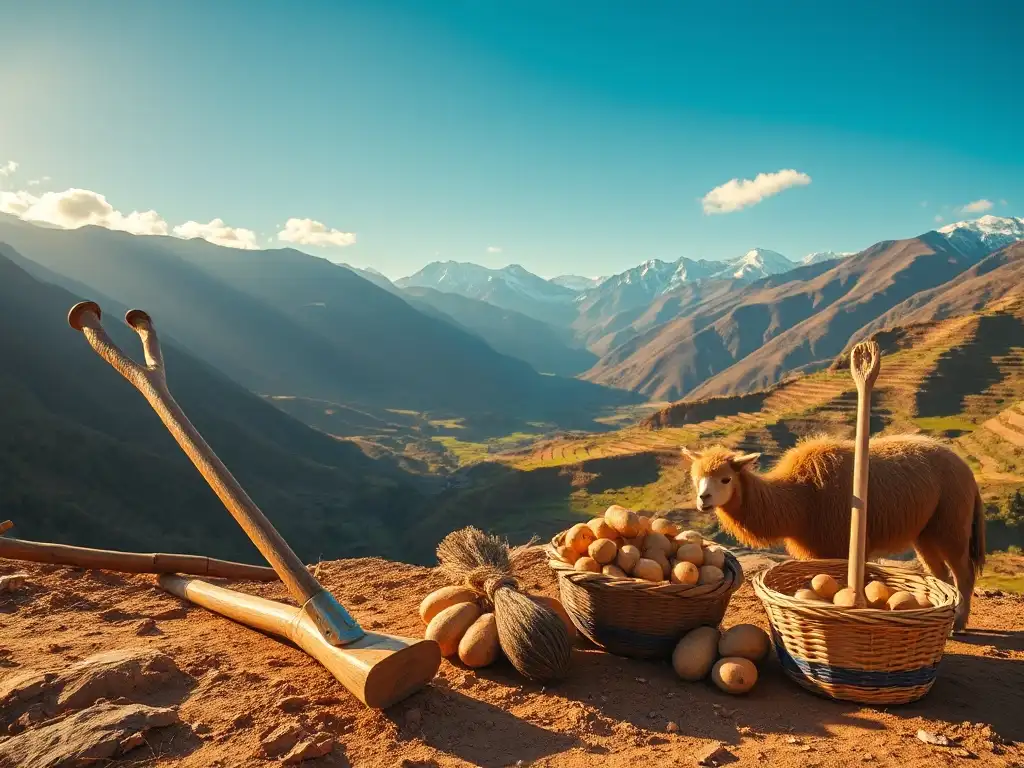
Step into a world lost to time, yet echoing with innovation. Imagine the ingenuity of civilizations that sculpted empires from the Andes mountains, their legacy etched not only in breathtaking architecture but in the remarkable tools they forged. This journey into the fascinating history of Andean agricultural tools unveils a world of surprising advancements and intricate designs. Prepare to be amazed by the ingenuity of the Andean people – their story is far more complex and captivating than you might imagine. Discover how their agricultural practices shaped their societies and left an enduring mark on the world.
The Andes Mountains, a spine of towering peaks running down the western coast of South America, presented ancient civilizations with a formidable challenge: cultivating food in diverse and often unforgiving terrains. This article delves into the fascinating world of Andean agricultural tools, exploring the ingenuity and adaptability of societies like the Inca, Moche, Nazca, and Tiahuanaco. We'll move beyond simple descriptions to uncover the nuances of their tool design, the materials used, and the sophisticated agricultural techniques that sustained thriving populations for centuries.
Understanding the history of Andean agricultural tools provides crucial insight into the resilience and innovation of these remarkable cultures, highlighting their deep connection to the land and their remarkable achievements in the face of adversity. This exploration of "Andean agricultural tools history" will reveal a rich tapestry of technological advancements and cultural practices that shaped the Andean landscape and its inhabitants.
Introduction to Andean Agricultural Tools History
The history of Andean agricultural tools is intrinsically linked to the diverse geography of the Andes. From the arid coastal deserts to the high-altitude plains and lush cloud forests, each environment demanded specific adaptations in farming techniques and tool design. Early Andean societies, long before the Inca Empire, developed ingenious tools tailored to their unique ecological niches.
These tools weren't merely rudimentary implements; they reflected a deep understanding of agricultural principles, material science, and the delicate balance between human activity and the environment. The development of these tools wasn't a linear progression but rather a complex interplay of innovation, adaptation, and cultural exchange across different Andean societies. Evidence suggests that many tools evolved over centuries, reflecting improvements in design and manufacturing techniques.
We can trace this evolution through archaeological findings, which reveal a remarkable diversity in the types of materials and techniques employed. For example, early tools were often made from readily available materials like wood and stone, while later tools incorporated metals like bronze and copper, demonstrating advancements in metallurgy. This progression highlights the continuous effort to improve efficiency and productivity in agriculture, which was fundamental to the survival and prosperity of Andean civilizations.
The Ingenious Tools of Ancient Andean Farmers
Andean farmers employed a remarkable array of tools, each designed for specific tasks within the agricultural cycle. Let's explore some key examples:
- The Chaquitaclla (Foot Plow): This iconic tool, still used in some Andean communities today, is a testament to the ingenuity of ancient farmers. The chaquitaclla is a simple yet effective foot-powered plow used for tilling the soil. Its design allowed for efficient cultivation even in challenging terrains, minimizing soil disturbance and maximizing water retention. The chaquitaclla's effectiveness is further enhanced by the use of techniques like raised fields and terracing.
- Stone Spades and Hoes: Made from various types of stone, these tools were crucial for tasks such as digging, weeding, and harvesting. Archaeological evidence suggests a wide variety of shapes and sizes, reflecting regional variations and specialized uses. The selection of stone type was likely based on factors such as hardness, durability, and availability.
- Irrigation Systems and Canals: While not strictly tools, the sophisticated irrigation systems developed by Andean civilizations deserve mention. These intricate networks of canals and channels, often carved into mountain slopes, allowed for efficient water distribution to fields, enabling agriculture in otherwise arid regions. The construction of these systems required significant engineering skills and collaborative effort.
- Metal Tools (Bronze and Copper): The adoption of metallurgy marked a significant advancement in Andean toolmaking. Bronze and copper tools, while not as common as stone implements, were used for more specialized tasks, offering increased durability and efficiency. Their presence indicates a level of technological sophistication and social organization necessary for metalworking.
The diversity of Andean agricultural tools reflects a deep understanding of their environment and a commitment to sustainable agricultural practices. These tools, many of which are still in use today, stand as a testament to the enduring legacy of Andean ingenuity and resourcefulness. Further research is needed to fully understand the regional variations in tool design and the specific techniques employed by different Andean cultures.
[Specific information pending on the precise dating of various tool types across different regions]. The ongoing discovery of new archaeological evidence continues to enrich our understanding of "Andean agricultural tools history", providing further insight into the sophisticated agricultural practices of these remarkable civilizations.
- What types of agricultural tools did Andean civilizations use?
- How did Andean agricultural tools adapt to different environments?
- What materials were commonly used to make Andean agricultural tools?
- What role did llama and alpaca in Andean agriculture?
- How did Andean agricultural tools contribute to the success of their civilizations?
Fundamental Andean Farming Implements
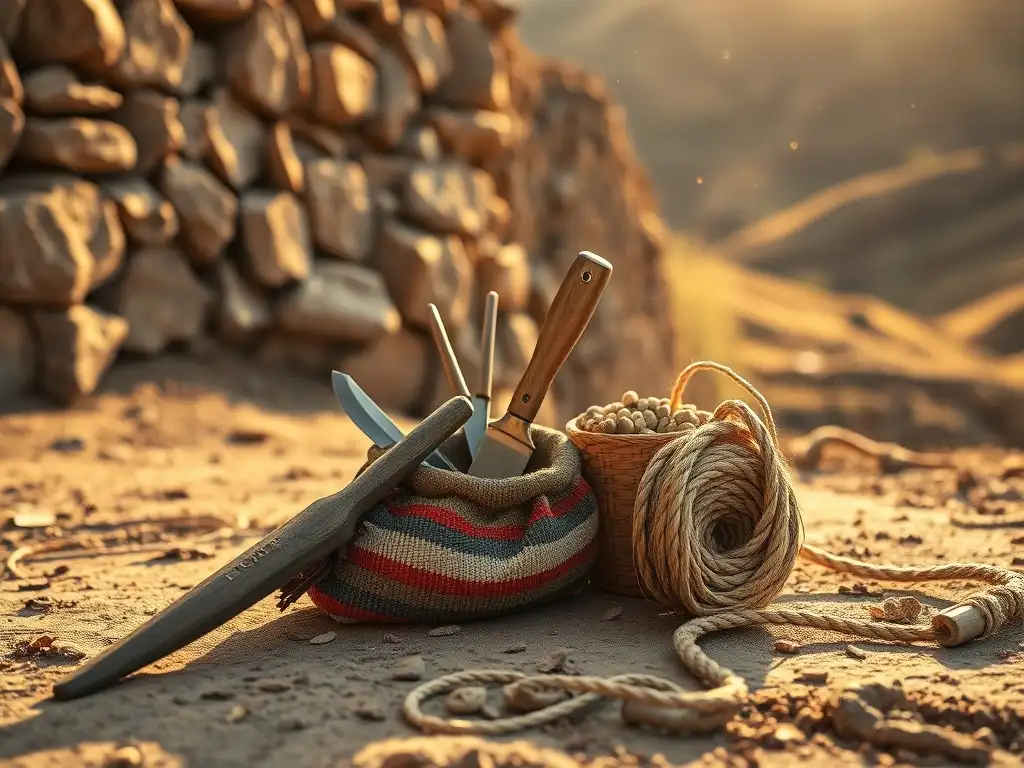
This section delves into the ingenious agricultural tools employed by Andean civilizations, showcasing their adaptability to diverse terrains and climates. Understanding these tools is key to appreciating the sophisticated agricultural practices that sustained these remarkable societies. The history of Andean agricultural tools reveals a deep connection between people and their environment, a relationship forged over millennia of innovation and adaptation.
The ingenuity displayed in these tools reflects a profound understanding of soil mechanics, planting techniques, and the challenges of high-altitude farming. This detailed examination of these implements provides insights into the "Andean agricultural tools history" and their contribution to the prosperity of these ancient cultures.
The Chaquitaclla: The Andean Foot Plow
The chaquitaclla, often referred to as the Andean foot plow, is a testament to the ingenuity of pre-Columbian Andean farmers. This remarkably simple yet effective tool consisted of a T-shaped wooden frame with a sharpened point at the base. Farmers would use their feet to push the sharpened point into the earth, turning the soil and preparing it for planting. Its design minimized the need for animal labor, making it ideal for the often-challenging terrain of the Andes. The chaquitaclla's effectiveness stemmed from its ability to aerate the soil, improving drainage and nutrient uptake.
The construction of a chaquitaclla was relatively straightforward. Durable, locally sourced wood was essential. The choice of wood would vary depending on regional availability, but the key was selecting a wood strong enough to withstand repeated use and sharp enough to penetrate the often compacted soil. The shaping process involved careful carving and shaping to create the precise T-shape needed for optimal function. The point itself required meticulous sharpening, ensuring its effectiveness in breaking up soil clods.
The use of the chaquitaclla involved a rhythmic foot motion, creating small furrows in the ground. This method was highly effective for preparing seedbeds and improving soil tilth. The efficiency of the chaquitaclla allowed Andean farmers to cultivate extensive tracts of land, contributing significantly to their agricultural output. Its widespread adoption across the Andes demonstrates its importance as a keystone tool in Andean agriculture. The chaquitaclla’s legacy continues today, with many Andean communities still using this ancestral tool.
The Raucana: Andean Hand Hoe for Soil Preparation
The raucana, a hand hoe, played a crucial role in the preparation of Andean fields. Unlike the chaquitaclla, which focused on larger-scale soil turning, the raucana was used for more precise tasks, such as weeding, thinning seedlings, and creating small planting holes. Its design varied depending on the region and the specific needs of the farmer, but it typically consisted of a short wooden handle attached to a blade made from stone, bone, or metal.
The blade's shape was often carefully crafted to optimize its functionality. For instance, a broad blade would be used for weeding, while a narrower, pointed blade might be preferred for creating planting holes.
The materials used in the raucana's construction highlight the resourcefulness of Andean farmers. Stone blades, often made from obsidian or other readily available volcanic rock, were common in certain regions. These blades were carefully shaped and sharpened to ensure their effectiveness. In other areas, bone or metal blades were favored, reflecting the availability of resources and the level of metallurgical development. The handles were usually made from wood, selected for its durability and ease of shaping.
The raucana's versatility made it an indispensable tool in Andean agriculture. Its use extended beyond basic soil preparation to include tasks such as harvesting root crops and preparing the land for planting. Its effectiveness contributed to the success of Andean farming practices, which were remarkably sustainable and productive, given the challenges of high-altitude agriculture. Archaeological evidence shows the widespread use of the raucana across various Andean cultures, underscoring its fundamental role in their agricultural systems.
The Llampu: Andean Pickaxe for Hard Ground
The llampu, an Andean pickaxe, was a robust tool designed to tackle the challenges of cultivating hard or rocky soils. Unlike the chaquitaclla and raucana, which were suited to softer earth, the llampu was specifically designed to break up compacted soil, rocks, and even small stones. This tool was particularly essential in mountainous regions where the soil could be very rocky and difficult to cultivate.
Its construction involved a sturdy wooden handle, often reinforced with leather or other materials, and a sharp, pointed stone or metal head. The design of the head varied, depending on the type of rock being worked, but it was generally durable and capable of withstanding significant force.
The materials used to create the llampu were selected for their strength and resilience. The wooden handle needed to be strong enough to withstand repeated impacts against hard rock. The head, often made from hardened stone or metal, needed to be both strong and sharp to effectively break up the rock and soil. The crafting of the llampu required a high degree of skill and expertise, demonstrating the advanced level of craftsmanship among Andean artisans. The careful selection and preparation of materials, along with the precise shaping of the head and handle, were crucial to the tool's effectiveness.
The llampu's importance in Andean agriculture is undeniable. It allowed farmers to cultivate land that would have been inaccessible with other tools. Its use expanded the area suitable for cultivation, contributing to the overall agricultural productivity of Andean societies. The llampu stands as a testament to the adaptability and resilience of Andean farmers, showcasing their ability to overcome the challenges of their environment through innovation and resourcefulness. The enduring legacy of the llampu reflects its crucial role in shaping the agricultural landscape of the Andes.
Advanced Andean Agricultural Technologies
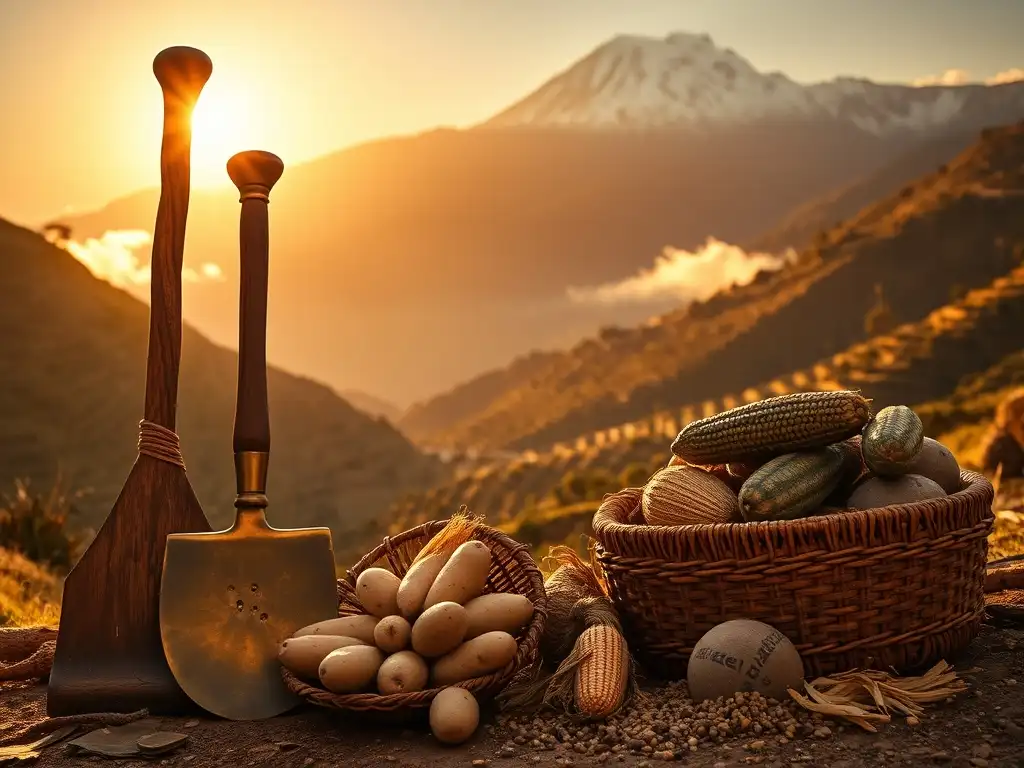
This section delves into the sophisticated agricultural technologies employed by Andean civilizations, highlighting the ingenuity and adaptation evident in their tool development. Understanding the evolution of Andean agricultural tools requires considering the complex interplay between environmental challenges and innovative solutions. The mastery of techniques like terracing and irrigation, coupled with the adaptation of tools to diverse ecosystems, allowed for sustained agricultural productivity in a challenging landscape.
This section focuses on the intricate relationship between these agricultural advancements and the specific tools used to achieve them. The study of these tools offers a fascinating glimpse into the practical knowledge and resourcefulness of Andean societies, contributing significantly to our understanding of Andean agricultural tools history.
Terracing and its Impact on Tool Development
The dramatic Andean landscape, characterized by steep slopes and limited arable land, necessitated the development of sophisticated terracing techniques. These weren't simply haphazard slopes carved into hillsides; they were meticulously engineered systems designed to maximize agricultural yield. The construction and maintenance of terraces demanded specialized tools. Evidence suggests the use of:
- Stone picks and adzes: These were crucial for breaking up rock and shaping the terraces. Their size and shape varied depending on the specific rock type and the desired terrace dimensions. Larger, heavier picks were used for initial clearing, while smaller, more finely crafted adzes were employed for shaping and finishing.
- Wooden mallets and levers: Used in conjunction with stone tools, these amplified human power, allowing for the efficient movement of large stones and earth. The choice of wood type likely varied depending on regional availability and desired durability.
- Carrying baskets and slings: Essential for transporting materials across uneven terrain, these tools highlight the logistical challenges and the solutions developed to overcome them. The design and materials of these baskets likely reflected both local resources and the specific weight and type of materials being transported.
The development of terracing directly influenced tool design. The need for precision and efficiency in shaping and maintaining terraces led to the refinement of stone tools and the development of complementary wooden implements. The scale of terracing projects across the Andes underscores the significant investment in labor and tool development necessary to sustain Andean agriculture.
Irrigation Systems and Specialized Tools
Beyond terracing, the ingenious irrigation systems of Andean civilizations represent another pinnacle of agricultural engineering. These systems, ranging from simple canals to complex aqueducts, required specialized tools for construction and maintenance. Key tools included:
- Metal chisels and shovels: The adoption of metallurgy significantly impacted tool development. Metal tools, particularly bronze and later copper alloys, were stronger and more durable than their stone predecessors, allowing for more efficient excavation and canal construction. The shape and size of these tools varied based on the specific tasks involved, from digging canals to shaping water channels.
- Stone and ceramic pipes: These were used to channel water over long distances and across uneven terrain. The production of these pipes involved specialized skills and knowledge, reflecting a high level of technological sophistication. The materials used, and the techniques for joining the pipes, varied across different regions and time periods.
- Measuring and leveling instruments: While the precise nature of these instruments remains a subject of ongoing research, evidence suggests the use of sophisticated techniques for ensuring accurate water flow and distribution. This points to a deep understanding of hydraulic principles and the capacity for precise measurement.
The complexity of Andean irrigation systems highlights not only the advanced engineering skills but also the importance of water management in Andean agricultural practices. The development and refinement of the tools used in these systems directly reflects the challenges and rewards of controlling water resources in the high Andes.
Tool Adaptation for Diverse Andean Ecosystems
The Andean region encompasses a vast range of ecosystems, from arid coastal deserts to high-altitude grasslands. Andean agricultural tools show remarkable adaptation to these diverse environments. For example:
| Ecosystem | Tool Adaptation | Example |
|---|---|---|
| Coastal Deserts | Tools for well-digging and water harvesting | Specialized digging tools, water storage vessels |
| Highland Grasslands | Tools for cultivating hardy crops (potatoes, quinoa) | Simple plows, digging sticks, specialized sickles |
| Cloud Forests | Tools for managing slopes and irrigation in humid areas | Enhanced terracing techniques, drainage systems |
The variations in tool design reflect not only the challenges posed by each environment but also the diverse agricultural practices and crops cultivated in different regions. This adaptability underscores the deep understanding Andean civilizations had of their environment and their ability to develop appropriate technologies to support their agricultural needs. The study of these diverse tool adaptations provides compelling evidence of the ingenuity and resilience of Andean agricultural practices throughout Andean agricultural tools history. Further research into specific regional variations in tool design and use is needed to fully appreciate the extent of this technological diversity.
Materials and Construction of Andean Agricultural Tools
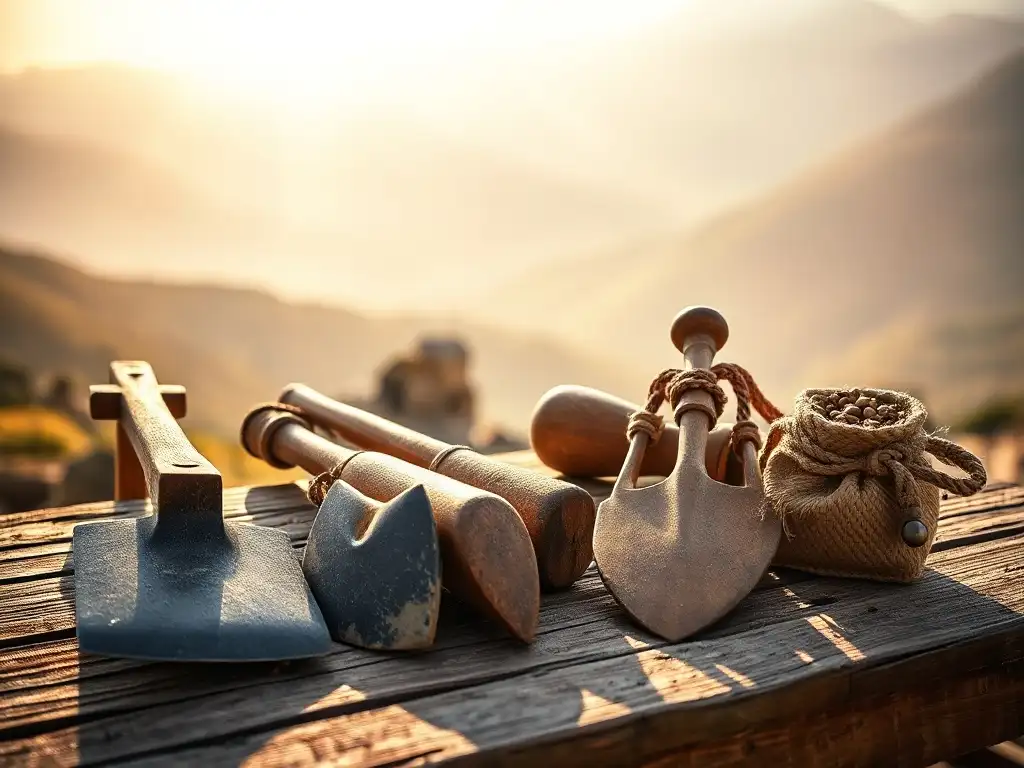
The ingenuity of Andean civilizations is vividly reflected in their agricultural tools, which demonstrate an impressive adaptation to diverse environments and available resources. Understanding the materials and construction techniques employed reveals much about their technological prowess and resourcefulness. The history of Andean agricultural tools is a fascinating journey through the evolution of materials, from simple stone implements to more sophisticated metal tools, reflecting advancements in metallurgy and societal complexity. This section will delve into the specifics of material choices and construction methods, providing a deeper understanding of "Andean agricultural tools history."
Stone Tools in Andean Agriculture
Stone tools represent the earliest phase in Andean agricultural technology, dating back millennia. These tools, primarily made from readily available volcanic rock like andesite and basalt, showcase remarkable craftsmanship. Their creation involved meticulous chipping and grinding techniques, resulting in durable and effective implements. Common stone tools included:
- Chaquitacllas: These small, stone hoes were crucial for cultivating the Andean highlands. Their design, with a slightly curved blade, allowed for efficient soil preparation, even in challenging terrains. The size and shape varied regionally, reflecting local adaptations to soil types and agricultural practices. Analysis of wear patterns on recovered chaquitacllas provides valuable insights into their use and the intensity of agricultural labor.
- Stone axes and adzes: Larger stone tools were used for tasks requiring more force, such as clearing land for cultivation or shaping wooden implements. These tools demonstrate a sophisticated understanding of stone knapping techniques, achieving sharp edges capable of felling trees and preparing timber for construction.
- Pestles and mortars: Beyond field work, stone tools played a vital role in food processing. Pestles and mortars, often made from a single piece of stone, were used to grind grains, tubers, and other agricultural products, preparing them for consumption or storage. The durability of these tools ensured their longevity and widespread use across different Andean cultures.
The prevalence of stone tools in Andean agriculture underscores the resourcefulness of early Andean farmers. Their ability to adapt readily available materials to create efficient agricultural tools highlights their deep understanding of their environment and their needs.
The Use of Wood in Andean Farming Implements
While stone provided the foundation for many early Andean agricultural tools, wood played a crucial, complementary role. The availability of diverse timber types across the Andean region allowed for the creation of a range of tools and implements. Wood's malleability allowed for more complex shapes and designs, enhancing the efficiency and versatility of agricultural practices.
- Wooden plows: While not as ubiquitous as stone tools, wooden plows, often reinforced with stone or metal tips, were used in some regions for heavier tillage. The design of these plows varied depending on the soil conditions and the type of crops being cultivated.
- Handles and shafts: Wood served as a crucial component in many stone tools, providing comfortable and ergonomic handles for axes, hoes, and other implements. The careful selection of wood types, considering factors like strength and durability, ensured the effectiveness and longevity of the tools.
- Irrigation systems: Beyond individual tools, wood played a significant role in the construction of elaborate irrigation systems. Wooden canals and aqueducts were used to channel water to fields, demonstrating sophisticated engineering and water management techniques.
The use of wood in Andean agriculture highlights the versatility and adaptability of Andean technologies. The integration of wood with stone and, later, metal, marks a significant step in the evolution of Andean agricultural tools.
Metal Tools and Their Introduction to Andean Agriculture
The introduction of metalworking to the Andes marked a significant technological advancement, profoundly impacting agricultural practices. Initially, copper and bronze were used, later giving way to the widespread adoption of alloys like tumbaga (gold and copper) and eventually, iron (though less common than in other parts of the world). The use of metal allowed for the creation of stronger, sharper, and more durable tools.
- Metal hoes and plows: Metal-tipped hoes and plows offered superior performance compared to their stone and wood predecessors, enabling more efficient soil preparation and increased agricultural yields. The use of metal significantly reduced the labor involved in land preparation.
- Sickles and knives: Metal sickles and knives facilitated harvesting, enabling faster and more efficient reaping of crops. These tools played a vital role in improving post-harvest processing and storage.
- Metal components in other tools: Metal was often used to reinforce or enhance existing tools, such as adding metal tips to wooden handles or strengthening stone blades. This demonstrates a pragmatic approach to technological innovation, combining the best aspects of different materials.
The adoption of metal tools in Andean agriculture represents a crucial step in the development of their agricultural practices. The increased efficiency and productivity resulting from the use of metal tools contributed significantly to the growth and prosperity of Andean societies. The transition to metal tools also reflects the sophisticated metallurgical knowledge and skills developed within these cultures. Further research into the specific alloys and techniques used would provide a richer understanding of "Andean agricultural tools history."
Regional Variations in Andean Agricultural Tools
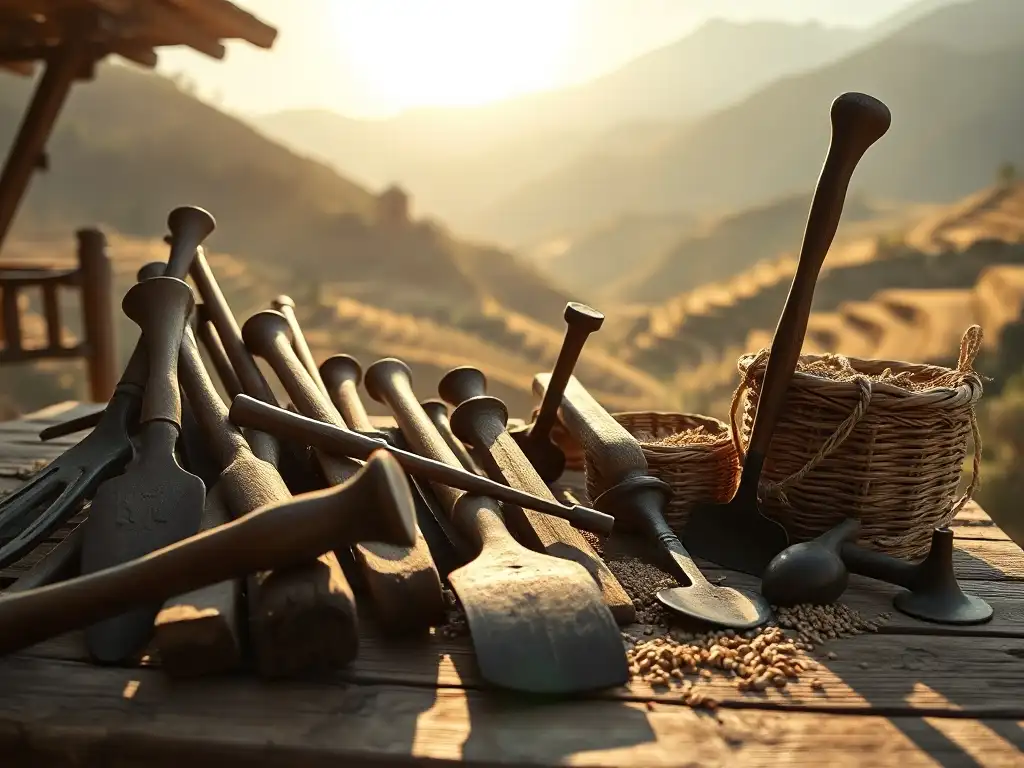
The Andean region, encompassing a vast geographical expanse with diverse ecological zones, fostered a remarkable variety of agricultural tools reflecting the ingenuity of its inhabitants in adapting to varied terrains and climates. Understanding the history of Andean agricultural tools requires acknowledging this regional diversity. The tools weren't uniformly distributed; rather, their design and function evolved in response to specific environmental challenges and agricultural practices.
This section explores the regional variations in Andean agricultural tools, focusing on the coastal, highland, and Amazonian zones. The development and use of these tools profoundly impacted the agricultural success and societal structures of the various Andean civilizations, leaving a legacy that continues to fascinate researchers and enthusiasts of Andean agricultural tools history.
Coastal Andean Farming Tools
Coastal Andean farming presented unique challenges. The arid climate demanded sophisticated irrigation systems, and the tools reflected this necessity. While the chaquitaclla (a foot-powered plow) was used in some areas, its prevalence was less significant than in the highlands. Instead, simpler tools were often employed. These included:
- Simple hoes: Made from wood, bone, or shell, these were used for weeding and loosening soil. Their design varied considerably depending on the local materials available. Some were shaped like a flat blade, others more curved.
- Irrigation tools: The construction and maintenance of intricate canal systems required specialized tools. These included digging implements like shovels (likely made from wood or shell reinforced with stone) and tools for shaping and directing water flow. Evidence suggests the use of sophisticated techniques and tools for terracing the land to maximize water retention.
- Harvesting tools: Sickles, possibly made from obsidian or other sharp stones, were likely used for harvesting crops such as maize and beans. The specific design of these tools is still under research, with much of our knowledge based on indirect evidence.
The coastal region’s agricultural tools history is less documented than that of the highlands, mainly due to the less favorable conditions for preservation of organic materials. However, surviving artifacts and ethnographic studies offer valuable insights into the adaptive strategies employed by coastal communities. Further research is needed to fully understand the nuances of coastal Andean agricultural tools history.
Highland Andean Farming Tools
The highland Andes, characterized by challenging terrain and variable altitudes, saw the development of more specialized and sophisticated agricultural tools. The chaquitaclla, a uniquely Andean foot-powered plow, stands out as a prime example. Its design allowed for efficient tilling of the often rocky and uneven highland soils. Other crucial tools included:
- The llautu: This tool, a type of digging stick, was used for planting and weeding. Variations in its design suggest adaptation to different soil types and crop requirements.
- Stone axes and adzes: Used for clearing land and preparing fields for planting. The quality and craftsmanship of these tools varied greatly, reflecting the access to stone resources and the skill of the toolmakers.
- Weaving tools: While not directly agricultural tools, the tools used in weaving were essential for producing textiles used in agriculture – rope for tying bundles, sacks for carrying produce, etc. This highlights the interconnectedness of different aspects of Andean life.
The highland Andean agricultural tools history is rich and well-documented, thanks to the discovery of numerous artifacts and detailed archaeological studies. The effectiveness of tools such as the chaquitaclla is a testament to the ingenuity of Andean farmers in maximizing agricultural productivity in challenging environments. The development of these tools was intimately linked to the growth and sustainability of highland communities, shaping their social and economic structures.
Amazonian Andean Farming Tools
The Amazonian lowlands, with their lush vegetation and humid climate, required a different set of agricultural tools. While some tools may have shared similarities with those of the highlands, the specific adaptations to the rainforest environment are noteworthy. Information on Amazonian Andean agricultural tools history remains relatively scarce, but preliminary research suggests:
- Slash-and-burn techniques: Tools for clearing the dense forest were crucial. These likely included stone axes and possibly fire-hardened wooden implements. The precise nature of these tools requires further investigation.
- Planting sticks: Simpler planting sticks, perhaps modified from branches, may have been used for planting crops suited to the rainforest environment.
- Canoes and rafts: Essential for transportation of goods and materials across the extensive river systems. While not directly agricultural tools, they were crucial for supporting agricultural activities.
The Amazonian Andean agricultural tools history presents a significant area for future research. The challenge of preserving organic materials in the humid rainforest environment makes archaeological investigation difficult. However, ongoing interdisciplinary studies combining archaeological findings with ethnographic data hold promise for illuminating this less-understood aspect of Andean agricultural technology. The development of sustainable farming techniques in the Amazonian region, heavily reliant on its unique toolset, is a critical aspect of Andean agricultural tools history.
The Legacy of Andean Agricultural Tools
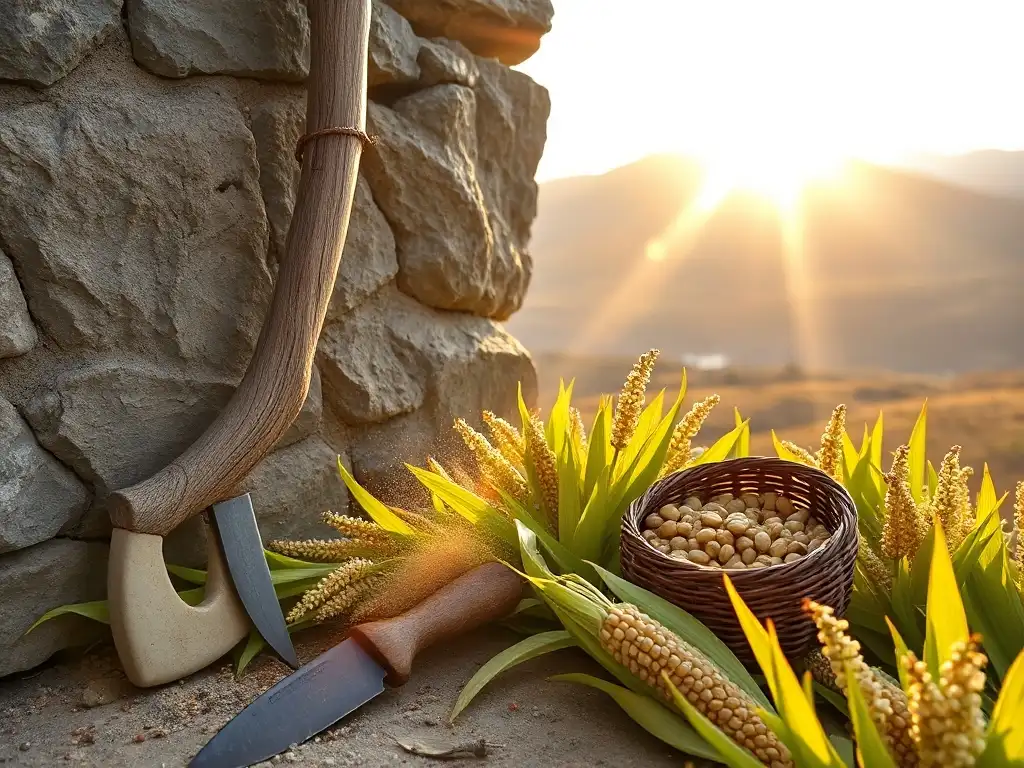
The history of Andean agricultural tools is a testament to human ingenuity and adaptation to challenging environments. For centuries, Andean civilizations developed sophisticated tools and techniques to cultivate the diverse landscapes of the Andes Mountains, from the arid coastal deserts to the high-altitude plains. Understanding the evolution of these tools provides invaluable insight into the agricultural practices that sustained these remarkable societies and shaped their cultures.
The "Andean agricultural tools history" is rich with examples of innovation driven by necessity and a deep understanding of their environment. This legacy continues to influence modern agricultural practices, particularly in the pursuit of sustainable and resilient food systems. The study of these tools reveals a complex interplay between technology, environment, and social organization.
Modern Adaptations of Ancient Techniques
Many ancient Andean agricultural techniques and tool designs continue to be relevant today. The chaquitaclla, a foot-plow used by pre-Columbian Andean cultures, serves as a prime example. This simple yet effective tool, used for tilling the soil, is still employed in some Andean communities. Its design, minimizing soil disturbance and maximizing water retention, aligns with modern principles of sustainable agriculture.
Similarly, techniques for terracing, irrigation canals (like the waru waru system), and crop rotation, all developed and refined over millennia, are being revived and adapted to address contemporary challenges like climate change and soil degradation. These adaptations often involve combining traditional knowledge with modern materials and technologies. For example, some farmers are using improved materials for the chaquitaclla’s construction, increasing its durability and efficiency. The integration of ancient wisdom with modern technology represents a powerful approach to sustainable food production.
Sustainable Practices Inspired by Andean Agriculture
Andean agricultural practices, deeply intertwined with their tool use, offer valuable lessons for contemporary sustainable agriculture. The focus on water conservation, evident in the sophisticated irrigation systems and terracing techniques, is particularly relevant in regions facing water scarcity. The waru waru system, for instance, utilizes raised beds and canals to capture and retain rainwater, minimizing water waste and increasing crop yields, even in arid conditions. This system, along with other traditional methods, showcases a holistic approach to land management that prioritizes ecological balance and long-term sustainability.
Furthermore, the Andean emphasis on crop diversification and intercropping, facilitated by the use of specialized tools for various crops, reduces the risk of crop failure and promotes biodiversity. These practices offer invaluable inspiration for developing climate-resilient and environmentally friendly agricultural systems globally. Studying and emulating these techniques can contribute significantly to the global effort towards sustainable food production.
The Importance of Andean Tools in Food Security
The development and refinement of Andean agricultural tools were critical to the food security of these civilizations. The tools allowed for efficient cultivation of diverse crops, contributing to a reliable food supply even in challenging environments. The sophisticated irrigation systems, combined with tools like the chaquitaclla and specialized harvesting implements, ensured that Andean communities could produce sufficient food to sustain their populations.
This success stemmed not only from technological innovation but also from a profound understanding of local ecosystems and the development of effective agricultural practices. The ability to cultivate diverse crops at varying altitudes and in different terrains demonstrates the adaptability and resilience of both the tools and the agricultural systems they supported. The legacy of these tools and practices remains crucial for addressing contemporary food security challenges, especially in the face of climate change and growing populations.
Their study provides vital insights into building more resilient and sustainable food systems for the future. The enduring significance of Andean agricultural tools underscores their importance in securing food supplies for present and future generations.
Conclusion: A Testament to Andean Ingenuity
The study of Andean agricultural tools reveals a sophisticated understanding of the environment and a remarkable capacity for innovation. Far from being simple implements, these tools represent a complex interplay of materials science, engineering principles, and agricultural knowledge honed over millennia. Their diversity reflects the varied ecological niches exploited by Andean civilizations, from the high-altitude puna grasslands to the coastal deserts.
Understanding the history of these tools is crucial to appreciating the ingenuity and resilience of Andean cultures. The development and adaptation of these tools were not merely responses to environmental challenges; they actively shaped the landscape and contributed significantly to the societal and economic structures of these remarkable civilizations. The legacy of Andean agricultural practices continues to inform modern agricultural techniques in the region, underscoring the enduring relevance of this rich history.
The Enduring Relevance of Andean Agricultural Tool History
The study of Andean agricultural tools offers valuable insights into several key areas. Firstly, it provides a detailed understanding of the agricultural practices of past Andean societies. By analyzing the tools themselves, archaeologists can reconstruct farming techniques, crop types, and land management strategies.
For example, the presence of sophisticated irrigation systems, evidenced by the intricate canals and terraces found in many Andean sites, is directly linked to the specialized tools used for their construction and maintenance. The design and function of tools like the chaquitaclla (a foot-powered plow) provide evidence of sustainable farming practices adapted to the challenging Andean terrain.
Secondly, the study of these tools sheds light on the technological capabilities of Andean civilizations. The precision and craftsmanship evident in many tools demonstrates a high level of metallurgical expertise, especially in the creation of bronze and copper implements.
The careful selection of materials, the sophisticated techniques employed in their manufacture, and the adaptation of tools to specific tasks point to a level of technological sophistication often underestimated in Western narratives. The construction of intricate stone tools, such as those used for grinding and milling, showcases a deep understanding of stone working techniques and the properties of different stone types.
Furthermore, the enduring relevance of Andean agricultural tool history extends to contemporary challenges. With growing concerns about climate change and the need for sustainable agricultural practices, understanding the ingenuity of Andean farmers can offer valuable lessons. The traditional Andean methods of terracing, irrigation, and crop diversification, all intimately linked to the specialized tools used, offer sustainable models for modern agriculture.
The chaquitaclla, for instance, remains a relevant and effective tool in many Andean communities today, demonstrating the enduring practicality of these ancient technologies. Studying these tools helps us appreciate the wisdom embedded within traditional knowledge systems and provides potential solutions for modern agricultural challenges. The resilience and adaptability of Andean agricultural practices, as reflected in their tools, offer a valuable blueprint for a more sustainable future.
The careful study of these items is crucial to understanding not just the past, but also the potential for shaping a more sustainable future. The history of Andean agricultural tools is, therefore, not simply a historical account; it's a living legacy with profound implications for the present and future.
Frequently Asked Questions
What types of agricultural tools did Andean civilizations use?
Andean civilizations utilized a diverse range of tools, from basic digging sticks and hoes to more sophisticated irrigation systems and terracing techniques. The specific tools varied depending on the environment and the civilization.
How did Andean agricultural tools adapt to different environments?
The environment greatly influenced tool design. For example, mountainous regions saw the development of terracing and specialized tools for working steep slopes, while coastal areas focused on irrigation and tools suitable for sandy soils.
What materials were commonly used to make Andean agricultural tools?
Andean tools were crafted from readily available materials, including wood, stone, bone, and metal (especially bronze and later, gold and silver in some cases). The choice of material often depended on the tool's function and the available resources.
What role did llama and alpaca in Andean agriculture?
Llamas and alpacas played a crucial role, not just as sources of fiber and meat, but also as beasts of burden used to transport tools and harvested crops across challenging terrain. Their dung was also used as fertilizer.
How did Andean agricultural tools contribute to the success of their civilizations?
The ingenuity and effectiveness of Andean agricultural tools were key to the success and growth of these civilizations. They allowed for intensive farming practices, supporting large populations and complex societies in diverse and often challenging environments.
Final Reflection: Harvesting the Legacy of Andean Innovation
The ingenuity of Andean agricultural tools continues to resonate today, offering invaluable lessons in sustainable practices and resourcefulness in the face of environmental challenges. Their sophisticated designs, born from centuries of intimate knowledge of the Andean landscape, stand as a powerful testament to human adaptation and the enduring connection between people and their environment. We can learn much from these seemingly simple tools, lessons that hold profound implications for modern agriculture and our approach to food security.
The impact of Andean agricultural techniques extends far beyond the realm of historical artifacts; they represent a living legacy that continues to shape farming practices in the region and inspire innovative approaches to sustainable agriculture globally. These tools, passed down through generations, embody a deep understanding of ecological balance and resource management. The earth provides enough to satisfy every man's needs but not every man's greed.
– Mahatma Gandhi. This quote, while not directly about Andean tools, perfectly encapsulates the ethos behind their design – a respect for the land and a commitment to sustainable practices that ensured the long-term viability of their agricultural systems.
Consider the ingenuity embedded in each tool, the careful consideration of materials, and the profound understanding of the Andean ecosystem reflected in their design. You, the reader, are now equipped with a deeper appreciation for the history and impact of these remarkable tools. Take a moment to reflect on the ways in which we can integrate these principles of sustainability and resourcefulness into our own lives and communities. Let the legacy of Andean innovation inspire you to cultivate a more mindful and responsible relationship with the land and the food we consume.
Unveil the Wonders of Andean Agriculture!
Thank you for exploring the fascinating world of Andean agricultural tools! Your journey has revealed the ingenuity of ancient civilizations and their profound impact on agricultural innovation. Now, let's put that knowledge to work!
Here are some ways to further explore this captivating subject:
- **Discover local farming practices:** Visit a nearby organic farm or community garden to learn about their techniques. You might be surprised to find some Andean methods still in use today!
- **Share your discoveries:** Discuss your newfound knowledge with friends, family, or online communities to inspire interest in Andean cultures and their unique agricultural approaches.
- **Connect with like-minded individuals:** Attend workshops or lectures at local cultural centers or historical societies. This is a great way to engage with others who share a passion for agriculture and history.
What aspect of Andean agriculture has captured your imagination, and how will you integrate this knowledge into your own life?