
The Threads of Time: How Ancient Andean Clothing Inspires Modern Fashion

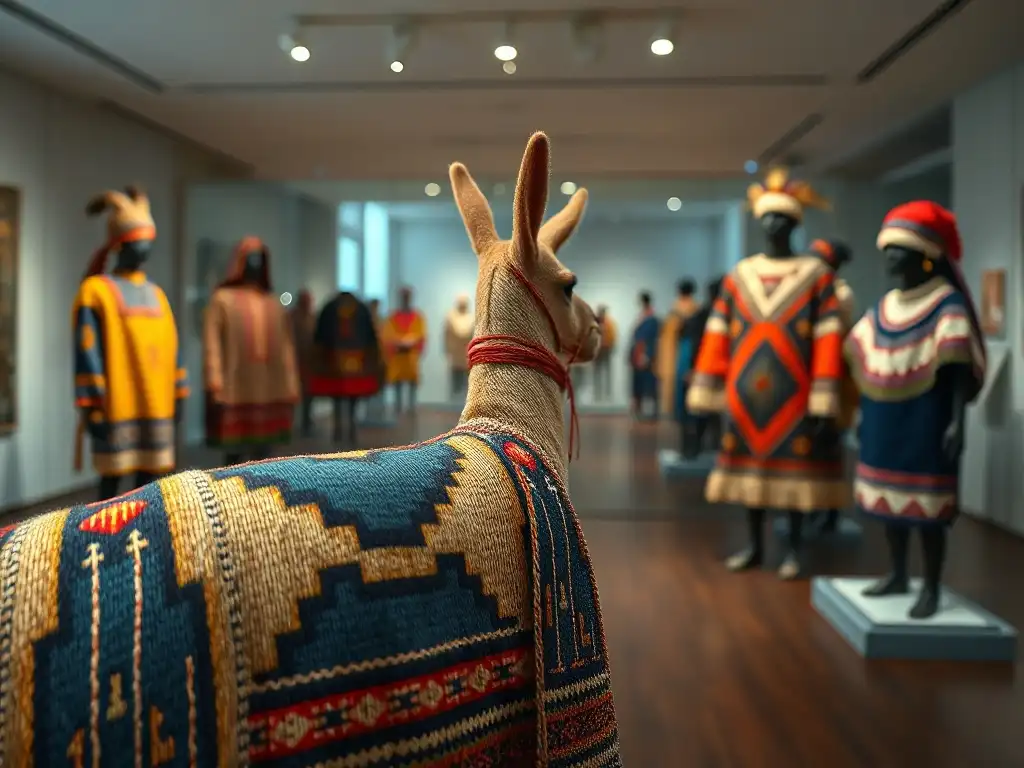
Unravel the mysteries woven into the very fabric of history. Journey with us through the breathtaking artistry and ingenuity of the Ancient Andean civilizations, from the intricate textiles of the Inca to the bold designs of the Nazca. Prepare to be amazed by the enduring legacy of Ancient Andean clothing inspiration, a legacy that continues to shape modern fashion. Discover how these remarkable cultures used color, texture, and symbolism to create garments that were both functional and profoundly expressive – a story waiting to be unveiled, one thread at a time.
The vibrant tapestry of Andean civilizations, spanning millennia and encompassing cultures like the Inca, Moche, Nazca, and Tiahuanaco, left an indelible mark on the world. Beyond their architectural marvels and sophisticated agricultural techniques, these societies developed a unique and incredibly intricate textile tradition. This article delves into the fascinating world of ancient Andean clothing, exploring its artistry, symbolism, and surprisingly enduring influence on modern fashion.
We'll uncover how the innovative techniques and aesthetic sensibilities of these ancient cultures continue to inspire contemporary designers, demonstrating the timeless appeal and enduring legacy of Andean textile artistry. This exploration will reveal how the threads of time connect the past with the present, showcasing the power of cultural heritage to shape contemporary trends and aesthetics.
Prepare to be amazed by the ingenuity and beauty of ancient Andean clothing and its continuing relevance today. This is more than just a fashion story; it's a journey through time, revealing the enduring power of cultural heritage.
The Majesty of Andean Textiles: Techniques and Materials
Ancient Andean clothing wasn't merely functional; it was a powerful statement of social status, religious belief, and artistic expression. The creation of these garments involved incredibly sophisticated techniques, reflecting a deep understanding of textile production. From the meticulous preparation of the fibers – often alpaca, llama, vicuña, and cotton – to the intricate weaving patterns and dyeing processes, every stage was imbued with skill and precision. Consider, for example, the intricate tapestry weaving, featuring complex geometric designs and zoomorphic motifs, reflecting a deep understanding of mathematics and geometry.
The use of natural dyes, derived from plants, insects, and minerals, resulted in a stunning array of colors, many of which remain remarkably vibrant even after centuries. These techniques, passed down through generations, showcase the remarkable ingenuity and artistry of Andean weavers. The sheer variety of techniques employed—including tapestry weaving, brocade, embroidery, and knotting—demonstrates the sophisticated level of textile production achieved.
The designs and colors used in ancient Andean clothing were far from arbitrary. They held profound symbolic meaning, often conveying information about the wearer's social status, clan affiliation, and even religious beliefs. For instance, certain colors were associated with specific deities or events, while intricate patterns could represent celestial bodies, mythical creatures, or agricultural cycles. The use of specific materials also played a vital role.
For example, garments made from vicuña wool, a luxurious and rare fiber, were reserved for the elite, highlighting the social hierarchy within Andean societies. Detailed studies of surviving textiles reveal a complex system of visual communication, demonstrating the depth and richness of Andean symbolic language. Further research continues to unveil the nuanced meanings embedded within these seemingly simple designs.
Ancient Andean Clothing's Influence on Modern Fashion
The impact of ancient Andean textile traditions on contemporary fashion is undeniable. Modern designers are increasingly drawing inspiration from the vibrant colors, intricate patterns, and innovative techniques employed by Andean cultures. This influence manifests in various ways, from the incorporation of traditional Andean motifs into contemporary garments to the use of sustainable and ethically sourced Andean fibers.
The revival of ancient dyeing techniques and the exploration of traditional Andean weaving patterns showcase a growing appreciation for the cultural significance and aesthetic appeal of these timeless designs. The integration of these elements into modern fashion reflects a broader trend towards cultural preservation and the celebration of diverse artistic traditions. Many designers credit the bold and unique aesthetic of Andean clothing as a major influence on their work, showcasing the enduring legacy of this rich artistic heritage.
Case Studies: Modern Designers Inspired by Andean Traditions
[Specific examples of modern designers and their collections inspired by Andean clothing pending] This section will showcase specific examples of contemporary fashion designers who have explicitly drawn inspiration from ancient Andean textiles. We will analyze the ways in which these designers have incorporated Andean motifs, techniques, and color palettes into their work, highlighting the creative interpretations and innovative approaches employed. This will demonstrate the continued relevance and enduring appeal of Andean aesthetics in the modern world of fashion. The inclusion of images and detailed descriptions of specific garments will further enhance the visual and informative aspects of this section.
- The Majesty of Andean Textiles: Techniques and Materials
- Symbolism and Social Status in Andean Garments
- Ancient Andean Clothing's Influence on Modern Fashion
- Case Studies: Modern Designers Inspired by Andean Traditions
- What is the main source of inspiration for modern fashion designers looking to the Andean region?
- How did ancient Andean cultures create their distinctive textiles?
- What specific aspects of Andean clothing are most influential in modern fashion?
- Are there any specific Andean civilizations whose clothing styles are particularly popular today?
- Where can I find modern clothing inspired by ancient Andean styles?
The Enduring Allure of Ancient Andean Textiles
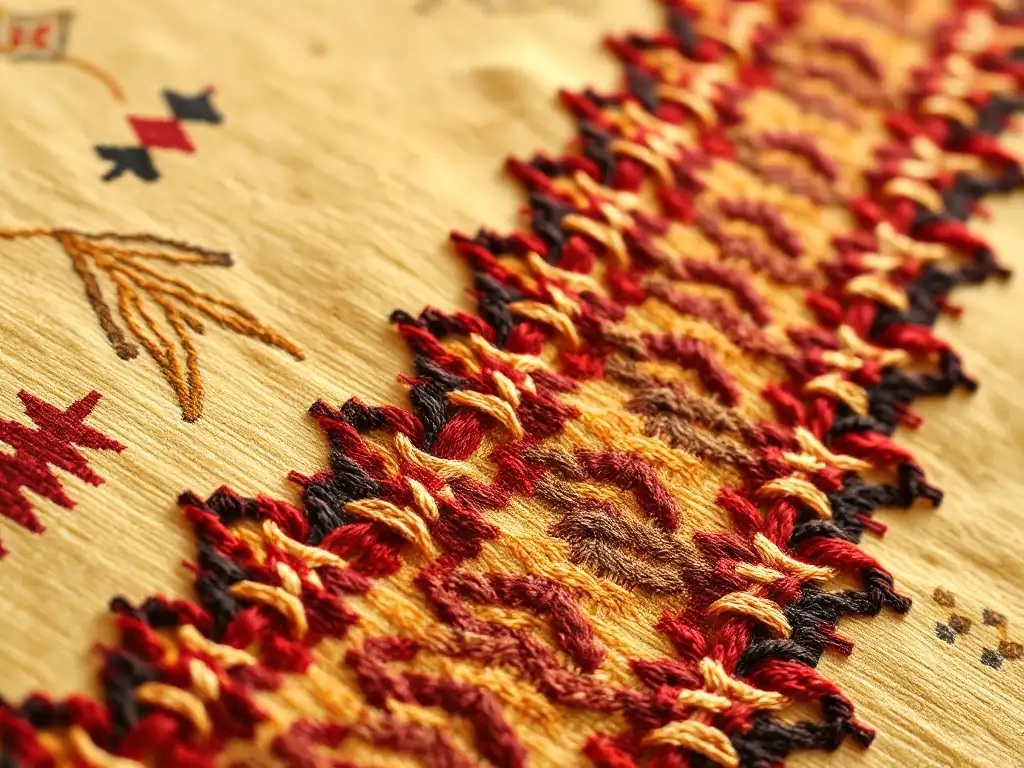
Ancient Andean clothing inspiration continues to resonate strongly in modern fashion, a testament to the artistry and ingenuity of past civilizations. The vibrant colors, intricate designs, and innovative techniques employed by Andean weavers centuries ago remain captivating and relevant today. This enduring allure stems from a deep connection to both the land and the cultural values of the Andean peoples. The textiles themselves are not just garments; they are living archives, narrating stories of history, beliefs, and social structures. Understanding this rich tapestry of meaning allows us to fully appreciate their influence on contemporary design.
A Glimpse into the Rich History of Andean Weaving
Andean weaving boasts a history stretching back millennia. Evidence suggests that sophisticated textile production was prevalent even before the rise of the Inca Empire. The earliest examples, unearthed from pre-ceramic sites, showcase the mastery of techniques like plain weave and tapestry. Later cultures, such as the Paracas, Nazca, and Moche, further developed these techniques, incorporating complex designs and vibrant colors derived from natural dyes. These dyes, extracted from plants, insects, and minerals, were often imbued with symbolic meaning, reflecting the spiritual and cosmological beliefs of the time.
The Inca, known for their vast empire, built upon this established tradition. Their textiles were renowned for their exquisite quality and intricate designs, often incorporating symbolic motifs related to their imperial power and religious practices. From the delicate tapestries used in religious ceremonies to the robust textiles worn by everyday people, Inca clothing showcased a remarkable level of skill and artistry. The Inca also developed advanced techniques like supplementary weft weaving, allowing for highly detailed and richly textured fabrics.
The Significance of Clothing in Ancient Andean Societies
Clothing in ancient Andean societies transcended mere functionality; it served as a powerful symbol of social status, identity, and religious belief. The type of fabric, the color palette, and the intricate designs all conveyed specific information about the wearer's social standing, their clan affiliation, and even their marital status. For example, certain colors were associated with specific deities or rituals, while intricate patterns could indicate a person's social rank or lineage. The use of specific motifs, like the stylized representations of animals or mythical beings, further reinforced the symbolic significance of Andean clothing.
Consider the elaborate headdresses and garments worn by elite members of society. These were often adorned with precious metals, feathers, and intricately woven textiles, showcasing not only their wealth and power but also their connection to the spiritual world. In contrast, the clothing of commoners was simpler but equally significant, reflecting their place within the social hierarchy and their connection to their community.
The production and distribution of textiles were often tightly controlled by the ruling class, further highlighting the social and economic importance of clothing in ancient Andean societies. This system of visual communication through clothing is a striking example of how deeply intertwined fashion and social structures were in the Andean world.
Analyzing these intricate details reveals the complex social dynamics and cultural values of these ancient societies, offering a fascinating glimpse into their lives and beliefs. The study of Ancient Andean clothing inspiration provides invaluable insights into these ancient civilizations.
Key Elements of Ancient Andean Garments
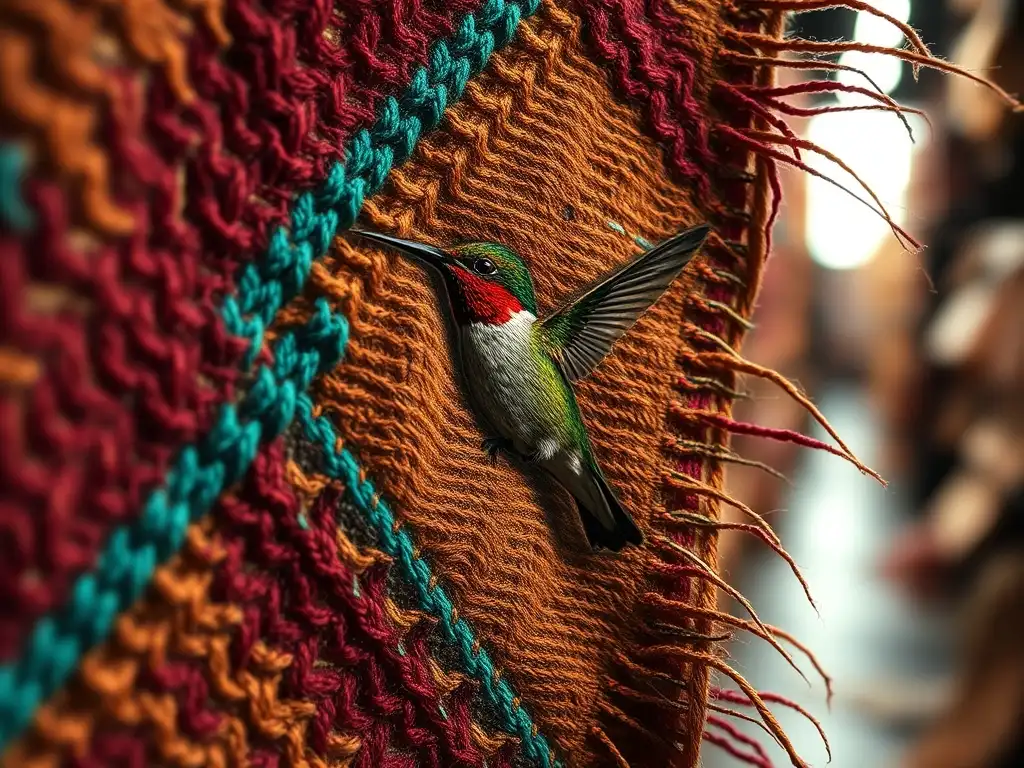
This section delves into the fascinating details of ancient Andean garments, exploring the materials, techniques, iconography, and color palettes that made them unique and enduring. Understanding these elements is crucial to appreciating the profound influence of Ancient Andean clothing inspiration on modern fashion. We'll uncover the secrets woven into the very fabric of these remarkable textiles, revealing how ancient Andean artisans achieved such sophisticated results with seemingly simple tools.
Materials and Techniques: From Cotton to Alpaca Wool
Ancient Andean clothing showcases a remarkable mastery of textile production. The choice of materials varied depending on geography and availability, but certain fibers dominated. Cotton, grown in warmer coastal regions, provided a lightweight and breathable fabric, ideal for warmer climates.
However, the Andean highlands offered a different bounty: the incredibly versatile wool of the alpaca and llama. These animals provided a soft, warm, and durable fiber that was perfectly suited to the harsh mountain conditions. The quality of the wool varied depending on the animal's breed and age, resulting in a spectrum of textures and colors used by skilled artisans.
The techniques employed were equally impressive. Evidence suggests the use of sophisticated spinning and weaving methods, including backstrap looms—simple but effective tools that produced intricate textiles. The use of different weaving techniques allowed for the creation of varied textures, from fine, tightly woven fabrics to coarser, more rustic cloths.
Beyond basic weaving, Andean artisans developed techniques like embroidery, appliqué, and knotting (khipu), adding intricate details and symbolic representations to their garments. The precision and artistry involved are evident in the surviving examples of these textiles, many of which are remarkably well-preserved, demonstrating the durability of these ancient techniques. Detailed analysis of these techniques reveals a depth of knowledge and skill passed down through generations.
Iconography and Symbolism in Andean Textile Designs
The designs adorning ancient Andean clothing were far from mere decoration; they were powerful expressions of cultural identity, social status, and spiritual beliefs. Complex patterns, often incorporating geometric shapes, stylized animals, and human figures, conveyed rich symbolic meaning. For example, the condor, a powerful bird revered in Andean mythology, frequently appears in textile designs, representing strength, power, and connection to the upper world. Similarly, snakes and pumas, symbols of the earthly realm, often feature prominently.
These designs were not randomly placed; their arrangement often followed specific rules and conventions. The use of repeating motifs and symmetrical patterns is common, reflecting the Andean worldview and its emphasis on balance and harmony. Furthermore, the placement of specific motifs on a garment could indicate the wearer's social standing or role within the community.
Scholars continue to decipher the nuances of these symbolic systems, revealing layers of meaning embedded within the seemingly simple designs. The intricate iconography serves as a powerful reminder of the sophisticated cultural systems that produced these remarkable textiles; providing invaluable insight into Ancient Andean clothing inspiration.
Color Palettes and Natural Dyes: A Legacy of Vibrant Hues
The vibrant colors found in ancient Andean textiles are a testament to the ingenuity of Andean artisans. Unlike modern synthetic dyes, Andean artisans relied on natural pigments derived from plants, minerals, and insects. Cochineal, a parasitic insect, yielded a brilliant crimson red; various plants, like indigo and murex, provided blues and purples; while ochre-rich clays contributed to the range of yellows, oranges, and browns. The precise recipes for these dyes, often closely guarded secrets, remain partly unknown, highlighting the complex knowledge systems that underpinned this aspect of textile production.
The color palettes themselves were not arbitrary. Specific colors held symbolic significance within Andean culture. Red, for instance, was often associated with power, royalty, and fertility, while yellow could symbolize the sun and gold.
The careful selection and combination of colors further enriched the symbolic meaning of the textile designs. The resulting vibrant and enduring colors, a legacy of these sophisticated dyeing techniques, continue to inspire modern designers, clearly demonstrating the ongoing impact of Ancient Andean clothing inspiration on contemporary aesthetics. The legacy of these natural dyes continues to fascinate and inspire, showcasing the ingenuity and deep connection to nature that characterized Andean textile production.
Ancient Andean Clothing Inspiration in Contemporary Fashion
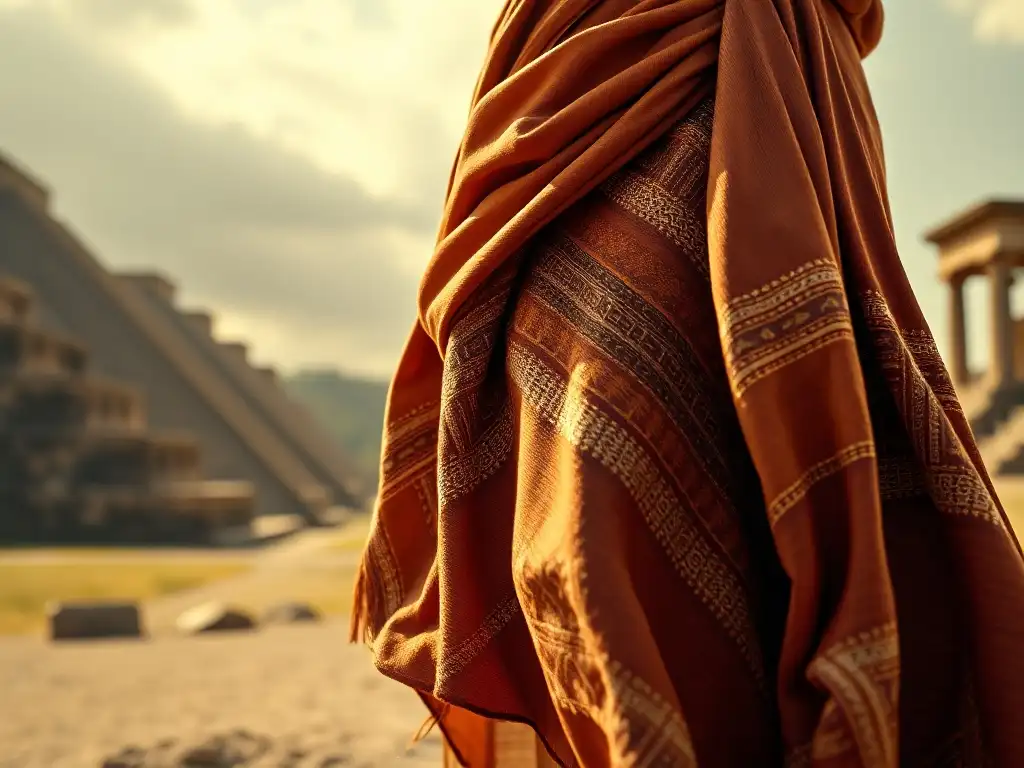
The enduring legacy of Ancient Andean civilizations extends far beyond impressive architectural feats and intricate pottery. Their sophisticated textile traditions, characterized by vibrant colors, intricate designs, and innovative techniques, continue to profoundly influence modern fashion. This section explores how contemporary designers draw inspiration from the rich tapestry of Ancient Andean clothing, reinterpreting patterns and motifs, and embracing sustainable practices rooted in Andean traditions. The keyword "Ancient Andean clothing inspiration" is central to understanding this enduring influence.
Modern Designers Drawing from Andean Aesthetics
Many contemporary designers actively incorporate Ancient Andean aesthetics into their collections. This isn't merely a superficial appropriation; it's a thoughtful engagement with the cultural significance of these textiles. We see this reflected in the use of specific Andean patterns, such as the khipu-inspired designs that subtly hint at the complex record-keeping system of the Inca Empire.
Other designers focus on the bold geometric patterns found in textiles from the Nazca and Moche cultures, translating these into modern silhouettes and garments. The vibrant colors—deep reds, rich yellows, and earthy browns—characteristic of Andean textiles are also frequently replicated, adding a touch of ancient artistry to contemporary designs. The use of natural dyes, a crucial aspect of Ancient Andean textile production, is also increasingly being adopted by designers committed to sustainable and ethical fashion practices.
This conscious effort to replicate the techniques and aesthetics of Ancient Andean clothing represents more than just a trend; it's a celebration of cultural heritage and a testament to the enduring appeal of these designs. The continued interest in Ancient Andean clothing inspiration demonstrates its lasting impact on the fashion world.
Reinterpreting Andean Patterns and Motifs
The adaptation of Ancient Andean patterns and motifs in contemporary fashion showcases a remarkable level of creativity and respect for the source material. Designers aren't simply copying; they're reinterpreting. A classic example is the incorporation of the tocapu, a type of Andean headdress, into modern accessories.
The intricate weaving techniques and symbolic designs of the tocapu are reimagined in scarves, bags, and even jewelry, seamlessly blending ancient aesthetics with modern sensibilities. Similarly, the geometric patterns found on textiles from the Paracas culture, known for their elaborate burial shrouds, are being translated into contemporary prints for clothing and home textiles. This reinterpretation often involves scaling the patterns to suit modern designs, or combining them with other elements to create fresh and unique looks.
The process often involves careful research to understand the original meaning and significance of the patterns, ensuring that the reinterpretation is respectful and avoids cultural appropriation. This thoughtful approach underscores the importance of Ancient Andean clothing inspiration as a source of both artistic and cultural enrichment.
The Use of Natural Fibers and Sustainable Practices Inspired by the Andes
Ancient Andean textile production was deeply intertwined with sustainable practices. The use of natural fibers like alpaca and llama wool, along with cotton and other locally sourced materials, was not only practical but also environmentally responsible. This commitment to sustainability is finding resonance with contemporary designers increasingly focused on ethical and eco-conscious fashion.
The revival of traditional dyeing techniques using natural pigments derived from plants and minerals is another significant trend. This move away from synthetic dyes reduces the environmental impact of textile production while simultaneously honoring the ancient Andean techniques. Furthermore, the emphasis on hand-weaving and other traditional methods, often employing local artisans, promotes fair trade practices and supports the preservation of traditional skills.
The growing interest in Ancient Andean clothing inspiration is thus not only a fashion trend but also a powerful catalyst for sustainable and ethical practices within the industry. This commitment to sustainability mirrors the ingenuity and resourcefulness of the ancient Andean cultures, showcasing a deep appreciation for their legacy and a commitment to a more responsible future.
Specific Examples of Andean Influence on Modern Clothing
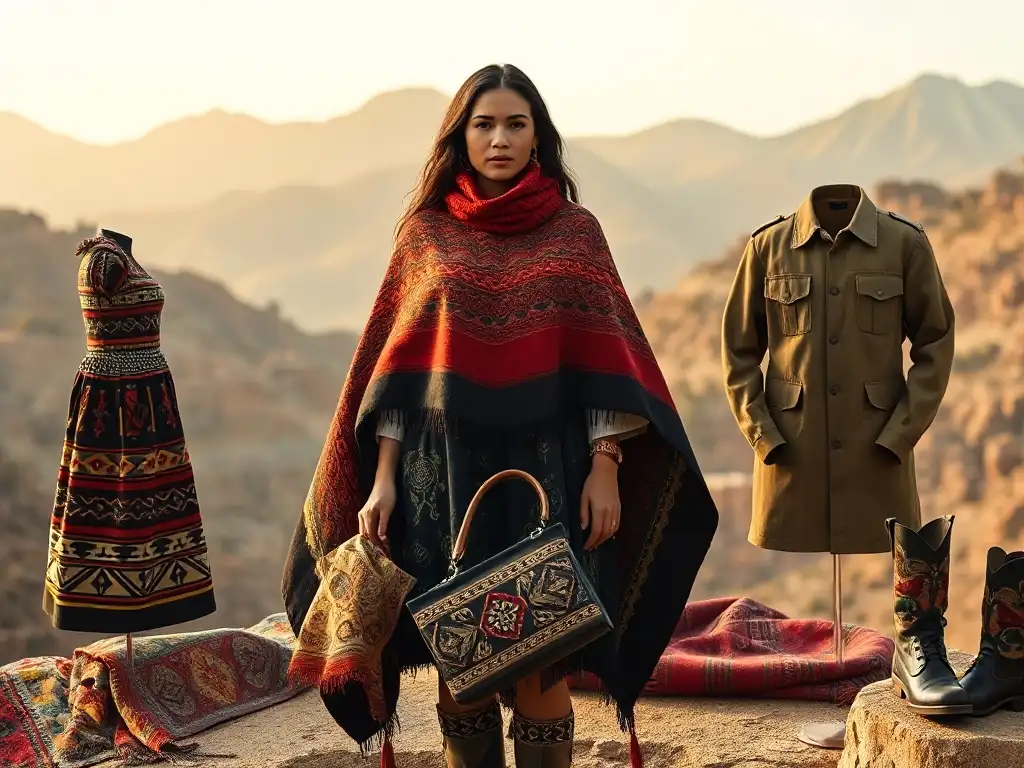
This section delves into concrete examples of how ancient Andean clothing styles and techniques continue to inspire contemporary fashion designers. We'll explore specific collections and pieces that showcase the enduring appeal and impact of this rich cultural heritage, highlighting the clever reinterpretation of ancient Andean clothing inspiration in modern designs. The enduring legacy of Andean textiles is undeniable, proving that ancient aesthetics remain powerfully relevant in the 21st century. This influence demonstrates the timeless quality and artistic sophistication of ancient Andean clothing and its lasting global impact.
Valentino's Fall 2014 Collection: A Tribute to Inca Textiles
Valentino's Fall 2014 collection stands as a prime example of high fashion drawing directly from ancient Andean clothing inspiration. The collection featured a stunning array of garments that showcased a deep understanding and appreciation of Inca textile techniques and aesthetics. The vibrant colors, intricate geometric patterns, and luxurious fabrics all paid homage to the sophisticated craftsmanship of the Inca civilization. This wasn't simply a superficial borrowing; Valentino meticulously recreated the essence of Inca weaving, demonstrating a profound respect for the source material.
Geometric Patterns and Rich Colors Directly Inspired by Inca Weavings
The collection's standout pieces incorporated complex geometric patterns strikingly similar to those found on preserved Inca textiles. Think bold stripes, intricate chevrons, and dynamic zigzags – all rendered in a palette of rich, earthy tones reminiscent of the Andean landscape. Deep reds, fiery oranges, and earthy browns were combined with vibrant turquoise and gold accents, creating a visually stunning and authentic representation of Inca aesthetic sensibilities. The use of these colors wasn't arbitrary; they mirrored the natural dyes and color palettes favored by Inca artisans, who derived their hues from natural sources such as plants and minerals. This attention to detail elevated the collection beyond mere imitation, transforming it into a genuine celebration of Inca artistry. The intricate weaving techniques, although modernized for production, reflected the complex structures and meticulous craftsmanship characteristic of Inca textiles. The effect was breathtaking, demonstrating the enduring power and beauty of ancient Andean clothing inspiration.
Etro's Use of Andean Motifs in Knitwear
Etro, known for its eclectic and globally-inspired designs, has also incorporated elements of Andean aesthetics into its collections, particularly in its knitwear lines. Unlike Valentino's direct replication of Inca patterns, Etro's approach is more interpretative, subtly weaving Andean motifs into contemporary designs. This demonstrates a different facet of ancient Andean clothing inspiration – the ability to adapt and reinterpret historical elements within a modern context.
Reinterpreted Andean Designs Applied to Modern Silhouettes
Etro's Andean-inspired knitwear often features stylized versions of traditional Andean patterns. These might include simplified versions of geometric designs or subtle color palettes reminiscent of Andean textiles. These motifs are integrated into contemporary silhouettes – think oversized sweaters, flowing cardigans, and intricately patterned scarves – showcasing the adaptability of Andean aesthetics. Instead of directly copying ancient designs, Etro cleverly incorporates subtle nods to Andean heritage, creating pieces that are both modern and evocative of a rich cultural past.
The result is a sophisticated blend of ancient and contemporary, showcasing the versatility and lasting impact of ancient Andean clothing inspiration in the world of high fashion. This demonstrates how designers can find inspiration in the past while still creating innovative and contemporary designs. The subtle incorporation of Andean elements adds a layer of depth and cultural richness without overwhelming the modern aesthetic.
The Cultural Impact and Ethical Considerations of Andean Textile Inspiration
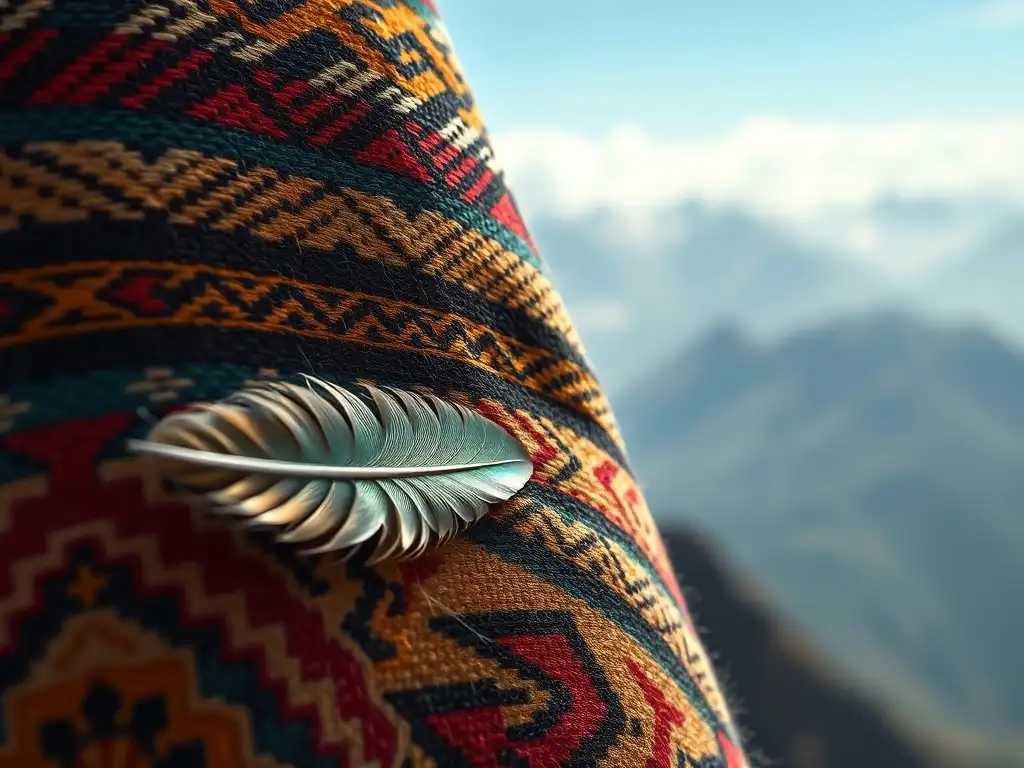
The enduring legacy of Ancient Andean clothing is undeniable, its vibrant colors and intricate designs continuing to captivate modern designers. However, the appropriation of these ancient aesthetics requires careful consideration of the cultural impact and ethical implications. Understanding the delicate balance between inspiration and exploitation is crucial for responsible engagement with this rich heritage. This section explores the vital aspects of preserving Andean textile heritage, ensuring fair trade practices, and avoiding cultural appropriation.
Preserving Andean Textile Heritage
The intricate textiles of the Andes represent not just aesthetic beauty, but also a deep connection to history, spirituality, and community. Many techniques, passed down through generations, are facing the threat of extinction due to globalization and the allure of mass-produced clothing. The preservation of these unique textile traditions requires a multifaceted approach. This includes:
- Supporting artisan communities: Directly supporting Andean artisans through fair wages and access to markets ensures the continuity of traditional textile production. This not only sustains their livelihoods but also safeguards invaluable knowledge and skills. Projects focusing on the documentation and teaching of these techniques are equally important.
- Promoting sustainable practices: Ancient Andean textile production often utilized sustainable materials and methods. Modern interpretations should strive to emulate these practices, minimizing environmental impact through the use of natural dyes and eco-friendly materials. This aligns with the growing consumer demand for sustainable and ethically produced fashion.
- Documenting and archiving: Thorough documentation of existing textiles, techniques, and designs is crucial for preserving this invaluable cultural heritage for future generations. Museums and archives play a vital role, but collaborative projects with local communities are essential to ensure the accuracy and cultural sensitivity of the preservation efforts. This includes detailed photographic records, written descriptions, and potentially even digital archiving techniques to ensure widespread accessibility.
The Importance of Fair Trade and Ethical Sourcing
The use of Ancient Andean clothing inspiration in modern fashion must be underpinned by ethical sourcing and fair trade practices. This means ensuring that the artisans who create the textiles receive fair compensation for their work and that their labor conditions are safe and humane. Exploitation of artisans, often prevalent in the fast-fashion industry, undermines the very heritage it seeks to exploit. Key aspects of ethical sourcing include:
- Transparency in the supply chain: Consumers need to be able to trace the origin of the materials and the journey of the product, from raw materials to finished garment. This allows for accountability and ensures that fair trade principles are upheld throughout the process. Complete transparency builds trust and empowers consumers to make informed choices.
- Fair wages and working conditions: Artisans should receive wages that reflect the skill and time involved in their craft, allowing them to earn a living wage and support their families. Safe and healthy working conditions are paramount, ensuring the well-being of the artisans. This goes beyond simply paying a fair wage, encompassing access to clean water, adequate ventilation, and protection from harmful chemicals.
- Community empowerment: Fair trade initiatives should not just focus on individual artisans but also on strengthening the entire community. This can include supporting community development projects, educational initiatives, and healthcare access. Such initiatives foster a sustainable and equitable environment where the cultural heritage can thrive.
Avoiding Cultural Appropriation: A Respectful Approach to Andean Inspiration
Respectful engagement with Ancient Andean clothing requires a deep understanding of the cultural context and a commitment to avoiding cultural appropriation. This means moving beyond simply mimicking surface-level aesthetics and engaging with the deeper meaning and significance of the designs. Key considerations include:
- Collaborating with Andean communities: Genuine collaboration with Andean communities is essential. This involves working directly with artisans to understand their perspectives, their traditions, and their concerns. It is not enough to simply draw inspiration; meaningful collaboration ensures that the cultural heritage is respected and that the benefits of its use are shared with those who created it.
- Understanding the symbolism: Ancient Andean textiles are often imbued with significant symbolism and meaning. Modern interpretations should strive to understand and respect this symbolism, avoiding trivialization or misrepresentation. Failing to understand the cultural nuances can lead to unintentional offense and the trivialization of sacred symbols.
- Giving credit where it's due: Proper attribution is crucial. Modern designers should acknowledge the source of their inspiration and credit the Andean communities and artisans whose work has informed their creations. This demonstrates respect and transparency, acknowledging the cultural heritage that inspires their designs. This includes clearly stating the influences in design descriptions and marketing materials.
The responsible use of Ancient Andean clothing inspiration requires a conscious and ethical approach, prioritizing the preservation of cultural heritage, fair trade practices, and the avoidance of cultural appropriation. By respecting these principles, modern fashion can draw inspiration from the rich tapestry of Andean textile traditions while contributing to their continued vitality and prosperity.
The Future of Andean Textile Influence on Fashion
The enduring appeal of Ancient Andean clothing inspiration continues to resonate within the contemporary fashion world. Its vibrant colors, intricate designs, and unique techniques offer a potent source of creativity for designers seeking to infuse their collections with authenticity and cultural depth. But what does the future hold for this fascinating intersection of past and present? The trajectory suggests a bright and increasingly impactful future, driven by several key factors.
The Growing Trend of Sustainable and Heritage-Inspired Fashion
The modern consumer is increasingly conscious of ethical and sustainable practices. This shift in consumer preference directly benefits the resurgence of Ancient Andean clothing inspiration. Traditional Andean textile production often involves natural dyes and sustainable practices passed down through generations.
This aligns perfectly with the growing demand for eco-friendly and ethically sourced fashion. Designers are recognizing the value proposition: by incorporating traditional Andean techniques and materials, they can create unique, high-quality garments while simultaneously promoting sustainability and supporting Andean communities. This creates a powerful narrative that resonates with consumers who value both style and social responsibility.
The use of alpaca and llama wool, for example, is gaining significant traction, offering a luxurious and sustainable alternative to conventional materials. This trend is not merely a fleeting fad; it represents a fundamental shift in the fashion industry's values, paving the way for a more ethical and environmentally conscious future for Andean textile influence.
New Interpretations and Innovations in Andean-Inspired Designs
While respecting the heritage is paramount, the integration of Ancient Andean clothing inspiration into modern fashion is not about mere replication. Innovative designers are skillfully blending traditional techniques with contemporary aesthetics, resulting in fresh and exciting interpretations. We see this in the use of traditional Andean patterns reimagined in unexpected ways – perhaps incorporated into modern silhouettes or combined with unconventional materials. The vibrant colors, often derived from natural sources, are being used to create bold and striking statements in contemporary collections.
Furthermore, technological advancements are providing new avenues for incorporating Andean aesthetics. 3D printing, for example, could allow for the precise replication and adaptation of intricate Andean weaving patterns on a larger scale, opening up exciting possibilities for both high fashion and mass-market applications. The potential for innovation is vast, ensuring that Ancient Andean clothing inspiration remains a dynamic and evolving force in the fashion world.
Celebrating the Enduring Legacy of Ancient Andean Clothing
The continued relevance of Ancient Andean clothing inspiration is a testament to the enduring power of cultural heritage. It's not simply about aesthetics; it's about storytelling. Each garment tells a story—a story of ancient techniques, vibrant cultures, and resilient communities.
By incorporating these elements into modern designs, designers are not only creating beautiful clothes but also contributing to the preservation and celebration of Andean cultural legacy. This celebration extends beyond the runway and into collaborations with Andean artisans, ensuring fair wages and empowering local communities. This collaborative approach fosters a deeper connection between the past and the present, enriching both the fashion industry and the communities whose heritage inspires it.
The future of Ancient Andean clothing inspiration is bright, promising a future where sustainability, innovation, and cultural preservation walk hand-in-hand, creating a truly meaningful and impactful impact on the fashion landscape. The influence of Ancient Andean textiles is not just a trend; it is a powerful statement of cultural appreciation and a testament to the enduring beauty and craftsmanship of a rich and fascinating civilization.
Frequently Asked Questions
What is the main source of inspiration for modern fashion designers looking to the Andean region?
The main source of inspiration is the vibrant textiles and clothing of ancient Andean civilizations like the Incas, Nazca, and Moche. Designers are drawn to the unique patterns, colors, and techniques used in their garments.
How did ancient Andean cultures create their distinctive textiles?
Ancient Andean peoples employed sophisticated techniques like spinning and weaving with natural dyes derived from plants and minerals. They also utilized various materials like alpaca, llama, and cotton, creating incredibly durable and beautiful fabrics.
What specific aspects of Andean clothing are most influential in modern fashion?
The geometric patterns, intricate designs, and bold color palettes of Andean textiles are highly influential. Modern designers often adapt these elements into contemporary styles, creating unique and visually striking pieces.
Are there any specific Andean civilizations whose clothing styles are particularly popular today?
While many Andean cultures contribute, Inca textiles are especially popular due to their elaborate designs and rich symbolism. The Moche's intricate iconography and the Nazca's complex geometric patterns also provide significant inspiration.
Where can I find modern clothing inspired by ancient Andean styles?
You can find modern clothing inspired by Andean styles in boutique shops, online retailers, and even high-fashion brands. Look for pieces featuring Andean-inspired prints, colors, and weaving techniques.
Final Reflection: Weaving the Past into the Future
The enduring legacy of Ancient Andean textiles continues to resonate in contemporary fashion, proving that timeless artistry transcends eras and inspires innovation. These intricate designs, imbued with rich symbolism and masterful craftsmanship, are not merely historical artifacts; they are vibrant threads connecting past and present, offering a powerful commentary on sustainability, cultural preservation, and the enduring power of human creativity.
The influence of Andean textiles extends far beyond the runway, permeating our understanding of cultural heritage and sustainable practices. Their intricate patterns and vibrant colors, often created using natural dyes and sustainable techniques, challenge the fast-fashion industry's throwaway culture. They remind us of the value of slow, mindful creation and the importance of respecting both the environment and the cultural heritage embedded within each piece. The past is never dead. It's not even past.
- William Faulkner. This quote perfectly encapsulates the enduring relevance of Andean textile traditions, their continued presence in our modern world a testament to their enduring power.
Consider the intricate details, the vibrant colors, the stories woven into each thread. Let the legacy of Ancient Andean clothing inspire you to appreciate the artistry and craftsmanship in the clothes you wear, to seek out sustainable and ethically produced garments, and to celebrate the rich tapestry of human creativity that spans millennia. Embrace the threads of time; let them guide you towards a more conscious and aesthetically rich future.
Unveil the Beauty of Ancient Andean Fashion Today!
Thank you for exploring the rich tapestry of Ancient Andean clothing with us! We hope you've been inspired by the enduring influence of these timeless designs on modern fashion. Now, let's put that inspiration into action!
- Explore your wardrobe: Incorporate vibrant patterns, unique textures, and handcrafted accessories inspired by Andean designs into your outfits. Choose pieces that truly resonate with your personal style.
- Share the inspiration: Spread the word on social media! Highlight the significance of Andean fashion by showcasing your favorite brands or artisan-made pieces.
- Join a community: Connect with fellow fashion enthusiasts who share your passion for sustainable fashion and ancient cultural influences. Explore local meetups or online forums to find your tribe.
How will you incorporate the beauty of Ancient Andean style into your modern wardrobe? Let's start a conversation! 🌟