
The Andean Ritual of the New Year: Renewing Hope and Beginnings

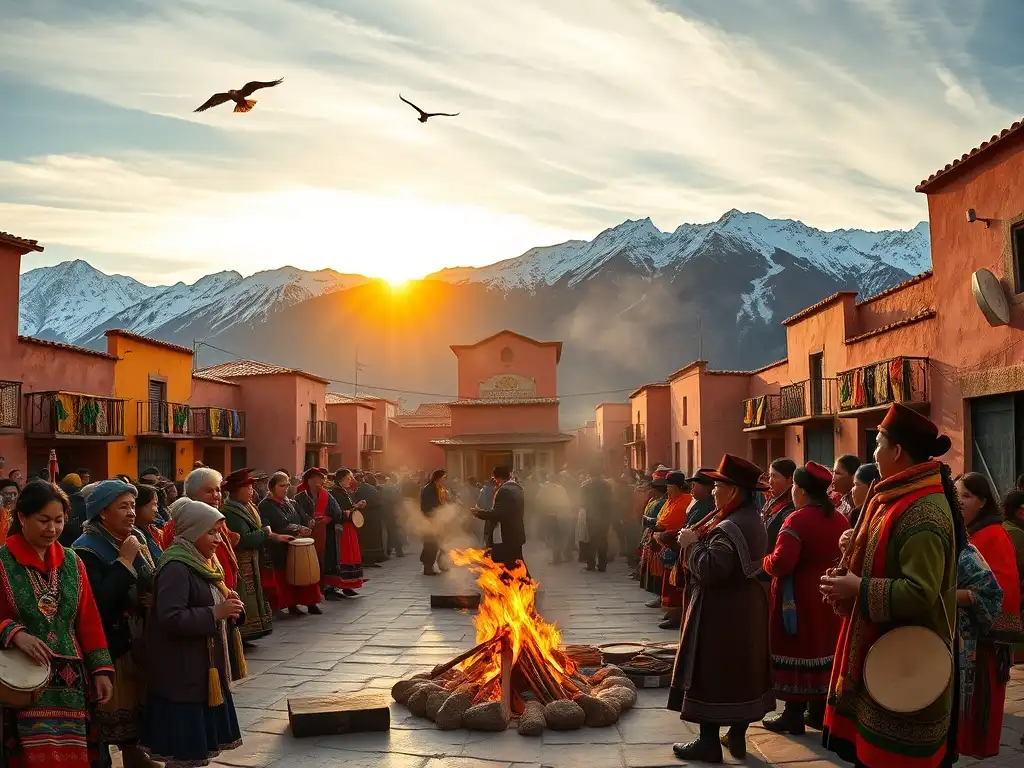
Step into a world lost in time, yet echoing with vibrant life. Imagine the breathtaking Andes Mountains, steeped in the mysteries of ancient civilizations. This is where we delve into the captivating legacy of the Incas, Moche, Nazca, and Tiahuanaco, uncovering their profound connection to the cosmos. But prepare to be enthralled by the secrets of Andean New Year rituals, a profound expression of hope and renewal that shaped their world. Discover the intricate ceremonies and beliefs that continue to resonate today – the journey awaits.
- The Andean New Year Rituals: A Celebration of Renewal and Hope
- Key Andean New Year Rituals and Ceremonies
- Regional Variations in Andean New Year Celebrations
- The Symbolic Elements of Andean New Year Rituals
- The Contemporary Relevance of Andean New Year Rituals
- Frequently Asked Questions
- Final Reflection: Echoes of the Andes, Whispers of Renewal
- Embrace a Fresh Start: Take Action Today!
The Andean New Year Rituals: A Celebration of Renewal and Hope
The Andes Mountains, a majestic spine running down the western edge of South America, have witnessed the rise and fall of countless civilizations. For millennia, these cultures developed intricate belief systems deeply intertwined with the natural world, creating rich and complex rituals reflecting their profound understanding of the cosmos. This article delves into the fascinating world of Andean New Year rituals, exploring their significance, practices, and enduring legacy.
We'll examine how these celebrations, deeply rooted in the Andean cosmovision, served as a powerful means of renewing hope and marking the cyclical rebirth of life and the promise of a bountiful year ahead. Understanding these ancient practices provides crucial insight into the spiritual and social fabric of Andean societies, offering a glimpse into a worldview profoundly different from our own, yet remarkably resonant with our universal human desire for renewal and hope. We will specifically focus on the ways in which the Andean people celebrated the transition from one year to the next, highlighting the key elements that made these ceremonies unique and powerful expressions of their faith and connection to the land.
The significance of the solstice, the importance of offerings, and the role of community will be explored in detail. By the end, you will have a deeper appreciation for the richness and complexity of Andean culture and the enduring power of their New Year traditions.
Understanding the Andean Cosmovision and the Cycle of Time
The Andean cosmovision, a complex worldview encompassing the relationship between humans, nature, and the supernatural, profoundly influenced the understanding of time and the celebration of the New Year. Unlike linear Western conceptions of time, the Andean understanding emphasized cyclical patterns mirroring the natural world. The agricultural cycle, with its periods of planting, growth, harvest, and fallow, mirrored the cyclical nature of life, death, and rebirth. This cyclical understanding is reflected in their New Year celebrations, which weren't simply a commemoration of the past year, but a ritualistic renewal preparing for the cycle to come.
Many Andean cultures viewed time as a continuous flow, a river rather than a straight line. This holistic perspective intertwined the past, present, and future, with the New Year rituals acting as a pivotal point of transition and renewal within this continuous flow. The ceremonies were designed not just to celebrate the past harvest, but to ensure a successful future harvest, demonstrating a deeply practical application of their spiritual beliefs.
These rituals involved a complex interplay of offerings, prayers, and community participation, all aimed at ensuring the continued prosperity and well-being of the community. The precise rituals varied among different Andean groups, with unique practices reflecting regional variations in beliefs and agricultural cycles. However, the underlying principle of renewal and the cyclical nature of time remained constant across various cultures.
The Significance of the Solstice in Andean New Year Celebrations
The solstice, marking the longest or shortest day of the year, held profound significance in Andean New Year celebrations. The winter solstice, in particular, often symbolized a time of rebirth and renewal. Many Andean communities saw this point as a crucial moment of transition, where the old year's energy faded, making way for the fresh energy of the new year. The precise dates for these celebrations varied slightly depending on the specific Andean group and their geographical location, but the solstice served as a key marker for the timing of the rituals.
This period was marked by elaborate ceremonies, often involving communal feasts, offerings to the Apus (mountain spirits), and specific rituals aimed at ensuring a bountiful harvest in the coming year. These rituals often involved the use of coca leaves, chicha (a fermented maize beverage), and other sacred offerings. The participation of the entire community was crucial, emphasizing the collective nature of these celebrations and their importance in maintaining social cohesion.
The astronomical observations tied to the solstice demonstrate the sophisticated understanding of the celestial bodies and their influence on the earthly cycle, reflecting the deep connection between the Andean people and the natural world. The solstice was not merely an astronomical event; it was a powerful symbol of renewal, deeply embedded within the Andean cosmological framework and their yearly cycle of life and agriculture. The careful timing of these rituals highlights the precision and planning involved in these elaborate ceremonies, further emphasizing their importance in Andean society.
Key Andean New Year Rituals and Ceremonies
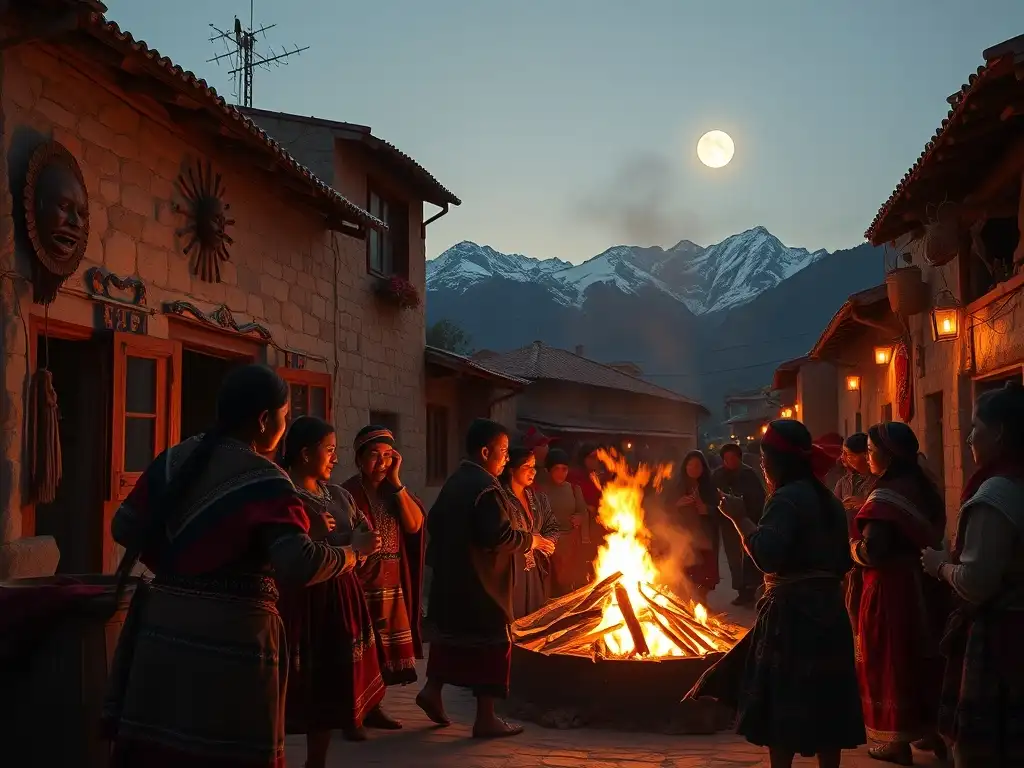
This section delves into the specific rituals and ceremonies practiced by Andean civilizations to mark the new year, focusing on their significance in renewing hope and ushering in a period of rebirth and prosperity. Understanding these practices provides crucial insight into the Andean worldview and their deep connection to the natural world. The Andean New Year, while varying slightly across different cultures and regions, consistently revolved around themes of renewal, gratitude, and purification.
Inti Raymi: The Festival of the Sun and its Connection to New Beginnings
Inti Raymi, meaning "Festival of the Sun," was the most important celebration in the Inca Empire's calendar, coinciding with the winter solstice in the Southern Hemisphere (around June 21st). This wasn't simply a celebration; it was a complex ritual deeply intertwined with the agricultural cycle and the Inca's profound reverence for the sun god, Inti. The festival's significance extended beyond mere festivity; it was a powerful symbol of renewal and hope, marking the sun's return to its ascendance and the promise of a bountiful harvest.
The celebrations were elaborate and involved a multitude of participants, from the Sapa Inca (emperor) himself to the common people. The Sapa Inca, representing the intermediary between the divine and the human world, played a crucial role in the ceremonies, offering sacrifices and performing rituals to ensure the sun's continued benevolence. These sacrifices often included llamas, other animals, and even precious objects, symbolizing the community's commitment to maintaining a harmonious relationship with the divine.
The festival also incorporated elaborate processions, music, dancing, and feasts, all carefully choreographed to honor Inti and ensure the prosperity of the empire. The vibrant colors, intricate costumes, and rhythmic movements of the dances symbolized the dynamism of life and the cyclical nature of the Andean worldview.
In essence, Inti Raymi was more than a celebration; it was a complex ritual aimed at renewing the cosmic order and ensuring the continued well-being of the Inca Empire. The meticulous planning and execution of the festival highlight the importance the Inca placed on maintaining balance and harmony between the human and spiritual realms.
Pachamama Offerings: Gratitude and Renewal for Mother Earth
Pachamama, the Andean Mother Earth, holds a central position in Andean cosmology. The Andean New Year rituals invariably included offerings to Pachamama as a gesture of gratitude for her bounty and a plea for continued fertility and prosperity. These offerings, often made at sacred sites or apu (mountain spirits), varied in nature but usually included coca leaves, chicha (a fermented corn beverage), food, and other valuable items.
The act of offering wasn't merely a symbolic gesture; it was a deeply spiritual act reflecting the interconnectedness between humanity and nature. By offering a portion of their harvest and other goods to Pachamama, the Andean people acknowledged their dependence on the earth's resources and sought to maintain a harmonious relationship with the natural world. The precise nature of the offerings could vary based on local customs and the specific needs of the community, reflecting the practical and spiritual aspects of the relationship between humans and the earth.
The offerings weren't limited to material goods; prayers and chants were also a significant part of the ritual, expressing gratitude and seeking blessings for the coming year. This demonstrates a holistic approach to the relationship with Pachamama, incorporating both material and spiritual elements to ensure balance and reciprocal exchange. The act of offering to Pachamama was, therefore, a fundamental aspect of Andean New Year rituals, strengthening the bond between humanity and the natural world and ensuring continued prosperity.
The Cleansing Rituals: Purifying Body and Spirit for the New Cycle
The Andean New Year was not only about celebrating the past and giving thanks but also about preparing for the future. Cleansing rituals played a crucial role in this preparation, purifying both the body and spirit to welcome the new cycle with renewed energy and spiritual clarity. These rituals often involved the use of sacred plants, such as coca leaves and muña (a fragrant herb), to cleanse negative energies and prepare individuals for the coming year.
These cleansing practices weren't simply hygienic; they held deep spiritual significance. The use of sacred plants, often imbued with symbolic meaning, was believed to purify the individual, removing any negativity or obstacles that might hinder their progress in the new year. Specific techniques varied across different Andean cultures, but the underlying principle remained consistent: the removal of negative energies to make way for positive change and renewal.
Furthermore, the rituals often incorporated elements of water, considered a powerful purifying element in many Andean traditions. The use of water in these rituals symbolizes the washing away of the old, paving the way for a fresh start. The combination of sacred plants and water created a powerful cleansing effect, both physically and spiritually, preparing individuals for the challenges and opportunities of the new year.
The integration of these cleansing rituals into the Andean New Year celebrations highlights the importance of spiritual and physical purity in welcoming a new cycle of life and renewal. These practices underscore the holistic approach to life and the deep connection between physical and spiritual well-being within Andean culture.
Water Rituals: Symbolism of Flow and Rebirth in Andean Traditions
Water, a life-giving force in the harsh Andean environment, held profound symbolic significance for many ancient Andean cultures. Their New Year rituals often centered around water, reflecting its power to cleanse, renew, and bring forth new life. The act of purification through water wasn't merely a physical cleansing; it represented a spiritual rebirth, washing away the past year's misfortunes and preparing for a fresh start. This symbolic cleansing was crucial to ensure a bountiful harvest and overall prosperity in the coming year.
Different Andean communities employed varied water rituals. Some involved ritual bathing in rivers or springs considered sacred. These weren't simply casual dips; they were carefully orchestrated ceremonies, often performed at dawn on the first day of the new year, under the watchful eye of the rising sun. Participants would offer prayers and coca leaves to the water spirits, requesting blessings and protection. The specific prayers varied across regions and communities, reflecting the diverse beliefs and practices within the Andean world. However, the underlying theme of renewal and purification remained constant.
Other rituals focused on the controlled use of water in agricultural practices. The careful channeling of water through irrigation systems, a feat of engineering in itself, was imbued with spiritual meaning. The act of directing the flow of water was seen as a way to direct the flow of life and prosperity.
Farmers would perform offerings to the apu (mountain spirits) and the water deities, ensuring a smooth and abundant flow of water throughout the year, vital for their crops and their survival. This intertwining of agricultural practices and spiritual rituals underscores the deep connection between the Andean people and their environment. The success of their agriculture was intrinsically linked to their relationship with the spiritual world.
Furthermore, the symbolism of water extended beyond its practical use. The cyclical nature of water—its flow, its evaporation, and its return as rain—mirrored the cyclical understanding of time and life prevalent in Andean cosmovision. The annual renewal of water through the rainy season was directly connected to the renewal of life and hope for the New Year.
This cyclical perspective provided a powerful framework for understanding the continuous process of death and rebirth fundamental to Andean spiritual beliefs. Observing the natural world, particularly the life-giving power of water, was key to understanding their spiritual beliefs and practices. The Andean New Year rituals involving water were, therefore, not simply ceremonies; they were deeply embedded expressions of their worldview.
Regional Variations in Andean New Year Celebrations
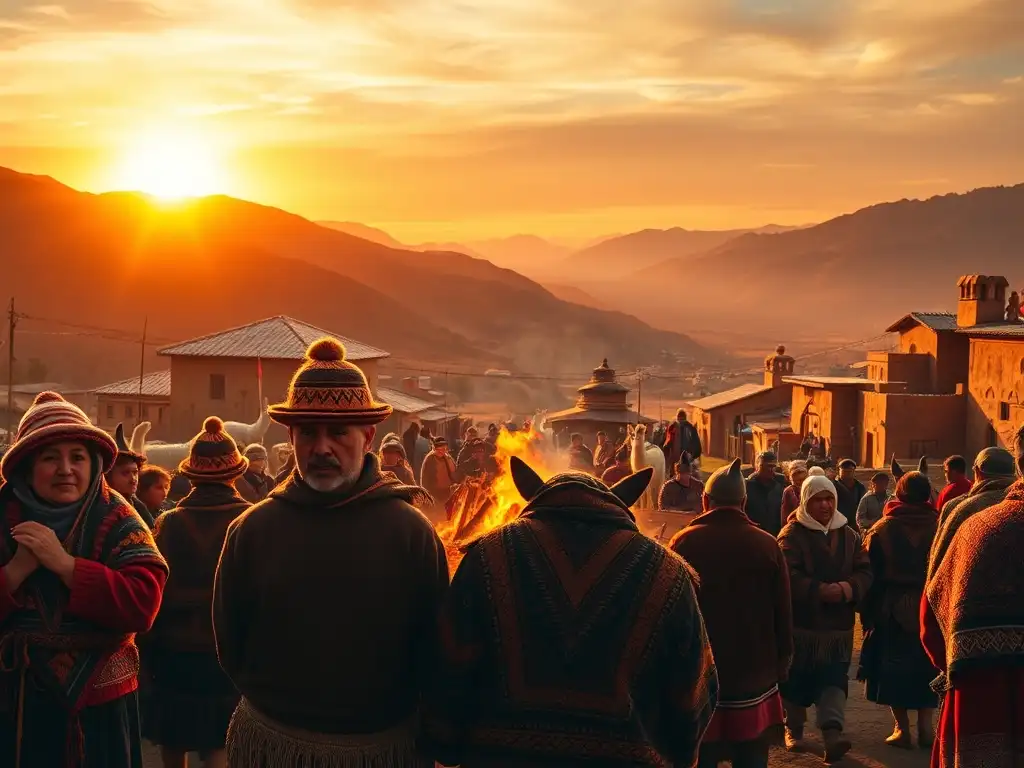
The Andean New Year, a time of renewal and hope, wasn't celebrated uniformly across the vast Andean region. The diverse geography and unique cultural identities of different communities shaped their specific rituals and ceremonies, resulting in a fascinating tapestry of traditions. While a common thread of rebirth and the cyclical nature of life permeated all celebrations, the modus operandi varied significantly depending on location, altitude, and the dominant cultural group.
Understanding these regional variations provides a richer and more nuanced perspective on the significance of the Andean New Year rituals. This section will explore some key examples of these diverse celebrations, highlighting the unique aspects of each.
The New Year Festivities in the Cusco Region: The Burning of the Old Year
The Cusco region, the historical heartland of the Inca Empire, boasts a vibrant and enduring tradition surrounding the Andean New Year. The most prominent ritual here involves the symbolic "burning of the old year," a cleansing practice aimed at purging negativity and preparing for the fresh energy of the new cycle. This isn't a simple bonfire; it's a carefully orchestrated event often involving effigies representing the past year's misfortunes – perhaps made of old clothes, representing worn-out habits, or even small figures embodying negative experiences.
These effigies, sometimes accompanied by written notes detailing personal grievances or regrets, are meticulously constructed and then ceremonially burned, often with accompanying prayers and chants invoking Pachamama (Mother Earth) and Inti (the Sun God) to accept the offerings and usher in good fortune. The act of burning isn't merely destructive; it's transformative, symbolizing the release of the past to make way for the future. Families often participate, creating a strong communal aspect to this Andean New Year ritual, fostering a sense of shared purpose and collective renewal.
The smoke rising from the flames is believed to carry away the negative energy, leaving behind a space for positive energy and new beginnings. The ashes, representing the remnants of the past, are often scattered across the land, returning to the earth to nourish and renew.
Andean New Year Celebrations in the Highlands: The Wilancha Ceremony
Moving to the higher altitudes of the Andes, the celebrations take on a different character, reflecting the unique challenges and spiritual beliefs of the highland communities. The Wilancha ceremony, prevalent in many highland regions, is a prime example. This ritual centers around a unique type of offering, the wilancha, which is a bundle of coca leaves, herbs, and other symbolic items. These bundles are meticulously prepared, each element carefully chosen for its specific symbolic meaning, reflecting the community's connection to the natural world and their deep understanding of herbal medicine.
The wilancha is then offered to the apus (mountain spirits), considered sacred entities that govern the highlands. The act of offering the wilancha is a profound expression of respect and gratitude, seeking their blessings for the coming year. This ceremony often involves intricate rituals, including prayers, music, and dances, all performed with deep reverence and sincerity.
The success of the harvest, the health of the community, and the overall well-being of the people are all intertwined with the success of the Wilancha ceremony. This exemplifies the deep connection between Andean spirituality and the natural environment, showcasing how the Andean New Year rituals are deeply rooted in the land itself.
Coastal Andean Communities and their New Year Rituals: Sea Offerings
Coastal Andean communities, with their unique relationship to the sea, developed distinct New Year rituals that incorporated the ocean's power and mystery. Instead of focusing solely on the land, as in the highland ceremonies, these celebrations often involved offerings to the sea, acknowledging its vital role in their lives.
These offerings, which varied greatly between different coastal communities, could include fruits, flowers, coca leaves, or even small crafted objects. The act of casting these offerings into the ocean was a form of appeasement and gratitude, seeking the sea's protection and blessings for the coming year, ensuring a bountiful fishing season and safe passage for their boats.
The precise nature of these sea offerings, the accompanying ceremonies, and the specific deities invoked varied considerably depending on the local traditions and beliefs. Some communities might have performed elaborate ceremonies with music and dance, while others might have opted for a more private, intimate offering.
However, the underlying theme remained consistent: a deep respect for the ocean's power and a desire to maintain a harmonious relationship with this vital element of their environment. The Andean New Year rituals of the coastal communities thus underscore the adaptability and diversity of Andean spiritual practices, showcasing how beliefs and rituals were shaped by the unique environment and lifestyle of each community.
The Symbolic Elements of Andean New Year Rituals
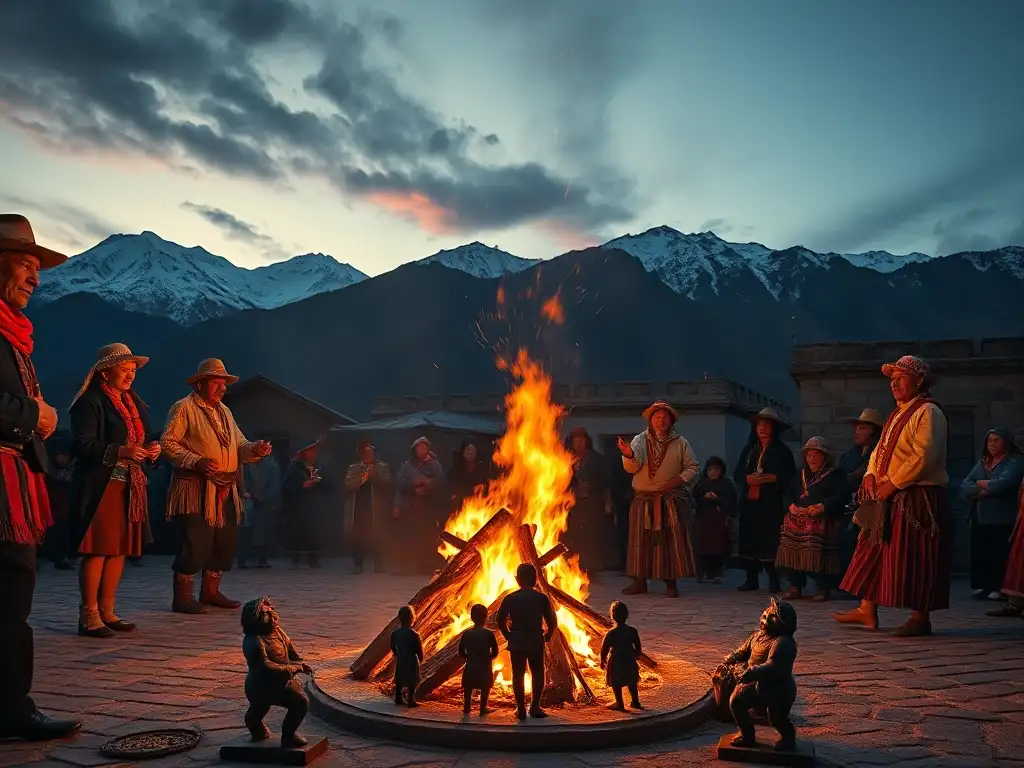
The Andean New Year, a time of renewal and hope, is deeply imbued with symbolism reflecting the intricate cosmology and worldview of the Andean civilizations. Understanding these symbols is key to appreciating the profound significance of these rituals. The celebration wasn't just a festive occasion; it was a complex ritual performance aimed at ensuring a bountiful harvest, warding off misfortune, and maintaining harmony between the human world and the sacred.
This intricate tapestry of symbolism, woven through ceremonies and offerings, ensured the continuity of life and the prosperity of the community. Specific symbols varied across different Andean cultures—Inca, Moche, Nazca, and Tiahuanaco—yet common threads of renewal, fertility, and cosmic balance unite them.
The continuity of these themes across diverse groups points to a shared understanding of the cyclical nature of time and the importance of maintaining a harmonious relationship with the natural world. This deep connection with the environment is reflected in the prominent use of natural elements within the rituals.
The Role of Sacred Plants in Andean New Year Ceremonies
Sacred plants played a central role in Andean New Year ceremonies, acting as conduits between the human and spiritual realms. Coca leaves, for example, were not merely a stimulant; they were considered sacred offerings, used in rituals to connect with the spirits and ancestors. The act of chewing coca leaves during ceremonies was a ritualistic practice, facilitating communication with the supernatural. Similarly, various other plants, including chicha (a fermented maize beverage), were integral parts of the celebrations, symbolizing fertility and abundance.
The preparation and consumption of chicha were often ritualized, with specific prayers and offerings accompanying each stage. The use of these plants wasn't arbitrary; each plant held specific symbolic meaning and was associated with particular deities or spiritual forces. For instance, certain plants might be linked to water deities, ensuring a successful rainy season, while others might be associated with fertility deities, ensuring a bountiful harvest.
Detailed ethnographic studies are still needed to fully elucidate the specific symbolic meanings attached to each plant in different Andean cultures, but existing data strongly suggests a complex system of botanical symbolism underpinning these rituals. The precise varieties of plants used and their specific ritualistic applications varied regionally and across different groups, reflecting the diversity of Andean cultures and their unique interpretations of the New Year. Further research into specific regional variations is crucial for a complete understanding of the role of sacred plants in Andean New Year rituals.
Music and Dance as Expressions of Renewal and Joy
Music and dance were not simply entertainment in Andean New Year celebrations; they were powerful expressions of renewal, joy, and connection with the spiritual world. The rhythmic beats of drums, the melodies of panpipes, and the vibrant movements of dancers all served to invoke the energies of the cosmos and invite blessings for the coming year. These performances were not spontaneous; they were carefully choreographed and imbued with deep symbolic meaning. Specific dances might represent the cycles of nature, the movements of celestial bodies, or the actions of mythical figures.
The costumes worn by dancers, often adorned with vibrant colors and intricate designs, further amplified the symbolic power of the performances. The music, too, was not arbitrary; different rhythms and melodies were associated with different deities or spiritual forces. For instance, certain rhythms might be associated with the earth, while others might be linked to the sky or the underworld.
Through music and dance, the community collectively participated in the renewal of the cosmos and the celebration of life's cyclical nature. The specific types of music and dance varied considerably across different Andean regions and cultures, offering a rich tapestry of artistic expression interwoven with religious significance. Preservation and study of these traditional forms are essential for understanding the cultural heritage of the Andes.
The Use of Colors and Textiles in Andean New Year Celebrations
Color and textiles played a vital role in Andean New Year celebrations, serving as potent visual symbols of renewal and cosmic harmony. The vibrant colors of textiles, often crafted from natural dyes, represented the diverse energies of the natural world. Red, for example, might symbolize the earth's life-giving power, while yellow might represent the sun's energy. The intricate patterns woven into textiles often held deeper symbolic meanings, representing celestial bodies, agricultural cycles, or mythological figures.
The act of wearing specific colors or textiles during ceremonies was not coincidental; it was a deliberate act of participating in the symbolic renewal of the cosmos. Textiles weren't merely clothing; they were powerful objects imbued with spiritual significance. The creation of these textiles was itself a ritualistic act, with specific prayers and offerings accompanying each stage of the process. The use of particular colors and patterns varied across different Andean cultures, reflecting regional diversity and distinct symbolic systems.
Further research is needed to fully understand the intricate symbolism encoded within the textiles and the specific meanings associated with different colors and patterns in different Andean communities. The careful study of surviving textile fragments offers invaluable insights into the rich symbolic world of Andean New Year celebrations. Detailed analysis of color usage and textile design in surviving artifacts can illuminate the deeper cultural and cosmological meanings embedded within these visually striking elements.
The Contemporary Relevance of Andean New Year Rituals
The Andean New Year, a time of renewal and hope deeply rooted in ancient traditions, continues to hold profound significance for contemporary Andean communities. While the specific practices may have evolved over centuries, the core beliefs surrounding the cyclical nature of time, the veneration of nature, and the importance of community remain central to these celebrations. Understanding the contemporary relevance of these rituals allows us to appreciate not only their historical weight but also their ongoing power to shape individual lives and community identities.
Many modern Andean people find solace and strength in these traditions, connecting them to their heritage and providing a framework for navigating the challenges of modern life. The enduring appeal of these rituals highlights their adaptability and enduring power to resonate with people across generations. The celebration isn't simply a historical reenactment; it's a living tradition, constantly evolving while preserving its essence.
Preserving Andean Traditions in Modern Times
The preservation of Andean New Year rituals faces numerous challenges in the modern world. Globalization, urbanization, and the influence of external cultures threaten the integrity of these traditions. However, active efforts are underway to safeguard this vital cultural heritage.
Many communities actively promote the teaching of traditional practices to younger generations, ensuring the continuity of knowledge and skills. This often involves workshops, community events, and educational initiatives focusing on the meaning and significance behind the rituals. Furthermore, the use of digital platforms and media has played a significant role in disseminating information about Andean New Year celebrations, reaching a wider audience and fostering a sense of shared cultural identity.
For example, [specific examples of digital initiatives to preserve Andean traditions pending]. The ongoing efforts demonstrate a strong commitment to preserving these valuable traditions for future generations. Despite the challenges, the vibrant continuation of many aspects of the Andean New Year celebration reveals a resilient cultural spirit.
The Spiritual Significance of the Andean New Year for Present Generations
For present generations, the Andean New Year rituals offer a powerful connection to the spiritual world and their ancestral heritage. The celebrations provide a framework for introspection, reflection, and renewal. The rituals are not merely symbolic; they are believed to actively influence the coming year, ensuring prosperity, health, and harmony.
Many individuals participate in cleansing ceremonies, seeking to purify their bodies and spirits, preparing for the new cycle. The emphasis on community participation reinforces social bonds and strengthens collective identity. The shared experience of these rituals fosters a sense of belonging and shared purpose.
The spiritual significance of these celebrations is interwoven with the everyday lives of many, offering a source of comfort, guidance, and spiritual grounding in an increasingly complex world. The enduring faith in the power of these rituals highlights their enduring relevance in the lives of modern Andean people. It's a testament to the strength of spiritual belief and its role in shaping individual and collective identities.
How to Connect with the Essence of Andean New Year Rituals
Connecting with the essence of Andean New Year rituals requires respect, understanding, and a willingness to learn. While participation in specific ceremonies may require involvement within a community, there are ways to appreciate and honor the spirit of these traditions from afar. Learning about the symbolism and meaning behind the various rituals, such as the offerings to Pachamama (Mother Earth) or the significance of specific foods and drinks, provides valuable insight.
Reading accounts from anthropologists, historians, and community members offers a deeper understanding of the cultural context. Respecting the cultural sensitivity surrounding these traditions is paramount. It is crucial to avoid appropriating or trivializing these practices.
Instead, a mindful approach that prioritizes learning and appreciation will allow for a meaningful engagement with the rich cultural heritage of the Andean New Year. The key is to approach these rituals with humility and respect, recognizing their profound significance for Andean communities. This approach allows for a deeper appreciation of the traditions without diminishing their cultural importance.
Frequently Asked Questions
What is the Andean New Year, and when is it celebrated?
The Andean New Year, also known as Inti Raymi, is a celebration marking the winter solstice in the Southern Hemisphere. It's celebrated around June 21st and signifies the renewal of the sun's energy and the start of a new agricultural cycle.
What are some key rituals practiced during the Andean New Year?
Celebrations often involve offerings to the sun god Inti, ceremonial dances, and feasts. Communities gather to perform rituals aimed at ensuring a prosperous year, often involving coca leaves and chicha (corn beer).
How did the Incas celebrate the Inti Raymi festival?
The Inca celebration of Inti Raymi was a large-scale event involving the emperor and a massive gathering of people. It included elaborate ceremonies, sacrifices, and processions, showcasing the Inca's powerful religious beliefs.
What is the significance of the sun in Andean New Year rituals?
The sun, or Inti, holds immense significance. It is considered a life-giving force, and the festival is a time to honor and appease it to ensure a bountiful harvest and prosperity for the coming year.
Are Andean New Year rituals still practiced today?
Yes, many modern-day Andean communities continue to observe elements of Inti Raymi and similar New Year traditions. While some aspects have evolved, the core beliefs and practices of renewing hope and ensuring a fruitful new year persist.
Final Reflection: Echoes of the Andes, Whispers of Renewal
The vibrant traditions of the Andean New Year, far from being relics of the past, offer a potent antidote to the anxieties of the modern world. Their emphasis on community, introspection, and the cyclical nature of life provides a powerful framework for navigating uncertainty and embracing hope in the face of change. These rituals, deeply rooted in the landscape and the spirit of the Andes, continue to resonate with a profound and timely relevance.
The enduring power of these Andean traditions lies in their ability to connect us to something larger than ourselves – a sense of belonging, a rhythm of nature, and a shared human experience that transcends geographical boundaries. The earth is what we all have in common.
This simple truth, often overlooked in our fast-paced lives, is at the heart of the Andean New Year celebrations. Their focus on cleansing, renewal, and the promise of a fresh start speaks to a deep-seated human need for hope and a connection to the natural world, a need that feels particularly acute in our current times.
Consider the lessons woven into these ancient practices. Embrace the ritual of cleansing, both physically and spiritually. Take time for introspection, reflecting on the past year and setting intentions for the future. Seek connection with your community, sharing experiences and supporting one another. You, too, can cultivate a sense of renewal and hope, drawing strength from the enduring wisdom of the Andean people and their vibrant celebrations. Let the echoes of the Andes inspire you to create your own meaningful rituals of renewal, shaping a future filled with purpose and hope.
Embrace a Fresh Start: Take Action Today!
Thank you for exploring the rich traditions of the Andean New Year with us! We hope you feel inspired by the rituals of renewal and the hope they offer. Now, it's time to put that inspiration into action.
Here are a few ways to integrate these insights into your life:
- Create your own renewal ritual: Dedicate some time to reflection and develop a personal tradition for welcoming new beginnings. Incorporate elements that hold special meaning for you.
- Share your journey: Discuss the significance of renewal with friends and family. You might also share your personal reflections or insights on social media.
- Learn more about Andean culture: Deepen your understanding by visiting museums, reading books, or attending cultural events that celebrate Andean traditions.
What changes will you make today to embrace a fresh start?