
The Unseen Aspects of Andean Metal: Beyond the Surface

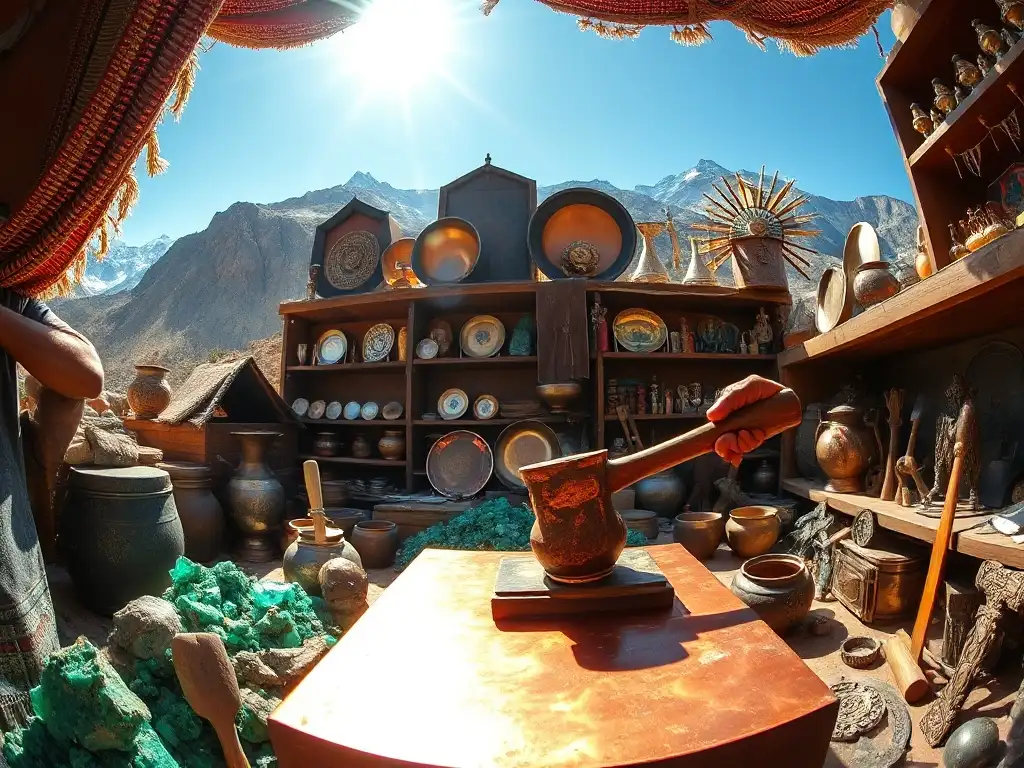
Step into a world lost to time, yet echoing with the whispers of masterful artistry. Dive into the captivating realm of Andean Civilizations, where empires rose and fell, leaving behind a legacy of breathtaking ingenuity. But have you ever considered the secrets hidden within their dazzling gold and silver? This journey begins with Andean metalworking techniques, revealing the unseen aspects of a craftsmanship so advanced, it continues to amaze us today. Prepare to uncover the mysteries behind the dazzling metalwork that defined these ancient societies—a story waiting to be explored.
The Andes Mountains, a spine of towering peaks running down the western coast of South America, were not just a geographical feature; they were a crucible of innovation, particularly in the realm of metallurgy. This article delves into the fascinating world of Andean metalworking, exploring techniques and traditions that often remain unseen, overshadowed by the glittering gold and silver artifacts that capture the popular imagination. We will move beyond the surface beauty of these objects to examine the sophisticated processes, ingenuity, and cultural significance of Andean metalworking, focusing on the advancements in techniques that shaped the identities and power structures of pre-Columbian societies.
Understanding Andean metalworking techniques provides a crucial lens through which to appreciate the remarkable technological prowess and artistic achievements of these ancient cultures, highlighting their profound impact on the development of metallurgy in the Americas. This exploration will reveal the deep-rooted expertise and the intricate connections between Andean metalworking and the broader socio-cultural landscape.
We will specifically examine the advancements made before the Inca Empire, laying the groundwork for their later achievements. The keyword, "Andean metalworking techniques," will be explored throughout, examining the diverse approaches across different cultures and time periods.
Introduction to Andean Metalworking and its Significance
Andean metalworking, spanning millennia, represents a remarkable achievement in human technological history. Unlike Old World metallurgy, which had access to vast deposits of tin and other key metals, Andean metalworkers faced unique challenges. They skillfully adapted their techniques to the available resources, primarily copper, gold, silver, and bronze (a copper-tin alloy, although tin was scarce).
The significance of Andean metalworking extends beyond mere technological prowess. Metal objects held profound symbolic and ritualistic value, reflecting social hierarchies, religious beliefs, and economic power. Elaborate gold and silver artifacts, often depicting deities or mythical creatures, were integral to Andean ceremonies and served as powerful symbols of authority.
The mastery of metalworking allowed Andean societies to create intricate tools, weapons, and adornments, profoundly shaping their daily lives and cultural expressions. The development of sophisticated techniques, such as hammering, casting, and alloying, was not a linear process but rather a complex evolution shaped by diverse regional traditions and cultural exchanges. Understanding the nuances of these techniques is essential to fully appreciate the complexity and sophistication of Andean civilizations.
Pre-Incan Metalworking Traditions: A Foundation for Innovation
Before the Inca Empire rose to prominence, a rich tapestry of metalworking traditions flourished across the Andes. These traditions, while geographically diverse, shared some common threads, particularly in the development of basic techniques and the use of specific alloys. These pre-Inca cultures laid the foundations upon which the Inca would later build their own impressive metallurgical achievements. The innovation and ingenuity displayed in these early practices should not be understated; they represent a significant contribution to the history of metallurgy.
Early Andean Metal Smelting Practices
Early Andean metalworkers developed ingenious methods for smelting copper ores, often using rudimentary furnaces built from clay and stone. [Specific details on furnace construction and fuel sources pending]. While the exact techniques varied regionally, the fundamental principles remained consistent: heating the ore to high temperatures in a reducing atmosphere to separate the metal from its impurities.
The resulting copper, though often impure, was then hammered and shaped into various tools and ornaments. The development of effective smelting techniques was crucial, providing the raw material for more advanced metalworking processes. This early mastery of smelting laid the foundation for the more complex techniques that would follow, allowing for the creation of increasingly intricate and sophisticated metal objects.
The Development of Alloying in Pre-Incan Cultures
The discovery and utilization of alloys marked a significant leap forward in Andean metalworking. The most common alloy was bronze, a combination of copper and tin, although the scarcity of tin in the Andes made its production a challenge. [Information on specific techniques used to overcome tin scarcity pending]. Other alloys, such as tumbaga (an alloy of gold and copper), were also developed, producing a range of colors and properties.
The ability to create alloys allowed Andean metalworkers to produce objects with enhanced durability, aesthetic appeal, and specific functional properties. This demonstrated a high level of metallurgical understanding and experimentation. The development of alloys was a crucial step in the evolution of Andean metalworking, enabling the creation of more durable and aesthetically pleasing artifacts.
Regional Variations in Pre-Incan Metal Craftsmanship
The Andes were not a monolithic cultural entity; rather, a diverse range of societies, each with its own unique artistic traditions and metalworking practices, inhabited the region. The Moche, Nazca, and Tiahuanaco cultures, for example, all developed distinct styles and techniques. [Specific examples of regional variations in techniques and styles, including examples of specific artifacts, pending].
These regional differences highlight the dynamism and creativity within Andean metalworking, demonstrating a remarkable adaptation to local resources and cultural preferences. The diversity of styles and techniques underscores the importance of considering the geographical and cultural context when studying Andean metallurgy. The differences in style and technique were not merely aesthetic; they often reflected socio-political structures and religious beliefs.
The Inca Empire's Mastery of Metal: Techniques and Applications
The Inca Empire, renowned for its sophisticated infrastructure and intricate artistry, also demonstrated remarkable proficiency in metalworking. Their metallurgical achievements weren't merely technological feats; they were deeply intertwined with their social structure, religious beliefs, and economic systems. Inca metalworkers weren't simply artisans; they held significant social standing, reflecting the value placed on their skills and the importance of metal objects within the empire.
The Inca inherited and refined existing techniques from previous Andean cultures, but they also developed unique approaches and expanded the scale of metal production to an unprecedented level. This mastery allowed them to create a wide range of objects, from intricate jewelry and ceremonial vessels to practical tools and weapons. The integration of metal into every aspect of Inca life underscores its profound cultural significance.
Inca Metalworking Techniques: Refining Pre-Existing Methods
Inca metalworking techniques built upon the foundations laid by prior Andean civilizations. They inherited and improved upon existing smelting, alloying, and shaping methods. For instance, the Inca significantly advanced the lost-wax casting process, achieving remarkable detail and precision in their castings. They also mastered the techniques of hammering, repoussé (hammering from the back to create relief), and chasing (smoothing and refining the surface), allowing them to create intricate designs on gold and silver sheets.
Evidence suggests that the Inca also employed advanced techniques in gilding and plating, enhancing the aesthetic appeal and durability of their metalwork. Their ability to create complex alloys, such as tumbaga (an alloy of gold and copper), further highlights their advanced understanding of metallurgy. The refinement of these pre-existing methods allowed the Inca to produce metal objects of unparalleled quality and complexity.
The Role of Metal in Inca Society: Power, Ritual, and Economy
Metal in Inca society held immense symbolic weight, representing power, prestige, and divinity. Gold, in particular, was associated with the sun god Inti, and gold objects were often used in religious ceremonies and adorned the bodies of elite members of society. Silver, while less precious than gold, was still highly valued and used for a variety of purposes, including crafting tools, weapons, and decorative items. The production and distribution of metal objects were tightly controlled by the Inca state, reflecting the economic and political significance of these materials.
Metalworkers were likely organized into specialized workshops, perhaps under the supervision of state officials, ensuring the quality and consistency of production. The control over metal resources and production further solidified the Inca's power and authority. The intricate designs and high quality of Inca metalwork also served as a powerful symbol of their imperial authority and cultural sophistication.
Inca Gold Llamas and Their Symbolism
Inca gold llamas, often depicted in naturalistic poses, are iconic examples of their metalworking skill. These figurines weren't merely decorative; they held deep symbolic meaning, representing wealth, fertility, and the connection between the Inca and the Andean landscape. Llamas were crucial to the Inca economy, providing wool, meat, and transportation. The creation of gold llama figurines, therefore, likely served as a visual representation of the empire's prosperity and its connection to the natural world.
The level of detail and realism in these figurines highlights the skill of Inca artisans and their ability to capture the essence of the animal. The use of gold further elevated their symbolic significance, linking them to the sun god and the divine realm. The discovery of numerous gold llama figurines in various Inca sites provides evidence of their widespread importance and distribution.
Andean Metalworking Techniques: A Closer Look
Andean metalworking was a complex process involving numerous steps, from mining and ore extraction to smelting, shaping, and finishing. The techniques employed varied slightly across different cultures and time periods, but some common threads run throughout Andean metallurgy. The ingenuity and resourcefulness of Andean metalworkers are evident in their ability to adapt their techniques to the challenges posed by their environment and the available resources. The sophistication of their methods is a testament to their deep understanding of materials science and their ability to manipulate metals to achieve desired shapes and forms.
The Process of Mining and Ore Extraction in the Andes
Mining in the Andes presented significant challenges due to the rugged terrain and high altitudes. Andean miners employed various techniques to extract ores, including open-pit mining, shaft mining, and possibly even some form of hydraulic mining. The tools they used were relatively simple, often made of stone, copper, or bronze, but they were effective enough to extract significant quantities of ore.
Evidence suggests that some mines were quite extensive, indicating a well-organized and sustained mining effort. The location of mines often reflected the availability of ore deposits and the proximity to other resources, such as fuel for smelting. The arduous nature of mining in the Andes underscores the dedication and skill of the Andean miners.
Andean Smelting Methods and Furnace Technology
Andean smelting methods involved heating ores in furnaces to extract the metal. The design and construction of furnaces varied across different cultures and time periods, but they generally involved a combination of fuel, air, and a receptacle for the molten metal. The fuel used was typically charcoal, which was readily available in the Andean region.
The precise techniques for controlling the temperature and airflow within the furnaces remain somewhat unclear, but the results, as evidenced by the quality of the metal objects produced, suggest a high degree of skill and expertise. The development of more efficient smelting techniques likely played a crucial role in the expansion of metal production in the Andes. Further research is needed to fully elucidate the complexities of Andean furnace technology.
Techniques for Shaping and Finishing Metal Objects
Once the metal was smelted, Andean metalworkers employed various techniques to shape and finish their objects. These included hammering, casting (using both lost-wax and other methods), repoussé, chasing, and soldering. The lost-wax casting technique, in particular, allowed for the creation of highly intricate and detailed objects. Hammering was used to shape sheets of metal, and repoussé and chasing were employed to create three-dimensional forms and refine the surface of the metal.
Soldering allowed for the joining of different pieces of metal. The combination of these techniques allowed Andean metalworkers to create a wide range of objects, from simple tools to elaborate ceremonial vessels and intricate jewelry. The skill and precision evident in their work highlight their mastery of these diverse metalworking techniques.
Beyond Gold and Silver: Other Metals and Their Uses
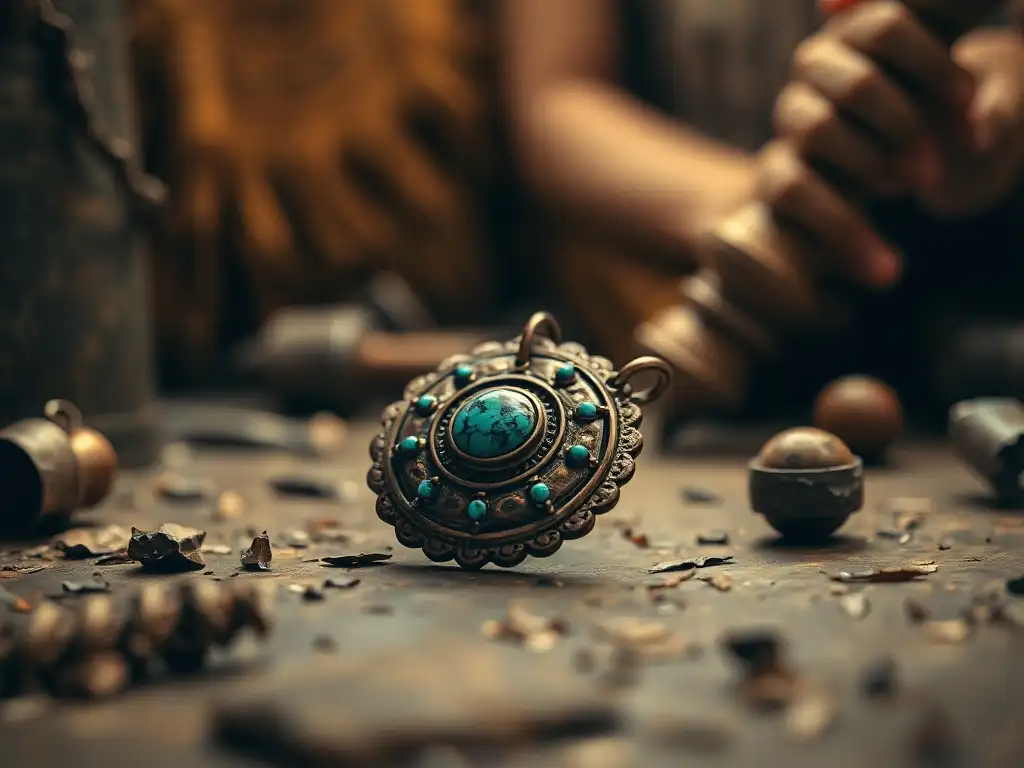
The brilliance of gold and silver often overshadows the sophisticated use of other metals in Andean metallurgy. While precious metals held significant symbolic value, the practical applications of copper, bronze, and their alloys were equally vital to Andean societies. The mastery of these materials reveals a deep understanding of metallurgical processes and their adaptability to diverse needs. The widespread use of these metals demonstrates not only technical skill but also a sophisticated understanding of material properties and their potential applications.
This sophisticated understanding allowed for the creation of a wide array of tools and objects, vital for both daily life and religious practices. The ability to work with these metals was a crucial factor in the development and prosperity of Andean civilizations. Further research into the sourcing and distribution of these metals is needed to fully understand their role in the complex economic and social structures of the Andes.
Copper and Bronze in Andean Societies
Copper, readily available in the Andes, formed the basis of many tools and weapons. From simple awls and needles to more complex axes and chisels, copper objects reveal the ingenuity of Andean metalworkers. The development of bronze, an alloy of copper and tin, marked a significant technological advancement. Bronze tools were harder and more durable than those made of pure copper, significantly impacting agriculture, construction, and warfare.
The increased hardness and durability of bronze tools allowed for more efficient farming practices, leading to increased agricultural output and supporting larger populations. The production of bronze tools also reflects a sophisticated understanding of alloying techniques and the ability to control the properties of the resulting metal. This sophisticated knowledge gave Andean societies a distinct advantage over neighboring groups. Evidence suggests that bronze technology spread through the Andes, influencing the development of different cultures and shaping their technological landscape.
The Use of Tin and Other Alloys in Andean Metallurgy
The addition of tin to copper to create bronze was a crucial development, but Andean metallurgists experimented with other alloys as well. The precise composition and purpose of these alloys are still being investigated, but evidence suggests that they were used to modify the properties of the metals, creating objects with specific characteristics. For example, certain alloys might have been used to increase the hardness of tools, while others were chosen for their aesthetic qualities.
The use of arsenic, for example, is documented in some Andean alloys, although the exact reasons for its inclusion are still a subject of ongoing research and debate among specialists. Understanding the precise metallurgical techniques employed and the reasons behind the selection of specific alloying elements is crucial to a complete understanding of Andean technological achievements. Further research is needed to fully understand the diversity of alloys employed and their impact on Andean societies.
Tumbaga Masks and Their Cultural Context
Tumbaga, a gold-copper alloy, was particularly prized for its aesthetic qualities. The rich, warm color of tumbaga, ranging from golden-yellow to reddish-brown, depending on the copper content, made it ideal for decorative objects, particularly masks. These masks, often found in elite burials, are not only visually stunning but also provide crucial insights into Andean religious beliefs and social structures. The craftsmanship displayed in these masks is remarkable, showcasing the high level of skill possessed by Andean artisans.
The intricate details and the sophisticated techniques employed in their creation highlight the importance of metalworking in Andean society. The use of tumbaga in these masks suggests a connection between the preciousness of gold and the power and authority associated with the individuals buried with them. Further study of tumbaga masks is crucial to a deeper understanding of Andean iconography, symbolism, and social hierarchy.
The Cultural and Symbolic Meanings of Andean Metalwork
Andean metalwork transcended its purely utilitarian function; it held profound cultural and symbolic significance. The creation and use of metal artifacts were deeply intertwined with the religious beliefs, social structures, and political systems of Andean societies. Metal objects were not merely tools or ornaments; they were imbued with meaning and power, reflecting the worldview and values of the people who created and used them.
The materials themselves, especially gold and silver, were often associated with deities and the supernatural world. The techniques used to shape and decorate these objects also played a significant role in their symbolic meaning, reflecting the skills and knowledge of the artisans and the power and prestige of their patrons.
Metal as a Symbol of Status and Power
The possession of metal objects, particularly those made of gold and silver, was often a clear indicator of social status and power. Elite individuals were frequently buried with elaborate metal ornaments and tools, reflecting their high position in society. The size, complexity, and material of these objects were directly related to the individual's social standing.
The control and distribution of metal resources played a crucial role in maintaining social hierarchies and political power. The use of metal in royal insignia and ceremonial objects further reinforced the connection between metal and power. The abundance of metal artifacts found in elite burials provides strong evidence of the link between metalwork and social stratification in Andean societies.
The Religious Significance of Metal Artifacts
Metal artifacts played a significant role in Andean religious practices. Many objects were created for use in rituals and ceremonies, serving as offerings to deities or as symbols of religious beliefs. The use of specific metals and alloys in religious contexts reveals a sophisticated understanding of the symbolic properties of these materials. Gold, for example, was often associated with the sun and its power, while silver was linked to the moon and its influence.
The shapes and designs of these objects were also carefully chosen, reflecting the specific deities or religious concepts they represented. The discovery of metal artifacts in sacred sites provides strong evidence for their religious significance. Further research is needed to fully understand the intricate relationship between Andean religion and metalwork.
Metalwork in Andean Funerary Practices
Metalwork occupied a prominent place in Andean funerary practices. Elite individuals were often buried with elaborate metal objects, reflecting their status and the beliefs surrounding the afterlife. The types of metal objects included in burials varied depending on the culture and time period, but they consistently served as indicators of social rank and spiritual beliefs.
The placement of metal objects within the burial context also held significance, providing insights into the rituals and beliefs surrounding death and the afterlife. The careful arrangement of these objects suggests a complex system of beliefs surrounding the transition to the afterlife and the role of metal artifacts in this process. The study of Andean burial practices provides valuable information on the role of metalwork in shaping the understanding of death and the afterlife.
The Legacy of Andean Metalworking: Influences and Continuities
The mastery of Andean metalworking wasn't confined to the ancient civilizations themselves; its influence reverberated through time and across cultures. The techniques and artistic styles developed by the pre-Columbian Andean peoples profoundly impacted subsequent societies, shaping their own approaches to metalworking and leaving an indelible mark on their artistic traditions. The intricate designs, sophisticated alloys, and advanced techniques employed by the Incas, for example, served as a foundation upon which later artisans built.
We see echoes of their innovations in the colonial period and even in contemporary craft traditions. The legacy isn't simply about inherited objects; it's about the transmission of knowledge, skills, and aesthetic sensibilities that continue to inspire and inform metalworkers to this day. The use of specific alloys, like tumbaga (a gold-copper alloy), became a hallmark not only of Andean craftsmanship but also influenced the stylistic choices of later metalworkers in the region.
This continuity demonstrates the enduring power of cultural heritage and the lasting impact of technological advancements. The understanding of lost-wax casting, for example, spread beyond the Andean region, but its origins and early refinements are undeniably linked to the ingenuity of Andean civilizations.
The Impact of Andean Metalworking on Subsequent Cultures
The arrival of Europeans in the Andes dramatically altered the landscape, including the practice of metalworking. While the Spanish initially sought to exploit existing Andean metalworking skills for their own benefit, the fusion of techniques and aesthetics resulted in a unique hybrid style. Indigenous artisans adapted their traditional methods to incorporate new materials and technologies introduced by the colonizers.
This resulted in a fascinating blend of pre-Columbian aesthetics and European influences. For instance, the detailed ornamentation characteristic of Inca goldwork found its way into colonial silverwork, albeit often with modified designs and symbolic meanings reflecting the new religious and political order. The impact extended beyond the purely aesthetic; the organizational structures and economic systems associated with Andean metal production were also transformed under colonial rule.
The control over mines and workshops shifted, and the social roles of artisans were redefined. However, despite these changes, the underlying skills and knowledge passed down through generations of Andean metalworkers continued to underpin metal production, demonstrating the resilience and adaptability of Andean traditions. Even today, we can trace the lineage of certain techniques and artistic motifs back to the pre-Columbian era.
Modern Andean Silversmithing and its Heritage
Contemporary Andean silversmithing stands as a powerful testament to the enduring legacy of ancient metalworking traditions. In many communities, the skills and knowledge of ancient Andean metalworkers have been passed down through families for centuries. Modern artisans continue to utilize traditional techniques, such as lost-wax casting and hammering, while also incorporating contemporary design elements and materials.
This continuity is not simply a matter of nostalgia; it's a vital part of the cultural identity of many Andean communities. The production of silver jewelry and ornaments often serves as a significant economic activity, supporting local livelihoods and contributing to the preservation of cultural heritage. Moreover, the designs often incorporate traditional motifs and symbols, representing a direct link to the past.
This ensures that the rich artistic traditions of the ancient Andean civilizations are not only remembered but also actively celebrated and perpetuated in the 21st century. The enduring popularity of these handcrafted pieces demonstrates the continued appreciation for the artistry and skill involved in this ancient craft.
Preserving the Knowledge of Ancient Andean Metallurgy
The preservation of ancient Andean metallurgy requires a multifaceted approach encompassing both the physical artifacts and the intangible knowledge associated with their creation. Museums and archaeological sites play a crucial role in safeguarding these precious objects, providing opportunities for research and public education. However, equal importance should be placed on preserving the living traditions of Andean metalworking.
Documenting the techniques employed by contemporary artisans, through ethnographic studies and apprenticeships, is essential for ensuring that this knowledge is not lost. Moreover, supporting initiatives that promote the continued practice of traditional metalworking helps to ensure the transmission of skills and knowledge to future generations. This includes investing in training programs, providing access to materials and tools, and creating markets for handcrafted Andean silver and other metalwork.
Without concerted efforts to preserve both the physical and intangible aspects of Andean metallurgy, a significant piece of human history and cultural heritage risks being lost forever. This preservation is not merely an academic endeavor; it’s crucial for understanding the ingenuity and artistry of past civilizations and for empowering present-day communities.
Conclusion: The Enduring Importance of Andean Metalworking
The study of Andean metalworking offers a profound insight into the technological achievements, artistic sensibilities, and cultural values of the ancient Andean civilizations. From the intricate goldwork of the Moche to the sophisticated alloys of the Inca, the legacy of Andean metalworking continues to inspire awe and admiration. More than just beautiful artifacts, these objects provide tangible evidence of advanced metallurgical techniques, complex social structures, and enduring artistic traditions.
Understanding the processes involved in the creation of these pieces allows us to appreciate the skill and ingenuity of the Andean artisans, and to recognize the enduring impact of their work on subsequent cultures. The ongoing practice of Andean metalworking, particularly in silver smithing, underscores the importance of preserving both the tangible and intangible aspects of this rich cultural heritage for future generations.
The techniques and artistic styles developed by ancient Andean metalworkers remain relevant and continue to influence contemporary craftspeople, highlighting the enduring importance of this remarkable aspect of Andean civilization. The continued study and appreciation of Andean metalworking techniques are vital not only for understanding the past but also for ensuring the vitality of this important cultural heritage in the present and future.
- Introduction to Andean Metalworking and its Significance
- Pre-Incan Metalworking Traditions: A Foundation for Innovation
- The Inca Empire's Mastery of Metal: Techniques and Applications
- Andean Metalworking Techniques: A Closer Look
- Beyond Gold and Silver: Other Metals and Their Uses
- The Cultural and Symbolic Meanings of Andean Metalwork
- The Legacy of Andean Metalworking: Influences and Continuities
- Conclusion: The Enduring Importance of Andean Metalworking
Frequently Asked Questions
What unique metalworking techniques did Andean civilizations employ?
Andean civilizations were masters of lost-wax casting, a complex process involving creating a wax model, covering it in clay, melting the wax, and pouring molten metal into the mold. They also excelled in hammering and repoussé, shaping thin metal sheets with hammers and punches. Alloying different metals to create unique colors and properties was also common.
How did the Incas contribute to Andean metalworking?
While the Incas inherited many techniques, they standardized production and established workshops to create large-scale projects, such as intricate gold and silver ornaments for religious and elite purposes. They also developed advanced techniques in gilding and plating.
What were the primary metals used by Andean cultures?
The most commonly used metals were gold, silver, and copper. These metals were often combined to create alloys, such as tumbaga (a gold-copper alloy), resulting in a wide range of colors and durability. Bronze was also used, though less frequently.
What was the significance of metalwork in Andean societies?
Metalwork held immense religious and political importance. Elaborate objects were used in ceremonies, and the possession of precious metals signified wealth and power. Metalwork also played a significant role in trade and exchange networks.
Where can I learn more about Andean metalworking techniques?
You can explore museums showcasing Andean artifacts, consult academic journals and books on Andean archaeology and metallurgy, and delve into online resources dedicated to the history and culture of Andean civilizations. Many websites and documentaries offer in-depth information.
Final Reflection: The Enduring Legacy of Andean Metalworking
The intricate artistry of Andean metalworking isn't just a relic of the past; it's a vibrant testament to human ingenuity that continues to inspire and challenge us today. The techniques employed by ancient Andean artisans, from the precise hammering of gold to the masterful alloying of copper and tin, represent a level of skill and understanding that remains astonishing even by modern standards. Their legacy continues to resonate, shaping our understanding of ancient civilizations and influencing contemporary artistic practices.
The enduring power of Andean metalworking lies not only in its technical brilliance but also in its profound cultural significance. These objects, often imbued with spiritual meaning and used in elaborate ceremonies, offer a window into the beliefs and values of past societies. Their survival through millennia speaks volumes about the dedication and artistry of their creators. The metalworker was not merely a craftsman, but a shaman, a bridge between the human and the divine.
This quote, though hypothetical, captures the essence of the profound connection between the artisans and their work. Understanding this connection allows us to appreciate the pieces not just as artifacts, but as expressions of a rich and complex culture.
Consider the implications of this legacy. How can we, in our own lives, strive for such dedication to craft and artistry? How can we appreciate the unseen aspects of the objects and experiences that surround us, just as the Andean artisans poured their souls into their metalwork?
I urge you to look beyond the surface, to seek the deeper meaning and the enduring power in the things you encounter, and to find inspiration in the remarkable achievements of those who came before us. Let the legacy of Andean metalworking inspire you to find your own unique expression of skill and artistry.
Unveil the Rich Tapestry of Andean Metal!
Thank you for exploring the captivating world of Andean metal with us! We hope you've gained a deeper appreciation for this vibrant cultural expression. Now, let's continue your journey of discovery.
Here are some ways you can engage further:
- Explore your creativity: Design and create a piece of jewelry inspired by the intricate artistry of Andean metalwork. Use traditional patterns or reinterpret them in a modern style.
- Share your newfound knowledge: Discuss an aspect of Andean metal that fascinates you with friends, family, or online. Use #AndeanMetal to connect with a wider community of enthusiasts!
- Join a community: Connect with others who share your passion by joining online forums or local groups dedicated to Andean culture or metalworking. Sharing experiences and ideas will enrich your understanding.
What aspect of Andean metal most captivates you, and how could it inspire your own creative projects?