
The Huari Road System: Connecting an Empire Through Ingenious Engineering

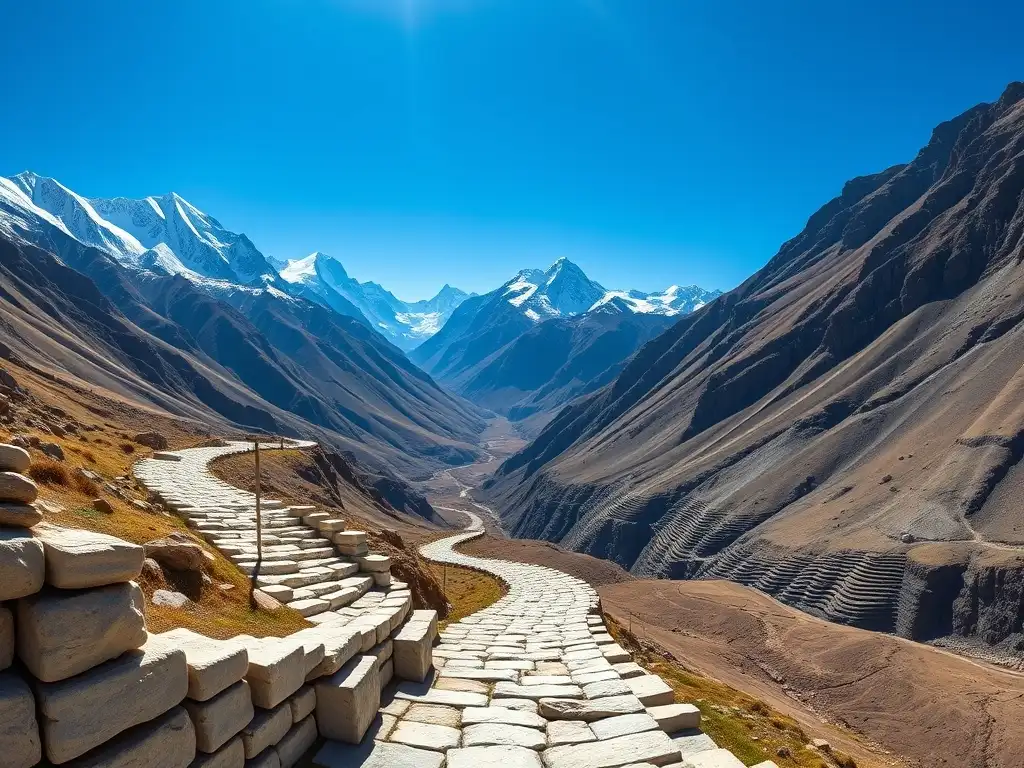
Step into a world lost to time, yet echoing with the whispers of empires. Imagine a network of roads so vast and sophisticated, it connected a civilization spanning the Andes long before the Inca. Unravel the mysteries surrounding the Huari road system and its crucial role in the rise and fall of the Inca empire – a feat of engineering that continues to amaze and inspire. Discover the secrets of this remarkable pre-Incan infrastructure and delve into the captivating story of the Highland cultures that shaped the Andes. Prepare to be astonished.
The Huari Empire, a powerful pre-Inca civilization that flourished in the Andes between the 7th and 12th centuries CE, left behind a remarkable legacy. Beyond their sophisticated artistry, intricate textiles, and impressive urban planning, the Huari excelled in infrastructure development, particularly their extensive road network.
This intricate system of pathways, strategically connecting disparate regions of their vast empire, facilitated trade, communication, and military control, showcasing a level of engineering prowess that foreshadowed the later Inca road system. This article delves into the fascinating world of the Huari road system, examining its origins, construction, and significance in the context of the broader Huari civilization and its lasting impact on subsequent Andean cultures, including the Inca.
Understanding the Huari road system provides critical insight into the administrative and logistical capabilities of this powerful pre-Columbian empire, highlighting their mastery of engineering and their crucial role in shaping the Andean landscape. The term "Huari road system Inca empire" often appears together, underscoring the influence the Huari's innovations had on later Andean empires.
Introduction to the Huari Civilization and its Infrastructure
The Huari civilization, centered in the Ayacucho region of modern-day Peru, exerted considerable influence over a vast territory encompassing much of the central Andes. Their political organization, while still debated amongst scholars, involved a sophisticated system of control and administration that required efficient communication and transportation. Evidence suggests a highly centralized state, with a capital city at Huari (also known as Wari), from which power and resources were distributed.
This centralized nature necessitates robust infrastructure, and the Huari road system played a pivotal role in supporting this system. Beyond the roads, the Huari also constructed impressive irrigation systems, monumental architecture (such as their impressive administrative centers), and meticulously planned urban layouts, all testament to their advanced engineering and organizational skills. Their ability to manage such large-scale projects reflects a sophisticated understanding of logistics, labor organization, and resource management.
The scale of their infrastructure projects dwarfs that of many contemporary societies, hinting at a highly organized and powerful state capable of mobilizing significant resources for public works. The longevity and impact of their infrastructure is also noteworthy; elements of their planning and construction techniques likely influenced subsequent Andean cultures.
The Genesis of the Huari Road Network: A Precursor to Inca Roads
The Huari road network wasn't a haphazard collection of trails; it was a carefully planned system designed to connect various parts of their empire. While the exact details of its construction remain under investigation, archaeological evidence suggests a sophisticated understanding of surveying, grading, and route selection. The roads themselves varied in quality and construction, depending on the terrain and intended use. Some were simple pathways suitable for foot traffic, while others were wider and more substantial, potentially accommodating pack animals or even small carts.
The routes often followed natural contours, utilizing existing valleys and passes to minimize construction challenges. Evidence suggests that some sections were paved with stone, while others were simply compacted earth. The construction likely involved significant labor mobilization, possibly through a system of tribute or corvée labor, typical of many pre-Columbian Andean societies.
The strategic placement of waystations and resting points along these routes further highlights the careful planning that went into their construction and maintenance. This meticulous planning and execution of the Huari road system served as a critical foundation for the later, even more extensive, Inca road network, demonstrating a clear lineage of engineering expertise and logistical planning across centuries. The parallels between the Huari and Inca systems are striking, emphasizing the enduring impact of Huari innovations on subsequent Andean civilizations.
Strategic Importance of Roads in the Huari Empire
The Huari road system wasn't merely a network of pathways; it was the very artery of their expansive empire, a testament to their sophisticated understanding of logistics and political control. These roads facilitated the efficient movement of essential resources, including food, textiles, and building materials, across vast distances. This seamless flow of goods was crucial for sustaining the empire's large population centers and maintaining its economic stability.
The strategic placement of roads also allowed for rapid troop mobilization, enabling the Huari to respond swiftly to internal rebellions or external threats. Control over these vital routes gave the Huari a significant advantage in managing their diverse territories and projecting power throughout the empire.
The roads acted as conduits for cultural exchange, spreading Huari ideology and artistic styles across the conquered regions, fostering a sense of unity and solidifying their political dominance. This integrated network acted as a powerful tool for both economic and political control, ensuring the Huari empire's longevity and influence.
Engineering Marvels of the Huari Road System
The Huari road system stands as a remarkable feat of pre-Columbian engineering, showcasing their advanced understanding of surveying, construction, and infrastructure. Spanning hundreds of kilometers across challenging Andean terrain, the roads were meticulously planned and executed, demonstrating a sophisticated grasp of environmental factors. The routes were strategically designed to navigate steep mountains, traverse deep valleys, and cross treacherous rivers, often employing ingenious solutions to overcome natural obstacles. The construction of these roads required a massive coordinated effort, involving a significant workforce and advanced planning capabilities.
The sheer scale of the project, combined with the technical skills involved, highlights the exceptional organizational and engineering prowess of the Huari civilization. Their ability to build durable and sustainable roads in such a challenging environment underscores their mastery of engineering principles. The system's longevity is further testament to this skill.
Construction Techniques of Huari Roads
Huari road construction involved a complex interplay of techniques adapted to the specific geographical challenges. In flatter areas, roads were typically built by leveling the ground and compacting layers of earth and gravel. However, in mountainous regions, they employed more sophisticated methods, such as terracing and retaining walls, to create stable roadbeds on steep slopes. Evidence suggests the use of sophisticated drainage systems to prevent erosion and maintain the roads' integrity.
The roads were often meticulously planned, with careful consideration given to gradients and curves to optimize ease of travel. Archaeological findings reveal that the Huari often utilized sophisticated surveying techniques to ensure the alignment and efficiency of their road network. Their construction methods represent a high level of engineering sophistication for their time.
Materials Used in Huari Road Building
The materials used in Huari road construction varied depending on the local availability of resources and the specific requirements of the terrain. Common materials included earth, gravel, and stone. In areas where stone was readily available, they employed large, carefully fitted stones to create durable pavements, demonstrating an understanding of load-bearing capacity. Smaller stones and gravel were used to create a stable base layer, ensuring the road's longevity.
In some areas, evidence suggests the use of adobe bricks, particularly in flatter sections of the road. The selection of materials was clearly driven by practicality and a keen understanding of the environmental conditions. The Huari's ability to adapt their construction methods and materials to diverse environments showcases their resourcefulness and engineering expertise.
The Role of Bridges and Tunnels in the Huari System
The Huari road system wasn't limited to straightforward pathways; it incorporated impressive feats of engineering, such as bridges and tunnels, to overcome significant geographical obstacles. Bridges, often constructed from stone or timber, allowed for the crossing of rivers and ravines, ensuring the continuous flow of traffic. The design of these bridges varied depending on the size and depth of the water body, with some structures being simple single-span constructions while others employed more complex designs. Tunnels, carved through mountainsides, provided safe passage through difficult terrain, demonstrating a mastery of rock-cutting techniques.
These tunnels, often strategically placed to reduce travel time and enhance safety, showcase the Huari's ability to overcome significant engineering challenges. The integration of bridges and tunnels within the broader road network highlights the sophisticated planning and execution of the entire system. Their inclusion speaks to the Huari's commitment to building a robust and efficient transportation infrastructure.
Key Routes and Regional Connections within the Huari Road Network
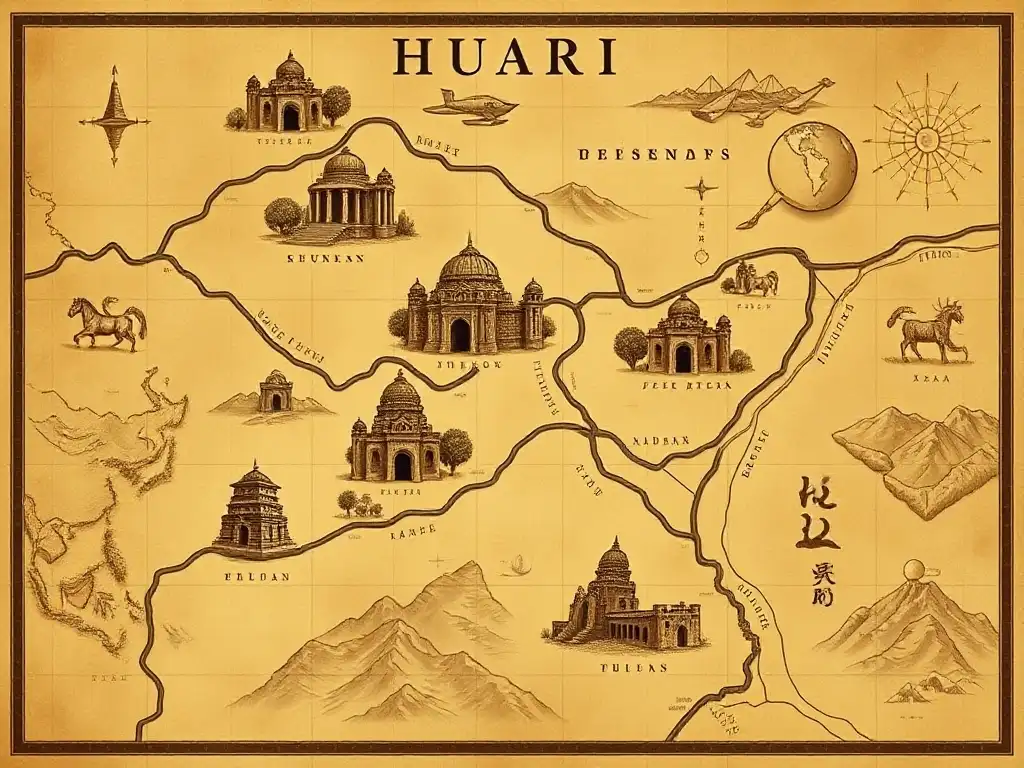
The Huari road system, a marvel of pre-Inca engineering, wasn't a single, unified highway but rather a network of strategically placed routes connecting various regions of the Huari empire. These roads weren't always straight lines; instead, they followed the contours of the terrain, utilizing existing natural pathways where possible to minimize construction difficulties. This adaptive approach demonstrates a deep understanding of Andean geography and a remarkable ability to integrate infrastructure into the landscape.
The network facilitated the movement of goods, people, and information across vast distances, effectively binding together the diverse populations under Huari rule. Archaeological evidence, such as the discovery of waypoints and resting places along these routes, suggests a level of organization and planning that was crucial for maintaining control and communication across this expansive empire.
The system's effectiveness is evidenced by the widespread distribution of Huari artifacts and cultural practices across the regions connected by these roads. It's likely that the roads themselves were not only functional but also served symbolic purposes, reinforcing Huari power and identity across the empire.
The Huari Road Network in the Ayacucho Region
The Ayacucho region, considered the heartland of the Huari empire, naturally boasted a dense concentration of roads. These routes radiated outwards from the major urban centers like Wari itself, connecting smaller settlements and agricultural zones. The roads in this region often followed valleys and river courses, providing access to vital resources like water and fertile land. Evidence suggests that these roads were meticulously maintained, ensuring efficient transport of agricultural products and other goods to the capital.
The construction techniques employed, including the use of stone paving in certain sections, indicate a significant investment in infrastructure. Many of these roads are still visible today, although significantly eroded by time and environmental factors. Further research is needed to fully map the extent of the Huari road network within Ayacucho, but existing evidence clearly points to a complex and well-developed system.
Huari Roads and their connection to the South
The Huari road system extended significantly southwards, reaching into areas that are now part of modern-day Peru and possibly even into northern Chile. These southern routes were crucial for accessing resources and maintaining control over peripheral regions. The construction and maintenance of these roads in more challenging terrains, such as the high Andes, likely presented significant logistical challenges.
However, the Huari appear to have overcome these challenges effectively, demonstrating their sophisticated engineering skills. The exact extent of these southern roads remains a subject of ongoing archaeological investigation, with new discoveries regularly shedding light on the reach of the Huari empire. The presence of Huari-style architecture and artifacts in these southern regions strongly supports the existence of a well-established communication network, facilitated by the road system.
The influence of Huari Roads in the Northern Territories
The northern expansion of the Huari empire also relied heavily on the construction and maintenance of roads. These routes connected the central highlands with coastal regions and other northern territories. The terrain in these areas was often more varied, requiring different construction techniques compared to the relatively flatter highland areas. The northern roads likely played a critical role in facilitating trade and cultural exchange between diverse regions.
However, the density and condition of these northern routes may have differed from those in the central highlands, reflecting the varying levels of control and influence exerted by the Huari in different parts of their empire. More research is needed to fully understand the specific characteristics and influence of the Huari road system in the northern territories. This research will further clarify the political and economic strategies employed by the Huari in consolidating their power and influence.
The Huari Road System vs. the Inca Road System: A Comparative Analysis
The Huari and Inca road systems, while separated by centuries, share some similarities but also exhibit significant differences reflecting the distinct needs and capabilities of each empire. Comparing these two remarkable achievements in Andean engineering provides valuable insights into the evolution of road building techniques and the role of infrastructure in shaping ancient Andean societies. Both systems demonstrate an impressive ability to adapt to challenging terrain, but their approaches and scale differed considerably.
Similarities between Huari and Inca Road Construction
Both the Huari and Inca empires utilized similar materials in their road construction, primarily stone. Both systems also demonstrated an understanding of adapting road design to the local topography. The use of strategically placed resting places and waypoints along both road networks suggests a similar approach to logistical planning and the management of long-distance travel. The importance of maintaining these roads for both empires is also evident in the archaeological evidence of repairs and reconstructions. While the scale and complexity differed, the underlying principles of adapting to the terrain and ensuring efficient transport were common to both.
Differences in Road Design and Purpose
While both empires built roads, the Inca road system was significantly more extensive and better documented than the Huari system. The Inca Qhapaq Ñan was a truly pan-Andean network, connecting vast distances and encompassing a standardized construction style. The Huari system, while impressive for its time, appears to have been more regionally focused, with a less unified design.
The Inca system also incorporated sophisticated features such as suspension bridges and strategically placed tambos (roadside inns), indicating a higher level of technological sophistication and centralized planning. The purpose of the roads also differed somewhat; while both facilitated trade and communication, the Inca system seems to have played a more significant role in military control and imperial administration.
Legacy and Influence of the Huari Road System on the Inca Empire
The Huari road system, despite being predated by centuries, likely influenced the later Inca road network. The Inca, known for their capacity to integrate and adapt existing infrastructure, may have learned from the Huari experience in road construction and maintenance.
The Huari's success in connecting diverse regions and facilitating communication across challenging terrains would have provided a valuable precedent for the Inca. While direct evidence of this influence is limited, the similarities in certain aspects of road design and construction suggest a possible continuity and transfer of knowledge between these two powerful Andean empires.
The Huari's achievements in road building, therefore, contributed to the development of one of the most impressive feats of engineering in the pre-Columbian Americas: the Inca Qhapaq Ñan. The Huari road system served as a foundational element in the development of later Andean road construction techniques, demonstrating a crucial link between these two significant periods of Andean history.
The Impact of the Huari Road System on Trade and Communication
The Huari road system, a marvel of pre-Columbian engineering, played a pivotal role in shaping the economic and cultural landscape of the vast Huari Empire (c. 600-1000 CE). Its impact extended far beyond simple transportation, profoundly influencing trade, communication, and the overall cohesion of this sprawling Andean civilization. The strategic placement of roads, often traversing challenging terrain, facilitated the efficient movement of goods and people, connecting disparate regions and fostering economic interdependence. This sophisticated infrastructure wasn't merely a network of paths; it was the artery through which the lifeblood of the Huari Empire flowed.
Facilitating Trade Routes and Economic Growth
The construction and maintenance of the Huari road network directly stimulated economic growth. The improved accessibility fostered by these roads allowed for the efficient exchange of essential resources. Agricultural products, such as maize, potatoes, and quinoa, could be transported from fertile valleys to more arid regions, ensuring food security across the empire.
Similarly, valuable materials like textiles, ceramics, and metals could be traded between different communities, leading to a flourishing market economy. The standardization of weights and measures, evidence of which has been found in various archaeological sites, suggests a highly organized and centralized control over trade within the Huari state.
This centralized control, facilitated by the road system, allowed for the efficient collection of tributes and the distribution of resources, contributing to the empire's economic prosperity. The sheer scale of the Huari road network, coupled with evidence of specialized craft production in various regions, points to a complex and interconnected economy heavily reliant on efficient transportation.
Dissemination of Ideas and Cultural Exchange
Beyond economic benefits, the Huari road system served as a vital conduit for the dissemination of ideas and cultural exchange. The movement of people along these routes facilitated the spread of religious beliefs, artistic styles, and architectural techniques. The uniformity of Huari pottery, architecture, and religious iconography across vast distances provides strong evidence of this cultural diffusion. The roads allowed for the rapid transmission of information, enabling centralized control and the quick response to potential threats or crises.
Religious practices, artistic motifs, and administrative structures likely spread through the empire facilitated by the ease of travel on the Huari roads. This cultural homogeneity, a hallmark of the Huari Empire, was undoubtedly influenced by the efficient communication network created by their advanced road system. The impact on cultural unity should not be underestimated; it contributed to the cohesive nature of the empire, despite its geographical size.
The Role of Chasquis in the Huari Communication Network
The Huari road system wasn't solely reliant on physical transportation; it also facilitated a sophisticated relay system known as the chasquis. These runners, strategically stationed along the roads at regular intervals, formed a remarkably efficient communication network. The chasquis could swiftly transmit messages across the empire, delivering news, orders, and information with remarkable speed.
Their presence highlights the advanced organizational capabilities of the Huari state and the importance placed on rapid communication. Archaeological evidence suggests specialized training for these runners, indicating the significant role they played in maintaining the empire's administrative and military control.
The chasqui system represents an innovative solution to the challenges of communication across a vast and mountainous terrain, underscoring the Huari's ingenuity and their understanding of the importance of swift and reliable information exchange. The efficiency of the chasqui system was directly linked to the functionality of the road system itself; one couldn't exist without the other.
The Decline of the Huari Empire and its Road Network
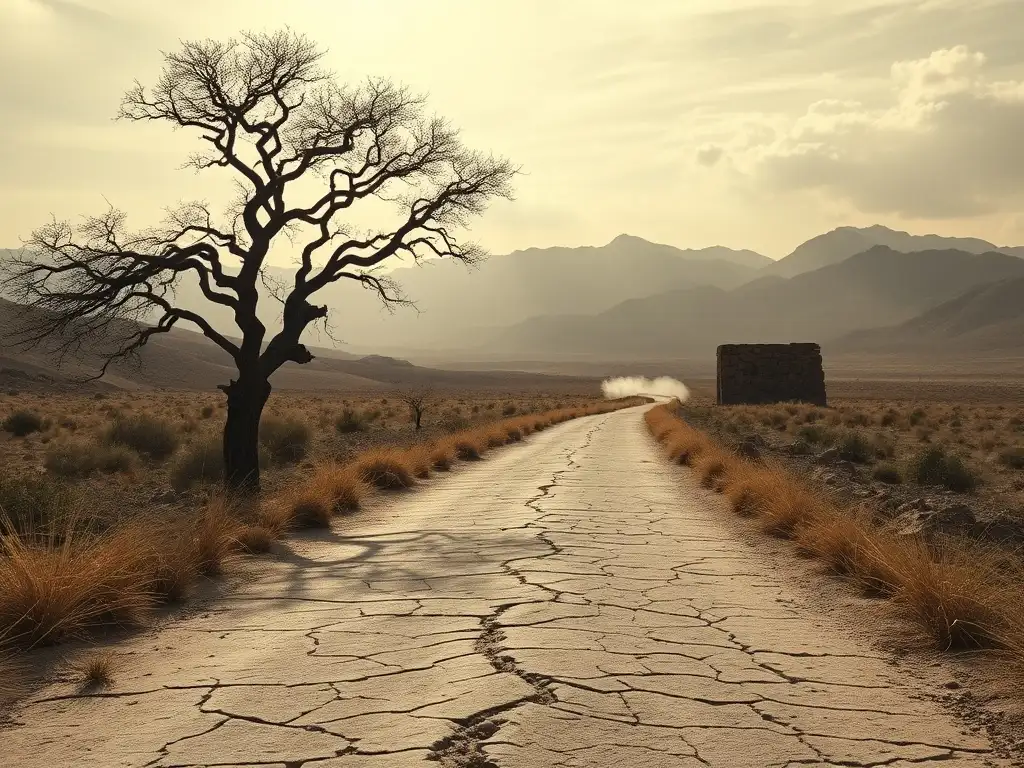
The reasons for the decline of the Huari Empire remain a subject of ongoing research and debate. However, the deterioration of its extensive road network likely played a significant role in its eventual collapse. While the exact timeline and causes of this decline are still being investigated, evidence suggests a gradual decrease in the maintenance and upkeep of the roads.
This neglect could have resulted from internal conflicts, economic instability, or external pressures. The reduced efficiency of the transportation and communication systems would have undoubtedly weakened the empire's ability to respond to challenges and maintain control over its vast territory. The weakening of the road network, therefore, can be seen as a symptom, and perhaps a contributing factor, to the broader decline and eventual fragmentation of the Huari Empire.
The abandonment of the road system, in turn, likely accelerated the disintegration of the empire's political and economic structures, leaving behind a legacy of impressive ruins and a testament to the power of well-engineered infrastructure. The study of the road's decline offers valuable insight into the fragility of even the most powerful empires and the crucial role of infrastructure in maintaining their stability.
Archaeological Research and Preservation of the Huari Roads
Archaeological research on the Huari road system is ongoing, revealing fascinating details about its construction, use, and impact on the Huari Empire. Excavations at various sites along the major routes have unearthed significant evidence, including sections of well-preserved roadways, remnants of waystations or tambos, and artifacts that provide insights into the lives of those who traveled and maintained these vital arteries of communication and trade. Researchers utilize a variety of techniques, from traditional archaeological surveying and excavation to advanced geophysical methods like ground-penetrating radar, to map the extent of the network and uncover hidden features.
Careful documentation of these findings is crucial for understanding the engineering techniques employed by the Huari, such as the use of different types of stone, the construction of retaining walls, and the drainage systems built into the roads to withstand the harsh Andean climate. The analysis of pottery shards, tools, and other artifacts found along the roads helps to date the construction phases and identify patterns of movement and exchange within the empire. The study of the road system offers a unique window into the organizational capacity and logistical prowess of the Huari state.
Furthermore, the analysis of pollen and plant remains found along the routes sheds light on the agricultural practices and environmental impact of the Huari Empire. By piecing together these diverse lines of evidence, researchers continue to build a more comprehensive understanding of this remarkable achievement of Andean engineering.
Ongoing Discoveries and Insights into the Huari Road System
Recent discoveries continue to reshape our understanding of the Huari road system. For example, the uncovering of previously unknown tambos along less-traveled routes suggests a more extensive and complex network than previously thought. These tambos were not just simple rest stops; they were strategically placed logistical hubs, providing shelter, supplies, and potentially even administrative functions for travelers.
Advanced dating techniques, coupled with detailed stratigraphic analysis, are providing more precise chronologies for the construction and use of different sections of the road system. This improved chronological framework is crucial for understanding the phases of Huari expansion and the relationship between road construction and imperial consolidation. Furthermore, the application of GIS (Geographic Information Systems) technology is allowing researchers to create detailed digital maps of the road network, facilitating the analysis of spatial patterns and relationships between different settlements and resources.
The use of remote sensing techniques, such as satellite imagery and aerial photography, is also contributing to the identification of previously unknown road segments, expanding our understanding of the Huari empire's geographical reach. These ongoing discoveries highlight the dynamic and evolving nature of archaeological research and the potential for future breakthroughs in our understanding of the Huari road system.
Challenges in Preserving Ancient Roads
Preserving the Huari road system presents significant challenges. Erosion from wind, rain, and freeze-thaw cycles is a constant threat, gradually degrading the road surfaces and causing structural damage. Human activity, such as agricultural practices and infrastructure development, also poses a risk to the integrity of the roads.
Furthermore, looting and the illegal removal of artifacts from archaeological sites along the routes threaten the preservation of valuable historical information. The remote and often inaccessible locations of many sections of the roads make monitoring and protection efforts difficult and expensive. The development of effective strategies for preservation requires a multidisciplinary approach, involving archaeologists, engineers, and local communities.
This includes implementing sustainable land management practices, creating protective barriers against erosion, and educating local populations about the importance of protecting these valuable historical resources. The lack of sufficient funding and resources also significantly hampers conservation efforts, highlighting the need for increased investment in archaeological preservation projects. Addressing these challenges will ensure that this remarkable legacy of Andean engineering is protected for future generations.
The Huari Road System: A Lasting Legacy of Andean Ingenuity
The Huari road system stands as a testament to the remarkable engineering capabilities and organizational skills of the Huari civilization. The construction of these extensive networks required sophisticated planning, logistical expertise, and a mobilized workforce. The roads themselves represent a feat of engineering, demonstrating an advanced understanding of terrain adaptation, drainage systems, and material science. The strategic placement of tambos along the routes showcases the Huari's ability to effectively manage resources and ensure the smooth flow of goods and people across their vast empire.
The road system facilitated the integration of diverse regions within the empire, promoting economic exchange, cultural diffusion, and political control. This interconnectedness fostered a sense of unity and shared identity among the diverse populations under Huari rule. The impact of the Huari road system extended far beyond its immediate practical functions.
It represents a significant contribution to Andean engineering traditions, influencing subsequent cultures and leaving a lasting mark on the landscape. The ingenuity and organizational skills demonstrated in the construction and maintenance of these roads highlight the sophisticated nature of the Huari state and its enduring legacy in Andean history. The system serves as a powerful symbol of human ingenuity and adaptability in the face of challenging geographical conditions.
Lessons from the Huari Road System for Modern Engineering
The Huari road system offers valuable lessons for modern engineering. Its design principles, developed over centuries of experience, demonstrate the importance of adapting infrastructure to the specific environmental conditions. The Huari's use of locally sourced materials and their understanding of the properties of different stones showcases a sustainable approach to construction.
The incorporation of drainage systems into the roads demonstrates a keen awareness of the potential impact of environmental factors on infrastructure longevity. The strategic placement of tambos along the routes provides insights into the importance of effective logistical planning and resource management in large-scale infrastructure projects. Modern engineers can learn from the Huari's ability to integrate their infrastructure into the surrounding landscape, minimizing environmental disruption and maximizing the use of available resources.
The Huari's success in constructing and maintaining a vast road network over many decades highlights the importance of long-term planning and sustainable design practices. By studying the Huari road system, modern engineers can gain valuable insights into sustainable infrastructure development and resource management. This approach can lead to more resilient and environmentally responsible infrastructure solutions.
Understanding the Huari's Impact on Andean History
The Huari road system played a pivotal role in shaping the course of Andean history. It facilitated the expansion and consolidation of the Huari Empire, allowing for efficient communication, trade, and military movement across a vast and diverse territory. The system fostered economic integration, connecting different regions and facilitating the exchange of goods, resources, and ideas.
This integration contributed to the development of a more unified cultural sphere within the empire, although regional variations undoubtedly persisted. The road system also played a crucial role in the administration and control of the empire, allowing the Huari to maintain effective communication and oversight over distant provinces. The Huari's ability to construct and maintain such a vast and sophisticated road network demonstrates their impressive organizational and engineering capabilities.
The legacy of the Huari road system extended beyond the collapse of the empire, influencing the road-building practices of subsequent Andean cultures, including the Inca. The Huari's impact on Andean history is therefore multifaceted and enduring, highlighting the significance of their infrastructure projects in shaping the political, economic, and cultural landscape of the Andes. Understanding the Huari road system is therefore essential to a comprehensive understanding of the rise and fall of the Huari Empire and its lasting impact on Andean civilization.
- Introduction to the Huari Civilization and its Infrastructure
- The Genesis of the Huari Road Network: A Precursor to Inca Roads
- Strategic Importance of Roads in the Huari Empire
- Engineering Marvels of the Huari Road System
- Key Routes and Regional Connections within the Huari Road Network
- The Huari Road System vs. the Inca Road System: A Comparative Analysis
- The Impact of the Huari Road System on Trade and Communication
- The Decline of the Huari Empire and its Road Network
- Archaeological Research and Preservation of the Huari Roads
- The Huari Road System: A Lasting Legacy of Andean Ingenuity
Frequently Asked Questions
What was the Huari road system?
The Huari road system was a vast network of roads and pathways built by the Huari civilization (pre-Inca) across the Andes Mountains. It facilitated trade, communication, and military movements across their extensive empire.
How did the Huari road system compare to the Inca road system?
While both were impressive feats of engineering, the Huari system predates the Inca's, and is generally considered less extensive. The Inca system built upon and improved existing infrastructure, including sections of the Huari roads.
What materials were used in constructing the Huari roads?
The Huari utilized readily available materials, including stone, earth, and possibly wood. Construction techniques varied based on terrain, with some sections paved and others less formally constructed.
What was the significance of the Huari road system for the Huari Empire?
The Huari road system was crucial for controlling their vast territory. It enabled efficient movement of armies, resources, and messages, strengthening the empire's political and economic power.
Did the Inca Empire utilize the existing Huari road system?
Yes, the Inca Empire significantly expanded upon and integrated sections of the pre-existing Huari road network into their own more extensive Royal Road system. This shows the importance and enduring impact of the Huari infrastructure.
Final Reflection: Echoes of the Huari on the Inca Road
The Huari road system, a marvel of pre-Columbian engineering, wasn't merely a network of paths; it was the circulatory system of a burgeoning empire, a testament to human ingenuity and ambition that continues to resonate today. Its sophisticated design, anticipating challenges of terrain and logistics with remarkable foresight, offers valuable lessons in infrastructure planning and resource management that remain strikingly relevant in our modern, interconnected world. The echoes of their achievements still reverberate in the landscapes they shaped.
The Huari's legacy extends far beyond the physical remnants of their roads. Their innovative approach to connectivity profoundly influenced subsequent Andean civilizations, including the Inca, who built upon and expanded this vital infrastructure. Their impact is a powerful reminder of the cumulative nature of human progress, where each generation builds upon the foundations laid by its predecessors. Civilization exists by geological consent, subject to change without notice.
– Will Durant. This quote, while speaking to a broader context, perfectly encapsulates the fragility and enduring power of any civilization, a power often reflected in its infrastructure. The Huari's roads stand as a testament to this enduring power.
Consider the challenges faced by modern societies in building and maintaining efficient transportation networks. Think about the complexities of resource allocation, sustainable development, and the importance of connecting disparate communities. You, the reader, are now part of a continuing conversation about infrastructure and its impact on societies, a conversation that began centuries ago with the Huari.
Reflect on the ingenuity of the Huari, and consider how their achievements can inspire innovative solutions to the challenges we face today. Let their legacy spur you to build connections, both literally and figuratively, that strengthen our own communities and leave a lasting positive impact on the world.
**Unveil the Wonders of Ancient Engineering! **
Thank you for exploring the fascinating Huari Road System! Your interest in how these ancient engineers fostered connectivity and unity within their empire is truly commendable. Now, let's delve deeper!
Here are some ways to further explore and appreciate this incredible aspect of Andean civilization:
- **Learn More:** Delve into our detailed articles on Andean architecture and infrastructure innovations. Discover the lasting influence of these techniques on modern engineering!
- **Share Your Insights:** Discuss the Huari Road System with friends or in online forums dedicated to ancient civilizations. Your perspectives could inspire others!
- **Experience it First-hand:** Plan a visit to a historical site associated with the Huari culture. Witness the remarkable engineering firsthand and explore the remnants of their ingenuity!
What aspect of ancient engineering captivates you most, and how do you believe it has influenced our modern infrastructure? We'd love to hear your thoughts!