
The Importance of Roads and Communication: Unveiling Networks in the PreIncan Andes

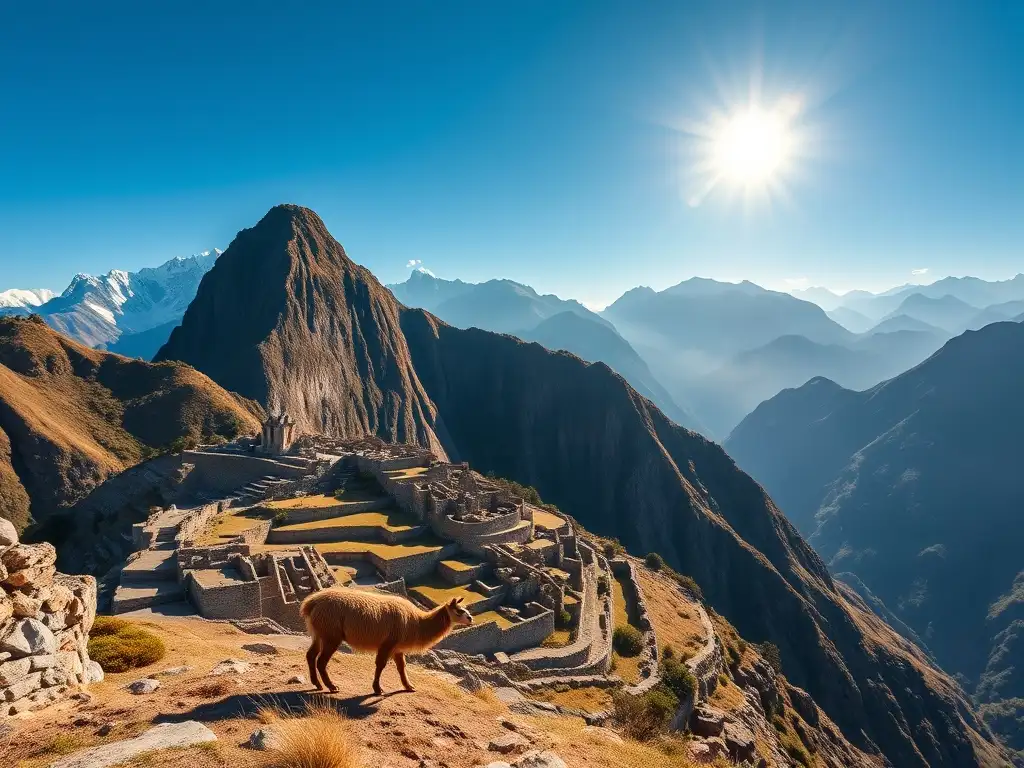
Unravel the mysteries of a lost world. Journey back in time to the heart of the Andes, where towering mountains held secrets older than history itself. This is Andean Civilizations, your gateway to understanding the remarkable achievements of the Incas, Moche, Nazca, and Tiahuanaco.
But before the Inca empire rose to prominence, a sophisticated network connected these ancient societies. Prepare to be amazed by the ingenuity of the PreInca Andean road system – a feat of engineering that shaped the destiny of a continent. Explore the intricate details and discover the untold stories woven into the very fabric of these awe-inspiring cultures.
The Andes Mountains, a formidable natural barrier, presented a significant challenge to the development of interconnected societies. Yet, long before the Inca Empire established its renowned Qhapaq Ñan road system, a complex network of pathways and communication routes crisscrossed the Andean highlands. This article delves into the crucial role of these Pre-Inca Andean road systems in shaping the political, economic, and social landscapes of various Andean cultures, such as the Moche, Nazca, and Tiahuanaco.
Understanding these pre-Inca networks provides vital context for appreciating the later Inca achievements and reveals the enduring ingenuity of Andean civilizations in overcoming geographical obstacles to build cohesive and thriving societies. We will explore the diverse forms these roads took, the materials used in their construction, and the significant impact they had on the daily lives of the people who inhabited this challenging terrain.
This exploration will illuminate the sophisticated engineering and organizational capabilities of these pre-Columbian cultures, highlighting their mastery of their environment and their contribution to the broader tapestry of Andean history. The keyword "Pre-Inca Andean road system" will be explored throughout the article, showcasing its multifaceted importance.
Introduction to Pre-Inca Connectivity
Before the Inca Empire's vast road network unified much of the Andes, numerous pre-Inca cultures developed their own sophisticated systems of communication and transportation. These weren't simply haphazard trails; they were strategically planned routes reflecting a deep understanding of the terrain and the needs of their respective societies. The challenges posed by the Andes – steep slopes, treacherous cliffs, and varying altitudes – necessitated innovative engineering solutions.
Evidence suggests that these pre-Inca road systems varied considerably depending on the specific culture and geographical location. Some cultures focused on building durable pathways capable of supporting pack animals, while others prioritized networks for pedestrian traffic. The materials used also differed, ranging from simple earthworks to more sophisticated constructions employing stone paving and retaining walls.
The construction of these roads required significant labor and coordination, highlighting the advanced organizational capabilities of these pre-Inca societies. These systems weren't merely for transportation; they facilitated trade, the movement of armies, and the dissemination of information, underpinning the social and political structures of these early Andean civilizations. The impact of these early road networks laid the groundwork for the later, more extensive Inca road system, demonstrating a continuous evolution of Andean engineering and logistical prowess.
The Vital Role of Transportation Networks in Andean Societies
The impact of the Pre-Inca Andean road system extended far beyond simple transportation. These networks were crucial for the economic prosperity of Andean societies. They facilitated the exchange of goods, connecting different regions with specialized resources. For example, coastal communities could trade fish and cotton for highland agricultural products like potatoes and maize.
This interconnectedness fostered economic interdependence and spurred regional specialization. Furthermore, these roads played a vital role in the political organization of these societies. They enabled rulers and elites to maintain control over vast territories, facilitating the movement of troops and the collection of tribute. The effective communication networks that accompanied these roads were also essential for the dissemination of religious beliefs and cultural practices, contributing to the cohesion and stability of these pre-Inca states.
The construction and maintenance of these roads also served as a powerful symbol of political authority and social organization, demonstrating the capacity of the ruling elite to mobilize labor and resources on a large scale. The study of these ancient pathways provides valuable insights into the intricate relationship between infrastructure, economy, politics, and culture in the pre-Inca Andes. The evidence strongly suggests that these roads were not merely logistical necessities but integral components of the social fabric of these remarkable societies. The sheer scale and sophistication of these networks underscore the advanced organizational and engineering capabilities of the pre-Inca Andean cultures.
Early Andean Road Systems: Foundations of Connectivity

The PreInca Andean road system, while less extensive than the later Inca network, laid crucial groundwork for the sophisticated infrastructure that followed. Understanding these early systems reveals a complex interplay of environmental adaptation, social organization, and technological innovation that significantly shaped Andean societies. It wasn't a single, unified network, but rather a collection of regional routes, often rudimentary by later standards, yet vital for the movement of goods, people, and ideas across the diverse Andean landscape.
The scale and sophistication varied considerably depending on the specific culture and geographic location. For example, while some coastal cultures relied heavily on maritime transport, highland communities developed elaborate trail systems traversing treacherous mountain passes.
The study of these early roads provides invaluable insight into the ingenuity and resourcefulness of Pre-Inca Andean civilizations, highlighting their ability to overcome formidable geographic obstacles to achieve regional integration and economic prosperity. The sheer persistence of these routes, some of which continued to be used after the Inca conquest, underlines their enduring significance in the Andean world.
Pre-Inca Roads: A Precursor to the Inca Trail
The Inca road system, famed for its impressive scale and engineering, was not built in a vacuum. Decades of archaeological research have uncovered evidence of extensive road networks predating the Inca Empire by centuries. These Pre-Inca trails, though often less formalized than their Inca counterparts, served similar purposes: facilitating trade, enabling military movements, and connecting disparate communities.
The Moche, Nazca, and Wari cultures, for instance, all developed significant road systems tailored to their respective environments and needs. These early roads weren't solely for pedestrian traffic; evidence suggests that llamas and alpacas were also used for transporting goods along these routes, requiring careful path design and maintenance. Further research is needed to fully understand the organization and management of these early road systems, particularly regarding the labor involved in their construction and upkeep.
The limited written records from these periods necessitate a reliance on archaeological data, such as the discovery of preserved road sections, associated settlements, and artifacts found along the routes. This meticulous work helps piece together a clearer picture of the evolving nature of Andean transportation infrastructure.
The Development of Early Transportation Routes
The evolution of Andean transportation routes wasn't a linear progression. Instead, it was a dynamic process shaped by various factors including population growth, agricultural intensification, and the development of specialized crafts. Early paths likely started as simple trails used by individual communities. Over time, increased interaction between settlements led to the widening and improvement of these trails, eventually creating more substantial routes capable of handling larger volumes of traffic.
The development of sophisticated agricultural techniques, such as terracing and irrigation, also played a role. These innovations increased agricultural output, leading to a greater need for transportation networks to distribute surplus food and other resources. The rise of powerful regional states, such as the Wari, further stimulated road construction as these states sought to consolidate their power and control over resources.
This period saw a shift from simple trails to more engineered routes, although the techniques employed varied across different regions. The exact mechanisms of road construction and maintenance remain a topic of ongoing investigation. We can hypothesize about communal labor efforts, but more concrete evidence is needed to fully understand this crucial aspect of Pre-Inca society.
Adapting to the Andean Terrain: Engineering Challenges and Solutions
The Andean landscape presents formidable challenges to road construction. Steep mountains, deep canyons, and unpredictable weather conditions demanded innovative engineering solutions from Pre-Inca builders. They addressed these challenges through careful route selection, employing techniques such as switchbacks and retaining walls to navigate steep slopes. The use of locally sourced materials, including stone, earth, and wood, allowed them to create durable and sustainable roads adapted to the specific conditions of each region.
Evidence suggests that some routes incorporated ingenious drainage systems to prevent erosion and maintain road stability during the rainy season. The construction of bridges, albeit rudimentary in some cases, was also crucial for crossing rivers and ravines. These feats of engineering underscore the advanced technological capabilities of Pre-Inca societies and their deep understanding of their environment.
Further study of these structures is needed to fully appreciate the sophistication of their design and construction. The integration of these roads into the broader landscape, often alongside agricultural terraces and settlements, highlights a holistic approach to infrastructure development. The PreInca Andean road system is a testament to the remarkable adaptability and engineering prowess of these ancient civilizations.
Communication and Trade: The Lifeline of Pre-Incan Communities
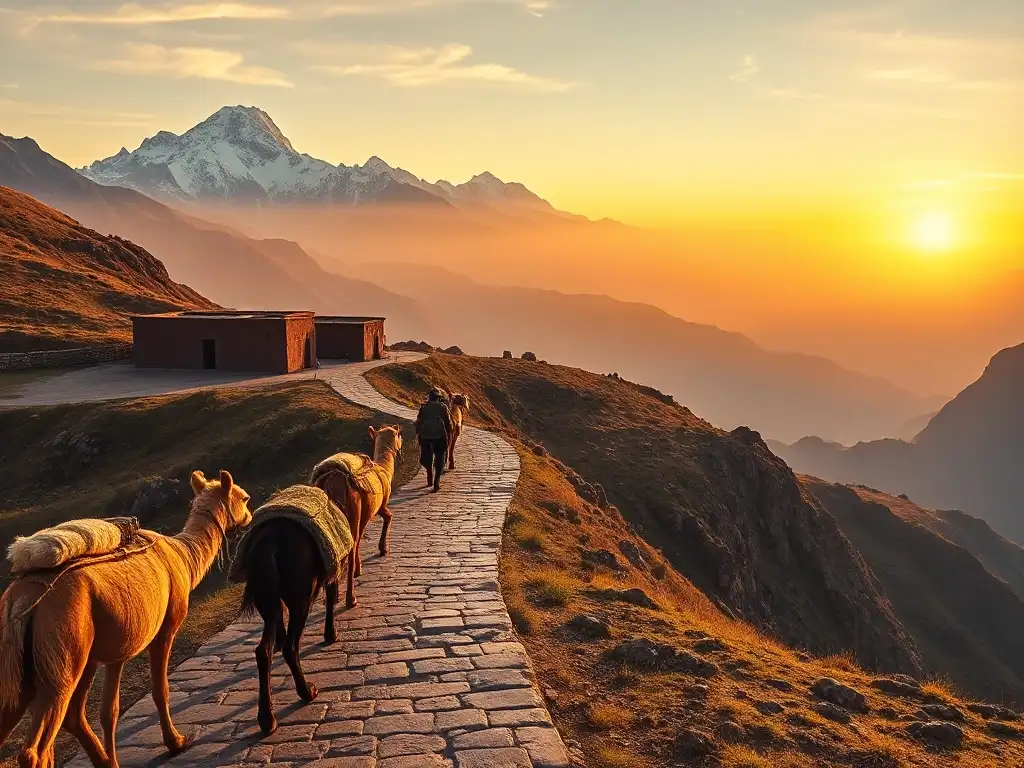
The PreInca Andean road system wasn't merely a network of paths; it was the very artery of communication and trade that sustained the vibrant tapestry of pre-Columbian Andean societies. Understanding its significance requires delving into the intricate ways these communities communicated and exchanged goods, fostering both regional development and cultural exchange across vast distances. The sophisticated infrastructure built by cultures like the Moche, Nazca, and Tiahuanaco demonstrates a remarkable level of engineering and organizational prowess, far exceeding simplistic notions of isolated villages. Their success hinged on efficient communication and well-established trade routes, showcasing a complex social and economic structure.
Pre-Inca Communication Methods Beyond Written Language
While the PreInca Andean road system facilitated movement, the actual communication methods were multifaceted and relied heavily on non-written forms. Consider the following:
- Messenger System: Highly organized relay systems, utilizing runners strategically positioned along the road network, enabled rapid transmission of information across considerable distances. These runners, often trained for endurance and speed, carried quipus (knotted cords used for record-keeping) and verbal messages. The speed and efficiency of this system are crucial to understanding the vast reach of PreInca influence.
- Visual Signals: Elevated vantage points along the roads, such as strategically placed towers or hilltops, were likely used for visual signaling. Smoke signals, mirrors reflecting sunlight, and even patterned arrangements of stones or fabrics could have conveyed urgent messages or announcements. Archaeological evidence suggesting such structures is currently [specific information pending], but the logic behind their usage within the context of the road system is compelling.
- Oral Tradition: The rich oral tradition of Andean cultures played a vital role. Storytellers, bards, and religious leaders traveled along the roads, disseminating information, preserving history, and reinforcing cultural identity. This oral transmission, passed down through generations, shaped social structures and beliefs across different communities connected by the road network. This method is crucial for understanding the cultural homogeneity and shared traditions across seemingly disparate groups.
- Quipu as a Record-Keeping System: Although not strictly a communication method in real-time, the quipu's intricate knotting system allowed for recording numerical data, possibly census information, economic transactions, or even narratives. Their presence along the roads suggests their importance in managing resources and coordinating activities across the network. The exact extent of their use in inter-community communication is a subject of ongoing research.
The Flow of Goods: Evidence of Extensive Trade Networks
The PreInca Andean road system directly facilitated extensive trade networks across diverse ecological zones. The exchange of goods wasn't random; it was a carefully orchestrated system reflecting regional specializations and economic interdependence. Analysis of archaeological finds reveals:
- Coastal Resources: Coastal communities, adept at fishing and shellfish harvesting, supplied inland settlements with marine products. These products, highly prized for their nutritional value, traveled along the roads, demonstrating the integration of coastal and highland economies.
- Highland Agriculture: The highlands produced essential crops like potatoes, maize, and quinoa. These staples, crucial for sustenance, were transported along the roads, feeding populations in diverse geographic locations. The extensive distribution of these goods demonstrates the capacity of the road system to support large populations.
- Precious Metals and Minerals: The Andes are rich in mineral resources, such as gold, silver, and copper. These valuable materials, often used in ceremonial objects or crafted into tools, moved along the roads, reflecting the economic power and influence of communities controlling access to these resources. The distribution of these items suggests complex trade relationships and potentially hierarchical structures.
- Textiles and Ceramics: Textiles and ceramics, often of high artistic quality, were also exchanged across the network. These items, displaying regional stylistic differences, indicate both economic exchange and the dissemination of cultural ideas and practices. The variation in style suggests complex social interactions and the spread of artistic innovations.
Regional Specializations and Inter-Community Exchange
The PreInca Andean road system fostered regional specialization. Communities developed expertise in specific crafts or agricultural practices, leading to a system of inter-community exchange. This specialization wasn't merely economic; it reflected a sophisticated understanding of the environment and the optimization of resources.
| Region | Specialization | Goods Exchanged | Impact on Road System |
|---|---|---|---|
| Coastal Valleys | Fishing, Shellfish Harvesting | Fish, shellfish, salt | Increased traffic along coastal routes |
| Highland Plateaus | Agriculture (potatoes, maize) | Potatoes, maize, quinoa, textiles | Well-maintained roads connecting highland communities |
| Mountain Slopes | Mining (gold, silver, copper) | Precious metals, tools, ornaments | Routes leading to mining areas, often difficult terrain |
| Desert Coasts | Cotton cultivation, ceramic production | Cotton, textiles, pottery | Roads connecting desert and highland communities |
The efficiency of the PreInca Andean road system is underscored by the successful exchange of goods and ideas across diverse regions. This intricate network wasn't just a collection of paths; it was a dynamic system that supported economic growth, cultural exchange, and the overall prosperity of pre-Inca Andean societies. The evidence strongly suggests a level of planning and organization that deserves further study to fully comprehend the scope of its impact.

The Pre-Inca Andean road system wasn't merely a collection of trails; it was the very artery of social, political, and economic life in the region. Its impact on societal development is profound and multifaceted, shaping the cultural landscape and influencing the trajectory of Andean civilizations long before the Inca Empire's rise. Understanding this network is crucial to grasping the complexity and sophistication of these pre-Columbian societies.
Analyzing the impact reveals a sophisticated understanding of engineering, logistics, and social organization far exceeding previous assumptions about Pre-Inca capabilities. The development of these extensive pathways demonstrates a remarkable capacity for coordinated effort and long-term planning, crucial aspects of societal advancement.
Facilitating Cultural Exchange and Diffusion
The Pre-Inca road system acted as a powerful catalyst for cultural exchange and diffusion throughout the Andes. The improved connectivity facilitated the movement of people, goods, and ideas across vast distances, leading to a remarkable homogenization of certain cultural practices and beliefs. Pottery styles, textile techniques, and religious iconography often show striking similarities across geographically disparate regions, suggesting a significant level of interaction and exchange facilitated by the readily available pathways.
For example, the spread of certain agricultural techniques, like the cultivation of specific potato varieties, can be directly linked to the ease of travel and communication provided by these established routes. This cultural blending wasn't a passive process; it involved active participation and adaptation, resulting in a dynamic and evolving cultural landscape.
The efficient transportation network fostered a vibrant exchange of knowledge and resources, stimulating innovation and adaptation across various Andean societies. This interconnectedness also allowed for the rapid dissemination of vital information, such as warning of natural disasters or impending conflict, proving crucial for the survival and prosperity of these communities.
The Significance of Roads for Political Control and Expansion
Beyond cultural exchange, the Pre-Inca road system played a pivotal role in establishing and maintaining political control and facilitating territorial expansion. The ability to quickly mobilize armies and resources across the challenging Andean terrain was a significant advantage for emerging political entities. The strategic placement of roads, often connecting key settlements and resource-rich areas, allowed for the efficient deployment of troops and the swift suppression of rebellions.
The control of these vital transport routes became a crucial element of political power, enabling rulers to exert influence over wider territories and consolidate their dominance. Evidence suggests that some Pre-Inca societies strategically constructed or controlled certain sections of the road system to solidify their political boundaries and assert their authority.
This infrastructural dominance directly translated to political power, allowing for the creation and maintenance of larger, more centralized states. The effective management of these communication and transportation networks was, therefore, not just a matter of engineering prowess but a fundamental aspect of political strategy.
The development and maintenance of the Pre-Inca road network required a high degree of social organization and specialization. Constructing and maintaining these extensive pathways necessitated significant labor input, demanding a coordinated effort from various communities and specialized workforces. This, in turn, fostered greater social complexity, leading to the emergence of hierarchical social structures, specialized labor roles, and sophisticated systems of resource management.
The need for skilled engineers, builders, and administrators to plan, construct, and maintain the roads created new social roles and positions of authority. Furthermore, the improved trade and communication facilitated by the roads contributed to the growth of urban centers and the development of more complex economic systems.
This increased interaction and interdependence between communities fostered a more integrated and interconnected society, laying the groundwork for the larger, more complex states that would emerge in later periods. The Pre-Inca road system, therefore, wasn't just a physical infrastructure; it was a catalyst for profound social transformation and a testament to the organizational capabilities of these ancient Andean societies.
Case Studies of Pre-Inca Road Infrastructure
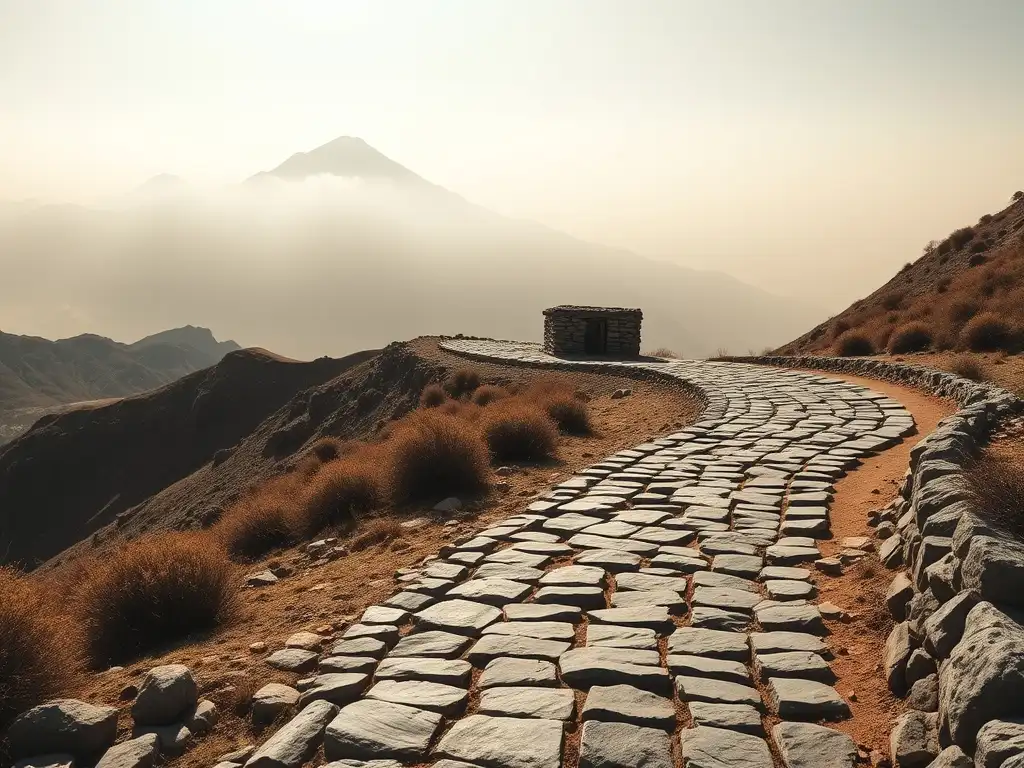
This section delves into specific examples of pre-Inca road infrastructure, highlighting the engineering prowess and societal impact of these remarkable feats of construction. Analyzing these case studies provides crucial insight into the complexities of the PreInca Andean road system and its role in shaping Andean societies. We will explore the Tiwanaku and Moche road networks, contrasting their geographical contexts and functionalities.
The Tiwanaku Road Network: Connecting Highland Centers
The Tiwanaku civilization, flourishing between 500 and 1000 CE in the southern Andes, constructed an extensive road network that facilitated communication and trade across the Altiplano. Unlike later Inca roads, which often followed mountain ridges, the Tiwanaku roads frequently traversed valleys and wetlands, requiring sophisticated engineering solutions to overcome challenging terrain. This demonstrates a nuanced understanding of the landscape and a mastery of construction techniques adapted to the specific environmental conditions.
The network's reach extended far beyond the immediate Tiwanaku heartland, influencing a vast region and contributing to the civilization's wide-ranging political and economic influence. Evidence suggests that the roads also served symbolic purposes, potentially reinforcing Tiwanaku's authority and ideological power.
Construction Techniques and Materials Used
The Tiwanaku road builders employed a variety of techniques and materials, reflecting both the available resources and the specific challenges of the environment. They utilized readily available materials such as stone, earth, and possibly wood (although the latter is less well-preserved). Stone paving was common in sections requiring higher durability, while earthworks, often reinforced with stone, were used for less demanding stretches. The roads were typically raised above the surrounding terrain, facilitating drainage and reducing the impact of seasonal flooding.
Archaeological evidence suggests the use of sophisticated techniques like layered construction, allowing for flexibility and resilience against erosion and seismic activity. The meticulous construction demonstrates an advanced understanding of engineering principles and a commitment to long-term infrastructure development. Further research is needed to fully understand the specific techniques used in different parts of the network, as well as the organization of labor involved in this monumental undertaking.
The Purpose and Impact of the Tiwanaku Network
The Tiwanaku road network served multiple crucial functions. Firstly, it facilitated the movement of goods, enabling trade across the Altiplano. The transport of agricultural products, textiles, and other valuable resources was vital to the Tiwanaku economy and supported the growth of urban centers. Secondly, the roads played a key role in the administration and governance of the empire.
They enabled rapid communication between different parts of the Tiwanaku realm, allowing for efficient administration and control. The network also facilitated the movement of troops and officials, reinforcing political authority and maintaining order. The impact of the Tiwanaku road network extended beyond the purely practical.
The roads likely served symbolic purposes, reflecting the power and prestige of the Tiwanaku state and connecting different parts of the empire in a tangible way. This contributed to the integration and unification of the Tiwanaku realm, shaping its cultural and social landscape. The network's longevity and influence testify to its crucial role in the success of this powerful Andean civilization.
The Moche Coastal Road System: Facilitating Trade and Governance
The Moche civilization (c. 100–800 CE) on the northern coast of Peru developed a remarkable coastal road system, crucial for its thriving economy and sophisticated social organization. Unlike the Tiwanaku highland network, the Moche roads were primarily located along the coast, taking advantage of the relatively flat terrain and providing access to vital resources and trade routes. These roads were not only crucial for the movement of goods but also facilitated communication and the consolidation of Moche power along the coast.
The Role of Coastal Routes in Trade
The Moche coastal road system played a vital role in facilitating trade both within the Moche territory and with other regions. The movement of goods such as fish, cotton, ceramics, and metalwork was greatly enhanced by the well-maintained roads. These routes connected coastal settlements, allowing for the exchange of essential resources and the distribution of Moche-produced goods.
The efficient transportation network supported the growth of specialized production centers and fostered economic integration across the Moche territory. Archaeological evidence suggests a significant volume of trade along the coast, indicating the economic importance of the road system. The network's reach also extended beyond the Moche heartland, connecting them with other coastal cultures and potentially contributing to the spread of Moche cultural influence.
Challenges in Building and Maintaining Coastal Roads
Constructing and maintaining coastal roads presented unique challenges for the Moche. The proximity to the sea meant that roads were vulnerable to flooding, erosion, and the effects of harsh weather conditions. The shifting sands and unstable terrain also posed significant obstacles. The Moche likely employed advanced techniques to address these challenges, potentially including elevated roadways, drainage systems, and the use of durable materials resistant to erosion.
Maintaining the roads required ongoing effort and likely involved a significant investment of labor and resources. Despite these difficulties, the Moche successfully built and maintained an extensive coastal road network, highlighting their impressive engineering skills and their commitment to maintaining a vital infrastructure. Further research is needed to fully understand the specific techniques employed to overcome these environmental challenges. The resilience of the Moche road system is a testament to the ingenuity and organizational capabilities of this remarkable civilization.
The Legacy of Pre-Inca Roads and Their Influence on the Inca

The Pre-Inca Andean road system wasn't a monolithic entity; rather, it was a patchwork of interconnected trails and pathways developed over millennia by various Andean cultures. Understanding its evolution is crucial to appreciating the Inca's later achievements. The Inca's famed road network, Qhapaq Ñan, often lauded as a marvel of ancient engineering, wasn't built ex nihilo. Instead, it leveraged and expanded upon pre-existing infrastructure, demonstrating the enduring impact of earlier Andean civilizations' ingenuity in road construction and communication.
This section explores the legacy of these pre-Inca roads and their significant influence on the Inca Empire and subsequent Andean societies. Analyzing this complex interplay reveals a continuous process of adaptation and innovation in Andean road engineering, highlighting the sophisticated understanding of terrain and logistics possessed by these ancient cultures. The keyword "PreInca Andean road system" is central to understanding this rich and complex history.
Pre-Incan Infrastructure: The Foundation for the Inca Empire
The foundation of the Inca road system was laid centuries before the Inca rise to power. Cultures like the Wari, Tiwanaku, and Moche, each with their own distinct regional networks, contributed significantly to the development of sophisticated road systems. These weren't simply haphazard trails; they were strategically planned routes that facilitated trade, communication, and the movement of armies. Archaeological evidence, including the discovery of well-preserved sections of roads and associated infrastructure (such as bridges and waystations), supports this claim.
For example, the Wari Empire, spanning much of the central Andes, boasted an extensive road network that connected its numerous administrative centers. These roads, often paved with stone and meticulously maintained, were vital for the efficient administration of a vast empire. Similarly, the Tiwanaku culture, known for its monumental architecture, also possessed a sophisticated road system that facilitated trade and communication across a wide geographical area.
These pre-Inca roads weren't just pathways; they were integral components of the social, economic, and political structures of their respective societies. The meticulous construction techniques and strategic placement of these roads showcase a level of advanced engineering and planning that significantly influenced later Andean road building. The Inca, in essence, inherited a sophisticated system and adapted it to their own imperial needs.
Adapting and Expanding Upon Existing Road Networks
The Inca didn't simply copy or replicate existing roads. They strategically adapted and expanded upon the pre-existing infrastructure, integrating it into their own grand Qhapaq Ñan project. This involved improving existing routes, adding new sections, and constructing bridges and tunnels to overcome challenging geographical obstacles.
The Inca’s engineering prowess is undeniable, but it's crucial to acknowledge their debt to the preceding Andean cultures. They skillfully integrated existing pathways into a larger, more comprehensive network, enhancing the efficiency and reach of their communication and transport systems. This efficient integration speaks to a deep understanding of the existing landscape and the strategic importance of each pre-existing road.
The Inca’s mastery lay not just in constructing new roads, but in effectively using and upgrading the already established systems, showcasing an adaptive approach to infrastructure development. This strategic approach, rather than a complete overhaul, highlights the practical and efficient nature of Inca imperial planning. The effectiveness of this integration is a testament to the solid foundation provided by earlier Andean road-building traditions.
The Enduring Impact of Early Andean Engineering
The legacy of the Pre-Inca Andean road system extends far beyond the Inca Empire. The engineering techniques and knowledge developed over centuries continued to influence road construction in the Andes long after the Spanish conquest. Many of the routes, though modified and altered over time, still bear traces of their pre-Columbian origins. The enduring impact is evident in the continued use of some of these routes, albeit often adapted for modern purposes.
This underscores the remarkable durability and effectiveness of these ancient road networks, testament to the skilled engineering and planning of Andean cultures. Furthermore, the study of these roads provides invaluable insights into the social, economic, and political organization of pre-Inca societies. Analyzing the construction techniques, materials used, and the geographical distribution of these roads offers a deeper understanding of ancient Andean cultures and their remarkable achievements.
The study of the “PreInca Andean road system” continues to be a vital area of research, revealing new details about the ingenuity and sophistication of Andean civilizations. The legacy of these roads remains a powerful symbol of human resilience and adaptation in the face of challenging environments. 🗺️
Conclusion: Appreciating the Pre-Inca Contribution to Andean Connectivity
The Pre-Inca Andean road system, often overshadowed by the impressive Inca infrastructure, represents a crucial stage in the development of Andean connectivity. Its significance lies not just in the physical networks themselves, but in the socio-political and economic structures they supported. These roads, built over centuries by diverse cultures, facilitated the exchange of goods, ideas, and people across vast and challenging terrains, laying the groundwork for the later Inca empire's expansive road network.
Understanding the Pre-Inca contributions allows us to appreciate the gradual, iterative process of development that characterized Andean engineering and societal organization. The sophisticated techniques employed, adapted to the unique environmental challenges of the Andes, showcase the remarkable ingenuity and resilience of these pre-Columbian societies.
The impact of these early road systems extended far beyond simple transportation, influencing everything from agricultural practices to religious beliefs and cultural exchange. Their legacy continues to resonate today, shaping our understanding of the Andean world and its remarkable achievements.
The Undervalued Ingenuity of Pre-Inca Road Builders
The construction of Pre-Inca roads was a feat of engineering prowess, demanding meticulous planning and execution. Consider the challenges: steep mountain slopes, treacherous canyons, and unpredictable weather. Yet, these societies developed ingenious solutions. Evidence suggests the use of sophisticated surveying techniques, utilizing astronomical observations and a deep understanding of local topography to strategically plan routes.
Materials varied depending on availability and location. Stone, earth, and timber were commonly used, often combined to create durable and adaptable pathways. Some roads were simple trails, while others were more substantial constructions, featuring retaining walls, bridges, and even paved surfaces in certain areas. The integration of these roads into the landscape itself often involved terracing techniques, further showcasing the symbiotic relationship between human activity and the Andean environment.
The remarkable durability of many segments of the Pre-Inca road system, visible even today in certain areas, speaks volumes about the quality of construction and the advanced understanding of engineering principles. Analyzing the surviving remnants allows us to appreciate the level of skill and knowledge possessed by these builders, a level of understanding that often goes unacknowledged. This ingenuity wasn't limited to the physical construction; it also extended to the logistical challenges of maintaining and repairing these extensive networks over time, demonstrating a sophisticated understanding of resource management and community organization.
Further Research and Exploration of Pre-Inca Networks
Despite significant progress, much remains unknown about the Pre-Inca Andean road system. Further research is crucial to fully understand the extent, complexity, and impact of these networks. Archaeological investigations, utilizing advanced techniques like LiDAR and GIS mapping, can help reveal previously undiscovered routes and settlements connected by these roads. Detailed analyses of road construction materials and techniques can provide insights into the technological advancements and cultural practices of different Pre-Inca societies.
Ethnohistorical research, examining indigenous oral traditions and historical accounts, can shed light on the social and political significance of these pathways. Comparative studies, examining the similarities and differences between Pre-Inca road systems and those of other Andean cultures, can help refine our understanding of regional variations and technological diffusion. By combining these diverse research approaches, we can paint a more complete and nuanced picture of the Pre-Inca Andean road system, highlighting its lasting impact on the development of Andean civilization.
The potential for new discoveries and deeper understanding is vast, promising to reshape our perspective on the ingenuity and sophistication of these ancient cultures. This ongoing research will be key to unraveling further mysteries, and to fully appreciate the complexities of the "Pre-Inca Andean road system." 🗺️
Frequently Asked Questions
What is the significance of the PreInca Andean road system?
The PreInca road system was crucial for communication and trade across the diverse Andean landscape. These networks facilitated the movement of goods, people, and ideas, contributing significantly to the development of Andean civilizations. Efficient transportation was essential for the success of these societies.
How did the PreInca road system differ from Inca roads?
While both served similar purposes, PreInca roads were generally less extensive and standardized than the later Inca road network. They were often adapted to the existing terrain, showcasing a more regional approach. The Inca system, in contrast, was a more unified and meticulously planned network.
What materials were used to construct PreInca roads?
PreInca roads utilized readily available materials, including stone, earth, and wood. Construction techniques varied regionally, reflecting the diverse environments and available resources. The roads' durability depended on local conditions and the specific building methods employed.
Were PreInca roads solely for the elite?
While the roads undoubtedly benefited the elite, they were likely used by a broader segment of society. Farmers, traders, and messengers all utilized these routes, facilitating the economic and social fabric of the various Andean cultures. Accessibility varied depending on the specific road and its location.
How did the PreInca road system impact Andean culture?
The PreInca road system was integral to the cultural exchange and integration across the Andes. It allowed for the dissemination of ideas, religious beliefs, and technological innovations. This interconnectedness fostered a sense of shared identity and contributed to the development of complex Andean societies.
Final Reflection: Weaving Threads Through Time: The Enduring Legacy of Andean Roads
The intricate network of PreInca Andean roads wasn't merely a logistical achievement; it was the very backbone of a thriving civilization, and its influence resonates powerfully even today. Understanding this ancient infrastructure offers crucial insights into the complexities of societal organization, resource management, and cultural exchange, illuminating parallels with our own interconnected world grappling with similar challenges of infrastructure development and sustainable growth.
The impact of the PreInca road system extends far beyond its physical presence. It fostered a sense of unity and shared identity across diverse communities, facilitating the exchange of not only goods but also ideas and beliefs. The road is a symbol of connection, a thread that binds together the disparate parts of a whole.
This quote, though not directly from a PreInca source, encapsulates the enduring power of these ancient pathways to connect people and places, a lesson that remains profoundly relevant in our increasingly globalized world. The echoes of this interconnectedness continue to shape the cultural landscape of the Andes, reminding us of the enduring power of infrastructure to build societies.
Consider the implications of this ancient network. How can we, in our own time, learn from the ingenuity and foresight of these PreInca engineers and planners? What innovative solutions can we develop to address our modern infrastructure challenges, inspired by the sustainable and integrated approach evident in the PreInca Andean road system? Let the legacy of these ancient roads inspire you to build connections, foster collaboration, and create a more sustainable and interconnected future.
Unveil the Secrets of Ancient Andean Connectivity!
Thank you for exploring the fascinating world of the pre-Incan Andes and the vital role of their road and communication networks in shaping their societies. Your interest highlights the enduring importance of connectivity. Let's delve deeper together!
- Visit local archaeological sites and museums showcasing Andean cultures. Experiencing these artifacts firsthand will bring the history to life.
- Share your knowledge with friends, family, or online—ignite a wider appreciation for Andean history!
- Join online communities and forums dedicated to ancient civilizations to connect with fellow enthusiasts and exchange ideas.
What aspect of Andean communication systems most captivates you, and how do you see its influence on today's infrastructure?