
The Huari and the Wari: Understanding the Variations in Names

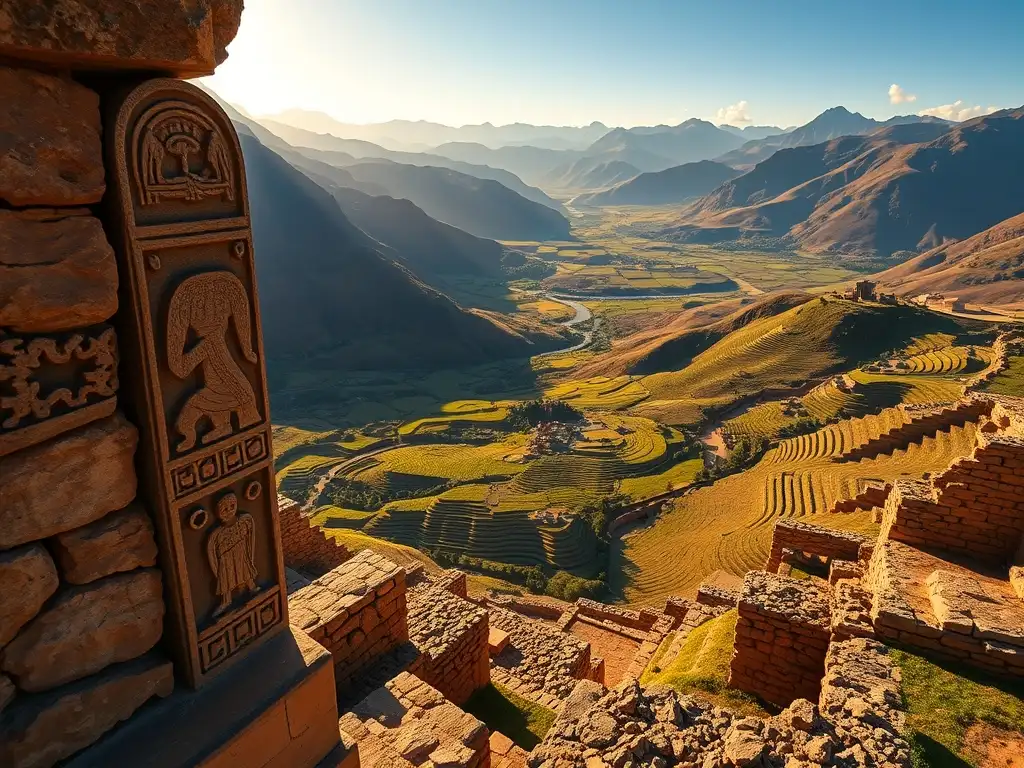
Unravel the mysteries of the Andes! Journey with us into a world of towering empires and breathtaking artistry, where the echoes of ancient civilizations still resonate. This isn't just history; it's a thrilling exploration of lost cultures. But are the Huari and Wari truly one and the same, or do their names conceal crucial differences? Discover the surprising truth behind the Huari Wari cultural variations and delve deeper into the captivating world of Pre-Incan cultures of the highlands.
The captivating history of the Huari civilization, a powerful pre-Inca empire flourishing in the Andes between the 7th and 13th centuries CE, is often shrouded in a nomenclature puzzle. This article delves into the intricacies surrounding the varying names used to describe this influential culture – Huari and Wari – exploring the reasons behind these differences and their implications for understanding the nuances of this Andean society. We will examine the historical context of these terminological variations, analyzing the archaeological evidence and scholarly interpretations that have shaped our current understanding of the Huari/Wari people and their impressive accomplishments.
This exploration will clarify the usage of both terms and highlight how they reflect different perspectives and research approaches in the study of this significant Andean civilization. Understanding this terminological variation is crucial for accurately appreciating the breadth and depth of Huari/Wari influence on subsequent Andean cultures, including the Inca.
Archaeological Discoveries and the Emergence of "Huari"
Early archaeological expeditions in the region now associated with the Huari heartland unearthed remarkable artifacts and monumental structures. The initial excavations, often focused on specific sites like Piquillacta near Cusco, led to the designation "Huari" based on the local place names and the prevalent pottery styles discovered. These early researchers, lacking the comprehensive understanding we possess today, classified the artifacts and sites under the umbrella term "Huari," a name derived from the local Quechua language. 1 The focus on regional ceramics and architectural styles led to a somewhat localized understanding of the culture, potentially underestimating the vast extent of the Huari empire. Detailed descriptions of the pottery, including characteristic designs and color palettes, along with architectural plans of significant sites like Viñaque, are crucial in understanding the initial identification process. This early focus on localized findings inevitably influenced later interpretations and the ongoing debate surrounding the nomenclature.
The Rise of "Wari" and the Expansion of the Archaeological Record
Subsequent archaeological investigations, fueled by improved methodologies and a broader geographical scope, unveiled a much larger and more complex picture. The discovery of numerous sites far beyond the initial "Huari" region—sites exhibiting similar architectural styles, pottery types, and iconography—led scholars to propose a more encompassing term: "Wari." This term, also rooted in the Quechua language, 2 reflects a shift in understanding the empire's vast geographical reach and its influence on a far wider area than initially recognized. The adoption of "Wari" signified a move towards a more comprehensive interpretation of the culture, acknowledging its widespread presence and interconnectedness throughout the central Andes. This transition also incorporated a more inclusive approach, incorporating a broader range of archaeological data and considering the diverse expressions of Huari/Wari culture across its vast territory.
Reconciling "Huari" and "Wari": A Matter of Perspective and Scope
The continued use of both "Huari" and "Wari" in scholarly literature isn't necessarily contradictory. Instead, it often reflects a distinction between the geographical focus and the scope of analysis. "Huari" might be used when discussing specific regional characteristics or localized aspects of the culture, while "Wari" tends to be preferred when referring to the empire as a whole and its pan-Andean influence. It's important to note that the usage often depends on the specific context and the researcher's preferred emphasis.
This nuanced approach allows for a more precise and detailed discussion of the culture, avoiding oversimplification and acknowledging the complexities of the archaeological record. The ongoing debate highlights the dynamic nature of archaeological research and the continuous refinement of our understanding of past civilizations. The use of both terms highlights the complexities inherent in studying ancient societies and the evolution of our understanding through new discoveries and interpretations.
The Impact of Linguistic and Cultural Variation on Nomenclature
The variations in naming also reflect the inherent linguistic and cultural diversity of the Andean region. Quechua, the language from which both terms are derived, has regional variations. Different communities might have used slightly different names or variations of the same name, leading to the ambiguity that scholars are still working to resolve.
This further complicates the picture, emphasizing the need for careful contextualization and a thorough understanding of the linguistic and cultural landscape of the time. Furthermore, the impact of later Inca influence on the transmission of information and place names must also be considered when evaluating the historical use of these terms. The Inca empire's expansion and administrative practices undoubtedly influenced the way these names were used and remembered, adding another layer of complexity to the problem.
1 [Specific information pending: Precise source for Quechua etymology of Huari]
2 [Specific information pending: Precise source for Quechua etymology of Wari]
- Archaeological Discoveries and the Emergence of "Huari"
- The Rise of "Wari" and the Expansion of the Archaeological Record
- Reconciling "Huari" and "Wari": A Matter of Perspective and Scope
- The Impact of Linguistic and Cultural Variation on Nomenclature
Huari vs Wari: A Linguistic and Cultural Exploration
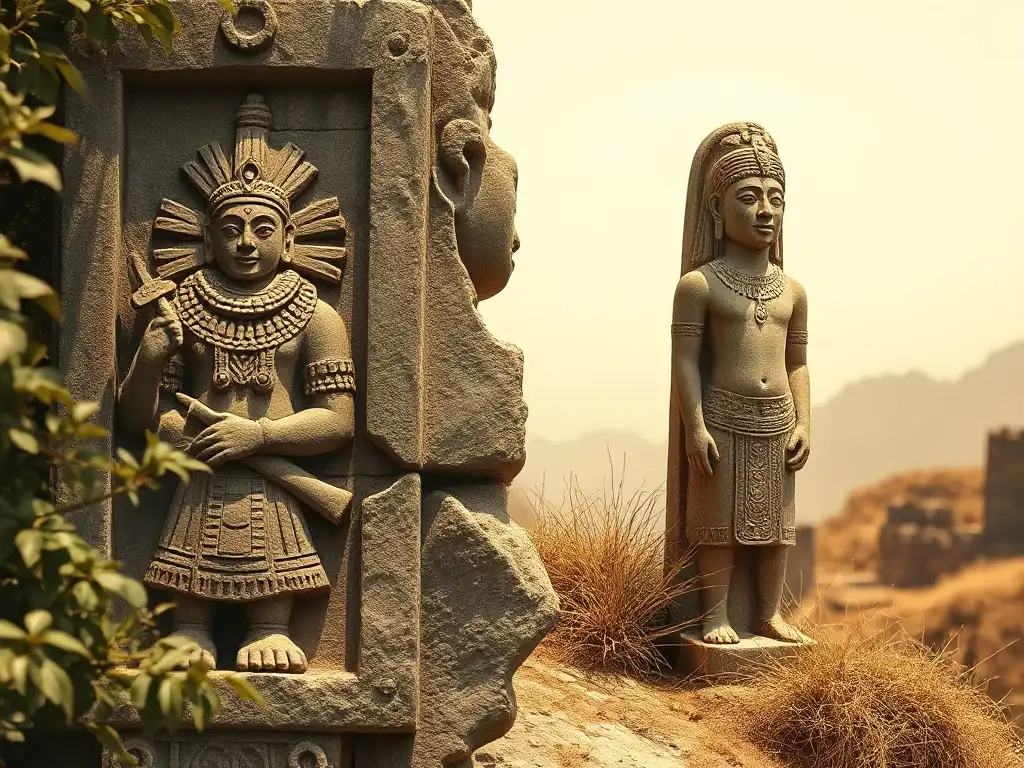
This section delves into the complexities surrounding the nomenclature of the Huari/Wari civilization, a powerful pre-Inca culture that flourished in the central Andes between the 6th and 12th centuries CE. The seemingly simple difference between "Huari" and "Wari" masks a deeper debate regarding archaeological interpretations, linguistic origins, and the very identity of this remarkable civilization. Understanding the nuances of this naming convention is crucial to appreciating the breadth and depth of Huari/Wari cultural variations. We will explore the origins of both names and trace their evolution through time, highlighting the ongoing scholarly discussion surrounding their usage.
The Origins of the Huari and Wari Names
The differing names, "Huari" and "Wari," stem from distinct sources and reflect different stages in the understanding of this civilization. "Huari" predominantly emerged from Quechua, a language family spoken across the Andes. Its use likely reflects the later Inca perception and incorporation of the Huari/Wari legacy into their own historical narratives. The Inca, encountering the remnants of the Huari/Wari civilization, may have adapted the name based on their own linguistic framework and understanding of the region’s history. This interpretation suggests a potential influence of Inca oral traditions in shaping our understanding of the civilization’s name.
Conversely, "Wari" finds its roots primarily in archaeological discoveries and interpretations. The name often appears in inscriptions and artifacts unearthed within the Wari heartland, particularly around the city of Wari (also known as Viñaque). The use of "Wari" by archaeologists often signifies a more neutral and descriptive approach, directly referencing the location of significant archaeological sites and associated material culture. This emphasizes the objective, scientific approach to naming the civilization, based on physical evidence rather than relying solely on later interpretations. The choice between "Huari" and "Wari" therefore reflects a tension between indigenous perspectives and scholarly interpretations.
The Evolution of the Name: From Huari to Wari
The shift in scholarly preference from "Huari" to "Wari" reflects the evolving understanding of the civilization itself. Early research, often influenced by colonial records and limited archaeological data, favored the term "Huari." However, as archaeological excavations intensified, particularly around the major site of Wari, the name "Wari" gained prominence. This transition signifies a move towards a more geographically specific and archaeologically informed nomenclature.
The evolution isn't merely a matter of semantics; it's intrinsically linked to the expansion of our knowledge about Huari/Wari culture. Initially, the civilization's extent and influence were less well-understood, leading to a broader, less geographically specific term like "Huari." As researchers uncovered more evidence—monumental architecture, intricate pottery, and widespread material culture—the spatial reach and complexity of the Wari state became clearer.
This led to a preference for "Wari," which more accurately reflects the civilization’s core territory and its administrative center. The ongoing debate about the most appropriate terminology highlights the dynamic nature of archaeological research and the continuous refinement of our understanding of past societies. The choice between "Huari" and "Wari" continues to be a subject of ongoing academic discussion, reflecting the ongoing refinement of our understanding of this complex civilization and its legacy.
The Huari Culture: Beyond the Name
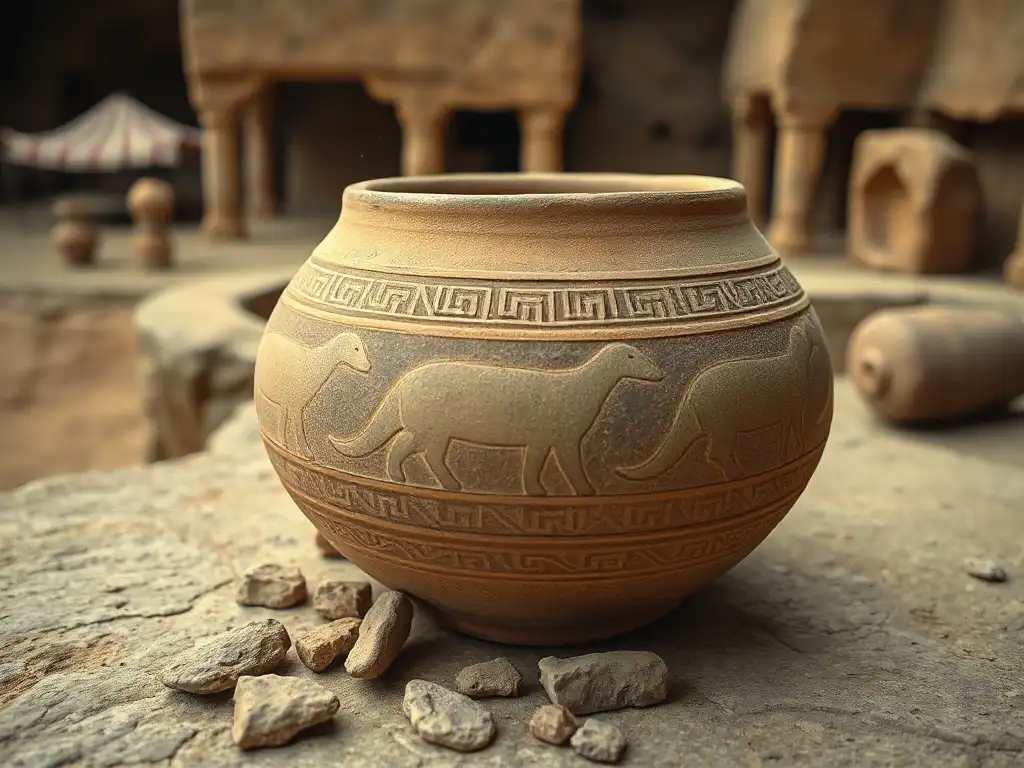
This section delves into the intricacies of the Huari civilization, clarifying the often-confusing variations in its name and exploring its significant contributions to Andean history. Understanding the nuances between "Huari" and "Wari" is crucial to grasping the complexities of this powerful pre-Inca culture. The terms are often used interchangeably, reflecting the challenges historians face in interpreting ancient texts and archaeological evidence. However, subtle differences in their usage can illuminate different aspects of the civilization's reach and impact. We will explore these variations and their implications for our understanding of Huari/Wari society, art, and influence.
Defining the Huari Civilization: Key Characteristics
The Huari (or Wari) civilization flourished in the central Andes from approximately AD 600 to AD 1000. Its influence spread across a vast territory, encompassing modern-day Peru and parts of Bolivia, Ecuador, and Chile. Characterized by its sophisticated administrative system and impressive infrastructural projects, the Huari state was a powerful force in the Andes, significantly impacting the region's political, economic, and cultural landscapes.
Several key characteristics define the Huari civilization:
- Urban Planning: Huari cities were meticulously planned, showcasing advanced urban design principles. The capital city, located near Ayacucho, Peru, exemplifies this with its grid-like layout and monumental architecture. This sophisticated urban planning facilitated efficient resource management and social control.
- Extensive Road Network: The Huari constructed an extensive network of roads connecting different parts of their empire, facilitating trade, communication, and military movements. These roads, many of which are still visible today, are a testament to their advanced engineering skills.
- Standardized Pottery: Huari pottery is easily recognizable by its distinctive styles and standardized forms. The production of large quantities of standardized pottery suggests a centralized system of production and distribution, possibly controlled by the state. This standardization served as a hallmark of the empire's influence.
- Agricultural Innovations: To support their large population, the Huari developed advanced agricultural techniques, including irrigation systems and terracing. These innovations allowed them to maximize agricultural output and ensure food security within their expansive empire. Evidence suggests a sophisticated understanding of water management.
- Religious Beliefs: While details remain debated, Huari religious beliefs likely revolved around ancestor veneration and fertility cults, reflected in their iconography and monumental architecture. Further research is needed to fully understand their complex religious system.
The Huari Expansion and Influence in the Andes
The Huari expansion was a gradual process characterized by both military conquest and the integration of existing communities. The empire's influence extended far beyond its core territories, reaching into regions previously dominated by other cultures. This expansion resulted in a significant exchange of ideas, goods, and technologies, profoundly shaping the cultural landscape of the Andes.
The Huari exerted their influence through various means:
- Military Campaigns: While the exact nature of Huari military campaigns is still being researched, archaeological evidence suggests a degree of military expansion and control over peripheral regions.
- Administrative Control: The Huari likely established administrative centers in conquered territories, allowing them to effectively govern and extract resources from these regions. This centralized control facilitated the empire's growth and stability.
- Cultural Exchange: The Huari expansion fostered a significant exchange of cultural practices and beliefs across the Andes. This led to cultural homogenization in certain areas, although local traditions were not entirely erased. This dynamic exchange is evidenced in the spread of Huari artistic motifs and architectural styles.
Huari Art and Architectural Legacy
Huari art and architecture are characterized by their distinctive styles and monumental scale. The empire's artistic and architectural achievements stand as a testament to its advanced technological capabilities and aesthetic sensibilities. The use of specific materials, techniques and iconography are key to understanding the Huari artistic vision.
Key aspects of Huari art and architecture include:
- Monumental Architecture: Huari cities featured monumental structures, including large platforms, temples, and administrative buildings. These structures were often made from stone and adobe bricks, reflecting their mastery of construction techniques. The scale and sophistication of these structures highlight the empire's organizational power.
- Textiles: Huari textiles are renowned for their intricate designs and high-quality materials. These textiles often featured geometric patterns and stylized figures, reflecting the empire's artistic sophistication. The techniques used to create these textiles were highly advanced.
- Ceramics: Huari pottery is easily recognizable by its characteristic styles and standardized forms. The production of large quantities of standardized pottery suggests a centralized system of production and distribution, possibly controlled by the state. The designs often feature stylized figures and geometric patterns.
- Iconography: Huari iconography is characterized by the use of specific motifs, including stylized figures, geometric patterns, and feline imagery. These motifs often appear in both ceramics and textiles, suggesting their importance in Huari religious and social life. The consistent use of these motifs throughout the empire points to a centralized system of artistic control.
The Huari/Wari legacy extends far beyond its temporal boundaries, significantly impacting subsequent Andean cultures and leaving an indelible mark on the region's artistic and architectural traditions. The ongoing research and archaeological discoveries continue to refine our understanding of this remarkable civilization.
Wari as a Contemporary Term: Usage and Acceptance
The debate surrounding the appropriate name for the expansive Andean civilization that flourished between 600 and 1000 CE continues to be a subject of scholarly discussion. While "Huari" has long been the prevalent term, particularly in older texts, "Wari" is gaining significant traction among researchers and is increasingly considered a more accurate and respectful reflection of the culture's self-designation. This shift isn't merely a matter of stylistic preference; it's rooted in deeper considerations of linguistic accuracy and cultural sensitivity related to "Huari Wari cultural variations".
Understanding this evolution is crucial for anyone seeking a comprehensive understanding of this fascinating pre-Inca civilization. The choice between "Huari" and "Wari" is not arbitrary; it reflects a growing awareness and respect for the nuances of Andean history and linguistics.
Why "Wari" is increasingly used in Academia
The preference for "Wari" in contemporary academic discourse stems largely from its closer proximity to the likely pronunciation used by the people themselves. While definitive proof remains elusive due to the limitations of surviving textual records, linguistic analysis of related Quechuan languages suggests that "Wari" offers a more phonetically accurate representation. Older interpretations, relying on Spanish colonial records and potentially influenced by biases in translation, may have led to the adoption of "Huari."
Modern scholars, however, are prioritizing primary sources and applying more nuanced linguistic methodologies to reconstruct the past, leading to a reassessment of the conventional "Huari" label. The shift toward "Wari" reflects a broader trend in Andean studies towards prioritizing indigenous perspectives and correcting historical misinterpretations. This dedication to accuracy fosters a more respectful and informed understanding of "Huari Wari cultural variations".
The Impact of Linguistic Research on the name "Wari"
Recent breakthroughs in Quechua linguistics have played a significant role in shaping the current debate. Researchers are now employing advanced techniques to analyze place names, personal names, and other linguistic remnants from the Wari period. This research reveals patterns and phonetic structures that align more closely with the "Wari" pronunciation than the "Huari" variant.
Furthermore, the analysis of related languages within the Quechuan family helps contextualize the name within a broader linguistic landscape, revealing subtle but significant distinctions. This detailed linguistic work is not simply an academic exercise; it has direct implications for our understanding of the civilization's identity and its place within the broader Andean cultural tapestry. These findings directly challenge previous assumptions and highlight the importance of rigorous linguistic analysis in interpreting historical data related to "Huari Wari cultural variations".
Wari: A More Accurate Representation of the Ancient Culture?
While the debate continues, the accumulating evidence strongly suggests that "Wari" offers a more accurate reflection of the culture's self-identification than the historically prevalent "Huari." This shift represents a significant advancement in our understanding of the Andean past, moving beyond colonial interpretations towards a more indigenous-centric approach. The adoption of "Wari" is not just a semantic change; it symbolizes a commitment to greater accuracy, cultural sensitivity, and a more nuanced appreciation of the complexities of Andean history.
The ongoing research continues to refine our understanding of "Huari Wari cultural variations" and further solidifies the case for using the term "Wari." The journey towards a more accurate understanding of this remarkable civilization is ongoing, and the preference for "Wari" reflects a commitment to ongoing scholarship and respect for the Andean past.
Huari Wari Cultural Variations: Exploring the Nuances
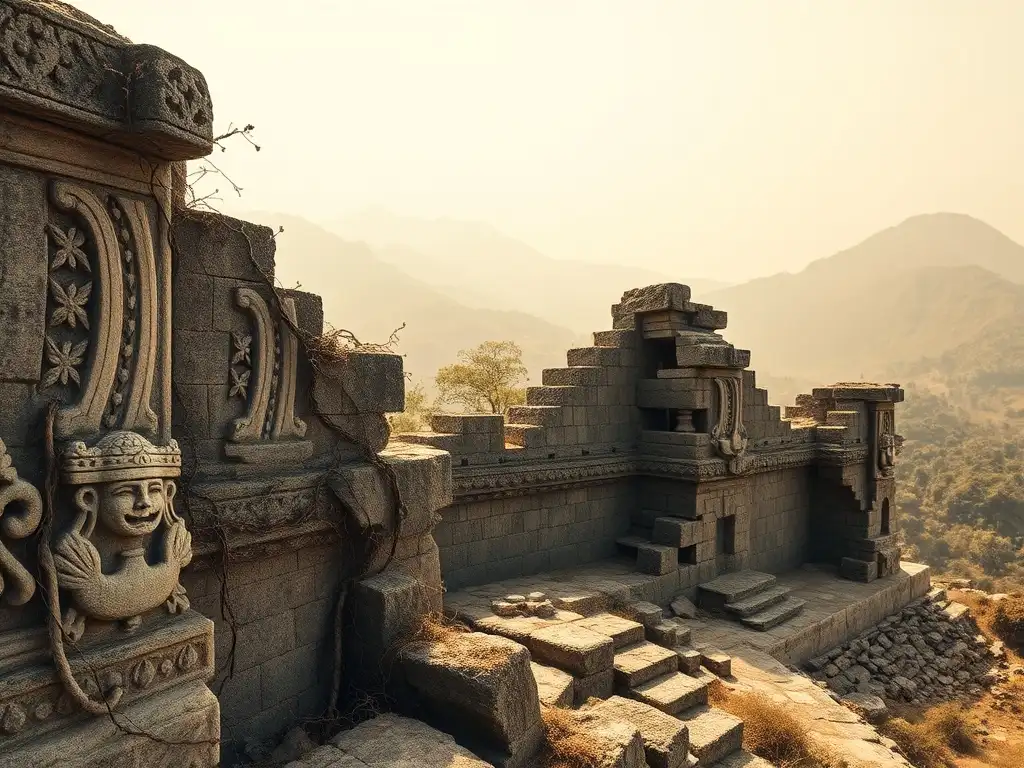
The terms "Huari" and "Wari" are often used interchangeably when discussing this significant pre-Inca civilization of the central Andes, leading to confusion amongst researchers and enthusiasts alike. However, a closer examination reveals subtle yet important distinctions, reflecting regional variations and potentially different interpretations of the same cultural entity. Understanding these nuances is crucial for a complete appreciation of Huari/Wari's impact on Andean history.
This section delves into the complexities of these naming conventions and the cultural implications they represent. The investigation of "Huari Wari cultural variations" requires a multifaceted approach, considering archaeological evidence, linguistic interpretations, and the broader historical context.
Comparing Huari and Wari Archaeological Findings
Archaeological investigations across the Huari/Wari heartland reveal intriguing variations in material culture. While many sites share common architectural features, such as characteristic kallanka halls and intricate stonework, differences in pottery styles, textile designs, and burial practices suggest regional distinctions. For instance, some sites identified as "Huari" exhibit a greater prevalence of fine-quality polychrome pottery with specific iconographic motifs, whereas sites labeled "Wari" might display a more subdued palette and different stylistic choices. This isn't necessarily a clear-cut division; rather, it suggests a complex network of interaction and potentially distinct regional styles within a larger cultural sphere.
The analysis of ceramic styles provides a strong foundation for understanding these variations. Detailed studies of surface decoration, vessel shapes, and manufacturing techniques reveal subtle but significant differences between purported "Huari" and "Wari" pottery. For example, [Specific data on pottery types and their distribution pending], which would further illuminate the regional variations in ceramic production and consumption.
Similarly, the analysis of textile fragments shows diverse weaving techniques and designs, hinting at specialized production centers and potential socio-political distinctions within the Huari/Wari realm. Further research, especially focusing on isotopic analysis of artifacts and human remains, could offer valuable insights into trade networks and population movements, strengthening our understanding of the spatial dynamics of this civilization.
Huari Wari: Regional Differences and Similarities
The Huari/Wari state wasn't a monolithic entity. Its vast territory encompassed diverse ecological zones, from arid coastal regions to high-altitude valleys. This environmental diversity, coupled with pre-existing local traditions, likely contributed significantly to regional variations in material culture and social organization. While a shared core ideology, possibly expressed through standardized architecture and administrative practices, bound the empire together, local adaptations and expressions of power can be observed across different regions.
Analyzing the distribution of specific architectural styles reveals interesting patterns. While kallankas are found across the empire, their size, construction materials, and associated features vary depending on location. This suggests that while a standardized architectural blueprint might have existed, local builders adapted these designs to suit available resources and local building traditions.
Additionally, the analysis of settlement patterns reveals varying degrees of urban planning and population density, which could reflect differences in administrative strategies and economic activities. For instance, [Specific data on settlement patterns and their regional variations pending] would provide a more comprehensive understanding of the spatial organization of the Huari/Wari state. The combination of standardized elements with regional adaptations showcases a sophisticated approach to empire management, balancing central control with local autonomy.
Understanding the Cultural Significance of Huari Wari
The debate surrounding the terms "Huari" and "Wari" highlights a larger issue: the complexities of defining and interpreting ancient Andean civilizations. The use of these terms reflects not only archaeological findings but also the biases and perspectives of researchers over time. The linguistic evolution itself might reflect shifts in power dynamics, changes in political alliances, or simply the evolution of local dialects. The very act of labeling these sites as "Huari" or "Wari" involves a degree of interpretation and imposes a certain level of order onto a potentially more fluid and dynamic reality.
Moving beyond a simple dichotomy, we should consider the possibility that "Huari" and "Wari" may represent different aspects of the same complex society, perhaps reflecting different social groups, administrative divisions, or even distinct phases in the civilization's evolution. The careful examination of the available evidence, including ethnohistorical accounts, linguistic analysis, and archaeological data, is crucial to avoid imposing modern categories onto a past culture. Future research should focus on a more nuanced approach, moving beyond simplistic classifications and exploring the internal dynamics and regional variations within the broader Huari/Wari cultural sphere.
This will provide a more accurate and comprehensive understanding of this remarkable civilization and its lasting impact on Andean history. The investigation of "Huari Wari cultural variations" is an ongoing process, requiring a collaborative and interdisciplinary approach to unravel the mysteries of this fascinating civilization.
The Debate: Huari or Wari?
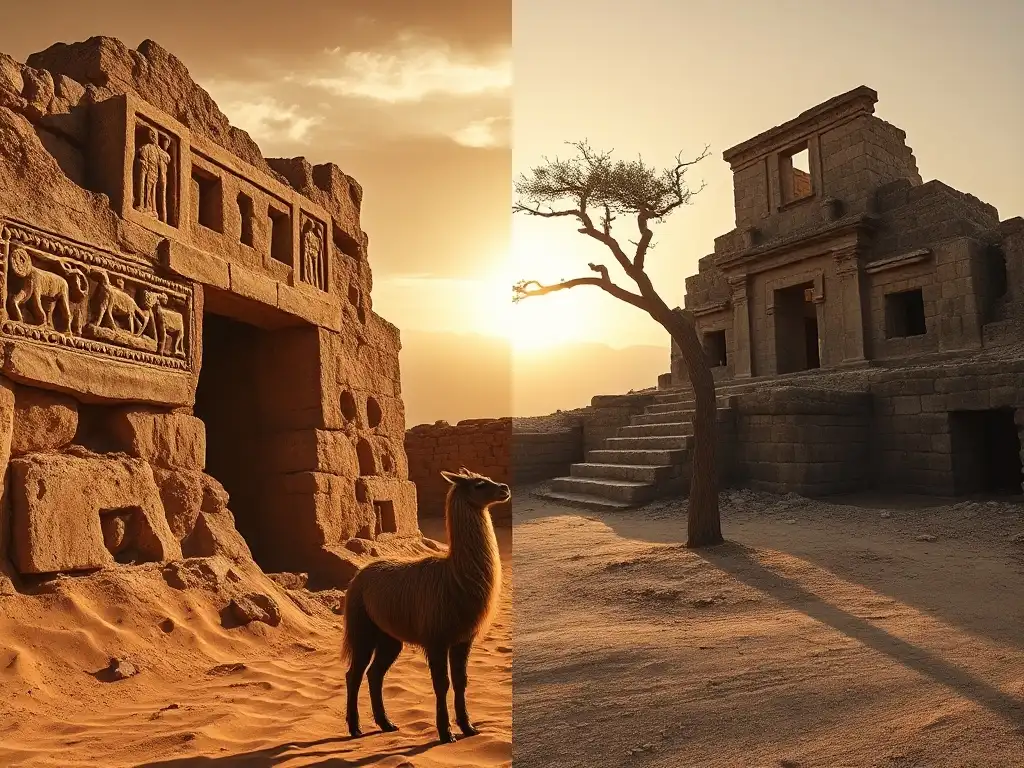
The seemingly simple question of whether to use "Huari" or "Wari" when referring to this significant pre-Inca civilization actually reflects a deeper discussion about archaeological interpretation, linguistic nuances, and the respectful representation of Andean cultures. The variation in spelling isn't merely a typographical error; it stems from differing scholarly approaches and evolving understandings of the civilization's own self-identification.
This section will delve into the arguments surrounding the use of each term, ultimately aiming to provide a balanced perspective that acknowledges the complexities involved. Understanding these variations is crucial for navigating the existing literature and appreciating the ongoing scholarly conversation surrounding Huari/Wari cultural variations.
Arguments for Using Huari
The use of "Huari" often stems from the Quechua language, a significant language family in the Andes region. Many researchers believe that this spelling better reflects the pronunciation used by the Quechua-speaking populations who interacted with or were influenced by the civilization. Proponents of this spelling often highlight the importance of respecting indigenous linguistic traditions and acknowledging the potential inaccuracies of imposing Spanish-influenced orthography onto Andean names.
Furthermore, some argue that using "Huari" establishes a clearer distinction from other similar-sounding terms and avoids potential confusion with unrelated place names or concepts. The perceived phonetic accuracy and cultural sensitivity are key arguments supporting the preference for "Huari" in certain academic circles, contributing significantly to the ongoing discussion on Huari/Wari cultural variations.
Arguments for Using Wari
Conversely, the spelling "Wari" has gained prevalence in recent years, particularly amongst archaeologists and scholars working directly with the archaeological record. This spelling often aligns more closely with the transcriptions found in Spanish colonial documents and early ethnographic accounts. Some scholars argue that using "Wari" emphasizes the continuity between the historical records and the archaeological findings, creating a more accessible link between historical and contemporary understandings of the civilization.
Additionally, the adoption of "Wari" in many academic publications has created a kind of de facto standard, making it easier for researchers to find and cite relevant information. The widespread use of "Wari" in current academic discourse is a compelling factor in the ongoing debate on Huari/Wari cultural variations. It reflects a practical consideration of accessibility and consistency within the field.
Finding Common Ground: A Balanced Perspective
Ultimately, the choice between "Huari" and "Wari" isn't a matter of right or wrong, but rather a reflection of differing perspectives and priorities. A balanced approach acknowledges the validity of both spellings, emphasizing the importance of clarity and context. It's crucial to be aware of the nuances of each spelling and to understand the reasoning behind a researcher's choice.
In publications and discussions, it can be beneficial to explicitly state the spelling used and briefly explain the rationale behind the decision. This transparency helps to prevent misunderstandings and fosters a more informed discussion about Huari/Wari cultural variations. For instance, a sentence like, "Using the spelling 'Wari' in this context aligns with the conventions of recent archaeological literature," provides context and allows the reader to understand the author's choice.
The ongoing debate underscores the dynamic nature of historical interpretation and the need for continuous critical engagement with the past. The respectful consideration of both "Huari" and "Wari" reflects the ongoing evolution of our understanding of this fascinating Andean civilization.
Conclusion: Appreciating the Richness of the Huari/Wari Culture
The debate surrounding the nomenclature of the Huari/Wari culture highlights the complexities inherent in reconstructing ancient histories. The variations in names, while seemingly minor, reflect deeper issues of archaeological interpretation, linguistic evolution, and the challenges of translating indigenous perspectives into modern frameworks. Understanding these nuances allows for a more nuanced and respectful appreciation of the vast achievements of this significant Andean civilization.
The sheer scale of their urban planning, agricultural innovations, and artistic expression speaks volumes about their sophisticated societal structures and advanced understanding of their environment. By acknowledging the fluidity of the terms "Huari" and "Wari," we open ourselves up to a richer understanding of their cultural legacy. The use of both terms, recognizing their historical and geographical contexts, allows for a more complete and accurate representation of this important Andean civilization.
The Importance of Understanding the Naming Conventions
The inconsistent use of "Huari" and "Wari" isn't simply a matter of academic pedantry; it reflects a larger challenge in Andean archaeology: reconciling colonial-era records with modern interpretations. Early Spanish chroniclers often lacked the linguistic sophistication or cultural understanding to accurately represent indigenous terms. This resulted in phonetic variations and misinterpretations, leading to the current ambiguity. Furthermore, the geographical distribution of the Wari empire and the potential for regional dialectal variations could have contributed to the diverse spellings found in historical sources.
Understanding these historical and linguistic factors is crucial to avoid perpetuating inaccuracies and misrepresentations of this ancient culture. Careful consideration of the source material and the context in which the names appear is essential for accurate scholarship and responsible historical interpretation. This careful approach is vital in avoiding perpetuating biases and inaccuracies in our understanding of the Huari-Wari cultural variations.
The Enduring Legacy of the Huari-Wari Culture
The Huari/Wari civilization left an indelible mark on the Andes, influencing subsequent cultures and shaping the landscape in profound ways. Their sophisticated irrigation systems, for example, provided the foundation for later agricultural practices. Architectural innovations, such as the use of distinctive stonework and urban planning principles, are still evident in later Andean societies. Their artistic achievements, including intricate textiles, ceramics, and metalwork, continue to inspire awe and admiration.
The influence of Huari/Wari art and iconography can be traced in subsequent styles, demonstrating the lasting impact of their cultural production. The legacy of the Huari/Wari civilization extends far beyond the artifacts they left behind; it's reflected in the enduring cultural practices and societal structures of later Andean communities. The study of Huari/Wari cultural variations offers a window into the dynamic interplay of innovation and adaptation within Andean societies.
Further Research and Exploration of the Wari Civilization
Further research is needed to fully understand the complexities of the Huari/Wari culture and the reasons behind the variations in its name. More detailed linguistic analysis of colonial-era documents, coupled with ongoing archaeological excavations and the application of advanced dating techniques, could shed light on the chronological and geographical distribution of the different terms.
A comparative analysis of archaeological findings from different regions within the Wari empire might reveal regional variations in material culture and social organization that could explain the different nomenclature. Ethnohistorical studies, examining the oral traditions and cultural memories of contemporary Andean communities, could also provide valuable insights into the historical perception and usage of these names.
This multi-faceted approach, integrating diverse methodological approaches, is essential to achieve a more complete and nuanced understanding of the Huari-Wari cultural variations. The continued exploration and study of the Wari civilization promise to reveal even more about this fascinating and influential Andean culture.
Frequently Asked Questions
What is the difference between "Huari" and "Wari"?
The terms "Huari" and "Wari" are often used interchangeably to refer to the same Andean civilization that flourished between the 7th and 10th centuries. The variation stems from different linguistic interpretations and historical transcriptions. There's no definitive consensus on which is more accurate.
Where was the Huari/Wari civilization located?
The Huari/Wari empire was centered in the Ayacucho region of Peru, but its influence extended across a vast territory, encompassing parts of modern-day Peru, Bolivia, and possibly even Ecuador and Chile. Their extensive road network facilitated control over this large area.
What are some key characteristics of Huari/Wari culture?
The Huari/Wari are known for their advanced urban planning, extensive road system, standardized pottery, and regional administrative centers. They also displayed significant artistic and architectural achievements.
How did the Huari/Wari state control such a large empire?
The Huari/Wari state employed a sophisticated system of administrative control, establishing regional centers governed by appointed officials. Effective communication and transportation, facilitated by their road network, were crucial to their imperial management.
What caused the decline of the Huari/Wari civilization?
The reasons for the decline of the Huari/Wari are still debated. Internal conflicts, environmental factors, and possible external pressures from other Andean groups are all considered as contributing factors to their eventual collapse.
Final Reflection: Unraveling the Threads of Huari and Wari Identity
The enduring mystery surrounding the nomenclature of the Huari and Wari civilizations highlights the complexities of historical interpretation and the importance of nuanced understanding. The seemingly simple question of a name holds within it a wealth of information about power dynamics, cultural transmission, and the challenges of reconstructing ancient societies from fragmented evidence. This ambiguity forces us to confront the limitations of our historical narratives and to appreciate the fluidity of identity across time and space.
The ongoing debate about the relationship between the Huari and Wari cultures underscores the need for critical engagement with archaeological and historical sources. It reminds us that history is not a static entity, but a constantly evolving narrative shaped by new discoveries and interpretations. The past is never dead. It's not even past.
– William Faulkner. This quote perfectly encapsulates the dynamic nature of our understanding of the Huari and Wari, urging us to continuously reassess our assumptions and to remain open to new perspectives as research progresses. The very act of questioning the established narratives, as we have done here, is crucial to advancing our knowledge.
Consider the implications of this ambiguity for your own understanding of history. How often do we accept established narratives without questioning their underlying assumptions? I encourage you to approach historical accounts with a critical eye, seeking out diverse perspectives and acknowledging the inherent uncertainties involved in reconstructing the past.
By embracing this spirit of inquiry, we can move beyond simplistic labels and delve deeper into the rich tapestry of human experience, appreciating the complexities and nuances that make each culture unique and fascinating. Let the enduring puzzle of the Huari and Wari inspire you to explore the world with a renewed sense of curiosity and critical thinking.
**Unveil the Rich Tapestry of Andean Heritage! **
Thank you for exploring the captivating world of the Huari and Wari civilizations with us. Your interest demonstrates a commitment to understanding Andean history and the fascinating complexities of cultural evolution. Let's build on this knowledge!
Here are some ways to continue your exploration:
- **Explore Further:** Delve deeper into the Huari and Wari civilizations by exploring our additional articles and resources on related topics. We have a wealth of information available.
- **Join the Conversation:** Share your thoughts and questions in the comments below and connect with other history enthusiasts. We encourage lively discussion and the exchange of ideas.
- **Spread the Word:** Share this article with friends and on social media, inviting others to discover the wonders of Andean civilizations. Help us share this fascinating history!
What aspect of Huari or Wari culture most captivated you, and how do you believe it informs our understanding of ancient societies?