
The Future of Andean Studies: New Discoveries and Research Directions

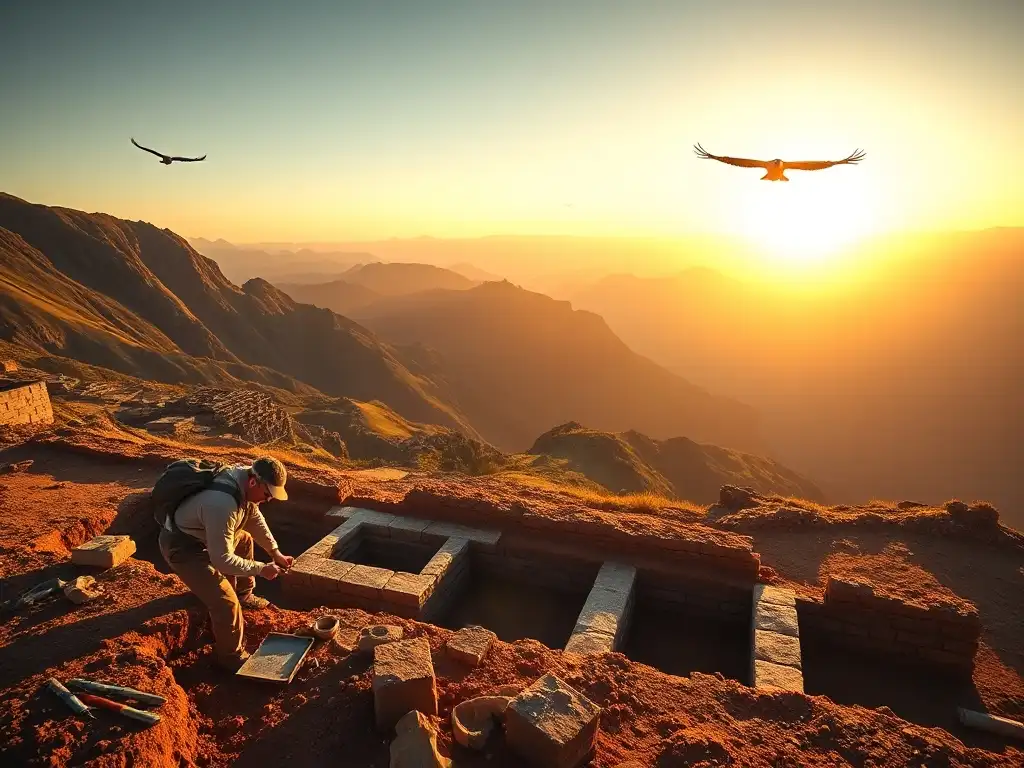
Unravel the mysteries of a lost world. For centuries, the Andean civilizations have captivated imaginations, leaving behind a legacy of breathtaking artistry and sophisticated engineering. But their stories are far from complete. Dive into the fascinating realm of Andean civilization research directions, exploring groundbreaking new discoveries that are reshaping our understanding of these remarkable pre-Incan cultures of the Highlands. Prepare to be amazed as we uncover the secrets hidden within the mountains…
The study of Andean civilizations, encompassing the rich tapestry of cultures that flourished in the Andes Mountains before the Inca Empire, is experiencing a renaissance. New archaeological discoveries, advanced technological applications in analysis, and a renewed focus on interdisciplinary approaches are reshaping our understanding of these remarkable societies.
This article explores promising avenues for future research into pre-Inca Andean cultures, focusing on areas ripe for discovery and innovative methodologies. We will delve into the exciting potential of integrating cutting-edge technologies with traditional archaeological methods to unlock deeper insights into the social structures, economic systems, and belief systems of these fascinating civilizations.
The exploration of the intricate relationships between different Andean groups and the environmental factors that shaped their development will be central to our discussion, ultimately contributing to a more nuanced and complete picture of Andean history. The keyword "Andean civilization research directions" will be explored throughout, highlighting the most promising and impactful areas of investigation.
Re-evaluating Existing Archaeological Sites Using Advanced Technologies
Traditional archaeological excavation has provided a wealth of information about Andean civilizations. However, the application of advanced technologies like LiDAR (Light Detection and Ranging), ground-penetrating radar (GPR), and hyperspectral imaging offers unprecedented opportunities to re-evaluate existing sites.
These non-invasive techniques allow researchers to identify previously unknown features, such as buried structures, irrigation systems, and even subtle changes in soil composition that might indicate past human activity. For example, LiDAR surveys have already revealed extensive agricultural terraces and settlements previously hidden beneath dense vegetation in the Peruvian Andes, significantly expanding our understanding of population density and agricultural practices.
Furthermore, the analysis of ancient materials using techniques such as X-ray fluorescence (XRF) and mass spectrometry can provide detailed information about the composition of artifacts and the origins of raw materials, shedding light on trade networks and cultural exchange. This detailed analysis promises to significantly enhance our understanding of the complexities of Andean societal organization and technological advancements.
Interdisciplinary Approaches: Integrating Archaeology, Anthropology, and Environmental Science
A truly comprehensive understanding of Andean civilizations requires an interdisciplinary approach. Integrating archaeology with anthropology, environmental science, and even genetics opens exciting new avenues for research. By combining archaeological data with anthropological insights into social structures and kinship systems, we can create more nuanced narratives of daily life and social organization. Environmental science provides crucial context by revealing the impact of climate change and environmental factors on the development and decline of these societies.
For instance, analyzing pollen and isotopic data from ancient settlements can reveal dietary habits, agricultural practices, and the impact of environmental shifts on population dynamics. Additionally, the emerging field of ancient DNA analysis offers the potential to trace the genetic lineages of Andean populations and understand patterns of migration and population movement. This multifaceted approach will offer a more holistic and accurate picture of these complex societies.
Focus on Less-Studied Regions and Cultures
While significant research has focused on well-known civilizations like the Nazca and Moche, many other Andean cultures remain relatively understudied. Future research should prioritize the investigation of lesser-known groups and regions to achieve a more balanced and comprehensive understanding of Andean history. This includes exploring the cultural interactions and exchanges between different groups, as well as the unique adaptations and innovations of individual societies.
Detailed studies of these often overlooked areas will undoubtedly unveil new insights into the diversity and complexity of Andean societies and challenge existing paradigms of Andean development. The potential for new discoveries in these under-researched regions is immense, promising a significant expansion of our knowledge of pre-Inca Andean history. This area of research is particularly crucial to fully grasp the richness and diversity of the Andean region before the Inca expansion.
The Role of Oral Traditions and Indigenous Knowledge
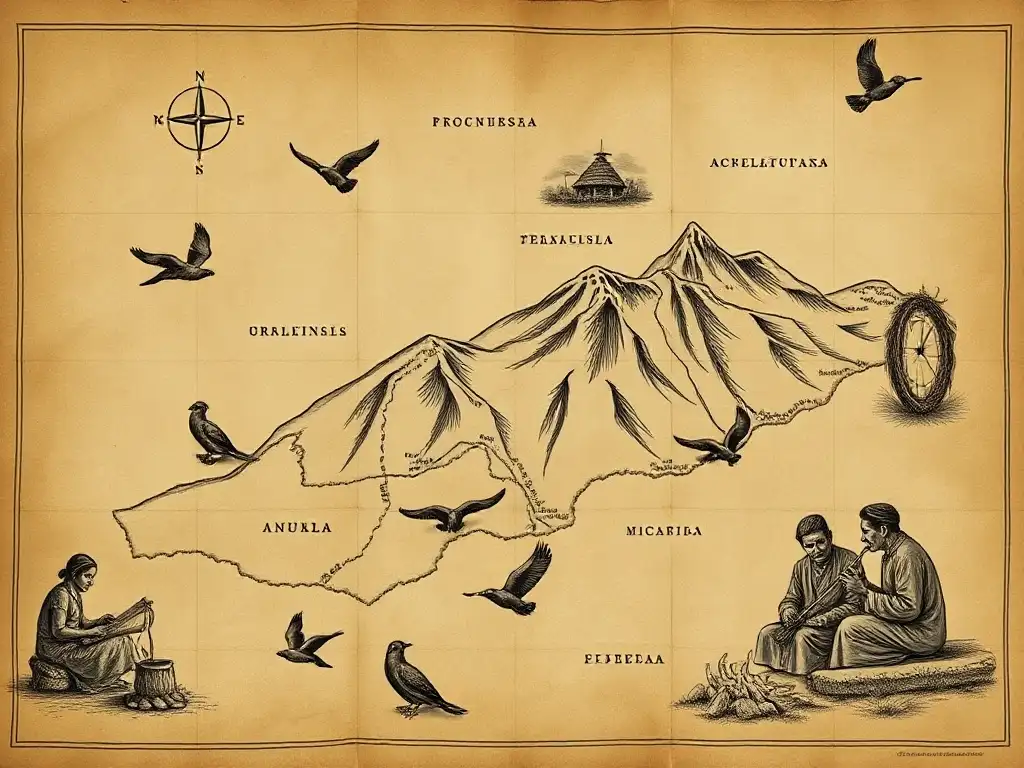
The incorporation of indigenous knowledge and oral traditions into Andean studies is crucial for a more complete and nuanced understanding of the past. These invaluable sources, often passed down through generations, provide perspectives that complement and enrich archaeological and historical data. By working collaboratively with indigenous communities and respecting their cultural heritage, researchers can gain access to unique insights into cultural practices, beliefs, and historical narratives.
This collaborative approach not only fosters mutual respect and understanding but also enriches the research process and ensures that the voices and perspectives of indigenous communities are accurately represented. This commitment to collaboration represents a crucial shift in the field, moving away from extractive research methodologies and towards respectful and mutually beneficial partnerships.
New Technologies and Data Analysis Techniques
The rapid advancement of technology continues to revolutionize Andean studies. The use of Geographic Information Systems (GIS) for spatial analysis, advanced imaging techniques for artifact analysis, and sophisticated statistical methods for data interpretation are constantly improving our ability to extract meaning from archaeological data. The development and application of new technologies, combined with improved data management and sharing practices, promise to further accelerate the pace of discovery and refine our understanding of Andean societies.
The possibilities are vast, and the integration of these tools presents a powerful opportunity to advance the field significantly. This ongoing technological development is essential for keeping Andean studies at the forefront of archaeological and historical research.
- Re-evaluating Existing Archaeological Sites Using Advanced Technologies
- Interdisciplinary Approaches: Integrating Archaeology, Anthropology, and Environmental Science
- Focus on Less-Studied Regions and Cultures
- The Role of Oral Traditions and Indigenous Knowledge
- New Technologies and Data Analysis Techniques
- Analyzing Moche Ceramic Iconography and Social Structure
- Deciphering Nazca Geoglyph Function and Purpose
- Tiahuanaco's Urban Planning and Political Strategies
- Examining Wari Road Networks and Administrative Control
- Re-evaluating the Role of Coastal Elites in Pre-Inca Societies
- Investigating the Impact of Climate Change on Pre-Columbian Societies
- What are some current research directions in Andean civilization studies?
- How is climate change impacting Andean civilization research?
- What technological advancements are aiding Andean civilization research?
- How are researchers exploring the interaction between different Andean cultures?
- What are the ethical considerations involved in researching Andean civilizations?
Unveiling New Frontiers in Andean Civilization Research
This section explores emerging trends and methodologies revolutionizing our understanding of Andean civilizations, particularly focusing on research directions impacting our knowledge of pre-Inca highland cultures. The field is experiencing a renaissance, driven by technological advancements and a critical reassessment of established narratives. This renewed focus promises to unveil a richer and more nuanced picture of these fascinating societies. We'll examine some key areas driving this exciting evolution in Andean civilization research directions.
LiDAR Technology in Andean Archaeological Exploration
Light Detection and Ranging (LiDAR) technology is transforming Andean archaeological exploration. Unlike traditional methods, which often struggle with dense vegetation obscuring ancient sites, LiDAR uses laser pulses to penetrate the canopy, creating high-resolution 3D models of the terrain below. This allows researchers to identify previously unknown settlements, agricultural terraces, irrigation systems, and even individual structures buried beneath centuries of growth.
For example, recent LiDAR surveys in the Peruvian Amazon have revealed extensive networks of pre-Inca settlements, significantly expanding our understanding of population density and social organization in this region. The detailed maps generated by LiDAR also allow for more precise planning of ground-truthing expeditions, maximizing the efficiency and impact of fieldwork. This technology is particularly useful in mapping the complex hydrological systems crucial to the survival of these high-altitude societies, revealing intricate networks of canals and reservoirs that sustained large populations.
The ability to map these features with unprecedented accuracy allows for more sophisticated analyses of water management strategies and their impact on social structures and agricultural productivity. The potential for new discoveries using LiDAR in less-studied regions of the Andes is immense, promising a wealth of data to further enrich our understanding of Andean civilization research directions.
Decolonizing Andean Historical Narratives
A crucial shift in Andean civilization research directions involves a critical reassessment of existing historical narratives. For too long, the study of Andean cultures has been dominated by Eurocentric perspectives, often marginalizing or misrepresenting Indigenous voices and knowledge systems. The field is now actively working to decolonize its methodologies and interpretations, prioritizing Indigenous perspectives and incorporating oral histories and traditional ecological knowledge.
This involves a move away from narratives that present Andean societies as monolithic entities, recognizing instead the diversity of cultures, languages, and political systems that existed across the vast Andean region. It also means challenging the tendency to view pre-Columbian societies through a lens of "progress" or "civilization," acknowledging the richness and complexity of their own unique trajectories.
This critical reassessment requires a collaborative approach, working closely with Indigenous communities to ensure that research is conducted ethically and respectfully, and that the results are shared in ways that benefit the communities involved. Furthermore, the incorporation of Indigenous knowledge systems into the analysis of archaeological findings can provide new insights and interpretations, challenging existing assumptions and leading to a more holistic and accurate understanding of Andean civilizations.
This decolonizing process is essential for ensuring that future Andean civilization research directions are grounded in ethical practices and produce a more just and accurate representation of the past.
Key Research Areas and Directions in Andean Studies
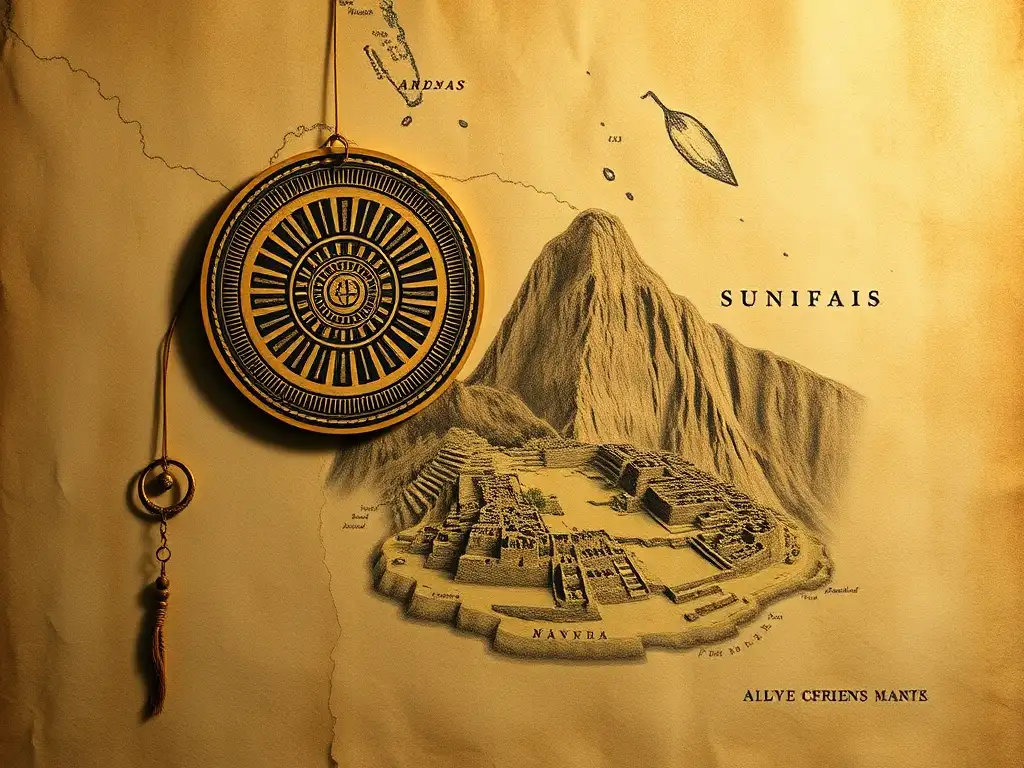
The field of Andean civilization research directions is experiencing a renaissance, fueled by technological advancements and a renewed focus on interdisciplinary approaches. This section highlights some key areas driving current research and charting the future of our understanding of pre-Columbian Andean societies. These advancements are not only refining our existing knowledge but also challenging long-held assumptions about the complexity and interconnectedness of these remarkable cultures. The pursuit of a more nuanced and complete picture of Andean civilizations is ongoing, with exciting new discoveries constantly reshaping our perspectives.
Radiocarbon Dating of Organic Materials for Andean Chronology
Precise chronological frameworks are crucial for understanding the development and interactions of Andean societies. Radiocarbon dating, while not without its challenges in the Andean context due to reservoir effects 1 , remains a cornerstone of chronological research. Recent advances in accelerator mass spectrometry (AMS) radiocarbon dating allow for analysis of much smaller samples, opening up new avenues for dating previously inaccessible materials. This is particularly significant for Andean studies, where organic materials—such as textiles, wood, and plant remains—often provide the only dating possibilities.
For instance, the recent application of AMS dating to small fragments of textiles unearthed at a Moche site in the Chicama Valley has significantly refined the timeline of the Moche's textile production techniques. This allowed researchers to link specific stylistic changes in textile decoration to specific periods of Moche history, providing a much more detailed understanding of their artistic evolution. Furthermore, the dating of organic remains from refuse heaps provides insights into dietary practices and environmental changes across different periods.
The future of radiocarbon dating in Andean studies lies in the development of more sophisticated models that account for regional variations in reservoir effects. This requires collaboration between archaeologists, geochemists, and physicists to refine existing methodologies and develop new approaches to ensure the accuracy and precision of Andean chronologies. The potential for uncovering more precise timelines for the rise and fall of various Andean cultures is immense, promising to rewrite crucial chapters in Andean history.
Ancient DNA Analysis of Andean Populations
Ancient DNA (aDNA) analysis offers unprecedented opportunities to investigate the genetic history of Andean populations. By extracting and analyzing DNA from ancient human remains, researchers can reconstruct migration patterns, understand population relationships, and trace the spread of genetic traits over time. This approach is particularly powerful in the Andean region, where the complex interplay of different groups shaped the cultural landscape.
For example, aDNA studies have begun to shed light on the genetic origins of the Tiwanaku culture, revealing connections with populations from both the highlands and the coast. This challenges earlier interpretations that focused solely on highland origins and highlights the importance of coastal interactions in the formation of this powerful empire. Furthermore, aDNA analysis of mummies from different Andean regions is providing insights into the prevalence of certain diseases and the adaptive strategies employed by ancient populations to cope with various environmental challenges.
However, the preservation of aDNA in the Andean environment, characterized by high altitudes and humidity, presents significant challenges. The development of advanced extraction and sequencing techniques is crucial for maximizing the success rate of aDNA studies in this region. Future research will likely focus on integrating aDNA data with archaeological and linguistic evidence to build a more comprehensive understanding of the population dynamics and cultural interactions that shaped Andean societies. This multi-faceted approach promises to revolutionize our understanding of Andean demographic history and cultural evolution.
Investigating Andean Agricultural Adaptations to Climate Change
Andean civilizations developed sophisticated agricultural techniques to cope with the highly variable climate of the Andes Mountains. Understanding these adaptations is crucial for understanding their resilience and long-term sustainability. Current research focuses on investigating the impact of climate change on Andean agriculture, examining how ancient populations responded to droughts, floods, and other environmental stressors.
Studies of ancient irrigation systems, terraced farming, and crop diversification strategies reveal a remarkable level of ingenuity and adaptability. For example, the intricate network of canals and reservoirs built by the Nazca culture demonstrates an advanced understanding of water management and resource allocation. Similarly, the diverse range of crops cultivated by the Incas, including potatoes, maize, and quinoa, highlights their ability to exploit the varied ecological niches of the Andes.
Future research will need to incorporate paleoclimatological data to correlate changes in climate with changes in agricultural practices. This integrated approach will provide a more nuanced understanding of the interplay between climate, agriculture, and societal development in the Andes. Furthermore, examining the resilience of ancient Andean agricultural systems can provide valuable insights for contemporary efforts to address climate change and ensure food security in the region today.
This interdisciplinary approach, combining archaeological data with climate modelling and ecological studies, holds immense potential for informing sustainable agricultural practices in the Andes and beyond. Understanding how past Andean societies successfully adapted to environmental challenges is crucial for building a more resilient future.
1 Reservoir effects refer to the discrepancy between the calendar age of a sample and its radiocarbon age due to variations in the 14 C concentration of the carbon reservoir (e.g., water) from which the organism obtained its carbon.
Focusing on Regional Developments Before the Incas
This section delves into promising avenues for Andean civilization research directions, specifically focusing on pre-Inca regional developments in the highlands. We will explore cutting-edge research focusing on three crucial Andean cultures: the Moche, Nazca, and Tiahuanaco. Understanding these societies' unique trajectories is critical to a comprehensive understanding of the broader Andean cultural landscape and its evolution.
The study of these pre-Inca civilizations provides invaluable insights into the complexities of Andean societal organization, technological innovation, and artistic expression, paving the way for a richer understanding of the Inca's eventual rise to power. The following subsections highlight key areas of ongoing and future research.
Moche ceramic art is renowned for its exquisite detail and vivid depictions of daily life, ritual practices, and elite figures. However, much remains to be understood about the intricate relationship between these artistic representations and the social structures of Moche society. Current research directions are focusing on several key aspects:
- Advanced stylistic analysis: Researchers are employing advanced digital imaging techniques to analyze subtle variations in ceramic styles across different Moche sites and periods. This allows for a more nuanced understanding of regional variations and potential social divisions. For instance, the identification of specific motifs associated with particular social classes could shed light on the hierarchical organization of Moche society.
- Interpreting ritual scenes: The detailed depictions of rituals and ceremonies on Moche pottery offer valuable insights into Moche religious beliefs and practices. New research is focusing on a comparative analysis of these scenes across different pottery types and regions to identify common themes and potential regional variations in religious practices. This includes a deeper examination of the roles of different figures depicted in these scenes, potentially revealing aspects of Moche social hierarchy and power dynamics. For example, the recurring depiction of certain individuals in positions of authority could point to a specific ruling class or priesthood.
- Contextualizing ceramic finds: The analysis of Moche ceramics is being enhanced by integrating archaeological data from the sites where they were discovered. This contextual approach allows researchers to link specific ceramic styles to particular settlements, burial practices, and other aspects of Moche material culture, thus providing a richer understanding of their social and political organization. For example, the discovery of specific ceramic types within elite tombs could reveal the social status associated with those artifacts.
Deciphering Nazca Geoglyph Function and Purpose
The enigmatic Nazca Lines, colossal geoglyphs etched into the desert landscape, continue to captivate researchers and spark debate regarding their purpose. While several theories exist, current Andean civilization research directions are focusing on refining existing hypotheses and exploring new avenues of investigation:
- Technological advancements: The use of advanced remote sensing technologies, such as LiDAR and satellite imagery, is allowing researchers to map the Nazca Lines with unprecedented detail, revealing previously unknown geoglyphs and providing new insights into their spatial arrangement and potential relationships with other archaeological features.
- Environmental context: The study of the environmental context of the Nazca Lines is crucial to understanding their function. Researchers are exploring how climatic changes and water availability might have influenced the creation and use of these geoglyphs, potentially connecting them to agricultural practices, water management systems, or religious rituals related to water deities.
- Multidisciplinary approaches: The most promising research directions involve the integration of multiple disciplines, including archaeology, anthropology, astronomy, and geophysics. This interdisciplinary approach allows researchers to examine the Nazca Lines from various perspectives and develop more comprehensive interpretations. For example, astronomical alignments of some geoglyphs are being investigated to determine potential calendrical or astronomical significance. This holistic approach is essential for a deeper understanding of these iconic representations.
Tiahuanaco's Urban Planning and Political Strategies
Tiahuanaco, a powerful Andean civilization, left behind a remarkable urban center characterized by sophisticated urban planning and monumental architecture. Current research on Andean civilization research directions focuses on several key aspects of Tiahuanaco's political organization and societal structure:
- Hydraulic engineering: Tiahuanaco's mastery of hydraulic engineering is a testament to its advanced technological capabilities. Research is focusing on understanding the complex water management systems that supported the city's population and agriculture, with a particular emphasis on the role of these systems in the city's power and influence. The analysis of these sophisticated systems could reveal insights into the control and distribution of resources, suggesting a centralized political authority.
- Monumental architecture and power: The construction of monumental structures, such as the Kalasasaya Temple and the Puerta del Sol, required considerable labor and resources. Research aims to understand the social organization and political strategies that facilitated these massive construction projects. This could involve investigating the role of labor organization, resource mobilization, and the symbolic power of these monuments in consolidating political authority.
- Regional influence and networks: Tiahuanaco exerted significant influence over a vast region. Research is focusing on identifying and analyzing the networks of interaction and exchange that connected Tiahuanaco with other Andean societies. This includes analyzing the distribution of Tiahuanaco-style pottery and other artifacts across the region to understand the extent and nature of Tiahuanaco's political and economic influence. By mapping these networks, researchers can gain a better understanding of Tiahuanaco's political strategies and its role in shaping the broader Andean landscape. The analysis of trade routes and the exchange of goods could reveal further insights into the social and economic structures of this influential Andean civilization.
Examining Wari Road Networks and Administrative Control
The Wari Empire, a significant pre-Inca civilization flourishing between 600 and 1000 CE in the Andes, controlled a vast territory through an impressive infrastructure, notably its extensive road network. Research into these roads offers crucial insights into Wari administrative strategies and societal organization. Recent studies employing Geographic Information Systems (GIS) technology are revolutionizing our understanding of Wari road planning and construction. By mapping the roads' precise routes and analyzing their spatial distribution, researchers can identify patterns suggesting centralized planning and control.
For instance, the strategic placement of roads connecting key agricultural regions and administrative centers points to a deliberate effort to manage resource distribution and economic activity. Furthermore, the analysis of road construction techniques, material sourcing, and labor organization provides valuable data on Wari labor practices and social stratification. Archaeological excavations along the road networks have unearthed evidence of waystations and resting places, suggesting a well-organized system for facilitating travel and communication across the empire. These findings challenge previous interpretations that emphasized purely military control, revealing a more complex interplay of economic, political, and social factors in maintaining Wari dominance.
Future research should focus on integrating interdisciplinary approaches, combining GIS analysis with detailed archaeological investigations and isotopic studies of road construction materials to further refine our understanding of Wari road networks and their role in the empire's administrative structure. The potential for uncovering further evidence of administrative centers and settlements along these routes remains high, promising to shed light on the day-to-day operations of the Wari state and the lives of its people. Understanding the intricacies of the Wari road system is key to unlocking a more comprehensive understanding of the complex mechanisms of power and control in this influential Andean civilization. This research directly contributes to a broader understanding of "Andean civilization research directions," specifically focusing on infrastructural contributions to state formation and control.
Re-evaluating the Role of Coastal Elites in Pre-Inca Societies
The influence of coastal elites in shaping the political and economic landscape of pre-Inca Andean societies has long been a subject of debate among scholars. Traditional narratives often emphasized the dominance of highland cultures, overlooking the significant contributions and power structures of coastal communities. However, recent archaeological discoveries and analyses are prompting a reevaluation of this perspective. For example, the discovery of elaborate coastal ceremonial centers and the excavation of richly adorned tombs containing exotic goods suggest a level of wealth and influence previously underestimated.
Furthermore, isotopic analysis of human remains is providing new insights into dietary habits and social mobility, revealing the existence of stratified coastal societies with distinct elite groups. The study of coastal technologies, such as sophisticated fishing techniques and advanced metallurgy, also highlights the economic power and innovative capacity of these communities. These developments challenge the traditional view of coastal societies as merely peripheral to the highland power centers. Instead, they suggest a more complex interaction, with coastal elites playing crucial roles in regional trade networks and political alliances.
Future research should focus on comparative studies of different coastal regions, examining the variations in elite power structures and their interactions with highland societies. A more nuanced understanding of coastal elites' roles will provide a more complete picture of the pre-Inca Andean world and enrich our understanding of "Andean civilization research directions," specifically addressing the complexity of inter-regional relationships and power dynamics. The integration of data from different disciplines, including archaeology, anthropology, and isotopic analysis, will be essential in achieving this goal. This deeper investigation into coastal societies will inevitably lead to a richer and more accurate narrative of pre-Inca Andean history.
Investigating the Impact of Climate Change on Pre-Columbian Societies
The impact of climate change on pre-Columbian Andean societies is a burgeoning area of research, offering crucial insights into the resilience and vulnerability of these civilizations. Paleoclimatological data, such as ice core samples and sediment analysis, are providing increasingly detailed reconstructions of past climatic events, revealing periods of drought, flood, and temperature fluctuations. These climatic shifts had profound consequences for agricultural practices, water management systems, and overall societal stability. For instance, research suggests that prolonged droughts contributed to the decline of certain pre-Inca societies, forcing population migrations and societal restructuring.
By examining archaeological evidence alongside paleoclimatic data, researchers can better understand how these societies adapted to and mitigated the effects of environmental change. This includes analyzing changes in settlement patterns, agricultural techniques, and water management strategies over time. Furthermore, the study of ancient texts and oral traditions can provide valuable insights into societal responses to climate-related challenges. Future research should focus on developing more sophisticated climate models that incorporate detailed archaeological data, allowing for more accurate predictions of the impact of past climatic events on pre-Columbian societies.
This work is critical to understanding the long-term consequences of climate variability and the strategies employed by these societies to cope with environmental stress. Such research is directly relevant to current concerns about climate change and provides valuable lessons for modern societies facing similar challenges. This research contributes significantly to "Andean civilization research directions," highlighting the crucial role of environmental factors in shaping the trajectory of Andean civilizations. Understanding the past can inform our understanding of the present and future.
Interdisciplinary Approaches to Andean Research

The study of Andean civilizations is rapidly evolving, moving beyond traditional disciplinary boundaries to embrace a more holistic and nuanced understanding of the past. This shift towards interdisciplinary research is crucial for unlocking deeper insights into the complexities of Andean societies and their interactions with their environment. By integrating diverse perspectives and methodologies, researchers can paint a richer and more accurate picture of pre-Inca Andean life. This section will explore some key interdisciplinary approaches currently shaping Andean civilization research directions.
Synthesizing Archaeological Data with Ethnographic Insights
Archaeological excavations provide invaluable material evidence – pottery shards, architectural remains, tools – offering glimpses into the material culture of past Andean societies. However, understanding the meaning behind these artifacts requires supplementing archaeological data with ethnographic insights. Ethnographic studies, focusing on contemporary Andean communities, provide crucial context.
For example, the study of contemporary Andean weaving techniques can illuminate the creation and use of textiles discovered in archaeological sites, revealing intricate social structures and symbolic meanings embedded within the artifacts. By comparing the techniques, materials, and designs across time, researchers can trace the evolution of textile production and its role in Andean society. Furthermore, oral histories and traditional knowledge passed down through generations offer invaluable perspectives on the past, enriching the interpretation of archaeological findings and filling gaps in the historical record.
This integrated approach provides a more complete and nuanced understanding of Andean cultural practices, beliefs, and social structures. Analyzing the relationship between past and present Andean communities using this method has yielded significant results in understanding the continuity and change in Andean cultural practices. For instance, studies comparing pre-Columbian agricultural practices with modern techniques have highlighted the remarkable resilience and adaptability of Andean farming systems.
Analyzing Quechua and Aymara Linguistic Patterns
Language plays a pivotal role in shaping culture and society. The Quechua and Aymara language families, still spoken by millions in the Andes, offer a unique window into the pre-Inca past. Linguistic analysis can reveal crucial insights into social organization, kinship systems, and belief systems.
By examining the evolution and diversification of these languages, researchers can reconstruct historical migration patterns and contact between different Andean groups. Furthermore, analyzing the semantic fields related to agriculture, technology, and cosmology within these languages can provide valuable contextual information for interpreting archaeological data. For example, studying terms related to agricultural practices in ancient Quechua texts can help researchers understand the sophistication of Andean agricultural techniques and their integration into social and religious life.
The intricate grammatical structures and vocabulary of these languages often reflect the complex social hierarchies and cosmological views of Andean societies, offering a rich tapestry of cultural information that complements archaeological findings. This linguistic approach offers a crucial dimension to the overall understanding of Andean civilization research directions.
Community-Based Archaeology and Collaborative Research
A significant shift in Andean studies involves actively engaging with local communities in research projects. Community-based archaeology emphasizes collaboration and mutual respect, recognizing the importance of indigenous knowledge and perspectives. By working alongside community members, researchers can gain access to invaluable local expertise, including oral histories, traditional ecological knowledge, and insights into the significance of archaeological sites.
This collaborative approach not only enriches research but also fosters a sense of ownership and stewardship of cultural heritage within the communities themselves. This approach is essential for ethical and responsible research practices, ensuring that the study of Andean civilizations benefits both researchers and the communities whose history is being explored. The benefits extend beyond ethical considerations; community involvement significantly enhances data collection and interpretation, leading to more accurate and meaningful research outcomes.
This collaborative model is increasingly recognized as crucial for responsible and impactful Andean civilization research directions. The integration of indigenous perspectives ensures a more complete and nuanced understanding of the past, moving beyond colonial narratives and promoting a more equitable approach to the study of Andean history and culture.
The Impact of New Discoveries on Our Understanding of Andean Civilizations
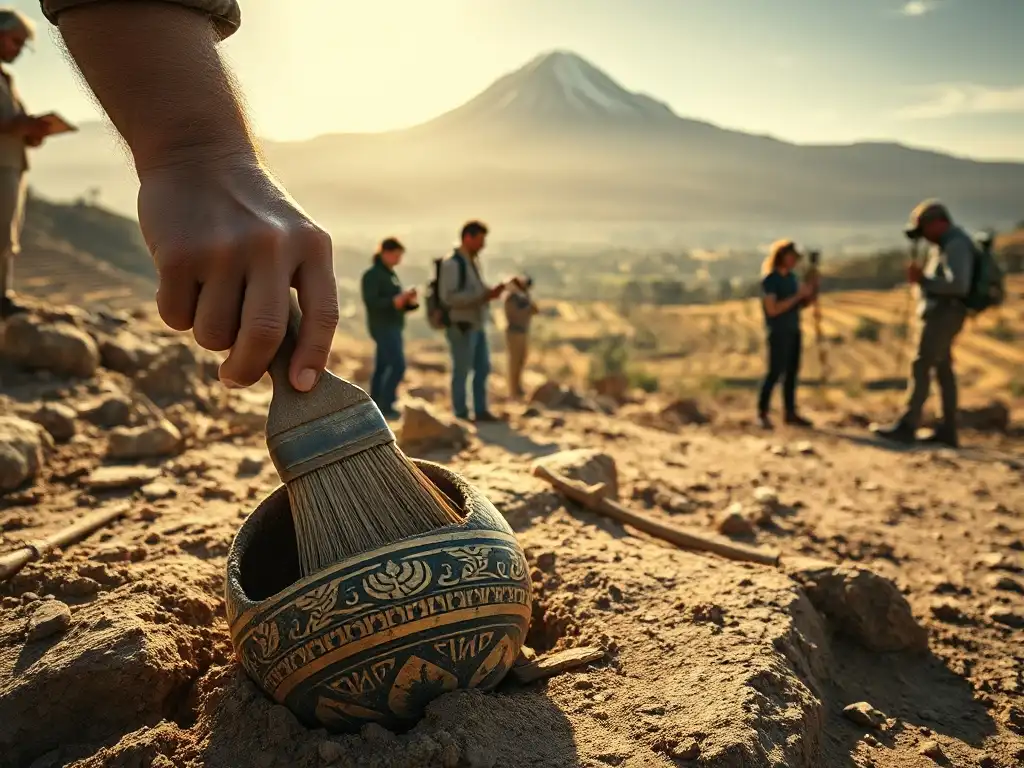
New archaeological discoveries and advancements in analytical techniques are revolutionizing our understanding of Andean civilizations, particularly those preceding the Inca Empire. These breakthroughs challenge established narratives and open exciting new avenues for research, significantly impacting our comprehension of pre-Inca societal structures, technological advancements, and cultural practices. The field of Andean civilization research directions is experiencing a period of unprecedented growth and dynamism, fueled by both meticulous fieldwork and innovative approaches to analyzing existing data. This section will explore several key areas where recent findings are reshaping our perspectives.
Reconstructing Pre-Incan Trade Routes and Networks
The intricate trade networks that connected various pre-Inca societies across the Andes remain a subject of intense investigation. Recent discoveries of previously unknown settlements and the analysis of ceramic styles, obsidian sourcing, and metallurgical artifacts are providing a more nuanced understanding of these complex systems. For example, the identification of specific types of pottery shards at geographically distant sites strongly suggests extensive trade relationships between the Nazca and Moche cultures, far exceeding what was previously believed.
Furthermore, the application of Geographic Information Systems (GIS) technology allows researchers to map these trade routes with unprecedented accuracy, revealing patterns of exchange and interaction that were previously hidden. This improved spatial understanding helps contextualize the movement of goods, ideas, and potentially even people across vast distances, offering critical insights into the social and economic structures of pre-Inca Andean societies. The ongoing research into these trade networks promises to illuminate the degree of interconnectedness and interdependence between distinct cultural groups, ultimately enriching our understanding of the broader Andean cultural landscape.
Further research is needed to fully elucidate the role of specific individuals or groups in facilitating these exchanges, as well as the mechanisms used to manage and regulate trade across such vast distances. A comprehensive analysis of the economic implications of these trade routes will also be crucial for a complete understanding of Andean pre-Inca societies.
Examining Andean Metallurgy and Engineering Techniques
Andean metallurgy represents a remarkable achievement in pre-Columbian technology. Recent discoveries of sophisticated workshops and the analysis of metal artifacts using advanced techniques like X-ray fluorescence (XRF) and electron microscopy are unveiling the complexity of Andean metalworking. The precision and artistry demonstrated in the creation of gold and silver objects, along with bronze and copper alloys, reveal an advanced understanding of material science and engineering principles.
For instance, the analysis of a recently discovered Moche gold ornament revealed an intricate process involving multiple alloys and techniques, highlighting the specialized knowledge and skill of the artisans. The discovery of new metallurgical workshops provides evidence of specialized labor and possibly guild-like structures, suggesting a high level of social organization. Beyond metallurgy, the engineering feats of the Andean civilizations, such as intricate irrigation systems and monumental architecture, are also being reassessed in light of new discoveries.
These findings are revealing the sophisticated knowledge of hydraulics, construction techniques, and resource management that underpinned these impressive achievements. The study of these technologies offers valuable insights into the social organization, resource management, and environmental adaptations of Andean societies. Further research, especially in the field of materials science and engineering, is required to uncover the full extent of their technological sophistication.
The Discovery of a New Moche Royal Tomb and Its Significance
The recent discovery of a previously unknown Moche royal tomb represents a landmark event in Andean archaeology. The tomb, remarkably well-preserved, contains an array of artifacts, including elaborate gold and silver jewelry, finely crafted ceramics, and human remains. Preliminary analysis suggests that the tomb belonged to a high-ranking Moche individual, possibly a ruler or priest. The discovery provides invaluable information about Moche burial practices, social hierarchy, and religious beliefs.
The artifacts recovered offer insights into the artistic skills, technological capabilities, and worldview of the Moche people. The exceptional state of preservation of the tomb allows for a detailed study of the context in which these artifacts were deposited, providing a richer understanding of the rituals and beliefs surrounding death and the afterlife. Further analysis of the human remains, including DNA analysis and isotopic studies, will provide valuable information about the individual's origins, diet, and health. The significance of this discovery extends beyond the Moche civilization, providing a valuable comparative point for understanding broader trends in Andean mortuary practices and social organization.
The detailed study of this tomb will undoubtedly reshape our understanding of the Moche elite and their role in society. The ongoing research promises to reveal much more about the complexity and richness of Moche culture and society. The careful documentation and analysis of this find are crucial for ensuring its long-term preservation and the advancement of Andean civilization research directions.
Future Challenges and Opportunities in Andean Archaeology
The field of Andean archaeology stands at a fascinating juncture. Decades of research have unveiled remarkable insights into the sophisticated societies that thrived in the Andes before the Inca Empire. However, significant challenges remain, alongside exciting opportunities to deepen our understanding of these vibrant cultures. Successfully navigating these challenges will be crucial for ensuring the responsible and ethical advancement of Andean civilization research directions.
Combating Looting and Illegal Trade of Artifacts
The illegal excavation and trafficking of Andean artifacts pose a severe threat to the preservation of our shared cultural heritage. Looting not only destroys invaluable archaeological contexts—critical for understanding past behaviors and societies—but also fuels a lucrative black market that deprives legitimate research and museums of vital materials. The sheer scale of the problem is daunting; [Specific data on the volume of looted artifacts from Andean regions pending]. Effective strategies must address both supply and demand. This requires a multi-pronged approach including:
- Strengthening legal frameworks: More stringent laws and harsher penalties for those involved in the illegal trade are necessary. This includes better international cooperation to track and seize looted objects.
- Community engagement: Working with local communities to raise awareness about the importance of protecting archaeological sites and reporting suspicious activity is paramount. Empowering communities to become active guardians of their heritage is a vital step.
- Improving security at archaeological sites: Increased surveillance, improved site management practices, and the deployment of technology to detect and prevent looting are essential. This could include using drones, satellite imagery, and sensor networks.
- Public awareness campaigns: Educating the public about the destructive impact of looting and the importance of supporting ethical archaeological practices is crucial to reducing demand. This could involve museum exhibitions, educational programs, and media campaigns.
Promoting Indigenous Participation in Andean Research
For too long, research on Andean civilizations has often overlooked the perspectives and knowledge of Indigenous communities. Their ancestral connection to these lands and their oral traditions offer invaluable insights that can complement and enrich archaeological findings. A truly holistic understanding of Andean history requires active collaboration with Indigenous communities. This means:
- Prioritizing community consultation: Researchers should engage in meaningful consultations with Indigenous communities at all stages of a project, from initial planning to dissemination of results. This includes obtaining free, prior, and informed consent (FPIC).
- Sharing research findings: Results should be shared openly and accessibly with communities, using culturally appropriate methods. This could involve translating research into local languages and presenting findings through community events.
- Supporting Indigenous-led research: Funding should be directed towards research projects led by Indigenous scholars and researchers, ensuring that Indigenous voices and perspectives are central to the narrative.
- Respecting intellectual property rights: Indigenous knowledge and cultural heritage must be treated with respect, ensuring that appropriate protocols are followed for the use and dissemination of such knowledge.
Developing Digital Databases for Andean Archaeological Sites
The sheer volume of archaeological data generated from Andean research presents significant challenges for management and accessibility. Developing comprehensive, interconnected digital databases is essential for advancing Andean civilization research directions. Such databases should:
- Integrate diverse data types: This includes archaeological site records, artifact inventories, ethnographic data, environmental data, and even 3D models of archaeological sites.
- Utilize open-source technologies: This ensures accessibility and allows for collaborative research efforts. Open access also facilitates the sharing of data with Indigenous communities and the wider public.
- Employ standardized data formats: This ensures interoperability and facilitates data analysis and comparison across different regions and time periods.
- Include geospatial data: Integrating geographical information systems (GIS) allows for spatial analysis and the creation of interactive maps of archaeological sites. This visualization can help us understand settlement patterns and regional interactions.
The future of Andean studies hinges on addressing these challenges while embracing the exciting opportunities that lie ahead. By fostering collaboration, prioritizing ethical practices, and leveraging technology, we can unlock a deeper and more nuanced understanding of these remarkable civilizations. The path forward requires sustained commitment, innovative approaches, and a genuine respect for the cultural heritage of the Andes.
Frequently Asked Questions
What are some current research directions in Andean civilization studies?
Current research focuses on interdisciplinary approaches, combining archaeology, anthropology, and genetics to understand social structures, climate change impacts, and cultural exchange. New technologies like LiDAR are also revolutionizing site discovery and analysis.
How is climate change impacting Andean civilization research?
Research now investigates the impact of climate change on past Andean societies, including agricultural practices, population migrations, and state collapse. Understanding past responses informs our understanding of current challenges.
What technological advancements are aiding Andean civilization research?
LiDAR, remote sensing, and DNA analysis are transforming the field. These technologies allow for non-destructive investigation, uncovering previously unknown sites and providing new insights into past populations and their interactions.
How are researchers exploring the interaction between different Andean cultures?
Scholars are examining trade networks, cultural exchange, and conflict between various Andean civilizations, such as the Inca, Moche, and Nazca. This helps to create a more nuanced understanding of regional dynamics and power structures.
What are the ethical considerations involved in researching Andean civilizations?
Research must prioritize respect for indigenous communities and their heritage. Collaboration with local communities and repatriation of artifacts are crucial ethical considerations in conducting responsible research.
Final Reflection: Charting New Paths in Andean Studies
The vibrant tapestry of Andean civilization continues to unravel before us, revealing new layers of complexity and challenging long-held assumptions. The discoveries detailed in this article – from innovative archaeological techniques to interdisciplinary approaches incorporating environmental history and indigenous perspectives – underscore the dynamism of Andean Studies and its crucial relevance to understanding our interconnected world. The field is not merely a historical pursuit; it offers vital insights into sustainable living, societal resilience, and the enduring power of cultural heritage in the face of globalization.
The ongoing exploration of Andean societies profoundly impacts our understanding of human potential and societal organization. It challenges Eurocentric narratives and highlights the ingenuity and sophistication of pre-Columbian cultures. The rich legacy of Andean knowledge systems, often overlooked in dominant historical accounts, deserves renewed attention and respect. As the scholar María Rostworowski once wrote, The history of the Andes is not a history of isolated events, but a continuous process of interaction and adaptation.
This enduring interaction between humans and their environment, a theme central to Andean history, offers crucial lessons for navigating the environmental challenges of our own time.
Consider the implications of these discoveries for your own life. How can we, as individuals and as a global community, learn from the resilience and ingenuity of Andean civilizations? Embrace the opportunity to engage with the ongoing research in Andean Studies; explore the rich resources available, and consider how the wisdom of these ancient cultures can inform our approach to sustainability, social justice, and the preservation of cultural heritage. Let the legacy of the Andes inspire you to build a more just and sustainable future.
Uncover the Future of Andean Research Today!
Thank you for exploring the fascinating world of Andean studies! You've discovered the latest breakthroughs and innovative research shaping our understanding of this rich cultural heritage. Now, let's put that knowledge into action!
Here are some ways to get involved and deepen your engagement with Andean history:
- **Join a local or online community of Andean scholars** to connect with fellow enthusiasts and researchers. Share ideas and collaborate on projects that advance the field!
- **Support Andean communities** by volunteering your time or donating to organizations dedicated to cultural preservation and education. Your contributions make a real difference.
- **Continue your learning journey** by reading more books and articles or attending seminars on the latest discoveries in Andean studies.
What aspect of Andean civilizations are you most eager to learn more about next? Let's continue the discussion in the comments!