
Huari Art and Religion: The Intertwined Nature of Their Beliefs

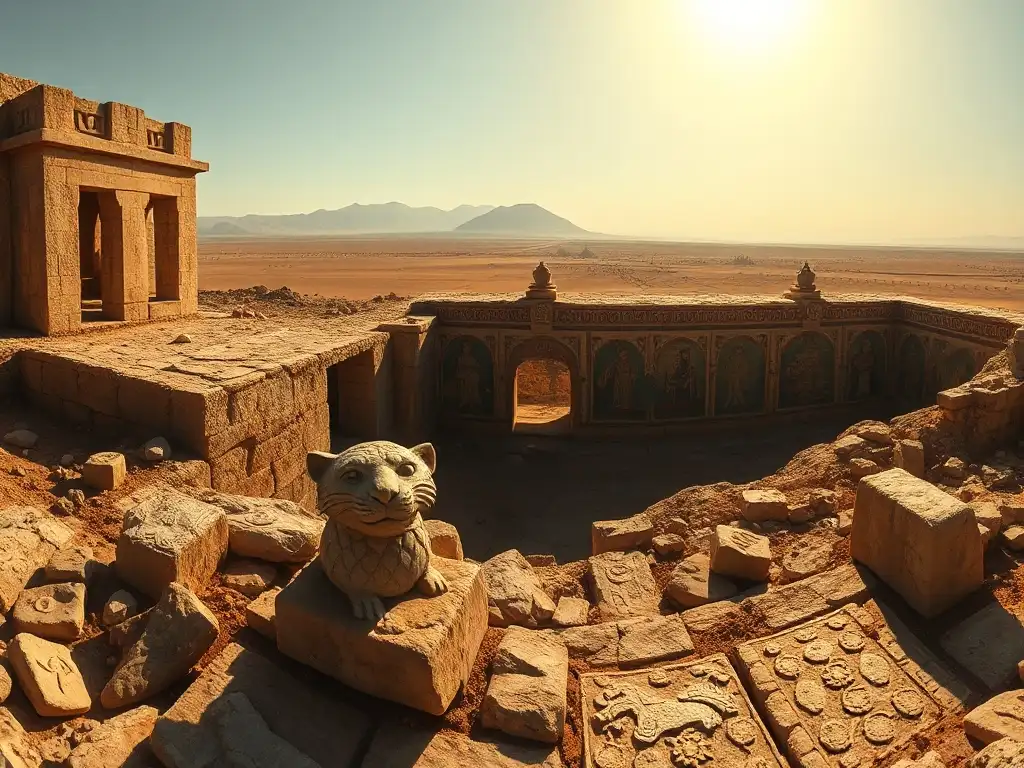
Step into a world lost to time, yet echoing with vibrant artistry and profound spiritual meaning. Discover the enigmatic link between Huari art and religious beliefs, a connection that reveals the heart of a civilization flourishing high in the Andes. Unravel the mysteries of Pre-Incan cultures and their fascinating legacy, as we delve into the captivating world of the Huari, exploring their artistic expressions and the deeply held spiritual convictions that shaped their lives. Prepare to be amazed by the intricate details and profound insights waiting to be uncovered.
The Huari civilization, a powerful pre-Inca empire flourishing in the Andes from approximately 600 to 1000 CE, left behind a fascinating legacy of art and architecture that deeply reflects their complex religious beliefs. Understanding Huari art is crucial to unraveling the intricacies of their worldview, a system that interwoven daily life with powerful spiritual forces.
This exploration delves into the captivating interplay between Huari artistic expression and their spiritual practices, revealing how their religious beliefs shaped their artistic output and vice versa. We will examine specific examples of Huari art, analyzing their iconography, stylistic choices, and the contexts in which they were created to illuminate the profound connection between their art and religion.
The intricate details of their pottery, textiles, and monumental architecture offer valuable insights into a sophisticated culture whose religious beliefs profoundly impacted their society. This investigation will shed light on the key aspects of Huari religion and how its principles manifested in their remarkable artistic achievements, solidifying their place as one of the most influential Andean cultures.
The Role of Ceramics in Huari Religious Practices
Huari pottery stands out as a primary source for understanding their religious beliefs. The sheer volume of surviving ceramic pieces, ranging from simple utilitarian vessels to elaborately decorated ritual objects, provides a wealth of information. Many pieces depict stylized deities, mythical creatures, and scenes that likely represent important religious ceremonies or narratives.
The meticulous detail and vibrant colors used in the decoration of these vessels suggest a high level of skill and a deep reverence for the spiritual world. For example, the frequent depiction of feline figures, often associated with power and the supernatural, indicates their potential role as important deities or symbols within their pantheon.
Further research is needed to fully understand the symbolism of specific motifs, but the sheer variety and complexity of Huari ceramics undeniably point to a rich and multifaceted religious system. The use of different ceramic styles and techniques across various regions also suggests a degree of regional variation within the Huari religious landscape, highlighting the importance of further archaeological investigation and cross-referencing with other Huari artifacts.
Textile Art and its Symbolic Significance in Huari Society
Beyond ceramics, Huari textile art offers another crucial window into their religious beliefs. The intricate weaving techniques and symbolic designs employed in Huari textiles reflect a high level of craftsmanship and a profound understanding of symbolic representation. While many examples have unfortunately degraded over time, the surviving fragments reveal complex geometric patterns and zoomorphic representations that likely held significant religious meaning.
The use of specific colors and materials could have also held symbolic weight, potentially representing different deities or spiritual forces. Detailed analysis of the surviving textiles, combined with contextual evidence from archaeological sites, is critical to deciphering the full extent of their symbolic significance within Huari religious practices. Further research is needed to fully understand the specific meanings associated with different textile designs and techniques.
Monumental Architecture: Reflecting the Power of Huari Religion
The monumental architecture of the Huari empire also speaks volumes about their religious beliefs. The construction of large-scale administrative centers and ceremonial structures demonstrates the immense resources and manpower dedicated to religious activities. The precise layout of these structures and the inclusion of specific architectural features – such as elaborate plazas, temples, and residential quarters for religious leaders – suggest a highly organized and centralized religious system.
The scale of these constructions underscores the importance of religion in Huari society, reflecting the power and influence of their religious leaders and institutions. Analyzing the architectural plans and the spatial organization of these sites can provide valuable insights into the social and religious hierarchy of the Huari civilization. Further research, including detailed architectural surveys and analysis of associated artifacts, is necessary to fully understand the religious significance of specific architectural features.
Iconography and Symbolism: Decoding the Messages in Huari Art
The iconography of Huari art is complex and often enigmatic, requiring careful study to decipher its deeper meanings. Recurring motifs, such as feline figures, serpents, and stylized human representations, appear in various media, suggesting a consistent system of symbolic representation across different artistic forms. The interpretation of these symbols remains a subject of ongoing debate among scholars, but their frequent appearance underscores their importance within the Huari religious worldview.
The use of specific colors and compositional elements also likely held symbolic significance, contributing to the overall meaning of the artwork. Further research, integrating textual evidence from related cultures and utilizing advanced imaging techniques, may offer further clarity on the meaning of specific Huari symbols. Careful consideration of contextual evidence, such as the location and association of artworks with other artifacts, is crucial for a comprehensive understanding of the iconography.
The study of Huari art and religion reveals a complex and fascinating interplay between artistic expression and spiritual belief. Further research promises to unveil even more secrets of this remarkable civilization.
- The Role of Ceramics in Huari Religious Practices
- Textile Art and its Symbolic Significance in Huari Society
- Monumental Architecture: Reflecting the Power of Huari Religion
- Iconography and Symbolism: Decoding the Messages in Huari Art
- What was the Huari Empire's influence on Andean art?
- How did Huari religious beliefs manifest in their art?
- What are some common themes found in Huari art related to religion?
- What materials did the Huari use to create their religious art?
- How did Huari art contribute to the understanding of their religious beliefs?
Understanding the Huari Culture and its Artistic Expressions
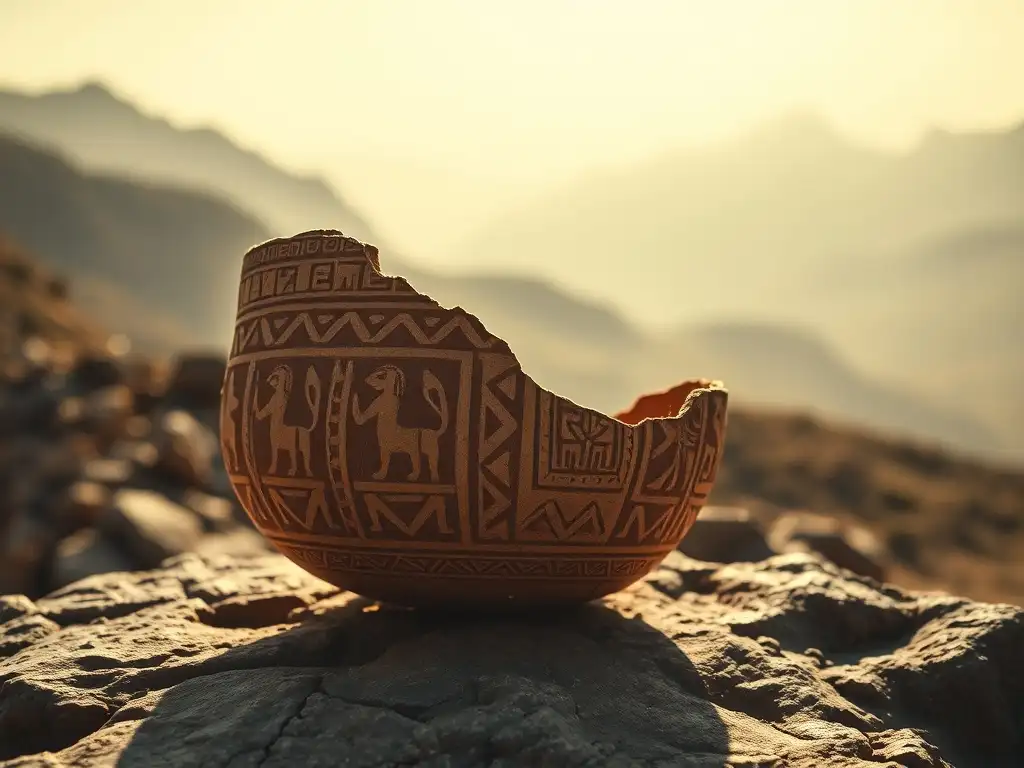
This section delves into the fascinating interplay between Huari art and religious beliefs, exploring how artistic expression served as a powerful vehicle for conveying and reinforcing their spiritual worldview. The Huari, a pre-Inca civilization flourishing in the central Andes from approximately 600 to 1000 CE, left behind a remarkable artistic legacy that provides invaluable insights into their complex society and cosmology. Understanding their art requires contextualizing it within the broader framework of their social structure, religious practices, and political organization.
The intricate details found in their pottery, textiles, and monumental architecture offer a window into their beliefs and values, revealing a sophisticated and highly organized culture. This analysis will focus on identifying key characteristics of Huari art and assessing its lasting significance within the broader narrative of Andean history. The keyword "Huari art religious beliefs" will be used throughout to reinforce the article's focus.
The Context of Huari Society and Art
Huari society was characterized by a highly centralized political system, with a powerful ruling elite controlling vast territories and resources. This centralized power is reflected in their art, which often depicts standardized iconography and stylistic conventions, suggesting a degree of state control over artistic production. The creation and distribution of art likely served important political functions, reinforcing the authority of the ruling class and promoting social cohesion.
Think of the meticulously crafted textiles, often adorned with complex geometric patterns and stylized representations of deities or mythical creatures; these weren't just decorative items but powerful symbols of status and power, carefully regulated and distributed within the Huari hierarchy. Evidence suggests that specialized workshops existed, producing standardized artifacts for widespread dissemination, further supporting the notion of state-sponsored artistic production.
The scale of some artistic endeavors, such as the monumental architecture of Huari administrative centers, also points to a highly organized and centralized system of labor and resource management, directly linked to their religious beliefs and the need to demonstrate the power of the ruling elite. The meticulous nature of Huari artwork, from the finely detailed pottery to the intricately woven textiles, reflects a deep-seated appreciation for craftsmanship and attention to detail, which was likely linked to their religious beliefs and the sacred nature of their artistic endeavors.
Key Characteristics of Huari Art
Huari art is characterized by several distinctive features that set it apart from other Andean artistic traditions. One prominent characteristic is the use of standardized iconography, particularly in pottery and textiles. Recurring motifs, such as stylized feline figures, geometric patterns, and anthropomorphic representations, appear frequently across different artistic media, suggesting a common symbolic language shared across the empire. This standardization could be interpreted as a way of reinforcing the ideological unity of the Huari state, further emphasizing the link between Huari art and religious beliefs.
Another key characteristic is the use of vibrant colors and intricate details. Huari potters were masters of their craft, employing a range of techniques to create stunningly detailed and colorful vessels. The use of color was not merely decorative; it likely held symbolic significance, with specific colors associated with particular deities or spiritual concepts.
Similarly, the intricate geometric patterns and stylized figures found on Huari textiles are not just aesthetically pleasing but also likely encoded with complex religious and cosmological meanings. Further research is needed to fully decode these visual languages [specific information pending], but it is clear that Huari art was far more than mere decoration; it was a powerful tool for communicating complex ideas and beliefs. The emphasis on symmetry and balanced compositions in Huari art further highlights the intentional and symbolic nature of their artistic production, reflecting a deeply structured and organized worldview.
| Feature | Description | Example |
|---|---|---|
| Standardized Iconography | Recurring motifs across different media, suggesting a shared symbolic language. | Stylized feline figures, geometric patterns. |
| Vibrant Colors | Use of a wide range of colors with potential symbolic significance. | Polychrome pottery, richly colored textiles. |
| Intricate Detail | High level of craftsmanship and attention to detail. | Fine details in pottery, complex textile designs. |
The Significance of Huari Art in Andean History
Huari art holds immense significance in understanding the broader trajectory of Andean civilization. Its influence can be traced in the art of subsequent cultures, demonstrating the lasting impact of Huari artistic conventions and religious beliefs. The stylistic elements and iconographic motifs developed by the Huari were adopted and adapted by later Andean cultures, highlighting their role as a significant cultural precursor. The widespread dissemination of Huari artistic styles through trade networks and political influence underscores the reach and impact of their civilization.
This suggests that Huari art and religious beliefs played a crucial role in shaping the cultural landscape of the Andes, and its legacy continues to resonate through the art and culture of later Andean societies. The continued study of Huari art provides crucial insights into the evolution of Andean religious beliefs and artistic practices, enriching our understanding of this fascinating and influential civilization. The impact of Huari art extends beyond its immediate geographical reach, influencing artistic trends and religious practices across a wide swathe of the Andes.
Furthermore, the sophisticated techniques and artistic styles employed by the Huari represent a significant achievement in Andean art history, demonstrating a high level of artistic skill and innovation. The study of Huari art offers a unique window into the beliefs, values, and social structures of this remarkable civilization, offering valuable insights into the development of Andean culture. The legacy of Huari art and religious beliefs continues to inspire and fascinate researchers and art enthusiasts alike.
Huari Religious Beliefs: An Overview
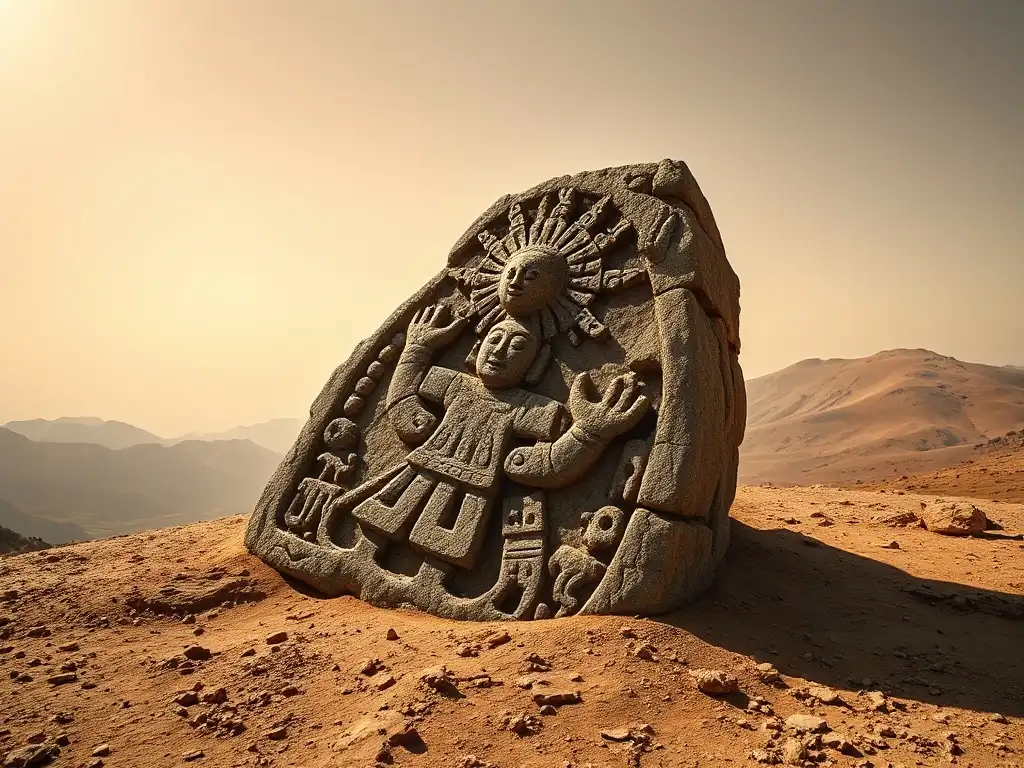
The Huari civilization, flourishing in the central Andes from approximately 600 to 1000 CE, developed a complex religious system deeply intertwined with its art and daily life. Understanding Huari religious beliefs requires examining their iconography, architecture, and the distribution of artifacts across their vast empire. Unlike some other Andean cultures, the Huari didn't leave behind extensive written records. Therefore, our understanding is largely based on archaeological evidence, carefully interpreting the symbolic language embedded within their artistic expressions.
This intricate system likely involved a pantheon of deities, a sophisticated cosmology, and rituals aimed at maintaining cosmic balance and ensuring agricultural prosperity, crucial for a society heavily reliant on agriculture. The interpretation of Huari religious beliefs is an ongoing process, with new discoveries constantly refining our understanding of this fascinating culture. The keyword phrase "Huari art religious beliefs" accurately reflects the inseparable nature of their artistic output and spiritual worldview.
Core Elements of Huari Religious Thought
Several core elements emerge from the archaeological record when analyzing Huari religious thought. A key aspect seems to be the emphasis on fertility and renewal. This is evident in the recurring motifs of feline deities, often associated with both predation and regeneration, found across their pottery and textiles.
The prevalence of stylized representations of plants and animals, particularly camelids, further underscores this focus on the life cycle and the cyclical nature of the Andean environment. Another crucial element is the concept of power and authority. The elaborate architecture of Huari administrative centers and the standardized nature of their pottery suggest a highly centralized and controlled society, where religious beliefs likely served to legitimize the power of the ruling elite.
The intricate designs and the high level of craftsmanship displayed in Huari art hint at a complex system of beliefs, possibly involving specialized priests or shamans responsible for mediating between the human and supernatural worlds. Finally, the presence of numerous ceremonial centers throughout the Huari empire points to a widespread and deeply ingrained religious practice that permeated all aspects of Huari life.
The Role of Deities in Huari Society
While specific names and detailed accounts of Huari deities are lacking, their presence is powerfully suggested through iconography. Feline figures, often depicted in a stylized manner, appear to hold a prominent position within the Huari pantheon. These feline representations may embody powerful forces of nature, perhaps associated with both the sun and the underworld.
Other common motifs include serpents, birds of prey, and anthropomorphic figures often adorned with elaborate headdresses and regalia. The precise roles and relationships between these various deities remain a subject of scholarly debate, but their recurring presence in Huari art suggests their importance in the society's religious practices. Analyzing the context in which these figures appear—for example, on temple walls or within elite tombs—provides crucial clues about their significance and possible functions.
Further research, including detailed stylistic analysis and comparative studies with contemporary Andean cultures, is needed to fully understand the complex roles of Huari deities. The study of Huari art offers a window into the symbolic universe of this powerful civilization and how its religious beliefs shaped its social structure.
Huari Cosmology and its Representations
Huari cosmology, the understanding of the universe and their place within it, is reflected in their architectural layouts and artistic motifs. The arrangement of buildings within their administrative centers, often built on elevated platforms, might reflect a hierarchical view of the cosmos, with the upper levels representing the celestial realm and the lower levels associated with the earthly and underworld. The recurring use of geometric patterns, such as stepped pyramids and intricate textiles, may symbolize the cyclical nature of time and the interconnectedness of the different realms.
Furthermore, the depiction of celestial bodies, such as the sun and moon, in Huari art, suggests an awareness and understanding of astronomical cycles, which were likely integrated into their religious calendar and agricultural practices. The precise interpretation of these symbolic representations remains a challenge, but their consistent presence in Huari art and architecture indicates a well-developed cosmological system that significantly influenced their worldview and shaped their societal structures.
Further research utilizing advanced imaging techniques and comparative analysis with other Andean cultures could help unlock the secrets of Huari cosmology and its profound impact on their religious beliefs. The continued study of "Huari art religious beliefs" promises to reveal more of this sophisticated civilization's spiritual world.
The Interconnection between Huari Art and Religious Practices
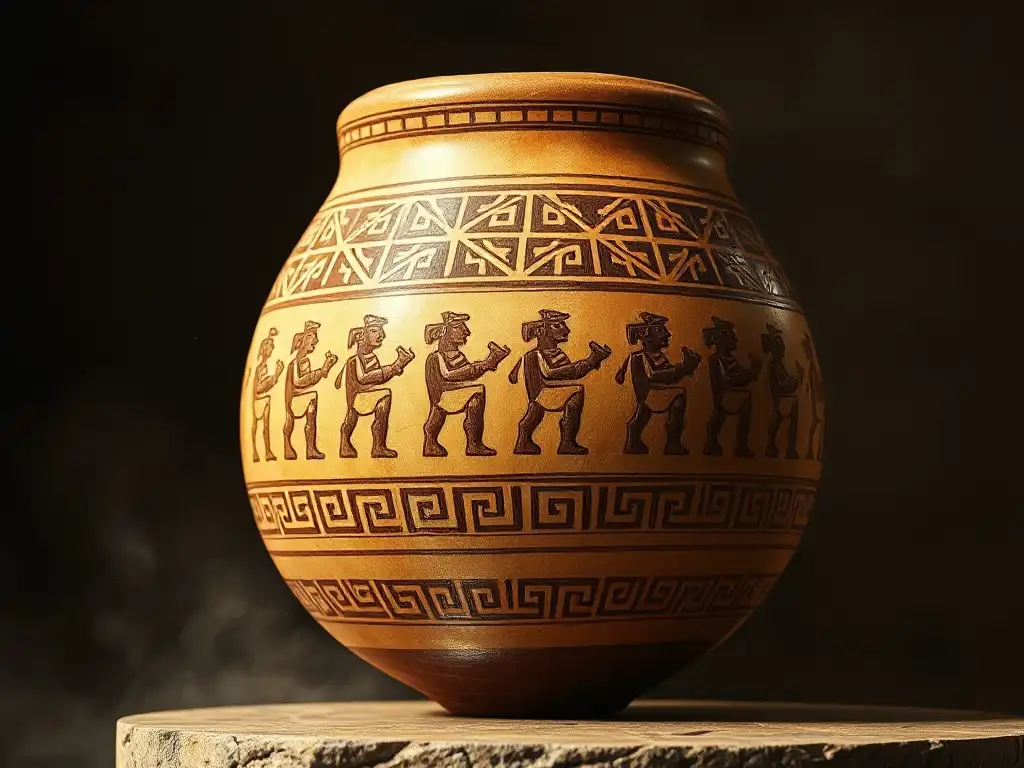
The Huari civilization, flourishing in the Peruvian Andes from approximately 600 to 1000 CE, left behind a rich artistic legacy deeply intertwined with their religious beliefs. Understanding Huari art requires recognizing its integral role in expressing, reinforcing, and perhaps even shaping their spiritual world. Unlike many other Andean cultures, the Huari didn't leave behind extensive written records.
Therefore, deciphering their religious beliefs relies heavily on interpreting their artistic creations, particularly their ceramics and textiles. The intricate designs, recurring motifs, and stylistic choices all offer valuable clues into the cosmology and religious practices of this powerful empire.
Analyzing these artistic expressions allows us to piece together a more complete picture of Huari religious life, shedding light on their pantheon of deities, ritual practices, and worldview. The pervasive nature of religious themes in Huari art suggests a society where art and religion were not separate entities but rather seamlessly interwoven aspects of daily life.
Religious Iconography in Huari Artistic Manifestations
Huari art is replete with religious iconography, employing symbolic representations of deities, mythical creatures, and sacred objects. Frequently depicted are anthropomorphic figures, often characterized by stylized features like elongated heads, large eyes, and elaborate headdresses. These figures, likely representing deities or shamanistic figures, are frequently shown in ceremonial contexts or interacting with other symbolic elements.
For instance, certain ceramic vessels depict these figures alongside stylized felines, possibly representing powerful nature spirits or guardians. The recurring motif of the double-headed serpent, found across various mediums, is another strong candidate for a significant religious symbol, potentially representing duality, fertility, or the underworld. Detailed analysis of the positions and interactions of these figures within the artwork provides crucial insights into the Huari understanding of their deities and the relationships between them.
Furthermore, the consistent use of certain colors and materials in depicting specific figures or scenes suggests a deliberate and nuanced system of symbolic representation, highlighting the sophisticated nature of their religious beliefs. The stylistic choices employed, such as the use of geometric patterns and repeating motifs, further emphasize the ritual and symbolic importance of the artwork. More research is needed to definitively identify all the figures and symbols, but the consistent presence of these motifs across different artistic mediums strongly suggests their religious significance.
The Use of Art in Huari Rituals and Ceremonies
Beyond simply representing religious beliefs, Huari art played a crucial role in their rituals and ceremonies. Evidence suggests that intricately crafted ceramic vessels, textiles, and other artistic objects were used in religious contexts. Some vessels, for example, exhibit evidence of having been used in libations or other ritualistic practices. Their size, shape, and decoration often suggest a specific purpose within a larger ritual.
Textiles, especially those with complex designs and high-quality materials, may have been used as offerings, worn during ceremonies, or served as sacred garments for priests or other religious figures. The discovery of elaborate burial sites containing significant quantities of high-quality artwork further supports this hypothesis. These burial goods were not simply personal possessions; they were carefully selected items imbued with ritual significance, reflecting the deceased's social status and potentially their connection to the spiritual world.
The presence of specific artifacts in particular burial contexts suggests a structured and hierarchical religious system, with different types of art playing distinct roles in the funerary rites. The careful placement and arrangement of these items within the tombs further illustrates the meticulous attention to detail and the profound importance attributed to these rituals. Further analysis of the chemical composition of pigments and materials used could reveal more information about the specific rituals and their purpose.
Analyzing Huari Textiles and Ceramics for Religious Insights
Huari textiles and ceramics provide particularly rich sources of information for understanding Huari religious beliefs. The intricate weaving techniques and complex designs found in their textiles reveal sophisticated craftsmanship and a deep understanding of symbolism. Motifs frequently depicted include stylized birds, felines, and geometric patterns, often arranged in a way that suggests a narrative or symbolic meaning. The use of different colors and materials might have further encoded symbolic meanings, although further research is necessary to fully decipher this complex system.
Similarly, Huari ceramics, ranging from simple utilitarian wares to elaborately decorated vessels, often feature religious iconography. The shapes and sizes of these vessels, along with their decoration, suggest specific functions within religious ceremonies. For example, large, elaborately decorated vessels might have been used for ritual libations or as offerings to deities, while smaller vessels might have been used for personal rituals or offerings. Analyzing the distribution of these artifacts across different sites can also help us understand the geographical variation in religious practices and beliefs within the Huari empire.
By combining stylistic analysis with archaeological context, we can gain a deeper understanding of the role of art in the Huari religious system. The sheer variety and complexity of Huari art, combined with its clear connection to religious practices, makes it an invaluable resource for understanding this fascinating civilization. Further research, combining art historical analysis with archaeological data, will undoubtedly reveal even more about the intricate relationship between Huari art and religious beliefs.
Huari Art as a Reflection of Religious Concepts
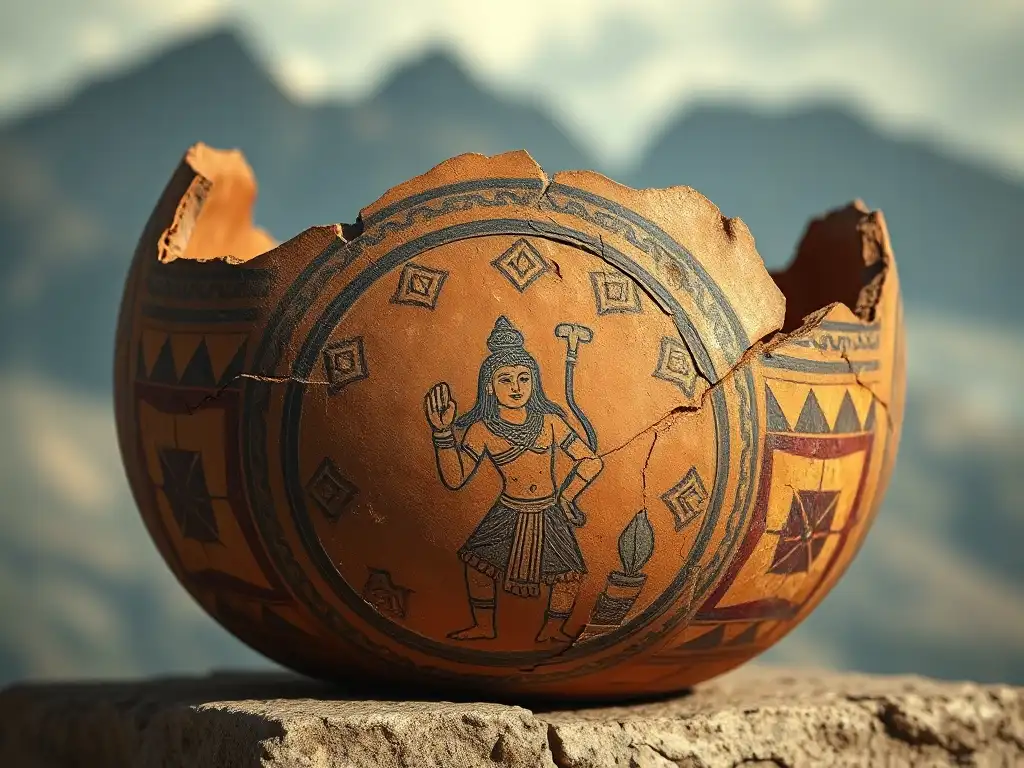
The Huari civilization, flourishing in the central Andes from approximately 600 to 1000 CE, left behind a rich artistic legacy deeply intertwined with their religious beliefs. Understanding Huari art is crucial to deciphering their complex spiritual world. Unlike many other Andean cultures, Huari art doesn't depict easily identifiable deities in the same way, requiring a more nuanced approach to interpretation.
Instead, religious concepts are subtly woven into the fabric of their artistic expressions, demanding careful analysis of motifs, iconography, and stylistic choices. The recurring themes and stylistic conventions in Huari art suggest a highly structured and centralized religious system, possibly reflecting a powerful priestly class that controlled both religious and secular life. The consistent use of certain symbols across various art forms—textiles, ceramics, and monumental architecture—further supports the idea of a unified religious ideology disseminated throughout the vast Huari empire.
This interconnectedness between art and religion underscores the profound importance of artistic expression in reinforcing and transmitting Huari religious beliefs. The subtle yet pervasive nature of religious symbolism in Huari art presents a fascinating challenge for researchers, constantly revealing new layers of meaning as we delve deeper into their artistic production.
Specific Examples of Huari Art and their Religious Meanings
The integration of religious beliefs into Huari art is evident across various media. The intricate designs and symbolic representations found in their art offer valuable insights into their cosmology and worldview. Examining specific examples reveals the depth and complexity of their religious practices.
Analysis of the Staff God Motif in Huari Textiles
The "Staff God," a recurring motif in Huari textiles, is a prime example. This figure, often depicted holding a staff and wearing elaborate headdresses, is believed to represent a powerful deity or possibly a shamanistic figure. The prominence of this motif in textiles suggests its importance in rituals and ceremonies.
The careful weaving techniques and use of vibrant colors further emphasize the sacred nature of these textiles. Variations in the Staff God's depiction across different textiles may indicate a hierarchy of deities or different aspects of the same divine entity. Further research is needed to fully understand the range of meanings associated with this powerful symbol.
[Specific information on variations of the Staff God motif pending]. Detailed studies of the textiles' composition and the techniques used in their creation will provide further insight into their ceremonial purpose and the religious significance of the Staff God. The intricate details, often including smaller, symbolic figures surrounding the Staff God, warrant further investigation.
Study of Huari Ceramic Vessels Depicting Sacrifice
Huari ceramic vessels frequently depict scenes of sacrifice, providing direct evidence of ritualistic practices central to their religious beliefs. These depictions often feature stylized human figures, animals, and symbolic objects arranged in a manner suggesting ceremonial contexts. The style of these representations varies, but the overall theme of sacrifice remains consistent.
Some vessels show human figures being offered to deities, while others depict animal sacrifices or the offering of food and drink. The careful arrangement of the figures and objects suggests a structured ritual process, revealing aspects of Huari religious practices. [Specific examples of ceramic vessel depictions and their interpretations pending].
Analysis of the types of animals depicted in these sacrifices could provide valuable clues about Huari cosmology and their understanding of the natural world. The use of specific colors and materials in the creation of these vessels may also hold symbolic significance. The detailed study of these ceramic pieces is essential to reconstructing the religious beliefs of the Huari civilization.
How Art Communicated Religious Ideas to the Huari People
Huari art served as a powerful medium for communicating religious ideas to the populace. The widespread use of consistent motifs and stylistic conventions across different art forms ensured a unified religious message reached all corners of the empire. The accessibility of certain art forms, such as ceramics and textiles, facilitated the dissemination of religious concepts to a broad audience. The use of vibrant colors, intricate designs, and symbolic imagery captured the attention of viewers and conveyed the importance of religious beliefs.
The presence of religious motifs in everyday objects, such as pottery and clothing, served as constant reminders of religious principles. The scale and grandeur of some Huari art, such as monumental architecture, emphasized the power and authority of the religious system. Furthermore, the involvement of specialized artisans in the creation of religious art suggests a deliberate effort to transmit religious knowledge and beliefs through artistic production.
This intricate interplay between art, religion, and social structures in the Huari civilization highlights the crucial role of art in shaping and maintaining their religious worldview. The study of Huari art continues to reveal the sophisticated ways in which they employed artistic expression to strengthen their religious identity and social cohesion. 🧐
The Influence of Religion on Huari Artistic Styles
The Huari, a powerful pre-Inca civilization that flourished in the central Andes from approximately 600 to 1000 CE, left behind a rich artistic legacy deeply intertwined with their religious beliefs. Their art wasn't merely decorative; it served as a powerful tool for expressing, reinforcing, and propagating their cosmological worldview.
Unlike some cultures where religious art is confined to specific temples or elite contexts, Huari religious iconography permeated all aspects of their artistic production, from monumental architecture to intricately crafted textiles and ceramics. This pervasive presence suggests a society where the sacred was deeply integrated into daily life, and where art played a crucial role in maintaining social order and reinforcing religious authority.
The stylistic choices in Huari art directly reflect their religious concepts. For example, the repeated depiction of stylized feline figures, often associated with powerful deities or shamanistic figures, showcases the importance of these creatures in their pantheon. These felines are not merely realistic representations; they are imbued with symbolic meaning, often depicted in dynamic poses and adorned with elaborate headdresses and jewelry, emphasizing their supernatural power and authority.
Similarly, the prevalence of geometric patterns, such as stepped frets and interlocking designs, likely reflects a cosmology based on layered worlds or a structured understanding of the universe. These patterns are not random; they are carefully constructed and repeated across various artistic mediums, suggesting a deliberate attempt to visually represent and reinforce their religious beliefs.
Furthermore, the use of specific colors in Huari art likely held significant religious meaning. While precise interpretations remain debated amongst scholars, the frequent use of vibrant reds, yellows, and blues in textiles and pottery may have represented specific deities, cosmological elements, or ritual practices. The careful selection and application of these colors, often in complex combinations, adds another layer of complexity to the religious symbolism embedded within Huari art. The meticulous craftsmanship evident in their artistic creations further underscores the sacred nature of these objects and their importance in Huari religious practices. The time and effort invested in creating these pieces suggests a deep reverence for the religious beliefs they represented. The level of skill and artistry displayed points to a specialized class of artisans, possibly associated with religious institutions or the ruling elite, who played a crucial role in the production and dissemination of these religious messages through art.
The Legacy of Huari Art and Religious Beliefs
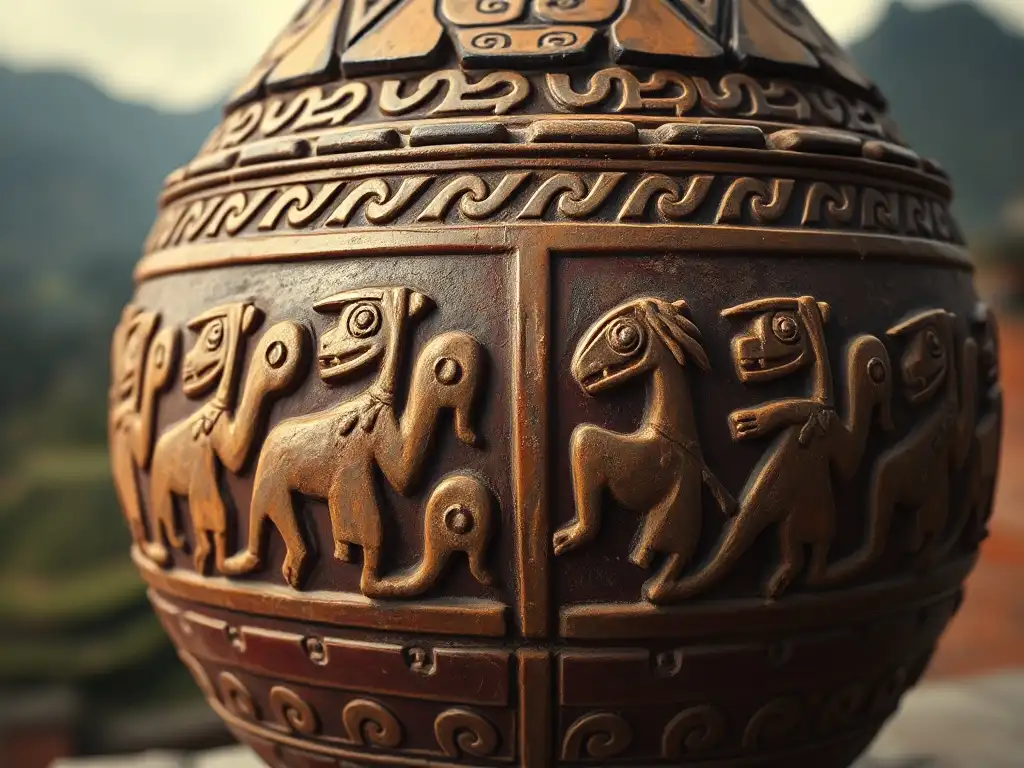
The Huari culture, flourishing in the central Andes from approximately 600 to 1000 CE, left behind a remarkable artistic legacy deeply intertwined with their religious beliefs. Their art, far from being merely decorative, served as a powerful tool for expressing and reinforcing their worldview, social structures, and cosmological understanding.
This section explores the lasting impact of Huari art and its enduring connection to their spiritual practices, focusing on how their artistic expressions continue to inform our understanding of pre-Incan religious systems in the Andes. Analyzing Huari artistic motifs – from textiles and ceramics to monumental architecture – provides invaluable insights into the complexity of their religious beliefs and their societal organization.
The study of Huari art, therefore, allows us to delve into the heart of their civilization and appreciate the profound relationship between their artistic endeavors and their spiritual world. Understanding this connection is crucial to grasping the full scope and influence of the Huari culture on subsequent Andean societies.
Huari Influence on Subsequent Andean Cultures
The Huari artistic style, characterized by its distinctive geometric patterns, stylized figures, and use of vibrant colors, significantly influenced subsequent Andean cultures. The impact is clearly visible in the art of the Tiahuanaco culture, which followed the Huari in the southern Andes. Many scholars argue that Tiahuanaco inherited and adapted certain stylistic elements from Huari art, incorporating them into their own unique artistic expressions.
For example, the use of stepped pyramids and monumental architecture, while refined by the Tiahuanaco, shows a clear lineage to Huari urban planning and architectural traditions. Similarly, the use of specific iconographic motifs, such as feline deities and stylized human figures, can be traced from Huari pottery and textiles to later Tiahuanaco artifacts. This artistic continuity suggests a strong cultural and possibly even political link between the two cultures, highlighting the enduring power of Huari artistic traditions and their impact on the development of Andean art throughout the late pre-Columbian period.
Further research into the stylistic similarities and differences between Huari and Tiahuanaco art could further illuminate the nature of this cultural exchange and the extent of Huari influence. The spread of Huari artistic motifs across vast geographical areas also points to a strong centralized administrative system and a sophisticated communication network capable of disseminating cultural practices across the Andes.
The Enduring Power of Huari Religious Iconography
Huari religious iconography is particularly striking for its consistency and widespread presence across various media. The repetition of specific motifs, such as feline imagery, stylized birds, and anthropomorphic figures, suggests a deeply rooted religious system with well-defined symbols and beliefs. These recurring motifs were not confined to elite contexts but appear frequently on everyday objects, indicating the pervasive nature of Huari religious beliefs within their society.
The use of these symbols on textiles, ceramics, and even architectural elements suggests a deliberate strategy to reinforce and disseminate these religious ideas throughout the population. For instance, the frequent depiction of feline deities might suggest a connection to shamanistic practices or a reverence for nature. Further analysis of the context in which these images appear, such as burial sites or ceremonial centers, could provide more specific insights into their religious significance.
The enduring power of Huari religious iconography is evidenced by the fact that certain motifs reappear in later Andean cultures, demonstrating their lasting influence on the religious landscape of the region. This consistent and widespread use of religious symbols in Huari art underscores the importance of religion in their daily lives and social structures.
Studying Huari Art to Understand Pre-Incan Religious Practices
The study of Huari art offers a unique window into the religious practices of this pre-Incan civilization. By examining the iconography, materials, and contexts of Huari artistic production, we can glean valuable information about their beliefs, rituals, and social hierarchy. For example, the presence of specific deities or mythological creatures in Huari art can provide clues about their pantheon and their cosmological understanding. The materials used in creating their art, such as precious metals and exotic stones, can suggest the importance of certain rituals or the status of those involved in their creation.
Moreover, the location of artistic artifacts, such as in temples or tombs, can help us understand their function within religious ceremonies. Analyzing the stylistic choices and the repeated use of certain motifs provides insights into the cultural significance of these objects and their role in religious practices. By combining art historical analysis with archaeological data, we can develop a more comprehensive understanding of Huari religious beliefs and practices.
This interdisciplinary approach is crucial for a nuanced interpretation of Huari art and its relationship to their religious worldview. Furthermore, the comparison of Huari art with that of other contemporary Andean cultures can provide a broader understanding of the religious landscape of the time. The detailed study of Huari art offers a rich and complex tapestry of information about their religious beliefs, shedding light on a crucial period in Andean history.
Conclusion: The Profound Link between Huari Art and Religious Beliefs
This exploration of Huari art and religious beliefs reveals a deeply intertwined relationship, where artistic expression served as a powerful medium for conveying spiritual narratives and reinforcing societal structures. The intricate details, symbolic representations, and stylistic choices within Huari art weren't merely aesthetic; they were integral components of a complex religious system. By studying these artistic manifestations, we gain invaluable insights into the cosmology, rituals, and social hierarchy of this influential pre-Columbian civilization.
The Huari people, through their mastery of ceramic artistry, textile production, and monumental architecture, left behind a legacy that continues to fascinate and inspire researchers today. Understanding the profound link between their art and religious beliefs is crucial to fully appreciating the richness and complexity of Huari culture. The enduring presence of Huari motifs in later Andean cultures further highlights the lasting impact of their artistic and religious innovations.
Summarizing the Key Aspects of Huari Art and Religion
The Huari artistic tradition is characterized by a distinctive style, recognizable across various media. This stylistic consistency suggests a centralized control over artistic production, possibly reflecting a strong religious authority. Key aspects of Huari art include:
- Ceramics: The highly standardized production of fine pottery, often featuring anthropomorphic figures and geometric designs, suggests mass production for ritual purposes or widespread distribution. The prevalence of specific motifs, such as feline imagery and stylized human representations, points towards a structured iconography laden with religious significance. Analysis of chemical composition of pigments used in Huari pottery could reveal further details about trade networks and artistic practices. [Specific information pending on pigment analysis of Huari pottery]
- Textiles: While less readily available for study due to the fragility of organic materials, surviving fragments of Huari textiles reveal intricate weaving techniques and complex designs. The use of vibrant colors and symbolic patterns likely played a significant role in religious ceremonies and elite status display. Further research into textile production techniques is needed to fully understand the societal implications of this craft. [Further research needed on Huari textile production techniques and societal implications]
- Architecture: Huari monumental architecture, characterized by its massive structures and urban planning, likely served both administrative and religious functions. The arrangement of buildings, the use of specific materials, and the presence of ceremonial spaces suggest a carefully planned urban landscape reflecting the religious worldview of the Huari people. [Specific details on the layout and function of Huari religious structures pending further archeological investigation]
The religious beliefs of the Huari people, as interpreted from their art, appear to have centered around a complex pantheon of deities, possibly including feline and avian figures. Ritual practices, likely involving offerings and sacrifices, are suggested by the presence of specific artifacts and architectural features. The role of shamanism and ancestor veneration also remains an area of ongoing research and debate. The combination of these elements – a centralized artistic production, a structured iconography, and monumental architecture – points to a sophisticated and well-organized religious system.
The Importance of Preserving Huari Cultural Heritage
The preservation of Huari cultural heritage is of paramount importance for several reasons. Firstly, it allows us to understand a significant chapter in Andean history, enriching our knowledge of pre-Columbian civilizations. Secondly, preserving these artifacts and sites helps us connect with our past and understand the enduring legacy of the Huari people.
Their artistic and technological achievements were remarkable, and their influence is evident in subsequent Andean cultures. Thirdly, the preservation of Huari sites and artifacts contributes to the cultural identity of modern Andean communities, fostering a sense of pride and connection to their ancestors. Protecting these sites from looting and environmental damage is crucial for future generations.
Furthermore, the ongoing study and interpretation of Huari art and religion contributes to a more complete understanding of Andean history and the evolution of religious beliefs in the region. The meticulous documentation and conservation of Huari sites is essential for the preservation of this invaluable cultural heritage. Careful excavation techniques and responsible tourism practices are vital for the long-term preservation of these fragile archaeological resources.
Further Research on Huari Art and Religious Practices
Further research on Huari art and religious practices could significantly enhance our understanding of this fascinating civilization. Areas requiring further investigation include:
- Detailed analysis of Huari iconography: A more comprehensive cataloging and interpretation of the symbolic meanings within Huari art would provide deeper insights into their religious beliefs and worldview. This involves comparative studies with other Andean cultures and the use of advanced imaging techniques to uncover hidden details in artifacts.
- Excavation and analysis of Huari ritual sites: Further archaeological investigations of Huari sites suspected of having religious significance could reveal crucial information about their rituals and ceremonies. This includes careful excavation of temples, burial grounds, and other ceremonial spaces.
- Interdisciplinary approaches: Integrating knowledge from various disciplines, such as archaeology, anthropology, art history, and material science, could lead to a more holistic understanding of Huari art and religion. This would involve collaboration between researchers from diverse backgrounds.
- Study of Huari social organization: Research into the social structure of Huari society would help to clarify the role of religious institutions and the relationship between art, religion, and power. This could involve analyzing social stratification and the distribution of artifacts.
The ongoing study of Huari art and religion promises to yield further exciting discoveries, enriching our understanding of this influential pre-Columbian civilization and its enduring contribution to Andean cultural heritage. The continued application of new technologies and interdisciplinary approaches will undoubtedly lead to a more comprehensive and nuanced interpretation of the Huari legacy.
Frequently Asked Questions
What was the Huari Empire's influence on Andean art?
The Huari Empire exerted a significant influence on Andean art, imposing a unified artistic style across a vast territory. This involved standardized iconography and artistic techniques seen in pottery, textiles, and architecture.
How did Huari religious beliefs manifest in their art?
Huari religious beliefs are prominently displayed in their art through depictions of deities, ritual scenes, and symbolic motifs. These often appear on ceramics, textiles, and stone carvings, reflecting their cosmology and worldview.
Common themes include fertility, sacrifice, and ancestor veneration. Mythological creatures and representations of power also feature heavily, often intertwined with depictions of rulers and elites.
What materials did the Huari use to create their religious art?
Huari artists utilized a range of materials, including fine pottery, textiles, and stone. The choice of material often depended on the intended purpose and the status of the object.
How did Huari art contribute to the understanding of their religious beliefs?
Huari art provides invaluable insights into their complex religious system. By studying the imagery and symbolism, scholars can decipher their ritual practices, beliefs in the afterlife, and understanding of the cosmos.
The intricate artistry of the Huari civilization continues to resonate today, a powerful testament to the enduring influence of belief systems on shaping culture and leaving an indelible mark on history. Their sophisticated weaving, pottery, and monumental architecture weren't merely aesthetic achievements; they were potent expressions of a deeply held cosmology, offering us a window into a world both alien and strangely familiar. Understanding their art allows us to better understand the human impulse to create meaning and order in the face of the unknown.
The Huari's legacy extends far beyond their physical remains; their artistic and religious practices continue to inform our understanding of Andean civilizations and the complex interplay between art, religion, and society. Their sophisticated understanding of symbolism and their ability to translate complex spiritual concepts into tangible forms remains a source of fascination and inspiration. Art washes away from the soul the dust of everyday life.
– Pablo Picasso. This quote, while not directly referencing the Huari, perfectly encapsulates the enduring power of art to transcend time and connect us to something larger than ourselves – something the Huari understood profoundly.
Consider the echoes of the Huari in your own life. How do your beliefs shape your creative expressions? How do you, in turn, use art – whether visual, musical, literary, or otherwise – to explore your own spirituality and understanding of the world? Let the intricate designs and powerful symbolism of Huari art inspire you to examine your own relationship with belief and creativity, and to find your own unique way to leave a lasting mark on the world.
Unveil the Rich Tapestry of Huari Culture!
Thank you for exploring the fascinating interplay of art and religion in Huari civilization. Your interest enriches your understanding of Andean heritage. Now, let's delve deeper into this vibrant culture!
Here are some ways to continue your journey:
- Visit a museum or online exhibit showcasing Huari artifacts to experience their artistry firsthand. See the intricate textiles, the powerful ceramics, and the impressive architecture—all testaments to the skill and ingenuity of this remarkable civilization.
- Share your discoveries with friends and family, or post about it on social media to inspire others to learn about Andean cultures. The more people who appreciate this rich history, the better we can protect and preserve it for future generations.
- Join online communities or forums dedicated to ancient civilizations to connect with fellow enthusiasts and continue your learning. Engaging with others who share your passion can lead to new insights and perspectives.
What aspect of Huari culture most fascinates you, and how do you believe its legacy influences modern Andean societies?