
The Role of Shamanism: Understanding Spiritual Leadership in PreIncan Cultures

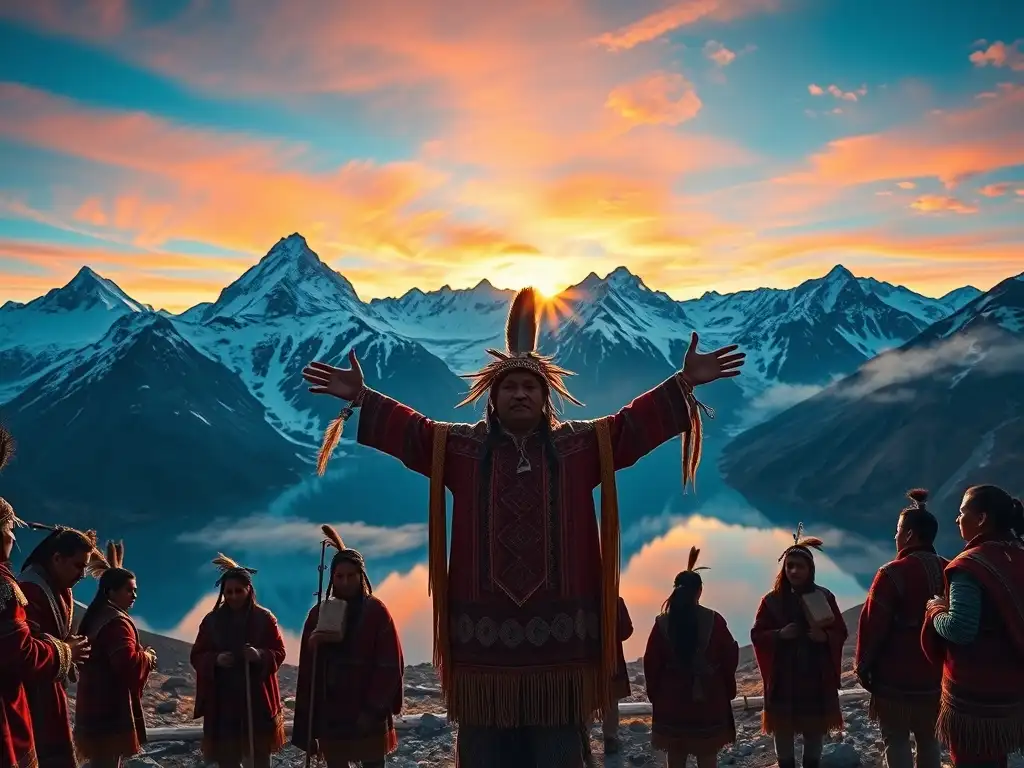
Step into a world lost to time, yet echoing with the whispers of ancient power. Andean Civilizations unveils the captivating mysteries of the Andes, from the towering heights of the Incas to the lesser-known, yet equally fascinating, cultures that preceded them. But what fueled their ingenuity, their societal structures, and their breathtaking artistry? Prepare to delve into the fascinating world of PreIncan shamanism spiritual practices, a key to understanding the spiritual leadership that shaped these remarkable societies. Discover the secrets held within these ancient traditions and uncover the profound influence they had on the Andean world. Continue your journey…
The Andean highlands, before the rise of the Inca Empire, were a tapestry of diverse and fascinating cultures, each with its own unique spiritual beliefs and practices. Understanding the role of shamanism in these pre-Incan societies is crucial to grasping the complexities of their social structures, political systems, and daily lives. This article delves into the multifaceted world of Pre-Incan shamanism, exploring its spiritual practices, its influence on society, and its enduring legacy.
We will examine the evidence from archaeological findings, anthropological studies, and historical accounts to paint a picture of the spiritual leaders who shaped these ancient Andean communities and their relationship with the natural world. This exploration will focus on key aspects of Pre-Incan shamanism, illuminating the ways in which spiritual leadership intertwined with the everyday lives of these remarkable civilizations. The keyword "PreIncan shamanism spiritual practices" will be explored in detail throughout this article.
Shamanic Practices and Rituals in Pre-Incan Societies
Pre-Incan shamanic practices varied considerably across different cultures, reflecting the unique environmental and social contexts of each region. However, several common threads emerge in the available evidence. Many rituals involved the use of hallucinogenic plants, such as San Pedro cactus and yopo, to induce altered states of consciousness and facilitate communication with the spirit world.
Archaeological discoveries of paraphernalia associated with these practices, including ritual vessels and paraphernalia, offer tangible evidence of these practices. Furthermore, intricate textiles and ceramics often depict shamanistic figures engaged in rituals, providing visual representations of their role in society. These depictions often showcase shamans interacting with supernatural beings, highlighting their mediating role between the human and spiritual realms.
Detailed studies of these artifacts, combined with ethnographic parallels from later Andean cultures, allow us to reconstruct, with a degree of accuracy, the core elements of these rituals. The precise nature of these rituals, however, remains a subject of ongoing research and interpretation.
The Shaman's Role in Society: Beyond the Spiritual
The shaman's influence extended far beyond the purely spiritual realm. They acted as healers, mediating between the physical and spiritual causes of illness. They were also often consulted on matters of governance and social conflict, offering guidance and resolving disputes through divination and spiritual insight. In some societies, shamans held significant political power, advising rulers and influencing decisions.
Their role as intermediaries between the human and divine worlds gave them considerable social authority. This influence is evident in the lavish burial goods often associated with shamanic burials, showcasing the high social status they enjoyed. Further research into the social stratification of these societies is needed to fully understand the nuances of the shaman's position within the power structures.
The Legacy of Pre-Incan Shamanism
The influence of Pre-Incan shamanism extended far beyond their own time. Many of its practices and beliefs continued to be integrated into later Andean cultures, including the Inca Empire, albeit often in modified forms. Elements of shamanistic cosmology and ritual practices can still be observed in contemporary Andean traditions.
Understanding Pre-Incan shamanism provides a vital key to understanding the continuity and change in Andean spiritual beliefs across millennia. The persistence of certain shamanistic elements in modern Andean culture underscores the profound and enduring impact of these ancient traditions on the region's spiritual landscape. Further research into the relationship between Pre-Incan and modern Andean spiritual practices would greatly enrich our understanding of this complex and fascinating topic.
- Shamanic Practices and Rituals in Pre-Incan Societies
- The Shaman's Role in Society: Beyond the Spiritual
- The Legacy of Pre-Incan Shamanism
- What were the primary roles of shamans in PreIncan societies?
- How did PreIncan shamanistic practices differ between cultures?
- What evidence exists to support the understanding of PreIncan shamanism?
- What role did hallucinogenic substances play in PreIncan shamanistic rituals?
- How did PreIncan shamanism influence later Andean cultures, including the Inca?
Pre-Incan Spiritual Beliefs and Shamanic Practices
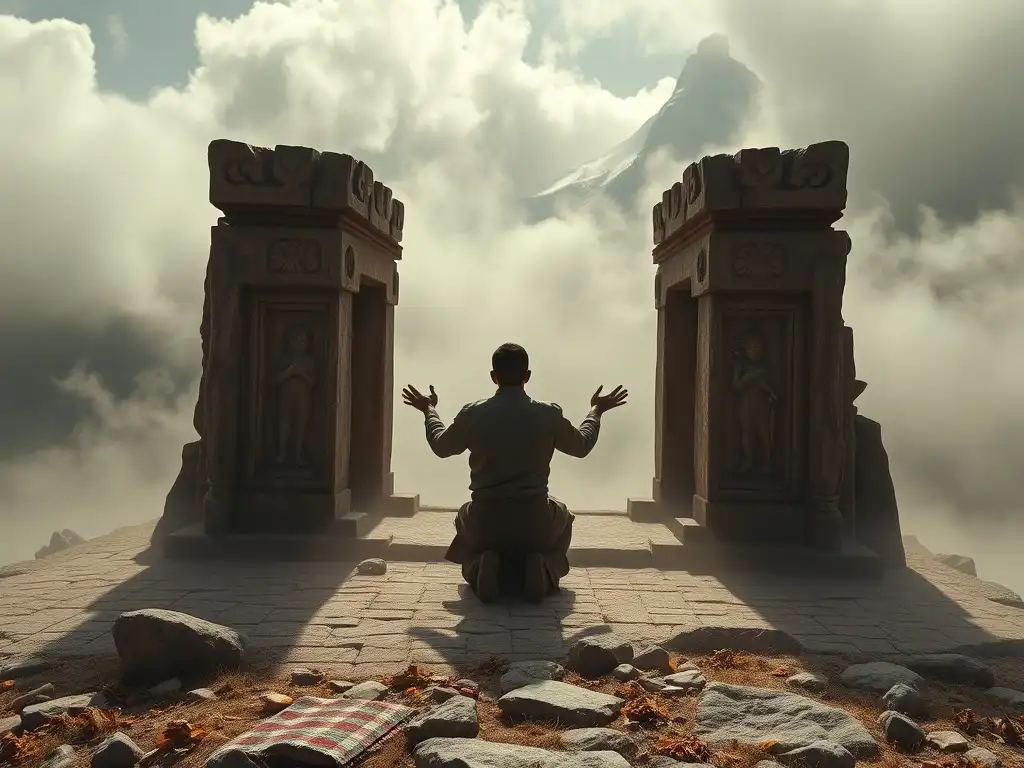
This section delves into the fascinating world of Pre-Incan spiritual beliefs and the crucial role of shamanism in shaping Andean societies. We'll explore the origins of these practices, the significance of spiritual leaders, and the key characteristics that defined Pre-Incan shamans. Understanding Pre-Incan shamanism spiritual practices provides invaluable insight into the complex social and religious structures of these remarkable cultures.
Origins of Shamanism in Andean Pre-Incan Societies
The origins of shamanism in the Andean region are deeply intertwined with the landscape itself. Long before the Inca Empire, diverse groups inhabiting the Andes developed intricate spiritual systems rooted in their environment. Archaeological evidence, such as cave paintings depicting ritualistic scenes and the discovery of ritual objects in burial sites, suggests that shamanistic practices were already established in the early formative periods.
These early expressions of Andean spirituality likely involved animistic beliefs, where natural elements—mountains, rivers, animals—were imbued with spiritual power. The interaction with these powerful entities, mediated by shamans, was crucial for maintaining community well-being and ensuring successful harvests. The development of agriculture played a significant role, as the need to understand and control the unpredictable forces of nature likely intensified the importance of spiritual intermediaries.
Evidence suggests that early shamanistic practices involved the use of hallucinogenic plants, like brugmansia and datura, to induce altered states of consciousness and facilitate communication with the spirit world. This practice, passed down through generations, became integral to the development of sophisticated shamanistic traditions in later Pre-Incan societies.
The Significance of Spiritual Leaders in Early Andean Communities
Spiritual leaders, or shamans, held immense power and influence within Pre-Incan communities. They weren't simply religious figures; they served as vital links between the human world and the spirit realm. Their roles extended far beyond ritualistic practices. Shamans acted as healers, mediating between the physical and spiritual realms to cure illnesses and resolve conflicts. They interpreted dreams, predicted the future, and guided important community decisions.
Their expertise in herbal medicine and knowledge of the natural world made them indispensable to the survival and prosperity of their communities. In essence, shamans were the custodians of traditional knowledge, preserving and transmitting cultural heritage through generations. Their authority stemmed from their perceived ability to communicate with spirits and harness supernatural powers, making them crucial figures in maintaining social cohesion and order. The status and respect afforded to shamans varied across different Pre-Incan societies, but their overall significance in daily life is undeniable.
Key Characteristics of Pre-Incan Shamans
Pre-Incan shamans possessed several key characteristics that distinguished them within their communities. Their extensive knowledge of medicinal plants and healing techniques was paramount. They were skilled in identifying and utilizing various herbs and substances to treat a range of ailments. Furthermore, many shamans underwent rigorous training and initiation rites, often involving periods of isolation and spiritual trials.
These rituals aimed to strengthen their connection to the spirit world and enhance their abilities. Many accounts speak of shamans entering altered states of consciousness through the use of hallucinogens, enabling them to journey to other realms and interact directly with spirits. This practice wasn't merely recreational; it was a fundamental aspect of their spiritual training and practice.
The attire and paraphernalia of Pre-Incan shamans also played a crucial role. They often wore distinctive clothing, adorned with symbolic objects, such as feathers, masks, and amulets. These items represented their connection to the spirit world and amplified their spiritual power. The use of ritual objects, such as staffs, rattles, and drums, during ceremonies further enhanced the shaman’s ability to communicate with spirits and influence the natural world.
These objects weren’t just tools; they were powerful symbols imbued with spiritual energy. The detailed analysis of these artifacts provides invaluable insights into the nature of Pre-Incan shamanistic practices and beliefs. The diversity in shamanic traditions across different Pre-Incan cultures highlights the rich tapestry of spiritual beliefs that existed in the Andes before the Inca. Further research into specific regional variations is needed to fully understand the nuances of Pre-Incan shamanism.
The Shaman's Role in Pre-Incan Life
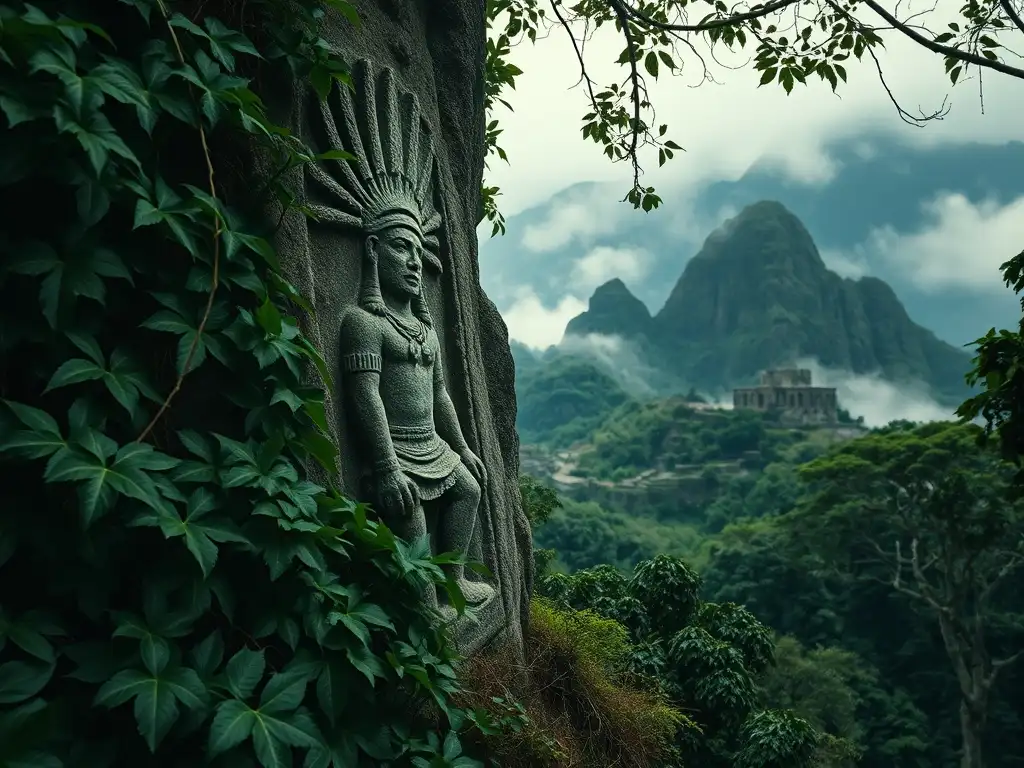
The shaman held a position of paramount importance in Pre-Incan Andean societies, acting as a bridge between the human and spiritual realms. Their influence permeated all aspects of life, from healing the sick and predicting the future to leading complex ceremonies and ensuring the community's well-being. Understanding PreIncan shamanism spiritual practices requires recognizing the shaman's multifaceted role as spiritual leader, healer, diviner, and mediator.
Their power stemmed not only from their knowledge of medicinal plants and rituals but also from their perceived ability to communicate directly with the spirit world, influencing the very fabric of Andean society. This influence extended beyond individual needs; shamans played a crucial role in maintaining social order, resolving conflicts, and ensuring agricultural success – factors vital for the survival and prosperity of these early communities. The intricate relationship between the shaman and the community highlights the deeply spiritual nature of Pre-Incan life.
Healing Rituals and Shamanic Medicine in Ancient Andes
Pre-Incan shamanic medicine was sophisticated and deeply intertwined with spiritual beliefs. Shamans utilized a vast pharmacopoeia of plants, minerals, and animal products, often combining them with ritualistic practices to treat illnesses. Their knowledge of medicinal properties was extensive, and their healing techniques involved not only physical remedies but also spiritual cleansing and the removal of malevolent spirits believed to cause disease.
For example, the use of coca leaves, known for their anesthetic and stimulant properties, was widespread. Evidence suggests that coca was not only chewed for its effects but also incorporated into rituals to enhance communication with the spirit world and facilitate healing. Furthermore, trepanation, the surgical procedure of drilling holes into the skull, has been found in several Pre-Incan cultures, suggesting a surprisingly advanced understanding of cranial surgery, albeit likely performed with spiritual intentions alongside practical ones.
The integration of spiritual and physical healing practices underscores the holistic approach to health prevalent in Pre-Incan societies. Detailed records of specific plant uses and surgical techniques are unfortunately scarce, leaving room for further research and a more complete understanding of PreIncan shamanism spiritual practices related to healing.
Divination and Prophecy: The Shaman's Connection to the Spirit World
A crucial aspect of the shaman's role was their ability to divine the future and communicate with the spirit world. This connection allowed them to interpret omens, predict harvests, and advise on important decisions affecting the community. Methods of divination varied across different Pre-Incan cultures, but often involved interpreting natural phenomena, such as the flight of birds or the patterns of stars.
The use of hallucinogenic substances, like San Pedro cactus, played a significant role in these practices, inducing altered states of consciousness that allowed shamans to access the spirit world and receive messages from deities or ancestral spirits. These prophecies were not mere predictions but were considered vital guidance for community planning and decision-making. For instance, the timing of planting and harvesting, crucial for survival in the challenging Andean environment, was often determined based on the shaman's interpretations of spiritual signs.
This reliance on shamanistic divination highlights the profound influence of the spirit world on the daily lives of Pre-Incan people. Further research into specific divination techniques and their impact on social structures is needed to fully grasp the complexities of this aspect of PreIncan shamanism spiritual practices.
Shamanic Rituals and Ceremonies in Pre-Incan Cultures
Pre-Incan shamanic rituals and ceremonies were elaborate affairs, often involving music, dance, and the use of symbolic objects. These events served various purposes, including healing the sick, honoring deities, ensuring successful harvests, and celebrating significant life events. The rituals often involved the use of masks, costumes, and other paraphernalia designed to invoke specific spirits or deities.
The intricate choreography and musical accompaniments were integral components of these ceremonies, believed to create a sacred space where the human and spirit worlds could interact. For instance, the Moche culture is known for its elaborate ceramic representations of shamanic rituals, depicting figures in ceremonial attire performing complex rituals. These depictions offer valuable insights into the visual aspects of these practices.
However, the precise meanings and interpretations of many of the symbols and actions remain subjects of ongoing scholarly debate, necessitating further research and interdisciplinary collaboration to fully understand the nuances of these ceremonies and their role in PreIncan society. The rich tapestry of PreIncan shamanic rituals exemplifies the deep spiritual significance of these practices within the context of PreIncan shamanism spiritual practices.
Pre-Incan Shamanism and the Natural World
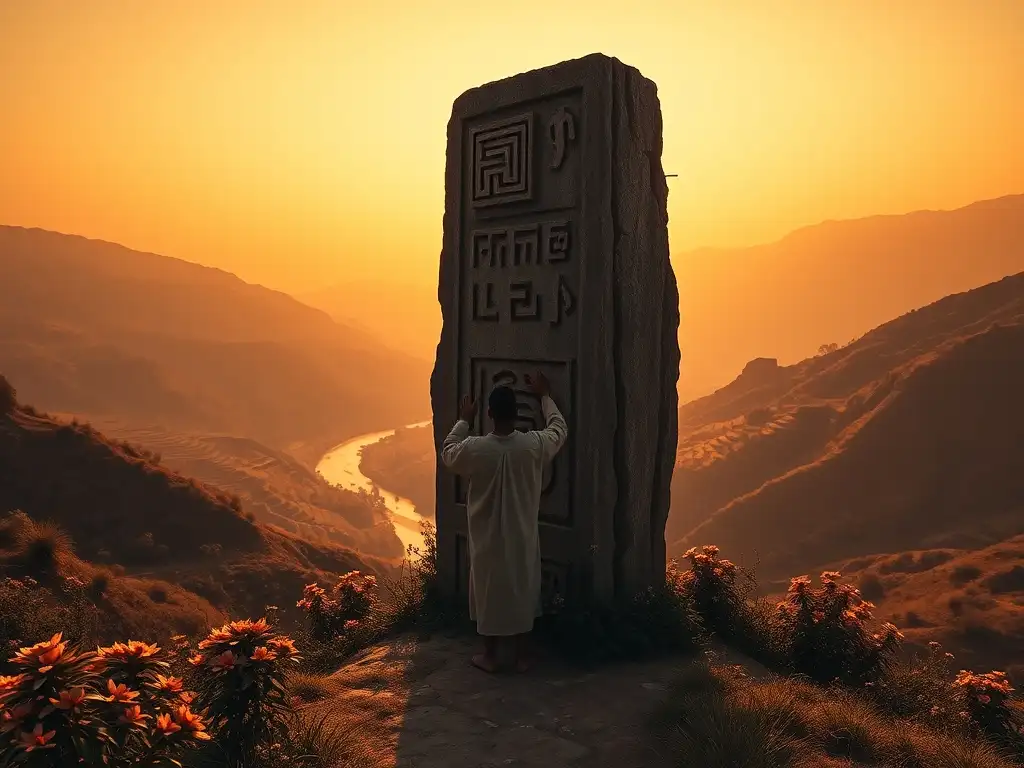
Pre-Incan shamanism was deeply intertwined with the natural world, reflecting a profound respect for the environment and its inherent power. Unlike many later religious systems, Pre-Incan spiritual practices didn't posit a separation between the human and natural realms; rather, they saw humanity as an integral part of a vibrant, interconnected ecosystem. This holistic worldview shaped every aspect of their shamanic traditions, from rituals and ceremonies to their understanding of healing and the afterlife.
The concept of Pachamama, the Earth Mother, highlights this intimate connection, representing the life-giving force of nature and a central figure in many Pre-Incan spiritual beliefs. Understanding this relationship is crucial to grasping the nuances of Pre-Incan shamanism and its enduring legacy.
The Andean worldview emphasized a delicate balance within the natural world, a harmony that shamans were tasked with maintaining through their rituals and practices. Disruptions to this balance, whether through natural disasters or human actions, were seen as requiring shamanic intervention to restore equilibrium.
The Importance of Nature in Pre-Incan Spiritual Beliefs
Nature wasn't merely a backdrop to Pre-Incan life; it was the very fabric of their existence. Mountains, rivers, and specific plants held immense spiritual significance, often viewed as dwelling places of powerful spirits or deities. Mountains, for example, were considered sacred entities, embodying strength, stability, and connection to the celestial realm. Many rituals involved climbing mountains to reach apus (mountain spirits) and offer prayers or sacrifices.
Similarly, rivers, with their life-giving waters, were associated with fertility and renewal, representing the continuous flow of life itself. The abundance or scarcity of water directly impacted agricultural cycles, further solidifying the river's importance within their spiritual framework. This deep reverence for nature extended to specific plants and animals, many of which held medicinal or ritualistic value, playing significant roles in shamanic healing and ceremonial practices.
The careful observation of natural phenomena, such as celestial events or animal behavior, served as a means of divination and understanding the will of the spirits. This intimate connection with nature wasn't simply a matter of belief; it was a lived reality, shaping their daily lives and influencing all aspects of their society. Detailed archaeological evidence, such as the location of settlements near sacred sites and the presence of ritual objects depicting natural elements, strongly supports this interpretation.
Sacred Sites and Power Places in Andean Shamanism
Numerous archaeological sites throughout the Andes bear witness to the importance of sacred geography in Pre-Incan shamanism. These weren't simply places of worship; they were believed to possess a unique energy, a connection to the spiritual realm, making them ideal locations for rituals and ceremonies. Many sites were strategically chosen for their natural features, such as caves, waterfalls, or mountain peaks, which amplified their spiritual potency.
These locations served as focal points for shamanic practices, acting as conduits between the human and spiritual worlds. The construction of ceremonial structures, such as platforms, temples, and chullpas (tower-shaped burial structures), further enhanced the sacred nature of these sites. These structures often incorporated astronomical alignments, suggesting a sophisticated understanding of the cosmos and its influence on earthly events.
The use of specific materials, such as colored stones or carved figures, also contributed to the symbolic significance of these power places, creating visually striking and spiritually potent environments. The meticulous arrangement of objects within these sites indicates a carefully planned and highly ritualized approach to shamanic practice, underscoring the profound importance of these locations in shaping Pre-Incan spiritual life. For example, the Nazca Lines, while their precise purpose remains debated, are strongly suspected to have played a significant role in shamanic rituals and astronomical observations.
Plant Medicine and Hallucinogens in Shamanic Practices
The use of plant medicine and hallucinogens was a central aspect of Pre-Incan shamanic practices. Substances like coca, san pedro cactus, and various other plants were ingested to induce altered states of consciousness, facilitating communication with the spirit world and providing insights into the future or the causes of illness. These substances weren't merely recreational; they were considered sacred tools, used responsibly and within a carefully structured ritual context.
Shamanic practitioners were highly skilled in the preparation and administration of these potent substances, understanding their effects and employing them to achieve specific therapeutic or spiritual goals. The use of hallucinogens wasn't indiscriminate; it was carefully integrated into elaborate ceremonies, often involving fasting, purification rituals, and specific songs and prayers. The experience wasn't viewed as escapism but as a journey into the spiritual realm, a means of gaining knowledge and healing.
Archaeological evidence, such as the discovery of coca leaves and other plant remains in ancient burial sites, supports the widespread use of these substances in Pre-Incan societies. While the precise details of these practices may remain elusive, the evidence strongly suggests their central role in Pre-Incan shamanic traditions and their contribution to the rich spiritual tapestry of Andean culture. The careful study of these practices provides valuable insights into the sophisticated understanding of the human mind and the spirit world held by Pre-Incan shamans.
Regional Variations in Pre-Incan Shamanism
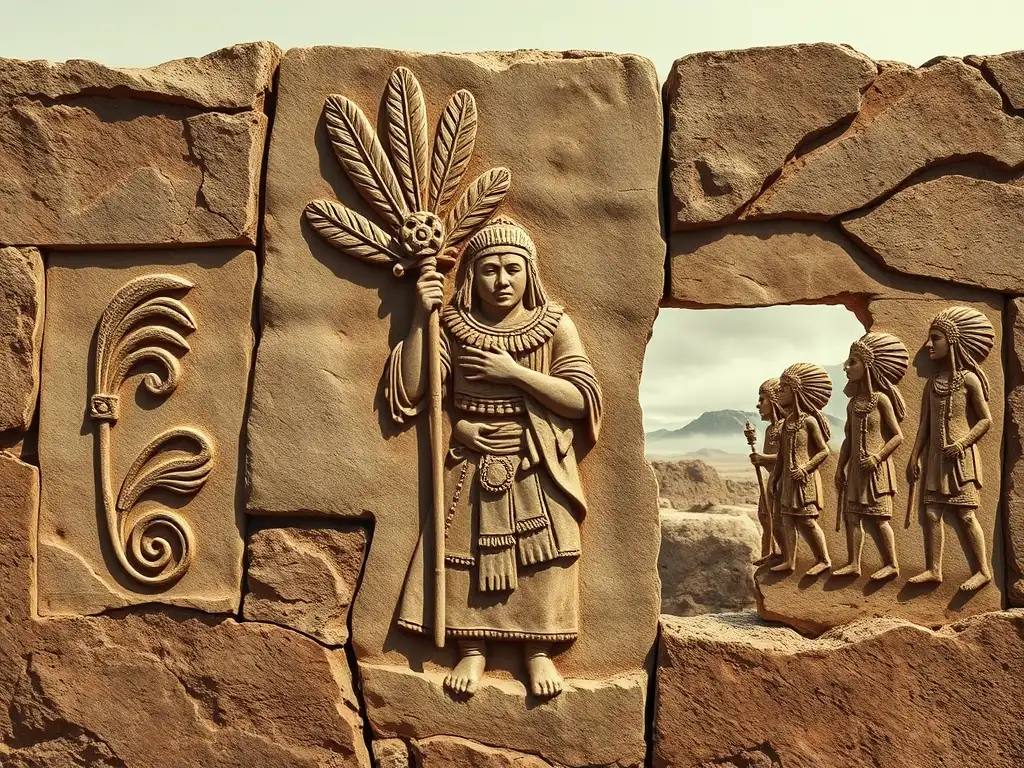
Pre-Incan shamanism, a complex tapestry woven from diverse spiritual beliefs and practices, wasn't a monolithic entity. Instead, it manifested in unique ways across the various Andean cultures, reflecting the diverse geographical landscapes and socio-political structures of each region. Understanding these regional variations is crucial to appreciating the nuanced role of shamanism in shaping pre-Incan societies. This section explores the distinct shamanic practices of three prominent Andean cultures: the Moche, Nazca, and Tiahuanaco. The term "PreIncan shamanism spiritual practices" encompasses a wide range of rituals, beliefs, and social structures, all deeply intertwined with the natural world and the spiritual realm.
Shamanic Practices in the Moche Culture
The Moche civilization (c. 100 – 800 CE), known for its elaborate pottery depicting scenes of daily life and ritual, offers valuable insights into their shamanic practices. Moche shamans, often depicted as powerful figures adorned with elaborate headdresses and regalia, played a pivotal role in mediating between the human and supernatural worlds. Their rituals likely involved the consumption of hallucinogenic substances, such as san pedro cactus, to induce altered states of consciousness and communicate with deities.
Evidence suggests a strong connection between Moche shamanism and their agricultural practices. The abundance of imagery depicting agricultural rituals and the veneration of nature spirits points towards a deep-seated belief in the shaman's ability to influence fertility and harvest success. Furthermore, the elaborate burial practices of Moche elites, often accompanied by rich grave goods and evidence of ritual sacrifice, highlight the high status and power wielded by their shamans within the social hierarchy.
The intricate details on Moche pottery provide a visual record of these practices, allowing us to glimpse the vibrant and complex world of Moche spirituality. Detailed analysis of these artifacts reveals a sophisticated understanding of the natural world and its spiritual dimensions, further solidifying the shaman's role as a crucial intermediary. The depiction of shamans interacting with supernatural beings, often depicted as powerful animals or deities, underscores their role as spiritual leaders within the Moche society.
Shamanism and Spiritual Leadership in the Nazca Civilization
The Nazca culture (c. 100 BCE – 800 CE), famed for its enigmatic geoglyphs, also exhibited a rich shamanic tradition. Unlike the Moche, the Nazca's shamanic practices are less readily apparent in their artistic representations. However, archaeological evidence suggests a strong emphasis on ritual and the use of entheogens in shamanistic practices.
The Nazca people likely utilized hallucinogens, potentially including san pedro and other plants, to facilitate communication with the spirit world. This is supported by the discovery of ritual paraphernalia and evidence of ritualistic use of plants with psychoactive properties in several Nazca sites.
The complex irrigation systems developed by the Nazca, a testament to their engineering prowess, may also have been guided by shamanic knowledge and rituals aimed at ensuring the success of agricultural practices. The role of the Nazca shaman, therefore, extended beyond purely spiritual matters, influencing crucial aspects of their societal survival.
Further research is needed to fully understand the extent of shamanic influence in Nazca society, but the available evidence points to a significant role in maintaining social order and ensuring agricultural prosperity. The enduring mystery of the Nazca lines themselves might even be interpreted as a monumental expression of their shamanic beliefs and practices, although this remains a topic of ongoing debate amongst researchers.
The Role of Shamanism in Tiahuanaco Society
Tiahuanaco (c. 1500 BCE – 1100 CE), a powerful and influential civilization located on the shores of Lake Titicaca, developed a complex religious system centered around powerful shamanistic figures. Their monumental architecture, including the iconic Sun Gate, and the elaborate iconography found on their ceramics and textiles, suggest a highly developed spiritual belief system. Unlike the Moche, who focused more on the visual representation of their shamanistic practices, the Tiahuanaco left behind less direct visual representations, instead relying on architectural and iconographic clues.
The Tiahuanaco shamans likely held a central position in the social hierarchy, acting as intermediaries between the human world and the powerful deities worshipped by the culture. The emphasis on monumental architecture and the precision of their construction points to the importance of ritual and cosmic order in Tiahuanaco society.
Their sophisticated knowledge of astronomy and calendrics also suggests a deep understanding of the cosmos and the shaman's role in maintaining its balance. The widespread influence of Tiahuanaco culture across the Andes further highlights the importance of their religious and shamanic beliefs, which were likely disseminated through the activities of their spiritual leaders.
While further research is needed to completely unravel the complexities of Tiahuanaco shamanism, the evidence suggests a highly organized and influential spiritual system that played a crucial role in the civilization’s rise and expansion. The precise nature of their rituals and the specific roles of their shamans remain areas of ongoing investigation and debate among scholars specializing in PreIncan shamanism spiritual practices.
The Legacy of Pre-Incan Shamanism
The legacy of Pre-Incan shamanism is deeply interwoven with the fabric of Andean culture, extending its influence far beyond the chronological boundaries of its initial flourishing. Understanding this enduring legacy requires acknowledging the complex interplay of spiritual beliefs, ritual practices, and societal structures that shaped Andean societies for millennia. Pre-Incan shamanic traditions weren't simply supplanted by later Andean cultures; rather, they were adapted, transformed, and integrated into subsequent belief systems, leaving an indelible mark on the spiritual landscape of the Andes.
The persistence of certain shamanic elements in later Andean cultures underscores the profound impact of these early spiritual practices on the region's cultural identity. The study of Pre-Incan shamanism provides valuable insights into the evolution of Andean spirituality and its enduring relevance in contemporary society.
This enduring influence is evident in various aspects of Andean life, from religious ceremonies and healing practices to artistic expressions and social organization. It's crucial to approach the study of Pre-Incan shamanism with sensitivity and respect for the living traditions that continue to draw upon its rich heritage.
Influences of Pre-Incan Shamanism on Later Andean Traditions
The influence of Pre-Incan shamanic practices on later Andean traditions, particularly those of the Inca Empire, is a subject of ongoing scholarly debate. While the Inca state imposed a more centralized and hierarchical religious system, evidence suggests that many Pre-Incan shamanic beliefs and practices persisted, often undergoing syncretism with the official Inca religion. For example, the Inca veneration of mountains and other natural features likely has roots in earlier shamanic traditions that emphasized the sacredness of the landscape.
Similarly, Inca rituals involving divination and trance states bear striking resemblance to shamanic practices documented in earlier cultures. The use of hallucinogenic plants, such as coca and san pedro, in both Pre-Incan and Inca religious contexts further highlights the continuity of certain shamanic elements. The Inca state may have co-opted and adapted some shamanic practices for its own purposes, integrating them into the broader imperial ideology.
However, it's unlikely that the Inca completely eradicated pre-existing shamanic traditions. Many local practices and beliefs likely survived alongside the official state religion, demonstrating the resilience and adaptability of shamanic traditions in the face of political and cultural changes. The persistence of these practices underscores the deep-seated nature of Pre-Incan spiritual beliefs within Andean society.
The Continuity of Shamanic Practices in Contemporary Andean Communities
The legacy of Pre-Incan shamanism is not confined to the historical record; it continues to thrive in contemporary Andean communities. Many indigenous communities in the Andes maintain vibrant shamanic traditions, albeit often modified and adapted over time. These practices frequently involve the use of traditional healing methods, rituals aimed at communicating with spirits, and the use of sacred plants.
The role of the shaman remains central to the spiritual and social life of many communities, providing guidance, healing, and a connection to the ancestral past. Contemporary Andean shamanism often incorporates elements from both Pre-Incan and later traditions, reflecting the complex evolution of Andean spirituality. While precise documentation of the direct lineage of specific practices from Pre-Incan times is challenging, the continuity of core shamanic elements, such as altered states of consciousness, divination, and spirit communication, strongly suggests a connection to the ancient traditions.
Understanding these contemporary practices provides invaluable insights into the enduring power and relevance of Pre-Incan shamanism. The survival and adaptation of these traditions highlight the resilience of indigenous cultures and their ability to preserve and transform their spiritual heritage. The study of contemporary Andean shamanism offers a powerful lens through which to interpret the archaeological and historical evidence of Pre-Incan spiritual practices.
Ongoing Archaeological Research and Interpretations of Pre-Incan Shamanism
Ongoing archaeological research is continually refining our understanding of Pre-Incan shamanism. New discoveries of artifacts, such as ritual objects and burial sites, provide crucial evidence for interpreting shamanic beliefs and practices. For example, the discovery of elaborate tombs containing shamanic paraphernalia offers insights into the social status and roles of shamans within their communities. Furthermore, advanced techniques in archaeobotany and archaeozoology shed light on the use of plants and animals in shamanic rituals.
The interpretation of these findings, however, often involves complex debates among scholars. Different perspectives on the meaning of specific artifacts and the interpretation of ritual contexts contribute to a dynamic and evolving understanding of Pre-Incan shamanism. The ongoing process of excavation, analysis, and interpretation ensures that our knowledge of Pre-Incan spiritual practices continues to grow. The application of new technologies, such as 3D scanning and advanced dating methods, promises to further enhance our understanding of these complex traditions.
The collaborative efforts of archaeologists, anthropologists, and indigenous communities are essential for ensuring a respectful and accurate portrayal of Pre-Incan shamanism. This collaborative approach is crucial for avoiding misinterpretations and ensuring that research contributes to a deeper appreciation of Andean cultural heritage. The ongoing research emphasizes that our understanding of Pre-Incan shamanism is a continuous process of discovery and refinement.
Frequently Asked Questions
What were the primary roles of shamans in PreIncan societies?
Shamans served as spiritual leaders, healers, and intermediaries between the human and spirit worlds. Their roles were crucial in maintaining social order and community well-being.
How did PreIncan shamanistic practices differ between cultures?
While sharing some common threads, practices varied significantly across cultures like the Nazca, Moche, and Tiahuanaco. Specific rituals, deities, and techniques differed based on regional beliefs and traditions.
What evidence exists to support the understanding of PreIncan shamanism?
Archaeological findings like textiles, ceremonial objects, and mummified remains provide valuable insights into their rituals, beliefs, and practices. These artifacts offer tangible evidence of spiritual life.
What role did hallucinogenic substances play in PreIncan shamanistic rituals?
Plants like San Pedro cactus and yopo were likely used to induce altered states of consciousness, facilitating communication with the spirit world and enhancing ritual experiences. Their use was integral to many shamanic practices.
How did PreIncan shamanism influence later Andean cultures, including the Inca?
PreIncan shamanistic traditions and beliefs significantly influenced the religious and spiritual practices of later Andean cultures, including the Inca, leaving a lasting legacy on Andean spiritual life. Many elements were incorporated and adapted.
Final Reflection: Echoes of the Andes: Shamanism's Enduring Legacy
The spiritual practices of PreIncan shamans, far from being relics of a distant past, resonate deeply with contemporary concerns about spirituality, healing, and our connection to the natural world. Their sophisticated understanding of the cosmos and the intricate relationship between humanity and nature offers a powerful counterpoint to the often-fragmented and materialistic worldview of the modern age. The insights gleaned from studying PreIncan shamanism provide a valuable framework for understanding our own place within the larger ecosystem and the importance of spiritual well-being.
The enduring influence of PreIncan shamanic traditions is evident not only in the surviving archaeological evidence but also in the continued practice of Andean spirituality today. Many contemporary Andean communities maintain vibrant spiritual practices that are directly descended from those of their ancestors. These practices, often incorporating elements of healing, divination, and communion with the spirit world, demonstrate the remarkable resilience and adaptability of these ancient traditions. The mountains are not just stones, they are living beings, full of spirits and power,
a Quechua elder once told me, encapsulating the profound reverence for nature that lies at the heart of Andean shamanism. This deep connection to the land and its inherent spirituality offers a powerful lesson for a world increasingly disconnected from the natural world.
Consider the profound wisdom embedded within these ancient practices. How can we, in our own lives, cultivate a deeper connection to the natural world and foster a more holistic understanding of our own spiritual well-being? I invite you to reflect on the lessons learned from PreIncan shamanism and to explore how these insights might inform your own journey of self-discovery and spiritual growth. Let the echoes of the Andes inspire you to seek a more meaningful and connected existence, one that honors both the spiritual and the material aspects of life.
Unveil the Spiritual Wisdom of Shamanism!
Thank you for exploring the fascinating world of shamanism and its crucial role in pre-Incan cultures. We hope you gained valuable insights into the spiritual leadership that shaped these ancient societies. Now, let's deepen your understanding of this rich legacy.
Here are some ways to connect more meaningfully with shamanism:
- Dive Deeper: Explore shamanism further by reading a book like Michael Harner's "The Way of the Shaman" or watching a documentary such as "The Shaman's Apprentice." These resources offer firsthand accounts and perspectives.
- Join the Conversation: Share this article with friends or on social media to spark discussions about the enduring relevance of spiritual practices.
- Expand Your Knowledge: Consider attending a local workshop or online course on meditation or spiritual practices inspired by shamanistic traditions. Many resources are available to guide your exploration.
What aspects of shamanism most resonate with your own spiritual beliefs and path?