
The Wari Expansion: Tracing the Influence of a PreIncan Highland Empire

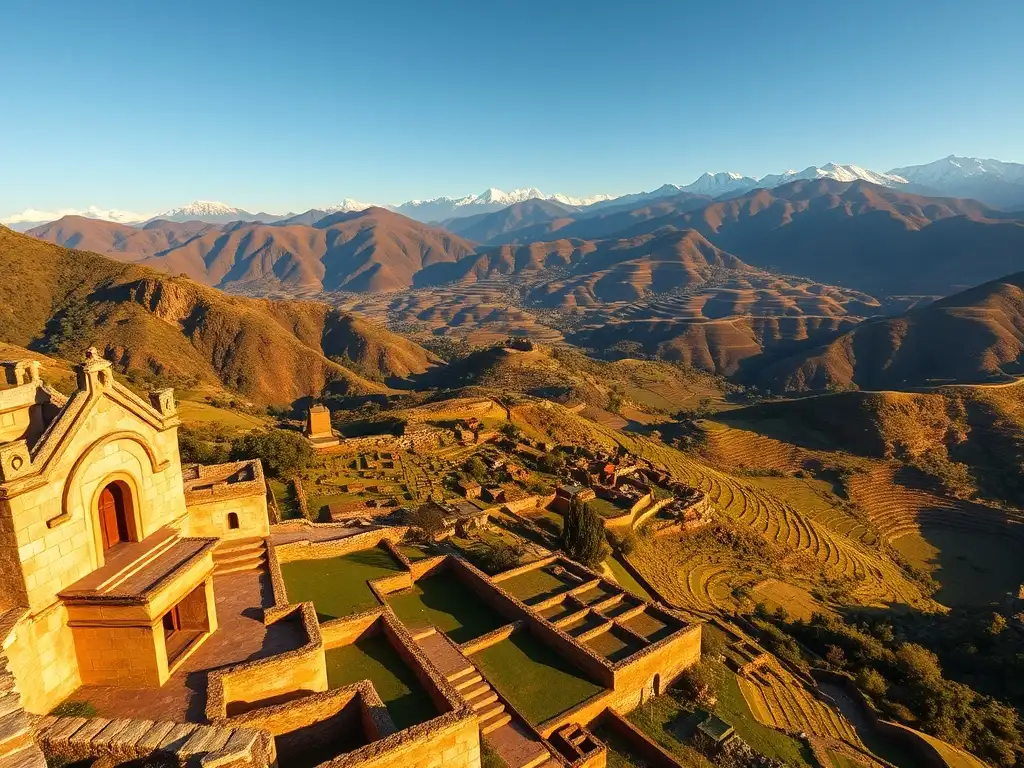
Uncover the mysteries of the Andes! Journey back in time to a world of breathtaking artistry, sophisticated engineering, and powerful empires. Were you aware of the massive influence the Wari Empire wielded across the Andes? Discover how the Wari Empire expansion impact shaped the very fabric of pre-Incan societies, leaving an indelible mark on the civilizations that followed. Delve into this captivating history and prepare to be amazed.
The Wari Empire, a powerful pre-Inca civilization flourishing in the Andes from approximately 600 to 1000 CE, left an indelible mark on the region. Its expansion, a complex process involving both military conquest and sophisticated political strategies, profoundly impacted the social, economic, and cultural landscape of the central Andes. This article delves into the Wari Empire's expansion, examining its geographical reach, the mechanisms employed for its growth, and the lasting consequences of its influence on subsequent Andean societies, particularly in the context of the "Wari Empire expansion impact."
Understanding the Wari's rise and fall is crucial to comprehending the intricate tapestry of pre-Columbian Andean history and the eventual emergence of the Inca Empire. We will explore the various facets of this significant historical period, analyzing archaeological evidence and scholarly interpretations to paint a comprehensive picture of the Wari's impact.
The Geographic Extent of Wari Influence
The Wari Empire's reach extended across a vast and diverse territory in the central Andes. Its core region was located in the Ayacucho area of modern-day Peru, but its influence spread significantly beyond this heartland. Evidence suggests that Wari control, or at least significant Wari cultural impact, extended into the coastal regions, reaching as far north as modern-day Lima and south towards Lake Titicaca.
This expansion wasn't a uniform process; it involved different levels of control – direct administration in some areas, indirect influence through alliances and trade networks in others. Archaeological findings, such as the presence of standardized Wari pottery and architecture in distant sites, demonstrate the extent of this far-reaching influence.
The sheer scale of the Wari expansion represents a remarkable feat of organization and control for a pre-industrial society, highlighting their sophisticated administrative capabilities. Further research is needed to fully map the extent of Wari influence in some peripheral areas, particularly in the northern and southern limits of their reach.
Mechanisms of Wari Expansion: Conquest and Diplomacy
The Wari expansion wasn't solely achieved through military conquest. While military might undoubtedly played a role, evidence suggests a more nuanced approach. The Wari likely employed a combination of strategies: military campaigns to subdue resistant groups, the establishment of administrative centers to oversee conquered territories, and the fostering of alliances and trade relationships with neighboring societies. The construction of large-scale administrative centers, characterized by standardized architecture and urban planning, suggests a deliberate strategy of integrating conquered populations into the Wari state.
These centers served not only as military outposts but also as hubs for administrative control, economic activities, and the dissemination of Wari culture. The incorporation of local elites into the Wari system also played a significant role, facilitating a smoother transition of power and minimizing resistance. This sophisticated approach to expansion allowed the Wari to maintain a relatively stable and extensive empire for several centuries.
The Lasting Legacy of the Wari Empire
The collapse of the Wari Empire around 1000 CE didn't erase its influence. The impact of the Wari expansion on subsequent Andean societies is profound and multifaceted. Wari architectural styles, administrative techniques, and cultural practices left a lasting legacy, influencing the development of later civilizations, including the Inca.
The standardization of pottery, textiles, and other craft styles, along with the widespread adoption of Wari administrative practices, created a shared cultural framework across a vast geographical area. This cultural legacy is evident in the archaeological record, with many features of Wari culture persisting and evolving in the societies that followed. The impact of the Wari expansion on the social and political organization of the Andes is still a subject of ongoing research and debate, but its significance is undeniable.
The Wari legacy serves as a crucial building block for understanding the complex history of the Andean region and the eventual rise of the Inca Empire. Analyzing the "Wari Empire expansion impact" reveals a complex interplay of military might, political strategy, and cultural exchange that shaped the Andes for centuries to come.
- The Geographic Extent of Wari Influence
- Mechanisms of Wari Expansion: Conquest and Diplomacy
- The Lasting Legacy of the Wari Empire
- What was the geographic extent of the Wari Empire's expansion?
- How did the Wari expansion impact existing Andean societies?
- What were the key factors contributing to the Wari Empire's expansion?
- What was the long-term impact of the Wari Empire's collapse on the Andes?
- How did the Wari Empire's expansion affect Andean art and architecture?
Understanding the Rise of the Wari Culture
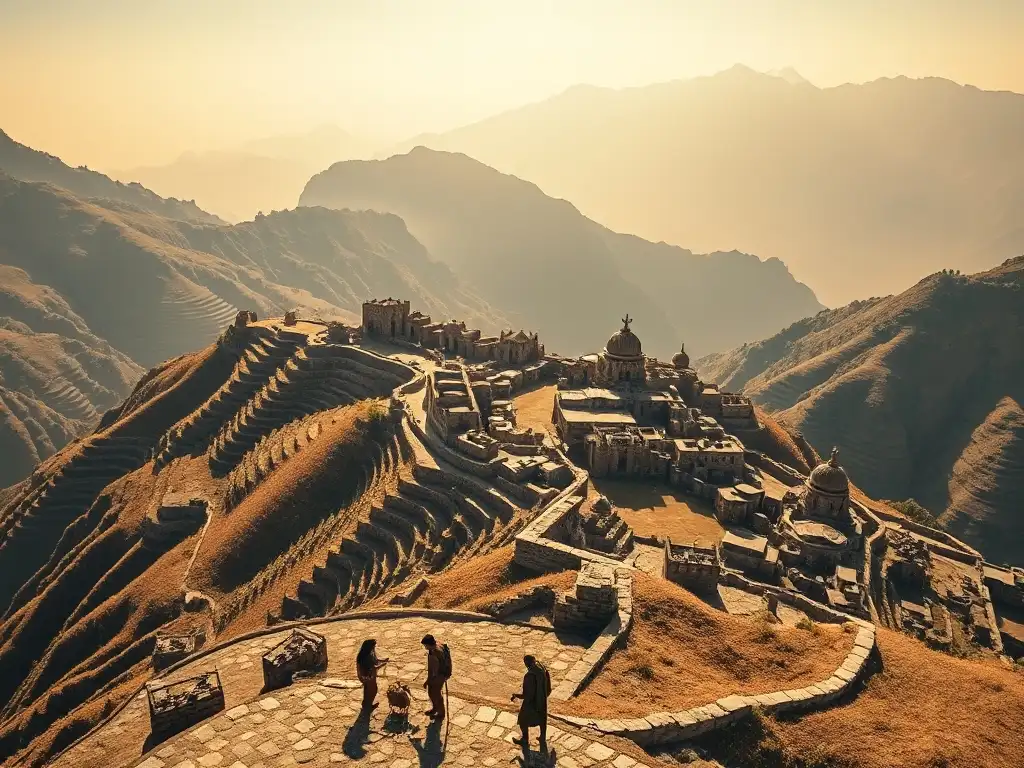
The Wari Empire, a pre-Inca civilization that flourished in the Andean highlands between the 6th and 10th centuries CE, left an indelible mark on the region. Understanding its rise requires examining its origins and the factors that propelled its expansion and influence. The impact of the Wari Empire's expansion is a topic of ongoing scholarly debate, with new archaeological discoveries constantly reshaping our understanding of its reach and power.
This section delves into the crucial aspects of the Wari's ascent, focusing on its origins and the key elements contributing to its dominance. The term "Wari Empire expansion impact" itself highlights the profound and lasting consequences of their territorial growth.
Origins and Development of the Wari State
The precise origins of the Wari state remain a subject of active research. However, archaeological evidence points to a gradual development from smaller, regional polities in the Ayacucho region of modern-day Peru. Early Wari sites show evidence of sophisticated irrigation systems, indicating a strong agricultural base that was essential to supporting a growing population and a centralized administration. The development of a standardized pottery style, known as Wari I pottery, suggests a growing level of cultural integration and possibly early attempts at political unification.
The shift to Wari II pottery, characterized by more elaborate designs and a wider distribution, coincides with the expansion of Wari influence beyond the Ayacucho region. This expansion was not a sudden conquest, but rather a more gradual process involving alliances, assimilation, and, undoubtedly, conflict. The Wari state cleverly integrated conquered populations, adapting and incorporating existing local traditions into a broader, Wari-dominated cultural framework.
This shrewd approach minimized resistance and facilitated a more stable and sustainable expansion. This strategy of "incorporative expansion", as some scholars term it, significantly contributed to the long-term success of the Wari Empire and its lasting impact on Andean societies. Evidence suggests that the Wari state skillfully managed resources and trade networks, further consolidating its power and influence.
Key Factors Contributing to Wari Power
Several key factors contributed to the Wari's ability to establish and maintain a vast empire. These include:
- Military Strength: The Wari possessed a formidable military, capable of conquering and subduing neighboring groups. Archaeological evidence, such as the remains of fortifications and weaponry, suggests a well-organized and effective military machine. The construction of large administrative centers strategically placed throughout the empire further points to a sophisticated military strategy aimed at controlling key territories and trade routes.
- Sophisticated Administrative System: The Wari developed a complex administrative system to manage their sprawling empire. The standardization of pottery, architecture, and other aspects of material culture points to a centralized authority capable of imposing its will across vast distances. The construction of massive administrative centers, such as Pikillacta near Cusco, served as centers of power and control, facilitating the efficient distribution of resources and the collection of tributes.
- Control of Resources: Access to and control of vital resources, including fertile agricultural land and key trade routes, were essential to the Wari's success. Their mastery of irrigation techniques allowed them to cultivate vast tracts of land, ensuring a surplus of food to support their growing population and military. Their strategic location also allowed them to control trade routes, enhancing their economic power and influence. The Wari Empire's expansion impact is directly linked to its effective control of these vital resources.
- Religious and Ideological Factors: While less tangible, religious and ideological factors likely played a significant role in the Wari's expansion. The construction of monumental architecture, such as large religious structures, suggests the importance of religious beliefs in unifying and legitimizing their rule. The spread of Wari iconography and artistic styles across the empire further points to the role of religion in solidifying political control and fostering a sense of shared identity. The ability to create a cohesive ideology across such a large and diverse territory was a major factor in the Wari Empire expansion impact.
The Wari Empire's expansion, therefore, wasn't simply a matter of military might. It was a complex process driven by a combination of military strength, sophisticated administration, control of resources, and the power of shared ideology. The lasting impact of the Wari Empire on subsequent Andean civilizations, including the Inca, cannot be overstated.
Their innovations in administration, agriculture, and urban planning laid the groundwork for future empires, shaping the cultural and political landscape of the Andes for centuries to come. The legacy of the Wari Empire expansion impact is visible in the archaeological record and continues to inspire research and debate among scholars today. Further research is needed to fully understand the nuances of their expansion and the long-term effects of their rule.
The Wari Empire Expansion Impact: Geographical Reach and Control
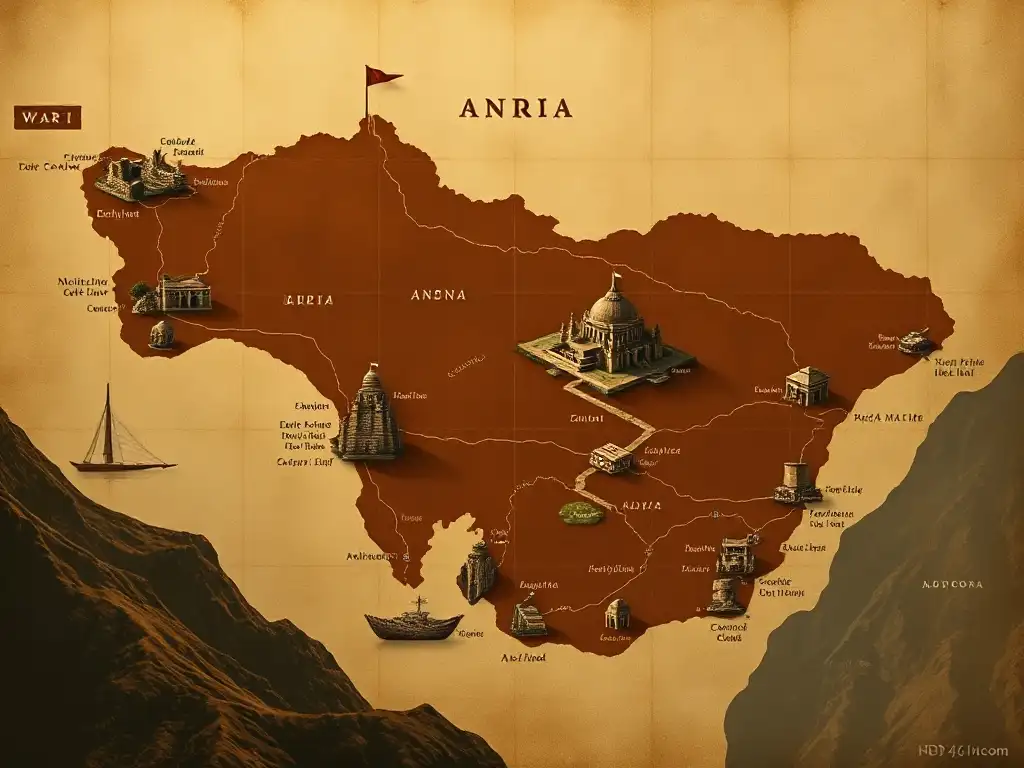
The Wari Empire's expansion profoundly impacted the Andean highlands, leaving an undeniable mark on the political, economic, and social landscapes of the region. Understanding the extent of this influence requires examining both the geographical reach of Wari control and the mechanisms employed to maintain it. The Wari expansion, a significant event in pre-Inca history, wasn't merely a military conquest; it involved sophisticated strategies for territorial control and integration.
This section will delve into the specifics of Wari expansion, analyzing its geographical scope and the administrative systems that underpinned its power. The impact of the Wari Empire's expansion is a crucial aspect of understanding the pre-Columbian Andean world and its subsequent development.
Wari Territorial Expansion Strategies
The Wari expansion wasn't a sudden, overwhelming conquest. Instead, it appears to have been a gradual process involving a multifaceted approach. Archaeological evidence suggests a combination of strategies:
- Military Campaigns: While direct evidence of large-scale battles is limited, the presence of Wari administrative centers and military outposts in distant regions strongly suggests the use of military force to subdue resistant populations. The construction of strategically located forts and the discovery of weaponry at various sites point towards a capacity for both offensive and defensive military actions. The Wari likely employed highly organized armies, possibly incorporating conscripted troops from conquered territories.
- Diplomatic Alliances: The Wari may have also employed diplomacy to secure alliances and control. The presence of Wari-style architecture and artifacts in areas far from the core suggests the possibility of negotiated settlements and the incorporation of local elites into the Wari political structure. This strategy would have minimized resistance and facilitated the smooth integration of new territories.
- Economic Integration: Control over vital resources, such as agricultural land and mineral deposits, was undoubtedly a key driver of expansion. The Wari likely implemented economic policies to ensure a steady flow of resources to the capital and other major centers. This could have involved the establishment of trade routes, the control of production, and the imposition of tribute systems. The impact of such economic policies on the local economies would have been significant.
- Administrative Control: The establishment of administrative centers throughout the conquered territories was crucial for maintaining control. These centers served as hubs for collecting taxes, distributing resources, and enforcing Wari rule. The standardized architecture found at these sites, reflecting a centralized planning system, highlights the Wari's sophisticated administrative capabilities. This standardization also serves as a powerful symbol of Wari dominance, imposing a clear visual representation of their power.
The Extent of the Wari Empire's Domain
The Wari Empire, at its zenith, controlled a vast territory spanning the Andean highlands. Its influence extended from the northern coast of Peru, encompassing parts of present-day Ecuador, to the southern highlands of Peru. The empire's core region was centered around Ayacucho, but its reach extended far beyond this area.
The following table summarizes the approximate geographical extent of the Wari Empire's influence:
| Region | Approximate Extent | Key Characteristics |
|---|---|---|
| Northern Coast | Parts of present-day Ecuador and northern Peru | Presence of Wari-style architecture and artifacts. |
| Central Highlands | Ayacucho and surrounding areas | Dense network of administrative centers and population centers. |
| Southern Highlands | Parts of southern Peru | Wari outposts and evidence of influence, though less dense than in the central region. |
This vast geographical spread demonstrates the significant power and organizational capabilities of the Wari. The impact of their expansion was felt across diverse ecological zones, from the arid coastal deserts to the high-altitude grasslands of the Andes. Further research is needed to fully delineate the boundaries of Wari influence in certain peripheral areas. [Specific information pending on precise boundary locations in certain regions].
Wari Administrative and Political Control Mechanisms
The Wari Empire's success stemmed not only from military might but also from its sophisticated administrative and political system. Several key mechanisms facilitated their control over such a vast territory:
- Centralized Administration: The empire's administration was highly centralized, with power concentrated in the capital at Huari. A hierarchical system of officials, likely appointed by the ruling elite, managed different regions and ensured the smooth functioning of the empire. This centralized structure enabled efficient resource management and the swift implementation of policies across the empire.
- Standardized Architecture: The construction of standardized administrative centers throughout the empire served multiple purposes. It facilitated communication and control, provided a visible symbol of Wari power, and enabled efficient resource management and distribution. The uniformity of design suggests a highly organized and centralized planning process.
- Road Network: A well-developed road network connected different parts of the empire, facilitating communication, trade, and the movement of troops. These roads allowed for the quick response to rebellions or emergencies, ensuring the maintenance of order and control across the vast expanse of the empire. The strategic placement of these roads also facilitated economic control and resource extraction.
- Religious Ideology: While the specifics of Wari religious beliefs remain debated, it's likely that religious ideology played a role in consolidating power and maintaining control. The construction of impressive religious structures and the standardization of religious practices may have helped to unify the diverse populations under Wari rule. The impact of this religious unification on social cohesion requires further investigation. [Further research needed on the specifics of Wari religious ideology and its impact on imperial control].
The Wari Empire's sophisticated administrative and political system, combined with its effective expansion strategies, allowed it to establish a powerful and long-lasting influence on the Andean region. The impact of their rule shaped the political and social landscape, paving the way for later Andean empires, including the Inca. The legacy of the Wari continues to intrigue and challenge researchers today.
Wari Influence on Andean Cultures
The Wari Empire, flourishing between roughly 600 and 1000 CE in the Andes, left an indelible mark on the cultural landscape of the region. Its expansion, a complex process involving both conquest and integration, resulted in a profound and lasting impact on various aspects of Andean life. Understanding the Wari Empire expansion impact requires examining its influence on art, architecture, ceramics, textiles, and religious practices across a vast geographical area.
The Wari didn't simply impose their culture; rather, they facilitated a process of cultural exchange and adaptation, resulting in a hybrid Andean identity that paved the way for future empires, including the Inca. This section will delve into specific examples of this multifaceted influence.
Wari Art and Architectural Styles: Dissemination and Adaptation
Wari artistic and architectural styles were remarkably consistent across the empire's vast territory, demonstrating a sophisticated level of centralized control and cultural dissemination. The signature Wari architectural style, characterized by massive, rectilinear structures, intricate stonework, and carefully planned urban layouts, is readily identifiable in sites from the coastal valleys to the high Andes. However, the Wari weren't simply imposing a monolithic style. Instead, they often adapted existing local traditions, incorporating them into their own aesthetic.
For example, while the basic architectural plan of many Wari administrative centers remained consistent, the specific materials and decorative elements varied according to regional availability and pre-existing artistic conventions. In some areas, we see a blending of Wari rectilinear structures with pre-existing circular or trapezoidal designs, showcasing a fascinating interplay between imperial power and local traditions. This process of adaptation is crucial to understanding the Wari Empire expansion impact; it wasn't a simple replacement of existing cultures, but rather a dynamic process of interaction and synthesis.
The resulting hybrid styles offer valuable insights into the complex power dynamics and cultural exchange that shaped the Andean world. Further research is needed to fully understand the [specific regional variations in Wari architectural adaptations].
The Impact of Wari Ceramics and Textiles
Wari ceramics and textiles serve as powerful indicators of the empire's reach and influence. The distinctive Wari style, characterized by its use of fine-grained clay, intricate painted designs, and standardized forms, is readily identifiable in archaeological contexts across the Andes. The standardization itself speaks to a level of centralized production and distribution, suggesting a sophisticated economic and administrative system. However, just as in architecture, regional variations exist, demonstrating a nuanced approach to cultural integration.
The Wari Empire expansion impact on textile production is equally significant. Wari textiles, often featuring intricate geometric patterns and vibrant colors, were likely used for both practical and ceremonial purposes. Their widespread distribution suggests a significant influence on textile production techniques and designs across the empire.
Archaeological evidence points to the adoption of Wari-inspired motifs and techniques in regions previously employing different styles, highlighting the empire's significant influence on the daily lives of Andean populations. [Further analysis of textile fibers and dyes from different regions is needed to fully understand the extent of Wari influence]. The consistent presence of Wari-style ceramics and textiles across vast distances underlines the empire's effective control over resource distribution and its pervasive influence on material culture.
Wari Influence on Religious Practices and Beliefs
The Wari Empire's impact on Andean religious practices and beliefs remains a subject of ongoing research. While the specifics of Wari religious ideology are not fully understood, archaeological evidence suggests a degree of standardization and centralization in religious practices. The construction of large-scale monumental architecture, such as the impressive platforms and temples at Wari administrative centers, indicates the importance of religious rituals and ceremonies within the empire's structure.
However, the Wari Empire expansion impact on local religious beliefs was likely complex and varied. Rather than imposing a monolithic religious system, the Wari may have integrated existing local deities and rituals into their own system, creating a syncretic religious landscape. Evidence suggests that the Wari might have incorporated elements of local religious practices into their own, resulting in a blend of beliefs and rituals.
This syncretism is reflected in the [specific details pending further research] of religious iconography found across the empire's territory. The study of Wari religious practices is a key aspect of understanding the empire's ideology and its impact on the long-term development of Andean religious traditions. The interplay between imperial power and local religious traditions remains a crucial area for future research in understanding the full extent of the Wari Empire expansion impact.
Wari Infrastructure and Urban Planning
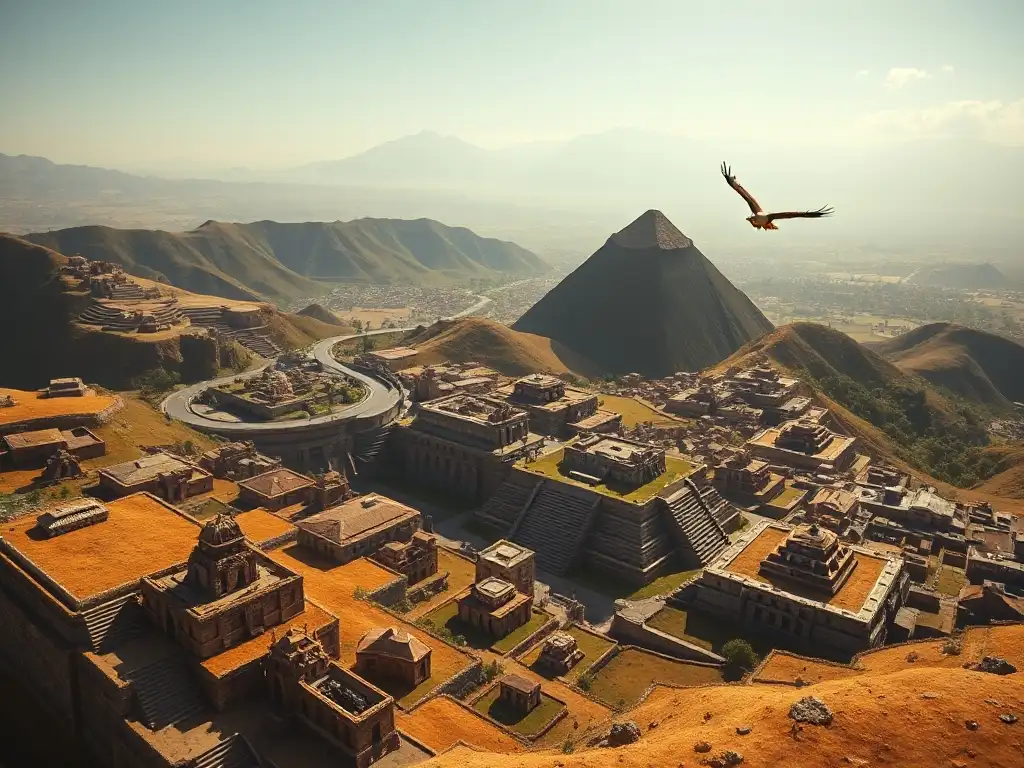
The Wari Empire's expansion wasn't solely driven by military might; it was significantly facilitated by sophisticated infrastructure and urban planning. This intricate network of roads, strategically placed administrative centers, and standardized architectural styles allowed for efficient control over a vast and diverse territory, leaving a lasting impact on the "Wari Empire expansion impact" on the Andean landscape. Analyzing these elements provides key insights into the empire's administrative capabilities and its overall success.
The Role of Wari Road Systems
Wari road systems played a crucial role in the empire's expansion and governance. These weren't simply trails; they were carefully engineered pathways, often paved and sometimes elevated, that crisscrossed the rugged Andean terrain. Their construction required considerable engineering expertise and a large mobilized workforce, showcasing the empire's impressive organizational skills.
The roads facilitated the rapid movement of troops, allowing for swift responses to rebellions or external threats. Equally important, they enabled efficient trade and communication across the empire. The transportation of goods, such as agricultural products, textiles, and precious metals, was significantly streamlined, contributing to economic integration and prosperity.
The strategic placement of waystations along these routes further indicates a well-planned system designed for both military and economic purposes. Evidence suggests the roads also facilitated the movement of people, potentially contributing to population shifts and the spread of Wari culture and administrative practices across the empire's vast extent. The precise extent and detailed layout of the Wari road network are still being uncovered through archaeological research, but existing evidence clearly points to their significance in the empire's success and longevity.
Wari Urban Centers: Administrative and Economic Hubs
The Wari Empire's expansion is inextricably linked to its development of urban centers. These weren't simply haphazard settlements; they were meticulously planned administrative and economic hubs, strategically located to control key resources and trade routes. The cities featured standardized architectural styles, including distinctive multi-room structures, often built with adobe bricks.
This uniformity suggests a centralized planning authority and a deliberate effort to project Wari power and authority across the conquered territories. These urban centers served as administrative capitals, housing officials, artisans, and religious specialists. They also functioned as vital economic nodes, facilitating the exchange of goods and services.
Markets within these cities provided a platform for trade between different regions, fostering economic integration and contributing to the empire's overall stability. The concentration of wealth and power in these centers, however, also likely contributed to social stratification and potential internal tensions, which may have played a role in the empire's eventual decline. Further research is needed to fully understand the social dynamics within these urban centers and their impact on the empire’s long-term stability.
Pikillaqta: A Major Wari Administrative Center
Pikillaqta, located near Cusco, stands as a prime example of a major Wari administrative center. Its impressive size and complex layout clearly demonstrate the empire's sophisticated urban planning capabilities. The site features a network of interconnected platforms, residential structures, and public spaces, all arranged according to a clear and organized plan. The architectural style is consistent with other Wari urban centers, further reinforcing the idea of a centralized administrative system.
Pikillaqta's strategic location, close to important agricultural lands and trade routes, suggests its importance as an economic hub. The presence of large storage facilities indicates the efficient management of resources within the empire. Archaeological evidence from Pikillaqta also suggests a diverse population, including artisans, farmers, and administrators, highlighting the complex social structure of the Wari Empire.
The sheer scale and complexity of Pikillaqta are a testament to the empire's power and its ability to mobilize resources for large-scale construction projects. The site continues to yield valuable information about Wari society, governance, and the "Wari Empire expansion impact" on regional development. Further excavations and analysis are crucial to fully understand its role in the empire's overall structure and its contribution to the Wari's lasting legacy.
The Decline of the Wari Empire
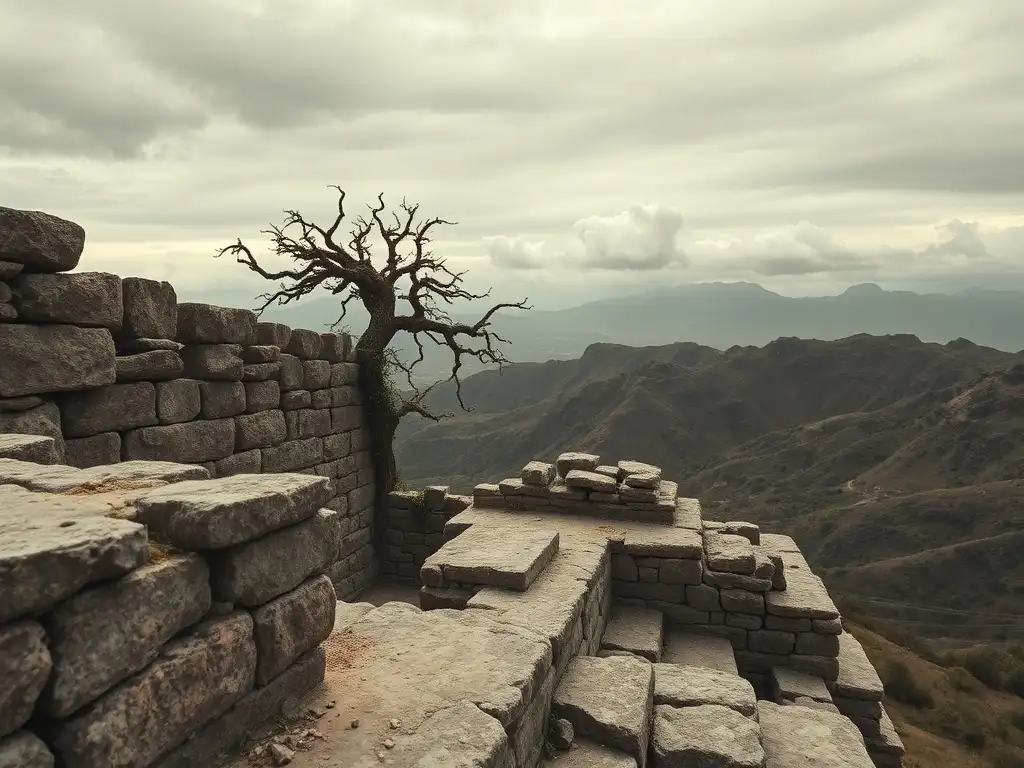
The Wari Empire, a powerful pre-Inca civilization that flourished in the Andes between the 6th and 10th centuries CE, experienced a significant decline that ultimately led to its fragmentation and eventual collapse. Understanding this decline is crucial to comprehending the subsequent rise of other Andean powers, including the Inca. While the exact causes remain a subject of ongoing research and debate among archaeologists and historians, several key factors contributed to the weakening and eventual downfall of this impressive empire. The Wari Empire expansion impact was substantial, yet its own internal vulnerabilities ultimately proved insurmountable.
Factors Leading to the Wari Collapse
Several interconnected factors contributed to the Wari Empire's decline. These weren't isolated events but rather a complex interplay of internal pressures and external challenges.
One significant factor was likely environmental stress. Evidence suggests periods of drought and climate change during the late Wari period. These shifts could have severely impacted agricultural production, a cornerstone of the empire's economic strength. Reduced food supplies would have led to social unrest and weakened the empire's ability to maintain control over its vast territory. The impact on the Wari Empire’s ability to sustain its population and its extensive infrastructure was undoubtedly substantial.
Another crucial element was internal political instability. The vast size of the empire likely presented challenges in maintaining effective governance and communication across such a geographically diverse region. This could have fostered the rise of regional power struggles and rebellions, weakening central authority. The absence of a clearly defined system of succession might have also contributed to internal conflicts and power vacuums. The Wari Empire expansion impact may have been a contributing factor to this instability, as managing such a large territory presented immense administrative challenges.
Furthermore, economic pressures played a significant role. Maintaining a sprawling empire required substantial resources. The Wari relied on a complex system of trade and tribute to support their administrative centers and military. The disruption of trade routes or a decline in the availability of resources could have created economic hardship, leading to social unrest and weakening the empire's ability to function effectively. The precise nature of these economic pressures requires further research, but it's clear that economic stability was vital to the empire's survival.
Finally, the potential impact of external pressures from neighboring groups cannot be overlooked. While the Wari were undoubtedly a formidable power, they weren't immune to external threats. The emergence of other powerful groups in the Andean region might have challenged Wari dominance, leading to conflicts that further weakened the empire. The exact nature and extent of these external pressures remain an area of active research, but it's likely they played a role in the empire's eventual decline.
The Legacy of the Wari Empire After its Fall
Despite its ultimate collapse, the Wari Empire left a lasting legacy on the Andean region. Its influence can be seen in the subsequent development of other Andean cultures, including the Inca. The Wari Empire expansion impact is evident in the widespread adoption of certain architectural styles, administrative practices, and technologies.
The Wari's sophisticated urban planning, for example, is reflected in the layout of later settlements. Their distinctive architectural features, such as monumental structures and intricate stonework, were adopted and adapted by subsequent cultures. Their advanced irrigation systems and agricultural techniques also contributed to the development of Andean agriculture. The Wari Empire's influence on pottery styles and artistic motifs is also significant, with many later cultures borrowing from Wari artistic traditions.
Moreover, the Wari Empire's administrative structures and techniques influenced later empires. Their centralized system of governance and their sophisticated methods of resource management provided a model for subsequent Andean states. While the Inca eventually surpassed the Wari in terms of territorial extent and political power, the groundwork laid by the Wari was undoubtedly crucial to the later development of Andean civilization.
The Wari Empire expansion impact extended far beyond its immediate existence, leaving an enduring mark on the cultural and political landscape of the Andes. The legacy of the Wari continues to shape our understanding of the complex and fascinating history of the Andean region.
Wari Empire Expansion Impact: A Precursor to the Inca
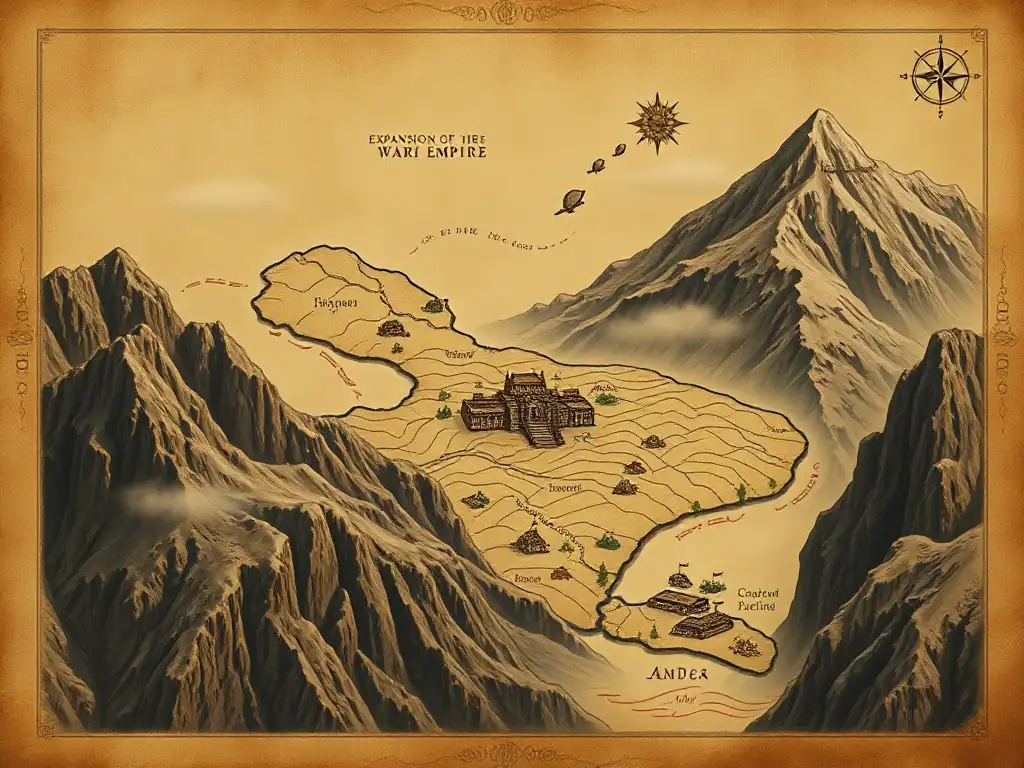
The Wari Empire's expansion, between the 6th and 10th centuries CE, significantly impacted the Andean region, leaving an indelible mark on subsequent civilizations, most notably the Inca. Understanding the Wari's influence is crucial to grasping the complexities of later Andean societies. The Wari expansion wasn't merely a conquest; it involved a complex interplay of military power, administrative strategies, and cultural exchange, laying the groundwork for future Andean empires.
This impact is evident in various aspects of Inca society, from political structures to infrastructural developments. The Wari Empire expansion impact is a testament to the enduring legacy of this pre-Inca power.
Connections and Differences Between Wari and Inca Civilizations
The Wari and Inca civilizations, while separated by time, share remarkable similarities and striking differences. Both empires controlled vast territories in the Andes, utilizing sophisticated administrative systems to manage their resources and populations. However, their approaches differed significantly. The Wari relied heavily on a network of strategically placed administrative centers, often located in fertile valleys, to exert control. These centers facilitated the flow of goods and information, but didn't necessarily impose a uniform culture. The Inca, on the other hand, implemented a more centralized system, with a highly standardized language (Quechua), religion, and administrative structure.
| Feature | Wari Empire | Inca Empire |
|---|---|---|
| Administrative Structure | Decentralized, network of regional centers | Highly centralized, direct imperial control |
| Urban Planning | Planned urban centers, but regional variation | Standardized urban planning, uniform design |
| Communication | Less emphasis on standardized communication | Highly standardized language (Quechua) |
| Control Method | Primarily through administrative centers and trade | Military conquest and direct administration |
The Wari's influence is apparent in the Inca's adoption of certain administrative techniques, such as the use of strategically located settlements for control. However, the Inca's centralized system represented a significant departure from the Wari's more decentralized approach. This difference highlights the evolution of Andean imperial strategies over time. Further research is needed to fully understand the nuances of this complex relationship, particularly in areas such as [specific information pending on comparative religious practices].
The Wari expansion profoundly influenced Andean political and social organization. Their administrative network fostered a degree of integration across previously disparate communities. The establishment of administrative centers facilitated the exchange of goods, ideas, and potentially even population movements. While the Wari didn't impose a completely unified culture, their presence spurred interactions and exchanges that led to increased regional interconnectedness.
This created a foundation upon which the Inca later built their vast empire. The Wari's impact on social stratification is less clear, but evidence suggests a complex hierarchical system, possibly reflected in the Inca's own social organization. Archaeological evidence indicates that the Wari employed various methods to control and manage their population, including [specific information pending on Wari labor organization and social control mechanisms].
This interconnectedness, fostered by the Wari expansion, is crucial to understanding the later success of the Inca. The Inca inherited a landscape already shaped by the Wari's political and economic influence. This established infrastructure simplified the Inca's task of consolidating power and extending their reach across the Andes.
The Wari's legacy is evident in the Inca's ability to build upon existing networks, adapting and modifying them to suit their own needs. The impact of the Wari Empire on the political and social organization of the Andes can be seen as a crucial stepping stone in the development of the Inca Empire.
Wari Influence on Inca Road Systems and Administration
The Inca road system, a marvel of engineering and logistics, is often cited as a testament to their administrative prowess. However, the Wari Empire also possessed a sophisticated road network, albeit less extensive than the Inca's. Evidence suggests that the Wari's road system, primarily focusing on connecting their administrative centers, influenced the Inca's later constructions.
The Wari's experience in building and maintaining roads across challenging terrain provided valuable lessons that the Inca likely adapted and expanded upon. The Wari road network facilitated trade and communication within their empire, and the Inca likely appreciated the strategic importance of such infrastructure for managing their vast territory.
The Inca's Qhapaq Ñan, or Great Inca Road, arguably built upon and expanded the existing routes established by earlier Andean cultures, including the Wari. While direct evidence linking specific Wari roads to Inca routes requires further investigation, [specific information pending on comparative analysis of road construction techniques and routes], the similarities in their strategic placement and functionality suggest a clear lineage.
The Wari’s experience in managing long-distance communication and transportation undoubtedly impacted the Inca's approach to road construction and administration. The impact of the Wari Empire on the Inca road system demonstrates the continuity of Andean engineering practices and administrative strategies across centuries.
The Inca road system, therefore, wasn't a completely novel creation but rather a refined and expanded version of pre-existing Andean infrastructure, significantly influenced by the Wari’s earlier achievements. The legacy of the Wari Empire's road network is a crucial aspect of understanding the development of the Inca's impressive infrastructural accomplishments.
Conclusion: The Enduring Legacy of the Wari Empire
The Wari Empire's expansion, a significant event in Andean prehistory, left an indelible mark on the cultural and political landscape of the central Andes. Its influence, though ultimately superseded by the Inca, resonates through centuries of subsequent Andean development. Understanding the Wari Empire expansion impact requires a nuanced approach, acknowledging both its successes and its eventual decline.
The sophisticated administrative structures, the widespread adoption of Wari-style pottery and architecture, and the enduring impact on agricultural practices all contribute to a complex picture of its legacy. The fall of the Wari Empire didn't signify an end to its influence; rather, it marked a transition, paving the way for the rise of other powerful Andean polities, including the Inca. The Wari Empire's story serves as a powerful reminder of the dynamism and complexity of Andean civilization.
Summarizing the Wari Empire's Significance
The Wari Empire's significance lies not solely in its geographical reach, but in its innovative administrative and technological achievements. Their ability to control a vast and diverse territory, encompassing challenging terrains and diverse populations, speaks volumes about their organizational prowess. Evidence suggests a highly centralized system, with standardized weights and measures, possibly indicating a sophisticated economic system.
The construction of monumental architecture, such as the impressive urban centers at Wari itself and other regional capitals, points to a highly organized workforce and advanced engineering skills. Furthermore, the standardization of pottery styles across vast distances suggests a powerful mechanism for cultural integration and control. The Wari Empire expansion impact is clearly visible in the widespread adoption of their distinctive pottery styles, even in regions far from the empire's core.
This cultural diffusion, arguably a key element of their imperial strategy, solidified their influence and left a lasting imprint on subsequent Andean cultures. Their agricultural innovations, perhaps including improved irrigation techniques, also contributed to the long-term sustainability of Andean societies.
Reflecting on the Wari Empire's Contribution to Andean History
The Wari Empire's contribution to Andean history is multifaceted. It represents a crucial stage in the development of complex state formations in the region, demonstrating the capacity for large-scale political organization and centralized control long before the Inca. The Wari Empire expansion impact is evident in the subsequent development of other Andean empires. Many scholars argue that the Inca learned from and built upon the administrative and infrastructural achievements of the Wari.
The Inca's own sophisticated road network, for example, may have been influenced by earlier Wari road systems, although further research is needed to confirm this hypothesis. The Wari's legacy extends beyond mere political and administrative innovations. Their artistic achievements, reflected in their distinctive pottery and intricate textiles, continue to fascinate and inspire. Their urban planning, though still being deciphered, offers valuable insights into the social and economic organization of a complex pre-Columbian society.
The study of the Wari Empire provides a crucial lens through which to understand the broader trajectory of Andean civilization, highlighting the continuous interplay between innovation, adaptation, and collapse in the shaping of this remarkable region's history. The Wari Empire's story is one of both remarkable achievement and eventual decline—a powerful testament to the cyclical nature of power and influence in the Andes. Understanding this cycle is key to comprehending the "Wari Empire expansion impact" and its enduring legacy.
Frequently Asked Questions
What was the geographic extent of the Wari Empire's expansion?
The Wari Empire's expansion was significant, reaching across much of the central Andes. Their influence extended from the coastal deserts to the highlands, impacting a vast area and diverse populations.
How did the Wari expansion impact existing Andean societies?
The Wari expansion led to significant changes in existing Andean societies. This included the adoption of Wari administrative systems, religious practices, and architectural styles, often leading to cultural blending.
What were the key factors contributing to the Wari Empire's expansion?
Several factors contributed to the Wari's success, including their advanced military capabilities, effective administrative strategies, and the development of efficient infrastructure, such as roads and storage facilities.
What was the long-term impact of the Wari Empire's collapse on the Andes?
The collapse of the Wari Empire created a power vacuum in the Andes, ultimately paving the way for the rise of new regional powers, including the later Inca Empire. The legacy of Wari influence, however, remained.
How did the Wari Empire's expansion affect Andean art and architecture?
Wari expansion resulted in a standardization of certain architectural and artistic styles across their vast territory. Characteristic Wari designs in pottery and building construction spread widely, influencing the artistic traditions of conquered and allied groups.
Final Reflection: The Enduring Legacy of Wari Expansion
The Wari Empire's sophisticated administrative and infrastructural achievements weren't merely historical events; they represent a blueprint for large-scale societal organization that continues to resonate in the Andes today. The echoes of their expansive road networks, meticulously planned urban centers, and standardized pottery styles serve as a powerful reminder of the ingenuity and ambition of a civilization that shaped the very landscape of the Peruvian highlands.
The Wari's influence extends far beyond the physical remnants of their empire. Their impact on Andean social structures, agricultural practices, and artistic expression continues to be debated and reinterpreted by scholars, revealing new layers of complexity with each discovery. The Wari were not simply conquerors, but architects of a new Andean world, integrating diverse populations and forging a shared cultural identity.
This quote highlights the enduring power of their legacy, a legacy that continues to shape our understanding of pre-Columbian South America and the processes of state formation in complex societies. The ongoing archaeological work and anthropological studies are crucial in unraveling the full extent of their influence.
Consider the implications of the Wari's achievements. Their innovative approaches to urban planning, resource management, and communication laid the groundwork for future Andean civilizations. You, the reader, are invited to reflect on the parallels between the challenges faced by the Wari and those we confront today. How can we learn from their successes and failures in building sustainable societies and managing complex systems? Let the story of the Wari inspire you to explore the enduring power of human ingenuity and the importance of understanding our shared history to build a better future.
Unveil the Legacy of the Wari Empire!
Thank you for exploring the fascinating world of the Wari. Your interest in this remarkable pre-Incan civilization underscores its profound influence on Andean culture. Let's delve deeper!
Here are some ways to connect more deeply with the Wari legacy:
- Visit local museums or explore online exhibits focusing on pre-Incan civilizations to learn more about the Wari.
- Share this article with friends and family to spark conversations about the Wari's impact on modern Andean cultures.
- Join an online forum or community dedicated to Andean history to discuss, research, and learn alongside fellow enthusiasts.
What aspect of the Wari Empire's influence most intrigues you, and how do you believe it shapes our understanding of Andean civilizations today?